Skip to content
Details

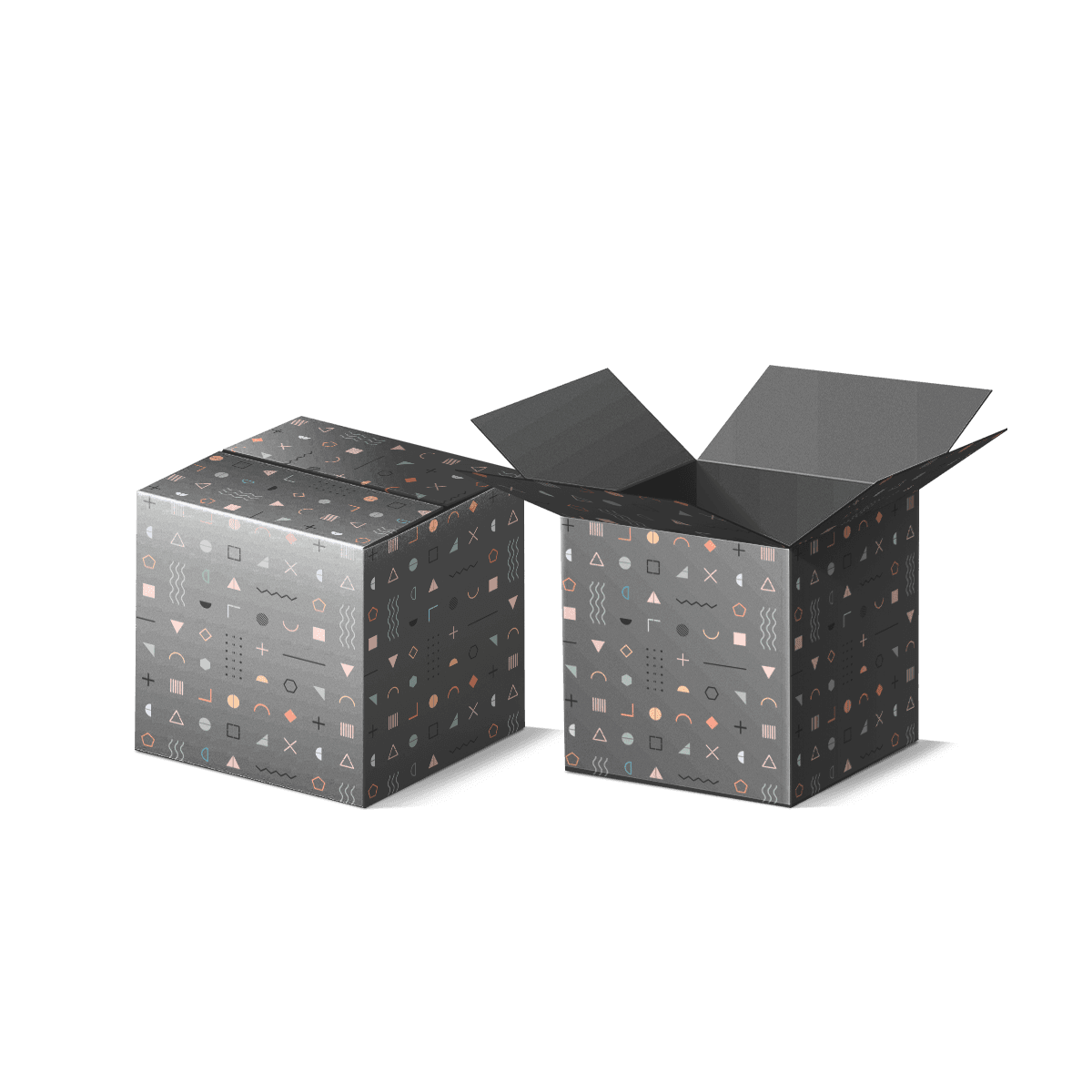
Custom Operations Supply Boxes

Recurring-use packaging for industrial consumables that need controlled issue quantities, clear identification and predictable replenishment across stockrooms and work areas.

The Refill Cycle Comes First

The refill cycle should determine Custom Operations Supply Boxes before outside dimensions do. The packaging should be designed around how fast the contents are consumed and how they move from central stock to the people using them.

That makes them different from packaging for a replacement part or a one-time maintenance set. Operations supplies are consumed repeatedly. The packaging may hold shop towels, cable ties, abrasive products, tapes, disposable accessories, small hardware, maintenance consumables or other routine items needed to keep work moving.

For MRO packaging, the important question is often not simply “How many fit in a box?” It is “How much stock should this work area receive before the next refill?”

A package holding a month's usage may be efficient in a central storeroom but inconvenient beside a workstation. A tiny pack may be easy to handle while creating unnecessary replenishment work.

The useful unit is therefore the refill quantity.

Once that quantity is known, box dimensions, access style, label position and master-case packing can be designed around the operating cycle instead of around the largest carton that fits on a shelf.
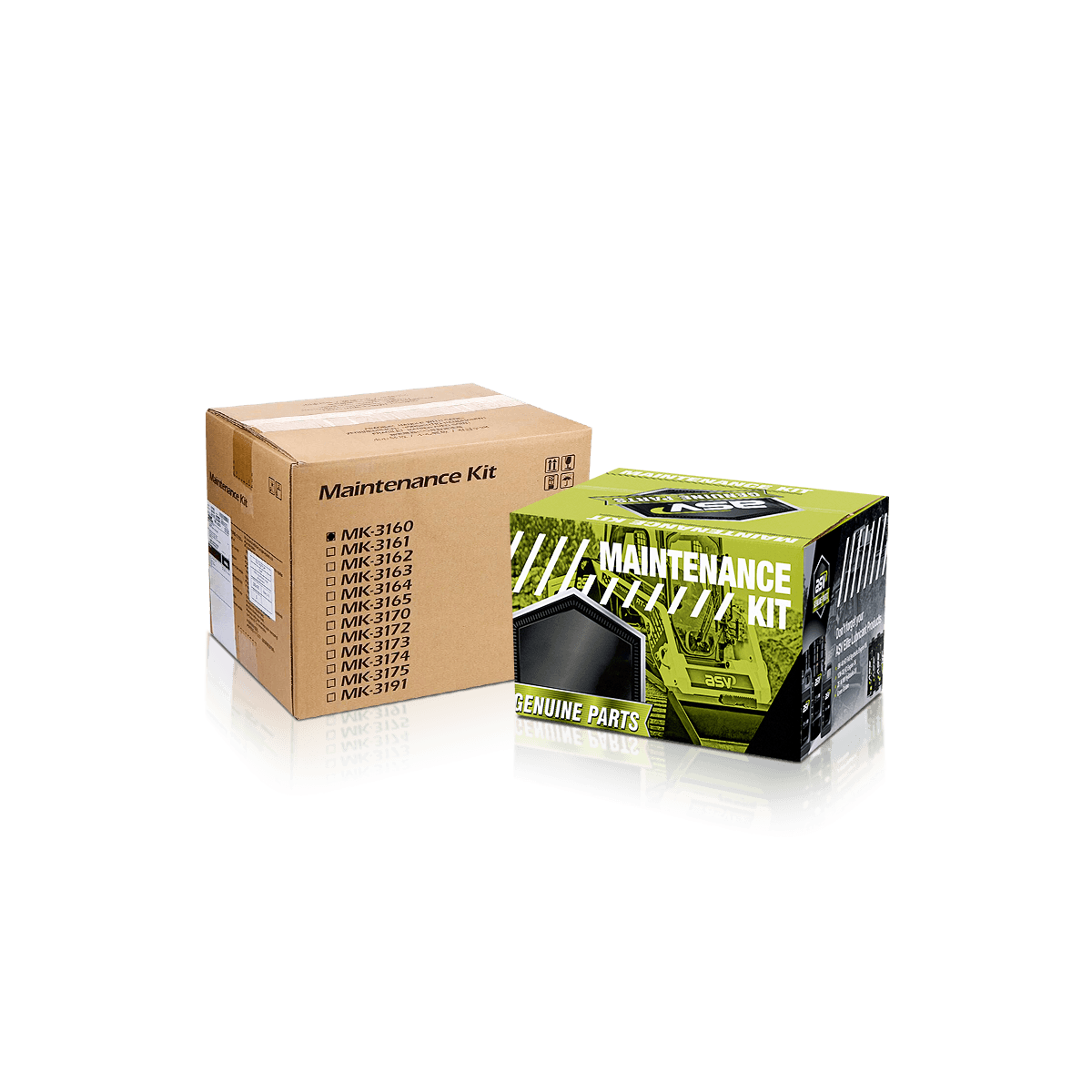
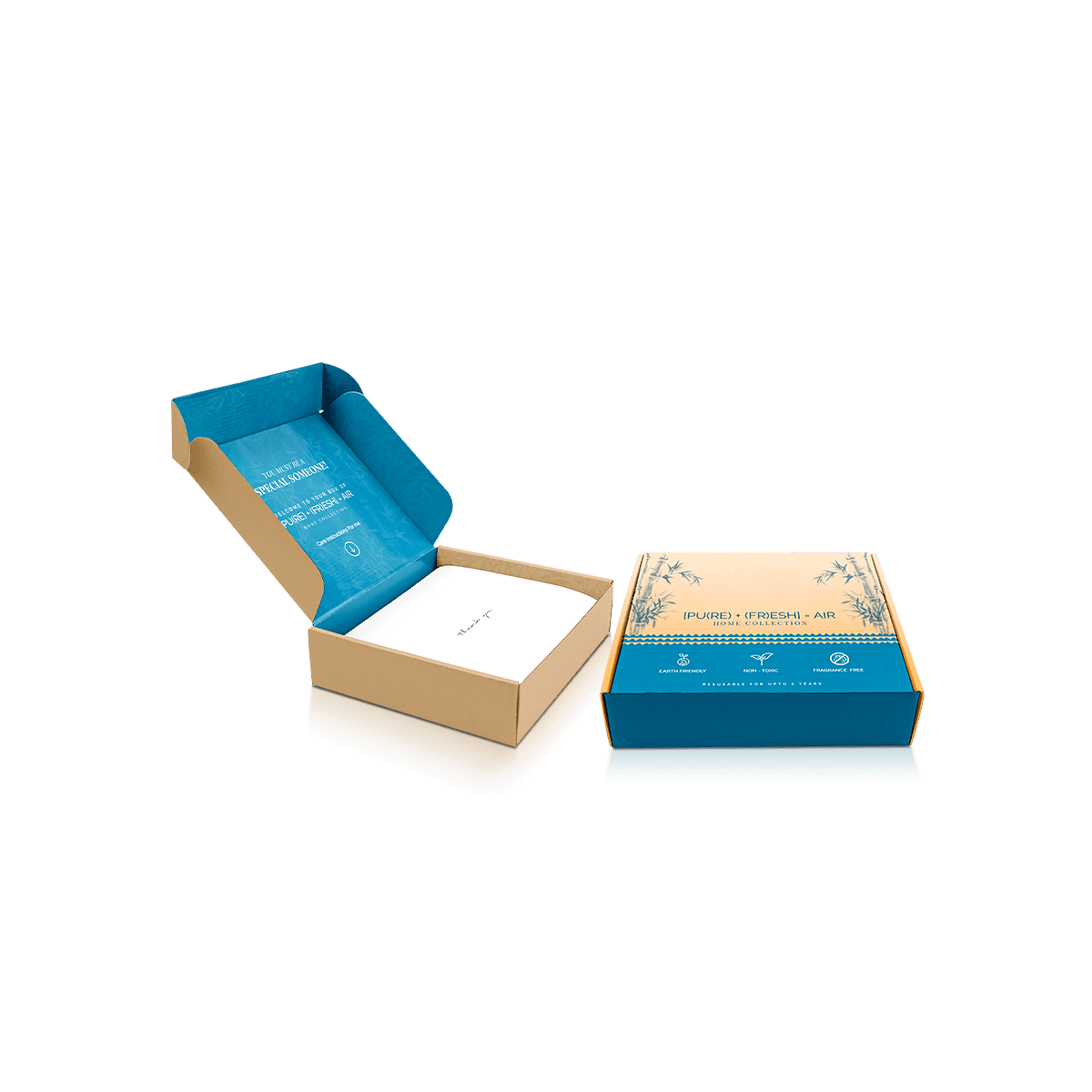
Issue Quantity Sets the Pack

One Operations Supply Box should normally correspond to a sensible issue quantity: the amount handed to a department, workstation, maintenance crib or service team at one time.

That amount may be different from the supplier's purchasing quantity.

A facility might purchase 2,000 pieces of a consumable but issue only 200 to each work area. Packaging all 2,000 in one carton may reduce the number of outer boxes while creating repeated counting, repacking and handling after receiving.

Smaller controlled packs can shift some of that work upstream.

Central Stock

Central inventory can hold larger quantities because access is controlled and replenishment is managed from one location.

The pack can prioritize stacking, identification and efficient use of shelf or pallet space.

Workstation Stock

Point-of-use quantities should fit the physical work area and the consumption period.

A package that blocks a workbench, projects beyond shelving or contains six months of stock may be operationally worse than a smaller refill carton.

Field Supply

Service vehicles and mobile teams introduce another constraint: the pack must fit cabinets, drawers or assigned vehicle space.

The same consumable may therefore justify different pack quantities for a central stockroom and a mobile team even when the item itself never changes.

Partial Depletion Changes Access

Operations Supply Boxes spend much of their working life partly empty.

That matters because the box should remain usable after the top layer has disappeared.

A tall carton filled with lightweight consumables can seem efficient when full. Once half the contents are gone, workers may have to reach deeply into the box, tip it forward or remove it from the shelf.

For frequently picked stock, Bin Boxes can put the access opening directly at the shelf face.

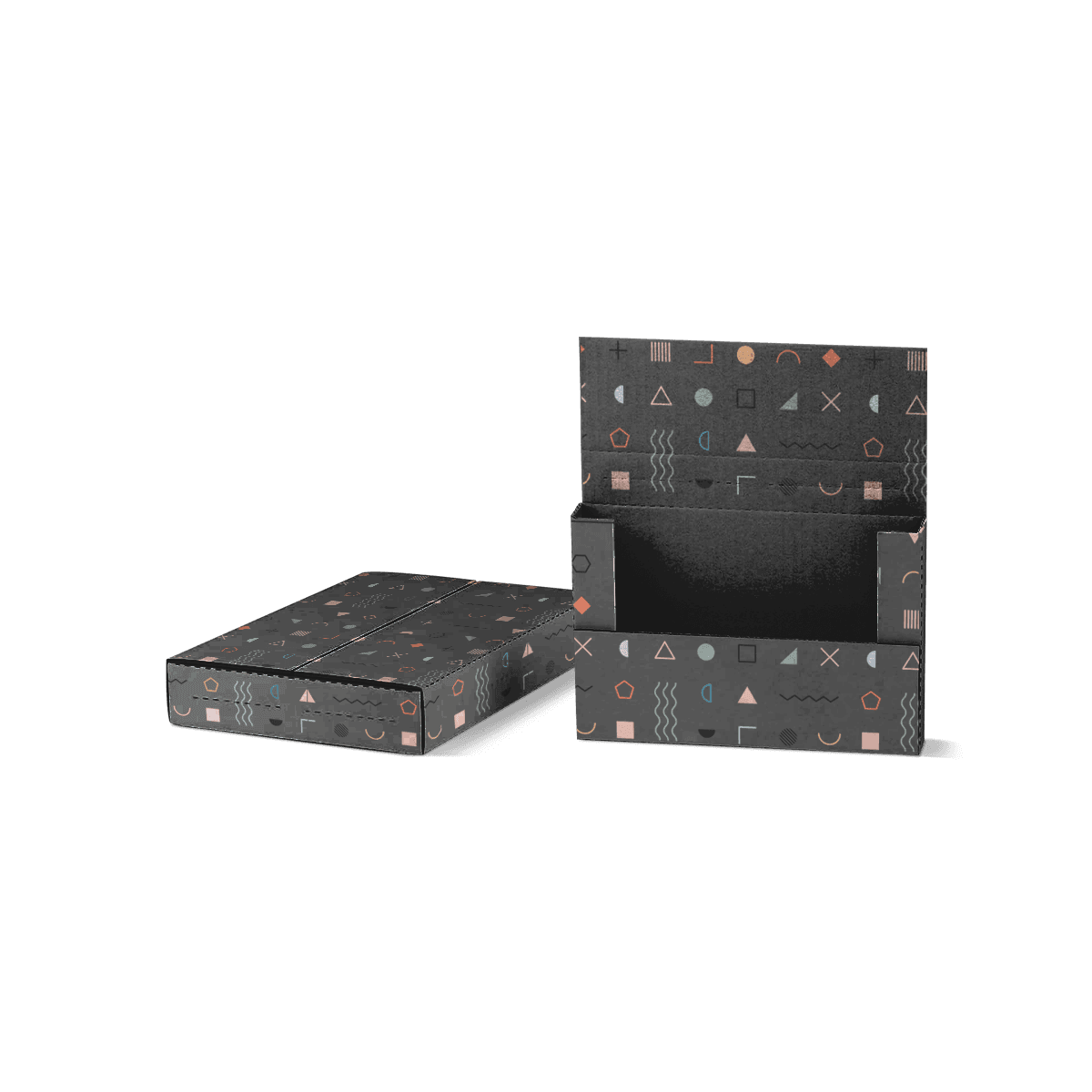
Operations Supply Boxes can take another route. A removable top, perforated dispensing opening, lowered access panel or conventional lid may suit different consumption patterns.

The correct opening depends on the item.

Small bagged components may work through a front dispensing opening. Flat abrasive sheets may need full top access. Rolled or irregular items may need a lid that opens completely so the contents do not snag against a narrow aperture.

The design should follow the actual hand movement used to take the supply.

Dispensing Changes Carton Strength

Turning a closed carton into a dispenser removes board from the structure.

A perforated front panel or tear-away opening can make daily access faster, but the remaining walls still need enough stiffness to hold their shape as inventory falls.

The opening should therefore be considered part of the structural design rather than an afterthought cut into an ordinary box.

Opening Height

A low opening exposes more contents but can allow small items to spill forward.

A high opening retains stock but can become awkward when only a few pieces remain.

Tear Behavior

Perforations should open where intended without ripping deeply into the supporting side wall.

A physical sample can answer this more reliably than artwork alone when the dispensing feature carries structural load.

Repeated opening, access and handling can be evaluated using the same practical logic applied in custom packaging testing.

Remaining Wall Area

The carton should still stand square after the dispensing panel is removed.

If the opening consumes most of the front face, stronger side walls or another structural arrangement may be needed to prevent the box from spreading under load.

Consumables Are Not Spare Parts

Routine operations supplies and repair parts may sit in the same stockroom but behave differently.

A repair component can remain untouched for months until a machine needs it. A consumable may be issued every shift.

Repair Parts Boxes suit identifiable replacement components whose fit, vulnerable surfaces and service handoff dominate the packaging decision.

Operations Supply Boxes should instead support predictable depletion.

That can affect:

  • pack count
  • opening style
  • label hierarchy
  • replenishment trigger
  • storage footprint
  • master-case quantity
  • packaging SKU count

The difference becomes especially important when an operation tries to force both slow-moving critical spares and high-use consumables into one packaging system.

They may use the same board, but they should not automatically use the same box logic.

Mixed Supplies Need Boundaries

Some departments receive several operating supplies together even though those items are consumed independently.

Combining them can reduce handoffs, but only when the interior does not turn into a loose mixed carton.

For example, a work area might receive cleaning wipes, cable ties and two sizes of small hardware in one departmental replenishment pack. If everything is dumped into one cavity, the smallest items can migrate under larger packs and the contents become harder to count.

A partitioned layout can keep each supply type identifiable.

The number of compartments should follow the consumption split rather than equal dimensions.

If one item is used daily while another lasts several weeks, allocating identical space to each wastes capacity.

Divider Boxes make sense when maintaining separation is the primary interior job.

A scheduled-service assortment is different. Maintenance Kit Boxes group components around one defined maintenance event rather than ongoing consumption.

Labels Should Trigger Action

Operations-supply printing should help people refill, issue and identify stock.

The front-facing panel may need space for:

  • supply name
  • item or SKU number
  • pack quantity
  • department or workstation
  • barcode or QR code where used
  • lot or date fields when the operation requires them
  • unit of issue
  • storage location
  • reorder signal

The strongest visual hierarchy depends on who handles the box.

A storeroom picker may need a large item number and location code. A workstation user may care more about the plain-language name and quantity. A receiving team may need case count and purchase identification.

Those requirements can coexist, but every panel does not need every field.

A large human-readable identifier also matters when similar cartons are stacked side by side. Barcode scanning can improve system control, but packaging should not become visually unreadable without a scanner.

Color coding can reinforce departments or supply groups, provided the written identifier remains clear.

Replenishment Needs a Visible Cue

An Operations Supply Box can help show when stock has reached the point where another pack should be requested.

The cue does not have to be sophisticated.

A printed line inside a dispenser, a two-zone interior, a clearly defined reserve quantity or a simple change in visible panel area can support an existing replenishment process.

The packaging should not invent inventory policy by itself. Reorder levels still need to come from actual usage, lead time and the facility's stock rules.

But once an organization has established a replenishment point, the carton can make that point easier to recognize.

This is especially helpful for supplies that are hard to count quickly.

A box of 300 loose consumables does not need an exact count every time someone walks past it if the packaging can make “nearly empty” obvious enough to trigger the existing refill process.

The result is less about sophisticated graphics and more about turning the physical box into a readable inventory state.

Master Cases Carry the Volume

The point-of-use pack does not have to carry the full distribution load.

Several smaller Operations Supply Boxes can travel inside one corrugated shipping box when the inner cartons are intended for departments, shelves or workstations.

This creates two packaging jobs.

The master case handles stacking, palletization, freight or parcel movement.

The inner pack handles identification, issuing and daily access.

That separation can be more practical than building every point-of-use carton as a heavy shipper.

It also creates a natural case quantity. If one inner box represents one week's usage for a workstation, a master carton containing four inner packs can represent roughly four issue cycles without workers opening bulk loose stock.

The exact count should come from actual demand, not from a convenient number of cartons that happens to fit.

Fewer Sizes Can Win

Operations supplies can create packaging SKU sprawl because many consumables differ slightly in size or count.

Custom sizing every item sounds efficient until the storeroom must manage dozens of nearly identical packaging specifications.

Some standardization can be worth a small amount of unused space.

Suppose twelve consumable SKUs can be handled with three carton footprints instead of twelve. Purchasing becomes easier, storage locations become more predictable and replacement packaging is less likely to be picked incorrectly.

The compromise fails when one common carton leaves a small product swimming in empty space or forces an awkward issue quantity simply to preserve box standardization.

Packaging that is not ready to scale becomes harder to manage as packaging SKUs, stock locations and repeat specifications multiply.

A better approach is to group supplies by compatible footprint and consumption behavior, then create the smallest sensible box set that still works physically.

Standardize intelligently, not universally.

Quantity Follows Consumption

Operations packaging is usually a repeat-purchase item, so the production quantity should be connected to actual consumption.

The cheapest unit price is not automatically the lowest operating cost if a very large packaging run occupies excessive warehouse space or remains unused after an item code changes.

The mechanics behind custom box quantity and MOQ pricing matter once the carton specification becomes stable.

Custom Packly's USA MOQ starts from 100 boxes. A lower initial quantity can make sense while a new issue size or dispenser structure is being validated.

Once usage becomes predictable, a larger production run may improve unit economics. Warehousing and scheduled deliveries can support recurring programs when producing more at once makes sense but receiving the entire quantity at one time does not.

That supply model is particularly relevant when several departments use the same carton on different replenishment schedules.

Dry Industrial Use Has Limits

Paperboard and corrugated Operations Supply Boxes are strongest in dry stockrooms, controlled production areas, service departments and workspaces where the carton is not routinely exposed to liquids or aggressive contamination.

They should not be treated as universal permanent industrial containers.

Metal or reusable plastic systems may be more suitable for repeated washdown, persistent oil exposure, outdoor storage or very long service life.

The consumable itself also matters.

Products with verified barrier, hazardous-material, chemical or regulatory packaging requirements need the correct primary or protective packaging. A corrugated outer box does not create those properties by itself.

For reusable closed storage rather than issue-and-consume packaging, Cardboard Storage Boxes shift the focus toward enclosed holding and stack organization.

Choosing the paper format where it actually works prevents unnecessary overbuilding.

Multi-Site Supply Needs Standards

A company supplying several branches, workshops or facilities can gain more from a controlled packaging system than from optimizing each location independently.

Common carton footprints can simplify purchasing and pallet planning. Shared print architecture can keep item numbers, quantities and branch fields in predictable positions. Variant artwork can then distinguish the exact supply without redesigning the structure every time.

Custom packaging for large businesses can support programs where multiple SKUs, locations and recurring orders need coordinated specifications.

The most important standard is not visual consistency for its own sake.

It is operational consistency.

A warehouse employee moving from one site to another should not need to relearn where the item code appears or how the dispenser opens if the same supply program is used across both facilities.

At the same time, different consumption rates should remain visible. A branch using one carton per month should not be forced into the same release schedule as a plant consuming ten per week.

Turn Usage Into a Box Spec

The strongest pricing input for Operations Supply Boxes is an operating profile rather than a product dimension alone.

Record:

  • supply type
  • individual item dimensions
  • count per issue pack
  • full packed weight
  • consumption per week or month
  • central-stock or point-of-use role
  • shelf, cabinet or workstation space
  • preferred top, front or dispensing access
  • number of printed SKUs
  • label and barcode fields
  • master-case quantity
  • estimated annual box usage
  • separate site or department requirements

Free design and dieline support can turn those inputs into a structure, and free 3D mockups can show how the opening and printed identification are expected to work.

US production and free shipping support domestic orders. Standard turnaround is 4–6 days after final specifications and artwork approval, while more complex constructions or specialty requirements can take additional time.

Price the actual carton variants and expected production quantity after the issue quantity and structure are settled.

The Empty Carton Has a Job

An empty Operations Supply Box can be more informative than a partly used bulk carton.

If one box represents one controlled issue quantity, its depletion can signal that the work area has consumed a known amount. The empty pack can be removed, replaced and, where the operating system requires it, used as a simple physical replenishment cue.

That is different from permanent parts storage, where the container may remain on the shelf while stock is repeatedly topped up.

The distinction changes the packaging philosophy.

Operations Supply Boxes can be treated as controlled refill units. Their size, count, label and opening all support a recurring movement from central stock to point of use.

The carton is therefore doing more than containing consumables. It gives a repeatable physical shape to the replenishment cycle.

FAQs

They are often used for gloves, wipes, labels, tapes, fittings, small hardware, cleaning supplies and other routine-use items that need grouped storage and repeatable distribution.

Operations Supply Boxes are better when supplies need closed containment, shipment between locations or cleaner stacked storage. Bin Boxes make more sense for open-front shelf access where staff pick from the container repeatedly throughout the day.

Yes. They work well for scheduled replenishment because they keep quantities grouped, labels visible and handling more consistent from one facility or department to the next.

The most useful setup usually places key information on the front and top panels so teams can identify the pack while it is stacked, shelved or moving through a cart or pallet flow.

Stronger board becomes worth it when the contents are denser, the box is handled often or the load will be stacked for longer periods. Lighter consumables may work in standard corrugated while multi-item supply assortments often benefit from added rigidity.

Process

How it works

Your Packaging Journey, From Idea to Production and Delivery

01

Tell Us Your Specs

Custom packaging boxes

Tell Us Your Specs

Provide size, quantity, printing, and finishes.

02

Get a Fast Quote

Custom packaging boxes

Get a Fast Quote

Instant transparent pricing, no hidden fees.

03

Design and Approval

Custom packaging boxes

Design and Approval

Artwork checks, revisions, and final sign-off.

04

Produce

Custom packaging boxes

Produce

Expert manufacturing to meet deadlines.

05

Ship to Your Door

Custom packaging boxes

Ship to Your Door

Hassle-free, flexible delivery options.

Get Your Quote for Custom Operations Supply Boxes

Share your product details, size, quantity and artwork needs. We’ll help choose the right packaging style and send a clear quote.