Skip to content
Details

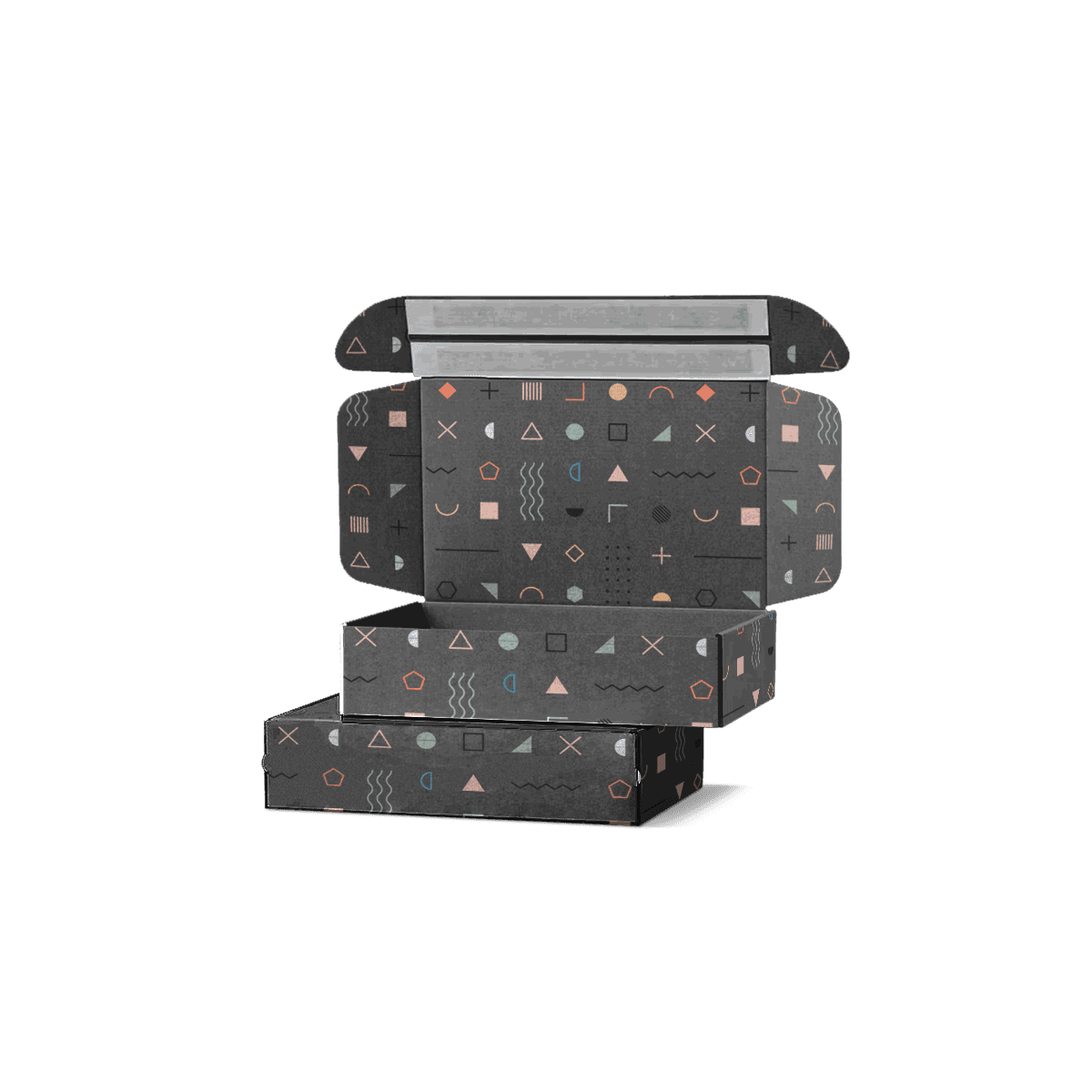
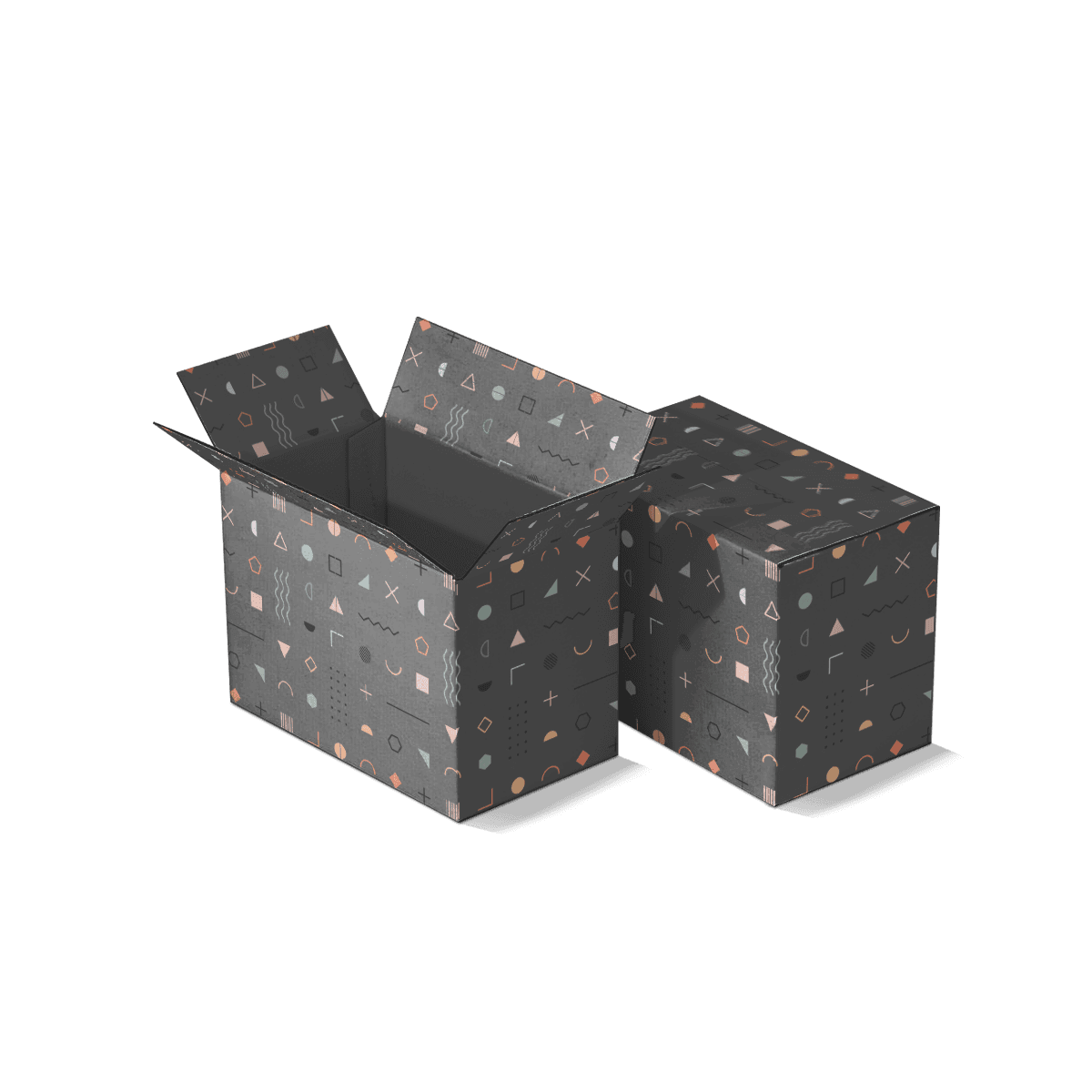
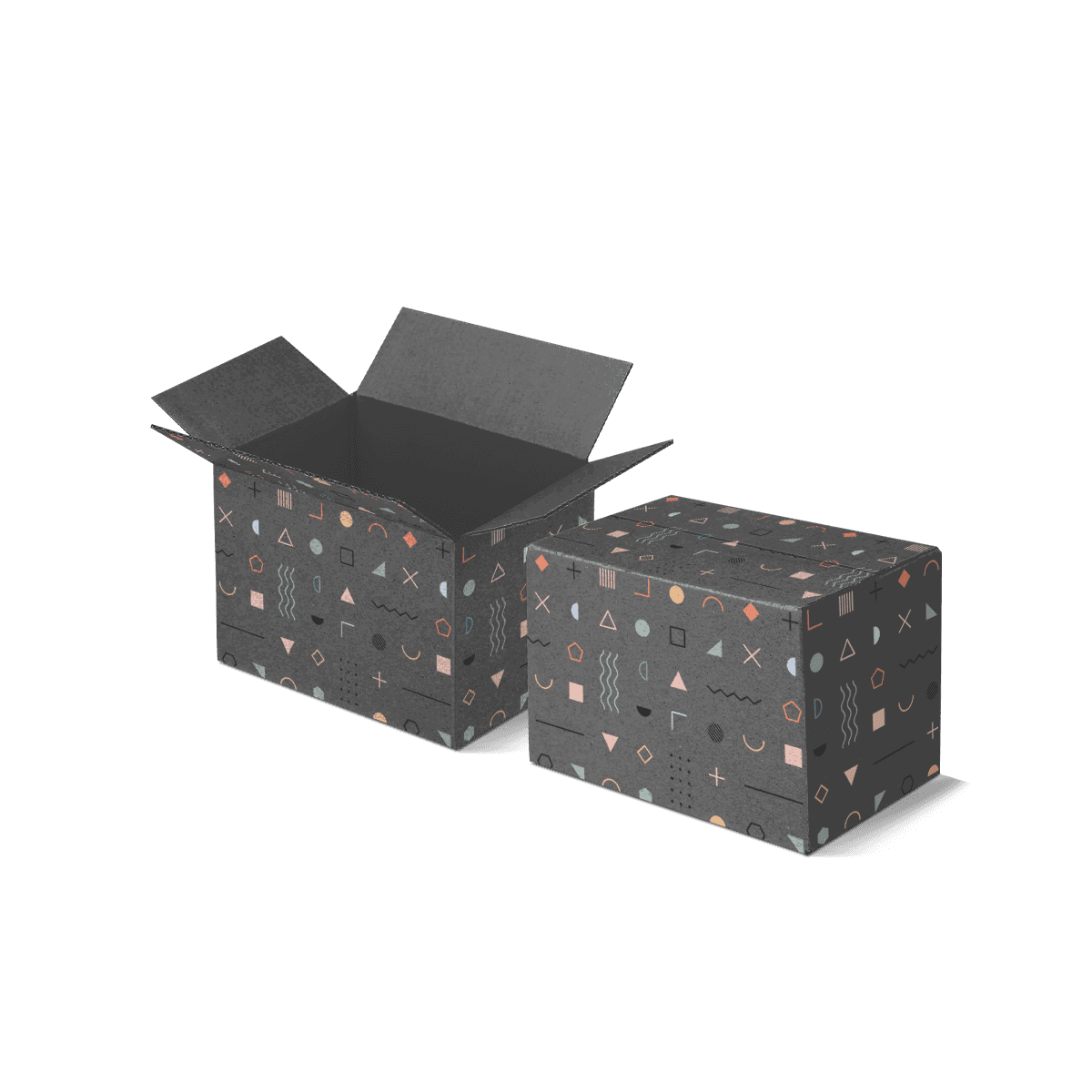
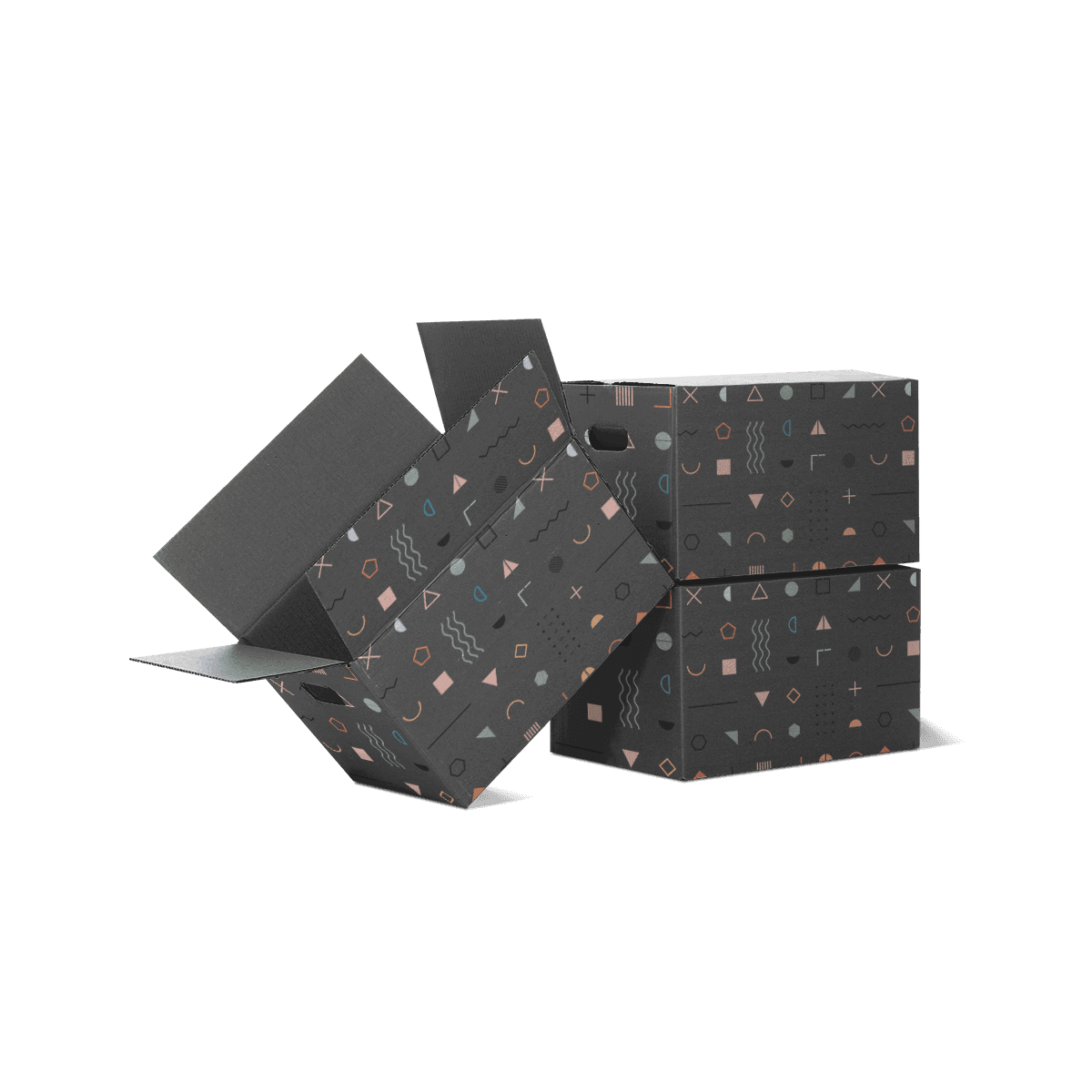
Custom Corrugated Shipping Boxes

Made-to-order corrugated shippers that combine product fit, board strength, closure, internal support and print into one repeatable shipping specification.

Fix the Stock-Box Compromise

A stock carton often forces the shipment to adapt to the box. The footprint is slightly too large, the depth is wrong, filler takes up the difference and tape is added until the packed order feels secure.

Custom Corrugated Shipping Boxes reverse that process. The shipper is specified around the product, packed weight, distribution route and way the fulfillment team actually works.

That control can change several parts of the shipment at once. Dimensions can move closer to the packed product. Board construction can match the load instead of being unnecessarily heavy. Inserts can control vulnerable components. The closure can suit the packing line. Branding can occupy panels that remain visible after shipping labels and tape are applied.

The Shipping Boxes structure still has one primary responsibility: move the order through storage, handling and delivery safely.

Customization is valuable when it improves that job rather than merely making the carton different from a stock box.
Measure the Packed Product

Custom dimensions should come from the shipment in its finished packing state.

That is not always the same as measuring the product itself.

A retail carton may sit around the product. A fragile component may need clearance for corrugated pads. A kit may include a charger, manual or accessory beside the main item. A bottle may need a divider between adjacent units.

Measure that complete arrangement.

Internal Space Comes First

Begin with the space the packed contents actually need inside the box.

Too little clearance creates friction during loading and can transfer outside pressure directly into the product. Too much clearance allows movement and creates space that has to be controlled later.

A custom shipper should remove unnecessary void without becoming difficult to pack.

For products where the exact item and support system need to determine the dimensions, custom product packaging keeps sizing tied to the complete pack rather than a nominal product measurement.

Board Thickness Changes the Outside

Corrugated material occupies space.

Changing flute or wall construction can alter the finished external dimensions even when the internal target remains the same. That matters when parcel size, shelf spacing, pallet patterns or warehouse storage are sensitive to the outside measurement.

Do not finalize the external footprint independently from the board construction.

Choose the Structure by Stress

Custom corrugated does not mean one universal box style.

The shipment may need a straightforward slotted carton, stronger overlapping flaps, die-cut geometry, adhesive closure or another shipping structure. The right choice depends on where the load and handling stress occur.

Straightforward Loads

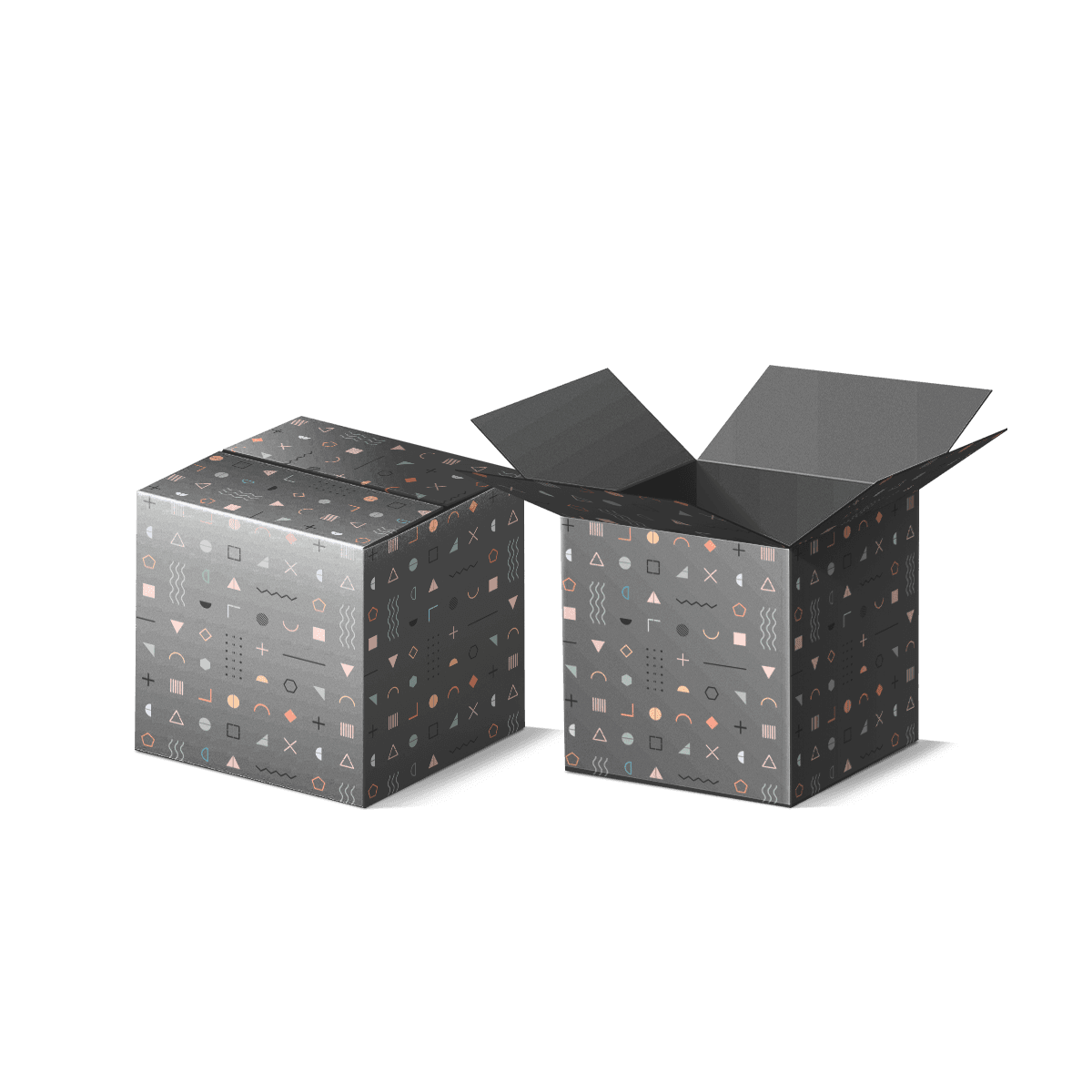
A Regular Slotted Container can be highly effective when the product has a regular footprint, tape closure is practical and the carton does not need specialized internal geometry.

Custom sizing alone can remove much of the wasted space associated with stock RSC cartons.

Higher Shipping Demand

Denser products, higher stacking pressure or tougher distribution can require a stronger specification.

Heavy-Duty Shipping Boxes become more relevant when the complete shipment pushes beyond routine corrugated duty.

The upgrade should respond to a defined load problem rather than a general preference for thicker material.

Product-Led Geometry

An awkward product, kit or multi-part shipment may need shaped panels or integrated retention.

Die-Cut Shipping Boxes can move the structure closer to the contents through engineered cuts, tabs and folds.

Custom corrugated shipping is therefore broader than one construction. The custom specification decides which structure earns its place.

Put Strength Where It Matters

A stronger carton is useful only when the strength addresses the real failure point.

Some shipments need better vertical compression for stacking. Others need puncture resistance around a projecting component. Dense products can put pressure on the base. Large panels may flex even when the contents themselves are not particularly heavy.

Board construction should respond to those conditions.

Single-wall corrugated can handle many everyday shipments. Double-wall construction can make sense when packed weight, stacking or rougher handling raises the structural demand. Flute choice also affects board depth, stiffness and print surface.

The material decision should remain connected to the final box dimensions because panel length and box proportions influence how the board behaves.

Reducing shipping damage through better structure and fit starts by identifying the physical problem instead of automatically adding more material.

If the stock carton failed because the product moved six inches inside it, stronger walls alone will not solve the shipment.

Control the Product Before Adding Filler

Custom sizing reduces empty space. It does not guarantee that the contents will remain stable.

A multi-item shipment can still shift even inside a reasonably tight outer carton. Bottles can collide. Boxed components can rotate. A heavy item can migrate toward one side and change how the carton carries its load.

That is where internal support becomes part of the shipping specification.

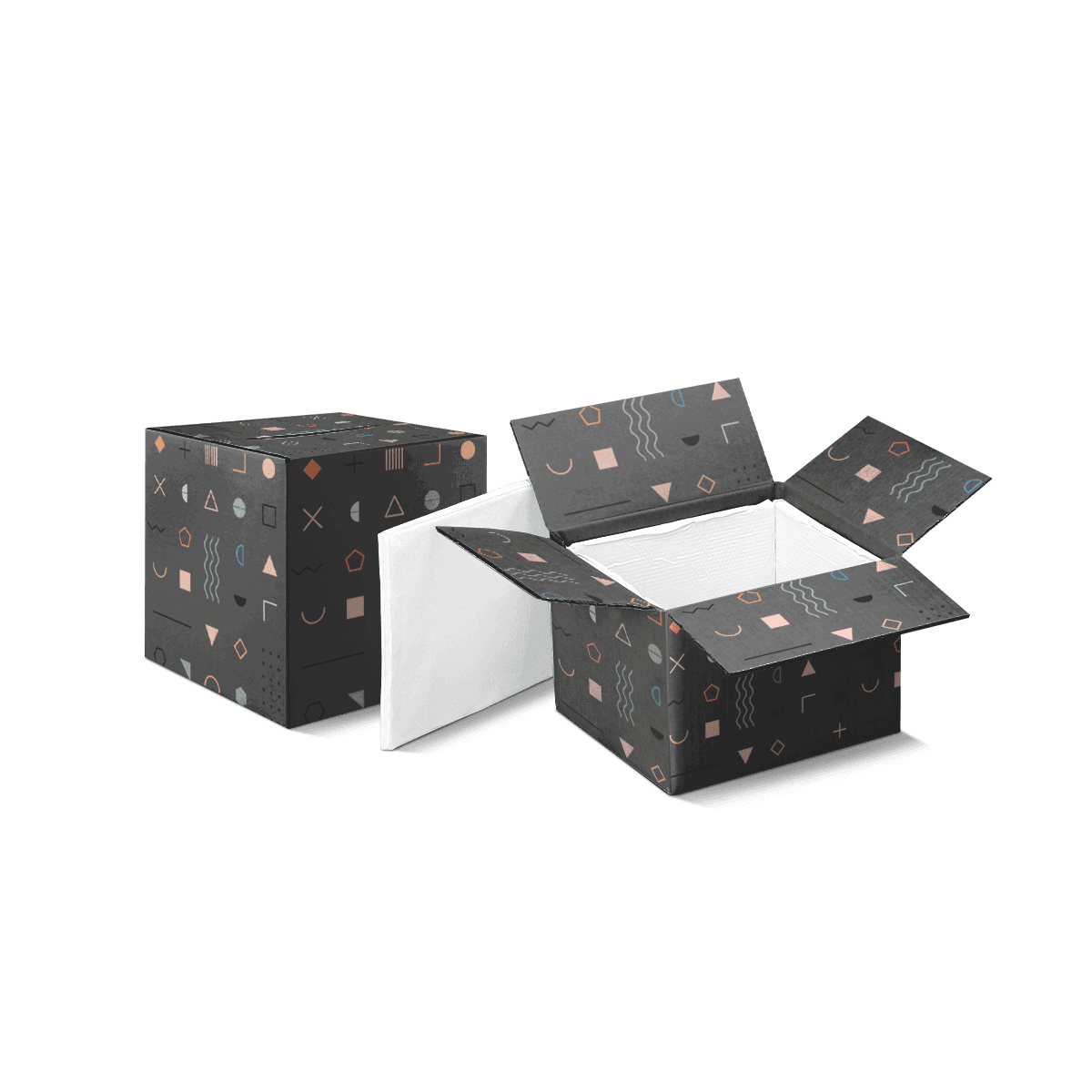
Corrugated pads can create layers or protect a pressure-sensitive face. Dividers can separate repeated units. Paperboard partitions can organize lighter components. Fitted corrugated structures can position a larger item without surrounding it with loose cushioning.

A custom shipper for a replacement-parts kit illustrates the difference.

The order contains a compact metal component, two smaller fittings and instructions. A stock carton requires loose wrap around every part because the three items collect in one corner during handling.

A custom corrugated shipper can tighten the footprint, place the metal component against a reinforced support area and separate the smaller fittings with one simple divider.

The goal is not the most elaborate insert. It is the fewest components needed to keep the shipment controlled.

Closure Should Match the Packing Line

The outer dimensions can be perfect and the board can be strong enough, yet the carton can still slow fulfillment if closing it requires unnecessary work.

A tape-sealed carton may be the cleanest answer for a straightforward warehouse operation. A self-locking structure may suit another pack. Integrated adhesive can remove a separate sealing motion when the same closure repeats at volume.

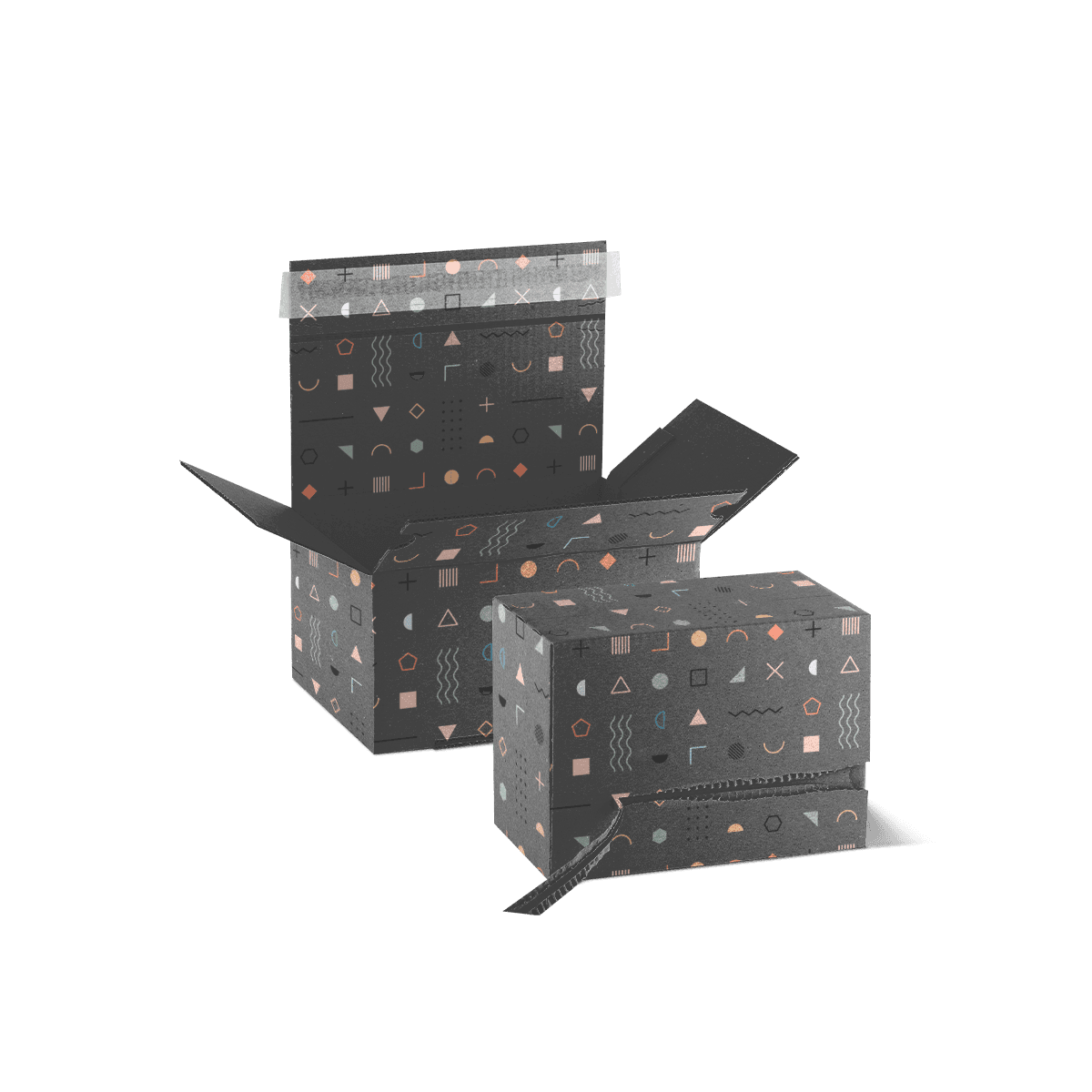
Self-Sealing Shipping Boxes make sense when peel-and-seal efficiency is important enough to influence the box specification.

Closure should also match the load.

A dense order pushing against the top panel should not depend on adhesive or tape to pull an overfilled carton into shape. Contents should sit below the intended closing plane and transfer their load through the box structure.

Customizing the closure without correcting the packed geometry simply moves the problem to another component.

Variable Orders Need a Different Answer

One custom dimension is not always enough.

Some businesses ship products that share a stable footprint but create several common packed heights. Producing separate cartons for every depth can increase packaging SKUs without changing much about the box.

Multi-Depth Boxes can keep one length-and-width footprint while introducing planned score levels for different closing heights.

That approach works when vertical variation is the main difference.

If product length and width also change substantially, several fixed custom sizes may be more practical.

The purpose of customization is not to eliminate box SKUs at any cost. It is to create the smallest sensible carton system for the real order mix.

Price the Complete Shipping System

A custom corrugated quote should describe the packed system rather than one isolated material choice.

Include:

  • internal box dimensions
  • product or packed dimensions
  • total packed weight
  • products per carton
  • fragile or pressure-sensitive areas
  • preferred structure if known
  • corrugated construction if known
  • dividers, pads or inserts
  • closure method
  • kraft or white-facing board
  • outside and inside printing
  • quantity by box size
  • artwork versions
  • shipping ZIP code
  • current shipping or packing problem

One phrase such as “double-wall custom box” leaves too much unresolved.

The same double-wall board can become very different shipping packages depending on dimensions, structure, contents and internal support.

Once the combined specification is defined enough to manufacture, an instant custom packaging quote can reflect the actual shipment with transparent pricing and no hidden charges.

Custom Packly starts USA orders from 100 boxes. For recurring high-volume production, bulk custom boxes can keep established dimensions and print requirements tied to larger quantities.

Warehousing and scheduled deliveries can help when producing a larger run makes commercial sense but storing every flat carton at the fulfillment site does not.

Record the complete production specification: internal dimensions, structure, corrugated build, inserts, closure, print method and artwork revision. Separate genuine revisions from routine reorders so repeat production preserves how the complete pack works.

Print Without Weakening the Shipping Logic

A custom corrugated shipper can be plain, operationally printed or heavily branded.

The level of print should follow where the box goes and what the exterior needs to communicate.

A wholesale carton may need a logo, carton code and handling mark. A D2C shipment may justify stronger brand graphics because the shipping box itself reaches the customer. A warehouse transfer carton may gain little from premium exterior decoration.

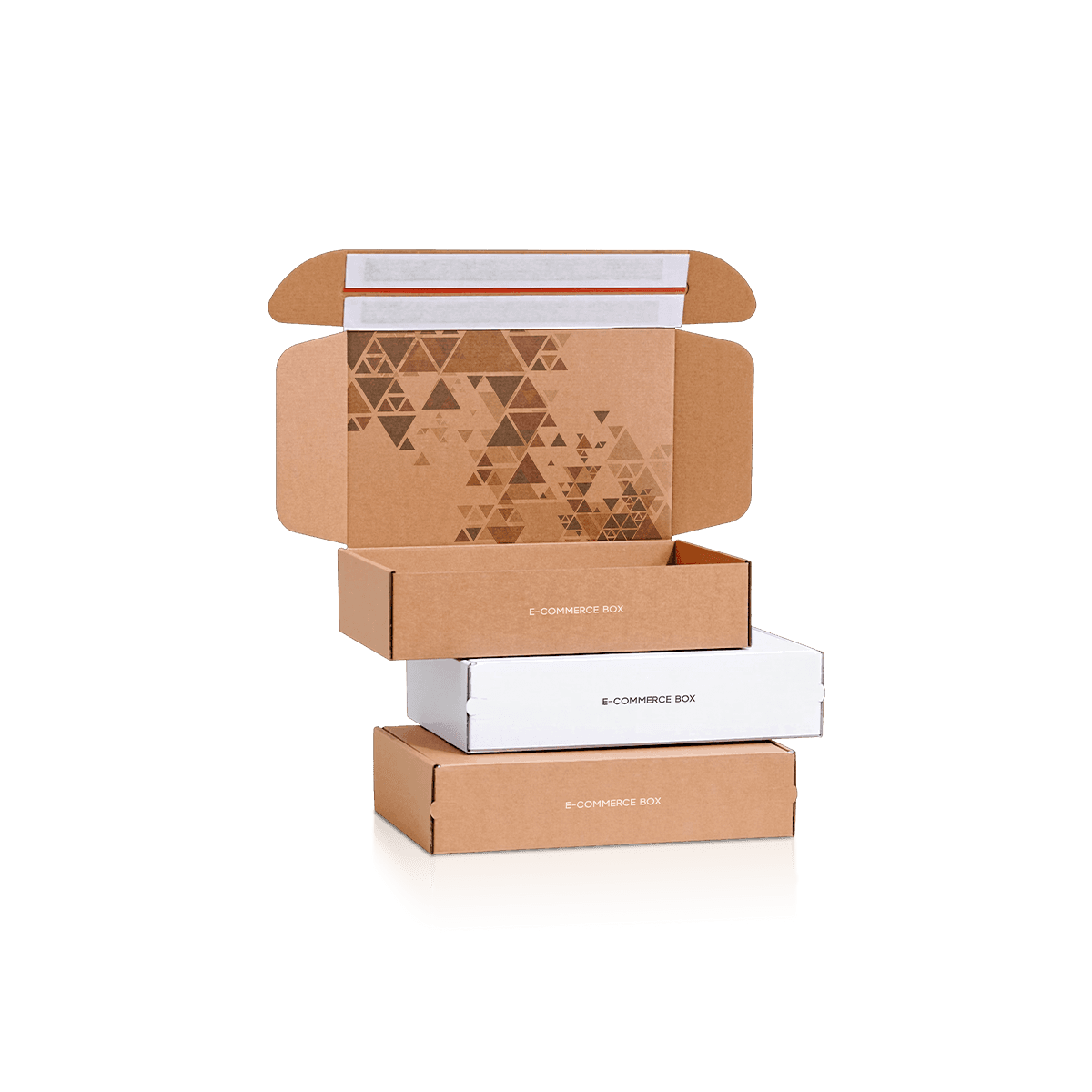
For customer-facing parcels, Printed E-Commerce Shipping Boxes put label placement, tape paths and brand visibility at the center of the print decision.

Kraft and white-facing corrugated also create different visual starting points. Kraft can suit restrained graphics and darker marks. White facing can support brighter artwork where color clarity matters more.

Custom Packly supports premium offset printing where the board construction and production method suit it. Digital and flexographic printing can make more sense for other quantities, artwork patterns or corrugated applications.

Print should follow the finished shipping structure.

Design Around the Packing Sequence

A custom box should make the intended packing method easier to repeat.

Think through the order of operations:

How is the flat carton erected?

Which product enters first?

When is the divider added?

Does one component block access to another?

Where does the documentation sit?

When is the box checked?

How is it sealed?

A technically accurate box can still be awkward if the interior only works when products are loaded in an unnatural sequence.

This matters most for multi-part kits and recurring warehouse work.

If packers repeatedly remove one component to reach an insert underneath it, the interior arrangement should change. If a flap has to be held out of the way during every loading cycle, the structural geometry may need revision.

Customization should remove recurring friction, not encode it into the box.

Let the Dieline Follow the Final Spec

The dieline turns the three-dimensional shipping requirement into a flat manufacturing layout.

It should come after the important structural decisions are sufficiently stable.

The packaging dieline controls panel sizes, cuts, scores, flaps and artwork boundaries. Those elements change when dimensions, closure or structure change.

For supported shipping structures, the dieline generator can create a dimension-based starting point.

Custom Packly also includes design and dieline support, so the specification can move from product dimensions into a manufacturable corrugated layout.

Free 3D mockups can then help assess panel relationships, print position and assembled appearance.

A 3D mockup is not a substitute for a physical fit check when product geometry, load or internal retention creates structural uncertainty.

Sample the Risk, Not Everything

A fully custom pre-production sample can be worthwhile when there is a specific question that cannot be settled confidently from dimensions and digital review.

That might be:

  • whether a heavy component loads the base correctly
  • whether an insert holds an irregular product
  • whether a lock engages with the selected corrugated thickness
  • whether a fragile surface has enough clearance
  • whether the packing sequence works physically

The sample should answer that question.

Free sample examples of previous Custom Packly work can help assess general material and print character before a project reaches that stage. Fully custom pre-production samples can be arranged as paid samples where the exact construction warrants physical checking.

Not every straightforward custom shipping carton needs the same validation path. The amount of checking should follow the consequence of getting the structure wrong.

Make Every Custom Feature Earn Its Place

Customization can keep expanding until the box becomes more complicated than the shipment requires.

That is not the objective.

A custom dimension should remove wasted space or improve fit. Stronger board should address a load. A divider should stop movement or organize parts. Adhesive closure should remove a packing step. Print should serve brand or operational communication. A special cut should solve geometry.

If a feature cannot be connected to a real shipping, packing or customer requirement, question whether it belongs in the box.

That discipline is what separates a carefully specified corrugated shipper from a stock carton with more options attached to it.

The finished package should be easy to explain: why it is this size, why it uses this board, why the contents sit this way and why the box closes the way it does.

When those answers are clear, custom corrugated shipping stops being customization for its own sake. It becomes a repeatable packaging system built around the shipment.

FAQs

Yes, they often do. A better box fit can reduce void fill, limit dimensional waste, and improve packing speed, which helps control total shipping cost.

No. They work well for wholesale orders, industrial parts, retail replenishment, subscription programs, and direct-to-consumer shipments.

Product weight, fragility, stacking load, and delivery conditions decide that. Lighter items may work well in single-wall board, while denser or more sensitive packs often need heavier corrugated construction.

Choose Custom Corrugated Shipping Boxes when fit, branding, inserts, or shipping efficiency matter. Regular Slotted Containers (RSC) are usually better for standard bulk packing where a generic stock carton is acceptable.

Yes. Corrugated shippers can balance protective function with branded printing, so the box still works as a transit pack while supporting recognition, instructions, and a more professional arrival.

Process

How it works

Your Packaging Journey, From Idea to Production and Delivery

01

Tell Us Your Specs

Custom packaging boxes

Tell Us Your Specs

Provide size, quantity, printing, and finishes.

02

Get a Fast Quote

Custom packaging boxes

Get a Fast Quote

Instant transparent pricing, no hidden fees.

03

Design and Approval

Custom packaging boxes

Design and Approval

Artwork checks, revisions, and final sign-off.

04

Produce

Custom packaging boxes

Produce

Expert manufacturing to meet deadlines.

05

Ship to Your Door

Custom packaging boxes

Ship to Your Door

Hassle-free, flexible delivery options.

Get Your Quote for Custom Corrugated Shipping Boxes

Share your product details, size, quantity and artwork needs. We’ll help choose the right packaging style and send a clear quote.