Skip to content
Details

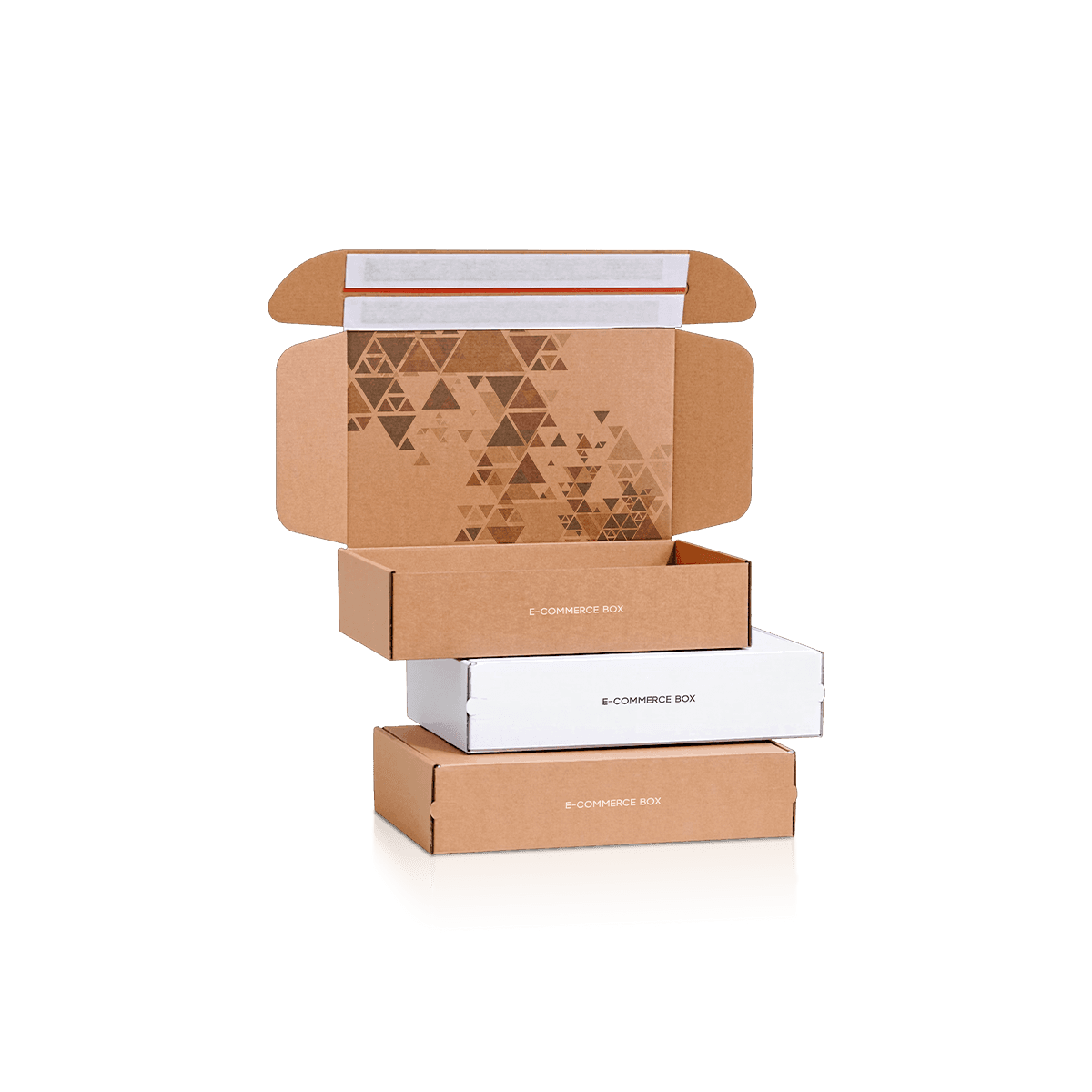
Custom Standard E-commerce Boxes

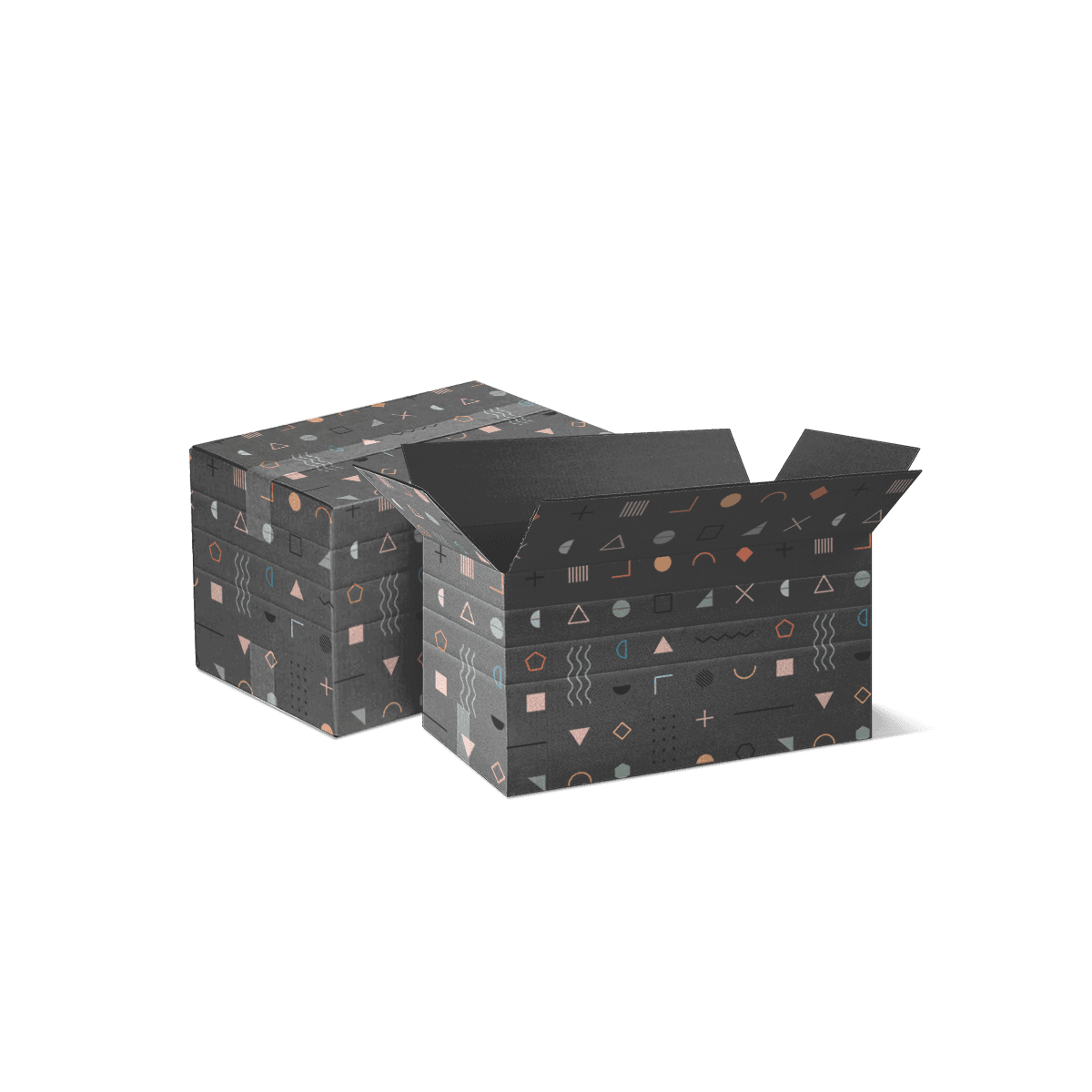
A controlled set of everyday shipping boxes for repeat e-commerce orders, faster pack selection and consistent product fit.

Standard Means a Packing Rule

The expensive part of an everyday e-commerce box program is often not the carton itself. It is the repeated decision at the packing table: which box should this order use, how much filler does it need and will the result close consistently?

Custom Standard E-commerce Boxes solve that problem by creating a small, deliberate set of carton sizes for the orders a business ships most often. The objective is not to put every SKU into one universal box. It is to make the common orders predictable.

A brand shipping skincare, accessories or small home goods might find that most daily orders fall into three patterns: one product, two-product bundle and larger mixed order. Three well-planned cartons can often serve that operation more cleanly than a warehouse shelf filled with slightly different boxes.

That gives standard e-commerce packaging a distinct job inside e-commerce retail packaging: reduce packing choices while keeping enough size and protection options for recurring order patterns.

When a shipment needs unusually high compression strength, special partitions or a heavy transit specification, corrugated boxes should be specified around that structural demand instead. Standard e-commerce boxes are centered on repeatable everyday fulfillment.

Build Sizes Around Order Patterns

A practical box set starts with what customers actually order together.

Looking only at individual product dimensions can produce too many cartons. Looking only at the largest SKU can create one oversized carton that wastes space on smaller orders. The better middle ground is order-pattern sizing.

Single-Item Orders

Identify products that commonly ship alone and group those with similar packed dimensions.

The finished product dimensions matter more than the bare item. Include the retail carton, cap, pump, pouch, wrap or other component that remains on the product during shipment. Add only the clearance needed for easy insertion and whatever protective material the order genuinely needs.

A tightly controlled fit can reduce movement without making the packing team force products through the opening.

Common Bundles

Two- and three-item orders often create their own recurring footprint.

Rather than moving every bundle into the next large carton, test how common products nest or sit beside each other. A different orientation can sometimes keep a bundle inside the same footprint while changing only the required height.

When product fit has to drive the dimensions, custom product packaging keeps the carton tied to the packed product rather than an arbitrary stock-box size.

The Exception Box

Not every order belongs in the core set.

Large gift orders, unusual product combinations and seasonal bundles may need a separate carton. Keeping one exception size is often cleaner than stretching the everyday box program until it can theoretically handle everything.

A standard system works because it handles the majority of orders efficiently, not because it eliminates every packaging exception.

Give Packers an Obvious Choice

A good box program should be understandable without a long decision chart.

If two cartons are nearly identical, staff may choose between them inconsistently. If the size gaps are too large, the smaller box may not close while the next option leaves substantial empty space.

The difference between each size should therefore correspond to a real packing need.

One approach is to define each carton by an order condition:

  • Box A for compact single-product orders
  • Box B for common two- or three-product orders
  • Box C for larger mixed baskets
  • Box D only for exceptional orders

The actual logic may be based on dimensions, SKU groups or product type. What matters is that staff can make the selection quickly.

Color coding or printed box codes can help when several flat-packed corrugated cartons look similar from the edge. The code does not need to appear prominently in the customer experience. It only needs to work at the storage rack and packing station.

This is a different problem from designing Custom Branded Boxes, where brand recognition and graphic consistency carry more weight. An everyday box program earns its value first through operational clarity.

Empty Space Is an Operating Cost

An oversized box creates work at several points before the customer ever opens it.

Someone has to fill the space. The packing table needs filler close at hand. The closed parcel takes more room in outbound staging. Additional packaging material enters every order that uses that carton.

It can also leave the product less controlled during transit.

Reducing shipping damage through structure and fit starts with controlling movement rather than relying on thicker board alone.

Consider a cosmetics business with three daily carton sizes. Its smallest moisturizer ships neatly in Box A, while a two-bottle order uses Box B. A promotional bundle is then introduced and staff begin placing it in Box C because Box B is slightly too shallow.

Instead of permanently accepting the larger cube and adding filler, the business could test whether a modest height change to Box B allows both the common two-product order and the new bundle to share one carton.

The improvement is not another packaging SKU. It is making an existing size do more useful work.

That type of adjustment is one reason a standard program should be reviewed against real order combinations rather than treated as a fixed catalog of stock dimensions.

Protection Should Stay Proportional

Everyday e-commerce orders need enough protection for their actual shipping risk.

For many lightweight or moderately weighted products, corrugated construction gives a practical balance between stiffness, cushioning and flat-packed storage. Fragile items may need an insert, divider or pad. Products already protected by a strong retail carton may require less internal support.

The key is to avoid making every standard box carry the specification of the most fragile order.

If one glass product needs a fitted insert, that does not automatically mean every apparel or accessory shipment needs the same interior construction.

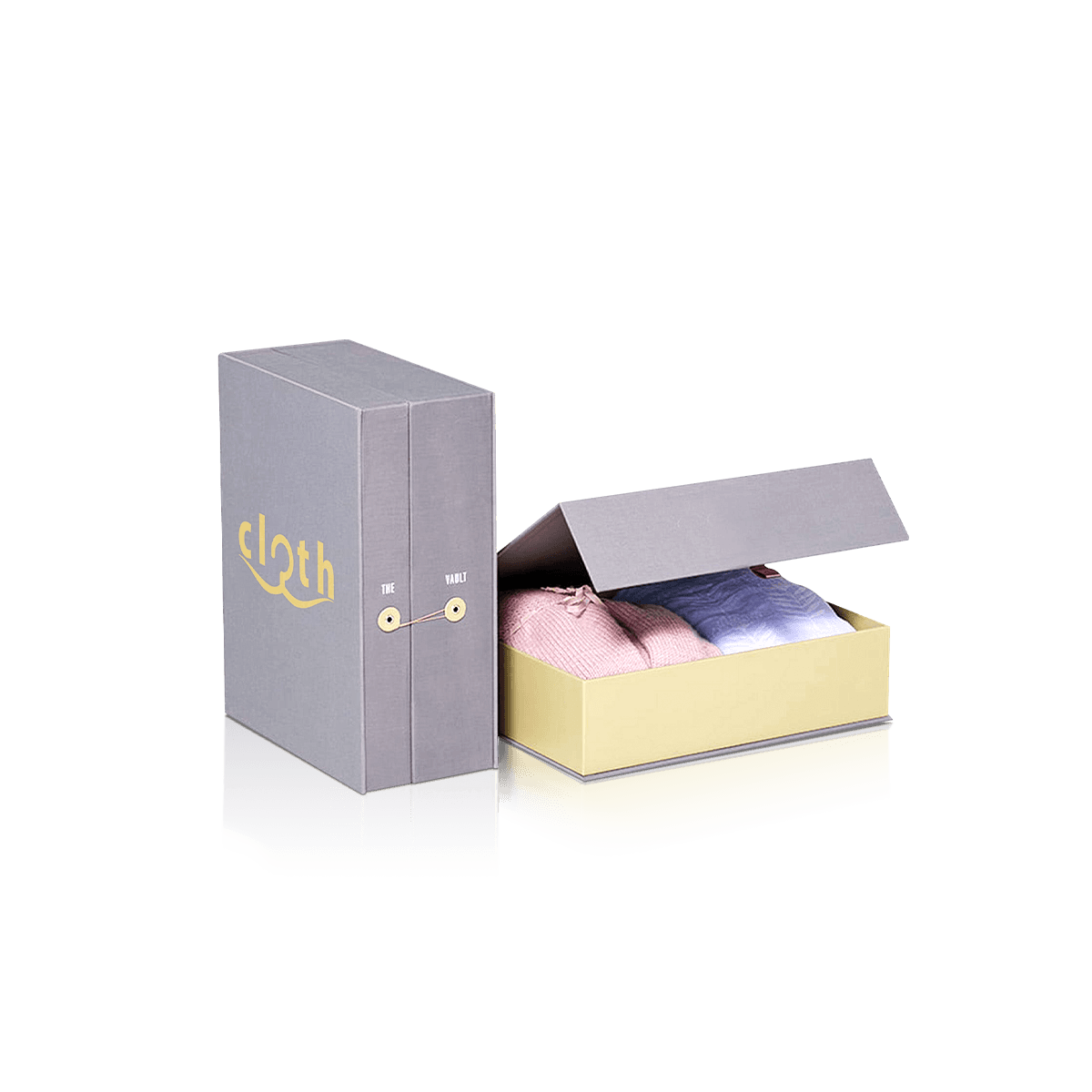
Packaging inserts can control movement when product retention matters more than simply filling open space.

For mixed orders, partitions can also keep products from rubbing or striking each other. A divider may be especially effective when the same two or three SKUs regularly ship together.

The protection decision should remain attached to the order pattern. This keeps the standard carton set simple while adding support only where the contents justify it.

Closure Changes Pack-Out Time

The way a box closes can matter more at 500 orders than it does at five.

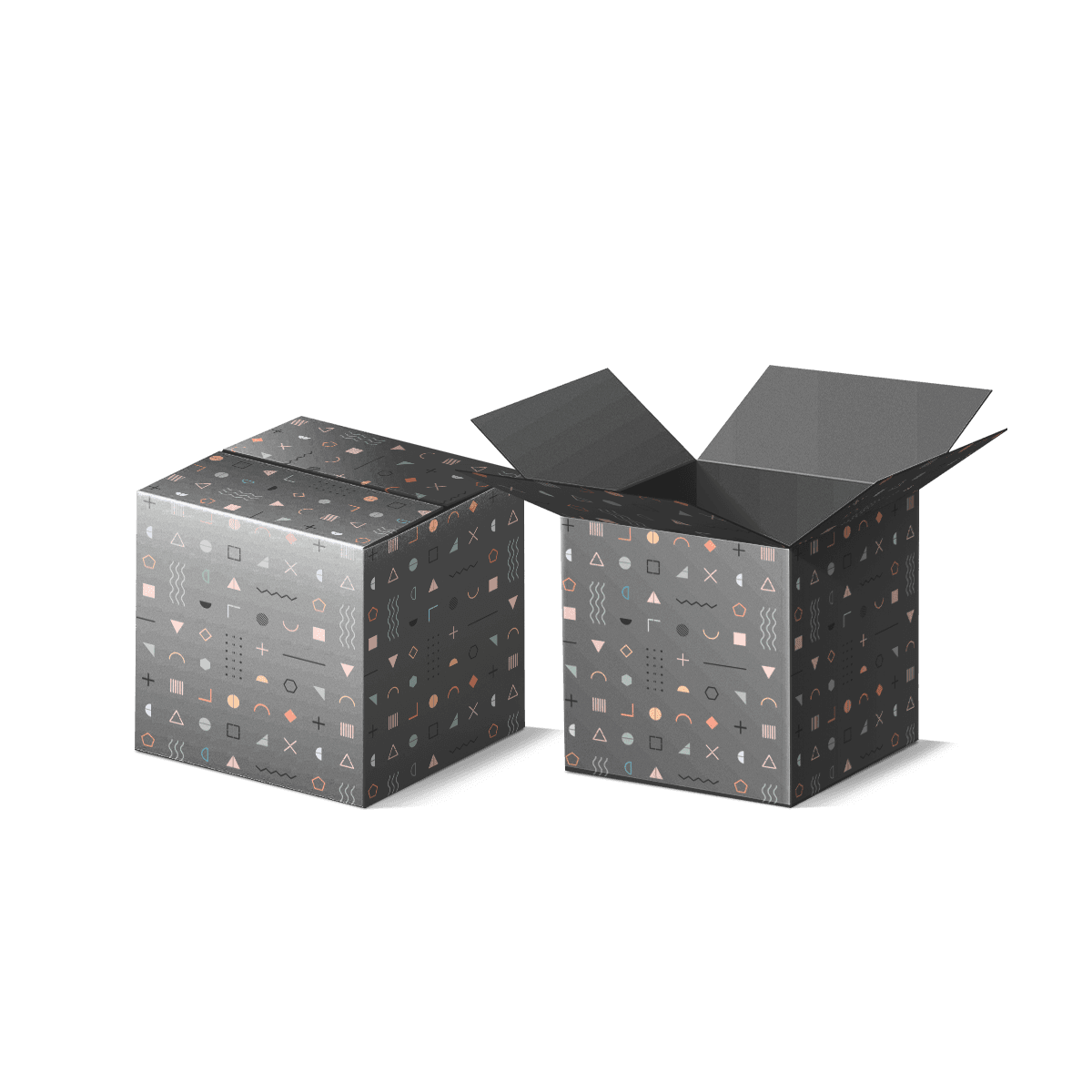
A conventional slotted shipping carton generally relies on tape. The structure is familiar, stores efficiently and can suit a large share of routine shipments.

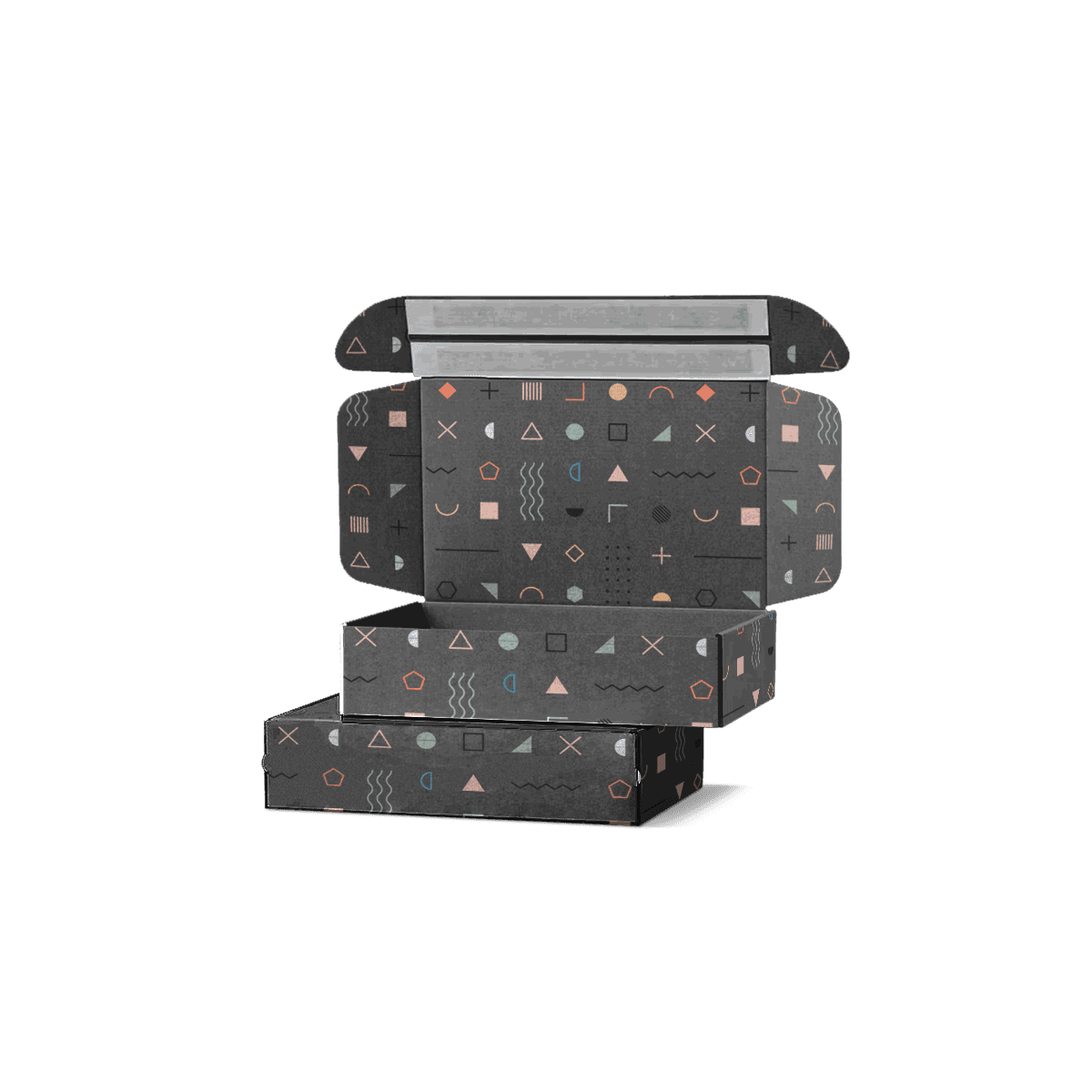
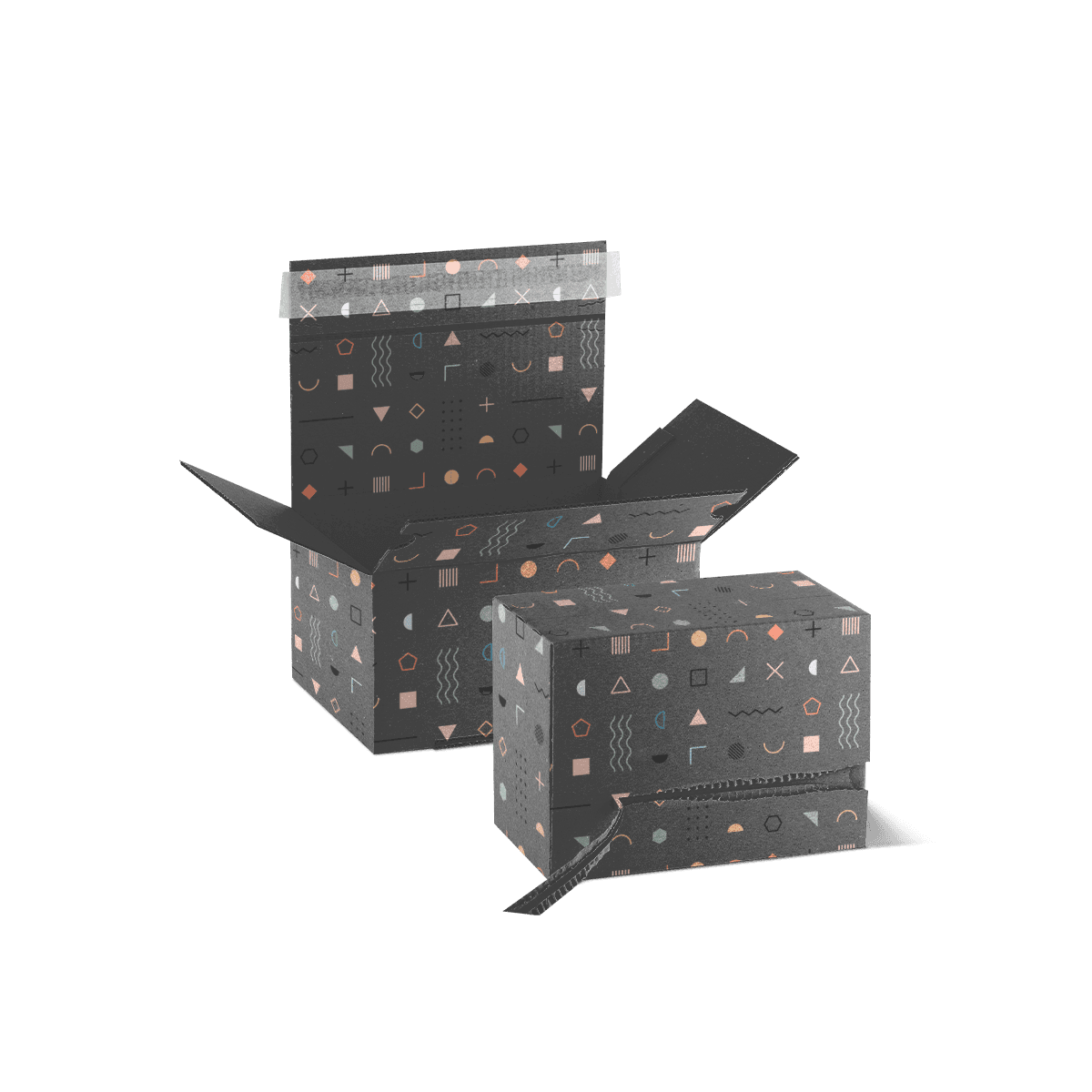
A self-locking mailer can reduce separate sealing steps for some products, while self-sealing constructions can move packing labor into an integrated adhesive closure. Those styles belong to different packaging decisions and should not be added simply because they sound faster.

Shipping boxes make sense when the job calls for straightforward outer transit protection and conventional corrugated structures.

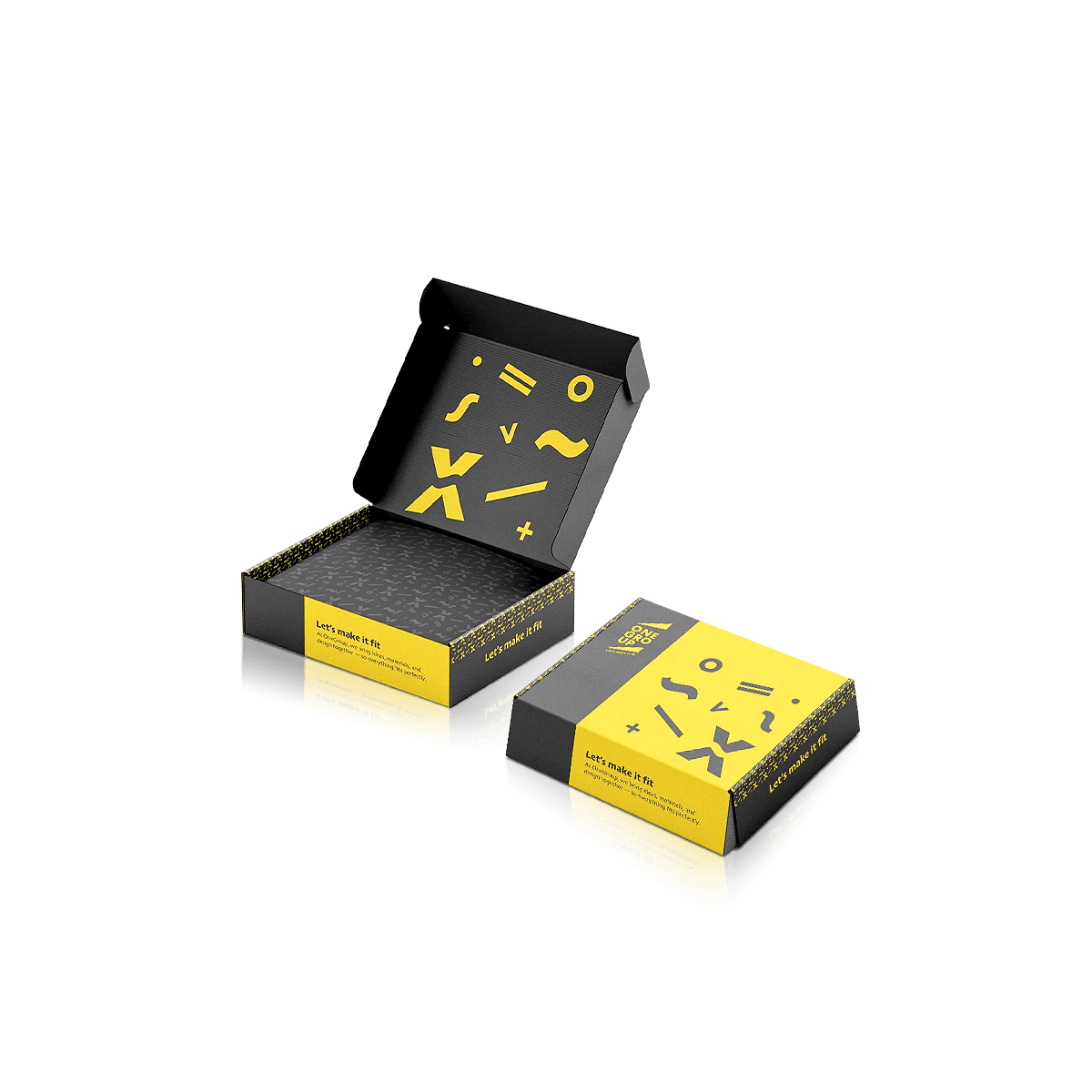
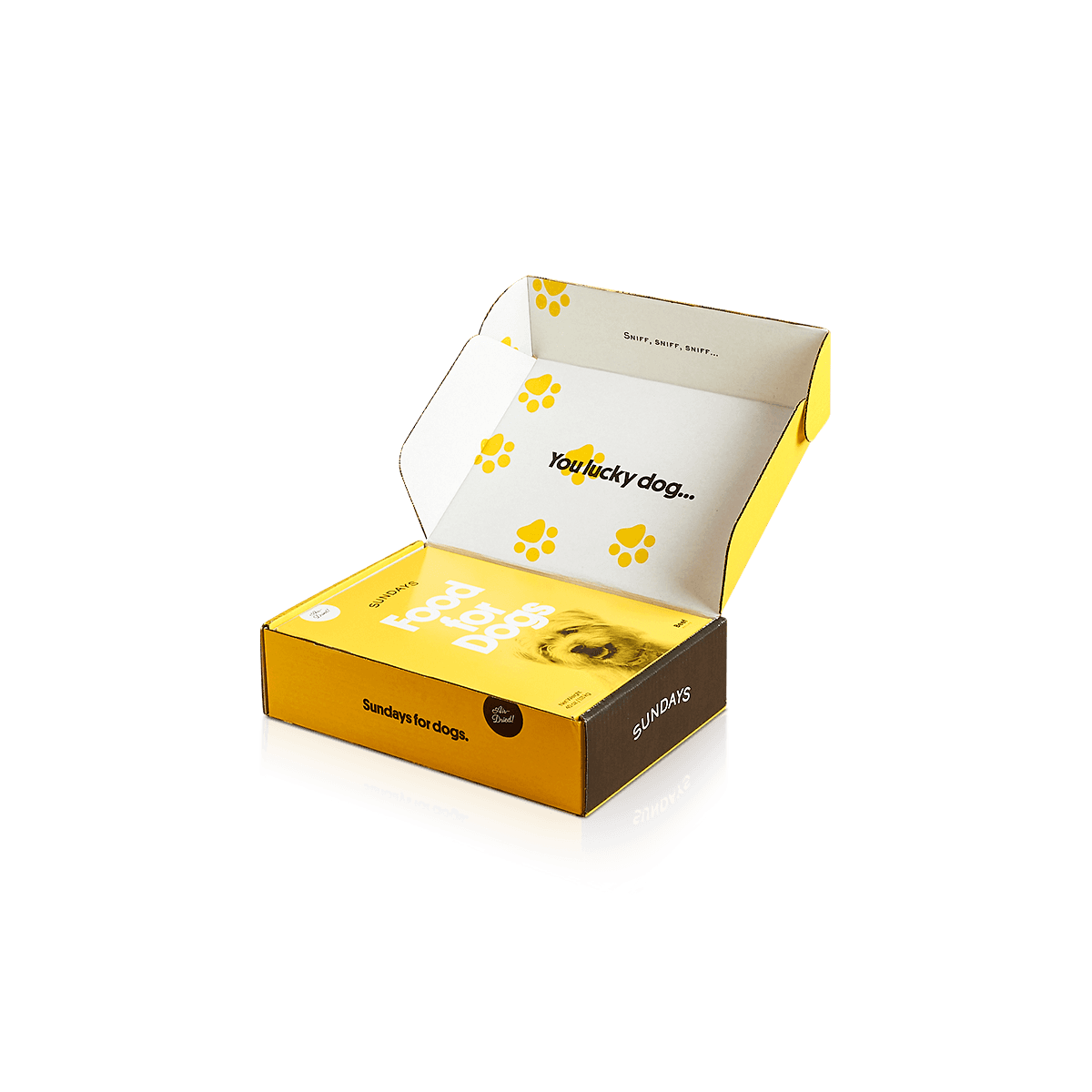
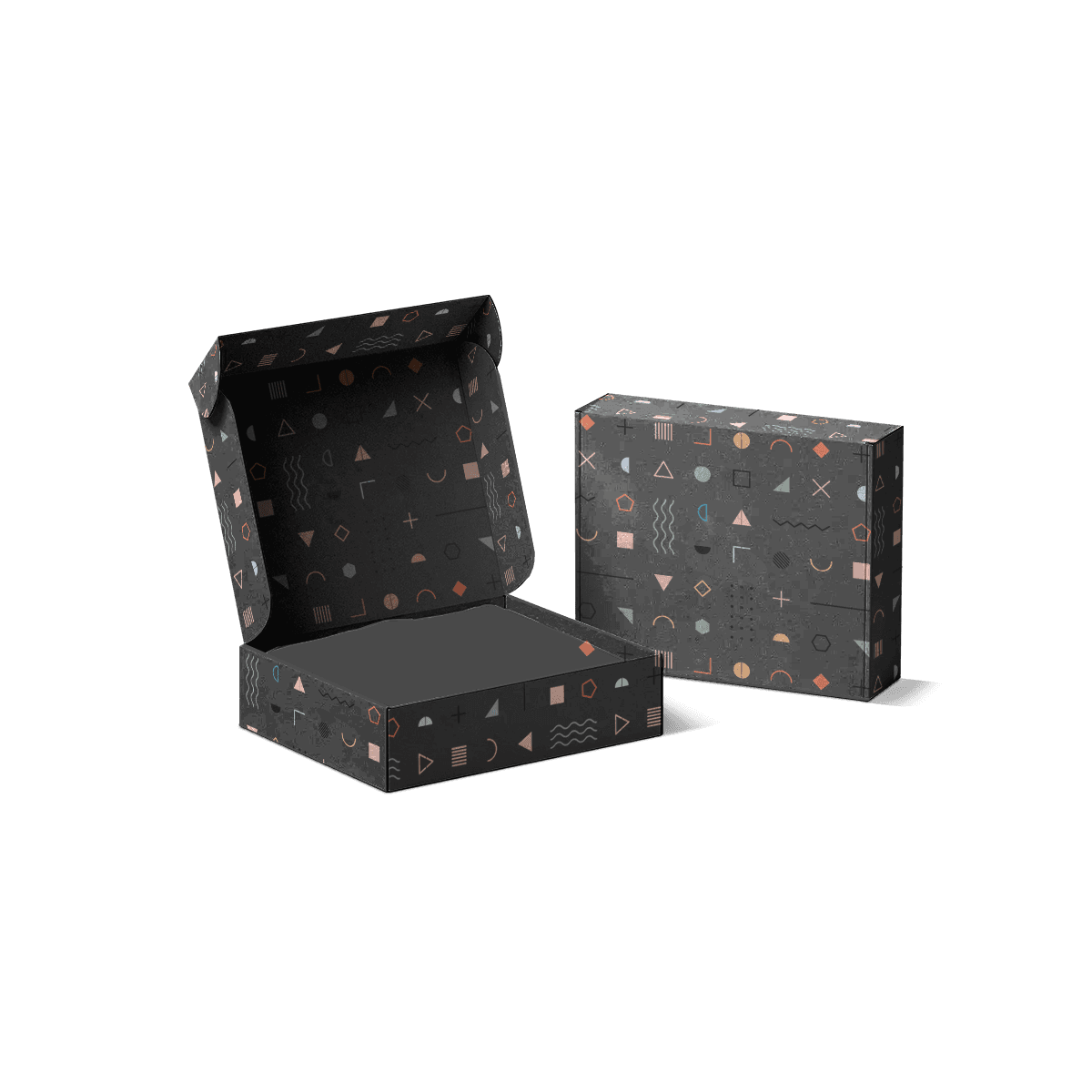
Product Mailer Boxes put more emphasis on integrated opening behavior and customer-facing presentation.

For a standard program, calculate closure choice against what staff actually do. If a taped carton squares quickly and closes in one consistent motion, its simplicity can be an advantage. If employees repeatedly fight with flaps or add several strips of tape because the box does not stay square, the issue may be structure or sizing rather than tape itself.

Reserve a Label Zone

Carrier labels, return labels and operational stickers occupy real panel space.

Standard boxes benefit from predictable exterior zones because the same carton is used repeatedly. Once the label position is defined, artwork can work around it instead of competing with it on every shipment.

A brand may keep the exterior restrained with a logo, repeat pattern or single-color print while reserving more visual impact for the interior. Another may use a stronger exterior design but deliberately leave one panel quiet.

The correct answer depends on how visible the package is intended to be after dispatch.

For artwork that needs closer color control or repeated branding across several sizes, custom printed boxes can be planned as one visual system while retaining different carton dimensions.

Free 3D mockups can help check where logos, messages and operational zones fall on the assembled box. The artwork should still be reviewed on the final dieline so important elements do not drift into scores, flap intersections or sealing areas.

A Size Set Needs a Control Point

Standardization starts to break down when new products are added without checking the current boxes first.

A new SKU often triggers an immediate request for another carton. Sometimes that is justified. Often the new product can fit an existing size after changing orientation, protective support or bundle arrangement.

Before adding a fifth or sixth box, check three things:

  • Can an existing carton fit the product without excessive empty space?
  • Would a small revision to an existing size improve several order patterns?
  • Does the new box solve enough recurring orders to justify another inventory code?

This prevents carton proliferation.

It also makes training easier. A packer should not face nine shipping boxes that differ by an inch or two unless those differences solve real fulfillment problems.

Packaging that is ready to scale depends on controlling box SKUs as order volume grows, because packing decisions that feel minor at low volume repeat throughout the operation.

A controlled size set can evolve. Standard does not mean permanent. It means changes are made deliberately.

Design the Rack With the Box

Flat-packed cartons consume storage space before they consume products.

The physical size of each blank, how often that carton is used and where it sits near the packing line all influence daily handling. The most common box should not be stored behind three occasional sizes simply because the cartons were ordered at the same time.

High-use cartons belong where staff can reach them with minimal movement. Less common sizes can sit farther away or higher in storage.

This operational detail also affects purchasing quantities.

A small box used for 40% of orders may need replenishment much sooner than the largest carton used for only a few oversized shipments. Buying identical quantities of each size can create excess inventory in one code and shortages in another.

Custom Packly starts USA production from 100 boxes, so lower-use dimensions can be ordered separately from high-volume sizes. For mature programs, bulk custom boxes can split production across recurring box dimensions and artwork versions.

Warehousing and scheduled deliveries can help when producing a larger quantity makes commercial sense but bringing the entire run into the fulfillment facility at once would consume too much storage space.

Printing Should Follow Frequency

Every standard carton does not need the same print treatment.

The highest-volume everyday box may justify a simple, repeatable graphic system because it appears across many orders. A less frequently used carton may share the same core brand elements without carrying identical print coverage.

This can reduce unnecessary complexity while maintaining recognition.

Kraft-facing corrugated can work with darker, simpler graphics. White-facing material creates a brighter base when stronger color reproduction is important. Inside printing may be worthwhile when opening experience matters, especially if the exterior needs to remain clean for labels and handling.

Digital, offset and flexographic printing suit different artwork, substrate and production situations.

Custom Packly supports premium offset printing where the construction and project make it appropriate. Print method should still follow the box material, artwork, quantity and repeat-production requirements rather than being selected as a prestige feature.

For a standard program, consistency matters more than decorative complexity. Customers should recognize the packaging even when carton size changes.

Review the Program by Orders

A standard e-commerce box should be judged against real order data, not against how many products theoretically fit inside it.

Take a sample of common orders and sort them by the carton they currently use. Look for patterns:

Which box handles the largest share of shipments?

Which size regularly requires extra filler?

Which carton is frequently swapped for another at the packing table?

Which order type causes products to move?

Which box runs out first?

Which dimension is rarely selected?

Those answers can reveal more than a material upgrade.

A box used infrequently may be removable from the set. Two similar sizes may be combined. A high-use carton may deserve a minor dimension adjustment. One common bundle may need a divider rather than a new outer box.

After that review, separate production quantities by actual size. Record the internal dimensions, normal order pattern, packed weight where known, corrugated construction, closure, insert, print and artwork version for each carton.

If dimensions are still being developed, the dieline generator can create a starting layout for supported box structures.

Once the core size set and quantities are established, an instant custom packaging quote can price the real program instead of treating all cartons as one generic box.

This turns packaging review into an operational exercise instead of another redesign project.

Give Every Box One Job

The cleanest standard e-commerce system is easy to describe.

Each carton should have a reason to exist: compact single orders, everyday bundles, larger mixed baskets or genuine exceptions. Its dimensions should fit that job closely enough to control excess space without creating packing friction.

Record the box code, internal dimensions, normal order pattern, board construction and any insert that belongs with it. Keep those instructions accessible at the packing station.

Then watch actual usage.

If staff consistently choose a different carton than the written rule, investigate why. The operational behavior may be exposing a better packing method, or it may reveal that two sizes are too similar to distinguish quickly.

That feedback is more valuable than preserving a box specification simply because it already exists.

A standard box program succeeds when packing becomes routine: the order arrives, the correct carton is obvious, the product fits as expected and the team can repeat the same decision on the next shipment without improvisation.

FAQs

Because repeatable packaging choices save time. A smaller set of dependable box formats makes picking, packing, training and replenishment easier as order volume grows.

Start with the most common product combinations instead of one-off exceptions. A smart size plan usually covers the orders you ship most often while keeping dead space under control.

They help most when the same order types ship again and again. Inserts improve orientation, reduce movement and keep multi-item packs more organized without changing the outer box each time.

No. They can still carry print, messaging and cleaner finishing choices. The difference is that the structure is selected for repeatability first and visual treatment is added where it supports the business case.

Standard E-commerce Boxes are usually the better fit when operational consistency and scalable fulfillment come first. Custom Branded Boxes make more sense when presentation, campaign-specific graphics and a more distinct unboxing experience are the bigger priority.

Process

How it works

Your Packaging Journey, From Idea to Production and Delivery

01

Tell Us Your Specs

Custom packaging boxes

Tell Us Your Specs

Provide size, quantity, printing, and finishes.

02

Get a Fast Quote

Custom packaging boxes

Get a Fast Quote

Instant transparent pricing, no hidden fees.

03

Design and Approval

Custom packaging boxes

Design and Approval

Artwork checks, revisions, and final sign-off.

04

Produce

Custom packaging boxes

Produce

Expert manufacturing to meet deadlines.

05

Ship to Your Door

Custom packaging boxes

Ship to Your Door

Hassle-free, flexible delivery options.

Get Your Quote for Custom Standard E-commerce Boxes

Share your product details, size, quantity and artwork needs. We’ll help choose the right packaging style and send a clear quote.