Custom Packaging Types
Custom packaging gives buyers more freedom to match structure, product fit and branding goals while comparing versatile box styles for retail, shipping and presentation.
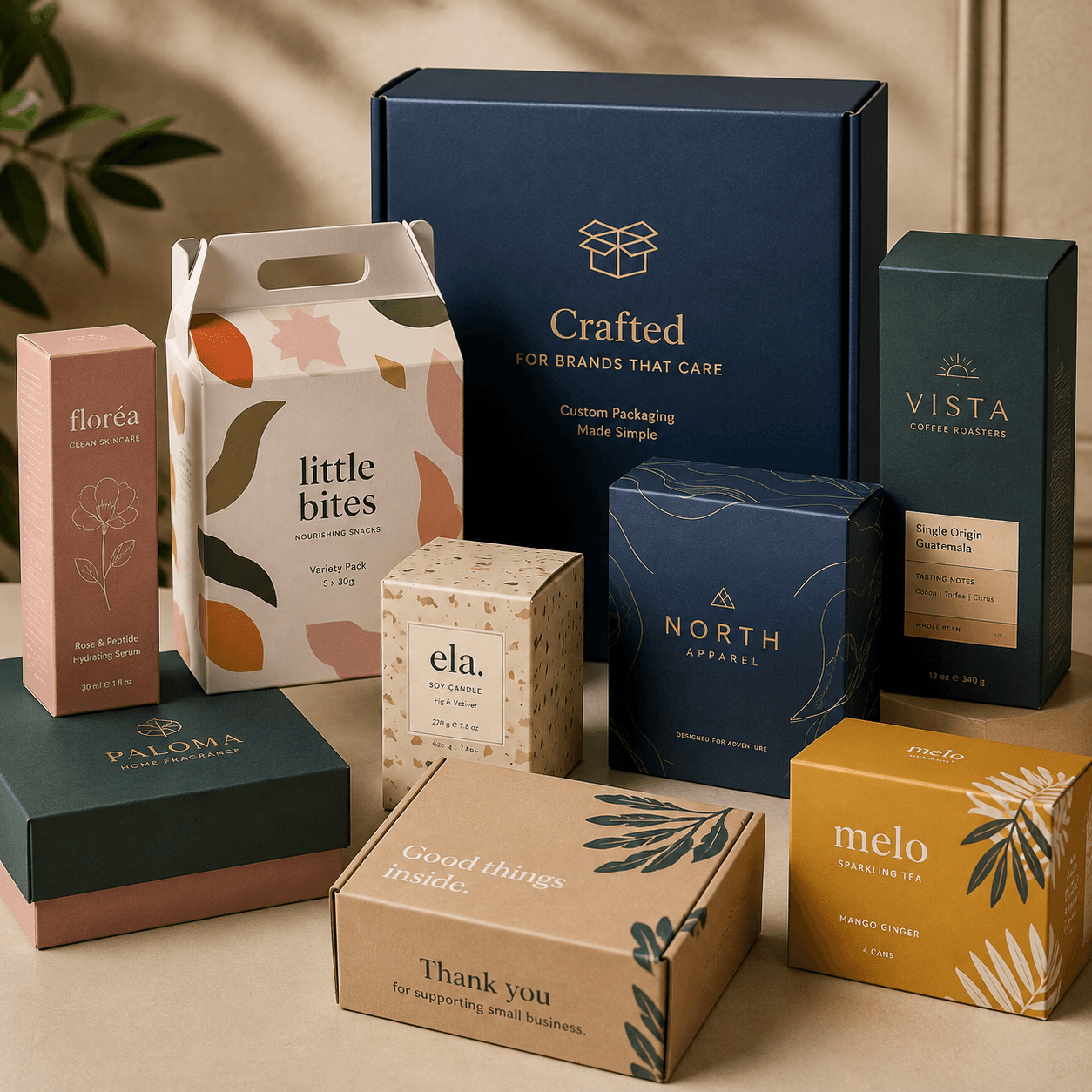
Custom Packaging Types options
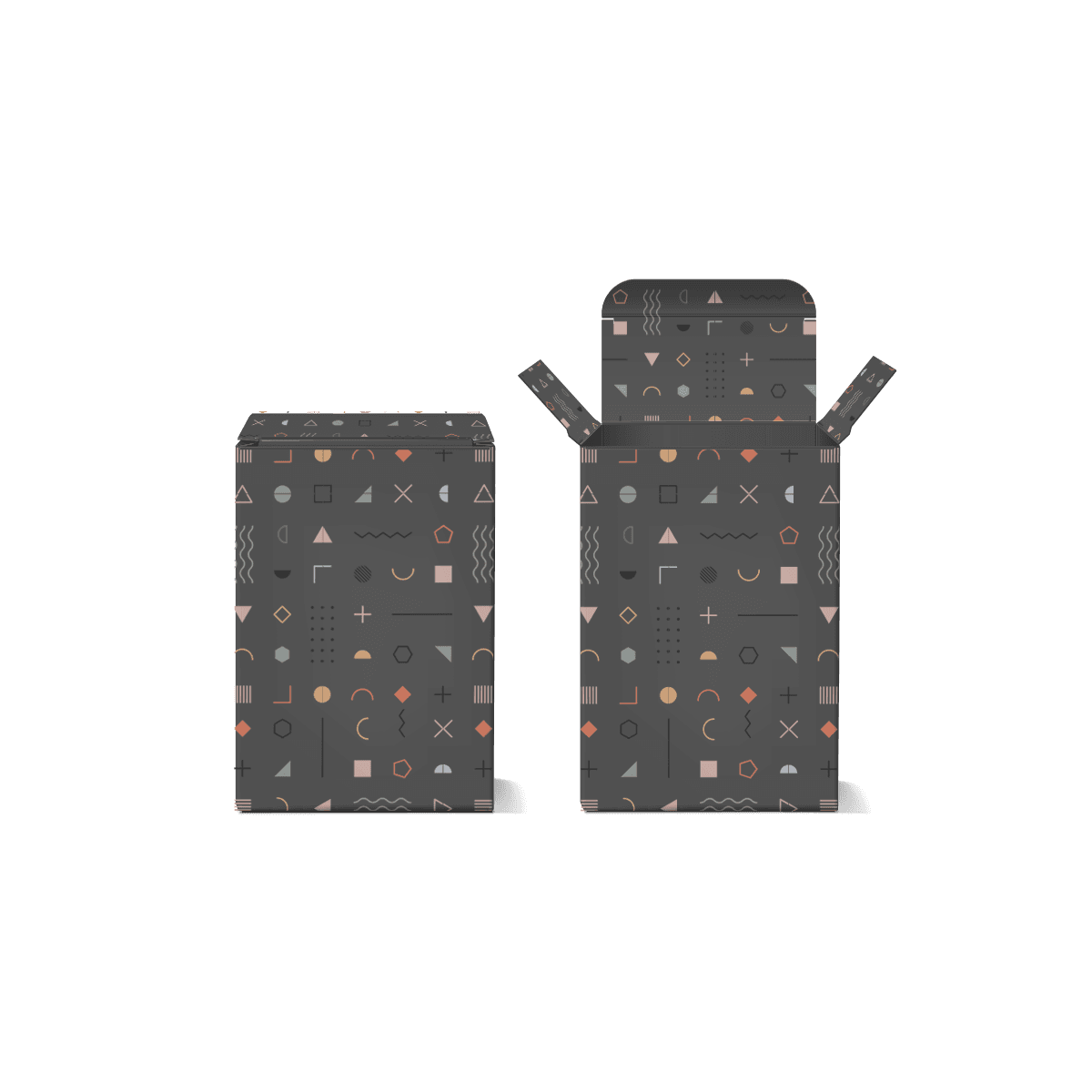
Custom Straight Tuck End Boxes
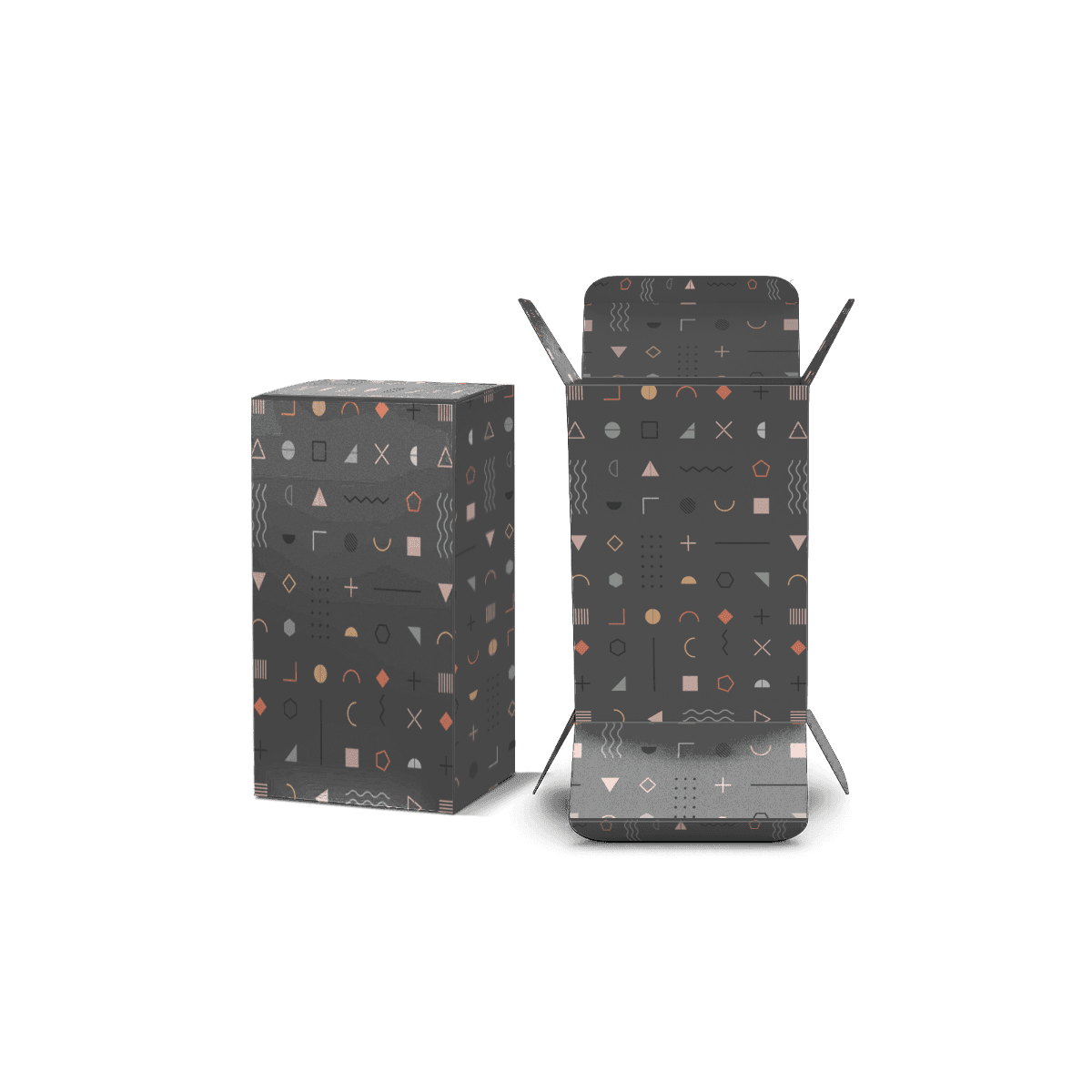
Reverse Tuck-End Boxes
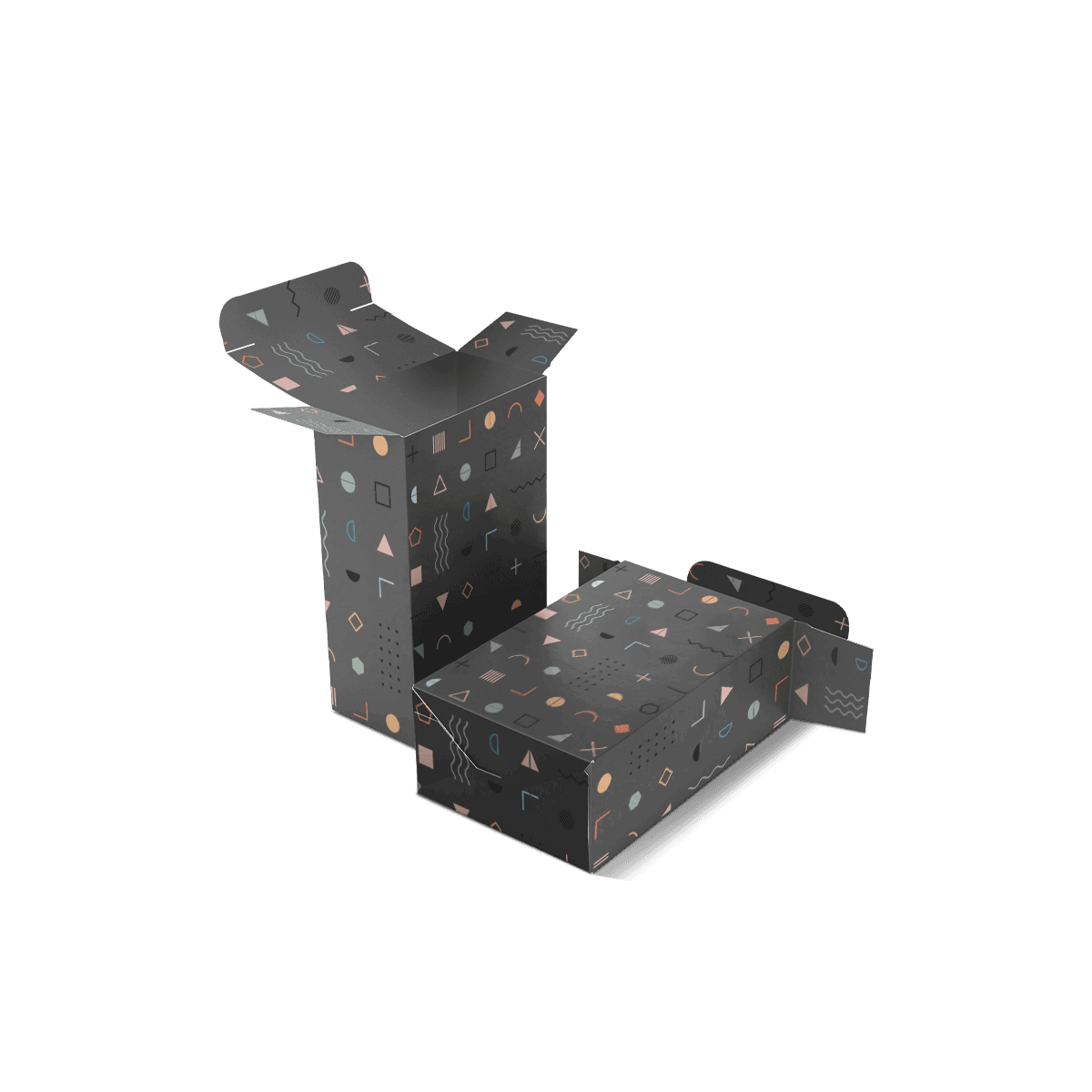
Auto-Lock Bottom Boxes
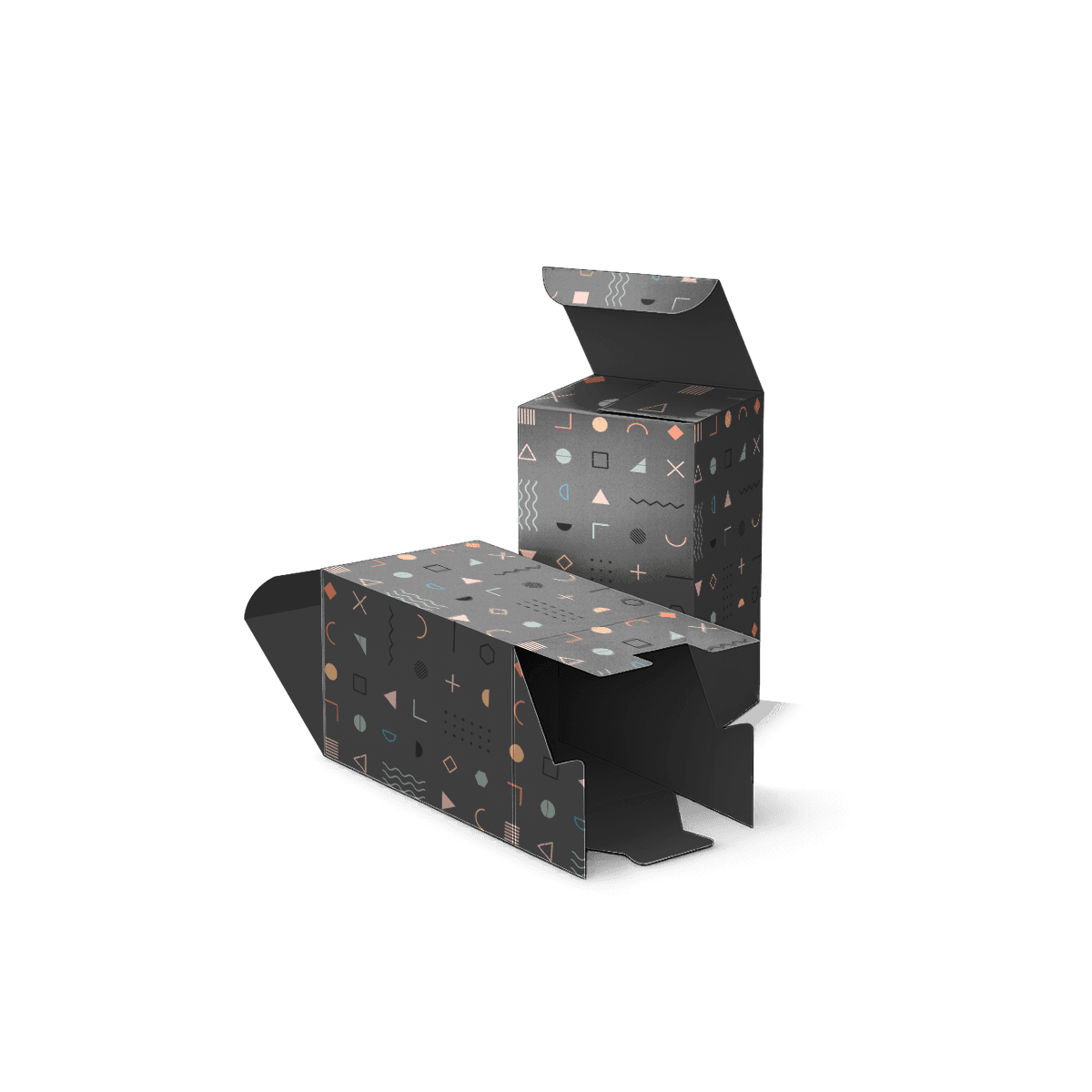
Snap-Lock Bottom Boxes
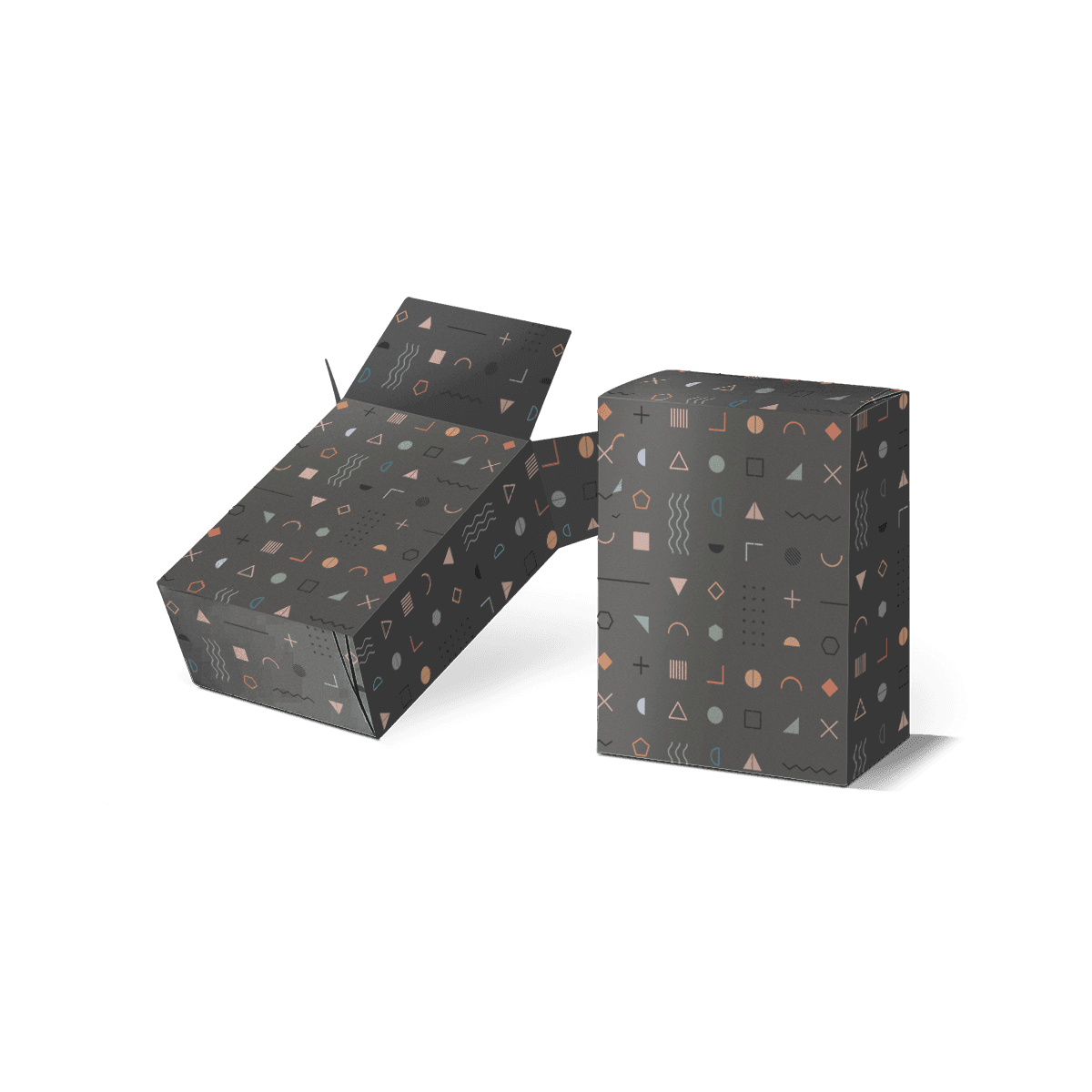
Custom Seal End Boxes
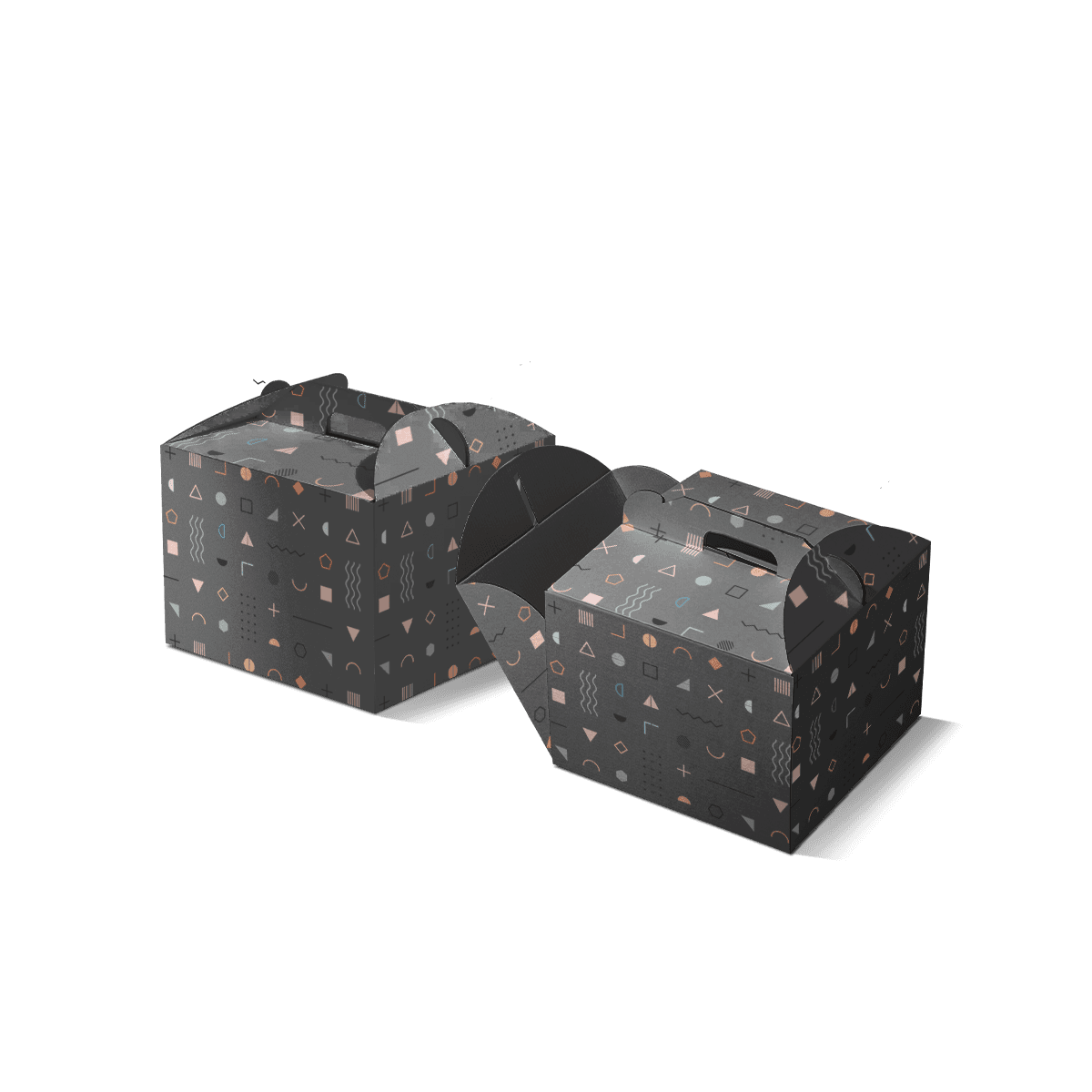
Custom Gable Boxes
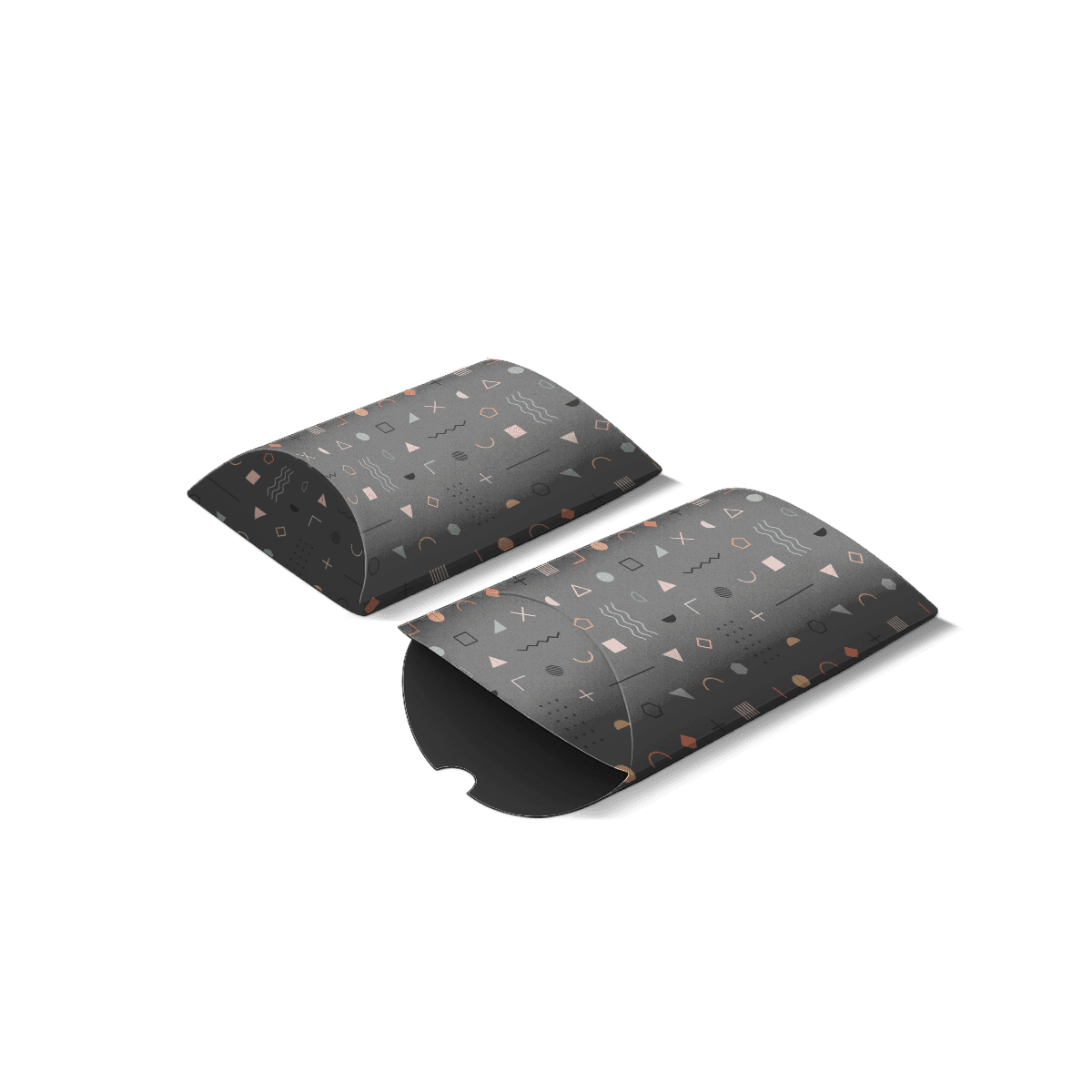
Pillow Boxes
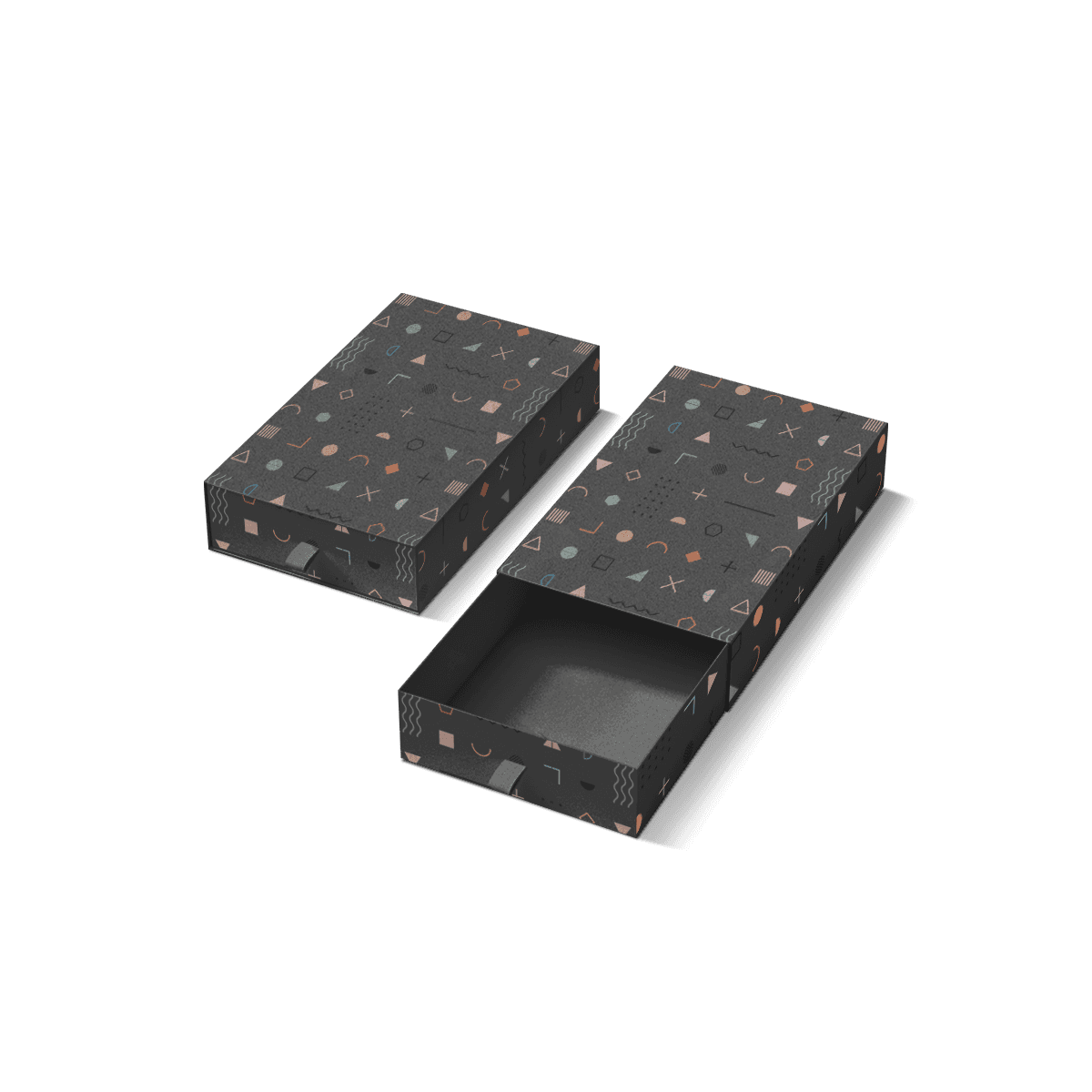
Drawer Boxes
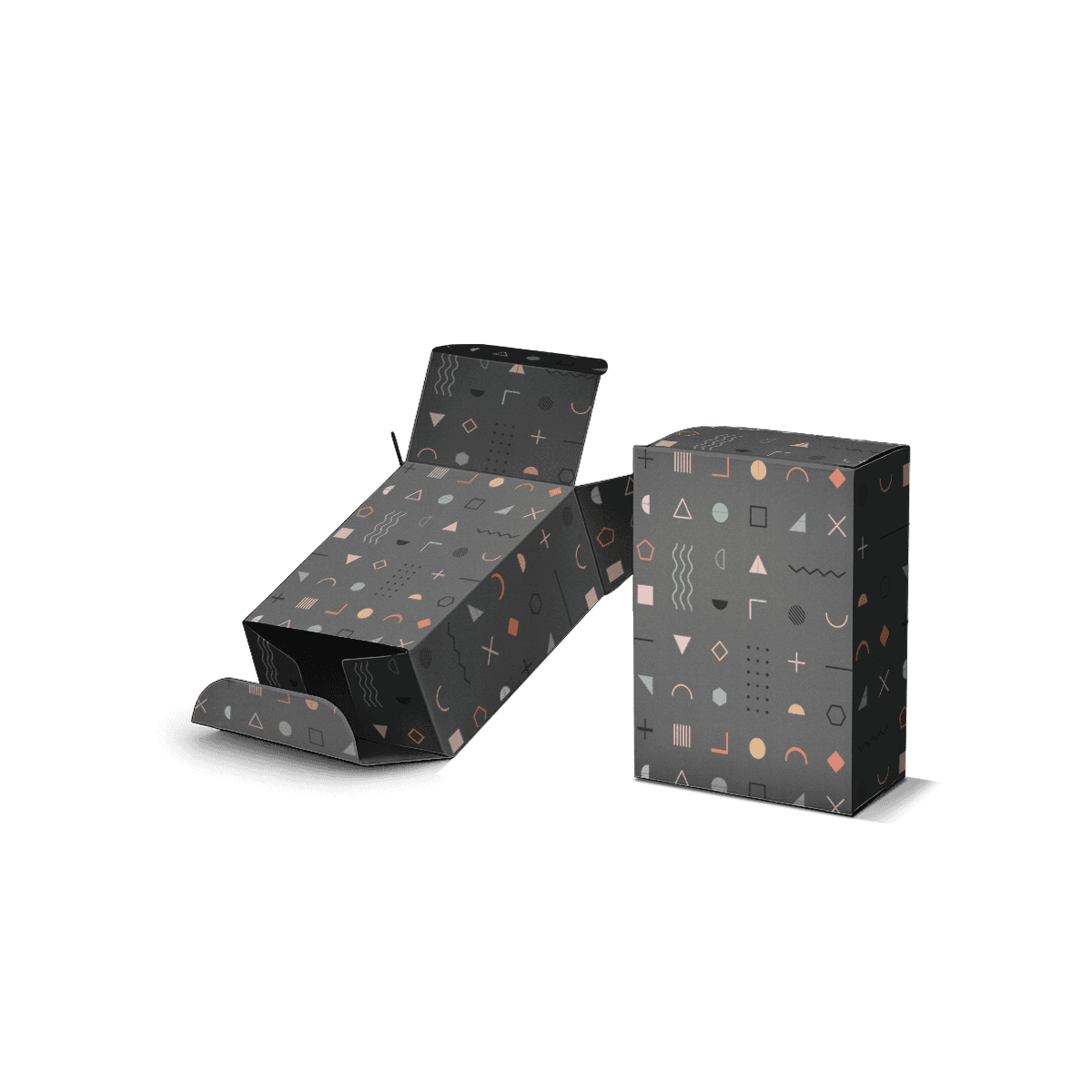
Standard Reverse Tuck Boxes
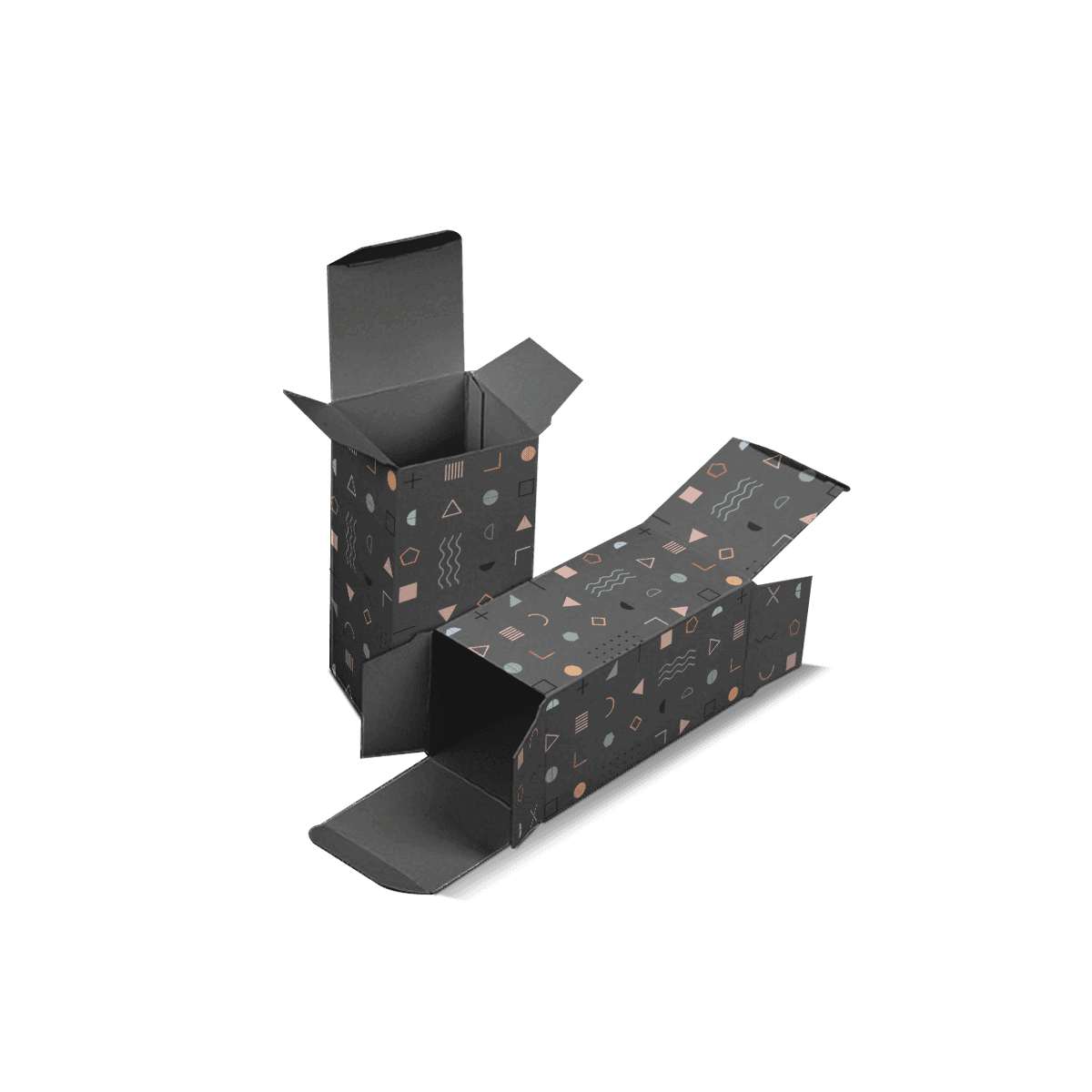
French Reverse Tuck Boxes
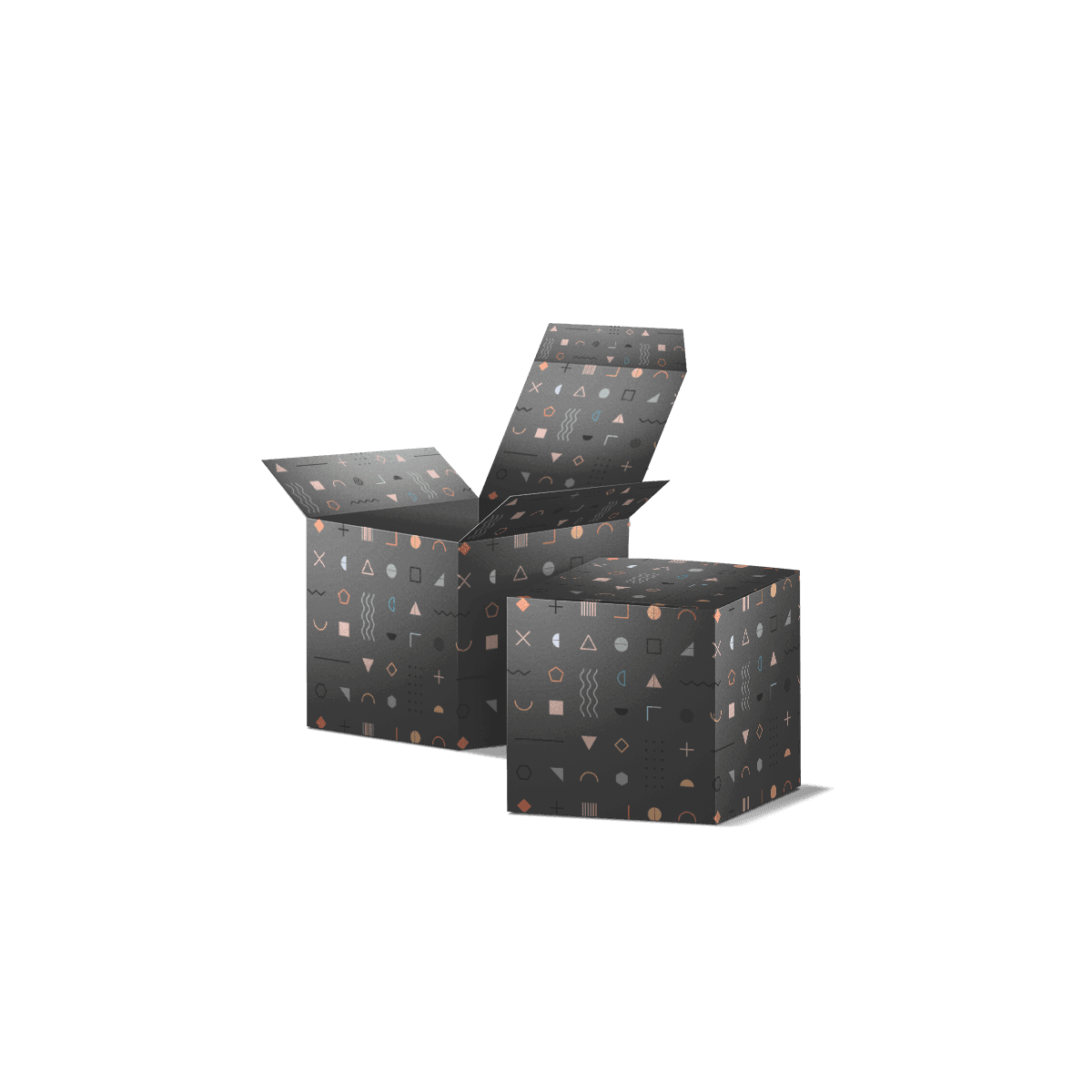
Straight Tuck (Airplane Style) Boxes
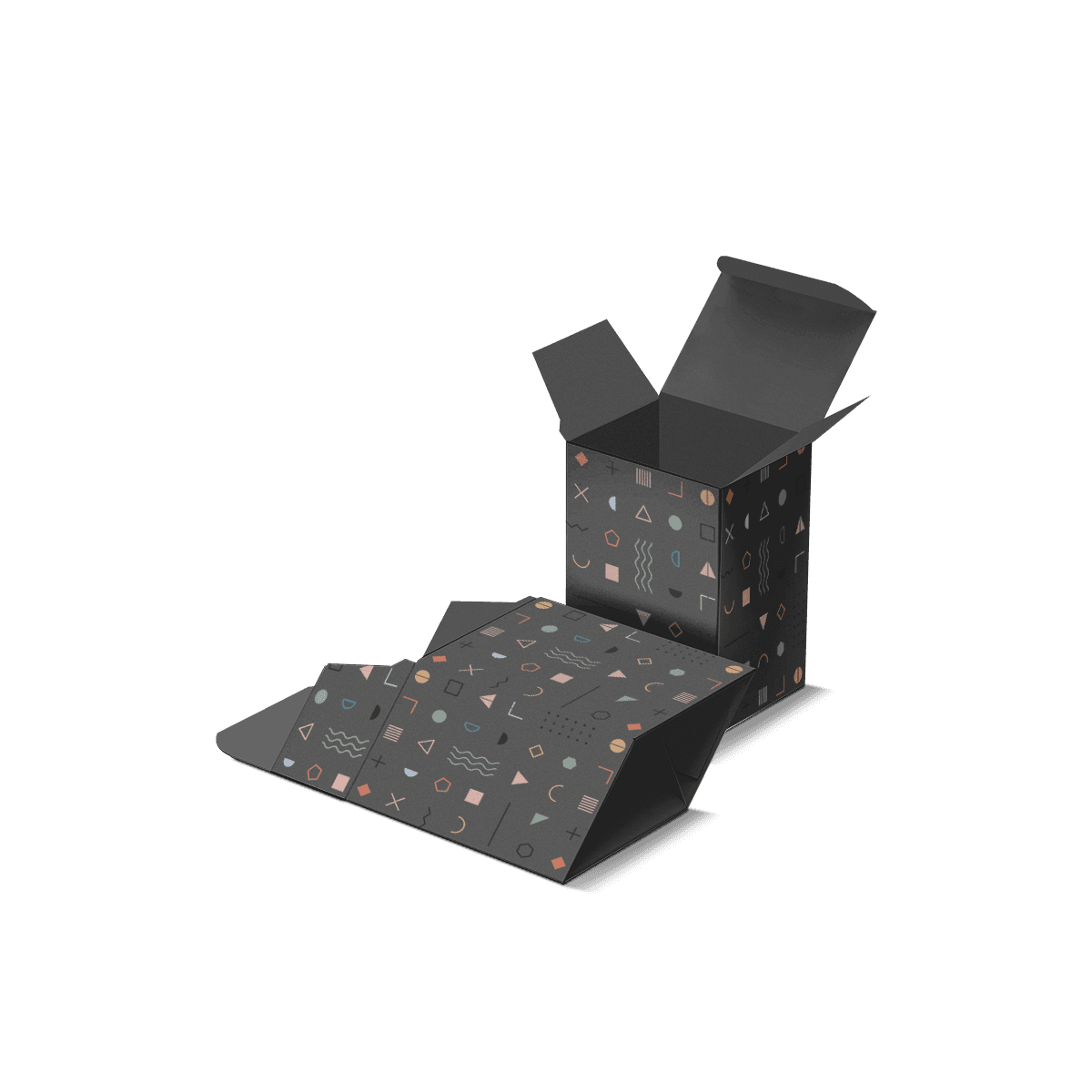
Automatic Bottom Boxes
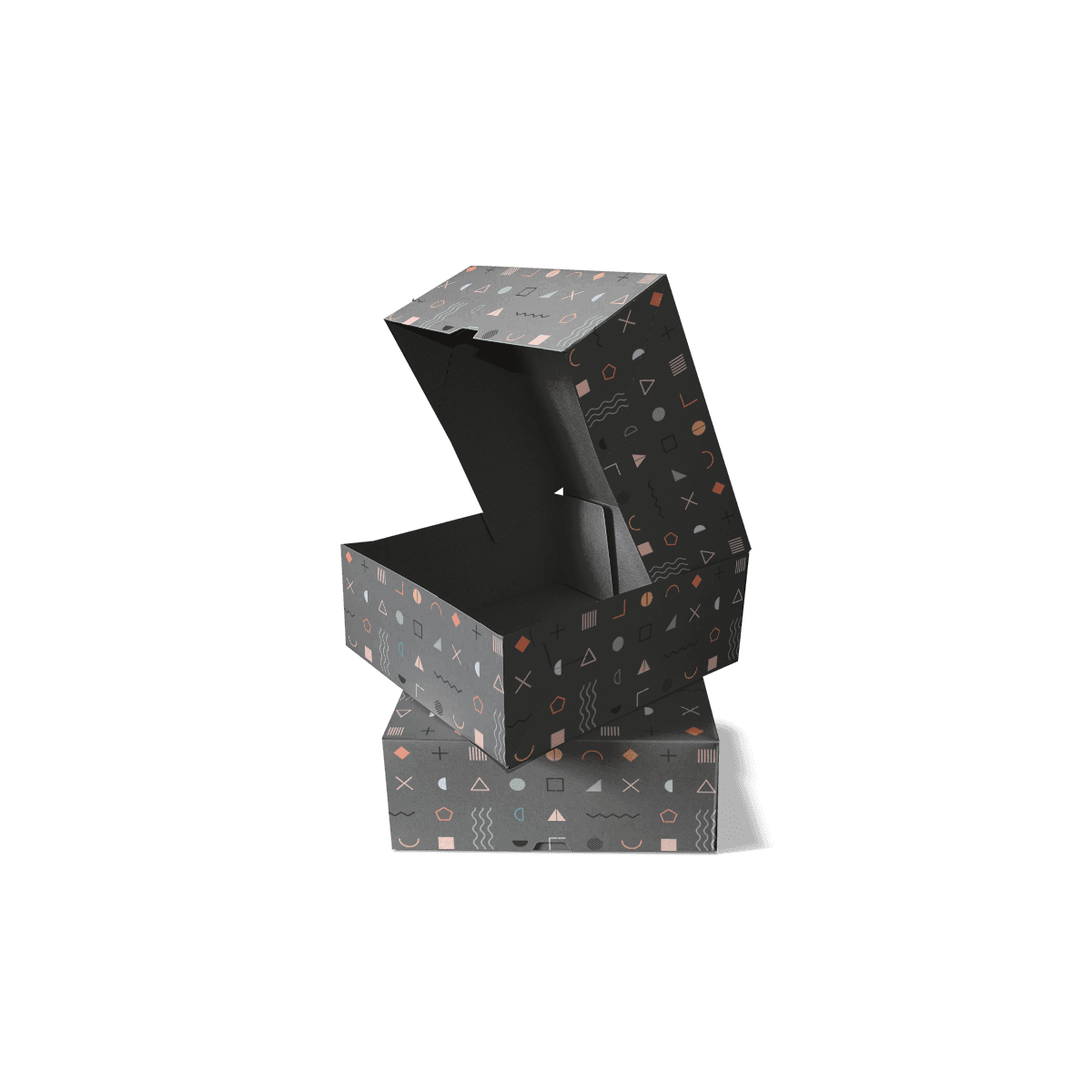
Custom Six Corner Boxes
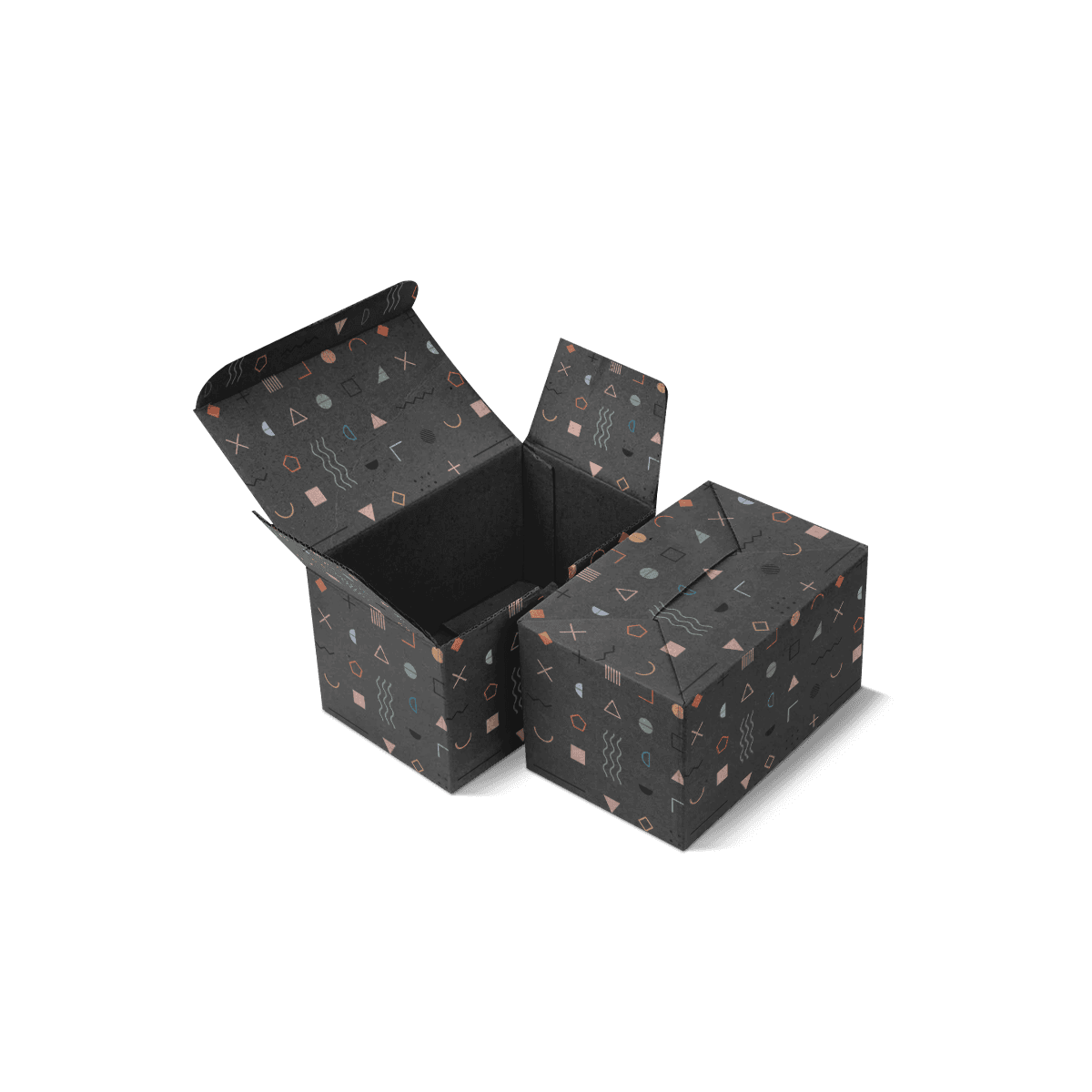
Tuck Top Auto Bottom Boxes
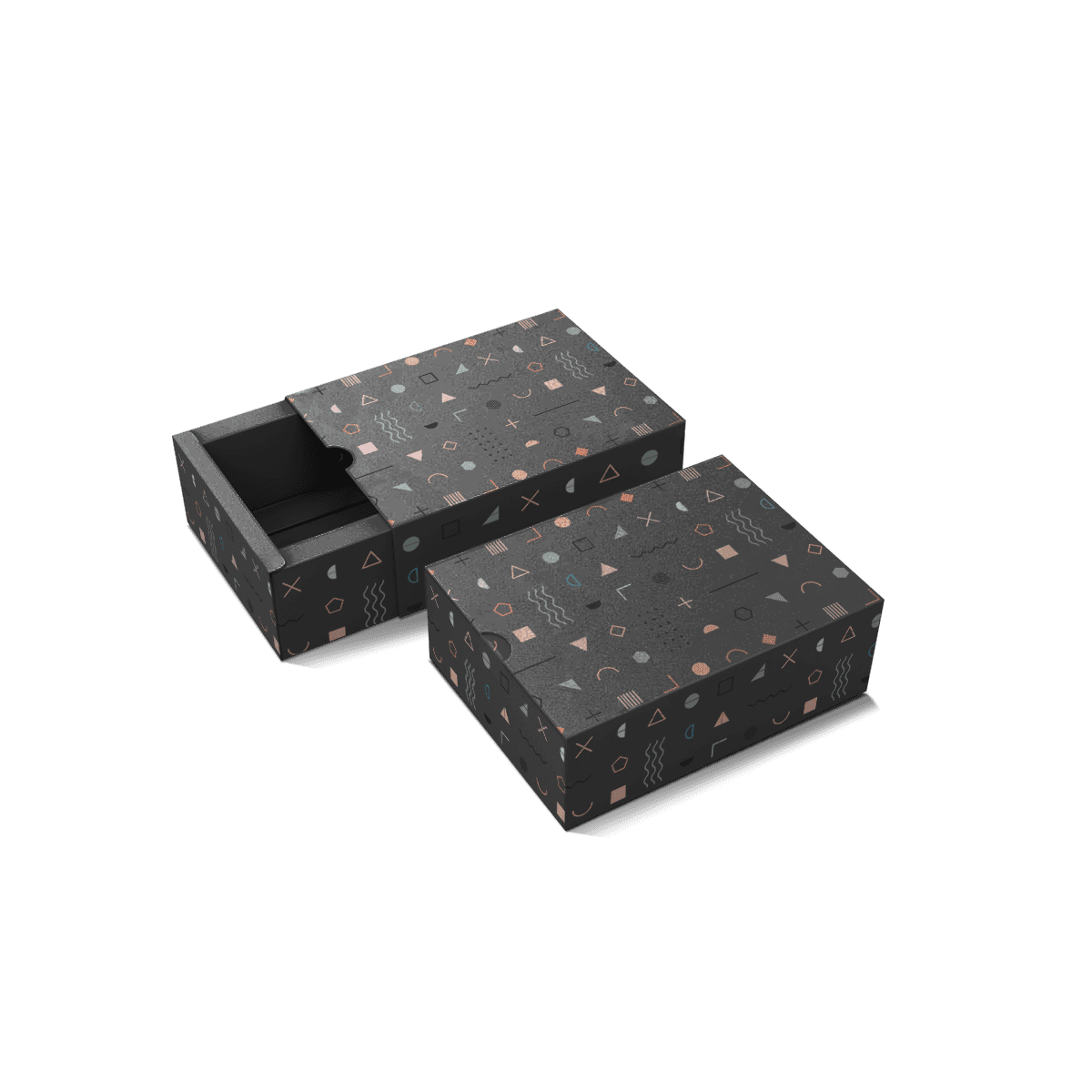
Tray and Sleeve Boxes
Your product shouldn’t have to fit an off-the-shelf box.
Share the shape, size, material, finish, or insert you have in mind. We’ll turn the details into a tailored packaging recommendation and a clear quote.
Custom sizes · materials · finishes · inserts
Count the Folds Before the Finish
A box can look simple when it is closed and still create unnecessary work every time someone packs it. That is why Custom Packaging Types should be compared by construction first: how the carton arrives, how many actions it takes to erect, how the bottom forms, where the product enters and how the customer opens it.
A lightweight skincare carton that is packed by hand may work well with a straightforward tuck structure. A denser bottle packed at higher volume may justify a pre-glued automatic bottom. A gift set may need a sliding tray because product arrangement matters more than rapid top loading. The finished appearance can be refined later, but those structural choices determine the packing sequence from the start.
These made-to-order box forms include tuck ends, lock bottoms, seal ends, gable boxes, pillow boxes, drawers, six-corner boxes and tray-and-sleeve structures. If the decision is still between rigid boxes, mailers, shipping boxes, tubes, bags or pouches, use Packaging Styles first.
The most useful first question is not “Which box looks best?” It is “What does someone have to do to turn the flat blank into a filled, closed package?”
Packing Sequence Narrows the Choice
The same product can often fit several carton styles. Packing method is what separates the practical options.
Simple Tuck for Light Products
Custom Straight Tuck End Boxes use top and bottom tuck flaps that close in the same direction. They suit lighter retail products where a clean panel layout, flat storage and straightforward manual assembly matter more than a reinforced bottom.
Reverse Tuck-End Boxes use opposing top and bottom closure directions. The difference sounds small, but flap orientation affects the dieline, panel sequence and how the carton is handled during packing.
Do not choose between straight and reverse tuck from the product name alone. Check which closure direction works better with the loading sequence, display face and artwork orientation.
Pre-Glued Bottom for Faster Setup
Auto-Lock Bottom Boxes arrive with a pre-glued bottom that forms as the carton is opened. This reduces the manual work required to build the base and can suit bottles, jars, kits and other products that need more bottom support than a basic tuck carton.
Automatic Bottom Boxes solve a similar operational problem. The exact dieline and manufacturing terminology should be confirmed with the final specification rather than assumed from a name.
Manual Locking When Pre-Gluing Is Unnecessary
Snap-Lock Bottom Boxes create the base through interlocking flaps. They require more manual setup than a pre-glued automatic bottom but can be useful when the product needs a firmer base without adding that pre-glued construction.
This is where unit price alone becomes misleading. The box with the lower purchase price may require more labor at the packing table.
Assembly Time Is Part of Packaging Cost
Structure affects labor every time a carton is erected.
Consider a wellness brand packing 5,000 bottled products for a launch. A manually locking bottom works structurally, but each packer has to fold and engage several bottom flaps before the bottle can be loaded. The carton itself is acceptable; the repeated assembly step is what slows the operation.
The cause is a mismatch between the carton construction and the production volume.
Changing to an automatic or auto-lock bottom removes much of that repeated base-forming work while preserving a folding-carton format. The improvement is not merely a “stronger box.” It is a more suitable pack-out sequence with fewer manual steps.
That does not mean auto-lock should replace every snap-lock carton. Pre-gluing changes manufacturing and cost. At smaller quantities or slower hand-packing speeds, the simpler manually locked construction may remain the better commercial choice.
Before approving a style, run the actual packing sequence with the people or equipment that will use it. Time spent erecting, inserting, closing and checking the box belongs in the packaging decision.
Bottom Style Should Match the Product
The bottom is not a separate afterthought. It is part of the structural system that supports the packed product.
Basic tuck bottoms are appropriate for many lightweight items. Snap-lock constructions add interlocking support. Automatic bottoms reduce setup while creating a pre-formed base. Tuck Top Auto Bottom Boxes combine a convenient top opening with a faster-setting bottom when both filling access and base support matter.
The product's weight, center of mass and insert arrangement should be checked together. A bottle standing in a paperboard fitment creates a different load than a light tube lying horizontally, even when both use the same outside dimensions.
If an insert is required, define it before the carton dimensions are locked. The insert changes internal clearance, loading sequence and sometimes the best bottom construction.
For projects where product geometry is more important than choosing from an existing structural family, custom product packaging is the better route for building the packaging around the physical item and its fit requirements.
Some Closures Are Meant to Stay Closed
Not every carton is designed for repeated opening.
Custom Seal End Boxes use glued or sealed end construction when closure security and production handling matter more than casual reclosure. This can suit products packed on more controlled lines or products where the carton should remain closed until the customer opens it.
The operational question is whether the packer needs access from one or both ends, whether adhesive is applied during manufacturing or packing and how the customer is expected to open the finished carton.
A tuck closure invites reopening. A sealed closure communicates a different use pattern.
That distinction should be settled before artwork because opening points, glue zones and tear features can consume panel space or change which face should carry instructions.
Carrying and Curved Forms Change the Brief
Some box styles are chosen because the structure itself creates a different handling or presentation experience.
Gable Boxes Combine Box and Handle
Custom Gable Boxes bring the top panels together into an integrated carrying area. They can work for gifts, events, bakery items and other products where the package needs to be picked up and carried without a separate bag.
The handle area, top closure and internal weight all need to work together. A gable structure should not be chosen solely because the silhouette looks distinctive.
Pillow Boxes Use Curved Side Panels
Pillow Boxes form their characteristic shape through curved folds rather than conventional rectangular side walls. They suit smaller, lighter products where compact presentation and a distinctive profile matter.
The curved faces reduce the kind of flat panel area available on a standard carton, so product information and artwork have to be planned around the assembled form.
These structures own different decisions from standard tuck and lock-bottom cartons. They are not simply decorative versions of the same box.
Two-Piece Structures Control the Reveal
When product arrangement and access matter more than rapid top loading, a two-piece structure can be more useful.
Tray and Sleeve Boxes separate the package into an inner tray and outer sleeve. The sleeve carries much of the branding while the tray controls product placement and access.
Drawer Boxes use a similar slide-out principle but may be developed with a stronger emphasis on controlled reveal, inserts and presentation.
These formats add components and assembly compared with a single-piece tuck carton, so the extra structure should solve something useful: organized kits, separated accessories, staged presentation or easier product removal.
For a single lightweight item that only needs a retail carton, a two-piece package may add complexity without meaningful benefit. For a set of coordinated components, the separate tray can make the internal arrangement much easier to control.
Multi-Panel Boxes Need an Assembly Reason
More panels do not automatically mean better packaging.
Custom Six Corner Boxes use multiple folding and locking points to create a structured tray-like form. They can suit bakery, food, gifting and retail applications where broad opening access and stronger corner formation are useful.
The trade-off is setup complexity. If a simpler carton gives the same product support and loading access, the additional folds may only increase pack-out effort.
This is a recurring decision across Custom Packaging Types: every tab, lock, flap and panel should earn its place through faster assembly, stronger support, better access, better presentation or another measurable packaging function.
Material Follows the Construction
Once the structure is selected, paperboard type and thickness can be matched to the actual job.
SBS can provide a smooth surface for detailed retail printing. Kraft stock changes both appearance and print behavior. Some structures can also be engineered in light corrugated material when more stiffness is required.
Do not try to correct an unsuitable structure only by increasing board thickness. A poorly chosen bottom or awkward closure remains awkward in heavier stock.
The same applies to finishes. Matte, gloss, soft-touch, foil, embossing, debossing and spot UV change appearance and touch, but they do not replace structural support.
Use packaging capabilities when the structure is known and the remaining decisions involve paper stock, printing, finishes, inserts or other production details.
Lock the Dieline Before Designing Panels
Artwork belongs to the approved structure.
Changing from straight tuck to reverse tuck changes flap direction. Moving from a basic bottom to an auto-lock construction changes the lower dieline substantially. A gable top, pillow curve or sleeve-and-tray format changes the available panel shapes again.
That means a random box template is not a safe starting point for final artwork.
The packaging dieline explanation shows how cut lines, crease lines, bleed, safe areas and locking tabs determine where artwork can safely sit. For supported box structures, the Dieline Generator can also help begin dimension-based structural planning.
Custom Packly provides free design and dieline support, and a free 3D mockup can help review panel orientation before production. A mockup is useful for graphics and opening sequence; a physical custom sample is more appropriate when exact fit, closure resistance or assembly behavior must be validated.
When Another Packaging Structure Fits Better
Custom Packaging Types is not a substitute for every packaging style on the site.
If the main requirement is a lightweight paperboard retail carton family, Folding Cartons provides deeper material and carton-specific routes. If the box itself must survive parcel delivery, a mailer or shipping box may be more appropriate. If thick board and premium presentation are central, rigid boxes belong to a different structural family.
When the real decision is retail presentation versus transit protection, mailer, shipping box and folding carton comparison separates those jobs clearly.
Once a made-to-order carton is appropriate, choose the construction that best fits the packing method, product support and opening experience.
Quote the Construction You Intend to Pack
A useful quote should include product dimensions and weight, required internal box dimensions, quantity, preferred structure if known, packing method, bottom and closure needs, insert requirements, print coverage, artwork status and any special opening feature.
MOQ starts from 100 units for USA orders. Instant free quotes and transparent pricing with no hidden charges make it easier to compare structures on the same project assumptions.
Free sample examples of previous work can help assess general material, print and finish quality. If the project depends on exact closure behavior, insert fit or a nonstandard structural detail, a paid fully custom pre-production sample may be the better validation step.
US production, free shipping and a standard 4–6 business-day turnaround after final artwork and specifications are approved are available once the specification and artwork are approved. Bulk and repeat-order support can also scale an approved structure when demand grows. Complex structures, specialty materials or advanced finishes may require additional time.
When the structure and packing requirements are clear, request an instant custom packaging quote with the actual pack-out details rather than only the style name.
Build a Structure Matrix Across SKUs
Brands with several products do not always need a different box construction for every SKU.
Group products by what the packaging has to do. Lightweight products with similar pack-out can share a tuck-end family. Denser bottles may share an auto-bottom construction. Kits that need organized presentation may share a tray-and-sleeve system even when dimensions change.
Then separate the variables that genuinely need to change: dimensions, insert geometry, artwork, product copy and perhaps board grade.
This creates a cleaner packaging system than choosing each box independently from a catalog. It can reduce unnecessary structural variation for purchasing and packing teams while still giving each product an appropriate fit.
The objective is not to force every SKU into one box style. It is to use the fewest structural families that still solve the real packing, support and opening requirements correctly.
That is the role of Custom Packaging Types: turn a long list of box names into a practical structural system that can be specified, packed and scaled with fewer avoidable decisions.
FAQs
Start Your Custom Packaging Quote
Share your product details, size, quantity and artwork needs. We’ll help choose the right packaging style and send a clear quote.