Flexible Pouches
Flexible pouches offer lightweight protection, efficient storage and strong shelf appeal for products that need barrier performance, flexible formats and easier shipping efficiency.
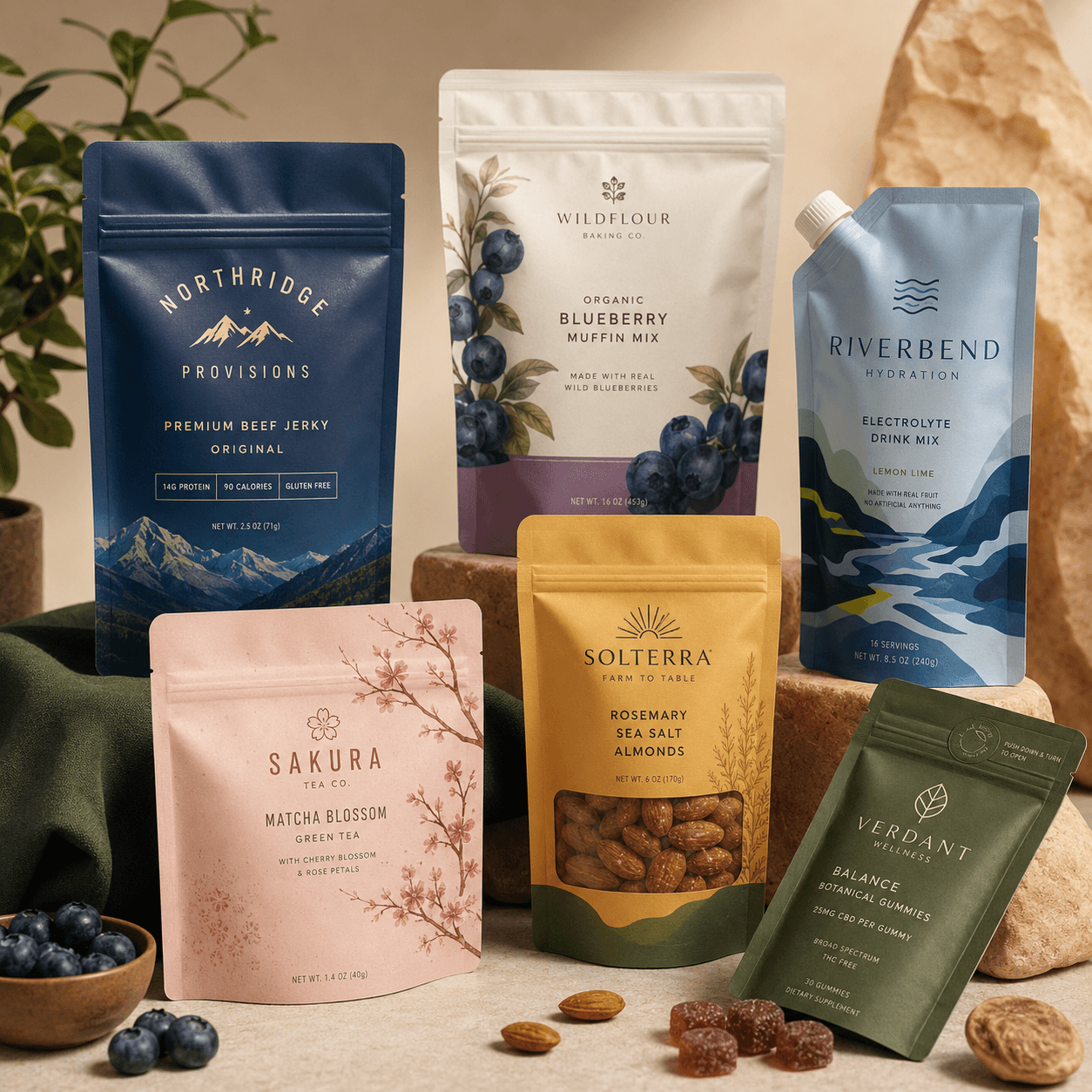
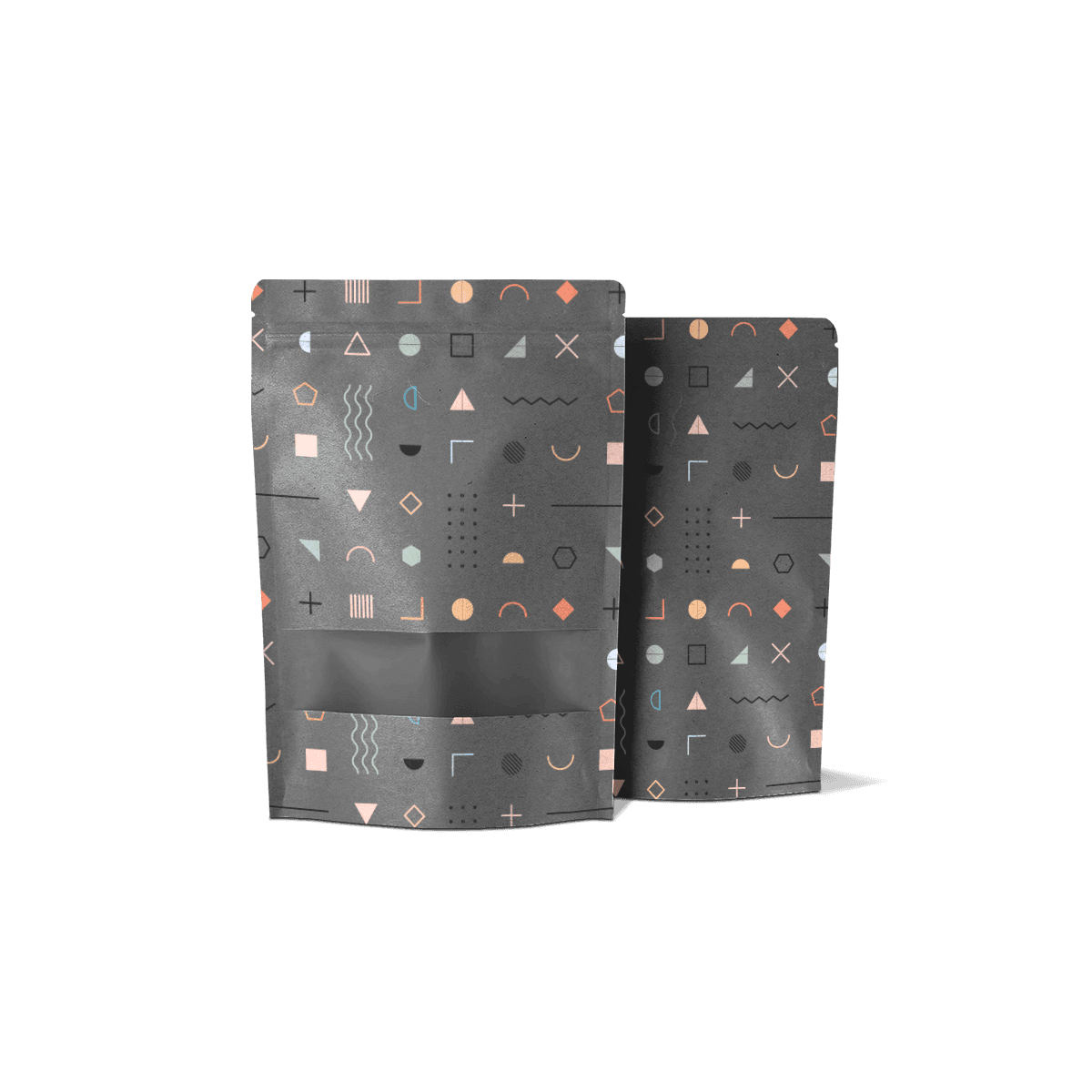
Stand-Up Pouches

Flat Pouches
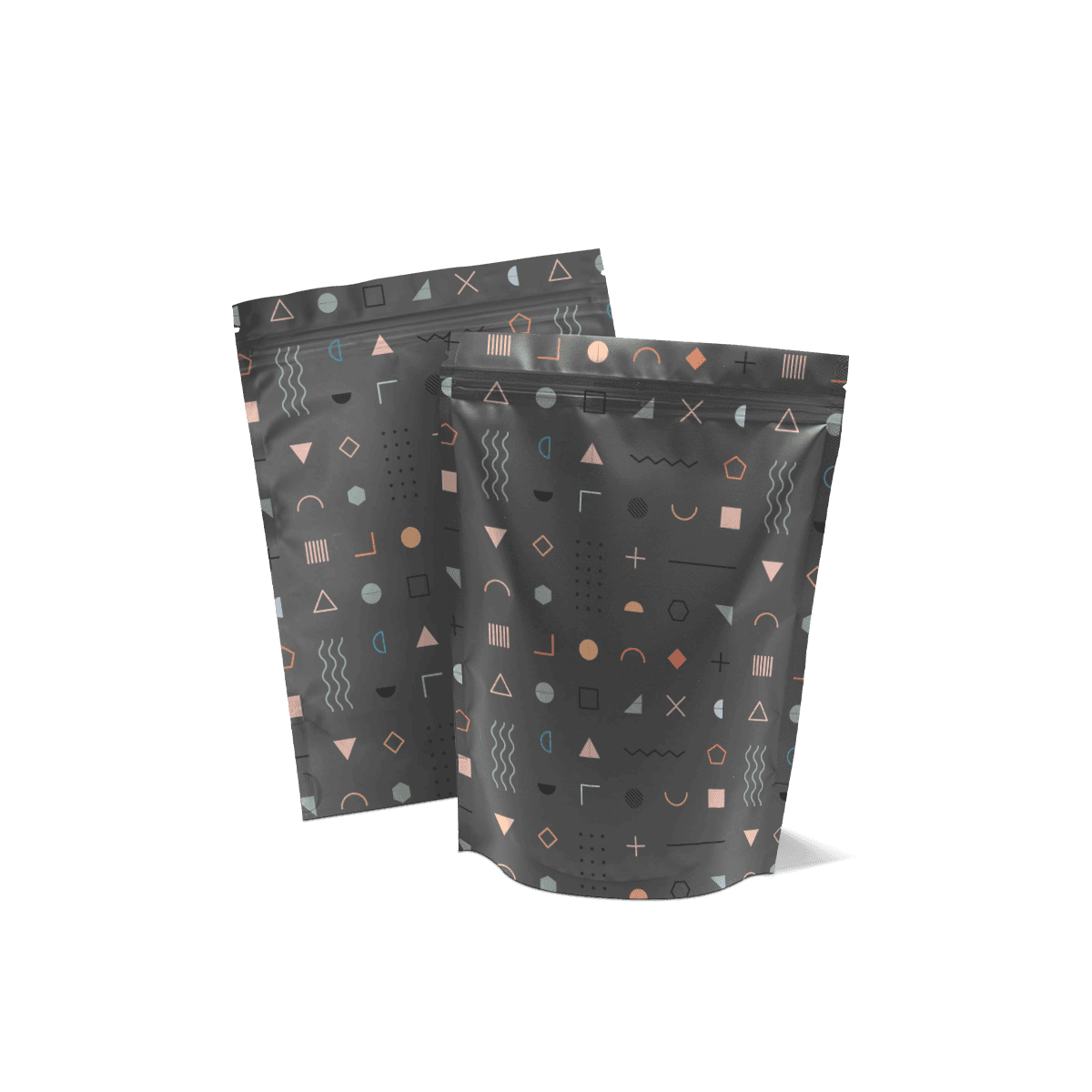
Zipper Pouches
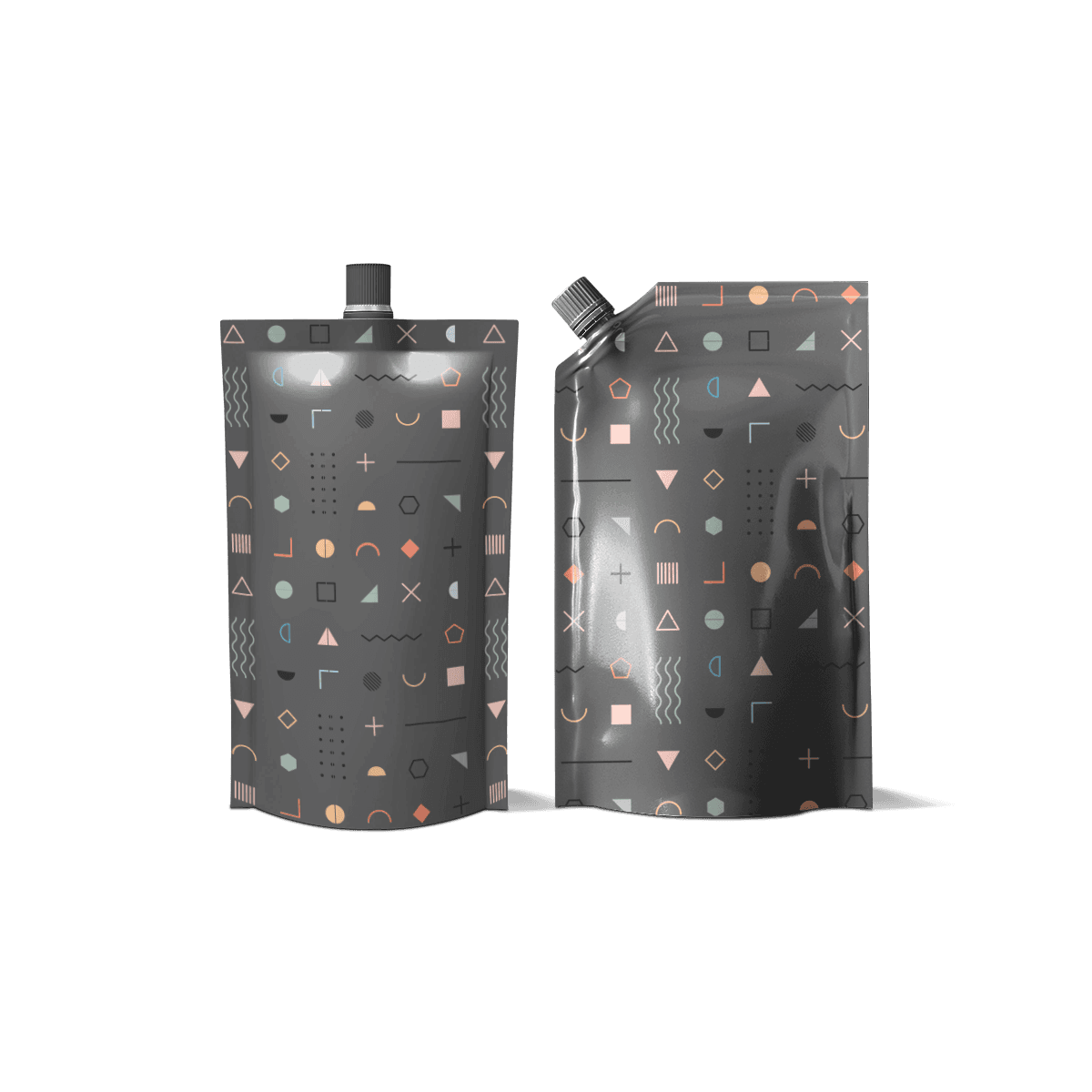
Spouted Pouches
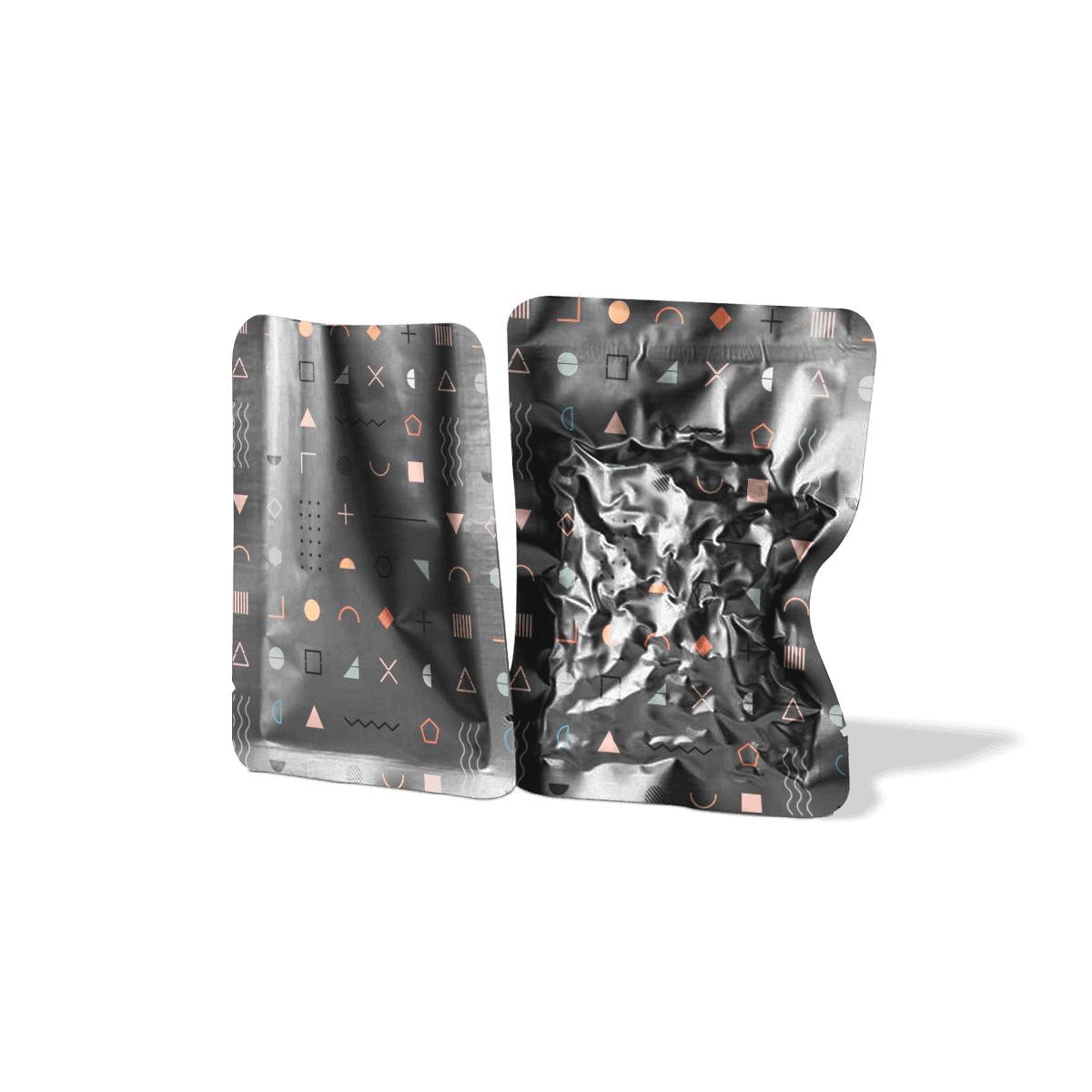
Vacuum-Sealed Pouches
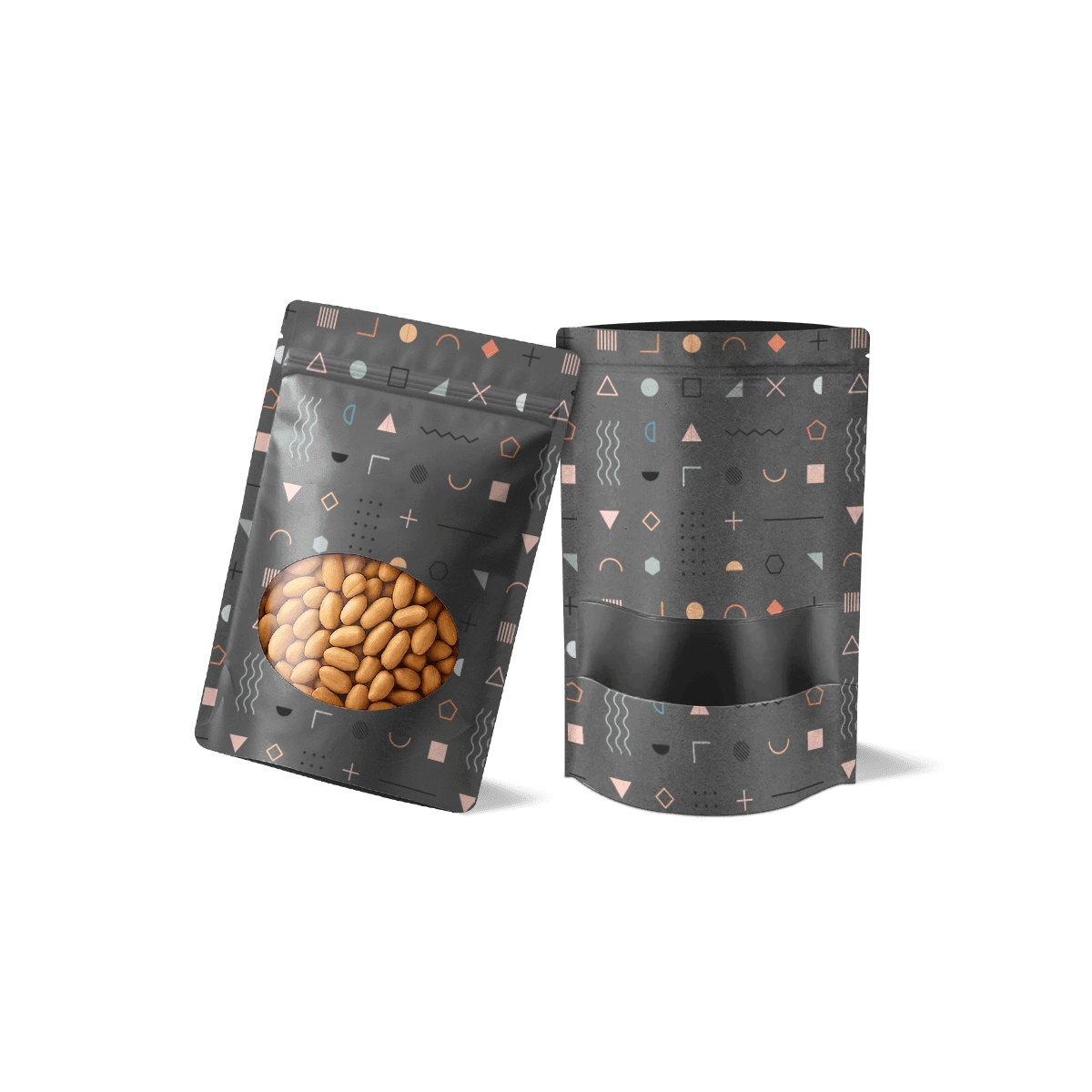
Windowed Mylar Pouches
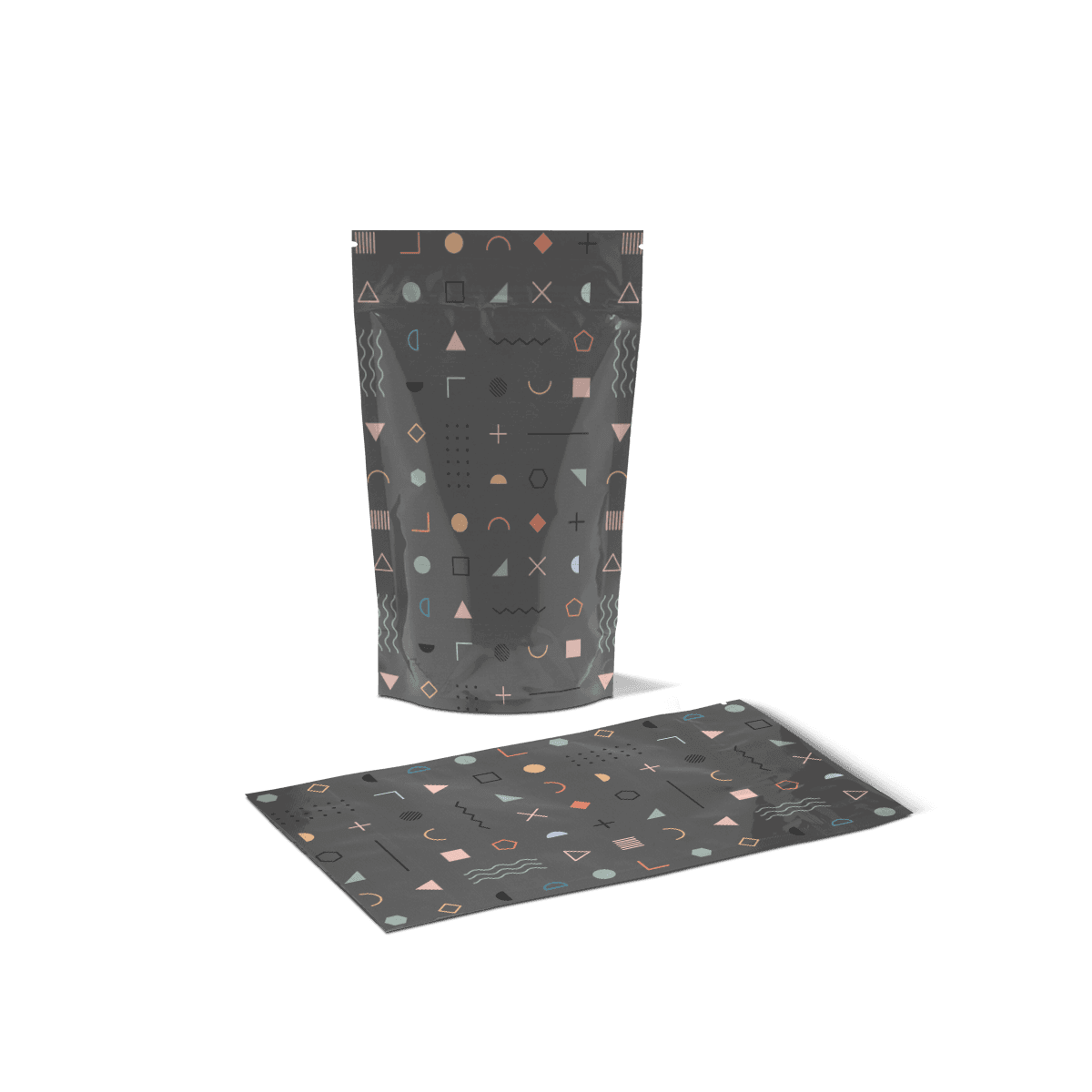
Child-Resistant Pouches
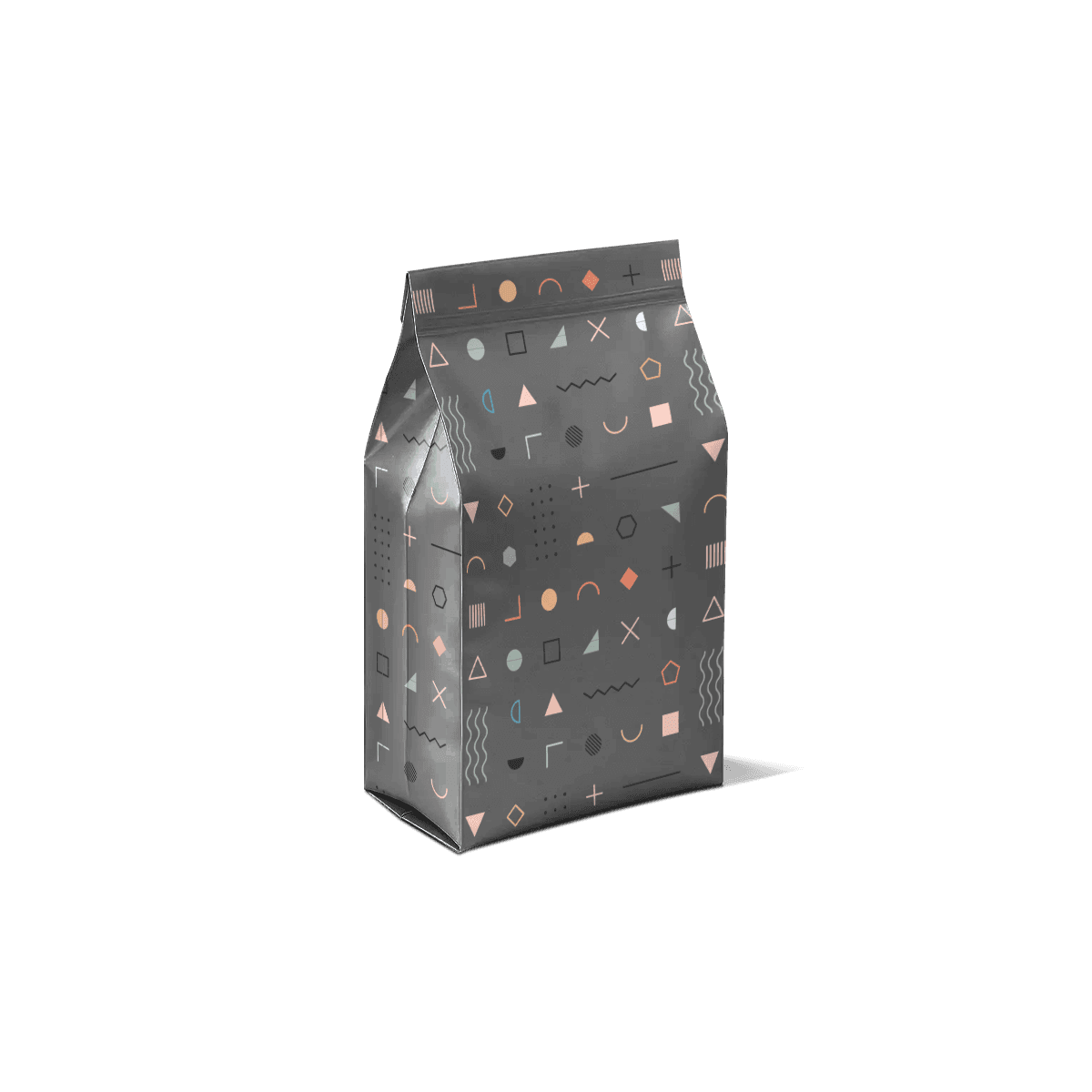
Gusseted Pouches
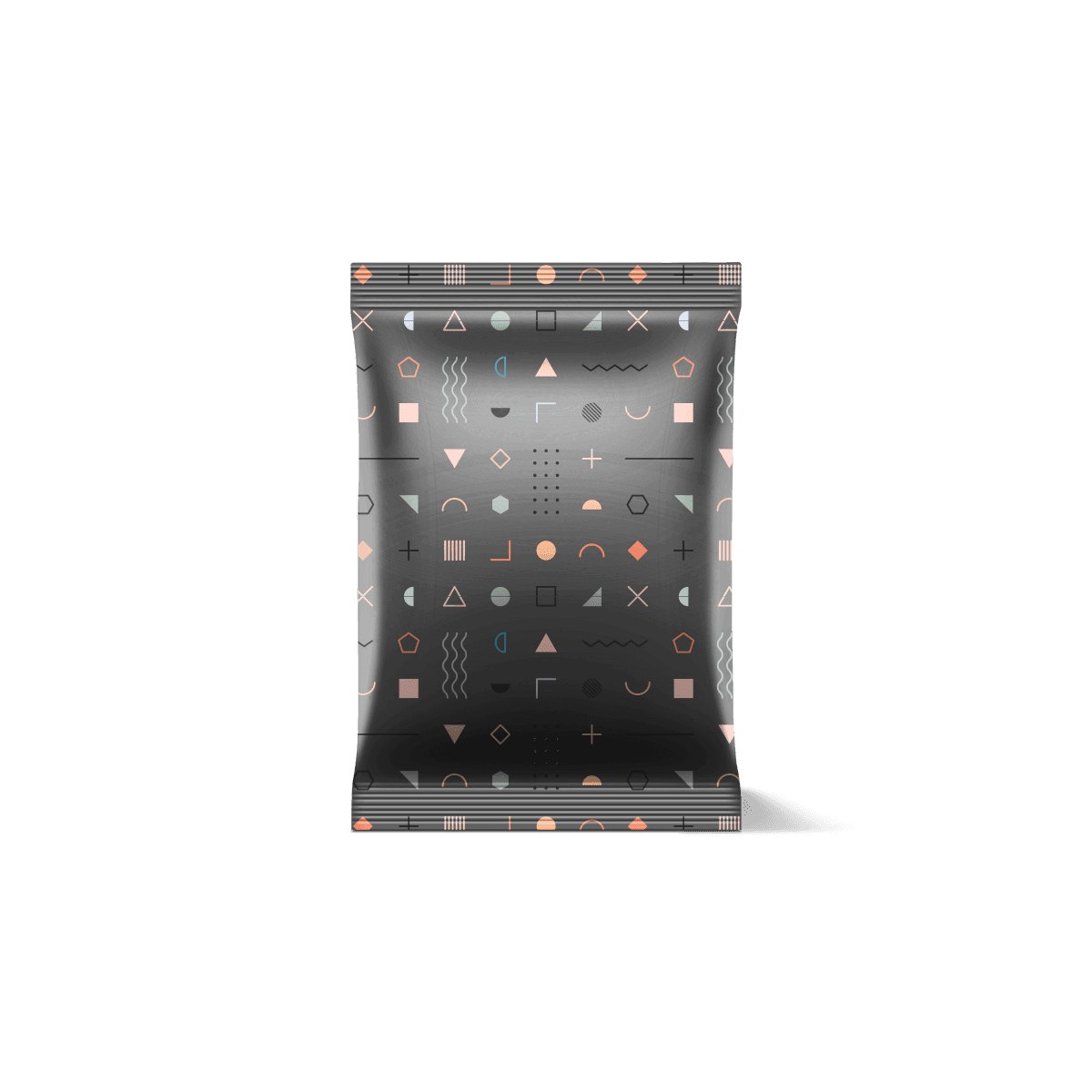
Pillow Pouches
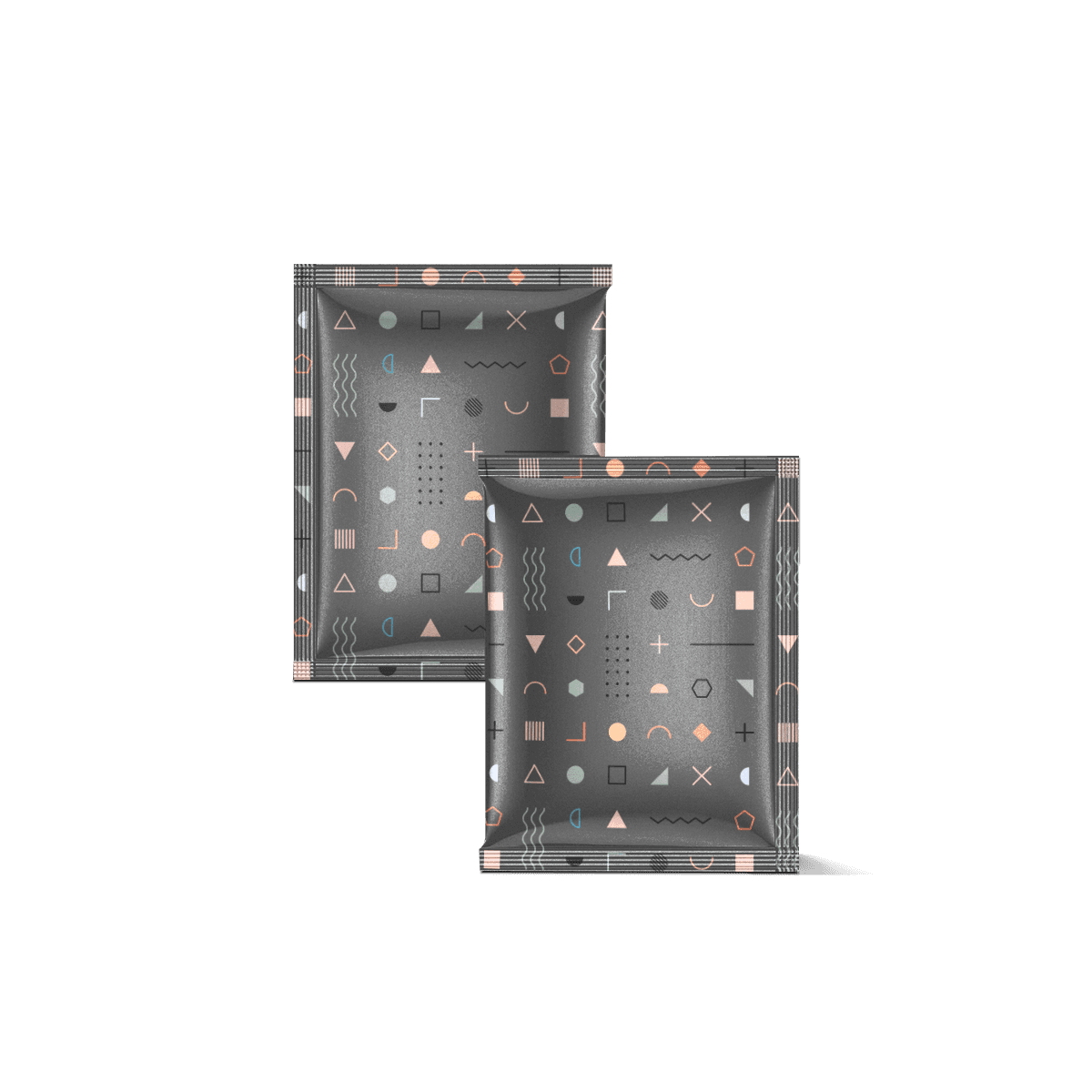
3 Side Seal Pouches
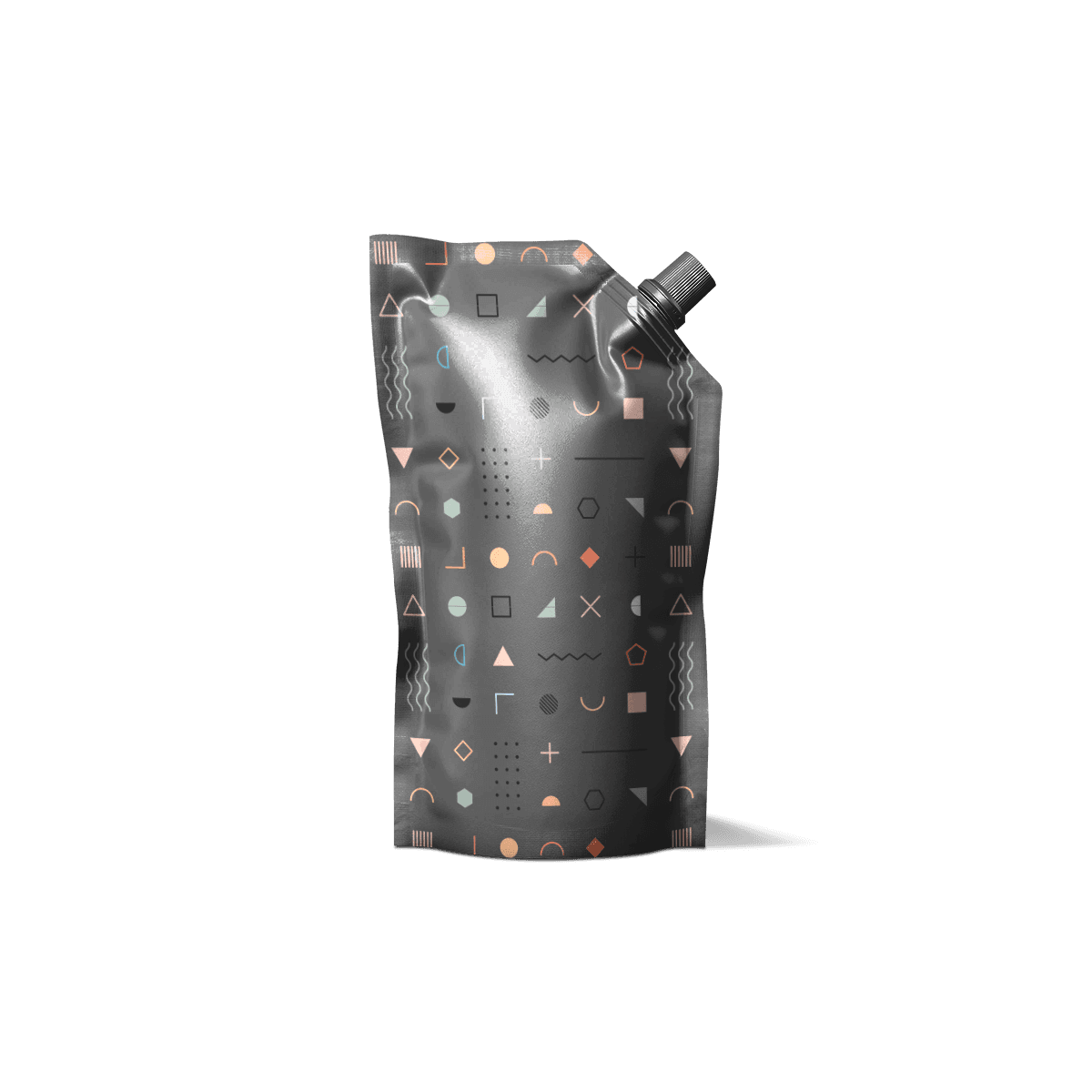
Liquid Pouch Packaging
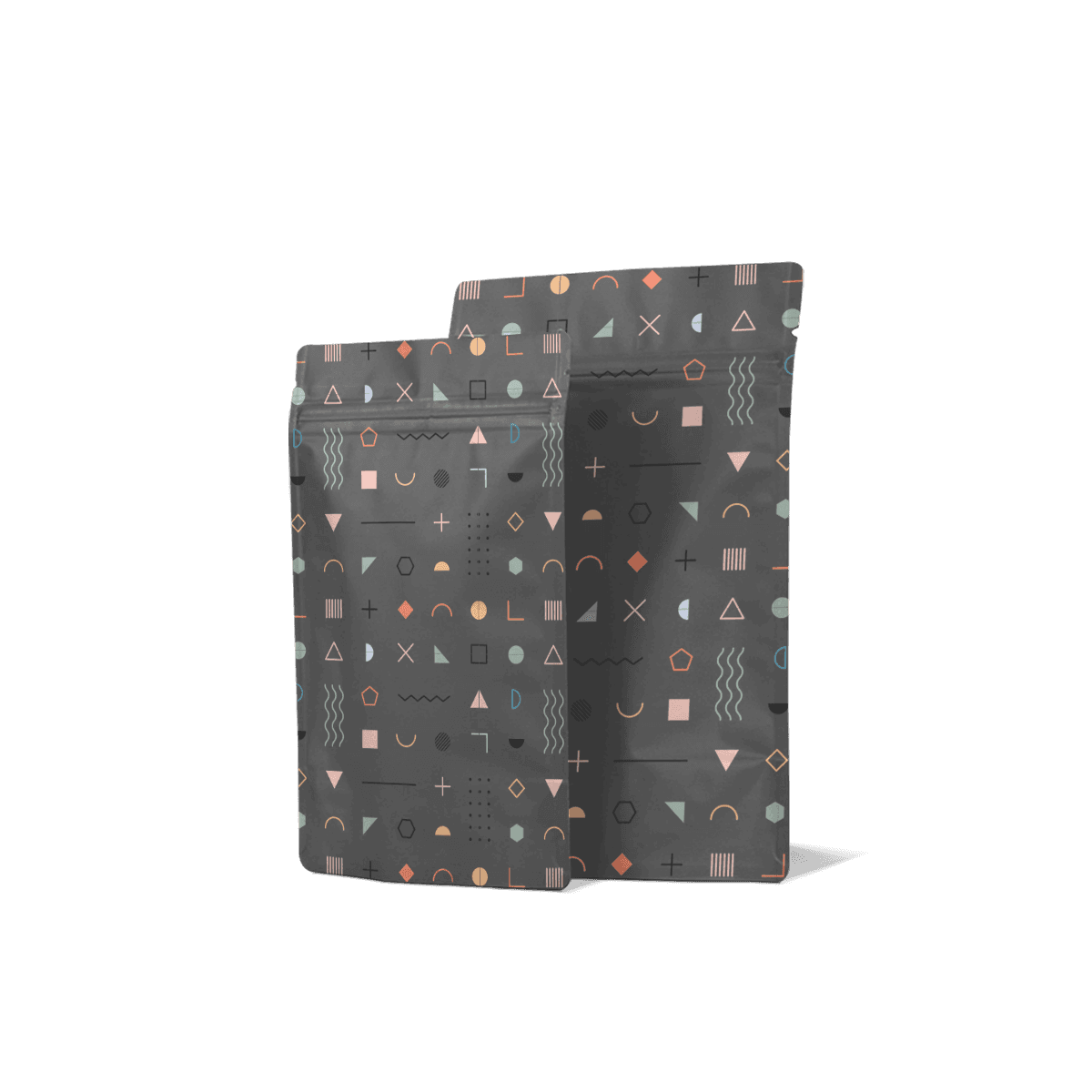
Skirt Seal Pouches
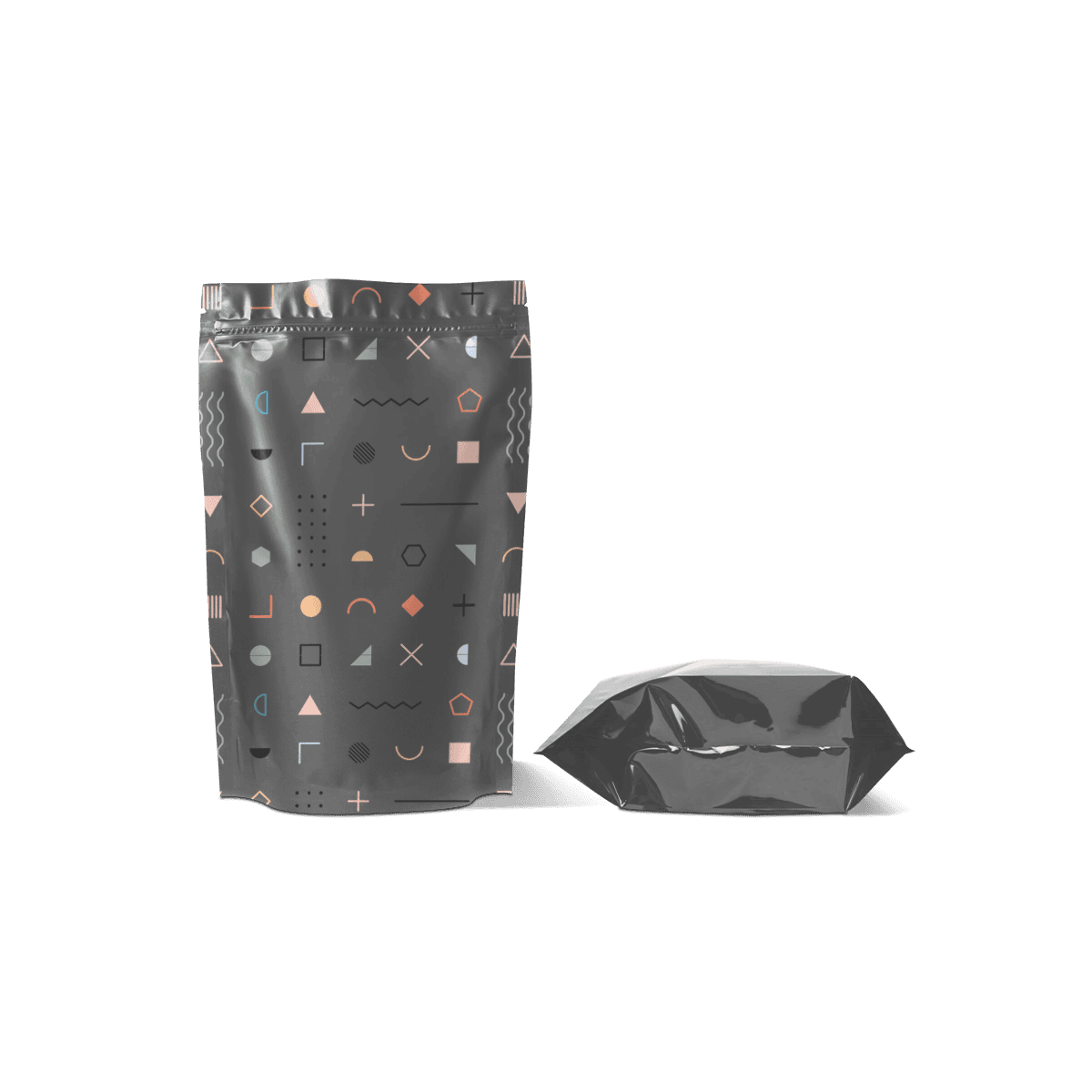
Plow Bottom Pouches
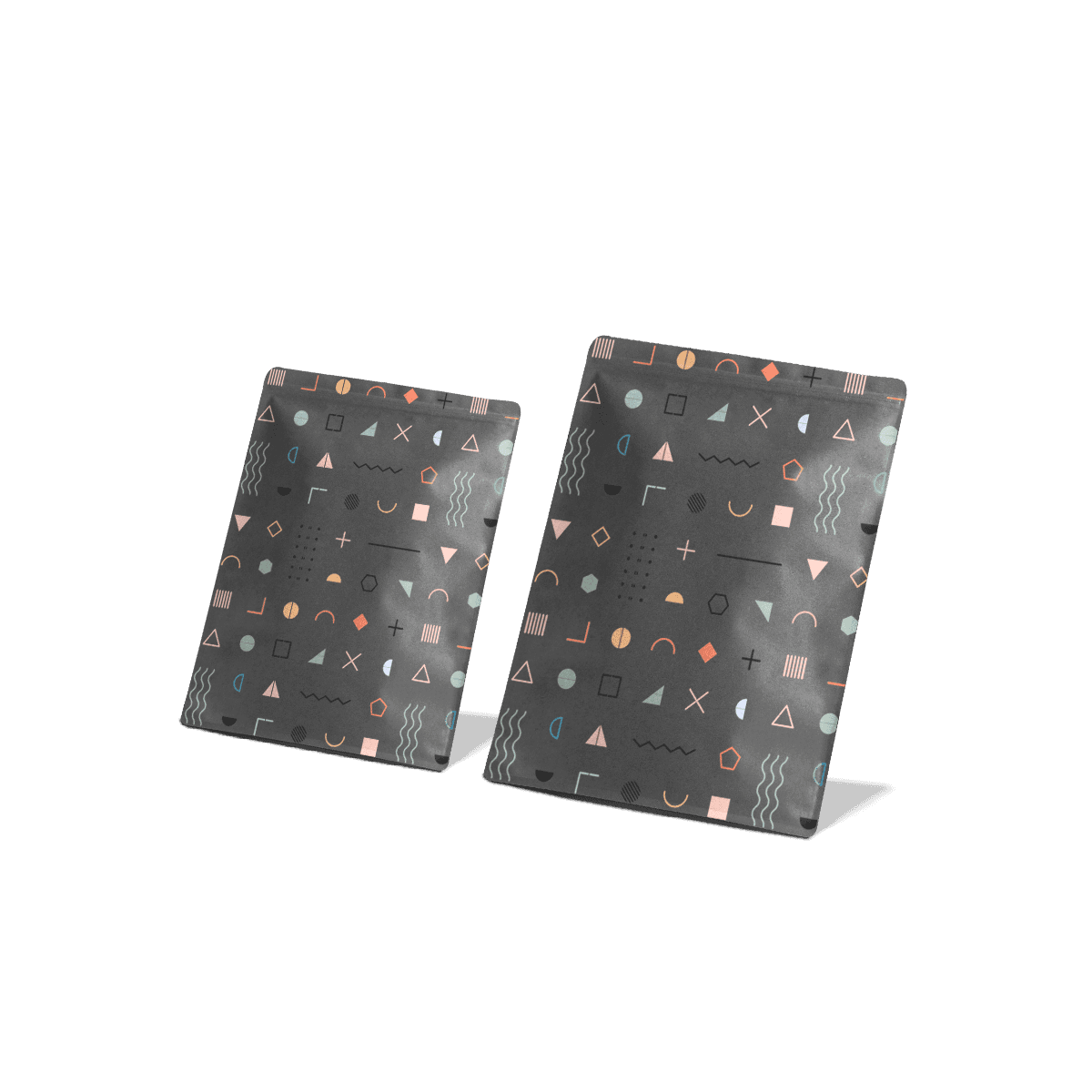
Lay Flat Pouches
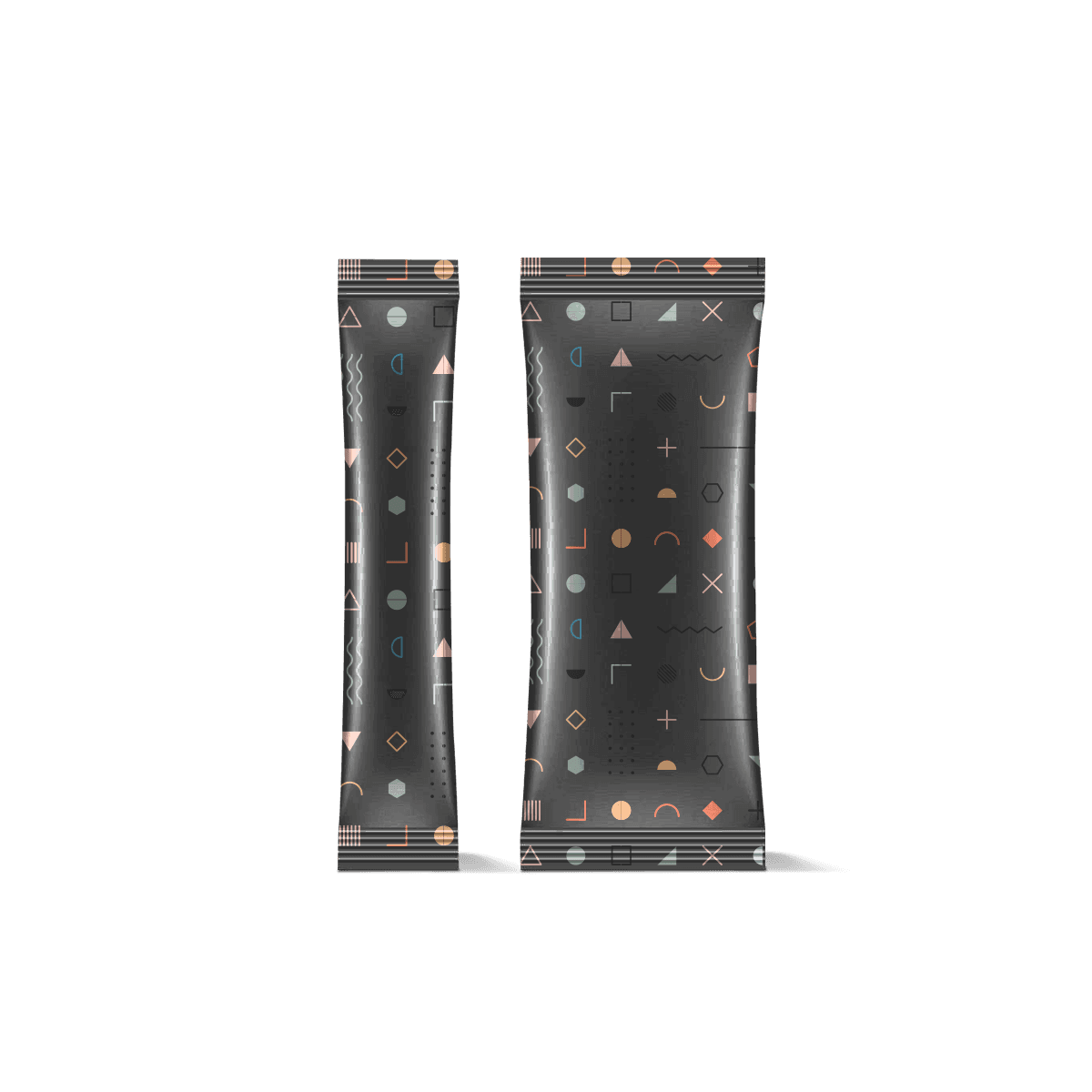
Roll Stock Pouches
Your product shouldn’t have to fit an off-the-shelf box.
Share the shape, size, material, finish, or insert you have in mind. We’ll turn the details into a tailored packaging recommendation and a clear quote.
Custom sizes · materials · finishes · inserts
About Flexible Pouches
Flexible pouches are used when a product does not need a rigid box but still needs protection, branding space and a clean selling format. They are widely used for food, supplements, cosmetics, powders, liquids, small parts and refill programs because they save space, reduce pack weight and adapt well to different product shapes and fill volumes. Within this category, the main differences usually come down to how the pouch stands, seals, pours, hangs, opens, reclose and protects the product inside.
Key Reasons to Choose Flexible Pouches
- Lightweight structure that reduces storage space and shipping bulk
- Strong barrier performance for moisture, air and odor control
- Good shelf efficiency with less bulk than boxes or jars
- Easy to customize for display, refill and on-the-go use
- Works across many product types and fill styles
Common Options in This Category
Stand-up formats for shelf display and front-facing branding
Zipper closures for resealable everyday use
Flat and lay-flat styles for single items or slim products
Spouted pouch designs for liquids, gels and pourable products
Windowed and clear-panel options for product visibility
Child-resistant, vacuum and roll stock formats for specialized needs
Materials, Printing and Finish Options
Flexible pouches in this category can be produced with single-layer or laminated film structures depending on barrier level, shelf-life goals and filling method. Buyers often choose combinations that support moisture resistance, aroma retention, puncture resistance or light protection, while visual options may include matte or gloss surfaces, soft-touch finishes, metallic effects, transparent windows, hang holes, tear notches and zipper systems. Printing can be tailored for bold branding, ingredient panels, usage instructions, compliance text and high-impact retail graphics, with structure and artwork planned together so the pouch performs well in both production and display.
How to Choose the Right Option
- Start with the product type and whether it is dry, oily, powdered, liquid or refillable
- Match the pouch shape to how the pack will be displayed, stored and opened
- Choose barrier level based on freshness, odor control and shelf-life needs
- Decide early if the pouch needs features like a zipper, spout, window or child-resistant closure
- Consider filling method, shipping profile and how much front and back panel space the design needs
FAQs
Need help picking the right pouch style for your product, fill type and shelf goals? Explore the grid above and request a quote for the option that fits your packaging program best.
Start Your Custom Packaging Quote
Share your product details, size, quantity and artwork needs. We’ll help choose the right packaging style and send a clear quote.