Skip to content
Details

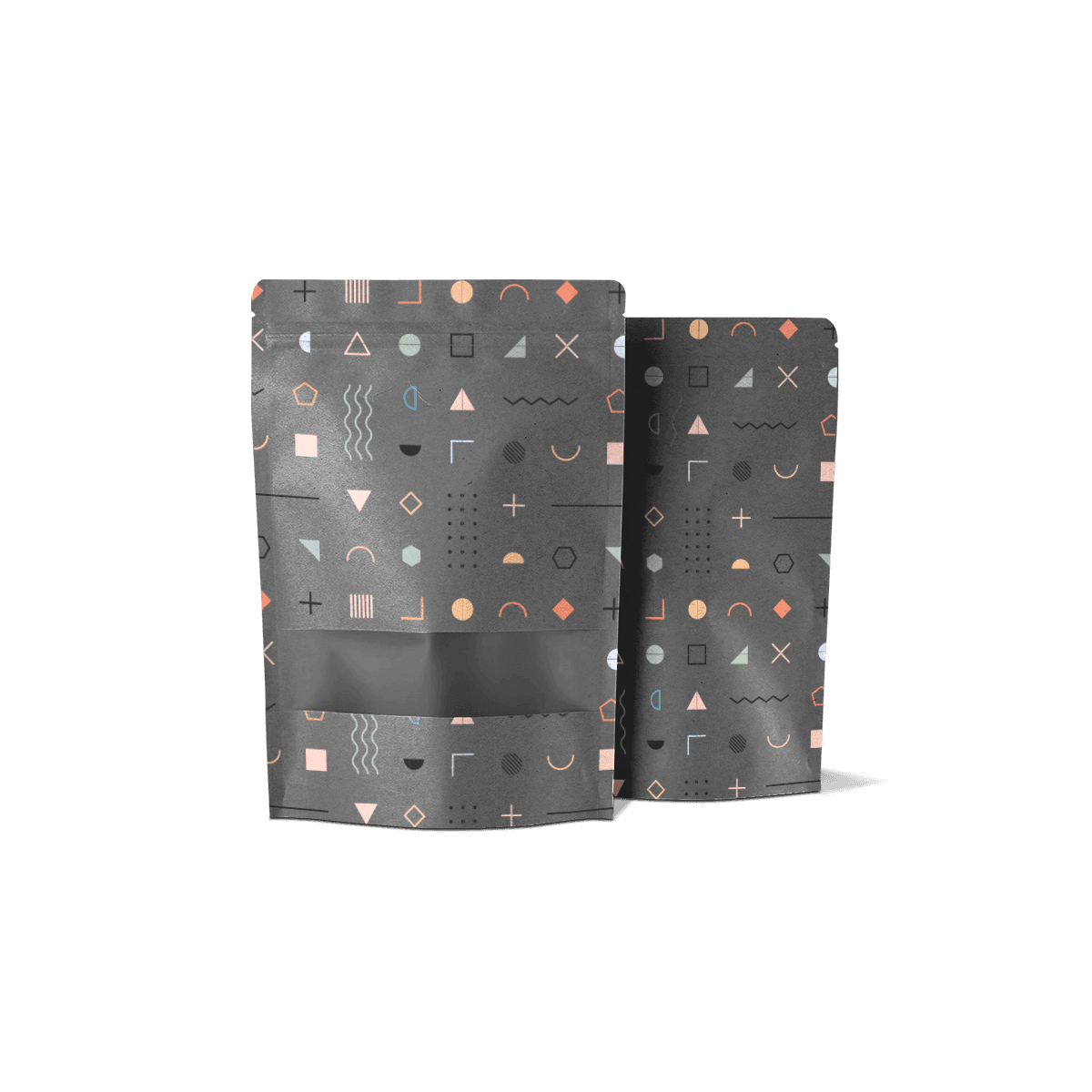
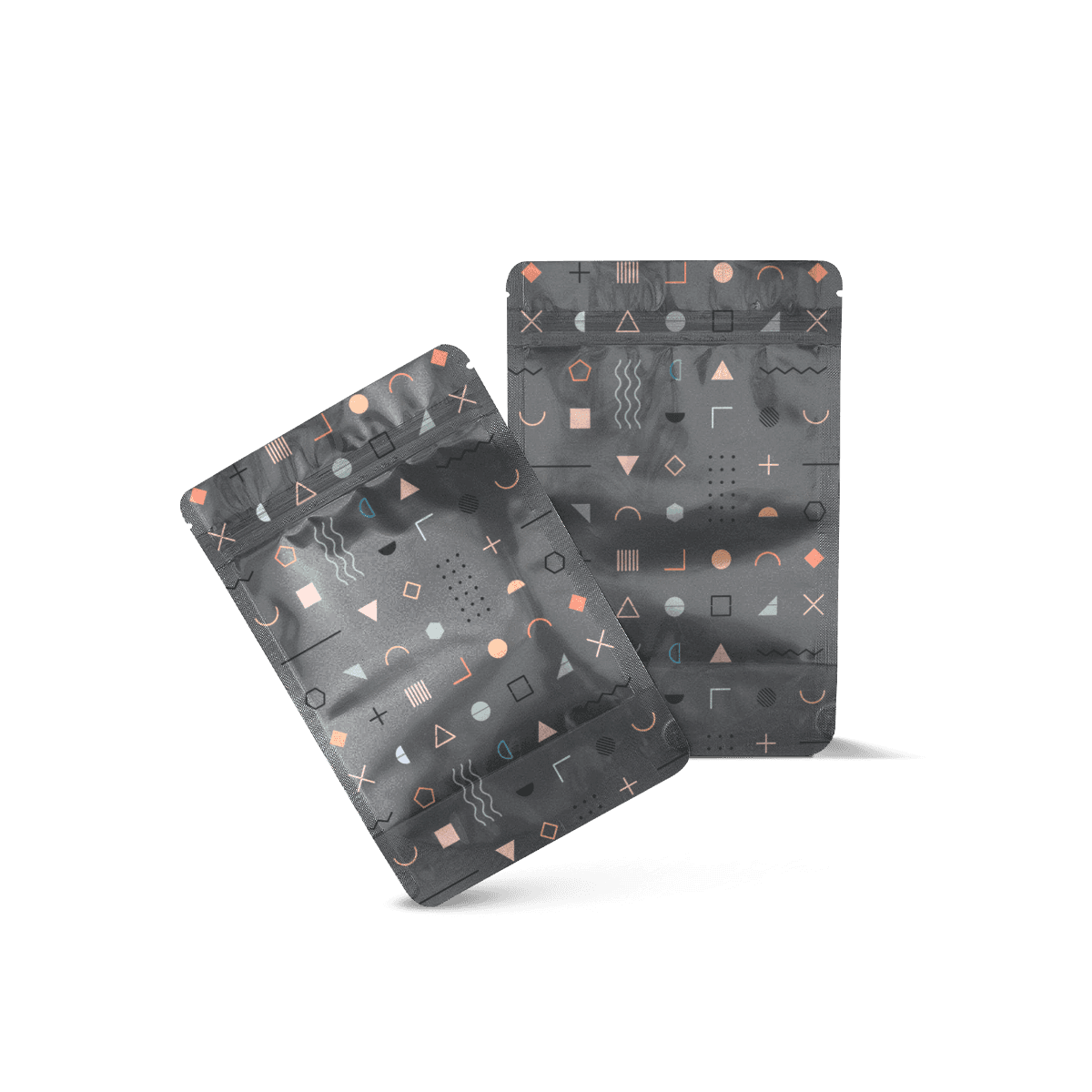
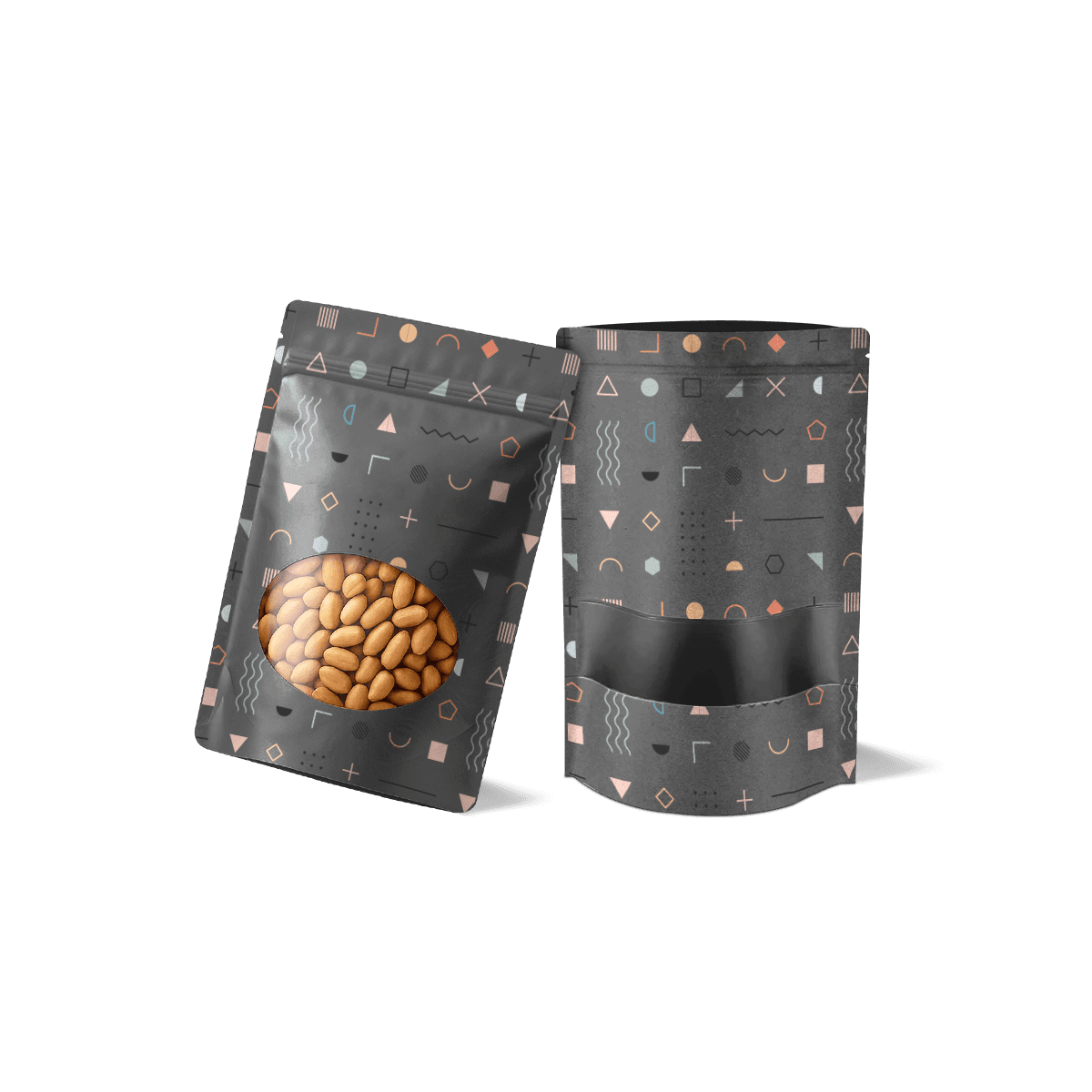
Custom Child-Resistant Pouches

Custom flexible packaging with controlled-access closures, product-specific film options and practical adult reclosure for products that require restricted access.

After the Factory Seal Breaks

The first opening is only one part of a child-resistant pouch's working life. Once the customer removes the factory seal, the remaining closure must perform the required access-control function.

This distinction is especially important for products used repeatedly.

Custom Child-Resistant Pouches are flexible packages intended to make access significantly difficult for young children while remaining practical for adults. The appropriate construction depends on the actual contents, applicable regulatory requirements and whether the package must remain child-resistant after repeated opening.

In the United States, the Poison Prevention Packaging Act (PPPA) requires special packaging for certain substances. The Consumer Product Safety Commission (CPSC) defines this packaging in terms of resistance to opening by children under five and usability by adults.

A child-resistant pouch is not child-proof. It is a packaging system whose performance must be established through the applicable testing requirements.

For a multi-use product, the opening and closing mechanism becomes the central structural decision.

A standard resealable zipper may be convenient, but convenience alone does not establish child resistance. A heat-sealed opening may indicate initial access without restricting access once the seal has been removed.

The finished pouch must be specified around the function required throughout its intended use.
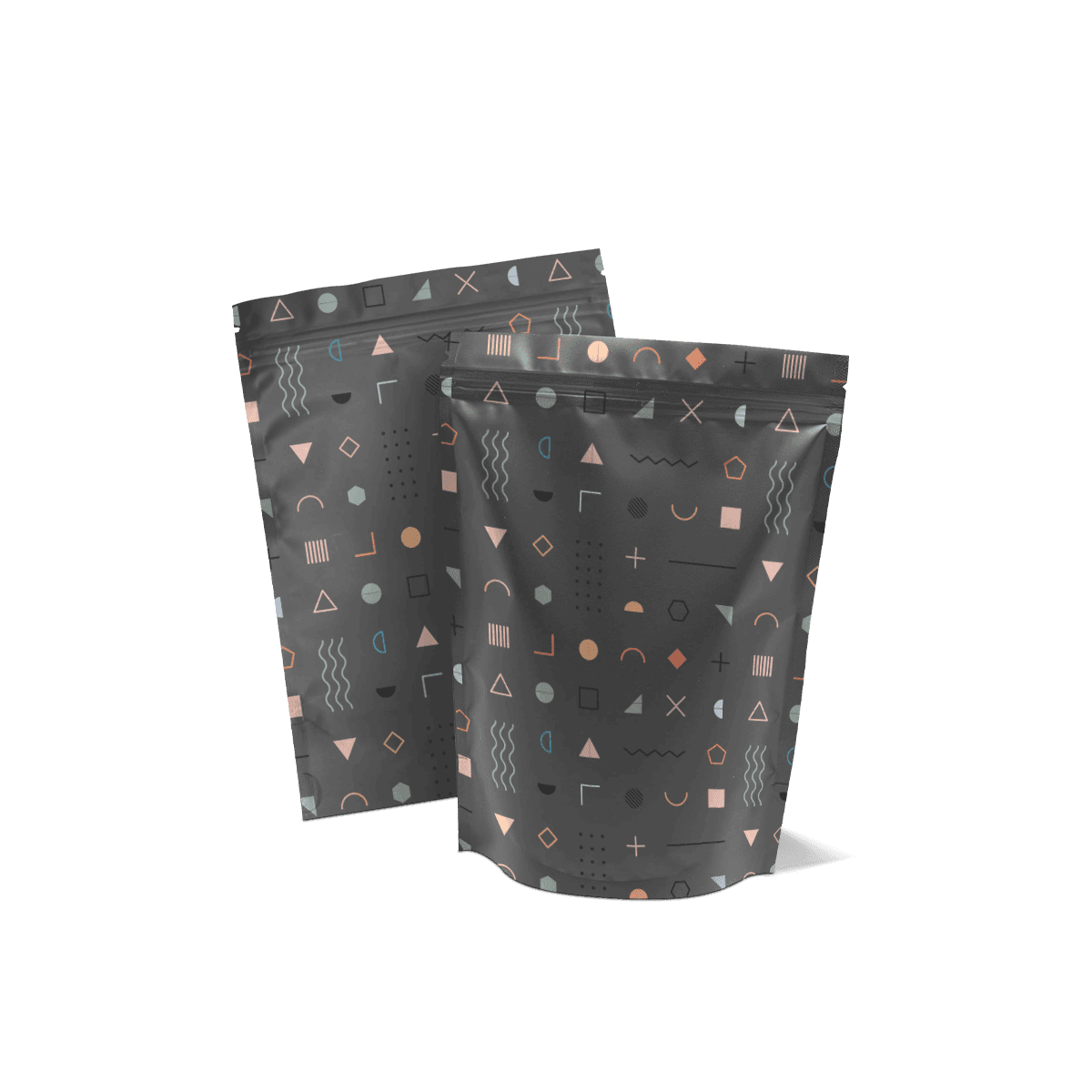
The Tested Closure Assembly

A child-resistant closure should be selected using documented performance for the relevant packaging construction.

A closure manufacturer may have test results for a particular design, but those results must be applicable to the pouch being produced.

Changing the pouch dimensions, opening geometry or closure arrangement can affect its performance.

The approval process should therefore identify the exact construction supported by the test documentation.

Dual-Action Zippers

Some child-resistant flexible packages use a closure that requires coordinated actions rather than a simple pulling movement.

A press-and-slide mechanism, for example, may require the user to operate a release feature while moving the closure.

The exact mechanism depends on the selected component.

Its intended function must be assessed as part of the complete pouch rather than inferred from its appearance.

A standard zipper pouch addresses ordinary resealing needs. A child-resistant construction introduces an additional access-control requirement that must be supported by appropriate testing.

The distinction matters even when the finished packages look similar.

Complete Pouch Construction

Closure testing must be relevant to the final packaging assembly.

The specification should identify the closure model, its installation, the pouch construction and any opening features that affect access.

For products subject to the federal special-packaging requirements, 16 CFR § 1700.20 establishes the applicable child and adult testing procedures.

A test report for one construction should not automatically be applied to a modified pouch.

For example, changing the material surrounding a closure may affect how the opening is gripped or manipulated.

Likewise, a new tear feature could introduce a different path to the contents.

These changes need appropriate technical review before the modified package is represented as meeting a particular requirement.

Supporting Documentation

Before committing to a regulated packaging specification, establish which test reports and compliance documents apply.

The required evidence depends on the product, applicable rules and responsible manufacturer.

The documentation should identify the actual packaging construction rather than relying on a generic description such as child-resistant Mylar.

Where a General Certificate of Compliance is required, the responsible manufacturer must address the applicable certification obligations. CPSC's business guidance identifies these obligations for consumer products subject to its regulations.

Custom Packly can review structural requirements during packaging development, but certification or compliance claims must be supported by documentation applicable to the selected package.

Adult Grip and Opening Force

A closure that is difficult for everyone to operate is not necessarily an acceptable child-resistant design.

Adult usability is part of the intended performance.

The package must allow adults to understand the opening method, operate the mechanism and properly close it again.

CPSC's special-packaging framework includes adult testing alongside child-resistance testing.

The selected design should be evaluated using the applicable protocol, not an informal assumption that a complicated closure will satisfy the requirements.

Space Around the Closure

A flexible pouch needs enough material around the opening for the intended gripping action.

The closure may occupy more vertical space than an ordinary zipper, particularly if the mechanism requires a dedicated release area.

An excessively narrow gripping area can make operation awkward.

The pouch's upper dimensions should accommodate the specified closure without forcing the user to grip the sealed side edges or interfere with the mechanism.

However, increasing the gripping area or changing the opening geometry must remain consistent with the approved construction.

Closing Feedback

A reclosable pouch must allow the user to return the closure to its intended secured position.

Depending on the mechanism, the design may give tactile, audible or visible feedback.

The selected closure's documented operating method determines how proper closure should be established.

A pouch that appears closed but has not fully engaged can create an access-control problem.

For multi-use products, correct reclosure matters every time the contents are accessed.

The operating instructions should make the required closing action understandable without relying on the user to discover the mechanism through trial and error.

Repeated Operation

Repeated opening can expose weaknesses that may not appear during the first use.

The closure, surrounding film and attachment areas must remain suitable for the intended working life of the package.

CPSC's special-packaging requirements include continued effective performance for the life of the product under the applicable provisions.

The relevant testing and documentation must account for the intended reclosable construction.

An ordinary internal quality check can identify production defects, but it does not replace the prescribed child-resistance and adult-use testing.

Two Different Opening Functions

Tamper evidence and child resistance serve different purposes.

Tamper-evident packaging indicates that a package may have been opened or interfered with.

Child-resistant packaging restricts access through a specified mechanism.

Some products need both, but one feature should not be assumed to perform the other's function.

Permanent Factory Seals

A heat seal may be positioned beyond a child-resistant zipper to establish the initial factory closure.

The customer removes the sealed portion to reach the reclosable mechanism.

The two features must be positioned so that removing the factory seal does not damage the remaining child-resistant closure.

For packaging tested under 16 CFR § 1700.20, a separate tamper-resistant feature is generally removed before testing unless it forms part of the child-resistant design.

This is an important distinction when selecting a closure system.

A strong initial seal cannot be used to claim that an ordinary zipper provides child resistance after opening.

Tear-Notch Position

A tear notch must support the intended first-opening method without creating an unintended access path.

Its location should be established with the closure supplier and checked against the relevant tested construction.

Placing a tear notch too close to the closure may interfere with its operation or leave insufficient material for the intended gripping action.

An additional perforation or opening feature may also affect the package's tested performance.

The final design needs to account for these features before the printed artwork and cutting specification are approved.

Visible Opening Evidence

Where tamper evidence is required, the feature should make the intended evidence of interference identifiable.

The exact requirement depends on the product and applicable regulations.

A printed warning or decorative closure strip does not automatically establish tamper evidence.

Similarly, a feature that visibly breaks on opening does not necessarily make the remaining package child-resistant.

For projects requiring a rigid outer construction, tamper-evident boxes address visible interference through carton-specific features.

The selected packaging arrangement must satisfy the actual product requirements.

Film Strength Around the Lock

The closure is only one component of a child-resistant pouch.

The surrounding film must support the required construction and remain suitable for the packaged product.

A closure can be mechanically appropriate while the film around it lacks the properties required for the intended handling conditions.

The pouch should therefore be treated as an assembly of interacting components.

Closure Attachment

The laminate and closure must be compatible with the intended manufacturing process.

The attachment area needs sufficient integrity to support ordinary handling and the specified operating method.

A poorly attached closure may separate from the surrounding film or fail to function as intended.

Any modification to this attachment can affect the approved construction.

The supplier's technical specification should determine the permissible combination of closure and film.

Puncture and Tear Resistance

Some products place concentrated pressure on flexible packaging.

Rigid accessories, sharp-edged components and irregular objects may require additional puncture resistance or internal protection.

The appropriate film specification depends on the contents and expected handling.

A thicker film may improve certain mechanical properties, but thickness alone does not establish child resistance.

For products containing components that could damage the pouch, assess the film and product arrangement together.

Where necessary, an internal protective component or different packaging structure may be more appropriate.

Barrier Requirements

Moisture, oxygen, aroma and light protection depend on the specified laminate.

A child-resistant zipper does not establish the barrier performance of the film.

Conversely, a high-barrier laminate does not make an ordinary zipper child-resistant.

These requirements must be assessed separately.

The product manufacturer should establish the necessary barrier performance and material compatibility using the actual contents and intended storage conditions.

Any change to the film construction must also be reviewed for its effect on the closure assembly.

Primary Packs and Exit Bags

A child-resistant pouch may hold the product directly or function as an outer package around an existing container.

These applications create different requirements.

The distinction affects material compatibility, packaging dimensions and the role of the closure.

Direct-Contact Pouches

When a product is packed directly into a pouch, the inner film must be suitable for its composition and intended contact conditions.

This may involve compatibility with the product's ingredients, filling process and storage requirements.

The applicable child-resistance requirements must be established separately from the material-contact specification.

A laminate suitable for a particular product does not automatically satisfy its access-control requirements.

The brand and filling team remain responsible for confirming the applicable product and material requirements.

Secondary Containment

A child-resistant outer pouch may hold a product already enclosed in its primary container.

The package must accommodate the finished container, including protruding caps, labels and any protective components.

The primary container may already have its own closure or other safeguards.

Whether the secondary pouch satisfies an applicable access-control requirement depends on the specific regulatory framework and approved packaging arrangement.

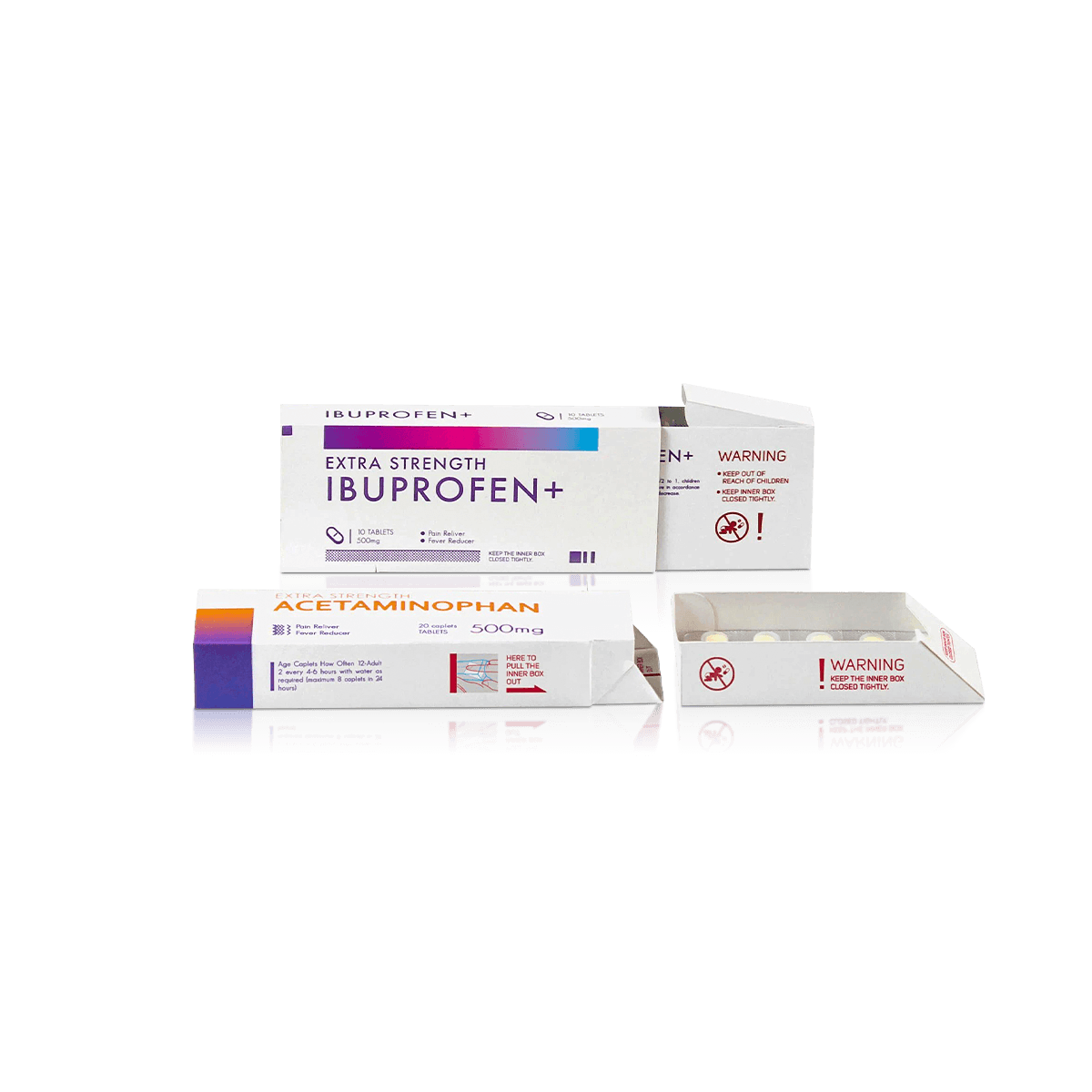
For products requiring a rigid controlled-access enclosure, child-resistant boxes use carton-specific locking structures and product-retention arrangements.

A flexible pouch may reduce rigid packaging bulk, but it should not replace necessary impact protection.

Retail Exit Packaging

Some regulated retail operations use an outer exit bag to contain one or more finished products at the point of sale.

Its role differs from that of an individual primary pouch.

The required opening mechanism, opacity, labeling and reclosure characteristics depend on the applicable jurisdiction and product.

An exit bag should not automatically be described as compliant in every US market merely because it has a child-resistant closure.

The intended sales location and relevant requirements must be confirmed before the construction is selected.

Printing Around the Operating Area

Custom printing must not interfere with the pouch's opening mechanism.

The closure needs sufficient space for its intended operation, while the printed panels must carry the product's approved identification and required labeling.

Those requirements should influence the artwork from the beginning.

Opening Instructions

Where opening or closing instructions are needed, position them so the adult user can identify the intended action.

Short text or a suitable illustration may help communicate the closure's operation.

The wording must accurately describe the selected mechanism.

Instructions should not imply that every child will be unable to open the pouch.

They must also remain consistent with the documentation supporting the approved packaging construction.

Warnings and Product Identification

Regulated products may require particular warnings, symbols or other labeling elements.

The responsible brand must establish the applicable content for each intended sales market.

The main printed panels should accommodate this content without placing essential wording across seals, folds or other areas that may become distorted.

For a stand-up pouch, the bottom gusset changes the finished shape when the product is added.

The artwork should be assessed in the assembled, filled condition.

Where several product variants use similar packaging, the approved identification should make the individual products distinguishable.

Print and Finish Compatibility

Custom Packly provides free design support, dieline assistance and prepress review before production.

A digital proof can help check artwork placement, color treatment and the intended printed construction.

Free 3D mockups can support visual review of the assembled package.

However, a digital proof cannot establish child-resistant performance.

A physical packaging sample may be appropriate when checking print, handling and the interaction between the proposed finish and the closure area.

Fully custom physical samples may be paid.

Matte, gloss and other finishes must remain compatible with the selected material and closure construction.

Decorative changes should not be approved solely on appearance if they could affect the specified packaging performance.

Filling Around a Controlled Closure

A child-resistant closure can introduce production requirements that differ from those of an ordinary pouch.

The filling equipment, pouch handling and final sealing operation must be compatible with the selected construction.

A closure that works correctly in an empty sample may become difficult to operate if the filling process contaminates or distorts it.

Clearance Under the Zipper

The intended fill must leave the space required for the closure and any separate factory seal.

Fine powders can migrate into closure components during filling.

Oily or semi-liquid products may contaminate the attachment area or sealing surfaces.

The filling process should account for these risks.

The exact pouch dimensions need to accommodate the actual fill under production conditions, not merely the product's nominal weight.

Machine Handling

Pre-made pouches may need to pass through opening, filling, sealing and coding equipment.

The closure can affect how the pouch is gripped and presented to the filling station.

Before selecting the final construction, establish whether the intended equipment can handle the specified closure without damaging it.

Manual packing operations need an equally clear method.

A closure that requires repeated repositioning during filling can increase handling and introduce inconsistent results.

Finished-Unit Inspection

Routine production checks should verify that the pouch has been manufactured according to the approved specification.

Depending on the construction, these checks may include closure attachment, seal integrity, correct component installation and the condition of the finished opening.

Inspection criteria should be established for the actual manufacturing process.

These checks support production quality but do not replace the applicable formal child-resistance testing.

Commercial Decisions Before Production

The closure specification has a direct effect on the commercial requirements of a child-resistant pouch.

The selected mechanism may affect material compatibility, converting operations, filling equipment and the permissible pouch geometry.

An ordinary zipper cannot simply be substituted when a child-resistant closure is required.

Before pricing the finished packaging, the selected construction must be technically and commercially established.

That includes confirming the applicable testing documentation and determining whether the proposed customization remains supported.

Custom Packly's general USA box minimum starts at 100 boxes, but the minimum order quantity for a particular specialist flexible pouch construction must be confirmed separately.

The standard USA turnaround is 4–6 days after final artwork and specifications are approved. Specialist closures, material sourcing, testing or other additional requirements may extend the project schedule.

Free shipping, US production and 24/7 packaging expert support can assist with the ordering process, subject to the confirmed specification and production arrangement.

Once the appropriate construction has been established, request pricing for child-resistant pouch packaging using the approved closure and manufacturing requirements.

The instant pricing system can establish an initial direction, but specialist construction and documentation requirements may need individual review.

Changes That Affect Approval

A child-resistant pouch specification must remain consistent with the construction supported by its applicable test documentation.

This matters when a brand changes sizes, introduces a new film, switches closure suppliers or modifies the opening features.

Not every change has the same effect, but changes that could affect the package's performance need appropriate review.

Closure Substitution

Two closures with similar operating methods are not necessarily interchangeable.

Their dimensions, attachment requirements and tested configurations may differ.

Replacing a closure should trigger a review of the applicable test evidence and complete pouch construction.

An alternative component should not be approved solely because it looks similar or has the same marketing description.

Size and Film Changes

Increasing the pouch width or changing the laminate can alter the way the package is gripped, opened or closed.

The effect depends on the selected construction.

The closure supplier and responsible technical team should determine whether the existing documentation remains applicable or whether additional testing is required.

A new print design that does not affect the construction may have different implications from a change to the actual opening mechanism.

Repeat Production

For recurring orders, the approved packaging specification should identify the relevant closure, material and construction.

Where several variants share the same pouch, their technical compatibility must be established rather than assumed.

The approved artwork must also remain appropriate for each product and intended market.

Warehousing and scheduled deliveries can support larger repeat packaging programs when appropriate, but stored inventory should remain consistent with the current approved specification.

The Correct Selling Unit

A final decision concerns which part of the finished product is responsible for restricting access.

A primary pouch, outer exit bag and child-resistant carton may all have controlled-access features, but they serve different purposes.

The appropriate arrangement depends on the product's regulatory requirements, intended use and distribution route.

A primary pouch may need to maintain its child-resistant function after every use. An outer exit bag may serve a retail handoff requirement. A rigid carton may be selected because the product needs both access restriction and physical support.

Adding several closures does not automatically establish a compliant packaging system.

Each required function must be assigned to the appropriate component, supported by relevant documentation and assessed against the actual finished product.

For Custom Child-Resistant Pouches, the essential decision is to establish which closure performs the required access-control function and ensure that the complete package preserves that function throughout its intended use.

FAQs

Brands in wellness, regulated retail, specialty consumables, and pet care often choose them when they need controlled access, resealability, and clear on-pack communication in one format.

Choose Child-Resistant Pouches when a standard resealable zipper is not enough. Zipper Pouches are better for general convenience, while child-resistant formats are better suited to products that need a more secure opening style.

Yes, this format can work very well when paired with the right laminated structure. Barrier selection should match the product’s sensitivity to moisture, odor transfer, and outside exposure.

Yes. The front and back panels give enough space for logo printing, product story, directions, warning copy, and high-resolution graphics without forcing a larger carton.

The best results come from matching the closure type to the product and end user. Good structural planning helps balance access control with everyday usability.

Process

How it works

Your Packaging Journey, From Idea to Production and Delivery

01

Tell Us Your Specs

Custom packaging boxes

Tell Us Your Specs

Provide size, quantity, printing, and finishes.

02

Get a Fast Quote

Custom packaging boxes

Get a Fast Quote

Instant transparent pricing, no hidden fees.

03

Design and Approval

Custom packaging boxes

Design and Approval

Artwork checks, revisions, and final sign-off.

04

Produce

Custom packaging boxes

Produce

Expert manufacturing to meet deadlines.

05

Ship to Your Door

Custom packaging boxes

Ship to Your Door

Hassle-free, flexible delivery options.

Get Your Quote for Custom Child-Resistant Pouches

Share your product details, size, quantity and artwork needs. We’ll help choose the right packaging style and send a clear quote.