Custom MRO Packaging
MRO packaging needs to keep parts organized, protected and easy to identify across storage, warehouse movement, field service and replenishment.
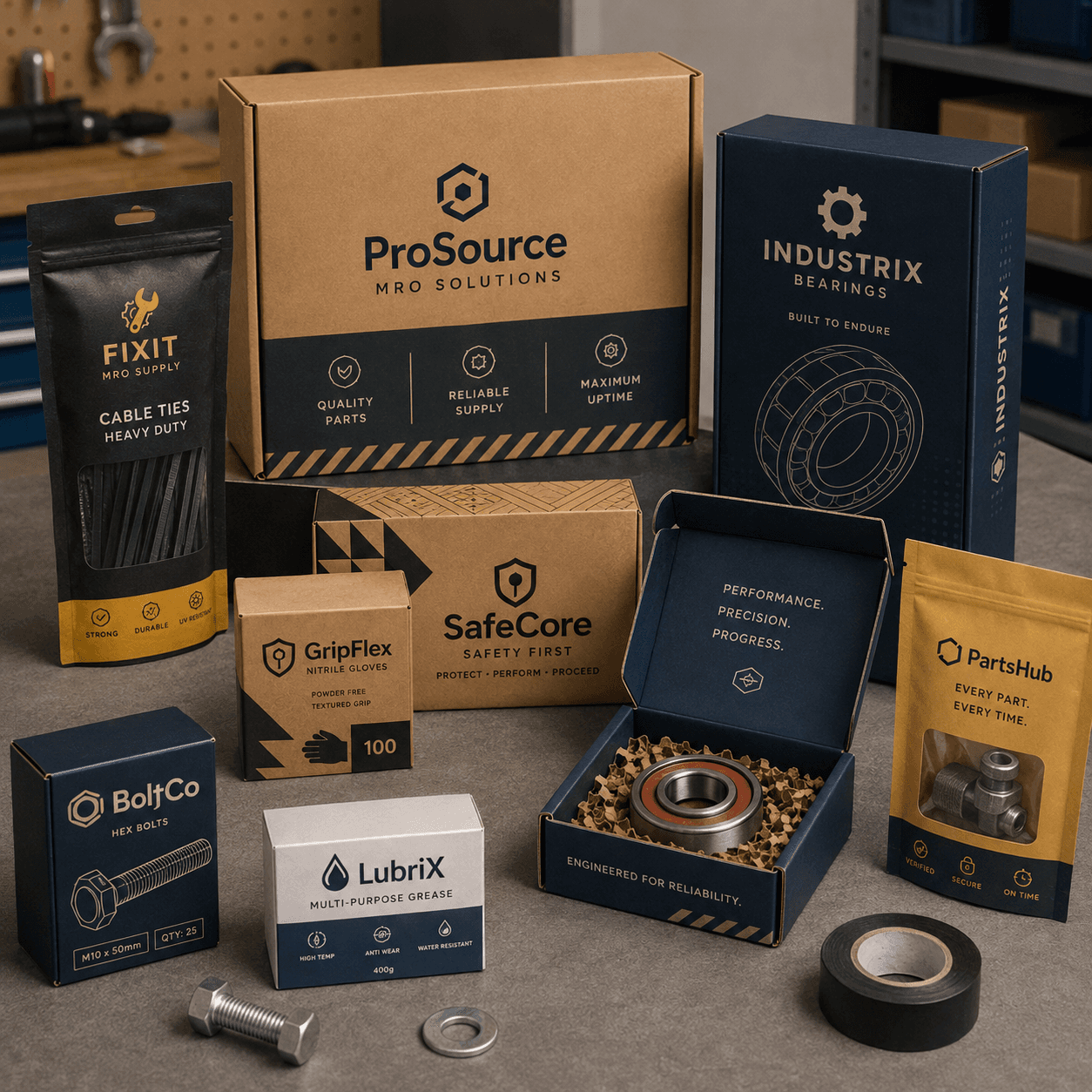
MRO Packaging options
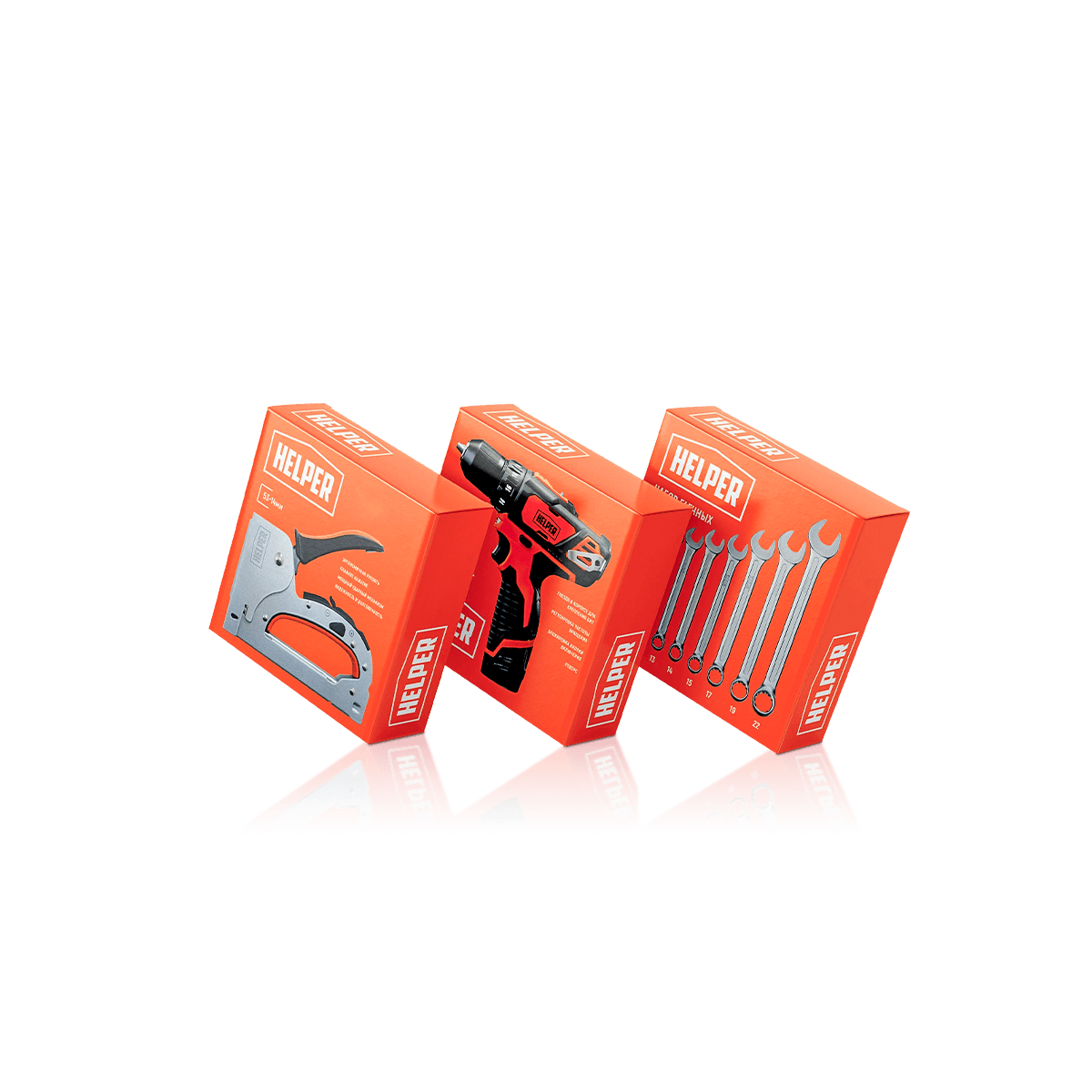
Tool Boxes
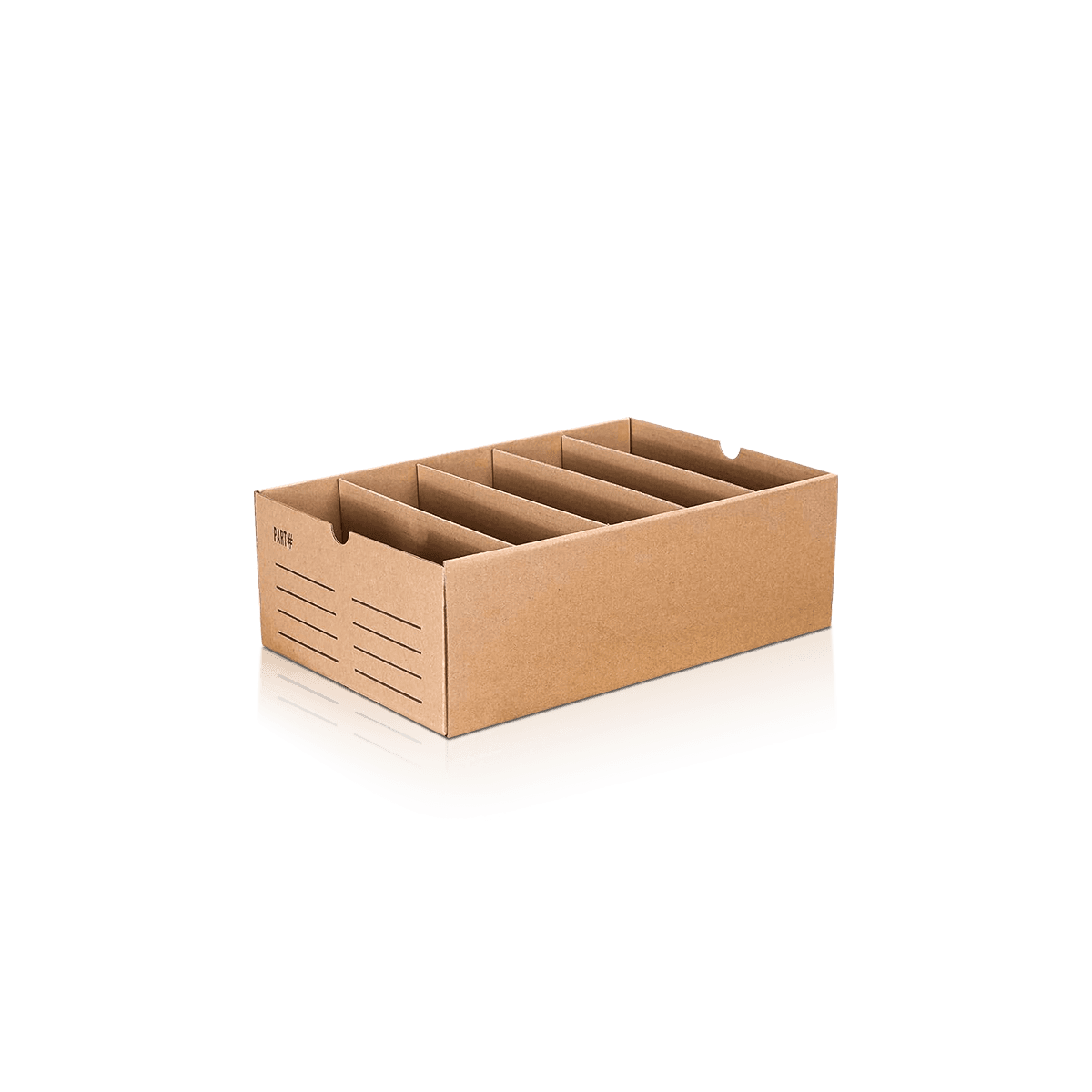
Parts Storage Boxes
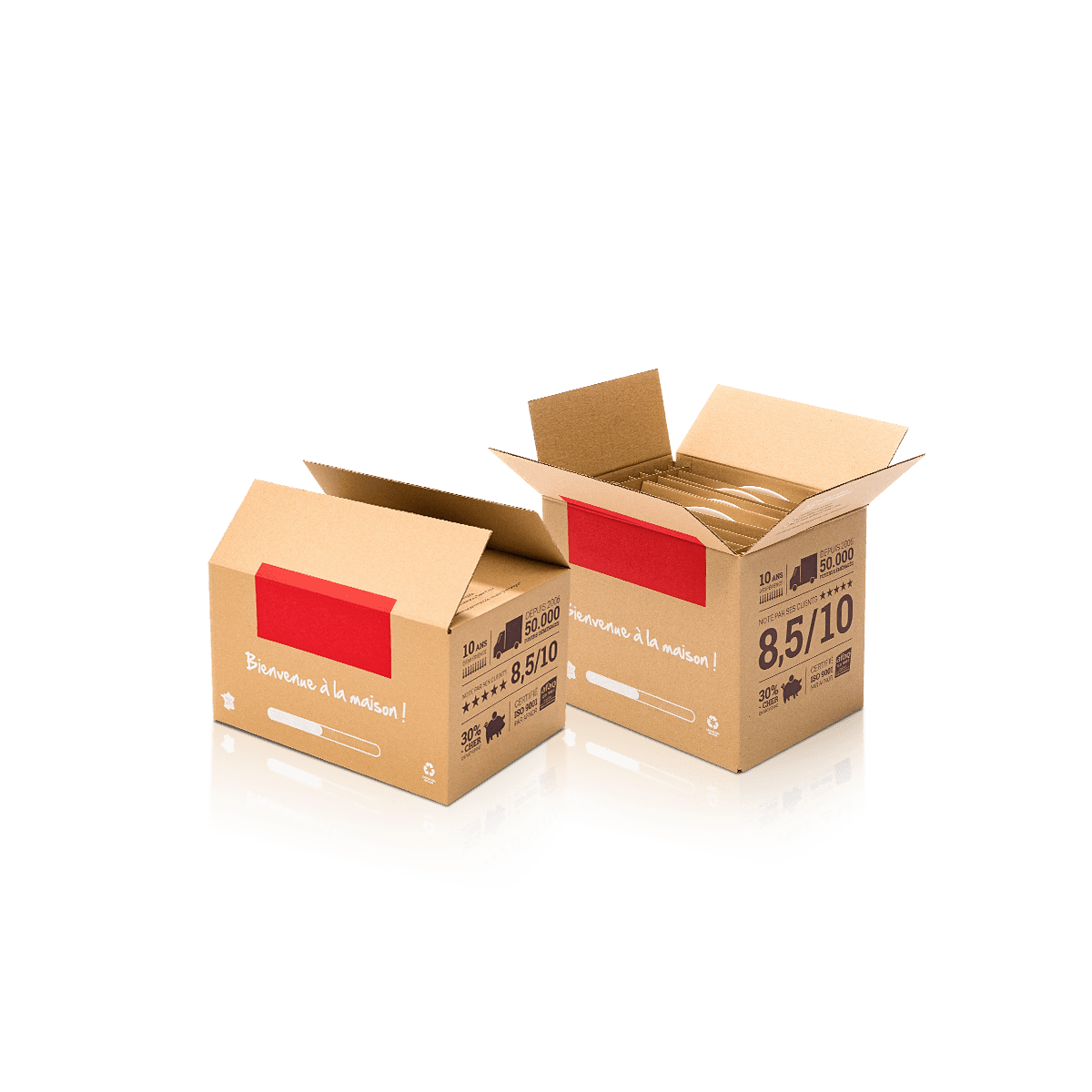
Corrugated MRO Boxes
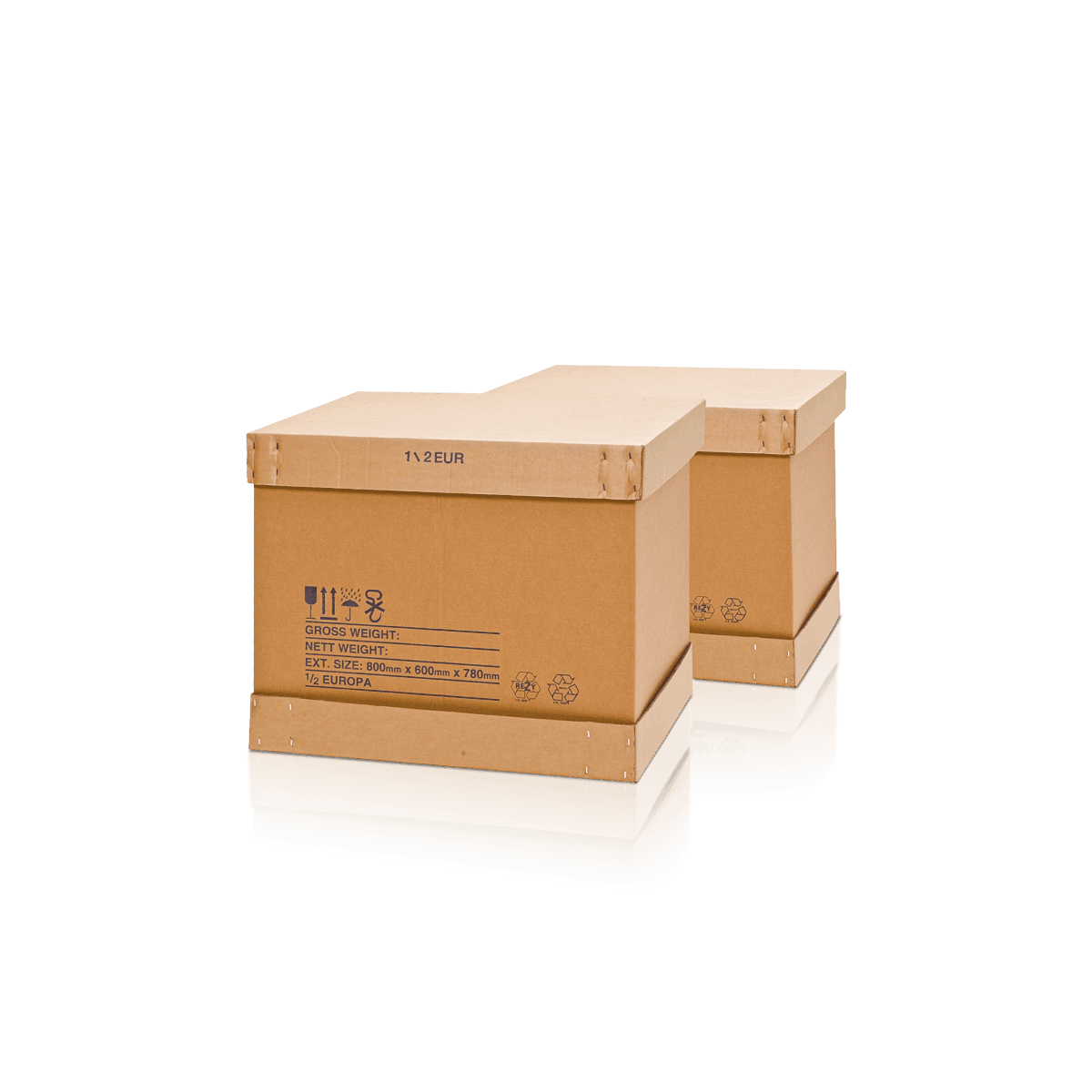
Industrial Packaging Boxes
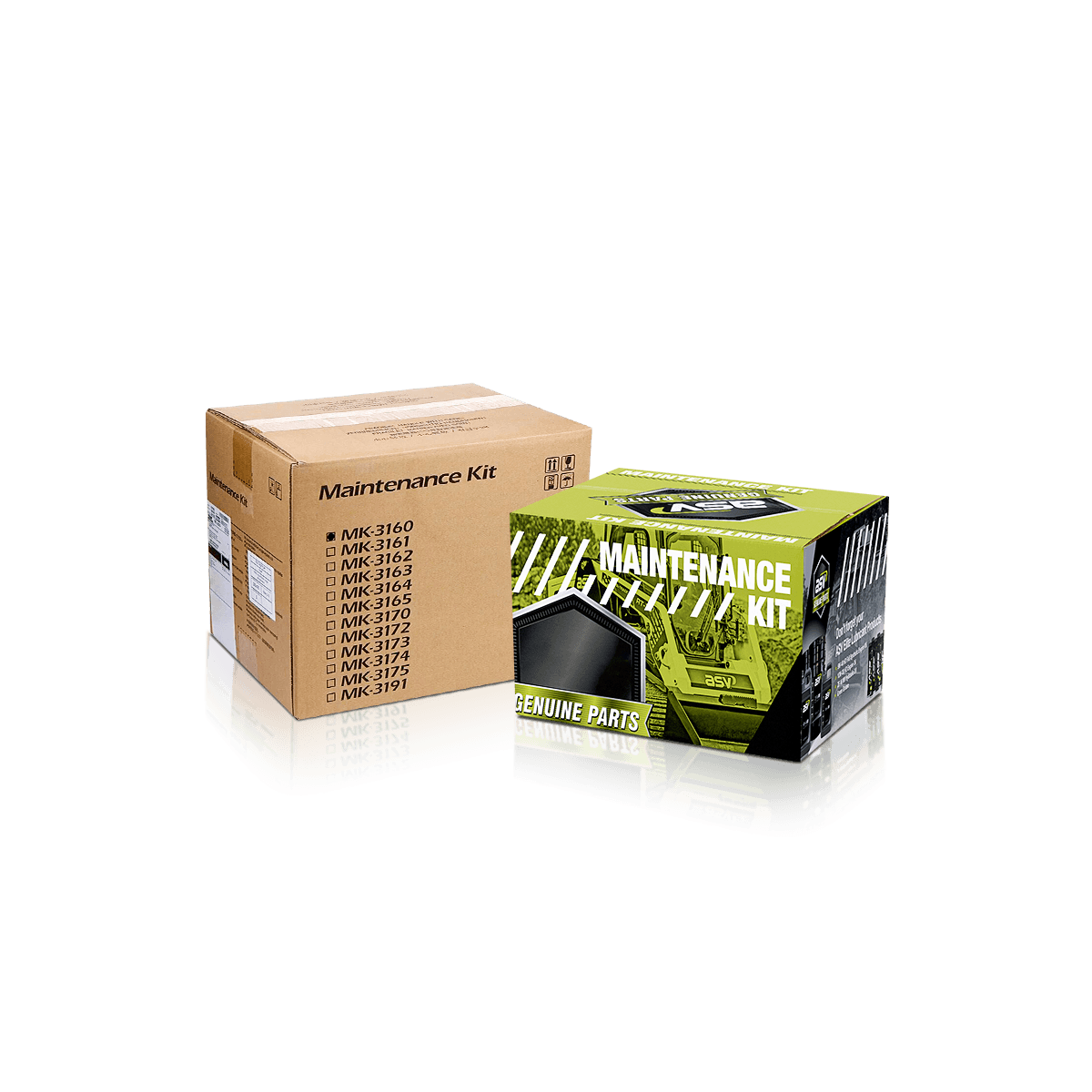
Maintenance Kit Boxes
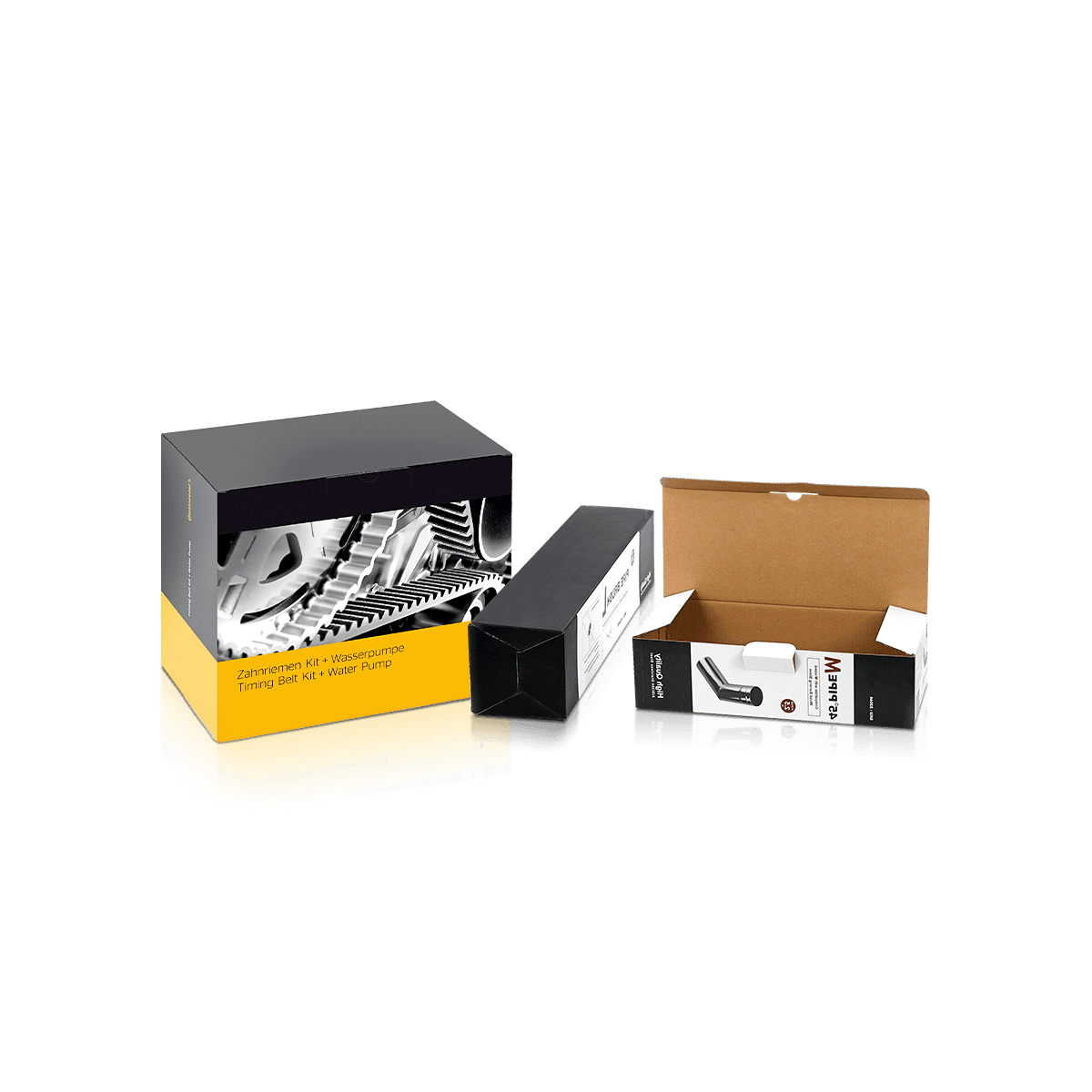
Repair Parts Boxes
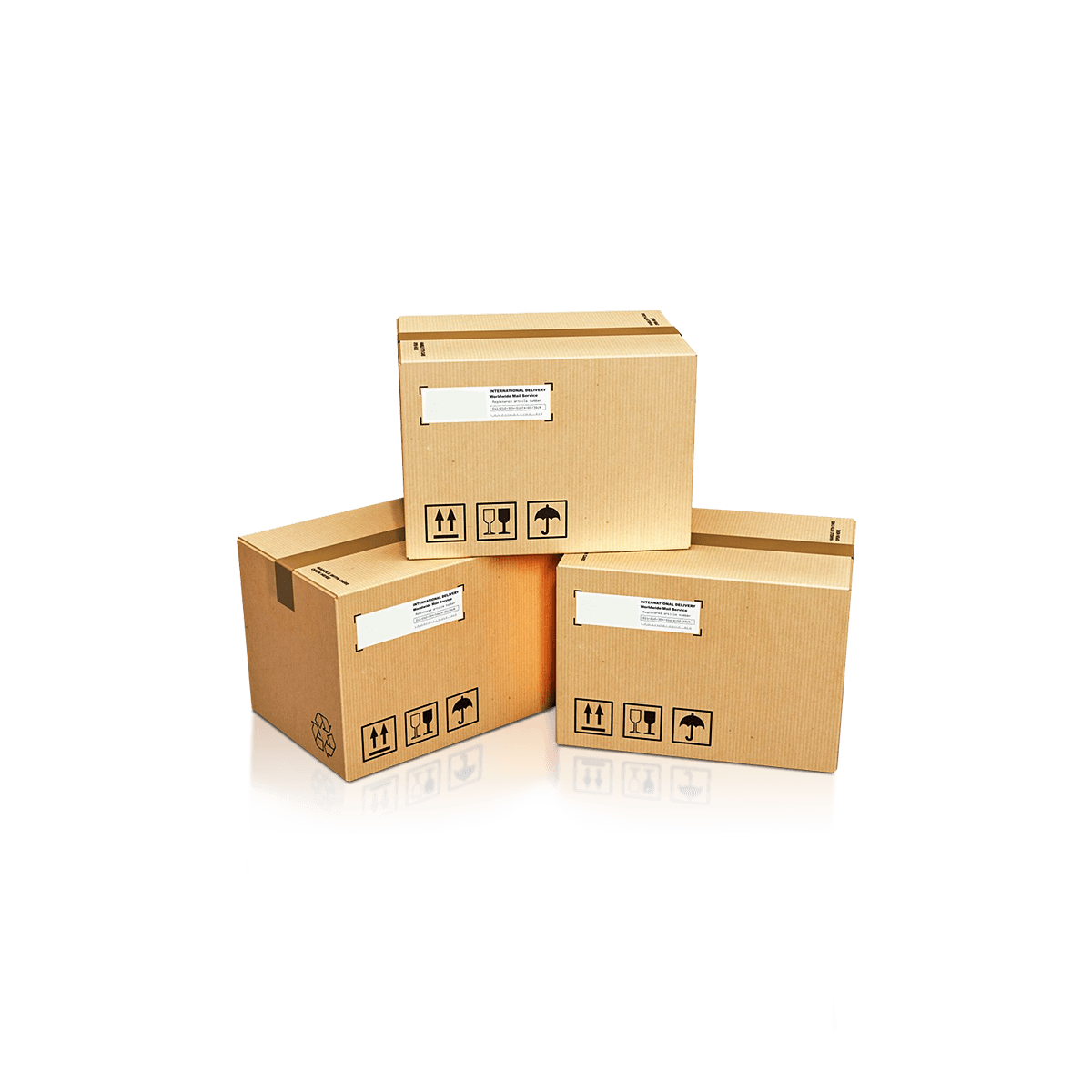
Operations Supply Boxes
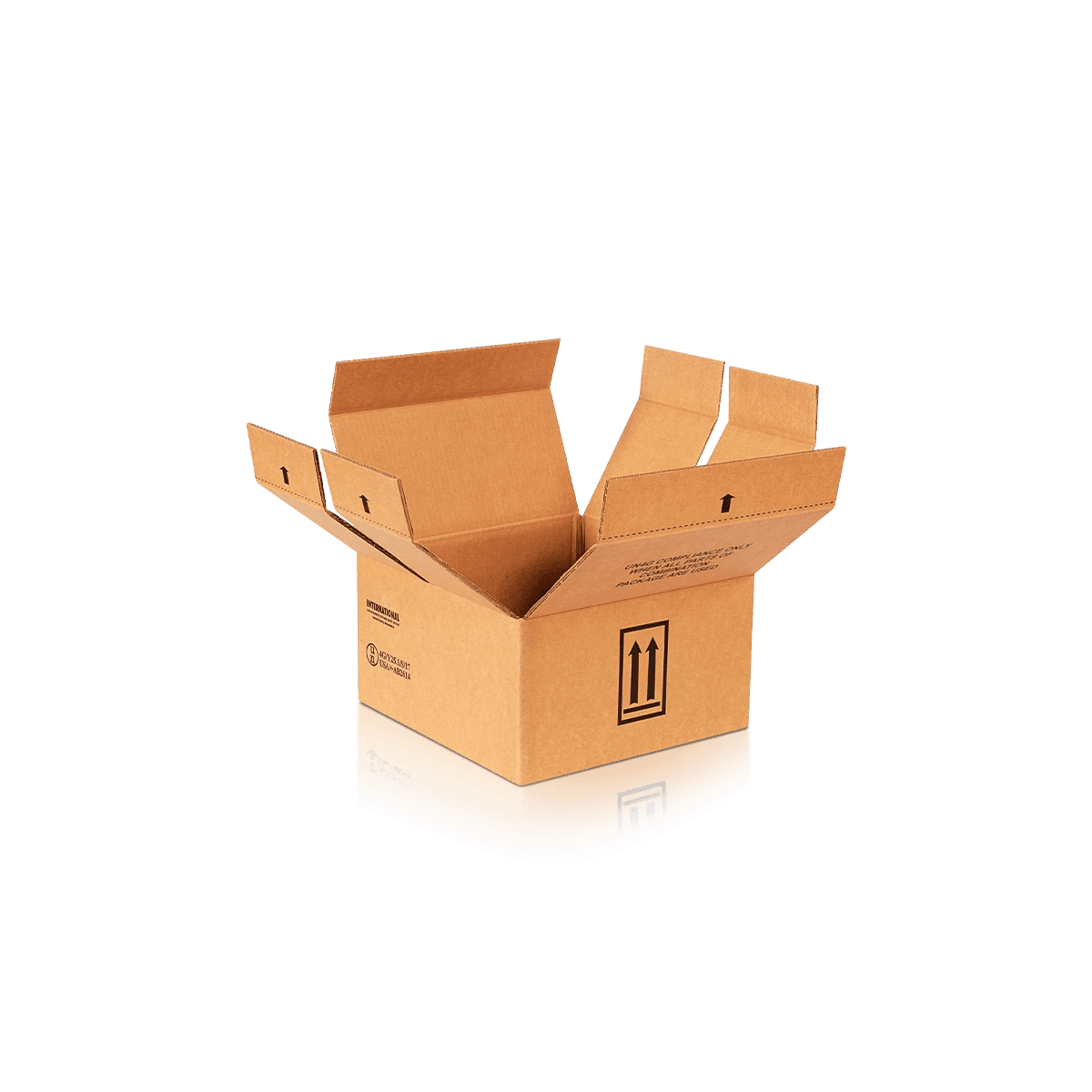
Hazmat Boxes

Cardboard Storage Boxes
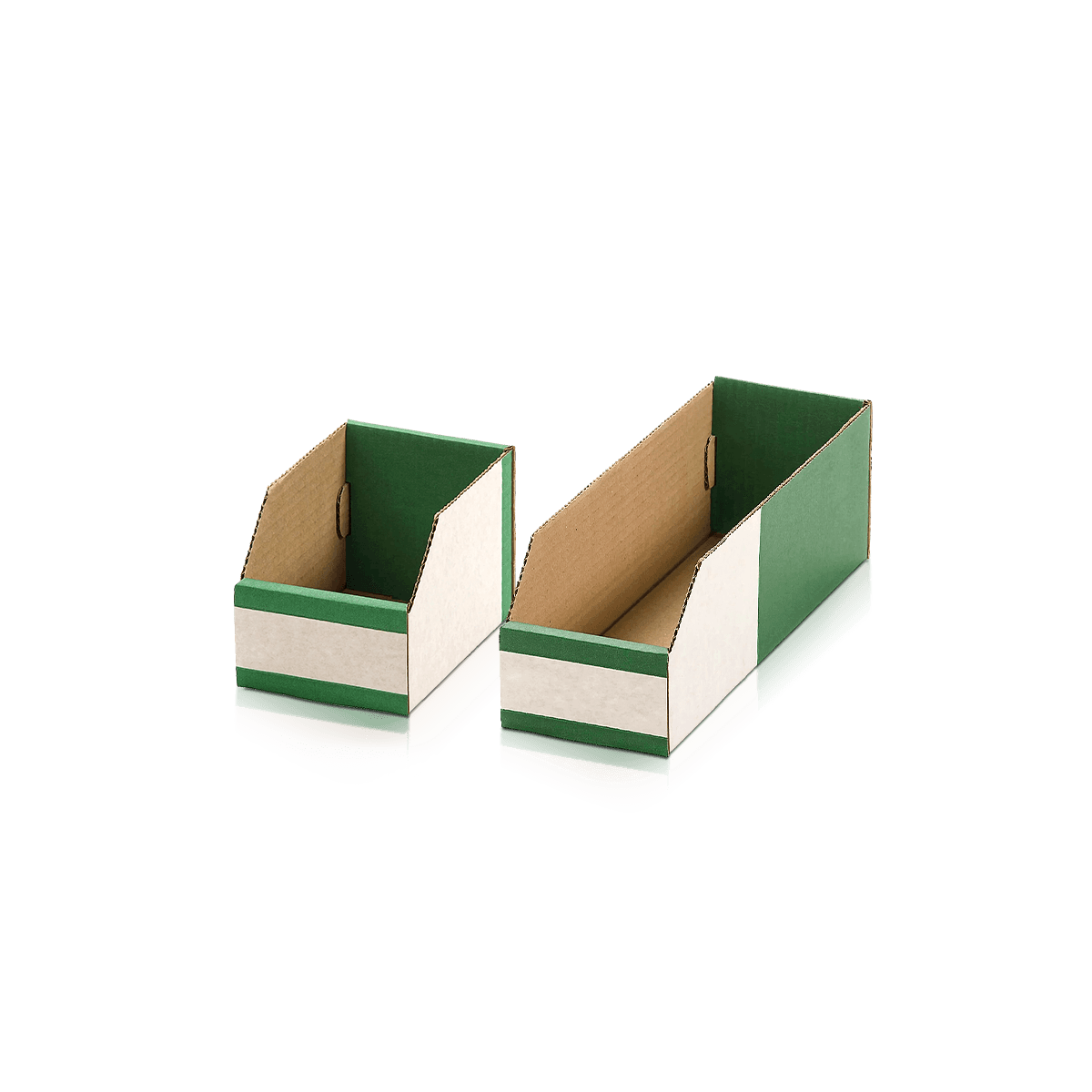
Bin Boxes

Divider Boxes
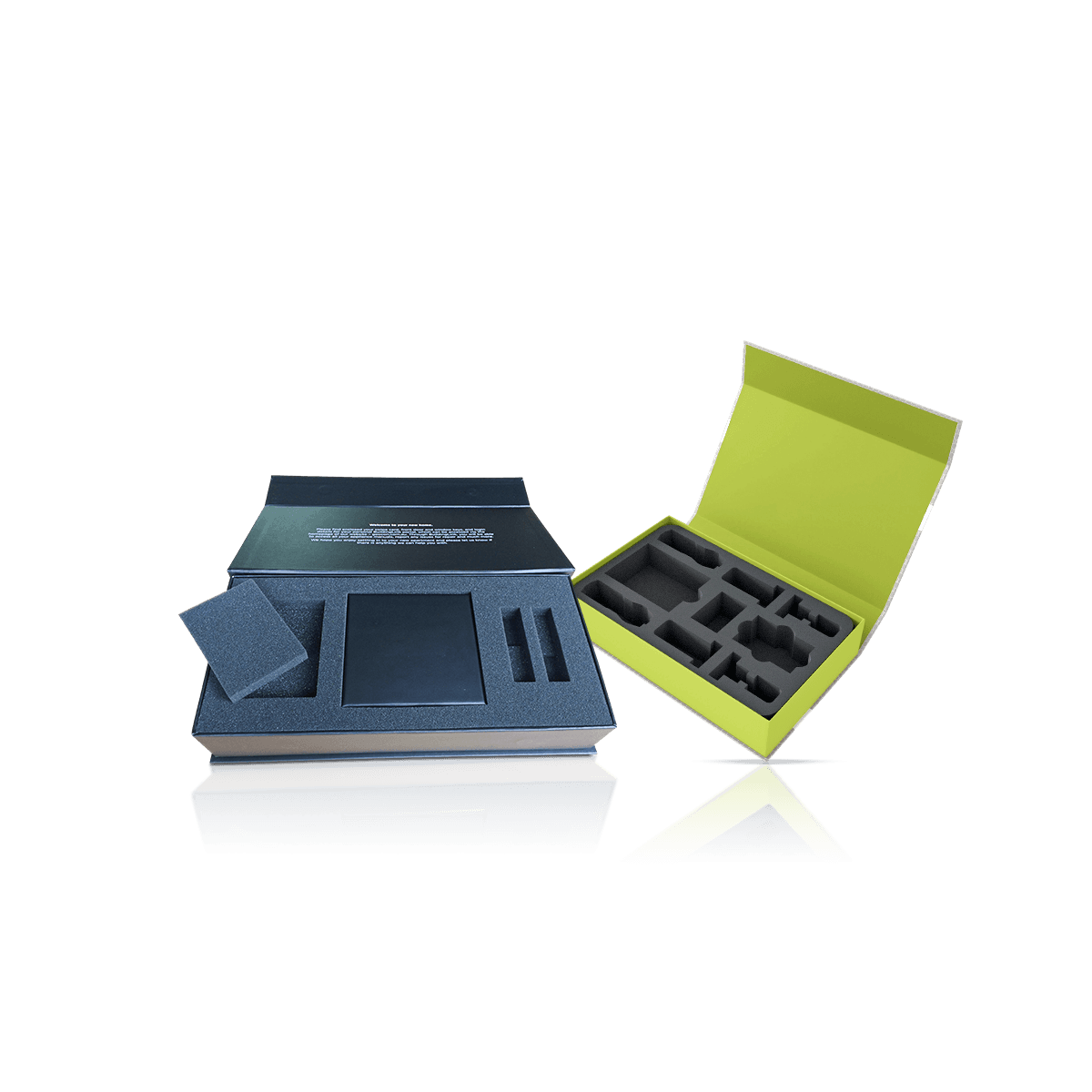
Foam Insert Boxes
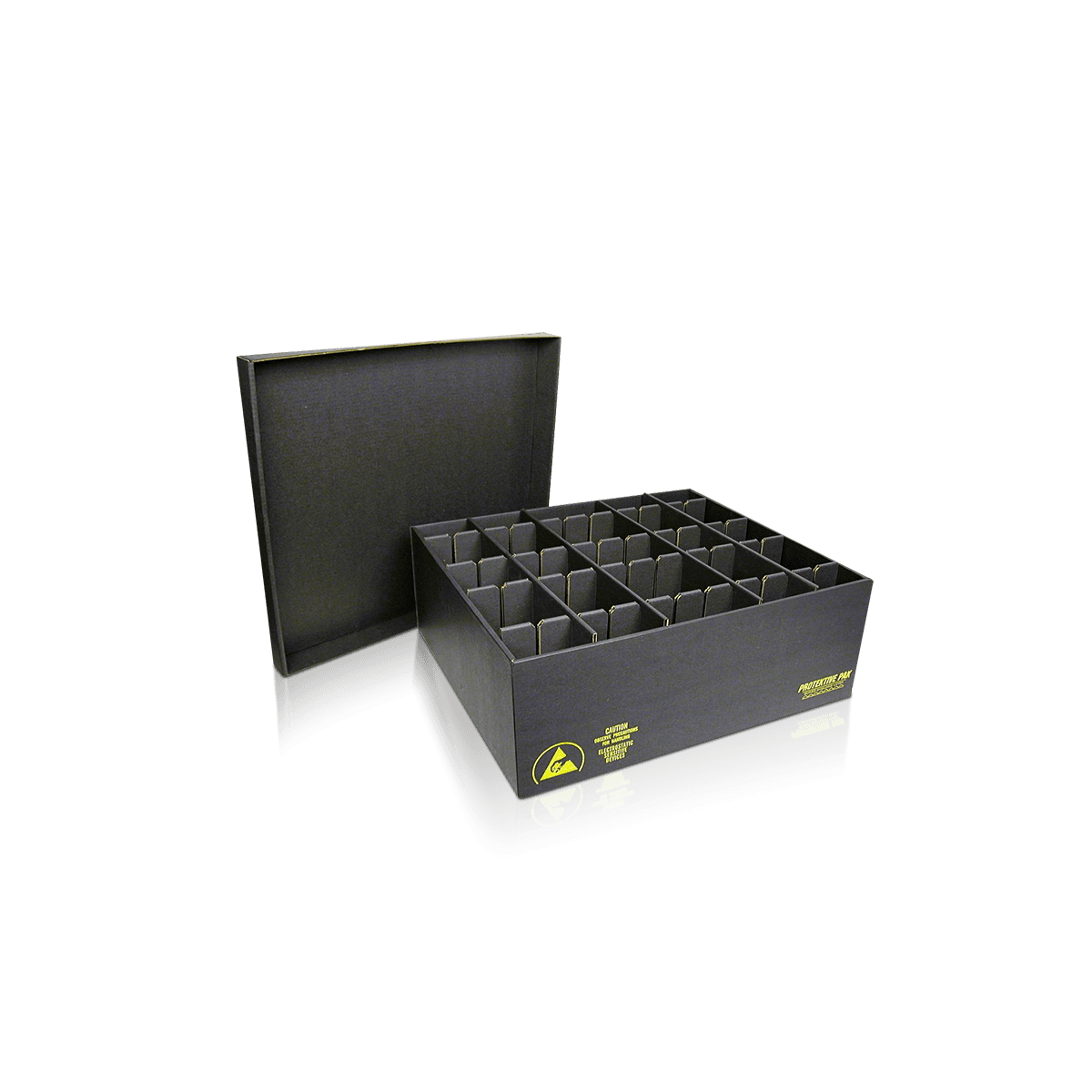
Custom Anti-Static Boxes
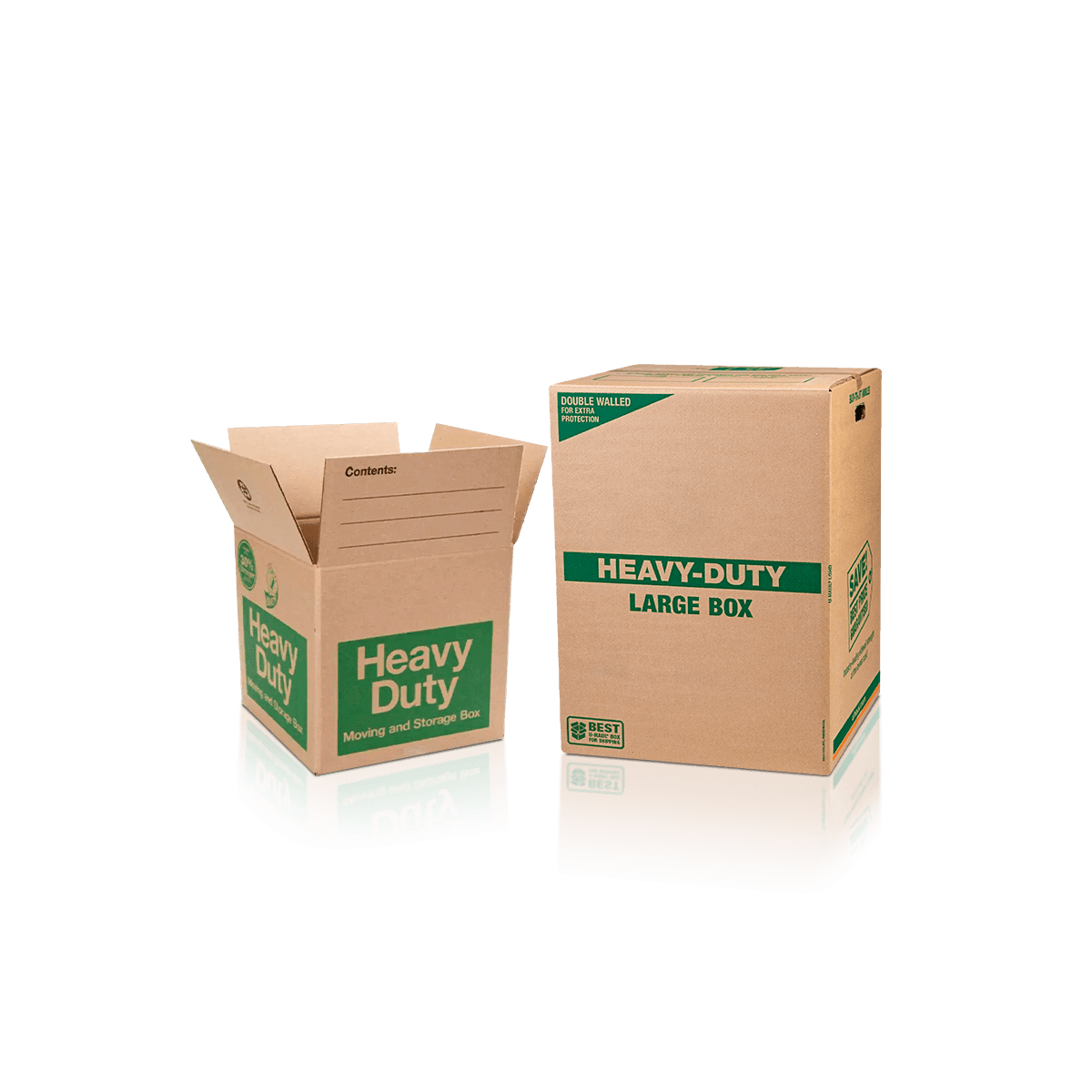
Heavy Duty Boxes
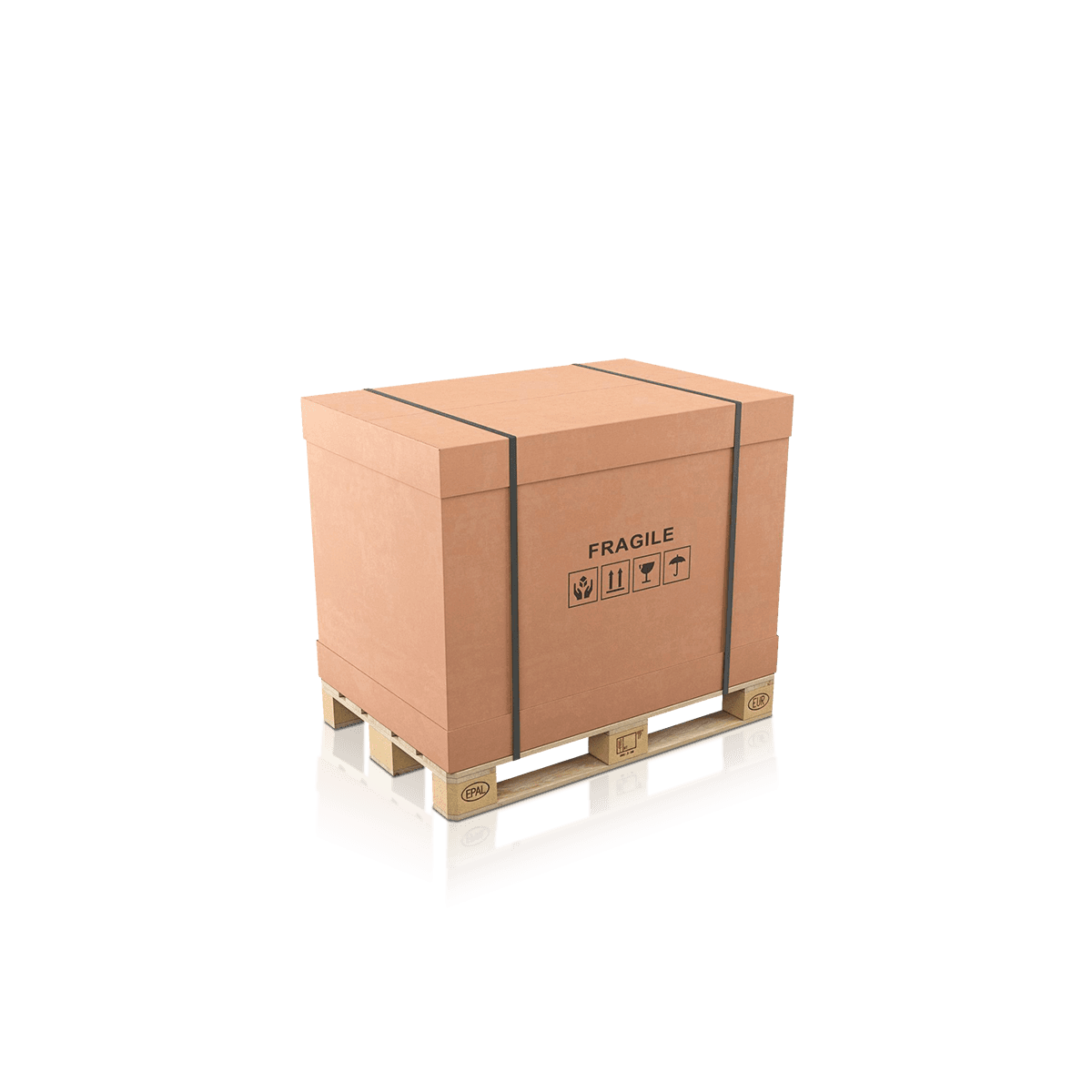
Pallet Boxes
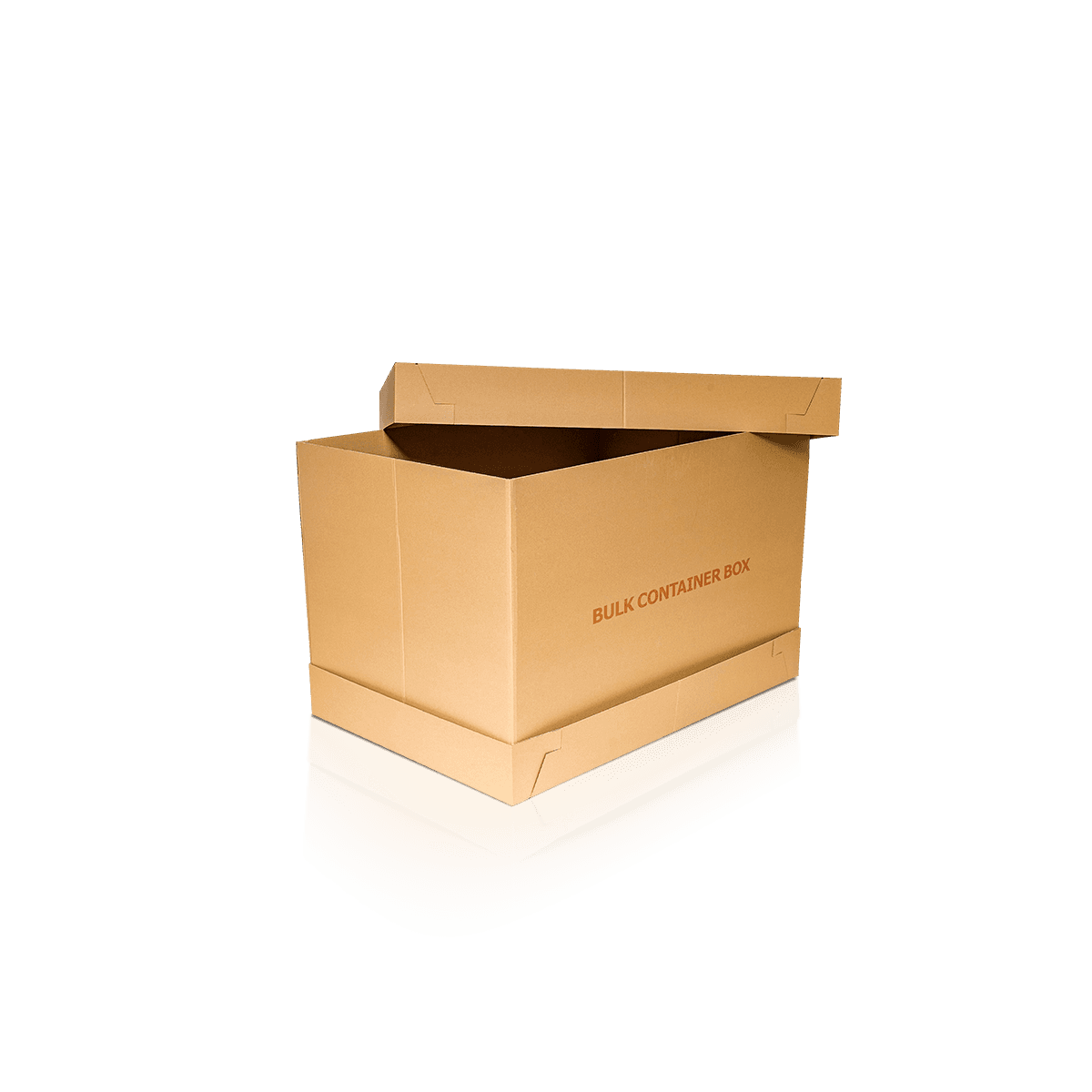
Bulk Container Boxes
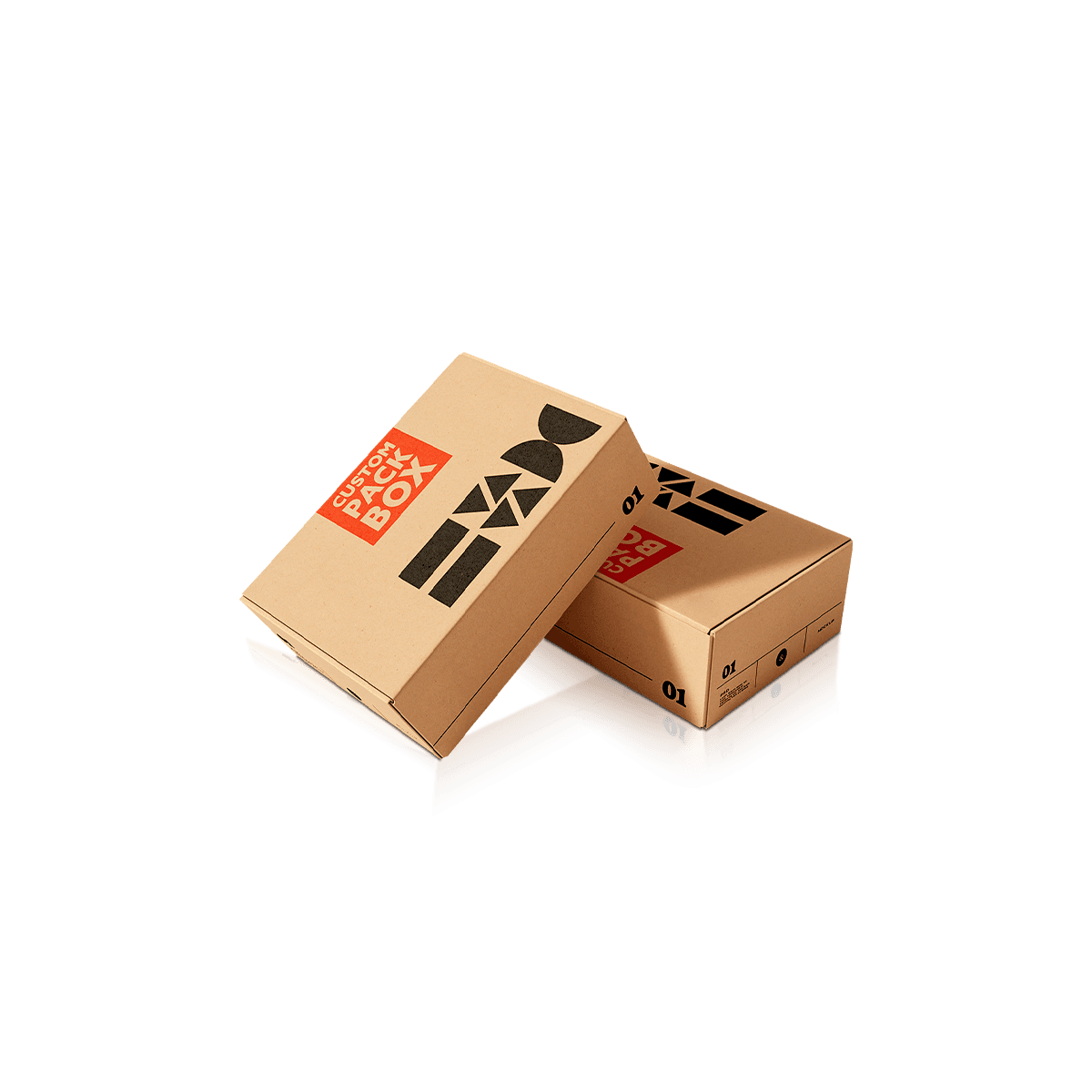
Custom MRO Boxes

Safety Equipment Mailer Boxes
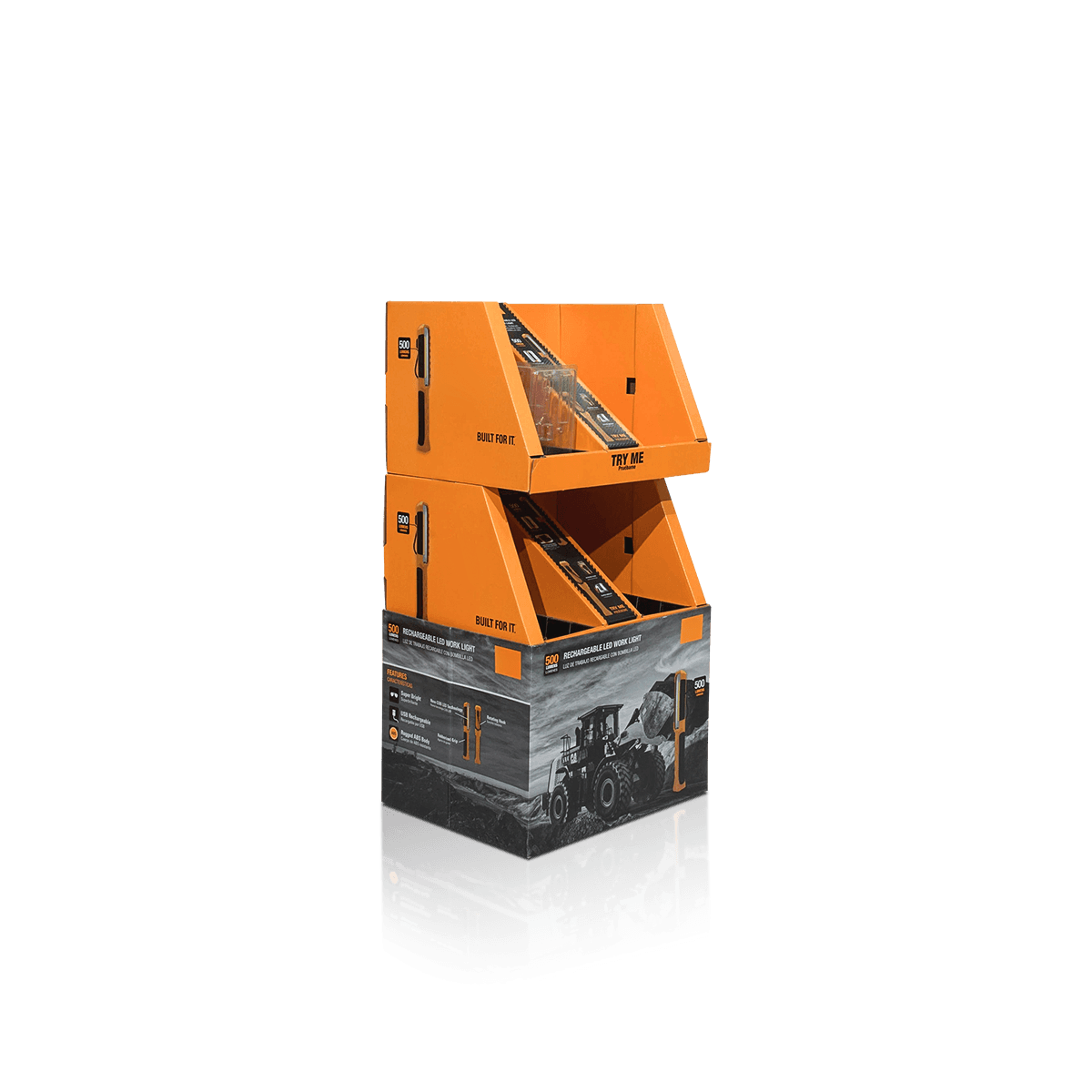
Electrical Parts Display Boxes
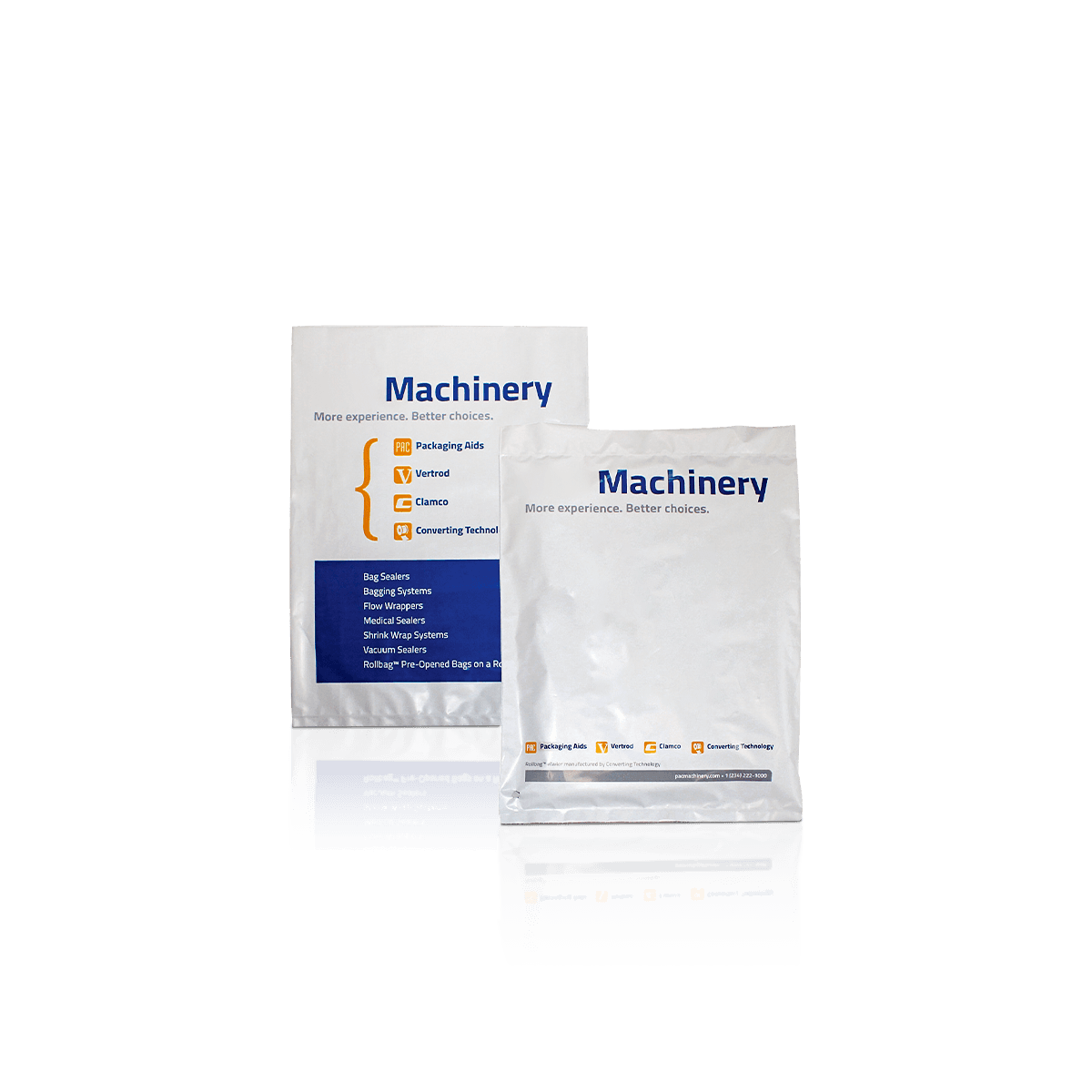
Mechanical Repair Paper Bags
Your product shouldn’t have to fit an off-the-shelf box.
Share the shape, size, material, finish, or insert you have in mind. We’ll turn the details into a tailored packaging recommendation and a clear quote.
Custom sizes · materials · finishes · inserts
One Part, Several Packaging Jobs
A replacement bearing can move from receiving to a stockroom shelf, into a technician’s service kit and later through an outbound repair shipment. The same box is not automatically right for every handoff. Custom MRO Packaging works best when the pack is specified around what happens to the part after it enters the operation, not just around its dimensions.
For maintenance, repair and operations teams, packaging usually has to do four practical jobs: identify the item, keep it in the right place, protect it during movement and make replenishment easier. A carton that performs well in parcel shipping may be awkward for repeated shelf access. A bin that is excellent for picking may need a stronger outer shipper before it leaves the facility.
That is why the first decision should be the operating role. If the item is mainly moving through freight or parcel networks, shipping boxes deserve early attention. If the item needs a structure developed around unusual geometry, internal support or a mixed-component pack, custom product packaging gives more room to solve the fit from the product outward.
Storage, Shipment and Field Service
Storage packaging needs quick identification and repeat access. Shipment packaging needs stronger closure, stacking performance and control of movement. Field-service packaging often needs both organization and portability because the technician may open the pack away from a controlled warehouse environment.
Treat those uses as separate design conditions. One SKU may need a labeled stock box inside the facility and a corrugated outer pack for outbound movement. Another may work better as a pre-packed service kit that stays closed until the repair task begins.
When those jobs have to be coordinated across a repeat parts program, Custom MRO Boxes provide a more specific route for matching structure, identification and handling to the actual operation.
Separate Parts Before They Mix or Collide
Small MRO parts create problems when they share one open cavity. Fasteners migrate under heavier components, seals disappear beneath paperwork and mixed repair parts become harder to count. Internal organization is therefore part of the packaging function, not an optional upgrade.
For repeated assortments, divider boxes can separate components while keeping one outer footprint. They make sense when the main risk is mixing, contact or count errors rather than impact. For service sets that must arrive as a defined assortment, maintenance kit boxes can combine component separation, instructions and identification in one pack.
Open Access or Fixed Assortment
A stockroom bin should support fast picking. A repair kit should preserve the set.
That distinction changes wall height, opening style, labels and internal layout. Open-front storage can improve access where parts stay in a controlled location. A closed kit is better when contents must remain counted and protected until use.
Do not force one structure to serve both jobs if it slows the operation. A low-cost carton becomes expensive when technicians spend time sorting missing pieces or warehouse staff repeatedly repackage parts before shipment.
Dividers or Fitted Inserts
Dividers are efficient when several items need defined spaces but do not require tight cushioning. Foam is better when a tool, instrument or sensitive component needs closer retention.
The practical choice depends on failure mode. If items are rubbing together, separation may be enough. If a heavy component can build momentum inside the box, a fitted cavity or denser support may be required. Compare cardboard and molded-pulp inserts against product weight, surface sensitivity and the amount of movement the part can tolerate.
For fragile or high-value parts, foam insert boxes can keep the component fixed while the outer box handles stacking and transit.
For active picking, Bin Boxes keep frequently used parts accessible. Cardboard Storage Boxes suit closed storage when the priority is containment and organization rather than constant front access.
Dense Parts Rewrite the Corrugated Spec
Industrial parts are often harder on packaging than their size suggests. A compact steel component can place more stress on a box than a much larger lightweight item. Sharp edges, concentrated loads and dense multi-part packs can also create puncture, seam and corner failures that would not appear with ordinary retail products.
Corrugated should therefore be selected around packed weight, load concentration, stacking conditions and route. The difference between paperboard and corrugated is not cosmetic here. It changes how the pack carries vertical load and how much protection it can provide through repeated handling. The trade-offs among corrugated, paperboard, kraft and rigid board help narrow the starting material before board grade and flute are finalized.
Dense Parts and Sharp Edges
Dense parts should not sit against a weak wall with excess empty space around them. The product can shift, strike the side panel and turn normal handling into a repeated impact event.
Reduce movement first. Add partitions, pads or fitted support where needed. Then select the outer corrugated construction for the actual packed load. For especially demanding loads, heavy duty boxes make more sense than simply increasing box size or adding loose filler.
Stacking and Storage Duration
A package that survives one courier trip can still deform after weeks under warehouse load. Stack height, storage time, humidity exposure and pallet arrangement can all influence the specification.
For MRO stock that remains in reserve, think beyond the first shipment. The box may need to retain shape after receiving, shelving, internal transfers and later dispatch. If palletized movement is part of the job, the carton footprint should also work with the pallet pattern rather than create unstable overhang or large gaps.
When a dense kit also needs a die-cut opening and more sidewall support, double-wall front-tuck shippers can be evaluated against simpler slotted cases rather than assuming every industrial shipment needs the same carton.
Identification Is Part of the Pack
MRO packaging often carries operational data before it carries marketing. Part numbers, barcodes, lot or internal references, handling instructions, destination codes and reorder information may matter more than decorative coverage.
That makes panel planning important. A label zone should stay readable after the box is stacked, taped or placed in a bin location. If the same structure serves several SKUs, the artwork system should make variants easy to distinguish without creating unnecessary production complexity.
Reserve Scan Zones Early
Do not place a barcode where a closure flap, tape strip or abrasion point can interfere with scanning. Reserve the scan area on the dieline before artwork is finished.
Custom Packly can support dieline and artwork setup, and free 3D mockups can help teams review panel hierarchy before production. For programs that need more control over board, inserts, print or proofing, the available packaging capabilities can be matched to the actual functional requirement.
Print for Recognition
Premium offset printing is useful when MRO packaging needs repeatable color systems, small technical text or clear SKU differentiation, but print should serve the workflow. A clean one-color part code may be more valuable than a heavily decorated panel if warehouse recognition is the main task.
For service parts sold through distributors or counters, presentation may matter more. Display boxes can support peg, bin or counter merchandising where the part needs to remain visible and easy to select.
Sensitive Parts Need Their Own Protection Path
Not every MRO item can be treated as a standard mechanical spare. Electronics, sensors, control components, coated surfaces and precision parts may need a different internal environment from hardware, filters or general consumables.
The first question is what can actually damage the item. Static exposure, impact, abrasion, moisture, contamination and compression are different risks. One protective feature does not automatically solve the others.
For static-sensitive components, use packaging materials and handling methods specified for the electrical risk instead of assuming an ordinary corrugated box is enough. For hazardous materials, do not treat a printed warning or stronger board as proof of transport compliance. Product classification, required markings and packaging performance must be handled under the applicable shipping rules for that material.
That separation protects the hub from becoming too generic. Standard repair parts can stay focused on organization and transit. Sensitive or regulated items should move into a more specific packaging path once the risk is known.
Where ESD control is part of the validated packaging system, Custom Anti-Static Boxes belong on a separate protection path from ordinary corrugated or paperboard cartons.
MRO Jobs Need Different Structures
The strongest MRO program does not force every item into one box style. It uses a small number of repeatable structures, each assigned to a clear operational job.
Use corrugated shippers for outbound movement, compact cartons for lighter replacement parts, divider-based packs for mixed assortments, fitted inserts for sensitive tools or components and bin-style structures for active picking locations. If the same part needs both storage and shipping, treat the inner organization and outer transit protection as two layers instead of asking one weak compromise to do everything.
Repair parts boxes are useful when identification and shipment of replacement components are central. Maintenance kits are better when several components must arrive together as one service task. Display structures make more sense when fasteners, electrical parts or consumables are sold or issued from a visible picking position.
Companies coordinating packaging across industries should separate MRO, electronics and retail requirements before standardizing structures, especially when one product moves through more than one operating environment.
Lightweight safety kits do not always need the same outer structure as dense repair parts. Mailer boxes for safety equipment kits make sense when a defined kit can be organized in a compact mailer without asking that structure to carry an industrial shipping load.
A Common Failure: One Oversized Box for Every Repair Kit
Consider a maintenance team that packs gaskets, fasteners, a small sensor and printed instructions into the same oversized corrugated box for every service call. The outer box is strong enough, but the parts move freely. Small items fall beneath the sensor, the instructions crease and technicians must sort the kit before starting work.
The problem is not simply “weak packaging.” It is a mismatch between the internal layout and the task.
A better setup would right-size the outer box, separate loose hardware with a divider grid, reserve a protected position for the sensor and place the instructions where they remain visible when the pack opens. If the sensor needs closer cushioning, its cavity can use a fitted insert while the lower-risk hardware stays in paper-based compartments.
The improvement is operational: the pack arrives in the sequence it is meant to be used, parts are easier to verify and the outer corrugated board can be chosen for the actual packed load instead of compensating for uncontrolled empty space.
The same logic applies to damage prevention. Reducing shipping damage through better structure and fit starts with controlling what the product can do inside the box before simply adding more material outside it.
Replenishment Breaks When Specs Drift
MRO demand is often repetitive but uneven. A plant may consume one repair kit every week and another only during shutdown maintenance. That makes repeat-order control as important as the first production run.
Create one approved specification per recurring pack. Record internal dimensions, outer dimensions where needed, board construction, insert or divider layout, artwork revision and any fixed label zones. When the SKU changes, decide whether the existing structure still works or whether the pack should receive a new specification.
For larger recurring programs, bulk custom boxes can support quantity planning across multiple sizes or artwork versions. Custom Packly can also support warehousing and scheduled deliveries, which is useful when a company wants a larger production run without receiving the full quantity at one time.
MOQ starts from 100 boxes, so lower-volume maintenance items do not have to be grouped artificially with high-use SKUs just to create one oversized order. US production, free shipping and a standard 4–6 business-day turnaround after final artwork and specifications are approved can also help when replenishment timing matters. Complex structures, specialty materials or advanced finishes may require additional time.
Make Revisions Traceable
Do not let the latest artwork live only in email. Give each recurring pack a controlled version and keep the approved dieline, print file and insert arrangement together.
That becomes especially important when procurement, maintenance and warehouse teams all touch the same packaging program. A clear specification reduces the chance that an old label, wrong divider pattern or obsolete part number returns during a reorder.
The Risk Defines the Test
MRO testing should focus on the place where the package is most likely to fail.
For a dense part, that may be a corner drop or compression under stacking. For a repair kit, it may be component movement. For a stock box, it may be repeated opening. For printed identification, it may be barcode readability after handling. For a mixed pack, it may be whether dividers stay seated when the carton is turned or carried.
Use the real packed weight and actual components during fit checks. Do not approve a heavy-part box empty. If the cost of failure is high, increase the level of testing rather than relying on appearance alone. The practical framework for custom packaging testing is useful for deciding which structural, print and production checks deserve attention before a large run.
Free sample examples of previous work can help assess material and print direction. When an exact custom production sample is required, a fully custom pre-production sample can be arranged as a paid sample where applicable.
Hazardous-material projects should remain on their own specification path. Hazmat Boxes should not be treated as a generic heavy-duty carton simply because the board is stronger.
Separate Fast Movers From Critical Spares
Fast-moving consumables and critical spares should not inherit the same packaging rules simply because they sit in the same storeroom.
High-use items usually benefit from simple access, clear identification and a repeatable pack that staff can open, pick and replenish quickly. Low-frequency critical spares may justify more protection because they can sit longer, cost more to replace or matter at the exact moment equipment is down. That may mean a sealed carton, fitted support, stronger corrugated or a more controlled identification system even when order volume is lower.
Use consumption rate and consequence of failure as the final filter. If a part is cheap but constantly picked, access efficiency matters. If it is rarely used but costly or sensitive, preservation matters more. If it travels with a technician, portability and organization enter the decision.
Custom Packly can help turn those stock classes into repeatable box structures, inserts and print specifications without forcing every item into one construction. The goal is a packaging system that behaves predictably when maintenance teams actually need the part.
FAQs
Start Your Custom Packaging Quote
Share your product details, size, quantity and artwork needs. We’ll help choose the right packaging style and send a clear quote.