One Box Across Multiple Production Stages
A manufactured component may leave its production station long before it is ready for shipment. It might pass through inspection, temporary storage, finishing and final assembly before reaching the packing department.
Moving that component between ordinary containers introduces extra handling. Repeated transfers can expose finished surfaces, separate identification from the product and require staff to reorganize the contents.
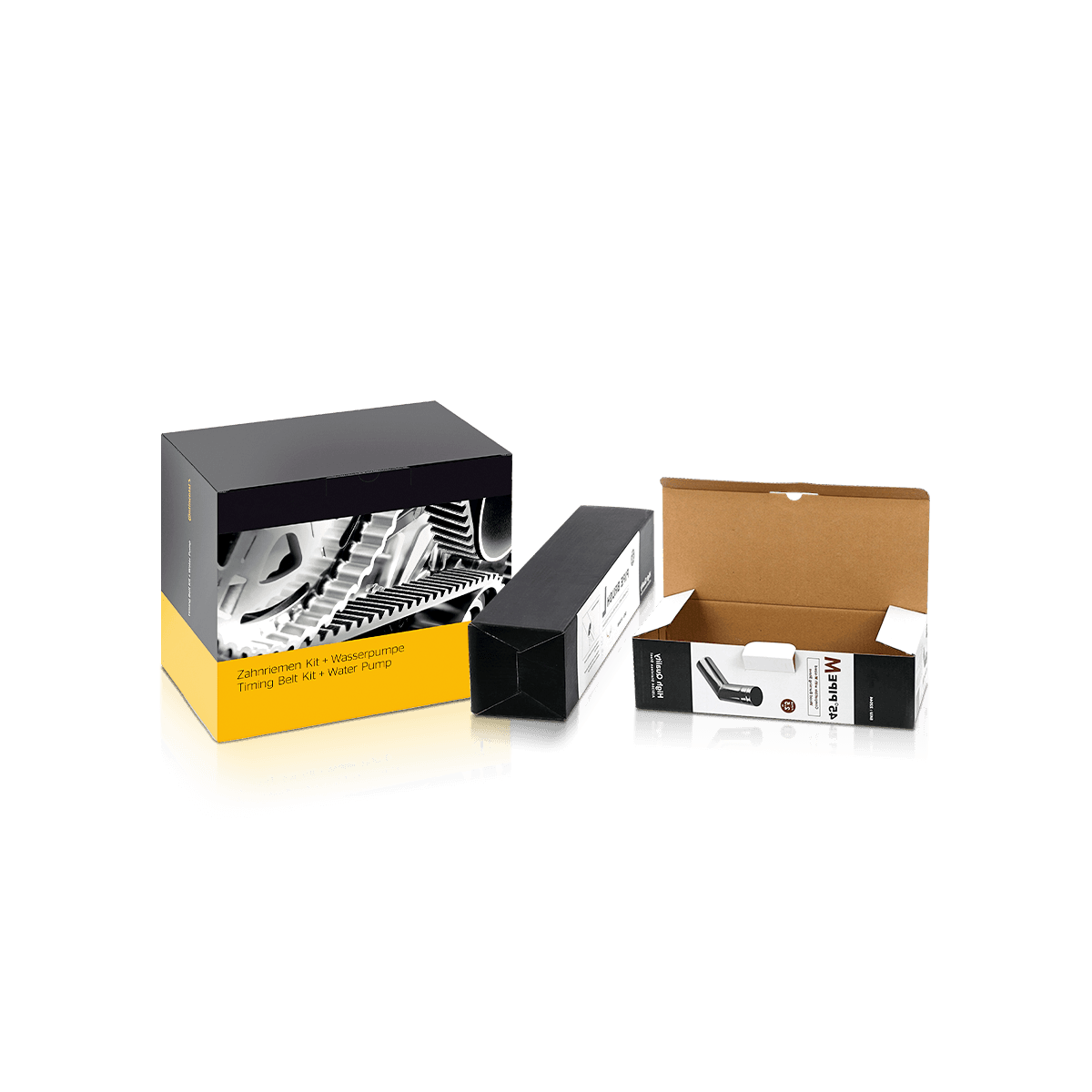
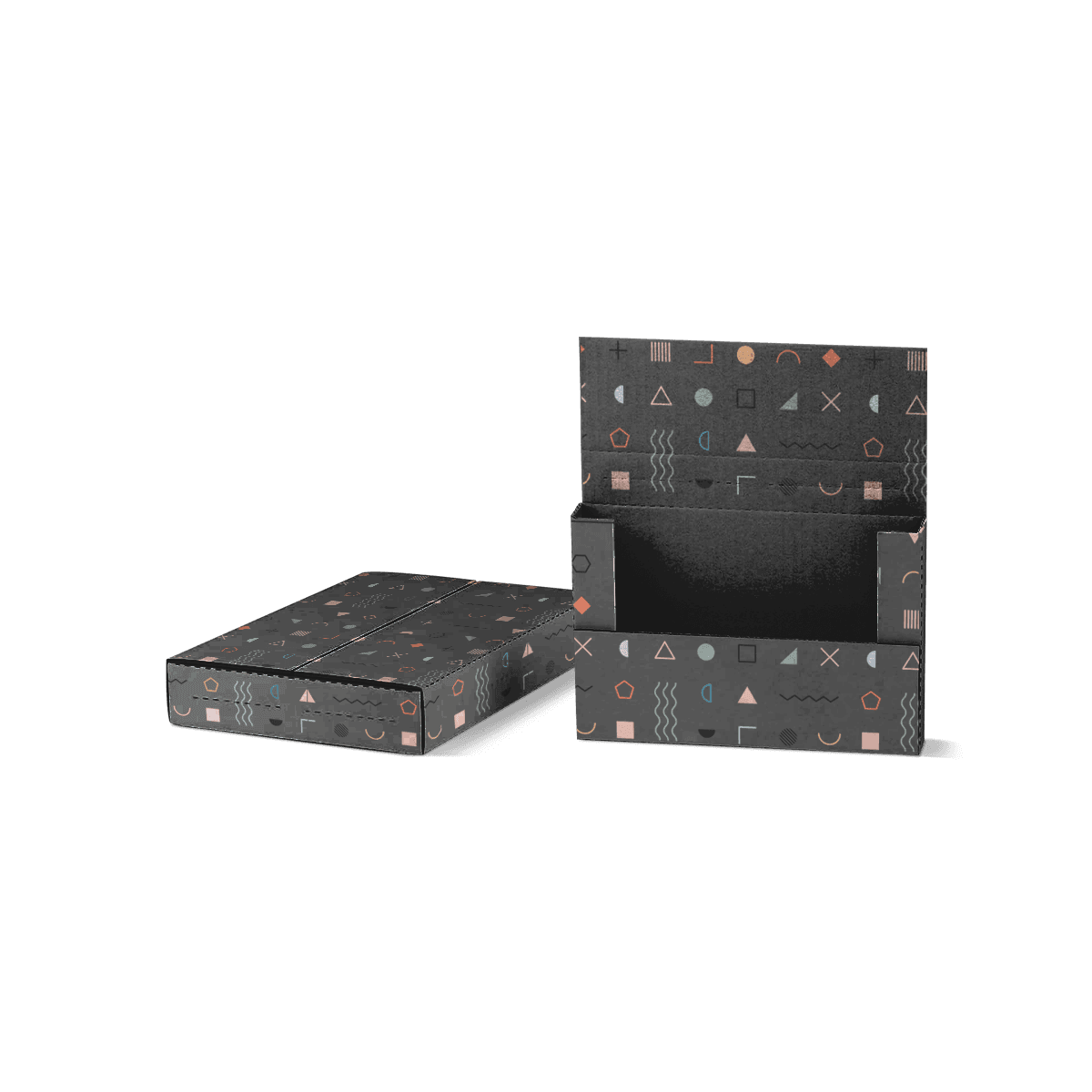
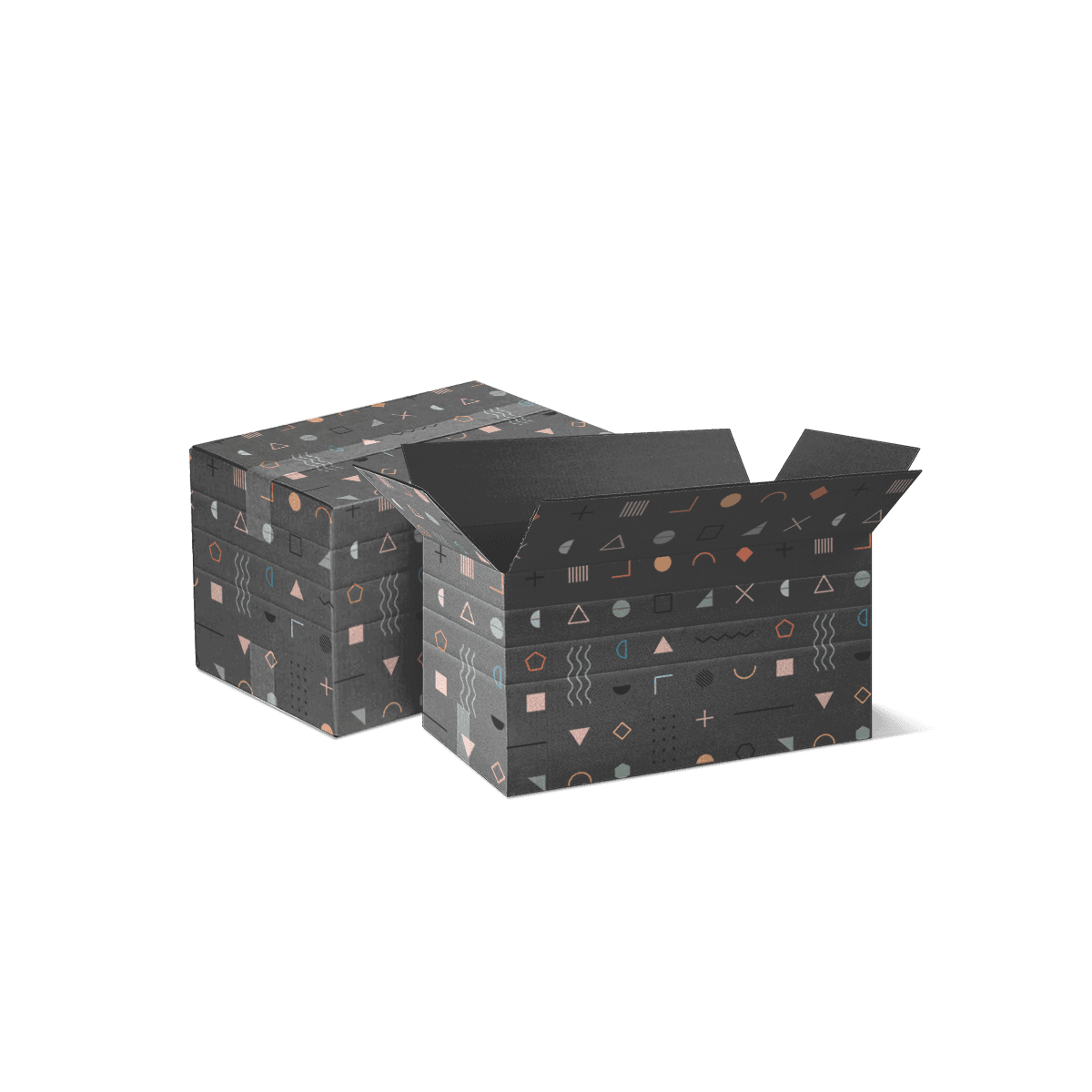
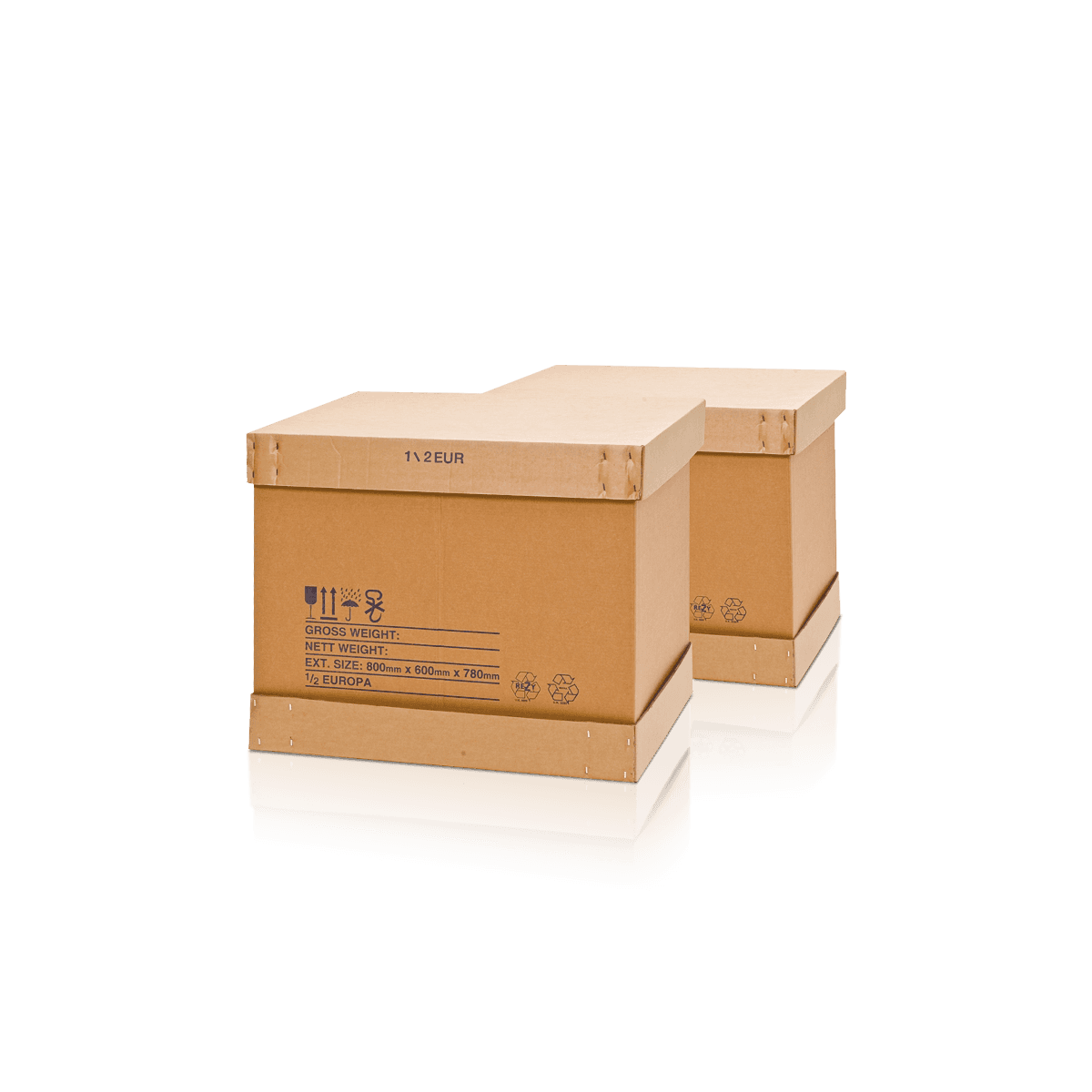
Custom Industrial Packaging Boxes can reduce unnecessary transfers by supporting defined stages of a manufacturing or industrial supply operation.
The construction depends on what happens to the contents between those stages. Some boxes are used for work-in-process movement. Others hold finished components awaiting dispatch or organize industrial products moving between facilities.
Unlike a dedicated transit carton, an industrial box may need to remain accessible during several handling operations before the product is ready for distribution.
The strongest packaging arrangement is one that supports those operations without making employees work around the box.
Manufacturing and Work-in-Process
Work-in-process packaging holds components while manufacturing continues.
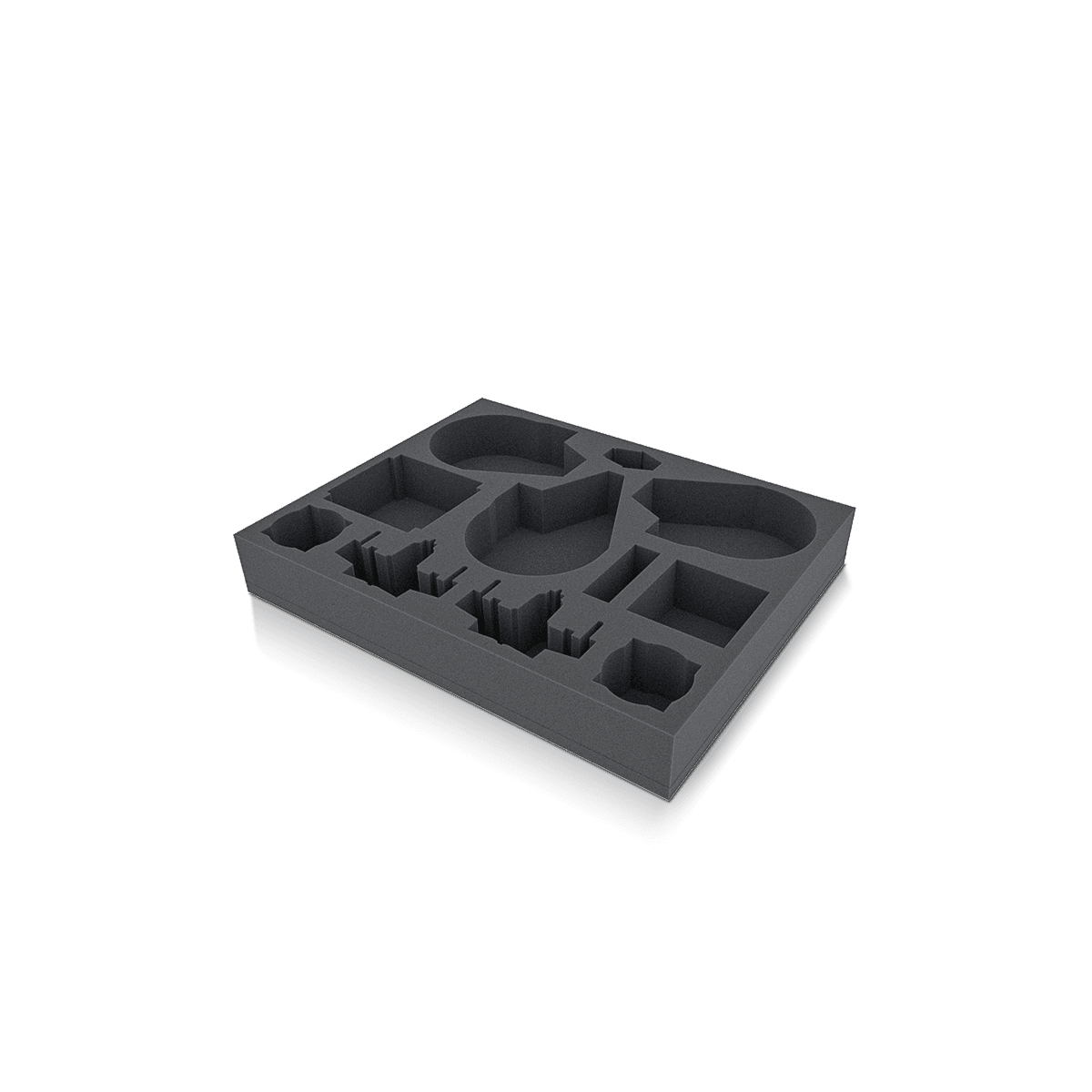
These boxes may carry machined parts to inspection, hold assemblies awaiting another operation or organize manufactured components between production stations.
The packaging should accommodate the actual handling routine.
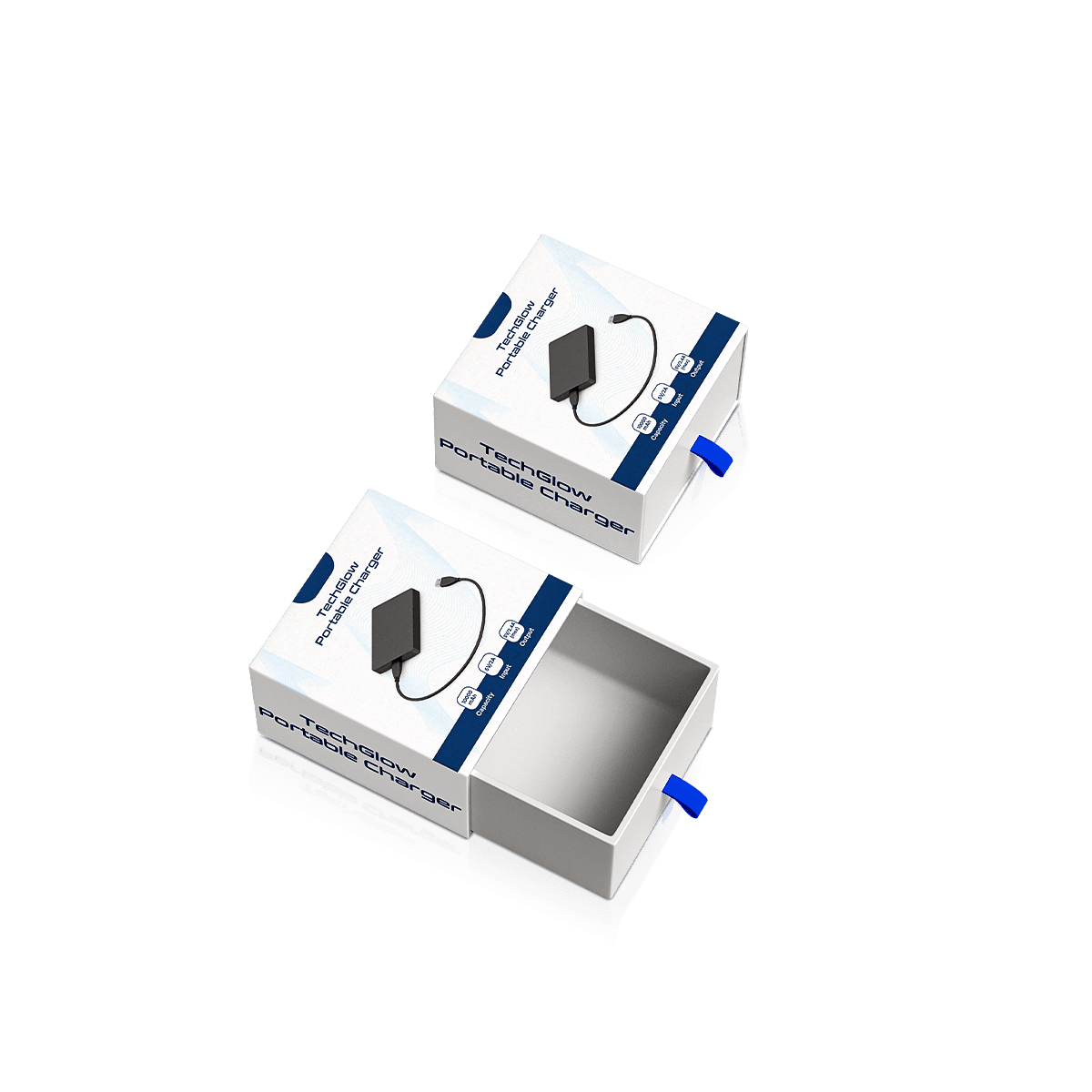
If employees repeatedly remove and replace components, a removable lid or open-top construction may be more practical than a carton requiring a new tape closure after every access.
For individually manufactured components, consistent orientation can also help staff recognize the correct part and inspect the intended surface.
Finished Industrial Products
Finished components have different requirements.
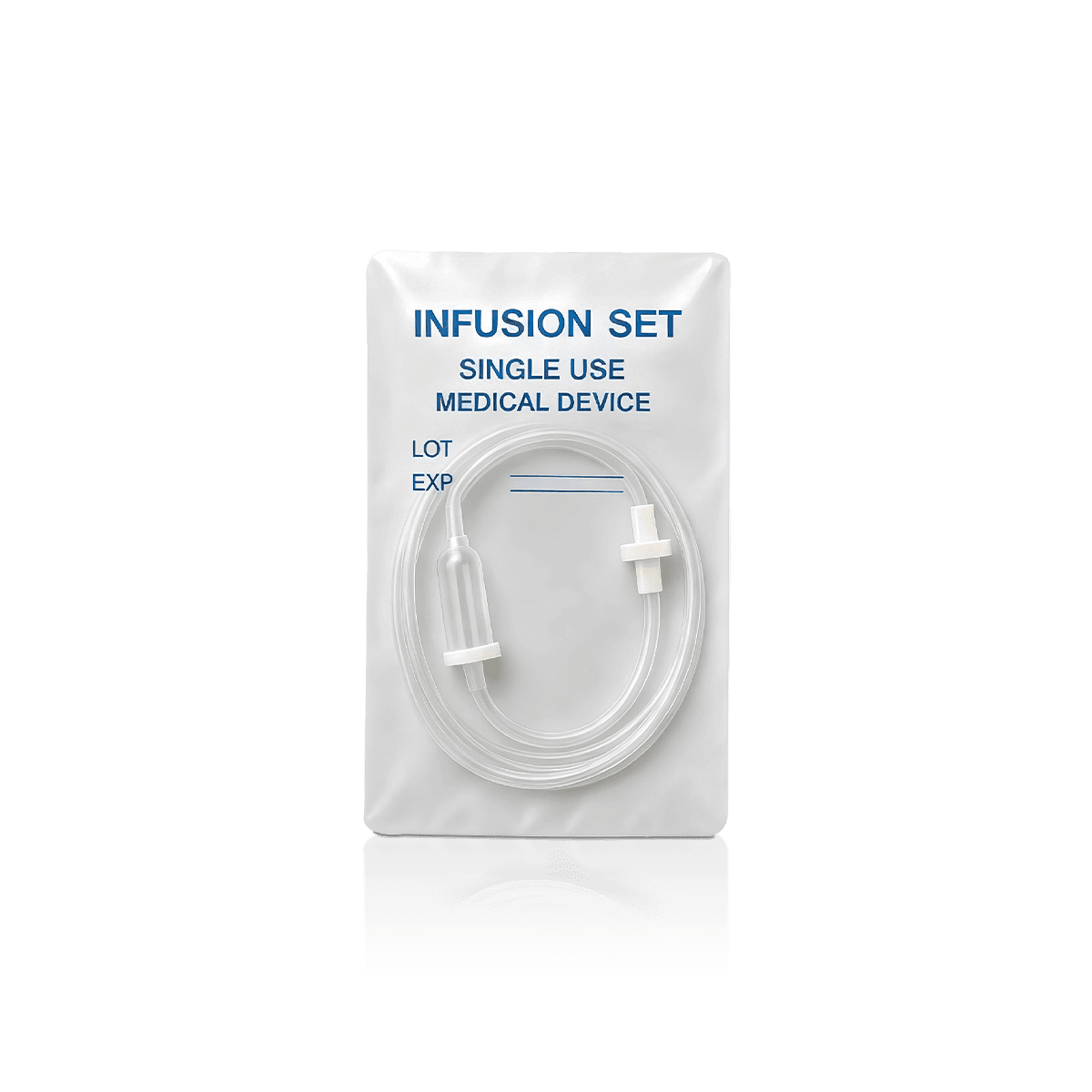
Their packaging may need to preserve the final surface condition, hold accompanying documentation and maintain product identification until dispatch.
For a manufacturer producing standardized replacement components, the box can become part of the established finished-goods specification.
If the package will enter a carrier network, its transit performance must be established separately from its suitability for internal handling.