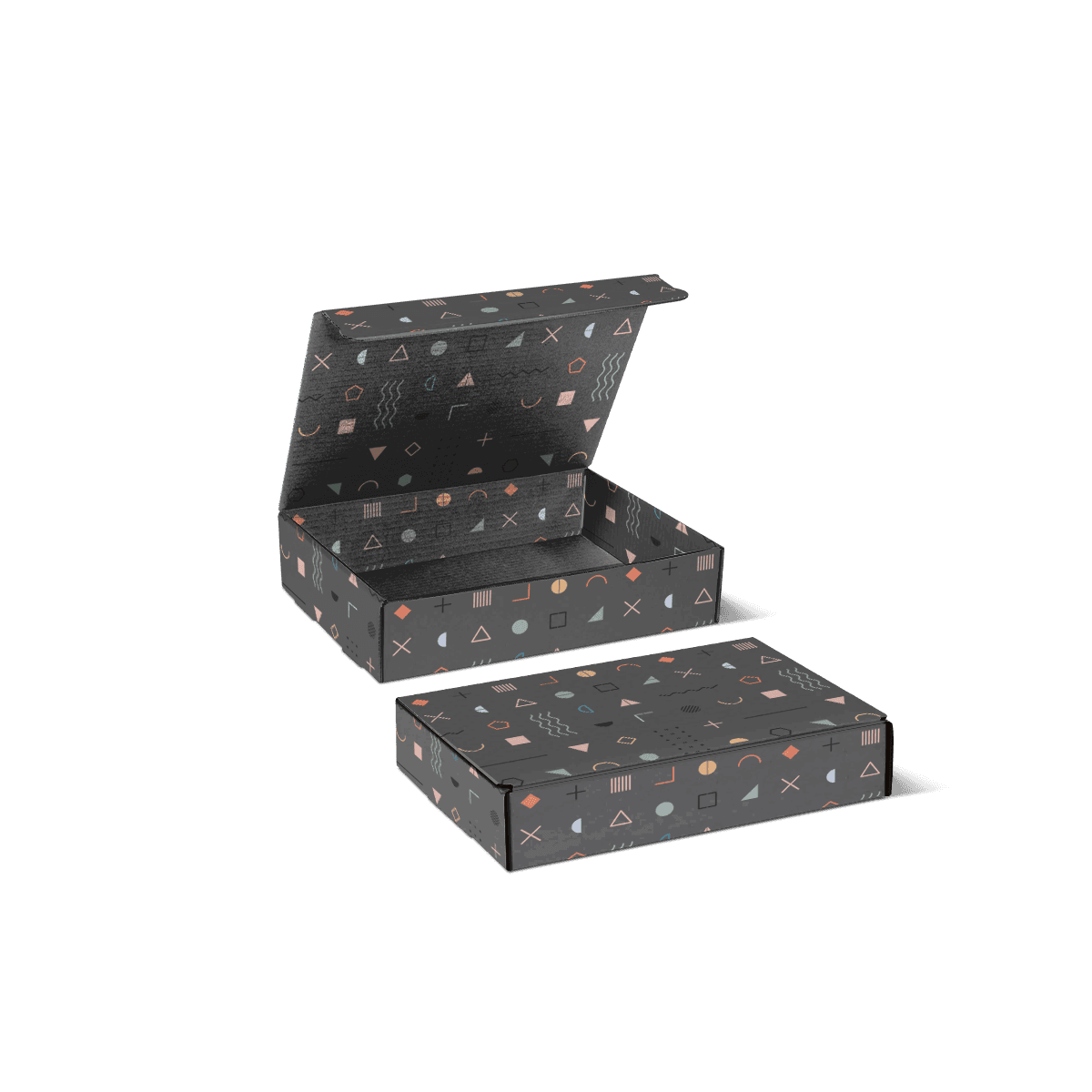
Precision-Cut Cavities
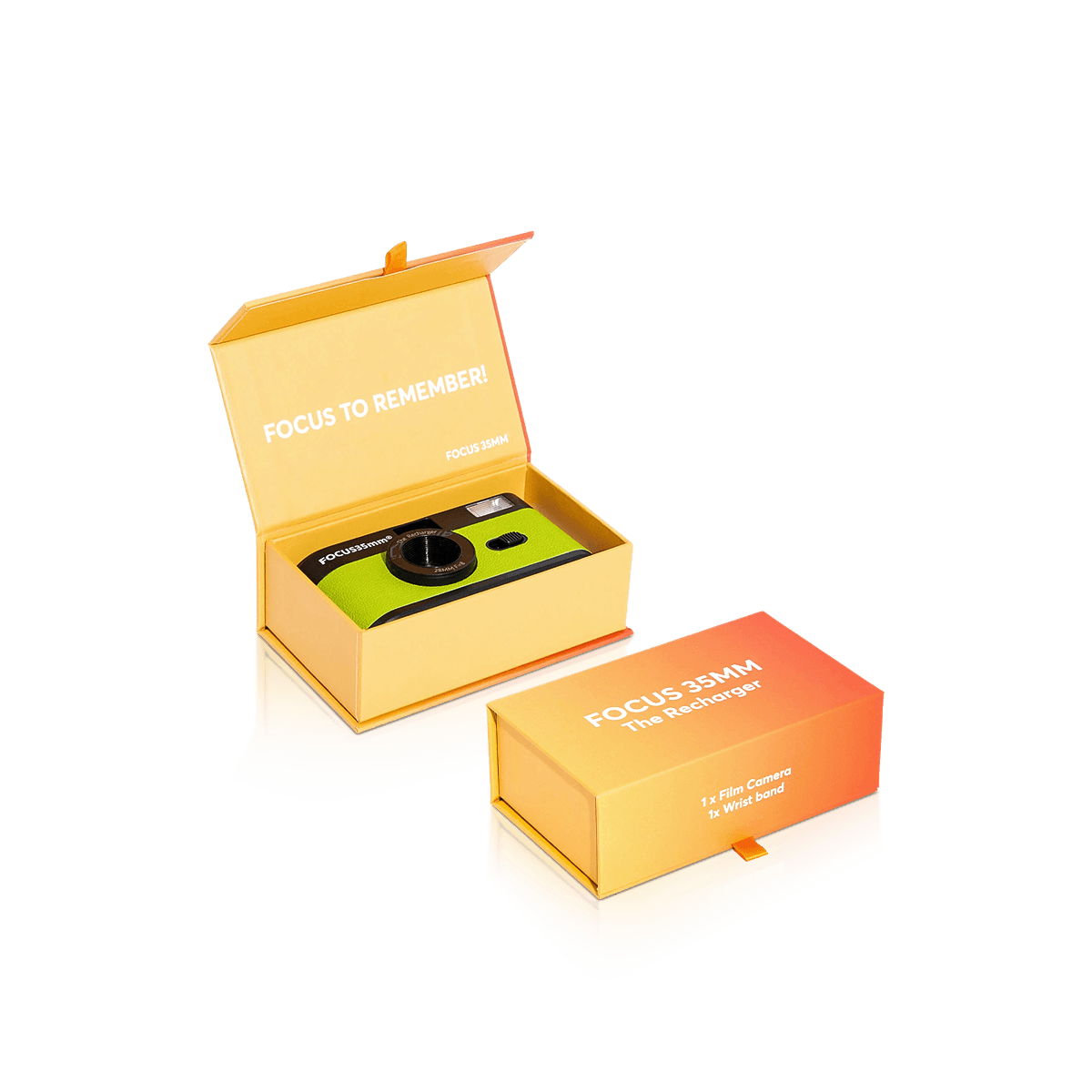
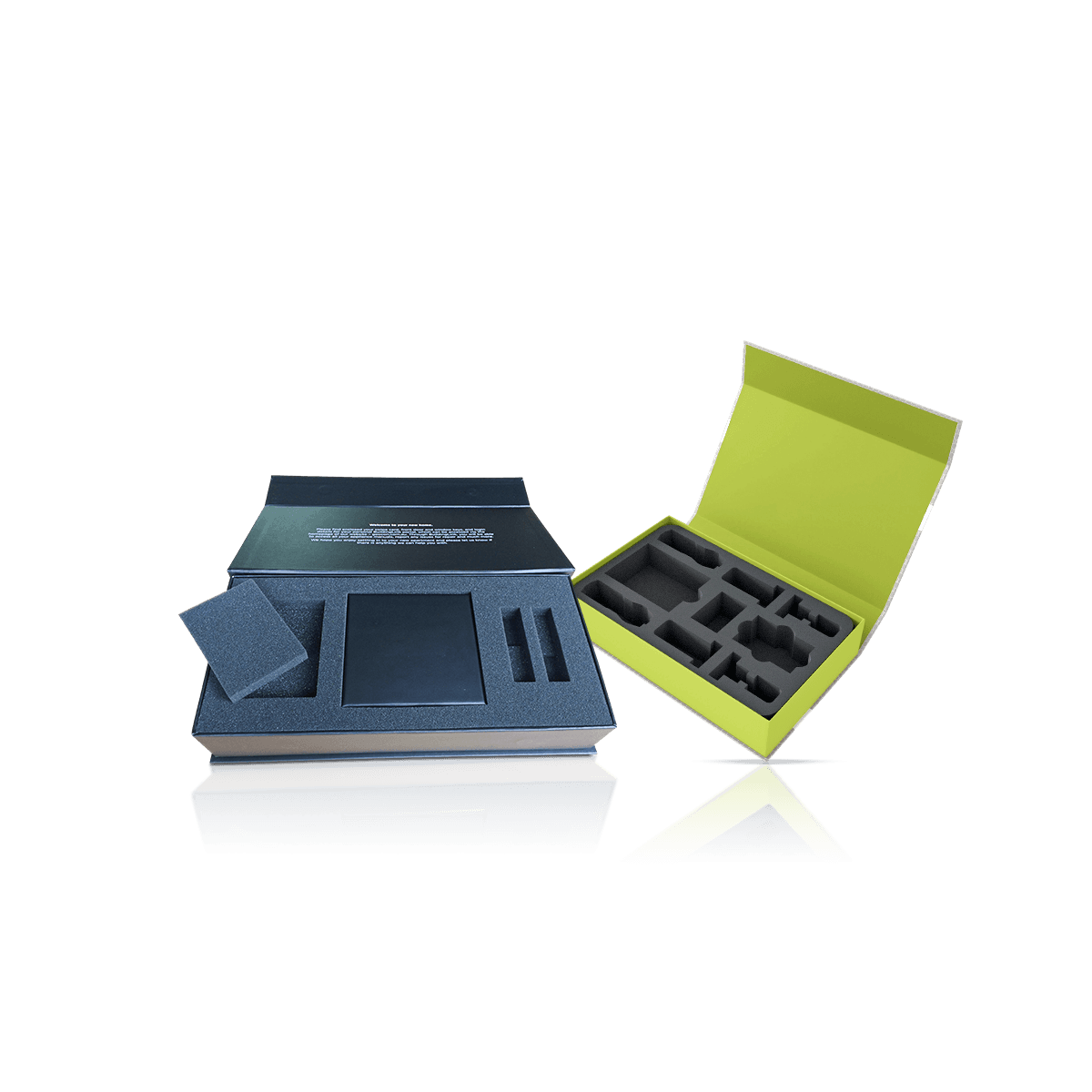
Die-cut foam pockets are shaped around the product so each item sits securely and predictably.
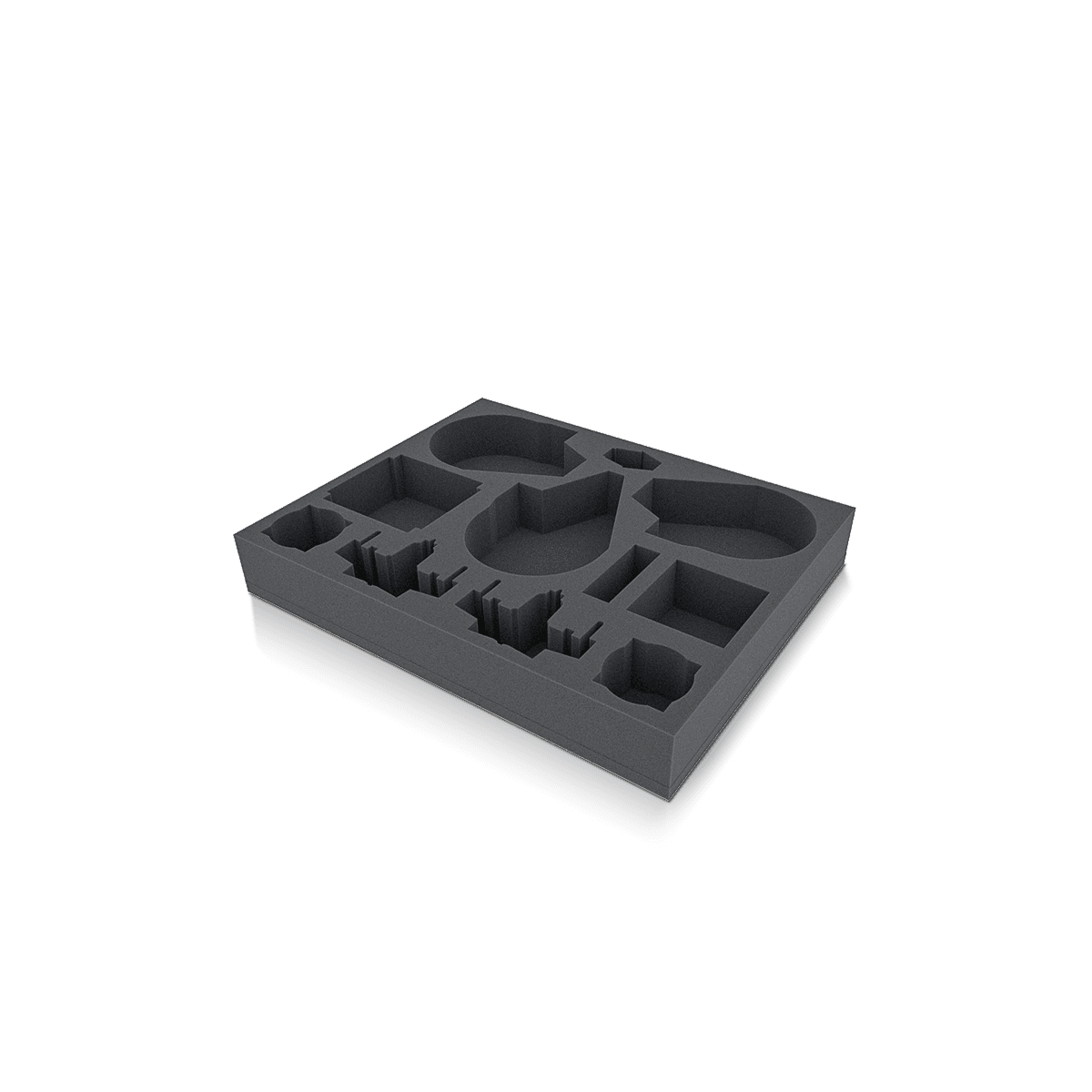
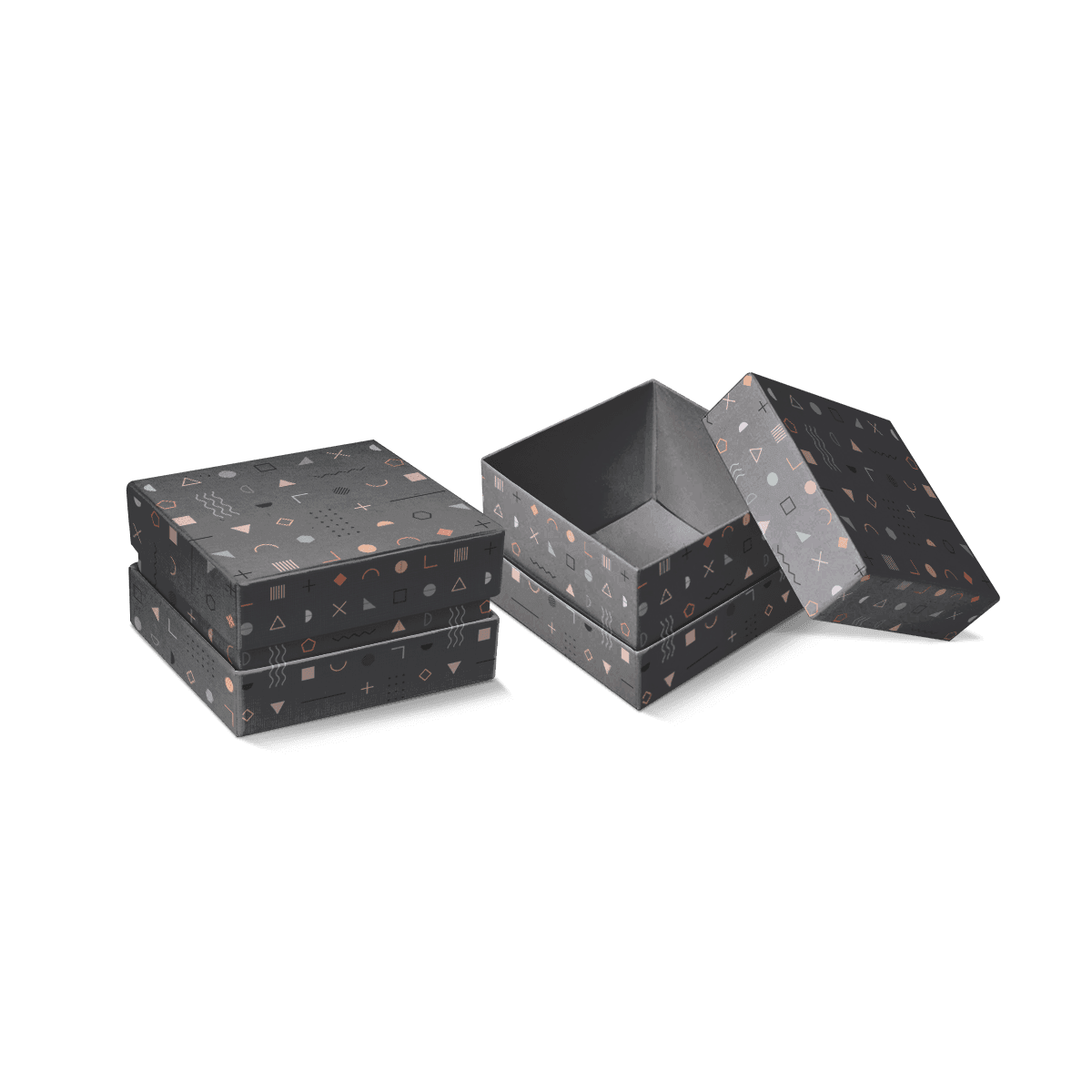
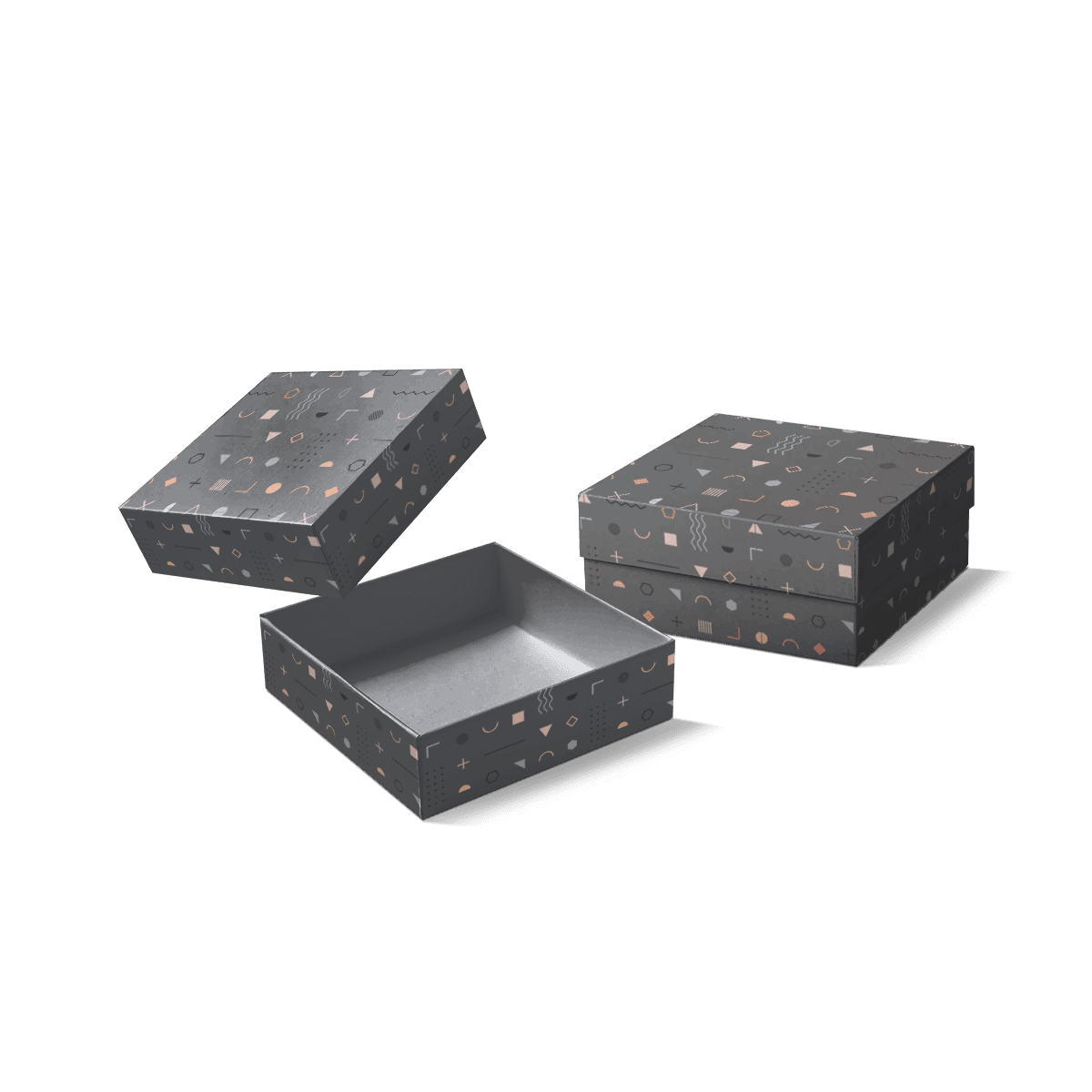
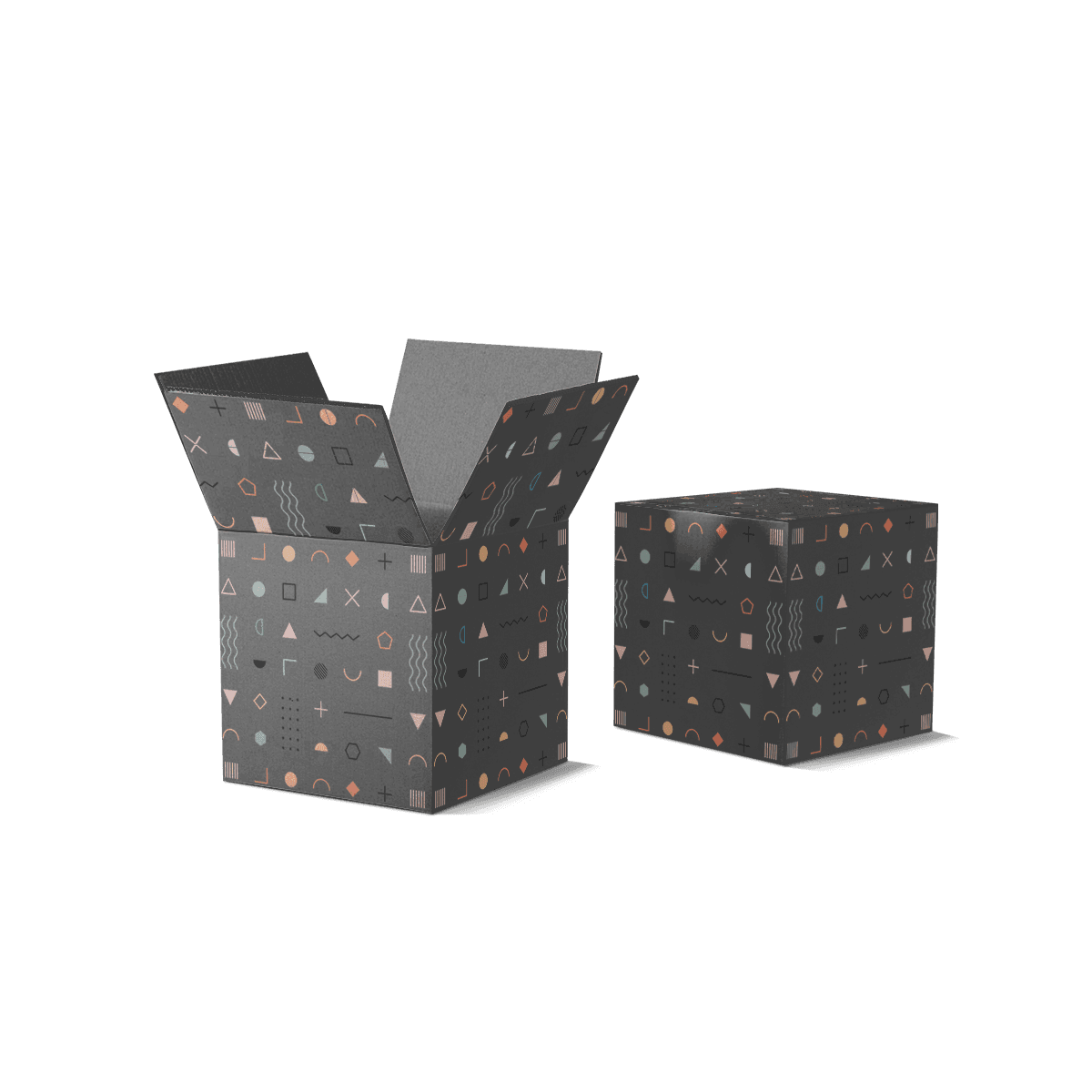
The biggest advantage of Protective Foam Insert Boxes is control. Instead of relying on loose void fill, they secure each item inside a defined cavity so devices, tools and sensitive components stay organized from assembly through transit. Depending on weight and handling risk, inserts can be developed in EVA, PE or anti-static foam and paired with corrugated, rigid board or mailer formats for custom fit, repeatable packing and cleaner handoff.
Holds each part in a fixed position
Cuts vibration and edge contact during handling
Makes multi-component kits easier to pack and check
Helps reduce cosmetic damage and missing-part issues
Supports a cleaner first-open experience for the end user
Die-cut foam pockets are shaped around the product so each item sits securely and predictably.
Foam thickness and wall spacing help absorb jolts around corners, lenses, screens and delicate edges.
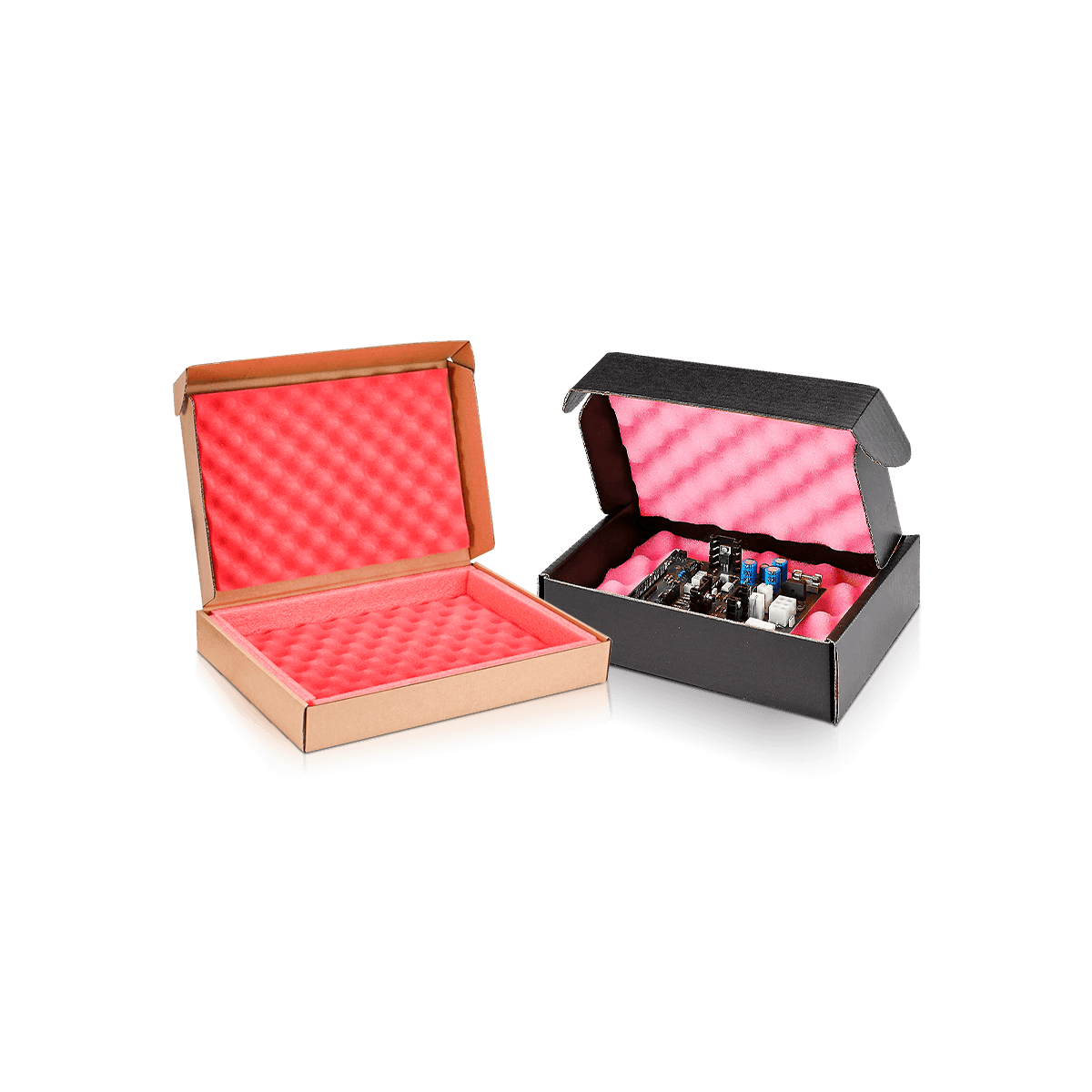
Anti-static options can be used when boards, chips or other sensitive electronics need added protection.
The insert can be matched with rigid, corrugated or mailer constructions based on weight, route and use case.
Consistent cavity planning helps speed kitting, quality checks and replenishment for repeat SKUs.
Consumer electronics kits packed with a device, cable and adapter
Camera, lens and drone component sets that need part-by-part separation
Industrial tools, meters and field-service kits shipped to technicians
Medical or lab components that must arrive organized for setup
Demo, sample and presentation packs where retention and appearance both matter
Simple steps from idea to delivery
Tell Us Your Specs
Provide size, quantity, printing, and finishes.
Get a Fast Quote

Instant transparent pricing, no hidden fees.
Design and Approval

Artwork checks, revisions, and final sign-off.
Produce

Expert manufacturing to meet deadlines.
Ship to Your Door

Hassle-free, flexible delivery options.
Share your product details, size, quantity and artwork needs. We’ll help choose the right packaging style and send a clear quote.