Skip to content
Details

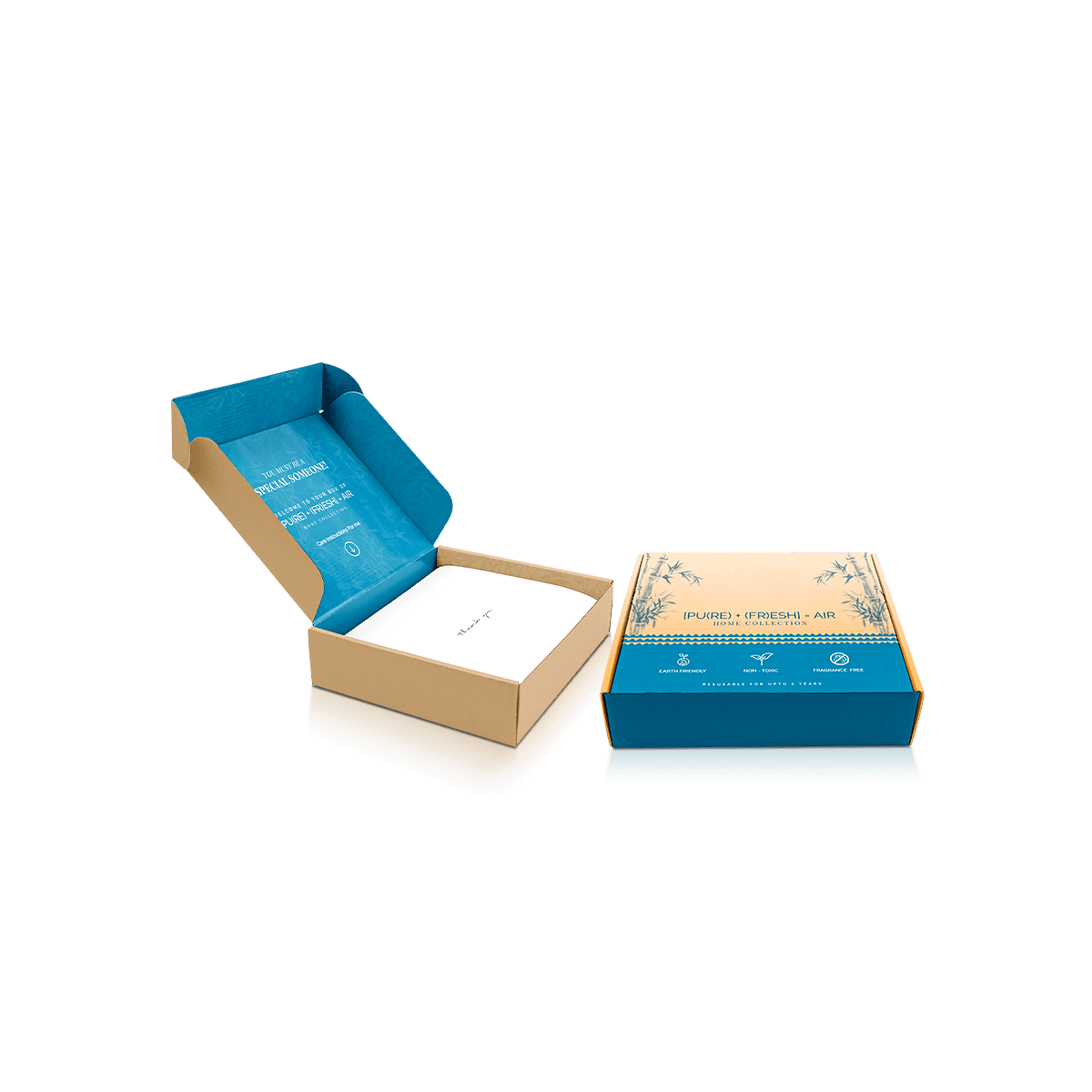
Custom Literature Mailers

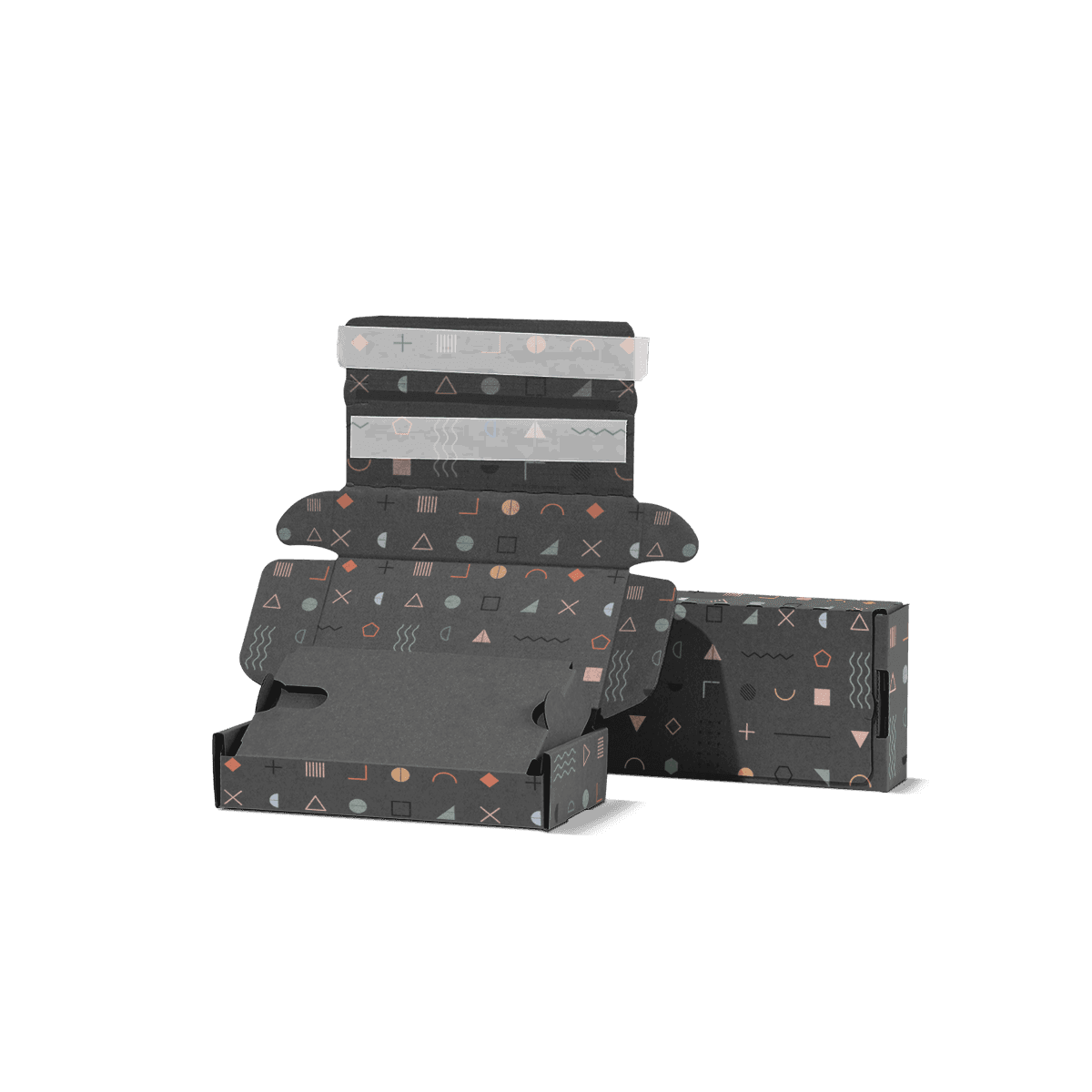
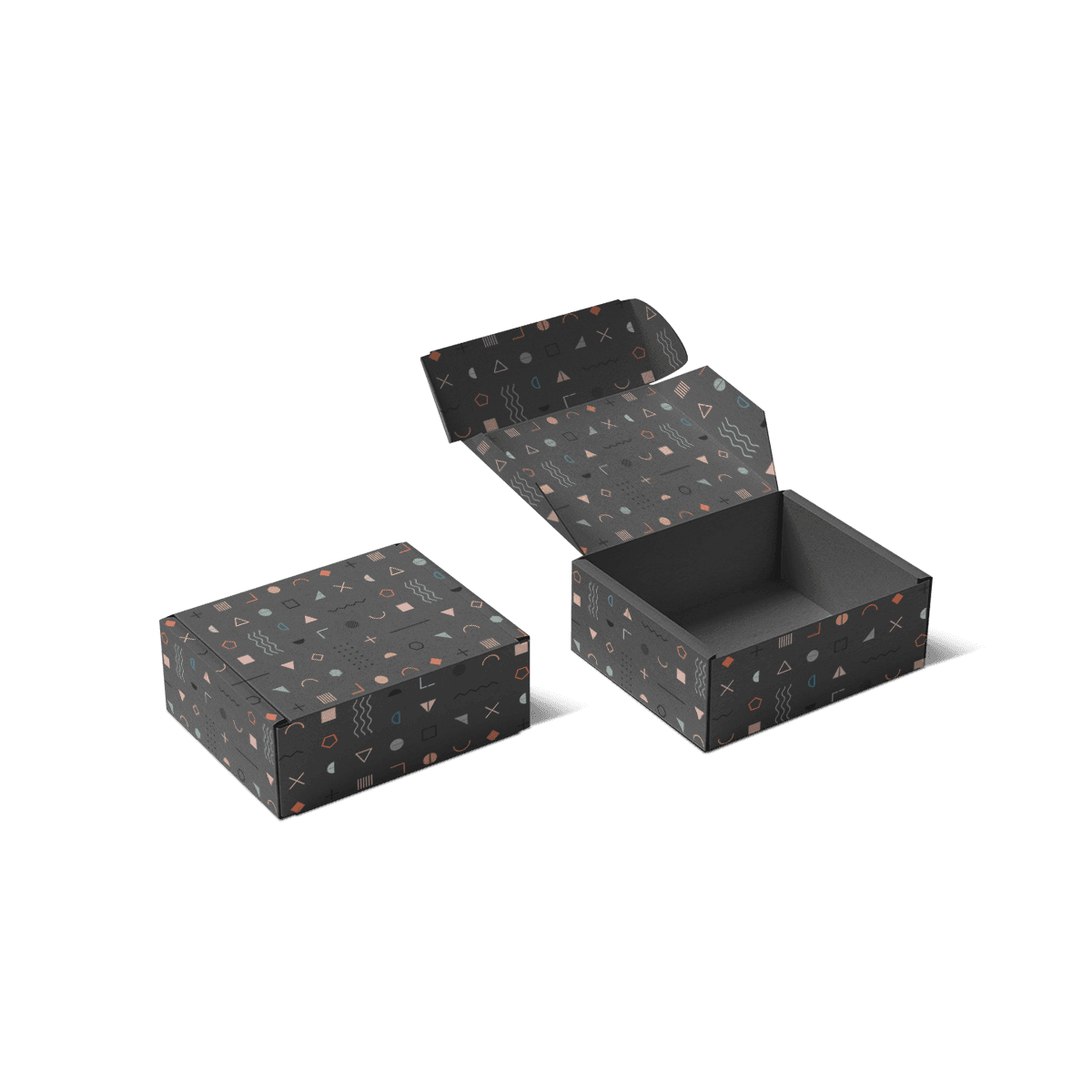
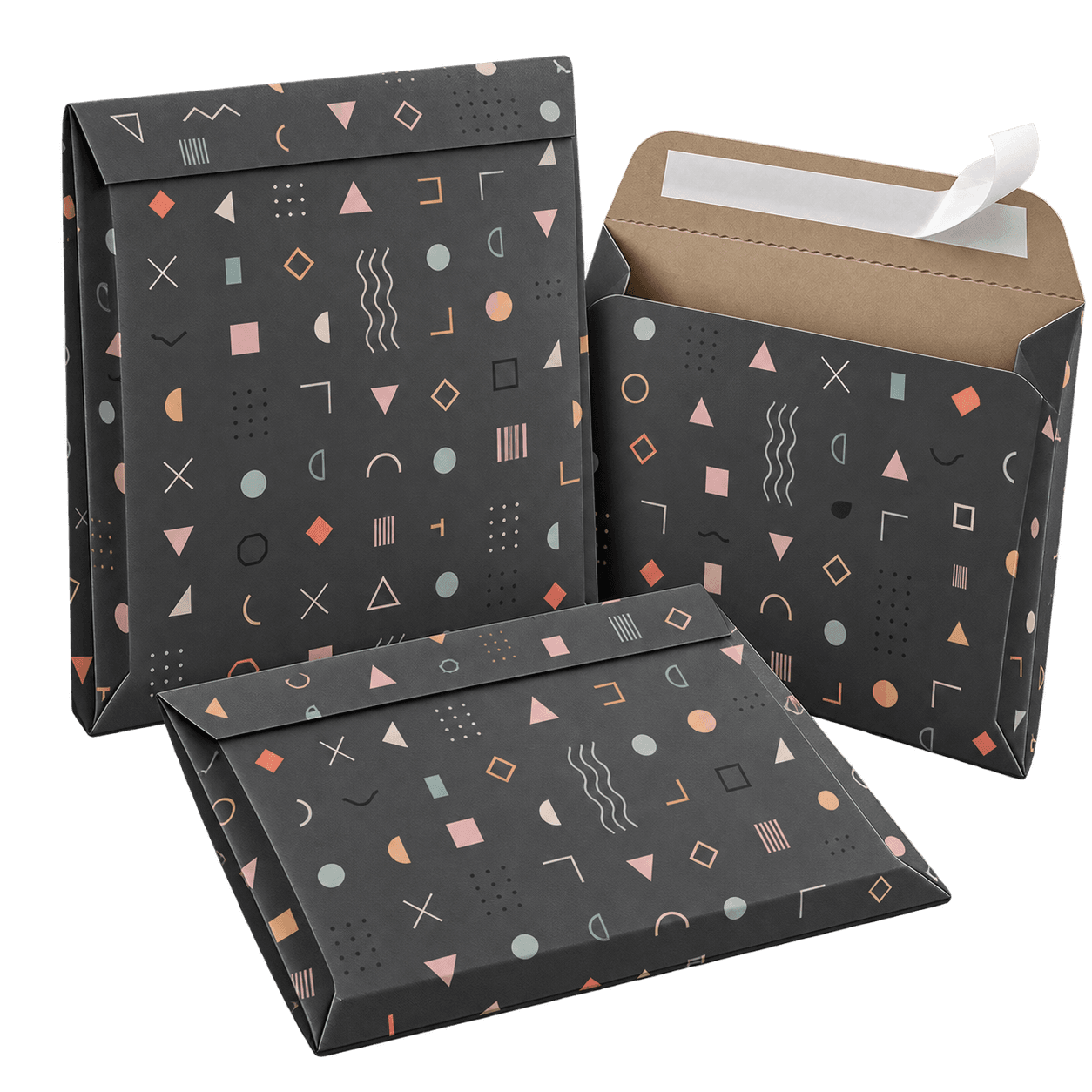
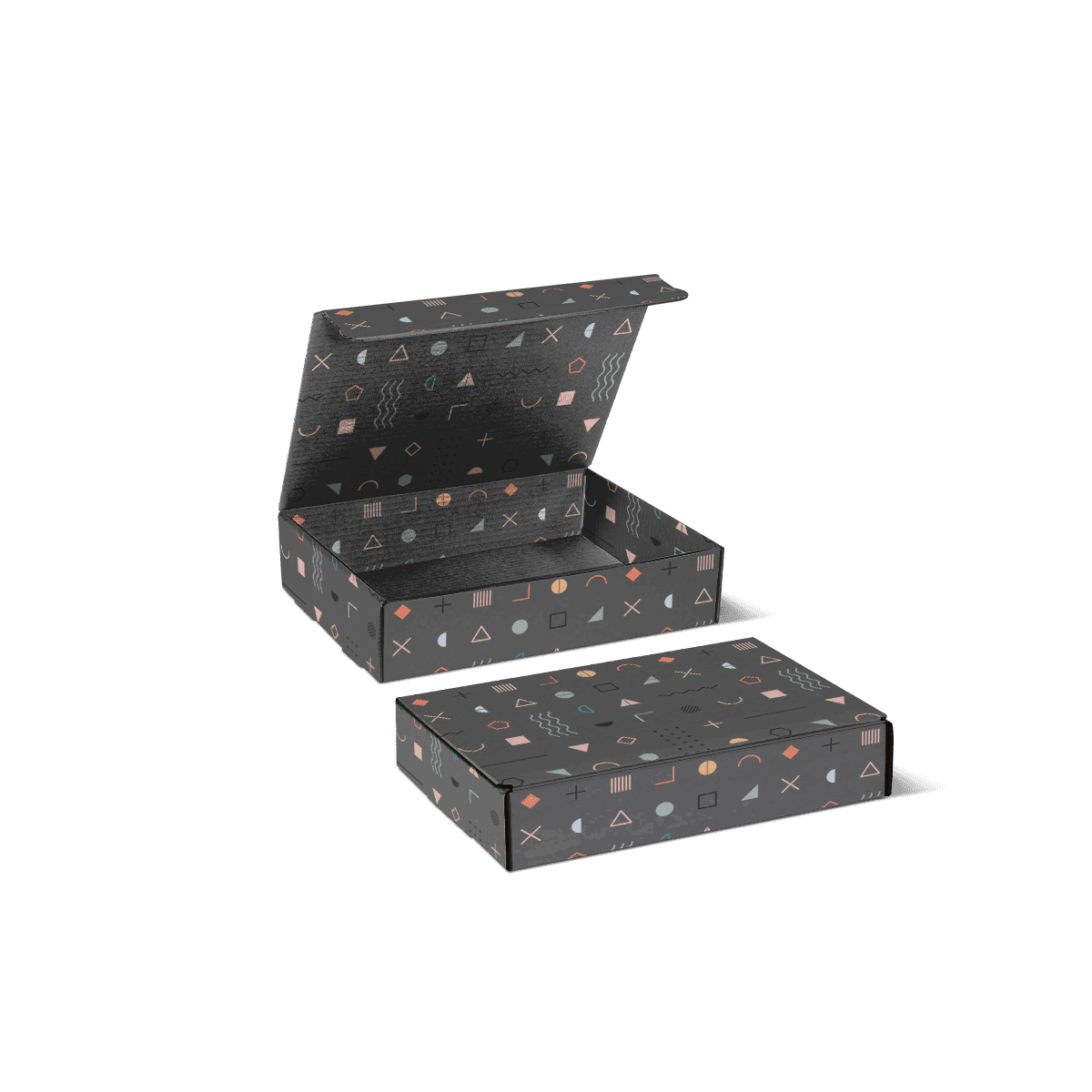
Shallow corrugated mailers sized to hold catalogs, manuals, folders, presentation packs and other flat printed materials with less bending, edge movement and empty depth.

Flat Contents Fail at the Edges

Printed materials do not usually need a deep parcel box. They need a shallow structure that stops a flat stack from flexing, sliding into the corners or arriving with crushed edges.

That is the job of Custom Literature Mailers. Corrugated panels create a rigid envelope around catalogs, manuals, folders, presentation packs, swatch cards and other relatively flat contents. The depth is kept close to the packed stack so the contents cannot build momentum inside an oversized box.

This makes literature mailers different from general custom mailer boxes used for deeper product sets. The key engineering problem here is keeping a broad, shallow load supported across its surface and controlled at the perimeter.

A literature pack may weigh very little yet still arrive damaged if one unsupported corner is repeatedly struck during handling. The mailer therefore has to control the sheet edges as carefully as it controls the overall box dimensions.
Depth Changes More Than Capacity

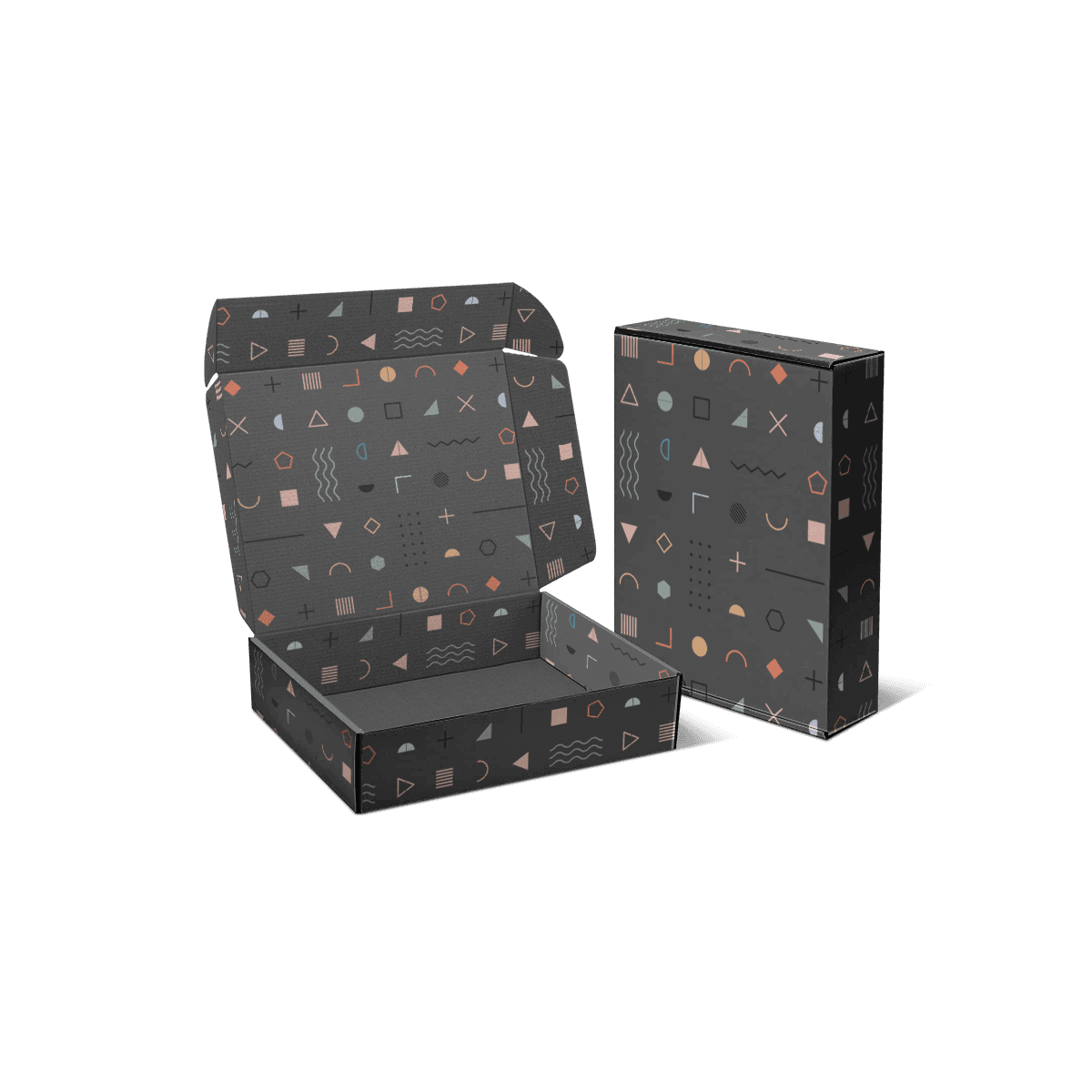
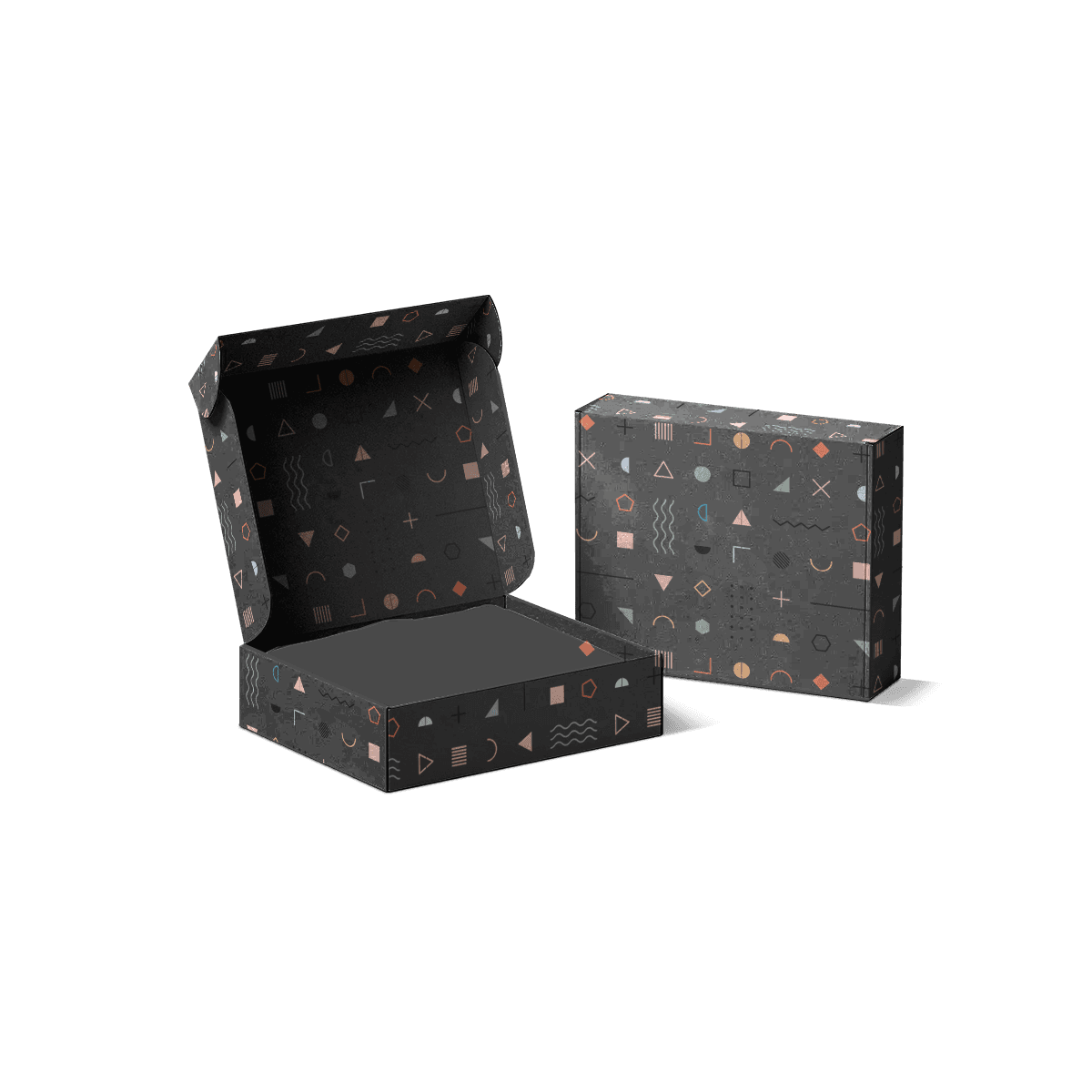
A literature mailer should be deep enough for the complete printed stack but not so deep that the contents can lift, tilt or slide during shipping.

That distinction becomes important when the pack contains several pieces. A presentation folder, catalog and sample card may look almost flat individually. Once stacked with pockets, bindings, folded leaves and inserts, the final depth can be noticeably different from the nominal thickness of the printed sheets.

Measure the Finished Stack

Measure the contents in the order they will actually be packed.

A folder with documents inside it is thicker than the empty folder. A stitched booklet can rise slightly at the spine. A ring-bound manual creates a very different profile from a loose-leaf packet. Sample cards may create localized high spots even when the rest of the pack remains thin.

The mailer needs enough clearance to load without forcing the printed edges against the sidewalls, but excess clearance should not become free movement.

Watch Local Thickness

Not every literature pack forms a perfectly even stack.

Pocket folders, bound manuals, product swatches and folded inserts can concentrate thickness in one area. If the mailer is sized only from the average stack height, the lid may press hard on a binding while leaving empty space elsewhere.

That can bow the top panel or mark printed material beneath it.

A slim paperboard spacer, retaining panel or purpose-made insert can sometimes control an uneven pack more cleanly than increasing the depth of the entire box.

The Broad Panel Needs Support

A low-profile box can still have a large surface area. That broad span matters because pressure applied to the center of the lid may transfer directly to the literature beneath it.

Corrugated board is useful here because its fluted middle layer adds stiffness without turning the mailer into a heavy shipping carton. The appropriate board construction should follow the mailer dimensions, packed weight and handling conditions rather than the fact that the contents happen to be paper.

Large-format catalogs or presentation folders create more unsupported span than a compact instruction booklet. As the footprint grows, panel stiffness becomes increasingly important.

The same principle applies to stacks. Ten slim pieces packed together may create enough mass to behave differently from a single brochure even though the box remains shallow.

Packaging materials affect stiffness, print surface and finished thickness, so the outer board should be chosen around the packed literature rather than appearance alone.

Validate the Center Span

Testing belongs beside this structural decision.

Pack the actual literature, close the mailer and apply the handling conditions the package is likely to encounter. Check the center panel, corners and printed edges after the test.

The goal is not simply to see whether the box remains closed. Look for subtle damage such as curled corners, scuffing, pressure marks on coated covers or a folder that has shifted diagonally inside the mailer.

A fully custom pre-production sample can be arranged as a paid sample when exact physical behavior needs checking. Free sample examples of previous Custom Packly work can help assess general manufacturing and print quality.

Corners Need Controlled Clearance

Paper corners damage easily because they concentrate force into a very small area.

If the contents fit too tightly, loading itself can bend a corner. If they fit too loosely, the stack can repeatedly strike the walls during transit. Good literature-mailer sizing leaves working clearance without turning that clearance into a travel path.

This is especially important for coated catalogs, presentation folders and high-quality printed covers where a visibly rolled corner makes otherwise undamaged material look used.

Keep the Stack Square

The pack should enter the mailer in its natural orientation and lie flat.

Rotating a rectangular folder to fit an existing box may save a packaging SKU, but it can place the folder spine or open edge against the wrong wall. That affects both loading and impact behavior.

The widest or most vulnerable printed edge should be considered when deciding orientation.

Do Not Let Inserts Become Impact Points

A sample card, USB device, badge or small promotional item can turn a flat literature pack into a mixed kit.

If that component is allowed to move over the printed material, it may scratch coated covers, crease sheets or create a concentrated pressure point when another parcel sits on top.

A small retainer or paperboard fitment can isolate the object while keeping the literature flat. Custom Product Packaging becomes relevant when the printed material and physical sample need to behave as one controlled pack rather than loose pieces sharing a box.

Closure Should Not Disturb the Stack

Many literature-mailer structures use folded corrugated sides and a front-tuck closing action. The closure should secure the box without dragging across the printed contents or forcing the uppermost piece toward the front wall.

That sounds simple until the literature reaches almost to the top of the structure.

If the stack is too tall, closing pressure can bow the contents. If the front clearance is too tight, a folder tab or booklet edge can catch as the mailer closes.

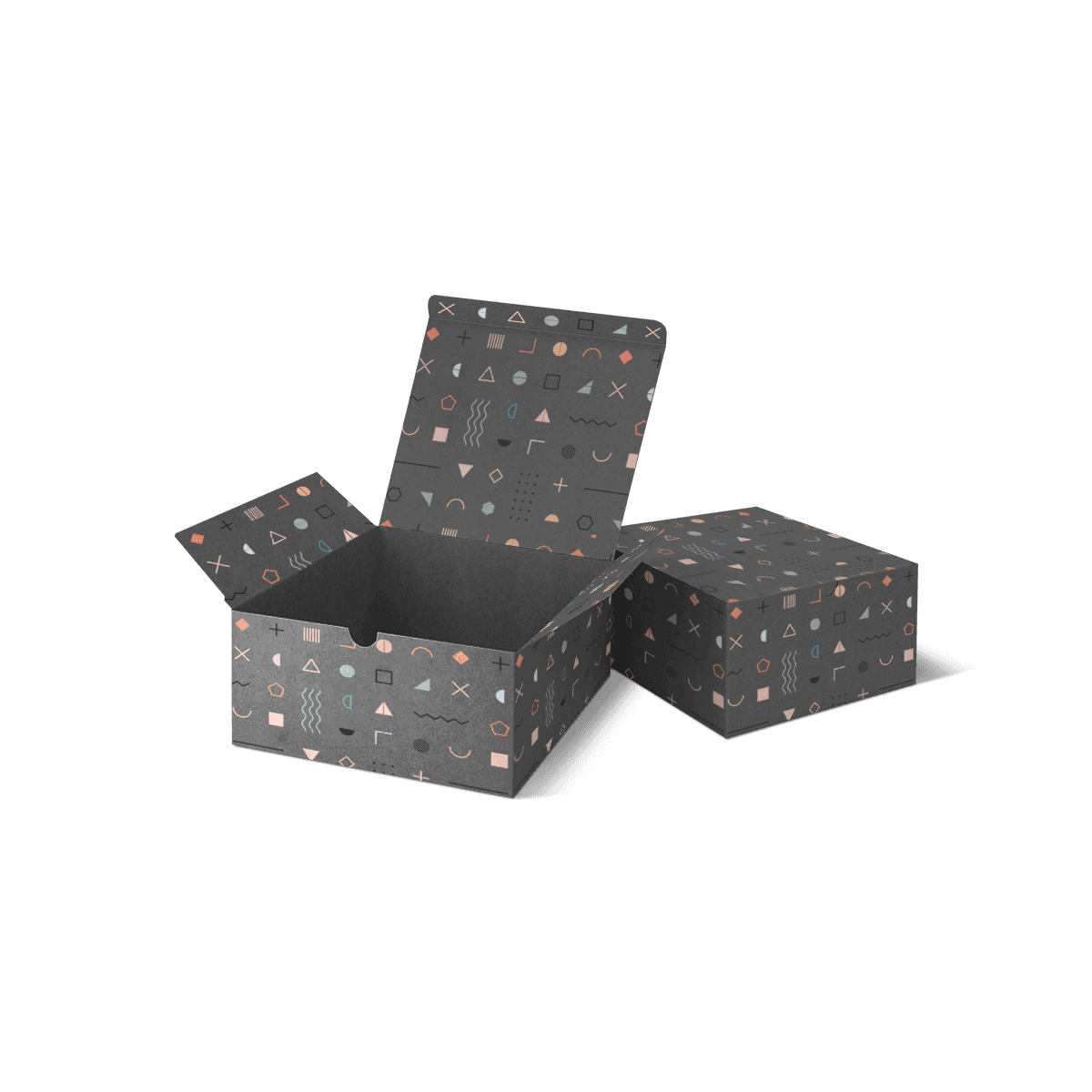
Roll End Tuck-Front Mailers suit deeper product-led shipments when the same general front-tuck behavior needs more room for physical items and inserts.

Literature Mailers should stay focused on the opposite problem: preserving a shallow, broad, predominantly flat pack.

For teams deciding between fundamentally different outer structures, mailer boxes, shipping boxes and folding cartons perform different jobs once product weight and transit duty increase.

Reading Order Can Become Pack Order

Literature shipments often contain information in a deliberate sequence.

A welcome folder may need to appear first, followed by an instruction booklet, account paperwork and a sample card. A sales kit may open with a cover letter before revealing a catalog and specification sheets.

The mailer can support that sequence instead of treating every printed piece as an interchangeable stack.

A shallow retaining frame, paper band, folder pocket or fitted paperboard element can keep the parts in their intended positions. The recipient sees the pack in the order planned, and the fulfillment team gets a repeatable loading sequence.

This is one of the strongest reasons not to oversize the mailer. Empty volume lets layers migrate and reverses the intended presentation.

A Deeper Box Can Create More Damage

Consider a company sending a presentation folder, a 40-page booklet and several product swatch cards.

The existing mailer has plenty of room, so packing is easy. During parcel handling, however, the folder can move laterally and the loose swatch cards travel independently. The folder corners reach the corrugated walls first, while the cards slide across the booklet cover.

Adding tissue may make the pack look fuller, but it does not necessarily control the components.

A shallower mailer sized around the completed stack, combined with a small retainer for the swatch cards, changes the mechanics. The broad printed pieces remain flat and the smaller components stop moving independently.

The correction is not simply “more protection.” It is less uncontrolled space.

That principle applies to catalogs, onboarding materials, instruction sets, conference packets and other document-led shipments where the contents are too substantial for an envelope but do not need the depth of a normal product mailer.

Print Can Start Before the Box Opens

Literature mailers often arrive as part of a campaign, membership pack, launch or business communication. That makes the exterior print more important than it would be on a plain document shipper.

The front panel can carry the brand mark, campaign graphics, recipient-facing copy or a restrained visual system that connects the outer mailer to the printed pieces inside.

The interior can also carry artwork when the opening sequence justifies it.

Custom printed boxes can coordinate outside and inside artwork when the mailer needs controlled brand color across repeated campaigns.

Premium offset printing can support detailed artwork and consistent branded output. CMYK may suit photographic or multi-color designs, while Pantone can make sense when a specific spot color is important.

Finishes should be chosen with shipping behavior in mind. An effect that looks good on a presentation carton still has to survive rubbing and parcel handling when it sits on the exterior of a mailed pack.

Design Around Creases

Important logos, small text and key graphics should stay clear of structural folds, locking points and areas where corrugated panels overlap.

Artwork belongs on the final dieline, not on an assumed rectangle.

A packaging dieline establishes the cut lines, crease lines and panel boundaries before artwork is finalized.

Custom Packly includes design and dieline support along with free 3D mockups, which helps teams check how exterior and interior artwork moves across the assembled literature mailer before production.

Mailing Lists Can Change Faster Than Packaging

Literature programs often have version changes that ordinary product packaging does not.

A catalog may update seasonally. Training materials may change by department. A conference packet may differ by event. Sales literature may require a new insert even though the outer mailer dimensions stay exactly the same.

That creates a useful separation between the permanent packaging specification and the changing printed contents.

The outer box can remain stable while the insert set or literature version changes, provided the new stack still fits the same dimensional envelope.

This can reduce unnecessary structural revisions.

For ecommerce and direct-to-recipient programs, e-commerce retail packaging also has to account for fulfillment, labeling and parcel handling once the literature shipment enters the carrier network.

Quantity Should Follow the Mailing Program

The best production quantity depends on how the literature will actually be distributed.

A one-time campaign may need one defined run. A membership, training or sales program may consume mailers steadily throughout the year. Several literature versions may also share one outer box if their packed dimensions remain compatible.

Custom Literature Mailers can start from 100 boxes. US production and a standard 4–6 day turnaround after final artwork and specifications are approved can suit defined campaigns where the mailing date matters. Complex structures, specialty materials or advanced finishes may require additional time.

For recurring programs, warehousing and scheduled deliveries can help separate manufacturing quantity from the amount of packaging that needs to sit at the packing location.

When dimensions, board, printing and quantity are established, an instant custom packaging quote can price the mailer around the actual literature program rather than a generic ecommerce box.

Transparent pricing and no hidden charges make it easier to compare the effect of size, print and quantity before the order moves into production.

Keep the Outer Mailer Stable

A literature program becomes easier to run when the box specification changes less often than the material placed inside it.

Record the internal dimensions, board construction, closure, artwork version and any retainer used for smaller components. Then define the maximum printed stack that can enter that mailer without forcing the lid or creating excessive movement.

This gives marketing, operations and fulfillment teams a stable physical envelope for future sends.

A new booklet, catalog or folder does not automatically require a new box. It requires a fit check against that established envelope.

That is the practical advantage of a well-specified literature mailer. The packaging can stay consistent while the communication inside it keeps changing.

Custom Packly combines extensive customization with 24/7 packaging expert support, so structural questions can be resolved when a mailing program changes in thickness, component count or presentation sequence without automatically rebuilding the entire packaging system.

FAQs

Yes. They are especially useful for catalogs, brochures, manuals, folders, and other flat printed pieces that should arrive without excessive shifting.

Usually enough for slim kits, stacked documents, sample cards, and light accessories. If the pack becomes bulkier or more product-heavy, a deeper mailer style may be the better fit.

Choose Literature Mailers when the shipment is flatter and presentation depends on neat document support. Roll End Tuck-Front Mailers are better when you need more depth for products, inserts, or bulkier retail items.

Yes. They are often used for media packs, onboarding kits, launch folders, and slim promotional sets where printed materials and a few lightweight components need a tidy layout.

Yes. The outer panels can carry full-color branding, product education, event graphics, or account-specific messaging for a more personalized presentation.

Process

How it works

Your Packaging Journey, From Idea to Production and Delivery

01

Tell Us Your Specs

Custom packaging boxes

Tell Us Your Specs

Provide size, quantity, printing, and finishes.

02

Get a Fast Quote

Custom packaging boxes

Get a Fast Quote

Instant transparent pricing, no hidden fees.

03

Design and Approval

Custom packaging boxes

Design and Approval

Artwork checks, revisions, and final sign-off.

04

Produce

Custom packaging boxes

Produce

Expert manufacturing to meet deadlines.

05

Ship to Your Door

Custom packaging boxes

Ship to Your Door

Hassle-free, flexible delivery options.

Get Your Quote for Custom Literature Mailers

Share your product details, size, quantity and artwork needs. We’ll help choose the right packaging style and send a clear quote.