Skip to content
Details

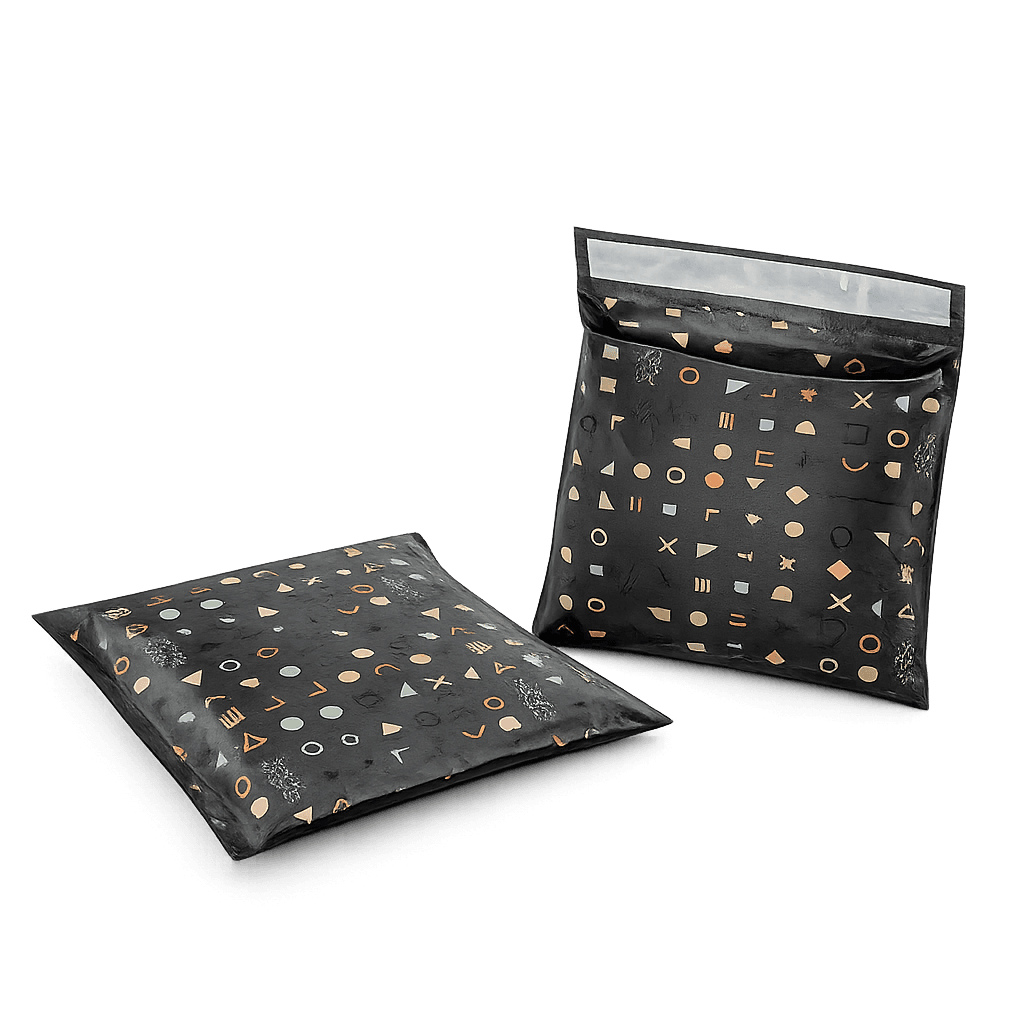
Custom Self-Sealing Mailers

Peel-and-seal corrugated mailers for e-commerce teams that want fewer packing steps, a clean finished closure and return-ready options where the shipping workflow requires them.

The Last Packing Step Matters

A fulfillment worker has already picked the order, checked the contents, loaded the box and positioned any inserts before reaching the final closure. If every parcel then needs separate tape, the sealing step adds another material, another tool and another motion to every shipment.

Custom Self-Sealing Mailers move that closure into the box itself.

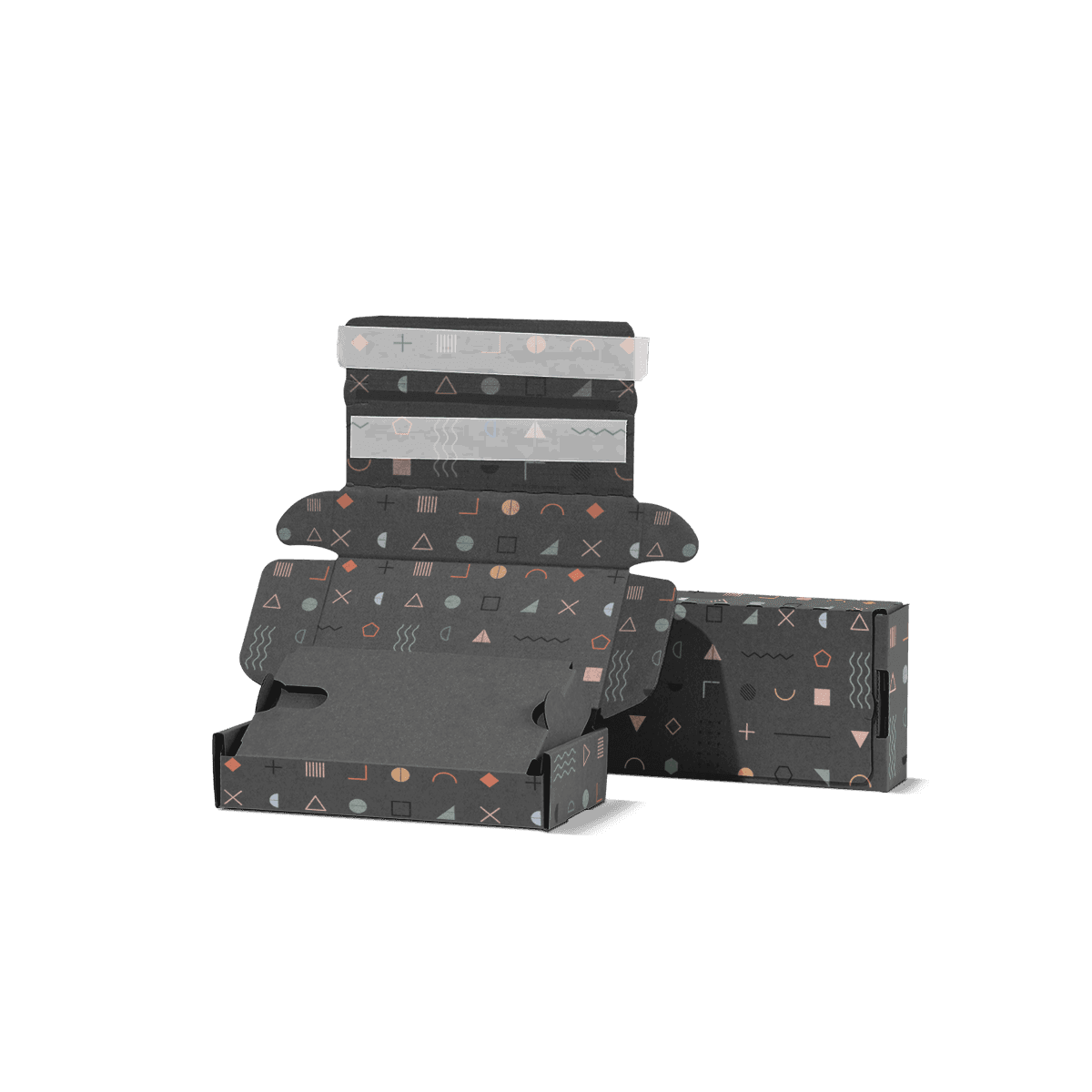
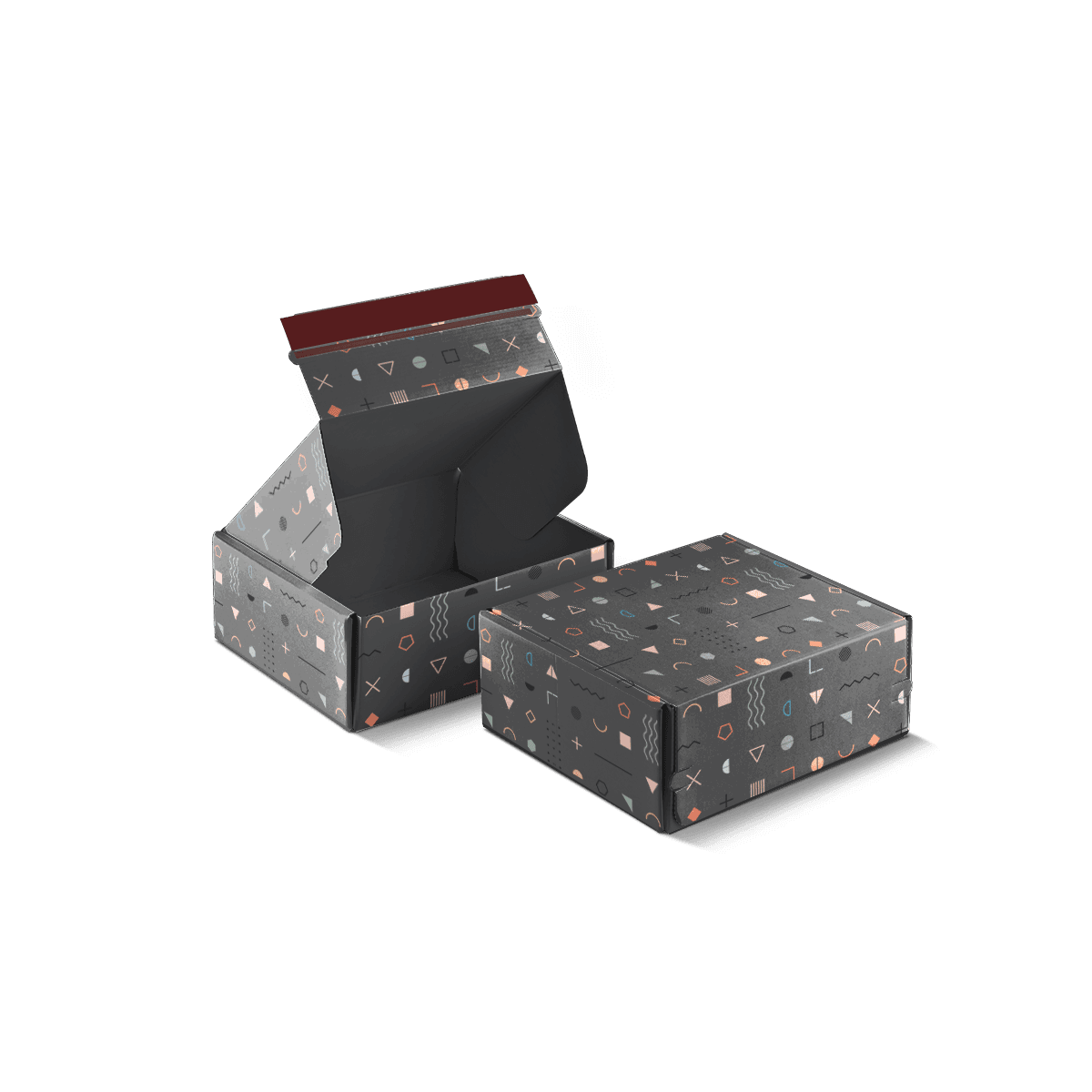
The operator removes the release liner, brings the closing panel into position and presses the adhesive zone into contact. That makes this structure most valuable where the same closing action is repeated throughout the day.

The advantage is operational rather than decorative.

For brands using custom mailer boxes across DTC fulfillment, the self-seal option earns its place when removing a separate taping step genuinely simplifies the packing station.

A low-volume gift program may barely notice the difference. A recurring fulfillment operation can care much more about how consistently the final closure happens.
Adhesive Needs a Flat Landing

The seal only works as intended when the closing flap meets its contact area cleanly.

An overfilled box can bow the lid upward. A poorly seated insert can distort the front wall. Tissue or loose fill can drift into the seal path. Any of those conditions can stop the flap from making even contact.

Do not solve that by asking the operator to press harder.

Correct the packed geometry first.

Keep the Seal Path Clear

The adhesive zone and the panel it contacts should meet without products, paper fill or protruding inserts between them.

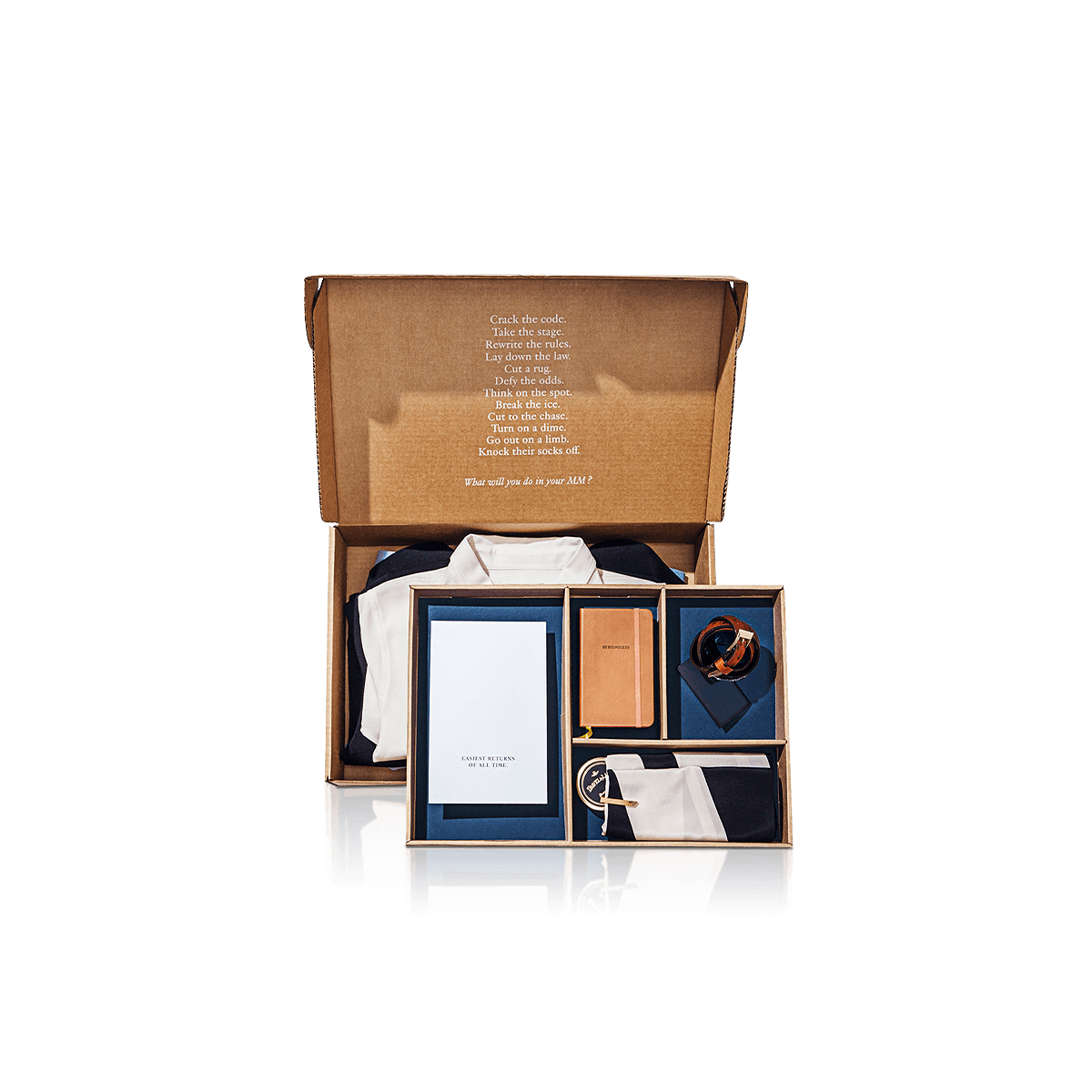
A mailer carrying folded apparel may need little more than correct depth. A kit containing several hard components may need an internal tray that prevents products from pushing upward against the closing panel.

The same fit principles used to reduce shipping damage through structure and fit also help keep the closing panels where the dieline intended them to sit.

Press Across the Whole Seal

A pressure-sensitive closure should receive firm, even contact across its sealing area.

If workers habitually press only one corner, the process is creating variation even when the box itself is correct. The closing motion should be simple enough that full contact happens naturally.

That makes the width, position and accessibility of the adhesive zone part of the fulfillment design.

The Release Liner Is Part of Packout

Self-sealing packaging removes tape from the station, but it introduces a release liner that has to be peeled and discarded.

That sounds minor until the action is repeated across a production shift.

The liner should be easy to grip without making the adhesive difficult to protect before use. Workers should not need fingernails, a blade or repeated attempts to lift an edge.

The packing station also needs somewhere for discarded liners to go. Otherwise small strips accumulate around products, conveyors and finished parcels.

For a new operation, run the complete process rather than testing only whether the adhesive sticks:

  1. erect the mailer
  2. load the normal contents
  3. complete the pack check
  4. remove the liner
  5. close and press the seal
  6. clear the discarded liner
  7. move the parcel to labeling or dispatch

The fastest-looking closure can become awkward if the release liner is hard to handle or the operator has to turn the box several times before sealing it.

Self-sealing efficiency should be judged by the complete workstation motion.

Self-Seal or Mechanical Lock?

A self-seal flap and a structural locking tab can both close a mailer, but they serve different priorities.

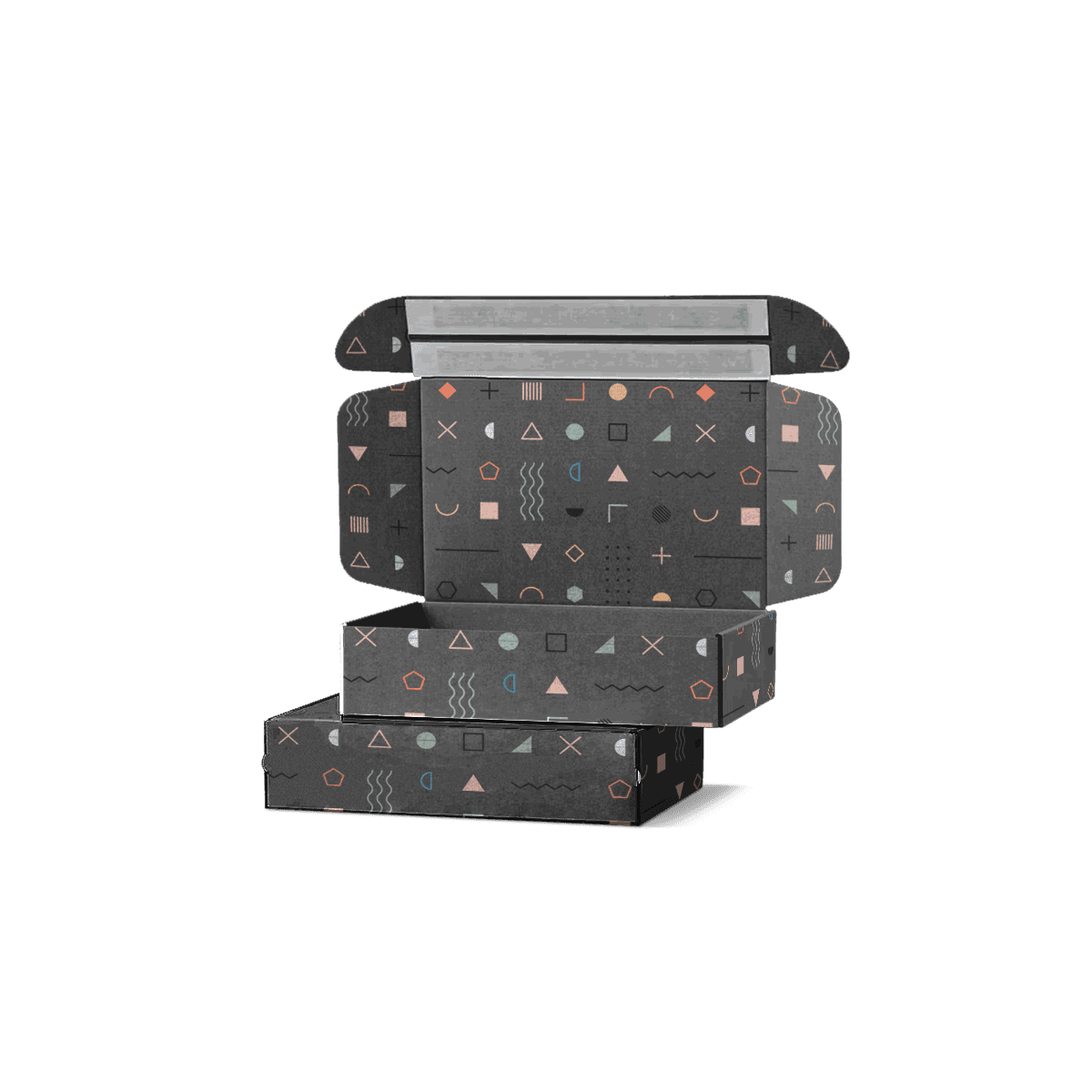
Custom Tab-Locking Mailers use die-cut geometry to hold the front closure mechanically. That can be a strong choice when the closing action should remain primarily structural or when the box may need to be opened during the packing process before final dispatch.

Self-sealing mailers move the final close toward an adhesive bond.

Once the release liner has been removed and the flap pressed down, the package has a more final closing action. That suits fulfillment where the order has already passed its checks and is ready to leave the station.

The distinction affects workflow.

If staff routinely reopen packed orders for inspection, a mechanical closure may be easier before dispatch. If the normal sequence is check first and seal once, an adhesive close can remove unnecessary taping.

Neither mechanism should be selected simply because it sounds more secure.

The correct question is what the final packing motion needs to accomplish.

Opening Needs Its Own Mechanism

Closing quickly is only half of a self-sealing mailer.

The customer still needs a controlled way into the parcel.

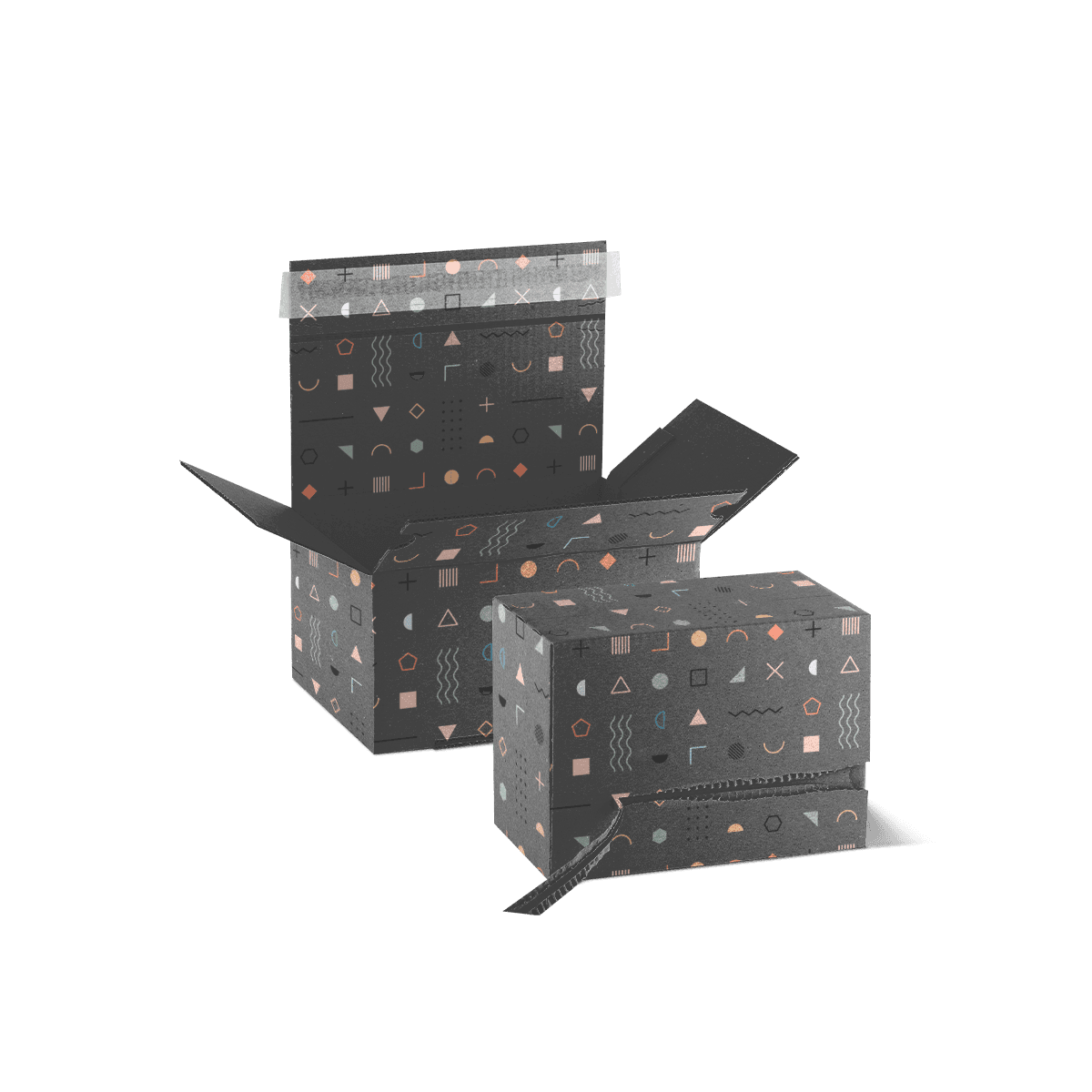
A tear strip or perforated opening feature can separate opening from the adhesive seal so the recipient does not need to cut unpredictably through the box. The opening path should be positioned so that using it does not tear into products, instructions or the part of the package needed for a return.

The tear feature also has to work with the artwork.

Do not place small copy across an opening strip or let a key design element depend on a panel area that will be removed or visibly torn.

A clean opening mechanism matters most when the box carries branded inside print. The exterior closure finishes the fulfillment process; the tear strip begins the customer experience.

For brand-heavy mailers where print treatment is the main decision rather than closing speed, Printed Branded Mailers should remain the more specific direction.

Returns Need a Second Decision

A mailer that closes once is not automatically return-ready.

After the customer breaks a tear strip or opens the original adhesive flap, the first seal may no longer perform the shipping job it performed outbound.

If returns are common, design the return path deliberately.

A second protected adhesive strip can let the customer close the mailer again after the first opening. The return strip should remain untouched during outbound packing and should be obvious enough that customers understand which closure to use.

This is particularly relevant for apparel and other e-commerce sectors where products may be tried, exchanged or sent back without damage.

The packaging also needs enough physical life left after the first trip. A second strip adds little value if the carton is likely to be heavily crushed, torn or structurally weakened before reaching the customer.

For orders where the outer shipping requirement is heavier than a mailer should reasonably handle, Self-Sealing Shipping Boxes shift the same closure priority into a more transit-led shipping-box context.

Return design should therefore combine reclosure with the actual duty of the box.

Self-Seal and Adhesive Strip Use the Same Closure Principle

Both terms describe packaging that can use a pre-applied adhesive strip for closure.

That is why specification language matters.

If a supplier or buyer uses “self-sealing mailer” and “adhesive strip mailer” interchangeably, clarify the actual construction rather than assuming the names guarantee different structures.

If the decision is about strip count, placement or return-strip configuration, Adhesive Strip Mailer Boxes focus on that construction. Self-Sealing Mailers become the stronger fit when packout, opening and return workflow are being considered together.

The actual order still needs the closure specified precisely:

  • number of adhesive strips
  • outbound seal location
  • return strip if required
  • tear-strip position
  • contact panel
  • opening direction

Those physical details matter more than the label used for the box.

Storage Conditions Reach the Adhesive

A plain tuck mailer can sit flat in packaging inventory without any closure chemistry to manage. A self-sealing mailer includes an adhesive component, so storage deserves more attention.

Heat, moisture, dust and long storage periods can affect packaging materials differently. The adhesive system should therefore be selected and stored according to its intended conditions rather than treated as an unlimited-life feature.

This matters for brands that buy larger quantities and release packaging into fulfillment gradually.

Keep packaged mailer stock protected from dirty packing environments and unnecessary temperature extremes. Rotate inventory so older adhesive-equipped boxes are consumed before newer stock when the specification calls for it.

If the mailers will be packed or stored in unusual conditions, validate the actual adhesive system for those conditions before committing to a large run.

That question belongs with the closure decision, not at the end of production after thousands of boxes have already been made.

Size Still Controls Shipping Performance

A faster seal cannot rescue an oversized mailer.

The product should still fit closely enough that the contents remain controlled during handling. If the product slides into the front wall repeatedly, the closure is absorbing forces it was never meant to manage.

Measure the packed product, including wraps, inserts and any pieces that sit above the primary item.

For multi-item orders, establish the arrangement first.

Product Mailer Boxes focus on that order-to-box relationship when varying products and cart combinations drive the decision more than the closure method itself.

Self-sealing mailers become the stronger choice after that fit question points toward a mailer and packing speed makes the integrated seal worthwhile.

Corrugated grade then follows the packed weight, span and shipping duty.

Compact lighter orders may work well with a finer corrugated construction. Larger or denser loads may need another board direction or a shipping-box structure.

The adhesive is one part of the package. It does not replace the structural work done by the corrugated board.

Print Must Leave the Closure Functional

A self-sealing mailer still has large areas for outside and inside branding, but the adhesive, release liner and tear feature create functional zones that artwork should respect.

Keep essential logos, QR codes and small copy away from perforations and tear paths.

Shipping labels also need a predictable location. A beautifully composed lid can lose its hierarchy if the fulfillment team has no choice but to cover the main artwork with a carrier label.

Inside print can carry the first-open message after the tear feature has done its job. The sequence can be intentional:

outside identity → shipping label → seal → opening strip → inside message → product.

Once box dimensions and closure geometry are confirmed, the dieline generator can establish the panel map for artwork placement.

Premium offset printing, CMYK or Pantone color and selected finishes can then be planned around the mailer's actual shipping use.

A free 3D mockup helps review printed panel relationships. A paid fully custom pre-production sample is more appropriate when adhesive placement, tear-strip behavior, packed fit or physical opening needs to be checked together.

Calculate Labor Before Adding the Seal

Self-sealing mailers can cost differently from a simpler corrugated mailer because the integrated closure adds another production component.

The relevant commercial question is not whether the adhesive strip is free. It is whether the packaging system makes the total packing operation better.

A fulfillment team can evaluate:

  • parcels packed per shift
  • tape consumed
  • tape dispensers or sealing equipment
  • time spent closing each pack
  • return frequency
  • packing-station cleanliness
  • packaging unit cost

Do not invent a labor saving before measuring the existing process.

If separate taping already works efficiently at low order volume, moving to self-seal may offer limited operational gain. If sealing has become a repetitive bottleneck, the value can be much clearer.

Custom Packly starts US custom box orders from 100 units. US production and free shipping support domestic programs, with a standard 4–6 day turnaround after final artwork and specifications are approved. Complex structures, specialty materials or advanced finishes may require additional time.

Once the size, seal arrangement, print coverage and quantity are defined, an instant custom packaging quote can be assessed against the current packing method rather than against another box price in isolation.

Bulk Supply Needs Seal-Version Control

A growing e-commerce operation may use more than one self-sealing configuration.

One box may use a single outbound strip. An apparel mailer may need an outbound seal plus a return strip. Another size may have a different tear feature because the flap depth changes.

Those versions can look very similar while lying flat in storage.

Mark bundles, pallets or internal packaging records so the fulfillment team receives the correct closure specification for each SKU.

For larger recurring requirements, bulk custom boxes can support warehousing and scheduled deliveries when the business wants larger production economics without taking all finished packaging into its own facility at once.

Do not mix closure versions casually across reorders.

Record the box dimensions, board specification, strip configuration, tear feature and artwork version together. If the product changes enough to alter flap pressure or packed height, recheck the closure rather than assuming the previous adhesive setup remains correct.

Design Around the Seal Motion

A self-sealing mailer earns its place at the exact moment the order leaves the packing station.

The product has already been fitted. The contents have already been checked. The branding has already been printed. The remaining question is whether one simple closing motion can turn the packed box into a shipment without creating another task.

That requires more than applying adhesive to a flap.

The contact surface must stay aligned. The release liner must be easy to handle. The contents must remain below the closing plane. The customer needs a sensible opening path. Return shipments need a second closure when the operation calls for one.

Get those interactions right and the self-seal feature becomes almost invisible. The worker closes the box, the customer opens it and neither has to fight the packaging.

That is the standard to use for Custom Self-Sealing Mailers.

FAQs

They save the most time in repeat packing environments where staff would otherwise tape every order by hand. Apparel, sample programs, and refill shipments are common examples.

Yes, for lightweight to moderate products they usually are. The best result depends on the mailer material, closure quality, and how closely the pack size matches the product.

Choose Self-Sealing Mailers when the order is lighter, flatter, or more flexible and speed is a priority. Self-Sealing Shipping Boxes are better when the shipment is heavier, more fragile, or needs stronger corrugated wall support.

Yes, that is a common setup. Many brands use outside printing for logos, handling instructions, return details, and campaign graphics.

Heavy, breakable, or high-value items usually need more structure than this format provides. In those cases, a heavier corrugated mailer or shipping box is the safer option.

Process

How it works

Your Packaging Journey, From Idea to Production and Delivery

01

Tell Us Your Specs

Custom packaging boxes

Tell Us Your Specs

Provide size, quantity, printing, and finishes.

02

Get a Fast Quote

Custom packaging boxes

Get a Fast Quote

Instant transparent pricing, no hidden fees.

03

Design and Approval

Custom packaging boxes

Design and Approval

Artwork checks, revisions, and final sign-off.

04

Produce

Custom packaging boxes

Produce

Expert manufacturing to meet deadlines.

05

Ship to Your Door

Custom packaging boxes

Ship to Your Door

Hassle-free, flexible delivery options.

Get Your Quote for Custom Self-Sealing Mailers

Share your product details, size, quantity and artwork needs. We’ll help choose the right packaging style and send a clear quote.