Skip to content
Details

Custom Printed Branded Mailers

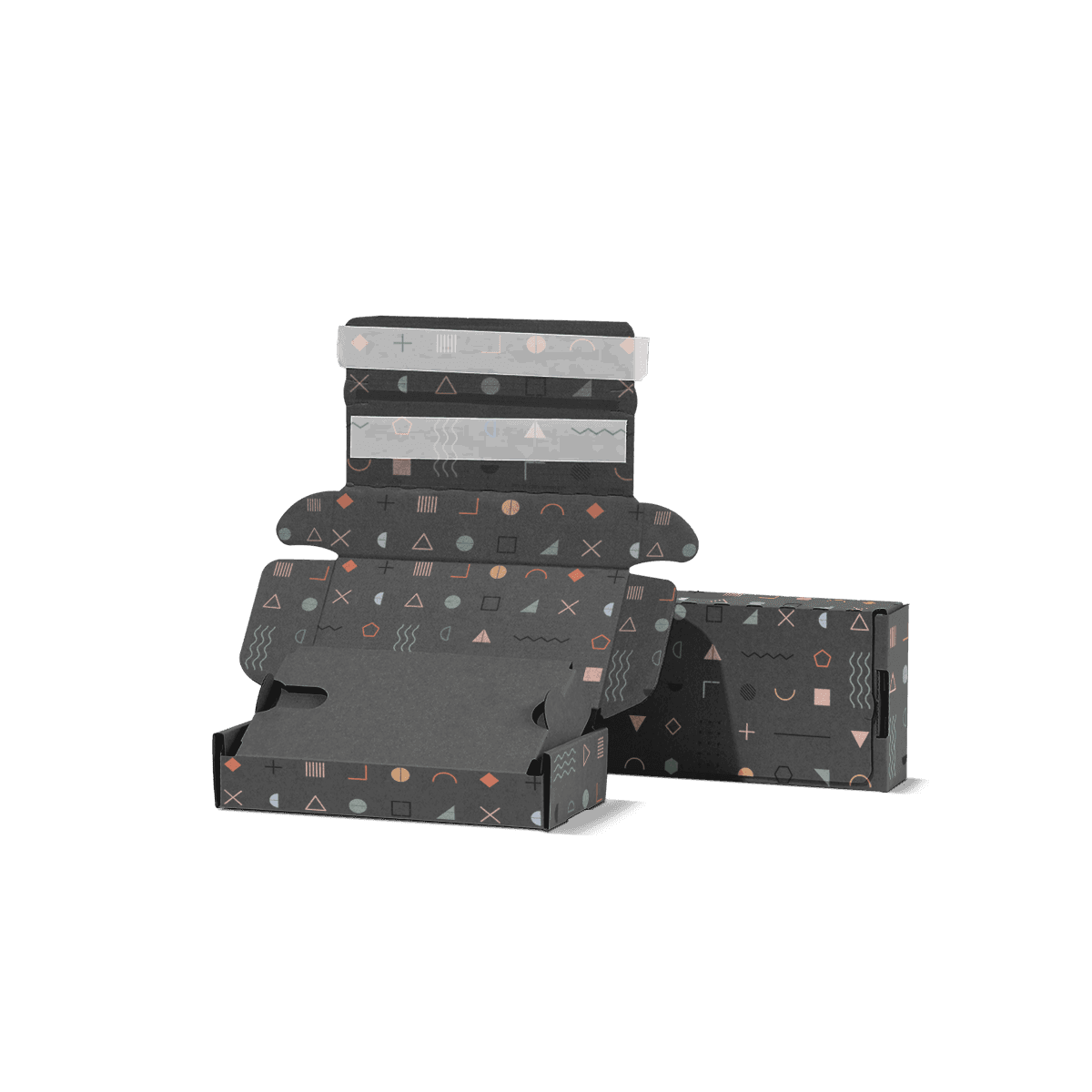
Corrugated mailers planned as shipping packaging first and branded surfaces second, so logos, color and inside print still work after labels, folds and parcel handling enter the picture.

Branding Has to Survive the Trip

A printed mailer is one of the few branded packages that may leave your fulfillment operation exactly as the customer will receive it. There may be no plain outer carton hiding the artwork.

That makes Custom Printed Branded Mailers a different print problem from retail cartons or presentation boxes.

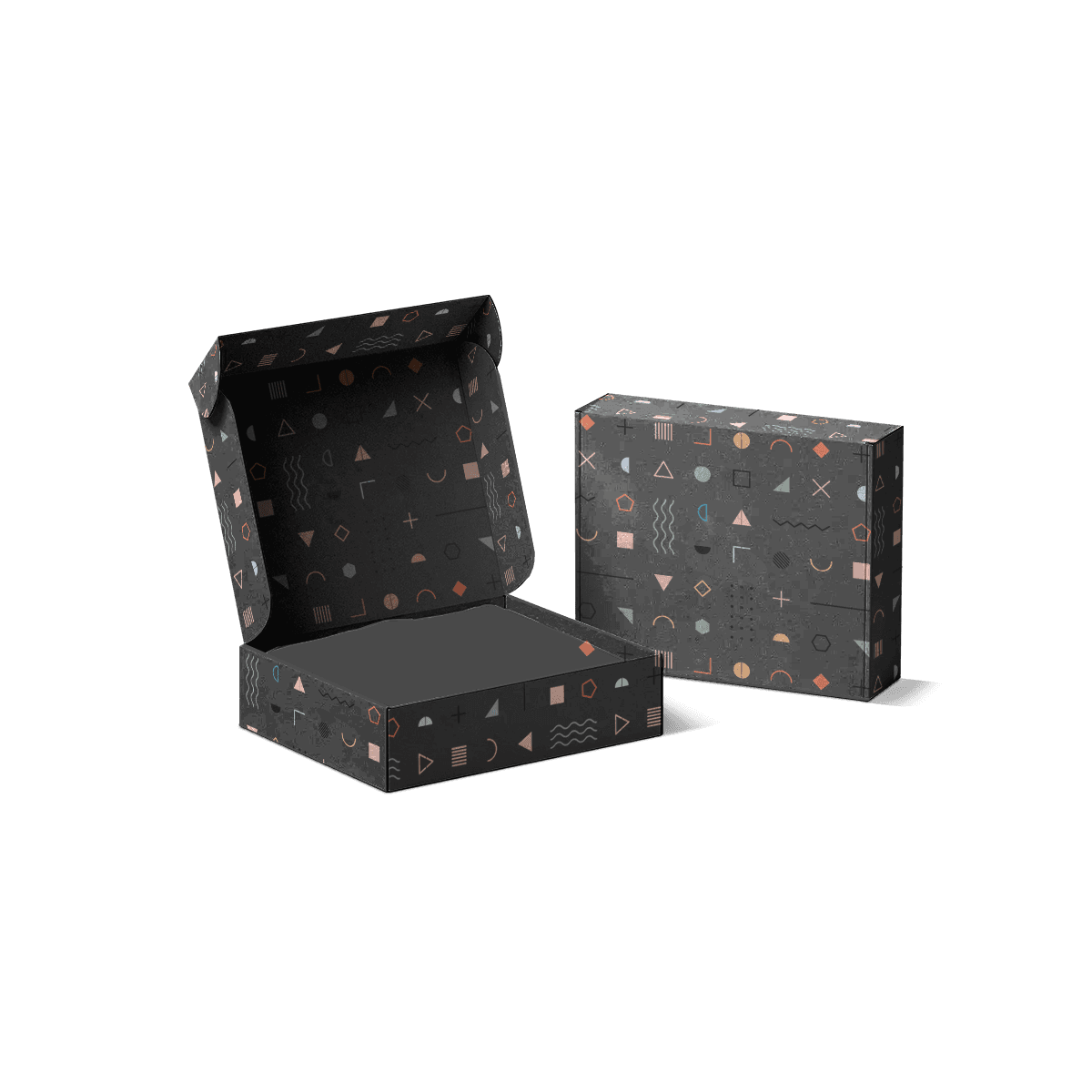
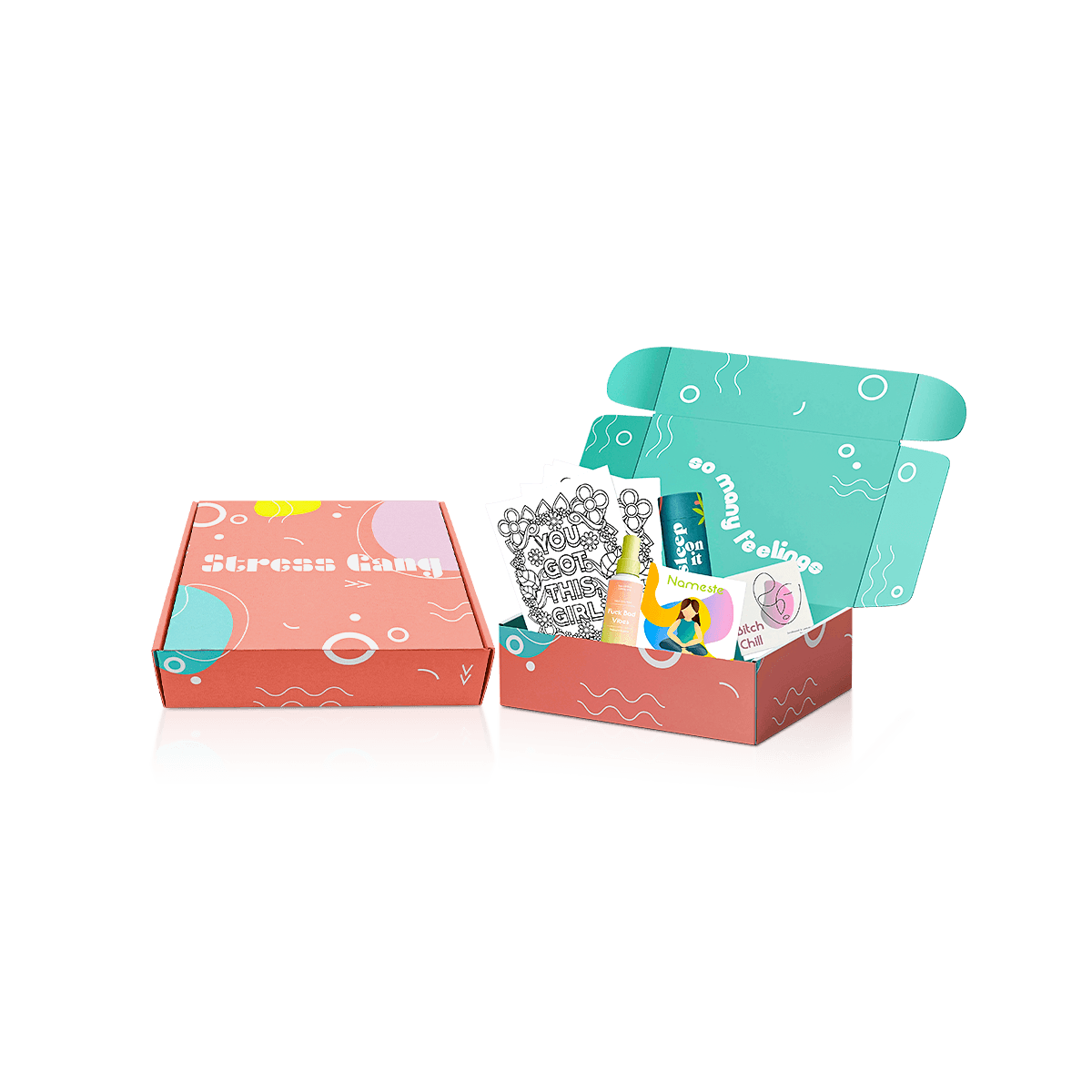
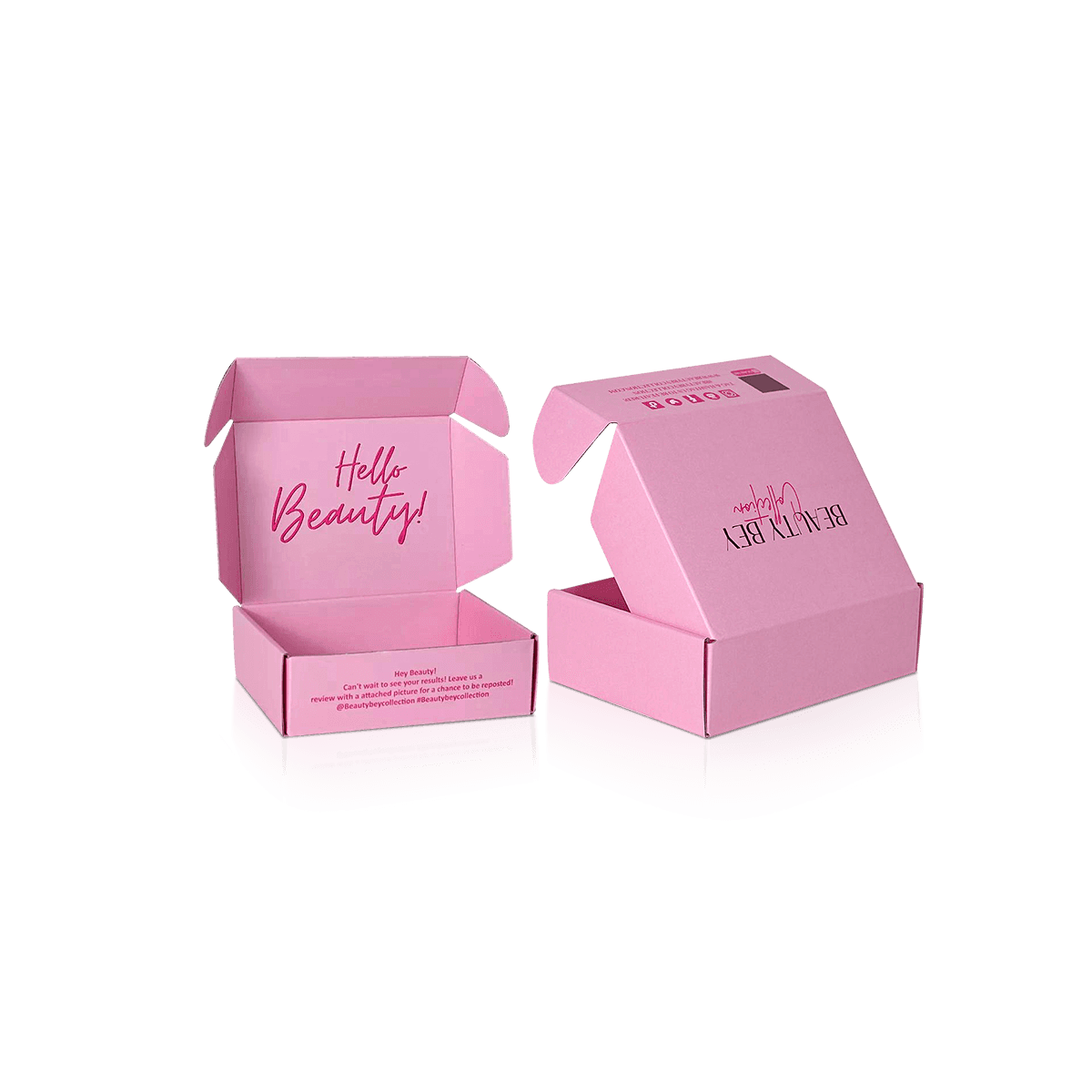
The exterior has to carry branding while leaving room for a shipping label and tolerating normal parcel handling. The inside can create a cleaner visual moment because it stays protected until opening. Folds, locking areas and corrugated edges also interrupt the flat artwork once the mailer is assembled.

Start with those physical realities before treating the box as a blank canvas.

For DTC shipments, custom mailer boxes combine corrugated shipping structure with large printable panels. Printed branded mailers narrow that decision to how those panels should actually carry the identity.

The objective is not maximum print coverage. It is putting each graphic where it can do its job.
Split the Story Outside and Inside

Outside and inside printing do not need to repeat one another.

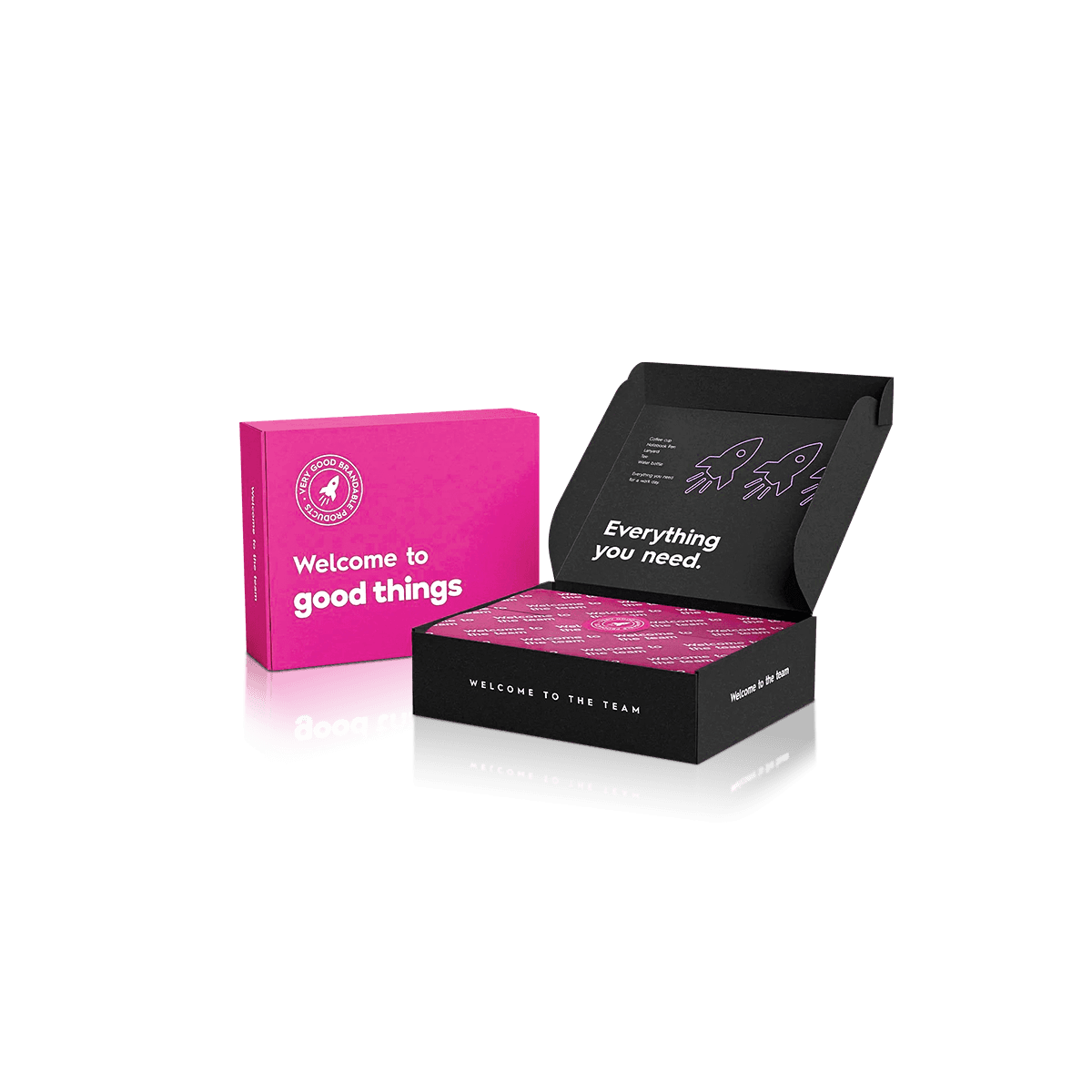
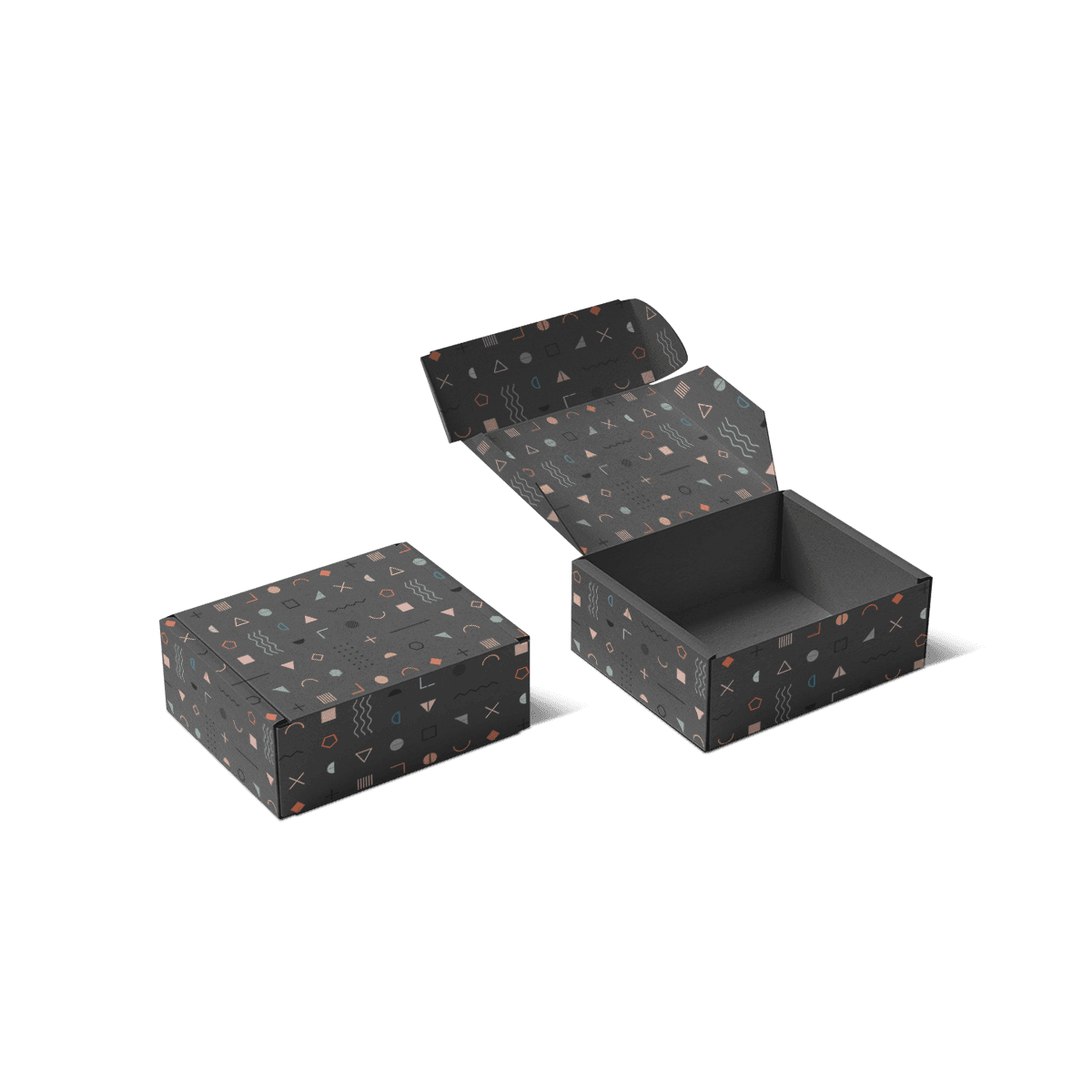
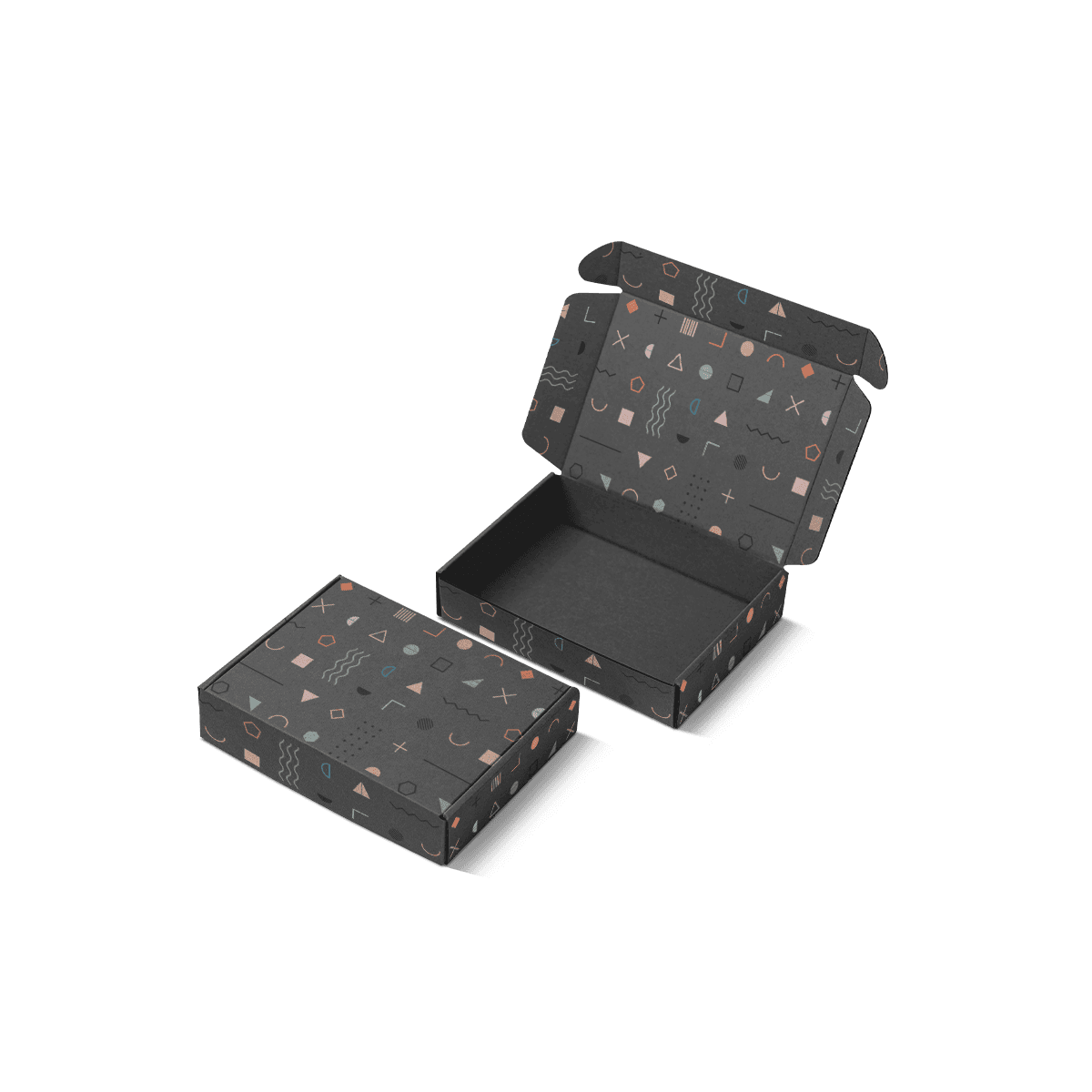
The exterior is seen in a shipping context. The interior is seen in an opening context. Giving those surfaces different roles usually produces a stronger result than duplicating the same logo and pattern everywhere.

Outside Print Handles Recognition

Exterior graphics can identify the sender quickly through a logo, distinctive color block, pattern or restrained typography.

Keep the composition simple enough to survive operational marks. Carrier labels, barcodes and handling stickers can occupy meaningful surface area after the box leaves production.

A brand that expects every square inch of its lid artwork to remain visible is designing for a mockup rather than fulfillment.

Inside Print Handles the Reveal

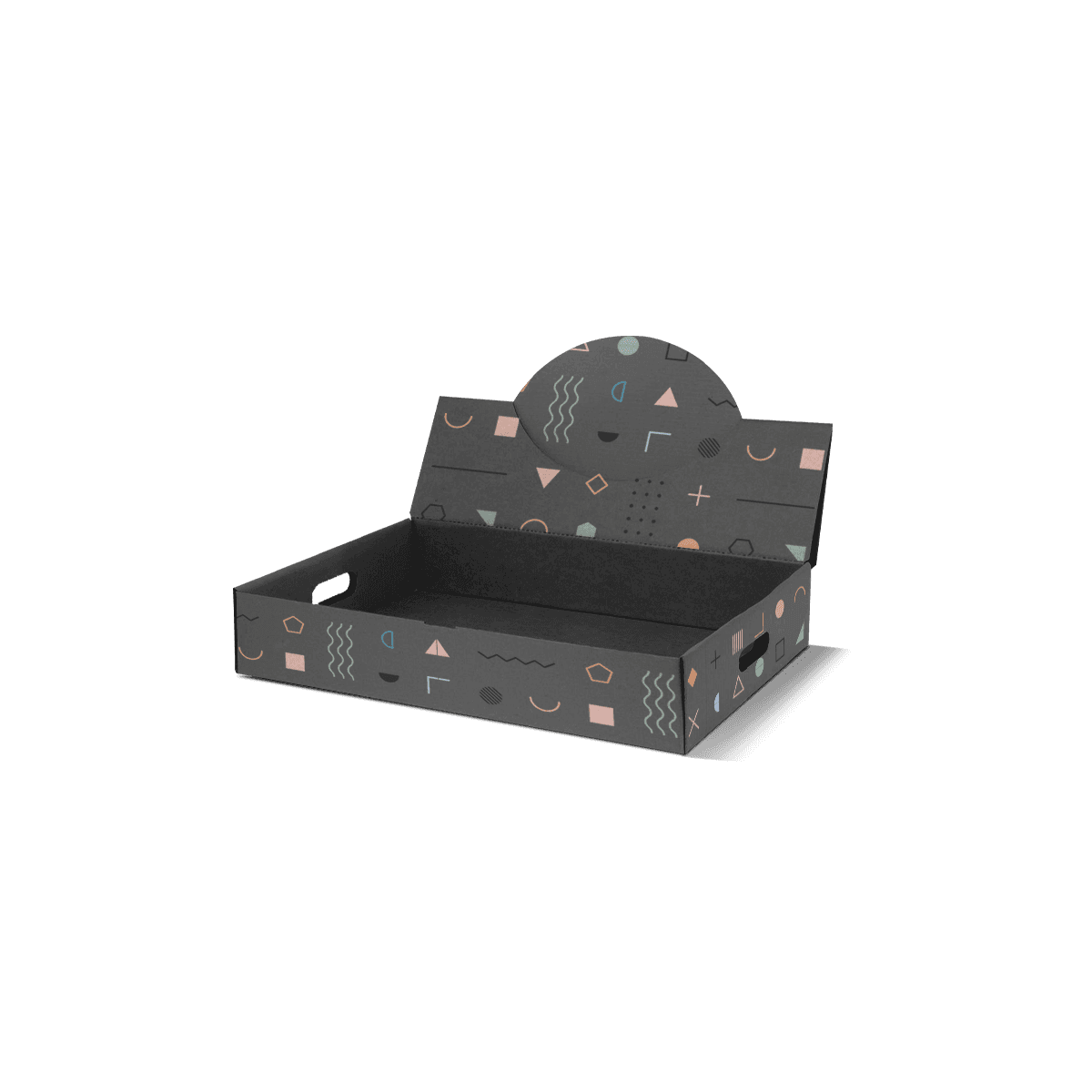
The inside lid can carry artwork that would be too dense, conversational or campaign-specific for the exterior.

That may include product instructions, a launch theme, a short brand message or graphics that frame the products as the lid opens.

For a business trying to establish visual consistency across mailers, folding cartons and other box structures, Custom Branded Boxes deals with the larger cross-SKU brand system. Printed branded mailers stay focused on corrugated mailer artwork and its shipping environment.

Side Panels Can Do Quiet Work

Side walls do not have to become miniature billboards.

A product name, compact URL, handling cue or repeated pattern can make better use of a narrow panel than a logo forced into an awkward proportion.

Let the panel dimensions control the composition.

Reserve the Label Zone Early

Shipping labels are part of the finished appearance whether the design team likes them or not.

A common failure happens when the main logo is centered beautifully on the lid during artwork approval. At fulfillment, the carrier label is placed in the easiest open area and covers part of the logo.

The print was not wrong. The packaging system was incomplete.

Solve the problem on the dieline.

Create a deliberate label zone that is large enough for the labels your operation actually uses. Keep essential artwork away from it. If several carriers or fulfillment partners use different label sizes, plan for the largest normal footprint rather than one ideal example.

The same thinking applies to:

  • warehouse identification
  • routing stickers
  • return labels
  • promotional stickers
  • legally required shipment markings where applicable

The solution does not have to look like an empty white rectangle. A quieter part of the graphic composition can perform the same role.

This is a small artwork decision with a large practical effect because it protects the visual hierarchy after production.

White and Kraft Change the Artwork

The liner beneath the print changes what the customer sees.

White corrugated liners create a brighter base for saturated colors, gradients, illustrations and artwork where clean color separation matters. Natural kraft creates a warmer brown field that becomes part of the design itself.

Do not prepare identical files for both and expect identical results.

A pale pink, light yellow or subtle neutral may lose contrast against kraft. Dark linework and strong spot graphics can work well because the substrate contributes to the aesthetic rather than being hidden.

Large areas of dark ink on an exterior mailer also deserve practical thought. Scuffs and rub marks may become more noticeable after parcel handling than they would on lighter or less coverage-heavy graphics.

When exact brand color matters, the choice between CMYK and Pantone printing should be made with the actual liner and finishing specification in mind.

Color should be approved as a physical packaging result, not just as a value from a digital brand file.

Artwork Crosses Real Folds

A mailer dieline can look spacious when flat. Once assembled, the artwork bends around lid creases, side walls, front tucks and locking features.

Graphics that cross those transitions need to tolerate small production and assembly movement.

Do not place delicate alignment points directly across structural boundaries unless the visual can accept normal tolerance.

A thick stripe moving from lid to side wall may still look intentional if it shifts slightly. Two thin lines that are expected to meet with perfect precision at a fold can make normal production variation look like an error.

The same principle applies to photographs, typography and repeating patterns.

Once the dimensions are confirmed, the dieline generator can establish the actual panel geometry before final artwork is fitted to the box.

Bleed should extend where the print process requires it. Important logos and small type should remain clear of cuts, creases and tucked areas. Interior graphics need the correct orientation for the assembled opening rather than the flat sheet.

The test is simple: judge the artwork on the folded mailer, not only on the PDF.

Corrugated Print Has Its Own Character

Printed mailers are usually corrugated because the box has to carry a shipping load and still fold into a presentation-friendly structure.

That substrate does not behave exactly like smooth folding-carton paperboard.

A finer flute can support a more refined surface while retaining the stiffness needed for compact e-commerce mailers. Larger or heavier packs may require another corrugated specification based on dimensions, weight and handling.

Artwork should respect the material.

Fine typography, delicate photographic detail and very subtle tonal differences demand more from the printing and liner surface than a bold logo, pattern or color field.

That does not mean printed mailers must look simple. It means their graphic language should be developed with the physical board in mind.

Custom printed boxes span several box structures when the main concern is print method, artwork reproduction and color consistency. For this mailer specifically, printing and corrugated construction have to be resolved as one production object.

Premium offset printing can support refined branded results when the specification and quantity suit that process. The best method still depends on artwork complexity, quantity, material and the consistency required across future runs.

Price Coverage That Customers Notice

Printing cost can change with coverage, number of printed surfaces, print process, finishing, material and quantity.

That creates a useful question before quoting: which printed areas actually contribute to the customer experience?

An outside logo plus a fully printed inner lid may be enough for one brand. Another may rely on edge-to-edge graphics across the complete exterior. A campaign kit might justify both-side artwork because every surface participates in the reveal.

Do not pay for print coverage simply because the dieline has unused space.

Custom Packly starts US orders from 100 boxes. US production and free shipping support domestic e-commerce programs, with a standard 4–6 day turnaround after final artwork and specifications are approved. Complex structures, specialty materials or advanced finishes may require additional time.

When the size, material, printed sides, artwork and quantity are settled, an instant custom packaging quote can reflect the actual print specification.

For larger established programs, warehousing and scheduled deliveries can support bulk production without requiring the full finished quantity to reach the fulfillment site at once.

The Inside Should Frame the Product

Inside printing works best when it strengthens what the customer sees next.

A dramatic interior pattern can lose its purpose if the box is filled with crumpled void material. A clean inside lid can feel unfinished if the products below are loose and randomly oriented.

Treat the inside graphic and product arrangement together.

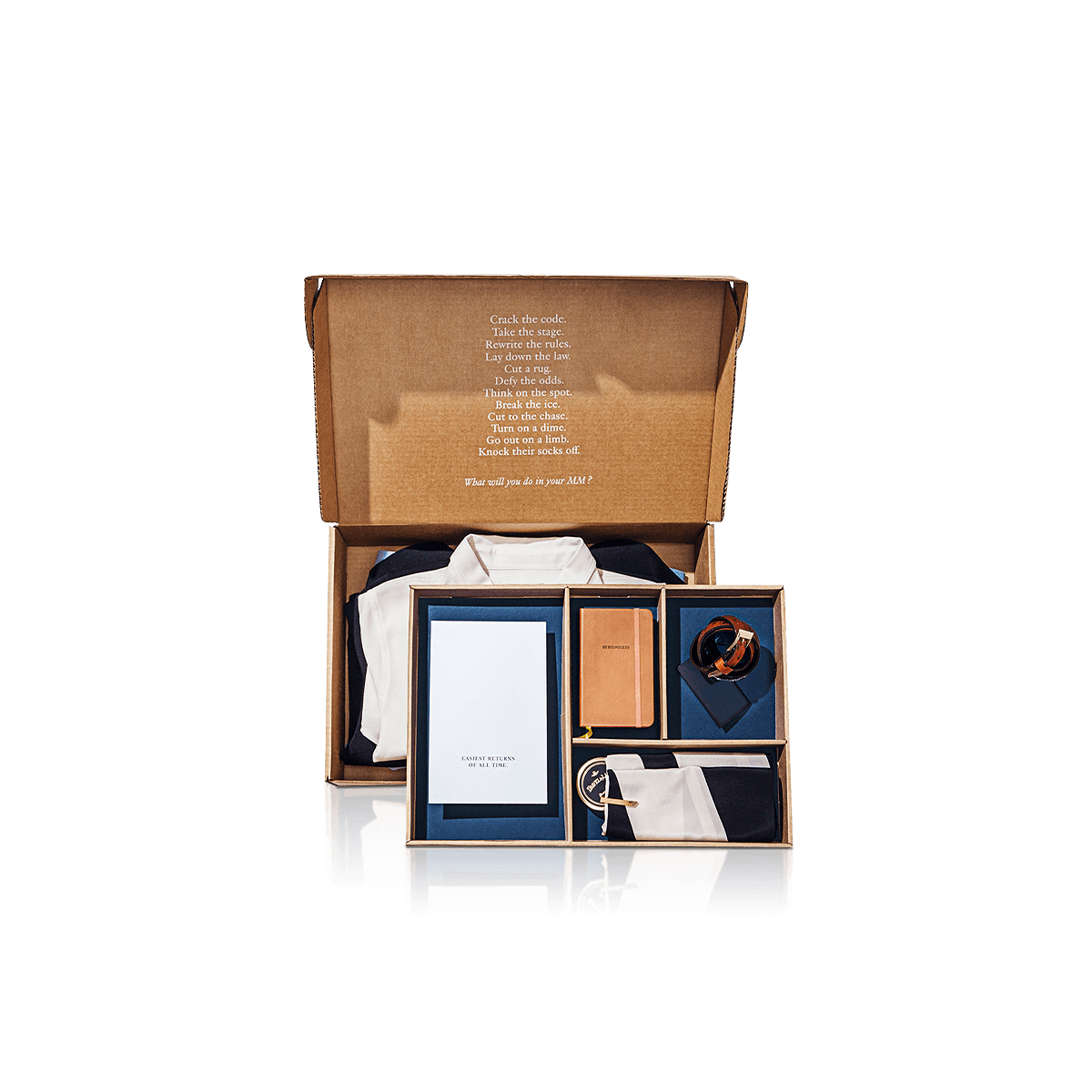
For apparel, a printed lid may frame tissue-wrapped clothing without requiring a complex insert. For cosmetics or small accessories, a paperboard fitment can give products fixed positions so the graphic and merchandise read as one composition.

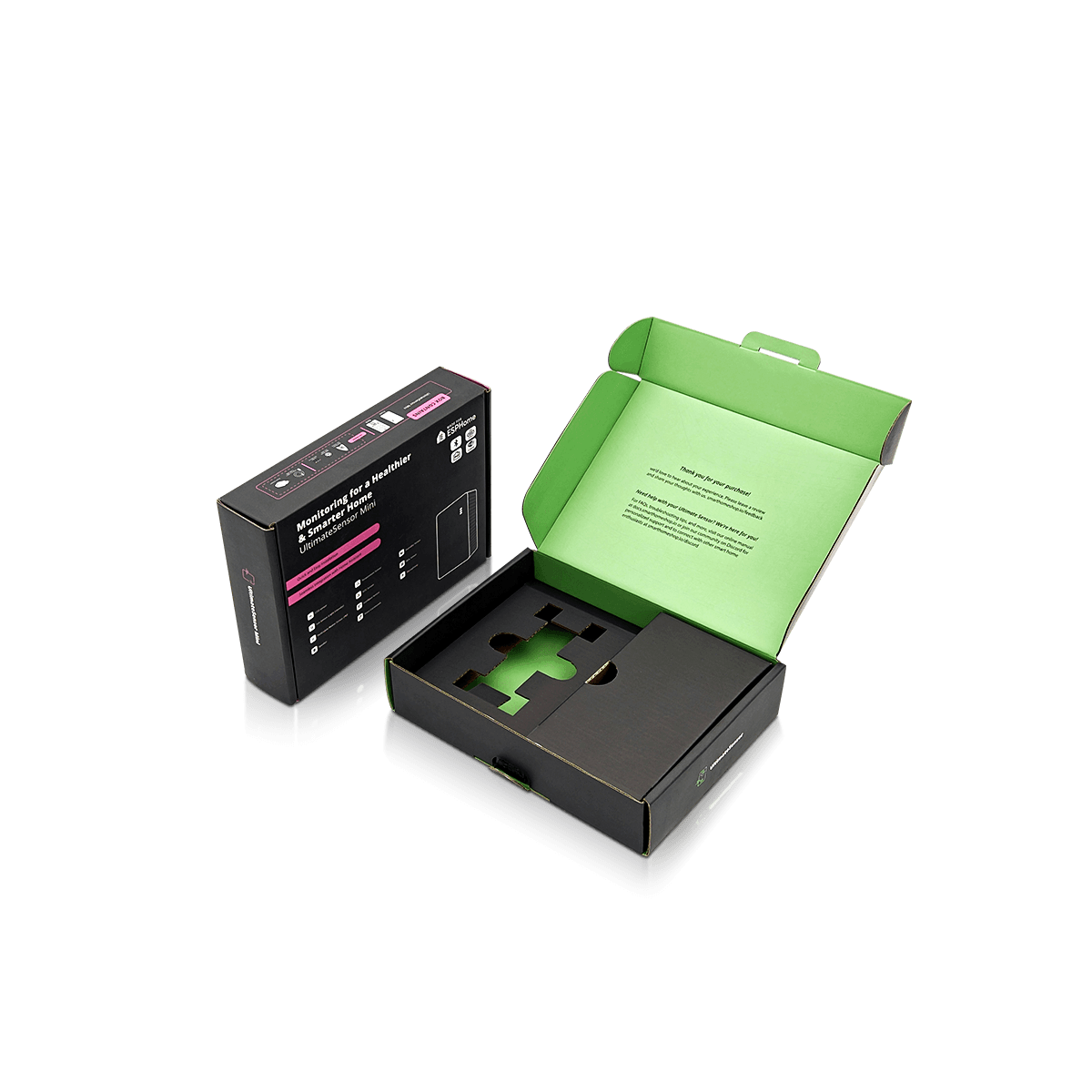
If internal movement is the bigger issue, packaging inserts should be decided before artwork is made dependent on an arrangement the shipment cannot maintain.

A product that arrives upside down will not become a better unboxing because the lid says the right thing.

This also helps prevent unnecessary print. Sometimes a controlled product layout plus one strong inside-lid graphic creates more impact than printing every internal surface.

Finish the Mailer for Its Actual Route

Special finishes can change the appearance and feel of printed corrugated packaging, but the mailer still has to travel.

Matte or gloss treatments can alter the overall surface character. Spot UV can isolate a graphic element. Foil, embossing or debossing can add emphasis when the material and construction support them.

The differences among packaging finishes matter because each process changes cost, production and the physical surface.

An exterior finish that will rub against conveyors, other parcels and shipping equipment should earn its cost.

A decorative effect placed inside the lid may remain protected until the customer sees it. The same effect across the shipping face may encounter substantially more wear.

Do not assume the most premium option is the one with the longest finishing specification.

Printed branded mailers often look strongest when structure, color and artwork do most of the work and specialty finishing is used selectively.

Campaign Graphics Need an Expiration Date

Mailer artwork can change much faster than the structure.

A launch date, promotional code, QR destination, influencer campaign or seasonal message may be relevant for weeks while the approved box dimensions remain useful for years.

Separate temporary content from permanent content before production.

Permanent artwork might include:

  • logo
  • core pattern
  • stable brand colors
  • standard social or web identity
  • long-life inside message

Campaign content might include:

  • promotional offers
  • dated launches
  • QR codes tied to temporary destinations
  • seasonal graphics
  • collaboration names
  • limited-edition messaging

If temporary artwork is printed directly across the entire mailer, leftover inventory can become difficult to use after the campaign ends.

A card, sleeve, sticker or smaller printed component may sometimes carry short-lived messaging more safely while the branded mailer remains evergreen.

This decision matters even more for large runs.

Print Versions Need Clear Names

A growing brand may have several mailer sizes and several artwork versions for each size.

Files called “final,” “final2” and “final-approved-new” are not a production system.

Each approved version should clearly identify the mailer size or specification, artwork revision and campaign or SKU where relevant.

The production record should also retain the physical decisions that affect appearance:

  • liner or substrate
  • print process
  • approved color values
  • outside-only or two-sided print
  • finish
  • structural dimensions
  • artwork revision

This prevents a reorder from being treated as a new interpretation of the old design.

Free 3D mockups can help teams review panel placement and interior/exterior relationships before production. If physical color, finish or material feel is central to approval, a paid fully custom pre-production sample can be arranged. Free sample examples of previous work can help assess general printing and construction quality.

The goal is not paperwork for its own sake. It is making the next run reproduce the approved mailer rather than merely resemble it.

Branded Mailers Still Need Shipping Fit

Print can attract attention to a box that is still the wrong size.

The mailer should remain close enough to the packed order to control movement and avoid excessive internal space. Inserts, tissue and other presentation components should be included in the packed dimensions before the structure is finalized.

For everyday DTC orders where product mix and box sizing are the dominant decisions, Product Mailer Boxes keeps the focus on the order profile rather than artwork.

Printed branded mailers assume the mailer structure is already an appropriate shipping direction and ask how effectively that structure can carry the brand.

Heavy products, substantial stacking loads or highly fragile contents may still require shipping boxes even if a mailer would create a stronger visual reveal.

Do not choose the packaging structure from the amount of printable area.

Choose the shipping structure first. Then make the right structure visually distinctive.

Make Recognition Work After Fulfillment

The final review should happen on a shipment-ready box.

Assemble it. Pack the real product. Add the insert or tissue. Close it. Apply the actual shipping label. Add any operational sticker the fulfillment team normally uses. Then look at the package again.

Is the brand still recognizable?

Does the outside composition still make sense?

Does the inside print appear in the right sequence?

Do fold lines interrupt anything important?

Does the label cover the artwork you expected customers to see?

Does the printed interior frame the contents instead of competing with them?

Those questions separate Custom Printed Branded Mailers from artwork that happens to be printed on corrugated board.

The finished mailer should work after fulfillment has touched it, not just before.

FAQs

Because the outer pack can do more than protect the order. It can reinforce identity, improve recall, support campaigns, and make repeat shipments feel less generic.

Quite a lot. Many buyers use the lid, side walls, inside flap areas, and insert cards for logos, instructions, seasonal graphics, or brand storytelling.

Printed Branded Mailers are usually the better choice when branding and fulfillment need to stay balanced in a practical corrugated mailer. Custom Retail Mailer Boxes are stronger when the pack needs a more merchandised, display-aware feel.

Yes. This style is popular for startup packaging, influencer sends, seasonal promotions, and subscription programs because it creates visible brand lift without requiring a fully rigid presentation box.

Outside printing handles recognition well, but inside printing often adds more impact for PR kits, welcome packs, and promotional mailers where the opening moment matters.

Process

How it works

Your Packaging Journey, From Idea to Production and Delivery

01

Tell Us Your Specs

Custom packaging boxes

Tell Us Your Specs

Provide size, quantity, printing, and finishes.

02

Get a Fast Quote

Custom packaging boxes

Get a Fast Quote

Instant transparent pricing, no hidden fees.

03

Design and Approval

Custom packaging boxes

Design and Approval

Artwork checks, revisions, and final sign-off.

04

Produce

Custom packaging boxes

Produce

Expert manufacturing to meet deadlines.

05

Ship to Your Door

Custom packaging boxes

Ship to Your Door

Hassle-free, flexible delivery options.

Get Your Quote for Custom Printed Branded Mailers

Share your product details, size, quantity and artwork needs. We’ll help choose the right packaging style and send a clear quote.