Custom Shipping Boxes
Shipping boxes are built for transit, stacking and storage while helping buyers compare strength, closure style, box depth and shipping performance across different product loads.
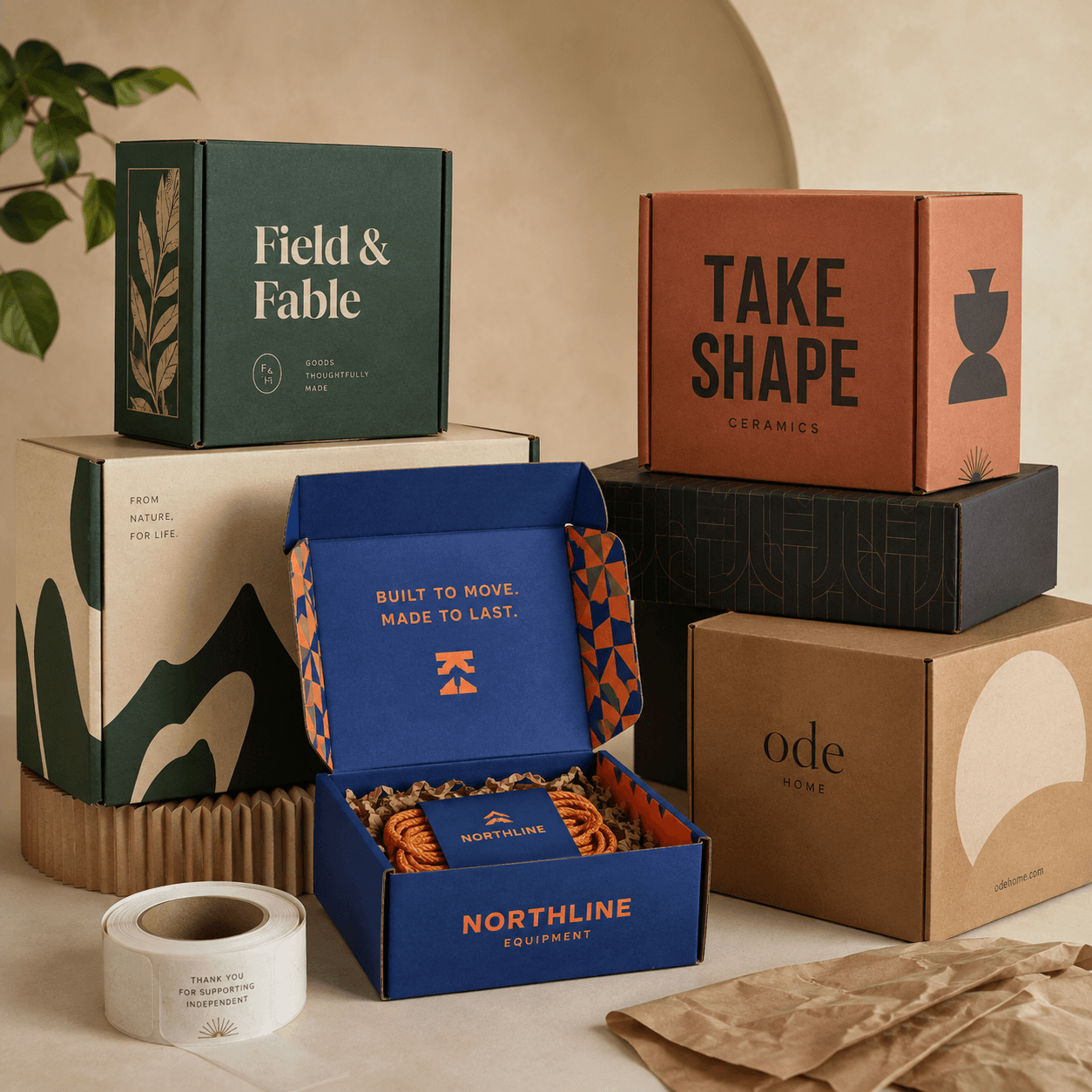
Shipping Boxes options

Regular Slotted Containers (RSC)
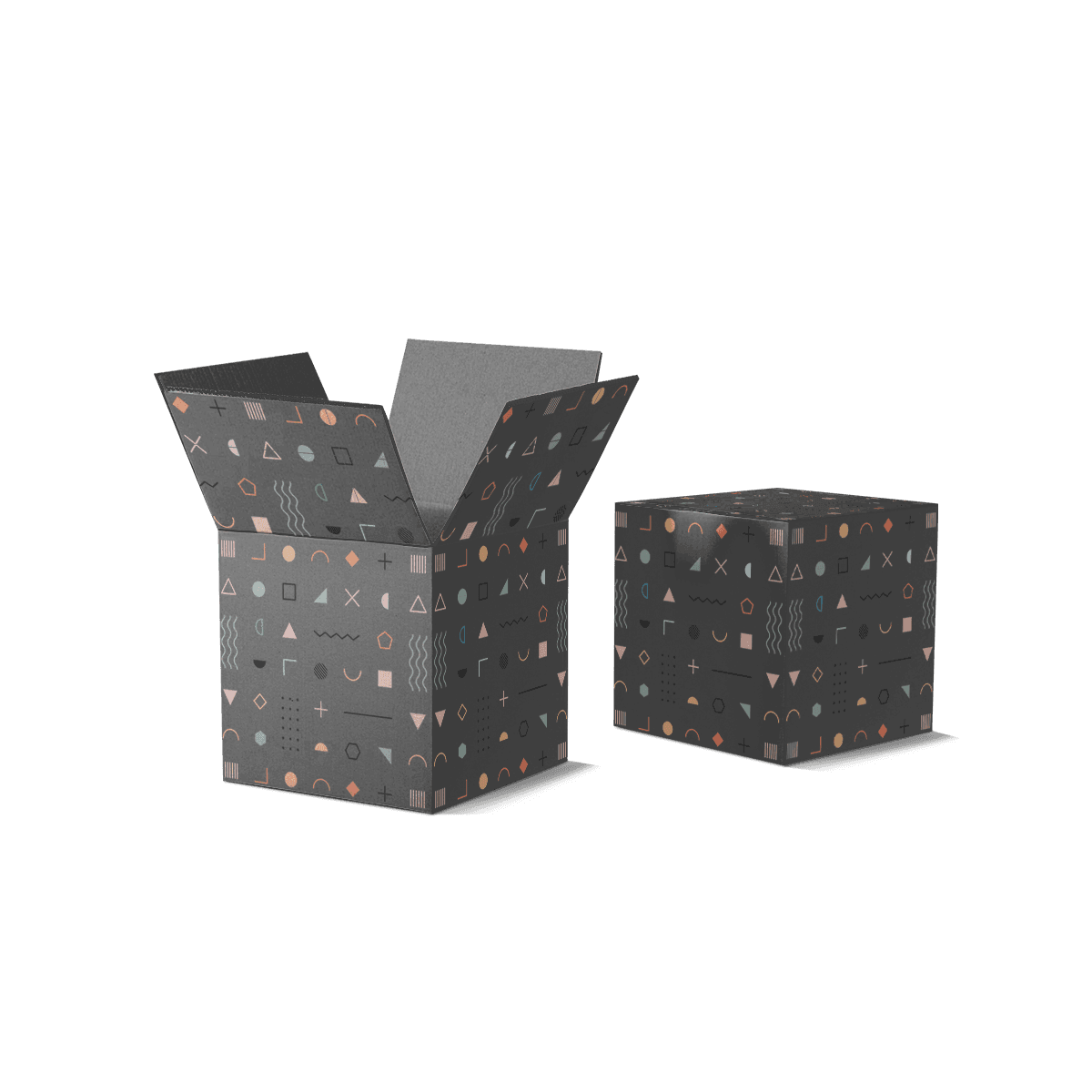
Full Overlap Boxes (FOL)
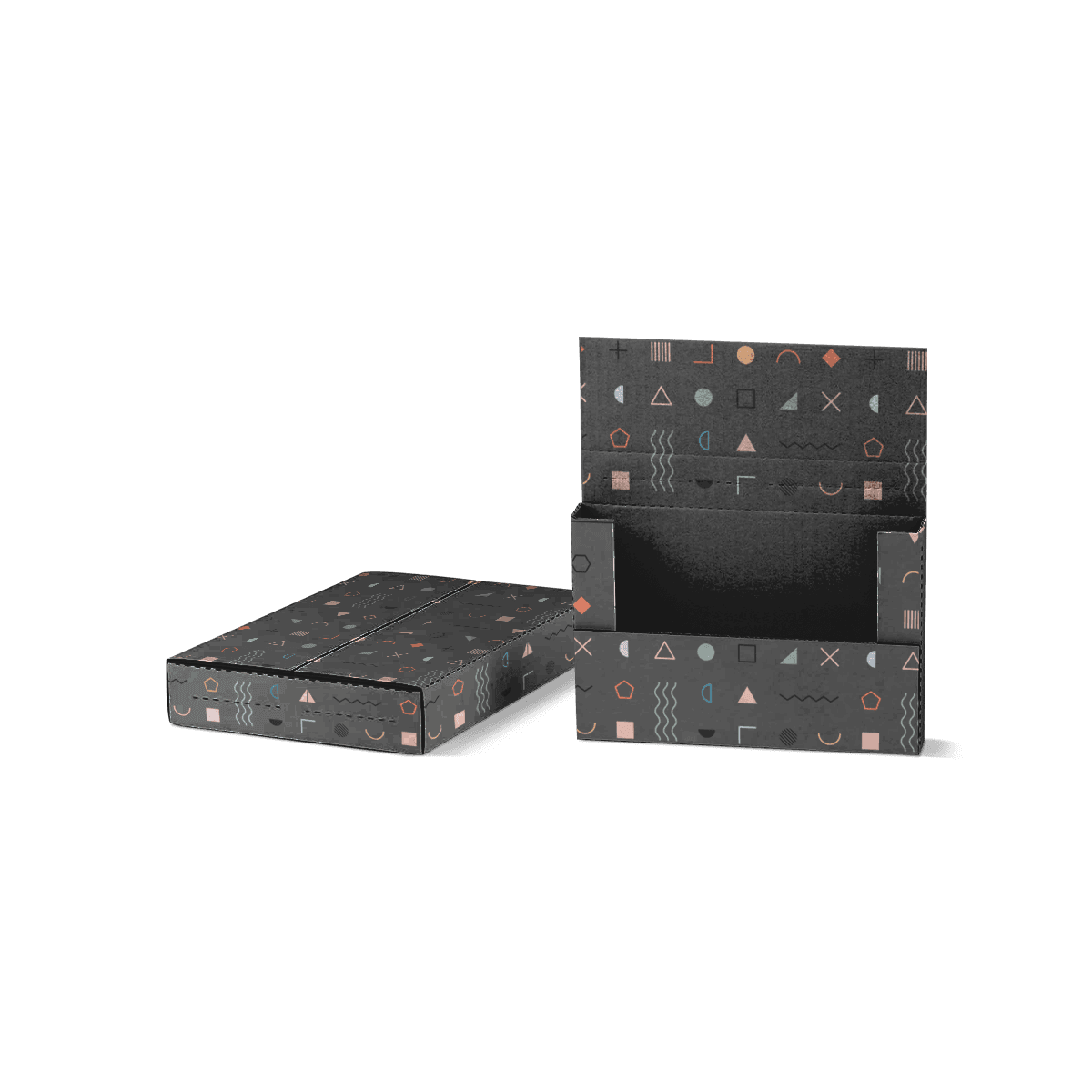
One-Piece Fold-Up Boxes
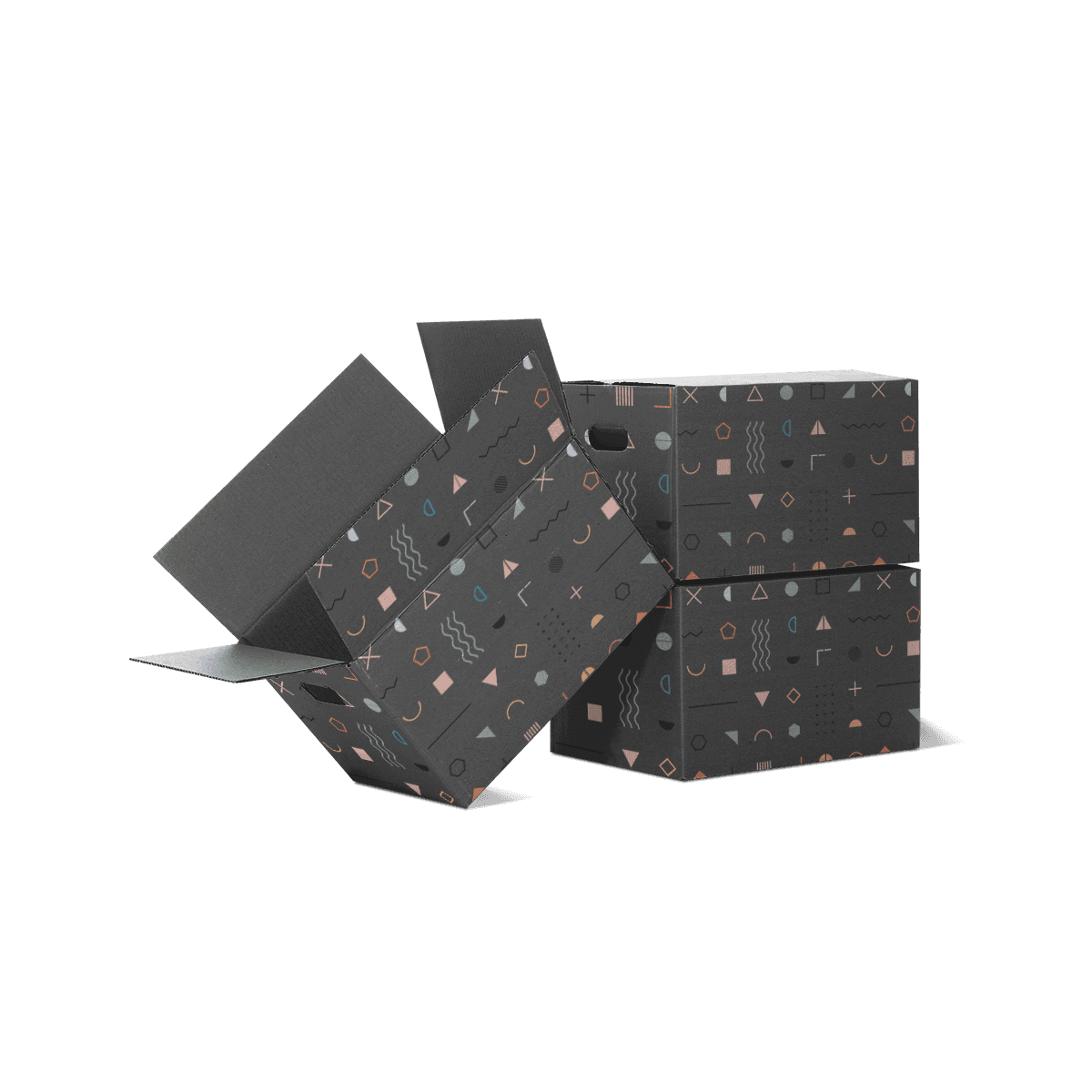
Die-Cut Shipping Boxes
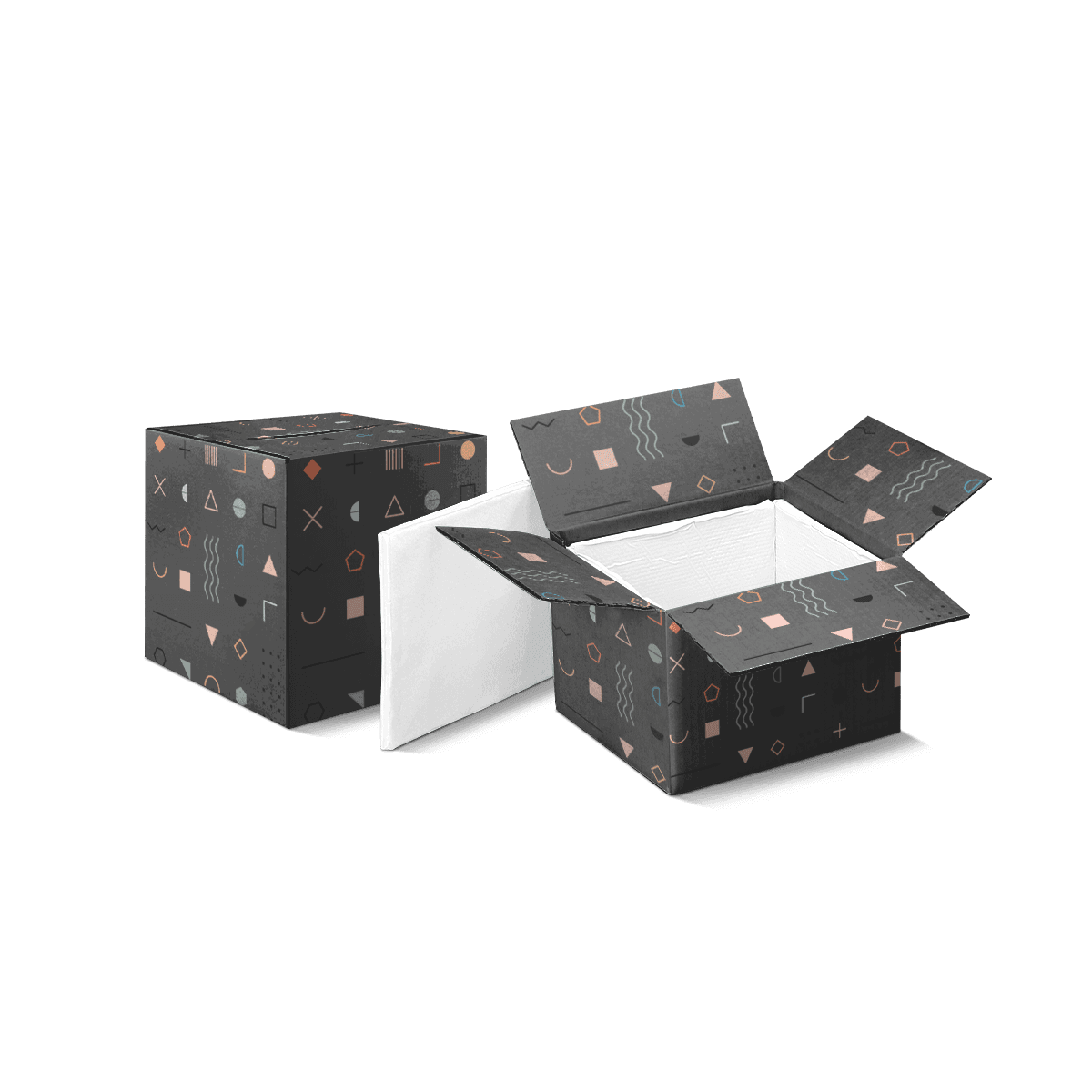
Insulated Shipping Boxes
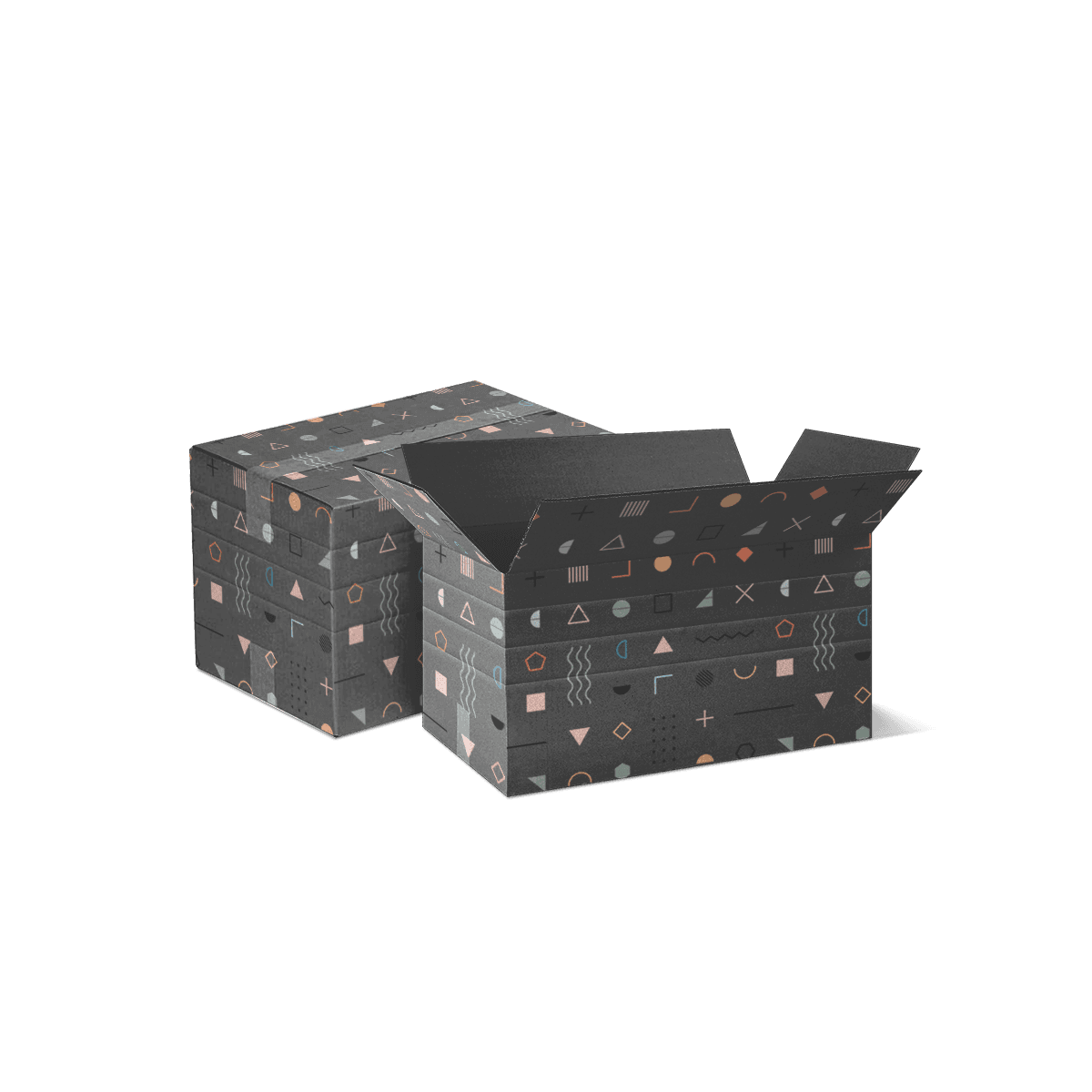
Multi-Depth Boxes
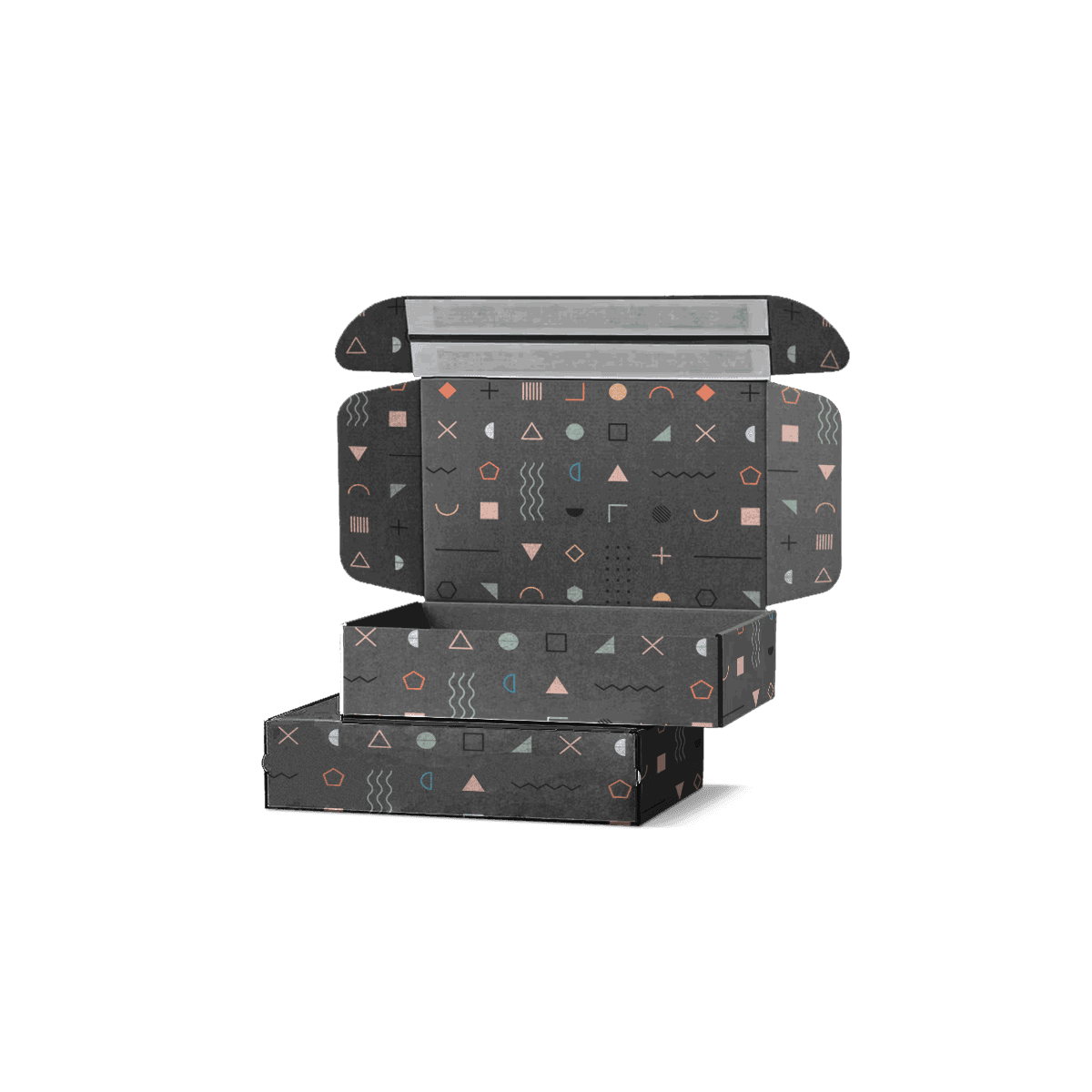
Printed E-Commerce Shipping Boxes
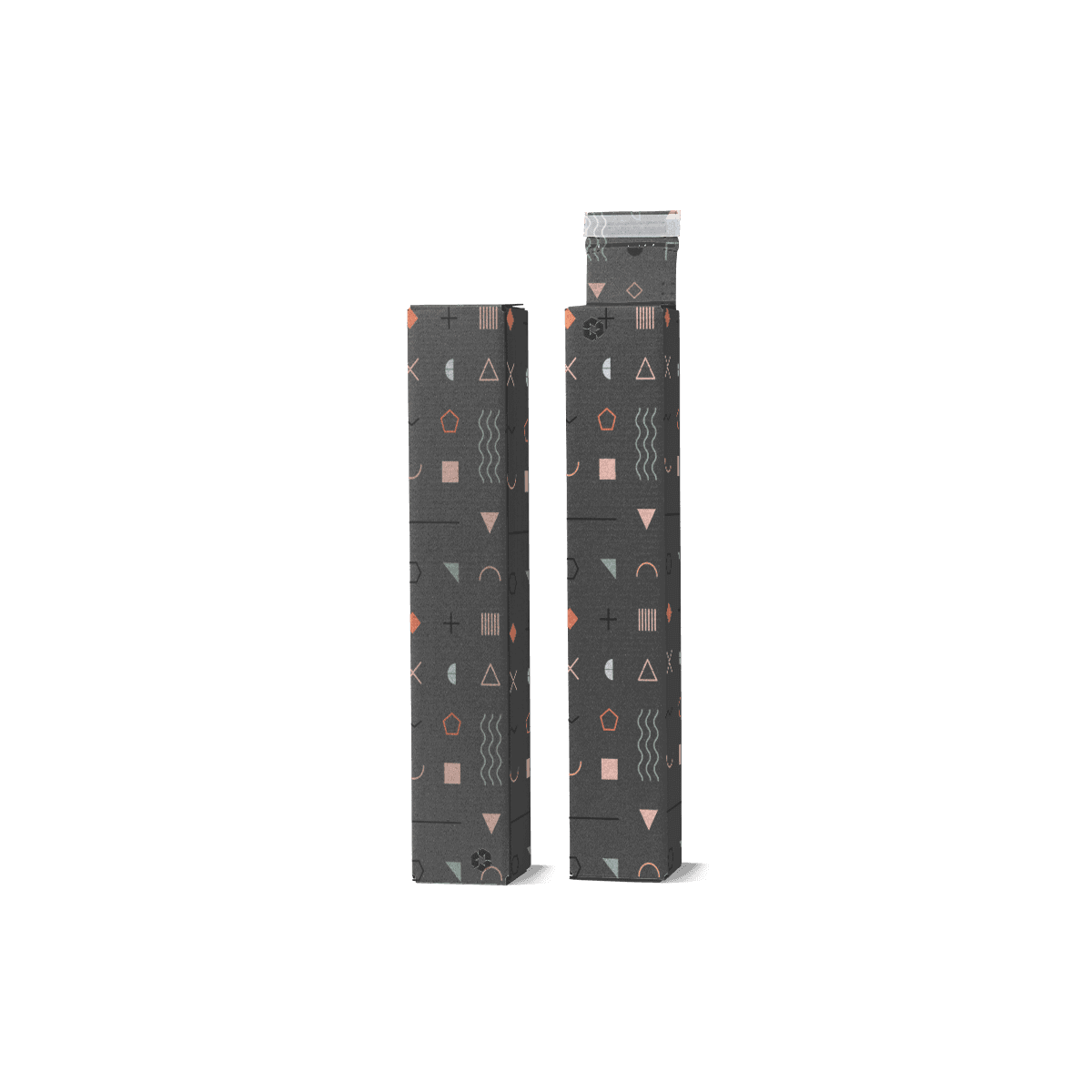
Corrugated Tube Shipping Boxes with Lids
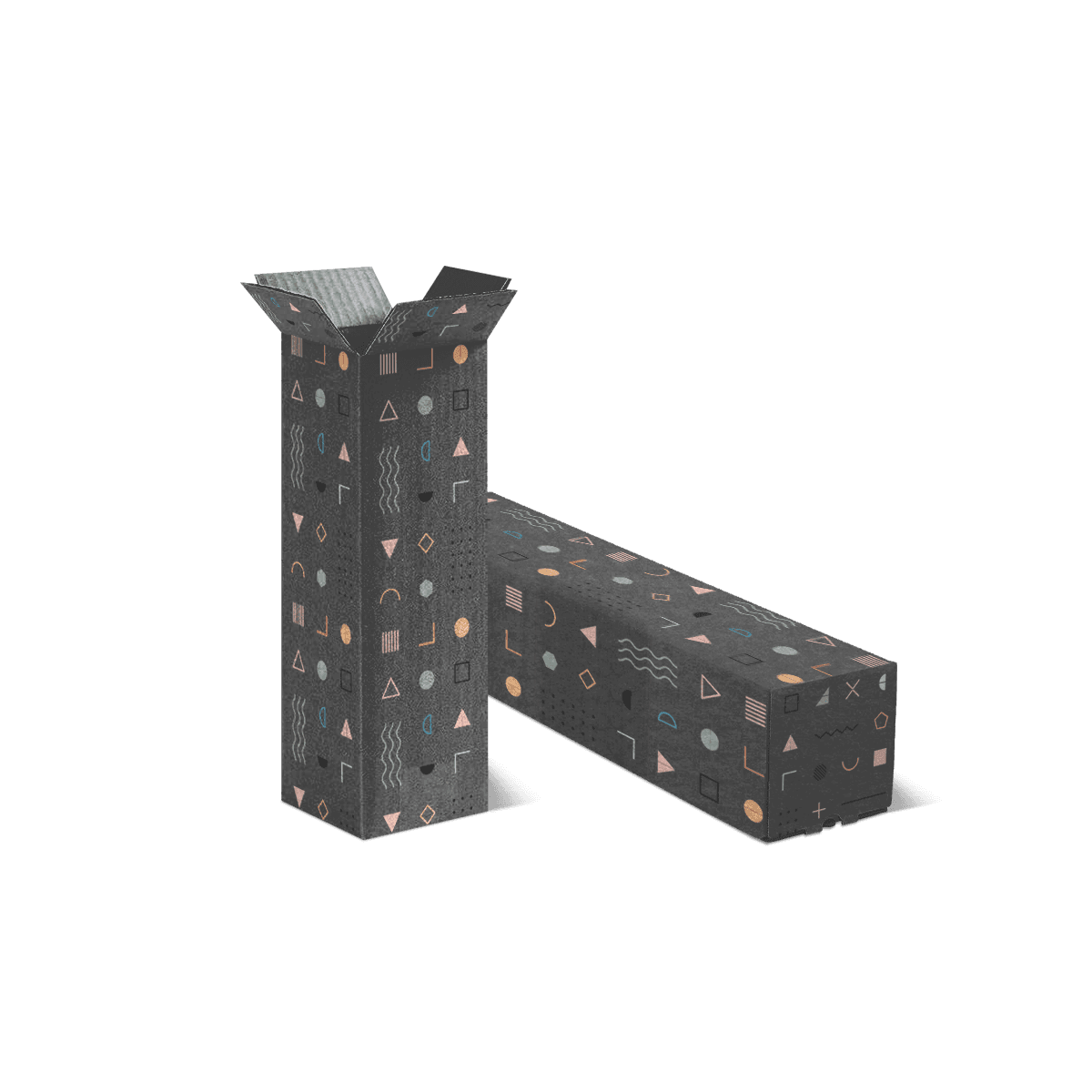
Cardboard Tube Shipping Boxes with Covers
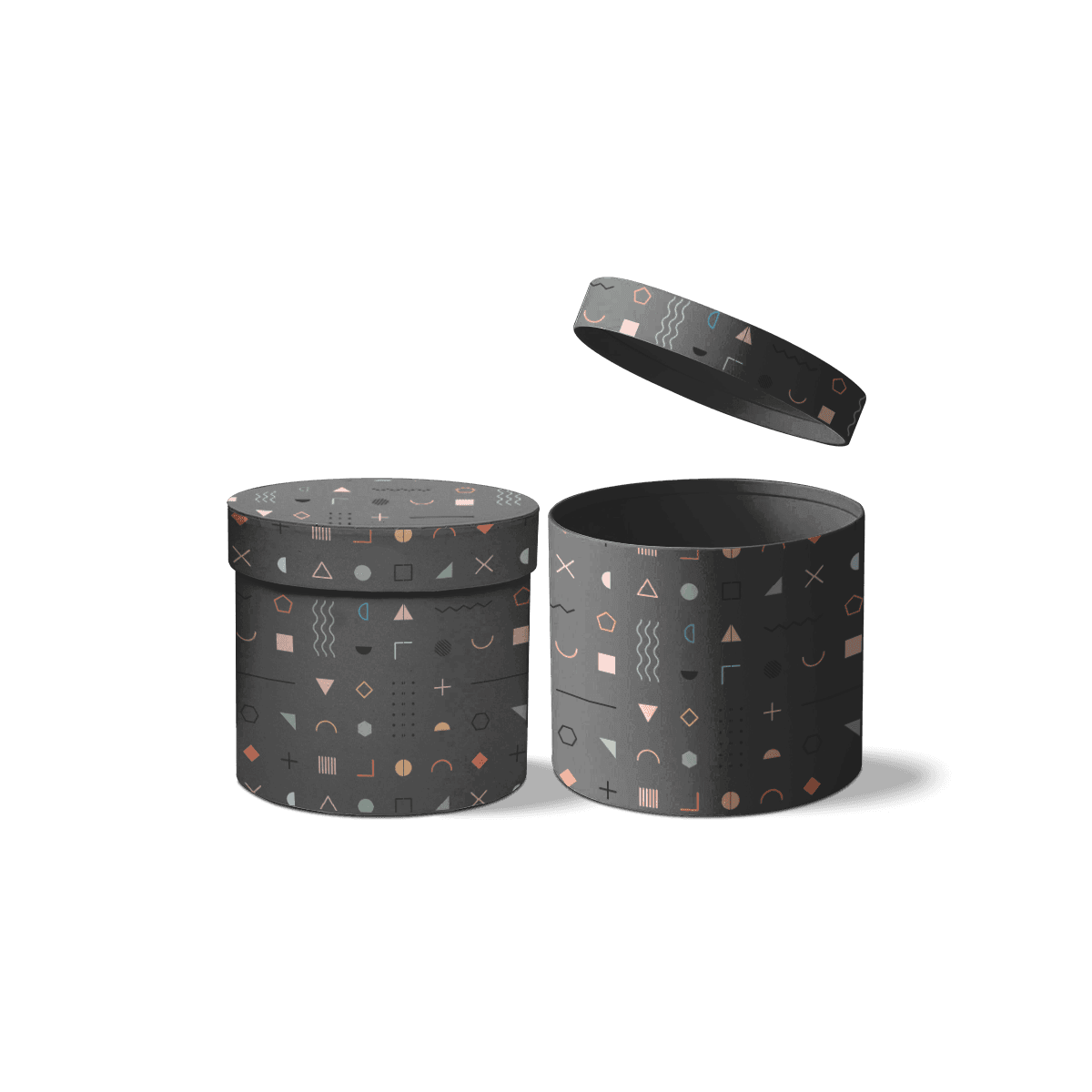
Round Corrugated Shipping Boxes
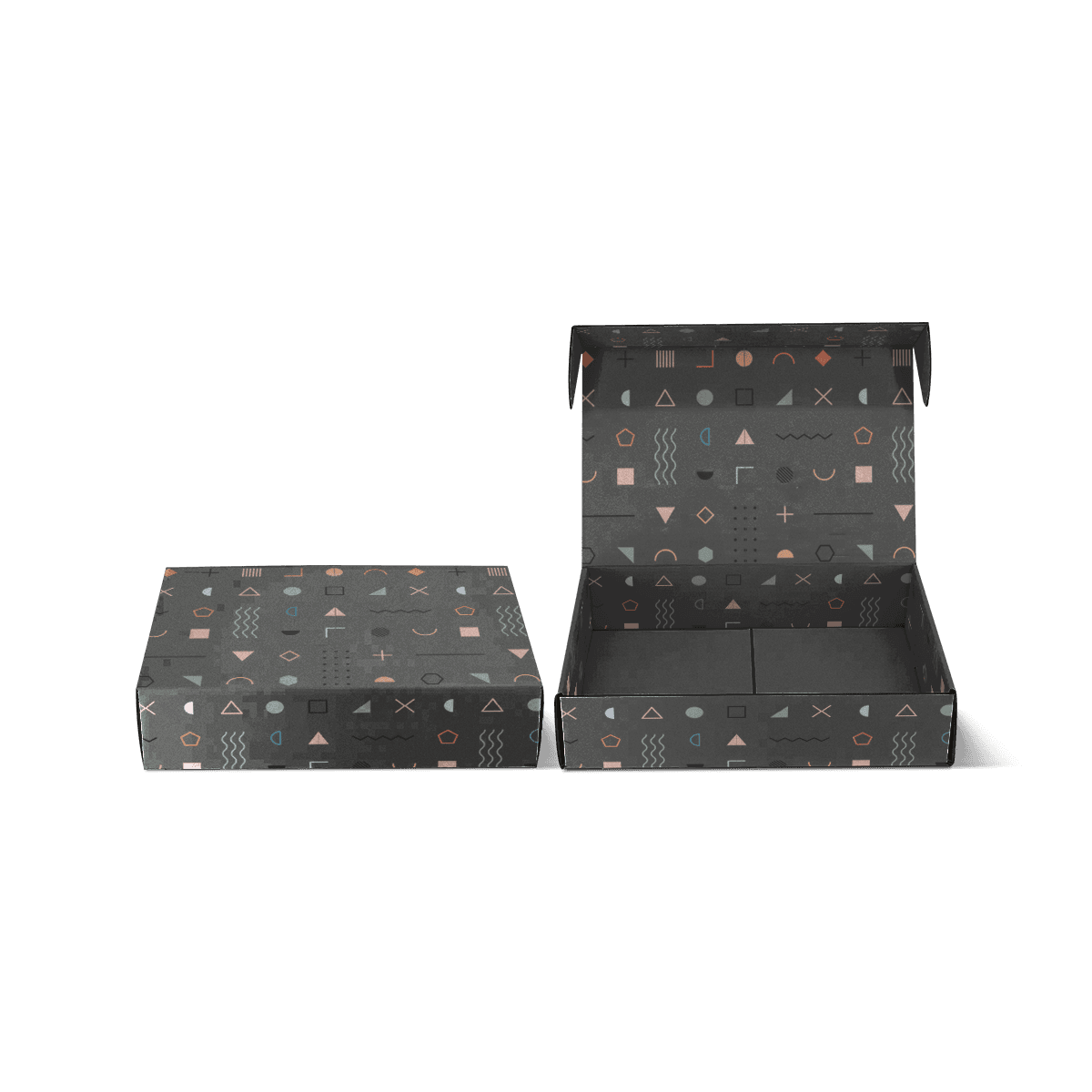
Tuck-Top Shipping Boxes
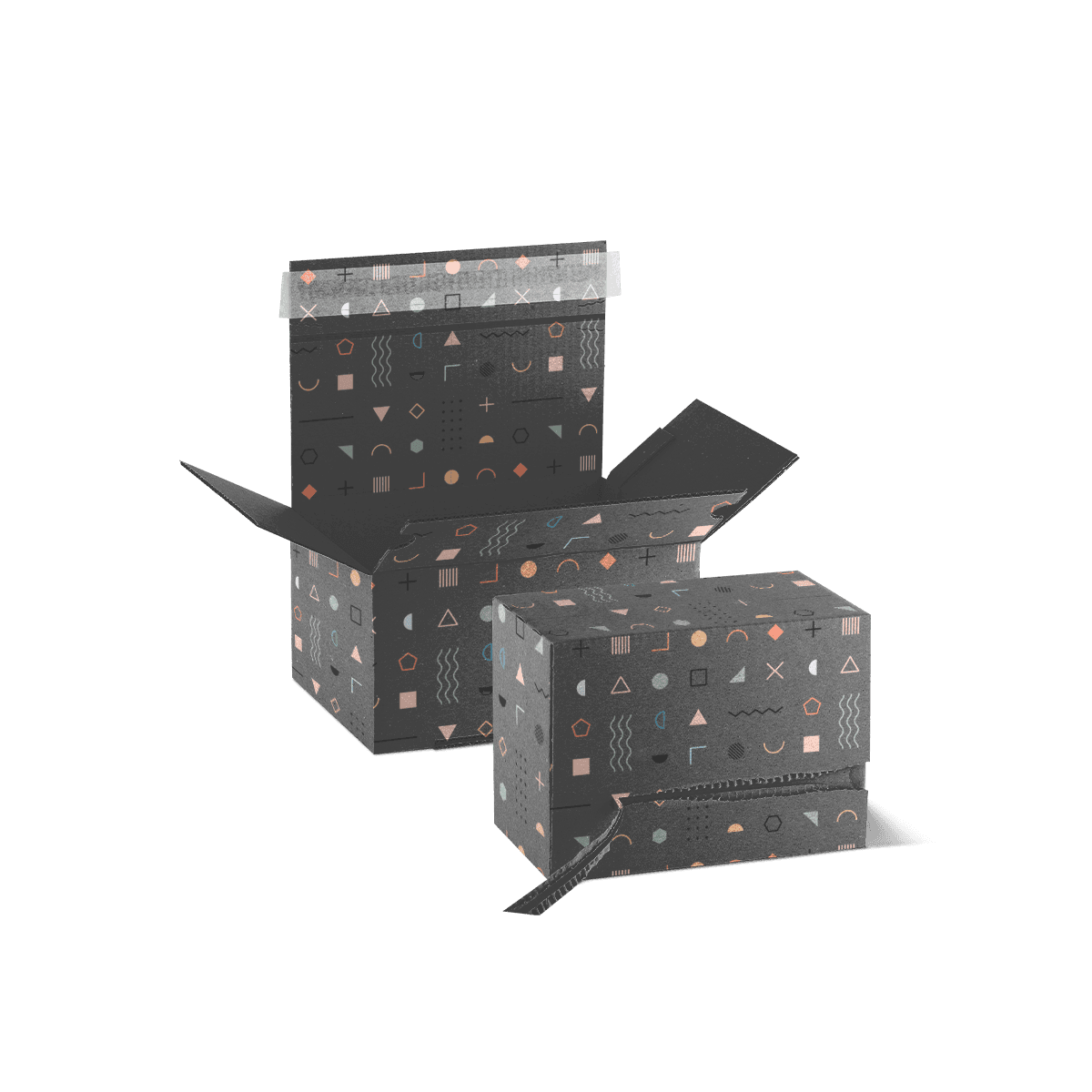
Self-Sealing Shipping Boxes
Heavy-Duty Shipping Boxes
Double-Wall Front Tuck-End Shipping Boxes
Custom Corrugated Shipping Boxes
Your product shouldn’t have to fit an off-the-shelf box.
Share the shape, size, material, finish, or insert you have in mind. We’ll turn the details into a tailored packaging recommendation and a clear quote.
Custom sizes · materials · finishes · inserts
The Shipping Box Has To Carry Weight Through Its Structure
Custom shipping boxes work best when the corrugated structure carries the shipment through handling, stacking and delivery instead of asking filler or tape to compensate for a weak case. Product weight matters, but where that weight sits and how the box is stacked can matter just as much.
A compact dense product can create more concentrated stress than a larger lightweight item. Several inner cartons can also shift the load toward certain panels. That is why a useful shipping-box specification looks at the packed case as a load-bearing system rather than treating “strong corrugated” as a complete answer.
Corners Do Most Of The Vertical Work
When corrugated boxes are stacked, the vertical edges and corners help carry compression through the case. If those edges are crushed, poorly aligned or left unsupported by the pack inside, the box can lose stacking performance even when the board itself is substantial.
Keep heavy products from leaning against one weak panel. For case-packed goods, arrange inner packs so the load remains stable and the outer carton can stay square. If the contents are irregular, pads, partitions or fitted support can help prevent the product from forcing the walls outward.
Wide Panels Create Their Own Weakness
A long, broad shipping box can flex across its largest panels even when the total shipment is not unusually heavy. Dimensions therefore affect the board decision as much as product weight.
This is one reason custom sizing matters. A closer-fitting case shortens unsupported spans, reduces movement and avoids paying for corrugated area that does no useful work.
The Packed Case Matters More Than The Product By Itself
Shipping-box dimensions should come from everything that will travel inside the case: the product, retail cartons, inserts, dividers, cushioning, protective bags and any space needed for safe loading.
A 12-pound machine part inside a fitted inner pack creates a different shipping problem from twelve one-pound retail cartons in the same outer dimensions. The total weight may be similar, but the load distribution, movement and stacking behavior are not.
Custom product packaging is useful when the inner support system still needs to be designed around the actual product before the outer shipping case is finalized.
Inner Packs Become Part Of The Structural System
Retail cartons, trays and dividers can help distribute load and stop products from colliding, but only when they fit the outer case correctly. Loose inner packs can shift toward one wall, leaving the opposite side unsupported and creating a larger impact zone.
For mixed products, define how each item sits before setting the case dimensions. A shipping box is more predictable when the same pack pattern is used repeatedly.
Parcel And Pallet Routes Stress Cases Differently
A single parcel may experience repeated handling, drops and movement in a courier network. A palletized case may face sustained compression from cartons stacked above it, warehouse storage and freight handling.
The same product can therefore justify different corrugated specifications depending on how it travels. The route is part of the box requirement, not a detail to consider after production.
RSC, FOL, And Engineered Corrugated Styles Solve Different Transit Problems
The most economical structure is usually the simplest one that can perform the shipping job reliably. Extra board or a more complex die-cut pattern should solve a specific weakness rather than exist as a general upgrade.
RSC Boxes Keep General Shipping Efficient
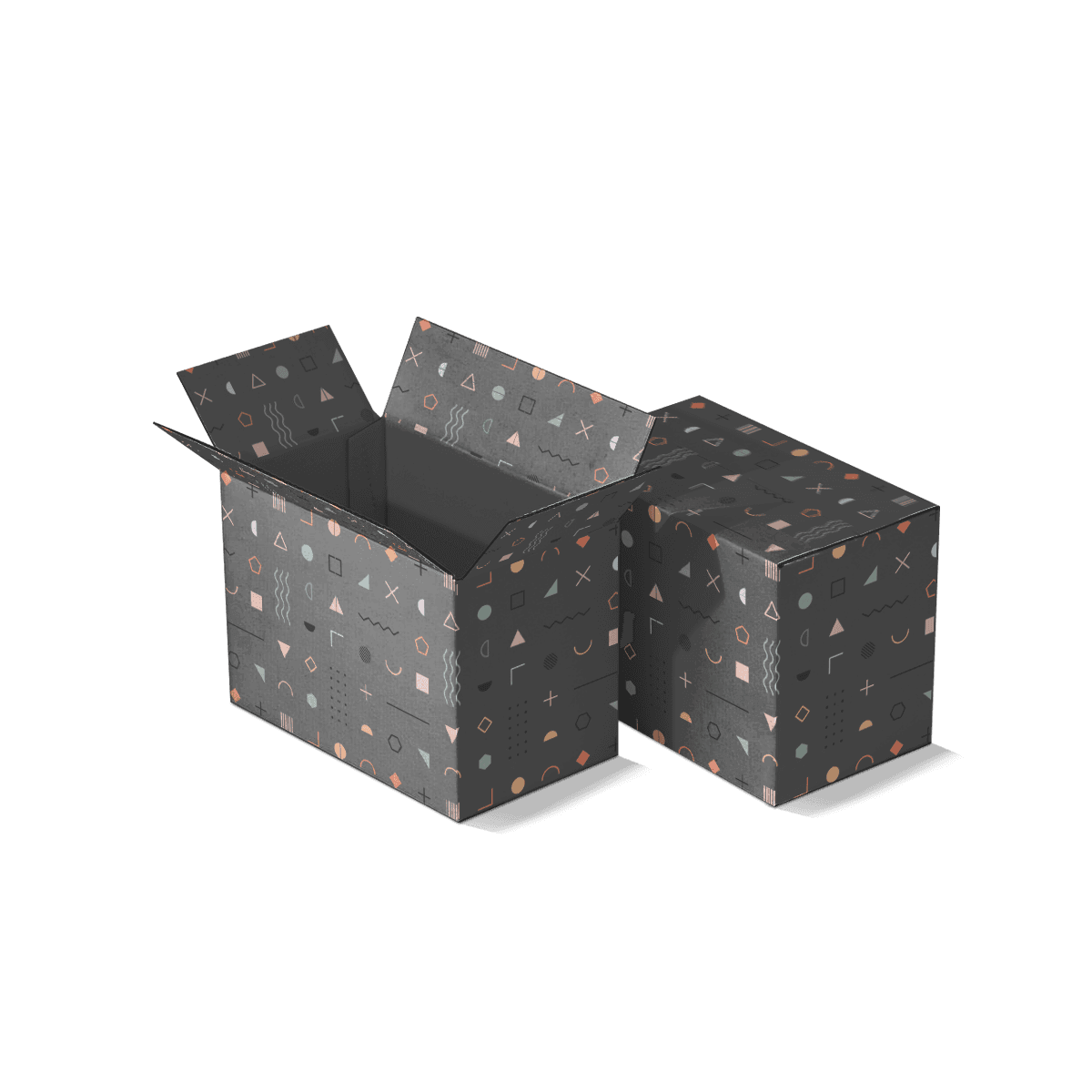
Regular Slotted Containers (RSC) are a practical baseline for warehouse shipping, wholesale replenishment and many ecommerce orders. Their top and bottom flaps meet at the center, they store flat and they work well with familiar tape-and-pack workflows.
Use an RSC when the shipment is straightforward to load, the contents can be stabilized internally and specialty opening features add little value.
Full Overlap Adds Board Where The Case Carries Pressure
Full Overlap Boxes (FOL) extend the major flaps across the full top or bottom area. The extra corrugated coverage can help when dense contents, edge sensitivity or stacking pressure justify reinforcement in those surfaces.
That added material should earn its place. A lightweight shipment that performs well in an RSC does not automatically improve because the flaps overlap.
Custom Geometry Is Useful When Standard Panels Waste Space
When the product shape, loading method or internal support does not suit a conventional slotted carton, a more tailored corrugated structure can tighten fit or integrate functional features. The decision should come from the shipping problem rather than from wanting a visually unusual box.
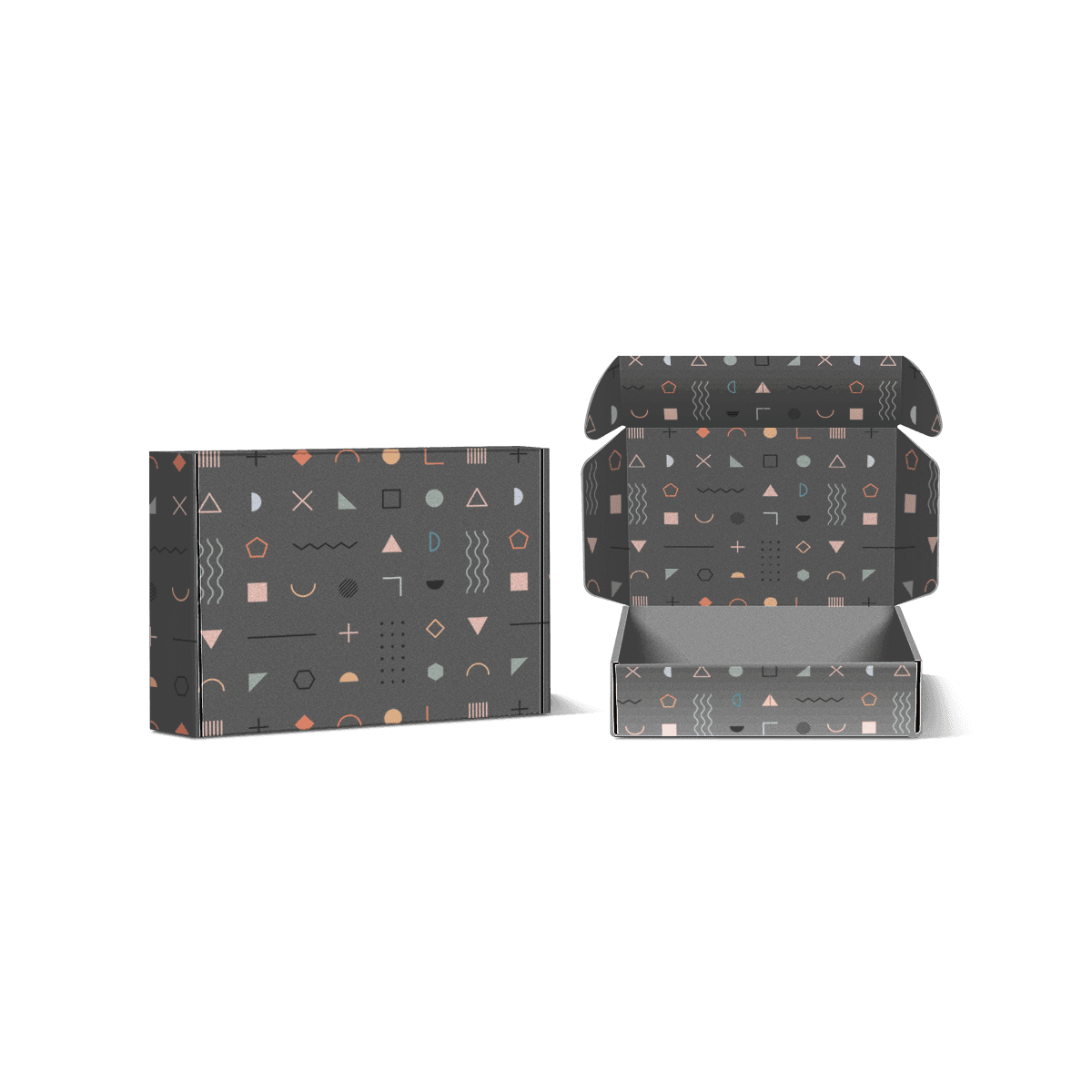
Some die-cut shippers use extra wall construction and a front-tuck closure to control the loaded case more deliberately. Double-Wall Front Tuck-End Shipping Boxes are relevant when that added sidewall and closure geometry solves a real handling problem rather than simply adding board.
Corrugated Performance Comes From More Than Thickness
Corrugated board combines liner sheets with a fluted medium. Flute profile, board construction, liner quality, box dimensions and environmental conditions all influence how the finished shipping box performs.
The useful question is not “What is the thickest board?” It is “What construction supports this packed load through this route?”
Corrugated, paperboard, kraft and rigid board behave differently under load, so packaging materials should be selected around the shipping job.
Single-Wall Construction Can Be Enough For Many Shipments
A well-sized single-wall corrugated case can handle many routine ecommerce, wholesale and replenishment jobs. Using more board than the load requires adds material, weight and cost without automatically improving fit.
Double-Wall And Heavy-Duty Builds Need A Reason
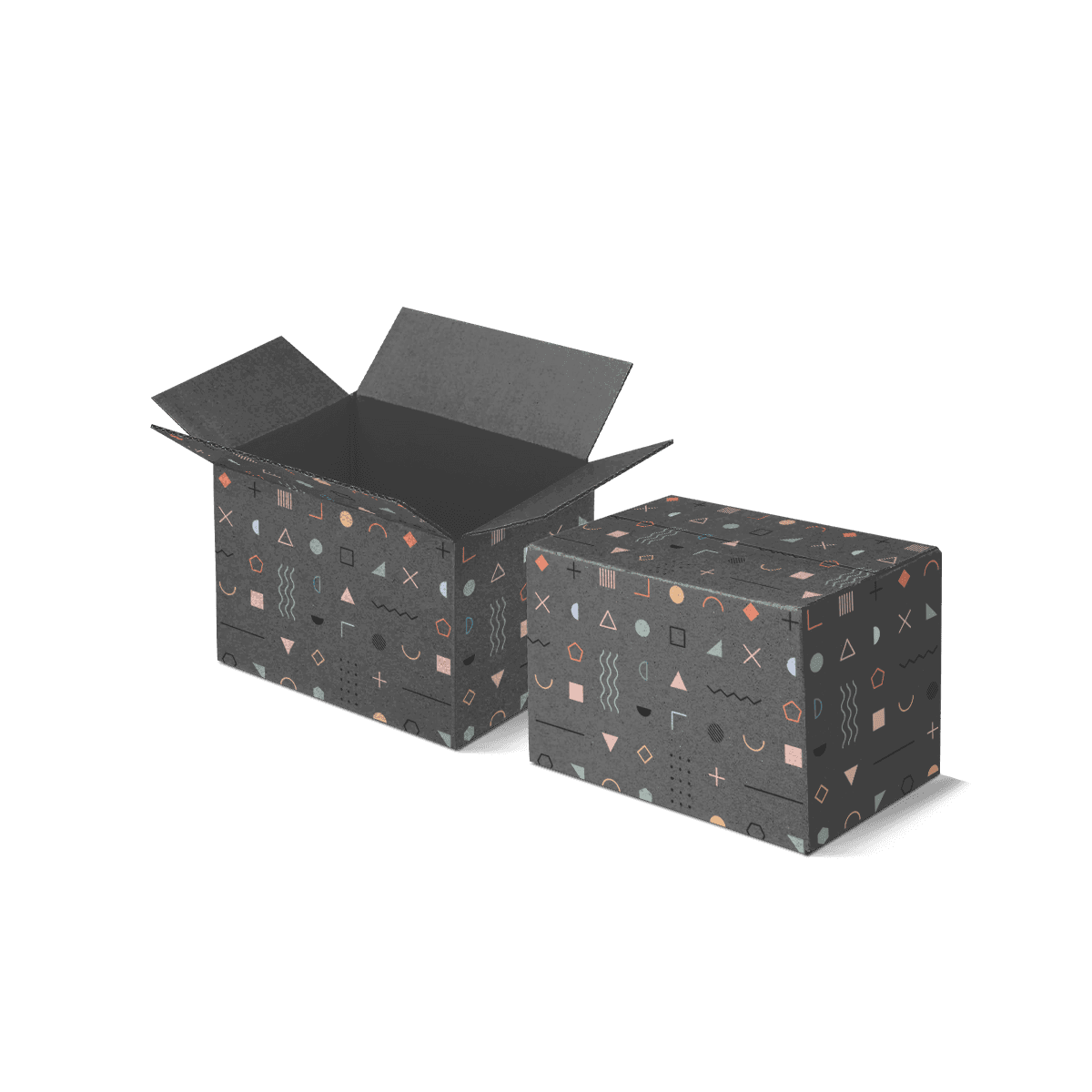
Heavier, denser or more demanding shipments can justify additional wall construction. Heavy-Duty Shipping Boxes are a stronger direction when the packed case faces higher loads or more demanding storage and freight conditions.
If a specification uses measures such as edge crush or burst performance, use them as part of a complete case requirement. They should not replace a review of dimensions, contents, stacking and route conditions.
Custom Packly can review flute, wall construction, print and inserts together through its packaging capabilities when the case needs more than a generic board callout.
Sealing Keeps The Case Working After The Packing Table
A strong shipping box can still fail if the bottom or top closure is inconsistent. Tape width, placement, adhesion and the number of strips used should match the case structure and packed load.
For an RSC, the closure has to keep the major flaps in position while the box is lifted, stacked and moved. If the bottom opens or bows, stronger sidewalls do not solve the problem.
High-volume operations should test the sealing step as part of packout. A structure that needs repeated extra tape on every case may be under-specified, poorly fitted or simply wrong for the workflow.
Self-sealing options can be useful in selected ecommerce operations, while conventional taped cases remain efficient for many warehouse and industrial shipments. The correct choice depends on packing equipment, case weight, returns needs and how the box will be handled after sealing.
Right-Sizing Has To Control Movement Without Creating A Compression Problem
Reducing empty space is useful, but a shipping case should not grip the product so tightly that every external impact transfers directly into the item.
Leave only the clearance needed for the actual protective system. Fragile products may need cushioning zones. Stable boxed products may need much less space. Dividers may control a multi-item load without large amounts of loose fill.
When damage persists, separate movement, void space and board strength before changing the box; better packaging structure and fit often reveal which variable is failing.
Multi-Depth Boxes Can Reduce Case Inventory
Multi-Depth Boxes include additional score lines so one carton can close at more than one height. They can help fulfillment teams handling changing bundle quantities or products with a shared footprint but different packed heights.
The benefit is inventory flexibility. The trade-off is that staff need a consistent rule for which depth to use, and the reduced height still has to protect the actual shipment.
Void Fill Cannot Rescue A Poor Load Path
Consider a boxed countertop appliance being shipped inside an outer corrugated case that is several inches too wide. The warehouse fills the side gaps with paper, but the appliance carton still shifts toward one corner during handling. When several cases are stacked, the outer walls begin to bow because the load is no longer centered or well supported.
Adding more paper fill treats the symptom. It does not create a stable case.
A better correction is to right-size the outer shipper around the packed appliance, add corrugated pads or supports where the inner carton needs restraint and choose the outer board construction around the real packed weight and stacking demand.
The result uses less uncontrolled filler, keeps the load closer to its intended position and gives the corrugated case a clearer path for carrying compression.
This is the difference between cushioning and structure. Cushioning absorbs or isolates movement. Structure carries and contains the load. A reliable shipment may need both, but they are not interchangeable.
Printed Shipping Boxes Still Have To Behave Like Logistics Packaging
Branding can make a shipping carton easier to identify and can improve the arrival experience, but operational information should retain priority.
Leave clear areas for carrier labels, barcodes, handling marks, case counts or warehouse identification where those elements are part of the process. Avoid placing essential artwork where tape, labels or scuffing will predictably cover it.
Printed E-Commerce Shipping Boxes make the most sense when the outer shipper is customer-facing and the branding earns the print cost. Bulk industrial or warehouse cases may need only simple identification.
White corrugated surfaces can support brighter graphics. Kraft can suit simpler print and a more utilitarian appearance. Premium offset printing is available when the artwork and run justify it, but the print method should still match the board, quantity and level of detail required.
Free 3D mockups and design and dieline support can help teams check panel placement before production, especially where seams, tape and shipping labels compete with the artwork.
Testing Should Recreate The Shipment Instead Of Proving The Box Looks Strong
A sample on a desk cannot reproduce a distribution route. The meaningful test uses the actual packed product or a representative load and checks the failure modes that matter.
That may include fit, closure, stacking, drop exposure, vibration or repeated handling depending on the shipment. Formal test requirements depend on the product, route, retailer or carrier program, so the testing plan should be defined for the actual use case rather than assumed from the box style alone.
Product fit, structural tests and print approval answer different questions in custom packaging testing, so validate the failure modes that matter to the real route.
Free sample examples of previous Custom Packly work can help compare general corrugated and print quality. When the exact dimensions, board and construction need physical validation, a fully custom pre-production sample can be arranged as a paid sample. The USA MOQ starts from 100 boxes, which can also make an initial structural run practical before a larger repeat program.
For high-risk shipments, test before treating a higher board grade as insurance. A strong box around a poorly restrained product can still produce damage.
Volume Turns A Shipping Box Into A Case-Packing System
At repeat scale, the outer carton affects warehouse labor, pallet use, product identification and replenishment.
Define how many sale units belong in each case, how they are oriented, the packed case weight and whether the same case count should be used across repeat runs. A master carton that changes from 12 units to 10 without a clear reason can complicate receiving, inventory counts and pallet planning even when the box itself works perfectly.
This becomes especially important for MRO packaging, where parts and supply cases may need predictable counts and labels, and for e-commerce retail packaging, where right-sized cases and repeat fulfillment can affect daily throughput.
Custom Packly provides US production, warehousing and scheduled deliveries for repeat packaging programs. Standard turnaround is 4–6 days after final artwork and specifications are approved, with 24/7 expert support available when case specifications, artwork or replenishment need coordination. Complex structures, specialty materials or advanced finishes may require additional time.
Once the packed dimensions, approximate case weight, quantity, corrugated requirement, printing and internal protection are known, an instant custom packaging quote can be based on the actual shipping program rather than a generic carton.
Use A Shipping Box When Transit Protection Is The Primary Job
Shipping boxes make the strongest case for themselves when compression, warehouse handling, freight or parcel protection controls the specification.
If the shipment is lighter and the opening experience is important, a mailer may give enough corrugated protection with a more presentation-led structure. If the package is mainly for shelf display, a folding carton may be more efficient. If a premium inner presentation is needed, a rigid box can sit inside a properly specified outer shipper rather than being asked to survive the distribution network alone.
A lighter presentation-led parcel may belong in a mailer, while a shelf-first product may belong in a folding carton; mailer boxes, shipping boxes and folding cartons should not be treated as interchangeable.
Use Packaging Styles when the project no longer looks like a transit-first problem.
A shipping box earns its material when it protects the packed load, stacks predictably, seals consistently and fits the distribution route. If the case only looks strong but the load can still shift, buckle the walls or overwhelm the closure, the specification is not finished.
When thermal protection is part of the shipment design, Insulated Shipping Boxes require the insulation, payload and transit conditions to be treated as part of the pack instead of added after the outer box is already fixed.
Start Your Custom Packaging Quote
Share your product details, size, quantity and artwork needs. We’ll help choose the right packaging style and send a clear quote.