Skip to content
Details

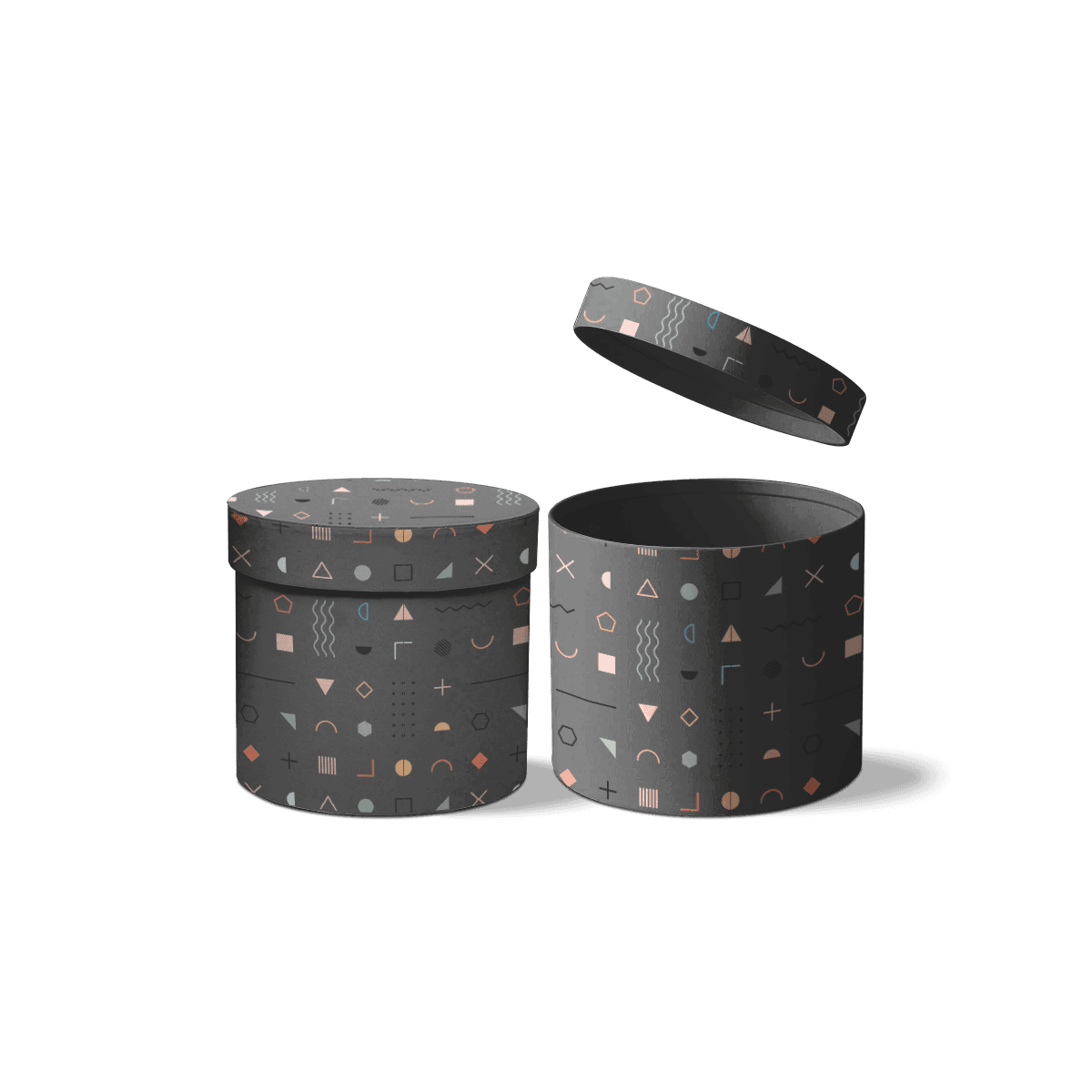
Custom Round Corrugated Shipping Boxes

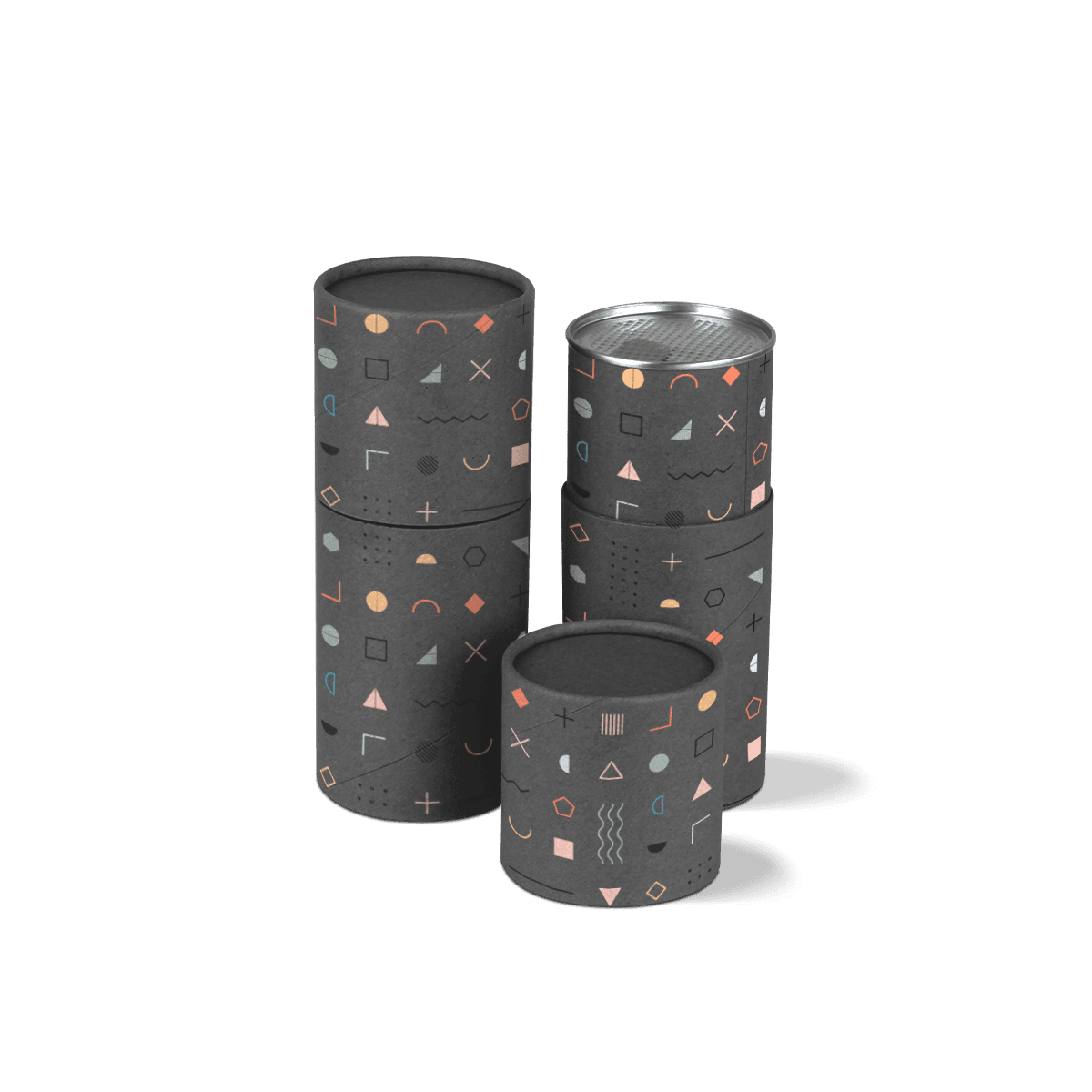
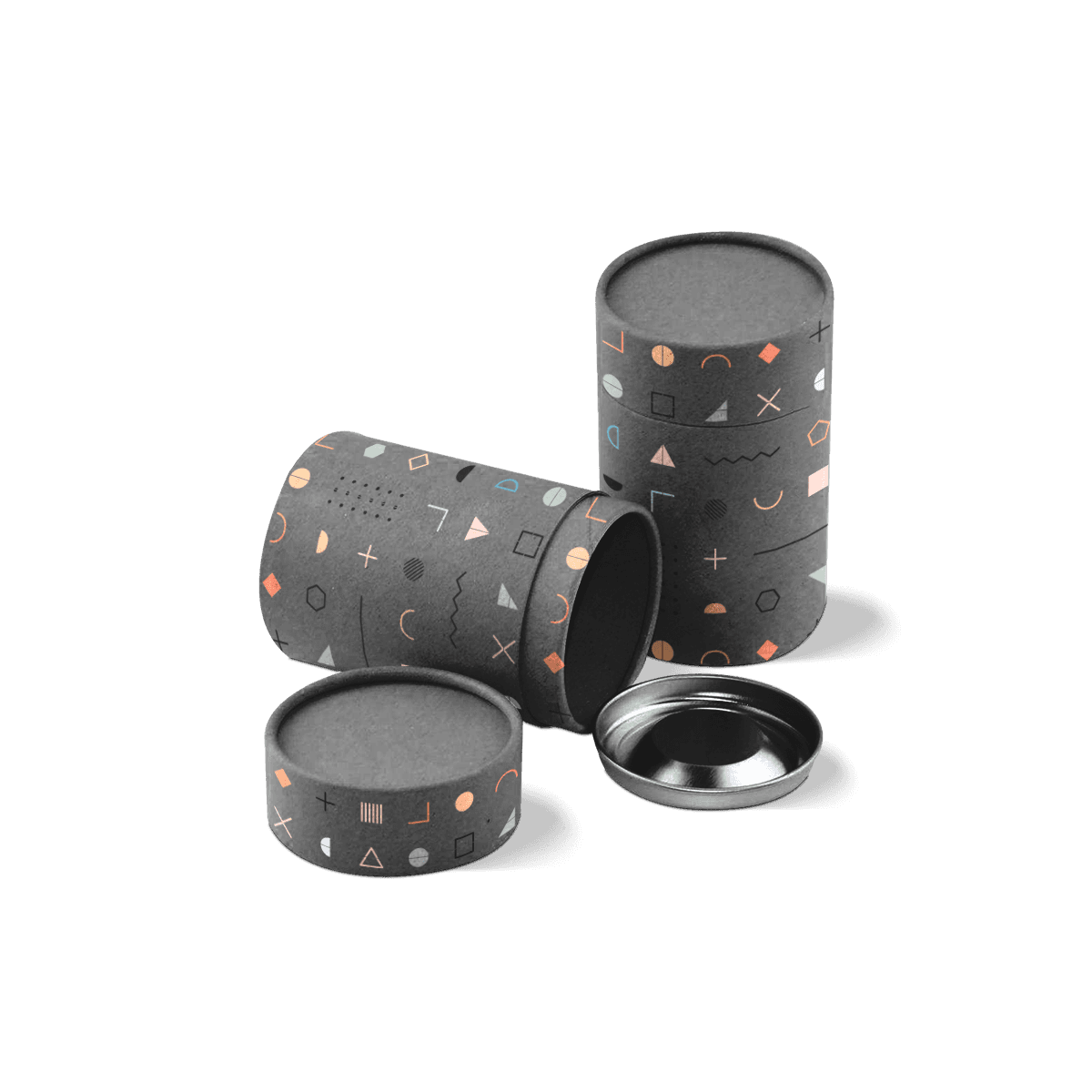
A corrugated shipper for short, wide circular loads such as reels, coils and disc-shaped parts. Specify the face support, diameter and closure around the actual packed item.

The Face Carries the Weight

A packed reel behaves differently from a long poster roll. When it rests flat, its weight bears on a broad circular face; when it tips onto its edge, the same load concentrates along the rim. The container has to tolerate both positions without letting the product press directly into an unsupported wall.

Custom Round Corrugated Shipping Boxes address that short, wide shipping job. Think of a coiled industrial part, a disc-shaped component or a shallow stack of circular pieces that needs a diameter-led protective enclosure. The objective is a finished shipping unit that supports its circular load, protects vulnerable edges and remains controlled during dispatch.

The important distinction is proportion, not merely appearance. A broad reel calls for support across its faces and circumference. A long, narrow tube calls for lengthwise restraint, end protection and bending resistance. Both can be round, but their loads should not be specified as though they were the same package.

For conventional rectangular cases, the shipping boxes are assessed around flat panels, corners and a different stacking path. A round shipper may reduce unnecessary internal corner space around a circular load, but that does not automatically make it less expensive to transport.
A Circular Shell Has Limits

The outer wall can be formed from an appropriate corrugated construction when the selected board and converting method suit the required diameter. Corrugated fiberboard contains fluted material bonded to liners. It is not the same thing as a solid, spiral-wound paperboard tube, even if the finished packages look alike.

The exact circular build needs confirmation before artwork or pricing is finalized. Forming a curved wall may call for a particular flute profile, seam method, separate end pieces or specialty converting. A scored, faceted corrugated enclosure is another possible construction, but it should not be substituted for a genuinely round profile without approval.

Curvature Changes the Seam

The joint in a wrapped or formed wall is part of the load path. A loose bond can open when a heavy reel presses outward or when the package lands on its circumference. Excessive bending can also crush flutes locally and reduce the protection expected from the sheet.

Ask for the actual proposed wall construction and seam position. Inspect a production-representative assembly rather than approving a material swatch alone. Higher board weight is not a reliable substitute for a sound joint.

Strength Follows the Route

A short circular package carried individually has different risks from a case of units restrained on a pallet. Side impacts, face compression, humidity and storage duration all affect the specification. The selected board grade and wall thickness should be confirmed against the complete packed load, rather than inferred from the word corrugated.

Diameter Includes the Entire Product

The usable inside diameter must accommodate the largest dimension of the item as it will be packed. Measuring only the reel core or the nominal disc diameter misses projecting flanges, loose coils, edge guards, a retaining strap and any protective wrap.

The Flange Sets the Diameter

A reel may have a narrow center hub and two substantially wider flanges. Those flanges determine the smallest internal opening through which the reel can pass. If an edge protector surrounds each flange, its thickness must also be included on both sides before adding removal clearance.

Illustrative example: a spool appears to fit a proposed cylinder when measured at its hub. Its outer flange, however, catches the rim on loading. Enlarging the inside diameter or changing the support around the flange corrects the cause; compressing the flange to force the product in does not.

The cardboard tube sizing method distinguishes usable inside diameter from the dimensions of the finished wall.

Depth Is a Closed Measurement

A shallow package can lose a meaningful share of its internal depth to its base pad, lid overlap or recessed end piece. Record the highest point of the packed assembly, including bolts, reel hubs and the thickness of any separating pads.

Check the product with the complete closure installed. Extra empty depth can allow a reel to accelerate before striking a face; insufficient depth can make the lid press continuously on a projecting hub. Neither is a sensible tolerance strategy.

Support the Rim and the Faces

Protective material should be placed where the circular load actually transfers force. A broad flat pad can spread pressure from the product face. An annular support can carry a reel closer to its hub or rim, depending on which surfaces may safely bear weight. These arrangements serve different products and should not be treated as interchangeable.

A Fragile Outer Edge

A disc with a delicate coating or a reel with a bendable outer flange should not be trapped hard against the corrugated wall. If the enclosure takes a side impact, direct contact can concentrate force at exactly the edge that must remain undamaged.

A protective ring or properly fitted spacer creates a deliberate load path. The ring must be dimensioned against the real product and should not rub across a finished surface as the package vibrates. Verify its position when the container is on its side, not just when it is open on the packing bench.

The Center Can Carry Weight

Some reels tolerate support at a rigid hub more readily than at the outer flange. A center support or pair of shaped pads can transfer load through that hub while leaving the rim clear. Other products cannot take pressure at the center, so the chosen contact points must be confirmed with the product owner.

If the shipment contains multiple discs, use separators that prevent face-to-face abrasion and keep the stack aligned. For repair parts packaging, part identification and separation may matter as much as the shipping wall. No insert can compensate for a stack that slips out of alignment during closure.

Handle the filled assembly flat, upright and on its edge. Check for contact marks, stack movement and any displacement of the protective ring before accepting the fit.

A Lid Across a Broad Opening

The closure on a wide circular opening must remain seated without transferring damaging pressure to the contents. A broad lid or end face may flex under a concentrated load even when the surrounding wall remains intact. Its material, depth of engagement, bearing surface and retention method belong in the structural specification.

Where the Lid Bears

If the product sits close to the top of the box, a weight placed on the lid can press into the reel flange or raised center. A clearance gap alone may disappear under deflection. A correctly positioned internal pad or support can spread the force to an intended bearing surface.

Check whether the finished design uses an overlapping cover, fitted end piece or another manufacturer-confirmed closure. Do not assume a particular cap style is included simply because a photo shows one. Test how the approved closure behaves with the actual packed weight and expected handling.

Retention Is Separate From Cushioning

A protective disk may soften contact with the product, but it cannot hold a loose cover in place. If tape or a separate seal is required, specify its placement and compatibility with the exterior finish. The recipient should also be able to open the package without cutting toward the protected edge.

A sample that closes smoothly when empty can still change shape under a loaded reel. Check closure seating after face-down handling and side impacts, then examine whether it can be opened without pulling the product against the rim.

The Round Parcel in Transit

A round footprint creates a handling problem that a rectangular carton generally avoids: an unsecured package can roll off a bench, shift on a cart or move against other parcels. A close internal fit does not solve exterior rolling. The dispatch method has to account for it.

Individual Courier Shipments

Check the carrier's current rules for cylindrical or other nonstandard parcels using the actual outside dimensions and packed weight. Some routes may require additional preparation or apply handling charges. A narrow label on a curved wall may lift at the edges or make the barcode difficult to scan.

Select a label position that does not cross a wall seam, closure overlap or securing tape. Apply and scan the final label on a finished loaded sample. Handling text can be printed, but it does not replace correct packaging for a parcel that may be laid on its edge.

Packaging testing before production is relevant when the round enclosure will be the sole shipping pack, particularly if a damaged flange or loosened cover could make the contents unusable. The evaluation should reflect the actual risk, not a generic claim that round shapes are stronger.

Case Packs and Pallets

For shipments containing several circular units, a rectangular outer case or a properly fitted restraint system may prevent rolling and establish a more predictable stack. Round bodies leave gaps between neighboring units; those gaps can let loads shift unless the packing pattern is controlled.

Confirm how many finished units enter each master carton, their orientation and the support beneath them. If loose units will be stored directly, confirm how they will be restrained on shelving rather than assuming the curved walls will create a stable stack.

Print That Survives Handling

The working surfaces of this shipper are the circumference and its exposed faces. Graphics should be planned around the actual formed wall, seam and closure rather than stretched from artwork intended for a flat rectangular carton.

A simple product code or branded mark can be more dependable than fine text that crosses the seam. When several reel diameters share the same visual design, make the size or part identifier easy to distinguish before the package reaches the packing station.

The Print Method Matters

A corrugated wall may take suitable direct printing or a separately printed liner, depending on the construction and the finished graphic requirement. Detailed offset artwork can be printed on a liner before it is laminated to corrugated material where that method is appropriate; a curved surface is not automatically offset-printed after assembly.

The digital, offset and flexographic printing options help identify what changes when quantity, artwork and substrate are considered together. The correct method for a proposed round wall still needs confirmation from the final manufacturing specification.

Preserve an unbroken location for a courier label and leave critical identification clear of the closure overlap. A 3D mockup can help review artwork placement, but the final proof must reflect the real circumference and seam position.

Price the Finished Shipping Unit

The cost of a circular shipper is the cost of its complete protective system, not just its outer wall. Forming, end components, pads, printing, packing labor and the carton used for consolidated dispatch can each affect the result.

A closer circular interior may require less filler around a reel than a poorly sized square box, yet parcel carriers can still measure the full outside diameter as the width and height of the shipping envelope. Compare quoted freight using the carrier's actual dimensional and handling rules, not an assumed saving from the missing corners.

The fabrication route also matters. A specialty circular build, a faceted die-cut option and an existing solid-wall tube may have different tooling, material and assembly economics. Compare only constructions that satisfy the same protection requirement.

For a realistic custom shipping quote, submit the finished product's maximum diameter and depth, packed weight, quantity, required end protection, print needs and whether each unit ships individually or in a master case. Custom Packly's USA minimum starts at 100 boxes, while the feasibility and lead time of a specialty circular construction must be confirmed for the exact specification.

Standard USA turnaround is 4–6 days after artwork and specifications are approved; complex structures or specialty materials may require additional time. Ask for the job-specific schedule before committing a shipment date.

Where a Different Shape Wins

A wide, shallow enclosure earns its place when the circular item is naturally packed face-first and its rim needs continuous protection. It becomes less convincing when the goods are long, slender, irregularly shaped or intended for dense rectangular pallet stacking.

Long Rolls and Narrow Parts

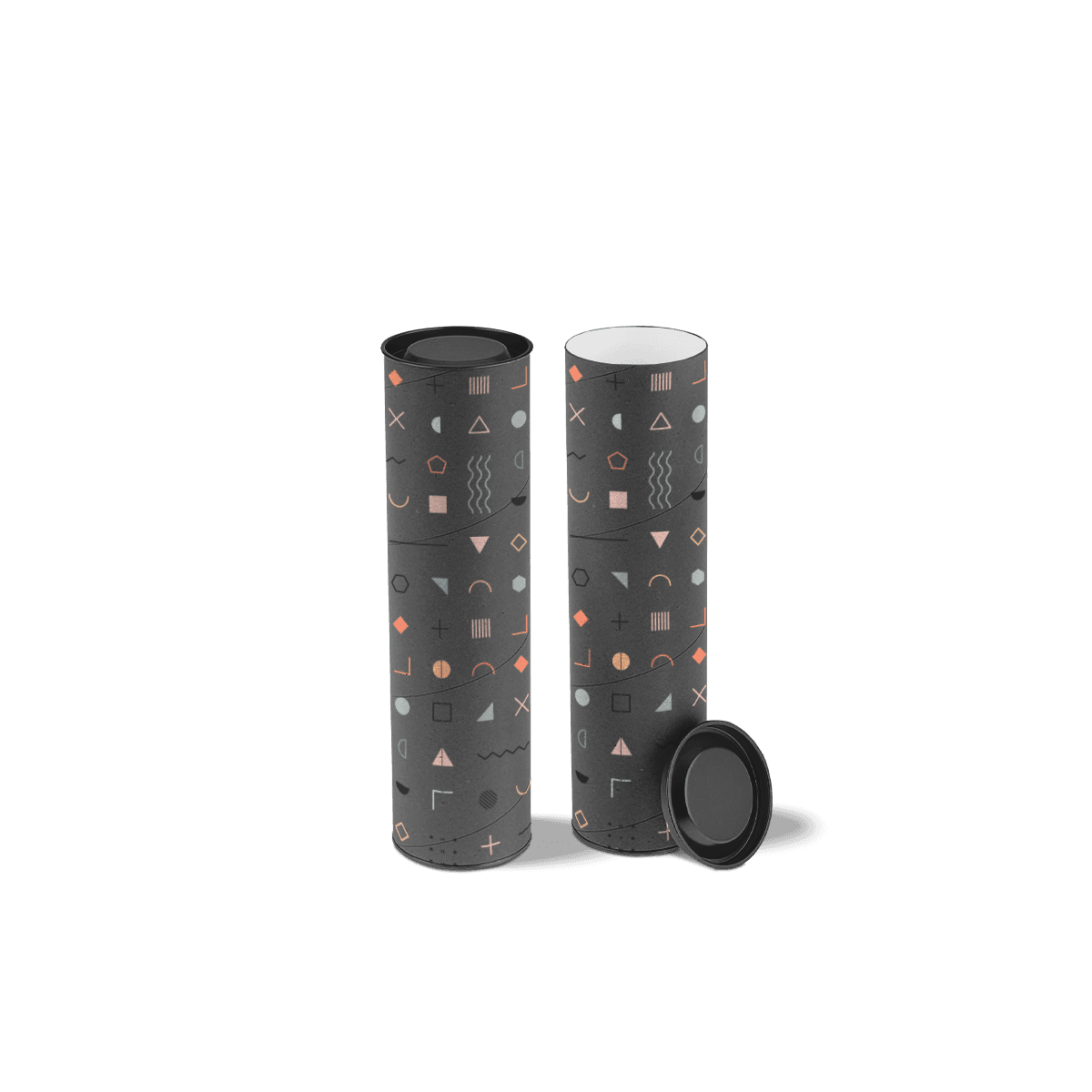
Corrugated Tubes with Lids focus on long rolled items and narrow components. Their key questions are usable length, end-cap retention and resistance to bending along the span. Those are not the dominant decisions for a compact reel or shallow disc stack.

A solid-wall paperboard tube uses a different wall construction. Compare the actual wall and closure methods instead of treating every round container as the same corrugated format.

Dense or Mixed Loads

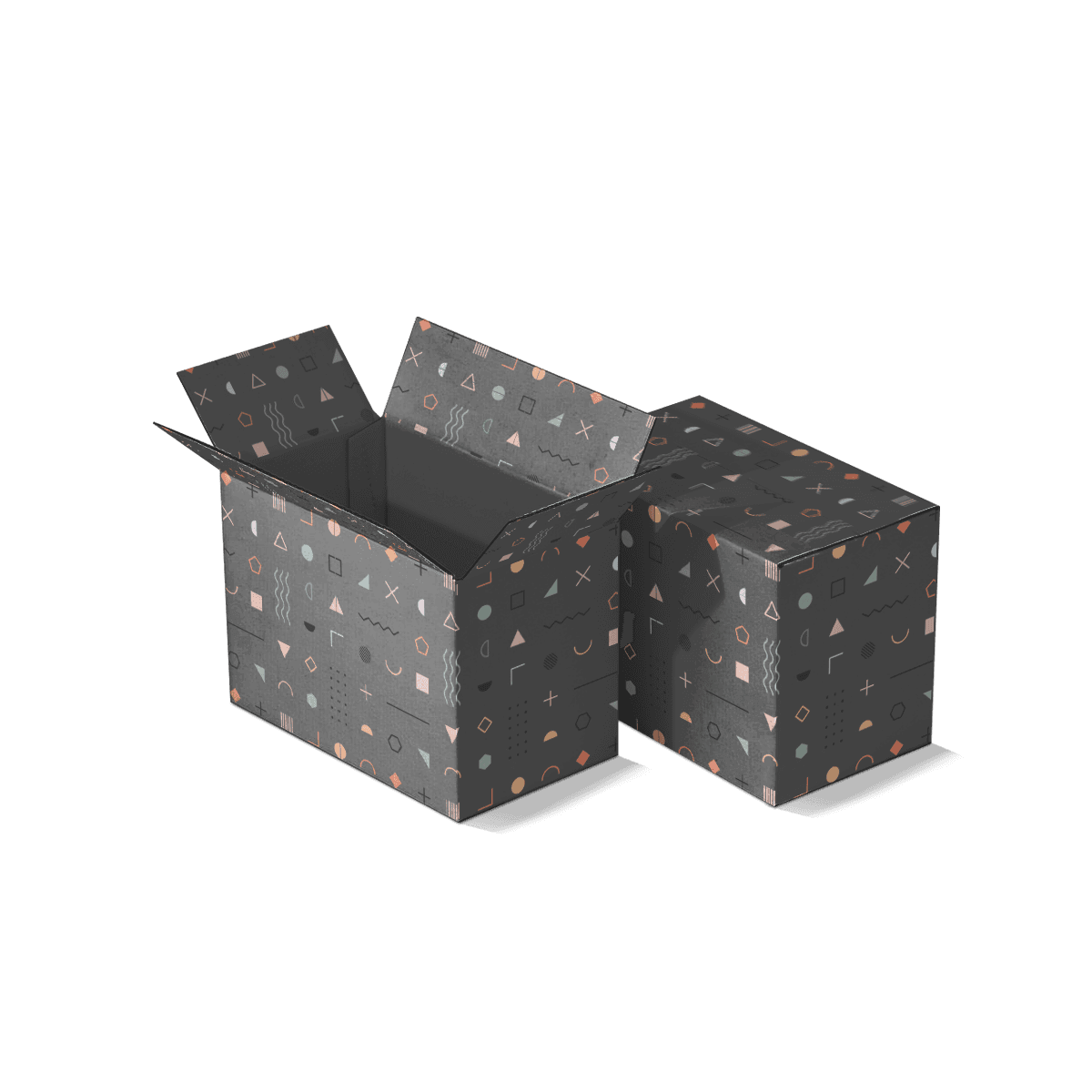
For a dense assembly that needs flat support, reliable pallet contact or several separate cavities, a custom corrugated shipping box may be easier to brace and stack. A fitted circular insert inside that rectangular case can still support the product without forcing the outer package to be round.

A more demanding industrial route may call for heavy-duty shipping boxes after the loaded case and handling conditions have been assessed. Extra board in a circular shell is not automatically the answer to a poor pallet pattern.

The Reel Drawing Comes First

The most useful production handoff is a drawing or physical sample of the finished packed reel, not a photograph of an empty round box. Identify the outer flange, any raised hub, the surfaces allowed to bear weight and the point from which the recipient must lift the item.

Add the proposed protective-ring position and the depth occupied by the closed cover. Mark the side that receives the shipping label and state whether the parcel will travel alone, in a restrained group or inside a master carton. This lets the packaging team evaluate the actual load path before confirming the circular construction.

For repeat industrial dispatch, the same drawing can record changes that affect fit, such as a new flange, altered coil thickness or different protective wrap. If a product revision changes those measurements, the old packaging dimensions should not be assumed to remain suitable.

Custom Packly can review that packed-product drawing through its free design and dieline support, prepare a 3D mockup and confirm which round construction can be produced in the USA. The decision to approve is the complete shipping unit with its contents, restraint and dispatch method, not simply the outside diameter.

FAQs

Because fit matters. When the product is circular, a round box can reduce dead space, improve product positioning, and make the pack feel more controlled.

Yes. Reels, rolled components, circular lids, and similar products often sit more securely in a round format than in a rectangular case with extra filler around them.

Choose Round Corrugated Shipping Boxes for shorter, wider circular products that need a broader footprint. Corrugated Tube Shipping Boxes with Lids are usually better for long rolled items and narrow tube-style shipments.

A round shipper can handle the route when the wall, closure and inner supports have been evaluated at its real packed weight. Loose circular units are not automatically stable in a warehouse stack; a restrained case or planned pallet arrangement may be necessary.

This structure suits reels, coils, disc-shaped components and other short circular loads. Applications involving food contact, sterile contents or regulated products require separate material and application-specific confirmation.

Process

How it works

Your Packaging Journey, From Idea to Production and Delivery

01

Tell Us Your Specs

Custom packaging boxes

Tell Us Your Specs

Provide size, quantity, printing, and finishes.

02

Get a Fast Quote

Custom packaging boxes

Get a Fast Quote

Instant transparent pricing, no hidden fees.

03

Design and Approval

Custom packaging boxes

Design and Approval

Artwork checks, revisions, and final sign-off.

04

Produce

Custom packaging boxes

Produce

Expert manufacturing to meet deadlines.

05

Ship to Your Door

Custom packaging boxes

Ship to Your Door

Hassle-free, flexible delivery options.

Get Your Quote for Custom Round Corrugated Shipping Boxes

Share your product details, size, quantity and artwork needs. We’ll help choose the right packaging style and send a clear quote.