Skip to content
Details

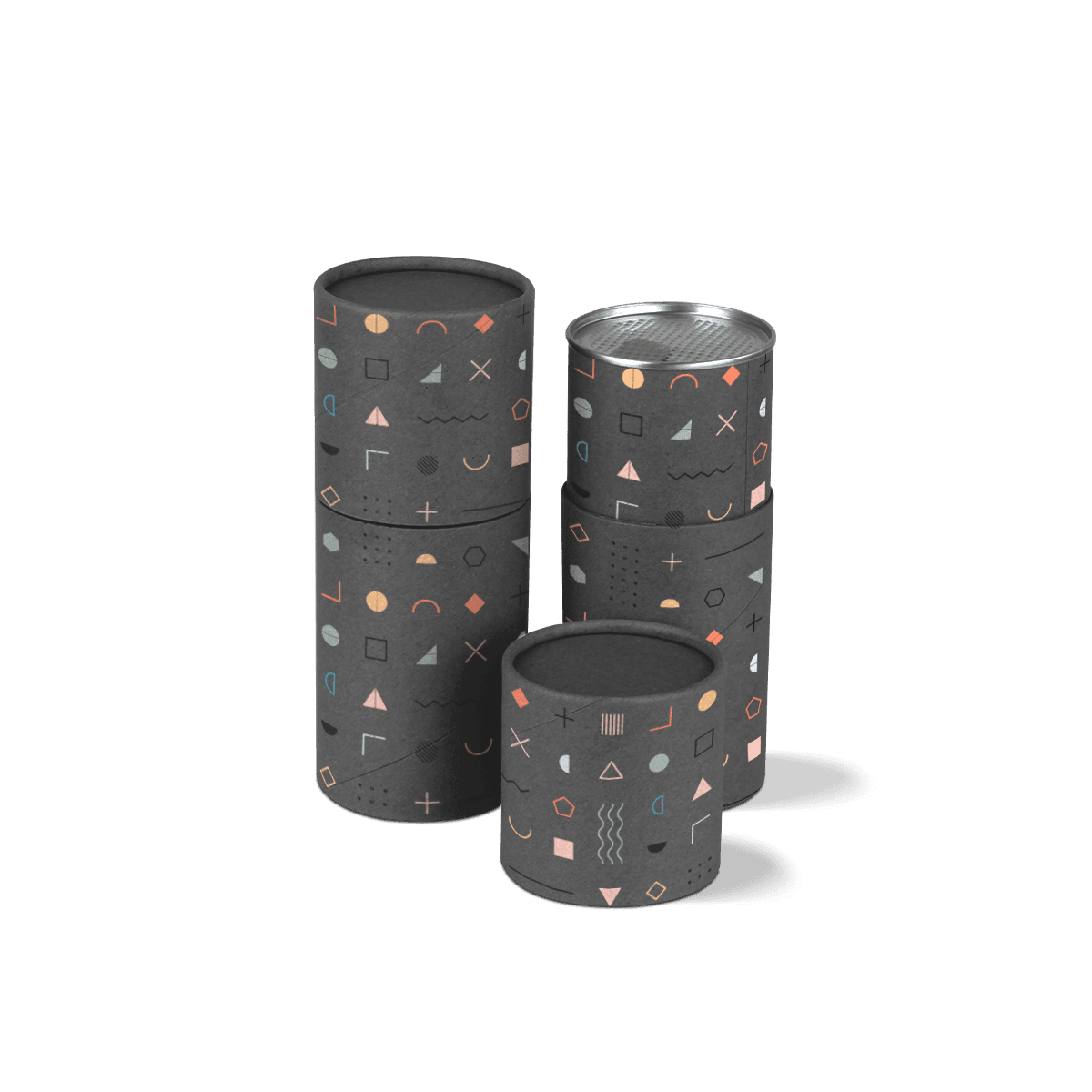
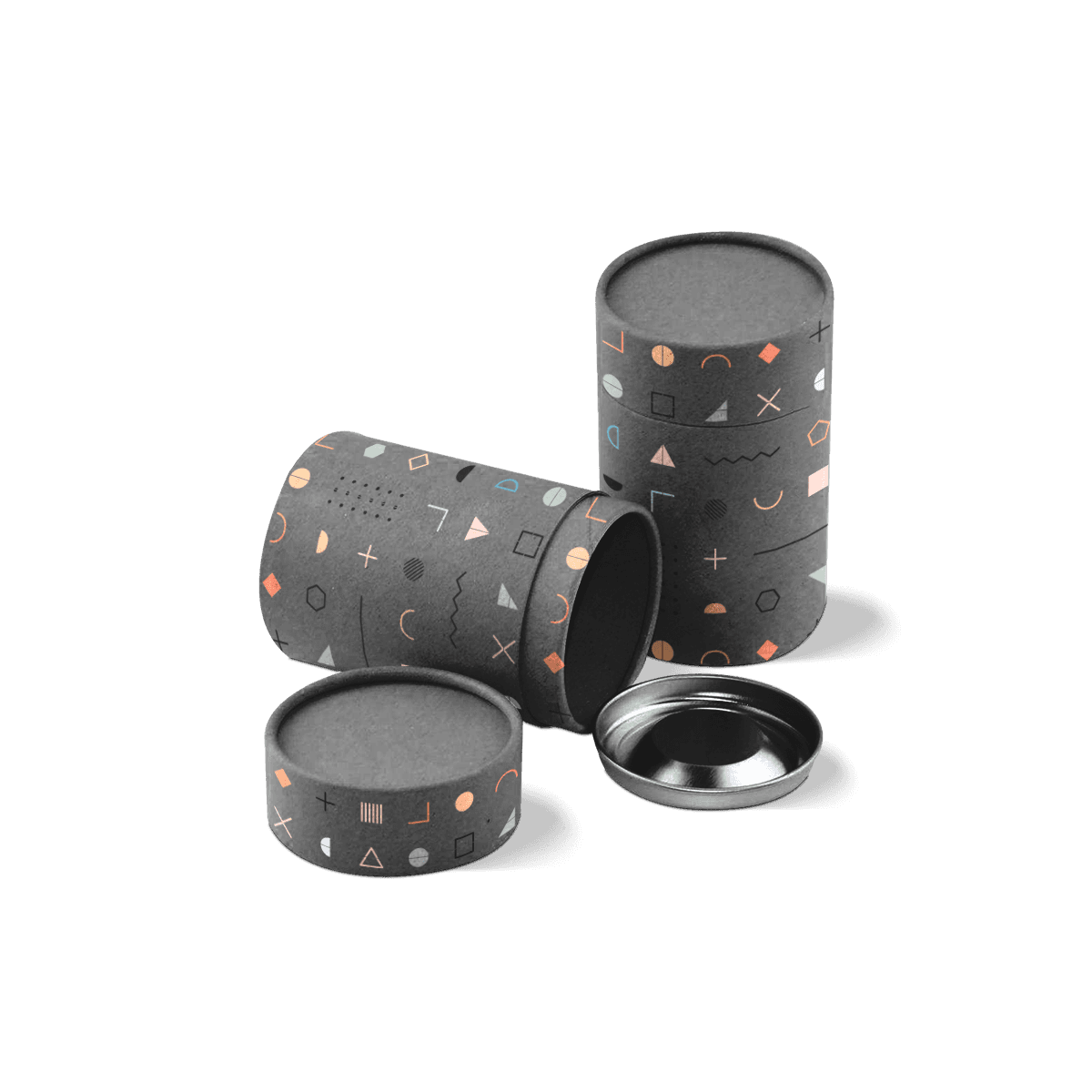
Custom Corrugated Tubes with Lids

Fitted-lid cylindrical containers for organized storage, inspection and controlled movement of long products and component sets.

Open, Inspect, Close Again

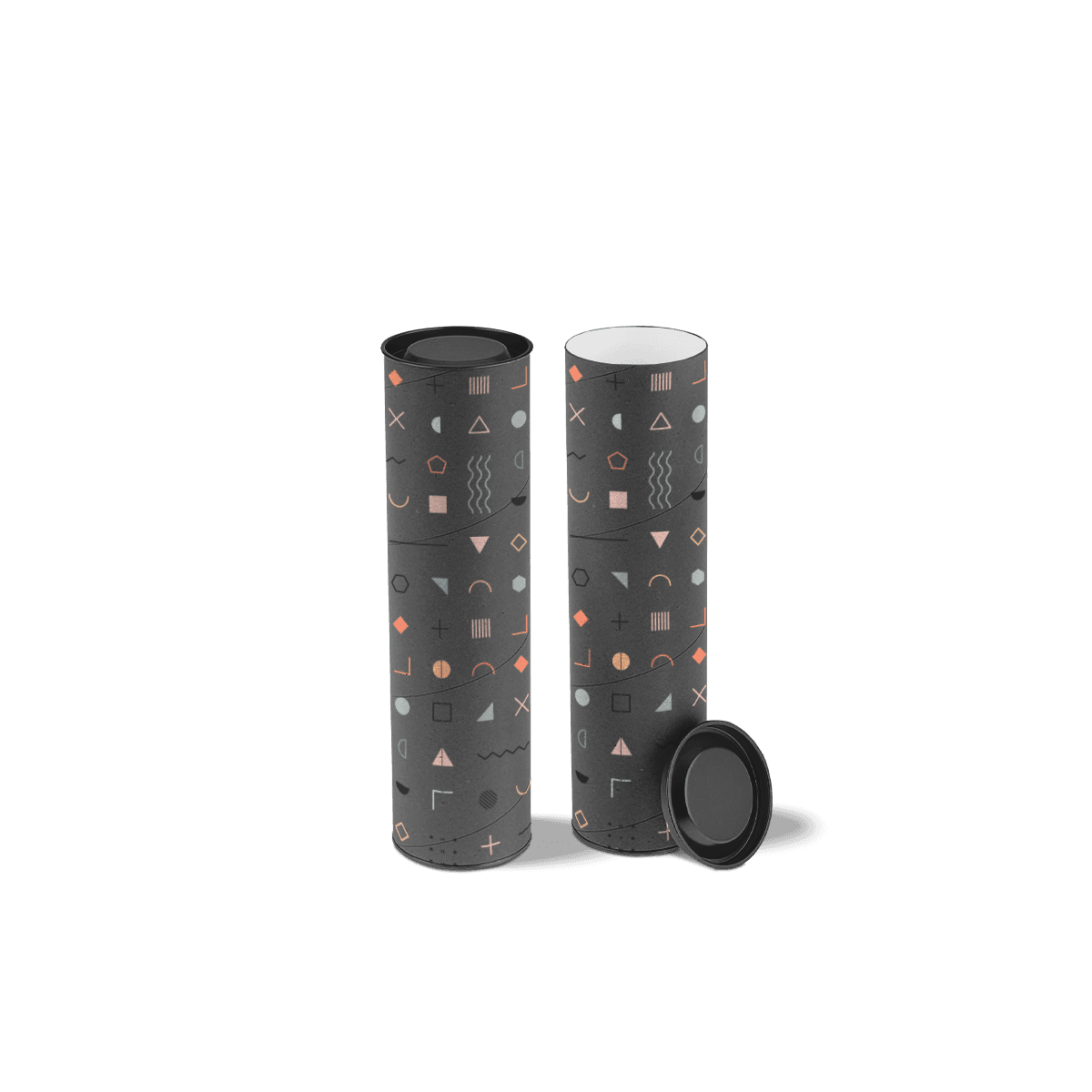
Custom Corrugated Tubes with Lids can organize long products, samples and component sets that are inspected, stored and moved between work areas. The removable closures allow access without destroying the container.

The relevant decision is how the tube behaves through repeated internal handling rather than assuming that a thick-looking cylinder is ready for direct parcel shipping. For courier-duty applications, a shipping tube must be qualified for the actual transport conditions.

The word corrugated should refer to a verified fluted paper-based construction when that is the material ordered. Some commercial tube listings use it loosely for reinforced spiral-wound paperboard. These structures are not interchangeable, and the production specification must identify which will be supplied.

A Container, Not Just a Shipper

A lidded tube may hold rolled templates, spare components, promotional materials or protected samples in a warehouse.

The contents must remain accessible, identified and positioned for the intended storage method. The lid should tolerate the required opening frequency.

The Complete Assembly

Wall, rim, base and lids work together. A firm wall cannot compensate for a distorted opening or a closure that no longer seats properly.

The relevant measurements are the finished internal diameter, usable length and the actual size of each fitted end.
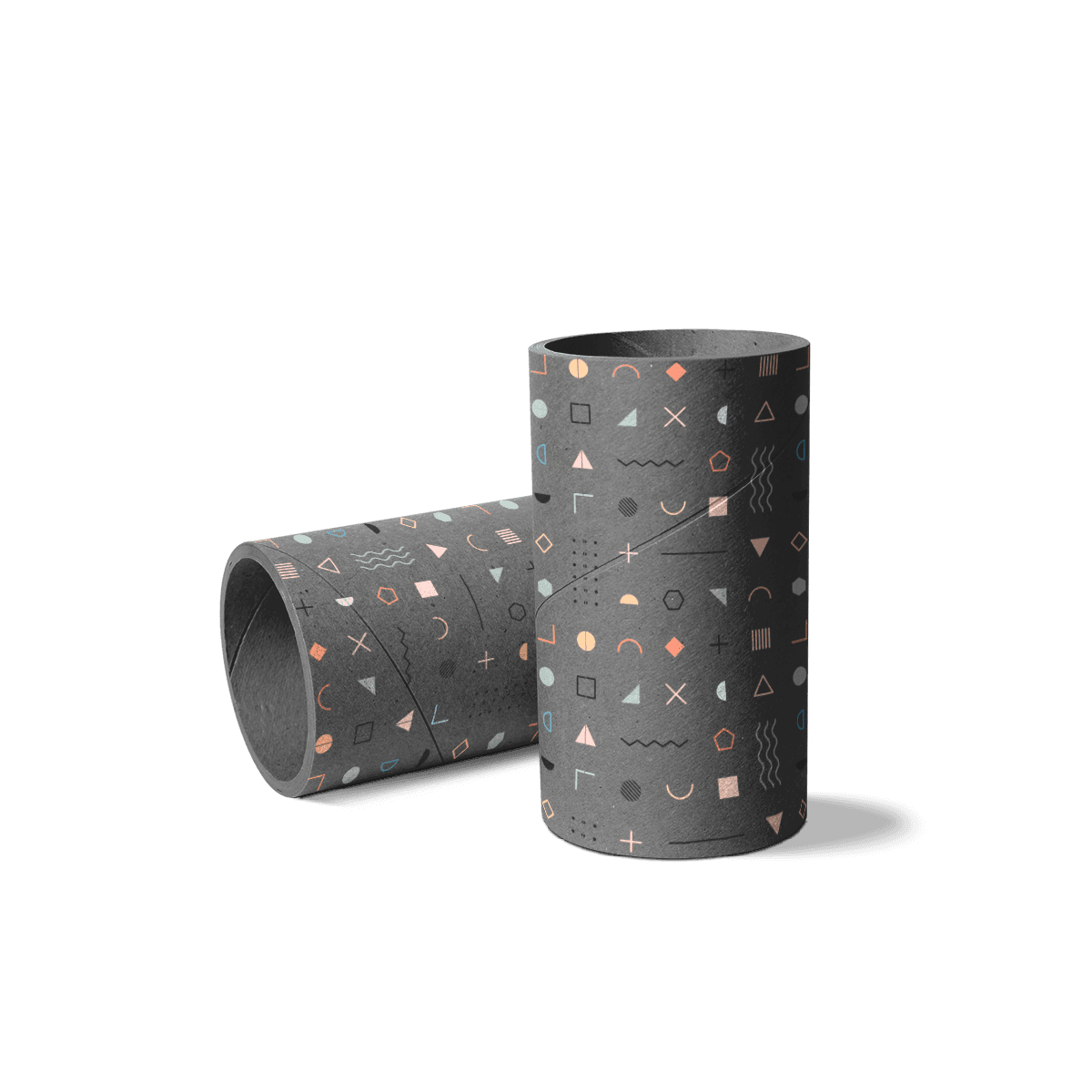
Identify the Wall Construction

A genuine fluted corrugated board contains a shaped medium bonded to liner sheets. Spiral-wound paperboard uses multiple bonded layers without the same flute arrangement.

Both can form protective tube structures, but they differ in material behavior and manufacturing method.

Flutes in a Curved Wall

A fluted board formed into a cylindrical shape must preserve sufficient liner attachment and an appropriate curvature. The design must address flute orientation and any joining arrangement.

A flute grade used successfully in a rectangular box should not be assumed suitable for the same radius or handling requirement.

Layered Paperboard Alternatives

A spiral-wound construction may be appropriate for a product that needs a rigid round cavity. Its wall thickness, paper layers and adhesive construction should be specified accurately.

The paperboard and corrugated material differences matter when quotations use similar generic tube descriptions.

Avoid Automatic Strength Claims

Neither wall construction has an inherent universal advantage. Performance depends on dimensions, material properties, wall architecture and the relevant loading direction.

For dense products, Heavy-Walled Tubes may warrant evaluation, but wall thickness alone does not solve product movement or closure problems.

The Rim Determines Lid Fit

The opening must retain the shape required by the selected closure. Repeated lid insertion or removal can gradually distort an inadequately supported rim.

A fitted external cover and an internal plug have different contact surfaces and installation movements.

External Covers

An external lid fits around the finished outside diameter. Printed wraps, coatings and wall thickness all affect that dimension.

A cover should seat without crushing the rim. Its overlap should suit the intended retention and removal method.

Internal Plugs

An internal plug engages with the finished opening and may occupy some usable internal length.

An oversized plug can damage the opening; an undersized plug may fall out during ordinary handling.

The closure must remain accessible to staff wearing the gloves or protective equipment appropriate to their work.

Repeat Contact

For a container opened frequently during inspection, assess whether the lid and rim maintain their intended fit after repeated cycles.

An empty digital mockup is insufficient for validating friction, surface wear or closure retention.

Rim Wear Changes Closure Fit

The rim is handled whenever an employee removes or replaces a lid. Repeated friction, pressure and contact with the contents can gradually change its finished shape. A tube that initially closes correctly may become unreliable if the opening is damaged during inspection or storage.

Cut-Edge Condition

The finished edge must suit the selected wall construction. Exposed fluting or a poorly finished layered edge may be vulnerable to crushing when a tight lid is installed. An appropriate rim treatment or supporting component can preserve a suitable seating surface where the actual design requires it.

Lid Contact Pressure

An external lid that grips too tightly may distort the opening. An internal plug can damage the rim from inside when it requires excessive force. Assess fit against the finished wall, exterior wrap and intended removal method rather than relying on a nominal diameter.

Repeated Inspection

A tube used to hold samples or long components may be opened many times. Verify that the chosen cover and rim can tolerate the intended cycle without becoming difficult to operate. A change in fit may indicate material wear rather than incorrect employee handling.

Replacement Decisions

Establish how staff recognize a damaged lid or tube opening. Replacing a distorted cover may be sufficient when the rim remains sound, but a damaged body may need to be replaced as a complete component. A new cap cannot reliably compensate for a deformed opening.

Organized Long-Item Storage

The contents should remain in their intended orientation when the tube is picked up, placed on a rack or moved between departments.

A long cylindrical cavity can suit rolled materials and certain narrow components, but it may be inefficient for loose mixed parts.

Separating Components

Paperboard supports, end pads or other suitable fitments can prevent one component from striking another.

A divider should not trap the item so deeply that it cannot be removed for inspection.

For MRO packaging, component weight and exposed contact points influence the selected restraint.

Longitudinal Movement

A rigid product can slide into the end lid when the tube is tilted. Reducing unnecessary free length or adding suitable end supports can keep the lid from absorbing that load.

A heavier lid alone does not address an unrestrained item.

Product Extraction

Measure the complete product including wrapping, projecting features and any gripping allowance. The tube should not require an employee to shake a delicate item toward the opening.

The cardboard tube sizing method helps establish internal diameter and closure-occupied length.

Handling Between Work Areas

The round form can roll when placed on a bench or shelf. Decide how the tube will be held during packing and storage.

An outer rack, bin or suitable handling fixture may be needed if the storage arrangement does not prevent unwanted movement.

Horizontal Storage

Stacked cylindrical containers may experience localized contact pressure. Specify the wall for the intended arrangement and avoid assuming the tube can carry the same load as a rectangular case.

The contents must remain clear of damaging sidewall contact.

Identification by Diameter

Several tube sizes can look similar when stored together. Matching the lids to the correct body is part of inventory control.

A length change may allow a common lid if the finished diameter and end geometry are identical. Confirm that compatibility before standardizing parts.

Internal Transfers

A reusable tube moved between work areas needs a practical closure that can be operated repeatedly. This is a different duty from a tamper-evident one-way parcel.

The lid must remain retained under the intended internal handling conditions; do not claim shipping suitability from that assessment alone.

Racks, Stacks and Transfer

The storage arrangement changes the forces on a cylindrical container. A horizontal rack, open shelf and transport bin can each place pressure on different parts of the wall. The construction must suit the intended storage method rather than an assumed universal stacking capacity.

Contact Along the Wall

Several tubes stacked horizontally may press against one another along narrow contact areas. Heavy contents can increase those forces. A suitable rack or separator can control movement and limit unwanted loading without relying solely on a thicker tube wall.

Prevent Unwanted Rolling

A cylinder can move on a slightly inclined bench or shelf. The storage fixture should hold the tube in its intended position without crushing its wall or obstructing the removable lid. A shipping label or decorative wrap is not a dependable anti-roll device.

Inventory Identification

Different lengths and diameters may look similar from the ends. A practical item identifier should distinguish the finished body and its matching closures. Where one cap design is intended for several lengths, confirm that every body has the same finished opening specification.

Return and Transfer

A reusable container may move between departments with contents removed and replaced. Establish where empty tubes and loose lids are stored so the components do not become separated. If the same tube will later be used for direct parcel shipping, assess that separate duty rather than assuming internal transfer qualifies it.

Print for Repeated Identification

The exterior can carry part numbers, handling instructions and brand marks. A utility-led warehouse container often needs a clear identification area more than a heavily decorated wrap.

A printed outer wrap can improve legibility if the underlying construction is unsuitable for direct graphics.

Labels and Seams

Position operational labels so they are readable without removing the lid. Avoid wrap seams and strong curvature across critical barcodes.

If a lid overlaps the exterior, keep essential identification clear of the covered area.

Material and Finishing

Kraft or white outer paper may be specified according to contrast, surface durability and print requirements.

Premium offset printing, CMYK or Pantone may be used where appropriate. The printed wrap must not change the outside diameter enough to interfere with the lid fit.

Distinguish Shipping Duties

For parcel transit, corrugated tubes with lids require a wall-and-closure specification for the actual carrier handling, packed load and restraint.

The same general cylindrical geometry can also serve internal storage, but the verified performance requirements are different. Do not turn a reusable inspection tube into a parcel shipper solely by adding a shipping label.

Custom Mailing Tubes address rolled-document dispatch when the product and carrier requirements permit a simpler mailing construction.

The tube-or-box decision should follow the product's geometry and intended movement.

Supply Matched Tube Sets

The order should identify the actual wall construction, finished internal and outside diameters, length, base and lid style, opening frequency and contents.

If the product is unusually dense or the closure fit is uncertain, a physical sample should be assessed with the real load.

Custom Packly's USA MOQ starts from 100 packaging units, with the applicable minimum confirmed for the selected tube construction. Free design support, US production and free shipping are included. Standard turnaround is 4–6 days after artwork and specifications are approved; specialty constructions may take longer.

Free previous-work samples can assist with initial review. A fully custom physical sample may be paid when the exact wall and lid need evaluation.

When the assembly is defined, request a custom quote with product measurements, wall and closure requirements and intended quantity.

For recurring internal supply, warehousing and scheduled deliveries may be arranged where appropriate. Tube bodies and matching lids should be replenished as complete sets.

FAQs

The effect depends on the verified wall construction, closures, product restraint and handling conditions. A fluted wall is not automatically parcel-rated; direct shipping needs a separately specified protective assembly.

That is exactly where lids help. The removable ends allow cleaner access for packing teams, retailers, and end users who may need to reopen the package.

Neither construction is universally stronger. Compare the actual fluted or laminated wall, diameter, load, rim and closure requirements before selecting a tube.

That is possible. These tubes can use printed wraps, outside graphics, barcodes, handling instructions, and other retail or logistics artwork.

Yes. Inserts or fitments can separate components, reduce movement, and keep the pack more organized during shipment and storage.

Process

How it works

Your Packaging Journey, From Idea to Production and Delivery

01

Tell Us Your Specs

Custom packaging boxes

Tell Us Your Specs

Provide size, quantity, printing, and finishes.

02

Get a Fast Quote

Custom packaging boxes

Get a Fast Quote

Instant transparent pricing, no hidden fees.

03

Design and Approval

Custom packaging boxes

Design and Approval

Artwork checks, revisions, and final sign-off.

04

Produce

Custom packaging boxes

Produce

Expert manufacturing to meet deadlines.

05

Ship to Your Door

Custom packaging boxes

Ship to Your Door

Hassle-free, flexible delivery options.

Get Your Quote for Custom Corrugated Tubes with Lids

Share your product details, size, quantity and artwork needs. We’ll help choose the right packaging style and send a clear quote.