The Clip Changes the Coil
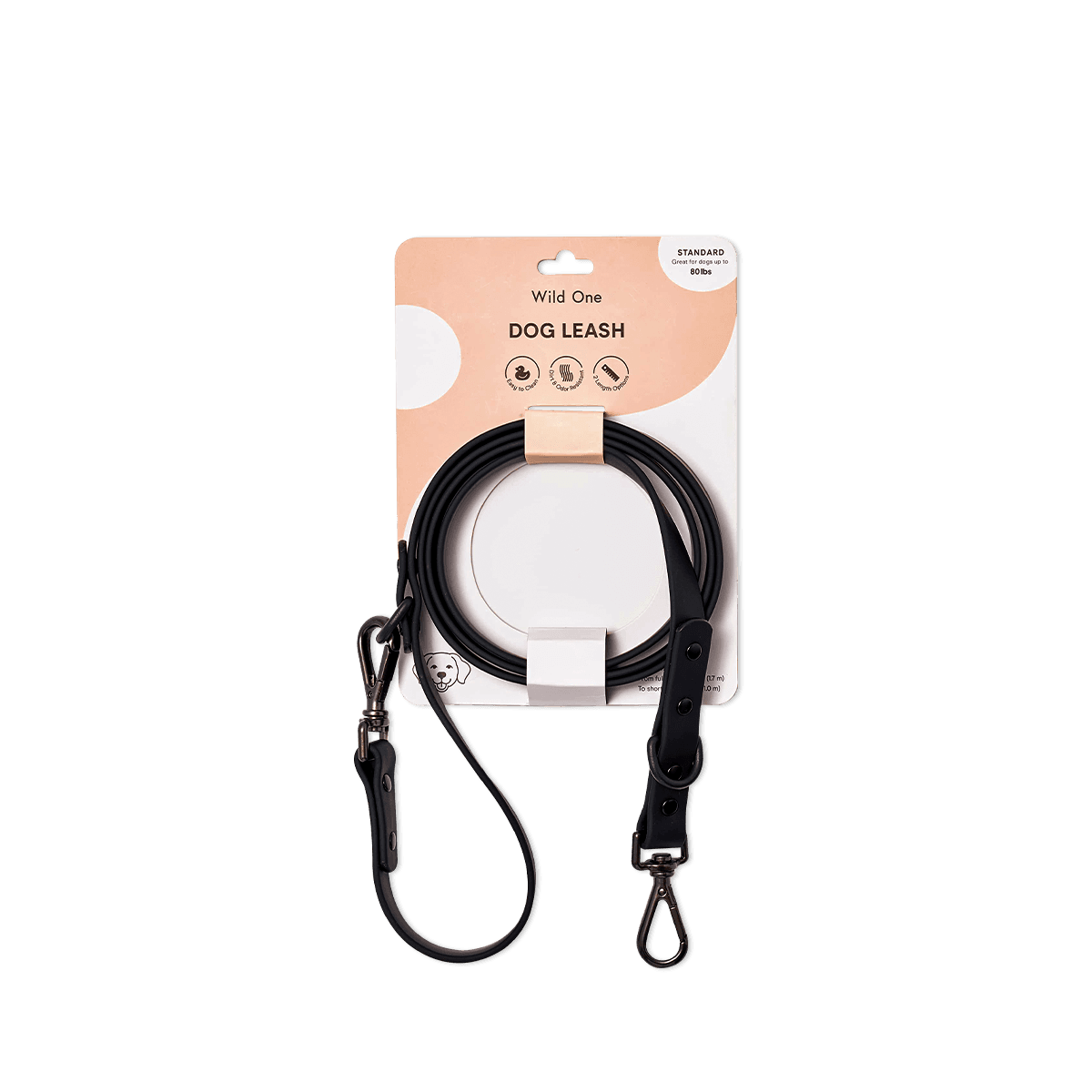
A leash may roll into a neat circle, but its metal snap hook rarely follows that shape. The clip can project beyond the coiled material, sit awkwardly against the outer loop or create a hard contact point inside the packaging.
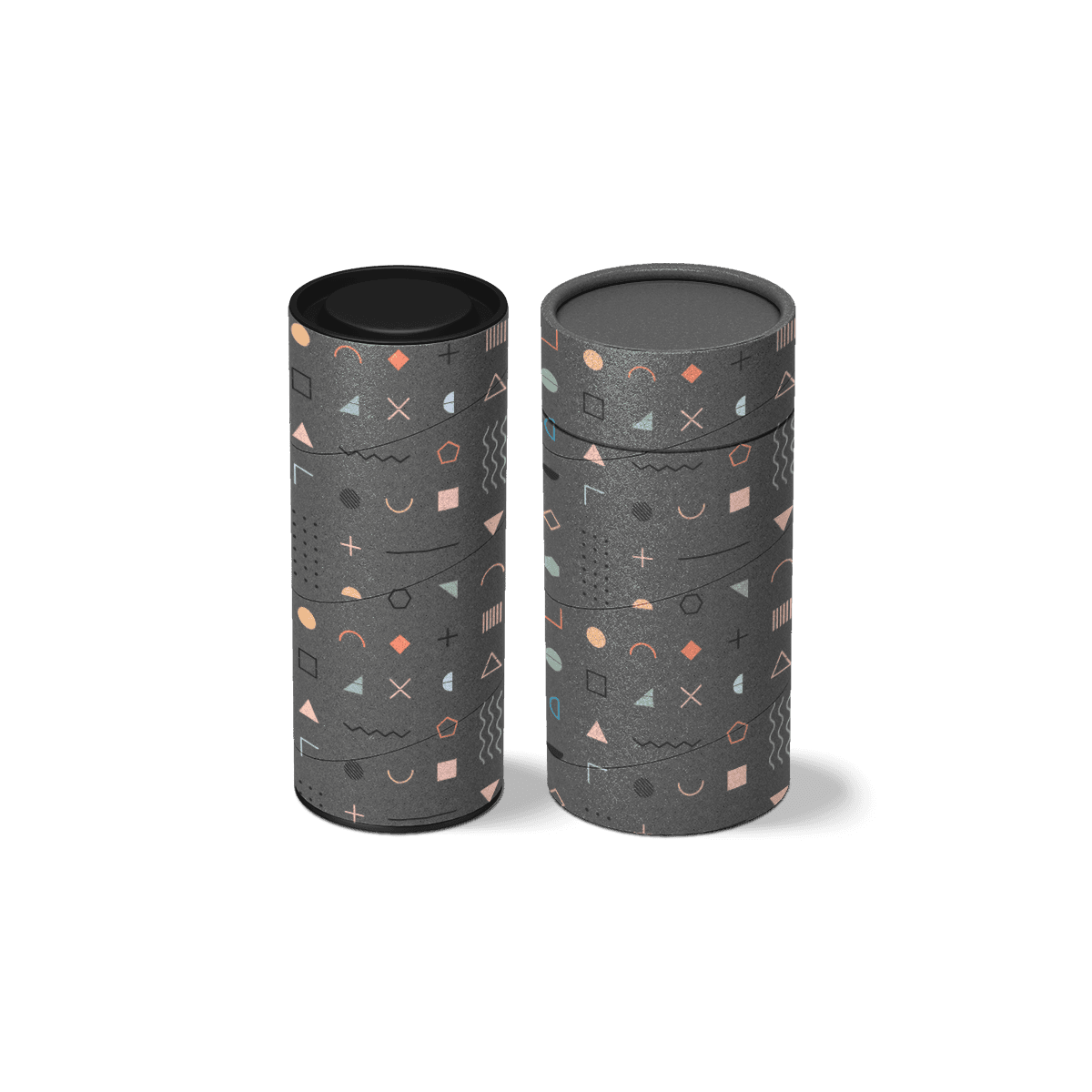
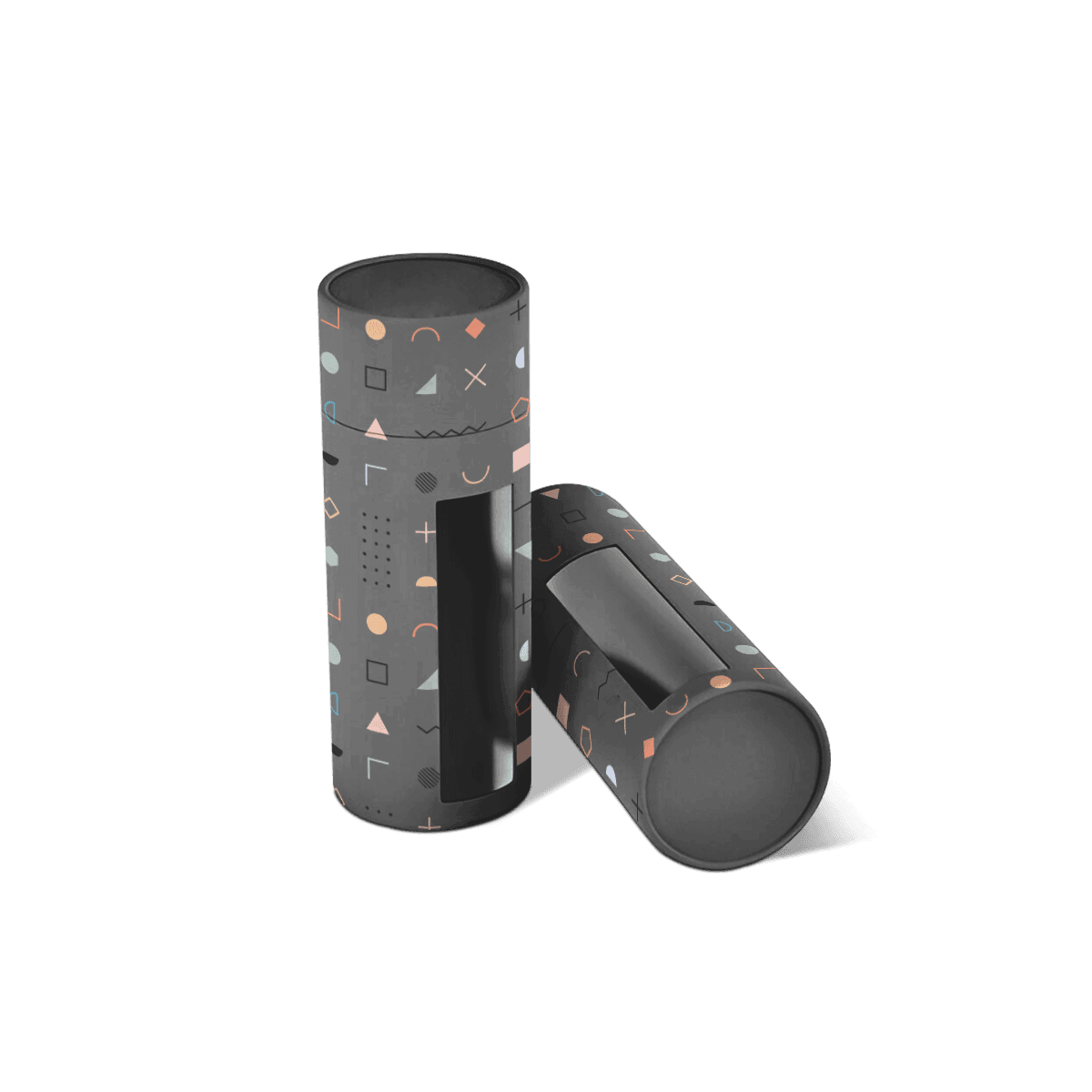
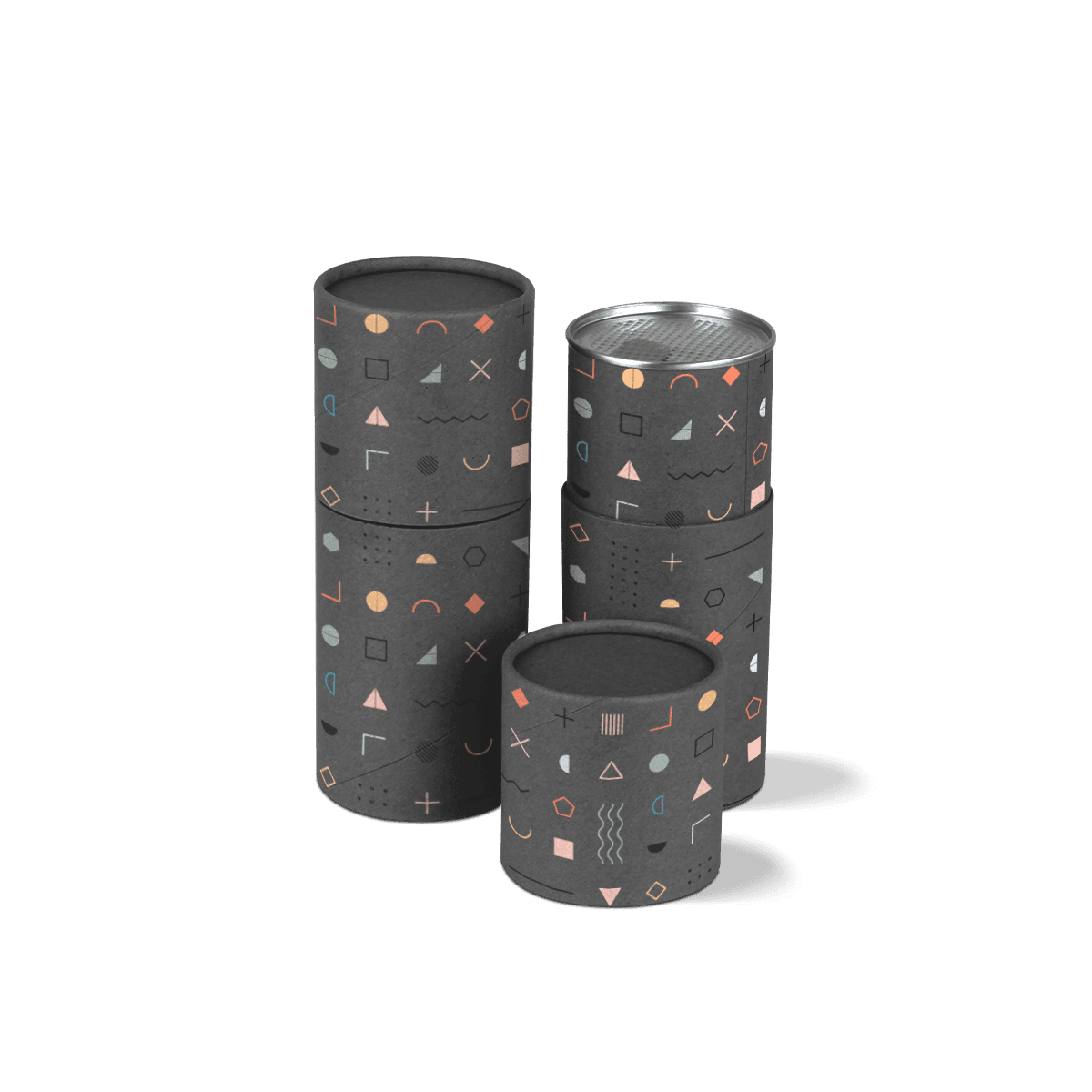
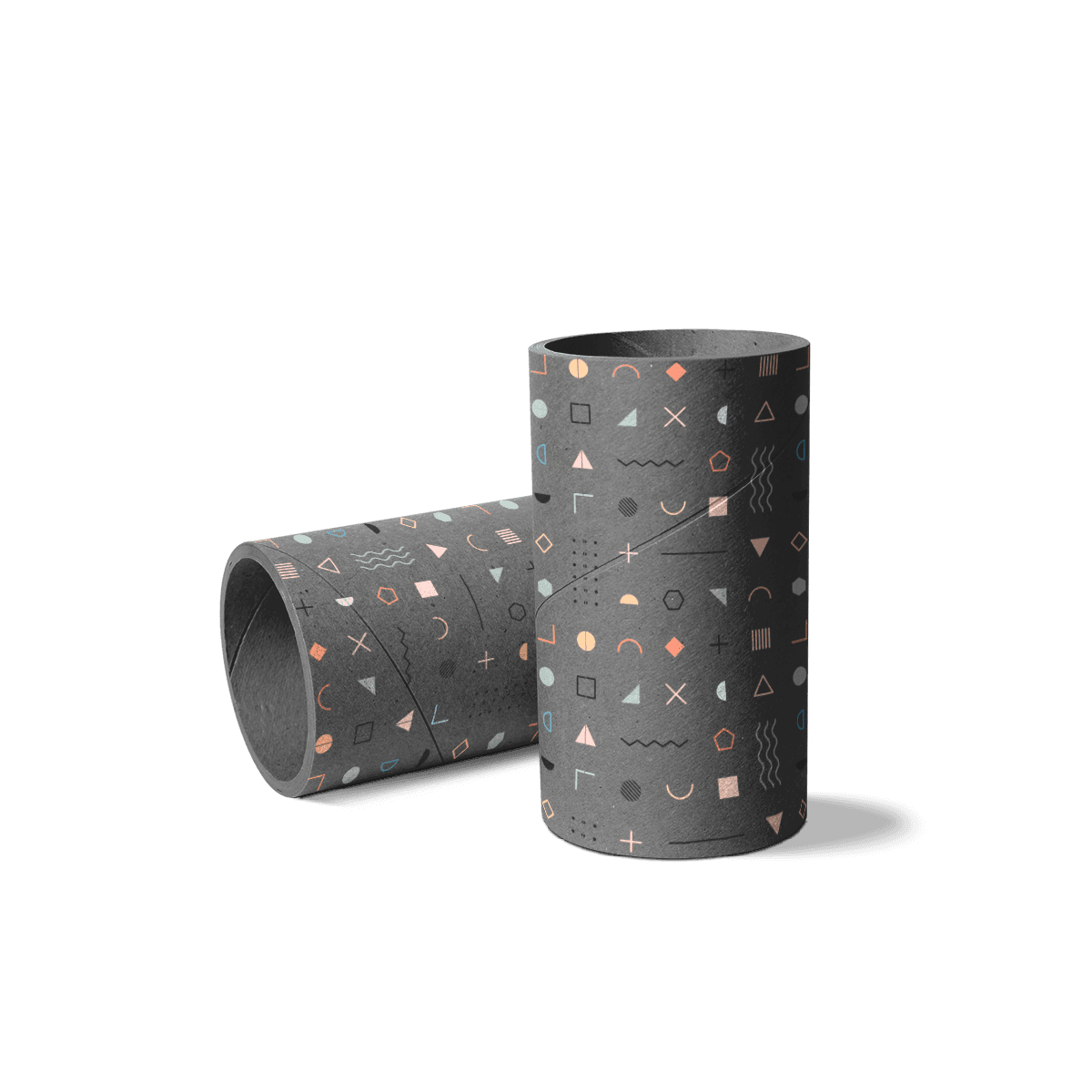
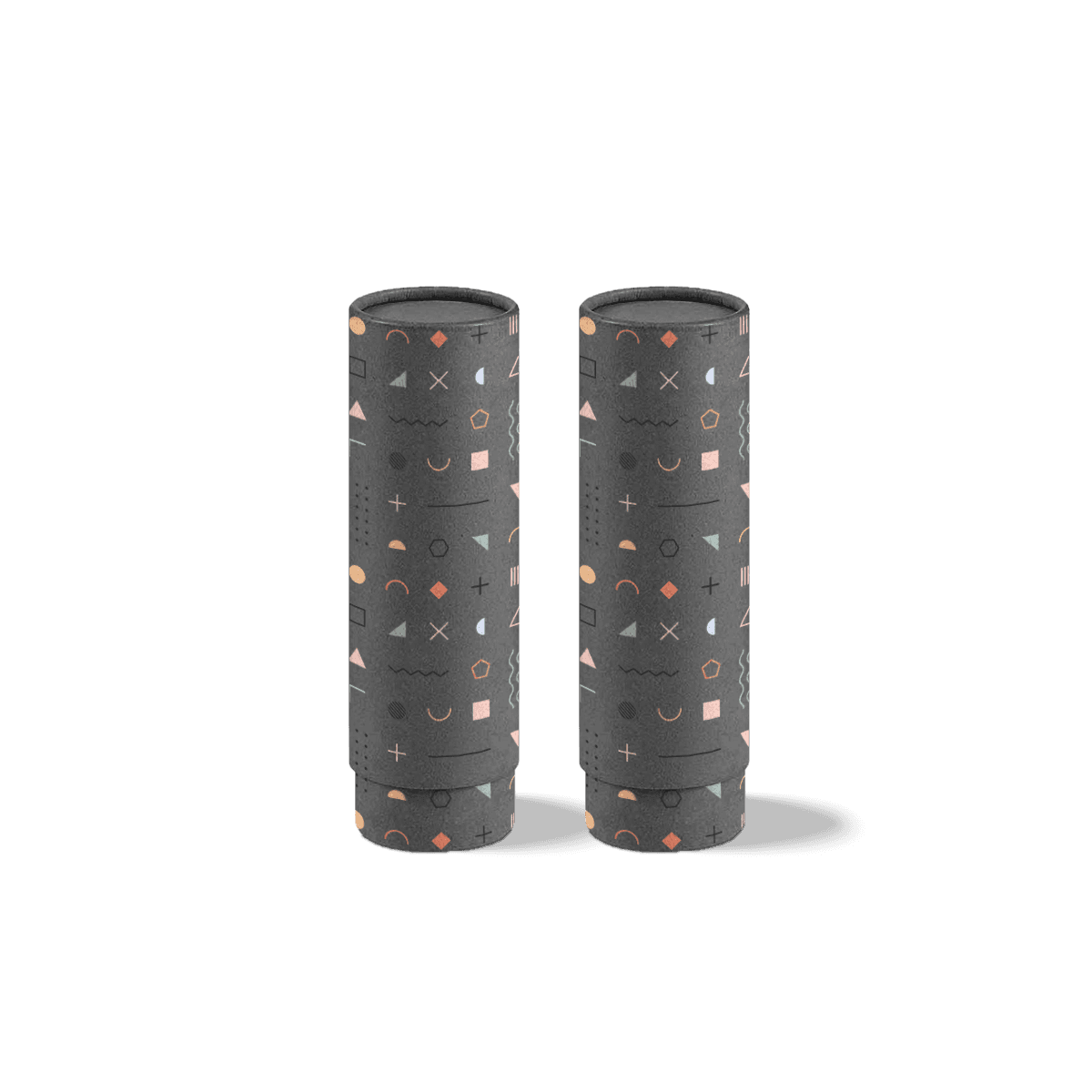
Custom Leash Tubes accommodate the coiled leash and its hardware inside a cylindrical paperboard structure. The aim is to preserve the product's intended shape, keep the components organized and make the leash easy to present in retail or gift packaging.
This works particularly well for rope leashes, cotton leads, slip leads and selected fabric accessories that can be coiled without damaging their construction.
The tube's diameter, internal height and closure must reflect the leash as it will actually be packed.
Coil Diameter and Leash Length
The stated leash length does not determine the required tube diameter.
Two leashes of equal length can produce different coils because of their material, thickness and flexibility.
A soft cotton rope may form a compact coil, while a stiffer training lead may resist the same arrangement. The handle, stitching and hardware can also change the finished dimensions.
The practical starting point is the completed coil.
Measure the leash after arranging it in the intended packing position, including its retaining band and any protective material.
The finished coil's largest diameter establishes the minimum space requirement before packing clearance is added.
Avoid Excessive Bending
A smaller tube may appear attractive because it occupies less shelf space.
However, forcing a stiff leash into a tight coil can create unwanted bends, distort the product or place excessive pressure on stitched components.
Leather leashes, coated webbing and products with relatively rigid sections deserve particular attention.
A tube is appropriate when the product can maintain the required curvature without damage or excessive spring-back.
Retractable leashes with rigid handles and bulky mechanisms generally need a different packing arrangement. Pet accessory boxes can accommodate irregular shapes and components that do not suit cylindrical containment.