Skip to content
Details

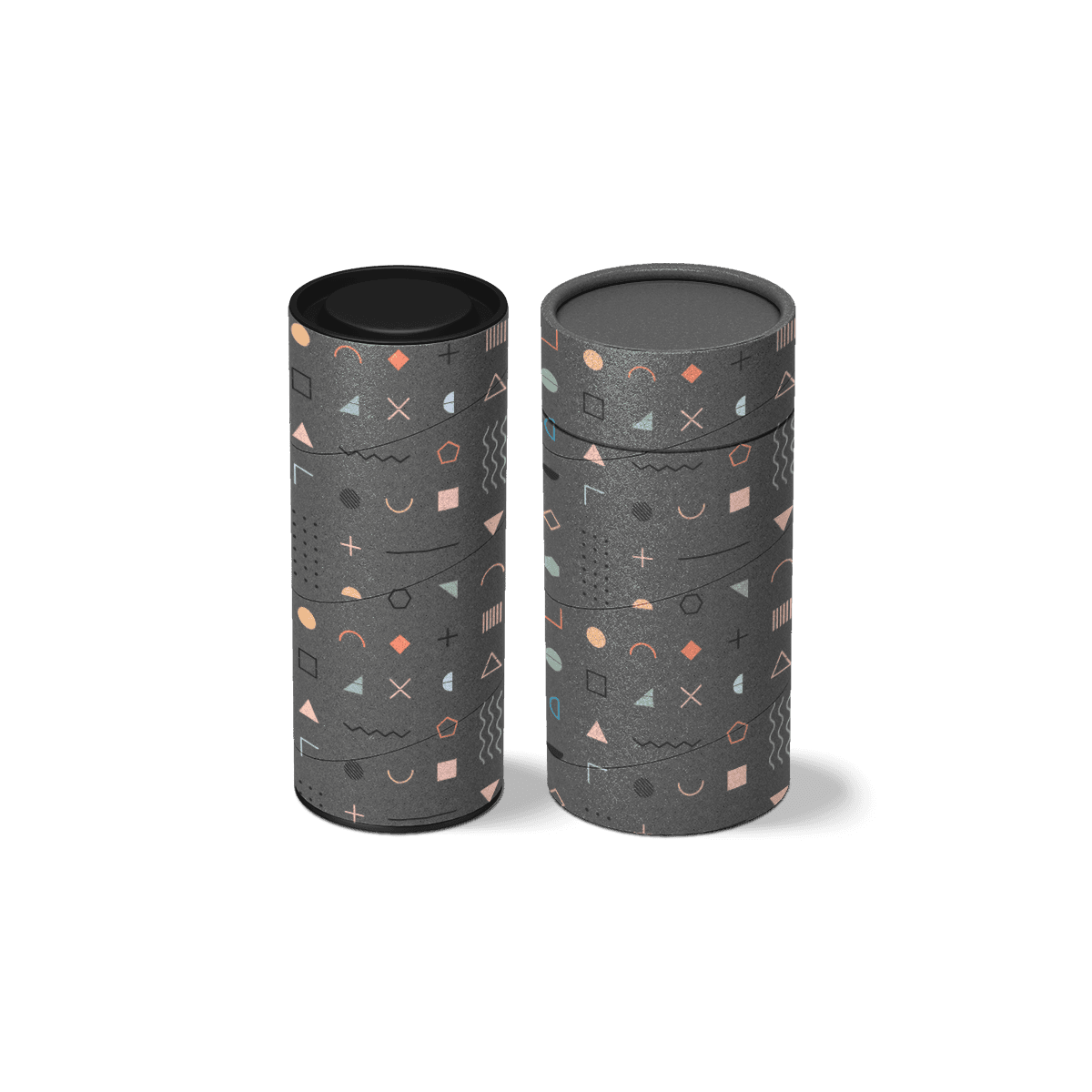
Custom Spiral-Wound Tubes

A layered wound paperboard body suits products where diameter control, wall integrity and closure fit matter more than a lightweight paper sleeve.

Spiral Angle Builds the Wall

A spiral-wound tube gets its strength from how multiple paperboard plies are wrapped around a mandrel and bonded into one cylindrical wall. That construction method matters because diameter, wall thickness, length and closure fit all depend on the finished tube body, not just the product placed inside it.

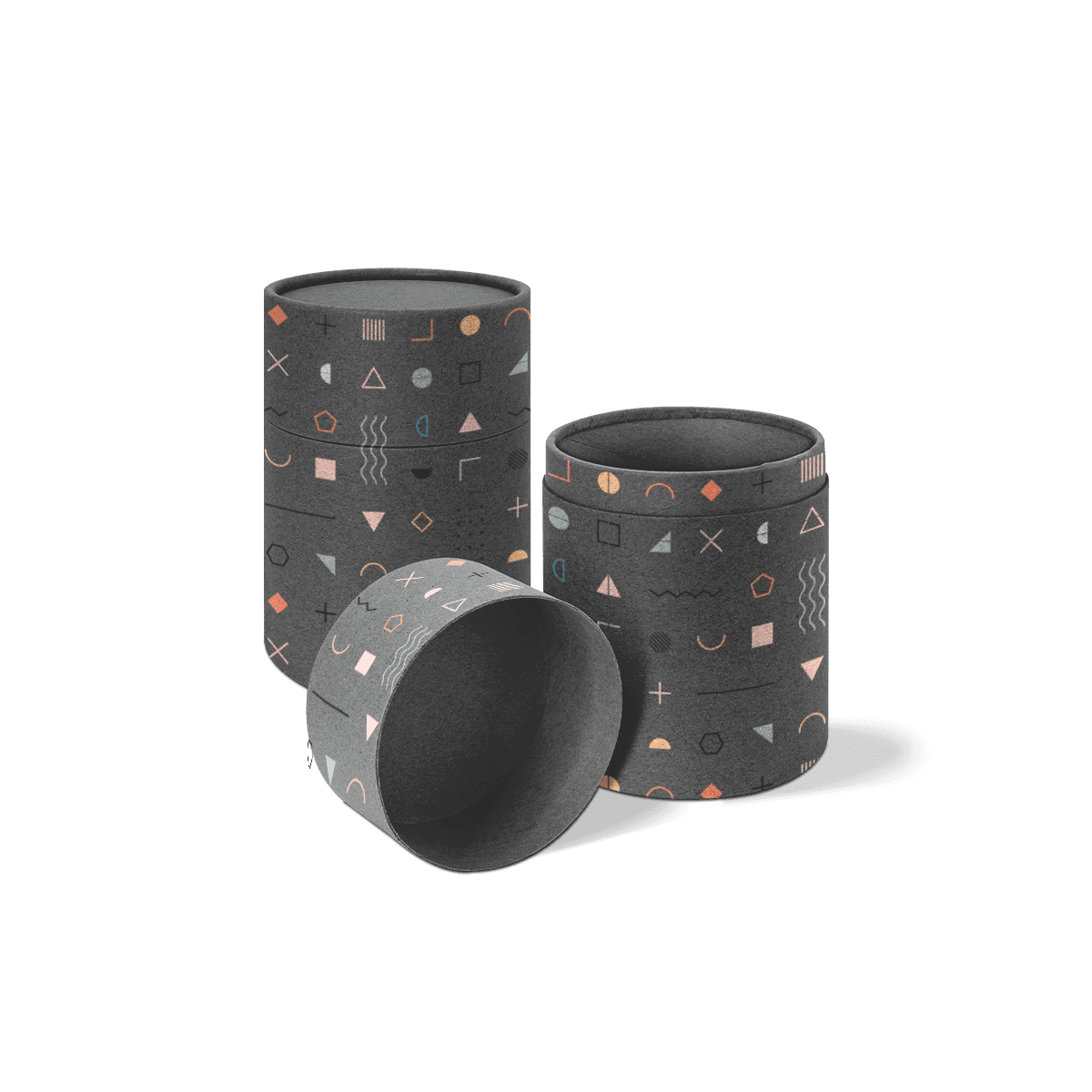
Custom Spiral-Wound Tubes suit products that benefit from a round structure with more wall integrity than a light single-layer paper sleeve. They can be built for rolled goods, narrow components, accessory sets, retail products and protective storage where the tube body itself has to stay round through handling.

Within custom tube packaging, spiral winding is best treated as a construction decision. Choose it when the layered cylindrical wall is providing needed structural support rather than selecting a tube only for its shape.

Each Ply Has a Structural Job

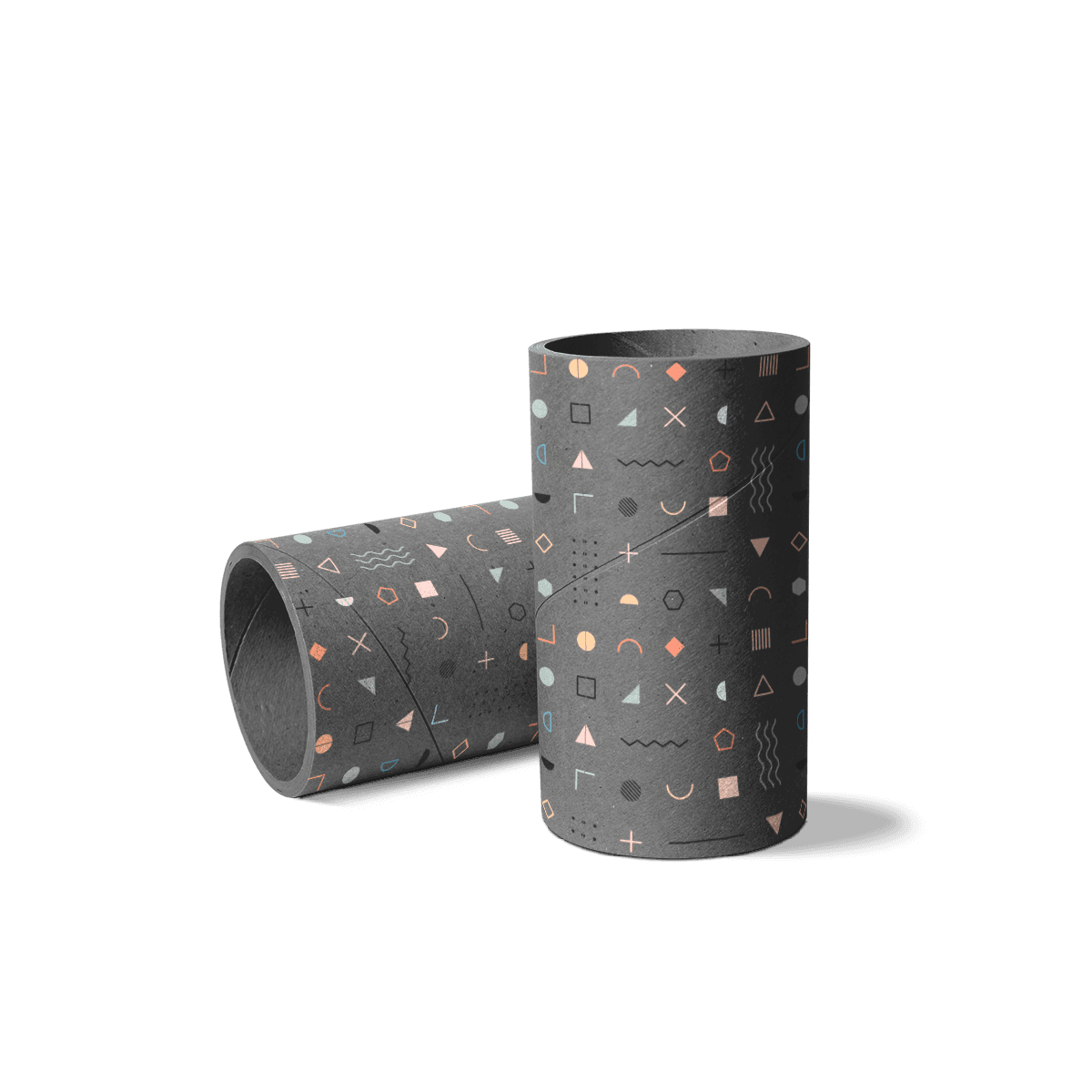
The wall is made from more than one layer, with paperboard plies wound helically around the forming mandrel. Adhesive bonds the plies so the finished body behaves as one tube rather than several loose wraps.

Changing the number of plies, paper grade or wall target can affect stiffness, finished outside diameter and how the tube behaves under handling. Those changes should be reviewed as one specification rather than as separate cosmetic choices.

The Spiral Line Is Part of the Build

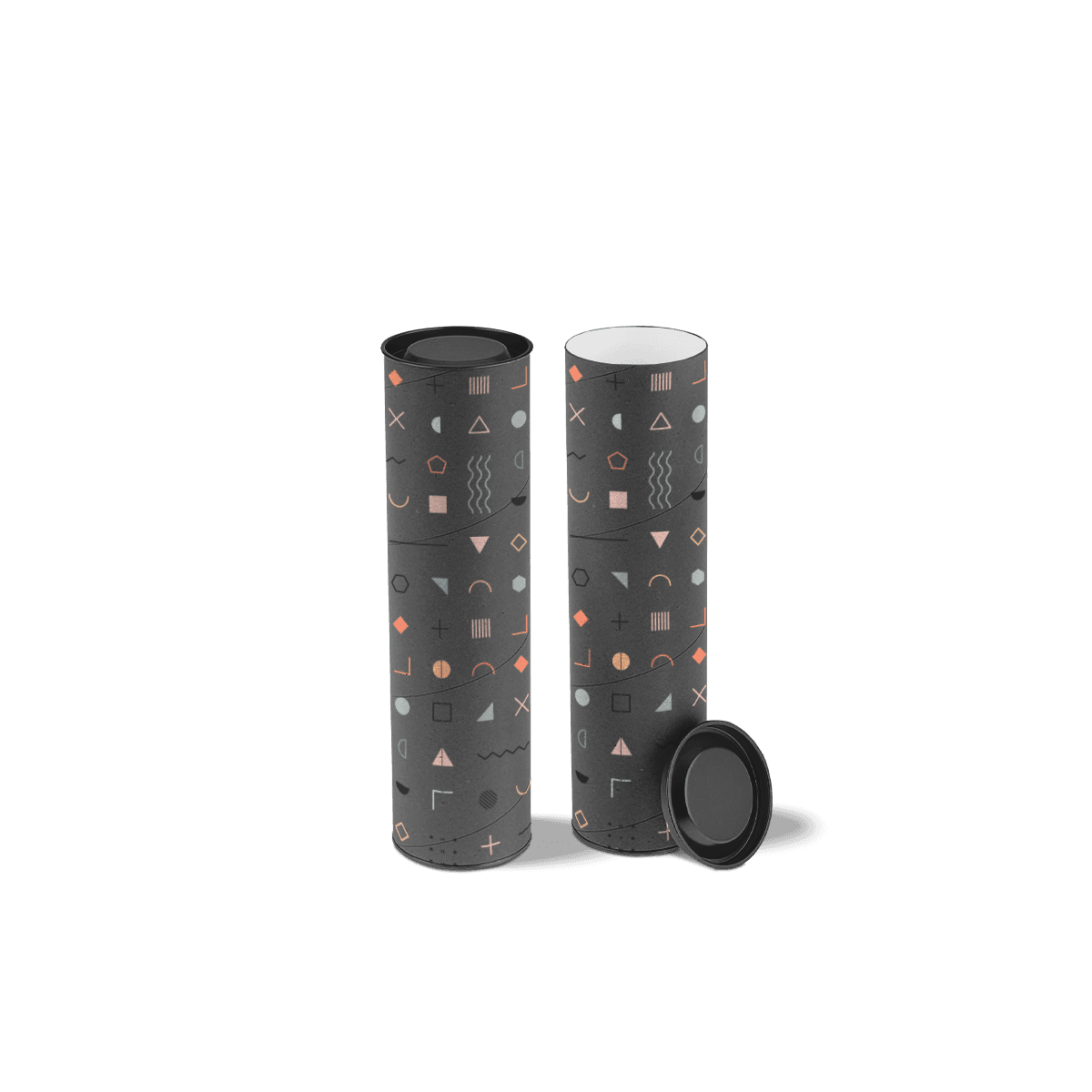
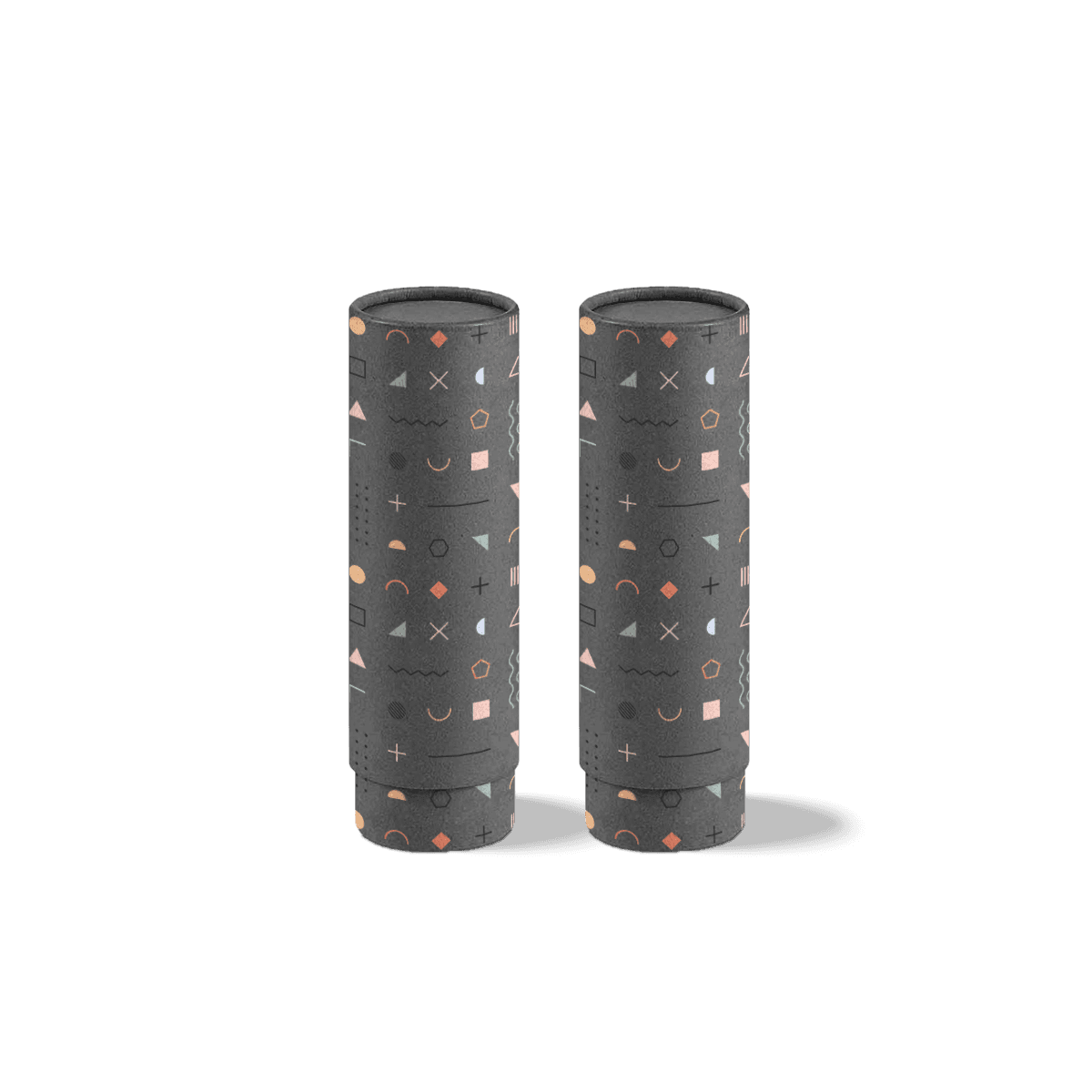
The helical construction can leave a visible or tactile pattern depending on the outer paper and finishing method.

For utility tubes, that may not matter. For presentation packaging, the outer wrap, print treatment and surface expectation should be chosen with the underlying wound structure in mind.
Inner Diameter Comes First

The inner diameter controls whether the product actually fits.

For a rolled print, it determines how tightly the roll can sit without being crushed into the wall. For a bottle, component or cylindrical product, it determines radial clearance. For an insert-led pack, it sets the space available before any support piece is added.

The relationship is simple but important: inner diameter defines the usable cavity, while wall thickness increases the finished outer diameter.

Custom product packaging becomes relevant when the product is irregular, fragile or supported by an insert because the tube cavity should follow the real packed arrangement rather than a nominal product diameter.

Outside Diameter Controls What Fits Over the Tube

Caps, over-lids, sleeves and some secondary components fit the outside of the tube, not the inside.

If wall thickness increases while the inner diameter stays the same, the outside diameter also increases. Reusing the old cap specification without checking that change can create an unnecessarily tight closure.

That is why diameter should never be recorded as one number when both the product fit and the closure fit matter.

Wall Thickness Has More Than One Job

A thicker spiral-wound wall can improve shape retention, but the correct wall is determined by the actual load and handling problem.

A short tube carrying a light rolled item may need modest wall strength. A longer tube exposed to bending, repeated handling or denser contents may need a different build even when the diameter is identical.

When the requirement moves clearly into higher structural demand, heavy-walled tubes become the better fit rather than turning every spiral-wound tube into an oversized industrial specification.

Crush and Bending Are Different Problems

A tube can resist local squeezing reasonably well and still flex across a long unsupported span.

That distinction matters for posters, rods, trim pieces, long accessories and other elongated products. Increasing wall thickness may help, but length, packed weight and support points still change the load.

For a long product, evaluate the tube at its full finished length rather than assuming a short sample represents the same behavior.

Cut Ends Control the Closure

The ends of a spiral-wound tube need to be cut square enough for the selected closure to seat consistently.

An uneven end can make a plug sit deeper on one side, create a tilted lid or leave part of the rim carrying more pressure than the rest. Small errors become more visible when the tube uses a fitted decorative cap.

The closure itself should be selected around how the package will be opened, shipped and reused.

Cap Retention Needs the Real Tube

A plug or cap should be checked against the final wall build, outside diameter and end finish.

A fit that feels correct on an early tube sample can change if the production wall, outer wrap or coating changes. The best approval check uses the final closure with the final tube construction rather than testing those parts separately.

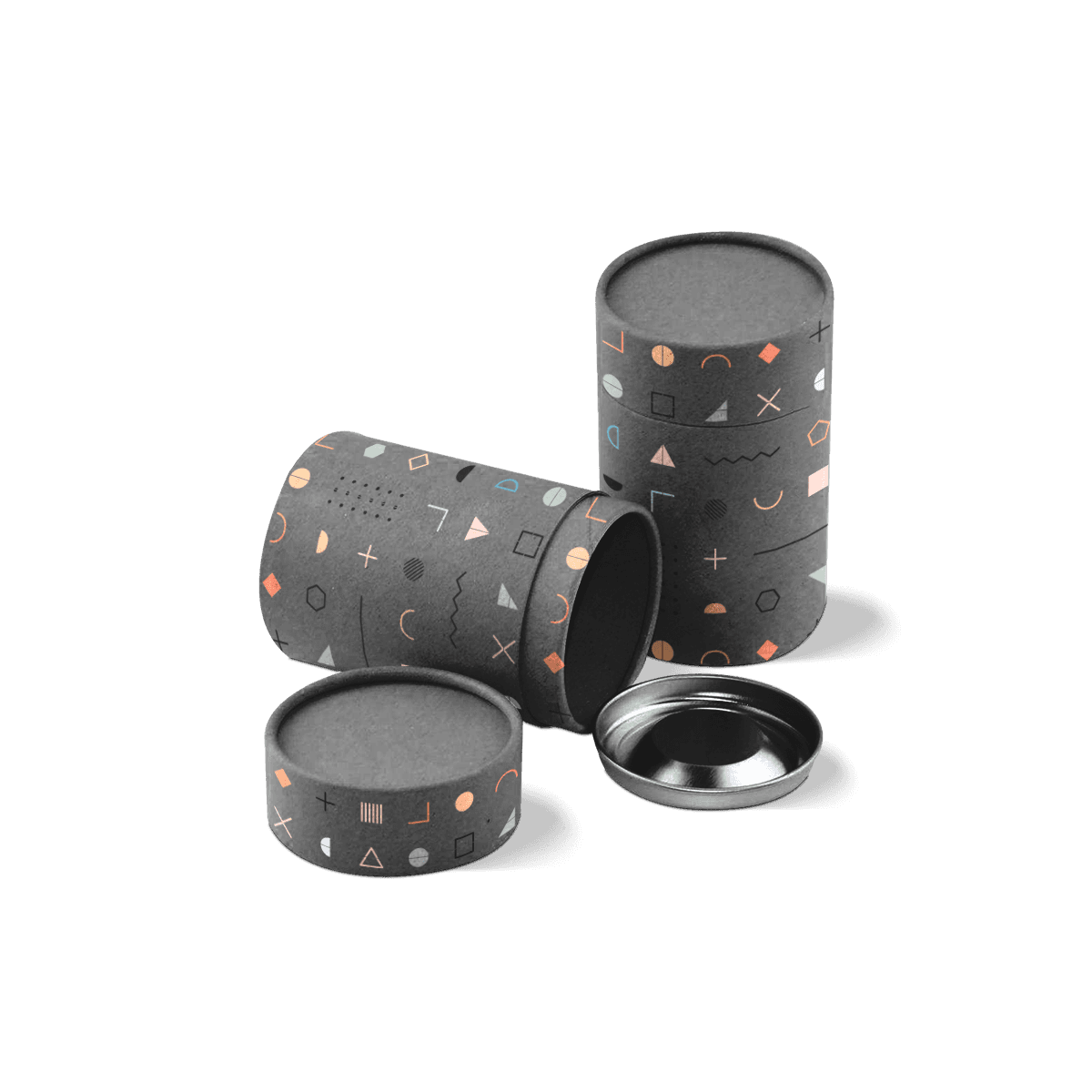
Metal-End Tubes become more relevant when reinforced end hardware is a defining requirement instead of a standard paperboard or plastic closure.

Length Changes the Packing Problem

A tube that is only slightly longer than its product behaves differently from one with several inches of unused space.

Excess length lets contents slide end to end, which transfers repeated impact into the caps and can make a lightweight rolled item arrive with damaged edges even when the tube wall remains intact.

Reduce unnecessary internal length first. If movement still needs control, use end pads, plugs or a fitted support that limits travel without crushing the product.

For rolled posters, drawings and other transit-led jobs, custom mailing tubes place shipping practicality ahead of retail presentation and may be the more direct format.

Long Products Need End Clearance

Do not cut the tube exactly to the product's maximum length if the contents need finger access or protective end space.

A small controlled clearance can make loading easier and keep the product from bearing directly against the cap. The right amount depends on the product and support method, not on one universal allowance.

Print Has to Wrap Around a Cylinder

Tube artwork is read around a curved surface. That changes how large logos, long lines of copy and panel-style layouts behave.

A design that looks balanced on a flat rectangle can feel stretched or disappear around the side of the tube once wrapped. Put the most important information inside the viewing arc a shopper or user can see without rotating the pack.

Custom Packly's packaging capabilities can support print, wraps and finishing decisions once the tube surface and production method are established.

Do Not Build Precision Art Across the Join

Where a printed wrap or label has a join, do not place tiny type, a barcode or a precision graphic directly across it unless the production method has been specifically planned for that position.

The same applies to highly registered finishes. Foil, spot UV or embossing should emphasize stable visual areas rather than forcing delicate registration where the wrap closes or the tube is handled heavily.

For brand-color decisions, CMYK and Pantone printing can be selected according to whether full-color imagery or tighter spot-color control matters more.

Inserts Should Center, Not Jam

A cylindrical wall naturally limits side-to-side movement for round products, but smaller or irregular contents may still need support.

An insert can center a bottle, hold an accessory away from the wall or create a stop so a product does not slide the full length of the tube. The support should be removable without turning the opening into a tight friction fit.

Packaging inserts can be evaluated by the product weight, fragility and presentation requirement rather than adding material simply because the cavity has extra space.

Protect the Product From the Closure

A closure should not become the product stop unless the product is meant to bear against it.

If a delicate component can move freely until it hits the cap, add a controlled support point before the closure. That separates product retention from cap retention and makes each part of the package do one job.

Spiral Wound Is Not a Closure Style

Spiral winding describes how the tube body is made. It does not by itself define whether the package has a plug, friction lid, telescoping cover, metal end or another closure.

That distinction is important when comparing nearby tube formats.

Telescopic Tubes use a two-piece sliding construction where the opening and cover overlap are central to the experience. Spiral-wound tubes can use a simpler closure while keeping the layered wound body as their defining feature.

Custom Cardboard Tubes cover the larger made-to-order paper-tube decision when construction method is not yet the main concern.

If the team is still deciding whether a cylinder makes sense at all, tube packaging versus boxes can help separate shape, stacking, shipping and presentation priorities before the exact tube construction is chosen.

A Thicker Wall Can Break the Cap Fit

Consider a product already approved in a spiral-wound tube with a fitted overcap. The inner diameter works well, but the team asks for a thicker wall because the tube will now face more handling.

The new wall is produced around the same inner diameter.

The product still fits perfectly, but the outside diameter has increased. The original cap now drags against the outer wrap and takes too much force to remove. Some caps mark the printed surface during assembly.

The problem is not the product cavity. It is the relationship between wall thickness and outside closure diameter.

The correction is to respecify the cap around the new finished outside diameter, then test the cap and tube together. If the heavier handling requirement is large enough, the team should also ask whether the project has moved into heavy-wall territory rather than modifying one part of the original specification at a time.

This is why a wall change should trigger a closure review even when the internal product fit does not change.

Shipping Duty Still Needs Its Own Decision

A strong spiral-wound body does not automatically mean every printed retail tube should travel through parcel networks without another layer of protection.

A decorative wrap can scuff. A cap can be knocked loose. A long tube can be exposed to bending even when its local crush resistance is good.

For a tube intended to ship as the outer pack, test the complete packed unit under the expected handling conditions. Custom packaging testing can focus on the actual risks, including fit, closure retention, compression, abrasion and production consistency.

For industrial or maintenance components where protection and identification matter more than gift presentation, MRO packaging may lead the use case toward more utility-focused tube construction and labeling.

Cost Follows Diameter, Wall and Finish

Spiral-wound tube pricing changes with diameter, length, wall construction, quantity, outer wrap, printing, closures, inserts and finishing.

A larger diameter uses more material around every circumference. Extra length increases board and wrap area. Thicker walls use additional plies. A fitted cap or custom insert adds another manufactured component that has to match the finished tube.

US production can support launch and repeat tube programs. Free sample examples of prior work can help assess general material and print quality, while a paid custom pre-production sample is more appropriate when exact diameter, closure feel or insert fit must be proven.

Price the finished tube specification through an instant custom packaging quote using the inner diameter, length, wall direction, quantity, closure and artwork requirements, with transparent pricing and no hidden charges.

Body Construction Comes Before Decoration

Spiral-wound construction is valuable when the tube body itself solves a packaging problem.

It may provide the controlled diameter needed for a rolled product. It may give a narrow component a protective cylindrical shell. It may create the wall needed for repeated handling while still accepting a branded outer wrap.

Start by deciding what the tube must resist, what has to fit inside it and what has to fit over its outside. Then decide the length, closure and internal support. Print and finishes come after those relationships are stable.

That order also keeps the neighboring tube choices clear. Choose Mailing Tubes when dispatch is the main job. Choose Heavy-Walled Tubes when unusually demanding load or compression becomes the reason for the package. Choose Telescopic Tubes when the two-piece sliding opening defines the experience.

Choose Custom Spiral-Wound Tubes when the layered wound body, controlled diameter and cylindrical strength are the reasons the package works.

FAQs

Yes. That is one of the main reasons buyers choose a spiral-wound build over lighter paper tube formats.

They tend to perform better when the contents are heavier, the packing cycle is more demanding, or the tube will be stacked, mailed, and handled more often.

Choose Spiral-Wound Tubes when one-piece strength, mailing performance, and wall consistency matter most. Telescopic Tubes are a better fit when the package needs a two-piece format, adjustable depth, or a more presentation-led opening style.

Yes. The exterior can carry logo printing, color-matched artwork, handling details, and other branded graphics depending on the finish and wrap style.

Not always. Inserts or protective fitments help when the product should stay centered, separated, or more secure during movement.

Process

How it works

Your Packaging Journey, From Idea to Production and Delivery

01

Tell Us Your Specs

Custom packaging boxes

Tell Us Your Specs

Provide size, quantity, printing, and finishes.

02

Get a Fast Quote

Custom packaging boxes

Get a Fast Quote

Instant transparent pricing, no hidden fees.

03

Design and Approval

Custom packaging boxes

Design and Approval

Artwork checks, revisions, and final sign-off.

04

Produce

Custom packaging boxes

Produce

Expert manufacturing to meet deadlines.

05

Ship to Your Door

Custom packaging boxes

Ship to Your Door

Hassle-free, flexible delivery options.

Get Your Quote for Custom Spiral-Wound Tubes

Share your product details, size, quantity and artwork needs. We’ll help choose the right packaging style and send a clear quote.