Skip to content
Details

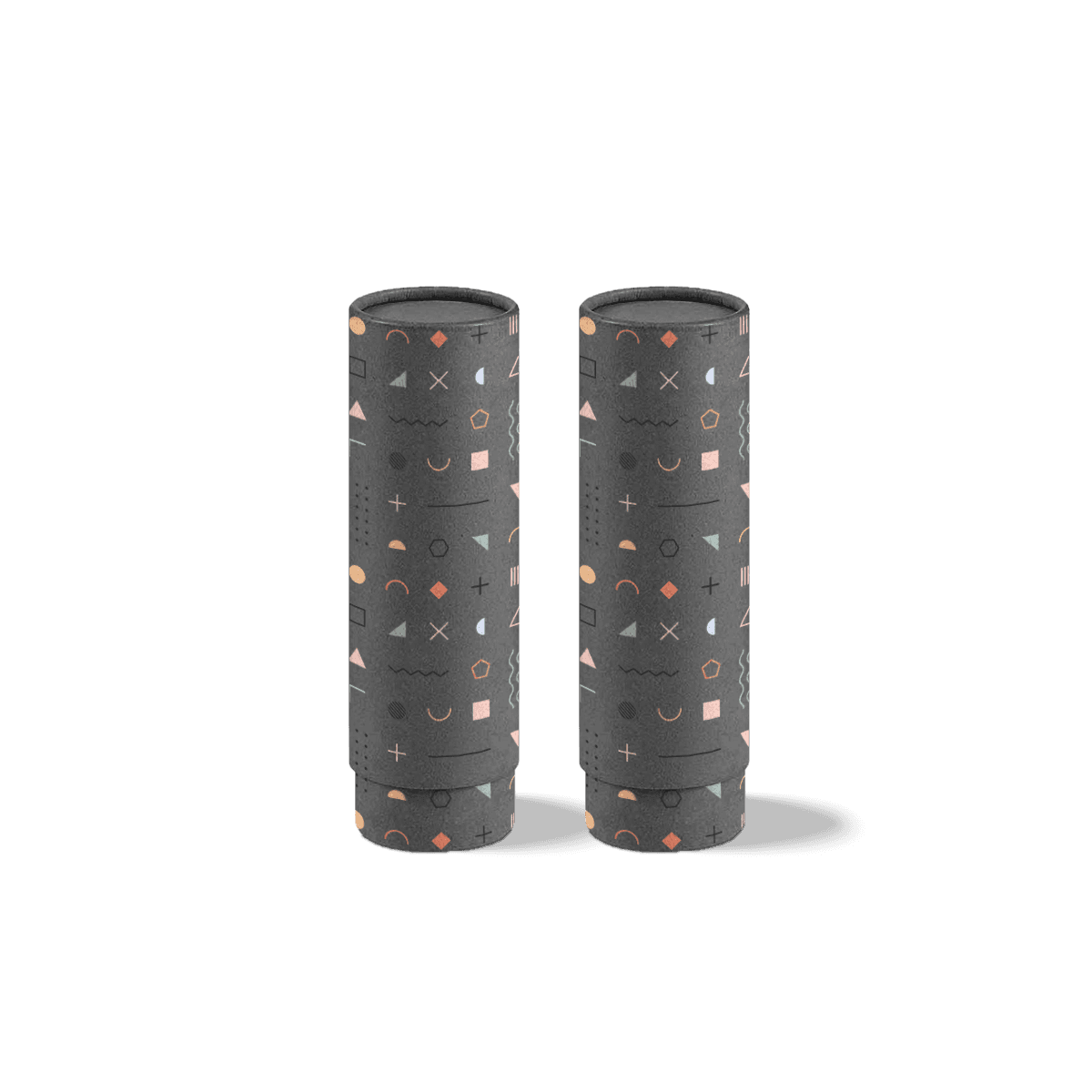
Custom Telescopic Tubes

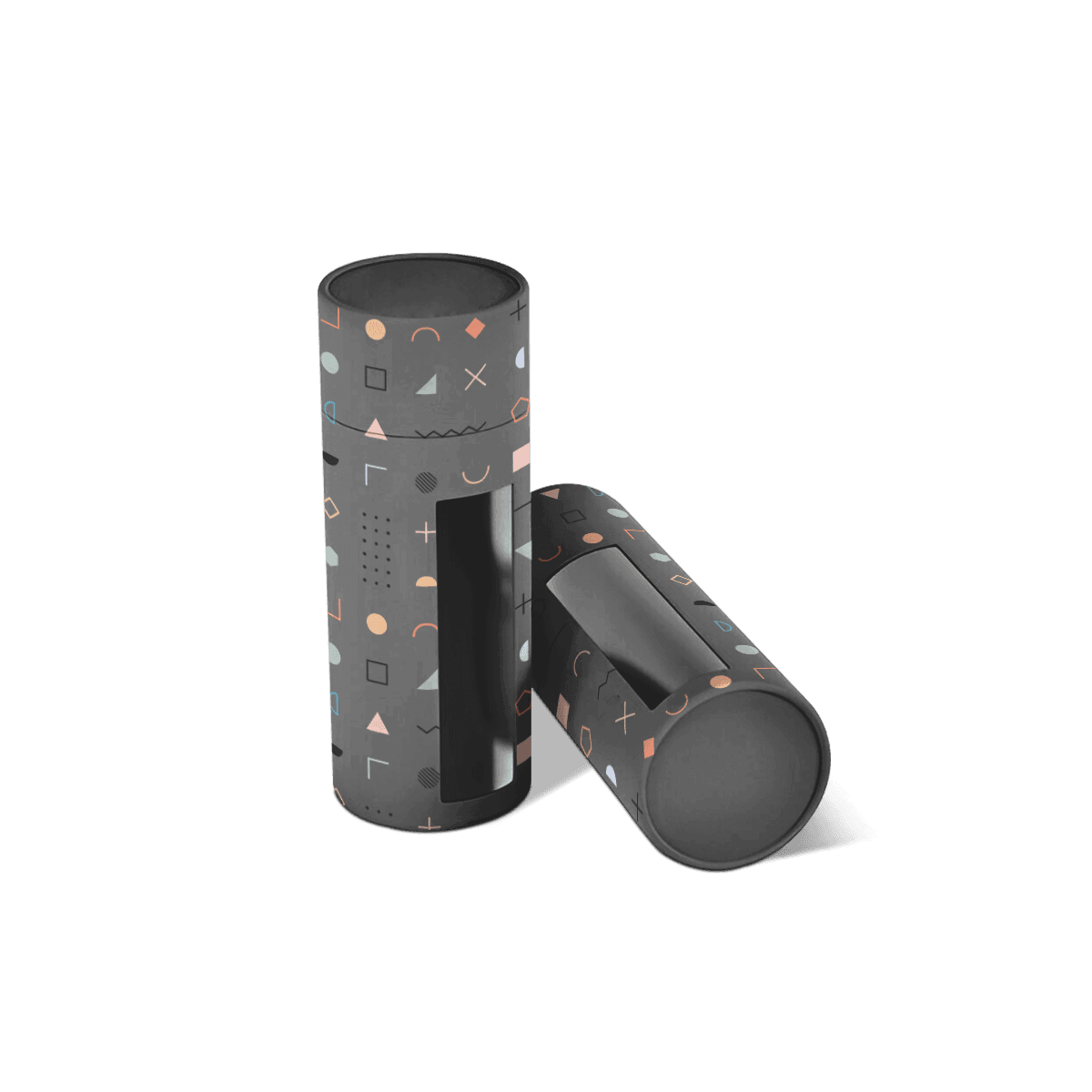
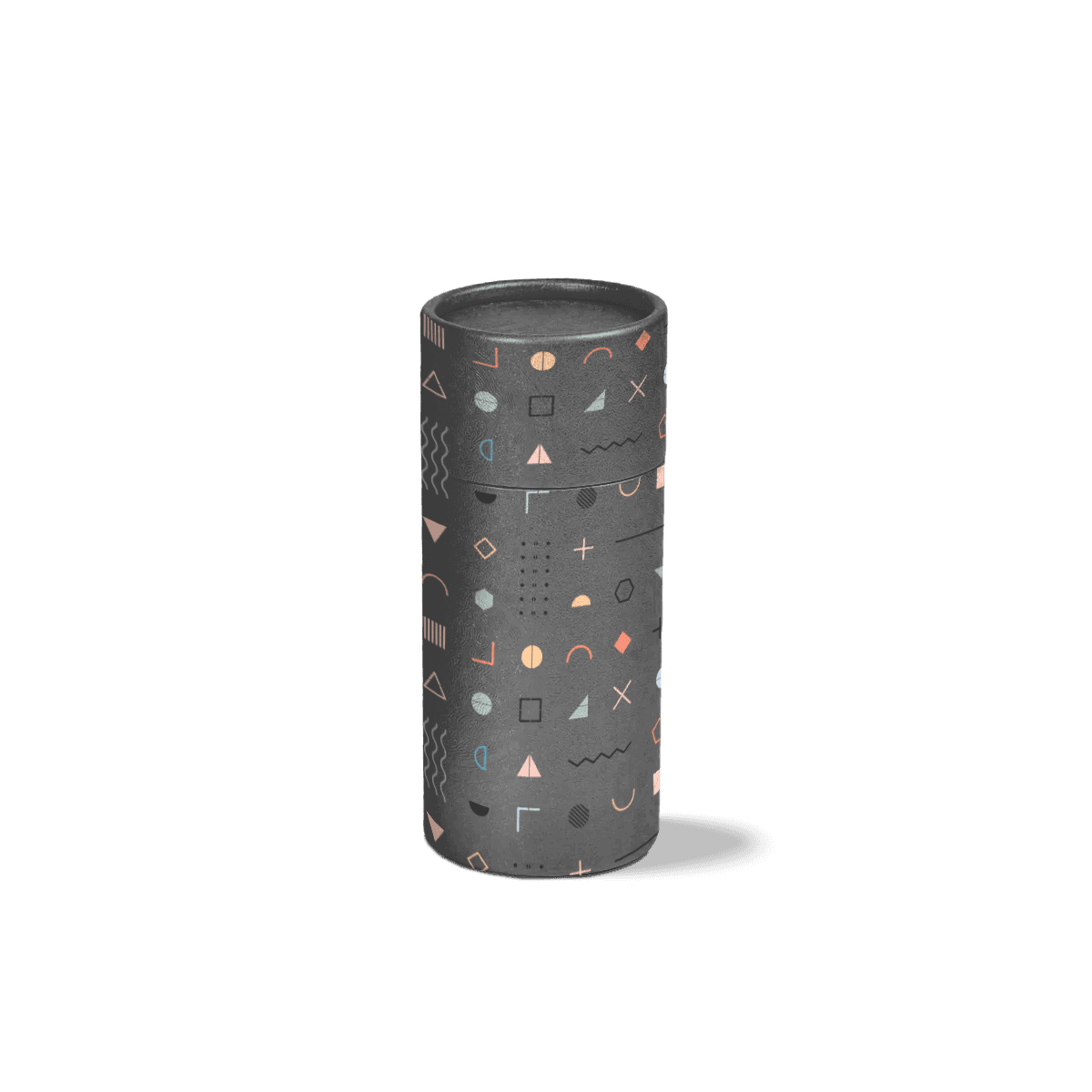
Two-piece paperboard tubes with sliding outer covers, controlled lid overlap and custom printed interiors for premium retail products, gifts and presentation kits.

The Length of the Lift

The customer lifts the outer cover, but the product remains hidden until enough of the inner tube has been exposed. Unlike a shallow removable cap, the cover travels down the body and can conceal a substantial portion of it when closed.

That movement is the defining feature of Custom Telescopic Tubes.

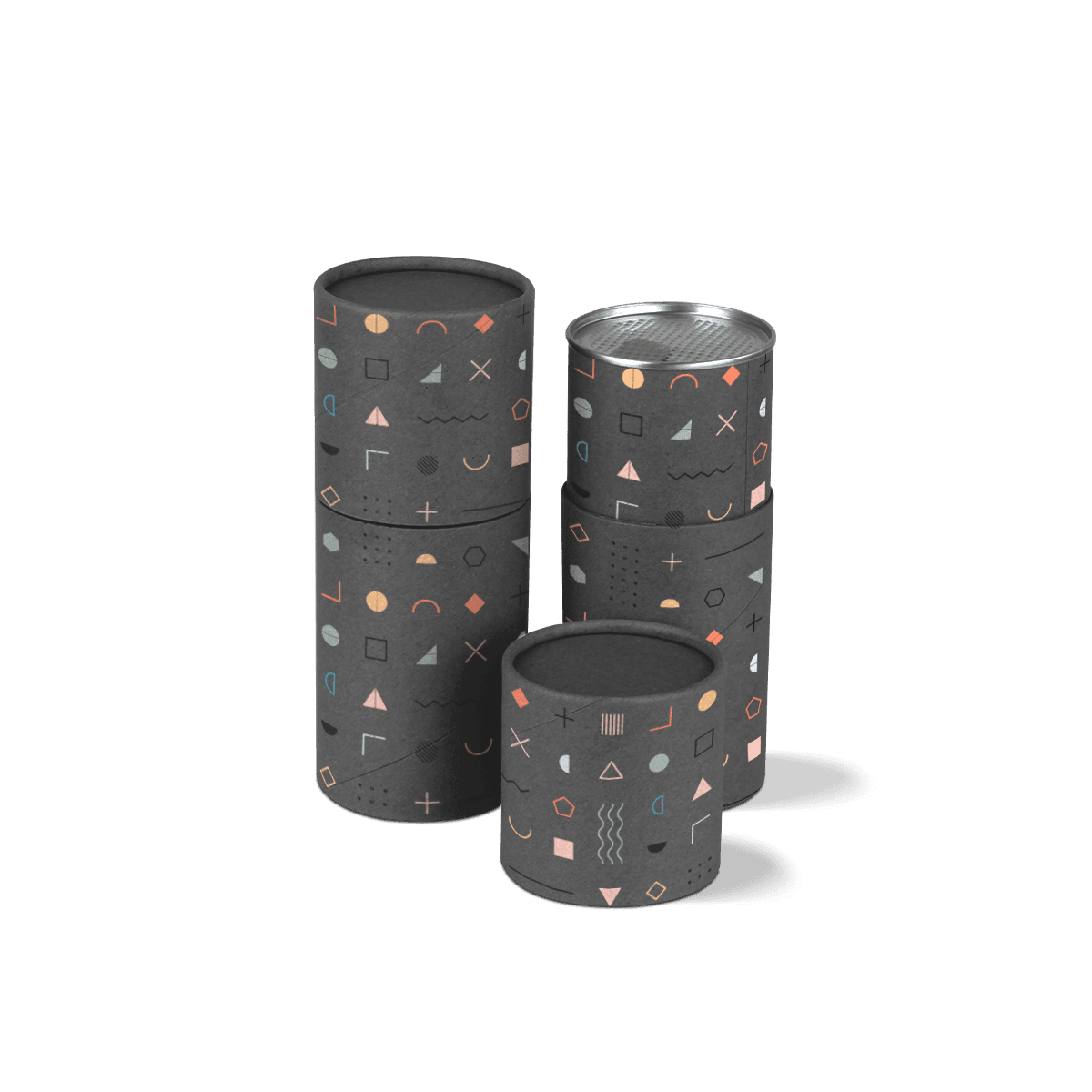
The structure consists of two cylindrical components: an inner body that holds the product and an outer cover that slides over it. The cover has a slightly larger internal diameter to accommodate the body, its wall and any exterior wrap.

The overlap influences how the package opens, how the two components engage and how much of the inner body remains concealed.

For premium retail products and gifts, this creates opportunities for presentation that a conventional capped tube cannot reproduce in the same way.

Partial Overlap

A shorter telescopic cover conceals the upper portion of the body while leaving part of the lower cylinder visible.

The exposed body can carry a contrasting color, secondary branding or product identification.

This arrangement also allows the customer to grip the lower tube while removing the cover.

The overlap must be sufficient to maintain the intended fit during normal handling.

A very short cover may offer less engagement than the product requires, particularly if the tube will be handled repeatedly.

Full-Body Overlap

A longer cover can conceal most or all of the inner body.

When closed, the package presents a largely continuous cylindrical exterior. Lifting the cover then reveals the second component.

This construction can suit presentation-sensitive products where the opening itself contributes to the experience.

The cover length affects material consumption, the finished appearance and the distance the customer must lift it before reaching the contents.

A longer cover is not automatically more secure. Retention depends on the actual fit and the mechanical interaction between the components.

The Finished Height

The finished package height depends on the two components and their overlap.

It should not be calculated simply by adding the individual tube lengths.

Likewise, a deeper cover does not automatically make the package adjustable for products of substantially different heights.

Any flexibility for varying product heights depends on the available overlap, closure engagement and the support system inside the body.

The customer should not have to compress the product or leave the lid partially engaged to accommodate a taller item.
The Artwork Beneath the Cover

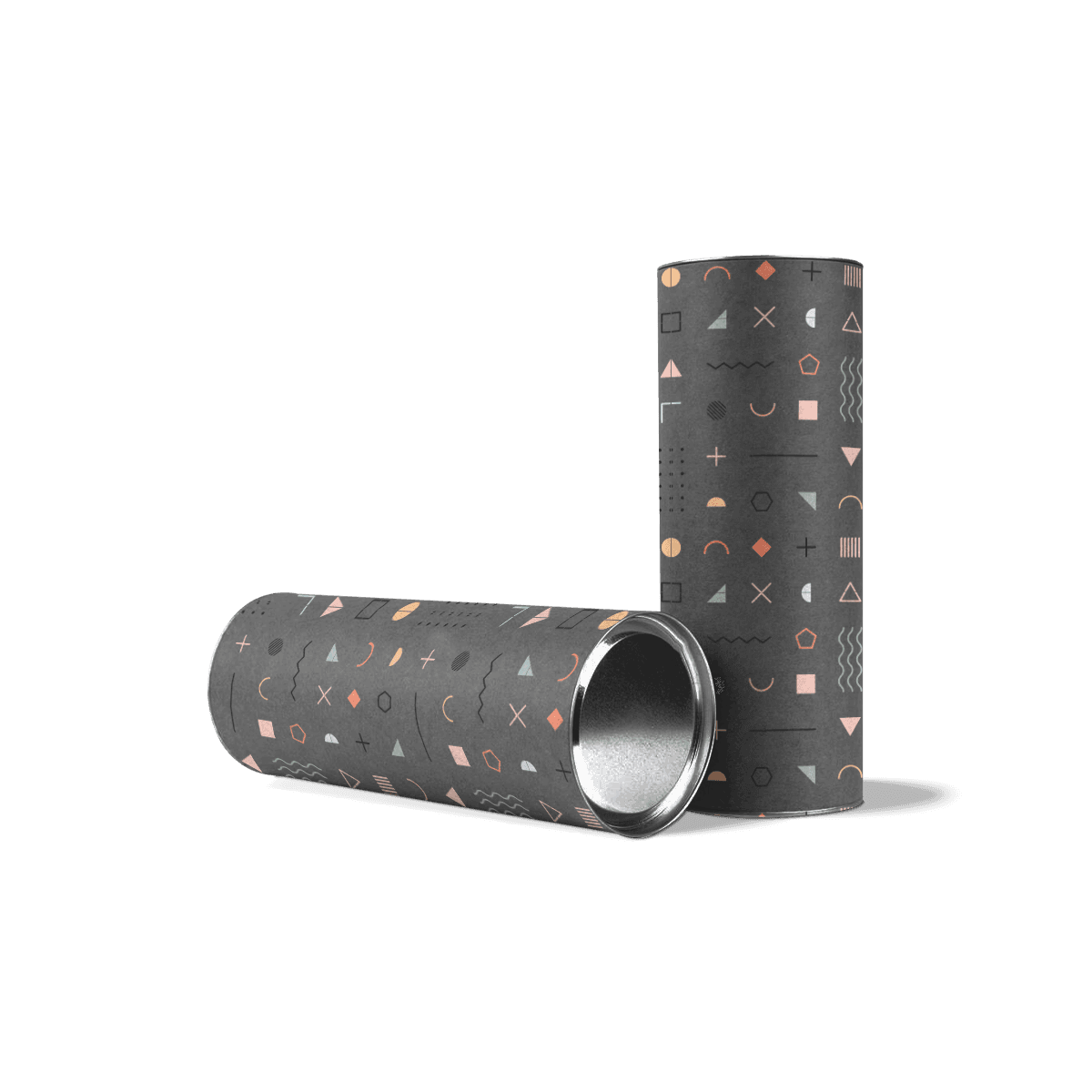
The two components create a printing opportunity that is specific to telescopic packaging.

A conventional capped tube usually exposes most of its printed body while closed. A telescopic cover can conceal artwork that only becomes visible as the customer opens the package.

The design can therefore change between its closed and open states.

Two Separate Visual Surfaces

The outer cover carries the first impression.

The inner body can introduce a different color, illustration or message as the cover moves upward.

For example, a premium fragrance tube might have a restrained exterior with the brand name and product identity. The inner body could carry the fragrance illustration or a contrasting color associated with the scent.

The relationship between these surfaces should be established before artwork preparation.

Printing the same graphics on both components may create unnecessary repetition, particularly when the intention is to reveal something new.

The Overlap Boundary

Artwork that crosses the boundary between the cover and inner body requires careful alignment.

The two components are manufactured separately, and the outer cover can rotate relative to the body.

A continuous illustration that depends on exact rotational alignment may therefore be unreliable unless the construction includes a suitable indexing feature.

Large color blocks, independent graphics and designs that tolerate rotation are often more practical.

The overlap also determines which parts of the inner artwork remain hidden when the package is closed.

Important product information should not be positioned where customers cannot access it without opening the package.

Printing Around the Cylinder

A tube does not have a permanent front panel.

Its visible surface changes as the package turns in the customer's hand.

Primary artwork should be positioned so the product remains recognizable from the intended retail viewing angle. Important text and barcodes need suitable areas away from wrap seams and strongly curved surfaces that could interfere with readability or scanning.

Custom Packly supports premium offset printing, CMYK artwork and Pantone color matching for suitable paperboard wraps.

Free 3D mockups can help assess how the outer cover and inner body look together in both open and closed positions.

For a more comprehensive retail packaging program, the tube's artwork can remain consistent with accompanying cartons, gift boxes and other branded components.

The Product After the Lid Comes Off

A telescopic opening is only effective when the customer can retrieve the product comfortably.

Removing the outer cover exposes the body, but the contents may still sit deep inside the remaining cylinder.

This becomes particularly important for smooth jars, small bottles and delicate products that cannot be gripped easily from above.

The internal arrangement should account for the product's position after the cover has been completely removed.

Raised Product Supports

A paperboard platform can position the product closer to the upper edge of the inner body.

This can be appropriate for a compact candle jar, a sealed cosmetic product or a presentation item that would otherwise sit too deeply inside the tube.

The platform must support the product without allowing it to tilt or move excessively.

Its height should leave sufficient space for the cover to close without touching the contents.

Lift Ribbons

A lift ribbon can help retrieve a product that needs to remain seated inside a deeper cavity.

The ribbon should be positioned so the customer can reach it after removing the cover.

Its suitability depends on the product's weight, surface and intended removal method.

For heavier glass or ceramic items, a decorative ribbon should not be assumed to be a safe lifting mechanism without appropriate design and validation.

A Recessed Candle Jar

Consider a cylindrical gift package containing a candle jar.

The outer cover lifts smoothly and reveals the printed inner body. However, the jar sits below the rim, leaving the customer unable to grip it comfortably.

Reducing the body height might improve access, but it could also change the desired appearance and reduce support around the product.

A raised base can position the jar nearer the opening while preserving the overall tube proportions.

If additional retention is necessary, a suitable paperboard collar can help maintain the jar's position.

The finished arrangement should allow the jar to be removed without pulling against its lid or decorative components.

For products with unusual dimensions or fragile surfaces, custom product packaging can accommodate the necessary interior support.

The differences between foam, cardboard and molded-pulp inserts become relevant when cushioning and product retention require different materials.

Friction Between the Two Cylinders

The outer cover should engage the body securely while remaining comfortable to remove.

This depends on the relationship between the cover's internal diameter and the body's finished external diameter.

The two measurements are different because the body includes its paperboard wall and any exterior wrap.

Even a small change in the finished dimensions can affect the way the components slide against one another.

Clearance Between Components

The outer cover needs enough clearance to move over the inner body.

Too little clearance can make the lid difficult to fit or remove.

Excessive clearance can produce a loose cover, uneven alignment or an unsatisfactory opening.

The correct allowance depends on the selected paperboard, outer wrap, finish and manufacturing tolerances.

There is no universal clearance that works for every telescopic construction.

A short, lightweight cover may behave differently from a deeper cover with more contact area against the body.

Wrap Seams and Surface Texture

The thickness of an exterior paper wrap contributes to the body's finished diameter.

An overlapping wrap seam can create a slightly raised area.

If the cover has insufficient clearance, that seam may increase friction or interfere with the sliding action.

Textured paper and certain surface finishes can also change the contact between the components.

These factors should be accounted for when the cover and body dimensions are specified.

Simply increasing the nominal diameter without considering the finished surfaces can produce inconsistent results.

The Assembled Opening

A physical sample is particularly valuable when the opening feel is a primary part of the product's presentation.

The assembled tube should be assessed with its intended printed wraps and finishes.

Check that the cover engages evenly, can be removed comfortably and returns to its closed position without requiring excessive force.

Repeated opening can also reveal rubbing or other interference that is not apparent during the first use.

Paid, fully custom pre-production samples can verify the finished construction when physical fit is uncertain.

The sample should represent the actual cover, body and material specification rather than an unrelated stock tube.

The Two-Piece Tube in Use

Telescopic tubes suit products that benefit from a separate cover and a deliberate opening.

Their value is strongest when the product's shape, presentation and intended use support that construction.

Candles and Fragrance

A cylindrical candle jar can sit inside a fitted paperboard body with an outer cover that conceals the product.

The opening can reveal a contrasting inner wrap before the customer removes the jar.

For glass products, the internal support should control movement without putting unnecessary pressure on the lid or vessel.

The paper tube remains secondary packaging. It should not be assumed to provide the impact protection required for parcel shipping.

Cosmetic Gift Products

Premium skincare jars, fragrance bottles and selected cosmetic accessories can suit telescopic presentation.

The inner body can carry the product while the cover conceals it until opening.

For irregular bottles, the cylindrical cavity may require an insert to maintain the intended orientation.

A multi-product cosmetic set needs more careful consideration. If several components occupy the tube, their arrangement should allow each item to be retrieved without disturbing the others.

Jewelry and Small Accessories

A telescopic tube can create a compact presentation for a small jewelry set, watch accessory or carefully arranged gift.

Paperboard or foam inserts can establish a defined position for the product.

For delicate jewelry, the insert must also prevent components from becoming tangled or rubbing against one another.

The structure should serve the product's actual presentation requirements rather than relying on the outer cover alone to create a premium appearance.

Promotional and Hospitality Kits

A telescopic tube can accommodate a curated set of small promotional items, invitations or hospitality gifts.

The two-piece opening can be particularly suitable when the contents are intended to be presented together rather than removed from a conventional retail carton.

For multi-item kits, the internal arrangement becomes the deciding factor.

A shallow tray or fitted insert may be appropriate when the components need separate positions.

Pet Accessories

Selected pet accessories can also use a telescopic presentation, particularly compact gift sets containing compatible products.

For a coiled leash, the leash tube must first accommodate the natural coil and its hardware.

A telescopic cover may add a more deliberate opening, but it does not correct an unsuitable internal arrangement.

The product's shape remains the starting point for deciding whether cylindrical packaging is appropriate.

The Cost of Two Wound Components

A telescopic tube requires two cylindrical components manufactured to work together.

The body and cover may use different lengths or wall specifications, but their finished diameters must remain compatible.

This creates production requirements beyond those of a simple tube with a shallow removable cap.

The pricing should account for the complete construction rather than the visible outer tube alone.

Cover Length and Material

A deeper cover consumes more paperboard and exterior wrapping material.

It can also increase the finished package's weight and affect how completed units are stored and shipped.

The cover length should reflect the intended opening and appearance.

A full-body cover may be justified for a presentation-sensitive gift, while a shorter overlap may accomplish the same practical task for a simpler retail product.

Inserts and Finishes

An insert adds manufacturing work and material.

Its cost depends on the construction, material and number of components.

Foil stamping, embossing, debossing and specialty finishes may introduce additional production requirements.

These choices should be assessed against the intended product and the quantity being ordered.

For a premium gift, the additional components may contribute to the desired presentation. For an everyday retail item, a simpler construction may be more practical.

Production Quantities

The applicable minimum for a specialist telescopic construction depends on its dimensions, materials and finish.

The instant packaging quote can establish initial pricing for the intended specification.

The purchasing decision should account for the complete two-piece assembly, not simply the body dimensions.

Custom Packly supports US production, free shipping and design assistance.

Standard turnaround is 4–6 days after final artwork and specifications are approved. Complex structures, specialty materials and advanced finishes may require additional time.

Telescopic Covers and Simple Caps

Two cylindrical packages can both have removable lids without sharing the same opening construction.

The difference lies in how the lid engages the body and how much of the body it conceals.

Deeper Sliding Covers

A telescopic cover travels over a substantial portion of the inner body.

The overlap is central to the structure's appearance and opening behavior.

The design may use contrasting printed components, a concealed inner body or a longer lifting movement to reveal the product.

This construction is appropriate when those characteristics serve the intended presentation.

Conventional Removable Covers

Cardboard tubes with covers can use simpler closures when the main requirement is convenient access and secure containment.

A shallow removable cover may be sufficient for a compact gift, small retail product or accessory pack.

The customer can reach the contents after removing the cover without lifting a second cylinder over most of the body.

A longer overlap should be specified only when it serves a genuine structural or presentation requirement.

The Underlying Tube Body

The distinction also differs from the way the underlying tube is manufactured.

Spiral-wound tubes concern the construction of the cylindrical body and its wound paperboard layers.

A telescopic package may use wound paperboard components, but its defining characteristic is the relationship between the separate body and sliding cover.

The manufacturing method and opening structure are separate decisions.

Packing and Pairing the Components

A two-piece tube introduces an additional operation during fulfillment.

The product is placed inside the body, any supporting components are positioned and the outer cover is fitted.

For a small gift production run, that additional handling may be acceptable.

For a larger retail program, the time required to assemble and close each unit becomes a measurable production cost.

Body and Cover Identification

When several telescopic tubes share similar dimensions, the correct cover must be paired with the intended body.

Different paper wraps, wall thicknesses or finishes can affect the finished fit.

Two components with nominally similar dimensions should not be treated as interchangeable unless the specification permits it.

For a product line containing several artwork versions, consistent component identification can prevent mismatched body and cover combinations.

Component Storage

Tube bodies and covers occupy storage space before assembly.

Their cylindrical construction generally makes them less space-efficient to store than flat-folding cartons.

The actual storage requirement depends on the component dimensions, packing arrangement and whether the parts can be nested without damage.

Printed wraps and specialty finishes may require additional protection against rubbing during storage and handling.

For larger production programs, Custom Packly's warehousing and scheduled deliveries can help coordinate packaging supply with planned product assembly.

The Shipping Carton Around the Tube

A premium telescopic tube is usually a presentation package rather than the final shipping container.

Its outer wrap, sliding closure and exposed cylindrical shape may require protection during parcel distribution.

The shipping arrangement should account for the finished tube's outer diameter, length and weight.

Protect the Printed Cover

A foil-stamped or specialty-finished cover can be marked by repeated contact with neighboring packages.

Where several tubes travel inside one shipping case, suitable partitions or protective wrapping can reduce contact between their printed surfaces.

The arrangement should also prevent the tubes from moving freely inside the case.

A stronger retail tube does not automatically eliminate the need for appropriate shipping protection.

Shipping Finished Units

For individual ecommerce orders, an appropriately sized corrugated outer box can protect the retail package.

The tube packaging versus box decision matters when the product needs premium cylindrical presentation but the distribution route favors rectangular shipping cartons.

A rectangular outer case can also make pallet stacking and warehouse handling more predictable.

Telescopic tubes should not be confused with adjustable-length mailing tubes. The sliding cover of a retail telescopic tube serves the opening and presentation requirements of its specific construction, not the length-adjustment function of an extendable postal container.

Reopening the Finished Package

The opening experience should remain practical after the first use.

A telescopic tube may be kept for storing a small accessory, presenting a gift again or organizing product components.

For those uses, the cover should return to its intended position without damaging the printed surfaces.

Repeated opening and closing should not require excessive pulling, twisting or pressure.

The internal arrangement also needs to support reuse. An insert that tears during the first removal may be unsuitable if the customer is expected to return the product to the tube.

The appropriate closure resistance depends on the product, cover depth and intended handling.

A decorative telescopic tube used for a one-time gift does not necessarily need the same repeated-use characteristics as a keepsake package.

The finished construction should make that distinction through its opening behavior, component fit and internal support.

The most important result is that the two-piece structure continues to function as intended after the customer has experienced the initial reveal.

FAQs

Because the opening feels more controlled and the product gets more cover around the top section. That makes a difference for presentation, reuse, and products that need a neater reveal.

No. It also helps with structure, light product protection near the opening, and a more secure feel when the pack is handled repeatedly.

Choose Telescopic Tubes when you want a deeper sliding overlap and a more refined two-piece reveal. Cardboard Tubes with Covers are a better option when a simpler removable cover does the job and presentation depth matters less.

Yes. This structure works well with fitments, collars, and paperboard inserts, especially for sample kits, accessories, or products that should stay centered.

Not at all. They are also useful for hospitality kits, wellness products, promotional sends, and organized storage applications where repeat opening matters.

Process

How it works

Your Packaging Journey, From Idea to Production and Delivery

01

Tell Us Your Specs

Custom packaging boxes

Tell Us Your Specs

Provide size, quantity, printing, and finishes.

02

Get a Fast Quote

Custom packaging boxes

Get a Fast Quote

Instant transparent pricing, no hidden fees.

03

Design and Approval

Custom packaging boxes

Design and Approval

Artwork checks, revisions, and final sign-off.

04

Produce

Custom packaging boxes

Produce

Expert manufacturing to meet deadlines.

05

Ship to Your Door

Custom packaging boxes

Ship to Your Door

Hassle-free, flexible delivery options.

Get Your Quote for Custom Telescopic Tubes

Share your product details, size, quantity and artwork needs. We’ll help choose the right packaging style and send a clear quote.