Skip to content
Details

Custom Telescopic Rigid Boxes

Deep lift-off lids that slide over the rigid base, giving you control over side coverage, release resistance and how gradually the product appears.

Overlap Controls the Opening

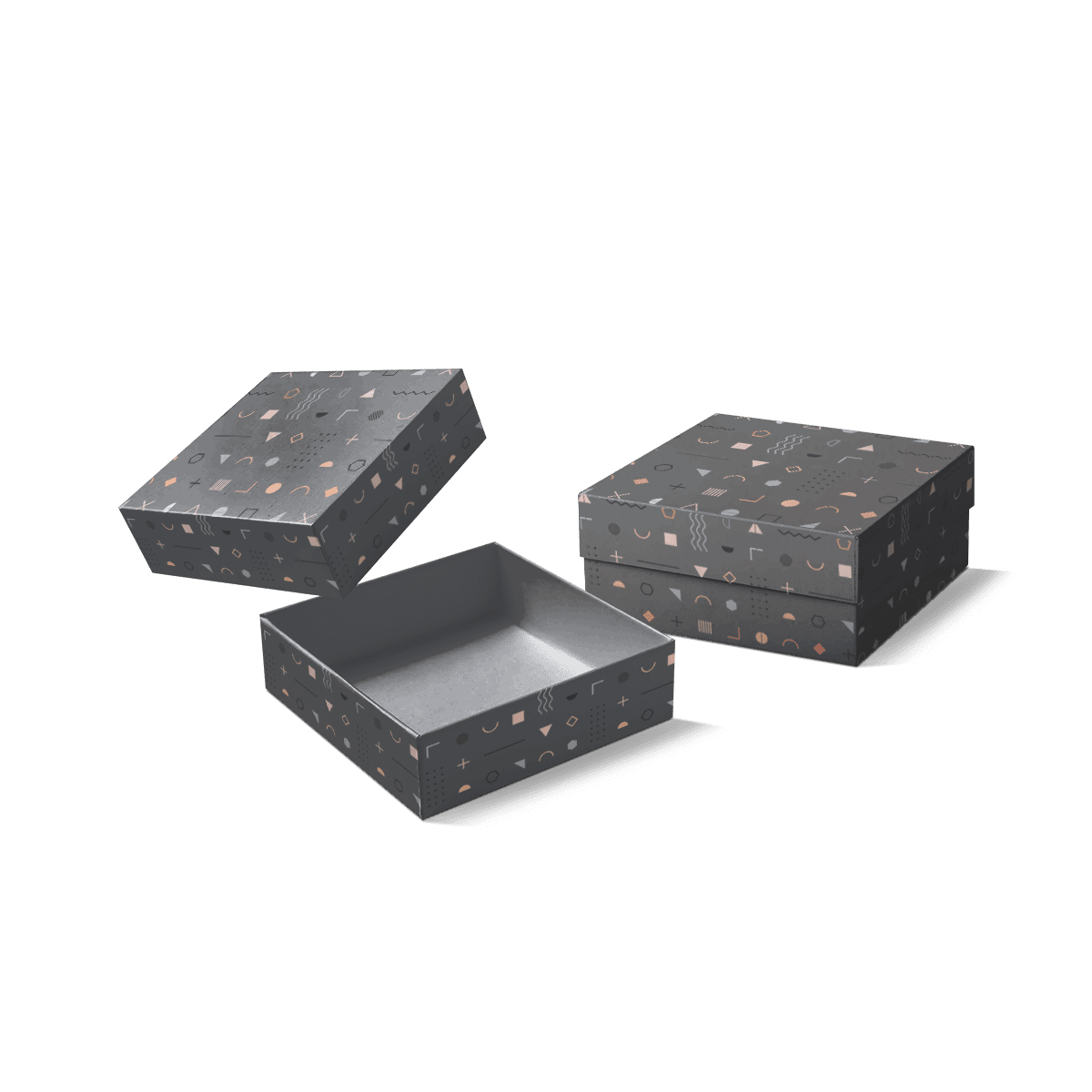
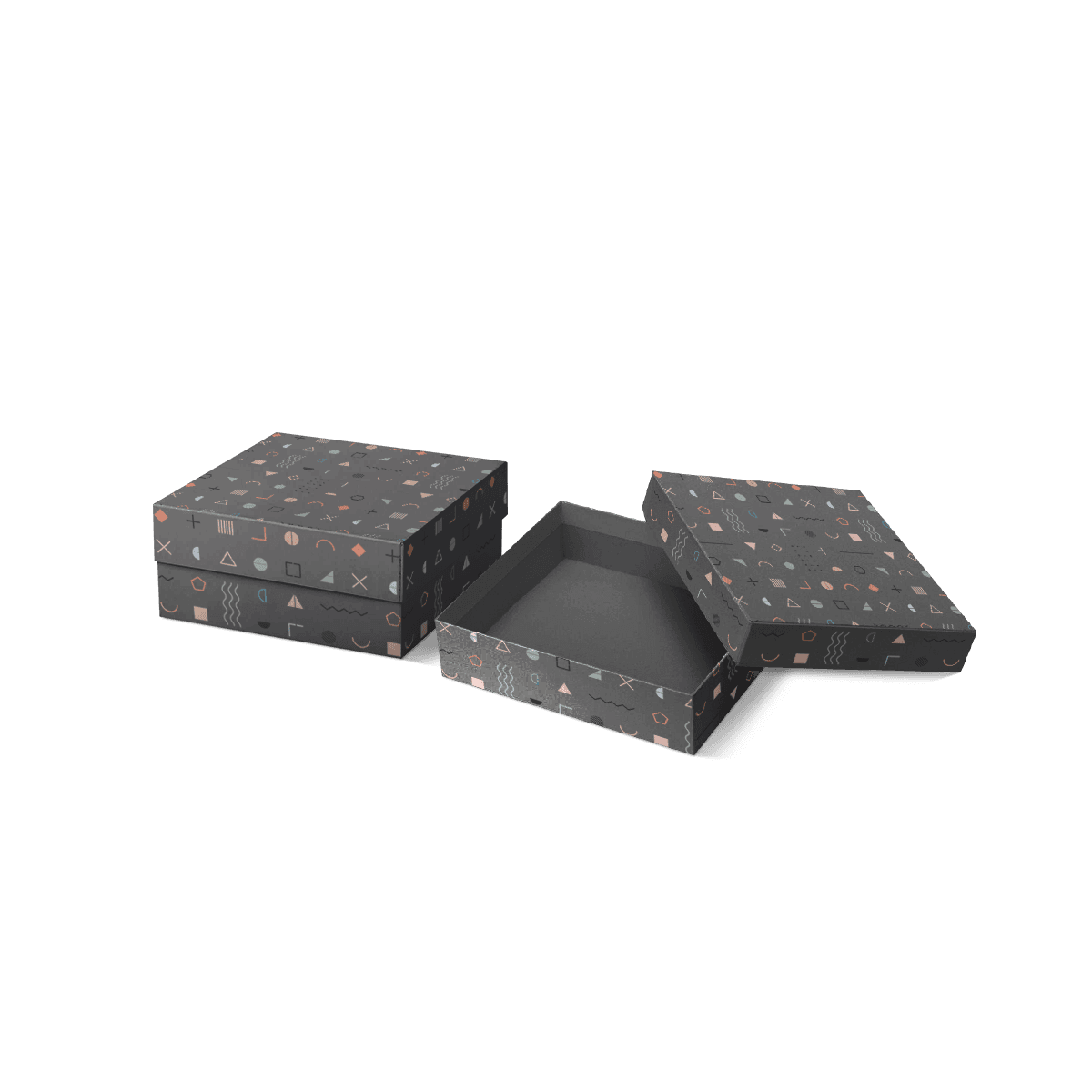
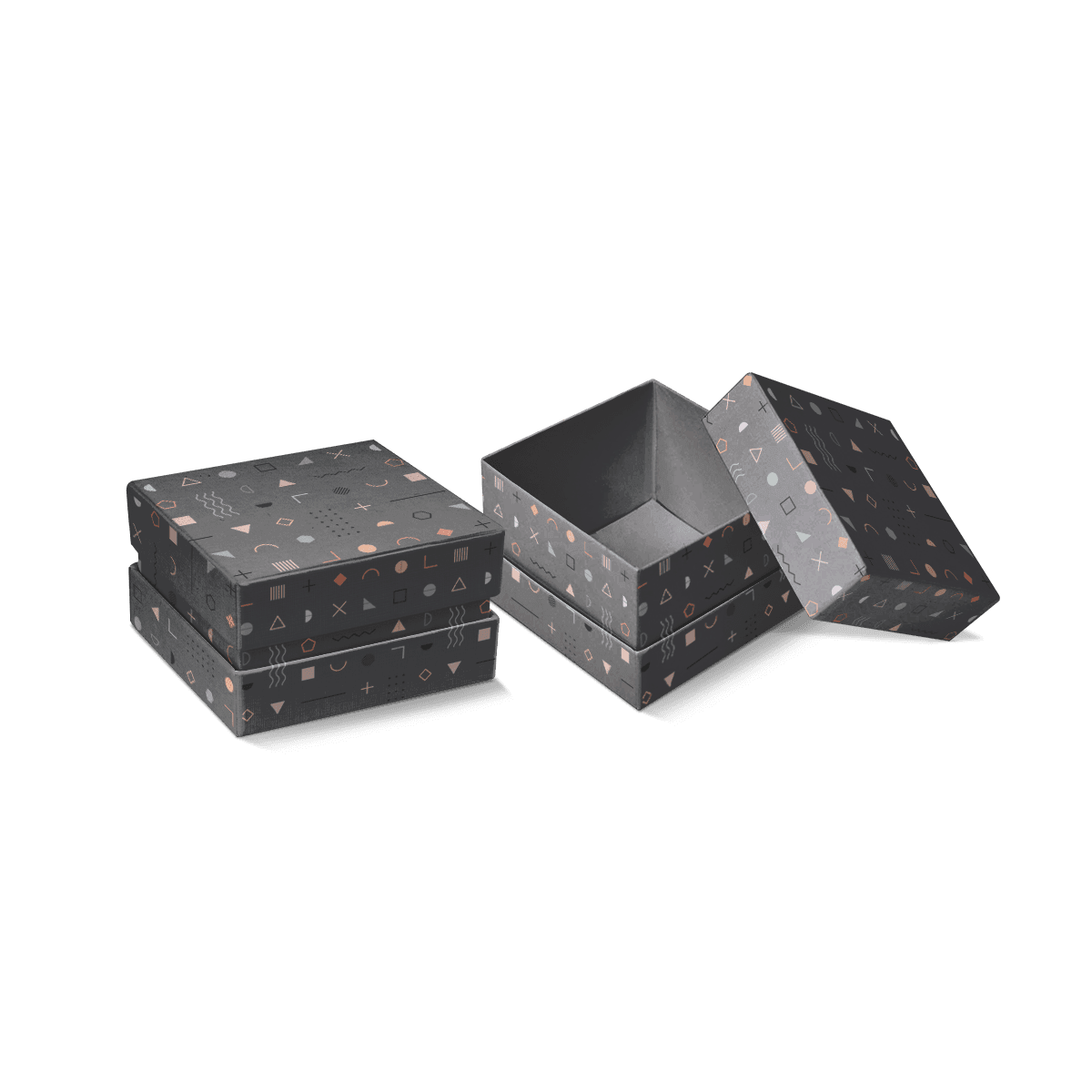
The defining decision in a telescopic rigid box is how far the lid travels down the base.

A shallow lift-off lid grips only the upper portion. A telescopic lid extends farther down, so more of the base sits inside the lid while the box is closed. That extra overlap changes the feel of opening, the amount of base visible on shelf and the length of the sliding contact between the two pieces.

A full telescope can cover almost the entire outside wall of the base. A partial telescope intentionally leaves part of the lower box visible. Both are custom rigid boxes, but they produce noticeably different handling and visual results.

The useful question is not simply, “How deep should the lid be?” It is, “What should that depth accomplish?”

Full Coverage Creates a Longer Lift

With a full telescope structure, the lid travels farther before the base is exposed.

That extended motion can create a slower reveal and a strongly enclosed closed profile. It also means the customer has more surface contact to overcome while lifting the lid.

The proportions therefore need to work in the hand. A deep lid on a small lightweight base can be awkward if there is nowhere convenient to grip the lower piece.

Thumb notches, a deliberate lower-edge reveal or another access detail can help when the lid covers most of the base.

Partial Coverage Leaves the Base Active

A partial telescope stops higher and leaves a visible lower band.

That exposed base can make opening easier because there is already somewhere to hold the lower piece. It also gives the designer two visible exterior zones while the package is closed.

The visible band should be intentional. An arbitrary overlap can make the lid look too short rather than purposefully partial.
The Lid Needs Working Clearance

A long lid-to-base contact area makes clearance especially important.

If the fit is too tight, the customer may pull the entire package upward by the lid before the base finally releases. If it is too loose, the lid can shift laterally and undermine the controlled feel expected from premium rigid packaging.

The correct fit has to account for more than the rigid board itself. Wrapped paper, coatings, adhesive buildup, corner construction and normal manufacturing tolerances all contribute to the finished outside dimensions.

A telescopic box therefore should not be specified by taking a base measurement and making the lid only fractionally larger on paper.

More Friction Is Not More Premium

A slow opening can feel deliberate. A stuck lid does not.

The distinction matters because the long walls of a telescopic lid create more sliding contact than a shallow two-piece cover. Increasing resistance until the box becomes difficult to separate adds inconvenience and can accelerate rubbing on the wrapped surfaces.

The lid should release consistently with the actual packed product inside.

A free sample example can help establish general rigid-box quality and surface direction. When exact release behavior matters, a fully custom pre-production sample can be arranged as a paid sample so the completed lid, base and packed weight can be evaluated together.

Air Has to Move Too

A close-fitting lid also moves air as it slides over the base. With large panels and tight tolerances, opening or closing can feel different from the same construction with more working clearance.

That is another reason to approve the physical motion rather than treating the box as two static rectangles.

The objective is controlled travel, not an artificially tight seal.

A Lid That Lifts the Whole Box

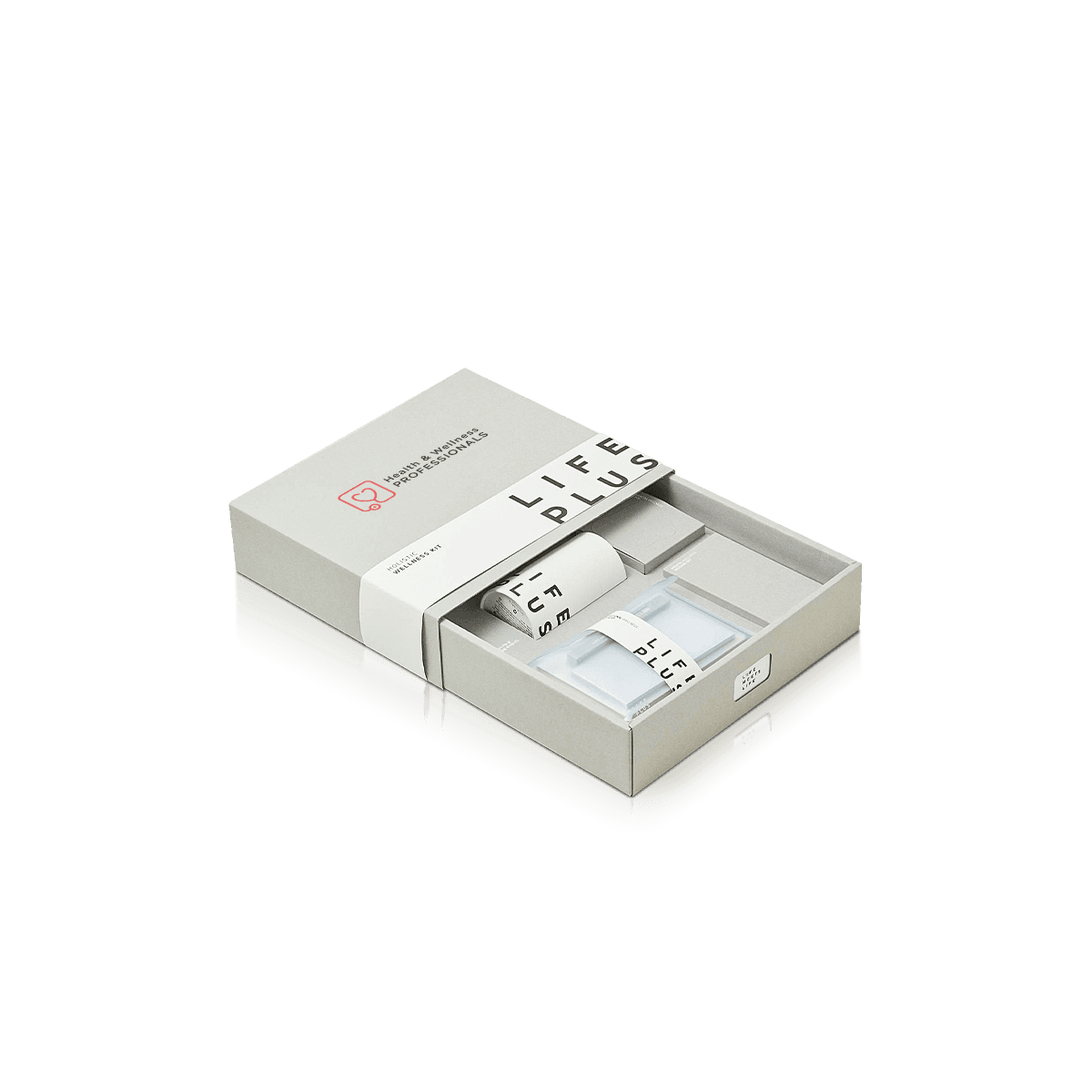
Consider a compact wellness kit with a full-height telescopic lid. The box looks precise when closed, but the customer lifts the lid and the light base comes with it. A moment later, the base releases abruptly.

The problem is not weak rigid board. The lid has too much resistance relative to the weight and grip available on the lower box.

Reducing the sliding resistance slightly can improve the release. The overlap could also be shortened if full coverage has no practical reason to remain, or the lower edge can be shaped so the customer can hold the base more securely.

The result is a controlled lift rather than a packaging trick that only works when someone knows how to open it.

For multi-item sets, wellness kit boxes also need the products and insert to remain stable while that lid force is being applied.

Full or Partial Telescope?

Full and partial telescope construction solve different presentation problems even though both use a separate lid and base.

Full Telescope

A full telescope is useful when extensive side coverage is part of the desired closed appearance.

The lid can hide most or nearly all of the base walls, producing a very contained exterior. That can work for collector products, premium electronics, formal gift packaging and other boxes where the closed object should look almost monolithic.

The trade-off is the longer lifting motion. The customer needs enough access to hold the base and enough clearance for the lid to travel without binding.

Partial Telescope

A partial telescope exposes more of the base.

That can shorten the opening motion, make the lower box easier to grip and introduce a visible color or material break between top and bottom.

It can also reduce the amount of lid material required compared with carrying the cover all the way down the base.

A partial telescope is not simply an unfinished full telescope. The exposed proportion should be designed as part of the closed box.

When a Simpler Lid Is Enough

Luxury 2-piece rigid boxes make more sense when a conventional removable lid already creates the presentation you need.

Adding unnecessary lid depth increases material, wrapped surface area and sliding contact without automatically improving the product experience.

The telescopic structure earns its place when deeper overlap itself provides a useful visual, handling or coverage advantage.

It Is Not a Shoulder Neck Box

Both structures use a removable lid, but the parts that control the close are different.

A telescopic lid slides directly over the exterior of the base. The overlap between those two main components defines the structure.

Shoulder Neck Rigid Boxes add a raised inner collar. That neck gives the lid a separate seating surface and can create the distinctive stepped band between lid and base.

Choose shoulder neck construction when the exposed collar and defined lid stop are the useful features.

Choose telescopic construction when extending the outer lid over the base is the point.

That boundary is important because a partial telescope may visually expose part of its base, but that alone does not turn it into a shoulder neck structure.

Deeper Lids Do Not Create More Product Space

Increasing telescopic lid depth changes outside coverage. It does not automatically create additional usable internal height.

The product still needs to fit inside the cavity established by the base, insert and underside of the lid.

This matters for bottles, candles, devices and sets with components at different heights. A deeper exterior lid can make a box look taller and more enclosed while the actual product clearance remains unchanged.

Start with the packed product geometry before deciding how far the lid should descend.

Custom product packaging is particularly relevant when product weight, fragile points, accessories or an unusual orientation should determine the internal construction.

The Insert Sets the Product Position

A deep lid should not be used to disguise an oversized cavity.

Foam, paperboard and molded pulp inserts can position products at different heights and control movement without adding unnecessary empty space. The correct choice depends on weight, fragility, presentation and removal needs.

The differences between foam, cardboard and molded pulp inserts matter more than simply choosing whichever insert looks most luxurious.

A glass perfume bottle may need strong lateral retention. A multi-piece wellness set may benefit from organized paperboard cavities. A compact device kit may need separate positions for the product, cable and charger.

Sliding Surfaces Need Finish Discipline

The outer walls of the base can contact the inner walls of the lid every time the box opens.

That makes telescopic packaging less forgiving of certain decorative decisions in high-contact areas.

A delicate surface treatment placed where the lid repeatedly rubs may show wear sooner than the same finish on a non-moving panel. Dark solid wraps can also make scuffs more visible.

The answer is not to avoid premium finishes. It is to distinguish between high-contact and presentation surfaces.

The top face of the lid can carry foil stamping, embossing or a tactile finish with little impact on lid travel. Side treatments need more thought when the lid covers a large percentage of the base.

Packaging capabilities should be considered together with the lid clearance so board, wrap, printing and finishing support the same physical specification.

Artwork Can Appear in Stages

A telescopic box can reveal branding progressively.

The closed box may show only the lid artwork. A partial telescope can leave a contrasting base band visible immediately. As the lid rises, additional color or graphics on the base can appear.

That creates a structural reveal without requiring magnets or a hinge mechanism.

Premium offset printing can support precise exterior artwork and color control across the two components. CMYK suits detailed multicolor graphics while Pantone references can be useful when a specific brand color must remain controlled.

The overlap line should be resolved before artwork is finalized. Moving the lid edge later can change which graphics remain visible when the package is closed.

Deep Coverage Adds Sidewall Support

When closed, a deep telescopic lid places another rigid wall around the covered portion of the base.

That can make the package feel more substantial in hand and gives more physical coverage to the wrapped sides than a shallow lid.

It should not be confused with parcel protection.

Rigid presentation boxes can still pick up crushed corners, scuffs or finish damage when they move through carrier networks without suitable transit packaging. For products sold online, the telescopic box may work best as the presentation pack inside a correctly sized outer mailer or shipping carton.

The distinction between retail packaging and ecommerce packaging becomes important when the same premium product is sold both on shelf and through direct shipping.

Do not keep extending the rigid lid simply to solve a delivery problem better handled by the outer shipping package.

Products That Suit the Longer Reveal

Telescopic rigid boxes work particularly well when the product can benefit from a removable lid but a shallow cover would feel visually or physically too light.

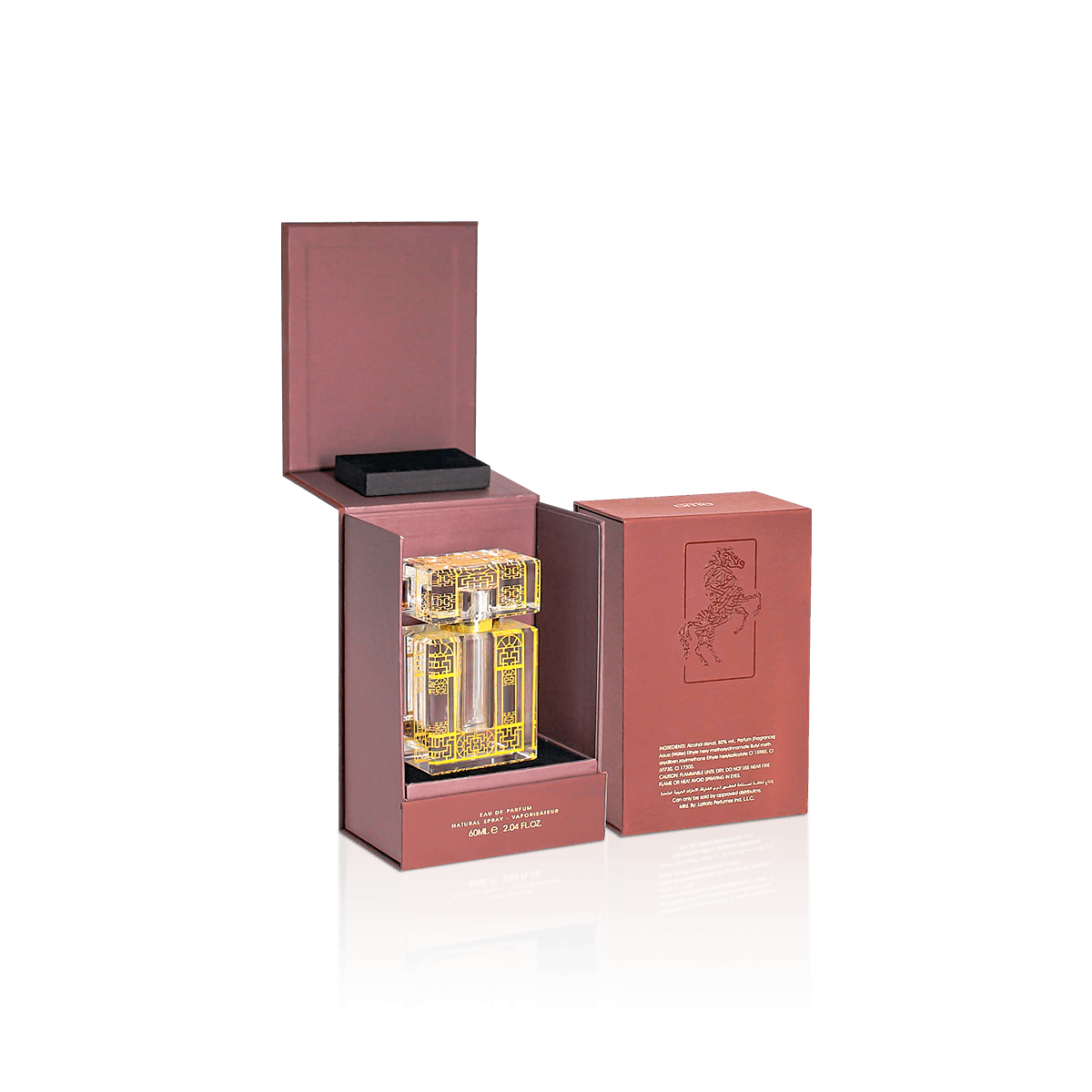
For premium fragrance, deeper lid coverage can frame the bottle as a substantial object before the insert becomes visible. Perfume boxes still need bottle retention, cap clearance and appropriate outer shipping protection for glass products.

Gift sets can use the longer opening motion to delay the full interior view. Wellness sets can organize several products inside a rigid base while keeping the closed exterior simple.

Electronics, watches, collectibles and presentation kits can also work well when a two-piece structure is preferred but deeper side coverage supports the desired proportions.

The deciding factor is not the industry label. It is whether the longer lid movement and greater overlap add something useful to the package.

Overlap Depth Changes the Price

A deeper telescopic lid uses more rigid board and wrap than a shallower cover of the same footprint.

Full telescope construction can therefore cost more than reducing the lid depth, especially on larger boxes. Tight fit requirements, fitted inserts, specialty wraps, inside print and premium finishes can add further production work.

Before adding maximum overlap, decide whether full side coverage has a reason to exist.

The cost of custom rigid boxes is influenced by structure, dimensions, quantity, inserts and finishing rather than one standard rigid-box rate.

Custom Packly’s US MOQ starts from 100 boxes. US production, free shipping, free 3D mockups, design and dieline support and premium offset printing are available for custom rigid packaging. Standard turnaround is 4–6 days after final artwork and specifications are approved. Complex structures, specialty materials or advanced finishes may require additional time.

Once the footprint, overlap direction and quantity are established, an instant custom packaging quote can show the commercial effect of a full telescope versus a shallower lid instead of treating lid depth as an aesthetic decision with no cost consequence.

Design the Closed Profile Before the Graphics

A telescopic box should first look proportionally correct with no artwork on it.

Set the footprint, base height and lid depth. Look at how much base remains visible. Check whether the lower piece can be gripped naturally. Then open the box and decide whether the lift feels appropriately short or deliberate for the product.

Only after those relationships work should the artwork rely on the overlap line.

This prevents a common design problem: graphics are approved around one visible base band, then the structural fit changes and the artwork no longer aligns with the finished close.

For a full telescope, decide whether the base should disappear almost completely when closed and how the customer will get hold of it. For a partial telescope, treat the exposed lower wall as part of the exterior composition from the beginning.

That is the core advantage of the structure when it is used well. The lid is not merely deeper. Its depth controls what the customer sees, what they can grip and how long the product remains concealed as the box opens.

FAQs

It makes more sense when the product needs fuller side coverage, a more substantial look, or a lid that feels more secure and deliberate during opening.

Yes. They work especially well for assortments, kits, and layered items because the deeper lid pairs well with trays, dividers, foam, or paperboard fitments.

Telescopic Rigid Boxes are better when you want a deeper lid drop and a more enclosed visual profile. Luxury 2-Piece Rigid Boxes are better when a classic shallow lid-and-base format is enough and a lighter presentation is preferred.

Foil stamping, embossing, debossing, textured wraps, inside printing, and soft-touch or matte lamination all work well because the larger lid area gives branding more room to land cleanly.

Yes. A tailor-made interior layout with the right insert and lid depth can improve retention, reduce movement, and make the reveal feel more intentional.

Process

How it works

Your Packaging Journey, From Idea to Production and Delivery

01

Tell Us Your Specs

Custom packaging boxes

Tell Us Your Specs

Provide size, quantity, printing, and finishes.

02

Get a Fast Quote

Custom packaging boxes

Get a Fast Quote

Instant transparent pricing, no hidden fees.

03

Design and Approval

Custom packaging boxes

Design and Approval

Artwork checks, revisions, and final sign-off.

04

Produce

Custom packaging boxes

Produce

Expert manufacturing to meet deadlines.

05

Ship to Your Door

Custom packaging boxes

Ship to Your Door

Hassle-free, flexible delivery options.

Get Your Quote for Custom Telescopic Rigid Boxes

Share your product details, size, quantity and artwork needs. We’ll help choose the right packaging style and send a clear quote.