Skip to content
Details

Custom Perfume Boxes

Fragrance packaging sized around the complete capped bottle, with controlled clearance, secure inserts and structures suited to retail, gifting and premium presentation.

The Cap Sets the Height

A perfume box should be sized from the complete capped bottle, not the glass body alone.

Decorative caps, atomizer assemblies, collars and bottle shoulders can extend beyond the main glass profile. If the box is specified from the bottle body or nominal fragrance volume, the finished pack can become too tight at the top, unnecessarily loose at the sides or poorly balanced around the actual weight.

The correct starting point is the bottle exactly as it will be packed.

A 50 mL fragrance does not have one standard packaging footprint. One bottle may be tall and narrow. Another may be low and square. A third may use a cap considerably wider than its glass neck. Volume tells you how much fragrance the container holds. It does not tell you the dimensions of the box.

Across cosmetics and personal care packaging, fragrance has its own packaging problem: the outer structure has to accommodate a fragile, often top-heavy object with several different contact points.

The True Footprint

Record the bottle at its widest and tallest points with the production cap fitted.

Check projecting shoulders, curved sides, thick glass bases, ornamental caps and any pump component that changes the profile. For unusually shaped bottles, a simple length × width × height measurement may not describe the points that actually need clearance.

Also record the filled weight. Two bottles with nearly identical dimensions can behave differently inside the same style of carton when one uses substantially heavier glass.

Cap Clearance

The cap should not become a structural support point unless the container itself was designed for that load.

Pressure from the top of the box or an insert can transfer into a decorative cap, atomizer or neck assembly. A better setup normally retains the bottle around stronger parts of its body while leaving deliberate clearance around vulnerable upper components.

That becomes especially important when a fragrance uses an oversized metal cap, sculptural closure or exposed atomizer detail.
Hold the Bottle at More Than One Point

Heavy perfume bottles can pivot even when the base feels snug.

A lower insert may prevent the bottle from sliding across the box, but a tall bottle can still lean or swing from its upper half. That movement matters because glass shoulders, caps and atomizer areas can then strike the surrounding packaging.

For demanding bottles, retention should be considered vertically as well as horizontally.

The insert might locate the base while a second structural feature controls movement higher on the bottle. The exact method depends on the shape, opening experience and material selected, but the objective is the same: keep the bottle centered without gripping delicate components.

Center of Gravity Changes the Fit

Thick glass bases often place much of the weight low in the package. Large metal or decorative caps can shift some of that mass upward.

A tall bottle with a narrow footprint may therefore need different support from a low, broad bottle of similar volume.

Do not judge retention only while the package is standing upright on a table. Consider what happens when it is turned on its side during handling or placed inside an outer shipping carton.

Foam, paperboard and molded pulp inserts should be selected around the actual bottle when the product is heavy, irregular or presented inside a rigid box.

Removal Cannot Depend on the Cap

A bottle may be held securely and still be frustrating to remove.

Leave enough access for the customer to grip the bottle body rather than pulling it out by the cap or atomizer. Finger relief around the insert, a ribbon lift or a carefully exposed shoulder can make removal easier without increasing the cavity around the entire product.

Security during handling and comfortable removal are separate requirements. Good perfume packaging solves both.

A Loose Top Can Damage a Tight-Fit Bottle

Consider a tall rectangular fragrance bottle held securely around its heavy glass base. On the packing table it appears stable, so the cavity is approved.

During handling, however, the upper half of the bottle can pivot because nothing controls lateral movement near the shoulder. The decorative cap repeatedly reaches the inside wall.

Adding more material around the base does not fix that motion.

A better adjustment is to stabilize the bottle at a second suitable contact area while maintaining clearance around the cap and atomizer. The insert can then control rotation and side movement without squeezing the most vulnerable part of the container.

The practical improvement is a bottle that stays oriented as one unit rather than behaving like a lever around a tightly held base.

Carton or Rigid Presentation?

Perfume packaging does not automatically need rigid board.

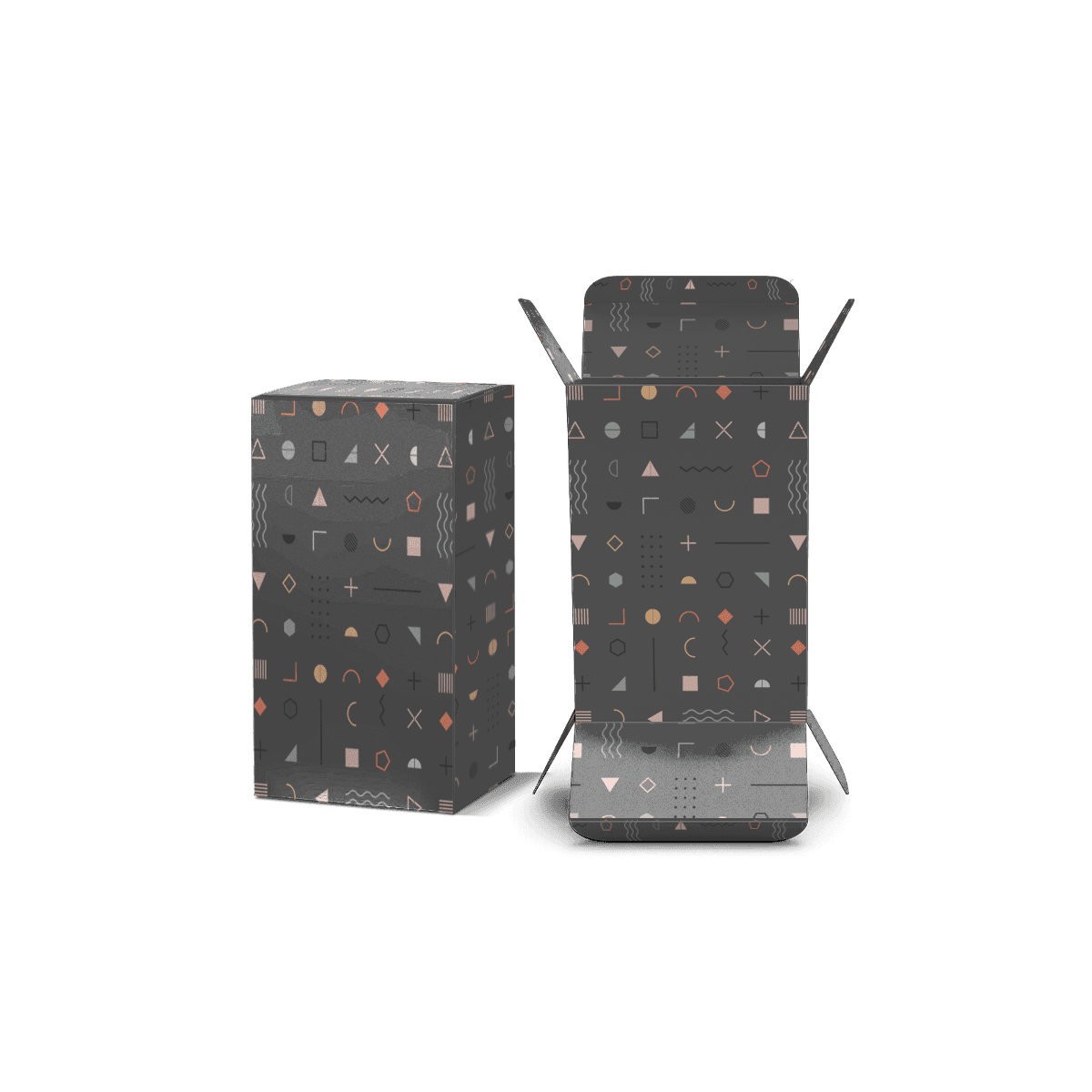
For many core retail fragrance SKUs, a well-fitted folding carton gives the bottle clean print surfaces, efficient storage and a structure that can scale across multiple scents or bottle sizes. Premium presentation, collector releases and gift-led products can justify a rigid structure when the box itself is expected to remain part of the product experience.

The choice should follow the selling context and bottle protection system rather than an assumption that every fragrance needs the heaviest box available.

Folding Cartons for Core Retail Lines

Folding carton cosmetic boxes make sense when shelf efficiency, printed copy and multi-SKU production are important.

They can accommodate single bottles with tuck closures and internal paperboard support without adding the storage volume of a preassembled rigid box.

For fragrance lines containing many scents in the same bottle family, the structure can remain consistent while artwork, scent names and color systems change across SKUs.

Rigid Boxes for Presentation-Led Fragrance

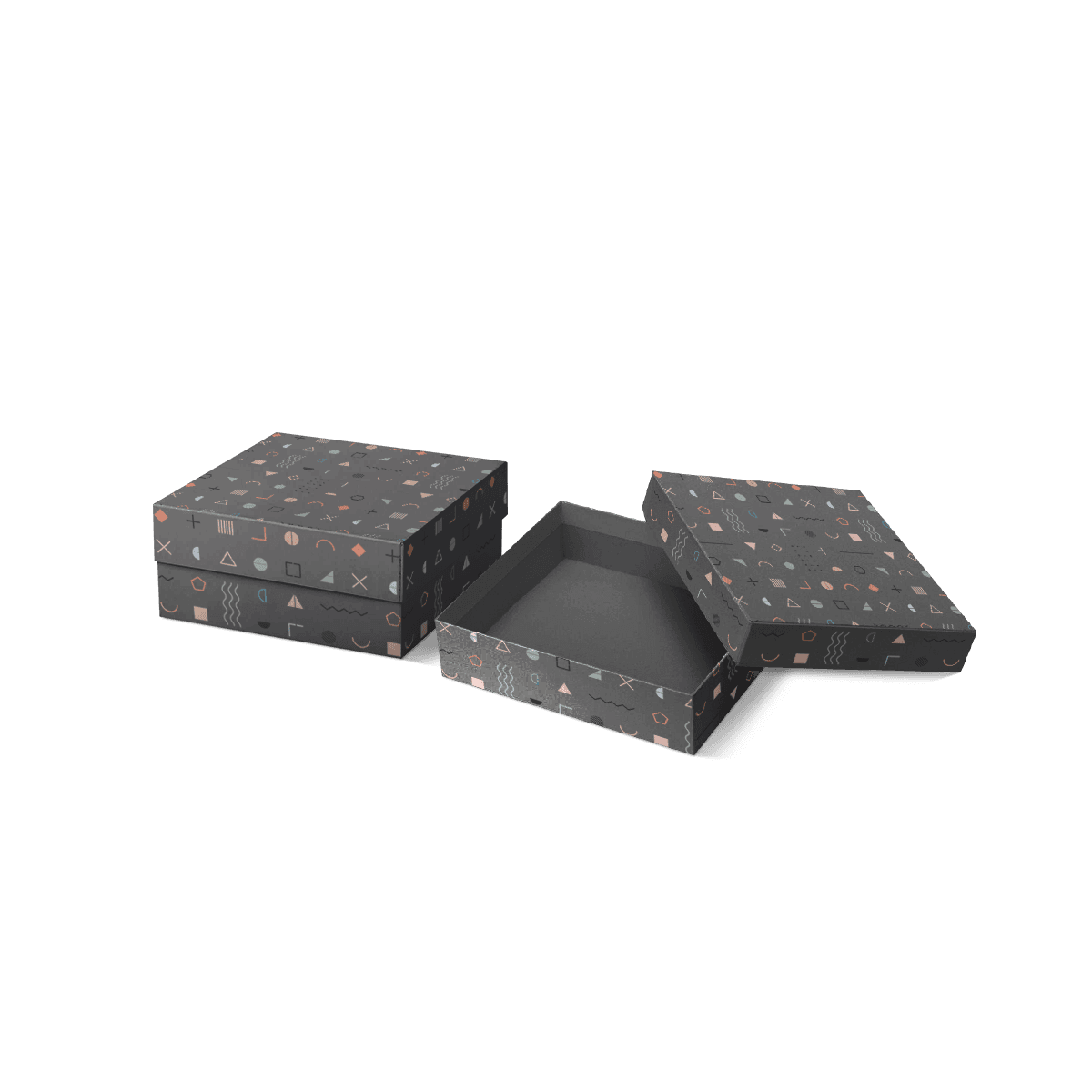
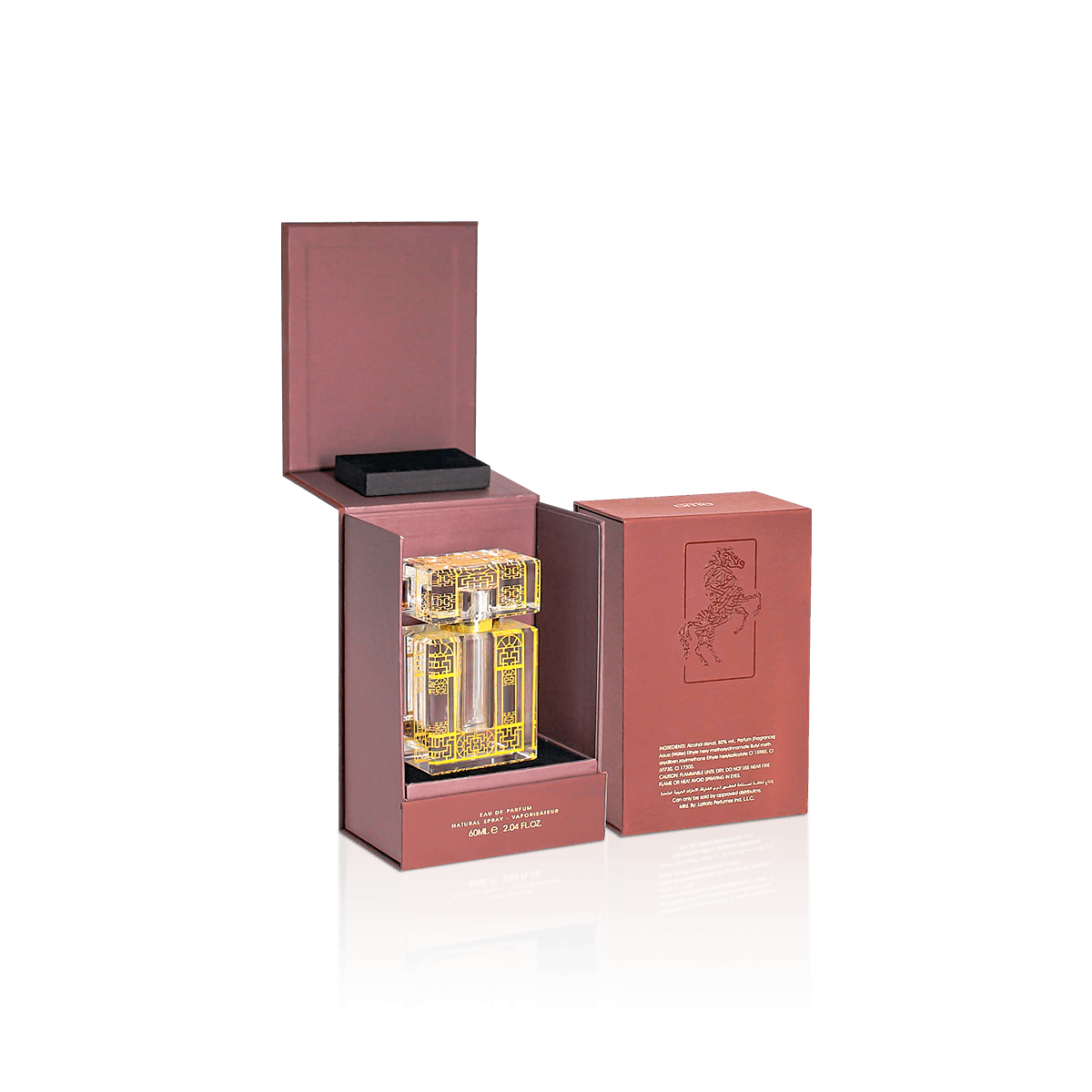
Rigid cosmetic boxes suit fragrance projects where substantial walls, fitted interiors and the opening sequence contribute materially to the product.

A removable lid, drawer, hinged construction or raised collar can each create a different interaction.

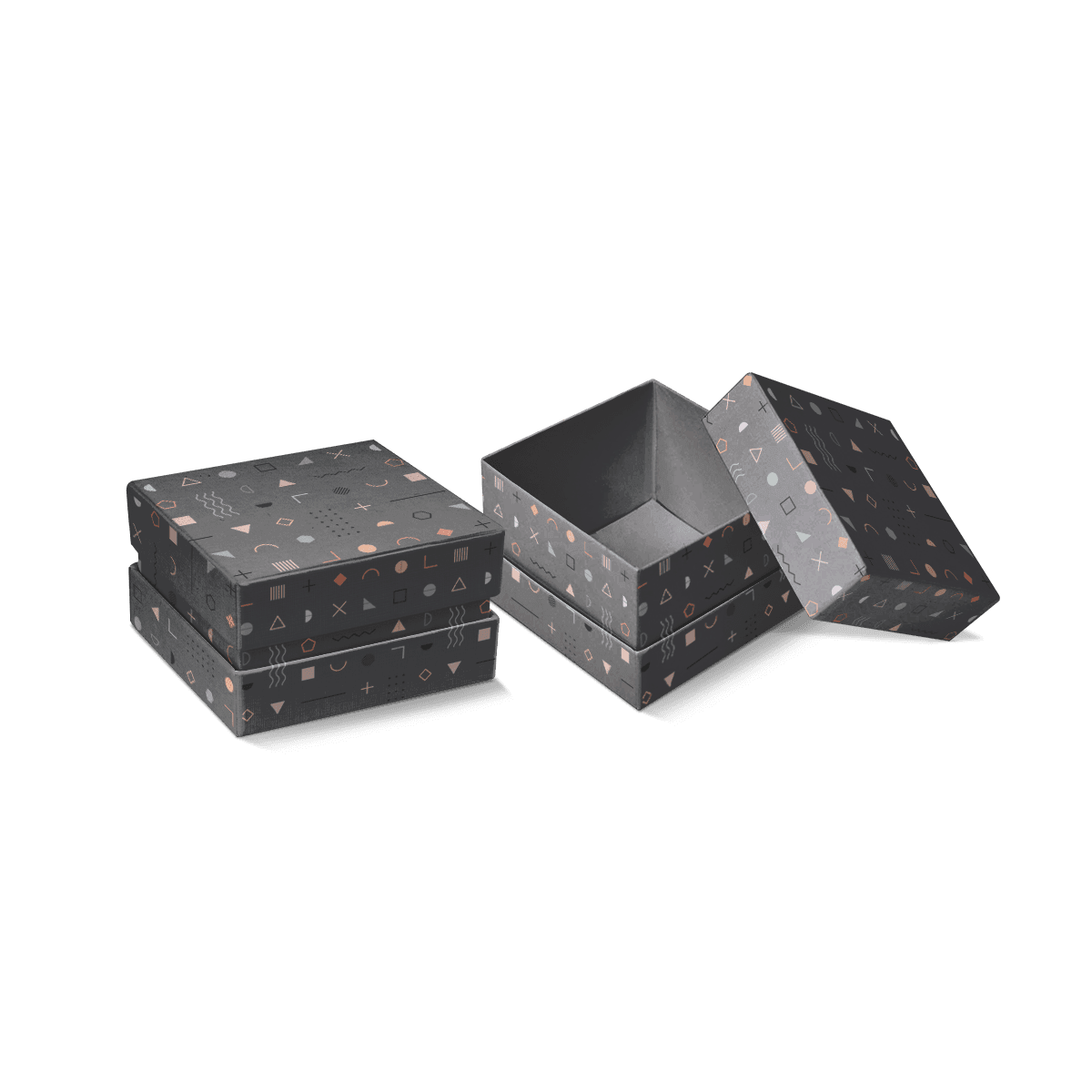
A Shoulder Neck Rigid Box can frame a fragrance bottle with a raised inner collar and stepped reveal. This works particularly well when the exposed neck band supports the presentation instead of merely adding another component.

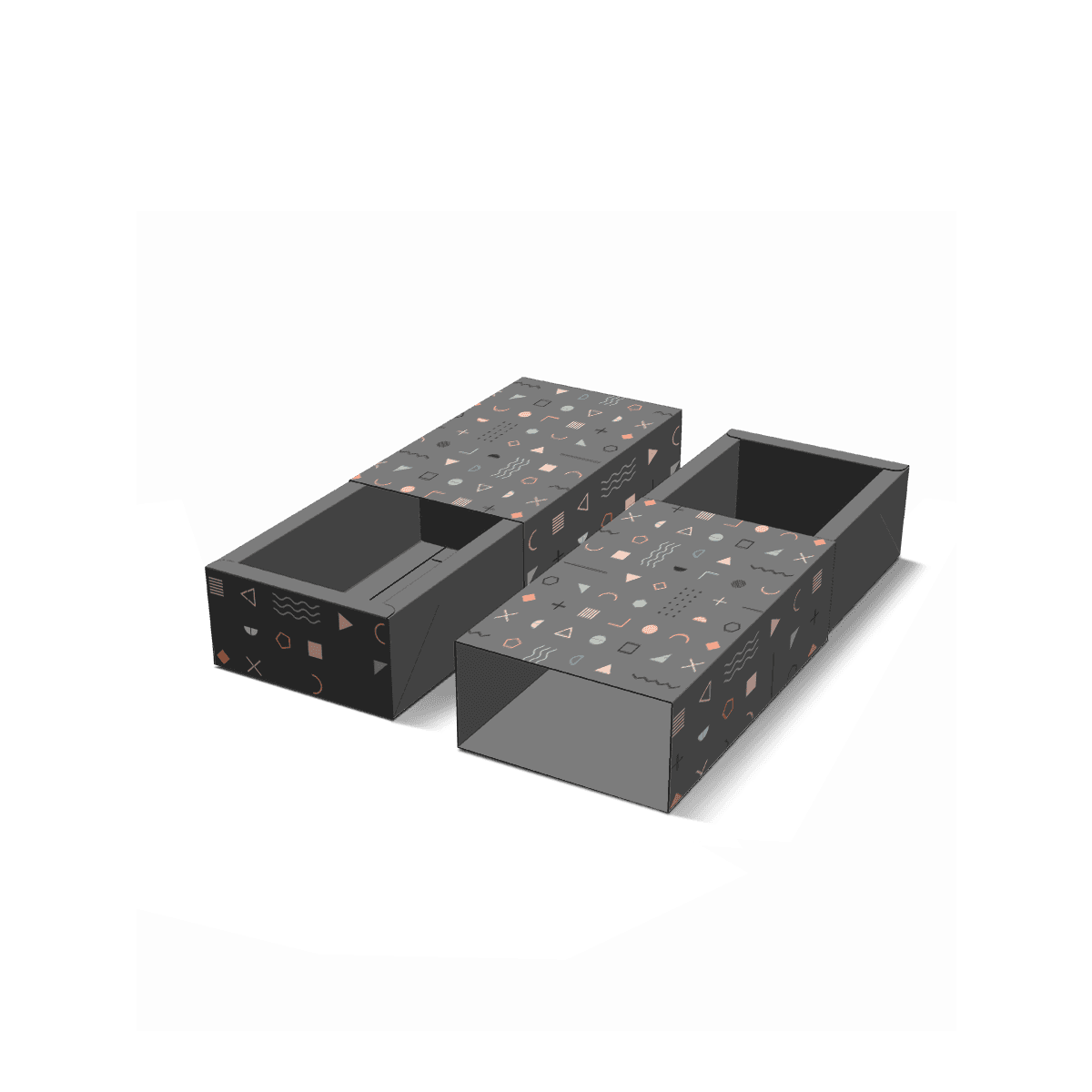
A drawer-style rigid box shifts the interaction toward a controlled horizontal reveal, which can suit bottle-and-accessory sets or fragrances where the tray presentation is part of the design.

Bottle Shape Should Drive the Insert

The insert should follow the load-bearing geometry of the actual fragrance bottle.

A rectangular bottle may need straightforward side control. A round bottle needs protection against rotation. A sculptural bottle with an uneven footprint may need a more carefully shaped cavity that supports stable surfaces without pressing against ornamental details.

Material choice comes after that geometry is understood.

Paperboard inserts can create clean folded platforms and retention points for many standard bottle shapes. Foam can provide closer contouring for heavier or unusually shaped products. Other fitted constructions may make sense depending on weight, presentation and the approved packaging system.

Avoid choosing the insert material solely because it looks premium in an open box. Its first job is to keep the product where it belongs.

The Glass Base Needs a Stable Seat

Perfume bottles often have thick glass at the bottom, which creates both weight and a hard contact surface.

The insert should support that weight without allowing the bottle to settle unevenly or distort the surrounding structure. If the cavity is too shallow, the bottle can sit visibly high. If it is too deep, the packaging can hide too much of the product and make removal awkward.

The correct depth should leave the bottle visually intentional and mechanically stable.

Curves Need Real Clearance

Curved bottles can look deceptively simple when only maximum width and depth are supplied.

A contoured insert should allow for the point where the bottle enters the cavity as well as where it finally sits. If the narrowest opening is smaller than a wider shoulder farther down, packers may have to force the bottle past the insert even though the final cavity dimensions appear correct.

Fit testing should therefore include loading and removal, not just the final resting position.

Discovery Sets Are a Different Packaging Job

Mini bottles, sample vials, rollerballs and discovery sprays should not be treated as scaled-down versions of a full-size fragrance package.

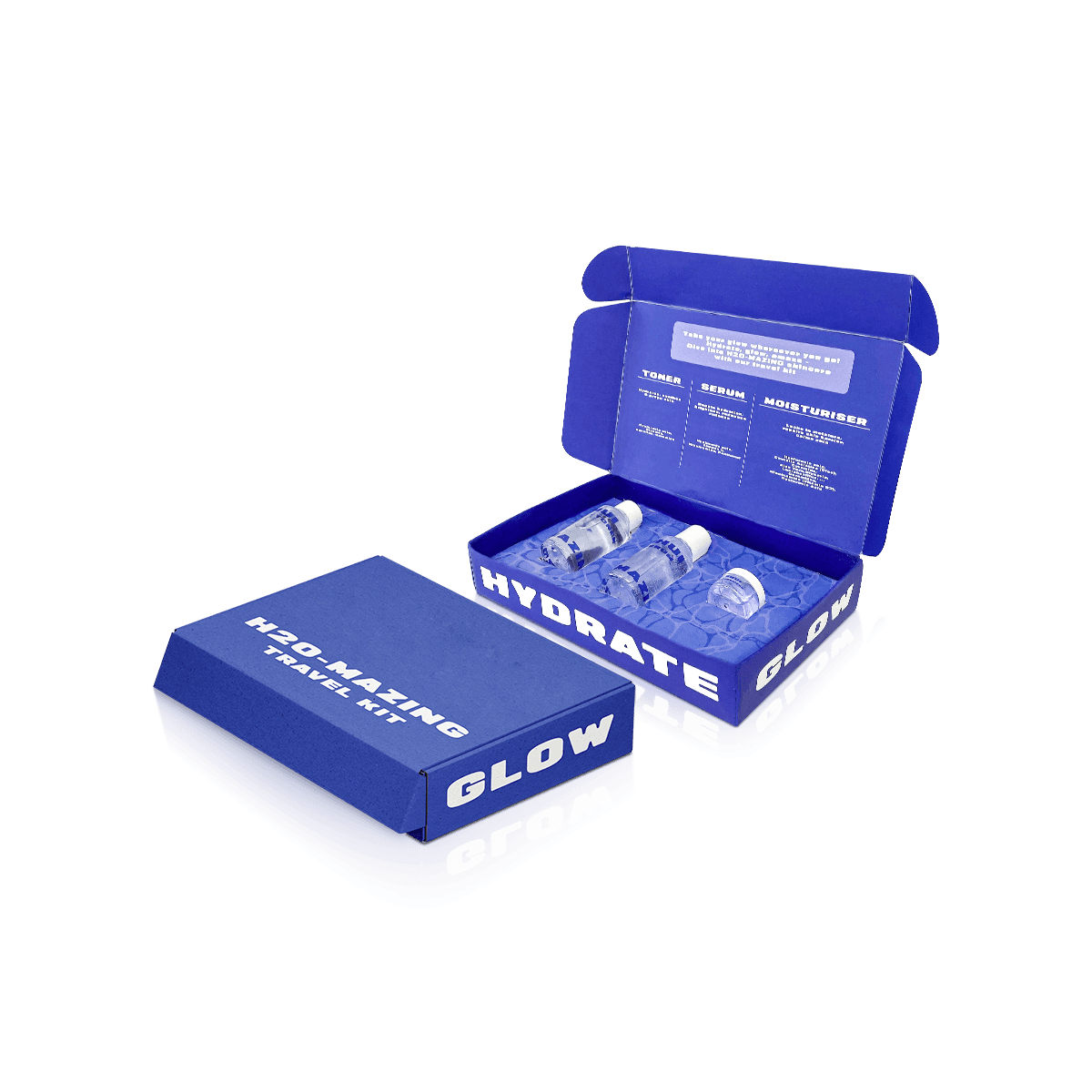
The challenge shifts from supporting one heavy glass object to organizing several small units so they stay aligned, remain easy to identify and do not disappear into an oversized presentation box.

Spacing becomes important. Too much distance between vials wastes volume and weakens the visual relationship between the scents. Too little can make removal difficult or allow adjacent components to touch.

For sets, each cavity should have a purpose and each fragrance should remain easy to distinguish when the package is opened.

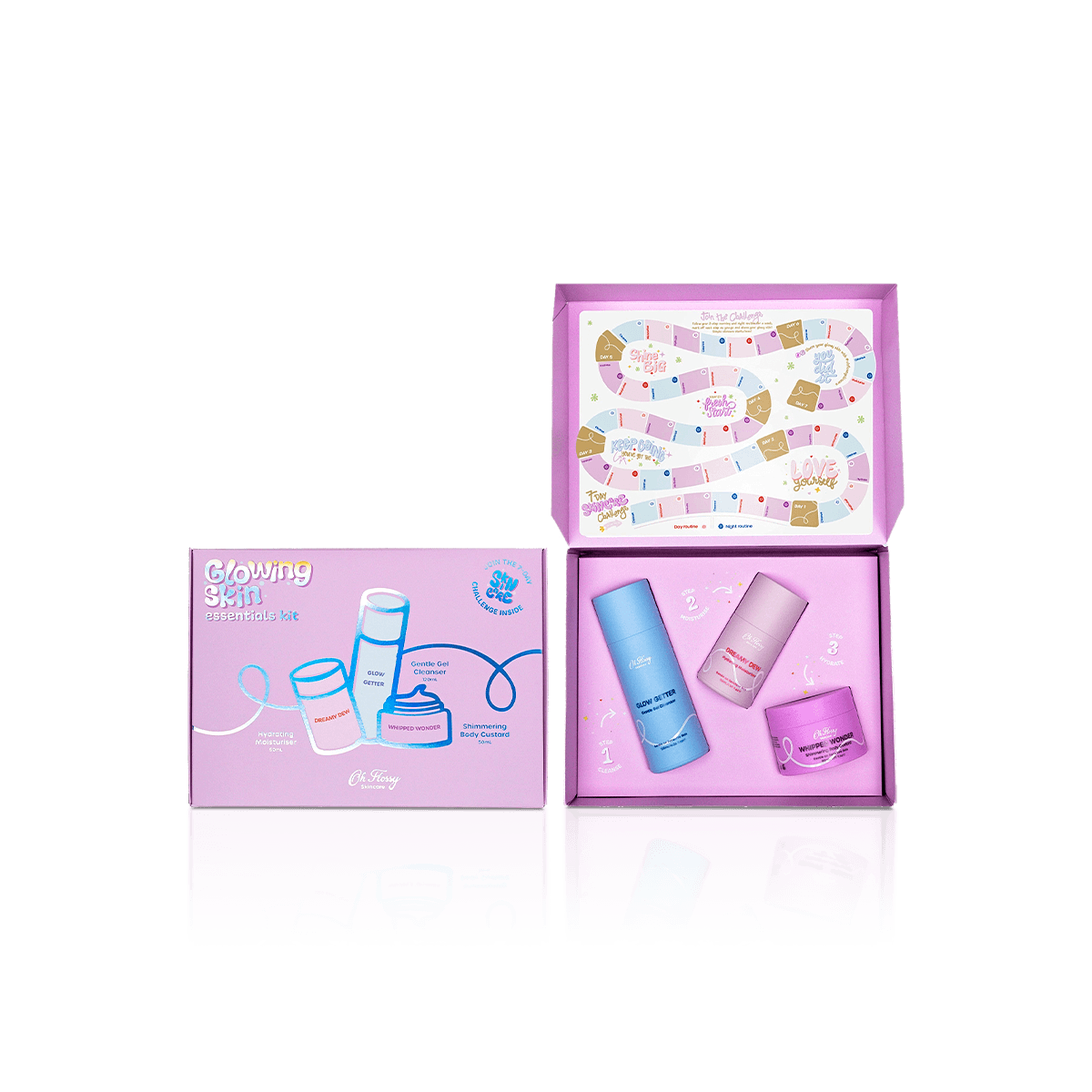
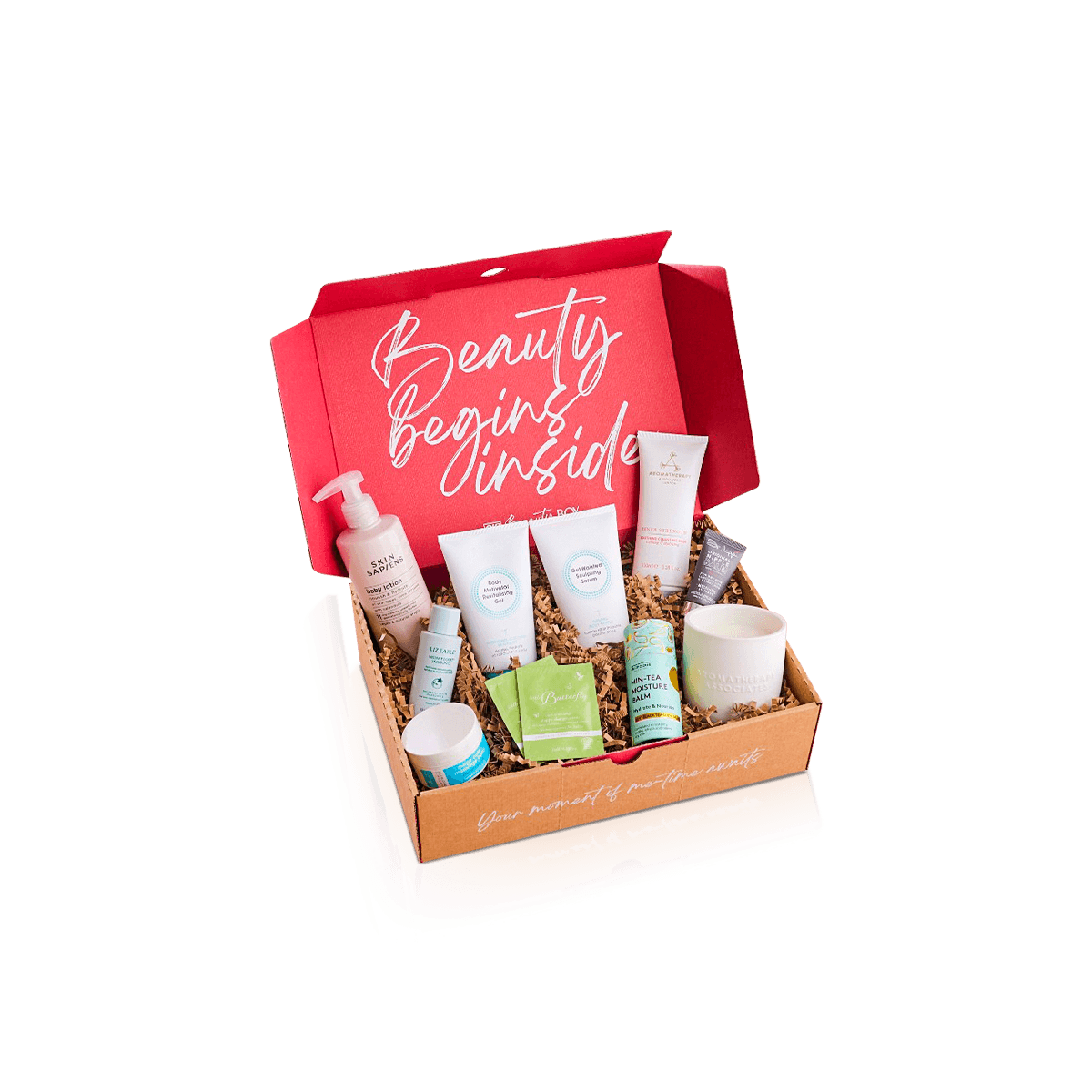
Beauty gift boxes are more appropriate when fragrance is combined with lotion, candles, skincare or other products and the packaging challenge becomes the coordination of several different product shapes rather than one bottle type.

Let the Bottle and Box Share the Hierarchy

Fragrance bottles often carry a strong visual identity of their own. Packaging artwork should support that identity rather than compete with it.

A sculptural bottle may work with restrained exterior typography and one controlled finish. A simpler bottle can give the outer pack more room for illustration, pattern or stronger color.

The carton also has practical communication work to do. Depending on the product and sales channel, the packaging may need space for scent identification, volume, barcode information, batch coding and other product copy. Plan those zones before decorative finishes consume the usable panel area.

Custom printed boxes can coordinate exterior artwork, inside print and repeat color specifications across fragrance SKUs.

Finishes Need a Focal Point

Foil stamping, embossing, debossing, spot UV, matte and soft-touch treatments can all work for fragrance packaging. Using several simultaneously does not automatically create a more premium result.

A metallic fragrance identity may need little more than precise foil against a restrained field. An illustrated scent collection may benefit more from controlled offset color than from additional surface effects.

Matte, gloss, spot UV, foil and embossing behave differently on large solids, fine logos and tactile surfaces, so placement should follow the artwork rather than a finish checklist.

Custom Packly provides premium offset printing, design and dieline support and free 3D mockups. A mockup is useful for checking artwork hierarchy and how the bottle presentation relates to the box. Exact insert pressure and physical bottle clearance still need physical validation where those details are critical.

One Fragrance Line Can Need Several Box Sizes

Brands often want a 30 mL, 50 mL and 100 mL fragrance line to look identical.

The visual system can remain consistent. The internal packaging should still follow each bottle.

Even when the bottles share the same design language, their proportions may not scale evenly. A larger size may use a different cap, thicker glass base or altered shoulder geometry. Forcing every size into a mathematically scaled version of one box can create poor fit.

Keep the design rules consistent while allowing dimensions and insert geometry to change.

The same principle applies when several fragrances share one bottle but use different artwork. In that case, keeping the approved structure unchanged can simplify repeat production and make variant control easier.

Container type, filled weight, vulnerable points and sales path should be settled before decoration in beauty product packaging.

The Retail Box Is Not the Parcel

A perfume carton or rigid presentation box should not be expected to handle ecommerce shipping by itself simply because the bottle fits tightly.

Glass needs a shipping system around the product pack.

The fragrance box controls presentation, local retention and retail handling. The outer mailer or shipping carton deals with parcel impacts, stacking and the carrier environment.

If a premium rigid perfume box is shipped without appropriate external protection, wrapped corners and decorative surfaces may be damaged even when the bottle survives.

Likewise, an expensive retail carton does not compensate for empty space inside an oversized shipper.

Reducing shipping damage through structure and fit starts by controlling movement at each layer instead of trying to make one box perform every job.

Plan Replenishment Around the Bottle Master

The safest repeat specification for a fragrance line starts with the approved physical bottle, not only an old box dimension.

Bottle suppliers can change caps, decorative components or tolerances while keeping the nominal fragrance size the same. Before a major repeat run, confirm that the current production bottle still matches the packaging master when any component has changed.

Record the approved bottle dimensions, packed weight, insert geometry, box dimensions, artwork version and finish placement for each SKU.

For US orders, Custom Packly’s MOQ starts from 100 boxes. Standard turnaround is 4–6 days after final artwork and specifications are approved, with US production and free shipping. Warehousing and scheduled deliveries can support established fragrance lines that need packaging released against launch dates or replenishment cycles. Complex structures, specialty materials or advanced finishes may require additional time.

The commercial advantage is consistency rather than simply ordering more boxes. Once a bottle-and-pack combination is approved, repeat production should preserve the exact relationship between the glass, cap, insert and outer structure.

Treat Each Bottle as Its Own Specification

A fragrance line should share a recognizable packaging system without pretending that every bottle is physically the same.

Keep the elements customers recognize: typography, logo position, color logic, finish hierarchy and the overall presentation level.

Change the parts that need to follow the product: internal dimensions, insert geometry, cap clearance, removal access and sometimes the box structure itself.

That distinction becomes especially important when a brand moves from a core retail bottle into discovery sets, collector editions or seasonal gift packaging. The same scent identity can live across several packages without forcing one structural answer onto all of them.

For perfume packaging, consistency does not mean identical boxes.

It means every bottle feels like part of the same fragrance line while being held according to its own weight, shape and vulnerable points.

FAQs

For most retail perfume boxes, SBS paperboard or other premium folding carton stock gives a strong print surface and a clean finish. Rigid board is usually the better choice when the fragrance is positioned as a luxury item or sold as a gift set.

Folding cartons are usually the better fit for everyday retail fragrance lines because they print well, ship efficiently, and control cost. Rigid presentation boxes make more sense for premium launches, collector editions, and higher-ticket gifting where the pack itself is part of the product experience.

The most reliable method is using insert design that matches the bottle footprint and height. Paperboard inserts, tray inserts, or protective fitments help keep the bottle upright, reduce rattling, and improve product retention during handling.

Yes, they usually do. Fragrance packaging often needs space for volume, ingredients, barcode placement, warnings, batch codes, and other brand or retail information, so panel planning matters early in the packaging design stage.

Usually not for glass bottles. Perfume boxes work best as the product pack inside a shipping-ready outer carton or mailer, especially when the order is moving through e-commerce fulfillment.

Process

How it works

Your Packaging Journey, From Idea to Production and Delivery

01

Tell Us Your Specs

Custom packaging boxes

Tell Us Your Specs

Provide size, quantity, printing, and finishes.

02

Get a Fast Quote

Custom packaging boxes

Get a Fast Quote

Instant transparent pricing, no hidden fees.

03

Design and Approval

Custom packaging boxes

Design and Approval

Artwork checks, revisions, and final sign-off.

04

Produce

Custom packaging boxes

Produce

Expert manufacturing to meet deadlines.

05

Ship to Your Door

Custom packaging boxes

Ship to Your Door

Hassle-free, flexible delivery options.

Get Your Quote for Custom Perfume Boxes

Share your product details, size, quantity and artwork needs. We’ll help choose the right packaging style and send a clear quote.