Skip to content
Details

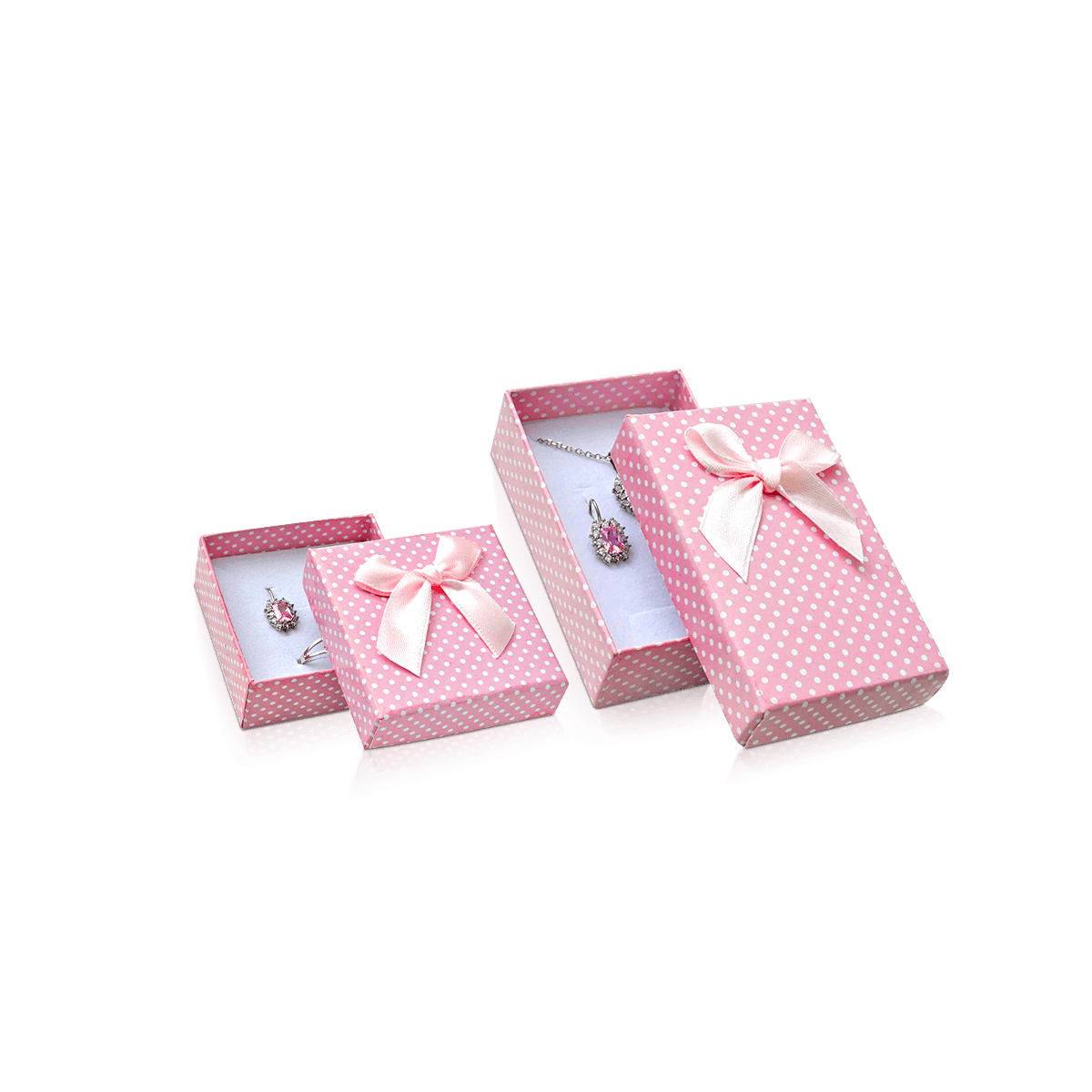
Custom Jewelry Gift Boxes

Gift-ready jewelry packaging that keeps each piece centered, supports cards and personal details and makes the handoff feel considered before the recipient sees what is inside.

The Handoff Starts Before Opening

Jewelry gifting has an unusual packaging requirement: the box belongs to the moment before it belongs to the product.

A customer may carry it out of a boutique, place it beneath wrapping, hand it across a dinner table or open a mailed order days later. The package has to feel complete before the jewelry itself becomes visible.

That makes custom jewelry gift boxes different from packaging focused mainly on retail storage or structural strength. The jewelry still needs secure positioning, but the package also has to support the exchange between giver and recipient.

Scale matters immediately. A ring inside an unnecessarily large box can feel lost. A necklace squeezed into a compact footprint can lose the graceful presentation that made it gift-worthy. A bracelet set may need more horizontal room than depth.

The gift box should therefore be proportioned around both the jewelry and the gesture.

Within jewelry and accessories packaging, gifting is one specific use alongside display, travel, retail and protective packaging. The gift box earns its role when presentation during the handoff matters as much as storage after the sale.
The Piece Should Appear Immediately

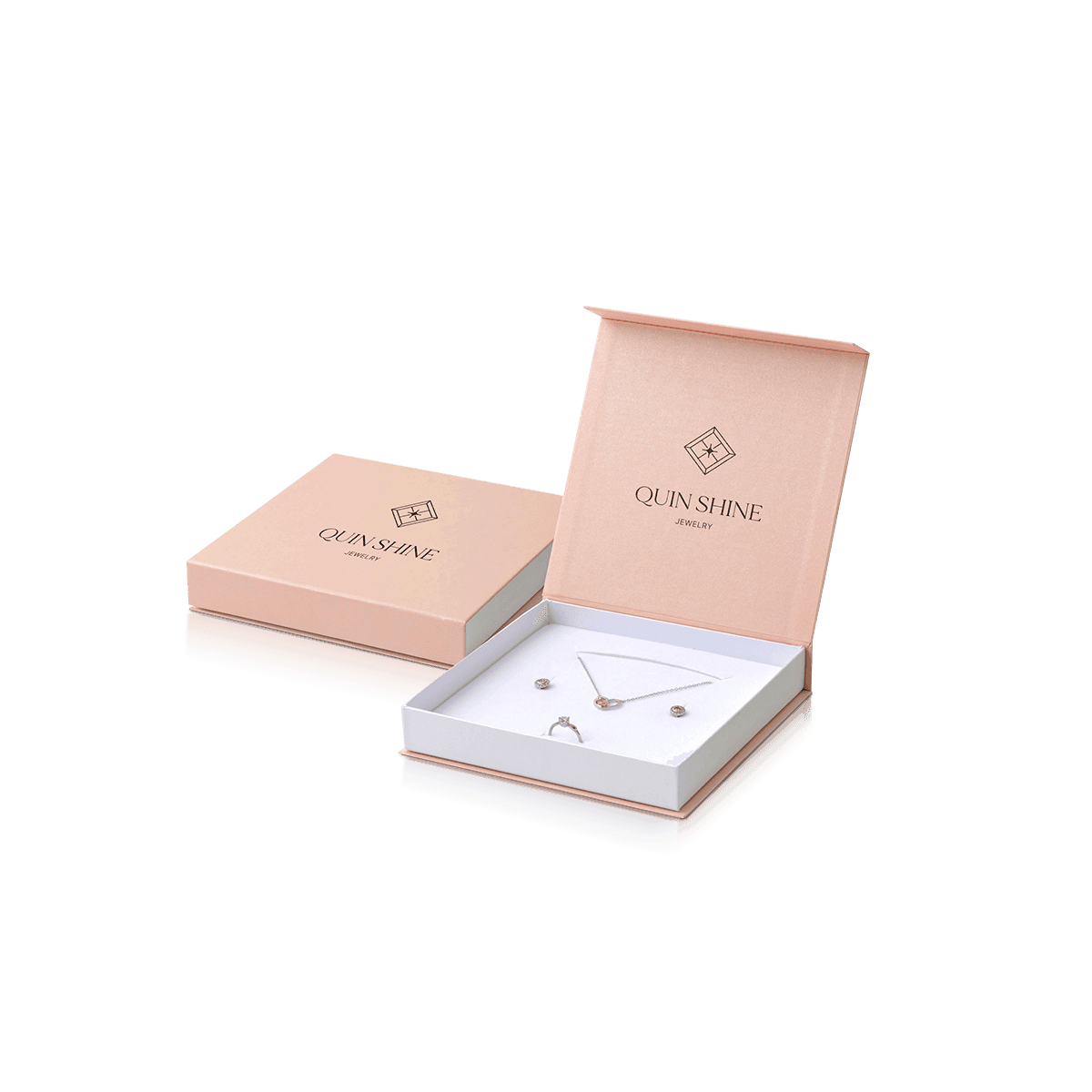
Opening a jewelry gift box should answer one visual question without effort: where is the jewelry?

The eye should not have to search through oversized cavities, loose tissue or several decorative components to find the item.

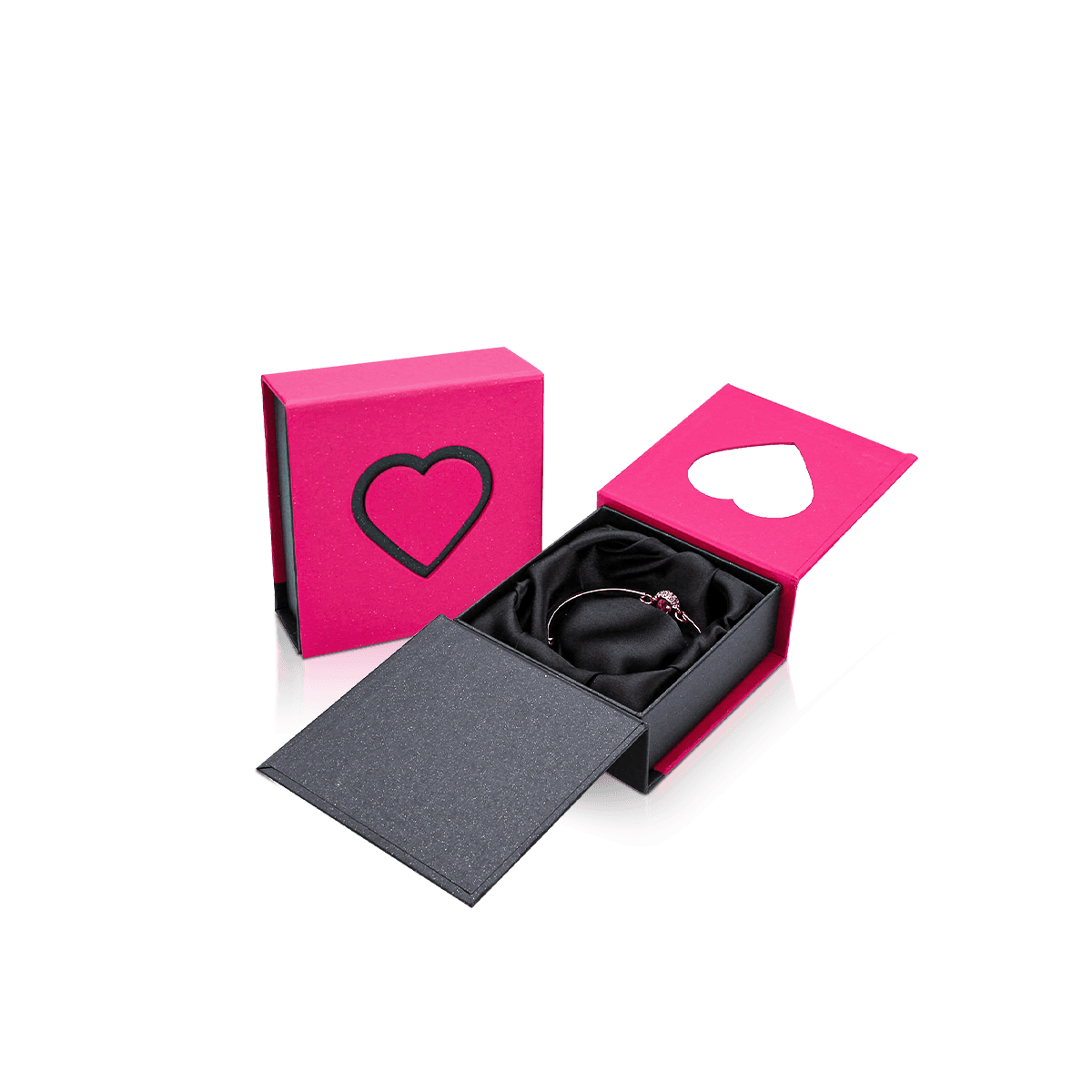
A single ring can sit at the visual center. A pendant can be placed so the chain supports rather than obscures the centerpiece. Earrings need to appear as an intentional pair. A bracelet should follow a clean curve or supported line rather than collapse into the base.

Single Pieces

Single-item gifts benefit from disciplined scale.

A compact footprint can make the piece feel more deliberate because the packaging frames the item closely. Space can still be left around the jewelry, but that space should create emphasis rather than emptiness.

For rings and small earrings, vertical lift often matters more than extra box width. Raising the insert brings the piece closer to the opening and makes the first view stronger.

Paired Pieces

A pendant with matching earrings or a bracelet paired with a charm introduces a different problem.

The items should feel connected without touching or overlapping. Giving each component its own position helps the recipient understand the set immediately while reducing movement during handling.

Equal spacing is not mandatory. If one piece carries more visual or monetary importance, its position can establish the hierarchy.

Inserts Should Hold Without Hiding

Jewelry inserts have to secure very small products without swallowing them.

Too deep and the piece disappears. Too shallow and it can shift or lift away from its intended position.

Foam, paperboard and soft-covered fitments can all work depending on the jewelry type and presentation. Packaging inserts should be judged by retention, surface contact, presentation height and removal rather than appearance alone.

Rings Need Upright Control

A ring should remain presented at its intended angle.

A slit or cushioned holder can secure the band while allowing the setting to stay visible. The insert should not put unnecessary pressure on delicate details or make the ring difficult to lift.

The visible portion matters. Too much exposed band can make the fit look loose. Too little exposure can hide the jewelry’s form.

Chains Need an Anchor

Necklaces and pendants introduce movement even when the jewelry weighs very little.

A chain can shift, cross itself or fall behind the insert during handling. Small retention points near the chain path help preserve the presentation while keeping the pendant in its intended position.

The aim is not to immobilize every millimeter of chain. It is to prevent the first opening from revealing a tangled or off-center piece.

Earrings Need Pair Control

Studs, hoops and drop earrings each sit differently.

The interior should keep the pair visibly together while preventing posts, hooks or decorative surfaces from rubbing against each other. Small cutouts or card-style supports can also make removal easier.

The packaging should still look composed after one earring has been lifted out.

Gift Extras Need Assigned Space

A jewelry gift often includes more than jewelry.

Care cards, authenticity details, thank-you notes, polishing cloths, gift messages and small printed inserts can all be part of the final pack. Adding them without planning can disrupt an otherwise precise presentation.

A card placed loosely over the jewelry hides the first reveal. A cloth folded into an undersized cavity can lift the lid. A thick information booklet can change the internal depth enough to compress the product area.

Each extra should therefore have a deliberate position.

A slim card can sit beneath the insert, in a lid pocket or in a dedicated recess depending on how soon the recipient should see it. A polishing cloth can occupy a secondary compartment when it deserves to remain with the item.

This is where custom product packaging becomes useful: the full packed product, not only the jewelry itself, determines the right dimensions and inside organization.

The box should not become a storage drawer for every printed item the brand wants to include.

If an insert does not support the gift moment, it should probably be removed.

Occasion Changes the Presentation

Jewelry purchased as an anniversary gift does not need to feel identical to jewelry handed out at a corporate event.

The same product can require different presentation depending on why it is being given.

A proposal ring usually benefits from compact focus and minimal competing decoration. Bridal-party jewelry may need coordinated boxes across several recipients. Holiday gifting can use seasonal color or limited-edition print. Corporate jewelry gifts may need more space for a branded message without making the jewelry feel like promotional merchandise.

The structure can remain similar while the gift cues change.

This is where print, wrap, ribbon, card placement and inside messaging do more useful work than simply increasing box size.

A strong occasion-specific box feels intentional without becoming disposable decoration.

The Closure Sets the Pace

The way a jewelry box opens changes the gift experience.

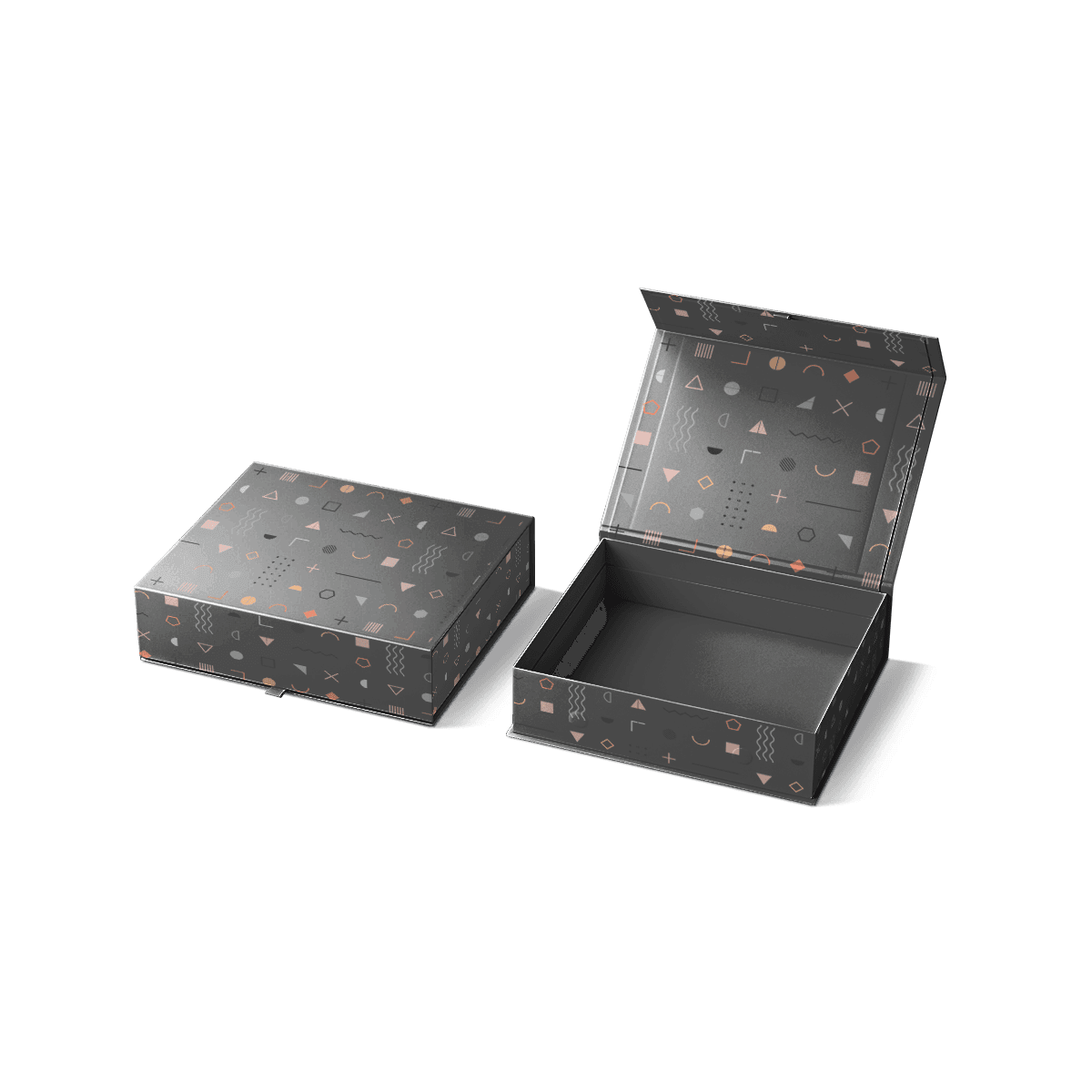
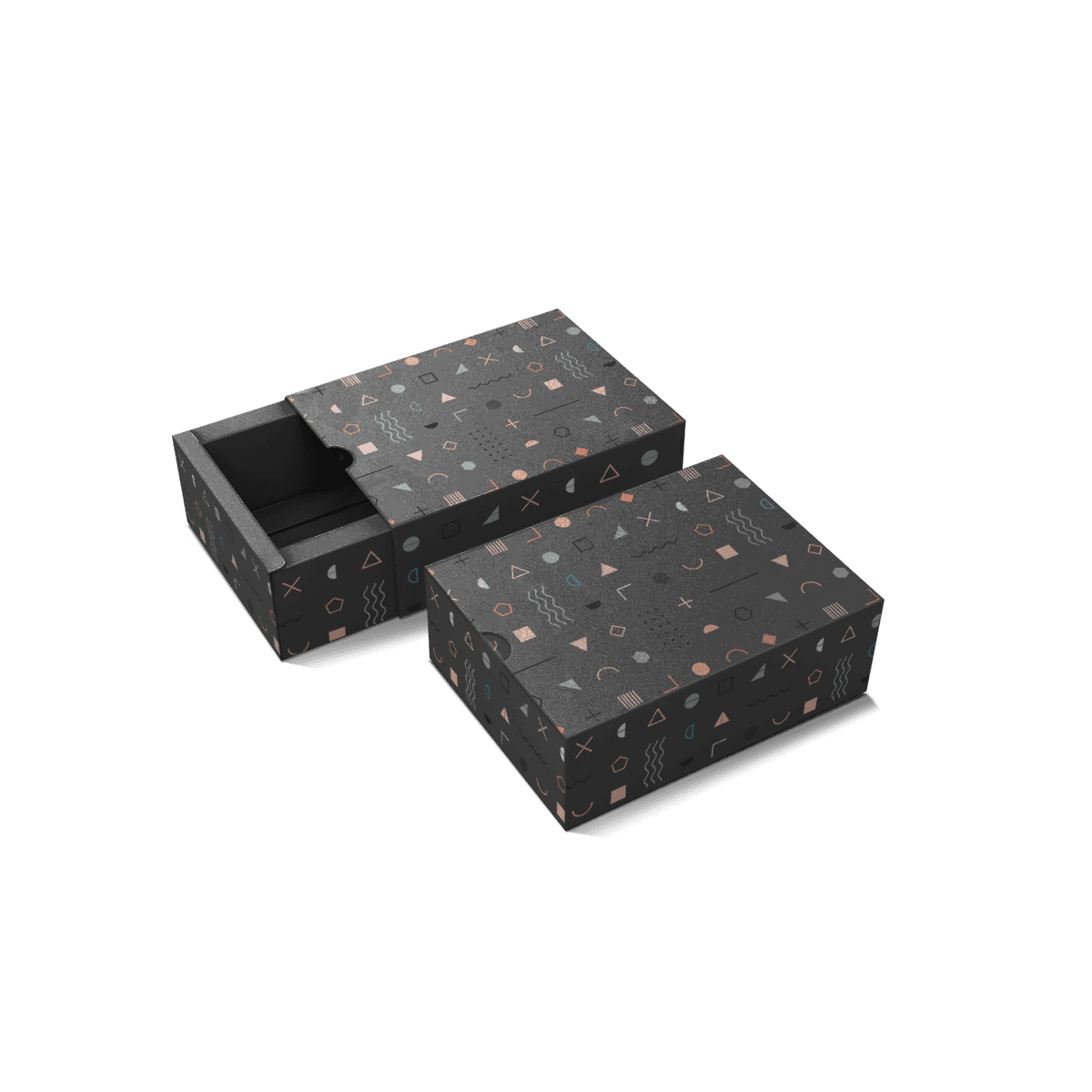
A lift-off lid exposes the product directly. A magnetic flap creates a more controlled opening. A drawer slows the reveal through movement. A hinged case keeps lid and base connected.

None is universally more premium.

The better choice depends on the jewelry, the occasion and how the recipient should encounter the piece.

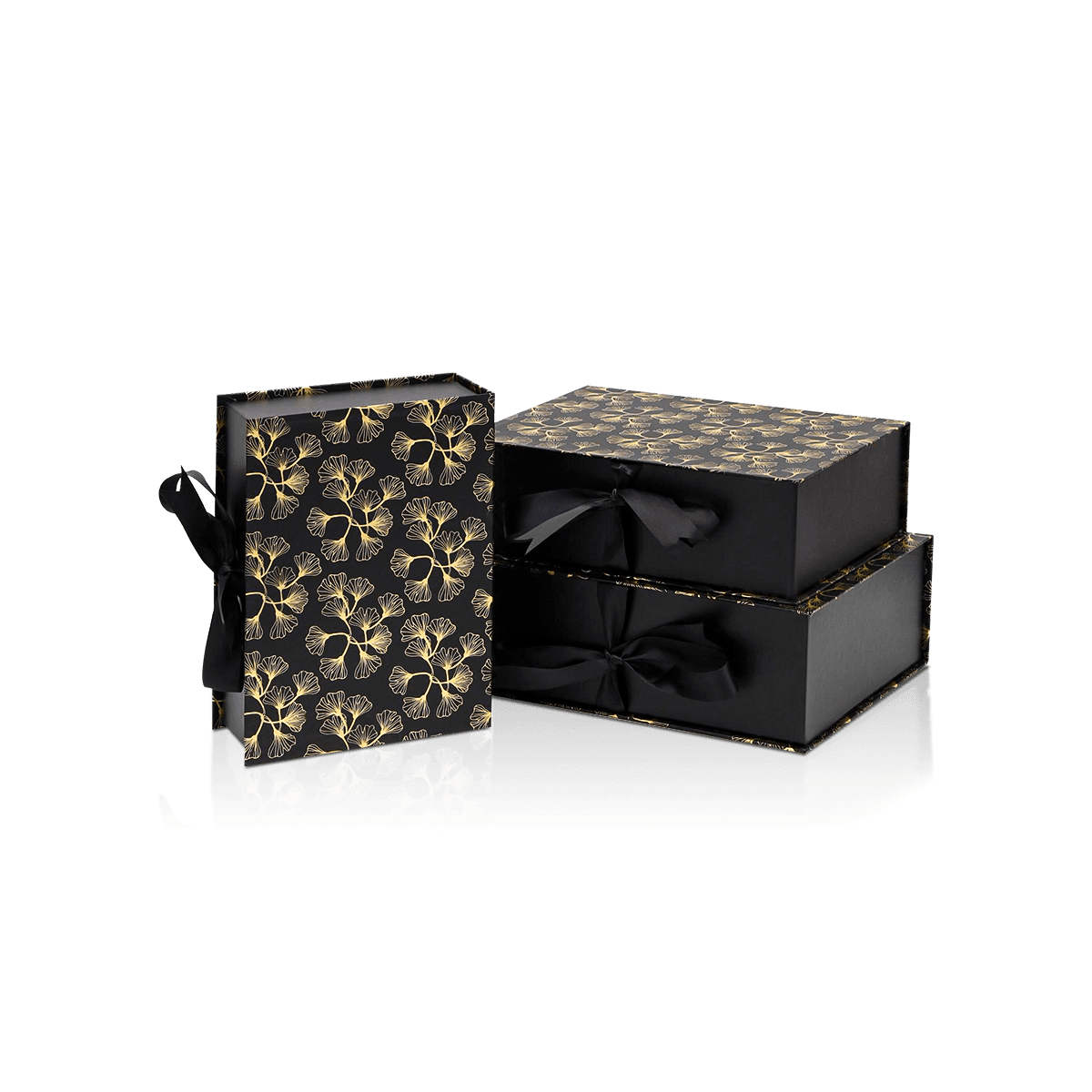
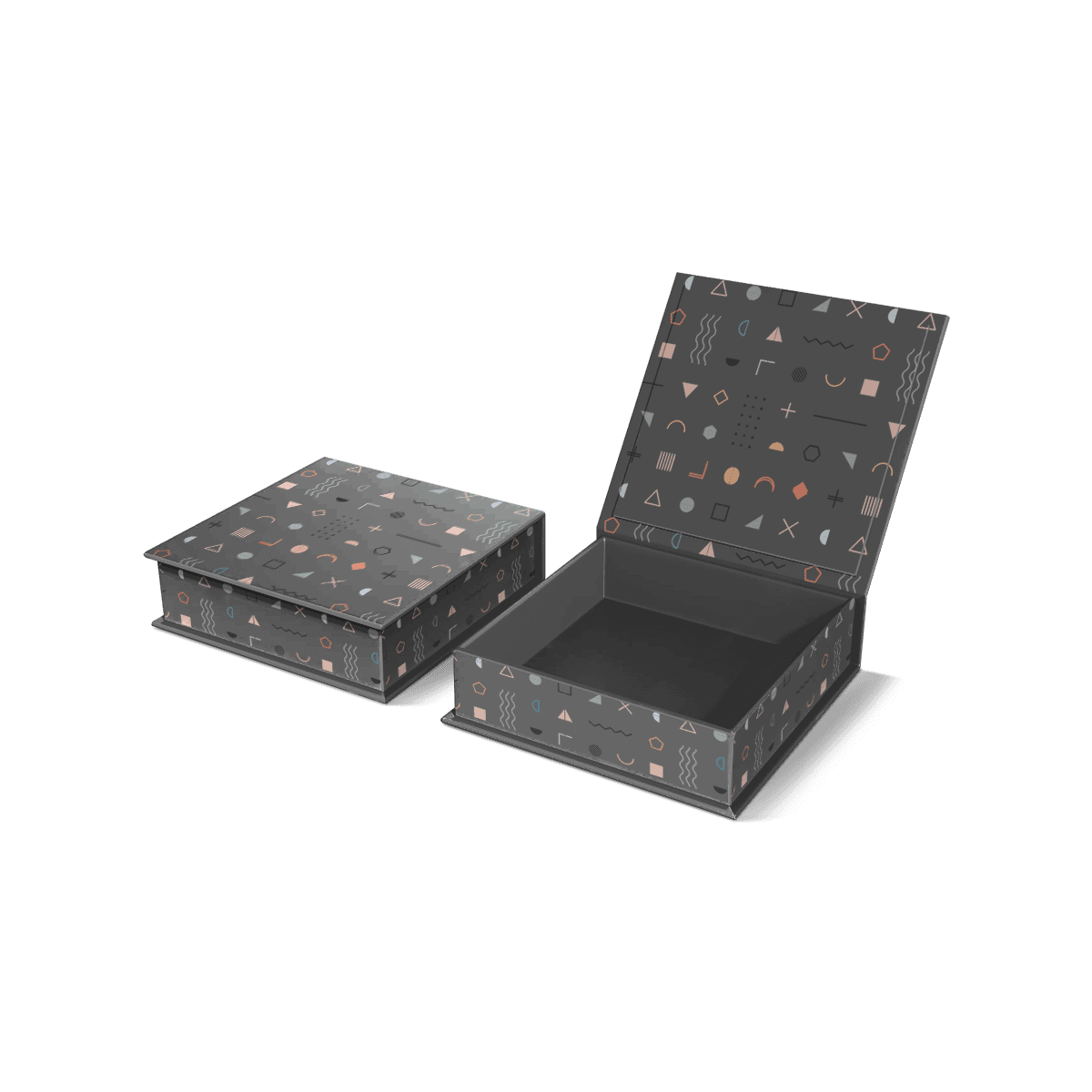
Magnetic closure jewelry boxes work particularly well when a secure close and repeatable lid action matter. They can suit private appointments, higher-value gifting and keepsake use.

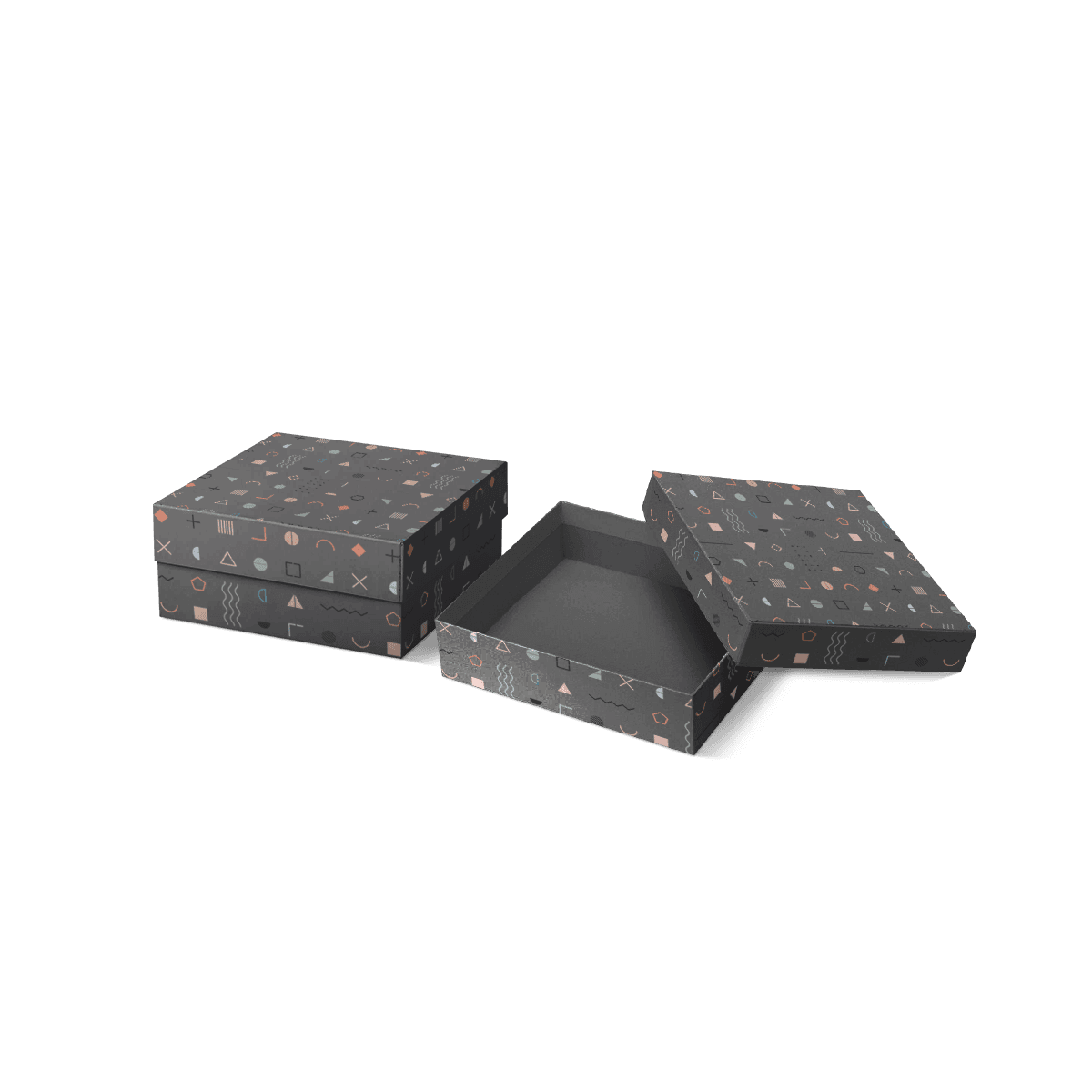
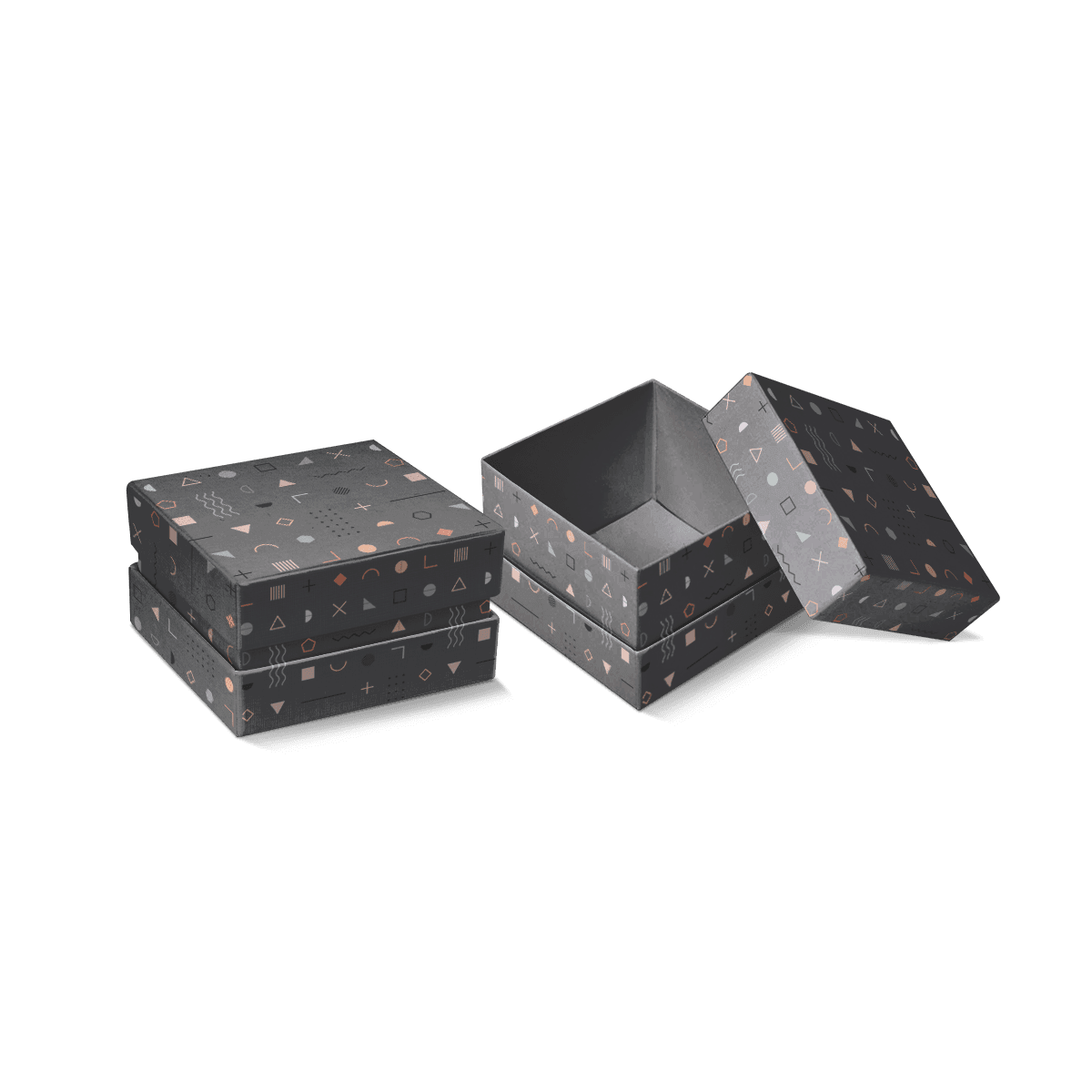
A two-piece gift box may be stronger when simplicity is part of the presentation. A drawer can work when the brand wants the jewelry to emerge gradually.

The closure should support the moment rather than become the moment.

If the customer notices the mechanism more than the jewelry, the box may be overdesigned.

Gift Packaging and Luxury Packaging Are Not the Same

A jewelry gift box does not have to occupy the highest possible material and finish tier.

The gift purpose comes from presentation, fit and the handoff. Luxury positioning goes further into material weight, finish sophistication, tactile treatment and keepsake value.

Luxury jewelry boxes make more sense when the packaging itself needs to signal a high-value purchase before the product is seen.

Gift packaging can be simpler.

A clean paperboard box with an accurate insert, good typography and a personal message can create a stronger gift experience than an oversized rigid box covered in specialty finishes.

That distinction helps control cost while preserving the purpose of the package.

Lighter Jewelry Can Use Lighter Boxes

Rigid construction is common for gifting, but it is not mandatory.

Light earrings, costume jewelry, event favors and lower-priced accessories may work better in compact paperboard packaging. It stores efficiently, prints sharply and can still carry foil or other decorative details.

Cardboard jewelry boxes are worth considering when lower pack weight and storage efficiency matter more than heavy hand-feel.

Rigid board earns its cost when the package needs greater substance, a stronger keepsake role or a more structured opening.

Material should follow the gifting requirement rather than an assumption that all jewelry deserves the heaviest available box.

Branding Has Very Little Room to Hide

Jewelry gift boxes are often compact.

That makes weak artwork more visible, not less.

A small lid cannot comfortably carry a large logo, long collection name, promotional line, decorative pattern and several finish effects at once. The brand hierarchy needs discipline.

One strong mark is often enough.

Custom printed jewelry boxes can use exterior color, inside print and finishing strategically without forcing every brand element onto the top panel.

Premium offset printing supports detailed artwork and consistent production across repeated branded runs. CMYK works well for multi-color graphics, while Pantone references can support a specific brand color when tighter color control matters.

Custom Packly also provides design and dieline support plus free 3D mockups, so the lid, inside surfaces and jewelry position can be reviewed as one presentation before production.

Finishing Should Frame the Jewelry

Foil is common in jewelry packaging for a reason: a small reflective mark can work well on a compact box.

That does not mean every visible surface needs metallic detail.

Matte, soft-touch, foil, embossing, debossing and spot UV each change the hand-feel and visual hierarchy differently. The distinctions among packaging finishes become especially noticeable on small packages because every element occupies a larger percentage of the visible surface.

A useful rule is to decide what should receive attention first.

If the jewelry itself is highly reflective, a restrained exterior may create better contrast. If the outer box needs to communicate a seasonal collection before opening, foil or a stronger printed color can carry more of the visual work.

The finish should frame the product, not compete with it.

A Gift Box Can Be Too Large

Oversizing is one of the easiest ways to weaken jewelry presentation.

Imagine a small pendant placed inside a box selected mainly because a larger footprint feels more expensive.

The insert holds the pendant securely, but a wide empty border surrounds it. A care card floats above the piece because no dedicated position exists. The recipient opens a substantial package and finds a visually tiny product.

Nothing is technically broken.

The proportions are wrong.

Reducing the box footprint, raising the pendant slightly and assigning the message card its own position creates a better gift without adding any material or finish.

The practical improvement is immediate: the product becomes the focal point and the box feels made for the jewelry rather than borrowed from another item.

Premium gifting depends on proportion more than volume.

Retail Handoff and Mailed Gifting Need Different Layers

A boutique can hand a gift box directly to the customer in near-perfect condition.

E-commerce cannot assume that environment.

A jewelry gift box sent through a parcel network may encounter conveyors, stacking, rubbing and multiple handling points before the recipient sees it. A wrapped or foil-finished presentation box should not be expected to absorb those conditions by itself.

For mailed orders, the gift box works best as the inner presentation pack inside suitable shipping boxes.

The outer packaging takes transit pressure. The inner box handles the gift reveal.

This also protects ribbon, paper wraps and sharp presentation edges from abrasion.

The pack should be tested as one delivery system. A beautiful gift box that arrives scuffed has failed the gifting job even if the jewelry itself remains unharmed.

Gifting Programs Create SKU Questions

Jewelry brands often begin with one box and quickly discover that one size cannot handle the whole collection.

Ring boxes, earrings, pendants and bracelets have different proportions. Multi-piece gifts add another requirement. Holiday editions may add cards or accessories that alter the internal layout.

The goal should not be a unique outer size for every minor variation.

Look for sensible groupings.

Several ring styles may share one box when their insert geometry remains compatible. Earrings of similar dimensions can use another standard. A necklace box may support several pendant designs by changing only a small retention detail.

That reduces operational complexity while preserving product-specific fit.

For brands managing several packaging SKUs or repeat orders, bulk custom boxes can be coordinated around repeat specifications, quantities, storage and scheduled releases.

Custom Packly also provides warehousing and scheduled deliveries where holding the full packaging run at one location is unnecessary.

Pricing Should Follow the Gift Standard

The right jewelry gift box budget depends on what the recipient actually experiences.

Rigid board, custom inserts, wrapped surfaces, magnets, ribbon, foil and interior printing all add production steps. That does not mean each feature improves the gift by the same amount.

Spend first on the parts that preserve the piece and improve presentation.

A properly sized box and accurate insert usually matter more than a second decorative finish. Clean product orientation can matter more than complicated structural engineering. A simple box with good proportions can outperform a highly specified package that feels oversized or difficult to open.

USA MOQ starts from 100 boxes. Transparent pricing with no hidden charges keeps the budget tied to the actual gift standard.

When the jewelry type, box size, quantity, insert and finish direction are established, an instant custom packaging quote can reflect the actual gift specification.

Approve the Gift as the Recipient Sees It

The final approval should reproduce the moment of opening.

Place the actual jewelry into the intended insert. Add the care card, gift note, cloth or accessory that will ship with it. Close the package, handle it normally and open it again without carefully repositioning anything first.

Then look at what the recipient sees.

Is the piece centered? Has the chain moved? Are earrings still paired? Can the jewelry be lifted without disturbing the rest of the presentation? Does the message appear before or after the product at the right moment?

A free 3D mockup can establish the visual direction. Free sample examples of previous work can help assess materials and finishes. A paid fully custom pre-production sample can be arranged when exact jewelry fit and finished presentation need physical approval.

Custom Packly provides 24/7 packaging expert support where insert position, structure or finishing needs refinement.

Custom jewelry gift boxes are successful when the recipient does not have to adjust the packaging to understand the gift. The jewelry should already be exactly where the moment needs it to be.

FAQs

Yes. Tissue adds softness and visual layering but the insert does the real work by keeping the jewelry centered and reducing movement inside the box.

Magnetic closure, drawer-style and lid-and-base rigid formats usually feel the most gift-ready because they open cleanly and support a stronger interior presentation.

Yes for formal gifting. Gift boxes create a stronger reveal, hold inserts better and leave room for branding details, while flexible pouches are better for travel, softer contact and lower-bulk packing.

Usually not. A single pendant or ring needs a tighter footprint, while multi-item gifting programs often need more depth for inserts, cards or layered components.

They will when used as the inner presentation pack inside a mailer or shipping carton. That setup protects the gift box finish while keeping the unboxing experience intact.

Process

How it works

Your Packaging Journey, From Idea to Production and Delivery

01

Tell Us Your Specs

Custom packaging boxes

Tell Us Your Specs

Provide size, quantity, printing, and finishes.

02

Get a Fast Quote

Custom packaging boxes

Get a Fast Quote

Instant transparent pricing, no hidden fees.

03

Design and Approval

Custom packaging boxes

Design and Approval

Artwork checks, revisions, and final sign-off.

04

Produce

Custom packaging boxes

Produce

Expert manufacturing to meet deadlines.

05

Ship to Your Door

Custom packaging boxes

Ship to Your Door

Hassle-free, flexible delivery options.

Get Your Quote for Custom Jewelry Gift Boxes

Share your product details, size, quantity and artwork needs. We’ll help choose the right packaging style and send a clear quote.