Skip to content
Details

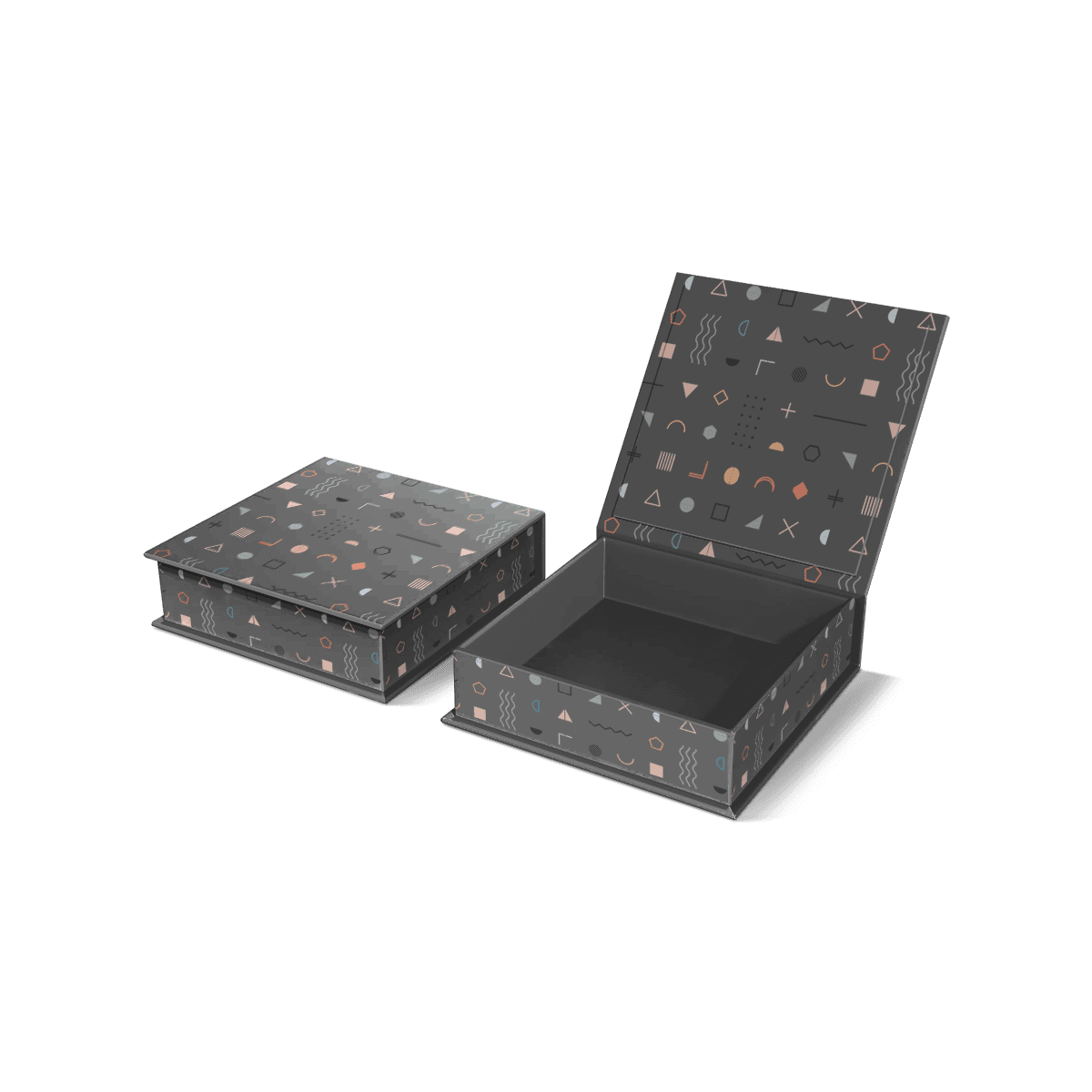
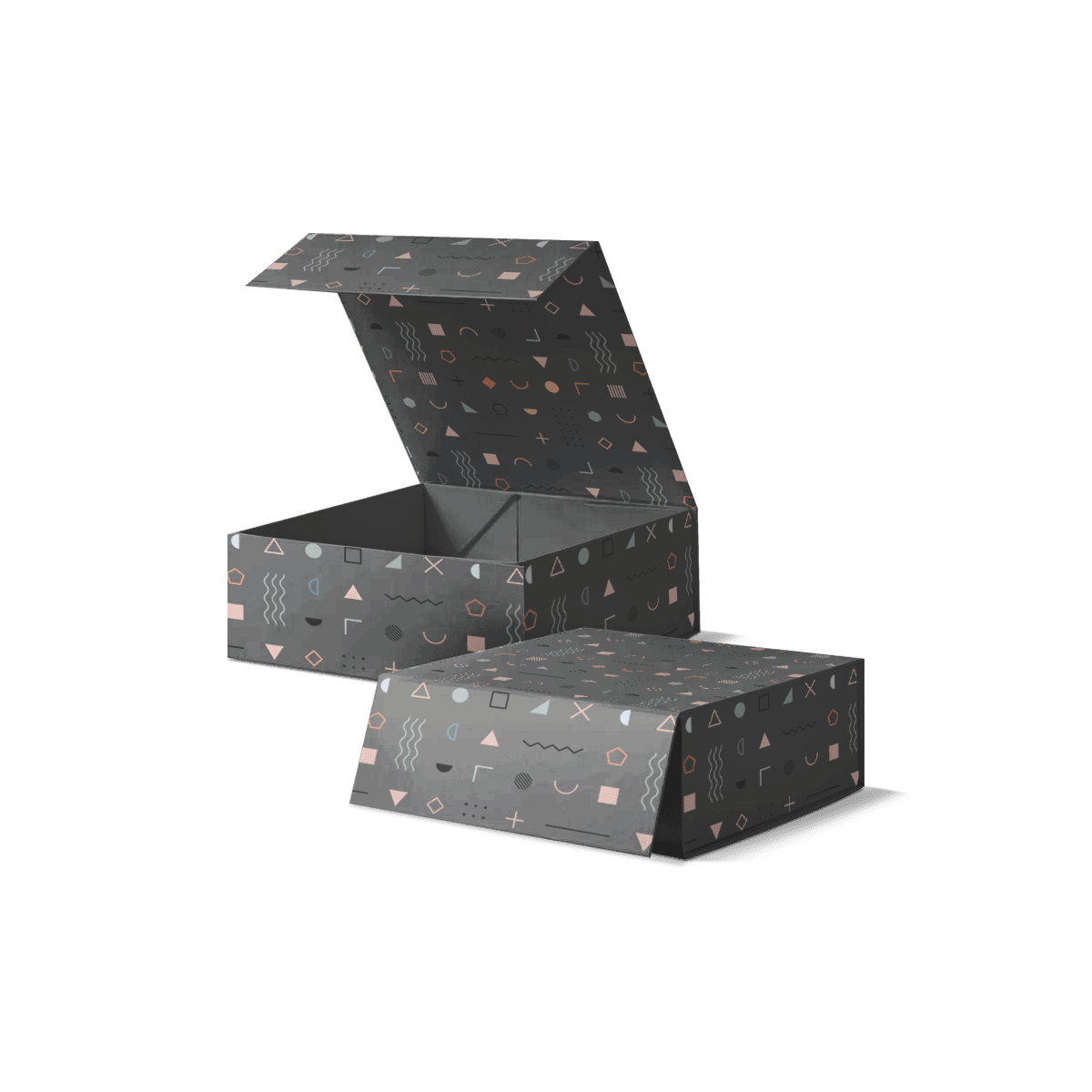
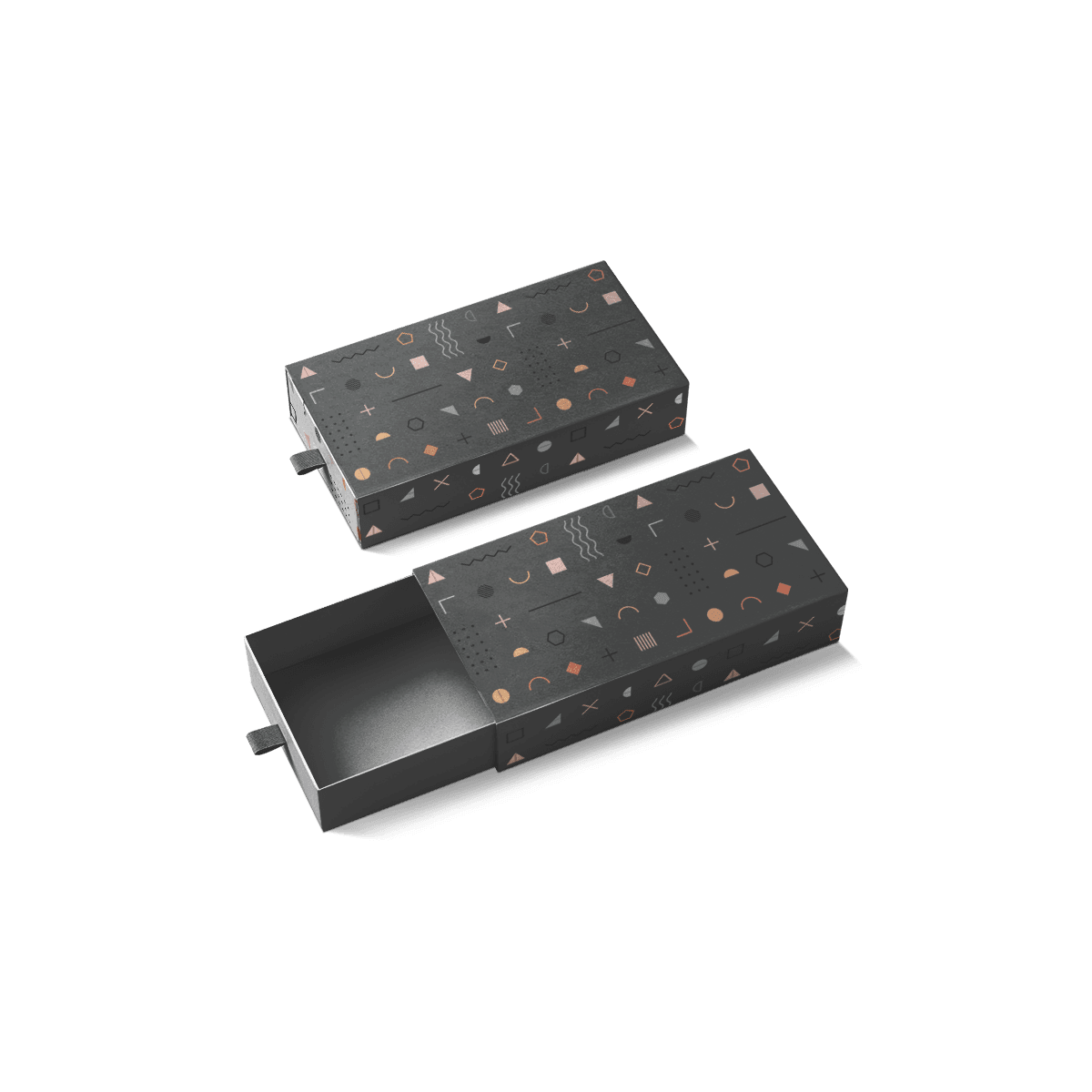
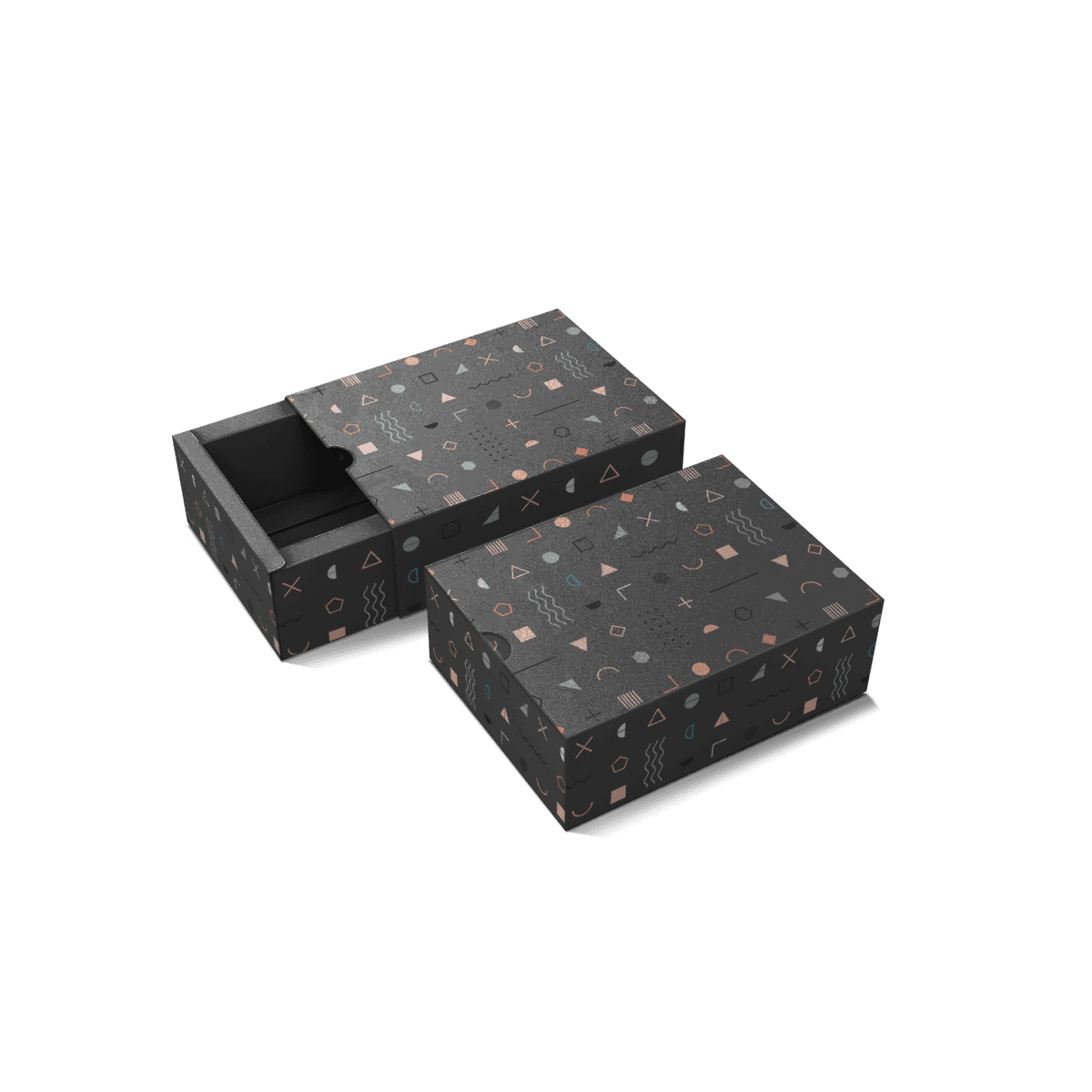
Custom Set Jewelry Boxes

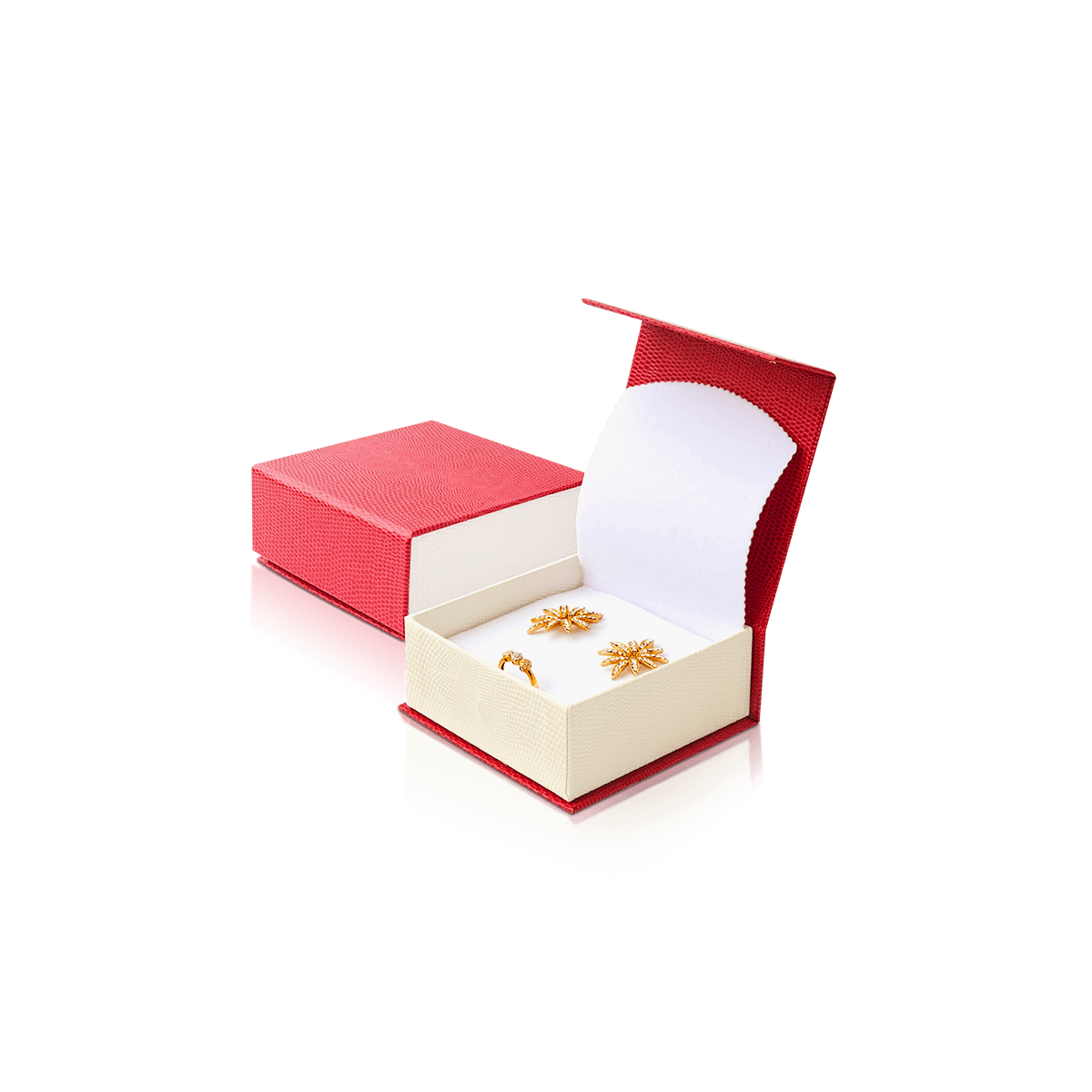
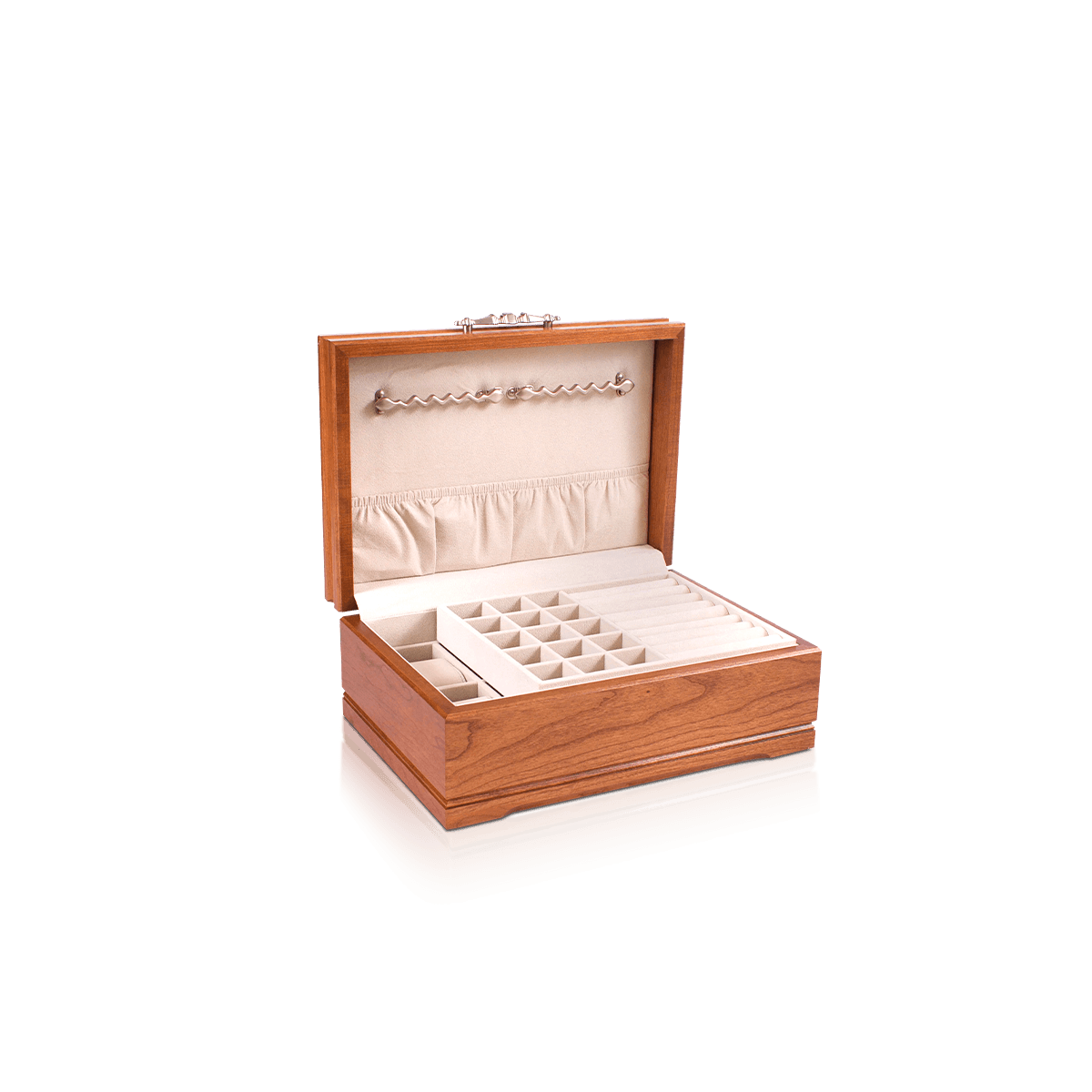
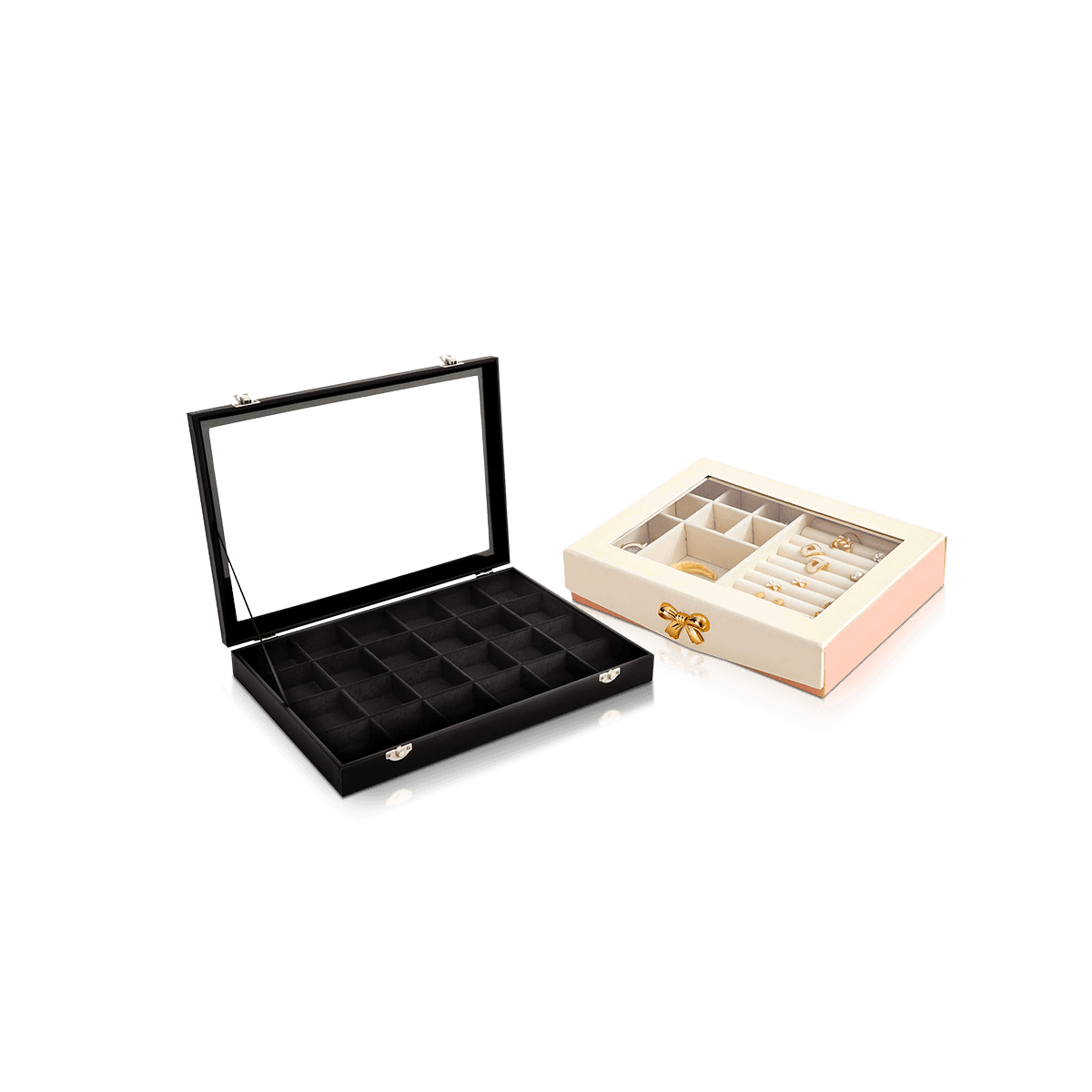
Multi-piece jewelry packaging that gives rings, earrings, necklaces, bracelets and pendants separate holding positions while presenting the collection as one coordinated set.

The Set Needs One Visual Center

Custom Set Jewelry Boxes have to solve two jobs at once. Every piece needs an individual holding position, but the customer should still see one intentional collection when the box opens.

A necklace, earrings and ring cannot simply be placed into three available spaces. Their scale, height and visual weight differ. If every compartment receives equal prominence, a coordinated jewelry set can look more like several unrelated products packed together.

The interior should establish which piece leads the presentation and how the remaining pieces support it.

For a necklace-and-earring set, the pendant may become the visual center with earrings positioned symmetrically beside it. A ring, necklace and bracelet set may need a more horizontal composition because the bracelet occupies greater width. Bridal sets can demand another arrangement entirely.

This is where Set Jewelry Boxes differ from packaging created around one jewelry type. The design starts with the relationship among the pieces.

One Piece Can Lead the Reveal

The most visually important item does not always need the largest cavity.

A pendant can occupy relatively little space while still becoming the focal point if its position, surrounding negative space and chain routing direct attention toward it. Earrings can sit close enough to feel connected without crowding the pendant.

The insert should create hierarchy through placement rather than simply through cavity size.

Symmetry Is Optional

Matching jewelry often encourages symmetrical layouts, but symmetry should follow the actual products.

Two earrings naturally create balance around a pendant. A ring, bracelet and necklace may work better with an intentionally asymmetric composition because forcing equal columns creates wasted space or unnatural product positions.

The goal is visual order, not geometric sameness.
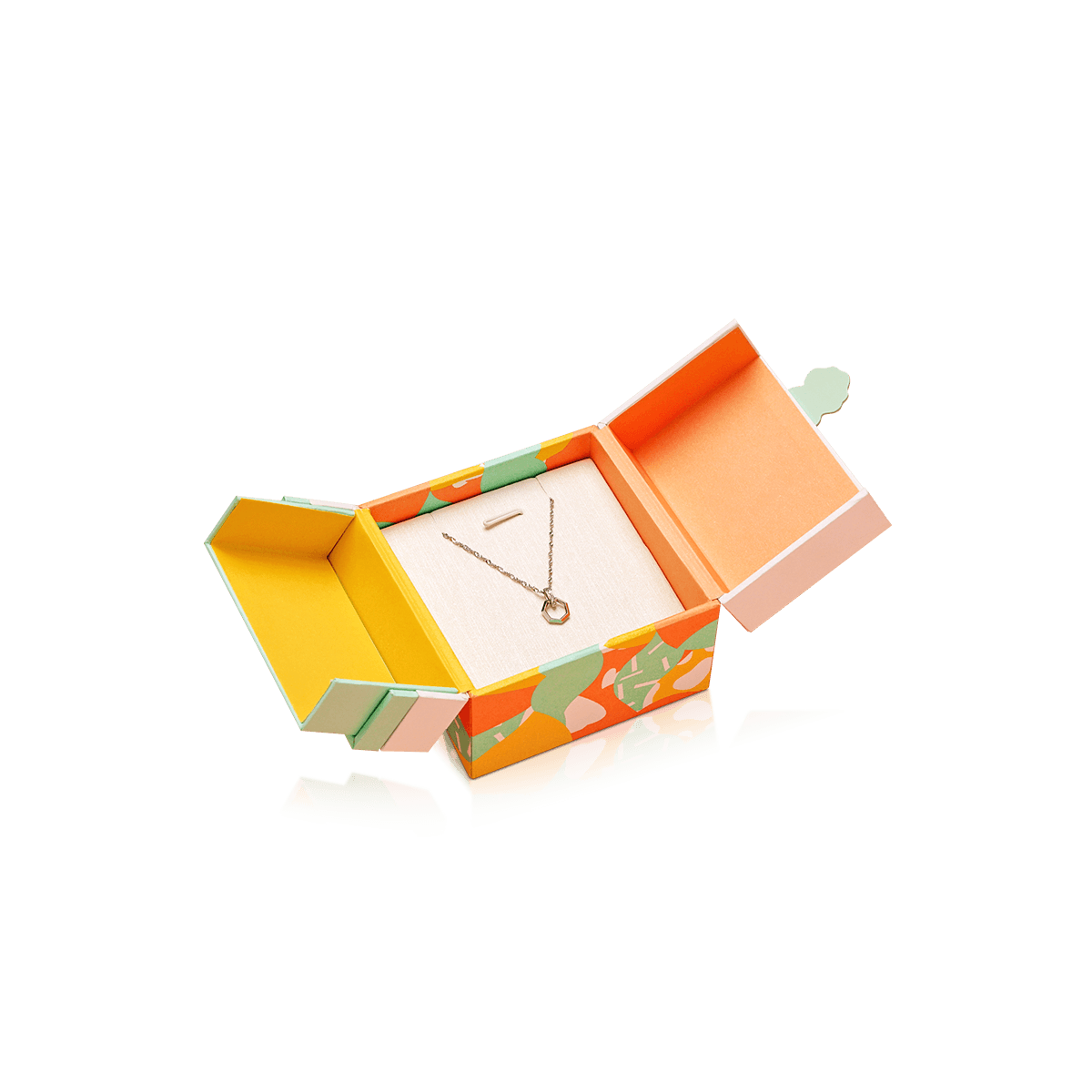
Each Piece Needs Its Own Hold

Different jewelry types move differently inside the same box.

A ring wants support around the band. Earrings need the posts, hooks or bodies held in a repeatable position. A necklace needs chain control. Bracelets can curve, flex or spring depending on construction. Pendants need both focal-piece placement and chain management.

One universal cavity rarely handles all of those behaviors well.

A set containing a ring can borrow the retention logic used in Ring Boxes, while a necklace area may need the chain routing used in Necklace Boxes.

The difference is that these holding systems now have to coexist inside one insert.

Rings Need a Stable Axis

A ring usually looks strongest when the setting remains upright and consistently oriented.

The slot should grip the band rather than relying on pressure against the stone or decorative top. If several ring sizes may use the same set box, the holding method needs enough tolerance to secure them without creating an excessively wide cut.

Earrings Need Pair Control

A pair should stay visually paired.

Studs, hoops and drop earrings require different support, so an earring zone should be developed around the actual style rather than two generic holes in a pad.

Where earring presentation is the entire packaging problem, Earring Boxes can focus more closely on post clearance and pair geometry. Inside a set box, the earring area must also cooperate with neighboring pieces.

Bracelets Need Their Natural Curve

Rigid bangles, chains and flexible bracelets do not occupy the same space.

A bracelet should not be forced into a sharp turn simply because a rectangular cavity was available. The support should respect its resting shape and keep clasps or decorative centers from migrating into another jewelry zone.

Chains Need a Defined Route

Chains create one of the hardest multi-piece packing problems because they can leave their assigned area even when the pendant itself remains perfectly centered.

A loose necklace chain can cross into an earring recess, disappear beneath a ring pad or collect in one corner during handling.

The solution is not to make the entire insert tighter.

Give the chain a route.

That may include small retention points near the upper section, a concealed channel for excess length or a controlled path behind the presentation surface. The pendant remains visible while the less important portion of the chain is managed out of sight.

For smaller focal pieces, the retention principles used in Pendant Boxes can help establish how the pendant and chain should behave together.

Do Not Hide the Clasp Randomly

The clasp and excess chain need a planned destination.

Stuffing them beneath an insert without a defined recess can make packing inconsistent and may create a lump under the presentation surface. Leaving them loose on top reduces the clean separation between pieces.

A specific chain-storage area makes repeat packing easier because staff know where the surplus length belongs every time.

Removal Paths Cannot Cross

A jewelry set can look excellent when untouched and become frustrating the moment the customer tries to remove the first piece.

Every item needs a practical exit path.

A ring should lift without requiring the necklace to be moved. Earrings should be accessible without fingers pressing into a pendant. A bracelet should not trap a chain underneath its support.

This matters especially in compact set boxes where products share very little unused space.

Finger Space Is Functional Space

A perfectly fitted cavity still needs access.

Small relief areas beside a ring pad, an exposed edge around an earring card or enough clearance around a bracelet can give the customer somewhere to grip the product or its support.

Without that space, the customer may pull on the jewelry itself.

The best insert therefore controls movement while leaving intentional access points.

The First Piece Should Release Cleanly

Think about which item the customer is most likely to remove first.

If the necklace is the centerpiece, its release should not disturb the earrings around it. If the set is commonly tried on piece by piece, each component should remain stable while neighboring pieces are removed.

That makes the interior useful after the first photograph-ready reveal.

Uneven Heights Need One Presentation Plane

Jewelry sets often combine items with very different thicknesses.

A ring setting may rise well above the insert. Stud earrings can sit close to the surface. A bracelet may need a raised cushion. A pendant can remain almost flat while its chain disappears beneath the display layer.

If every piece starts from the same base level, their visible heights may look poorly balanced.

A stepped insert or local platform can correct that.

The goal is not to make the jewelry physically identical in height. It is to create a presentation in which one piece does not disappear into a deep recess while another sits close to the lid.

Lid clearance still has to be checked against the tallest loaded point.

A 3D mockup can establish the intended arrangement before production, but a physical pre-production sample is more useful when ring height, bracelet curvature or raised platforms leave little vertical tolerance. Custom Packly provides free 3D mockups, while fully custom pre-production samples can be arranged as paid samples where physical approval is needed.

One Insert or Several Modules?

The answer depends on how stable the jewelry set is.

A permanent three-piece set sold in the same configuration repeatedly can benefit from one integrated insert developed around those exact products.

A jewelry brand that regularly changes set combinations may need more flexibility.

Small removable pads or modular sections can allow the same outer box to support several approved configurations, provided the modules still fit securely and do not make the finished presentation look improvised.

This decision can reduce unnecessary structural SKUs, but modularity should not be pursued merely to make one box universal.

If every configuration requires filler pieces, unused cavities or awkward product positions, separate inserts may provide the cleaner answer.

A jewelry brand can keep visual consistency across packaging for jewelry and accessories even when the interior specifications differ.

Box Depth Follows the Tallest Component

The outside structure should be chosen after the loaded insert is understood.

A large necklace footprint does not necessarily require a deep box. A compact set containing a raised ring, bracelet cushion or substantial jewelry piece may need more vertical space despite having smaller overall dimensions.

This is one reason Set Jewelry Boxes should not simply inherit the dimensions of the brand's necklace box or gift box.

For multi-piece presentations that need firm walls and wrapped construction, Rigid Jewelry Boxes can carry the outer structure while the set-specific work happens inside.

A lighter paperboard construction may suit lower-value sets, promotional sets or situations where storage efficiency matters more than keepsake presentation.

The value of the contents matters, but product geometry and sales channel should still drive the structure.

Closure Should Not Become the Main Story

Lift-off lids, drawers and hinged magnetic constructions can all work for jewelry sets.

The closure should support the presentation rather than compete with it.

A lift-off lid gives immediate access to the whole arrangement. A drawer introduces horizontal movement, so each piece needs enough retention to remain aligned while the tray travels. A magnetic lid can create a reusable attached opening when the package is meant to feel more permanent.

When the concealed magnetic closure is the deciding feature, Magnetic Closure Jewelry Boxes put that opening behavior at the center of the structure.

For Set Jewelry Boxes, the defining problem remains the coordinated interior.

Do not select a complicated opening first and then force the set layout to fit around it.

Gift Extras Need a Separate Zone

A jewelry set may include more than jewelry.

Care cards, certificates, cleaning cloths, message cards or small accessories can all be part of the final presentation. Those additions should not simply lie over the products unless that is an intentional part of the reveal.

A slim compartment beneath the insert, a controlled card recess or an inside-lid position can separate supporting materials from the jewelry itself.

This is also where the distinction from Jewelry Gift Boxes becomes important.

Gift-focused packaging may prioritize occasion messaging, gift extras and the overall handoff. Set Jewelry Boxes should prioritize the relationship among multiple jewelry pieces first. A set can certainly be gift-ready, but gifting is not what defines the structure.

One Loose Chain Can Disrupt the Whole Set

A necklace, earrings and ring on one continuous insert can expose the central failure mechanism.

The pendant may remain centered and the earrings secure while the loose lower part of the chain moves beneath the earring area during handling. When the customer opens the box, the pendant is still aligned but part of the chain has appeared beside one earring and the set no longer reads as a controlled composition.

Making the outer box smaller would not solve the problem.

Making the foam tighter around every product could make removal worse.

The better correction is local: keep the pendant position, add discreet chain retention above it and create a hidden route for excess chain length that ends away from the earring and ring zones.

Now the necklace can move only within its intended path.

The scenario matters because the failure came from interaction between products, not from one product being incorrectly sized.

That is the central engineering problem of set packaging.

Branding Should Unite Different Set Sizes

A jewelry program may include a two-piece set, a three-piece set and a larger presentation containing several coordinated items.

The physical interiors may differ substantially while the brand still needs them to look like one program.

Keep the main visual system stable through logo placement, typography, wrap colors and recurring finish positions where practical. Let dimensions and insert architecture change with the products.

When multiple packaging sizes need controlled artwork and brand color across repeat production, custom printed boxes can keep the visual system consistent while the physical interiors change.

Premium offset printing can carry detailed patterns, full-color artwork or restrained branding. Foil, embossing, debossing and spot UV can add emphasis, but the set already creates visual richness inside the box. The exterior does not need every available finish to communicate value.

For multi-SKU programs, the outside should make different set configurations easy to identify without destroying the shared identity.

The Set Box Is Still an Inner Package

Premium jewelry presentation packaging should not automatically be asked to perform as the courier shipper.

Jewelry can be light while the box itself contains decorative wraps, precise corners and fitted interiors that should arrive clean.

For ecommerce orders, use an outer shipping layer sized closely enough to limit movement around the presentation box. The inner structure can then concentrate on the relationship among the jewelry pieces rather than corrugated transit duty.

This becomes more important as the set box grows.

A large rigid presentation containing several small pieces can have considerable empty structural area even when the insert looks visually balanced. The outer parcel should not amplify that unused volume unnecessarily.

Testing should consider the fully loaded set, because a chain or small earring can migrate even when the outer rigid box remains completely undamaged.

Plan Set Configurations Before Production

Quantity planning becomes more complicated when several set combinations use the same brand identity.

A business may sell necklace-and-earring sets more frequently than complete ring, bracelet, necklace and earring sets. Ordering every version in identical quantities can create excess packaging for slower configurations.

USA orders start from 100 boxes, allowing the first production plan to follow the actual set assortment rather than forcing every configuration into one large run.

Where multiple configurations share the same outer box, separate insert versions can sometimes reduce the number of external structures being stocked. Where their dimensions differ too much, separate box sizes are cleaner.

For several approved set configurations ordered together, bulk custom boxes can keep quantities and repeat specifications organized by version.

The important planning unit is not simply “jewelry box.” It is the approved set configuration: outer structure, insert version, piece positions and artwork version.

Approve the Set as One Composition

The final approval should show where every piece belongs when the box is fully packed.

Record the jewelry combination, product orientation, ring position, earring spacing, chain route, bracelet or pendant support, accessory location and loaded height. Photographing the approved open box can also help the packing team reproduce the intended arrangement.

Do not rely on the empty insert as the only approval reference. Two cavities can look correct without showing whether a chain crosses another product's access path or whether a raised ring setting sits too close to the lid.

The set is correct when every item has its own secure position, the pieces still read as one composition and each one can leave the box without disturbing the rest.

That complete packed arrangement is what should move into production.

FAQs

A fitted multi-cavity insert is usually the best answer because it gives each piece a defined position and keeps the full set readable. That layout also makes packing faster and reduces movement during handling.

Set Jewelry Boxes are the better fit when multiple coordinated pieces need separate placement and a more organized reveal. Jewelry Gift Boxes work well for broader gifting needs, but they do not always control layout as precisely for a matched set.

No. Rigid construction suits higher-value or keepsake sets, but paperboard boxes can work for lighter retail sets when the insert still holds each piece securely.

They make the collection easier to understand at a glance. When each piece is positioned cleanly, store staff spend less time adjusting the set and buyers can assess the full offering faster.

Yes, if the inner fit is secure and the box is paired with a protective outer shipper. That setup protects the presentation while helping smaller jewelry parts arrive in better condition.

Process

How it works

Your Packaging Journey, From Idea to Production and Delivery

01

Tell Us Your Specs

Custom packaging boxes

Tell Us Your Specs

Provide size, quantity, printing, and finishes.

02

Get a Fast Quote

Custom packaging boxes

Get a Fast Quote

Instant transparent pricing, no hidden fees.

03

Design and Approval

Custom packaging boxes

Design and Approval

Artwork checks, revisions, and final sign-off.

04

Produce

Custom packaging boxes

Produce

Expert manufacturing to meet deadlines.

05

Ship to Your Door

Custom packaging boxes

Ship to Your Door

Hassle-free, flexible delivery options.

Get Your Quote for Custom Set Jewelry Boxes

Share your product details, size, quantity and artwork needs. We’ll help choose the right packaging style and send a clear quote.