Skip to content
Details

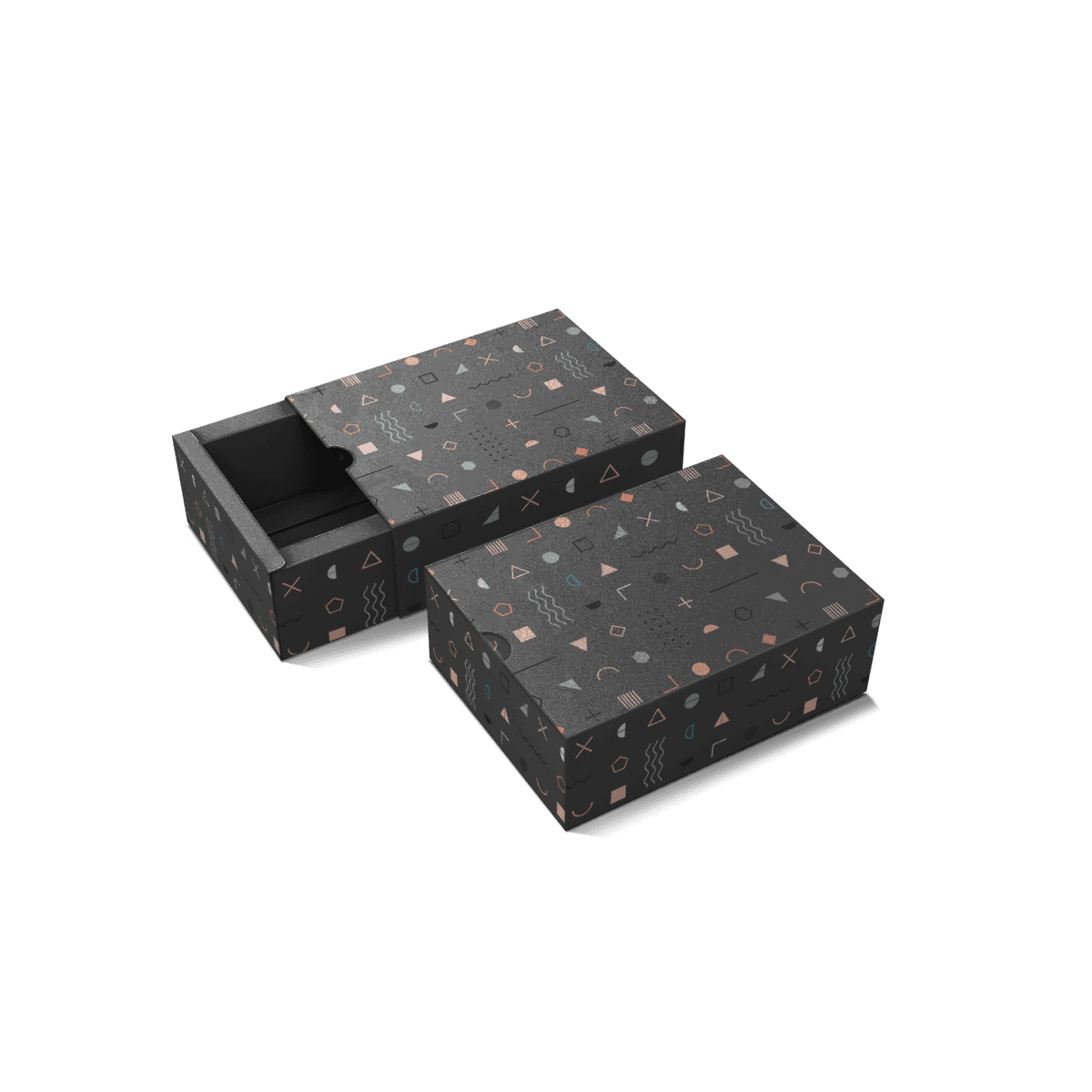
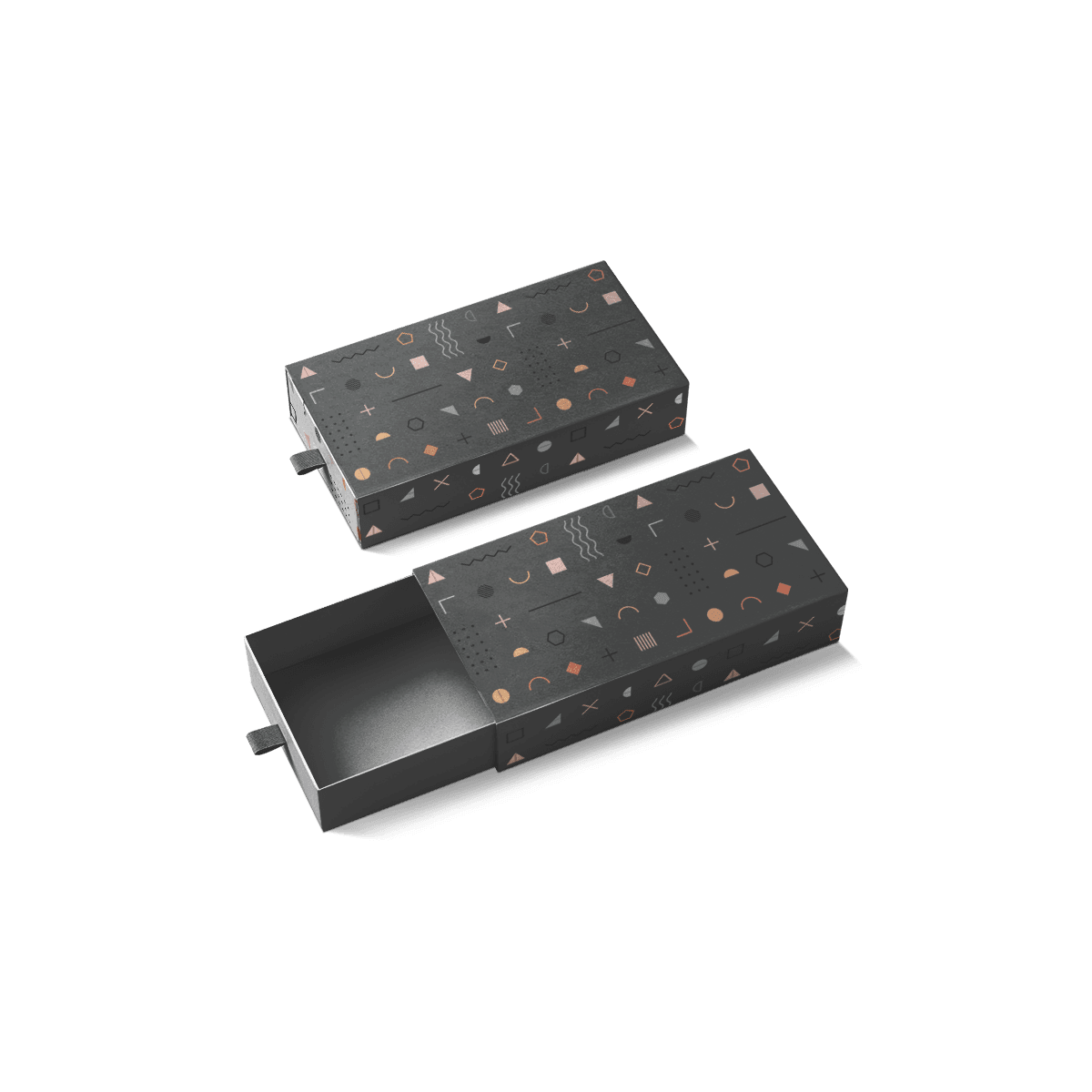
Custom Drawer-Style Rigid Boxes

Rigid sleeve-and-tray boxes with controlled sliding movement, fitted inserts and a staged product reveal for jewelry, beauty, electronics and premium gift packaging.

The Slide Is the Specification

A drawer-style rigid box succeeds or fails in the first few inches of movement. The tray should come out deliberately without feeling stuck, scraping heavily against the sleeve or sliding free before the customer has control of it.

That movement comes from the relationship between two separate rigid components: an outer sleeve and an inner tray. Board thickness, wrapped-paper thickness, manufacturing tolerance, tray weight and surface finish all influence the gap between them.

Too little clearance creates friction. The customer has to pull harder, which can make a premium package feel poorly made. Too much clearance creates side-to-side play and a loose drawer that may shift or partially open during handling.

The target is controlled resistance.

That makes custom drawer-style rigid boxes different from custom rigid boxes that rely mainly on a lid, hinge or magnetic flap. Here, movement itself is part of the specification.

The finished box should be tested loaded, not empty. A tray that slides perfectly before the product and insert are added can behave differently once the internal weight changes how it sits inside the sleeve.
Clearance Changes Under Load

The nominal space between sleeve and tray is only the starting point. The real question is whether that space remains consistent after wrapping, finishing and loading.

Rigid board is substantially less flexible than folding carton stock, but large panels can still reveal small variations. Wrap paper adds material around edges. Inserts add pressure from inside. A heavier bottle, watch or electronics kit can make the tray sit differently from an empty prototype.

Side Clearance

The tray needs enough lateral clearance to travel without its wrapped sidewalls dragging against the inside of the sleeve.

That does not mean leaving a visibly large gap. Excess movement weakens the controlled feel that makes drawer rigid boxes appealing in the first place.

The sleeve and tray should therefore be developed together rather than sizing one component independently and hoping the second fits around it.

Vertical Clearance

Product height matters as much as tray width.

A product or insert that sits above the intended tray profile can rub against the inside roof of the outer sleeve. The result may be a drawer that feels fine empty but becomes difficult to open after packing.

Caps, jewelry cushions, folded cards, accessories and decorative insert layers all count toward the final loaded height.

Packaging dimensions should reflect the fully packed product, not just the bare item. Custom product packaging is strongest when dimensions, weight, fragile points and inside support are developed as one system.

The Pull Changes the Motion

The customer needs a natural way to start the drawer moving. That small interaction affects both usability and appearance.

A ribbon pull can create a softer premium cue. A thumb notch exposes enough of the tray for a fingertip grip. Some larger drawer boxes use an exposed tray edge that can be held directly.

None is automatically better.

Ribbon Pulls

A ribbon should pull along the intended direction of travel rather than lifting one side of the tray.

Its anchor point also needs to stay clear of the product cavity and any fitted insert. If the ribbon folds beneath a tray component or gets caught between rigid surfaces, the opening action becomes inconsistent.

Ribbon length matters too. Too short and it is awkward to grip. Excess ribbon can look untidy when the drawer is closed.

Thumb Access

A thumb notch removes the loose component and gives the box a cleaner mechanical opening.

Its position should provide enough access to the tray without weakening the visual front of the sleeve. On compact jewelry or accessory boxes, even a small change in notch position can alter how easily the user gets the first grip.

The decision comes down to the desired interaction. Ribbon creates a distinct pull moment. A notch puts more attention on the rigid structure itself.

The Reveal Starts Before Full Opening

Drawer packaging does not have to show everything at once. The tray can expose the product progressively.

That gives the structure a different presentation rhythm from a removable lid. A logo, printed tray wall or first product can appear before the entire insert is visible.

For jewelry and accessories packaging, the product may need to remain centered as the tray moves. A ring, pendant or watch should not become visually lost inside an oversized cavity simply because the outer box needs a substantial appearance.

Beauty sets have a different challenge. In cosmetics and personal care packaging, bottles, jars and compact products may have different heights. Their arrangement should still read clearly during the opening motion rather than only after the drawer is fully removed.

The tray can also be intentionally fully removable where access from every side helps product removal. If a retention detail is intended to keep the drawer from coming completely out, that feature should be designed into the structure and physically tested rather than improvised during production.

The question is not simply how the box looks open.

It is what the customer sees at quarter-open, half-open and fully open.

Inserts Must Stay Inside the Tray

The insert should organize the product without changing how the drawer travels.

That sounds obvious, but it is easy for a fitted interior to become slightly too wide, too high or too heavy once its own wrap and construction are added.

An insert pressing against the tray walls can push them outward. That extra width then reduces sleeve clearance.

Packaging inserts can use foam, paperboard or other fitted constructions depending on product weight, fragility and presentation needs. The correct material still has to respect the moving tray around it.

Product Depth

Small premium products often look better when raised instead of sitting at the bottom of a deep cavity.

A wrapped platform or fitted insert can bring jewelry, fragrance, cosmetics or electronics accessories closer to the tray opening. That improves visibility and can make removal easier.

The product should still sit low enough to clear the outer sleeve.

Finger Clearance

A perfectly fitted cavity can become frustrating if there is no practical way to remove the item.

Jewelry, devices, bottles and accessories may need finger notches, lifting ribbons or open space beside the product. This should be planned with the presentation layout rather than cut into the insert later.

Tray Weight

Dense foam, several products or a heavy primary item changes the feel of the drawer.

The base must support that load without the tray losing alignment. For electronics kits in particular, electronics and gadgets packaging may need separate cavities for the main device, cable, charger or accessory so weight does not collect awkwardly at one side.

Surface Finishes Can Add Friction

Premium finishing belongs where customers can see and touch it, but sliding surfaces need restraint.

Matte, soft-touch, foil, embossing, debossing and spot UV can all add value to rigid packaging. Their placement matters more on a structure with two components repeatedly moving past each other.

The sleeve exterior is usually the safest place for prominent tactile or reflective effects. Large outer panels can carry premium offset printing, foil or embossed branding without interfering with tray travel.

The inner faces that control sliding need more care. Heavy surface build, uneven wrapping or finishes extending into contact areas can change resistance.

The same applies to folded wrap edges around the tray. A small amount of extra material at one edge can become noticeable because that edge travels through the sleeve every time the box opens.

The differences among packaging finishes matter most when appearance and repeated handling have to work together.

Custom Packly supports premium offset printing, CMYK and Pantone-driven artwork where appropriate plus design and dieline support. Free 3D mockups can confirm the visual relationship between sleeve, tray and printed areas before production.

Straight Walls Matter More Than Decoration

A drawer mechanism depends on parallel surfaces.

If the sleeve narrows, twists or loses alignment, the tray encounters different resistance through its travel. If the tray itself is slightly out of square, one corner may drag even when the other three appear correct.

This becomes more noticeable as the box gets longer.

A compact jewelry drawer may travel only a short distance. A longer fragrance, apparel-accessory or electronics box creates much more surface contact between tray and sleeve. Small geometric errors then have more opportunity to become noticeable.

Board and wrapping workmanship therefore matter before specialty finishes are added.

A drawer rigid box should first open correctly in plain form. Decoration comes after the mechanics are sound.

Custom Packly's printing, finishing and structural capabilities can then be applied around the areas that have to remain dimensionally consistent.

One Millimeter Can Change the Experience

A fragrance gift set exposes how these variables interact.

Imagine a rigid drawer containing two bottles in a wrapped paperboard insert. The initial prototype opens easily before the insert is installed. After the insert is fitted, the drawer begins to bind near the middle of its travel.

The problem may not be the outer sleeve at all.

If the insert is slightly oversized, it can push the tray sidewalls outward. A thick wrap at the tray edges adds another small amount. Once loaded with glass bottles, the tray settles harder onto the lower contact surface.

The correction is to treat the insert, loaded height and sliding allowance as one tolerance chain. The insert can be reduced slightly, its edge construction can be adjusted and the loaded sample can be checked again through repeated opening cycles.

The improvement is practical: the product remains closely fitted while the tray moves without demanding extra force.

That is why physical sampling should reproduce the final packed state as closely as possible.

A Drawer Box Is Still Presentation Packaging

Rigid board provides shape and a substantial feel, but it should not automatically be treated as parcel protection.

Foil, wrapped paper, sharp edges and premium surface finishes can all be marked during courier handling. A drawer can also creep outward if the packed presentation box moves freely inside a larger shipping carton.

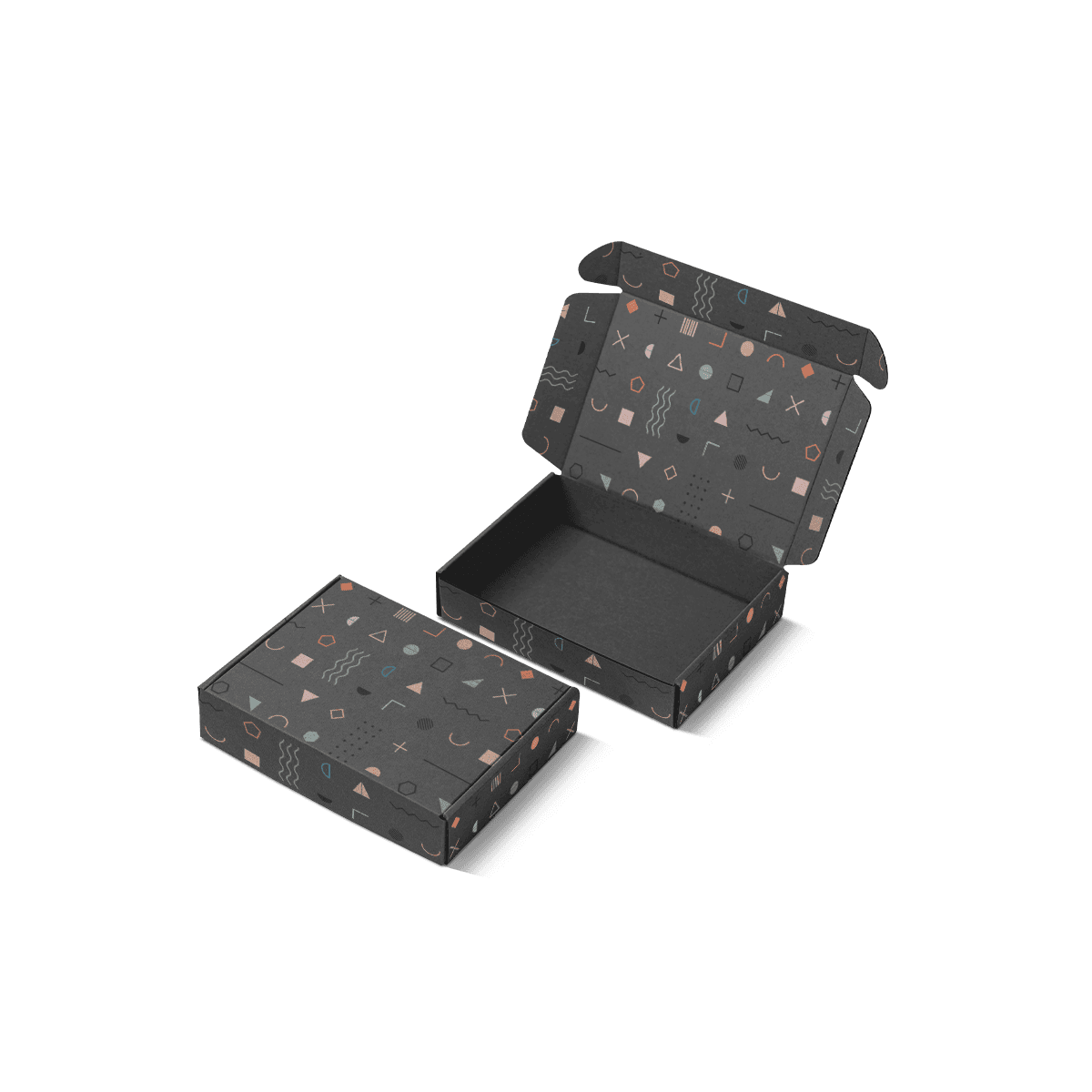
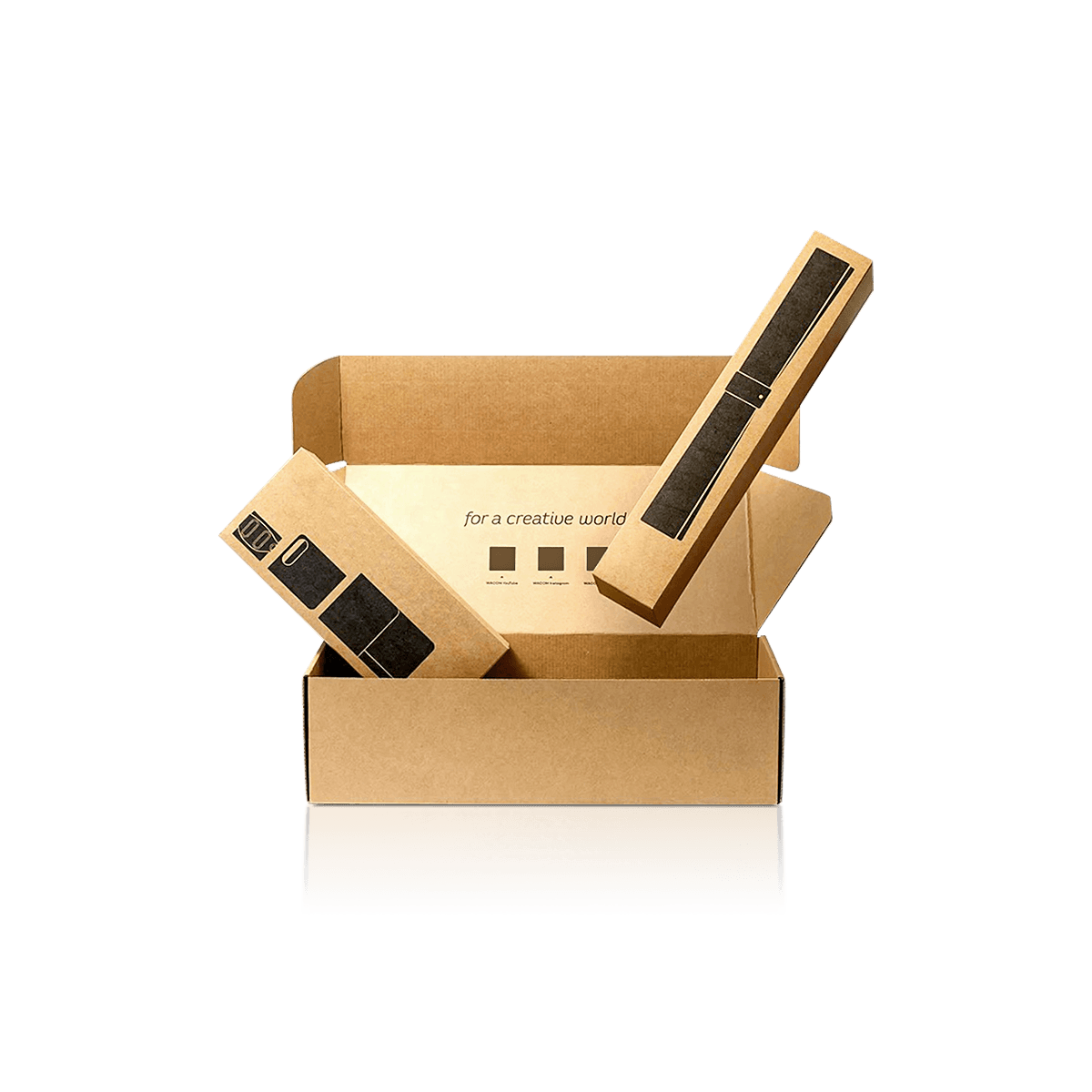
For direct-to-consumer orders, the rigid drawer often works best as the presentation pack inside correctly sized shipping boxes.

The outer package handles courier abrasion, stacking and distribution. The drawer box controls the product reveal.

Internal movement still matters. The presentation box should not bounce inside its shipper, and the product should not gain enough momentum inside the drawer to load the insert heavily during impact.

This separation of jobs is especially important for rigid boxes with dark wraps, foil or tactile coatings because the presentation surface reaches the customer only after several shipping handoffs.

Rigid Board Is Not Always Necessary

A sliding opening can be useful even when the product does not need rigid construction.

The rigid version makes sense when weight in the hand, firm walls, wrapped surfaces, fitted presentation and long-term shape retention justify the additional material and assembly.

Lighter products can sometimes use drawer boxes made around the same basic sleeve-and-tray interaction without requiring thick rigid board.

That distinction matters for cost and storage.

A lightweight accessory sold at everyday retail pricing may not gain enough from a rigid build. A watch, premium cosmetics set, fragrance presentation or high-value electronics accessory may benefit much more from the substantial tray and sleeve.

The opening mechanism can be similar. The material system and customer expectation are not.

Cost Follows Mechanical Complexity

Drawer rigid box pricing changes with the number of components and how precisely they need to interact.

The sleeve and tray both require rigid-board construction and wrapping. Inserts, ribbon pulls, specialty papers, interior printing and finishing add further production steps. Large dimensions also increase material use and can demand tighter control over long sliding surfaces.

Rigid box pricing changes with structure, insert complexity, finishing and quantity.

Quantity also changes the commercial decision. A launch of 100 units has different economics from an ongoing product line with several thousand boxes and recurring artwork versions.

USA MOQ starts from 100 boxes. When the tray dimensions, sleeve dimensions, insert construction, quantity and finish direction are developed enough for pricing, an instant custom packaging quote can be based on the actual mechanism rather than a generic box size. Pricing is transparent with no hidden charges.

Test the Drawer Loaded

A visual proof cannot verify slide resistance.

The most useful physical test uses the production-intent tray, sleeve, insert and actual product weight together. Open the drawer repeatedly from realistic hand positions rather than carefully guiding it with both hands.

Check the first movement from fully closed. Check resistance halfway through travel. Check whether the tray tilts when extended. Check that the product remains below the sleeve clearance and that the ribbon or finger access remains easy to use.

A paid fully custom pre-production sample can be arranged when those exact mechanics need approval. Free sample examples of previous Custom Packly work are also available for reviewing construction, materials and finish quality.

For larger or mechanically sensitive runs, the principles behind custom packaging testing also apply to product fit, structural behavior, print and finishing before full production.

The sample should answer a mechanical question, not merely confirm that the artwork looks attractive.

Repeat Runs Need the Same Travel

A successful drawer specification includes more than outside dimensions.

The repeatable result depends on the relationship among sleeve clearance, tray width, rigid-board thickness, wrapped edges, insert dimensions, product height and pull position.

Those details should remain tied to the approved packed sample when artwork changes or another production run is ordered.

A cosmetic brand, for example, may keep the same outer sleeve appearance while changing the insert for a seasonal set. If the replacement insert pushes harder against the tray walls or raises the products, the box can stop behaving like the approved version even though the outside dimensions have not changed.

Repeat orders therefore need the moving relationship preserved, not just the visible design.

Custom Packly supports bulk and repeat production, warehousing and scheduled deliveries when inventory needs to be released in stages.

For custom drawer-style rigid boxes, consistency is felt before it is seen. The customer pulls once and immediately knows whether the sleeve and tray were developed as one mechanism.

FAQs

They perform best for products that need organized placement, a polished reveal, and a box worth keeping after purchase.

Yes. The tray format makes it easier to engineer inserts that hold one item or several components in a fixed layout.

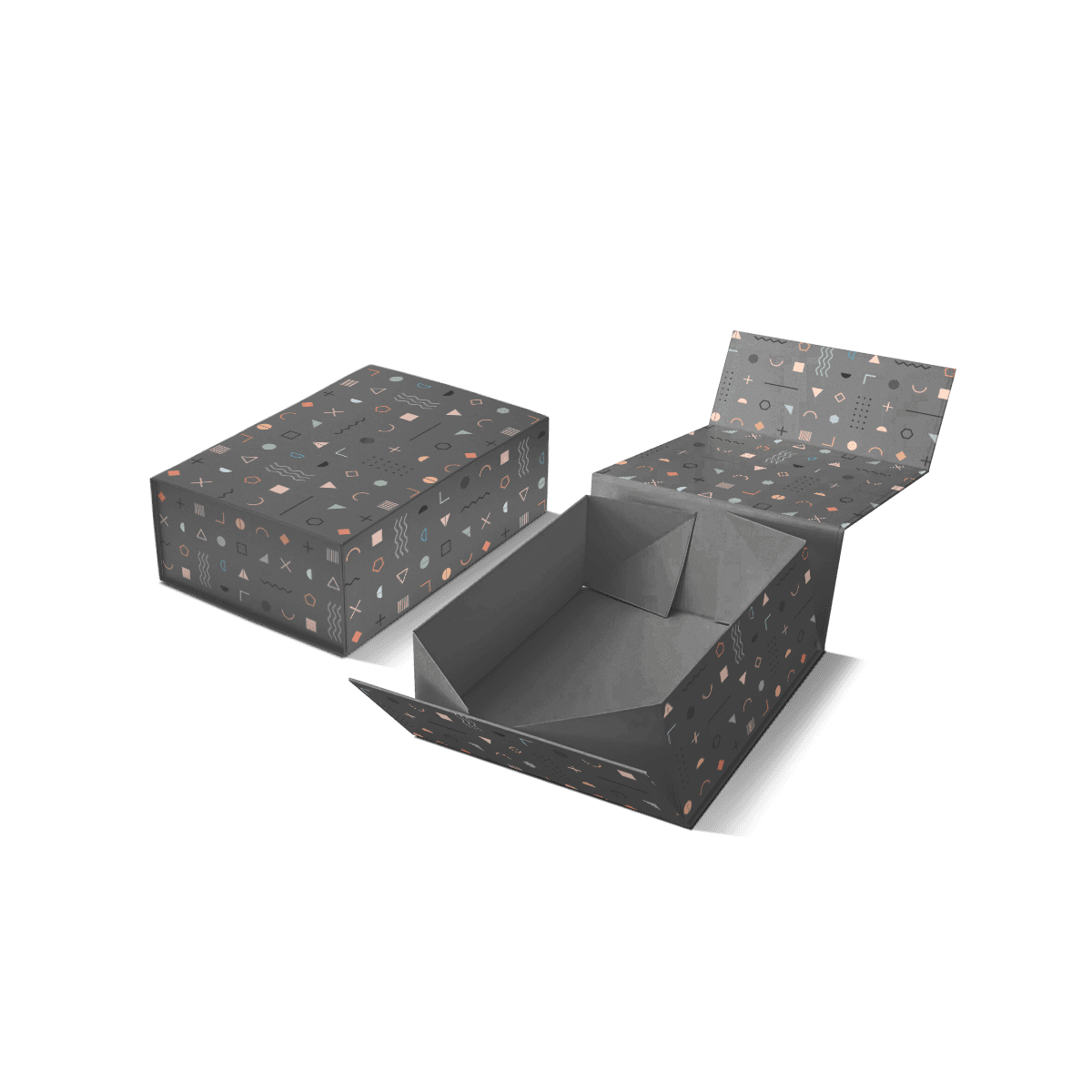
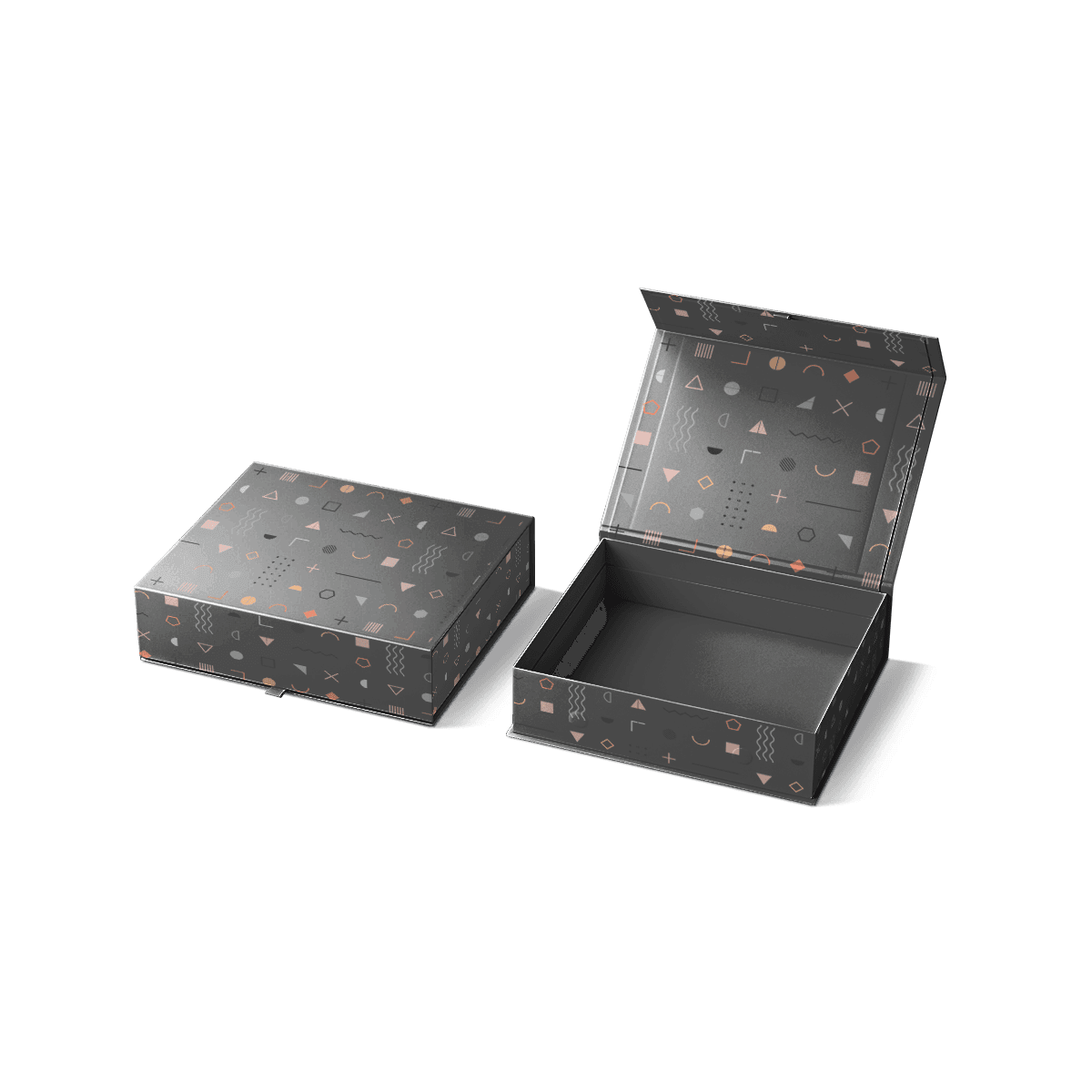
Drawer-style rigid boxes are better for staged presentation and insert-led layouts. Magnetic closure rigid boxes are better when you want hinged access and a book-like opening.

Yes, especially for premium products packed inside an outer shipper. The rigid tray helps with presentation, while the insert improves product stability.

Yes. It works well with printed wraps, foil stamping, debossing, textured paper, and other premium finishing effects.

Process

How it works

Your Packaging Journey, From Idea to Production and Delivery

01

Tell Us Your Specs

Custom packaging boxes

Tell Us Your Specs

Provide size, quantity, printing, and finishes.

02

Get a Fast Quote

Custom packaging boxes

Get a Fast Quote

Instant transparent pricing, no hidden fees.

03

Design and Approval

Custom packaging boxes

Design and Approval

Artwork checks, revisions, and final sign-off.

04

Produce

Custom packaging boxes

Produce

Expert manufacturing to meet deadlines.

05

Ship to Your Door

Custom packaging boxes

Ship to Your Door

Hassle-free, flexible delivery options.

Get Your Quote for Custom Drawer-Style Rigid Boxes

Share your product details, size, quantity and artwork needs. We’ll help choose the right packaging style and send a clear quote.