Skip to content
Details

Custom Drawer Boxes

Custom printed sliding boxes with accessible pull fronts, secure inner trays and construction options for retail products, gift sets and compact accessories.

The Front Edge Invites Opening

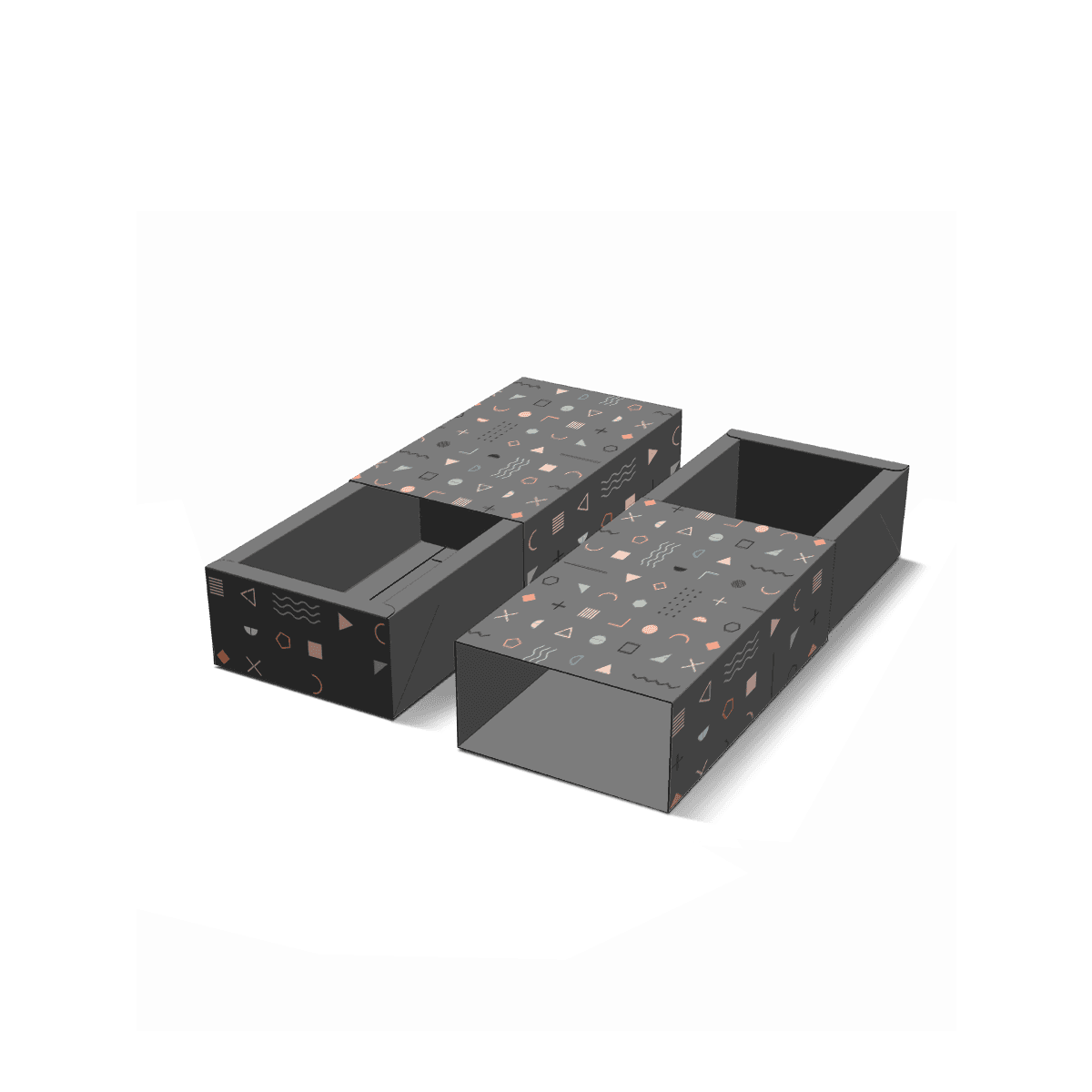
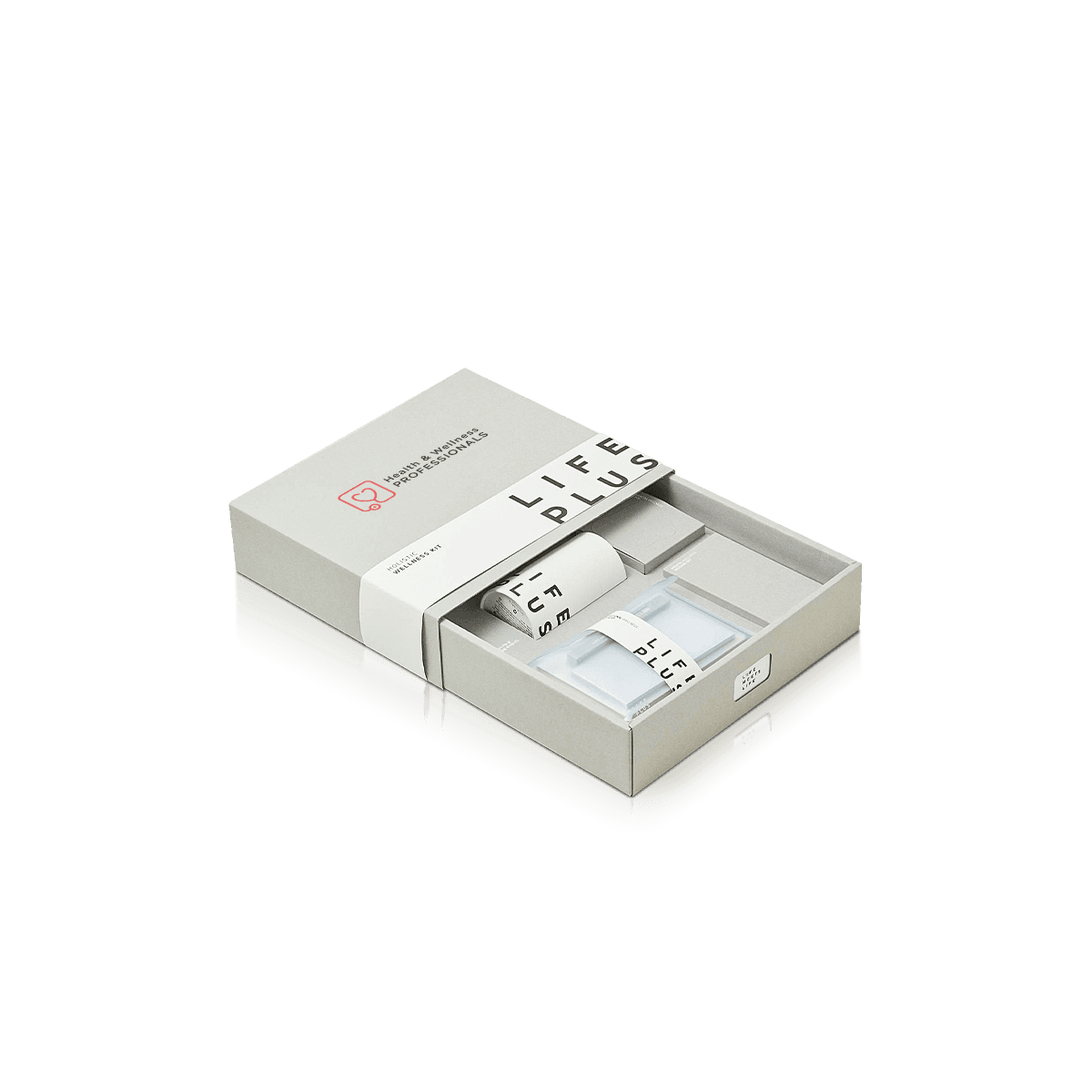
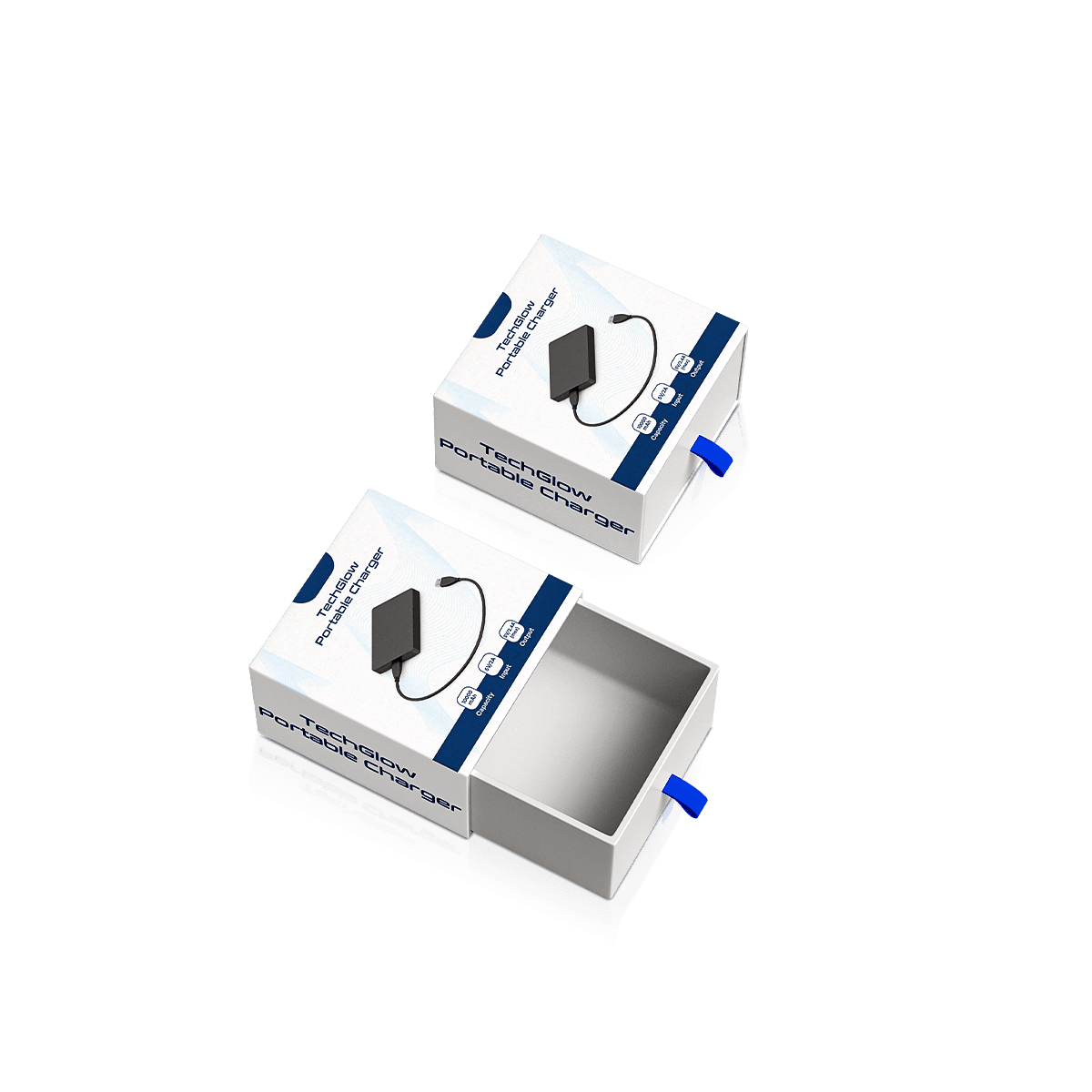
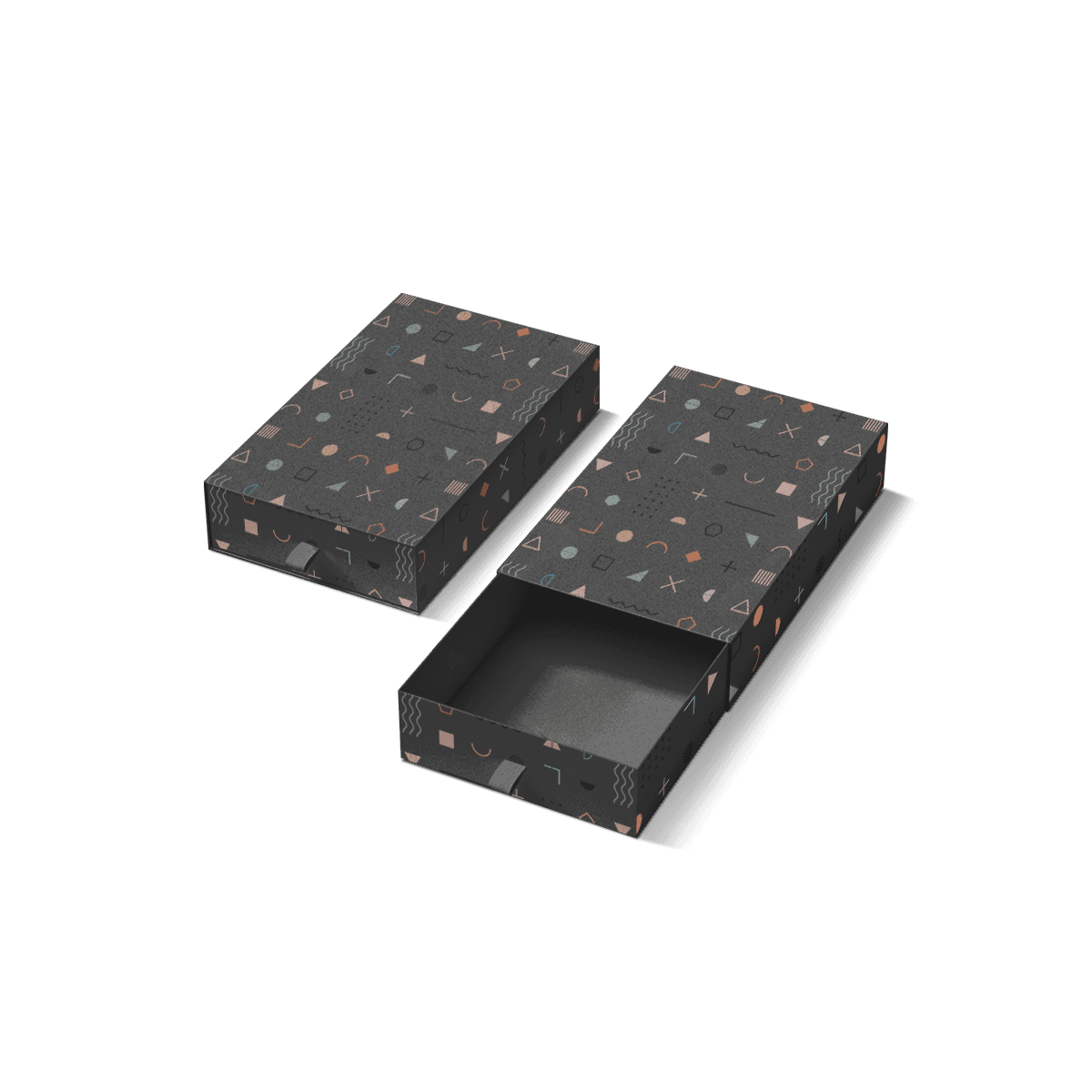
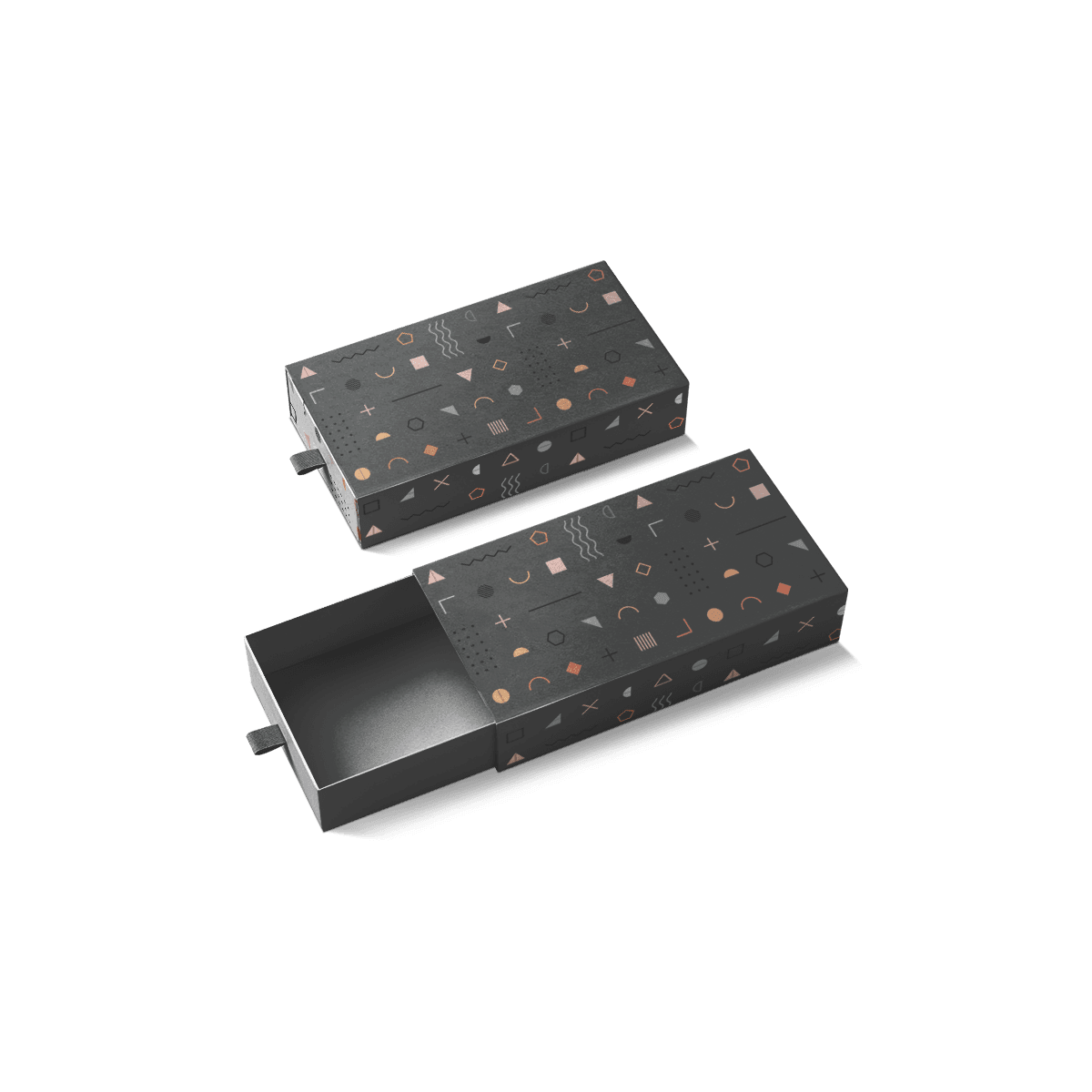
Custom drawer boxes use an inner tray that slides out of an outer sleeve, allowing customers to access the contents from the front instead of lifting a lid. The front of the tray can incorporate a ribbon pull, thumb notch or exposed gripping edge to make opening straightforward.

The construction is also known as a matchbox-style box. It can be made from folding paperboard or rigid board, with the material selected according to the product, intended handling and presentation requirements.

A drawer box works particularly well for compact retail products that benefit from controlled access. Jewelry, small electronics, beauty accessories, stationery and curated gift sets can all use the sliding structure.

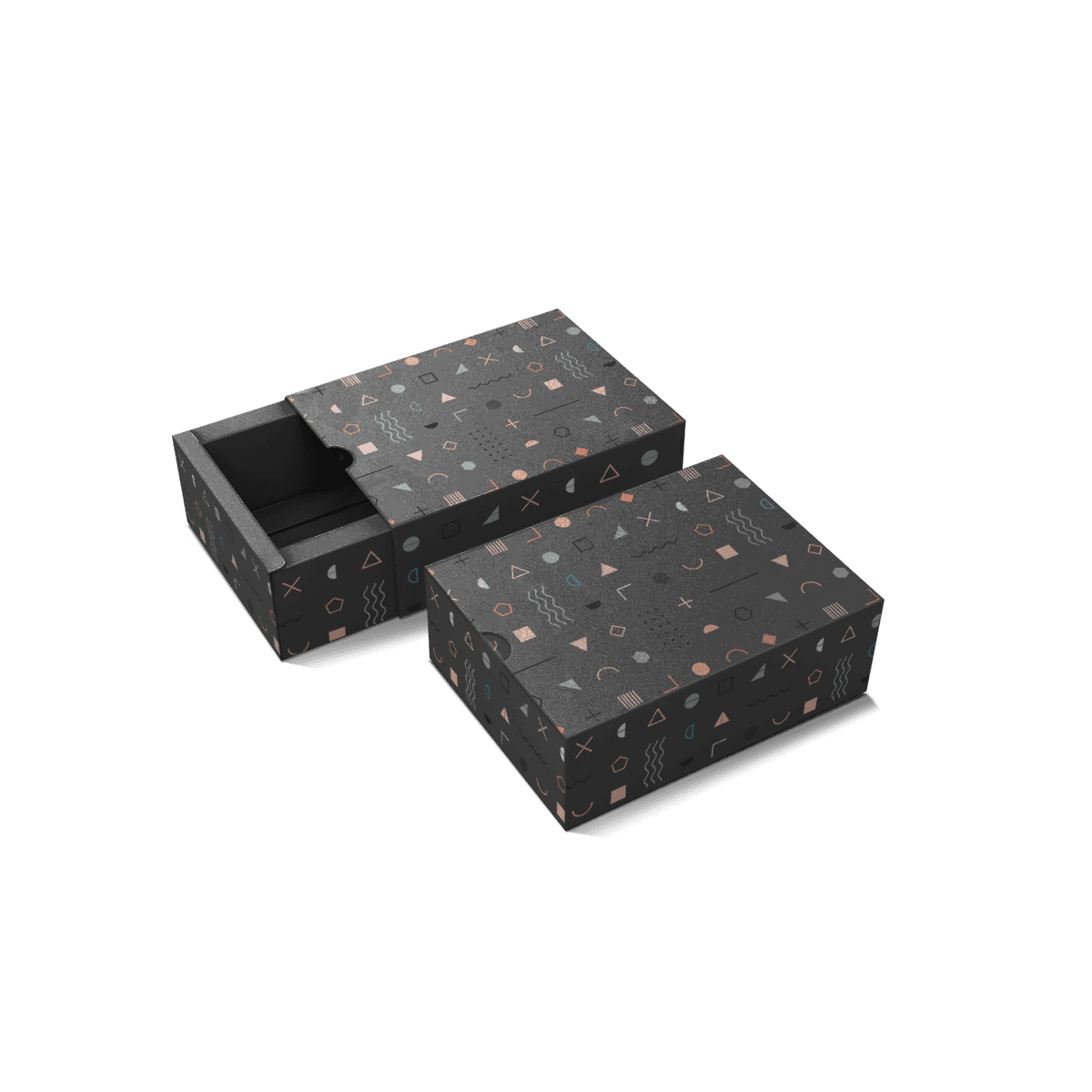
The outer sleeve remains around the tray while it is closed. When customers pull the tray forward, they expose the products in a controlled movement.

The front edge, however, needs more attention than a decorative panel. Its shape determines how customers grip the drawer and whether they can open it comfortably without pulling on the wrong component.

For a lightweight retail pack, a simple die-cut notch may be sufficient. A more substantial gift box may benefit from a ribbon pull or exposed drawer front.

Custom Packly develops custom printed drawer boxes around the intended opening method, product dimensions and manufacturing requirements. The construction can incorporate suitable inserts, printed surfaces and finishes without assuming that every product needs a heavy rigid box.
Where the Tray Stops

A drawer box normally has an open-ended sleeve. Without a suitable retention arrangement, the tray can potentially slide completely through it or come out when the package is tilted.

That behavior must be considered when selecting the construction.

Some boxes are intended to let customers remove the tray completely. Others need the tray to remain connected to the sleeve during normal use.

Fully Removable Drawers

A removable tray gives customers unrestricted access to the contents.

This arrangement can work for gift assortments, packaged accessories and products that customers are likely to remove from their packaging immediately.

It can also simplify certain packing operations because the tray can be filled separately before it is inserted into the sleeve.

However, an open-ended sleeve is not automatically a secure closure.

The tray's fit and the way the finished package is carried must be considered.

A box handled vertically may behave differently from one resting horizontally on a shelf.

If the tray could slide out under the product's weight, the construction may require additional retention.

Retained Drawers

A retained drawer uses an appropriate structural feature to limit or control its outward movement.

Depending on the construction, this may involve an integrated stop, compatible locking feature or another approved retention arrangement.

The stop must allow enough travel for customers to access the contents.

It also needs to withstand the expected pulling force without damaging the sleeve or tray.

A poorly positioned stop can leave the product partly concealed or make smaller components difficult to reach.

Where a retained drawer is required, the complete opening movement should be assessed using the finished structure.

Vertical Handling

The intended carrying orientation changes the retention requirement.

A shallow drawer may remain closed when lying flat but move when the package is turned upright.

Consider a hypothetical retail gift containing a small electronics accessory.

The box sits horizontally on the store shelf. After purchase, the customer places it vertically inside a shopping bag with the drawer opening facing downward.

If the tray is loosely fitted and has no suitable retention feature, its movement may be difficult to control.

The appropriate adjustment depends on the construction and intended use. It may involve a compatible retaining feature, revised sleeve fit or a separate closure arrangement.

The completed box should be suitable for the way customers are expected to handle it, not only the position shown in product photography.

Pulling Without Distorting the Front

The pull feature should give customers a reliable place to grip without putting unnecessary stress on the drawer's front wall.

Its position, construction and attachment affect how the box opens.

Thumb Notches

A thumb notch creates access to the tray through a cutout in the sleeve or drawer front.

A semicircular notch is a familiar option, although the shape can be adjusted to suit the design.

The opening must be large enough to provide a practical grip without removing so much material that the surrounding panel becomes weak.

For smaller folding drawer boxes, a notch can eliminate the need for separate ribbons or other components.

Its position should also accommodate the product arrangement. A finger entering the notch should not press directly against a delicate product or projecting insert.

Ribbon Pulls

A ribbon pull allows the customer to draw out the tray without gripping its walls.

The ribbon must have an appropriate attachment point and sufficient exposed length.

A pull that is too short can be difficult to grip. An excessively long ribbon can hang awkwardly from the closed package.

The attachment must be strong enough for the expected opening force.

For example, fixing a ribbon to a lightweight decorative panel may cause that panel to deform when the tray resists movement.

A suitable attachment should transfer the pulling force into a structural part of the tray.

Ribbon placement also affects the appearance of the closed box. It can sit centrally, follow an approved offset position or form part of the printed design.

Exposed Drawer Fronts

Some designs leave a small portion of the tray accessible when the box is closed.

This creates a gripping edge without requiring a separate pull component.

The exposed front can carry branding or a contrasting color, but it should not make the tray vulnerable to accidental opening.

The choice between a notch, ribbon and exposed front depends on the material, product weight and intended use. None of these features is exclusive to one board construction.

The Product Moves With the Drawer

The contents should remain controlled as the customer pulls the tray out.

Unlike a top-opening carton, a drawer introduces horizontal movement before the product is fully accessible.

The inner arrangement must account for this movement.

Sliding Loads and Inserts

An insert can prevent a product from shifting along the direction of travel.

For a small bottle, that may involve a fitted paperboard platform or another appropriate retaining component.

For several separate items, partitions can maintain their intended positions as the tray moves.

The insert should also remain seated inside the drawer.

If it is loose, the insert may shift independently and interfere with the sleeve during opening.

A product should not depend on the outer sleeve to hold it down while the tray is being pulled.

The sleeve and the insert perform different functions.

Access to Recessed Products

Recessed cavities can improve presentation, but a deep cavity may make an item difficult to remove.

For a small accessory, finger clearance may be more valuable than a perfectly fitted recess.

A thumb cutout, raised platform or accessible edge can give the customer a reliable way to lift the product.

Consider an illustrative kit containing an adapter and two small interchangeable tips.

A shallow tray could retain the adapter in one compartment and the tips in separate positions. If the tips are recessed too deeply, however, the customer may need to turn the entire tray over to remove them.

Increasing finger access or adjusting the cavity shape can solve that problem without enlarging the complete box.

The same principle applies to compact gadget accessory boxes containing cables, adapters and other small components.

Drawer Travel and Exposure

The required opening distance depends on how much of the tray must become accessible.

A product positioned toward the back of a long drawer may require the customer to pull the tray almost completely out.

For a retained drawer, the permitted travel must expose every component that needs to be removed.

If a rear compartment remains beneath the sleeve, its contents may be difficult to access.

A shorter arrangement, different product position or fully removable tray may be more appropriate.

For a gift set intended to be presented all at once, full tray removal can be simpler than incorporating a travel stop.

Construction Sets the Handling Expectations

Drawer boxes can be manufactured using folding paperboard or substantial rigid board. The selected construction changes the box's stiffness, storage requirements, assembly method and intended use.

The distinction matters because a sliding mechanism does not automatically require luxury materials.

Folding Paperboard Drawers

Lightweight drawer boxes can use die-cut paperboard components that are folded into the finished tray and sleeve.

White, coated or kraft stock may be considered according to the artwork and product requirements.

This construction can suit lightweight accessories, compact stationery, gift cards and other products that do not require heavy structural support.

Depending on the design, the components may be supplied flat or pre-glued for assembly.

Paperboard can help reduce the storage volume occupied by empty packaging, but the assembled walls must maintain their shape during opening.

A shallow tray may require reinforced corners or an appropriate folded construction to resist distortion.

If the product needs only a conventional tuck-flap closure, folding cartons can eliminate the additional sliding component.

Rigid Drawer Construction

A rigid drawer uses thicker board, generally covered with printed or specialty wrap paper.

The tray and sleeve typically retain their assembled shapes rather than being erected from flat paperboard at the packing station.

This construction can support a substantial presentation box, deeper product platforms and repeated opening.

The heavier walls also change the feel of the sliding movement.

For a substantial wrapped-board version, drawer-style rigid boxes use a more permanent construction suited to premium presentation and fitted interiors.

The added material and manufacturing operations need to be justified by the product and intended experience.

An everyday accessory may not need rigid construction if a suitable paperboard drawer performs the required function.

Wrapped Surfaces and Movement

Wrap paper and lamination affect the finished dimensions of rigid components.

The sleeve's internal surfaces, board edges and glue areas must all be considered when establishing the sliding fit.

A finish that performs well on the outer face may not be appropriate for the contact surfaces.

For example, raised decoration positioned where the tray rubs against the sleeve can interfere with movement.

The final fit should account for the completed surfaces, not just the underlying board.

Custom Packly can support material selection and construction development through its custom packaging types, including the different manufacturing requirements of folding and rigid structures.

The Closed and Opened Faces

The closed drawer box presents the outer sleeve and any exposed portion of the front. Once opened, the tray and interior become visible.

The artwork should follow this sequence.

The Retail-Facing Sleeve

The outer sleeve normally carries the primary product name, branding and retail-facing graphics.

For retail sales, the important product identification should remain visible without requiring the customer to open the package.

The orientation of the printed panels depends on how the box will sit on a shelf.

A drawer displayed with its opening toward the customer needs a front that is both visually coherent and practical to grip.

A decorative front panel should not conceal the pull feature or make it difficult to identify.

The Revealed Interior

The drawer can carry secondary artwork, instructions or product identification.

For a single product, a restrained interior may be sufficient. A coordinated gift set might benefit from printed compartment labels or a contrasting tray color.

The printing should support the product arrangement.

Important instructions should not be hidden beneath a permanently fitted insert or another component that customers are unlikely to remove.

For retail projects involving several product formats, custom retail packaging can coordinate the appearance of the drawer box with other selling packs.

Finishes on Moving Components

CMYK printing can reproduce photographs and multicolor graphics. Pantone colors may be appropriate when brand color matching is required.

Matte and gloss finishes, soft-touch lamination, foil, embossing and debossing can be considered where compatible with the selected material and construction.

These treatments should be positioned with the drawer's movement in mind.

A raised foil or embossed feature on a sliding contact surface may create unwanted resistance or wear.

Decorative treatments generally belong on visible surfaces where they will not interfere with the opening mechanism.

The cut lines, folds, glued areas and pull-feature positions should be established before the artwork is finalized.

For a structure with separate tray and sleeve components, understanding how packaging dielines locate cuts and creases helps prevent artwork from crossing functional openings.

Custom Packly provides free design and dieline support, together with free 3D mockups for reviewing the finished appearance.

Products That Suit Front Access

A drawer is most appropriate when pulling the product toward the customer is more convenient than opening a lid or reaching through the top of a carton.

The product's dimensions, weight and expected frequency of use determine how elaborate the construction needs to be.

Jewelry and Small Accessories

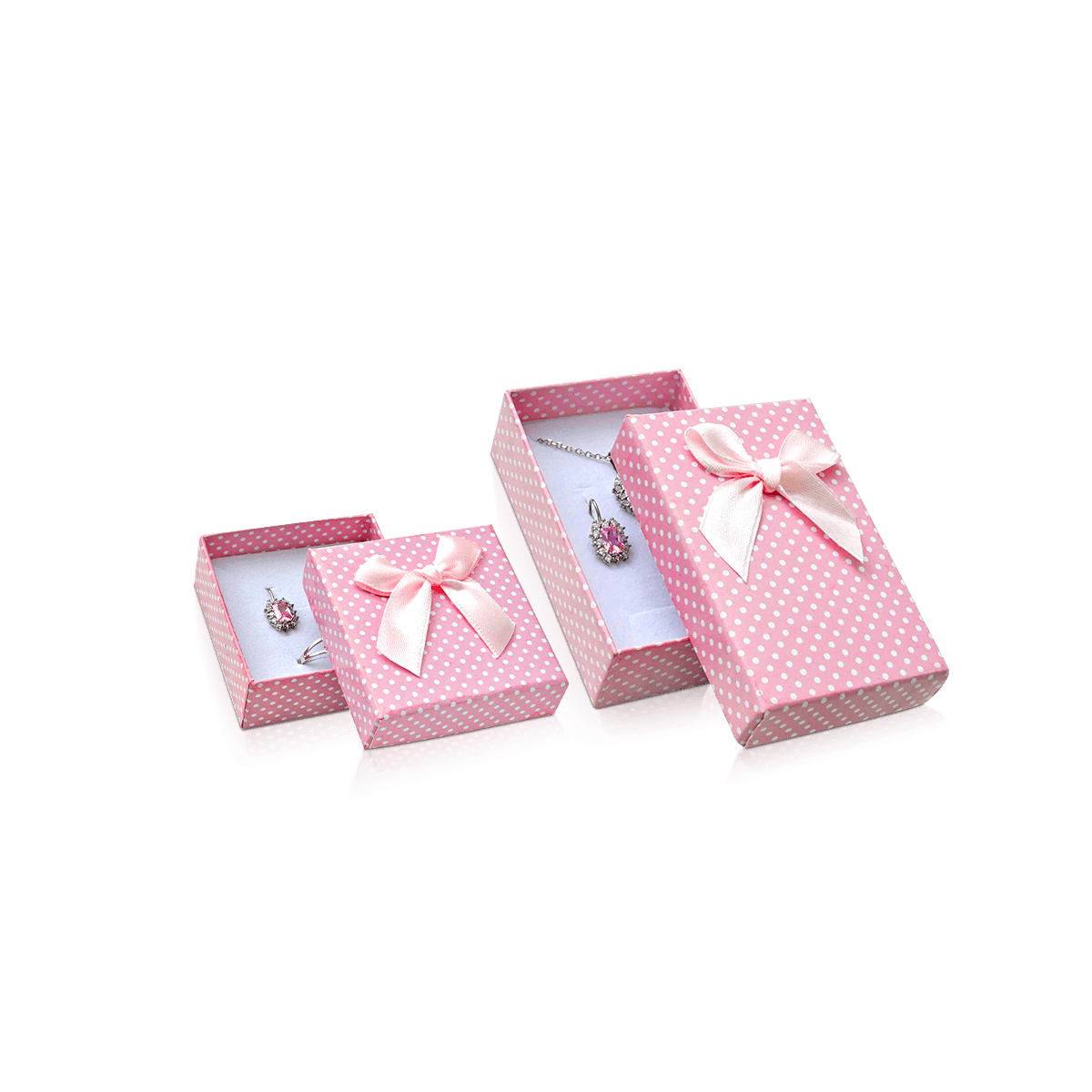
Rings, pendants, cufflinks and other small accessories can sit in fitted drawer inserts.

The opening movement presents the item without requiring the customer to lift a separate lid.

For jewelry and accessories packaging, the insert should also prevent small pieces from moving or coming into contact with one another.

A ribbon pull can complement the presentation, but the insert still needs a separate way for the customer to remove the jewelry.

Gift Cards and Stationery

A shallow paperboard drawer can hold gift cards, note cards, stationery sets and compact promotional items.

For a flat product, unnecessary tray depth can make removal awkward.

A thumb recess or raised platform may be sufficient to make the contents accessible.

A substantial rigid construction is not always necessary for these applications.

Promotional and Gift Sets

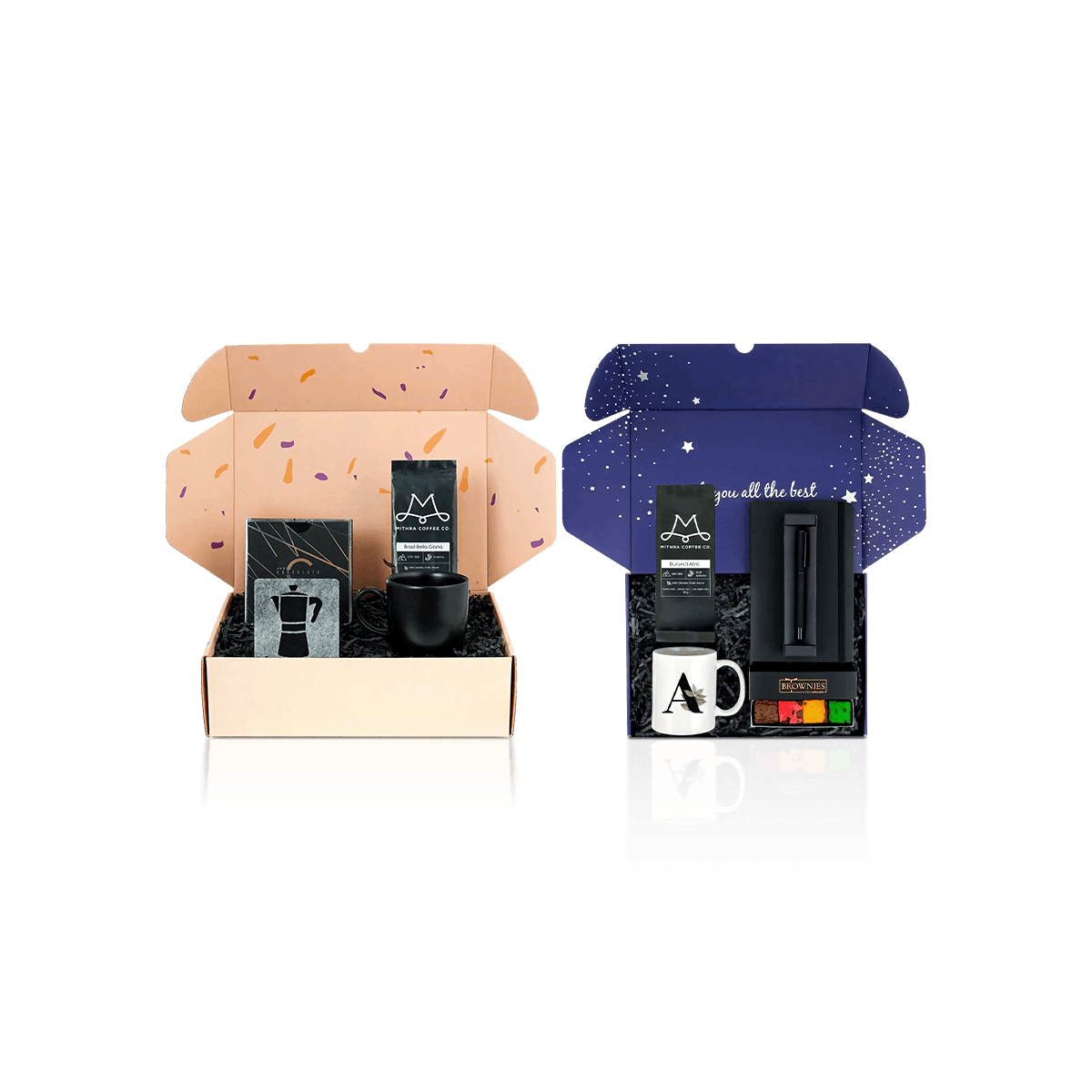
A drawer can bring several small products into view together.

For promotional merchandise boxes, the arrangement may need to accommodate printed materials, compact accessories and branded giveaway products.

The drawer works best when the items can remain organized during the sliding movement.

For a large or heavy assortment, a top-opening structure may provide easier access and avoid the need to pull the complete product weight forward.

The same two-piece construction is used in tray and sleeve boxes. The selected grip, retention arrangement and intended opening behavior determine how the finished package is used.

Assembly and Order Economics

The cost of a custom drawer box depends on its two-component construction, materials, dimensions, printing and assembly requirements.

A folding paperboard version can have different production and packing costs from an assembled rigid box with a wrapped sleeve and fitted insert.

The packaging operation must account for both components.

A paperboard drawer may need to be erected before filling. The sleeve may arrive flat and pre-glued, depending on its design.

A rigid construction typically involves more substantial preassembled components, with different storage and handling requirements.

For larger production quantities, even a small assembly operation can affect the total packing workload.

The packing work that becomes costly at higher volumes matters especially when every finished box requires separate tray assembly, insert placement and sleeve fitting.

The appropriate construction should reflect the packing process as well as the product's selling price.

For rigid versions, rigid box cost factors include the board, wrap material, assembly operations, inserts and finishing requirements.

Custom Packly's USA MOQ starts from 100 boxes. The applicable minimum depends on the approved drawer construction and production specifications.

The standard turnaround is 4–6 days after final specifications and artwork approval. Complex constructions, specialty materials and advanced finishes may require additional time. USA production and free shipping are included.

The pricing specification should identify the intended construction, product dimensions, quantity, pull feature and whether the drawer needs to remain retained inside its sleeve.

Once these requirements are established, request a custom drawer box quote for the complete tray, sleeve and any required inserts.

The Second Opening Matters

A drawer intended for repeated use should remain convenient after the product has been removed and returned.

The initial opening may occur with a fully loaded insert. Later, the customer may open the box with only part of its contents inside.

That changes the weight and distribution of the load.

A rigid gift box intended for long-term storage may need a durable pull attachment and a tray that remains comfortable to operate through repeated use.

A lightweight paperboard drawer intended for a single retail opening may not require the same construction.

The intended use also affects the retention arrangement.

For a reusable box, the tray should be easy to return to its closed position without catching on the sleeve or requiring the customer to rearrange the contents.

A retained drawer must permit the intended access without placing unnecessary stress on its stop.

A removable drawer should be straightforward to reinsert in the correct orientation.

For products that are used frequently, customers should be able to remove and return individual items without dismantling the interior.

These decisions establish whether the package functions as a simple product enclosure or remains practical after the initial purchase.

The finished drawer should be judged by the opening and closing movements customers will actually perform.

FAQs

No. Drawer Boxes are often used for premium packaging, but they also work well for organized kits, tech accessories, and branded product bundles that need a cleaner presentation.

The outer shell supports the tray while inserts help control movement inside. That combination improves shape retention and keeps small parts from shifting around.

They share a sliding tray and outer sleeve. Drawer Boxes emphasize the front pull, tray movement and retention during repeated opening; Tray and Sleeve Boxes emphasize filling the inner tray, fitting the sleeve and arranging product sets. Material alone does not distinguish the structures.

Yes. It is well suited for multi-product packaging, starter kits, and organized sets because the tray can be built around compartments, fitments, or layered inserts.

  • High-resolution printing, Pantone matching, matte or gloss lamination, debossing, and metallic foil all work well, especially when the goal is strong first-impression packaging.
Process

How it works

Your Packaging Journey, From Idea to Production and Delivery

01

Tell Us Your Specs

Custom packaging boxes

Tell Us Your Specs

Provide size, quantity, printing, and finishes.

02

Get a Fast Quote

Custom packaging boxes

Get a Fast Quote

Instant transparent pricing, no hidden fees.

03

Design and Approval

Custom packaging boxes

Design and Approval

Artwork checks, revisions, and final sign-off.

04

Produce

Custom packaging boxes

Produce

Expert manufacturing to meet deadlines.

05

Ship to Your Door

Custom packaging boxes

Ship to Your Door

Hassle-free, flexible delivery options.

Get Your Quote for Custom Drawer Boxes

Share your product details, size, quantity and artwork needs. We’ll help choose the right packaging style and send a clear quote.