Skip to content
Details

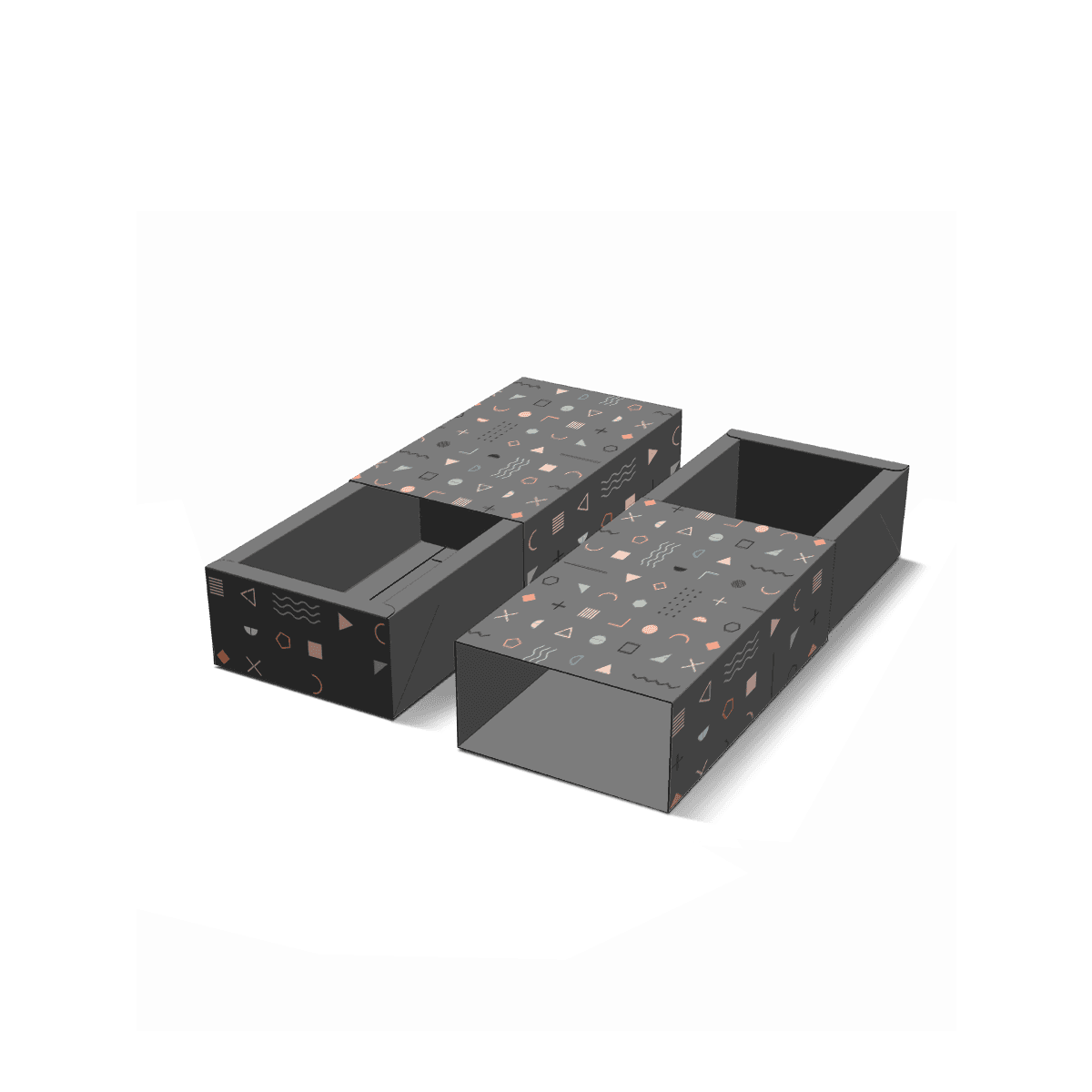
Custom Sleeve Folding Cartons

Custom printed paperboard sleeves that wrap existing cartons, trays and product bundles, adding retail branding without replacing the inner packaging.

One Printed Layer Around the Pack

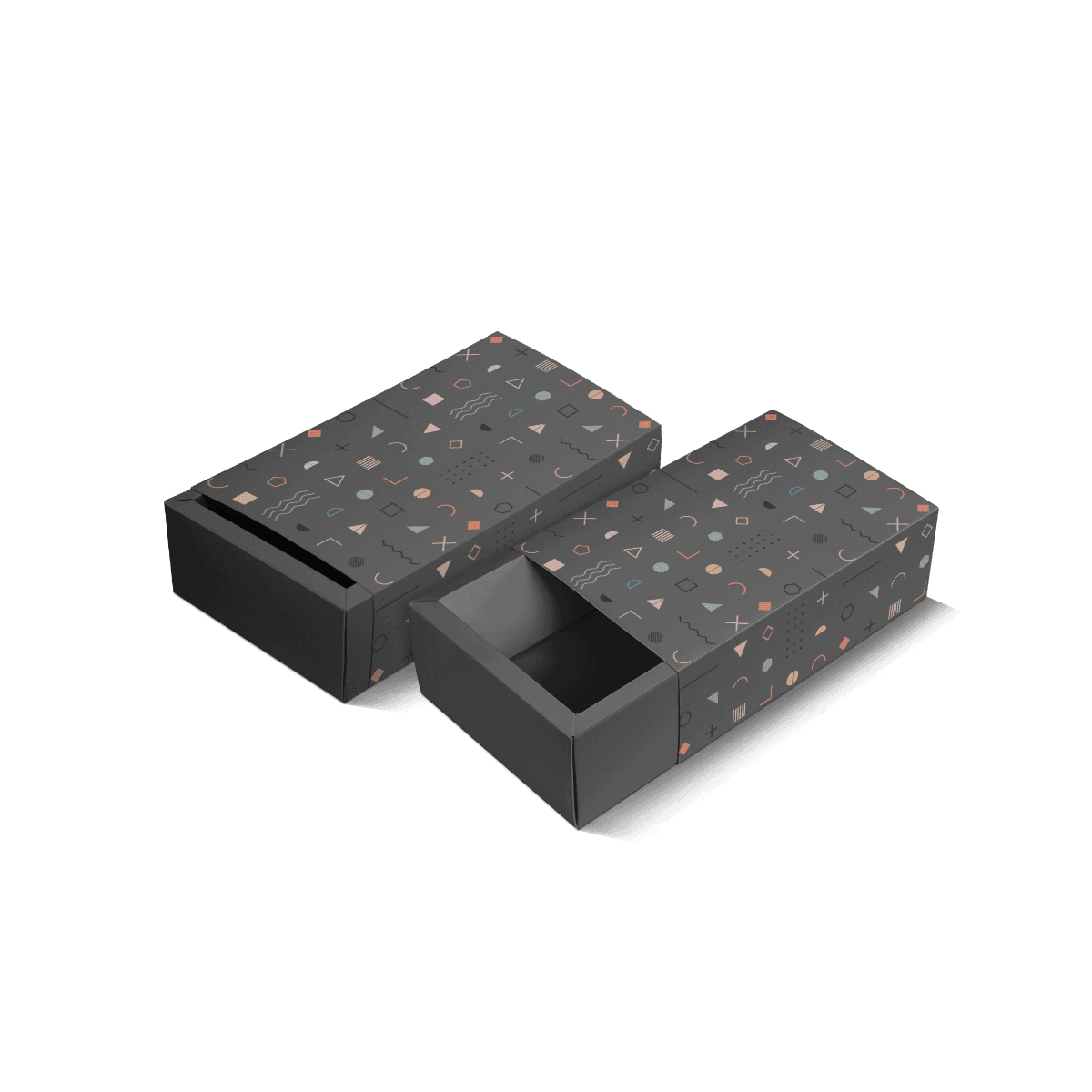
A printed outer wrap can change a product's retail appearance without replacing the packaging underneath. Custom sleeve folding cartons are open-ended paperboard structures that slide over an existing carton, tray or supported product bundle.

The inner packaging retains its original job. It may protect the product, organize several components or provide the structural support needed for handling. The sleeve adds a separate surface for branding, product identification and promotional artwork.

This arrangement is practical when a business already has a functional inner pack but needs a different exterior presentation.

A soap manufacturer might use one protective wrap for several fragrances and apply a different printed sleeve to each. A bakery could place a branded sleeve around an existing covered tray. A retailer might use a seasonal sleeve over its standard product carton.

The sleeve can cover most of the inner pack or occupy a narrower portion of it. Its open ends may leave parts of the product or underlying packaging visible.

Unlike a complete tray-and-sleeve package, the folding sleeve does not necessarily require a newly manufactured inner tray.

Custom Packly produces custom printed sleeve folding cartons in product-specific dimensions, using suitable paperboard, kraft or coated stock. The material, printed area and assembly method can be developed around the existing product and its packing operation.

The main decision is how much printed coverage the product needs and what the sleeve must physically hold.
Coverage That Earns Its Place

The amount of coverage determines how much of the inner packaging remains visible and how much printed space the sleeve creates.

A full-length sleeve, a shorter wrap and a narrow belly band can all use paperboard, but they perform different merchandising jobs.

Full-Length Sleeves

A full-length sleeve extends across most or all of the inner pack's length while leaving its ends open.

This creates substantial printed surfaces without adding conventional tuck flaps or a separate bottom.

It can suit a plain rectangular carton that needs a fully branded exterior or a covered product tray that requires a consistent retail-facing design.

The sleeve can carry the main product identity while the underlying package continues to handle containment.

However, the open ends may expose the underlying board, tray edges or product.

The finished appearance depends on how those exposed surfaces coordinate with the printed sleeve.

Partial Sleeves and Belly Bands

A partial sleeve covers a selected portion of the inner package.

A narrow belly band is appropriate when the main purpose is branding, labeling or visually grouping products without concealing most of their existing presentation.

For example, a printed band around a plain gift box can identify a seasonal assortment while leaving the original box visible.

A wider sleeve may be appropriate when the product needs more space for artwork or retail labeling.

Using less board does not automatically mean a lower finished cost. The cutting layout, print process, assembly method and order quantity also affect production.

Open Ends and Product Visibility

Open ends can make a sleeve practical for merchandise that benefits from visible material, color or texture.

The exposed portion must remain appropriate for retail handling.

A sleeve around a protected textile bundle, for example, can leave the folded material visible. It should not be expected to prevent dust, moisture or damage if the underlying packaging does not already handle those conditions.

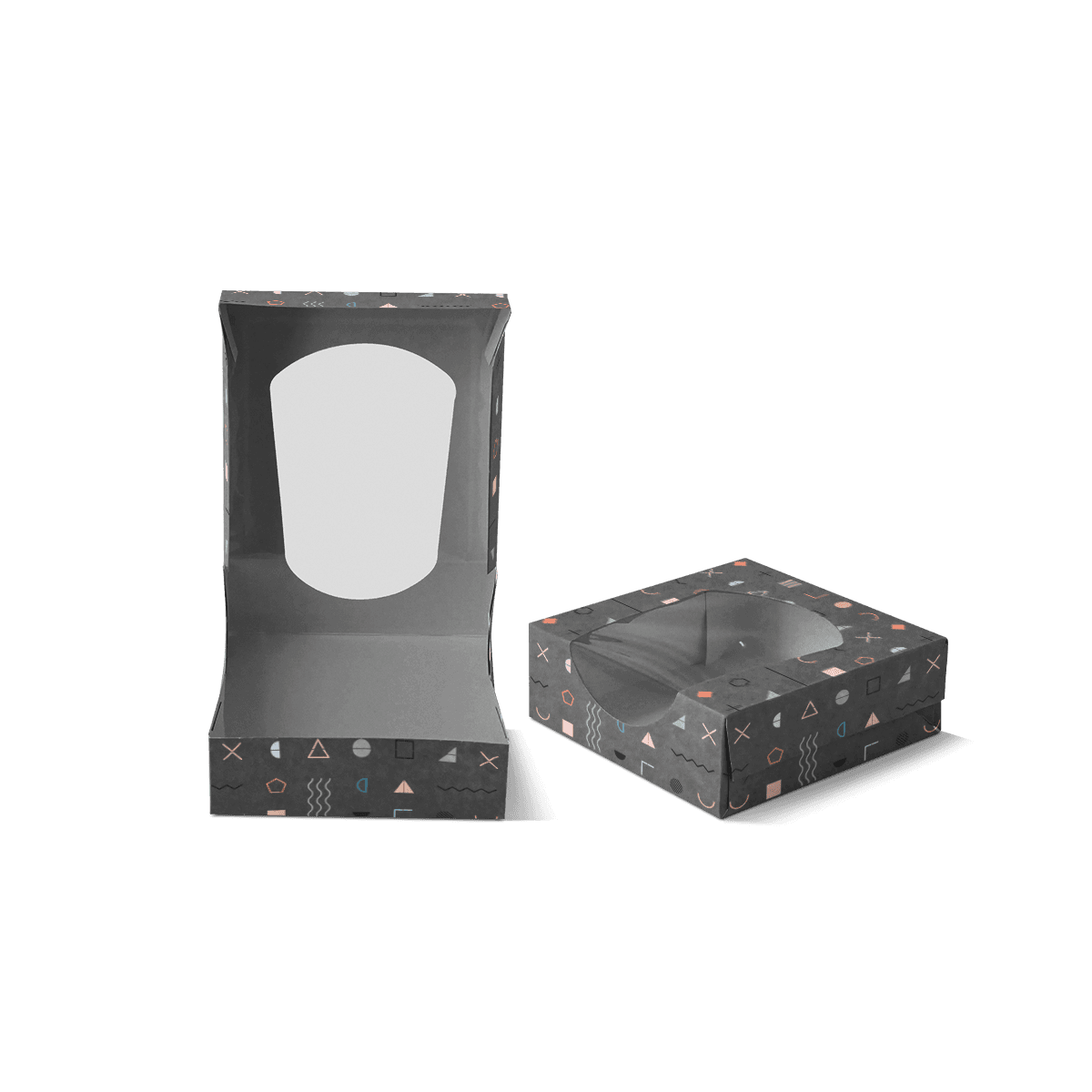
For products requiring a more enclosed display with a deliberately positioned viewing area, windowed folding cartons may be more appropriate.

The decision is whether partial coverage serves the product or merely removes material that the packaging still needs.

Fit Around the Finished Pack

Sleeve dimensions must be established from the finished outside dimensions of the object being wrapped.

For an existing carton or tray, that includes its actual board thickness, folded panels, glued seams and any external coatings or labels.

A sleeve dimensioned from the product alone may not fit its completed packaging.

The Sleeve's Internal Perimeter

For a rectangular inner pack, establish its finished outside width and height across the sleeve's cross-section.

The sleeve's internal perimeter must accommodate those dimensions and the clearance required for assembly.

Its length determines how much of the inner pack will be covered.

The final cutting dimensions must also account for the sleeve's own board thickness, crease positions and glued seam.

A nominal carton size is not always a reliable substitute for the measured outside dimensions of an assembled sample.

This is particularly important when the underlying structure has overlapping flaps, raised labels or other features that increase its maximum dimensions.

Friction Without Compression

A sleeve needs enough clearance to slide over the inner pack without crushing it.

Excessive clearance can allow it to move unintentionally.

The correct fit depends on board stiffness, surface finish, the direction of application and the way the completed package will be handled.

Consider a hypothetical rectangular soap carton with a slightly raised top flap.

If the sleeve is sized only around the main body, it may catch on that flap during assembly.

Increasing the sleeve's entire perimeter might solve the obstruction but produce an unnecessarily loose fit elsewhere.

The more appropriate adjustment may involve the inner pack's closure, the sleeve's application direction or the way its crease positions accommodate the finished shape.

For applications where the inner package is already approved, modifying the sleeve is generally preferable to changing a functional carton without a clear reason.

Product Variation and Tolerance

An existing product may have small dimensional differences between batches.

Handmade products, folded textiles and flexible inner packs can vary more than tightly controlled rigid containers.

A sleeve fitted around a compressed product bundle must also account for what happens when the material relaxes after packing.

For a textile pack, measure the bundle in the condition in which the sleeve will be applied.

If the bundle expands after application, it may put pressure on the sleeve's folds or glued seam.

An exact custom physical sample is appropriate when normal dimensional variation makes the fit uncertain. Fully custom samples can be arranged as paid samples.

The objective is a fit that works across the expected production variation, not merely one carefully prepared example.

Paperboard That Folds Reliably

Sleeve folding cartons are normally manufactured from die-cut, creased paperboard with a glued seam or another suitable joining arrangement.

The board must retain the sleeve's intended shape while remaining practical to fold and apply.

The selection should follow the inner package, printed design and packing operation.

White and Coated Paperboard

White paperboard is suitable for detailed graphics, fine text and products requiring bright printed colors.

Coated stock can support full-color artwork and selected surface finishes.

The appropriate caliper depends on the sleeve's dimensions and the stiffness needed for its intended application.

A narrow band around a rigid carton may not require the same board as a full-length sleeve around a larger product.

Excessively thick stock can also create difficulties at tight folds, particularly where the sleeve has a small cross-section.

Kraft Paperboard

Kraft stock can create a restrained printed appearance and suit products that use natural-looking materials.

Its brown surface affects printed color.

Pale inks, product photography and delicate color variations may not reproduce in the same way as they would on a white board.

The artwork should be developed with the actual material color in mind.

Kraft should not be selected solely for its appearance if the product's packing environment requires a different surface or material performance.

Grain and Crease Direction

Paperboard grain affects folding behavior and stiffness.

For a rectangular sleeve, the main creases need to produce consistent corners without excessive cracking or resistance.

Grain direction and crease specifications should be considered together, particularly for thicker or specialty stocks.

A board that performs well as a flat printed sheet may not fold cleanly into a narrow sleeve without appropriate converting specifications.

The complete material decision can be assessed through Custom Packly's packaging capabilities, including suitable paperboard, printing and finishing options.

The Glued Seam

A conventional tubular sleeve may use a narrow glue flap joining the ends of its paperboard blank.

The seam should sit where it does not interfere with the product's presentation or application.

For a sleeve that needs to slide over a closely fitted carton, an internal glue overlap must be accounted for when establishing clearance.

The glued area also requires a surface suitable for the chosen adhesive and production process.

Coatings or decorative finishes should not compromise the bond.

If a seamless-looking front is important, the seam can be positioned on another appropriate panel.

Printing Without Replacing the Carton

A separate sleeve allows exterior artwork to change while the underlying packaging remains unchanged.

This is particularly valuable when several compatible products share one inner package but need different retail identities.

The approach should begin with a clear division between information carried by the inner pack and information printed on the sleeve.

The Main Selling Panel

The largest outward-facing panel usually carries the product name, brand identity and primary retail graphics.

Its orientation depends on how the completed package will be displayed.

A sleeve wrapped around a horizontal tray needs a different artwork arrangement from one fitted vertically over a tall carton.

The visible panel may also be interrupted by the sleeve's open ends or the underlying product.

Printed artwork should account for those boundaries rather than assuming the package has the uninterrupted surfaces of a conventional six-sided carton.

The principles behind designing packaging around its physical structure are particularly relevant when artwork must work across separate inner and outer components.

Product-Specific Information

A sleeve can identify different flavors, fragrances, sizes or promotional versions.

However, covering the inner package may also conceal existing product information.

The finished selling unit must retain all labeling required for the actual product and market.

Depending on the merchandise, this may include ingredients, directions, warnings, net quantity, manufacturer information, lot identification or other required statements.

A sleeve cannot be assumed to satisfy a product's labeling requirements merely because it has enough printable space.

The final layout must be reviewed against the applicable requirements.

Barcode Placement

A retail barcode must remain accessible and scannable after the sleeve is applied.

The printed area should avoid unnecessary folds, curved surfaces, seam interruptions or artwork that reduces contrast.

A barcode on the inner carton may become concealed by the sleeve.

If the completed sleeve carries a different barcode, the relationship between the two codes needs to be managed so the retailer can identify the intended selling unit.

The correct placement depends on the retailer's requirements and the assembled package.

Color and Artwork Versions

CMYK printing can reproduce photographs, illustrations and multicolor product graphics.

Pantone spot colors may be considered when particular brand colors require closer control.

Premium offset printing can support detailed artwork and stable production programs where the material and quantity suit the process.

For seasonal designs, multiple SKUs or artwork that changes frequently, the number of units per design becomes an important production consideration.

The differences between digital, offset and flexographic printing help establish how artwork variation, substrate and quantity influence that decision.

A single order containing several sleeve designs should not automatically be priced as one uninterrupted print run.

Each version may introduce separate artwork, prepress or production requirements.

The Inner Pack Still Protects

A paperboard sleeve generally adds printed coverage and some restraint, but it should not be treated as a substitute for the product's primary packaging.

Its open ends limit its ability to contain loose merchandise or protect exposed surfaces.

The inner pack must remain suitable for the product throughout storage, retail handling and transportation.

Food Trays and Containers

A printed sleeve can fit around an existing covered food tray or another suitable primary food container.

The underlying container must perform the necessary containment and protection functions.

For food applications, the sleeve's material must be assessed according to its actual contact with the product and the intended conditions.

Ordinary printed paperboard should not be assumed to be suitable for direct food contact.

A sleeve placed around a hot, cold or moisture-producing container may also experience condensation or changes in surface moisture.

The board and finish should be selected for those conditions rather than relying on appearance alone.

Bundles and Multipacks

A sleeve can visually group several products, but that does not automatically make it a suitable load-bearing carrier.

For example, a band around two small cartons may maintain their arrangement during ordinary handling.

A heavy bundle of jars creates different requirements.

The sleeve's board strength, seam and restraint must be assessed against the actual product weight and handling conditions.

Where the grouped products require a stable base or greater structural support, a dedicated inner tray may be appropriate.

For a complete package that combines a purpose-built tray with its own sliding enclosure, tray and sleeve boxes allow both components to be developed together.

Products That Benefit From Sleeves

The sleeve's main advantage is the ability to add branding or identification around merchandise that already has a suitable underlying structure.

Its application should follow the product's physical characteristics and the information customers need before purchase.

Handmade Soap

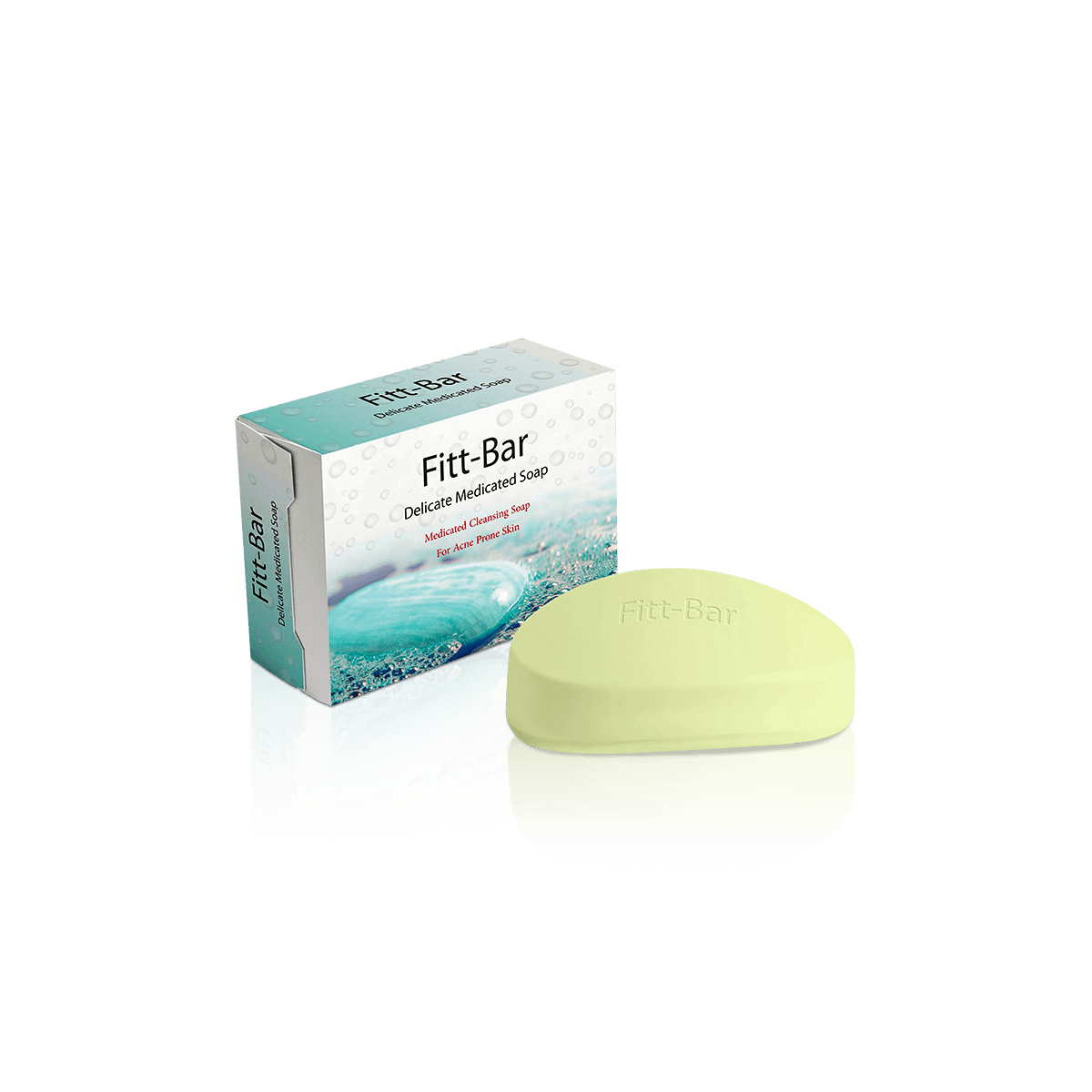
A paperboard sleeve can leave part of a soap bar visible while carrying the brand name, fragrance and product identification.

The format is especially practical when the product's color, texture or stamped surface contributes to its retail presentation.

However, the soap must be in the appropriate condition for packing.

Moisture, surface oils and fragrance can affect untreated paperboard.

For custom soap boxes, the decision between a sleeve and a more enclosed carton depends on product condition, handling and the intended selling environment.

The packaging requirements of handmade soap also influence how much of the bar should remain exposed.

A sleeve should not be used to conceal unresolved moisture or product-readiness problems.

Bakery and Prepared Food

A printed sleeve can fit around an already suitable food tray, covered container or packaged bakery assortment.

For food, bakery and restaurant packaging, the primary container must handle the food's actual serving and containment requirements.

A separate sleeve can carry product identification and promotional graphics without requiring the underlying container to be printed.

This may suit several products that use the same tray construction but need different exterior artwork.

The container's temperature, moisture behavior and actual contact conditions must be considered before approving the sleeve material.

Apparel and Textile Products

Folded clothing, towels, scarves and other textiles can use a printed band or sleeve when their presentation permits partial exposure.

A fitted wrap can carry the brand, size and product identification while retaining the intended folded arrangement.

For retail and apparel packaging, the sleeve should be dimensioned around the finished folded product and any existing protective wrap.

Fabric thickness and compression can affect its fit.

A sleeve that is too tight may distort the fold or mark delicate material. A loose sleeve may slip off when the product is moved.

Products requiring stronger dust protection or substantial containment may need an inner bag, carton or another suitable enclosure.

Application at the Packing Station

Sleeve application should suit the existing packing operation rather than introducing unnecessary handling.

A paperboard sleeve may be supplied flat and pre-glued, depending on its construction. Staff can then open it and slide it over the prepared product or inner pack.

The correct assembly method depends on the sleeve's dimensions, material and how it is joined.

Direction of Application

The sleeve should move over the inner pack without catching on projecting flaps, labels or other components.

For a rectangular carton, the direction may be determined by its closure arrangement and the sleeve's intended final position.

A tapered container or irregular bundle can require a different approach.

The packing sequence should also account for the orientation of the printed artwork.

Employees should not have to turn every completed package repeatedly to correct the position of the sleeve.

Manual or Automated Application

Manual application may suit smaller orders, product launches and packing operations that already involve individual handling.

Automated or semi-automated application may be appropriate for compatible high-volume production, but equipment suitability must be confirmed.

The sleeve's folded dimensions, seam, stiffness and product tolerance affect how reliably it can be applied.

A structure developed for manual packing should not be assumed to operate on existing machinery without assessment.

Flat Storage

Flat-packed sleeves can occupy relatively little space before assembly.

That is valuable when the same inner packaging supports several printed versions.

Each artwork version can be stored separately and applied according to the product being packed.

For larger repeat programs, Custom Packly can arrange warehousing and scheduled deliveries where appropriate.

Production Cost Follows Coverage

The cost of sleeve folding cartons depends on the amount of paperboard used, the cutting and creasing arrangement, printing requirements and order quantity.

A narrow band and a full-length tubular sleeve can have different material and production costs even when they fit the same inner carton.

The number of artwork versions also matters.

A business using one inner pack across several products should compare the cost of separate printed sleeves with the cost of manufacturing fully printed inner cartons for every variant.

That assessment should include the complete packaging arrangement.

An additional sleeve introduces its own production and application costs. It is not automatically less expensive than printing the original carton.

The main cost factors are:

  • Sleeve dimensions and board caliper.
  • Full-length or partial coverage.
  • Printing and the number of artwork versions.
  • Gluing and converting requirements.
  • Coatings and specialty finishes.
  • Manual or equipment-assisted application.
  • The quantity required for each version.

Custom Packly's USA MOQ starts from 100 boxes. The applicable minimum for a sleeve folding carton project depends on the approved construction and production specifications.

The standard turnaround is 4–6 days after final artwork and specifications are approved. Specialty materials, complex construction or advanced finishes may require additional time.

US production and free shipping are included.

Free design and dieline support can help establish the sleeve's dimensions and artwork layout. A free 3D mockup can show the printed sleeve around the intended inner pack.

Previous-work sample examples may be obtained free of charge. Fully custom physical samples can be arranged as paid samples when the exact fit or material needs assessment.

Once the existing inner pack, desired sleeve coverage, artwork versions and quantities are established, request a custom sleeve folding carton quote.

What Reaches the Store

The final selling unit is the inner pack and printed sleeve together.

Both components need to remain compatible throughout packing, distribution and retail presentation.

For a product that uses several sleeve versions, the underlying package may remain unchanged while the exterior identification varies.

That makes the application process an important part of product control.

The correct sleeve must be applied to the correct merchandise, and its printed identification must correspond to the contents.

For a seasonal promotion, the replacement artwork should be checked against the actual inner pack before the new version is produced.

For products whose ingredients, warnings or other required labeling have changed, the final selling unit must carry the appropriate current information.

The underlying structure should also remain appropriate.

If a revised product becomes taller, heavier or differently shaped, retaining the old sleeve dimensions simply because the artwork has changed would be a mistake.

A shared inner pack is valuable only while it continues to fit and support every product assigned to it.

This is where sleeve folding cartons earn their place: they allow the exterior presentation to change independently when the product and its existing packaging do not require a new structure.

FAQs

Because it changes the presentation. A sleeve gives the product a cleaner wrapped look, reduces visual clutter, and often uses less material than a fully enclosed carton.

Usually, no. Sleeve Folding Cartons are most effective when they wrap around a tray, carton, or product bundle that already provides part of the structure.

Choose Sleeve Folding Cartons when branding, layered presentation, or wraparound structure is the priority. Choose Tray-Style Folding Cartons when the product mainly needs a formed base for holding and organizing items.

Yes, often more than in a standard carton. The open ends or partial coverage can help reveal the product itself or highlight an inner pack.

More than many buyers expect. The front, back, top, and side areas can carry artwork, ingredients, barcodes, instructions, promotional messaging, or finish effects.

Process

How it works

Your Packaging Journey, From Idea to Production and Delivery

01

Tell Us Your Specs

Custom packaging boxes

Tell Us Your Specs

Provide size, quantity, printing, and finishes.

02

Get a Fast Quote

Custom packaging boxes

Get a Fast Quote

Instant transparent pricing, no hidden fees.

03

Design and Approval

Custom packaging boxes

Design and Approval

Artwork checks, revisions, and final sign-off.

04

Produce

Custom packaging boxes

Produce

Expert manufacturing to meet deadlines.

05

Ship to Your Door

Custom packaging boxes

Ship to Your Door

Hassle-free, flexible delivery options.

Get Your Quote for Custom Sleeve Folding Cartons

Share your product details, size, quantity and artwork needs. We’ll help choose the right packaging style and send a clear quote.