Skip to content
Details

Custom Folding Cartons for Electronics

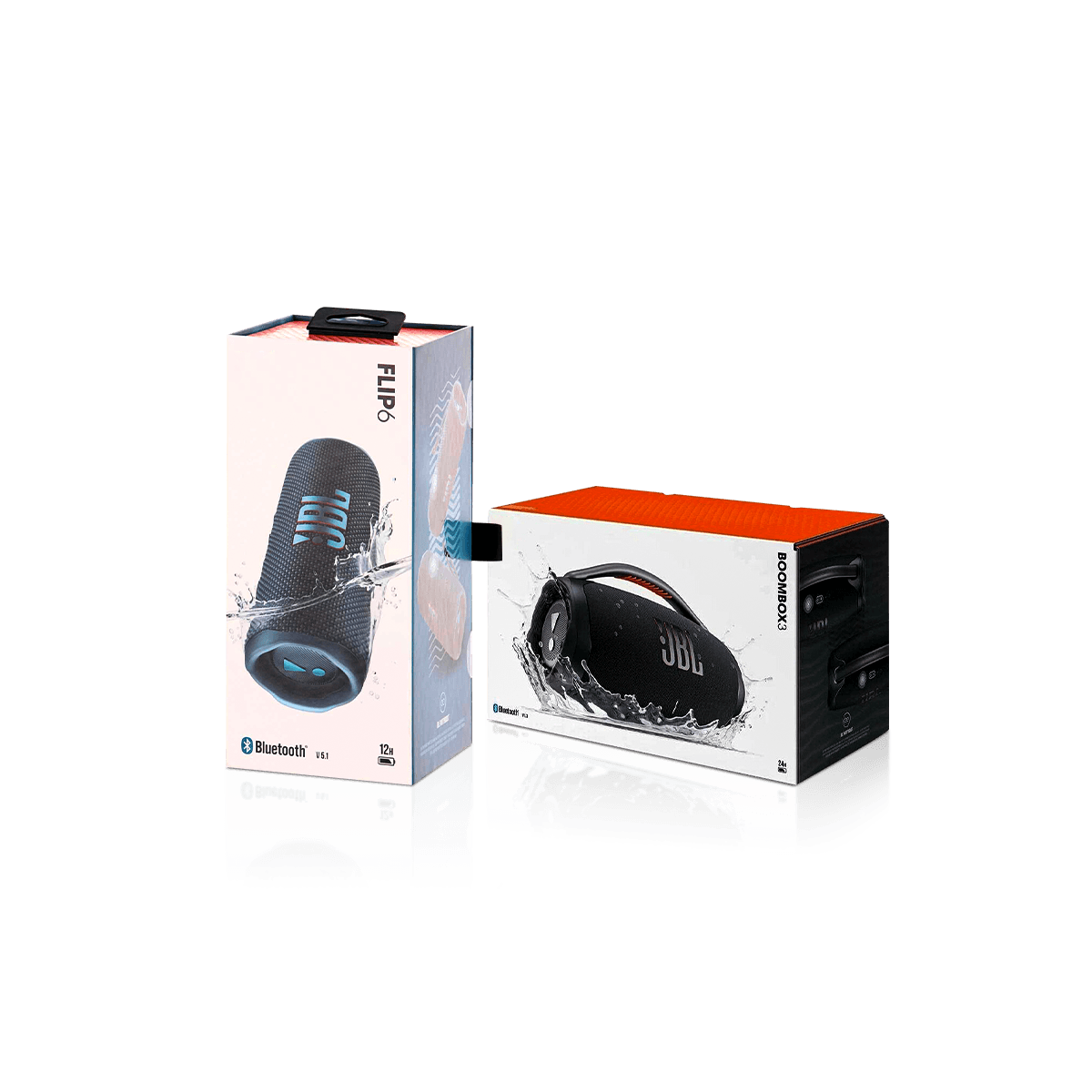
Printed paperboard cartons for lightweight and midweight electronics, with closure strength, inserts, retail presentation and packout efficiency set around the filled product.

The Bottom Construction Carries the Decision

With electronics, the closure at the bottom can matter more than the flap the customer opens.

A lightweight cable, adapter or small sensor can sit comfortably in a simple tuck carton. Put a dense power accessory, device and insert into the same structure and the filled pack may begin to bow, distort at the base or feel less controlled during packing.

Custom Folding Cartons for Electronics should therefore be selected from the filled product upward. Product weight, insert position and packing method determine how much work the carton itself must do.

A paperboard folding carton stores flat before use and can support several closure systems without moving into the weight and permanent construction of a rigid box.

Tuck Ends Suit Lighter Retail Packs

Light electronics accessories often need very little structural complexity.

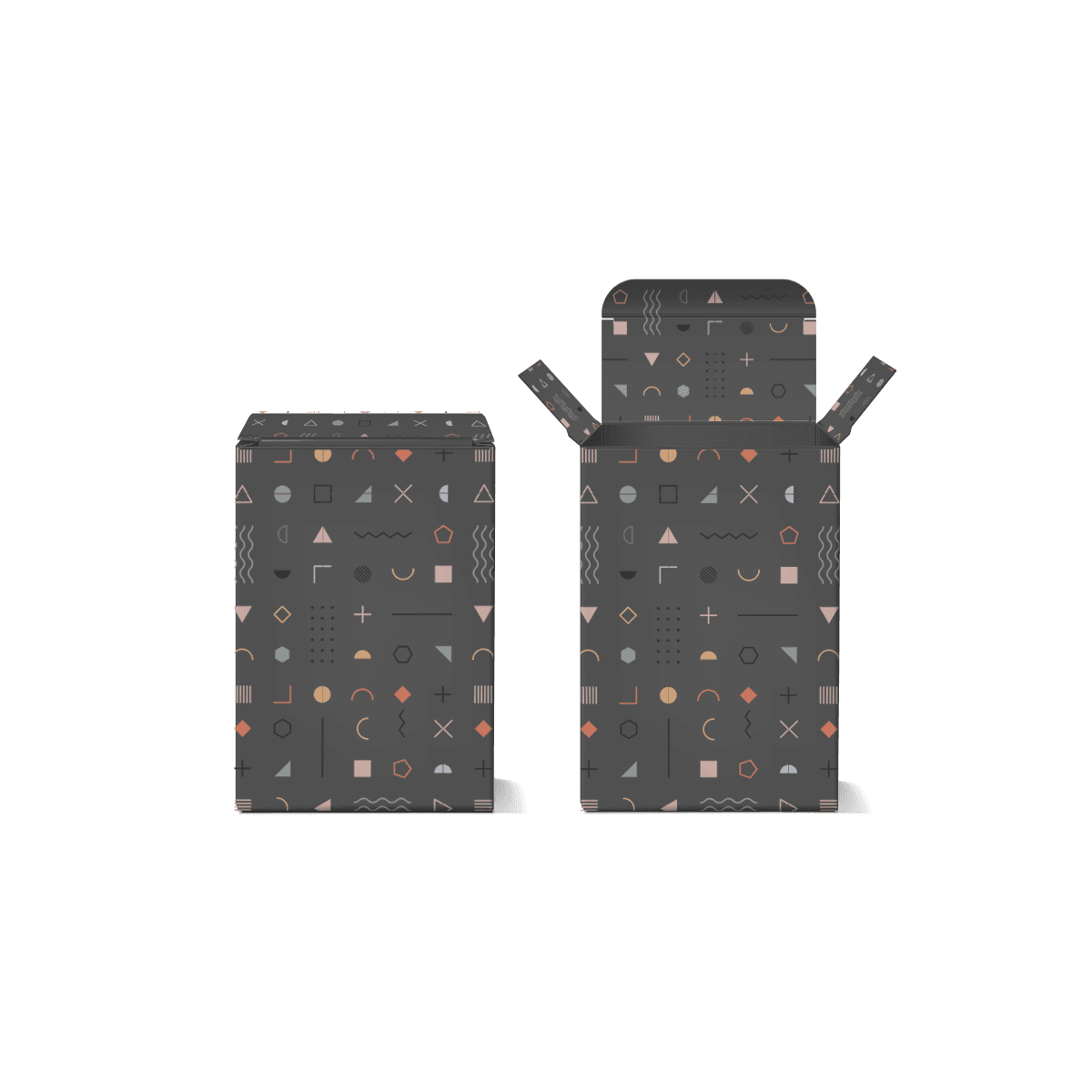
Straight tuck-end cartons suit products where a clean display face and simple hand packing matter. Both tuck closures run in the same direction, which can also make the panel arrangement easier to manage for some retail artwork.

Reverse tuck-end cartons place the closures in opposite directions and can work efficiently for compact electronics that do not need a reinforced base.

Neither style should be chosen just because it is familiar. The filled pack still needs enough board stiffness and internal control to prevent the product from pushing against the closure.

Dense Products Need More Support Underneath

A heavier adapter, power accessory or compact device can justify a bottom that distributes load more effectively.

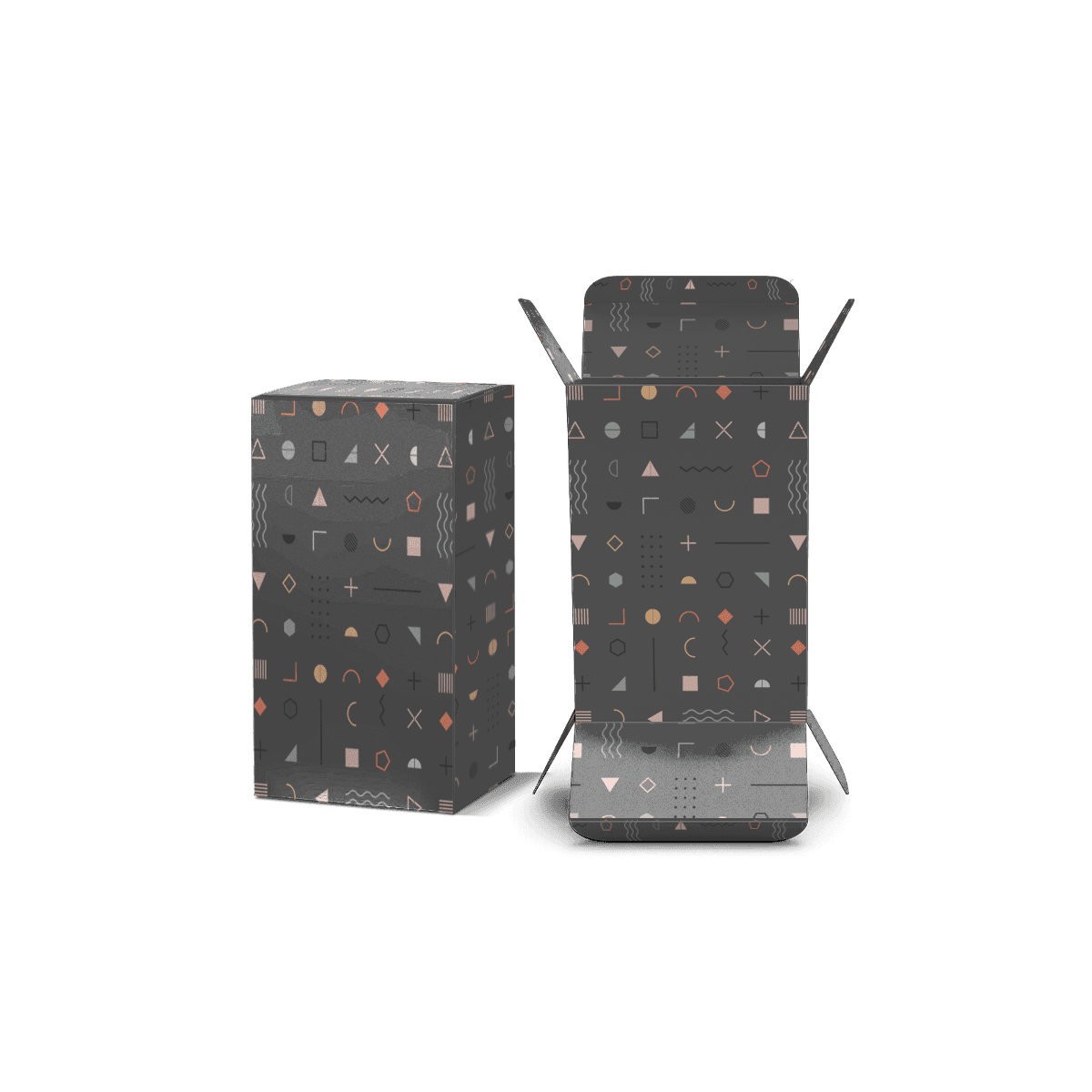
Auto-lock bottom boxes use a pre-glued base that opens into position during erection. That can help when the product is heavier or repeated manual setup makes a stronger, faster-forming bottom worthwhile.

Snap-lock or other interlocking-bottom constructions may also suit certain weights and production requirements.

The important distinction is not “premium versus standard.” It is whether the carton base remains square and controlled once the real device, insert, cable and paperwork are inside.
Paperboard Has a Clear Working Zone

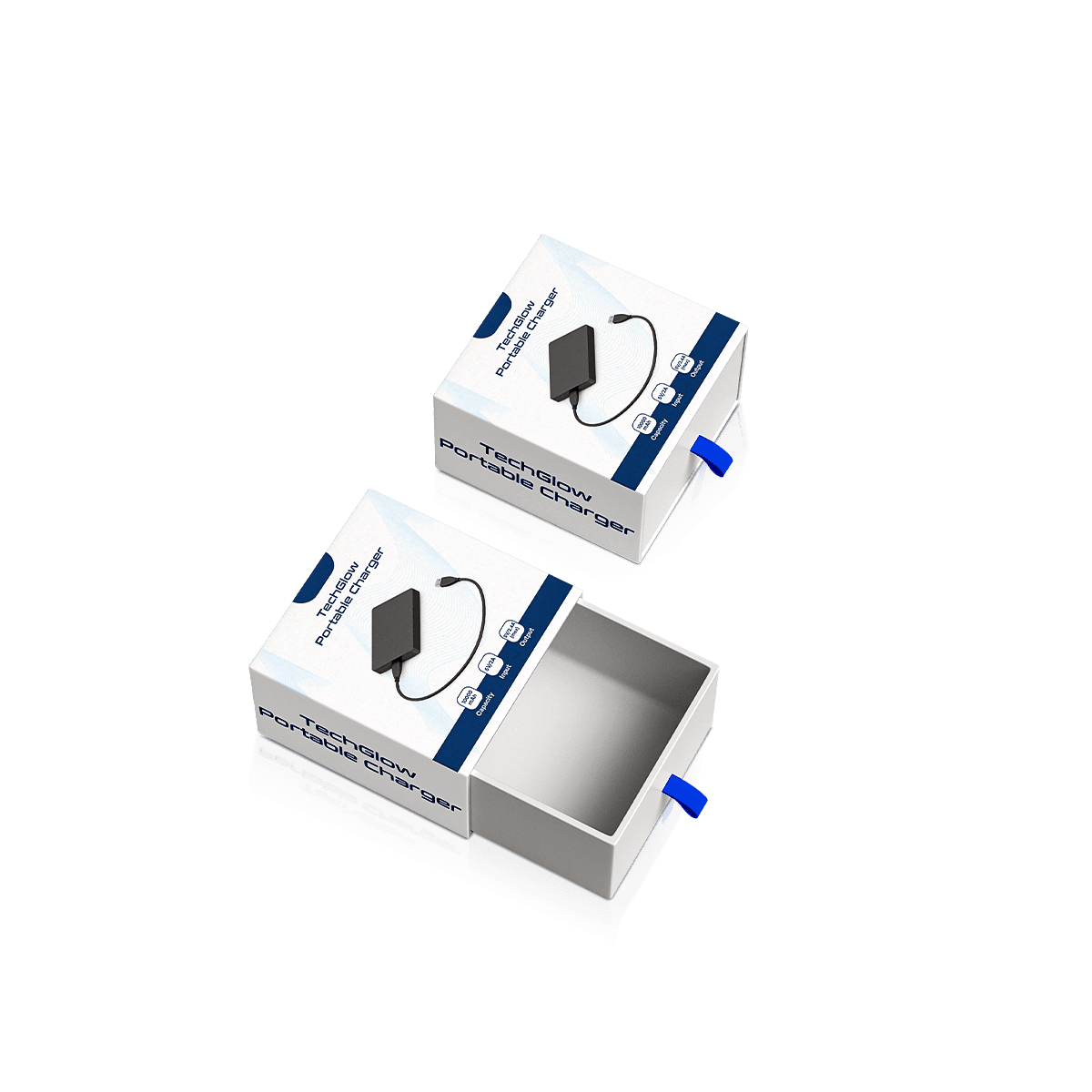
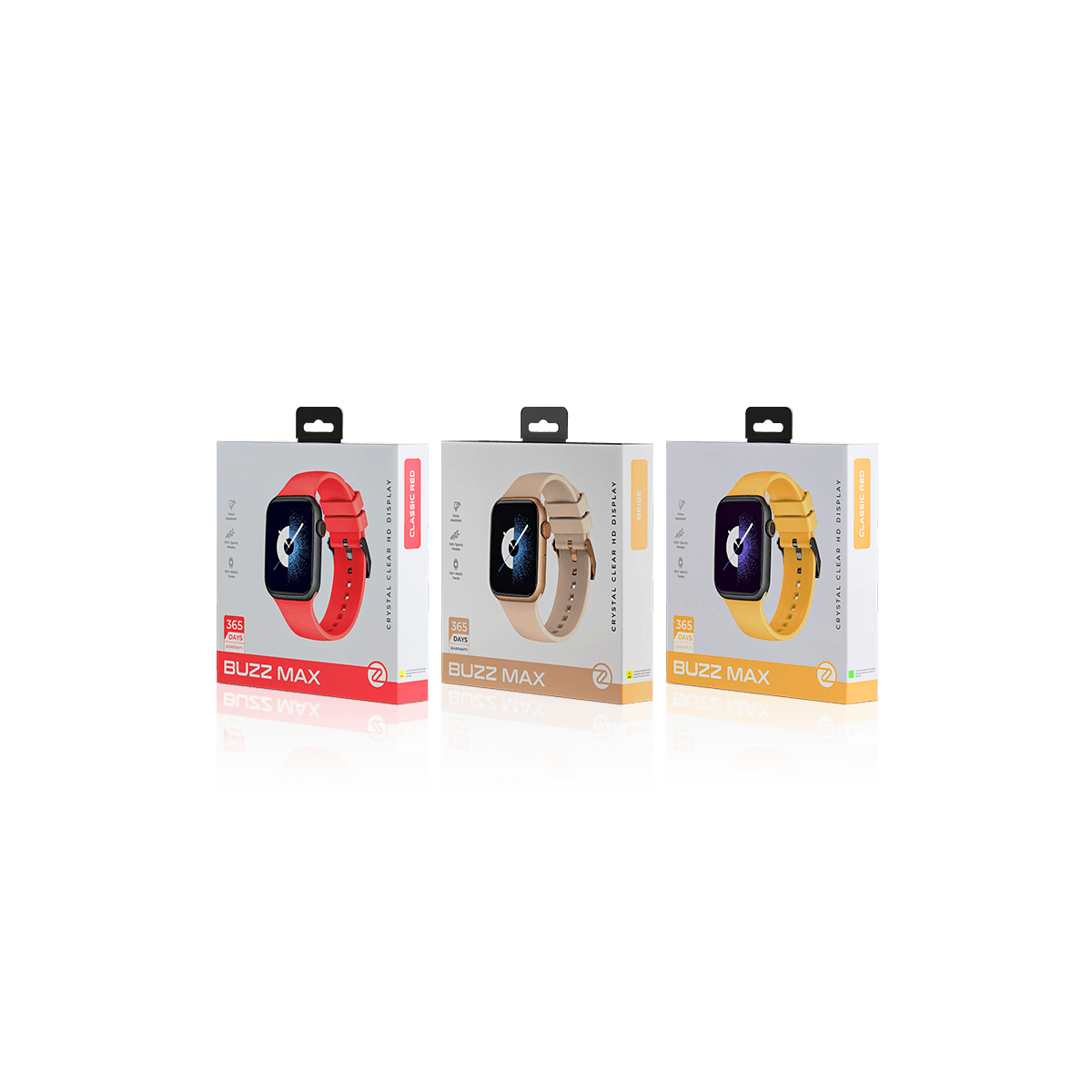
Folding cartons are strongest when the product needs a printed retail shell, efficient flat storage and moderate structural support rather than a permanent presentation box or a courier-ready outer container.

That working zone includes many chargers, adapters, earbuds, hubs, sensors, small smart devices, cables and compact electronic kits.

It has limits.

A heavy device can overwhelm a light paperboard shell. A fragile product may need cushioning the carton cannot create by itself. A high-value launch piece may call for a more substantial opening experience.

A rigid box makes more sense when thick board, a permanent shape and premium presentation are central to the product experience.

Likewise, a retail carton should not be made excessively heavy just to survive parcel networks by itself. The transit layer can solve that job separately.

The best electronics folding carton is not the strongest carton that can physically be produced. It is the lightest appropriate structure that still controls the filled product reliably.

The Insert Changes How the Carton Behaves

An insert does more than stop an electronic item from sliding.

It decides where weight reaches the carton, how much pressure reaches the side panels and whether cables or secondary parts push against the top and bottom closures.

A folded paperboard platform can spread a compact device over a larger area. Side supports can stop a dense item from repeatedly striking one wall. Separate pockets can prevent cables, plug heads or mounts from expanding into the main product cavity.

A custom insert box becomes relevant when the internal placement of the device and accessories is carrying much of the structural work.

Avoid Supporting Weight on a Narrow Edge

Consider a compact smart-home device packed with a power cable inside a simple folding carton.

The device appears to fit. A shallow folded insert holds it upright, but almost all of the product weight reaches one narrow strip near the bottom panel. The cable sits beside it and presses outward as the coil relaxes.

The carton may begin to bow at the base even though the exterior dimensions are technically correct.

A stronger bottom construction plus a platform that spreads the device over more surface area changes the load path. Giving the cable a defined pocket removes the outward pressure.

The improvement comes from coordinating the carton and insert rather than simply choosing thicker paperboard.

Cushioning and Positioning Are Different Jobs

Paperboard inserts work well when the main goal is positioning.

Foam becomes more relevant when an electronic product needs greater cushioning, surface protection or a closely shaped cavity. Corrugated fitments may make sense for heavier loads.

Paperboard, foam and corrugated fitments should be selected by the job they perform; packaging inserts differ in positioning, cushioning and load support.

Finished consumer electronics do not automatically need ESD material simply because they contain electronics. Anti-static and ESD packaging should be reserved for products or components whose handling requirements actually call for electrostatic protection.

Packout Speed Can Change the Best Carton

A folding carton is part of a packing operation, not just a retail object.

A structure that performs well at 100 manually packed units may become irritating when workers are erecting, loading and closing thousands of cartons.

Simple tuck constructions keep hand packing straightforward for many lightweight products. Pre-glued bottom structures can reduce setup steps when volume increases or the filled product needs stronger support.

The interior can also affect labor.

If a worker must assemble a loose insert, thread a cable through it, rotate the device, add paperwork and then force the carton closed, the pack may be structurally clever but operationally poor.

A better sequence lets the carton open cleanly, the insert seat consistently and the product drop into its intended position without improvisation.

Physical validation belongs here. Pack several real units in sequence. Watch where workers hesitate. Check whether the insert changes shape after repeated handling. Confirm that flaps close without pushing down on the product.

The test should prove the packing method as well as the fit.

Retail Hardware Changes the Flat Blank

Electronics cartons often need more than six printed panels.

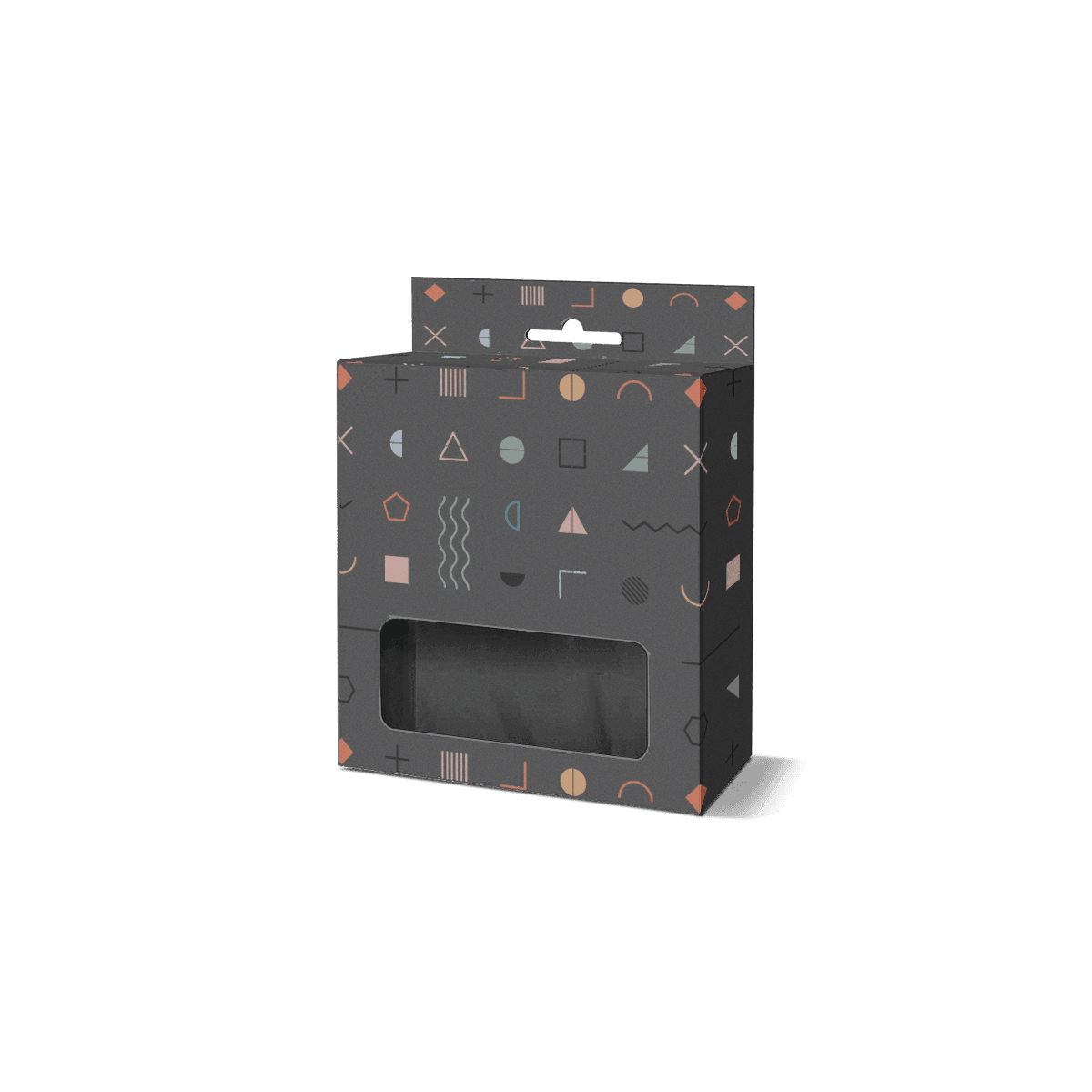
Peg-wall packs may require an integrated hang tab. Some products use a die-cut window. Others need extra depth for an insert or a broad front panel for product photography and specifications.

Every addition changes the dieline.

A hang tab adds material above the product and puts load around the hanging slot. Its placement should keep a filled carton balanced rather than making it rotate or lean badly on the peg.

A window removes material from a printed panel. If the opening becomes large relative to the carton, the remaining board around it has to retain enough stiffness for the filled pack.

Product visibility is therefore not automatically an advantage. A printed image may be the cleaner choice when the device does not need to be physically seen before purchase.

Multiple individual cartons can also sit inside retail display boxes for gadgets when counter presentation or grouped merchandising is more practical than enlarging every unit pack.

Small Cartons Carry a Lot of Technical Copy

Consumer electronics can demand an awkward amount of printed communication.

A compact carton may need product identity, model number, compatibility, wattage or power specifications, connector identification, contents, barcode, instructions and applicable regulatory markings before branding is considered.

The artwork has to respect that hierarchy.

The front panel should establish what the product is and the distinction that matters most at purchase. Side and back panels can carry secondary specifications instead of compressing every message into the primary selling face.

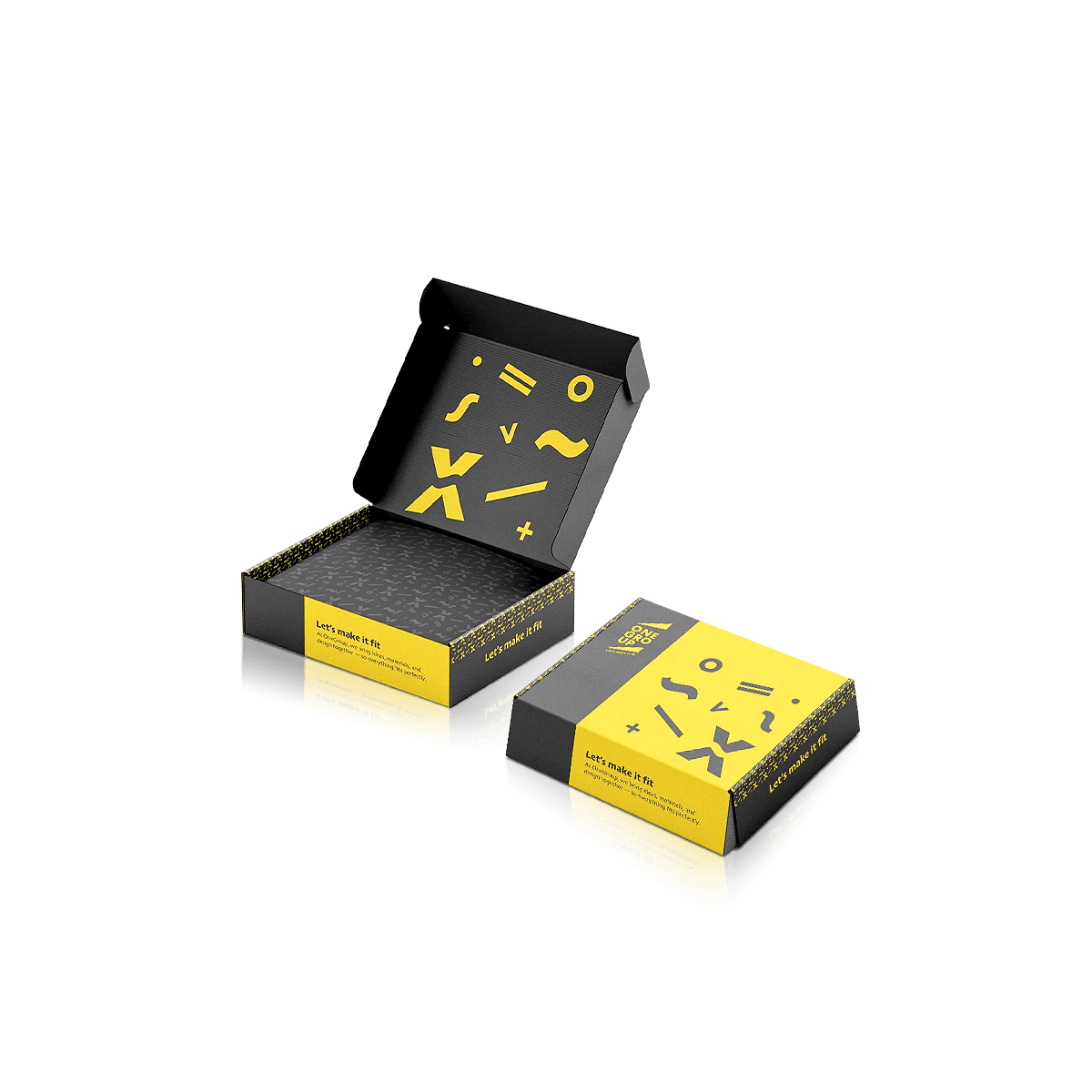
Custom printed boxes become especially important when small text, product imagery and recurring brand elements need controlled reproduction across compact panels.

Premium offset printing can support sharp typography, fine graphics and consistent product imagery. CMYK is useful for full-color graphics and photography while Pantone can suit specific spot-color requirements.

Brands that depend heavily on a signature color can assess CMYK and Pantone printing before artwork is finalized.

Finishes should stay subordinate to the technical communication. Matte, gloss, soft-touch, foil, embossing or spot UV can change the presentation, but the treatment should not obscure compatibility, model or handling text.

Dielines Need the Final Board and Structure

A folding-carton dieline is not simply an outline of the final external dimensions.

Board caliper affects folds and panel relationships. The selected closure changes the blank. Hang tabs, windows, inserts and glue areas all consume real space.

Artwork created on a generic template before these decisions are settled can end up with technical text too close to a crease, a barcode crossing a panel transition or important graphics disappearing under a tuck flap.

The packaging dieline should match the structure that will actually be cut, creased, glued and packed.

Once the supported box style and dimensions are settled, the dieline generator can move the project into a dimension-based layout before final artwork is placed.

Custom Packly also supports dieline and artwork preparation, which is particularly valuable when compact electronics cartons have little tolerance for poorly placed technical copy.

A free 3D mockup can then check panel sequence, brand presentation and the visual relationship between the assembled faces.

Shipping Protection Should Stay a Separate Layer

Folding cartons are often primary retail packaging, not standalone courier containers.

Trying to make one paperboard carton handle retail presentation, delicate printing and parcel abuse can force unnecessary compromises into the structure.

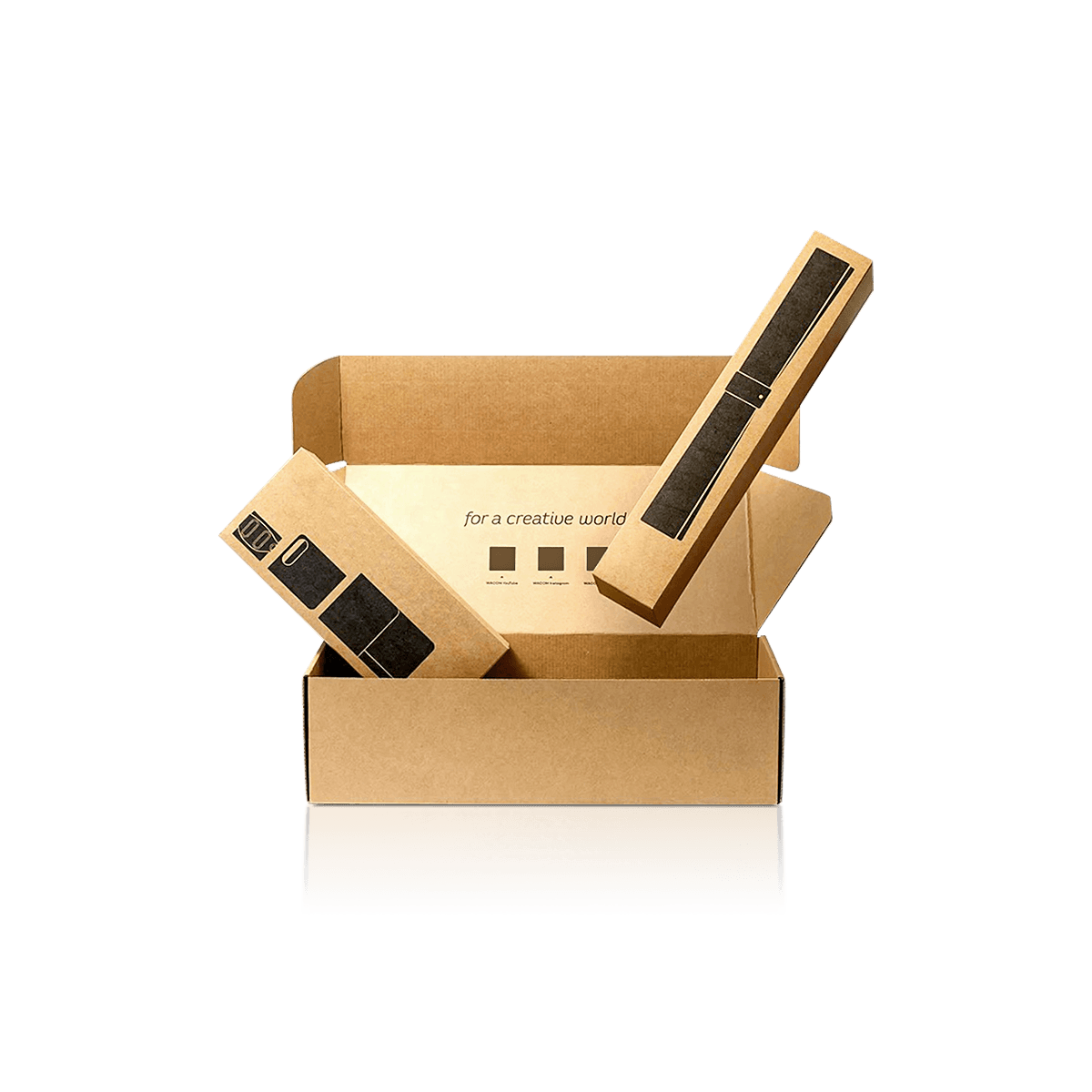
For direct-to-consumer orders, a properly sized shipping box can take stacking, courier labels and external abrasion while the electronics carton remains the customer-facing pack.

This matters even when the device itself is small.

A strong outer shipper cannot compensate for a loose product inside the retail carton, and a precise retail insert cannot compensate for an oversized outer box that lets the whole unit move in transit. Each layer should control movement at its own level.

When a brand is deciding which structure should face the customer and which should carry transit duty, mailer boxes, shipping boxes and folding cartons solve different jobs.

For retail-only programs, the extra shipping layer may instead exist at master-carton level for store distribution.

Flat Storage Only Helps if Packing Stays Organized

One of the operational advantages of folding cartons is that the empty boxes can arrive and store flat.

That does not mean the complete packaging system has the same storage behavior.

Preassembled foam inserts, molded fitments, manuals, cables and accessory trays may occupy significantly more warehouse volume than the carton blanks themselves. If those components arrive separately, the packing area needs a clear kitting method.

The production plan should therefore consider the unit as a set:

  • flat carton
  • insert or platform
  • device
  • cable or charger
  • instructions
  • labels or seals where required

A simple paperboard insert may also ship flat and be erected during packing. A foam cavity normally will not. That difference can affect storage space and labor even when both fit the same finished carton.

For repeat electronics programs, warehousing and scheduled deliveries can coordinate finished packaging with actual packing demand instead of sending every produced carton to the same location at once.

USA MOQ starts from 100 boxes. US production can support the same repeat program. Once the carton style, board, insert and quantity are known, an instant custom packaging quotecan be based on the filled structure rather than an empty paperboard shell. Standard turnaround is 4–6 days after final artwork and specifications are approved, with free shipping. Complex structures, specialty materials or advanced finishes may require additional time.

Decide How the Carton Enters the Packing Line

The final specification should state more than size, material and artwork.

It should describe the physical condition in which the carton reaches packing and what happens next.

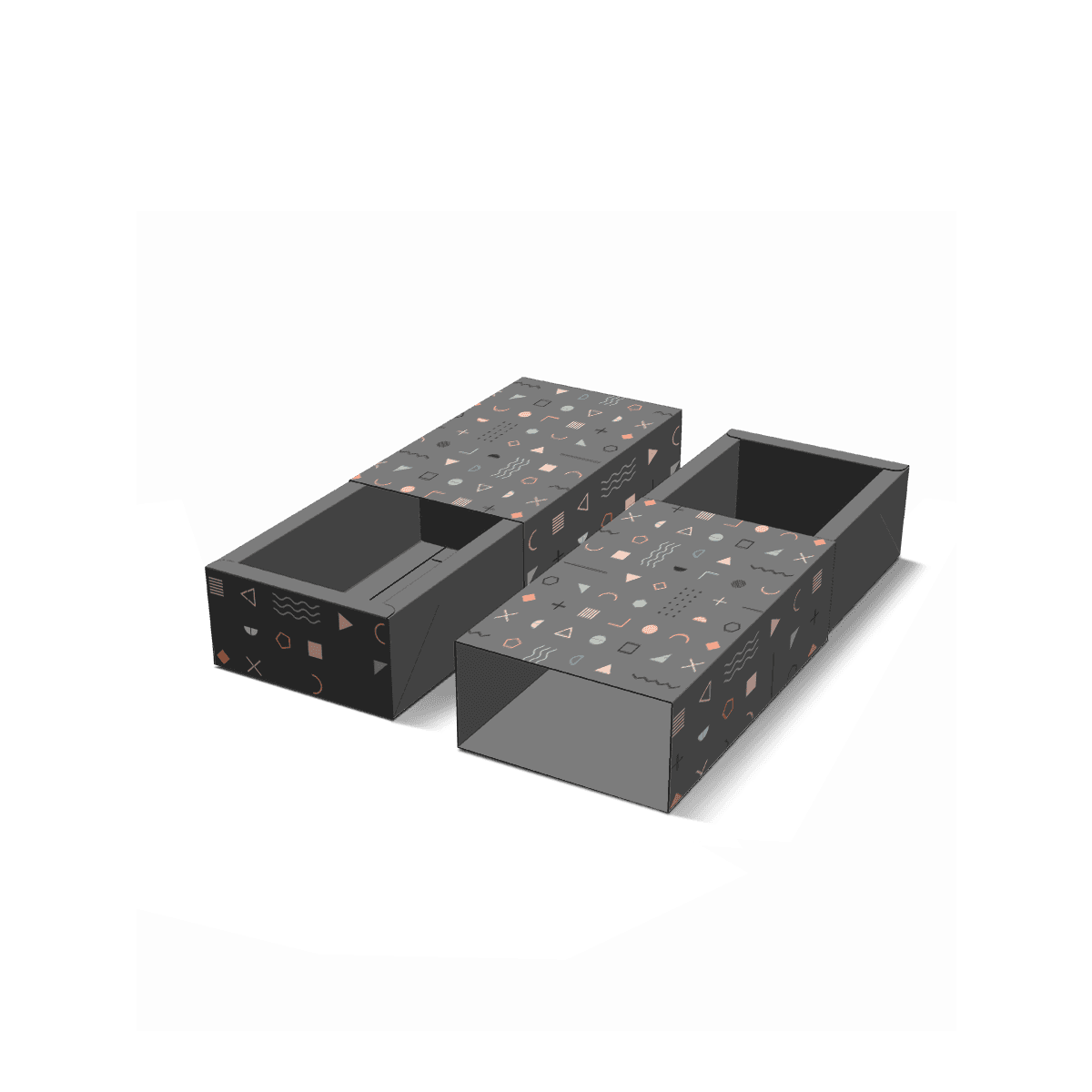
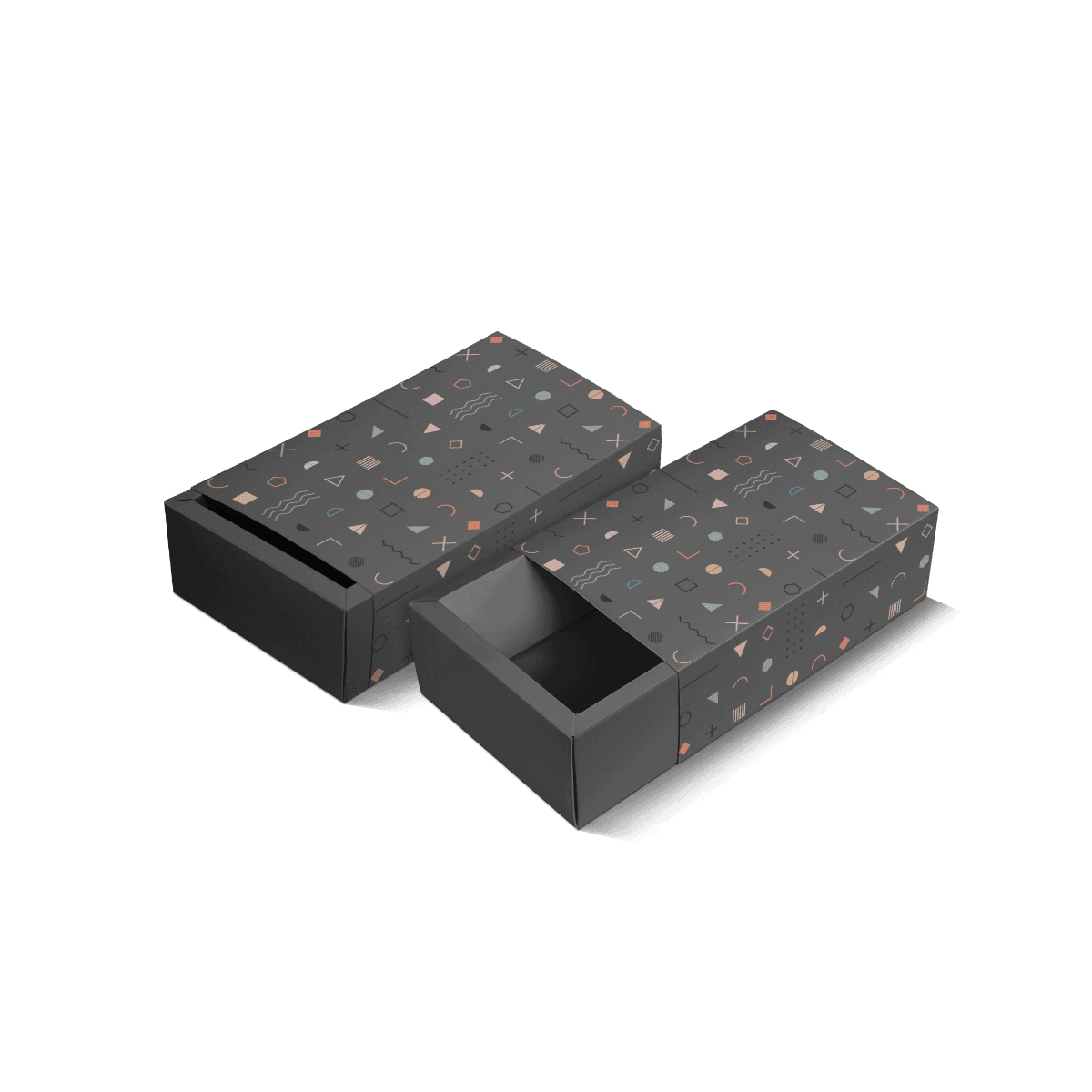
A straight or reverse tuck carton may arrive side-seam glued and flat, then be erected, loaded and closed by hand. An auto-lock bottom arrives flat but forms its base as it opens. Inserts may arrive flat, preassembled or as separate components.

That packing sequence determines labor, storage and consistency.

For a small electronics launch, manual setup may be perfectly sensible. For a high-volume accessory line, a few unnecessary motions repeated across thousands of units become more significant.

The best Custom Folding Cartons for Electronics connect three things that are often treated separately: the weight and shape of the product, the structure of the paperboard carton and the way people actually pack it.

FAQs

They work best for lighter electronics such as chargers, earbuds, smart accessories, small speakers, power banks and compact device kits that need printed communication and structured retail presentation.

Yes, for many light electronics it will. A folding carton often works as the primary retail pack, then goes inside a corrugated shipper when the order needs added parcel protection.

They make more sense when speed, lower pack weight and retail efficiency matter more than a luxury reveal. Rigid Setup Boxes are stronger for premium presentation, while folding cartons are better for everyday consumer electronics and higher-volume programs.

No. Hang tabs are useful for peg-wall merchandising, but shelf packs, sleeves and tray-based cartons often work better for wider products or premium accessory sets.

Start with the number of parts and how easily they shift. A simple custom paperboard insert may be enough for one device and a cable, while more layered kits may need foam or multi-level fitments.

Process

How it works

Your Packaging Journey, From Idea to Production and Delivery

01

Tell Us Your Specs

Custom packaging boxes

Tell Us Your Specs

Provide size, quantity, printing, and finishes.

02

Get a Fast Quote

Custom packaging boxes

Get a Fast Quote

Instant transparent pricing, no hidden fees.

03

Design and Approval

Custom packaging boxes

Design and Approval

Artwork checks, revisions, and final sign-off.

04

Produce

Custom packaging boxes

Produce

Expert manufacturing to meet deadlines.

05

Ship to Your Door

Custom packaging boxes

Ship to Your Door

Hassle-free, flexible delivery options.

Get Your Quote for Custom Folding Cartons for Electronics

Share your product details, size, quantity and artwork needs. We’ll help choose the right packaging style and send a clear quote.