Skip to content
Details

Custom Auto-Lock Bottom Boxes

Pre-glued crash-lock cartons for hand-packed bottles and retail kits, with a base that forms as the carton is opened.

Hand Packing Without Bottom Folding

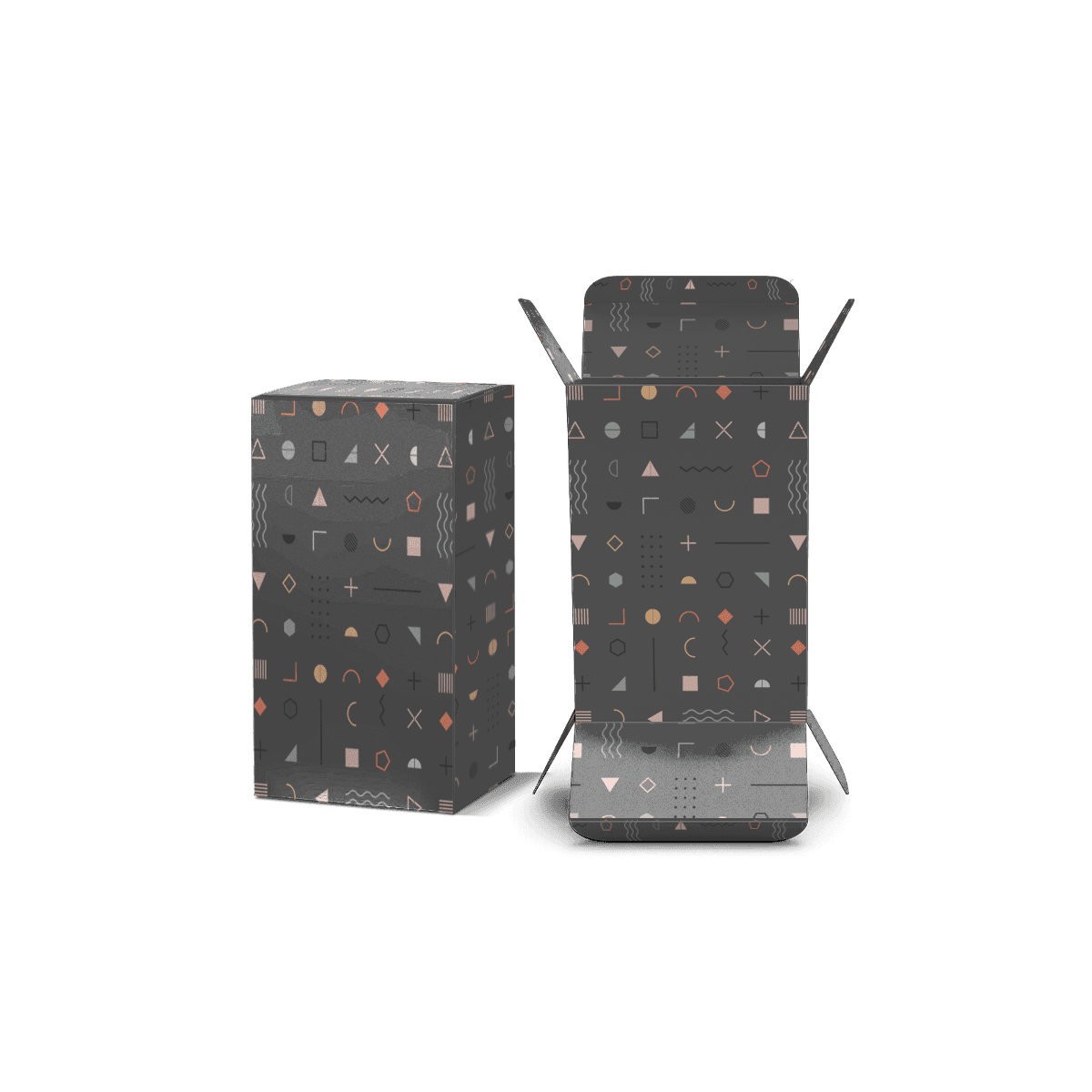
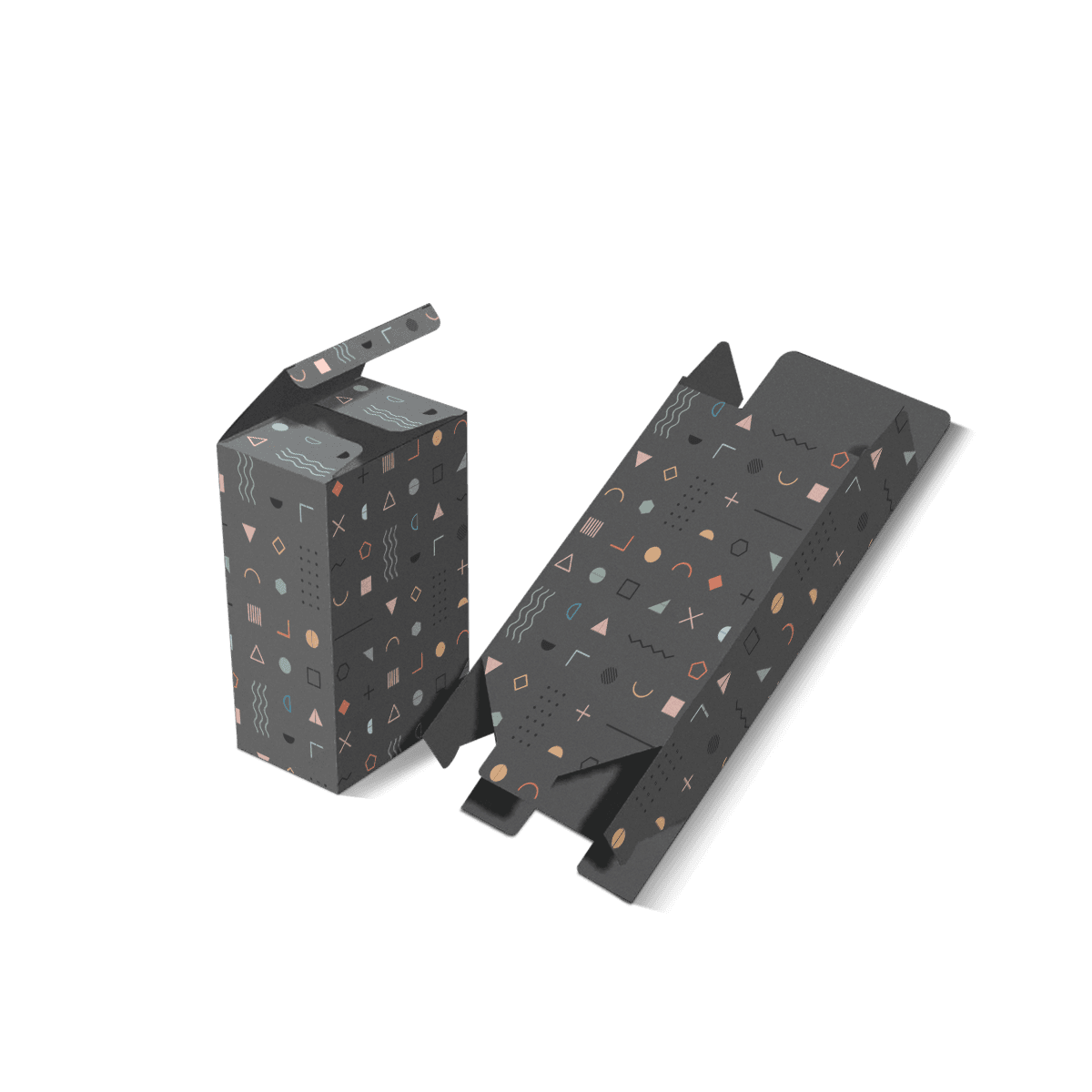
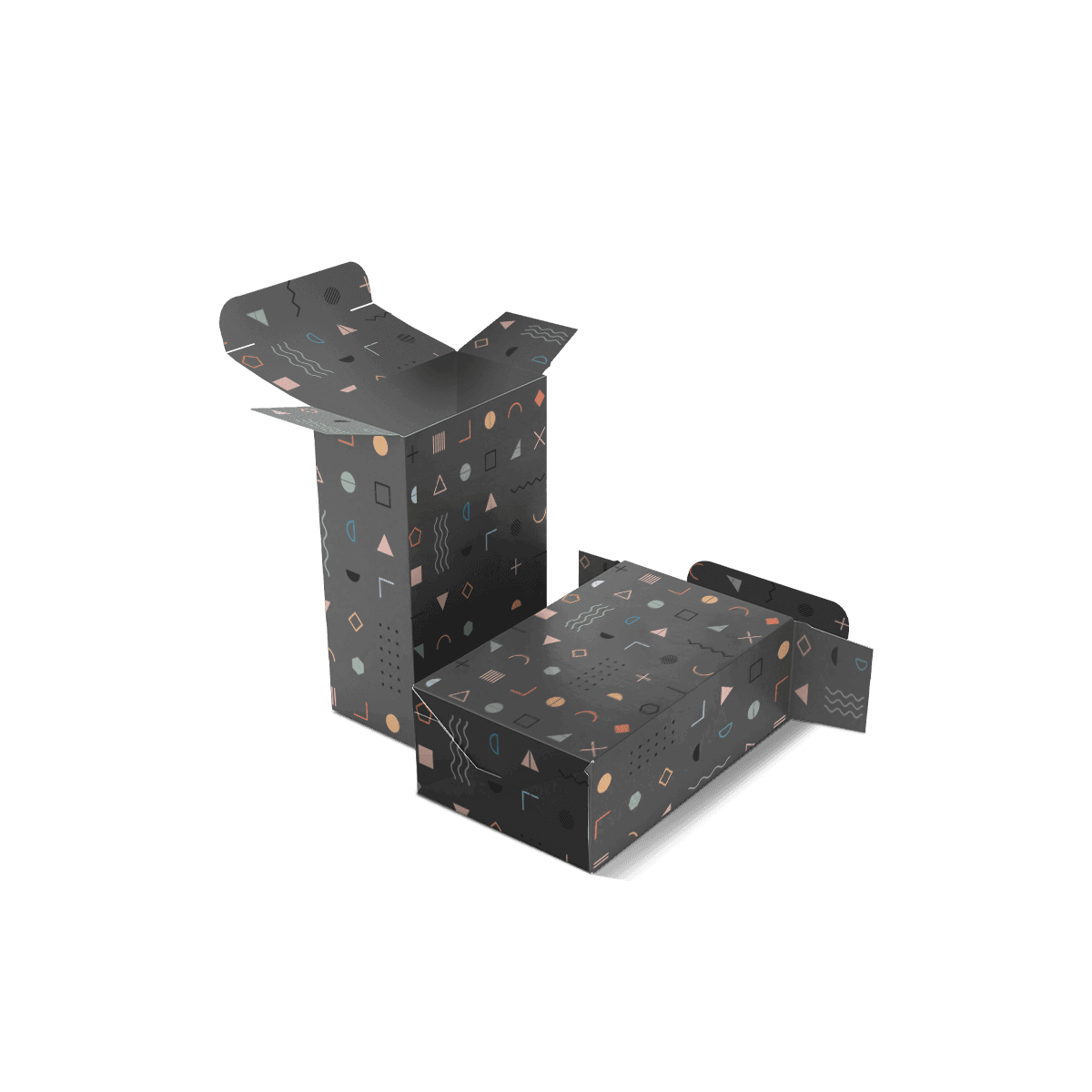
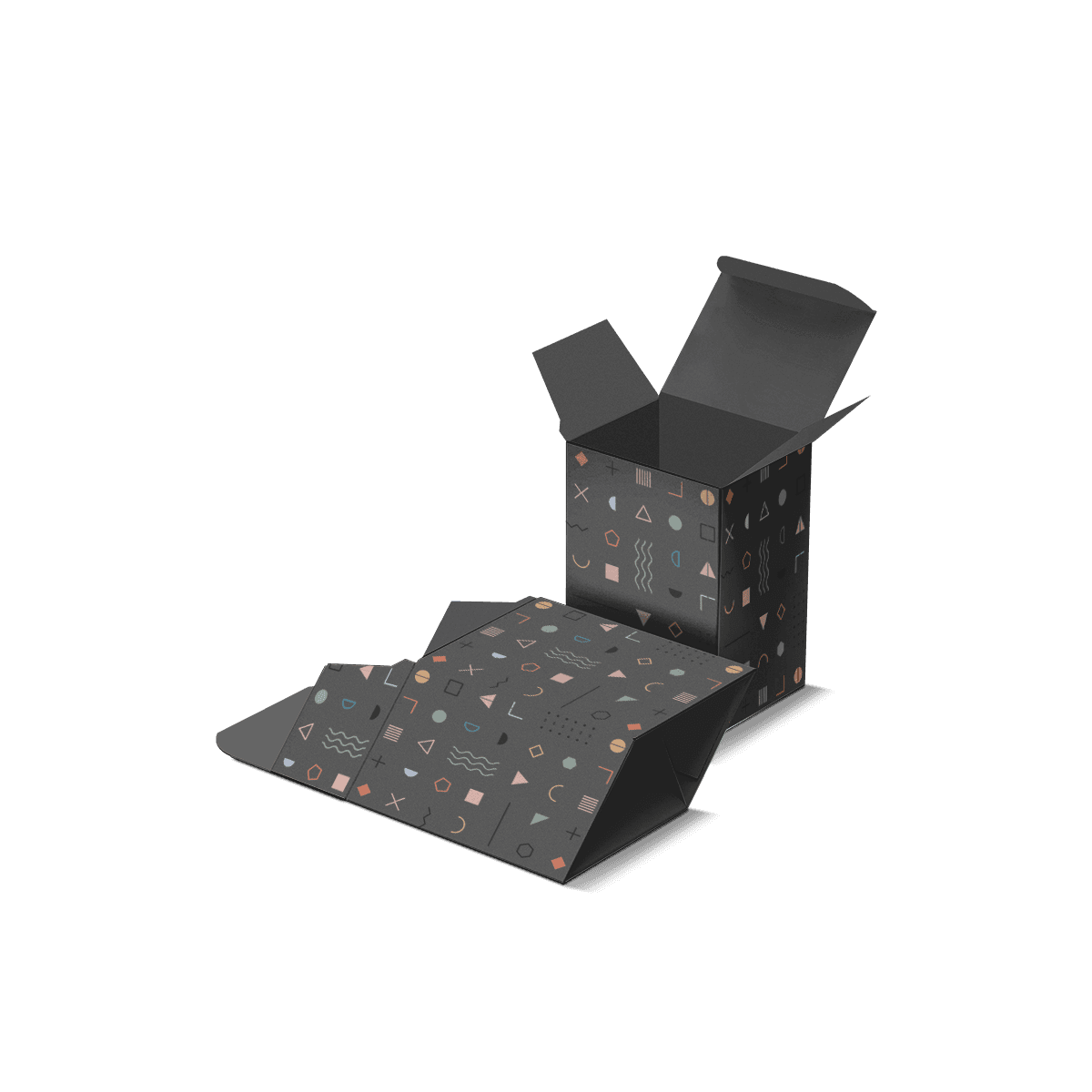
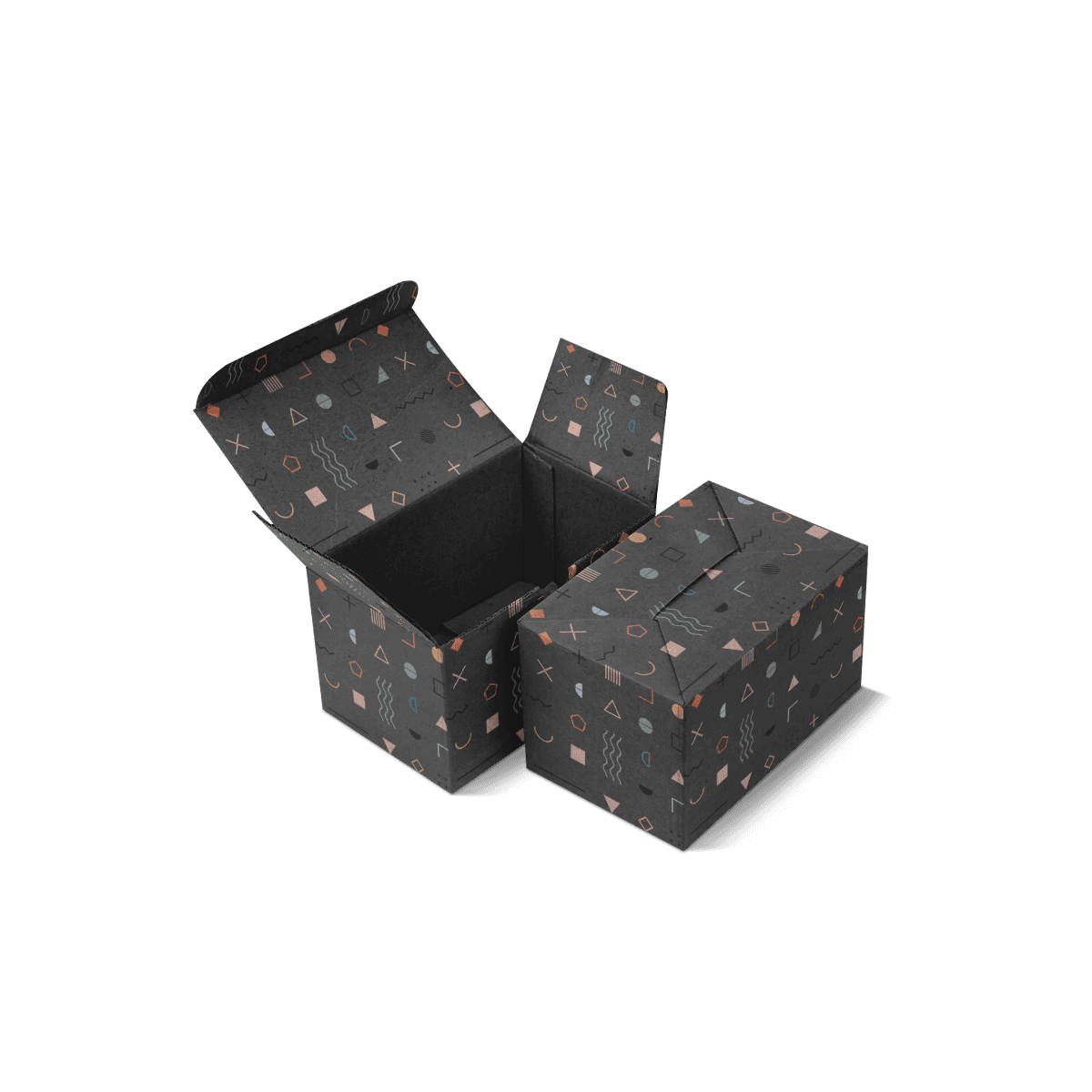
A pre-glued crash-lock base forms as staff open Custom Auto-Lock Bottom Boxes. The packing team can move from a flat carton to an upright product container without folding four individual bottom flaps. That saves a repeated operation in manual retail packing, particularly when bottles or prepared kits are filled one unit at a time.

The mechanism is also called an automatic bottom. The two terms describe the same interconnected, factory-glued bottom panels; neither term creates a separate structural design. Here the operational concern is the hand-packing bench: how reliably employees erect, fill and close the carton while maintaining product support.

The carton normally arrives flat with its side seam and bottom connections glued. Staff open its opposing sides, confirm that the bottom has seated and load the product through the top. The upper closure can be selected for the product rather than dictated by the bottom.

One Motion, Several Panels

As the flattened body becomes rectangular, the glued bottom panels swing into their intended supporting position. The lower structure does not require a separate manual locking sequence.

An automatic base should not need forceful correction at each setup. If the body remains twisted or the panels do not settle, the crease geometry, stock or production accuracy needs review.

An Inspection Before Loading

A hand packer can confirm that the carton stands square before inserting a heavy product. This brief check matters when an assembled box is immediately transferred between employees or moved onto a filling table.

Do not equate a base that looks closed with one that is correctly seated. The approved sample should make the intended assembled shape easy to recognize.
The Packing Bench Sets the Pace

A crash-lock bottom removes lower-flap assembly; it does not automatically accelerate every other operation. Insert installation, product orientation and top closing may take longer than erection.

To evaluate the benefit, compare complete packing cycles using the finished product. Include retrieval from the flat stack, opening, checking, loading, inserting paperwork and closing.

Batches Versus Individual Units

Some teams erect a group of cartons before filling them. Others open one carton immediately before loading. Flat storage favors the second method when there is limited space for erected empties.

The best routine depends on the number of workstations, handoff points and how often the product mix changes. An unstable staging arrangement can erase any savings from the pre-glued bottom.

Bottle and Jar Handling

Upright containers should enter without distorting the sidewalls or striking the base. Include pumps, caps, shoulders and labels when measuring the packed product.

For skincare boxes, the finished container determines clearance, while the carton must still leave enough room for the top flaps to close.

Prepared Product Kits

A kit containing a device, cable and printed instructions may need a fitment installed before the primary item. Work out that loading order before finalizing the carton dimensions.

An insert that obstructs the bottom's folding path should be installed after erection or redesigned. A support platform may distribute the weight of a concentrated component more effectively than an oversized outer carton.

Flat Storage Versus Erected Staging

Hand packing creates two competing space requirements. Flat blanks occupy relatively little room, but operators may prefer to erect several cartons before the product reaches the bench.

The appropriate arrangement depends on the filling sequence, workstation layout and number of products being packed.

Flattened Stack Thickness

Pre-glued bottom panels produce thicker folded areas than a simple tuck-bottom blank. A large stack may become uneven if those layers concentrate along one edge.

Protect the blanks against moisture and unnecessary pressure. Distorted cartons can be harder to separate and may resist erection.

Prepared Empty Cartons

Erecting cartons in advance can support repetitive filling, but the empty bodies then need stable staging space. Tall narrow boxes may tip when adjacent cartons are handled.

Consider how each assembled carton moves from erection to filling without disturbing its formed base.

Several Product Sizes

If products use different footprints, identify their cartons clearly at the packing bench. A pre-glued bottom cannot prevent a similar-looking item from being loaded into the wrong size.

Standardizing one carton is sensible only when all intended products have appropriate fit and supporting inserts.

Support Beneath the Product

The base works through its panel geometry, adhesive bonds and the surrounding carton body. Its capacity is not established by the name auto-lock or by a single board thickness.

A jar with a broad foot spreads its load differently from an object resting on two narrow feet. The second product can cause localized bending even if both products weigh the same.

The Contact Area

Determine where the actual packed item bears on the carton floor. If contact is concentrated near an unsupported span or joint, a suitable internal platform can spread the force.

The platform should rest without prying against the pre-glued connections. Avoid inserting a tight fitment that forces the sidewalls outward.

The Loading Force

An operator pressing a tightly fitted product downward can apply more force than the product's static weight. The carton must accommodate the intended insertion method as well as the filled product.

Heavy or fragile products may require an insert, protective inner pack or separate shipping carton. The automatic base is not a substitute for a parcel-rated outer package.

Adhesive Integrity

The glued connections must tolerate erection and the intended loaded handling. Unbonded or partially bonded joints can separate despite the presence of stiff board.

Printing and finishing must respect glue-contact areas. A coating that prevents bonding cannot be corrected by specifying heavier stock alone.

Hand Loading Under Real Conditions

An empty-carton demonstration does not establish how the automatic base behaves during actual hand packing. Staff may squeeze the sidewalls, press a fitment into place or transfer the filled carton before closing the top.

These movements can introduce forces that differ from the stationary product weight.

Gripping Near the Base

An employee may lift a filled carton by squeezing its lower sidewalls. An oversized footprint can make that grip awkward and introduce uneven pressure.

Assess how staff move the product between packing stages, particularly when it contains a dense bottle or jar.

The Heaviest Product

If one construction serves several SKUs, evaluate the heaviest intended combination and its actual contact area rather than approving the base with only a light sample.

A suitable platform can spread concentrated loads without levering against the glued bottom joints.

An Approval Sample

When loaded performance is uncertain, a physical sample should use the intended board, insert and actual product. Check erection, loading, lifting and the assembled stance.

A different board grade may have different crease resistance or bond behavior, so a previous sample does not establish every new specification.

Fit Before Decoration

Internal length × width × height should describe the space the product actually occupies. Measure the complete unit in its packing orientation, including its protective components.

The footprint also influences bottom-panel geometry. A change in width or length affects the folding mechanism and can require a revised dieline.

Clearance That Supports Packing

A tight carton may be difficult to fill and can keep the body from squaring. A loose carton allows the product to lean or shift as employees move the filled unit.

For a tall narrow bottle, assess its stability rather than simply matching the container's nominal diameter. A paperboard collar may be appropriate when the bottle requires additional restraint.

An Insert That Does Its Job

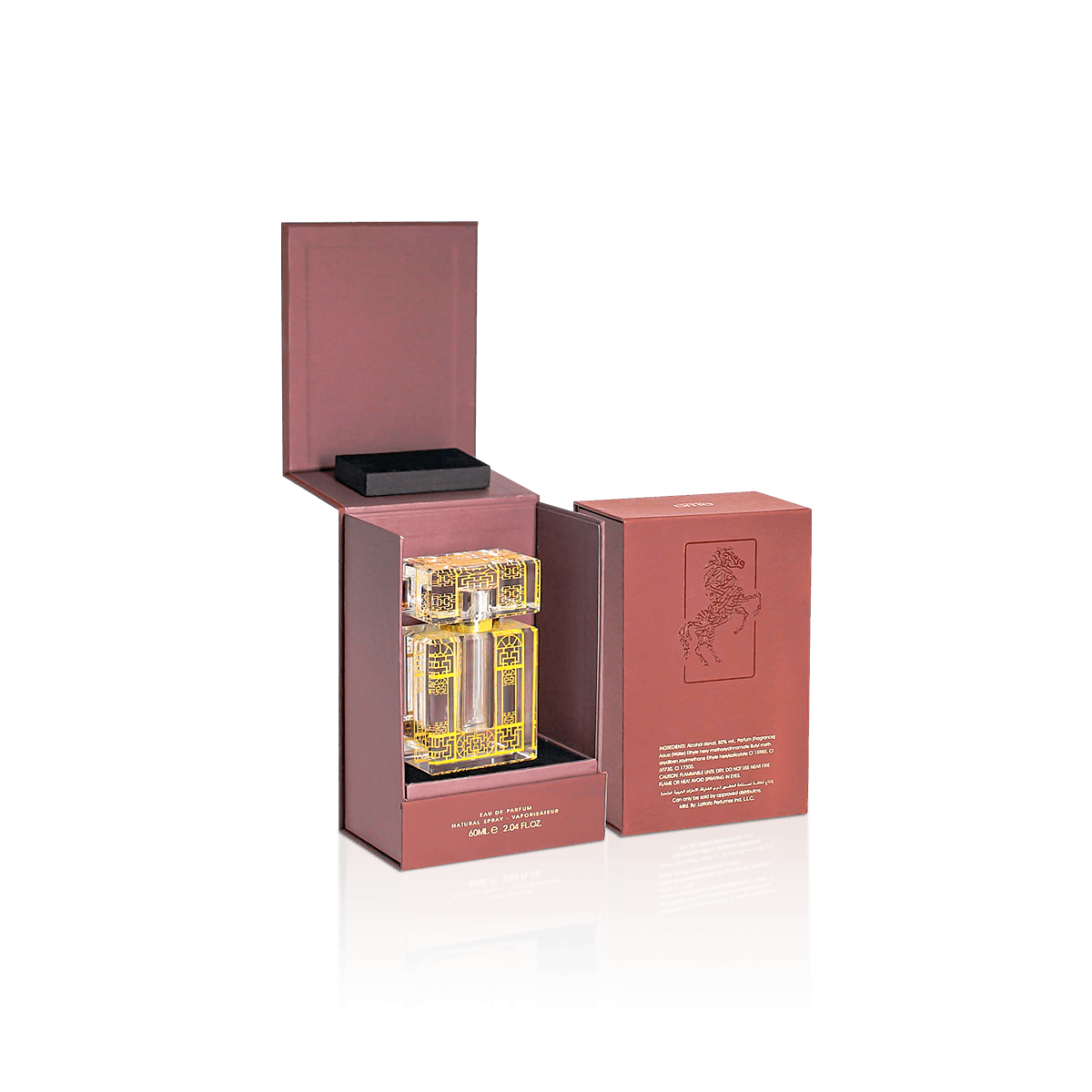
An insert is not required just because the box has an automatic bottom. Use one when it controls movement, supports a weak product point or establishes a repeatable component arrangement.

The packaging dieline must account for the final insert and the lower panel movement. Artwork should follow that approved structure.

Board and Print at the Workstation

SBS paperboard can carry detailed graphics and small product text on a smooth white surface. Kraft board can suit a natural brown presentation, but its color changes how pale artwork reproduces.

Board caliper affects stiffness and crease behavior. A grade selected only for apparent strength may make the pre-glued base difficult to erect.

A Foldable Board

Confirm that the selected grade accommodates the intended creases and glue process. Changing to thicker material after approval can alter the flattened thickness and opening resistance.

Some approved designs can use suitable lightweight corrugated board, although its flute and crease requirements differ from solid folding carton stock.

Print on Visible Panels

Use the front and side panels for product identification, instructions and barcode placement. Bottom flaps overlap after erection; do not place critical information where it will be hidden.

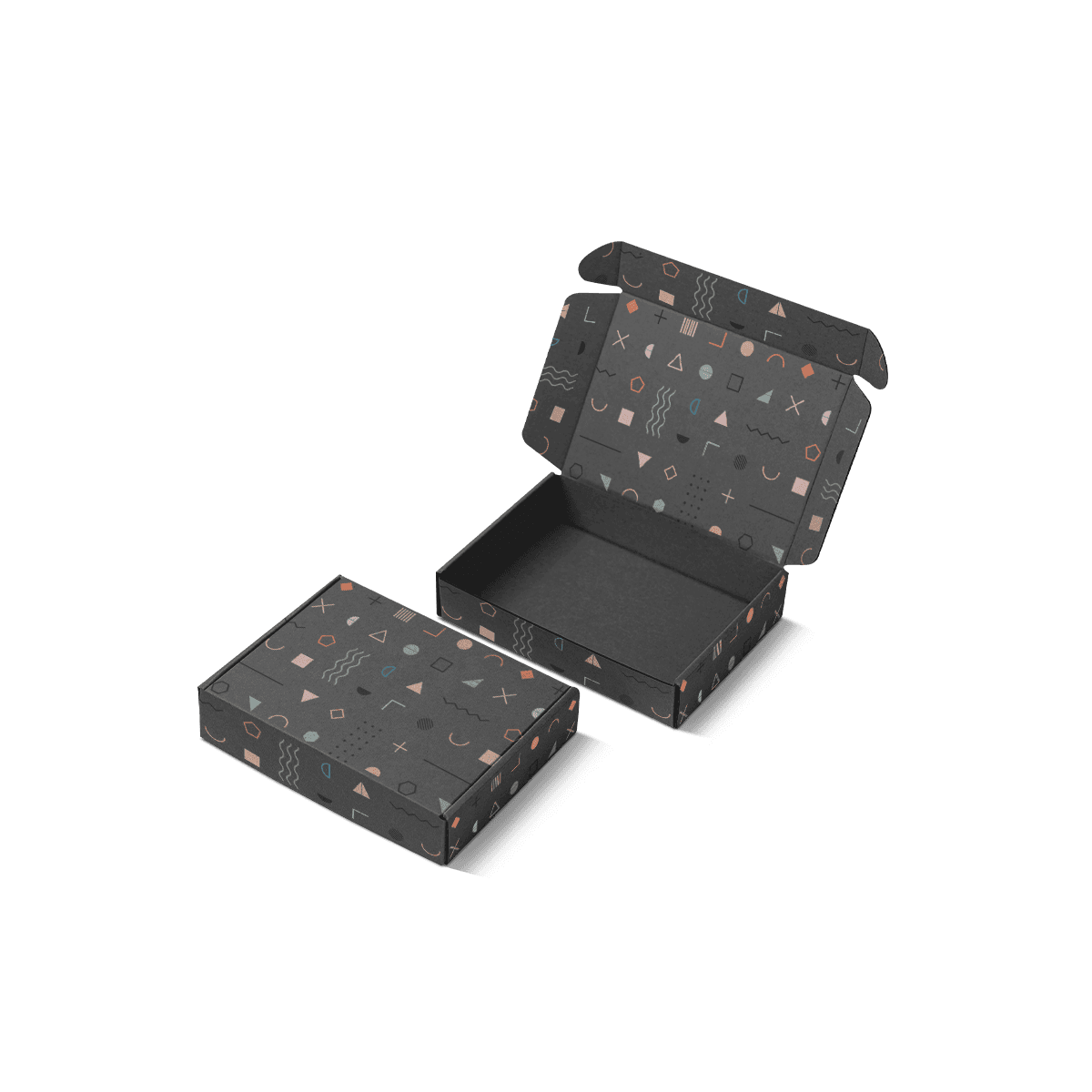
Premium offset printing, CMYK and Pantone colors may be considered according to the artwork and quantity. A free 3D mockup helps check the assembled presentation, but physical opening performance must be assessed separately.

A Top That Matches Use

The bottom forms automatically, but the top still controls loading and consumer access. A conventional tuck top can be closed without a separate adhesive operation and can be reopened.

For products kept in their cartons, Tuck Top Auto Bottom Boxes combine the same base with an explicitly specified reclosable upper flap.

An adhesive-sealed top instead suits an operation that intends the closed carton to remain bonded until first opening. That choice introduces adhesive and compression requirements at the filling stage.

Closing Clearance

The product, leaflet and insert must remain clear of the top flap's movement. A protruding pump or folded instruction card can prevent a clean closure even when the box's internal height looks adequate.

An ordinary tuck or glue closure is not automatically tamper-evident or child-resistant. Specify and validate such features independently when they are required.

Compare the Manual Alternatives

Snap-Lock Bottom Boxes use bottom panels that the operator folds and interlocks. They can suit hand-packed products when the additional movements are acceptable.

The pre-glued crash-lock base moves that work to carton manufacturing. Compare the production price against the packing labor it removes; do not assume one mechanism is always cheaper or stronger.

For lightweight goods, a simpler folding carton may be sufficient when extra base construction adds no practical benefit.

A Real Cost Comparison

Count the time to open, load and close complete cartons rather than timing empty setups alone. Include assembly corrections and any fitment installation.

The cost of custom tuck boxes depends on stock, structure, print, quantity and the production operations needed for the finished blank.

Order Around a Hand-Packing Routine

Share the packed product dimensions, weight, intended hand-assembly sequence, top closure, quantity and artwork so the construction can be assessed together.

Custom Packly's USA MOQ starts from 100 boxes. Free design and dieline support, free 3D mockups, US production and free shipping are part of the current offer. The standard turnaround is 4–6 days after final artwork and specifications are approved; complex structures or finishes may take longer.

Free examples of previous work can support material review. Fully custom physical samples may be paid when the exact bottom movement and loaded fit need evaluation.

For a confirmed packing arrangement, request a packaging quote using the finished product measurements and expected quantity. Larger repeat programs can use warehousing and scheduled deliveries where appropriate.

The completed carton should arrive flat, open predictably by hand and support the actual product without additional bottom-folding work.

FAQs

Choose auto-lock when packing speed matters more. The bottom arrives pre-glued and forms instantly, while snap-lock styles need more manual folding before filling.

In many cases, yes. The locked base gives better load support for bottles, jars, kits, and other products that need a firmer footing, as long as the board grade and dimensions are engineered correctly.

Yes. It is especially useful in manual fulfillment and semi-automated workflows because it cuts setup time without sacrificing presentation.

SBS is popular for sharp print quality and a smoother premium finish, while kraft and recycled paperboard suit natural-looking or sustainability-led programs.

Yes. Auto-Lock Bottom Boxes can be paired with dividers, fitments, window patching, gloss or matte coatings, foil, and other finishing options based on the product and shelf goal.

Process

How it works

Your Packaging Journey, From Idea to Production and Delivery

01

Tell Us Your Specs

Custom packaging boxes

Tell Us Your Specs

Provide size, quantity, printing, and finishes.

02

Get a Fast Quote

Custom packaging boxes

Get a Fast Quote

Instant transparent pricing, no hidden fees.

03

Design and Approval

Custom packaging boxes

Design and Approval

Artwork checks, revisions, and final sign-off.

04

Produce

Custom packaging boxes

Produce

Expert manufacturing to meet deadlines.

05

Ship to Your Door

Custom packaging boxes

Ship to Your Door

Hassle-free, flexible delivery options.

Get Your Quote for Custom Auto-Lock Bottom Boxes

Share your product details, size, quantity and artwork needs. We’ll help choose the right packaging style and send a clear quote.