Custom Cosmetic Packaging
Keep makeup, skincare, fragrance and personal care packaging visually connected while giving every SKU the structure and fit it actually needs.
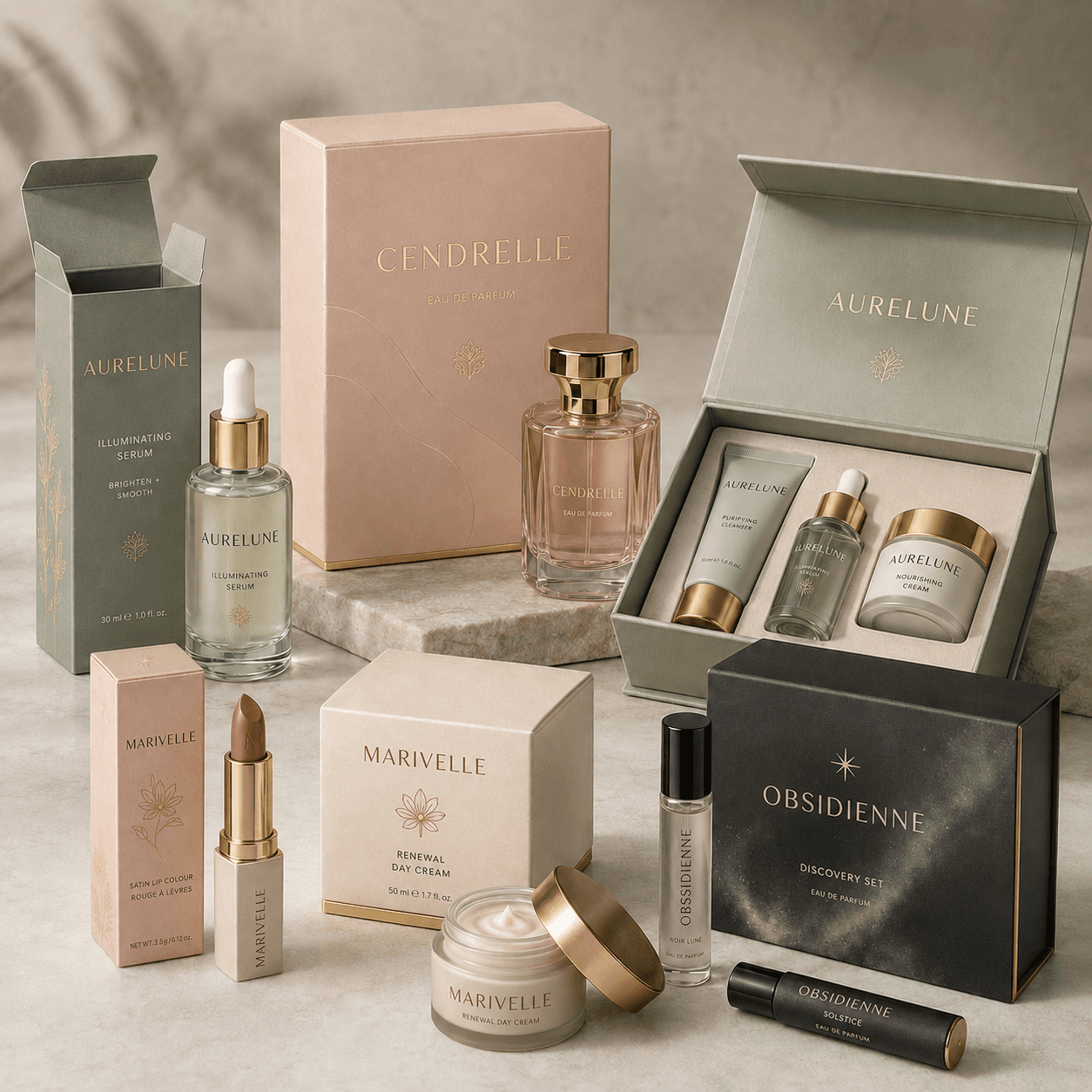
Cosmetic Packaging options
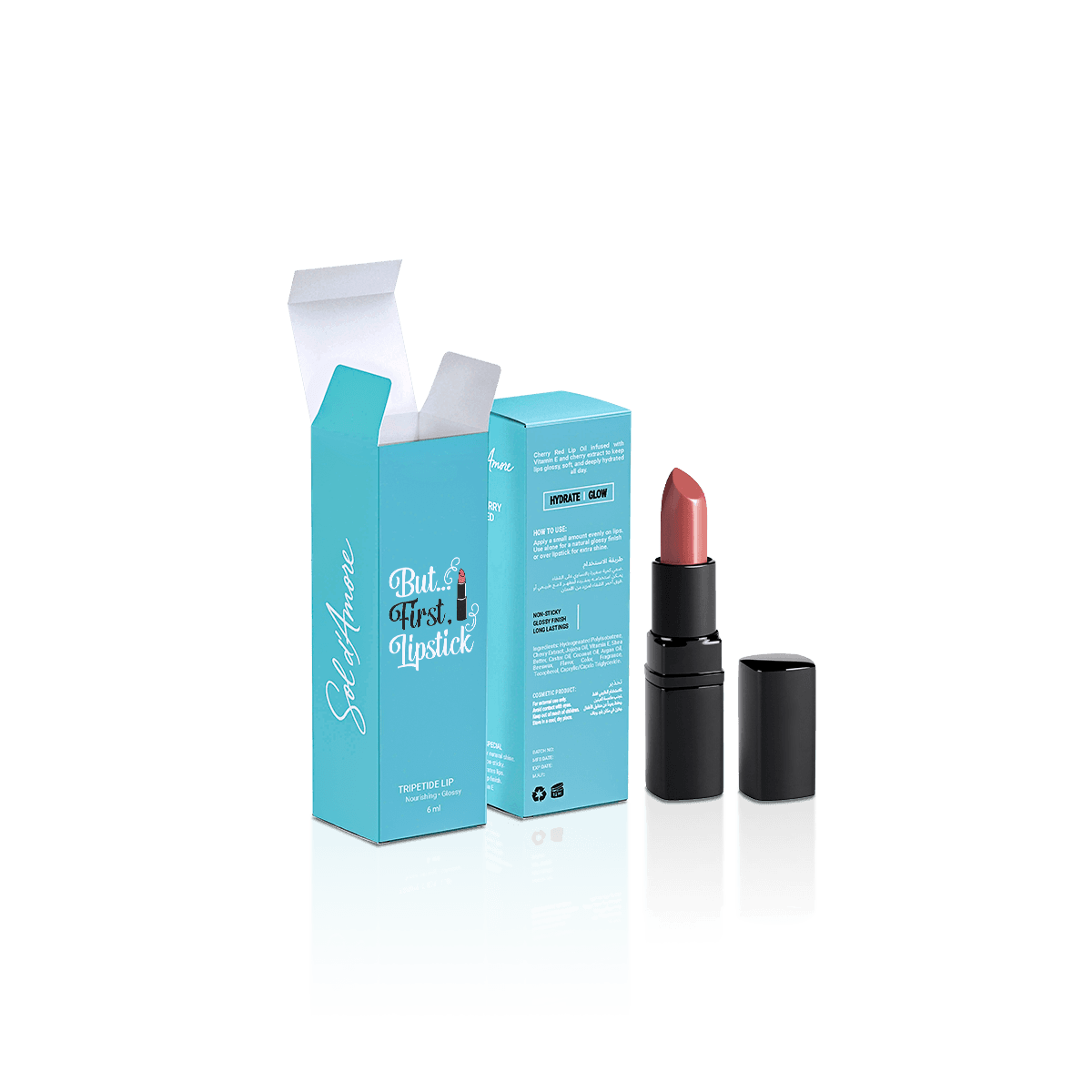
Lipstick Boxes
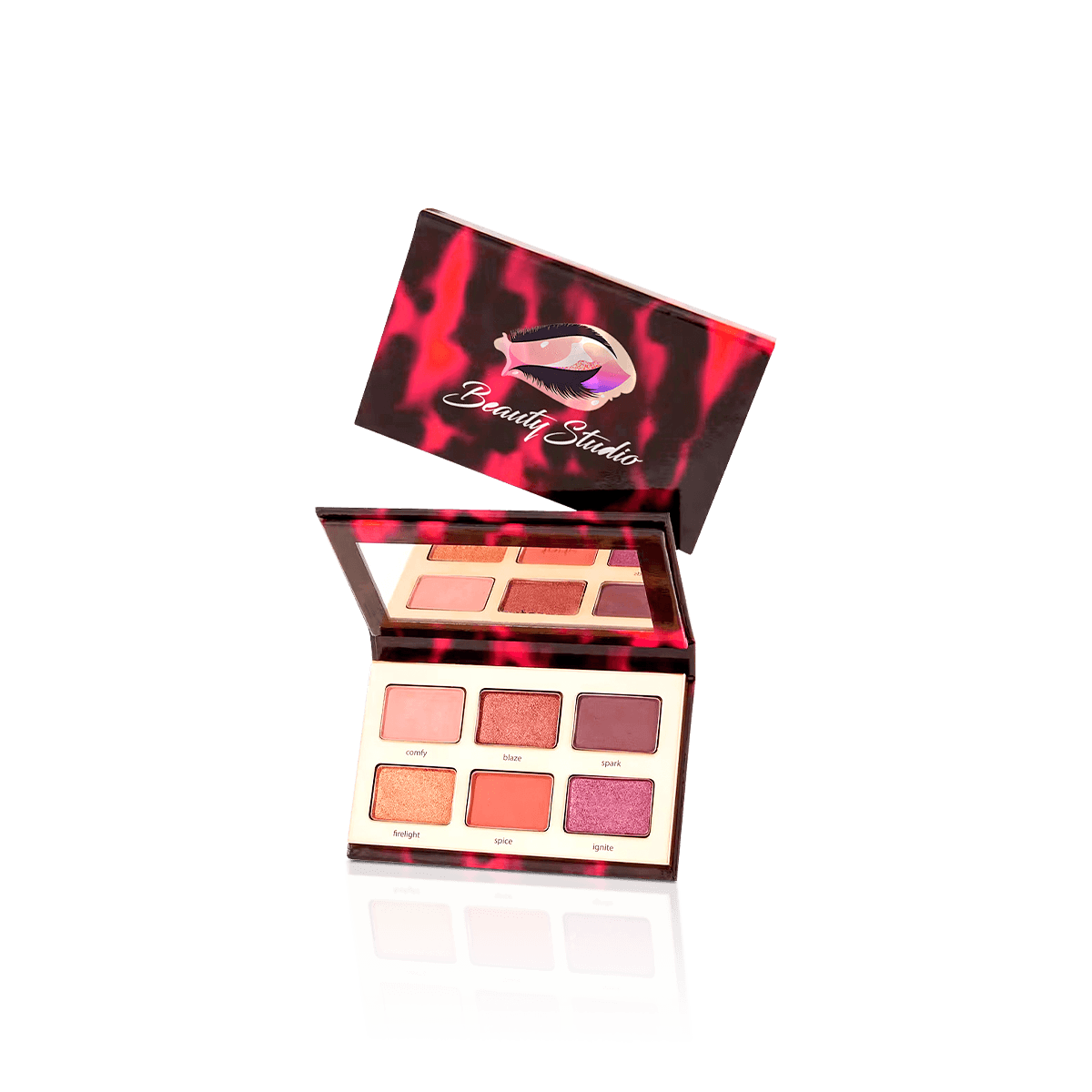
Eyeshadow Boxes
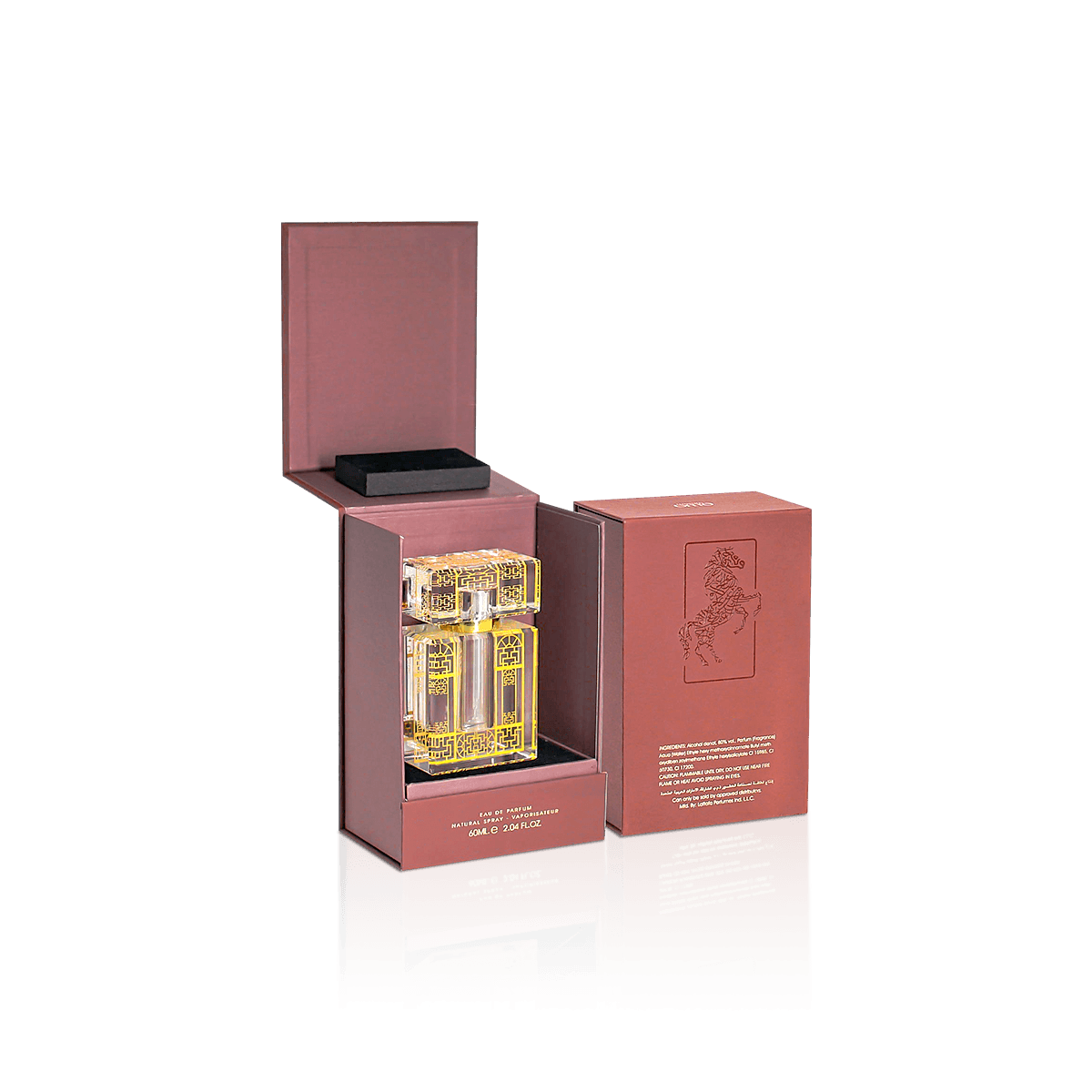
Perfume Boxes
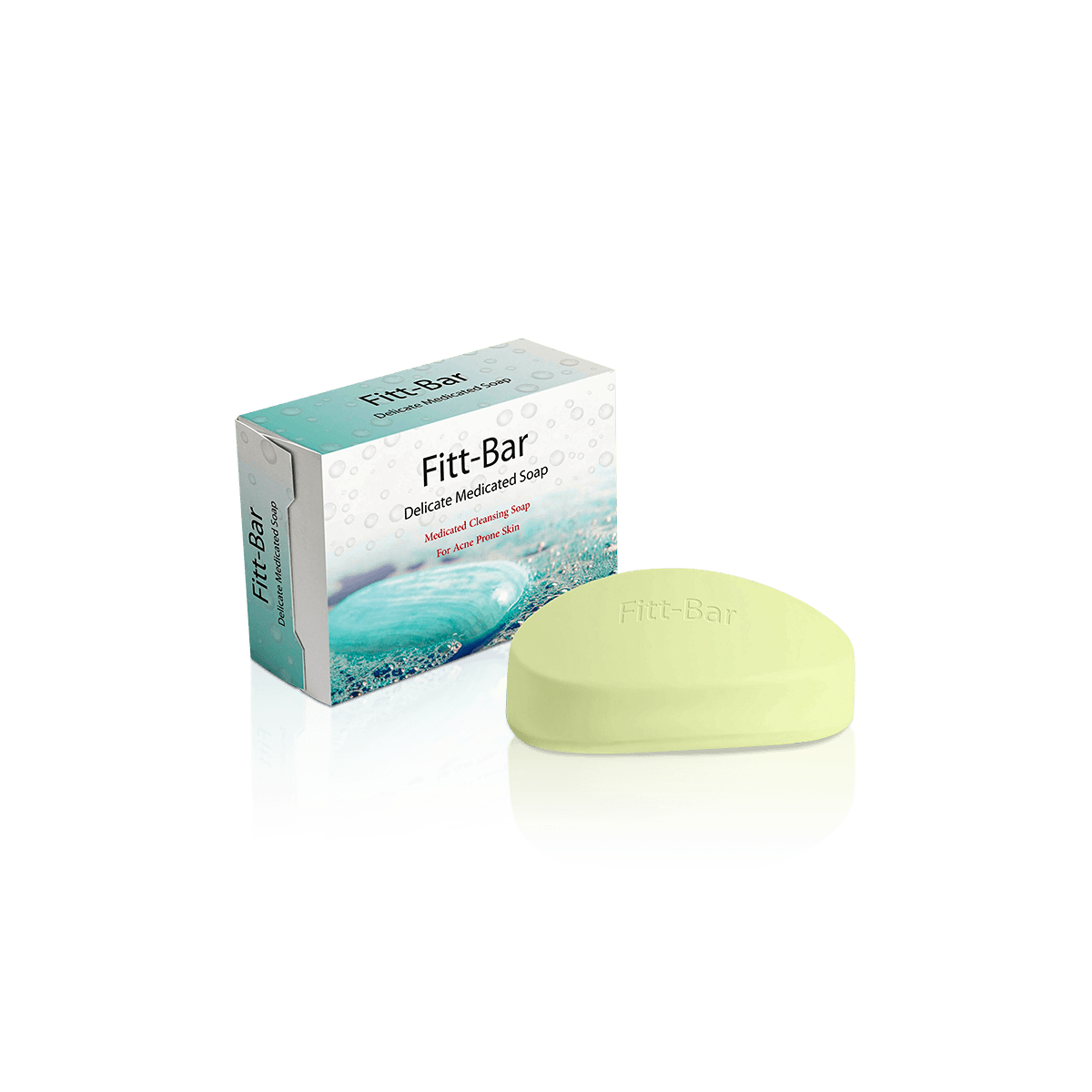
Custom Soap Boxes
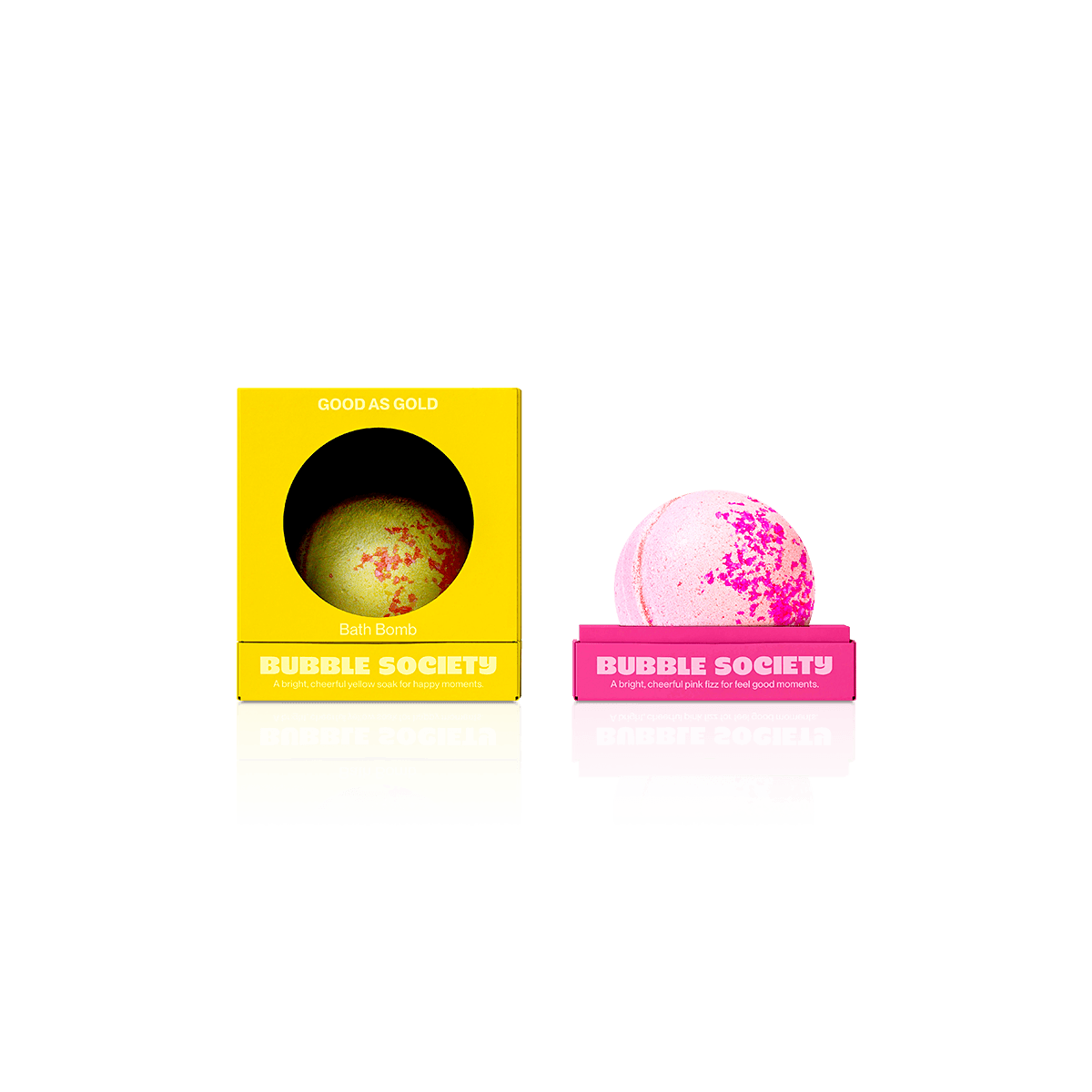
Bath Bomb Boxes
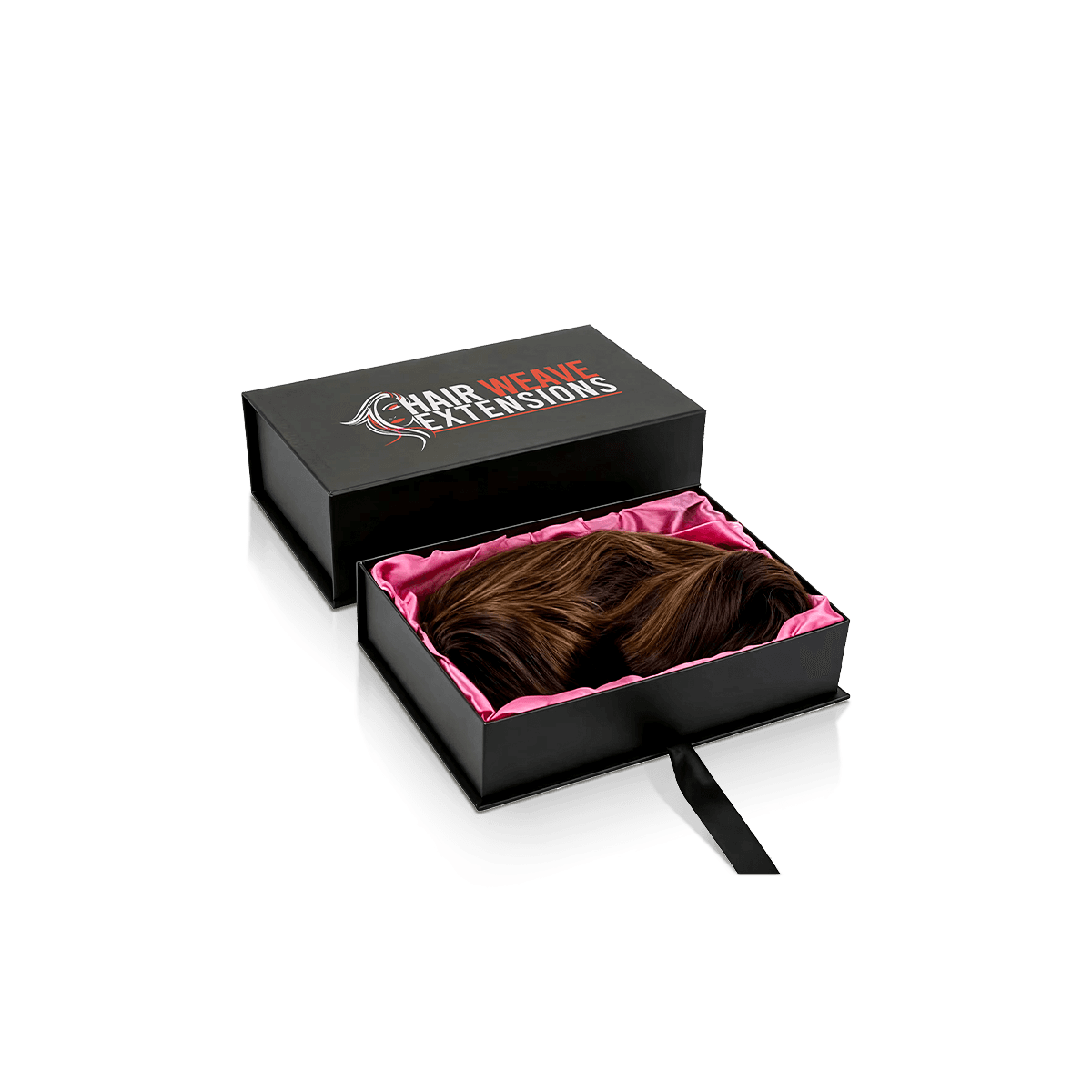
Hair Extension Boxes
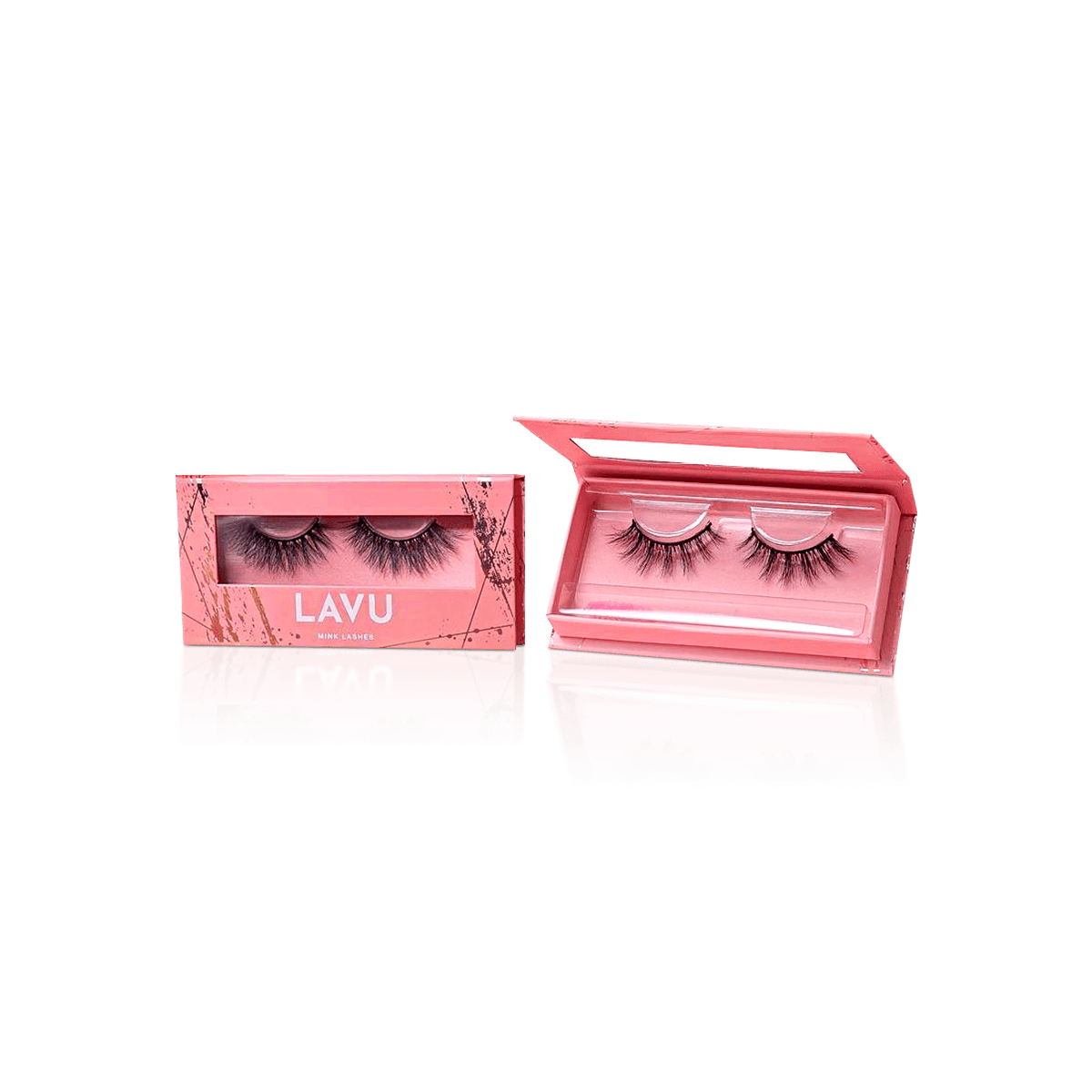
Lash Boxes
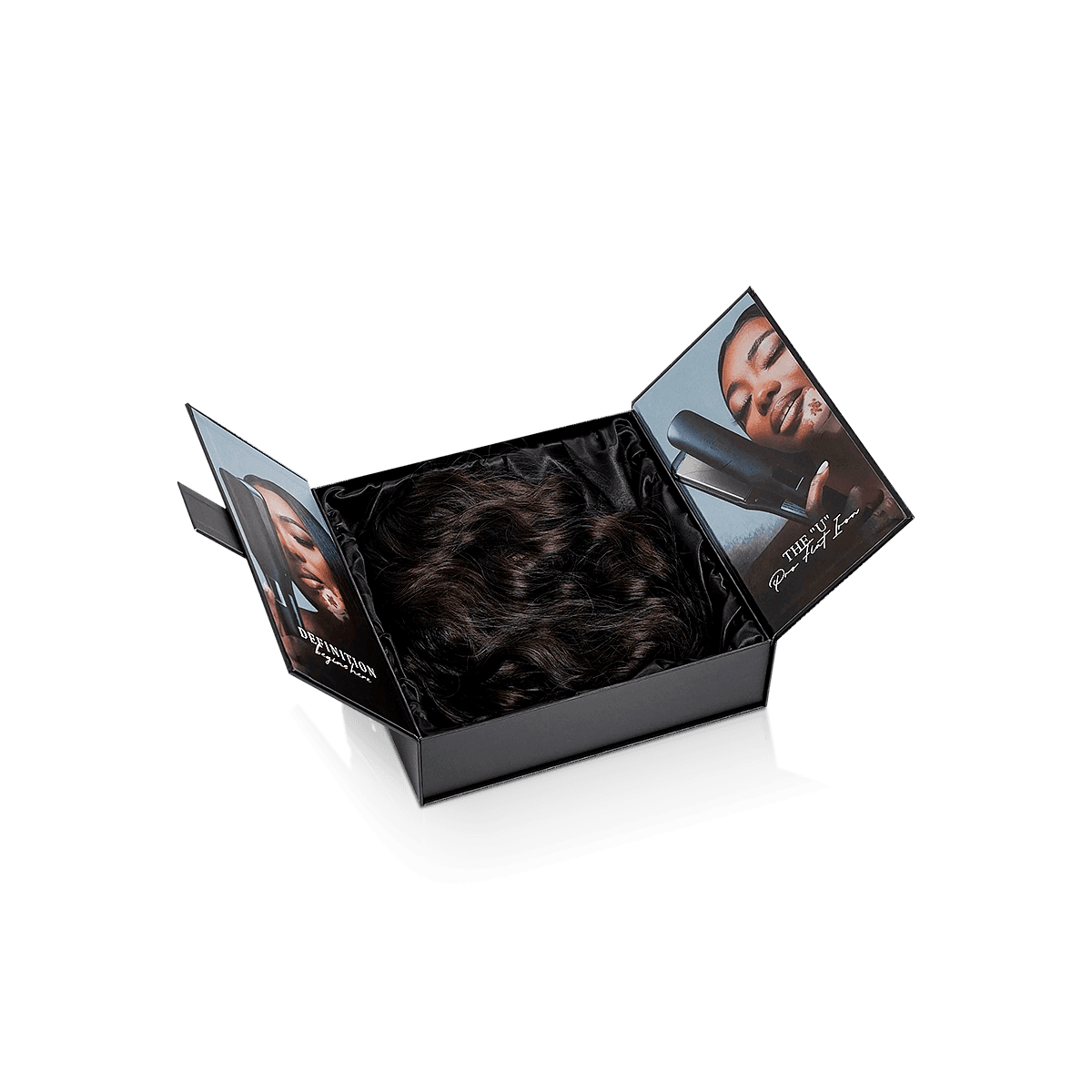
Wig Boxes
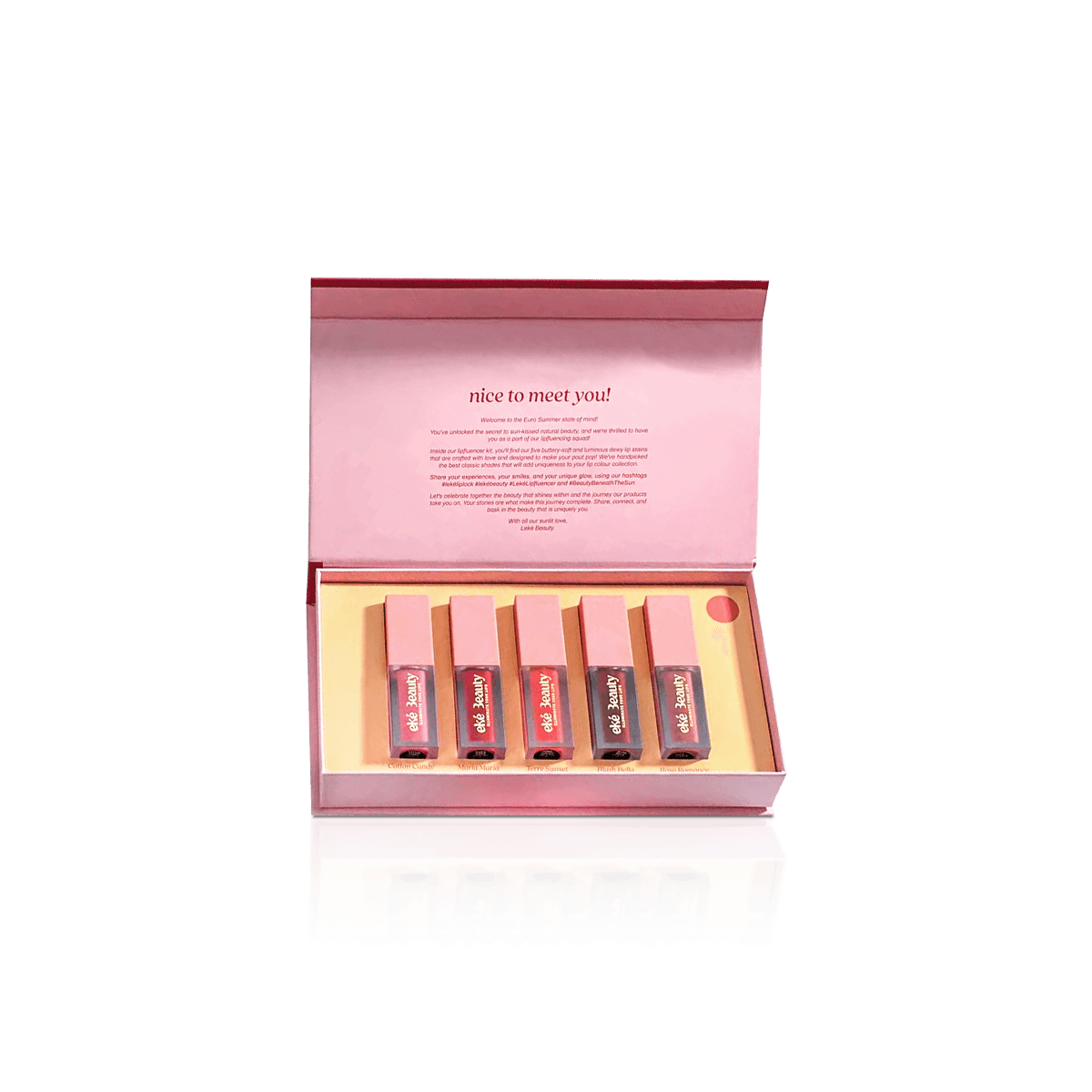
Lip Gloss Boxes
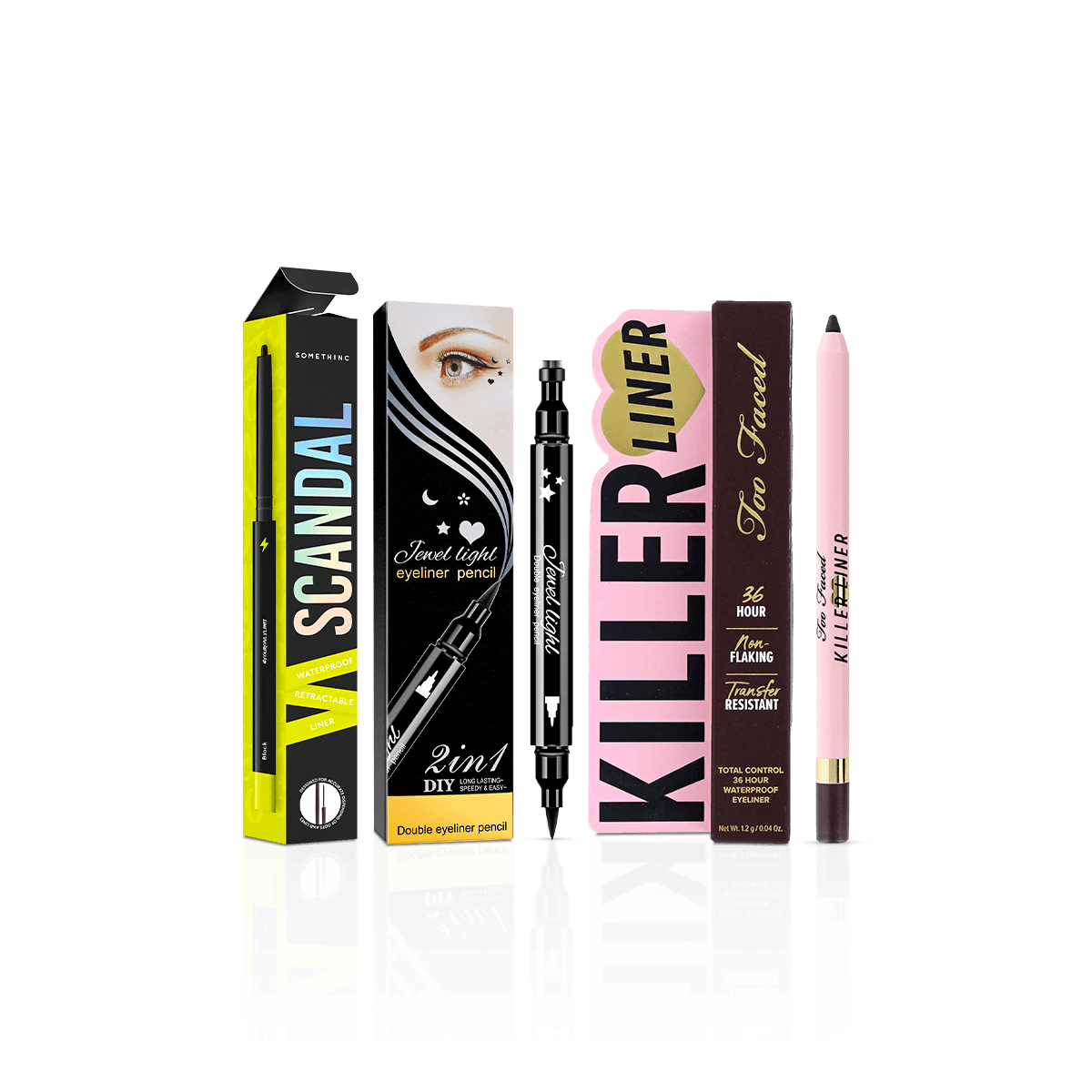
Eyeliner Boxes
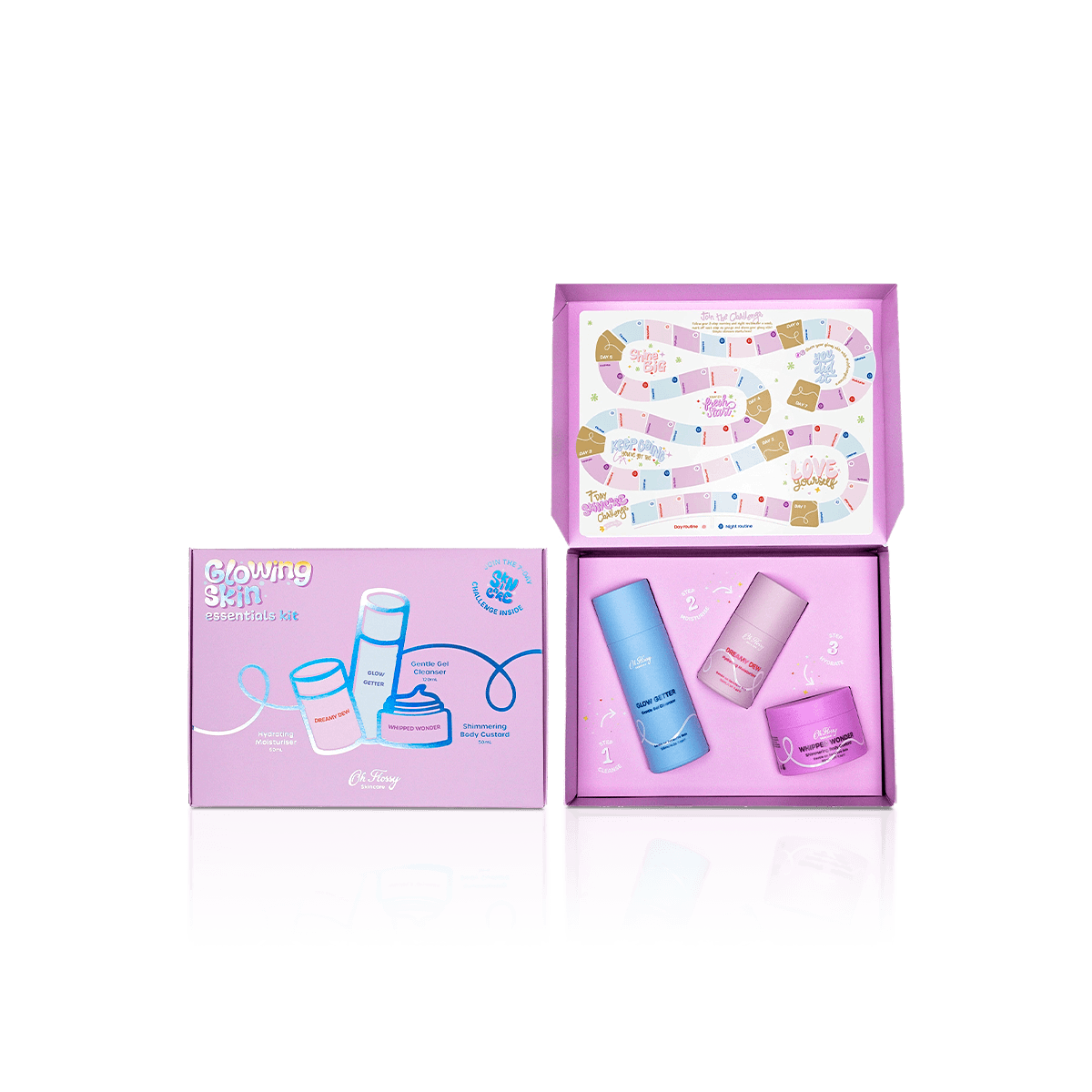
Skincare Boxes
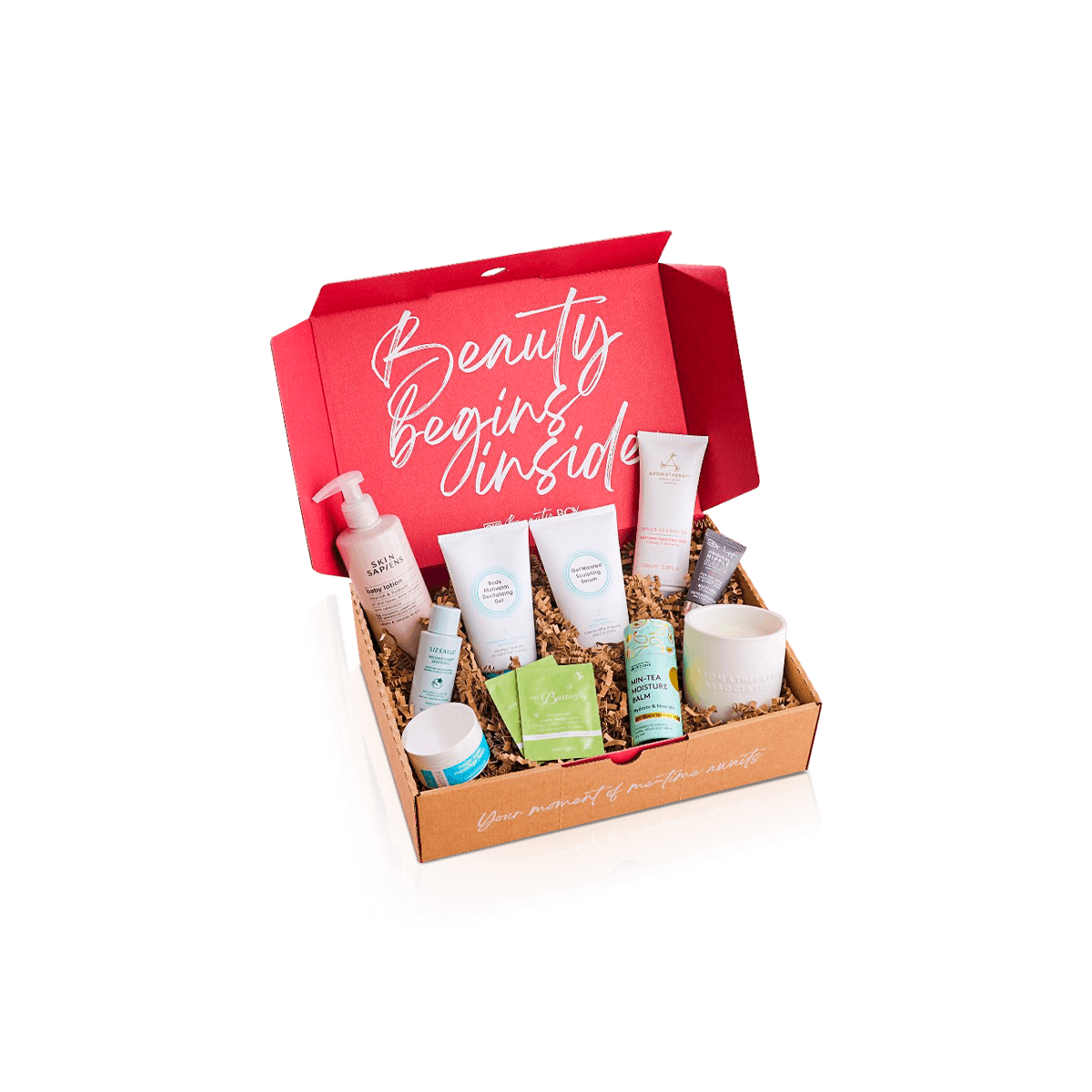
Beauty Gift Boxes
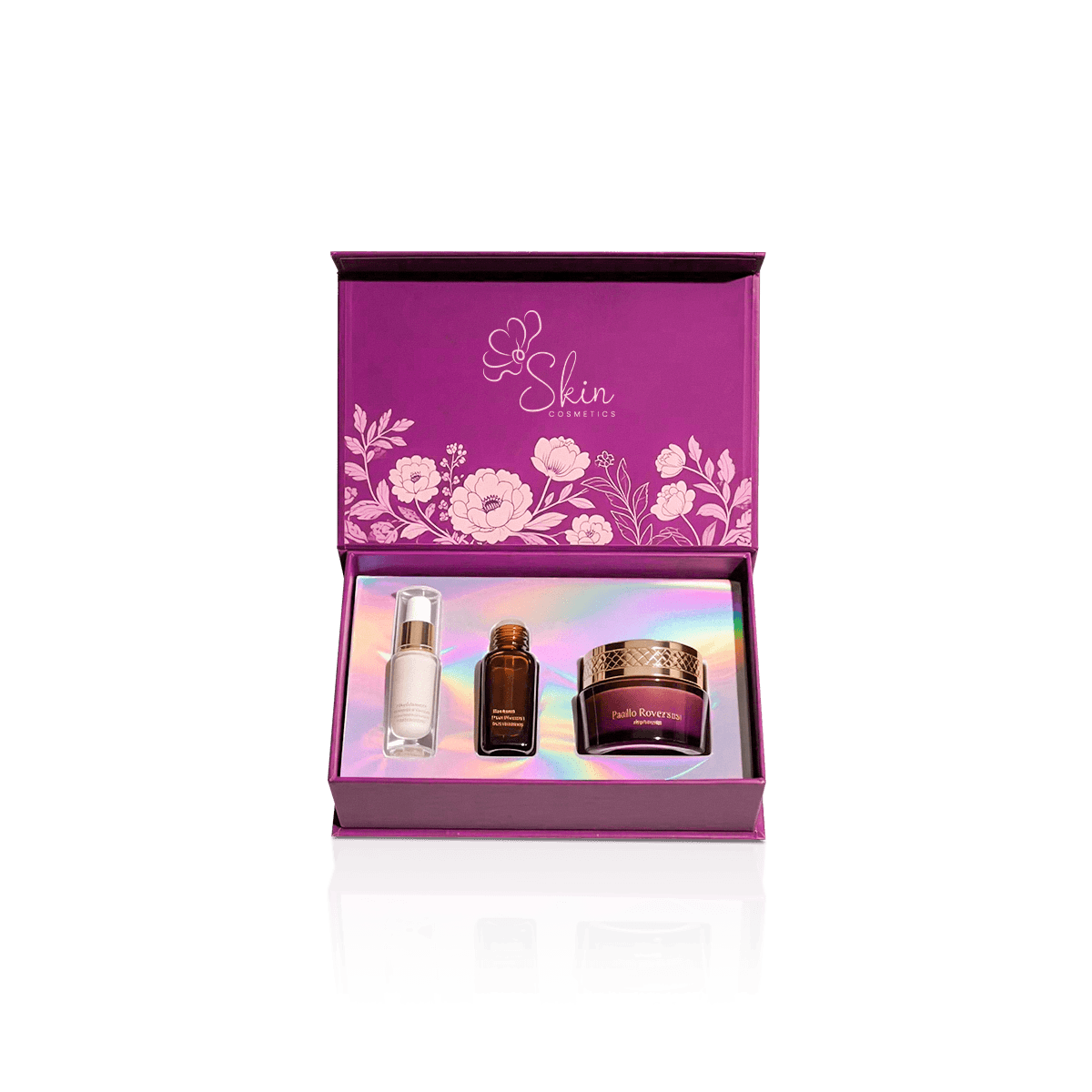
Rigid Cosmetic Boxes
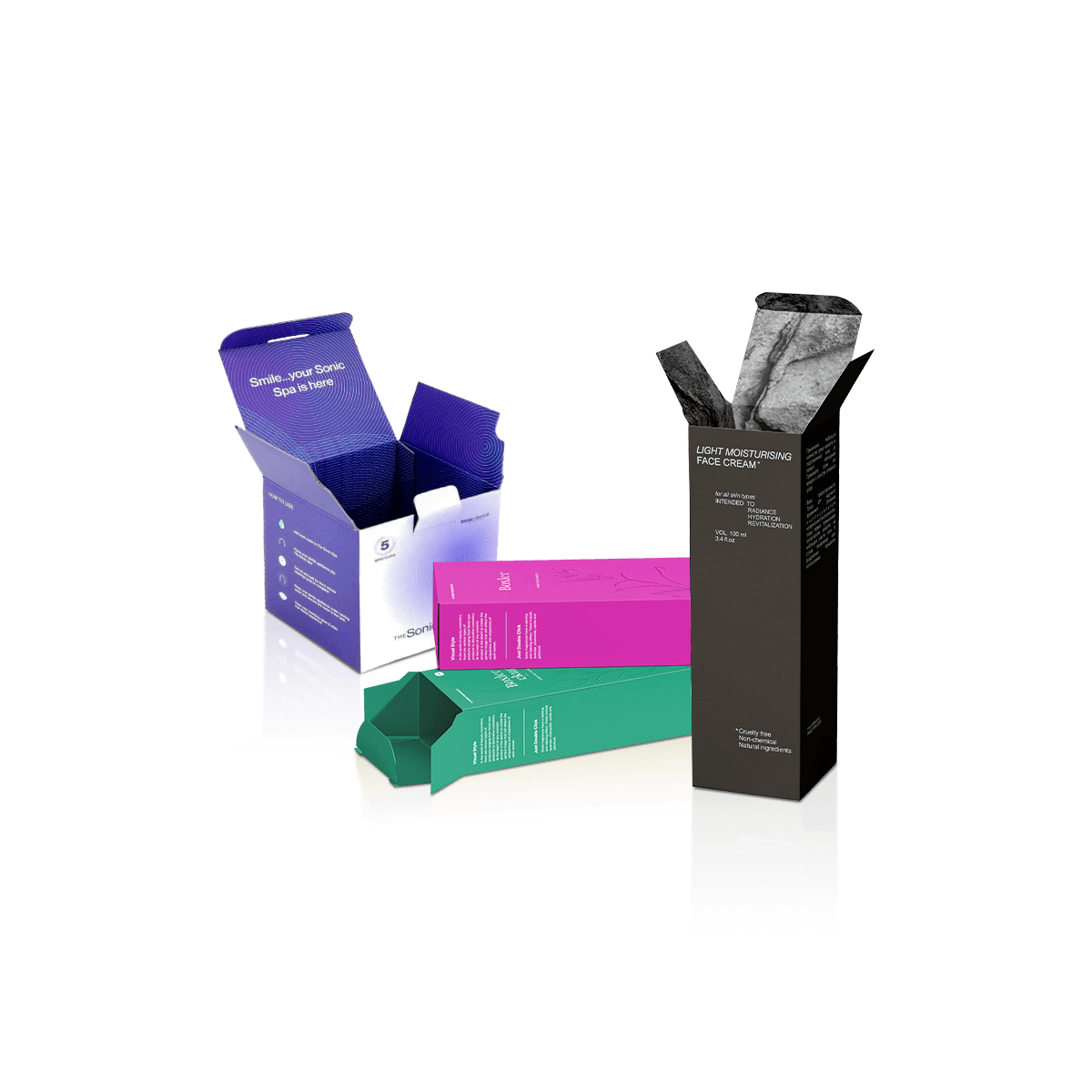
Folding Carton Cosmetic Boxes
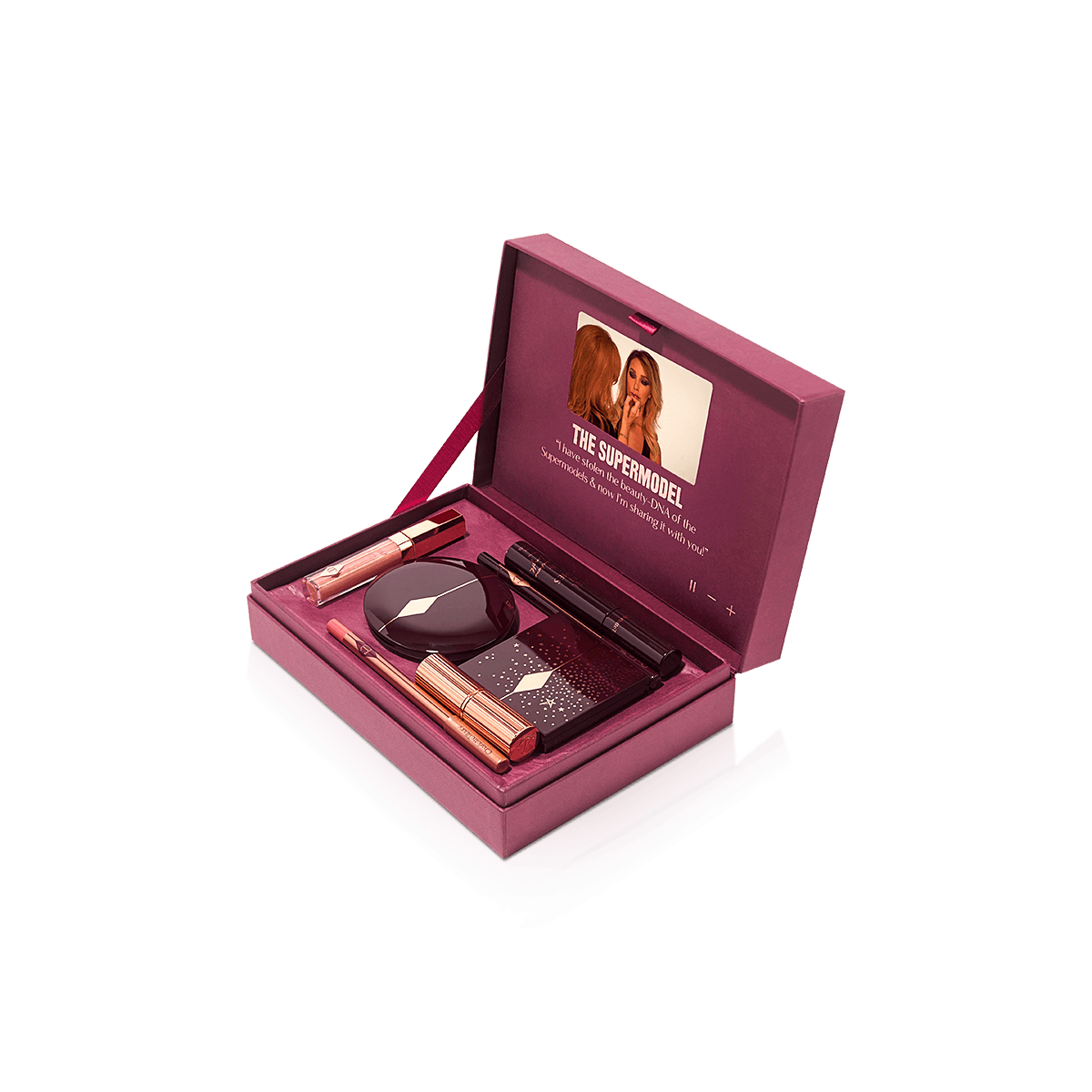
Custom Makeup Boxes
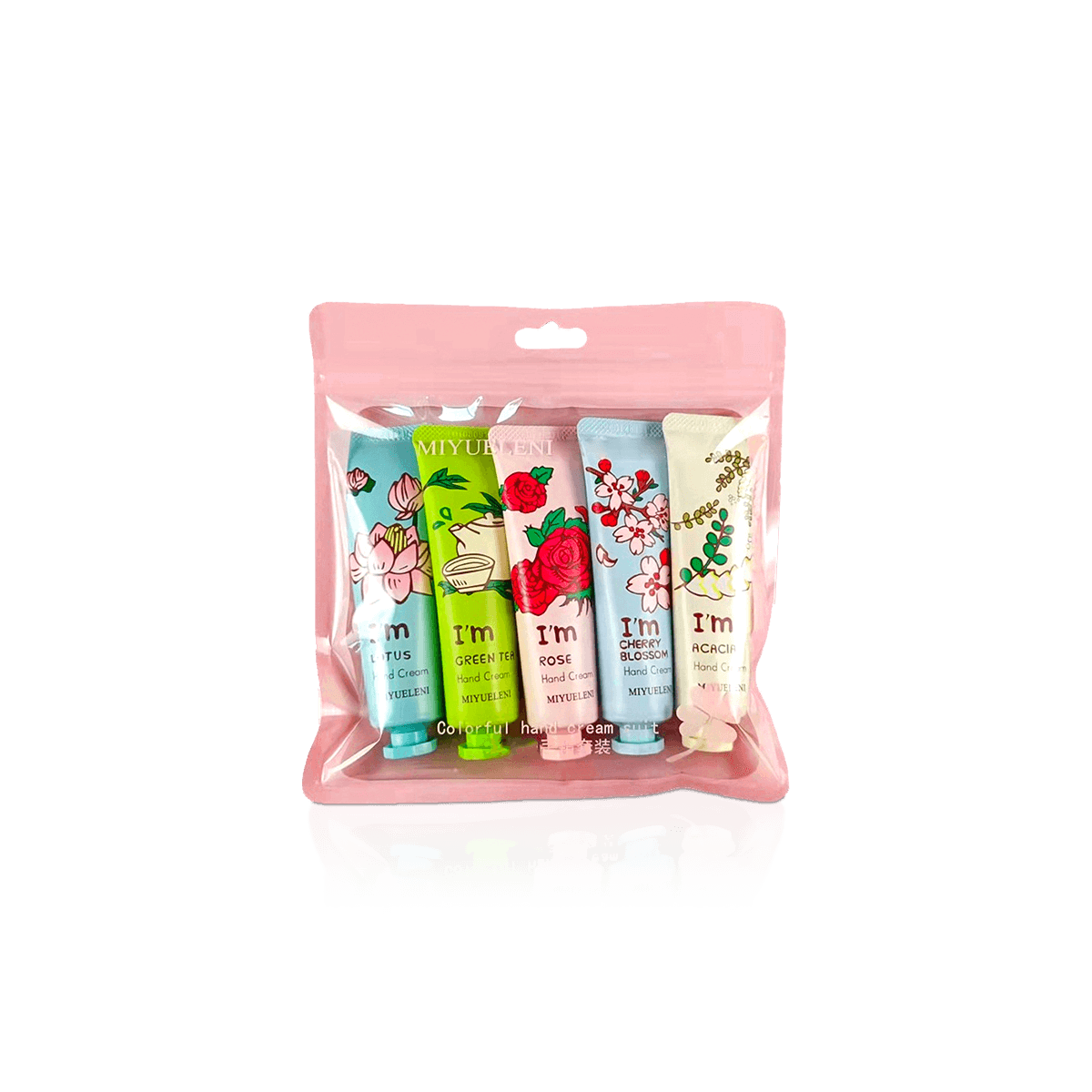
Cream Mylar Bags
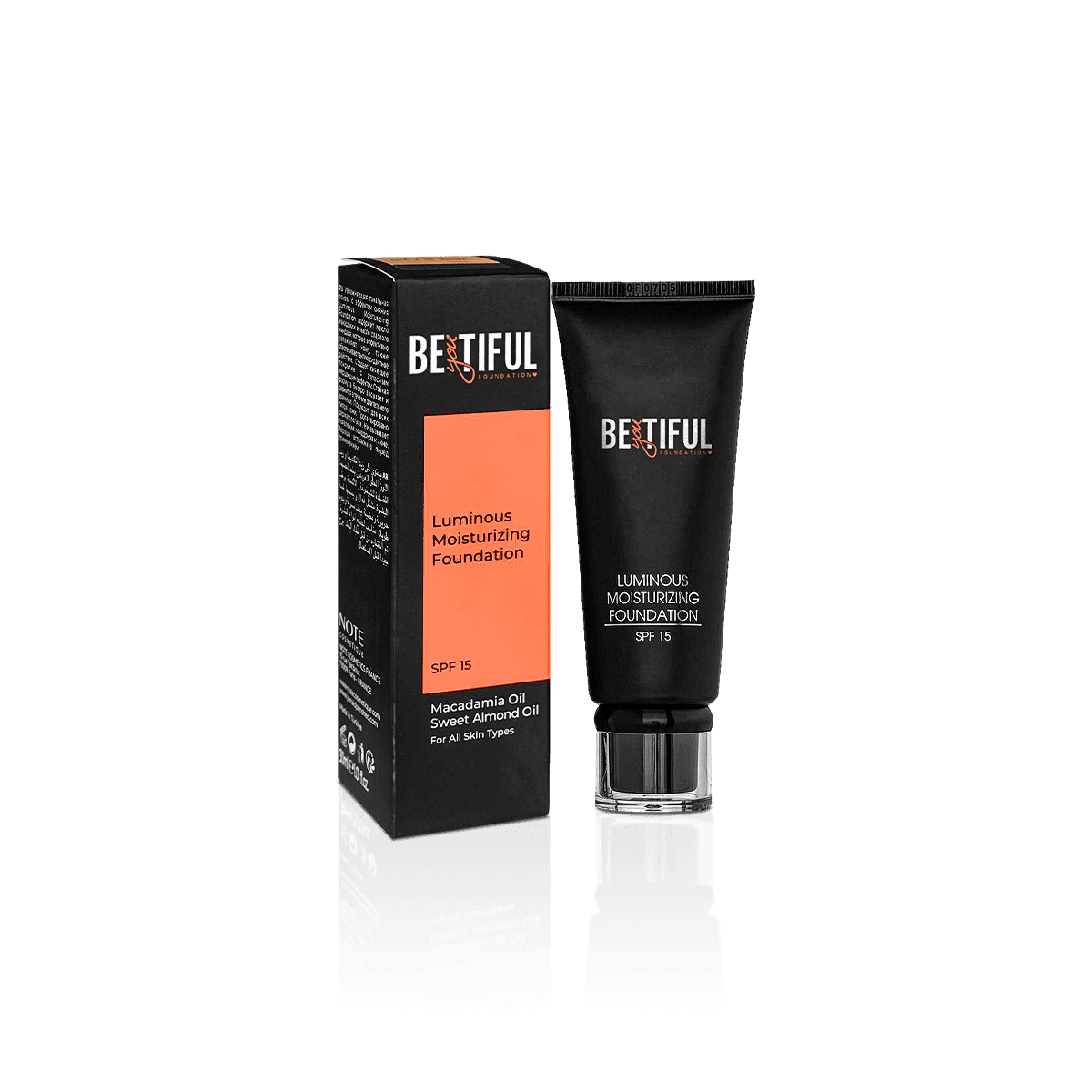
Foundation Tubes
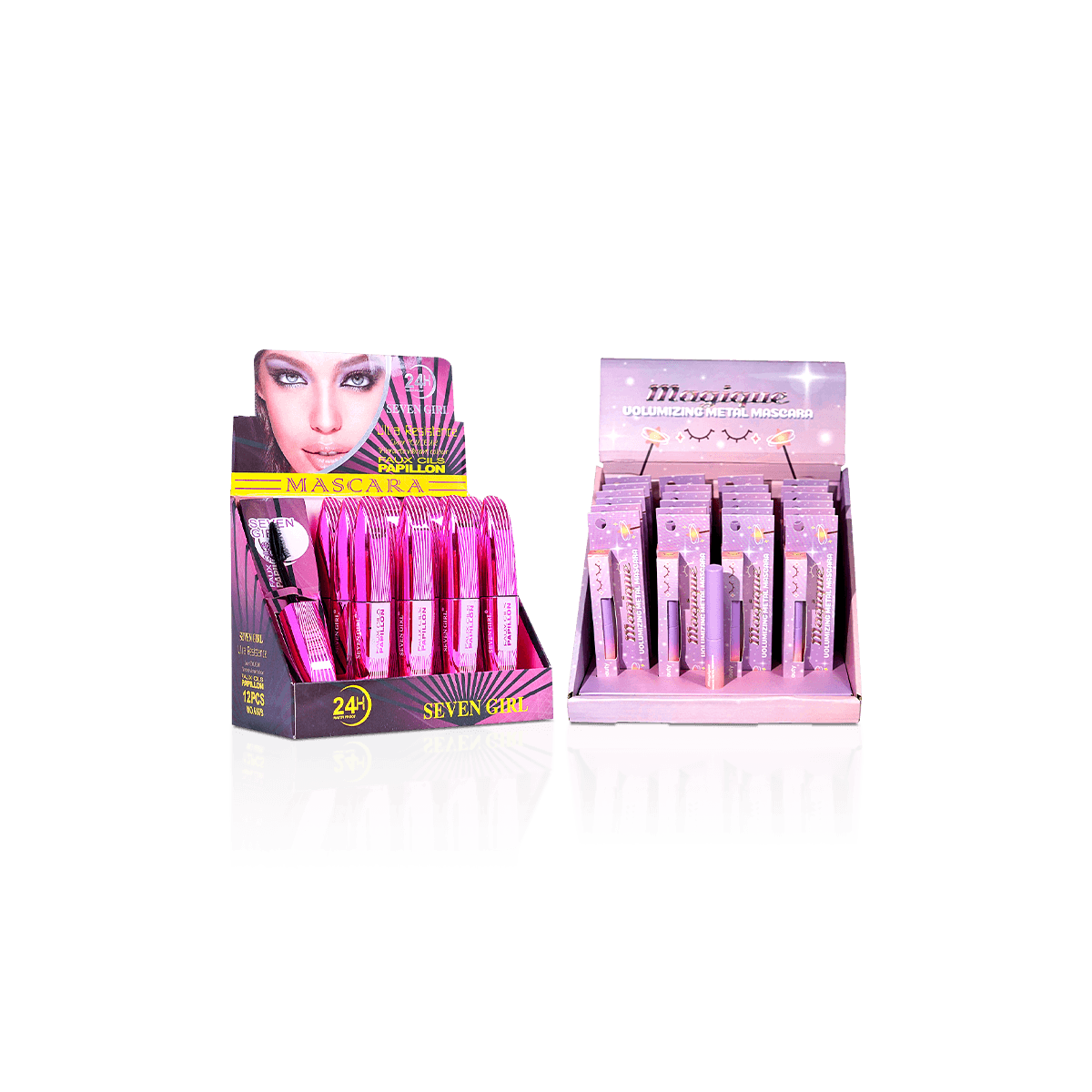
Mascara Display Boxes
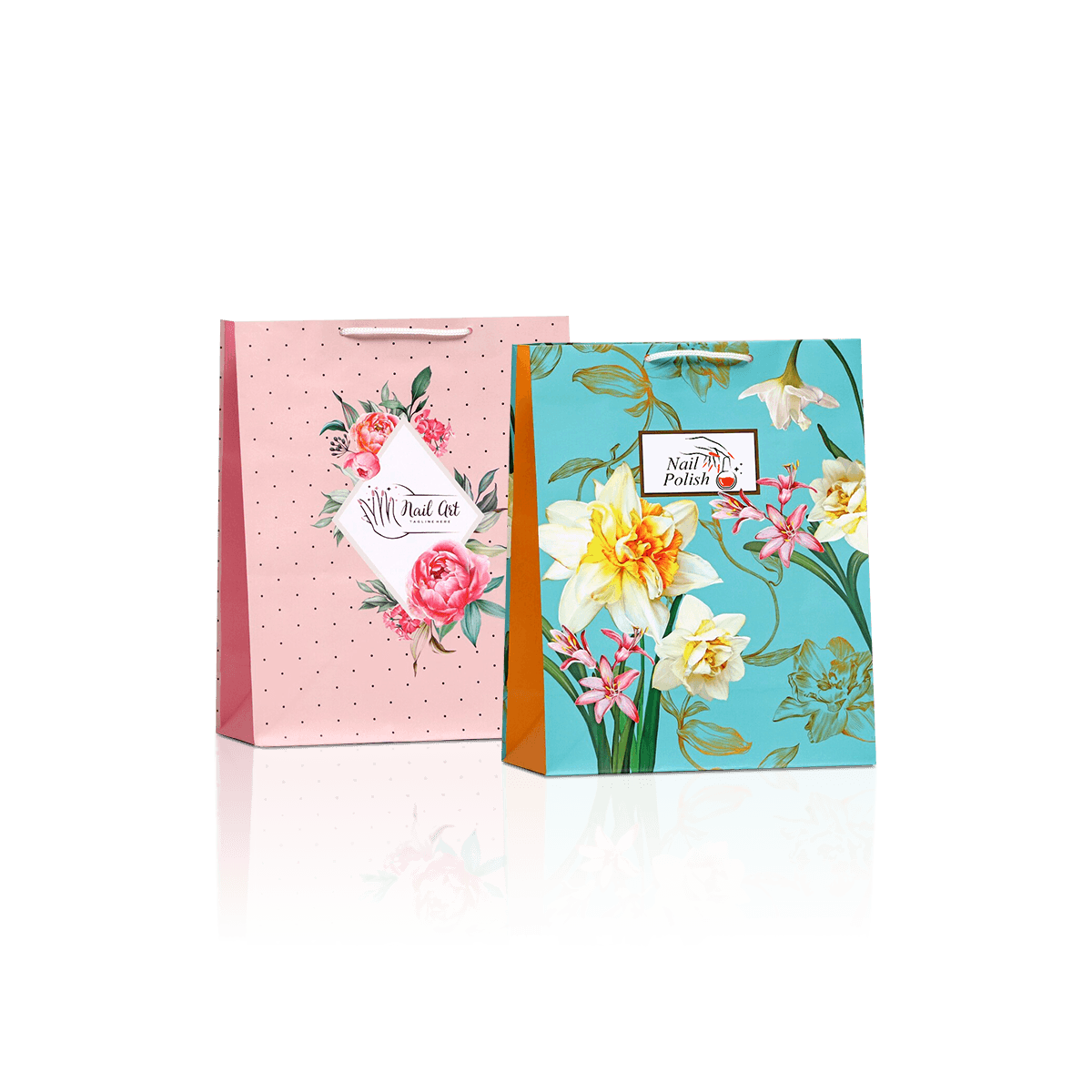
Nail Polish Paper Bags
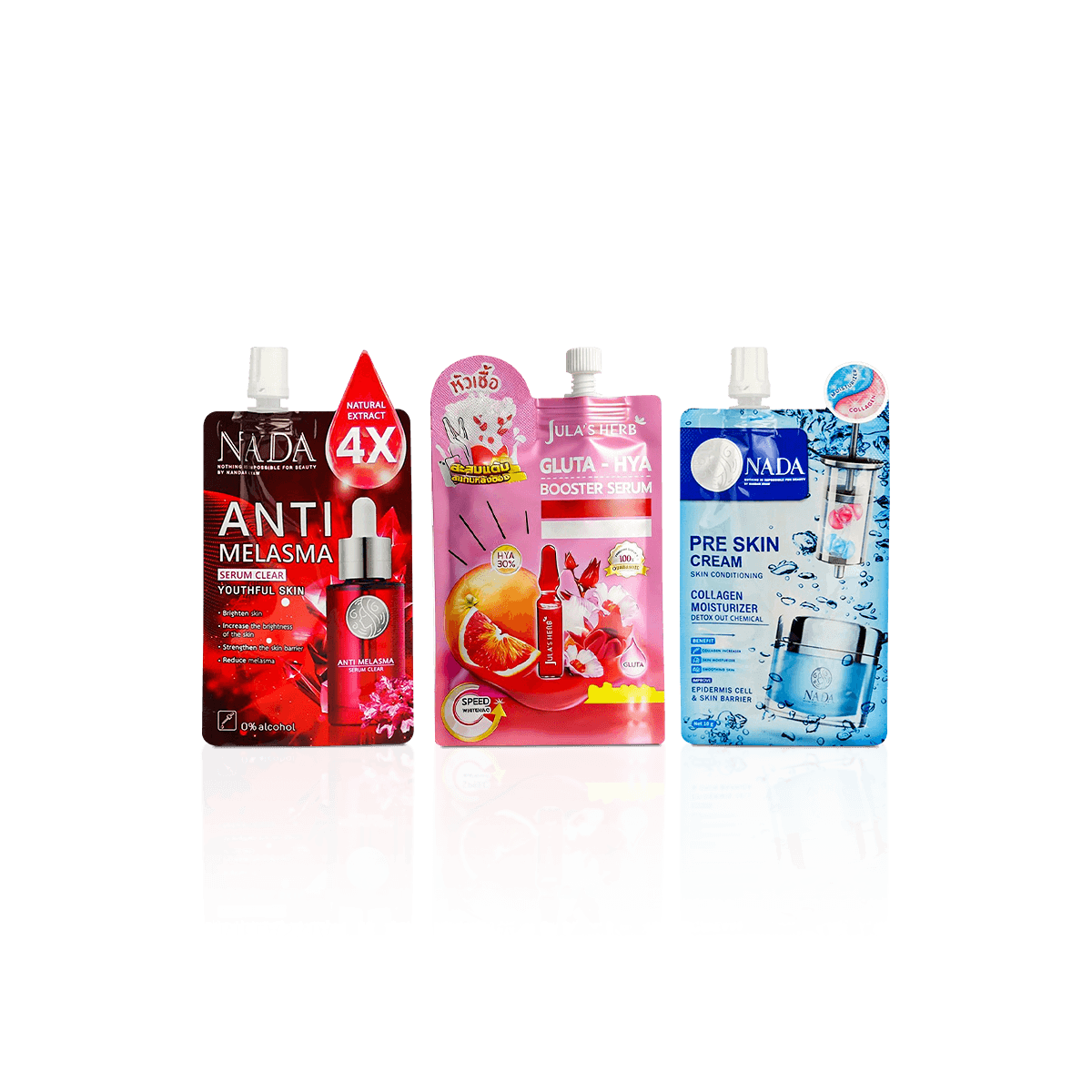
Serum Flexible Pouches
Your product shouldn’t have to fit an off-the-shelf box.
Share the shape, size, material, finish, or insert you have in mind. We’ll turn the details into a tailored packaging recommendation and a clear quote.
Custom sizes · materials · finishes · inserts
A Beauty Range Should Share A System, Not One Box
Custom cosmetic packaging has to make different products look as if they belong together without forcing them into the same structure. A lipstick, serum bottle, cream jar, palette and fragrance bottle can share one visual identity while needing very different carton depths, support points and opening methods.
That distinction matters as a beauty line grows. Standardizing the brand system can improve shelf recognition and artwork control. Standardizing the physical box too aggressively can create empty space, poor fit and awkward packing.
The useful goal is consistency where customers see it and flexibility where the product needs it.
Keep The Visual Grammar Consistent Across Different Dielines
A beauty range can repeat the same logo position, typography hierarchy, color logic, finish strategy and information order while changing the dieline around each product. That gives the line a recognizable shelf presence without making every SKU inherit the dimensions of the largest container.
For an everyday retail range, Folding Cartons often make that system easier because separate dielines can share one print language. Premium launch pieces and curated kits can move into Custom Rigid Boxes without abandoning the same brand cues.
Use Packaging Families Instead Of One Universal Size
Group products by how they behave physically. Slim lip products may share one carton family. Dropper bottles may need another. Wide jars can form a third. Gift sets should be treated separately because the products interact with each other inside the pack.
This creates fewer unnecessary dimensions without asking incompatible containers to use the same box.
Hair and wig packaging create a different geometry from bottles and jars. Hair Extension Boxes need length without excessive empty depth, while Wig Boxes need enough room to preserve the product and presentation without borrowing the dimensions of unrelated beauty SKUs.
Build Size Tiers Around Container Behavior
Beauty products often look small, but closures, pumps, collars, caps and applicators can change the real packaging footprint. Two 30 ml products can need very different secondary packaging because one is a low jar and the other is a tall glass dropper bottle.
Use the finished primary container as the basis for size tiers, then account for the support or insert that the package genuinely needs.
Slim Products Need Fast Identification More Than Empty Space
Lipstick Boxes, Eyeliner Boxes and similar narrow packs have limited panel area. Their challenge is often not protection alone. It is making shade, product name and variant information easy to identify while keeping the carton compact.
Avoid enlarging a small product merely to create a bigger branding surface unless the shelf or merchandising plan justifies the extra volume. A strong information hierarchy can make a narrow carton work harder than an oversized one.
Glass Bottles And Jars Need Support Where The Weight Sits
Skincare Boxes may contain glass jars, pumps, droppers and other containers with concentrated weight or vulnerable closures. The carton should support the body of the container without transferring unnecessary pressure to the pump, pipette or decorative cap.
A close-fitting carton may be enough for a stable lightweight container. Heavier glass or irregular products may justify a paperboard, molded-pulp or foam insert depending on the protection and presentation target.
The strongest rule is simple: the support should control the container, not squeeze the most delicate component.
Container geometry can also justify leaving the carton-first path. A more specific option is tube packaging for foundation products when the product format is narrow or cylindrical and the outer presentation should follow that shape.
Stick-format cosmetics also deserve their own structural path, so tube packaging for lipstick products should follow the actual product diameter, height and opening behavior instead of inheriting the dimensions of a nearby carton SKU.
A Shared Brand Look Should Not Create Shared Fit Problems
Consider a three-SKU skincare launch with a tall serum dropper, a wide cream jar and a squeeze tube. The design team wants all three cartons to use the same height and depth so the range looks uniform.
On shelf, the boxes line up neatly. Inside, the cream jar sits in a deep cavity, the tube has excess side clearance and the serum needs extra support near the bottle body. The brand has achieved visual consistency by creating three different fit problems.
The better solution is to preserve a shared front-panel grid, typography, color system and finish treatment while giving each product the geometry it needs. The cartons can still align visually through controlled proportions or merchandising, but their internal dimensions no longer have to be identical.
That approach also reduces unnecessary material and makes each pack easier to load.
The practical lesson is that a beauty range should standardize the design system before it standardizes the physical box.
Retail, Ecommerce, And PR Kits Put Different Pressure On The Same Product
A cosmetic product can keep the same primary container while its secondary packaging changes with the sales channel.
Retail packaging has to communicate quickly, scan cleanly and remain presentable after repeated handling. Ecommerce adds parcel protection and fulfillment requirements. PR or launch packaging may need to organize several products and create a more deliberate reveal.
Trying to make one package perform every role can add cost and bulk to every unit.
Retail Packaging Needs A Strong Front And Useful Side Panels
For store shelves, front-facing hierarchy and information space matter. The package should identify the product and variant quickly while keeping supporting details readable on the available panels.
When shelf presentation, displays and store handling dominate the decision, Custom Retail Packaging provides the stronger route.
Ecommerce Often Needs A Second Protective Layer
A printed skincare carton or perfume box does not automatically need to become a corrugated shipper. In many cases, the product-facing package should remain optimized for presentation while a mailer or shipping box handles the parcel network.
This keeps shipping labels and transit wear away from the retail surface. It can also prevent a premium carton from becoming unnecessarily heavy simply because some orders travel through ecommerce.
The distinction is especially important for Perfume Boxes, where glass, caps and premium surfaces can all deserve separate attention.
Store and salon handoff creates another layer after the bottle pack is already defined. In that context, paper bags for nail polish purchases belong to the checkout-carry decision rather than replacing protective product packaging.
Shade-Rich Product Lines Need A Navigation System
Makeup packaging has a problem that many other industries do not face at the same intensity: one product format can expand into dozens of shades, finishes or variants.
A consistent master design is useful, but every SKU still needs to be identified quickly by warehouse staff, retail teams and customers. If the only difference is tiny text on one side panel, the packaging system becomes harder to stock and easier to mis-pick.
Use More Than One Variant Cue
Shade name, number, color blocking and clearly placed identifiers can work together. Eyeshadow Boxes and Lash Boxes often need this discipline because visually similar packs may represent different shades, styles or lengths. The exact system should match the brand, but important variant information should not depend on one subtle visual cue.
This becomes especially useful for counter merchandising. Mascara Display Boxes and other display formats need the retail unit and the display to work together so staff can replenish the correct variants without dismantling the presentation.
Display Boxes are worth considering when the packaging job extends beyond containing one item and into organizing multiple sellable units.
Reserve Information Space Before Decorative Finishes Take It
Beauty packaging needs room for branding, but usable panel area can also be consumed by product information, barcodes, instructions and applicable labeling requirements. That should be planned before foil, oversized logos or windows occupy the easiest-to-read areas.
For products sold in the United States, the final artwork should be checked against the current requirements that apply to the exact cosmetic and its claims. Do not assume that a layout is compliant simply because similar products use it.
Build the artwork hierarchy with enough room to change text without rebuilding the entire visual system. That matters when ingredients, directions, shades, claims or business information change between SKUs.
Custom Packly’s design and dieline support can help organize artwork on the available panels, while the brand remains responsible for confirming the accuracy and regulatory suitability of the final product information.
Inserts Should Protect Vulnerable Points Without Hiding The Product
An insert earns its space when it controls movement, protects a fragile area or organizes a multi-piece set. It should not be added merely because premium cosmetic packaging is expected to contain one.
For a dropper bottle, support around the bottle body can be more useful than pressure near the pipette or cap. For a compact, restraint may be minimal because the primary container already has a stable flat form. For a fragrance set, separating glass bottles can prevent direct contact.
When the package contains several products, consider the removal sequence too. Customers should be able to lift the first item without disturbing everything beside it.
Paperboard, molded pulp and foam behave differently around glass, pumps and multi-item sets, so packaging insert materials should follow the actual support points.
Gift Sets Need To Organize Different Heights Without Looking Accidental
Beauty Gift Boxes often combine bottles, jars, tubes and accessories that were never designed to share one footprint.
A good set gives each item a clear position and makes the composition look intentional when the lid opens. The tallest product should not force every smaller product into an unnecessarily deep cavity. Different support heights can bring mixed products into a cleaner visual relationship.
Premium rigid structures may be justified when the package is meant to be kept, gifted or used for a high-value launch. A folding carton or sleeve system may be more efficient for promotional sets that need to store flat.
Use the format to support the commercial role of the set rather than assuming “gift” automatically means rigid packaging.
Color Consistency Becomes Harder As The Range Expands
Beauty brands often use color as a major recognition tool. That makes print control important when the same brand color appears across folding cartons, rigid wraps, display units and other materials.
CMYK can reproduce multi-color artwork and imagery efficiently. Pantone may be useful when a specific spot color needs tighter repeat control. Neither system removes the effect of substrate, coating and finish on the final appearance.
The useful decision is to define which colors are truly brand-critical and which can tolerate normal process variation.
When one brand color must stay stable across several substrates, CMYK and Pantone printing should be chosen with the actual stock and finish in mind
Finishes Should Create Hierarchy, Not Noise
Matte, gloss, soft-touch, foil, embossing, debossing and spot UV can all work in beauty packaging. Using several at once does not automatically make a pack feel more premium.
A restrained finish system can help differentiate tiers. Everyday cartons might use clean print and one surface treatment, while a limited-edition launch adds a foil accent or tactile effect.
Matte, gloss, foil, embossing, debossing and spot UV create different contrast and handling effects, so packaging finishes should reinforce hierarchy rather than compete.
Flexible Formats Can Belong In A Beauty Range Without Looking Secondary
Not every beauty product needs a carton or rigid box. Samples, refills, masks, creams and lightweight applications can make flexible packaging more practical.
Flexible Pouches can reduce rigid volume and support compact storage for suitable products. The material and barrier requirements still need to follow the formulation and intended use, so format decisions should not be made from appearance alone.
The branding system can still connect a pouch to the boxed products through typography, color, logo treatment and information hierarchy. A coherent beauty range does not require every item to use the same material.
Launch Quantities And Repeat Production Need Different Controls
At launch, brands may still be testing which SKU sizes, finishes and structures deserve a larger run. Custom Packly’s USA MOQ starts from 100 boxes, and free 3D mockups can help review the packaging direction before production. Free sample examples of previous work are available where relevant, while a fully custom pre-production sample can be arranged as a paid sample when the exact construction needs physical validation.
Once the line grows, the problem shifts from choosing one attractive box to controlling many approved specifications.
Keep clear records for each SKU: dieline, dimensions, material, print file, color reference, finish, insert and current artwork version. Shared elements should stay genuinely shared, while variable product information remains tied to the correct SKU.
When dimensions, quantities by SKU and the desired formats are clear, an instant custom packaging quote can be built around the actual range instead of pricing one generic cosmetic box.
For larger repeat programs, Custom Packly provides US production, warehousing and scheduled deliveries. Standard turnaround is 4–6 days after final artwork and specifications are approved, with free shipping and 24/7 expert support available when artwork versions, replenishment or packaging changes need coordination. Complex structures, specialty materials or advanced finishes may require additional time.
Approve The Range As Both A Shelf System And A Packing System
Before approving a multi-SKU beauty line, place the finished packages beside each other and then pack them as the fulfillment or retail team will handle them.
On shelf, check whether the range is clearly connected without becoming difficult to tell apart. Look at product names, shades, sizes, color hierarchy and the amount of visual noise across several SKUs.
At the packing table, check whether each product enters the carton cleanly, whether inserts slow loading, whether similar boxes are easy to distinguish and whether the approved dimensions create unnecessary empty space.
This dual review catches a problem that isolated mockups can miss: packaging can look consistent as a design family while behaving inconsistently as an operating system.
For a deeper product-by-product framework, how to choose beauty product packaging covers weight, fragility, channel, materials, inserts and testing.
Custom cosmetic packaging works best when the range looks deliberately connected while each product still gets the structure it actually needs.
Start Your Custom Packaging Quote
Share your product details, size, quantity and artwork needs. We’ll help choose the right packaging style and send a clear quote.