Custom Tube Packaging
Round packaging gives products a shape customers notice before they read the label. Use custom paper tubes, printed tubes and cardboard tubes for retail, gifts, food, cosmetics and mail-ready products. Custom Tube Packaging can be made around your size, artwork, finish and handling needs.

Tube Packaging options
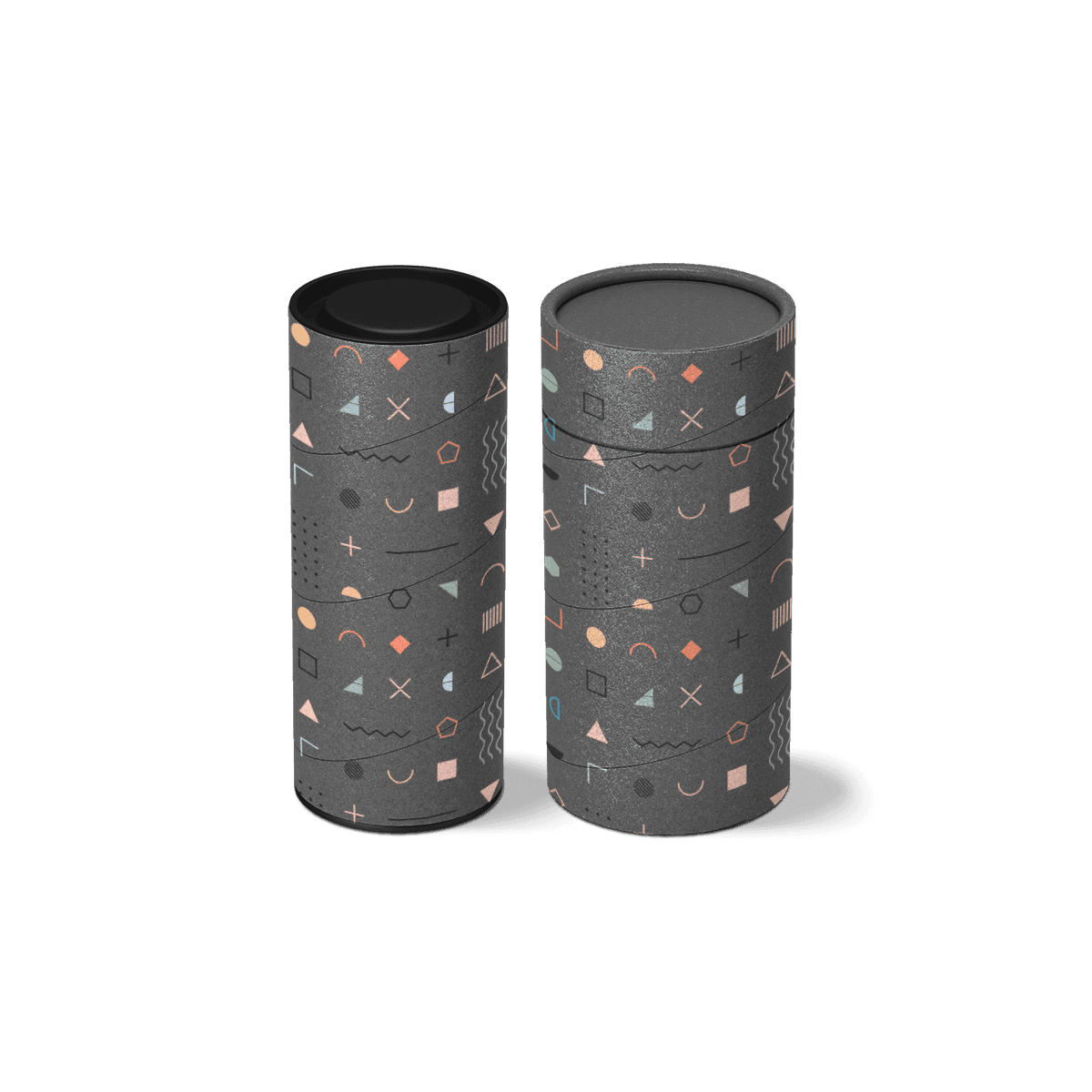
Spiral-Wound Tubes
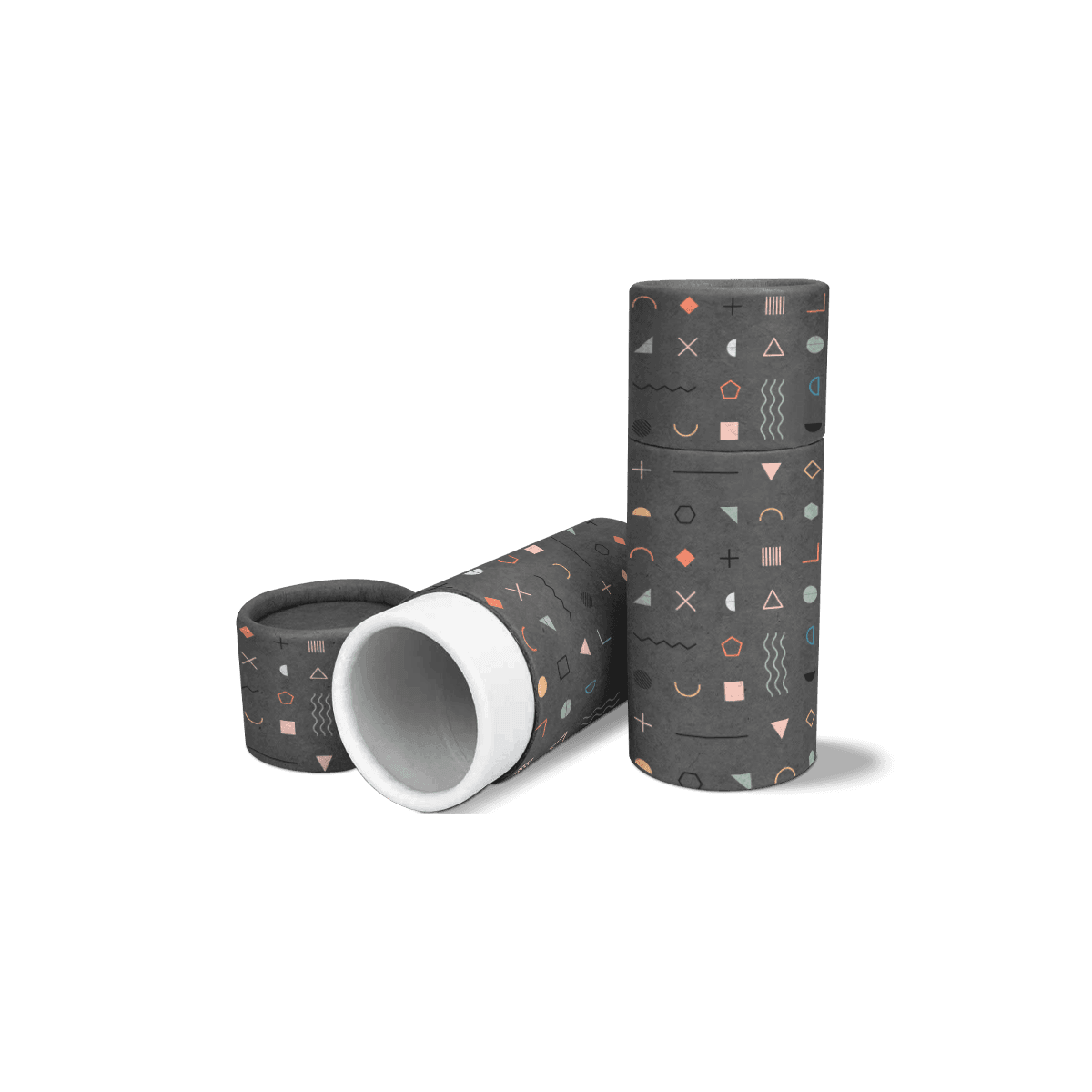
Push-Up Tubes
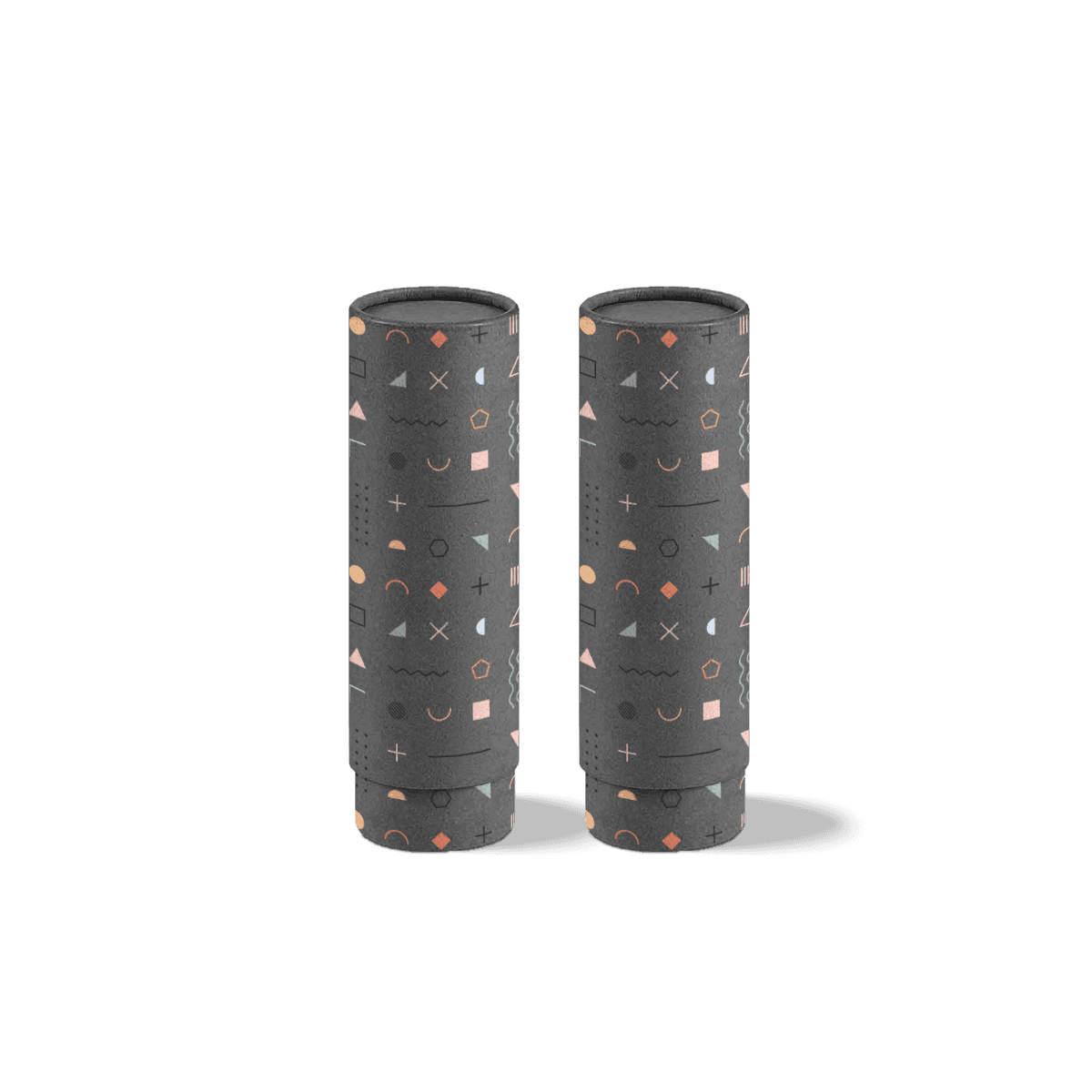
Telescopic Tubes
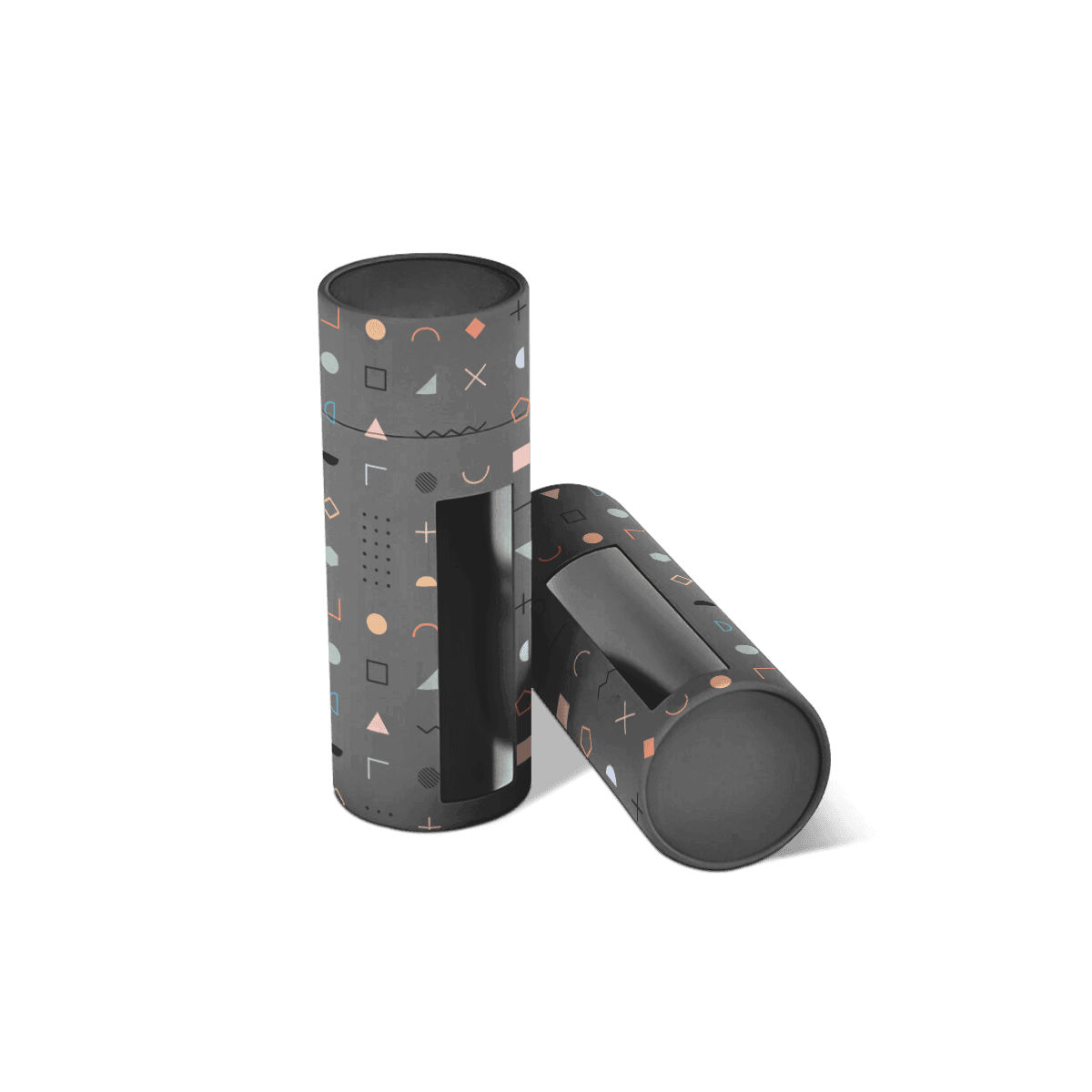
Windowed Tubes
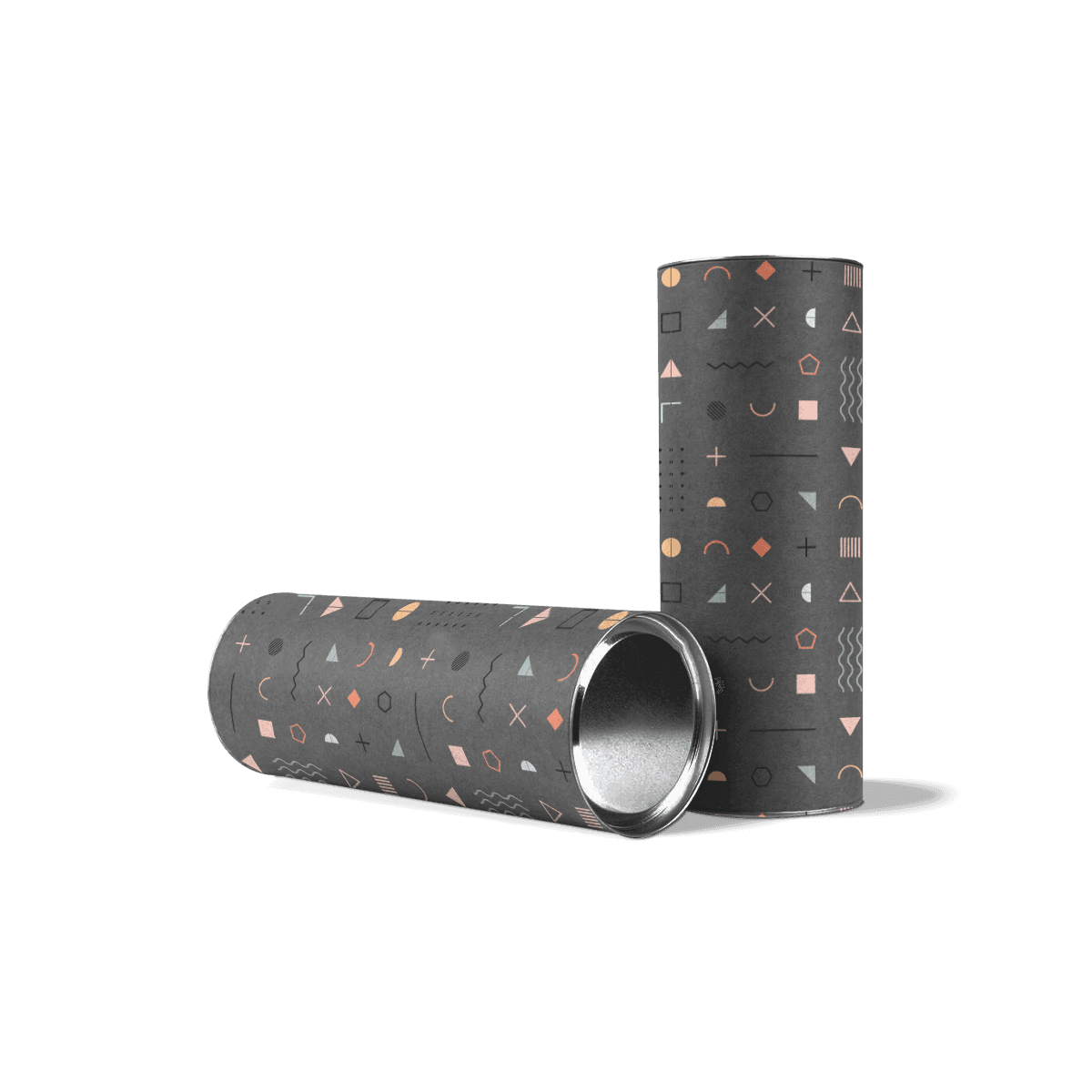
Metal-End Tubes
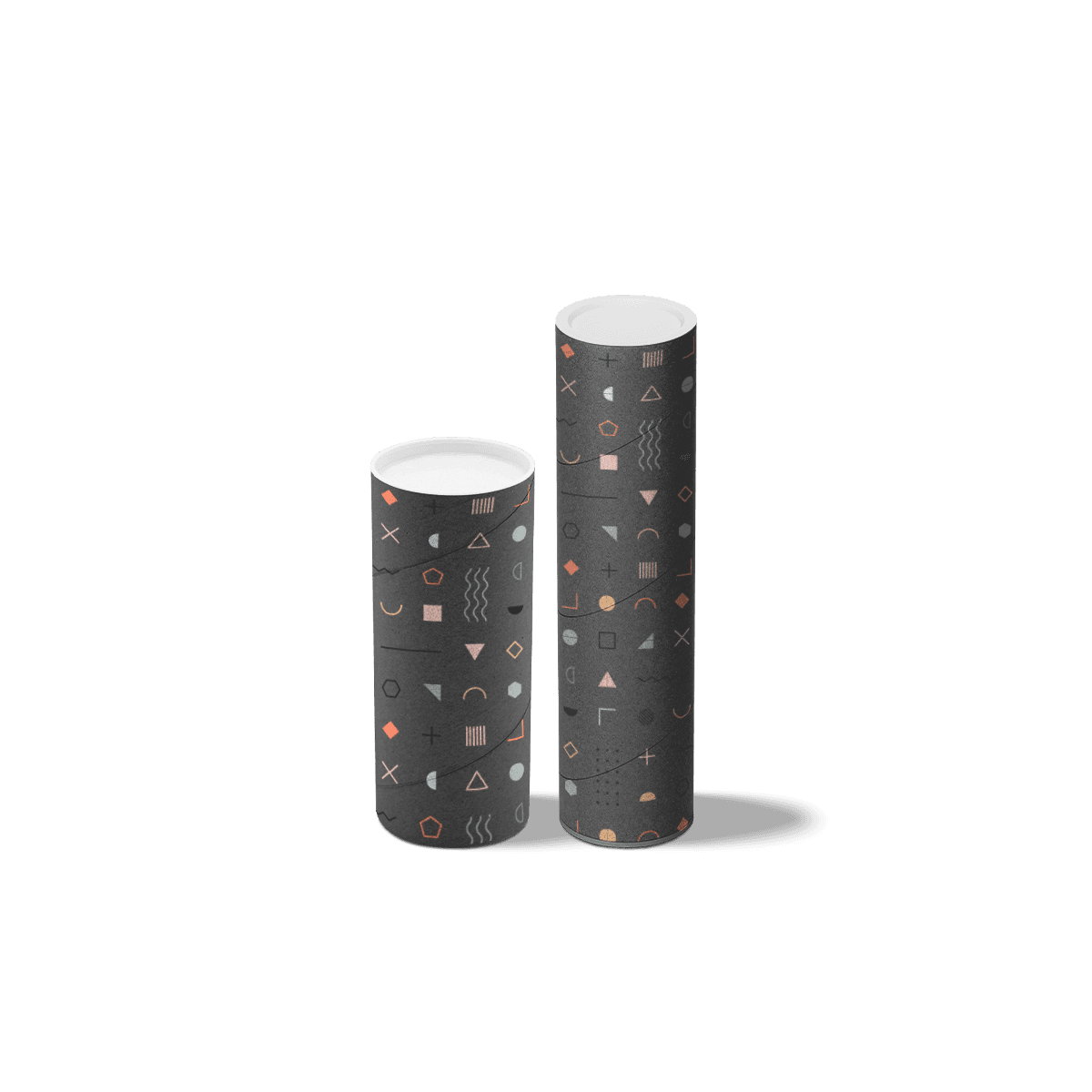
Mailing Tubes
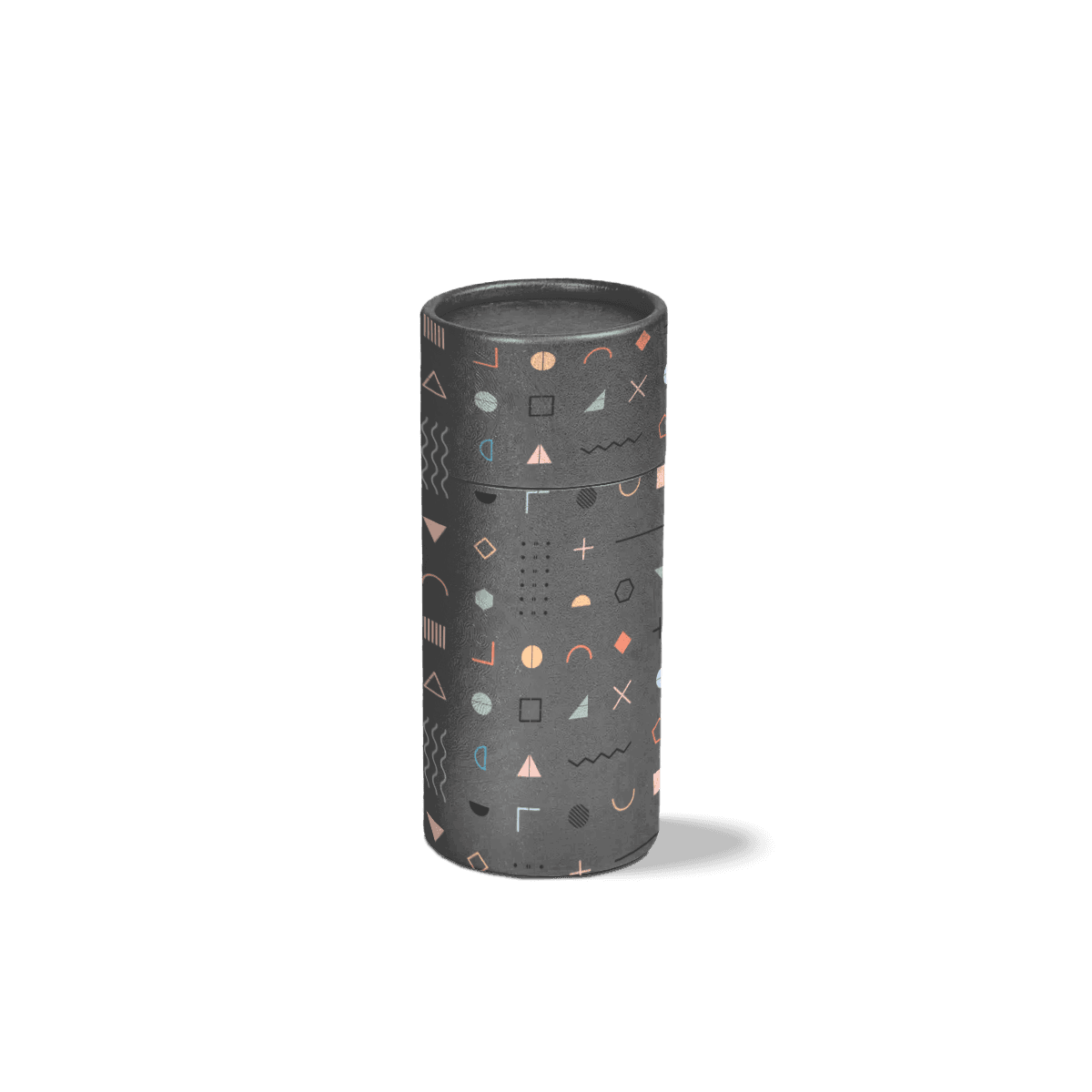
Laminated Tubes
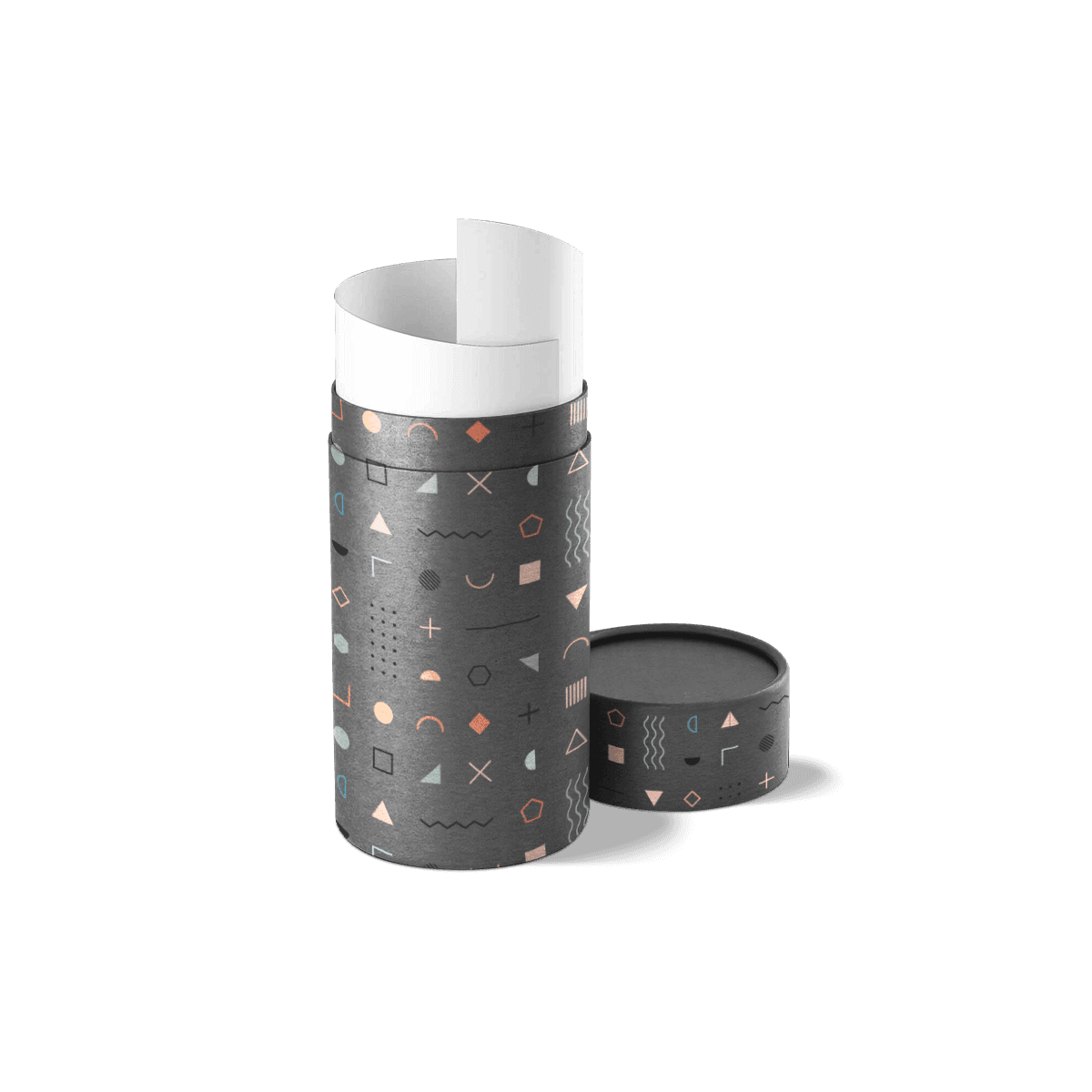
White Paper Tubes
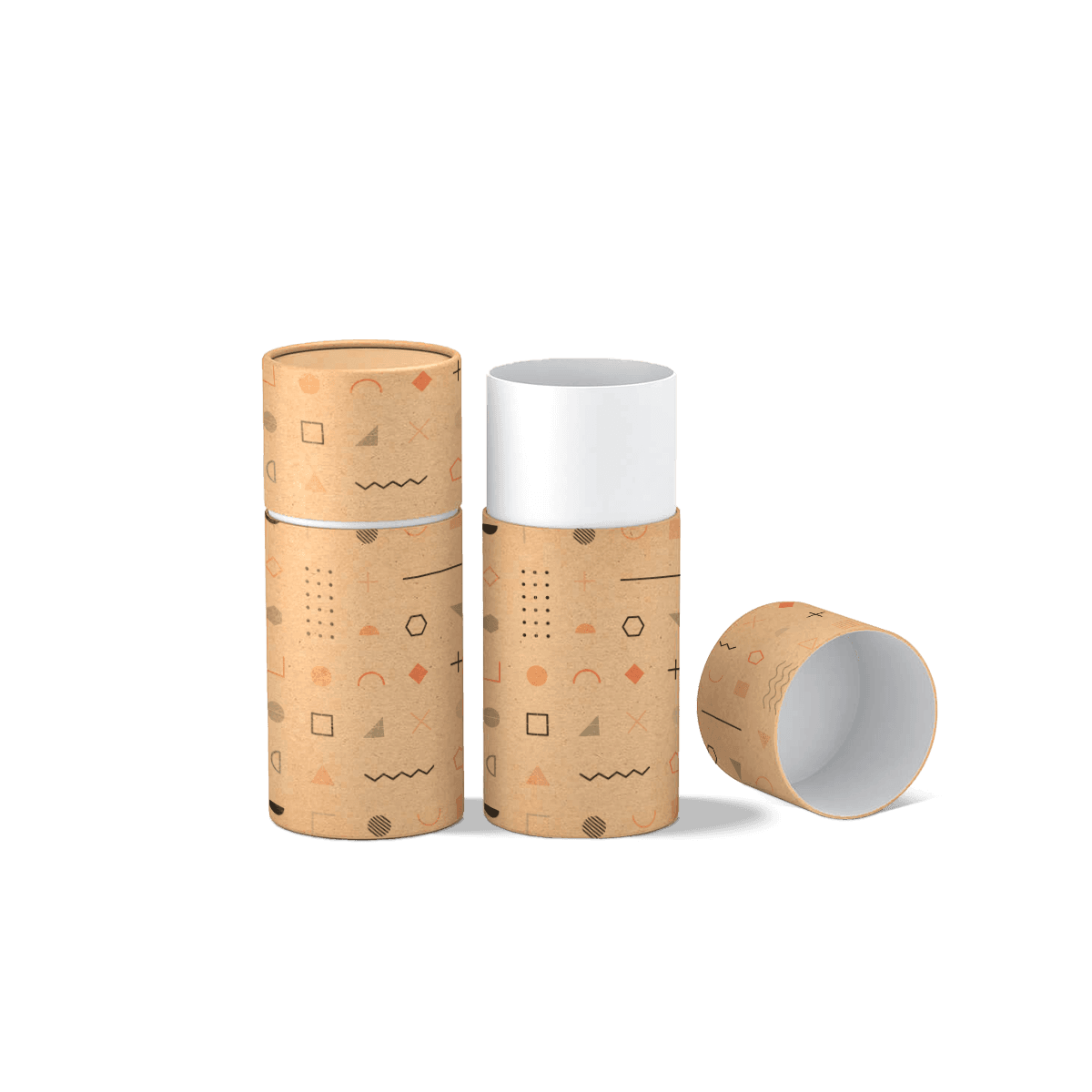
Kraft Paper Tubes
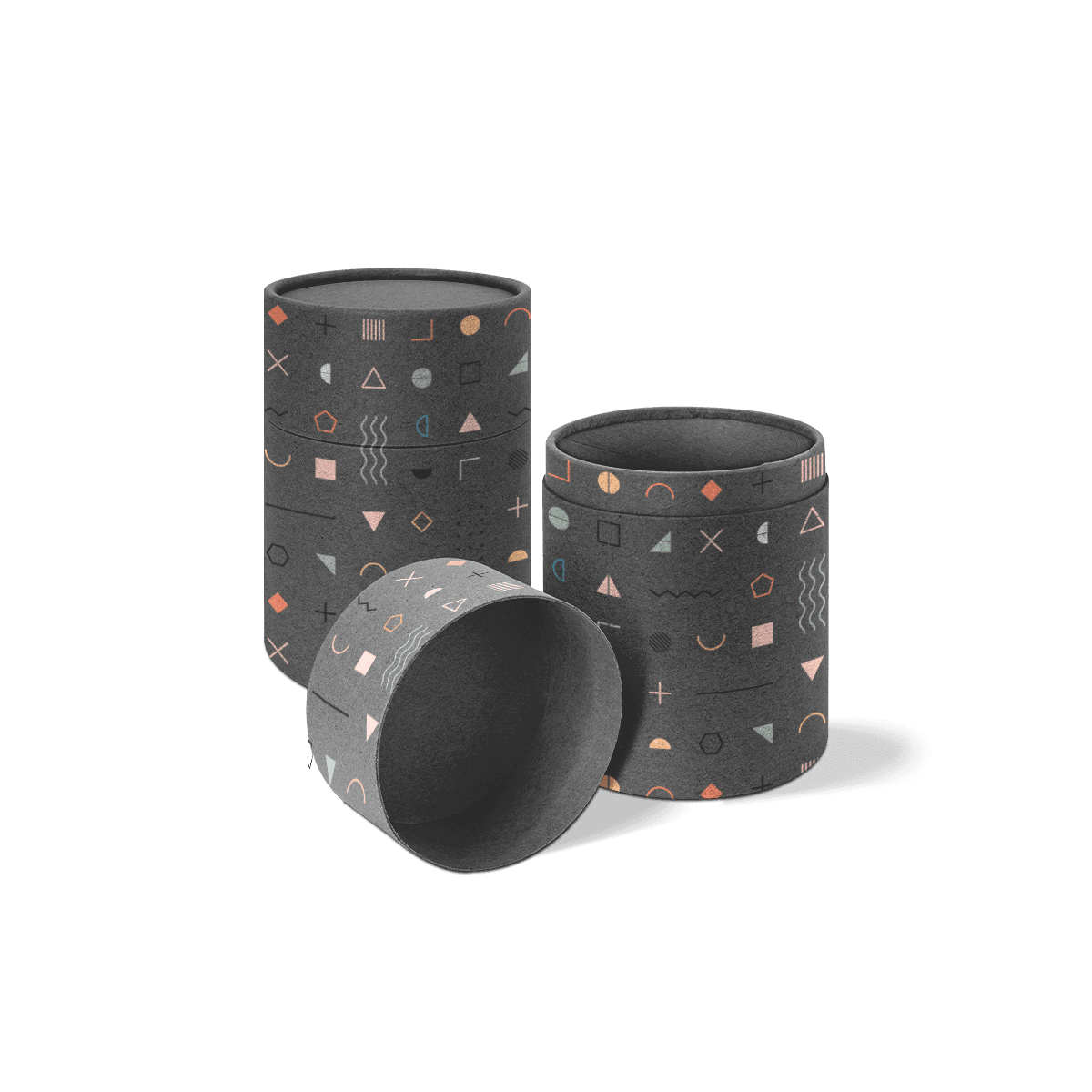
Custom Cardboard Tubes
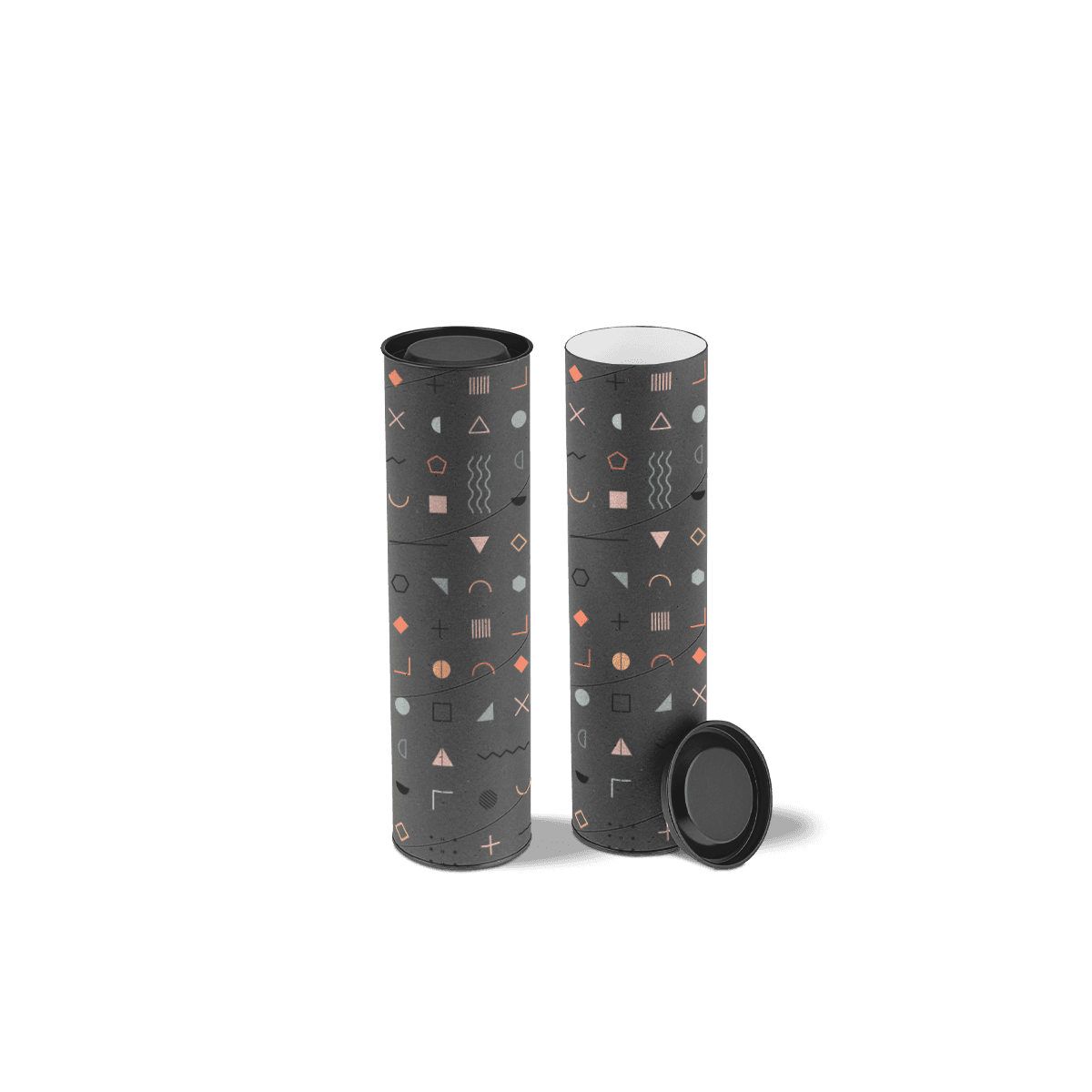
Custom Mailing Tubes
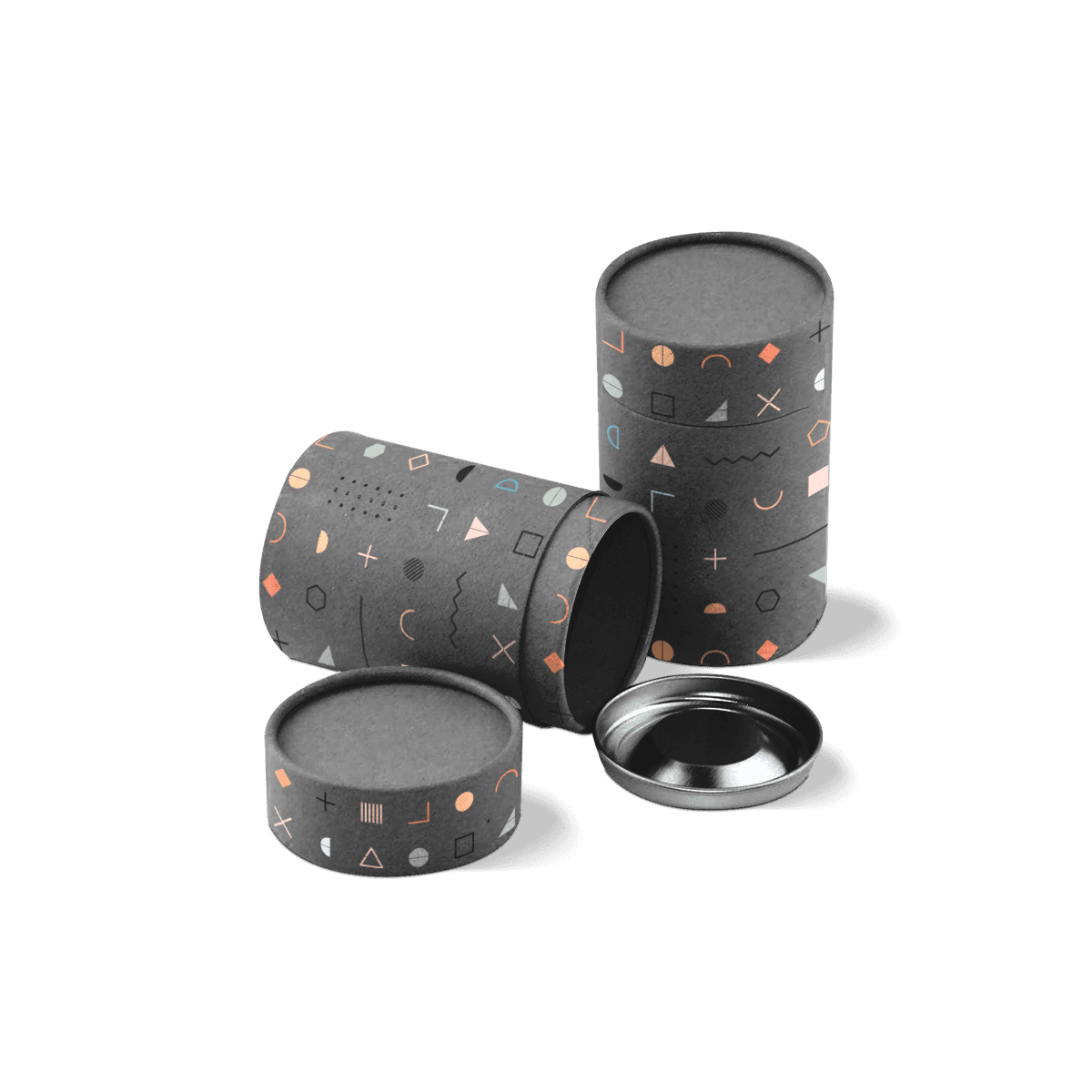
Corrugated Tubes with Lids
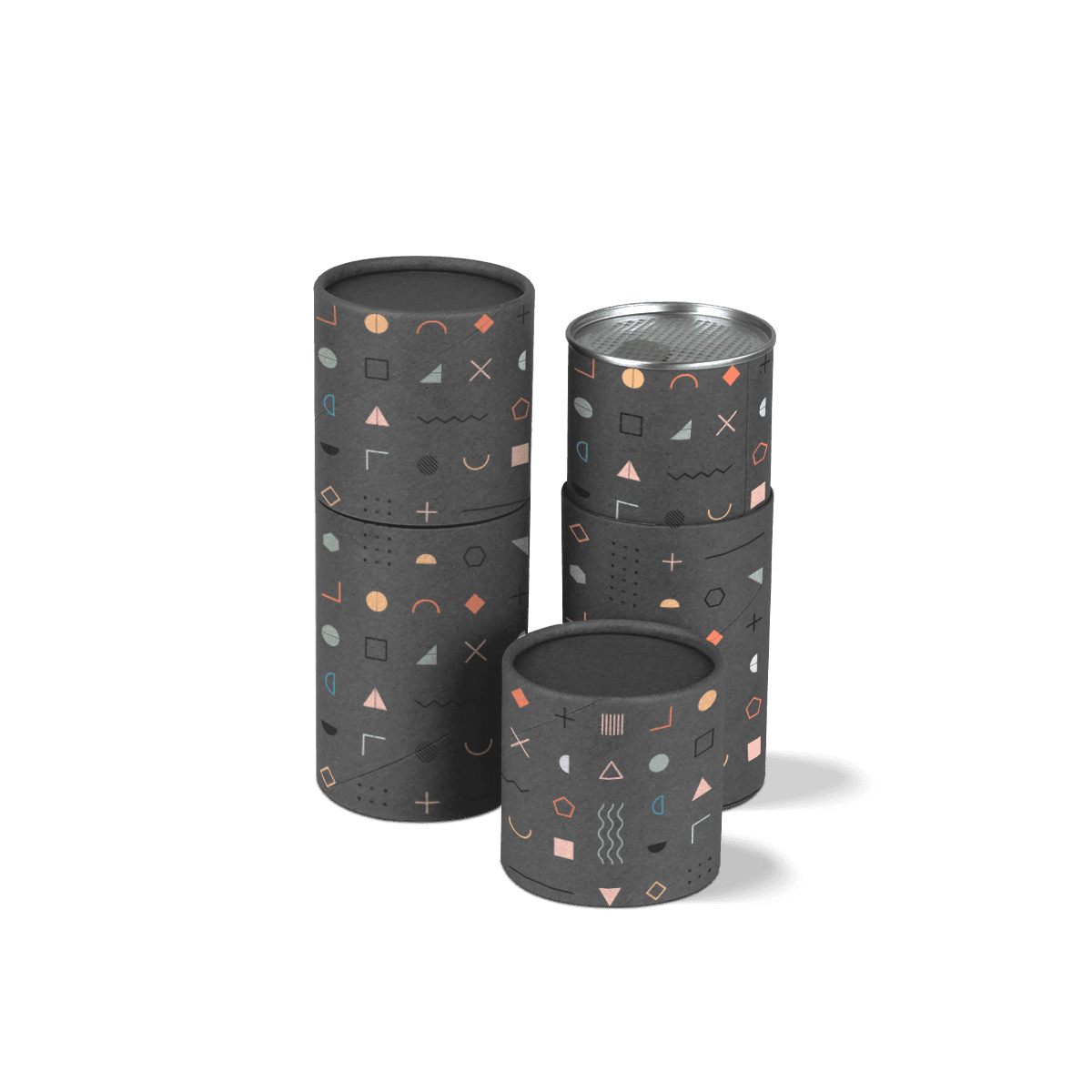
Cardboard Tubes with Covers
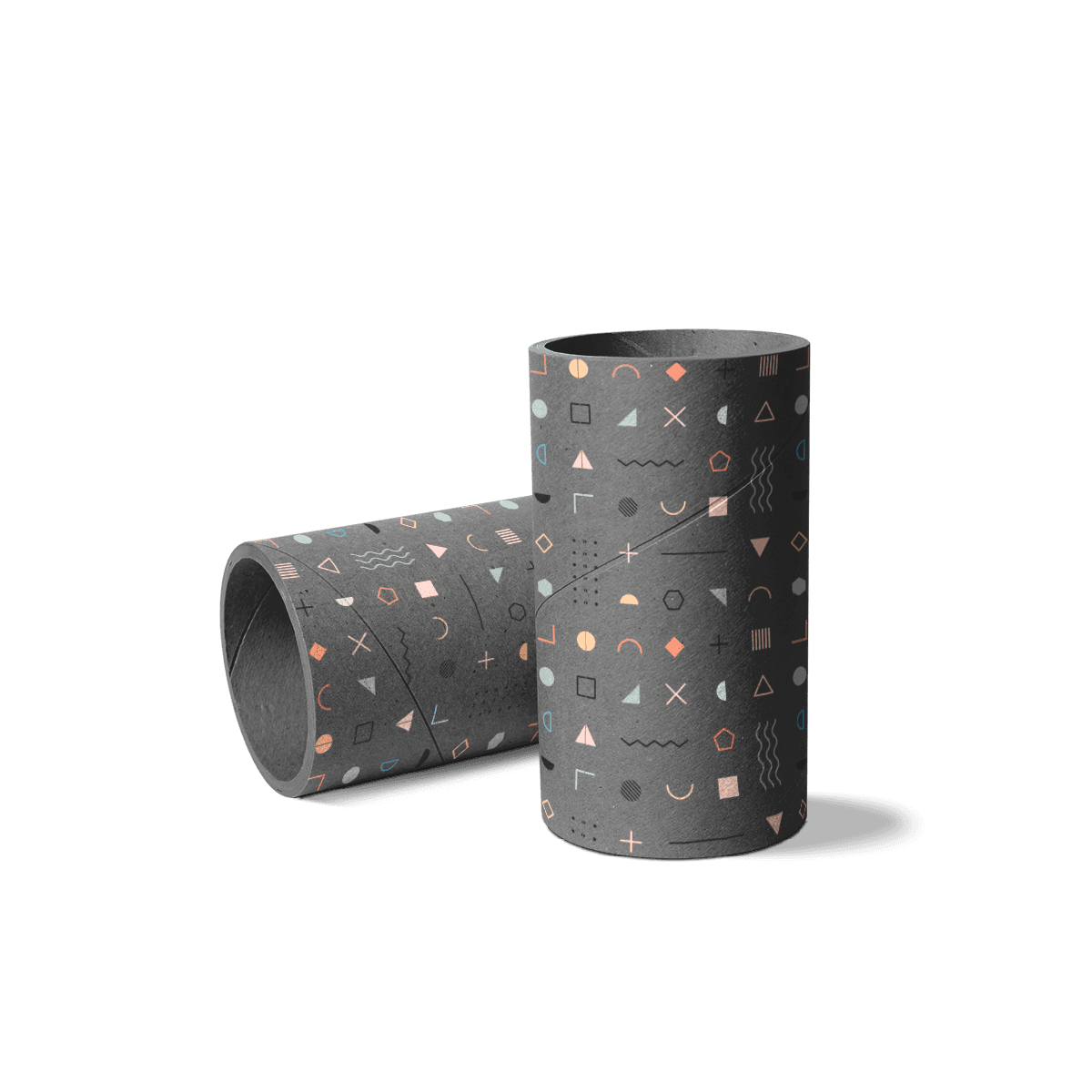
Heavy-Walled Tubes
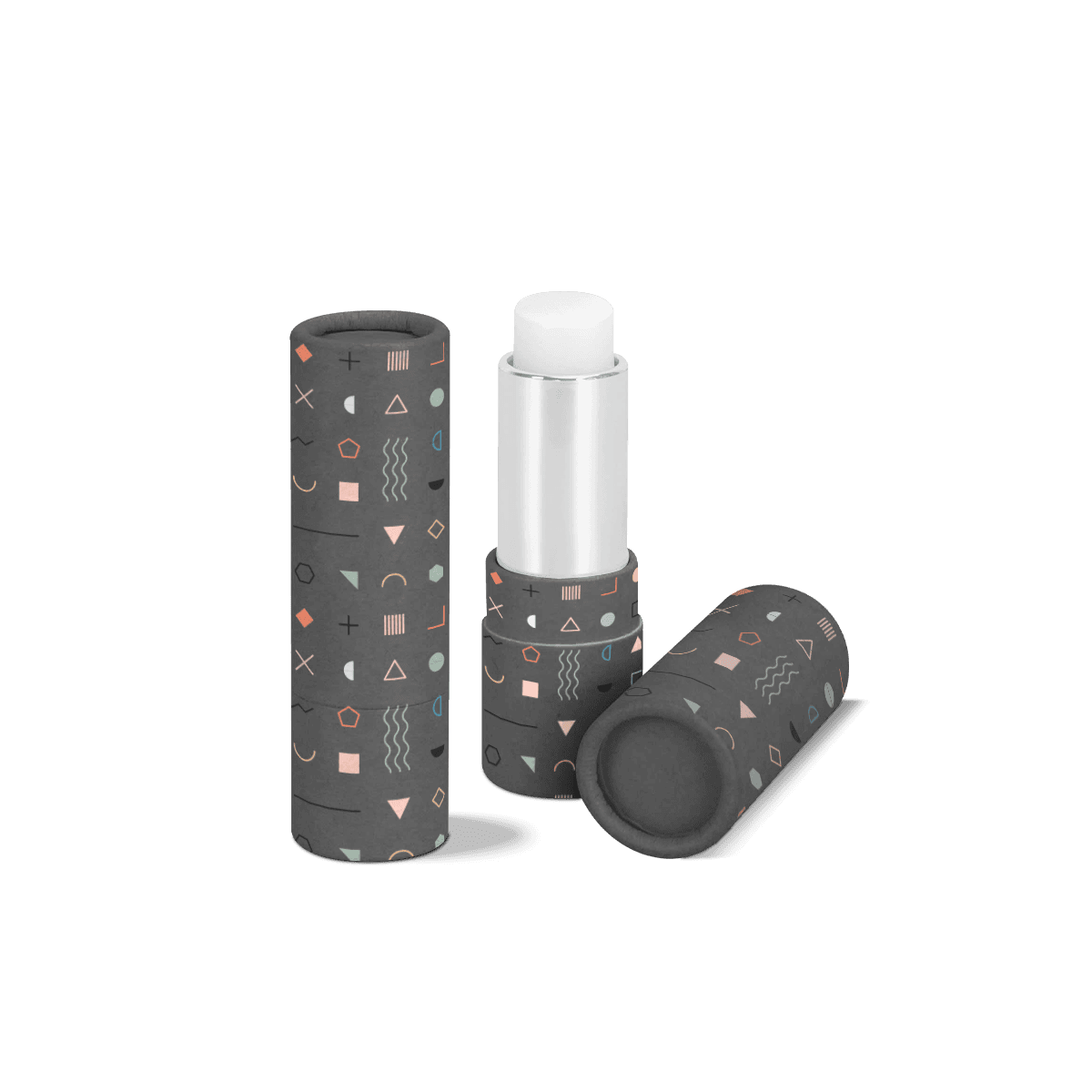
Lipstick Tube Packaging
Your product shouldn’t have to fit an off-the-shelf box.
Share the shape, size, material, finish, or insert you have in mind. We’ll turn the details into a tailored packaging recommendation and a clear quote.
Custom sizes · materials · finishes · inserts
The Shape Must Solve Something
A round package should earn the space it takes. Cylindrical packaging can create a close fit around round, tall or rolled products, support a deliberate lift-off opening and give a brand a surface that is handled and viewed from every side. It can also roll, use more case space than a rectangular carton and complicate shelf facings if the product does not actually benefit from the shape.
That makes the first decision simple: choose Custom Tube Packaging because the cylinder improves fit, dispensing, containment, presentation or transit. Do not choose it only because it looks different.
A candle jar, rolled print, balm stick and premium gift can all use a tube, but they need different structures. The jar may need a rigid wall and controlled clearance. The print needs length, cap retention and crush resistance. A solid balm may need the package itself to dispense the product. A gift tube may prioritize a telescoping opening and clean reveal.
If those jobs point in different directions, compare Packaging Styles before committing to a round structure. A folding carton, rigid box or mailer can be more efficient when square stacking, flat storage or multi-item packing matters more than cylindrical fit.
Four Jobs, Four Tube Types
The fastest way to narrow a tube is by what it must do after it is filled. Retail presentation, dispensing, mailing and higher-load protection lead to different structures even when the finished packages all look cylindrical.
Retail and Gift Presentation
Retail tubes usually prioritize controlled opening, print quality and product fit. A telescopic tube uses a separate lid and base to create a deeper overlap and more deliberate reveal, which suits candles, jars, fragrance items and gift-led products.
A windowed tube adds product visibility when seeing color, texture or part of the item helps the purchase decision. The window should have a reason to exist. Cutting away too much wall can reduce structural support and leave less room for mandatory copy or branding.
For products that mainly need a firm cylindrical outer pack rather than a special opening mechanism, custom cardboard tubes provide a more general route into made-to-order diameter, height, wrap, lid and insert decisions.
Dispensing From the Package
A dispensing tube is a different packaging problem because the structure becomes part of product use. Push-Up Tubes suit solid balms, deodorants, sunscreen sticks and similar products where the user moves the product upward from the base.
Here, fit affects function. Too much internal clearance can make the product feel unstable. Too little can increase friction or interfere with movement. This type should not be treated as a decorative outer tube with a different bottom.
Mailing and Rolled Goods
Mailing Tubes are utility-led. Posters, plans, certificates, fabrics and other rolled products need the correct internal diameter, usable length and secure ends before branding is considered.
The rolled bundle matters more than the flat sheet measurement. Paper thickness, number of sheets and rolling tension change the bundle diameter, so a mailing tube should be sized around the product as it will actually be packed.
Higher Loads and Harder Handling
When weight, compression or repeated handling rises, Heavy-Walled Tubes shift the emphasis toward wall strength and end security. These tubes can suit dense components, fragile items, archives or products that put more load on the cylinder than a light retail pack.
Thicker walls do not replace good fit. A heavy product moving inside an oversized tube can still strike the ends or stress the closure.
For beauty products where the pack needs to follow a narrow cylindrical format, Foundation Tubes create a more specific route than forcing every product into a rectangular carton.
Compact wellness devices can create a different fit problem. Device Tubes are relevant when the cylindrical outer format genuinely suits the device profile and protection plan.
Cosmetic sticks create a more specific tube decision because the pack has to work with a compact cylindrical product and its opening routine. Lipstick Tube Packaging is one case where that product geometry should lead the format choice.
Diameter Controls the Experience
Tube sizing begins with internal diameter, not the visible outside dimension. The finished product must pass through the opening, sit without excessive movement and come back out without snagging on a lid flange, label edge, protective wrap or insert.
Measure the Widest Finished Point
Measure the product after labels, caps, collars or other components are installed. The body may not be the widest part.
Consider a candle jar whose lid projects slightly beyond the glass body. A tube sized only from the glass diameter can look correct on a specification sheet but grip the lid during packing or removal. The adjustment is not automatically a much larger tube. It may be a modest increase in internal clearance, a different insert or support at the base so the jar stays centered without binding.
That is the practical issue-to-solution sequence: the widest feature causes interference, the customer struggles to remove the product, the internal fit is adjusted around the true finished profile and the tube opens cleanly without introducing unnecessary empty space.
Height Affects Removal Too
A close height fit can improve presentation, but the user still needs a way to grip the product. A jar sitting flush with the rim may need a ribbon pull, finger clearance, raised insert or deeper lid arrangement. A tall bottle may need top clearance so its cap is not loaded every time the tube closes.
For unusual shapes or insert-led packs, custom product packaging is useful when the product profile, weight and removal method need to drive the structure before the tube style is finalized.
Wall, Wrap and Closure Have Different Jobs
A paper tube is a system rather than one material choice. The wall provides most of the cylindrical structure, the outer wrap carries much of the visual finish and the closure controls access and end retention.
Treating all three as one “material” decision creates weak specifications.
Wall Strength Follows Handling
Light retail use and premium presentation can often prioritize surface quality and hand feel. Mailing, storage or denser contents put more emphasis on wall thickness, compression and resistance to deformation.
Spiral-wound construction creates the cylindrical wall from wound paperboard layers. The wall specification should follow the product load and handling path, not simply the desired premium feel.
The practical distinction among paperboard, kraft, corrugated and rigid materials is explained in packaging materials and board types. On a tube, however, the wall and outer paper wrap can be separate specification decisions.
Closure Changes Access
A telescoping lid creates overlap and a controlled lift. A metal end changes the visual and functional character of the pack. Plug or cap-style ends can suit utility and mailing uses. Push-up construction changes the package from a container into a dispensing mechanism.
Closure depth also changes usable internal height. A tube that matches the product height before the lid is accounted for can become too short once the closure occupies internal space.
Custom Packly's packaging capabilities can support decisions around paper stock, structural engineering, printing, finishes and inserts when the tube has several interacting components.
A Tube Has No Natural Front
Unlike a rectangular carton, a cylinder does not present one fixed front panel. The customer can pick it up at any rotation, which changes how artwork should be organized.
The primary product name and brand mark should be easy to find without requiring the tube to face one exact direction. Important regulatory or product copy still needs a controlled zone, while barcodes and small text should stay away from seams, overlaps or areas where curvature makes scanning or reading harder.
A wrap can use repetition, continuous pattern or several visual zones so the package still makes sense as it turns in the hand. Premium offset printing is useful when a repeat run needs controlled graphics and color. CMYK can carry multi-color artwork, while Pantone can be considered where a specific brand color needs tighter matching.
Free design and dieline support can help organize the curved print area before production. A free 3D mockup is especially useful for a tube because a flat artwork file does not show how graphics meet around the circumference or what becomes visible at different rotations.
Finishes such as matte, gloss, foil, embossing, debossing or spot UV should reinforce a specific focal area rather than cover the whole cylinder by default. The question is what the shopper sees and touches as the pack turns.
Primary Pack or Outer Pack
One of the biggest tube decisions is whether the tube directly contains or dispenses the product, or whether it sits around another container.
A push-up paper tube can become part of product delivery for solid personal-care goods. A telescopic or cardboard tube around a candle jar, perfume bottle or sealed pouch is secondary packaging. The structural responsibilities are different.
For direct product contact, the material, liner and construction must be confirmed for the exact product and use. Do not assume a decorative paper tube is suitable simply because another tube looks similar. Product compatibility, barrier requirements and filling method have to be specified separately.
This distinction matters in cosmetics and personal care packaging, where a lipstick-style product, skincare jar and fragrance bottle may each use a cylinder for a different reason. It also matters in wellness packaging, where labeling, tamper requirements and product handling can change the appropriate structure.
For hospitality kits, event gifts or amenity programs, the tube is more often a presentation container around finished items. Hospitality packaging is the better direction when the main decision is the guest handoff or kit rather than the cylindrical structure itself.
Round Packs Change Shipping Math
A tube can reduce wasted internal space around a cylindrical product and still use more external shipping cube than a rectangular carton. Those two facts can both be true.
Round packs do not create flat vertical walls for tight case packing. They can also roll during handling if they are loose inside an outer shipper. That means the retail tube and the shipping system should be planned together.
If the tube is presentation packaging, decide whether it will travel inside a corrugated master carton, individual mailer or partitioned case. Dividers can stop cylinders from shifting and protect printed wraps from rubbing against one another. For a high-finish retail tube, preventing scuffing between units may matter as much as protecting the product inside.
If the tube itself is the mailing container, wall strength, closure retention and label placement take priority. A decorative telescopic tube and a shipping tube may look similar in a photograph but solve different handling problems.
The decision between cylindrical packaging and a rectangular box becomes much clearer when you compare tube packaging vs box packaging by product shape, shipping efficiency and opening experience.
Move to Pricing After the Structure Is Clear
A useful tube quote needs more than “paper tube” and a quantity. The key inputs are the finished product dimensions, weight, whether the tube is primary or secondary packaging, required internal diameter, usable height, closure direction, retail or shipping use, print requirements and any insert or window.
The MOQ starts from 100 units for USA orders. That makes it possible to develop smaller launches without forcing a large first run, while bulk and repeat-order support can handle larger programs.
Free sample examples of previous work can help assess general print, material and finish quality. If the exact diameter, closure, insert or product fit needs physical validation, a paid fully custom pre-production sample is the more relevant step.
Once those structural decisions are defined, request an instant custom packaging quote. Custom Packly provides transparent pricing with no hidden charges, and packaging experts are available 24/7 when the structure still needs review before production.
US production and a standard 4–6 business-day turnaround after final artwork and specifications are approved can support time-sensitive launches and replenishment once the specification is approved. For repeat programs, warehousing and scheduled deliveries are available when producing the full quantity at once makes more sense than receiving it all at once. Complex structures, specialty materials or advanced finishes may require additional time.
Approve the Shipping System With the Tube
Do not sign off a premium tube in isolation if it will later be packed into cases, pallets or parcel shipments. The tube's outer diameter, lid projection, surface finish and orientation determine how efficiently the finished units can be packed and how much rubbing or movement they may experience.
A foil-stamped telescopic tube may need separation between units. A long mailing tube needs enough case or parcel support to avoid bending forces near the ends. A heavy cylindrical pack may need a divider grid so the load transfers through the shipping case rather than through neighboring printed tubes.
Before production, confirm three things together: the finished tube, the way products are loaded into it and the way completed tubes leave the facility. That final shipping check prevents a presentation decision from creating a fulfillment problem later.
Custom Tube Packaging works when the cylinder performs all the way through the job, from product fit and opening behavior to storage, shipping and customer use. The round shape is the starting geometry. The real specification is everything that geometry has to survive.
FAQs
Start Your Custom Packaging Quote
Share your product details, size, quantity and artwork needs. We’ll help choose the right packaging style and send a clear quote.