Skip to content
Details

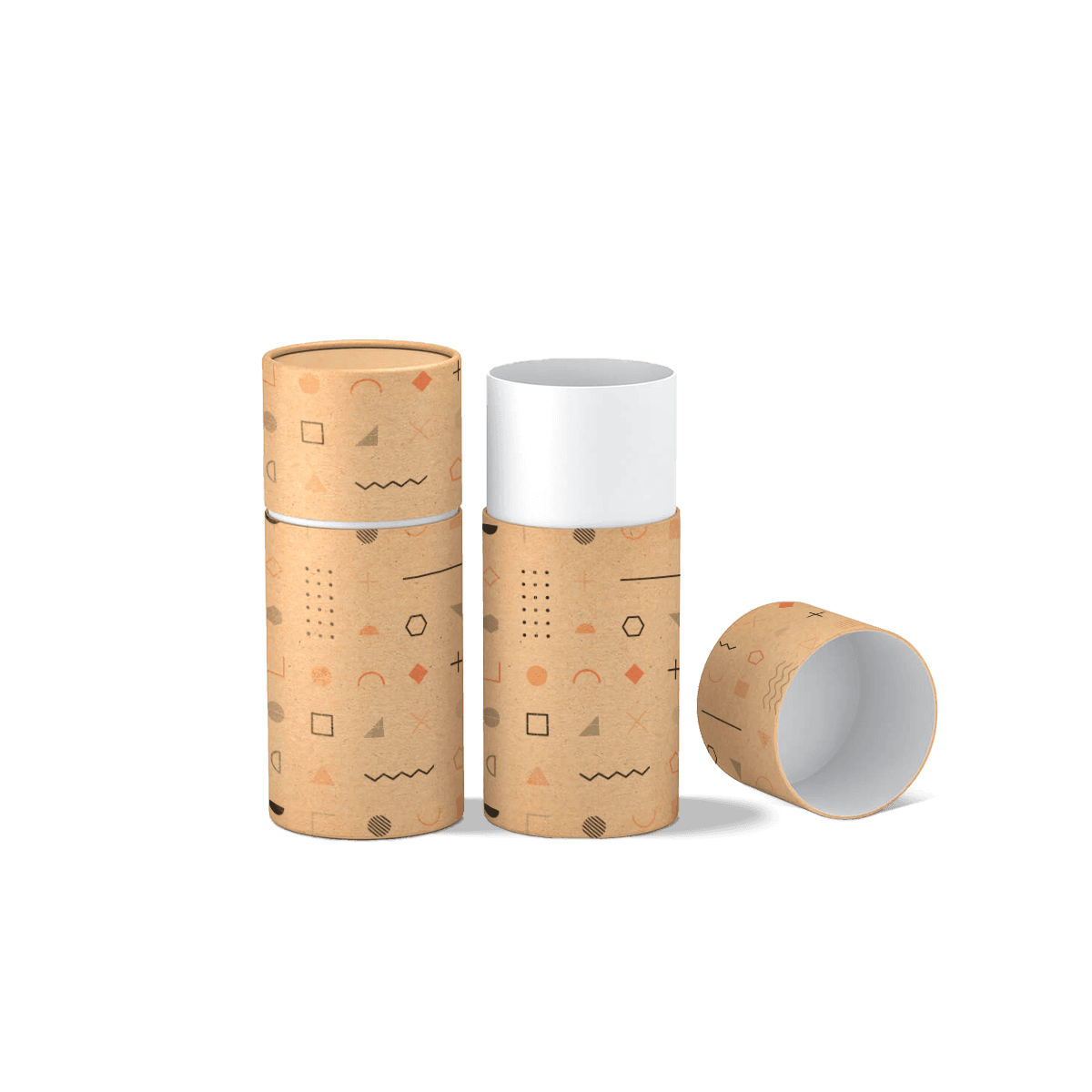
Custom Kraft Paper Tubes

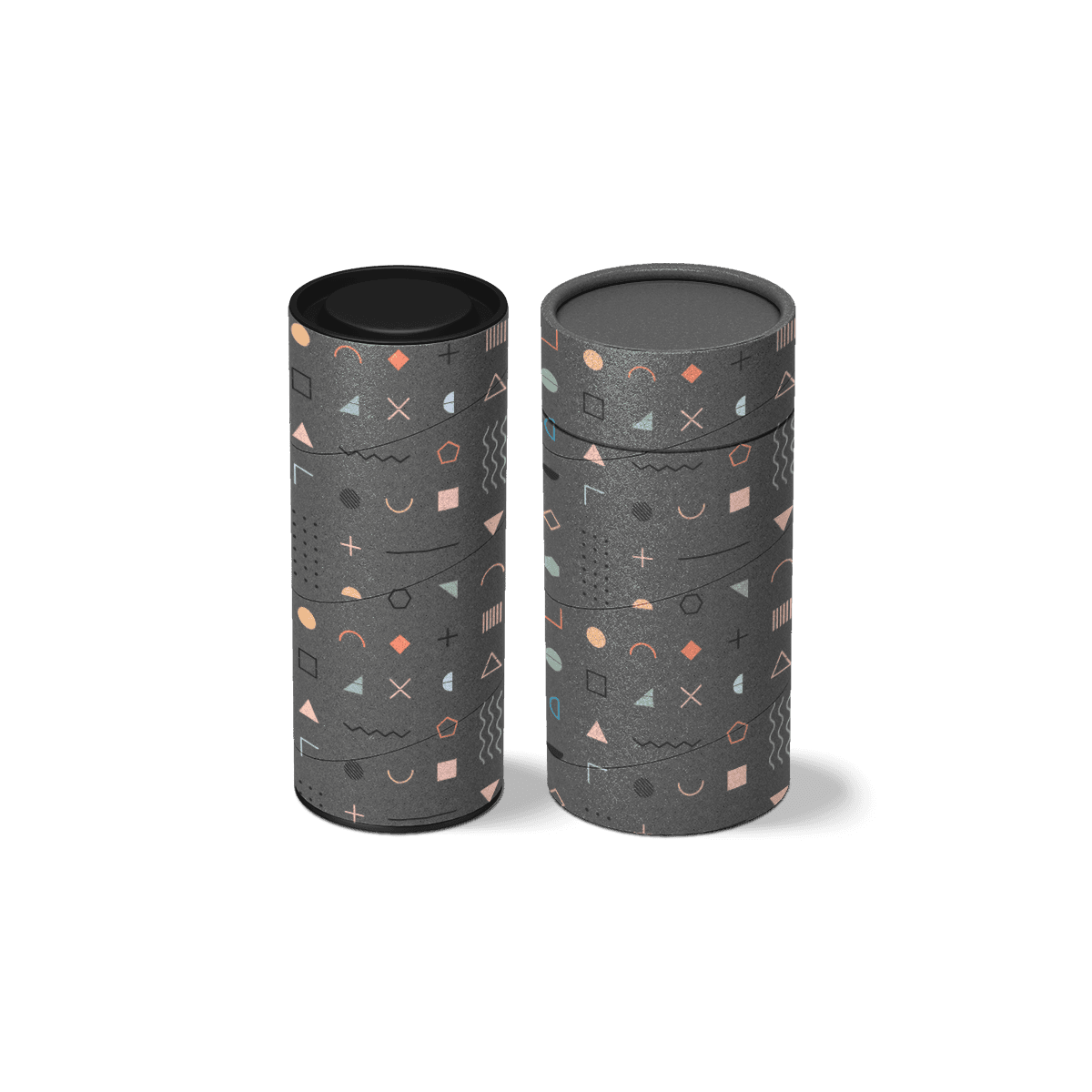
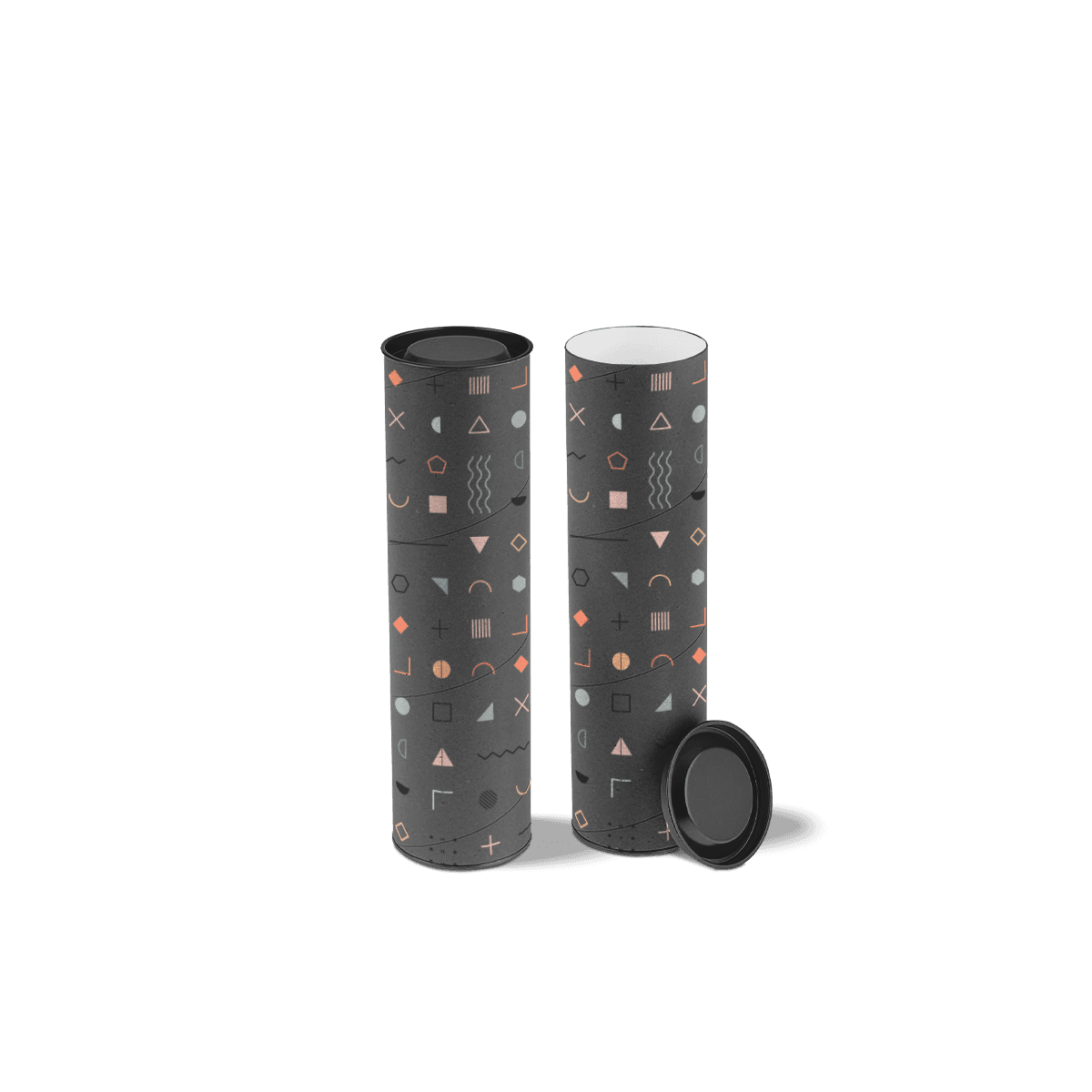
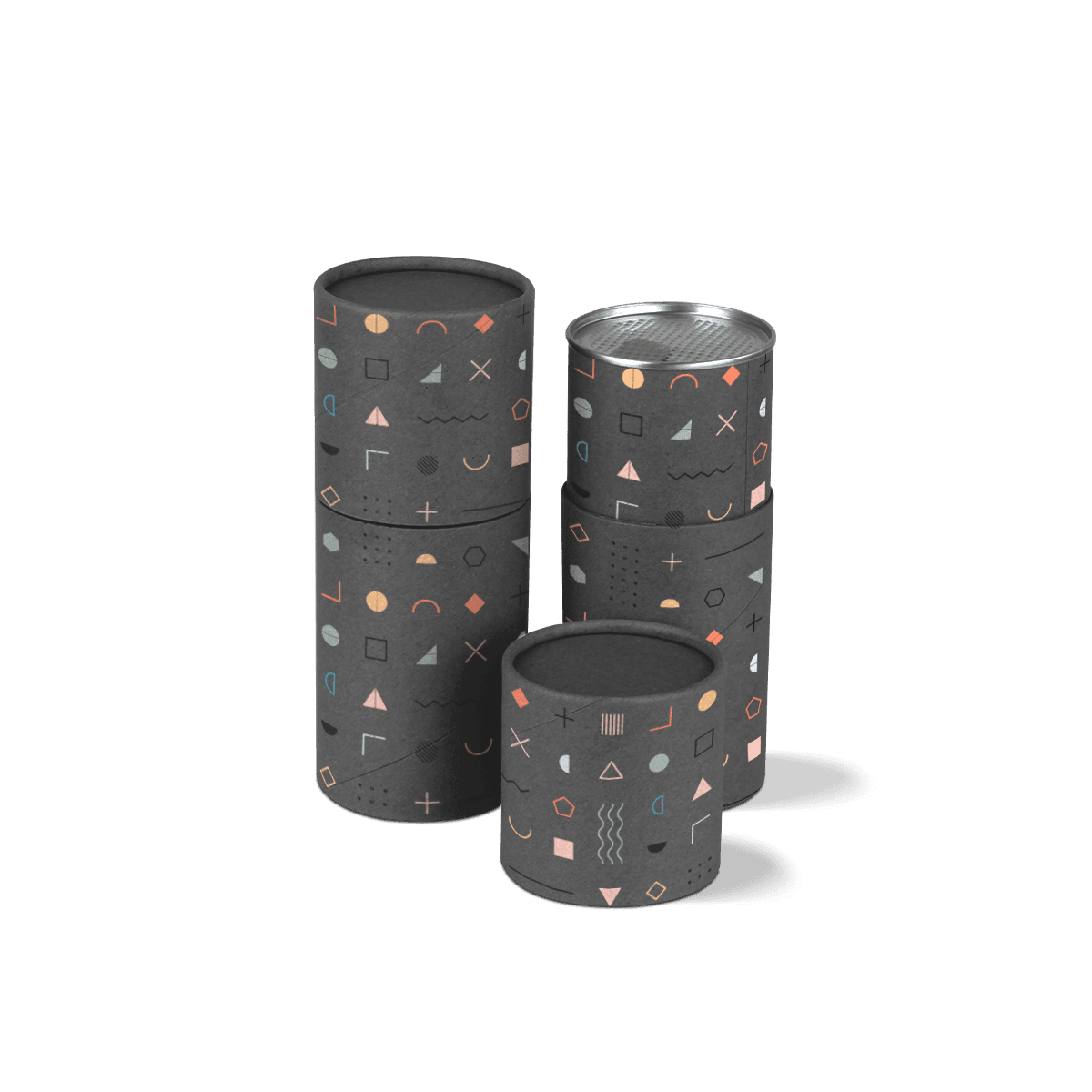
Natural brown paper tube packaging with custom diameters, printed wraps and fitted closures. Create understated retail packaging for cosmetics, candles, rolled goods and specialty products without losing the character of kraft paper.

The Brown Surface Changes the Print

A green logo that looks bright on a white proof can appear noticeably darker when printed on natural kraft paper. The brown substrate influences the finished color because ordinary printing inks are not completely opaque.

That difference should be considered before the artwork is approved, not treated as a printing defect afterward.

Custom Kraft Paper Tubes work particularly well when the natural paper surface is intended to remain visible. The brown background can become part of the design rather than something that needs to be concealed beneath heavy printing.

For cosmetics, candles, boutique apparel and specialty gifts, this allows a relatively simple graphic treatment to create a recognizable package.

The important decision is how much of the natural kraft surface the finished design should retain.

Dark Ink on Natural Kraft

Black, dark brown and other high-contrast inks can produce a clear visual result on suitable kraft paper.

Simple typography, line illustrations and restrained graphic elements can work effectively without covering the entire cylinder.

Fine text still needs sufficient size and contrast. The natural surface may have visible fiber variation, and the printed result depends on the actual stock and printing method.

For a small retail tube, a concise front-facing design may be more practical than filling the entire circumference with decorative artwork.

Light Colors and White Ink

Pale colors can lose contrast against brown paper.

A white underprint may improve the appearance of selected graphics, provided the chosen manufacturing process supports it.

However, printing white beneath a large multicolor design changes the production specification. It should be considered alongside the alternative of using a white wrap.

When bright artwork and clean white space are central to the visual identity, white paper tubes may suit the design better than kraft.

The natural brown surface should be a deliberate choice, not a restriction the artwork team has to overcome.
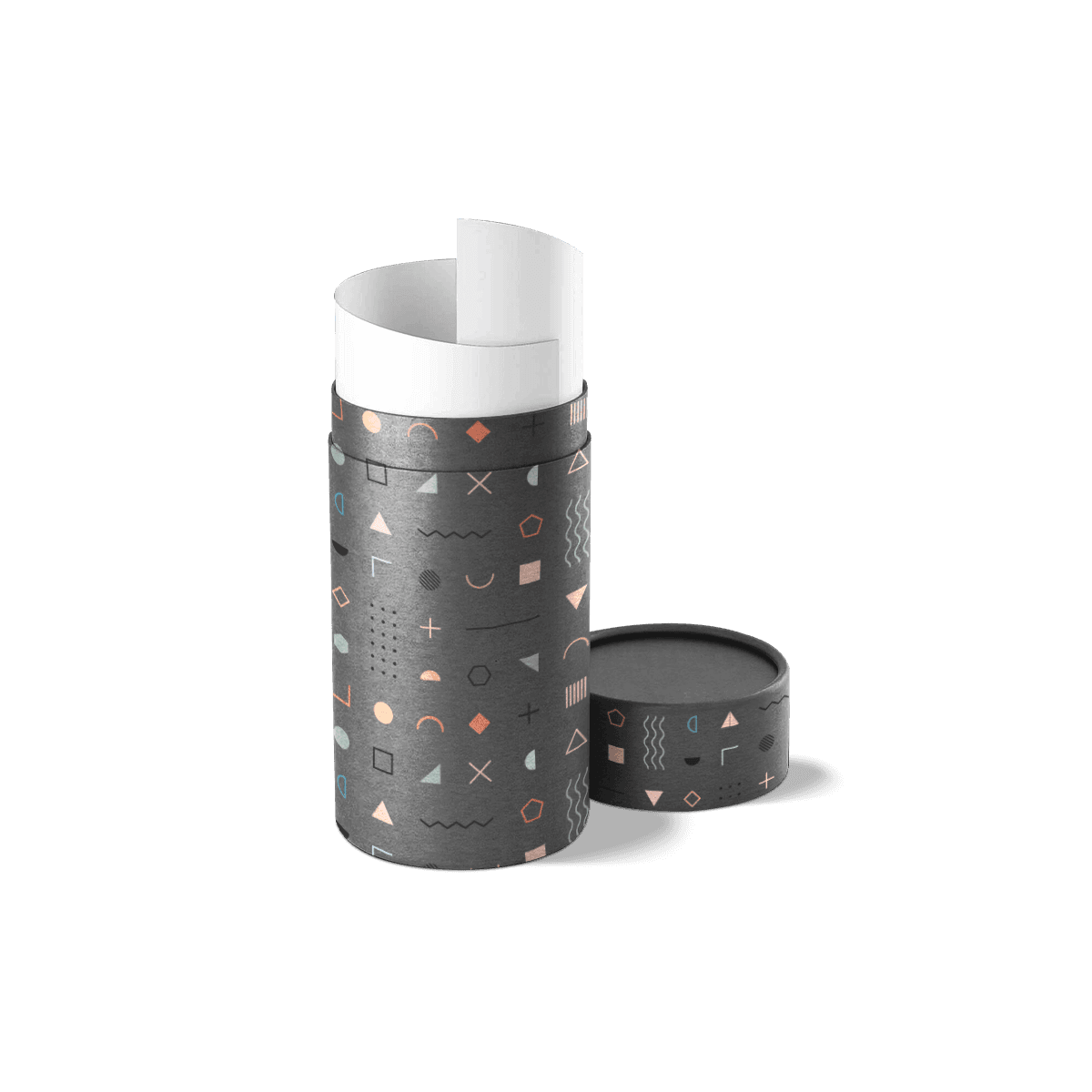
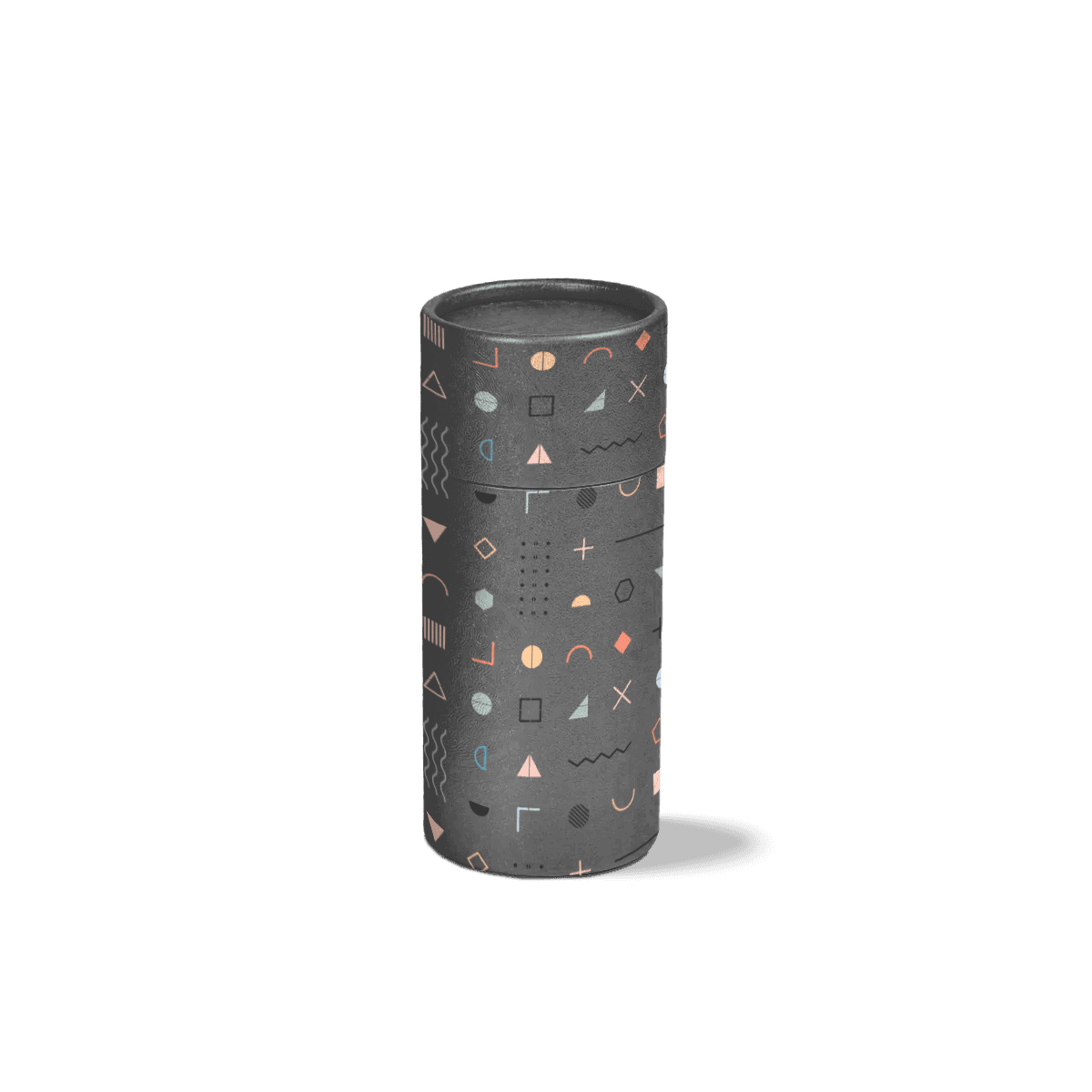
Kraft Wrap and Structural Board

The visible brown paper and the tube's structural wall do not necessarily need to be the same material.

Many rigid paper tubes use a wound paperboard body with a separate outer wrap. The body establishes most of the cylindrical strength, while the wrap creates the exterior appearance.

A natural kraft exterior can therefore be combined with a structural wall specified for the product's actual weight and handling requirements.

Natural Kraft Exterior

The outer kraft paper establishes the visible color, texture and printing surface.

The selected grade influences how the tube looks and feels. Different stocks can vary in color, fiber appearance and surface smoothness.

An uncoated kraft wrap can retain a tactile paper finish. A printed or coated kraft wrap can create a different appearance while retaining some of the underlying brown character.

The surface specification should be established before the artwork is finalized.

The Tube's Structural Core

The internal paperboard construction determines much of the tube's resistance to deformation.

The required wall thickness depends on the tube's diameter, height, packed weight and intended handling.

A lightweight apparel accessory does not necessarily need the same structural specification as a heavy candle jar.

For products requiring a stronger cylindrical body, spiral-wound tubes use wound paperboard layers to create the tube wall.

The same fundamental construction can carry different exterior wraps, including kraft.

Selecting a brown wrap does not automatically establish the wall strength.

Inner Surface

The tube's interior may expose the structural paperboard or use a separate lining, depending on the construction.

An inner kraft lining can create a coordinated appearance when the customer removes the lid.

However, the lining should serve a genuine purpose.

Products with sensitive surfaces may need an appropriate internal finish or protective support.

Food, cosmetics and other products intended for direct contact require their own material-compatibility assessment. Natural kraft paper should not automatically be treated as an approved contact material.

The Seam Is Part of the Design

Unlike a flat carton, a cylindrical tube has no natural front panel. Its outer wrap travels around the body and typically joins at a seam.

That seam affects both appearance and artwork placement.

A continuous illustration may need to align where the wrap meets. A logo positioned too close to the overlap can appear interrupted or distorted.

The circumference must therefore be treated as a complete printed surface rather than a rectangular design that is simply placed onto a cylinder.

Wrap Overlap

The required overlap depends on the wrapping method and construction.

The design must accommodate that area without placing critical text where it may be obscured or interrupted.

An intentional seam position can help preserve the main retail-facing artwork.

For simple kraft designs, the seam can often be positioned away from the primary brand mark.

Barcode Placement

Curvature can affect barcode presentation and scanning.

A barcode should occupy a suitable area with the required dimensions, contrast and quiet zones for the intended retail system.

Avoid placing it across the wrap seam, close to a lid edge or where excessive curvature interferes with scanning.

The artwork specification needs to account for the actual finished tube diameter.

Printing Around the Cylinder

Custom Packly supports premium offset printing and appropriate CMYK or Pantone specifications for custom packaging.

The difference between CMYK and Pantone printing matters when brand colors need to be reproduced on a brown substrate.

A free 3D mockup can help assess how the graphics appear on the assembled tube.

For a new printed kraft stock, an exact physical pre-production sample may be appropriate when the finished color or surface treatment is commercially significant.

Products That Suit a Kraft Exterior

Kraft paper tubes are particularly suitable when the product benefits from a cylindrical package and the natural brown surface fits the intended presentation.

The exterior material does not determine the product application on its own.

A candle jar, rolled textile and sealed tea pouch can all use kraft tube packaging, but their internal requirements are different.

Candles and Round Containers

A candle jar naturally suits a cylindrical package when its diameter and height allow an efficient fit.

The tube may need a base support or internal collar to limit movement and prevent the glass from contacting the wall.

The candle's lid must also have sufficient clearance.

A kraft exterior can support restrained branding, particularly when the product uses a natural or understated visual identity.

However, the tube is secondary packaging. It should not be treated as a heat-resistant vessel or as protection against the effects of an improperly sealed candle container.

Rolled Apparel and Textiles

Socks, scarves, small fabric accessories and similar products can be presented in paper tubes when the rolled dimensions are practical.

The product should be arranged in a way that avoids unnecessary creasing or compression.

A removable paperboard retaining band can help maintain a consistent roll.

For boutique apparel, the natural kraft surface can form part of a simple branded presentation without requiring extensive decorative printing.

The practical trade-off is that cylindrical packaging occupies its full volume during storage and shipping. A folding carton may be more efficient when the product does not benefit from the round shape.

Beauty and Wellness Products

Kraft tubes can serve as secondary packaging for balm jars, cosmetic containers and suitable personal care products.

The internal diameter should accommodate the complete container, including its lid and any projecting components.

For products that require a specific primary seal or barrier, those requirements remain separate from the kraft exterior.

A push-up dispensing tube is a different construction. Its moving base, internal fit and product-contact requirements must be developed for the actual formulation.

An ordinary kraft presentation tube should not be substituted for a dispensing package simply because both are cylindrical.

Sealed Specialty Foods

Tea, coffee, spices and other dry products may be presented in kraft tubes when the complete packaging system is suitable.

A sealed inner pouch can provide the required containment and barrier properties while the tube carries the retail branding.

The finished pouch, including its seal, determines the required internal space.

Direct filling requires a separately assessed contact material, closure and barrier construction.

An unlined decorative kraft tube does not automatically protect a food product against moisture, oxygen or aroma loss.

The Lid Must Complement the Paper

A brown kraft body paired with a visually different lid can change the entire appearance of the finished package.

The lid should be selected for its opening behavior, construction and relationship with the natural paper surface.

A close visual match may suit a restrained design. A contrasting paper color or metal component can create a different presentation, but it also changes the material specification.

Paper-Covered Lids

A paper-covered lid can maintain a consistent exterior when its wrap matches the tube body.

The lid must fit the actual finished diameter.

An excessively tight fit can create friction against the wrap, particularly when the lid overlaps a substantial area of the tube.

A loose fit may allow the lid to move during handling.

The correct fit depends on the intended use and manufacturing tolerances.

Telescopic Covers

A telescopic lid extends over part of the tube body.

This can create a more substantial presentation for gifts, candles and other retail products.

However, the overlap conceals part of the exterior artwork when the tube is closed.

For a kraft design that uses a continuous illustration or prominent vertical branding, that covered area needs to be considered before printing.

A telescopic tube is appropriate when the deeper cover and two-piece opening serve the intended presentation.

End Plugs and Other Closures

Plug-style closures can be suitable for particular utility and packaging applications.

The selected end component must suit the finished tube, product weight and intended handling.

A separate material, such as metal or plastic, should be included only when its functional requirements justify the construction.

A paper-based exterior does not mean every closure is made from paper.

The finished material specification should account for the complete package.

The Cost of a Natural Finish

A simple-looking kraft tube is not necessarily a simple manufacturing project.

Its price depends on the cylindrical body, exterior wrap, diameter, height, lid construction, printing and any internal components.

A lightly printed tube with a standard paper-covered lid may require a different production process from a package with custom foil, a specialty wrap and a fitted insert.

The natural appearance should not encourage unnecessary additions.

For example, a brand may initially specify an uncoated kraft surface, matte lamination and an elaborate decorative sleeve.

If the intended visual result comes primarily from the kraft paper itself, some of those additional components may contribute little to the finished presentation.

The construction should be assessed as a complete package.

Minimum quantities for the selected tube construction can be confirmed with the quote. Instant pricing is available, and free design support can help establish the appropriate wrap, printing and closure specification.

An initial custom packaging quote can distinguish the manufacturing cost of the tube from optional decorative components.

Specialty materials, complex closures and advanced finishes may affect the production schedule.

The Exposed Surface During Handling

An uncoated kraft exterior has a different handling character from a heavily laminated printed surface.

The natural paper texture can be part of its appeal, but surface rubbing, moisture and repeated contact may affect its appearance.

That matters when finished tubes are packed tightly into wholesale cases or handled repeatedly in retail stores.

Scuffing and Abrasion

Printed kraft surfaces may develop visible marks when they rub against other packaging or rough handling surfaces.

The result depends on the paper grade, printing and finish.

A protective treatment may be worth considering when the intended handling conditions justify it.

However, applying a coating changes the finished material specification and may affect the natural paper feel.

A decorative retail tube that will travel inside an outer shipper may not need the same surface treatment as packaging exposed to more demanding handling.

Moisture Exposure

Ordinary kraft paper should not be treated as a moisture barrier.

Exposure to water or high humidity can affect its appearance and physical properties.

For products that require moisture protection, the primary container and any necessary barrier materials must be specified separately.

A surface coating may change the exterior's resistance to incidental contact, but it does not automatically establish moisture protection for the contents.

The Closing Edge

Repeated lid movement can create wear around the upper edge of the tube.

The edge construction and paper wrap should accommodate the intended opening behavior.

An excessively tight lid may increase friction and damage the visible surface.

Where repeated opening is an important part of the product experience, the actual lid and wrap combination should be assessed together.

Natural Kraft Is Not a Certification

The brown appearance of a paper tube does not establish its recycled content, recyclability or environmental impact.

Kraft is a material designation, not a universal environmental certification.

For brands using kraft packaging to support a material-specific environmental claim, the finished construction needs to match that claim.

Recycled Content

Recycled-content paperboard may be considered where the required structural and printing performance can be achieved.

If a specific recycled-content percentage will appear on the packaging, it must be supported by the actual material specification.

The outer wrap and structural core may have different compositions.

A recycled exterior should not be used to imply that the entire tube contains the same percentage of recycled material.

Recyclability

The recyclability of the finished tube depends on its construction and the recycling systems accessible to the intended market.

Paperboard walls, adhesives, coatings, linings and end components all need consideration.

A tube with a removable paper lid has a different material arrangement from one containing a permanently attached metal end or specialty laminate.

Claims should reflect the actual finished package rather than its natural appearance.

For brands assessing paper-first packaging across several products, eco-friendly custom packaging connects material selection with appropriate protection and reduced unnecessary components.

Paper-Based Construction

A paper-covered tube can support a paper-based packaging strategy when its structural and closure components are appropriately specified.

However, using paper components is not automatically evidence of lower environmental impact.

Material consumption, manufacturing processes, product protection and end-of-life handling can all influence the assessment.

The packaging should communicate only the environmental properties supported by the finished specification.

Retail Space and Shipping

Round tubes create a different retail footprint from rectangular cartons.

Their shape can suit cylindrical products and distinctive display arrangements, but the geometry also affects storage and distribution.

Several tubes placed beside one another can leave unused space between their curved walls.

The effect becomes more important in a shipping case containing many units.

For brands deciding between cylindrical and rectangular packaging, the tube versus box decision should account for the packed product, presentation and distribution requirements.

A kraft tube should earn the additional space when a rectangular carton would be more efficient.

Retail Orientation

A tube intended to stand upright needs a stable base and an appropriate relationship between its height and diameter.

The product's weight distribution also affects stability.

A tall, narrow tube containing a relatively heavy product may be less stable than a shorter construction with a larger base.

The lid should remain in place during ordinary retail handling.

Mailing Protection

A lightweight kraft presentation tube should not automatically be treated as a standalone mailing container.

Rolled documents, prints and similar products may require a stronger wall and more secure end closures.

For these applications, the structural requirements of a mailing tube take priority over the exterior wrap.

A kraft finish can still be used where the required manufacturing specification permits it.

For presentation-sensitive products, a separate protective shipper may be necessary to preserve the exterior.

A Brown Tube Still Needs a Defined Size

The finished tube should be dimensioned around the packed product rather than the product's nominal dimensions alone.

For a rolled textile, the effective diameter depends on the actual fold and rolling method.

A candle jar needs clearance around its widest finished point, including any projecting lid.

A sealed pouch may require additional space for its filled shape and sealed edges.

The internal diameter and usable height must also account for any insert or closure component that occupies internal space.

The distinction between nominal tube size and actual internal fit can affect both packing and product removal.

For an unusual product, the principles of cardboard tube sizing help establish the relationship between finished product dimensions, internal diameter and usable height.

Custom Packly can manufacture custom tube dimensions around the intended product and retail requirements.

Free sample examples of previous work are available. A fully custom pre-production sample can be arranged as a paid sample when the exact fit, lid movement or printed surface needs physical verification.

The Finished Tubes in the Shipping Case

A kraft tube's final appearance can be affected by the way completed units are packed together.

This is particularly important when the natural brown surface remains exposed and the customer expects the paper texture to arrive in good condition.

A case containing several loose tubes may allow them to rub against one another. Their curved bodies can also shift unless the packing arrangement controls movement.

The solution depends on the finished package and distribution requirements.

For a compact retail order, an appropriate case arrangement may be sufficient. Larger or more delicate presentation tubes may need paperboard dividers or another suitable means of separation.

The lids also need consideration. A projecting lid can contact the neighboring tube, and an unstable packing arrangement can transfer pressure to the closing edges.

The finished outside diameter, including the lid, determines the usable shipping-case arrangement.

For repeat orders, consistent case quantities can simplify wholesale handling and retail replenishment. Custom Packly supports bulk production, warehousing and scheduled deliveries for suitable larger programs.

Standard USA turnaround is 4–6 days after final artwork and specifications are approved. Specialty materials, complex constructions and advanced finishes may require additional time. Free shipping is available.

The natural kraft finish should remain part of the product's appearance when the tube reaches its destination, not just when it leaves production.

A suitable shipping-case arrangement helps preserve that finish without requiring unnecessary decorative coatings or excessive individual wrapping.

FAQs

No. Many buyers choose them because the kraft surface already carries visual character, so a simple logo, stamp, or short print band can be enough.

Retail presentation and mailing require different specifications. A kraft-wrapped tube needs suitable wall strength and secured end closures for mailing; a decorative retail tube may require an outer shipper.

Yes. Kraft formats can be paired with end caps, plugs, and paperboard inserts just like other tube styles, depending on the product weight and presentation goal.

Not at all. They work for rustic branding, but they also suit modern wellness, boutique apparel, hospitality gifts, and understated premium products that benefit from a calmer material look.

Kraft Paper Tubes are usually chosen for their natural brown texture and understated visual character. White Paper Tubes can suit brighter color contrast, clean white space or more polished printed artwork.

Process

How it works

Your Packaging Journey, From Idea to Production and Delivery

01

Tell Us Your Specs

Custom packaging boxes

Tell Us Your Specs

Provide size, quantity, printing, and finishes.

02

Get a Fast Quote

Custom packaging boxes

Get a Fast Quote

Instant transparent pricing, no hidden fees.

03

Design and Approval

Custom packaging boxes

Design and Approval

Artwork checks, revisions, and final sign-off.

04

Produce

Custom packaging boxes

Produce

Expert manufacturing to meet deadlines.

05

Ship to Your Door

Custom packaging boxes

Ship to Your Door

Hassle-free, flexible delivery options.

Get Your Quote for Custom Kraft Paper Tubes

Share your product details, size, quantity and artwork needs. We’ll help choose the right packaging style and send a clear quote.