Skip to content
Details

Custom Mailing Tubes

Printed cylindrical shippers for branded poster releases, promotional dispatch and recurring direct-to-customer campaigns.

The Tube Is the First Brand Surface

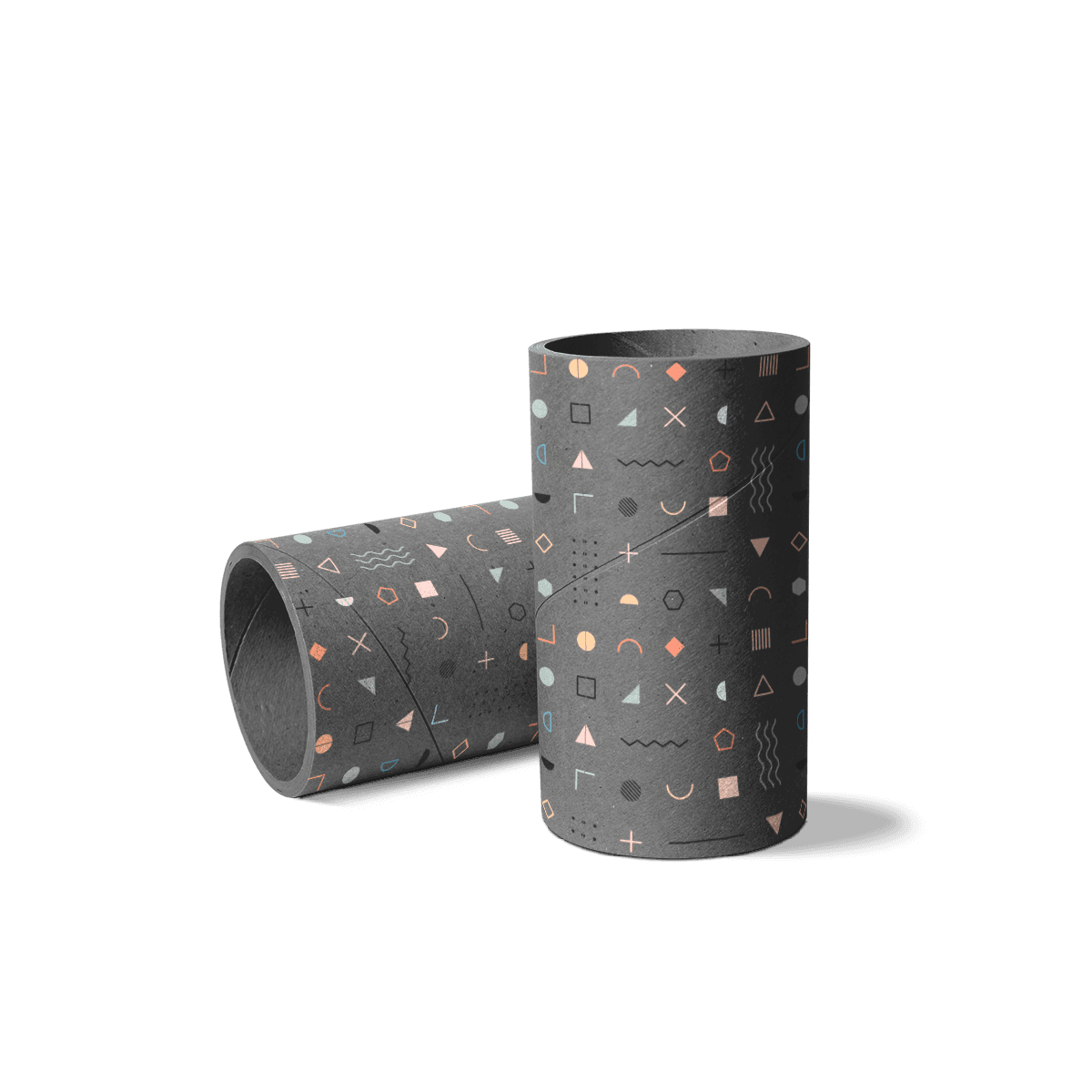
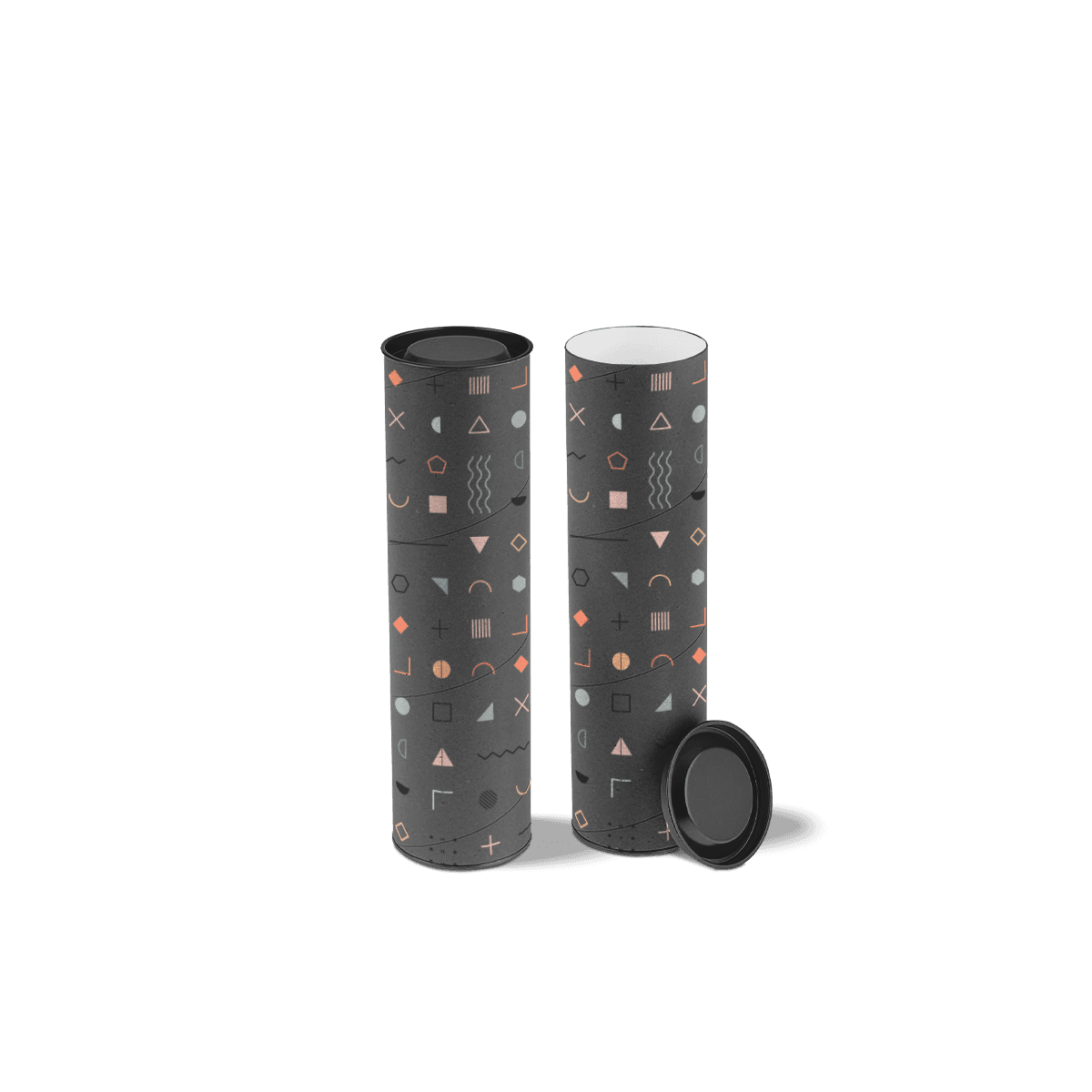
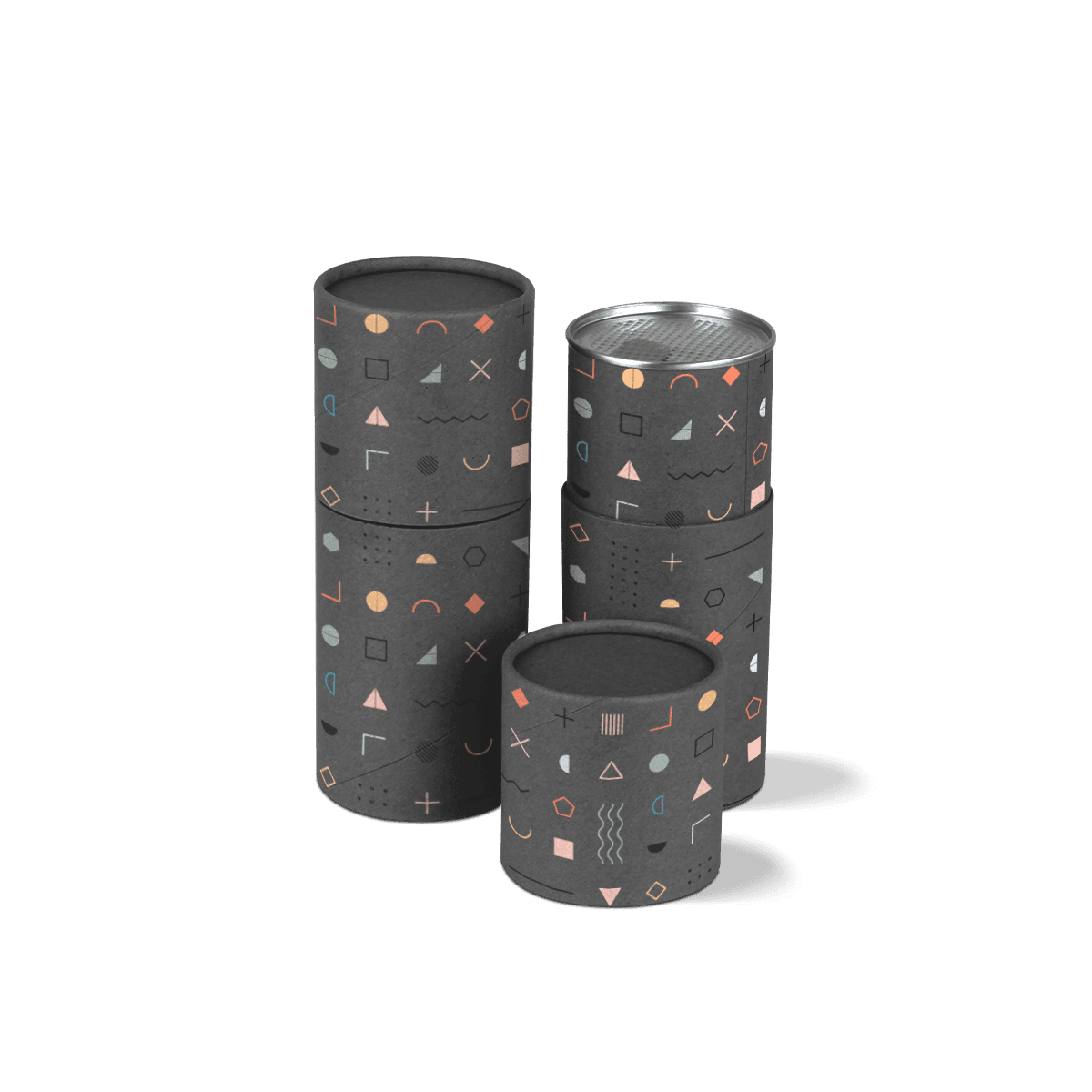
Custom Mailing Tubes make a rolled-product shipment recognizable before the recipient opens it. A printed wrap can identify a poster release, event campaign or product collection while retaining the practical cylindrical form used for dispatch.

The tube still needs to protect its contents. Branding cannot replace a suitable internal diameter, wall specification, secure end closures or carrier-compatible labeling.

The commercial decision is the integration of artwork, product identification and repeat fulfillment into one approved shipping package. A plain mailing tube can have the same underlying cylindrical structure without requiring those campaign and print operations.

An Identifiable Release

For a limited-edition poster drop, a consistent printed wrap can make the shipment recognizable without adding a separate decorative retail box.

The design should remain legible when the cylinder rotates. The carrier may not present the parcel from the angle selected in a mockup.

A Finished Parcel

Shipping labels and handling marks occupy part of the exterior. Their position should be planned before the circumference is allocated to graphics.

A distinctive tube still needs to function as a parcel after its operational labels are attached.
Plan Artwork Around Rotation

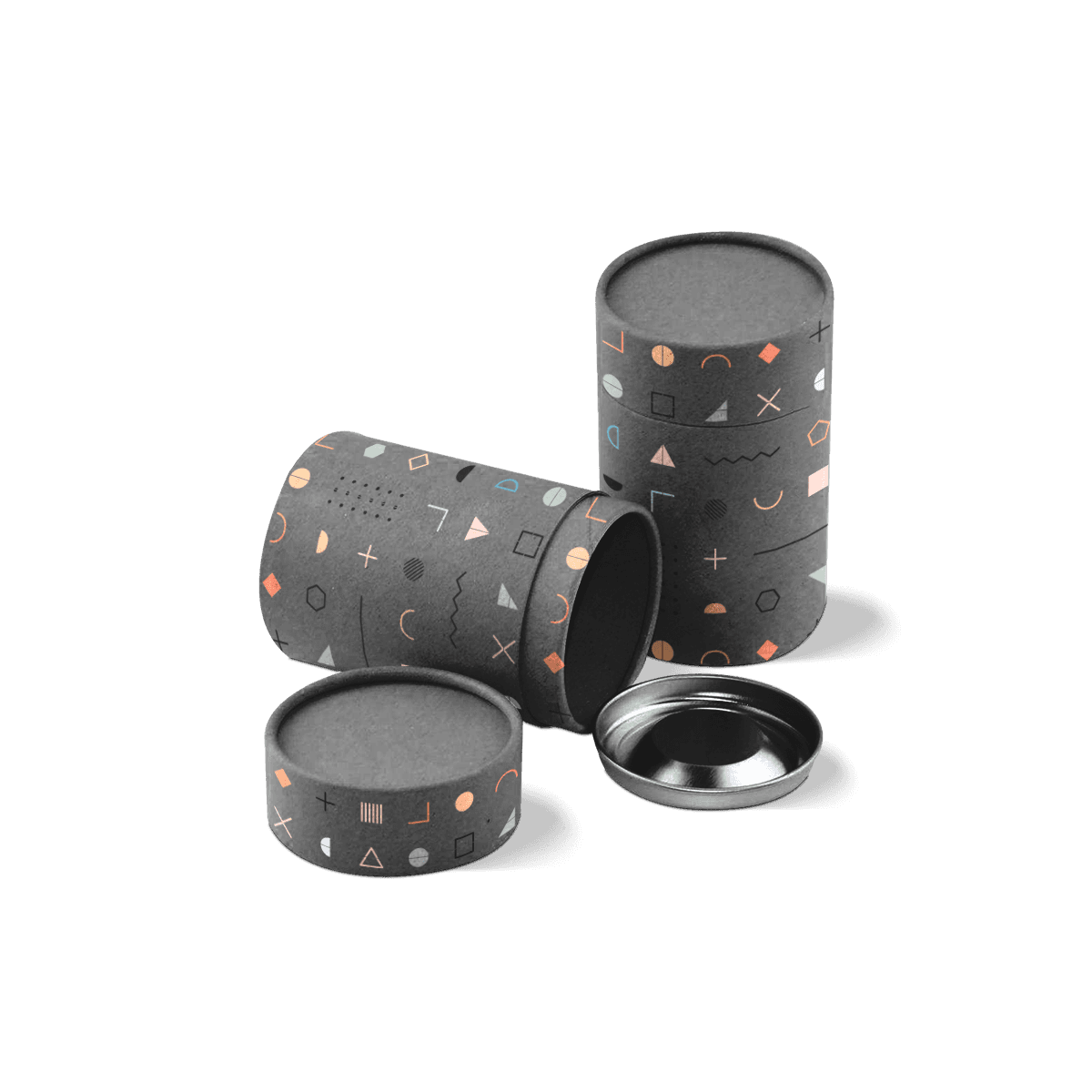
A cylinder has no permanent front panel. Different parts of the wrap become visible as the recipient turns the package.

Develop the artwork from the finished outside diameter, including wall thickness and the chosen outer wrap.

The Wrap Seam

Printed paper may overlap or meet at a seam. A continuous illustration needs careful alignment at that junction.

Avoid positioning important text where the seam or an end cap will conceal it.

Several Viewing Angles

A repeated brand mark, continuous motif or well-placed product title can remain identifiable without one fixed viewing angle.

A logo that looks prominent on a flat proof may disappear around the curve when the tube is held.

Free 3D mockups help assess the assembled appearance. A physical sample may be needed where the wrap, print finish or cap overlap creates uncertainty.

Print Process and Quantity

Premium offset printing can suit an appropriate substrate and production volume. CMYK supports many full-color graphics, while Pantone spot colors may help establish particular brand colors.

The digital, offset and flexographic printing decision depends on the paper, number of designs and production quantity.

Matte or gloss treatments must be selected with regard to the wrap, closure fit and shipping-label adhesion.

The Label Has Priority

A custom printed tube remains a shipping parcel. Carrier requirements determine barcode placement, accepted dimensions and labeling methods.

Reserve a practical label area rather than treating the operational label as an afterthought.

Barcode on a Curve

A narrow tube can make a conventional shipping label wrap farther around its circumference than the barcode can tolerate.

Check readability using the actual label and intended carrier scanning method. Avoid crossing the wrap seam or cap with critical barcode elements.

Surface Adhesion

Some coatings and laminations can change how an adhesive label attaches.

Establish an appropriate labeling area before approving an all-over finish. An edge that lifts during handling can undermine the shipping process.

Operational Identification

Several printed releases may share one package design. Packing staff need a reliable way to distinguish the contents.

A discreet item code, end label or suitable packing identifier can separate visually similar tubes.

Do not depend solely on a decorative motif that a new employee may not recognize.

Prove the Actual Parcel Appearance

A printed mockup can show a clean branded cylinder, but the dispatched package also carries a carrier label, closures and potentially handling instructions. Check the complete appearance with those operational components in place before finalizing the printed wrap.

The Carrier Label

Apply a representative shipping label to the proposed tube. Confirm that the barcode remains readable and that the label does not conceal the only prominent product identifier. The artwork should not require staff to place every label at an impractical angle.

The Closed Ends

Cap material, color and overlap change the completed presentation. An external cover may conceal more of the wrap than the flat artwork suggests. Review both ends and the sidewall together rather than approving the graphic from a single side view.

A Practical Proof

A 3D mockup supports initial review of the assembled artwork. Where the finish or closure is unfamiliar, a physical prototype may establish label adhesion, cap contact and wrap-seam appearance. It should use the intended coating and the actual label material.

Opening After Delivery

The recipient should be able to remove the cap and roll without damaging printed material. A decorative end label must not obstruct the intended opening feature or create adhesive residue on the product. The package should remain recognizable throughout the opening movement.

Contents Set the Dimensions

The physical product determines the cavity. A rolled art print, several documents and a narrow promotional item can require different dimensions and protection.

Measure the finished bundle after wrapping rather than estimating its diameter from flat-sheet dimensions.

The Roll Diameter

An artwork print should not be rolled more tightly than its material and finish permit merely to reduce tube diameter.

Heavy paper and laminated graphics may have different bend tolerances from lighter stock. Establish the rolling method for the actual product.

The cardboard tube sizing method accounts for finished roll diameter, protective wrapping and space occupied by closures.

Usable Length

Nominal tube length is not necessarily usable internal length. End plugs and protective pads occupy space.

Leave clearance to avoid pressure against the print edges without giving the roll unnecessary room to slide.

Product Removal

A tightly packed roll may expand against the tube wall and become difficult to withdraw.

An appropriate protective sleeve can separate the printed surface from the wall and allow controlled extraction.

The recipient should not need to tug on a fragile printed edge or shake the tube forcefully.

Closure Fit Protects the Brand

The end cap completes the exterior and prevents the contents from leaving the package during transit.

An attractive cap that becomes dislodged has failed its shipping purpose.

Plug or External Cover

An internal plug depends on the finished inside diameter. An external cover depends on the outside diameter, including the decorative wrap.

Changing the wrap or finish can affect closure fit even if the nominal tube size remains unchanged.

Repeated Access

A removable closure may allow customers to keep a delivered print in its original tube, provided the materials suit the intended storage conditions.

For a retail container intended to be opened frequently, removable-lid retail tubes can be specified around repeated access.

The End Under Load

A roll or rigid component may slide toward one end when the tube is tilted. Suitable internal length and end restraint can reduce its impact against the closure.

Wall thickness alone does not establish cap retention. A physical packed-tube check may be appropriate for a new combination of contents and closure.

Campaigns Have Several Versions

A promotional program may include different posters, events or launch dates. A shared wrap can work for several items, or each edition may need its own artwork.

That decision affects print setup, packing identification and the number of separately approved components.

Shared Brand, Separate SKUs

A common exterior can simplify repeat dispatch, but the packing operation still needs a way to identify each product.

If the wrap changes by release, retain the approved artwork version for each item. Do not substitute an edition simply because both products fit the same tube.

Version Economics

Separate artwork versions may require separate production setup. A large combined order does not necessarily achieve the same pricing as one design at the full quantity.

The printed packaging cost factors include material, setup and design quantities.

Promotional Assortments

A tube is appropriate only when the complete contents can safely travel in a cylinder.

For an event set containing rigid items that cannot be rolled together, branded event swag mailer boxes suit a rectangular packing arrangement.

Reprints Must Match the Release

A repeat campaign may use the same tube dimensions while changing the poster, product title or printed exterior. Treat each artwork version as an approved production item rather than assuming that unchanged dimensions make every version interchangeable.

Approved Artwork Files

Retain a clear approval record for every printed release and identify which quantity belongs to it. Two visually similar designs should not be distinguished solely by informal filenames. A shared exterior still needs a reliable internal item identifier.

Color and Seam Position

A reprint should follow the agreed color specification and wrap registration. Shifting artwork around the circumference can change what remains visible after labeling or cap installation. The approved seam position belongs in the production specification.

Physical Component Changes

A new outer paper or coating can change the finished outside diameter and the friction of an external cover. Confirm cap fit before applying an apparently minor finishing substitution across a large repeat order.

Dispatch Across Locations

Some campaigns require staged releases to several fulfillment sites. Establish the number of complete tube-and-cap sets and the approved artwork allocation for each location. For suitable bulk programs, warehousing and scheduled deliveries can avoid holding the entire quantity at one packing site.

Print Does Not Replace Protection

Custom Mailing Tubes share the underlying cylindrical dispatch function. Their principal specifications address rolled-product protection, cap retention, usable length and carrier handling.

A custom printed application introduces additional decisions around artwork, labels, finishes and campaign versions. The print does not inherently create a stronger tube.

For dense contents or demanding transport, assess the actual wall, closures, internal restraint and the carrier's requirements.

A decorative cylindrical package may still require a suitable protective outer pack for the intended distribution route.

Approve the Dispatch Master

The final production specification should record the product's rolled diameter, usable length, wall material, cap type, printed wrap and shipping-label area.

For campaigns containing several editions, identify each approved artwork file and the packing method that distinguishes its contents.

Custom Packly supports free design assistance and free 3D mockups. The USA MOQ starts from 100 packaging units, subject to confirmation for the selected tube construction. US production and free shipping are included.

Standard turnaround is 4–6 days after final specifications and artwork approval. Complex finishes or constructions may require additional time. Free previous-work examples can support initial material decisions; fully custom physical samples may be paid.

For a defined campaign, request a custom packaging quote using the physical tube specifications, artwork versions and intended quantities.

The same dispatch master should govern print production, cap matching, product identification and carrier labeling so the branded exterior remains practical through fulfillment and opening.

FAQs

Because certain products simply travel better in a round format. Rolled prints, narrow components, long accessories, and document sets stay more secure and use less empty space inside a tube.

Yes. They can carry full-color graphics, Pantone brand colors, product messaging, barcodes, shipping instructions, and retail-facing artwork depending on how the tube will be used.

That is possible. Closure style can be selected based on whether the tube is meant for one-way shipping, repeat opening, storage, or presentation after delivery.

They serve different priorities. Custom Mailing Tubes emphasize a branded cylindrical dispatch, while a corrugated tube shipper must be specified for actual parcel loads. Neither is automatically stronger or lighter.

More than many buyers expect. Paperboard inserts, protective sleeves, dividers, or foam supports can be added when the contents need better positioning or extra cushioning.

Process

How it works

Your Packaging Journey, From Idea to Production and Delivery

01

Tell Us Your Specs

Custom packaging boxes

Tell Us Your Specs

Provide size, quantity, printing, and finishes.

02

Get a Fast Quote

Custom packaging boxes

Get a Fast Quote

Instant transparent pricing, no hidden fees.

03

Design and Approval

Custom packaging boxes

Design and Approval

Artwork checks, revisions, and final sign-off.

04

Produce

Custom packaging boxes

Produce

Expert manufacturing to meet deadlines.

05

Ship to Your Door

Custom packaging boxes

Ship to Your Door

Hassle-free, flexible delivery options.

Get Your Quote for Custom Mailing Tubes

Share your product details, size, quantity and artwork needs. We’ll help choose the right packaging style and send a clear quote.