Custom Hospitality Packaging for Hotels & Events
Hospitality packaging needs to support guest experience, organized presentation and smooth handoff across hotel rooms, welcome kits, events and branded giveaways.
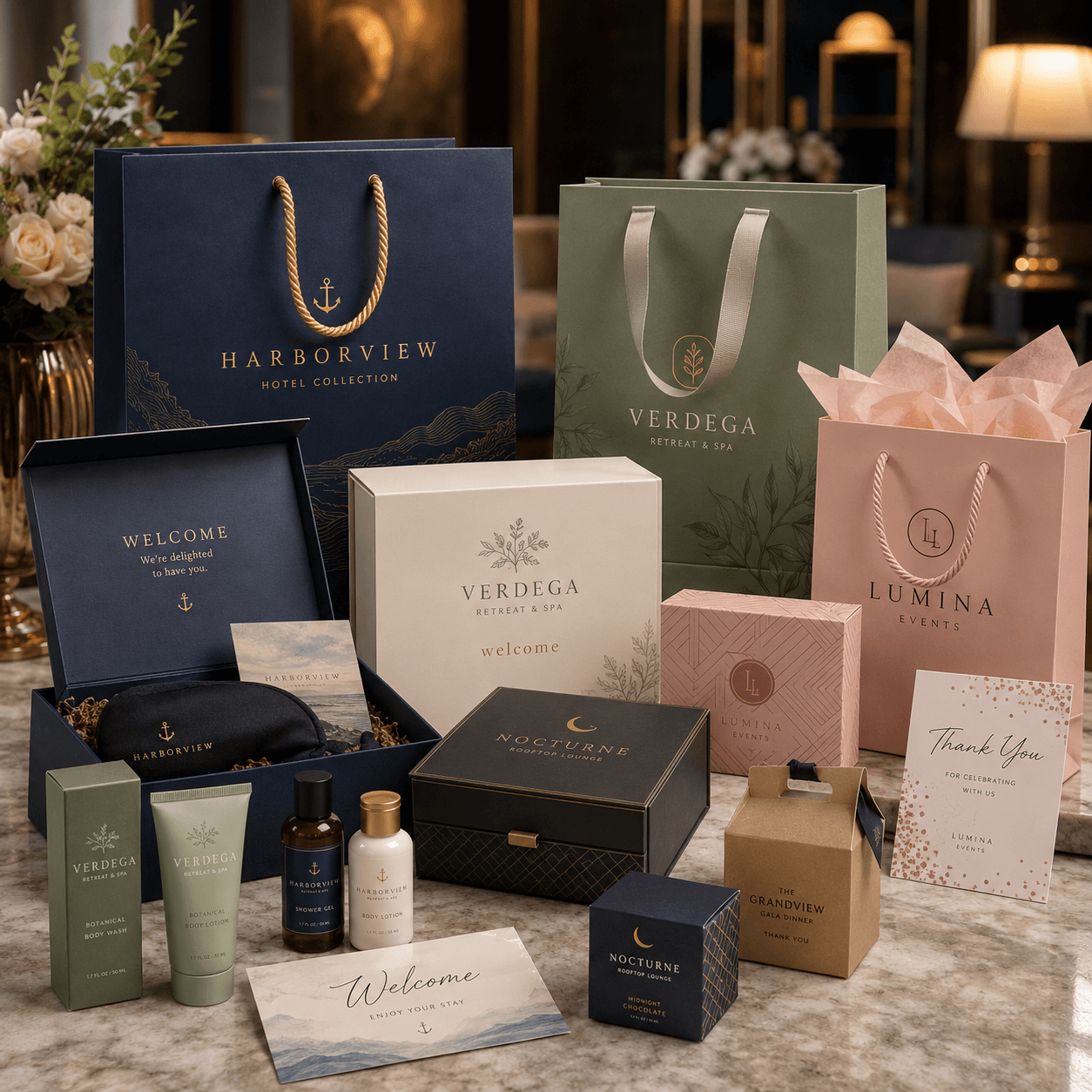
Hospitality Packaging options
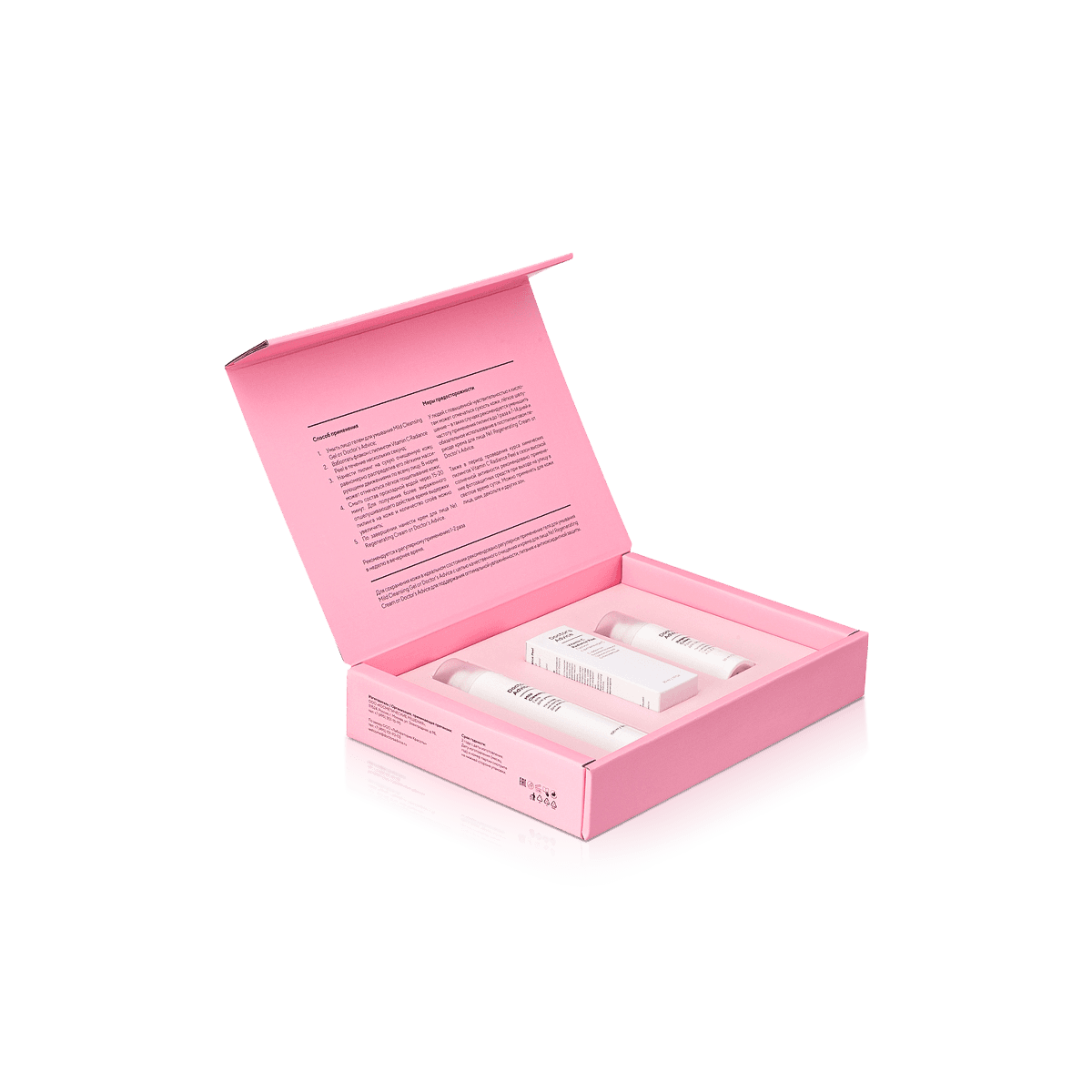
Amenity Kit Boxes
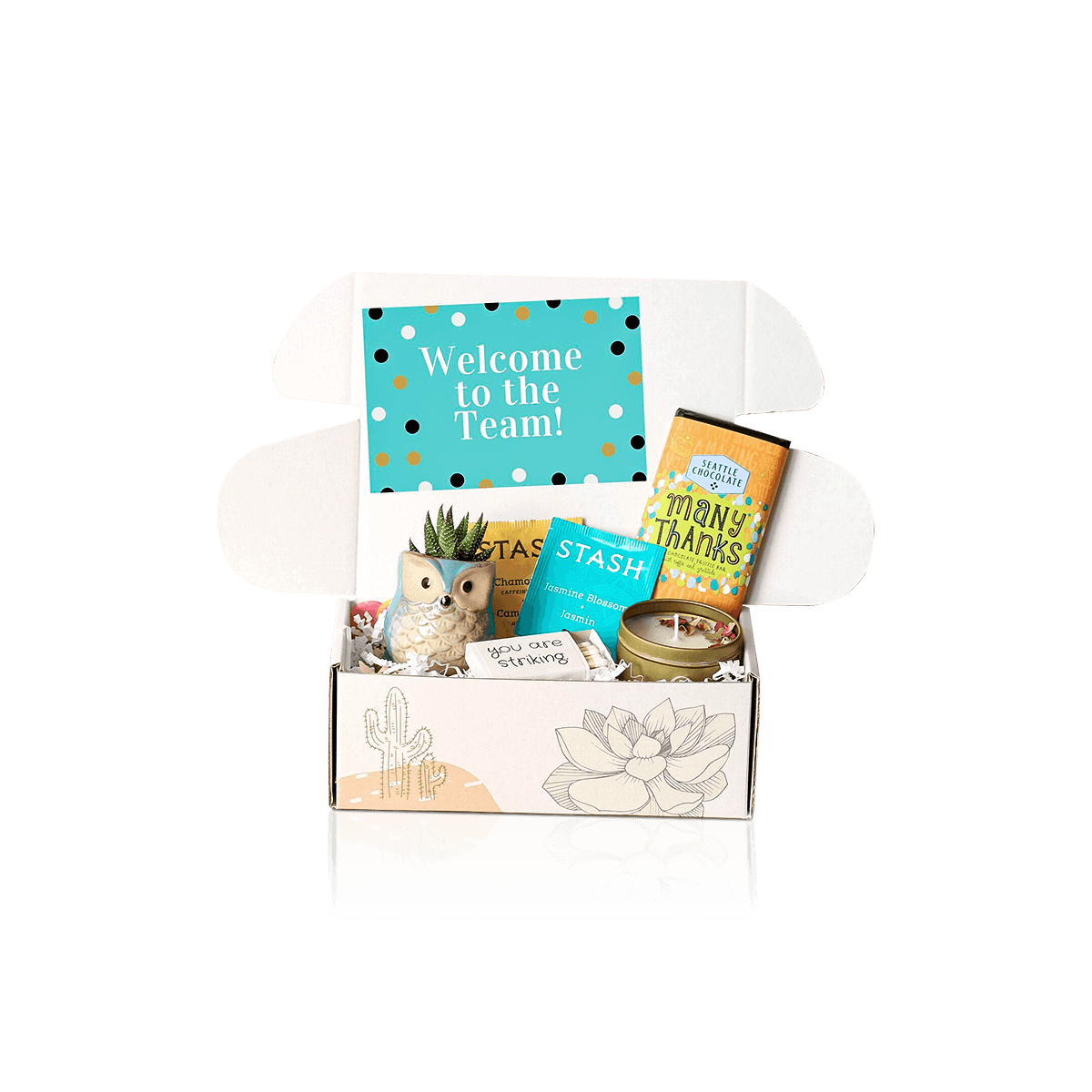
Welcome Gift Boxes
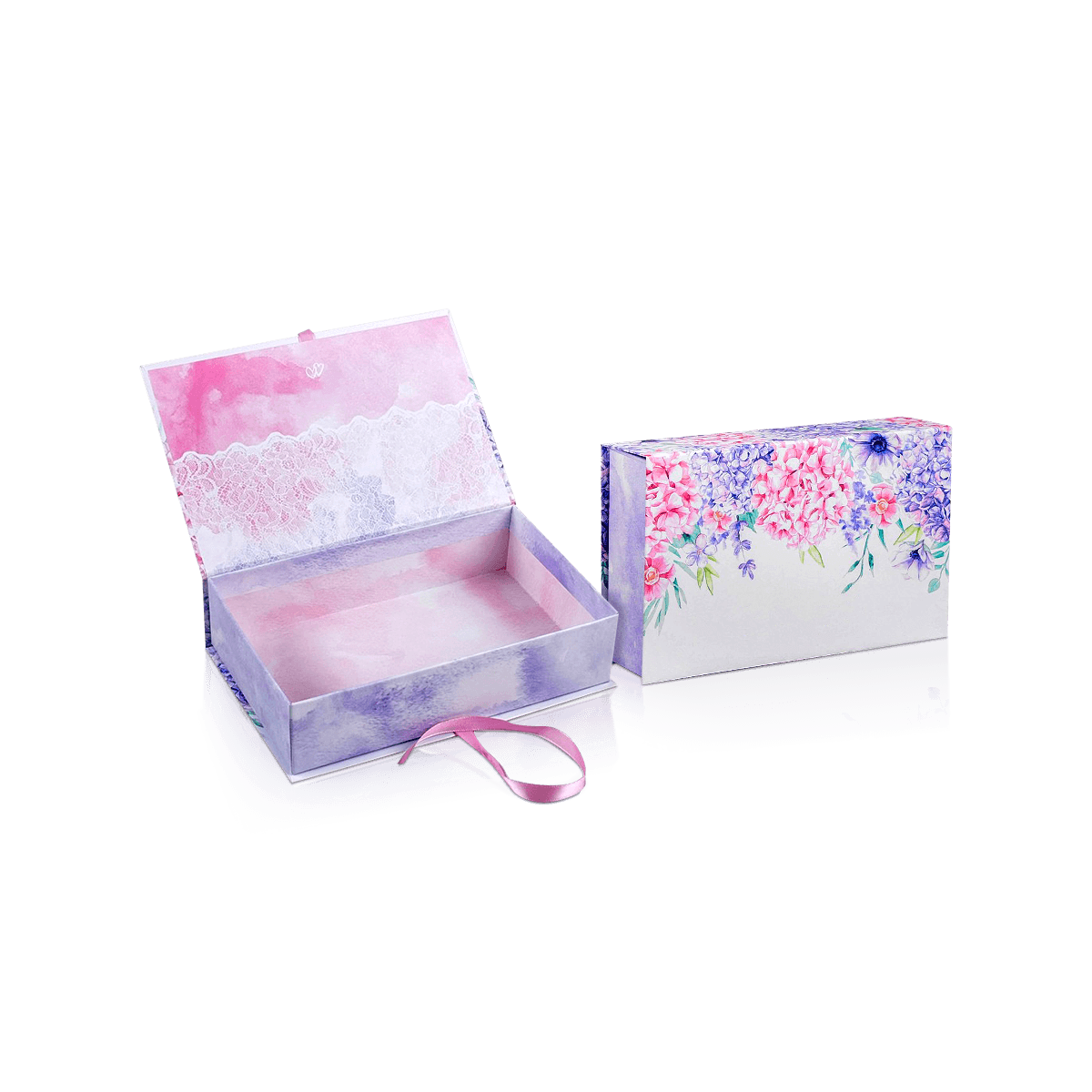
Souvenir Boxes
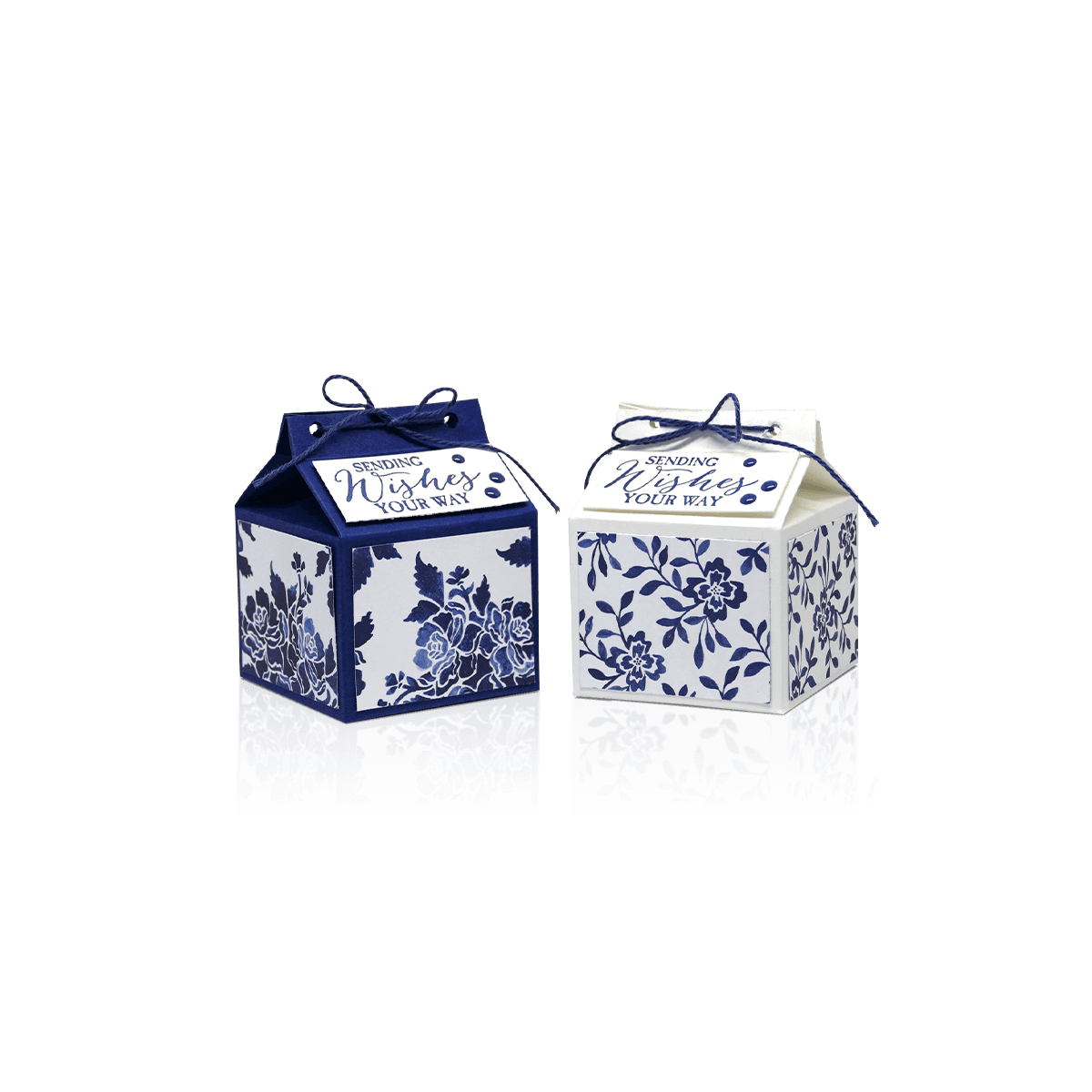
Event Favor Boxes
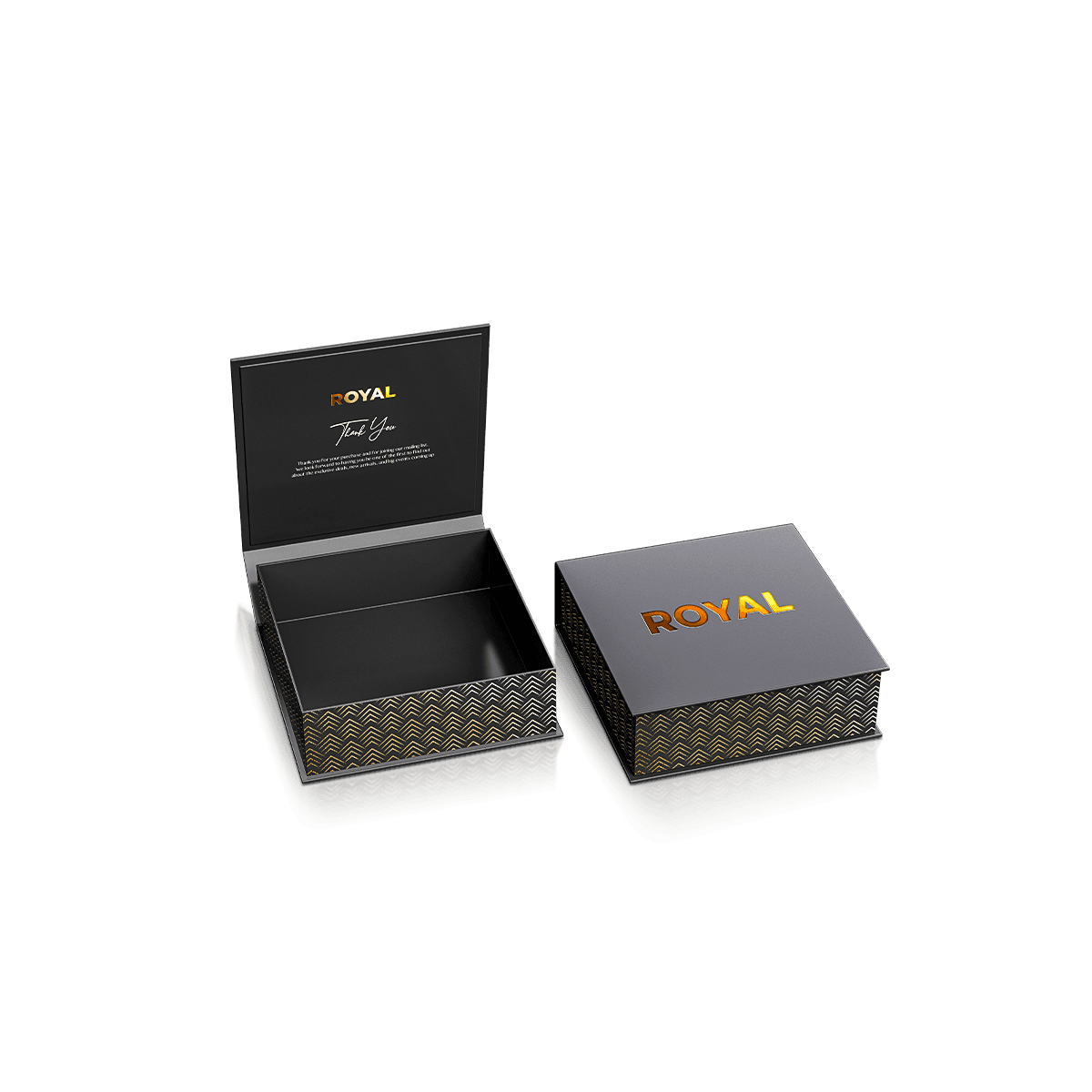
Hotel Room Service Boxes
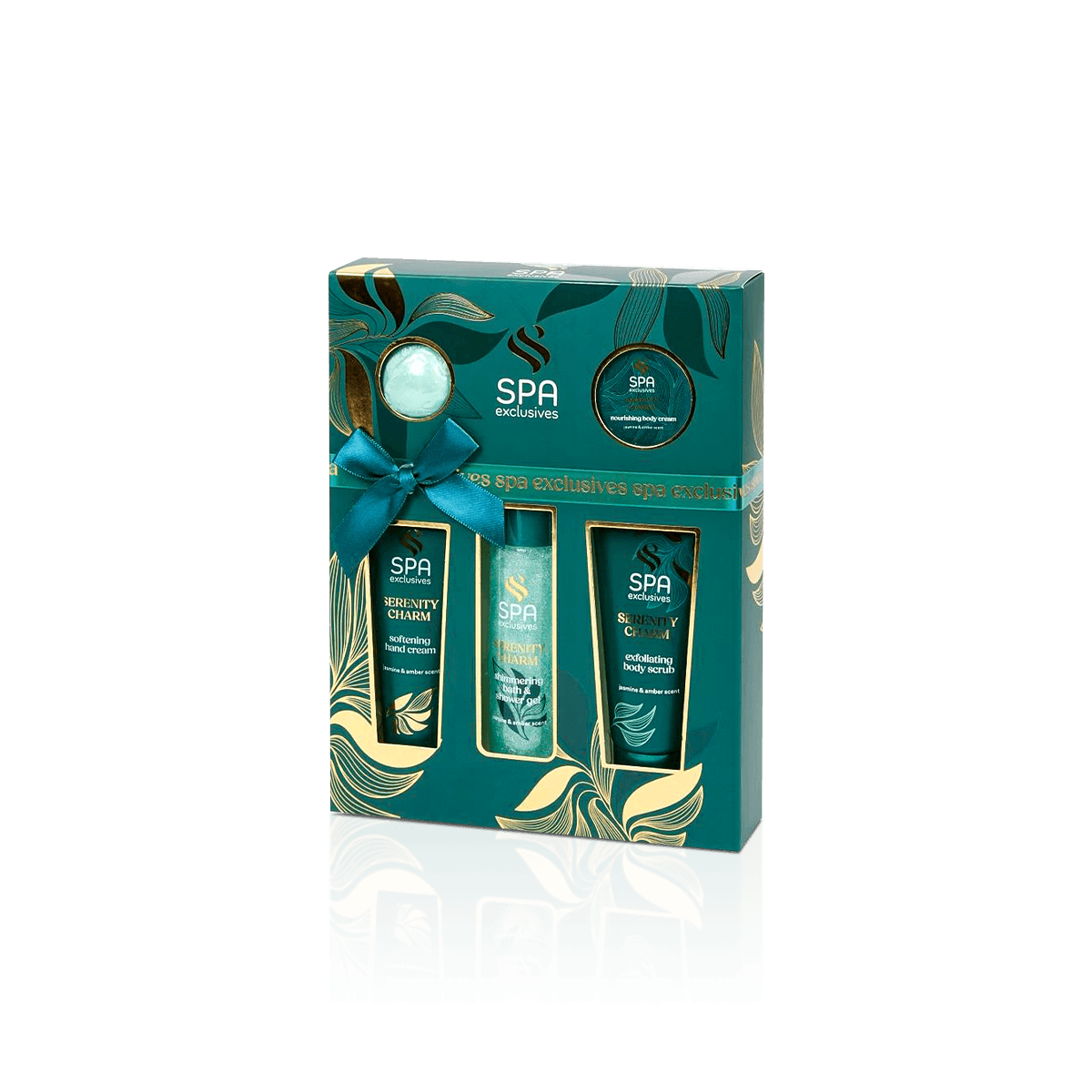
Spa Product Boxes
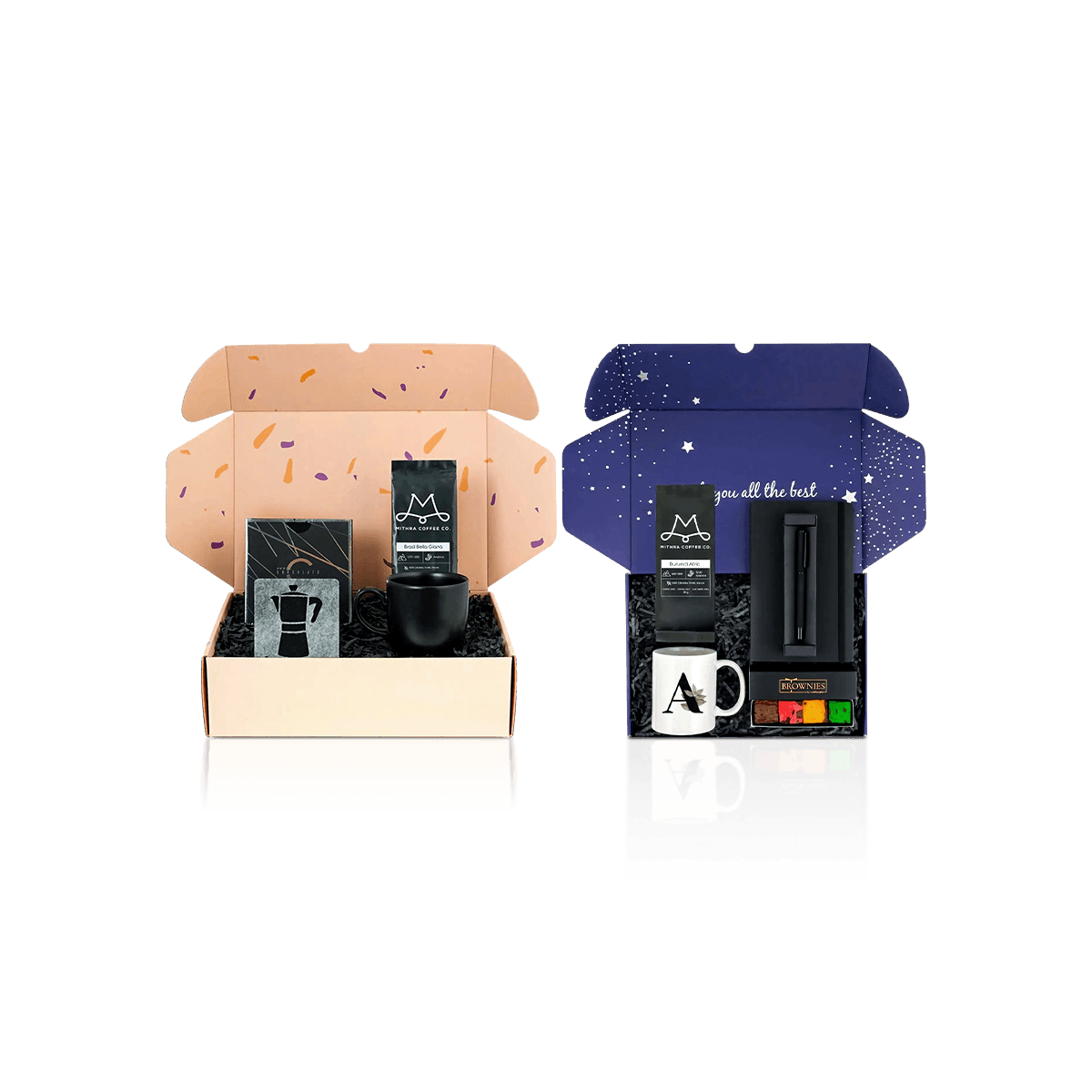
Conference Gift Boxes
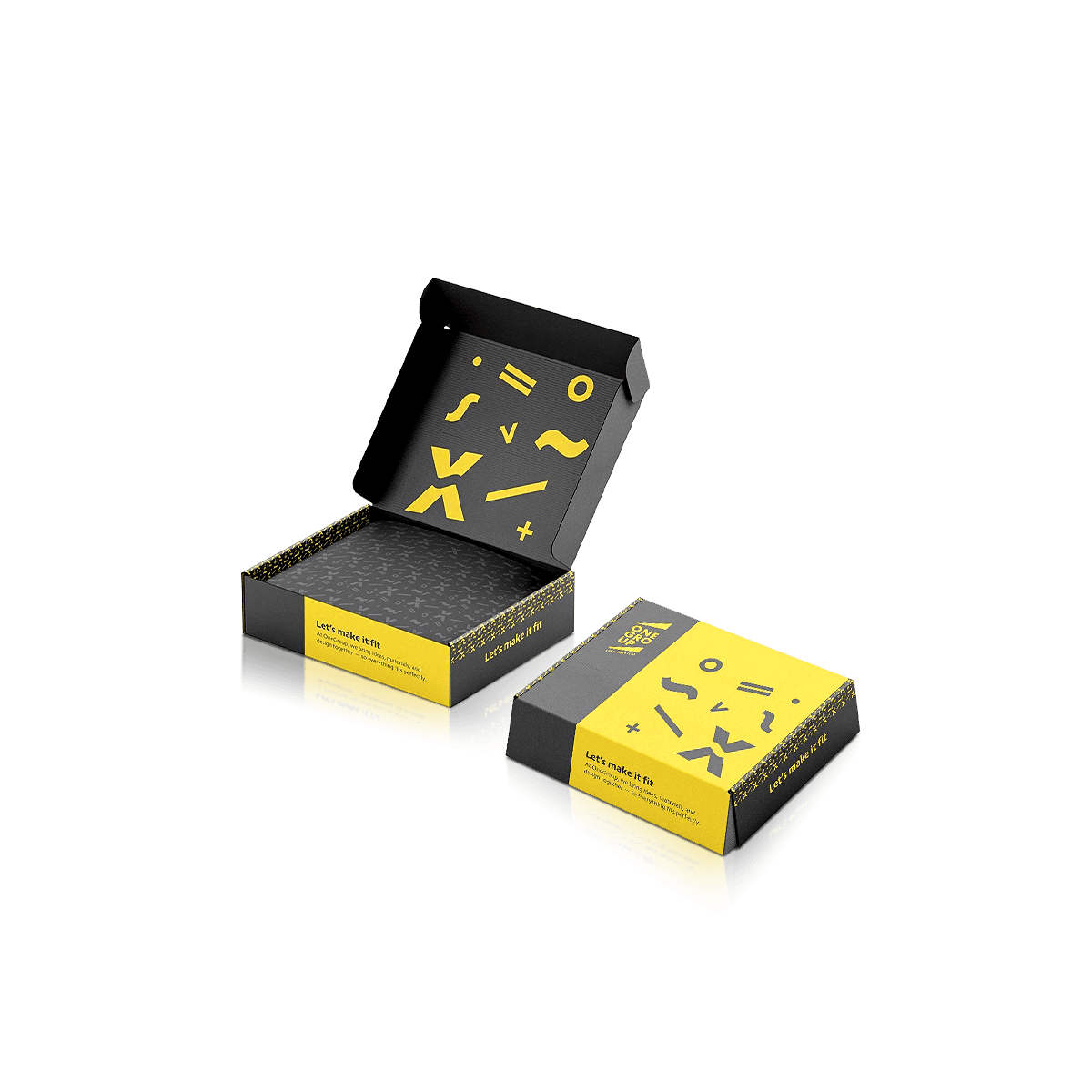
Promotional Merchandise Boxes
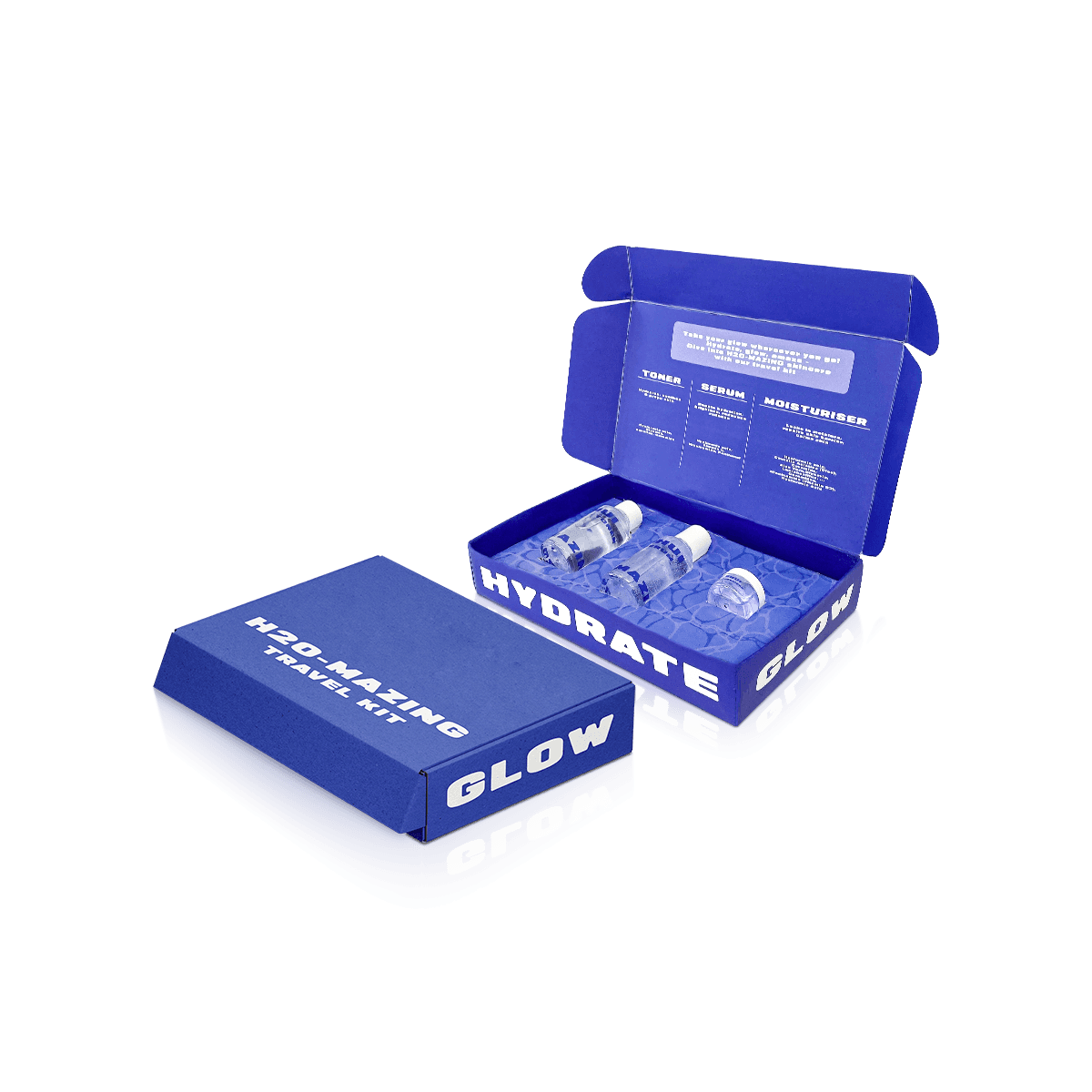
Travel Kit Boxes
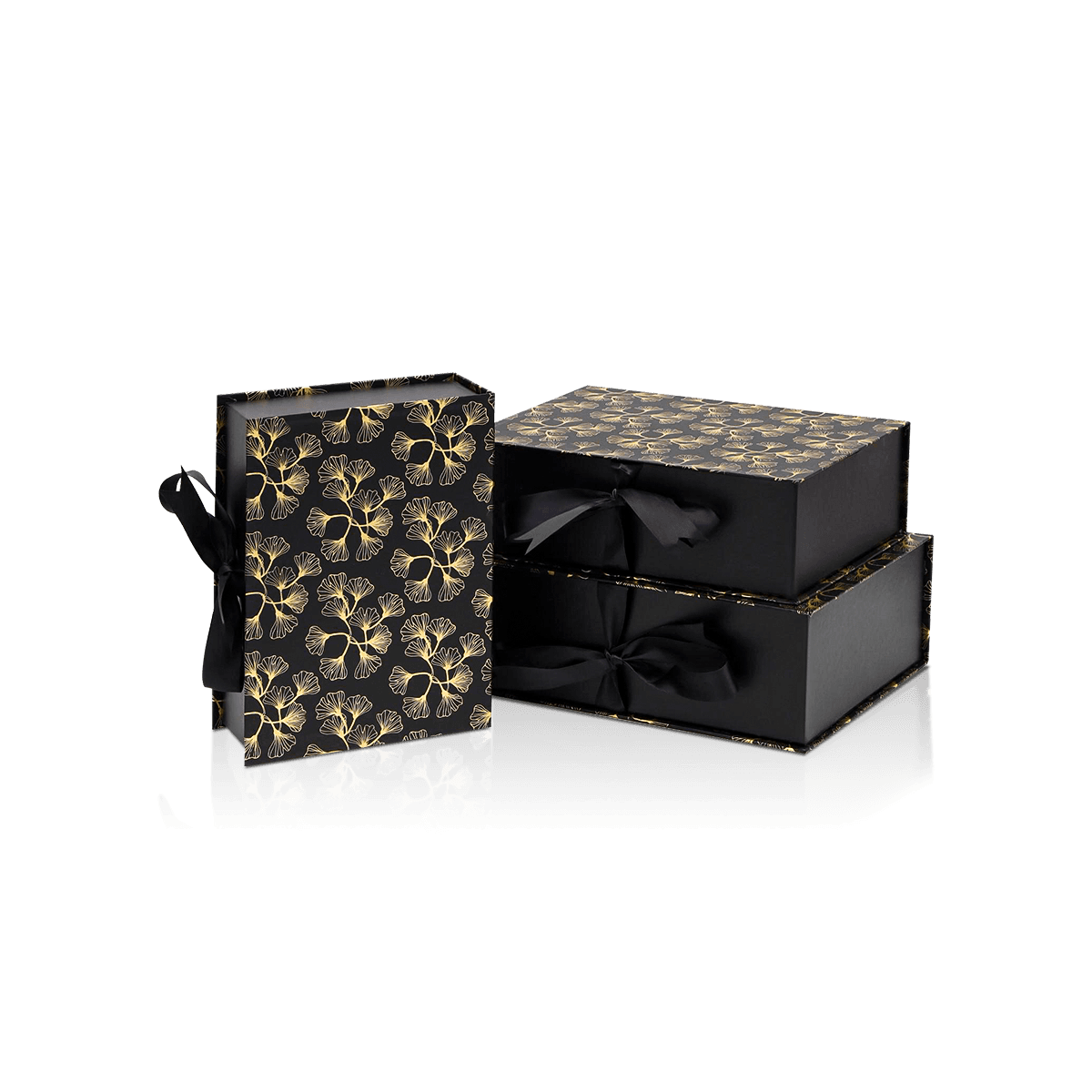
Luxury Gift Boxes
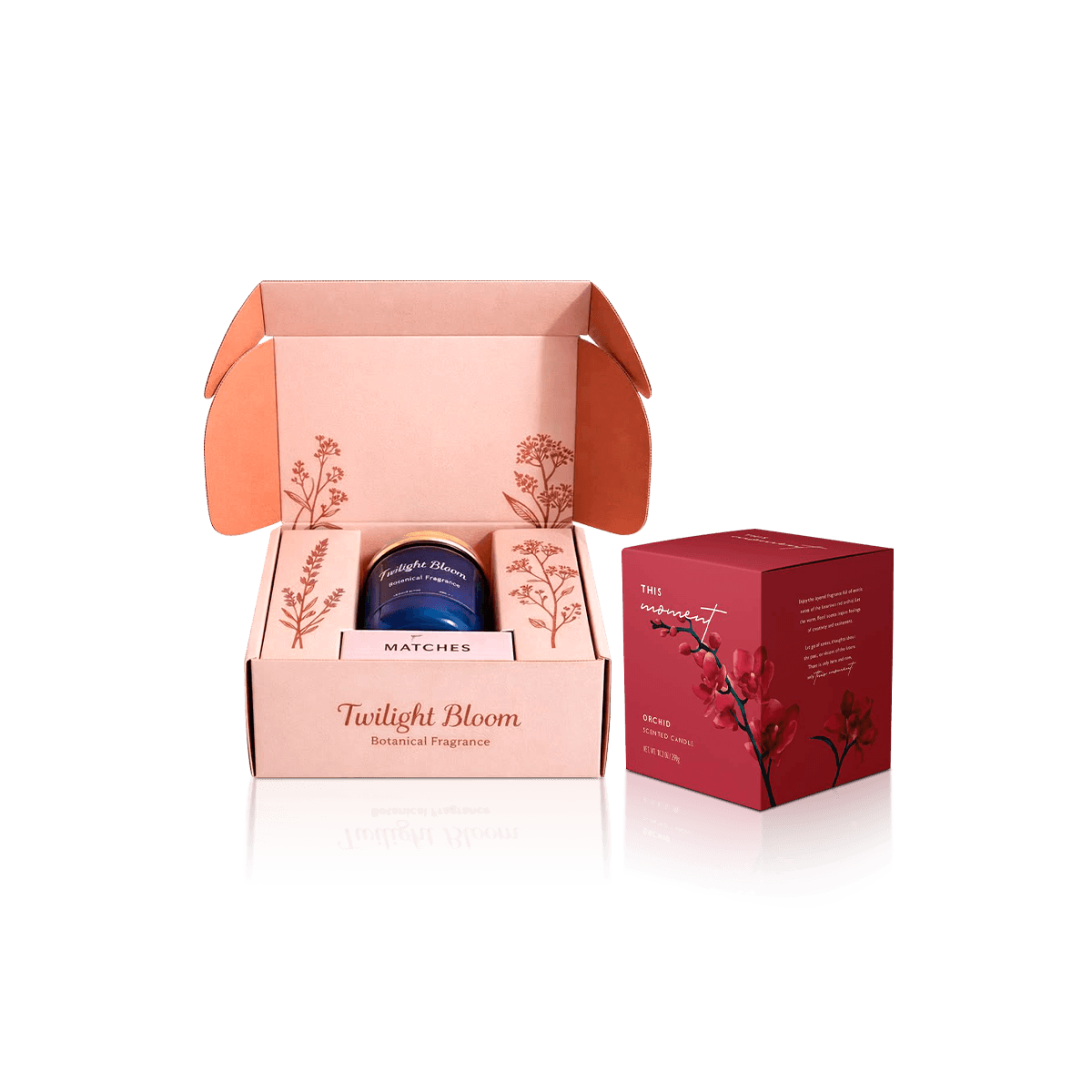
Custom Candle Boxes
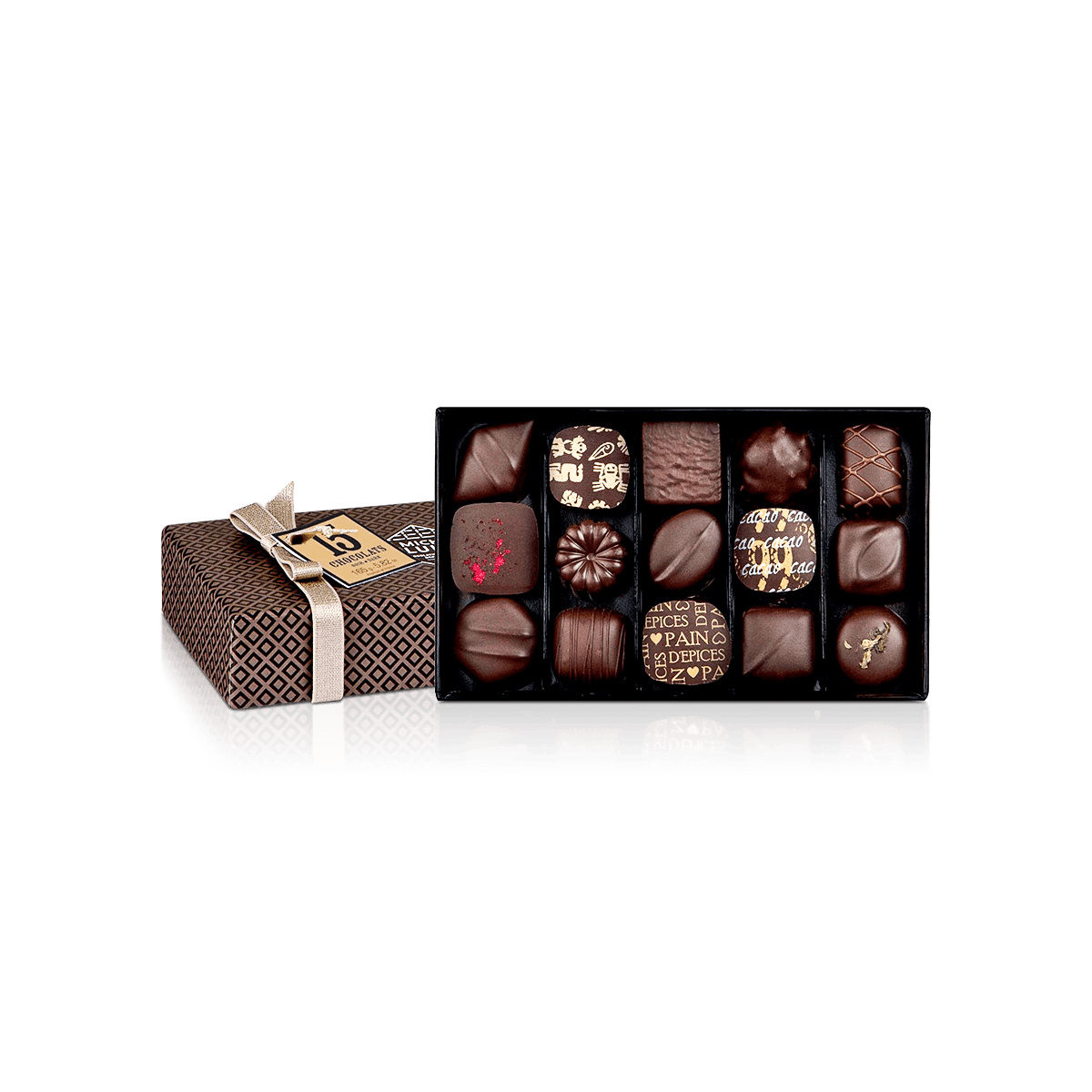
Chocolate Set Boxes
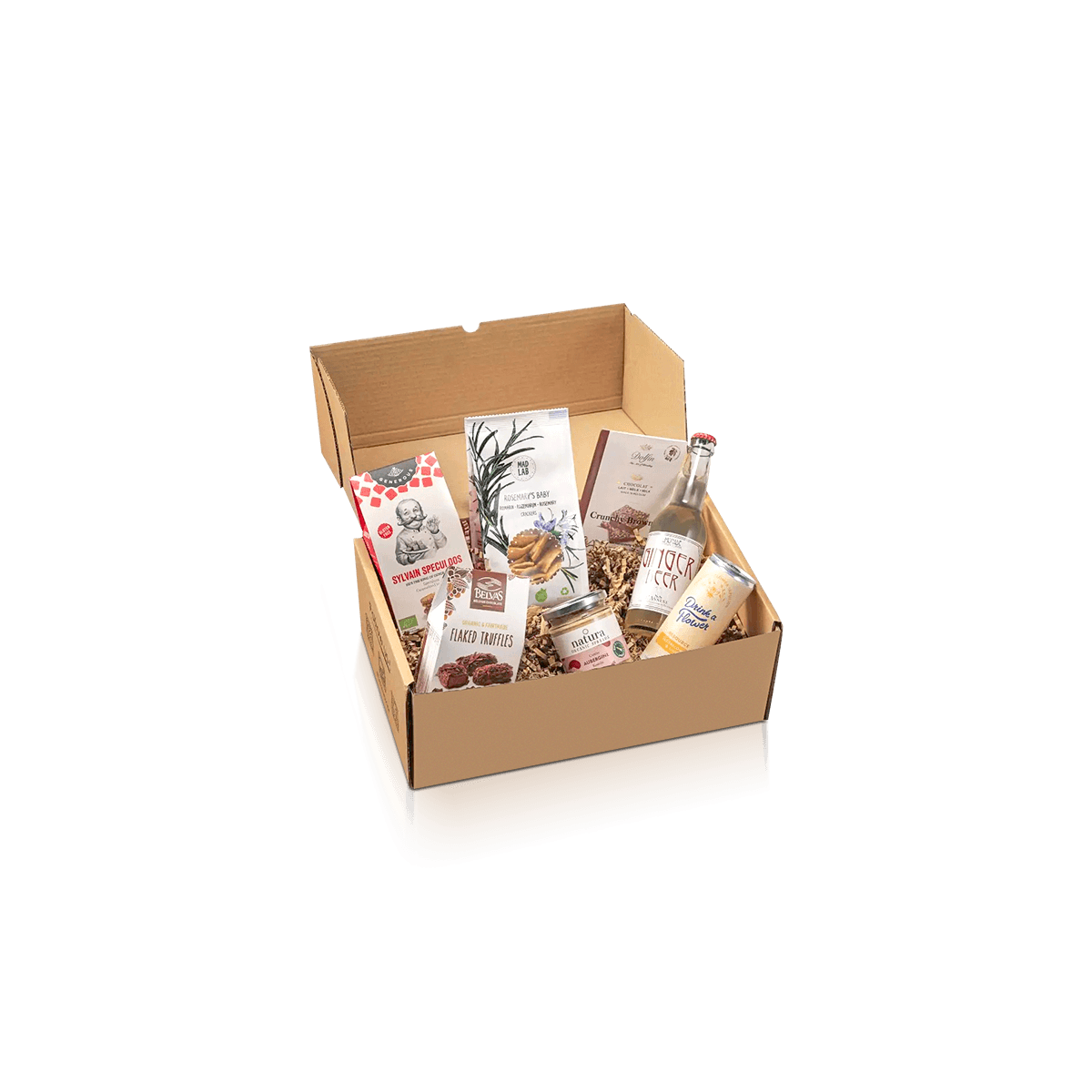
Gourmet Product Boxes

Toiletry Mylar Bags
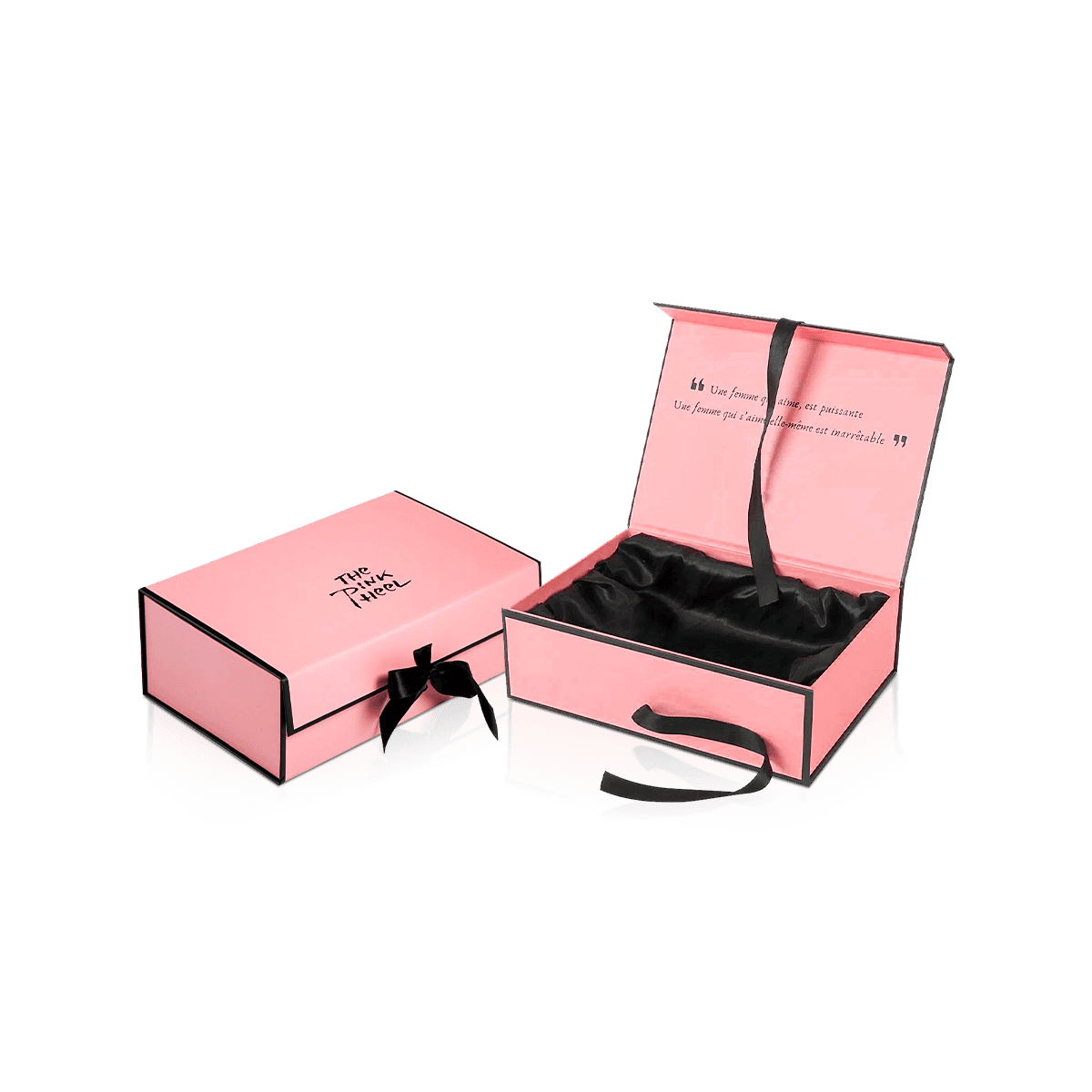
Robe Packaging Boxes
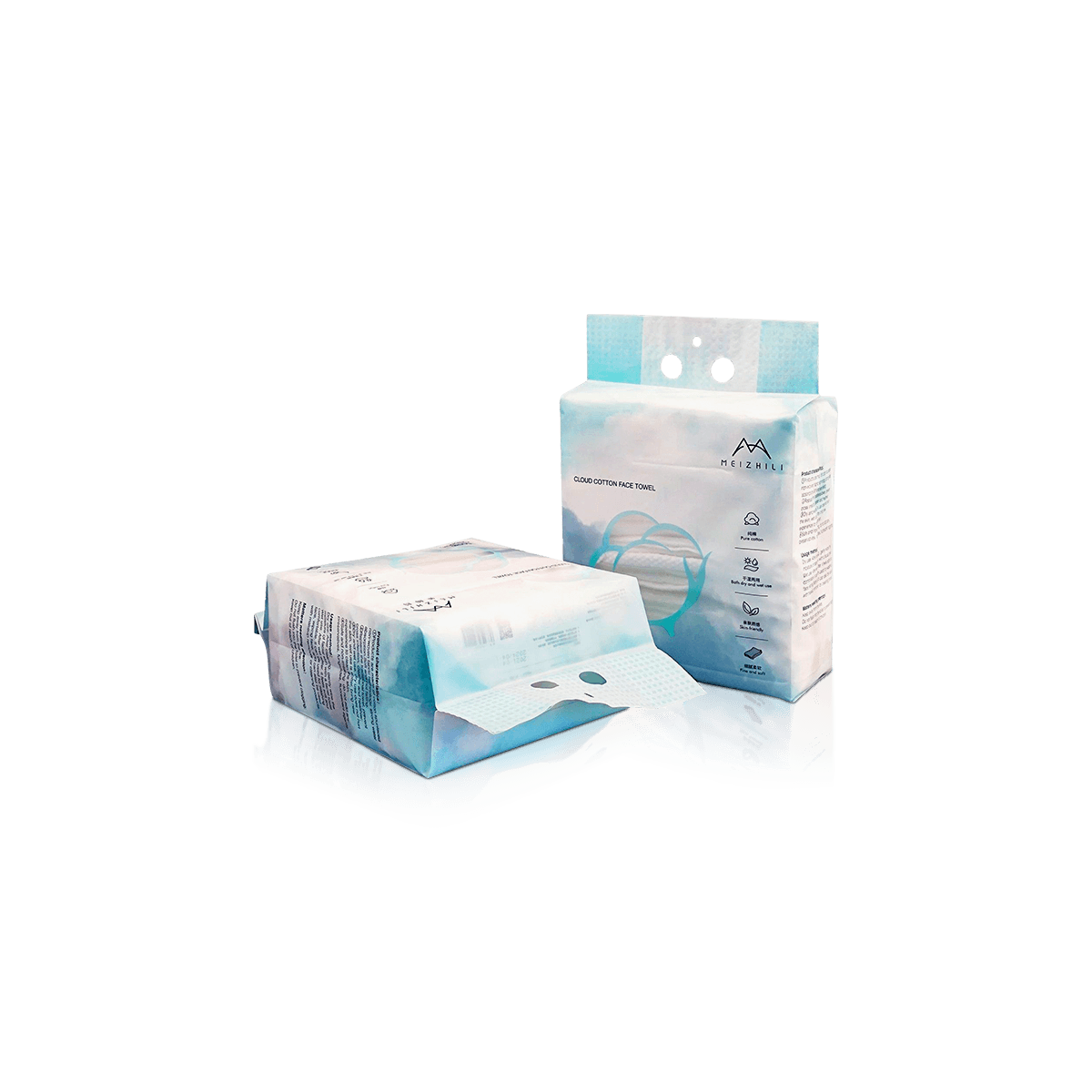
Towel Paper Bags
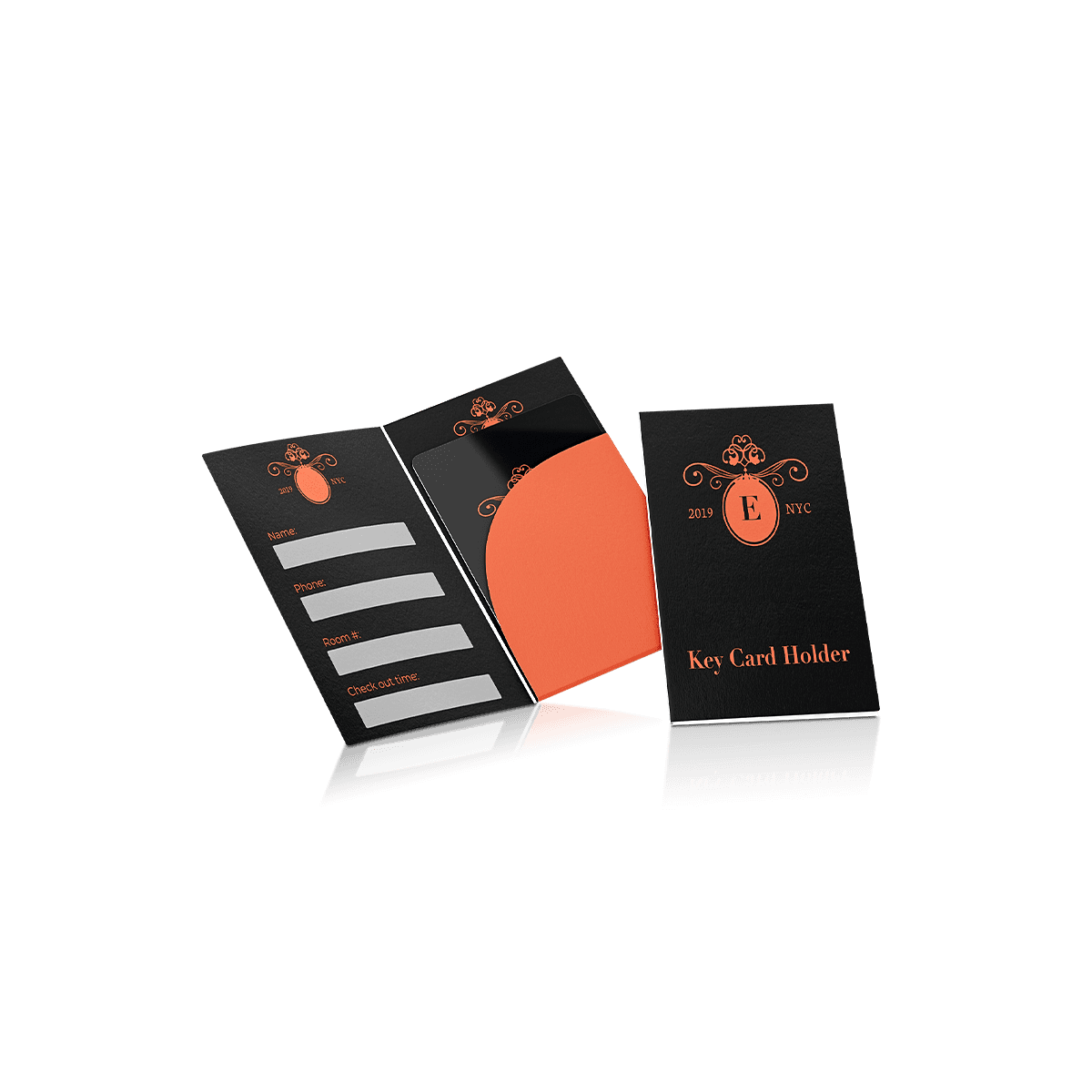
Key Card Holders
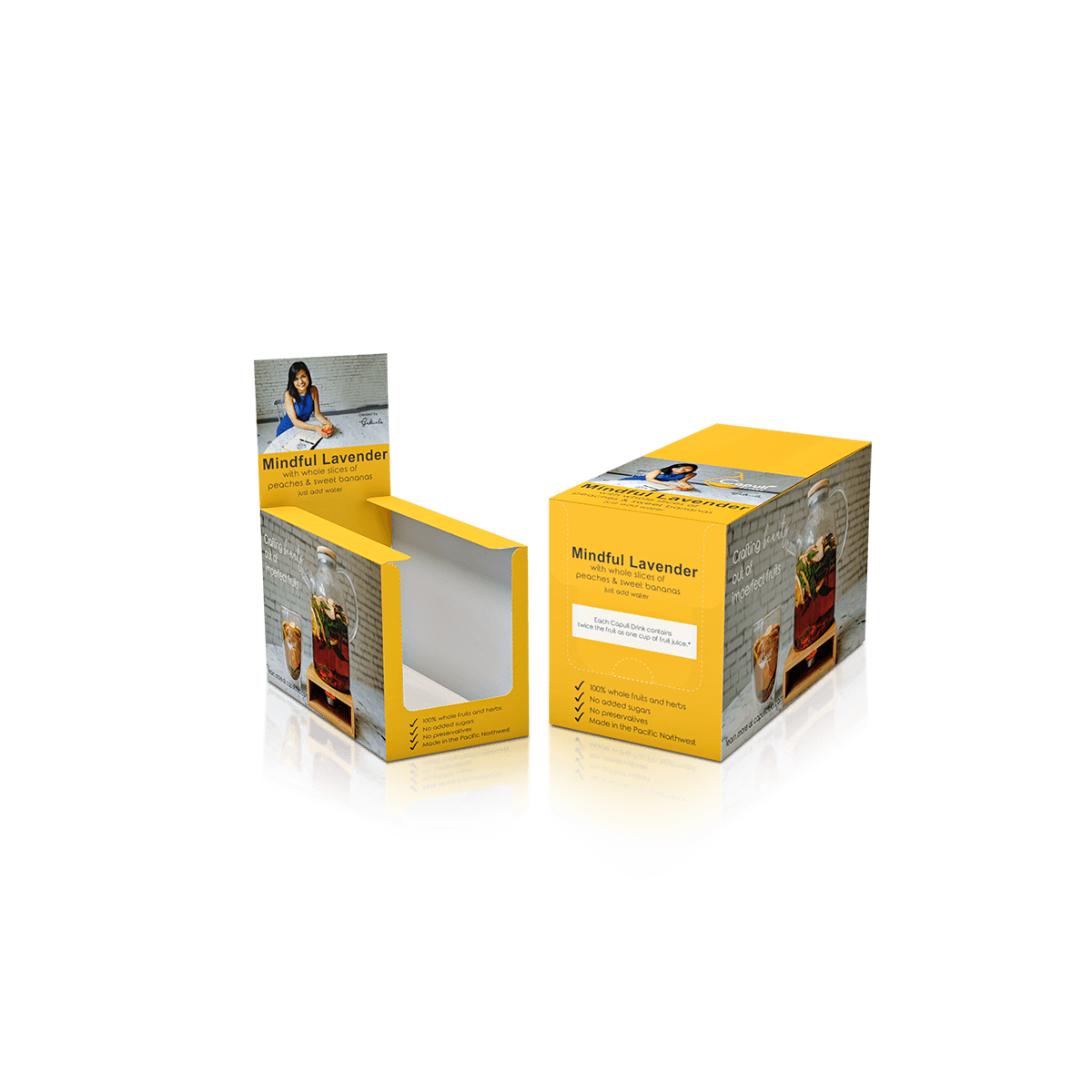
Menu Presentation Display Boxes
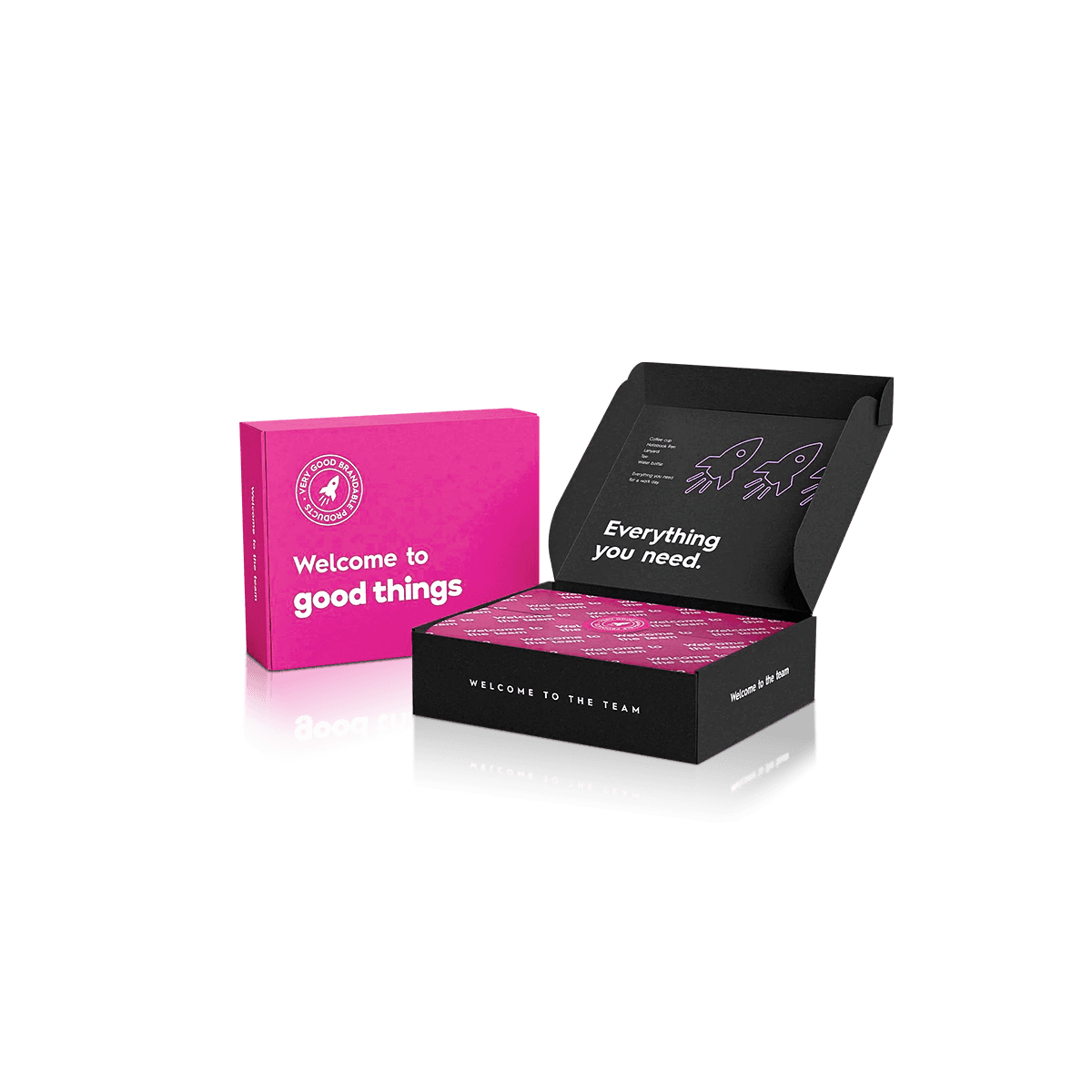
Branded Event Swag Mailer Boxes
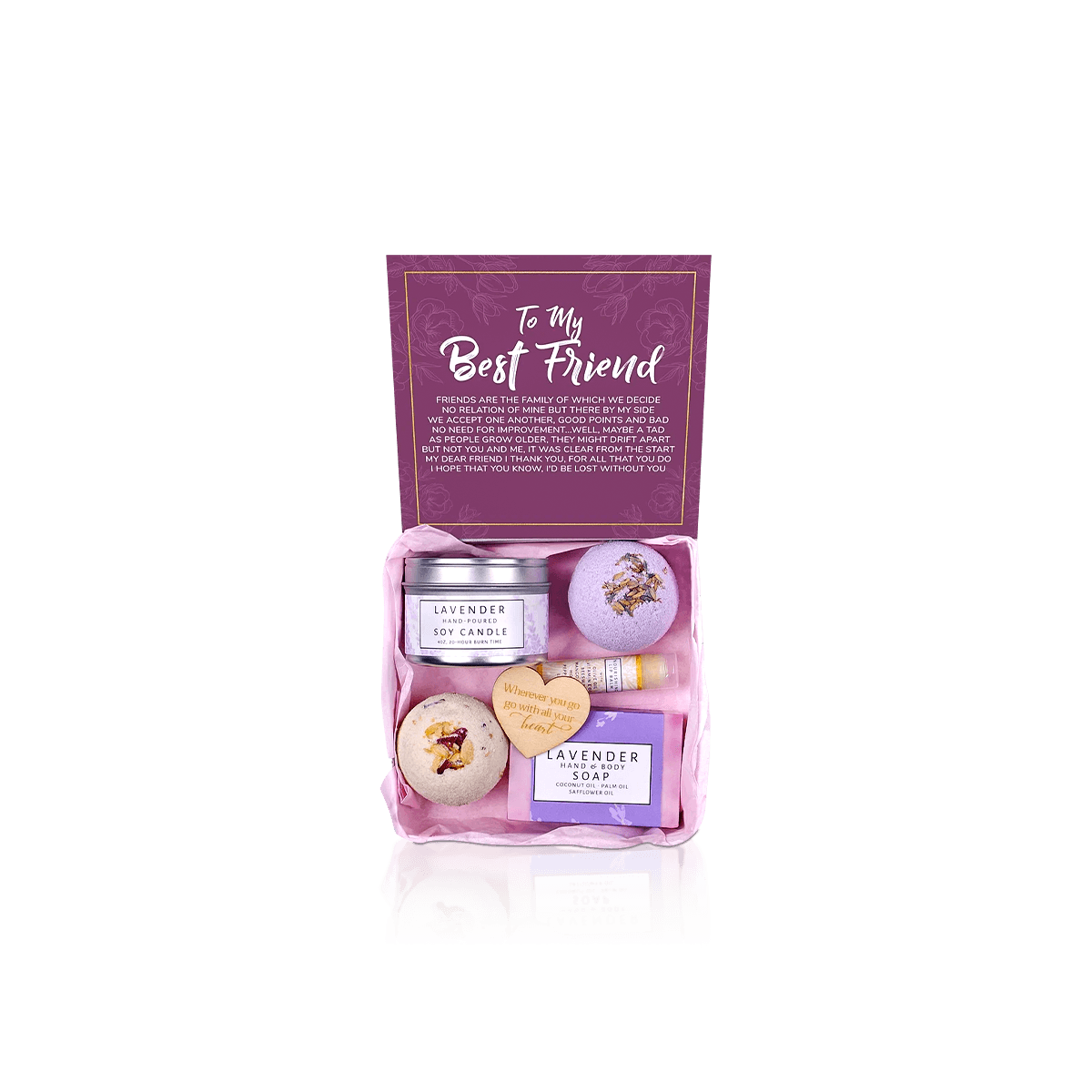
Rigid Boxes for Spa Items
Your product shouldn’t have to fit an off-the-shelf box.
Share the shape, size, material, finish, or insert you have in mind. We’ll turn the details into a tailored packaging recommendation and a clear quote.
Custom sizes · materials · finishes · inserts
The Handoff Point Decides the Pack
Hospitality packaging is rarely experienced in one place. A guest may receive it at check-in, find it waiting in a room, collect it from a conference desk, carry it from a spa or receive it at home before an event begins. The same products can need different packaging depending on where that handoff happens.
That makes the distribution point one of the first useful decisions for Custom Hospitality Packaging. A welcome set placed on a hotel bed does not need the same outer structure as a conference kit mailed to an attendee. A spa retail purchase needs a different carry solution from an amenity set replenished by housekeeping. An event favor handed across a table can prioritize speed and presentation, while a pre-event kit has to survive parcel handling first.
Map the guest journey before choosing the box. Identify where staff assemble the pack, where it is stored, how far it travels, who hands it over and whether the recipient needs to carry it again.
Use the handoff point to narrow whether the project needs a welcome box, amenity kit, conference pack, spa package or another hospitality structure.
Arrival Packaging Has to Feel Ready
Hotel and resort welcome packaging often combines several small items that have different shapes, values and purposes. Local snacks, key information, maps, vouchers, wellness items and branded gifts may all belong in one arrival set.
The packaging needs to make that assortment look intentional rather than improvised.
Welcome Sets Need a Clear Reading Order
A guest should immediately understand what is important. A welcome card or itinerary should not disappear underneath heavier products. A room key insert should be easy to find. A premium gift should not be visually buried by printed paperwork.
Welcome Gift Boxes are useful when the arrival experience itself is the main job. The outer structure can establish the first impression while an insert, divider or document pocket controls what the guest sees first.
Amenity Kits Need Repeatable Packing
Amenity Kit Boxes are more operational. Dental, shaving, vanity, sewing or personal-care items often need consistent grouping so housekeeping or guest-service teams can replenish them without rebuilding the presentation every time.
An insert is useful when it reduces item movement or makes pack-out more consistent. It should not be added merely to make the inside look complex.
The Custom Packly explanation of packaging inserts is useful when a multi-item kit needs separation, presentation or cushioning.
Guest Tiering Changes the Contents Before the Box
Hospitality programs frequently have more than one recipient type: standard guests, VIPs, speakers, sponsors, wedding parties, loyalty members or executive attendees.
The packaging system should make those versions easy to distinguish without creating unnecessary structural variation.
Consider a conference with 1,200 standard attendee kits and 120 VIP kits. Both use the same outer dimensions because the contents are mostly shared, but the VIP version adds a premium gift and a different printed card. If the only distinction is inside the closed box, staff can mix the two versions during staging and create delays at registration.
The cause is not the box strength or artwork quality. The fulfillment system lacks a reliable version cue.
A better setup could use the same outer structure with a controlled insert variation and a discreet external identifier on a side or base panel. Packing teams can stage the two versions separately while the front-facing brand presentation remains consistent.
That reduces SKU complexity without making staff guess which closed package belongs to which guest.
Events Are Scheduled Backward From One Date
Retail packaging can often move into stock and sell over time. Event packaging usually has a fixed moment when it must be ready.
A conference opening, wedding weekend, product activation or corporate retreat does not move simply because packaging production started late. The specification therefore has to be planned backward from the event date.
Separate the milestones:
- final quantity and guest tiers
- physical contents confirmed
- packaging dimensions finalized
- artwork and sponsor logos approved
- sample or mockup review completed
- production approval
- delivery to the venue, hotel, warehouse or kitting point
- final assembly and staging
This matters especially when sponsor marks, attendee names, schedules or late content changes are involved. The packaging can be structurally finished while the project is still blocked by a missing logo or guest list.
Conference Gift Boxes belong to this fixed-date distribution problem, where pack organization and handout speed can matter as much as finish quality.
On-Site Handoff and Pre-Event Shipping Need Different Outers
An event kit placed on a registration table does not experience parcel networks. A kit mailed to an attendee does.
For on-site distribution, a folding carton, rigid presentation box or paper bag may be enough depending on the contents. For pre-event or post-event shipping, the packaging needs an outer structure suited to transit. Branded Event Swag Mailer Boxes narrow that decision for event-specific kits that must travel before or after the event.
Do not make a premium presentation box perform as a shipping container unless it has actually been designed and tested for that duty. A rigid welcome box can sit inside a corrugated shipper when presentation and transit need to remain separate.
The point is to preserve the guest experience without assigning every packaging layer the same job.
Back-of-House Space Is Part of Hospitality Packaging
Hotels, venues and event teams often assemble packaging in spaces guests never see. Those spaces still shape the best structure.
A rigid box may create a premium arrival moment but consume more storage volume before use. A flat folding carton or collapsible format can reduce back-of-house storage requirements when hundreds or thousands of units need to wait for assembly.
The same applies to paper bags, tissue, inserts and printed cards. A beautiful kit that requires too many loose components can become difficult to replenish or stage consistently.
Ask where empty packaging will be stored, whether it arrives flat or assembled, who builds it and how many finished packs must be prepared during one shift.
For premium gifting where the presentation justifies a stronger structure, Custom Rigid Boxes can provide the weight and presentation needed. For high-volume programs, storage and assembly efficiency may justify a lighter or collapsible format instead.
Spa Packaging Moves Between Service and Retail
Spa and wellness packaging in hospitality can serve several roles at once. A product might be used as an in-room amenity, included in a treatment package, sold in a resort boutique or presented as part of a VIP gift.
That means the packaging brief should identify whether the product is primarily for service, gifting or retail.
Spa Product Boxes can support branded retail and guest-facing presentation. Rigid Boxes for Spa Items make more sense when the set itself is meant to feel substantial or gift-ready.
For cylindrical specialty gifts, rolled collateral or selected amenity formats, Custom Tube Packaging can provide a different presentation direction.
If liquids, cosmetics or toiletries are involved, the primary container still has to be suitable for the product. The hospitality outer pack should not be treated as proof of compatibility between a formula and its direct-contact container.
Amenity presentation does not always require a box. Flexible toiletry pouches are one option when a flexible secondary pack fits the product set and back-of-house storage plan better than a rigid kit.
Premium Does Not Mean Maximum Finishing
Hospitality packaging often benefits from restraint.
A luxury hotel, resort or event does not automatically need foil, embossing, spot UV, soft-touch lamination and ribbon on the same package. Too many effects can make a kit harder to produce, harder to repeat and visually less controlled.
Start with the brand environment. A quiet resort may suit restrained typography, uncoated or matte surfaces and one tactile detail. A conference activation may need bolder color and faster recognition. A wedding favor may rely more on personalized print than expensive finishing.
Luxury Gift Boxes should earn their extra structure when the gift itself warrants a more substantial reveal.
For finish decisions, the Custom Packly breakdown of matte, gloss, spot UV, foil and embossing helps separate visual effect from structural need.
Premium offset printing, CMYK and Pantone options can support controlled branding where appropriate. Free design and dieline support plus free 3D mockups can help review artwork and presentation before production.
Bags Solve Movement After the Handoff
Not every hospitality package should be a box.
Guests often need to carry towels, spa purchases, event materials, gifts or multiple small items after receiving them. Custom Paper Bags can handle that secondary movement without forcing every item into a larger presentation box.
This is especially useful when a hotel boutique, spa counter or event table needs a simple branded carrier around products that already have their own packaging.
Paper bags can also reduce complexity for lighter handouts where an enclosed box adds little value. The important question is whether the bag is serving as the primary product pack or as the carrier around other packages.
For heavier, fragile or presentation-led items, a box may still be necessary inside the bag.
Room Service Is a Service System, Not a Gift Set
Hotel room-service packaging belongs to hospitality, but its priorities are different from welcome gifts or event kits.
Hotel Room Service Boxes should support food containment, carrying and room handoff. Decorative finishing matters less if it interferes with fast assembly, stacking or practical food service.
This is also where the boundary with Food, Bakery & Restaurants matters. For room service, hospitality requirements govern the guest handoff, while Food, Bakery & Restaurants addresses food condition, grease, moisture, delivery and food-format decisions.
A hotel can need both systems at once: hospitality packaging for the guest experience and food packaging engineering for the meal itself.
Printed Information Needs a Home
Hospitality packs often contain more information than ordinary product packaging.
Schedules, room instructions, maps, spa menus, event agendas, sponsor details, QR codes and welcome messages can compete with the physical products for attention.
Do not force all of that information onto the outer box.
Use the outer surface for durable brand communication. Put changing event details or guest-specific information on cards, sleeves or inserts that can be updated without rebuilding the entire packaging specification.
This is particularly useful for seasonal hotel programs and recurring conferences. The same box can continue across several runs while a dated insert changes.
That separation also reduces the risk of obsolete packaging when a schedule, sponsor or room-service detail changes after the main boxes have been produced.
Quote the Distribution Plan With the Package
A useful hospitality quote should include the contents, packed dimensions and weight, recipient type, quantity, event or arrival date, handoff point, whether the pack is mailed or distributed on-site, insert requirements, artwork status and how many versions are needed.
MOQ starts from 100 units for USA orders. Instant free quotes and transparent pricing with no hidden charges make it easier to compare a practical welcome kit with a more premium presentation direction.
Free sample examples of previous work can help assess general structure, print and finishes. Where exact insert fit, multi-item arrangement or a premium custom construction must be approved physically, a paid fully custom pre-production sample may be more appropriate.
Custom Packly provides US production, free shipping and a standard 4–6 business-day turnaround after final artwork and specifications are approved. Warehousing, scheduled deliveries and repeat-order support can also help programs that serve several event dates, properties or replenishment cycles. Complex structures, specialty materials or advanced finishes may require additional time.
When those details are defined, request an instant custom packaging quote with the distribution plan included rather than supplying only a box style.
Approve the Distribution Rehearsal
The most useful hospitality test is a small rehearsal of the real handoff.
Build several finished kits, not one presentation sample. Have the actual packing team assemble them. Stage standard and VIP versions together. Move them from storage to the desk, room or event table. If they will be mailed, ship test units through the intended outer packaging.
Watch for operational problems: inserts that take too long to load, cards that disappear under products, versions that look identical to staff, handles that complicate stacking or boxes that consume too much staging space.
Then check the guest-facing result. The package should still feel deliberate after passing through the backstage workflow.
That balance is what hospitality packaging has to achieve. It should support the experience seen by the guest without creating unnecessary friction for the teams who store, assemble, transport and distribute it.
FAQs
Start Your Custom Packaging Quote
Share your product details, size, quantity and artwork needs. We’ll help choose the right packaging style and send a clear quote.