Skip to content
Details

Custom Welcome Gift Boxes

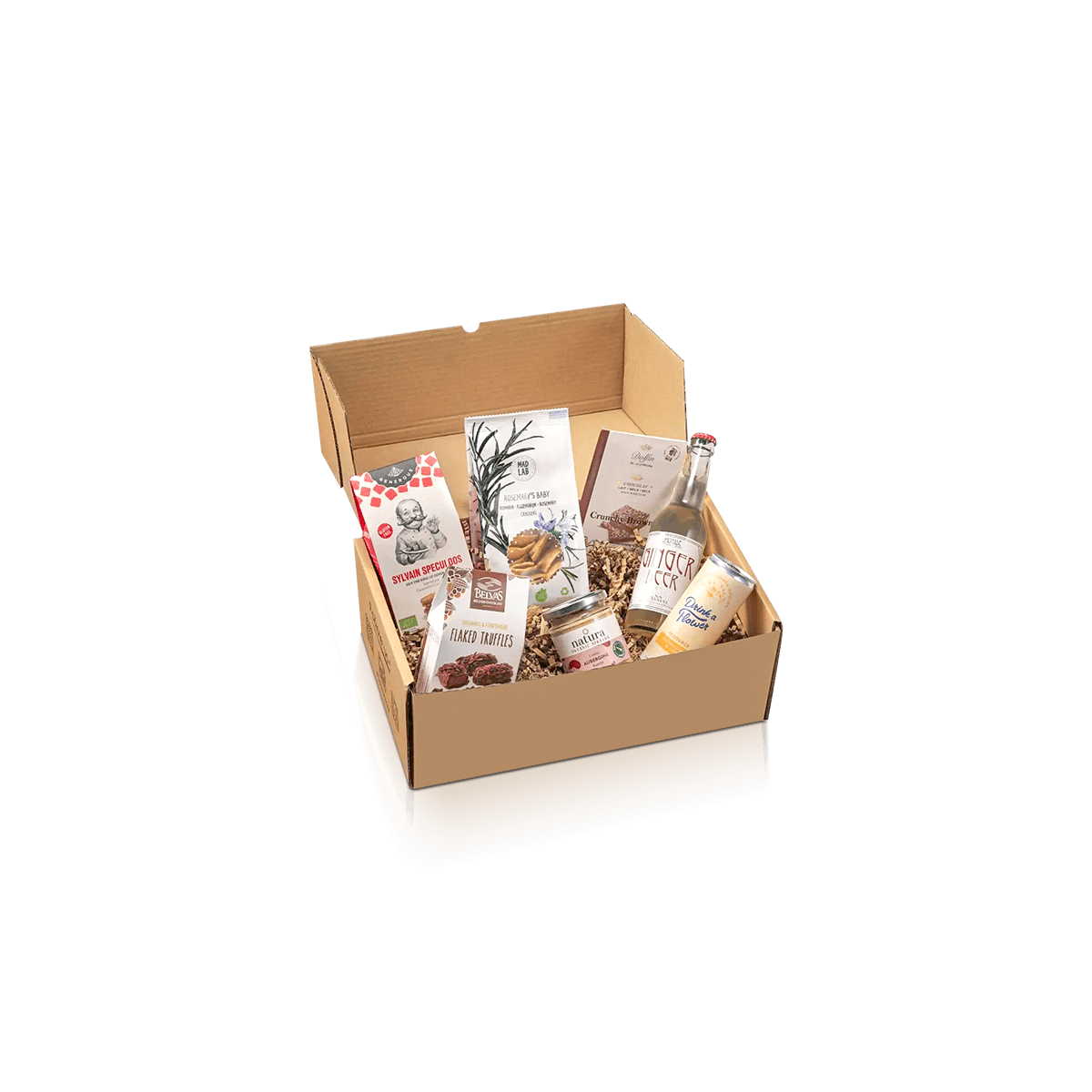
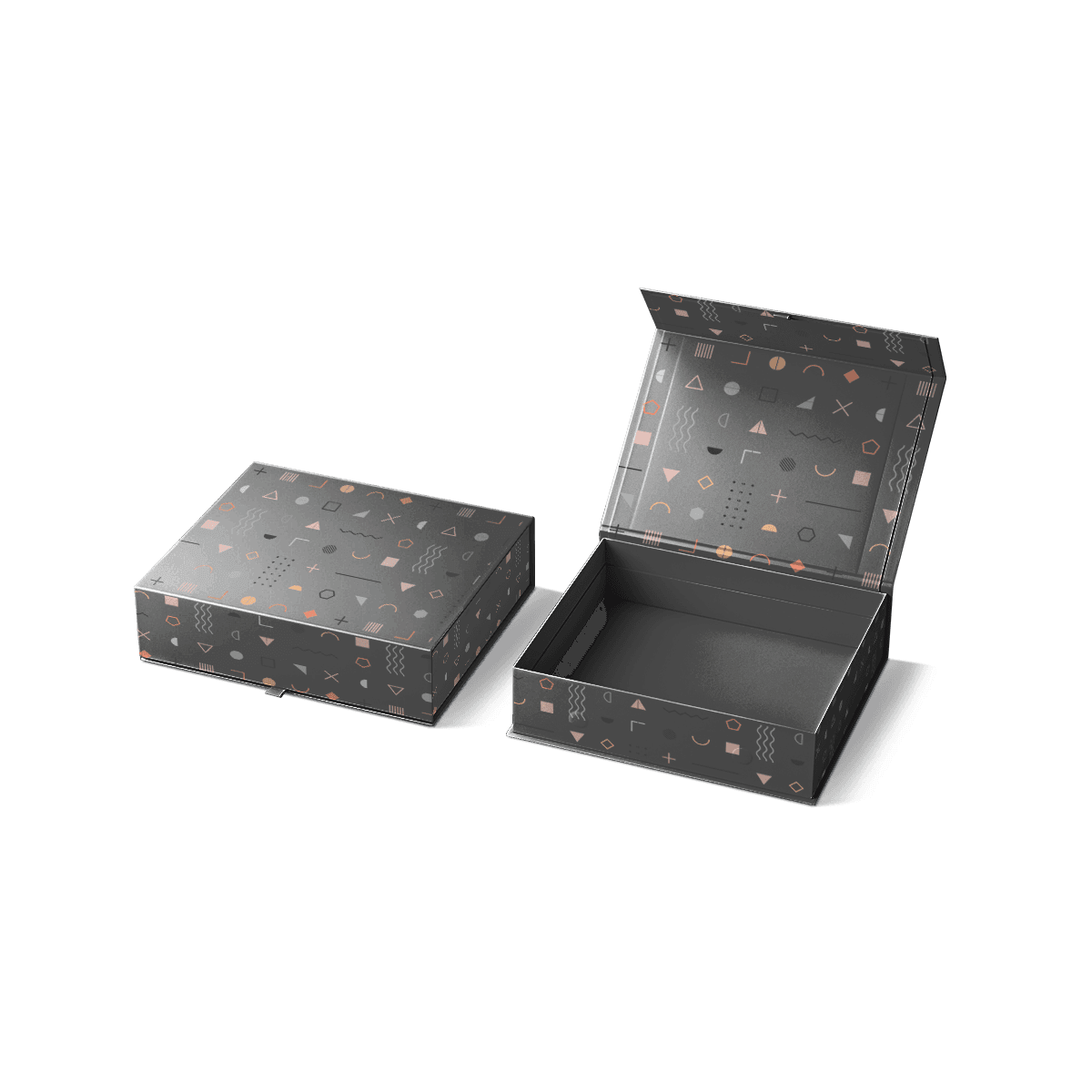
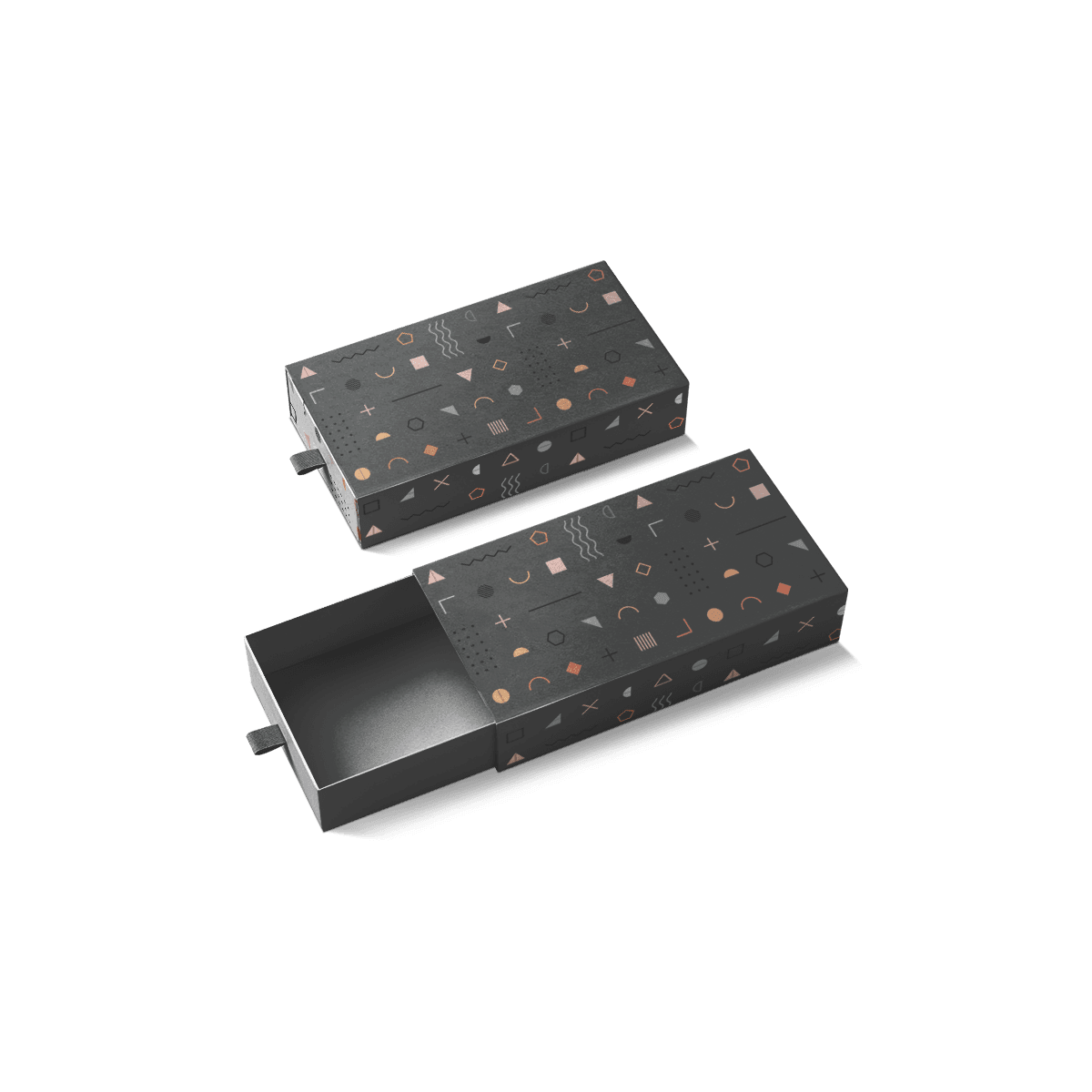
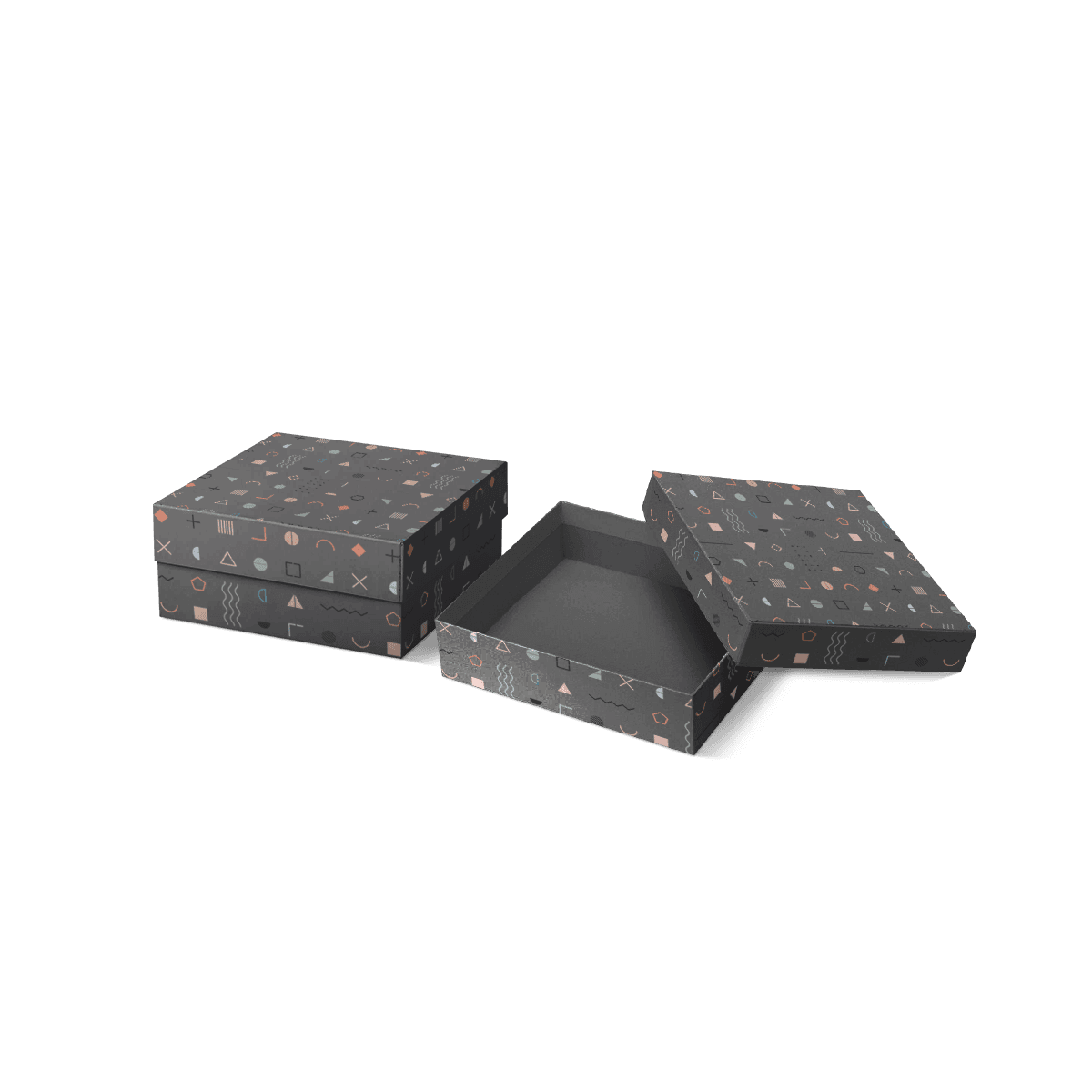
Organized arrival packaging for hotels, resorts, weddings, retreats and hosted events, with room for welcome messages, practical information, gifts and guest essentials.

Put Immediate-Use Items First

A welcome box can contain excellent gifts and still frustrate the recipient if the first thing they need is buried underneath them.

A hotel guest may need room information before a snack. A wedding guest may look for the weekend itinerary before the keepsake. A retreat attendee may need a badge or schedule before branded merchandise.

Custom welcome gift boxes should therefore be organized by when each item is needed, not simply by size or visual symmetry.

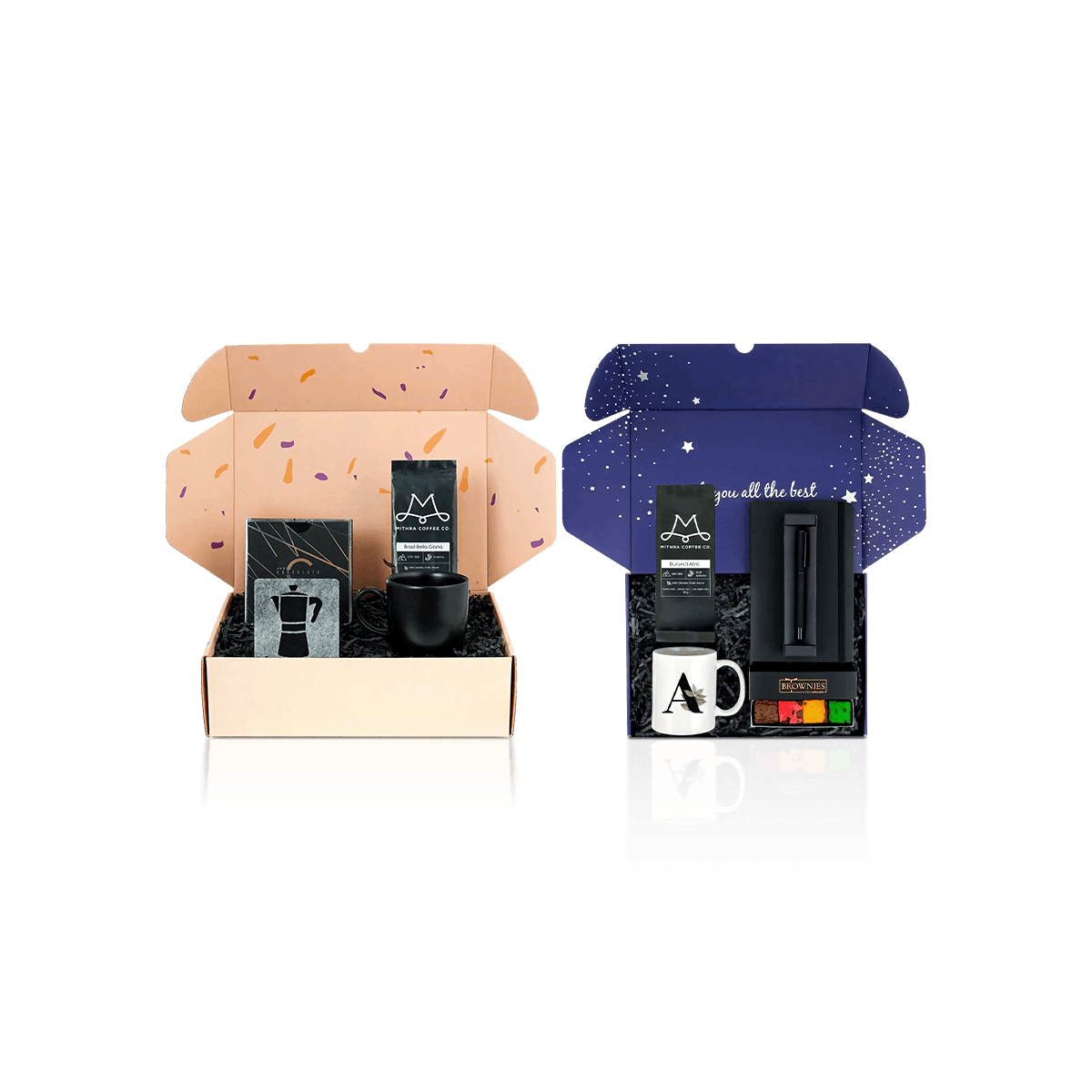
The first layer can carry the welcome note, schedule, map, room information or other immediate-use piece. Gifts and keepsakes can sit beneath or beside it. Heavier products should occupy positions that do not cover, bend or crush printed materials.

That arrival sequence gives this packaging a different purpose from a generic gift box.

Within hospitality packaging, welcome boxes are strongest when several different items have to reach one recipient in a clear, intentional order.

The recipient should understand the box within seconds of opening it.
Information Needs Its Own Position

Printed information is often one of the most useful parts of a welcome kit and one of the easiest to handle badly.

A loose itinerary can slide beneath products. A map can wrinkle around a bottle. A welcome card placed over everything may look attractive initially but has to be removed before the recipient understands what else is inside.

Treat printed pieces as components, not filler.

Lid and Panel Space

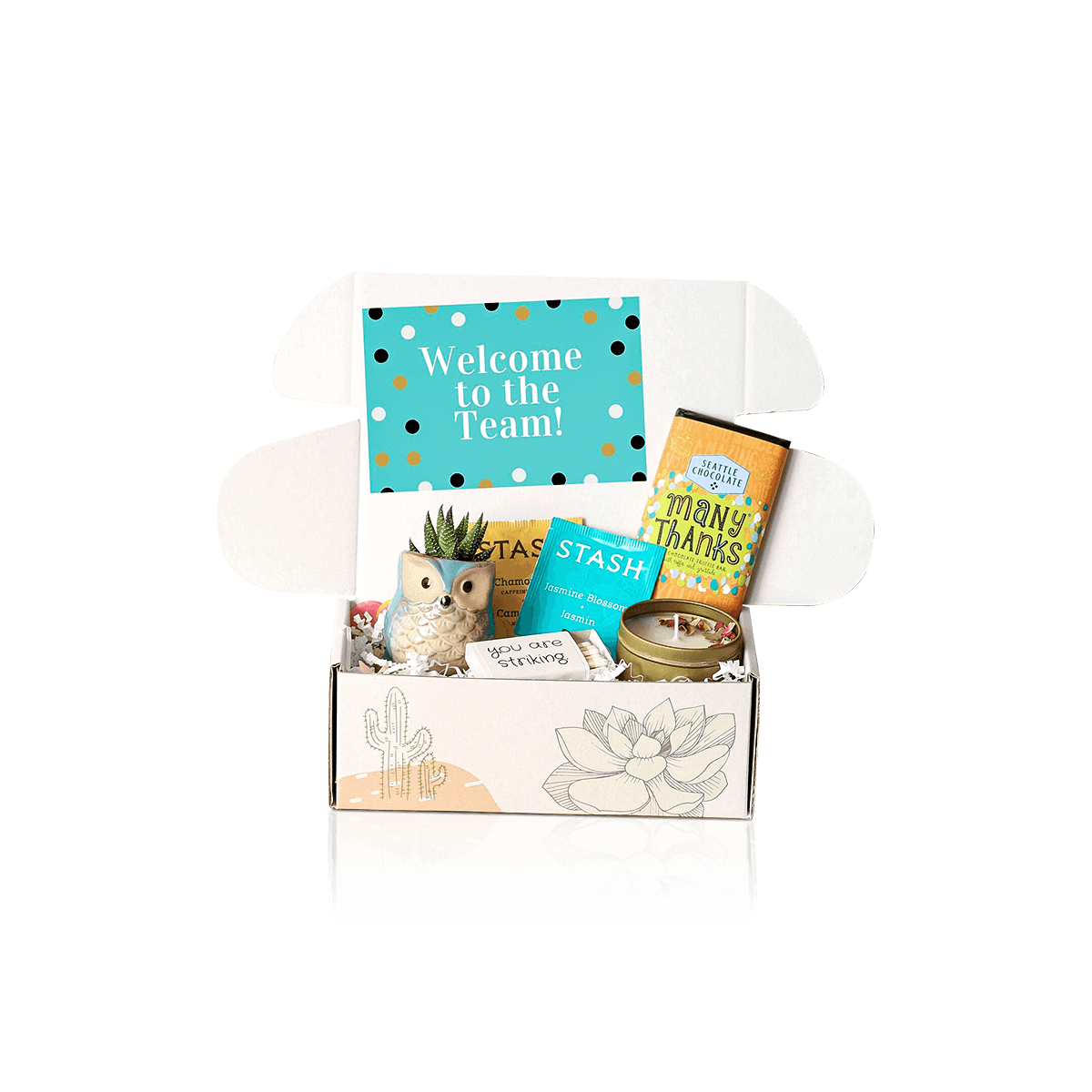
A connected lid or large interior panel can carry the welcome message without occupying product space.

Short arrival instructions, a greeting or event identity can be printed directly where the structure supports it. More detailed schedules and maps usually work better as removable pieces.

Card Pockets

A slim pocket or dedicated card position keeps printed materials visible and prevents heavier objects from sitting on top of them.

This works particularly well when the information should travel with the guest after the rest of the gift has been unpacked.

The card dimensions should be resolved early. Designing the box first and inserting an unexpectedly large itinerary later can upset an otherwise clean layout.

Heavy and Light Items Should Not Share the Same Freedom

Welcome sets often combine objects that behave very differently.

A bottled drink, ceramic item or candle may sit beside a paper itinerary, fabric accessory, snack pouch or small amenity.

Leaving all of those pieces loose in one cavity creates predictable problems. Heavy products migrate toward lighter ones. Cards bend. Small items disappear beneath larger products. The box may look different every time it is carried.

The layout should control mass.

Heavy objects belong where the base can support them and where their movement can be restricted. Lightweight pieces can occupy shallower areas or separate compartments.

Custom product packaging becomes useful when the packed weight, object dimensions and internal support need to be considered as one system.

A welcome box does not need to immobilize every item like sensitive electronics. It does need to stop one component from ruining the presentation of another.

Inserts Should Simplify the Packout

The best insert is not necessarily the most elaborate one.

For welcome programs, its practical job is often to make correct packing obvious.

A tray can define where a bottle, snack and keepsake belong. Dividers can separate differently shaped products. A raised compartment can stop a small object from disappearing beside a tall one.

The insert can also make inventory checks easier. Empty positions are immediately visible before the box is closed.

Different packaging inserts suit different weights and presentation requirements, but welcome kits often benefit from straightforward layouts that staff can fill quickly.

Avoid Too Many Cavities

An insert with a dedicated recess for every tiny component may look precise but become difficult to pack when the contents change.

Hospitality and event programs frequently rotate snacks, local products or seasonal pieces. A little controlled flexibility can be more useful than millimeter-specific fit across the whole box.

Fix the Fragile Items

Reserve close-fitting areas for the objects that genuinely need them.

A glass bottle or breakable keepsake may justify stronger restraint. A fabric eye mask or paper voucher usually does not.

This balance lets the kit stay organized without making future changes unnecessarily difficult.

One Outer Box Can Support Guest Tiers

Hospitality programs often have more than one recipient level.

Standard guests may receive a compact welcome set. VIPs may receive an additional gift. Speakers, wedding parties or hosted clients can require another variation.

Creating a completely different package for every tier increases inventory complexity quickly.

A stronger approach is often to preserve the outer box where practical and change the inside configuration.

An insert can gain an extra compartment. A standard card can become personalized. A premium tier can add one product without changing the entire visual system.

This keeps the brand experience connected while still making the upgraded version feel intentional.

If the content changes enough to require a substantially different footprint or weight, forcing everything into one outer box stops being efficient. Standardization is valuable only while the package still fits the actual contents.

Welcome and Travel Kits Solve Different Problems

Both packaging types may contain toiletries, snacks and practical items, but their priorities differ.

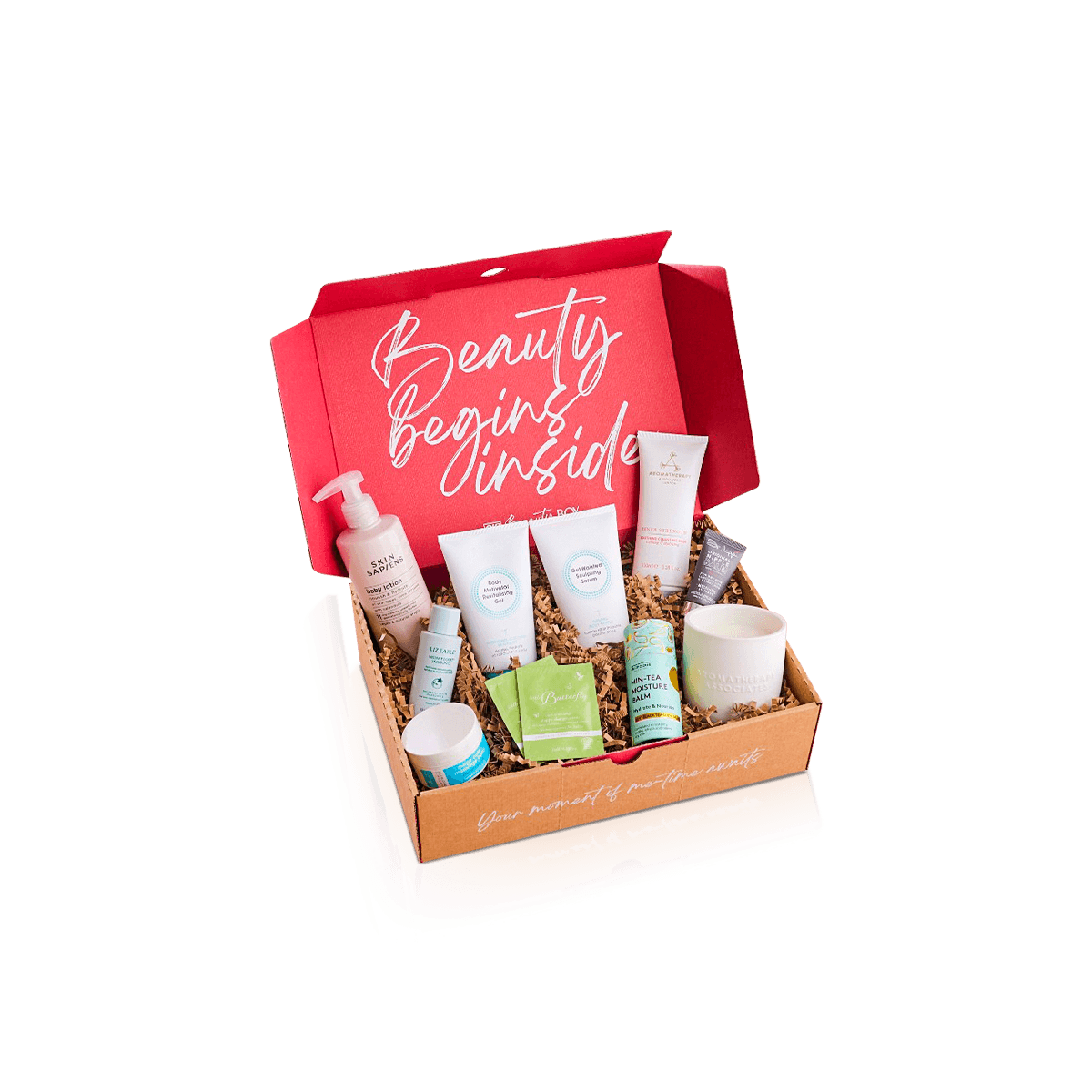
Travel Kit Boxes are strongest when compact essentials are the main purpose: toiletries, sleep items, grooming pieces or short-stay necessities.

Welcome gift boxes have a broader arrival role.

They can combine useful information with gifts, local products, branded merchandise and practical essentials. Their first job is to introduce the stay, event or relationship rather than simply organize a compact travel set.

The distinction helps avoid bloated welcome packs.

If every object is purely functional and compactness matters most, the travel-kit direction may be cleaner. If the package has to communicate arrival, recognition and hospitality as well as hold the items, a welcome box has more reason to exist.

High Volume Changes the Material Decision

Welcome packaging does not always need rigid board.

A VIP resort arrival or executive retreat may justify a substantial custom rigid box. A destination wedding with several hundred room drops may work better with printed paperboard. Mailed welcome sets may need corrugated strength instead.

The best material follows distribution and use.

Rigid board provides strong presentation and keepsake character but occupies more space before packing. Folding paperboard can reduce storage volume and suit lighter handouts. Corrugated construction is useful when the package itself must handle more distribution pressure.

This prevents a common mistake: specifying the same premium structure for every welcome program regardless of volume or handling.

The guest judges whether the package feels appropriate to the experience. They do not award extra points simply because the board is thicker.

Flat Storage Can Matter Before the Event

Large welcome programs create an operational problem before guests ever arrive: empty packaging takes space.

Hotels, event venues and fulfillment teams may need hundreds or thousands of packs staged near a fixed date.

Where rigid presentation is important but storage pressure is real, collapsible rigid boxes can reduce the volume of empty boxes before assembly.

That trade-off only works when the packing operation can absorb the setup step.

For a program assembled over several days, the storage saving may justify it. For rapid same-day filling where staff need packaging ready immediately, a fixed structure can be easier.

The arrival experience and the backstage workflow have to agree.

Personalization Needs an Operating Rule

Guest names, wedding-party roles, room tiers or sponsor identities can make a welcome package feel specific.

They can also create packing errors if personalization is introduced without a clear process.

Variable elements should be separated from the stable packaging specification wherever possible.

For example, the outer box can carry the hotel or event identity while a name card handles individual personalization. That keeps the main packaging reusable across the program while still recognizing the recipient.

When several guest tiers exist, use obvious visual or operational differences that staff can identify during packout.

A subtle line of small text may look refined but be a poor production control if the packing team cannot distinguish VIP and standard versions quickly.

Personalization should improve the recipient experience without making fulfillment fragile.

Arrival Boxes Are Not Automatically Luxury Boxes

A welcome package can feel thoughtful without being a keepsake.

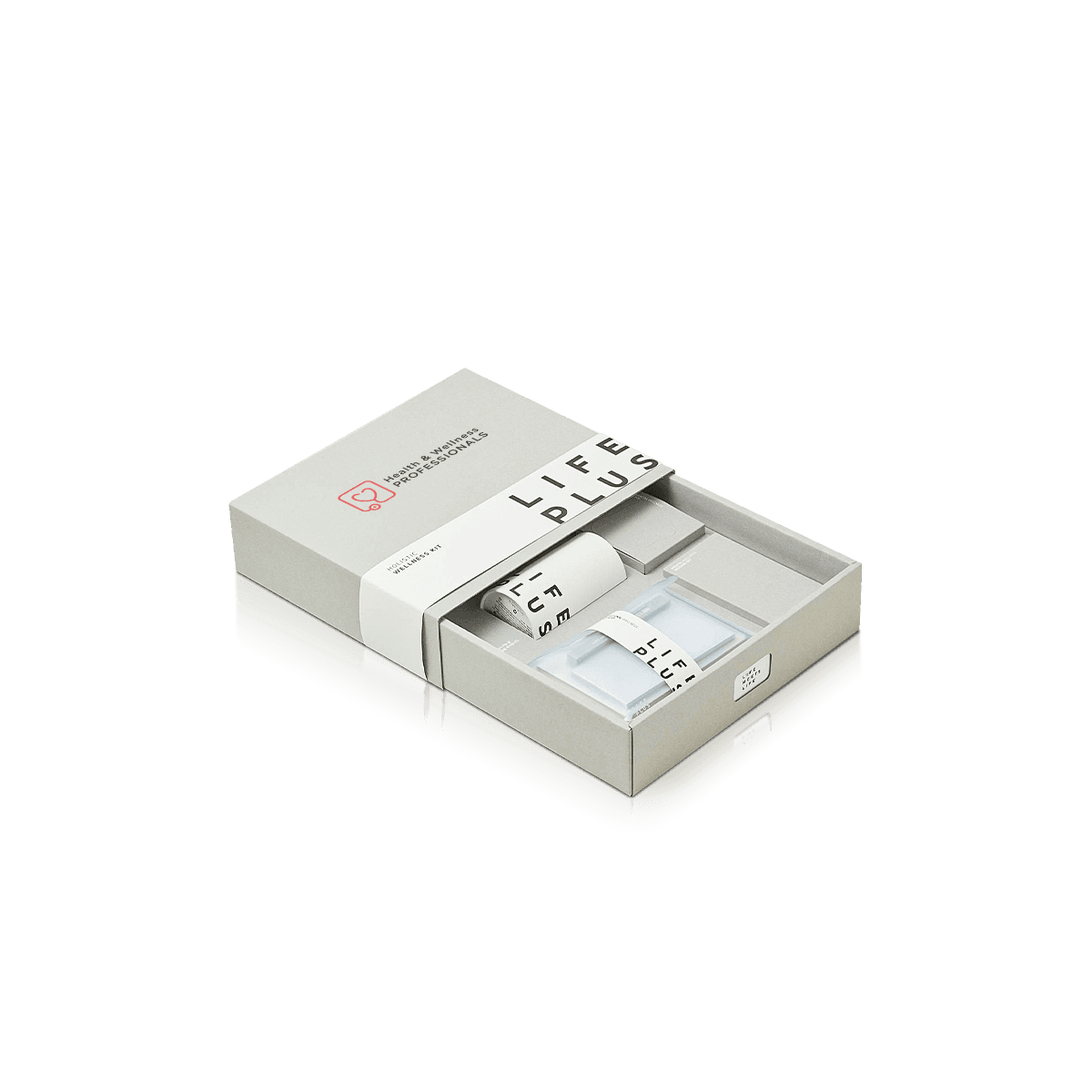
That separates it from Luxury Gift Boxes, where the packaging itself is expected to contribute strongly to perceived value through substantial materials, refined finishes and a higher-end presentation.

Welcome packaging is often more operational.

The box may need to hold an itinerary, local snack, water bottle and small guest item efficiently across a large room drop. In that situation, clarity and packing speed can matter more than a heavy magnetic structure.

Luxury treatment makes sense for VIP stays, executive guests or high-value gifting where the packaging should be retained.

Standard welcome programs can use simpler construction and still feel considered through accurate sizing, strong print and disciplined item organization.

Conference Kits Need Faster Distribution

A guest arriving in a hotel room and an attendee collecting a kit at registration experience packaging differently.

Conference Gift Boxes have to support high-volume handout, audience segmentation and event materials at registration desks, speaker rooms or sponsor areas.

Welcome boxes are more centered on arrival and settling in.

There is overlap, but the distribution mechanism changes the design.

A conference box may need an easy external identifier for attendee type. A hotel room drop can prioritize the message visible after opening. A pre-arrival package needs stronger transit protection than either.

Choose the packaging around the handoff rather than using one event-box formula everywhere.

Mailed Welcome Kits Need a Shipping Structure

A presentation box and a parcel package have different jobs.

If a welcome set is mailed before a retreat, sent to a remote employee or delivered to an attendee before an event, the package has to handle courier distribution.

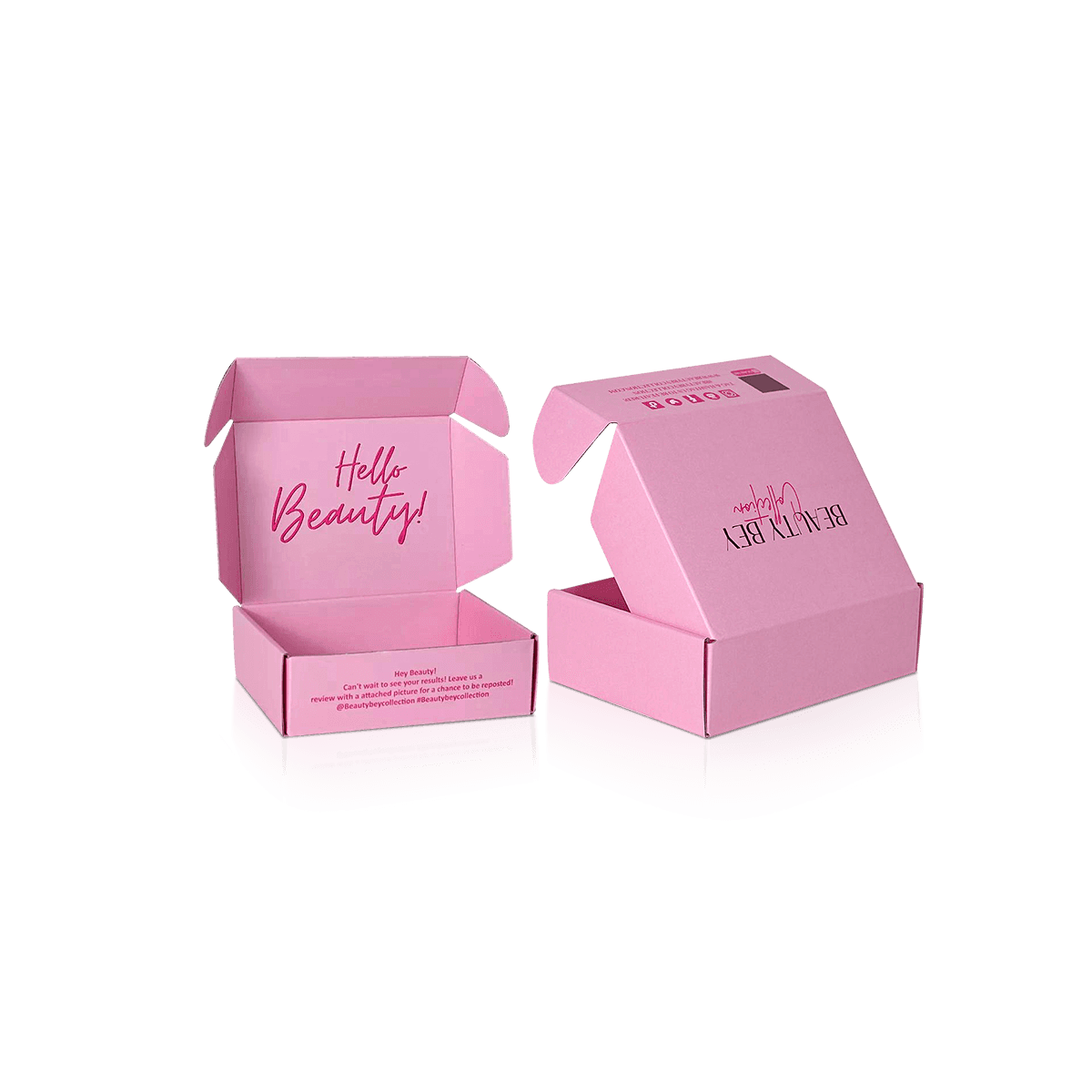
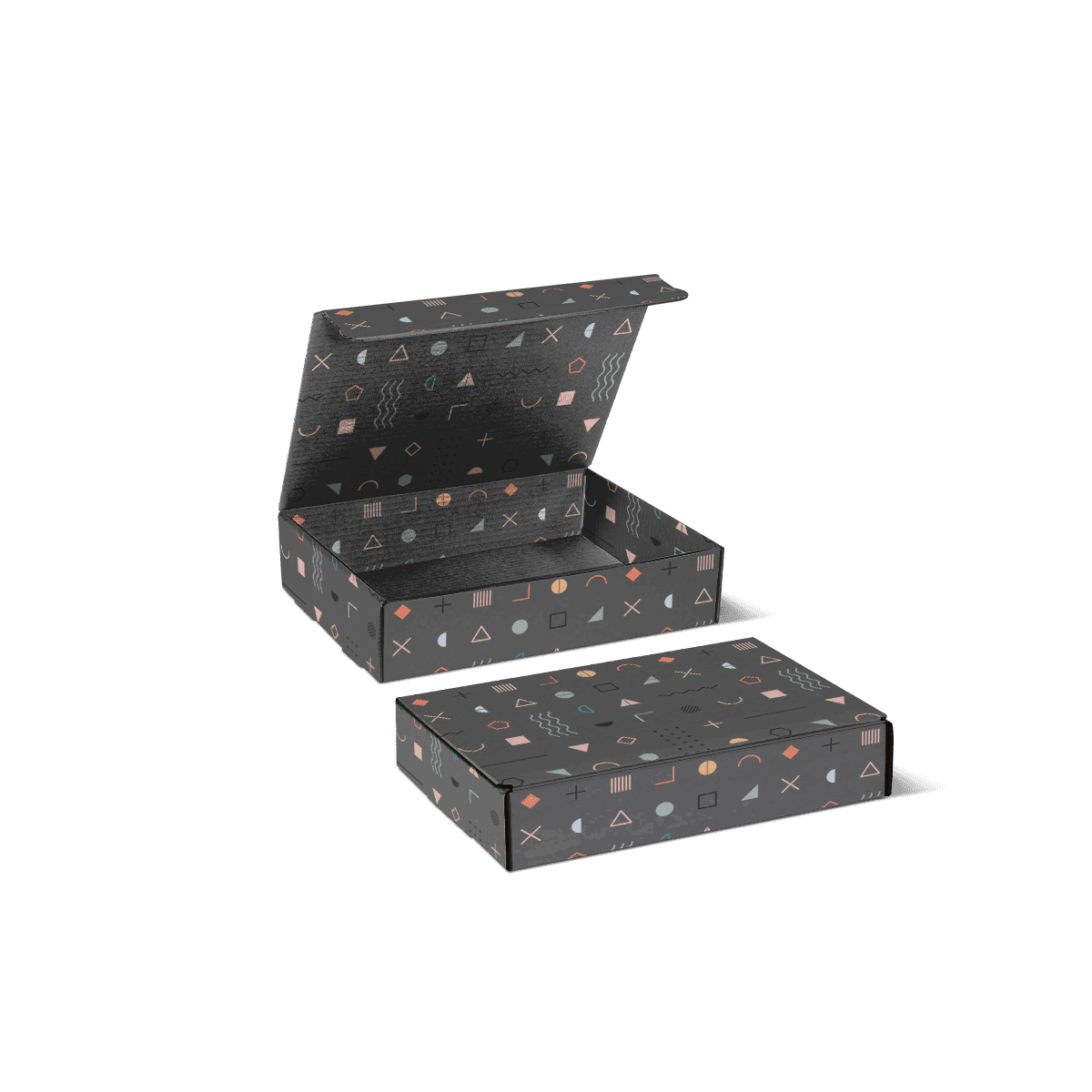
A rigid presentation box can sit inside an outer shipper. In other cases, a custom mailer box can combine branding with the transit structure and remove the need for a second decorative box.

The decision depends on the desired opening experience and product fragility.

Heavy bottles and delicate gifts need internal control regardless of the outer structure. Printed materials should not be allowed to move into crush zones around those products.

The arrival moment begins badly if the first task is reorganizing a box that shifted in transit.

Fix the Arrival Sequence, Not Just the Damage

Consider a resort welcome box containing a bottled drink, two local snacks, a folded map, a welcome card and a small wellness item.

Everything fits inside one open cavity.

At the packing table it looks acceptable. After the boxes are carried to guest rooms, the bottle has shifted across the base, one snack sits over the map and the welcome card has moved beneath the other items.

Nothing is broken.

The arrival hierarchy has failed.

The correction is to give the bottle a restrained position against a strong part of the base, create a separate area for the small items and move the map and welcome card to a shallow top position or dedicated pocket.

The guest now sees the greeting and useful information first while the gifts remain organized underneath.

The practical improvement comes from changing priority and movement, not adding more decoration.

Print Should Establish Place Quickly

Welcome packaging often has very little time to communicate context.

The recipient should be able to tell whether the box belongs to the hotel, wedding, retreat, conference or host without reading several lines of copy.

Strong brand color, concise typography and one clear event or property identifier are usually more effective than filling every surface.

Premium offset printing supports detailed artwork and repeat color across larger programs. Inside printing can carry a welcome message where it appears at the right moment.

If several stakeholders need recognition, establish a hierarchy rather than giving each logo equal visual weight.

Custom Packly provides design and dieline support plus free 3D mockups so exterior identity, interior messaging and content placement can be reviewed together before production.

Packout Speed Deserves a Trial Run

A welcome box may be handled by hotel staff, an event production team, a fulfillment partner or temporary packing staff.

The layout should not require expert interpretation.

Run several boxes through the intended packing sequence.

Can staff identify where every item goes? Are cards added before they become blocked? Can all components be counted quickly? Does one product require awkward manipulation to fit? Can multiple versions be distinguished without opening each box?

If the first few packs need repeated explanation, the layout probably needs simplification.

This becomes especially important when the packaging has a fixed arrival date.

Custom Packly supports bulk and repeat orders, warehousing and scheduled deliveries where packaging inventory needs to reach different stages or locations rather than arriving as one large release.

Program Size Changes the Commercial Plan

A 100-box executive retreat and a 5,000-unit hotel program should not be planned identically.

Smaller programs may justify more specialized inserts, heavier structures or individualized details. Larger programs put more pressure on packing speed, storage, SKU control and replenishment.

USA MOQ starts from 100 boxes. US production and a standard 4–6 day turnaround after final artwork and specifications are approved can support fixed event dates once the structure and artwork are approved. Complex structures, specialty materials or advanced finishes may require additional time.

When the content list, quantity and distribution method are clear, an instant custom packaging quote can be developed around the actual welcome program.

The useful inputs are not simply box dimensions. Item count, packed weight, recipient versions and handoff method can materially change the right construction.

Freeze the Guest Journey, Not the Item List

Welcome programs often change.

A hotel may rotate seasonal snacks. A wedding weekend may use a different local gift. A recurring retreat may replace one branded item each year.

The packaging system should tolerate reasonable content changes without losing the arrival sequence.

Identify which positions are permanent: immediate information, heavy item zone, small-gift zone and any fragile-product support. Then identify which areas can absorb substitutions within an agreed size range.

That gives the program room to evolve without rebuilding the box every time one snack or amenity changes.

The outer artwork, message hierarchy and main packing logic can stay consistent while selected contents rotate.

A well-developed custom welcome gift box is therefore not just a container for the first item list. It is a repeatable arrival system that helps staff pack clearly and helps recipients understand the welcome in the order it was intended.

FAQs

Common contents include local snacks, bottled items, room information, event schedules, thank-you notes, mini wellness products and small branded keepsakes. The best mix depends on whether the box is for hotel arrivals, destination events or group hospitality.

Welcome Gift Boxes are usually the better fit when presentation, gifting and mixed contents matter most. Travel Kit Boxes work better for compact essentials-led packs focused on toiletries, sleep items and practical short-stay basics.

Yes. Inserts help fragile items stay upright, stop cards from getting lost under snacks and make the whole set easier to unpack at first glance.

No. Rigid boxes are great for VIP guests, luxury stays and keepsake-style gifting, while lighter folding or paperboard constructions often make more sense for higher-volume events and standard guest drops.

That is a common setup. By changing the insert pattern, printed sleeves or item count, the same outer box can support holiday arrivals, wedding weekends, conference guests and upgraded room packages.

Process

How it works

Your Packaging Journey, From Idea to Production and Delivery

01

Tell Us Your Specs

Custom packaging boxes

Tell Us Your Specs

Provide size, quantity, printing, and finishes.

02

Get a Fast Quote

Custom packaging boxes

Get a Fast Quote

Instant transparent pricing, no hidden fees.

03

Design and Approval

Custom packaging boxes

Design and Approval

Artwork checks, revisions, and final sign-off.

04

Produce

Custom packaging boxes

Produce

Expert manufacturing to meet deadlines.

05

Ship to Your Door

Custom packaging boxes

Ship to Your Door

Hassle-free, flexible delivery options.

Get Your Quote for Custom Welcome Gift Boxes

Share your product details, size, quantity and artwork needs. We’ll help choose the right packaging style and send a clear quote.