Skip to content
Details

Custom Luxury Gift Boxes

Premium gift packaging with substantial structure, precise interior presentation and carefully controlled print and finishes for products that need the packaging to carry value of its own.

Every Detail Cannot Be the Hero

Luxury packaging weakens when every element tries to prove that it is luxurious.

Heavy board, foil, embossing, textured paper, ribbon, magnets, inside print and an elaborate insert can all be premium choices. Using all of them at maximum intensity can produce a box that feels busy rather than considered.

Custom luxury gift boxes need hierarchy.

One element should establish the first impression. Another can reward touch. The interior can create the reveal. The product should ultimately remain more important than the decorative treatments surrounding it.

That restraint is particularly important in hospitality and event packaging, where luxury gifts may be used for VIP guests, executive presentations, premium events and high-value thank-you programs.

The package has to communicate distinction before opening without exhausting every visual idea on the exterior.

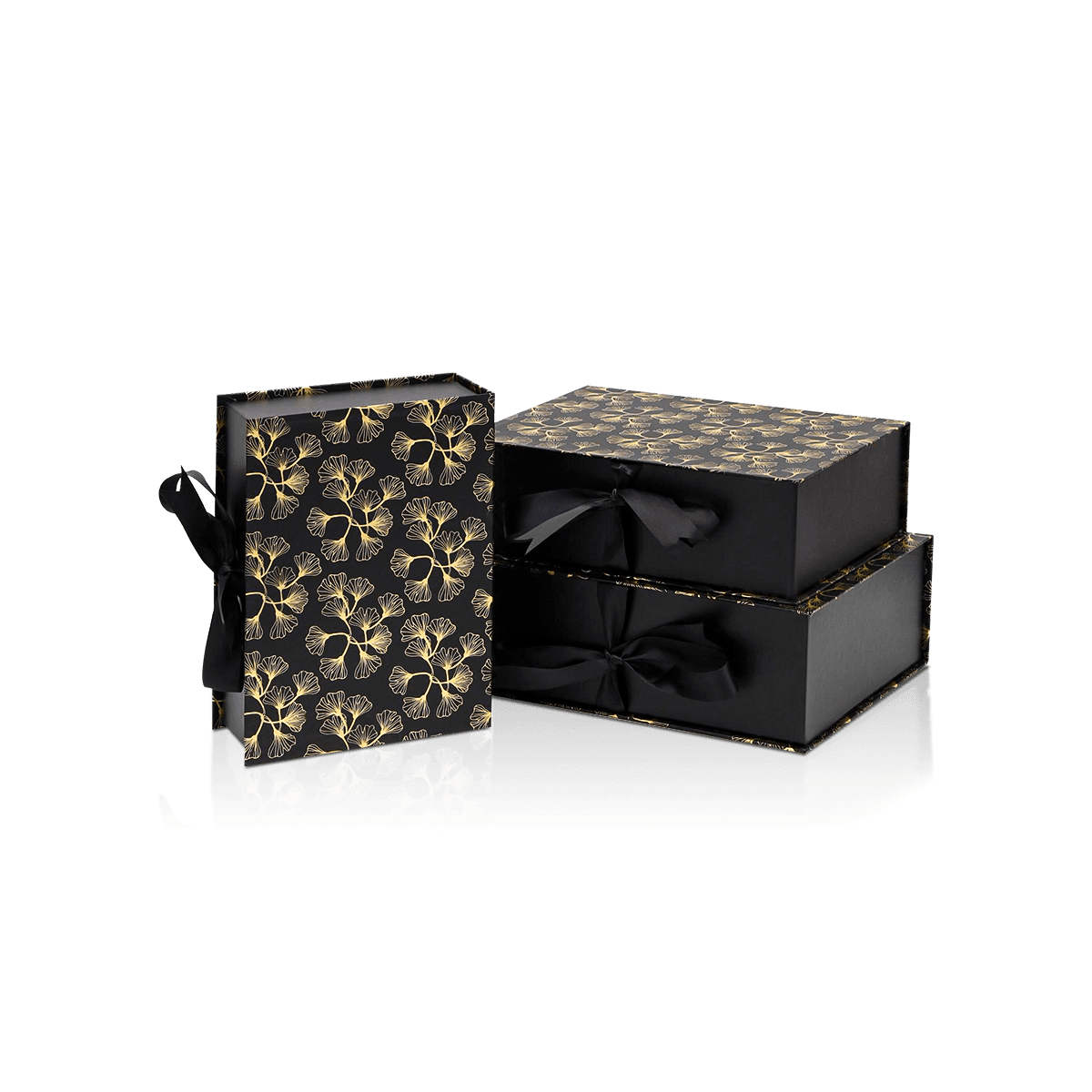
A quiet textured wrap with one precise foil mark can carry more authority than several effects competing across the same lid.
Weight Should Feel Intentional

Physical weight changes how a premium gift is perceived before anyone sees the contents.

Rigid board can create that substance because the walls remain firm and the package holds a permanent form. The box feels different from a lightweight folding carton as soon as it is lifted.

That does not mean heavier is always better.

An unnecessarily thick structure around a small lightweight item can feel disproportionate. It also increases storage and shipping volume without necessarily improving the gift.

The right weight should match the product and occasion.

A premium watch, fragrance set, leather accessory or executive gift can justify a substantial rigid construction. A lightweight promotional piece may be stronger in high-quality paperboard with refined print.

The differences among packaging materials help clarify when rigid board contributes meaningful structure and when it simply adds mass.

Luxury begins with suitability, not maximum material.

Proportion Carries More Value Than Size

Large packaging can look impressive before opening and disappointing afterward.

If the product occupies only a small part of the interior, the empty area becomes visible immediately. The recipient sees the packaging trying to create value instead of supporting value already present in the gift.

Luxury gift packaging should frame the product confidently.

A single premium item may need open space around it, but that space should create focus. Multi-item gifts need enough separation to feel composed without pushing the box dimensions far beyond the contents.

This is where custom product packaging becomes useful. Product dimensions, weight, fragility and presentation position should determine the interior before exterior proportions are finalized.

A well-proportioned box often feels more expensive because nothing appears accidental.

The Opening Needs Resistance, Not Effort

Luxury is often communicated through movement.

A lid that lifts too freely can feel loose. One that requires excessive force can feel poorly fitted. A magnetic closure that snaps aggressively can overpower an otherwise refined package.

The opening should feel controlled.

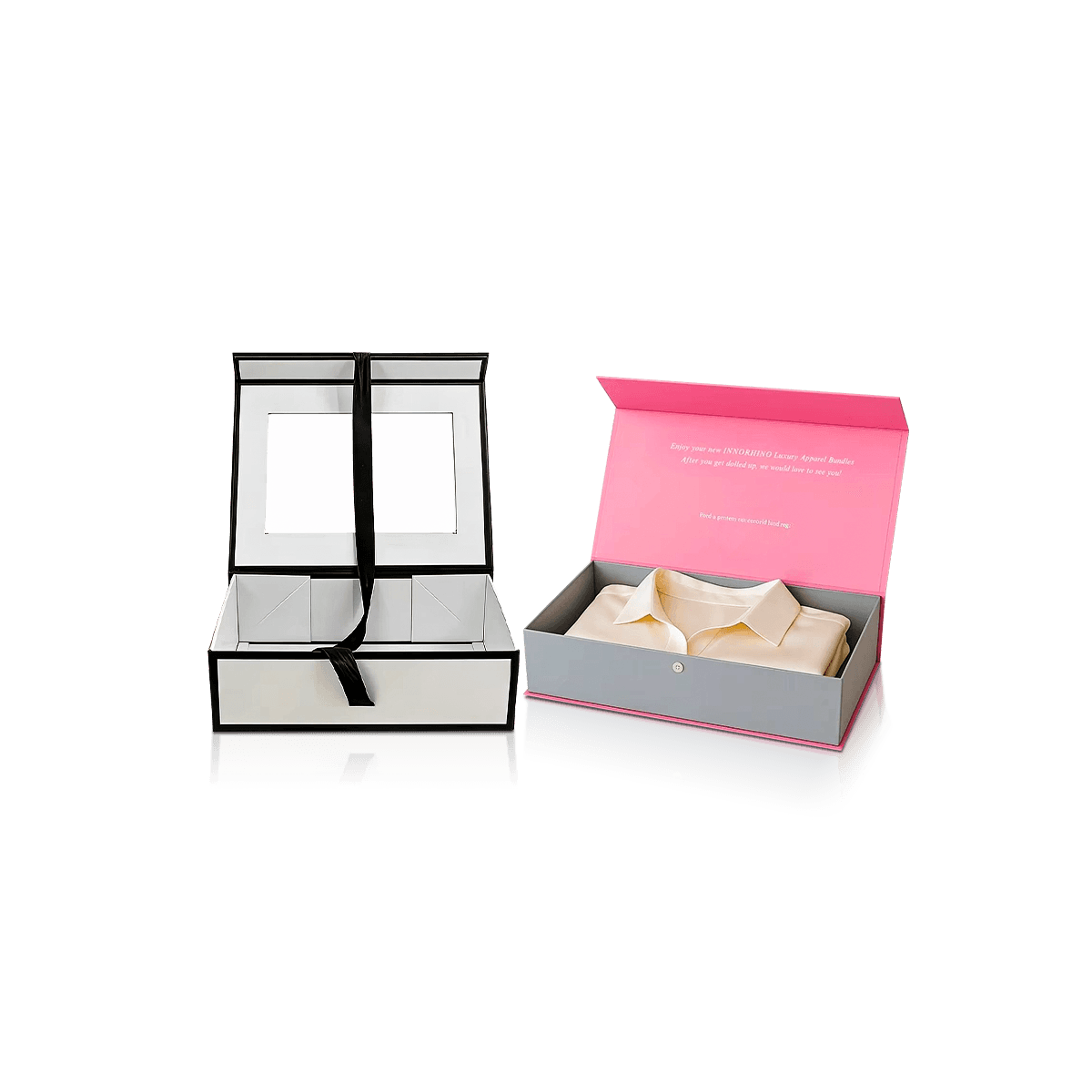
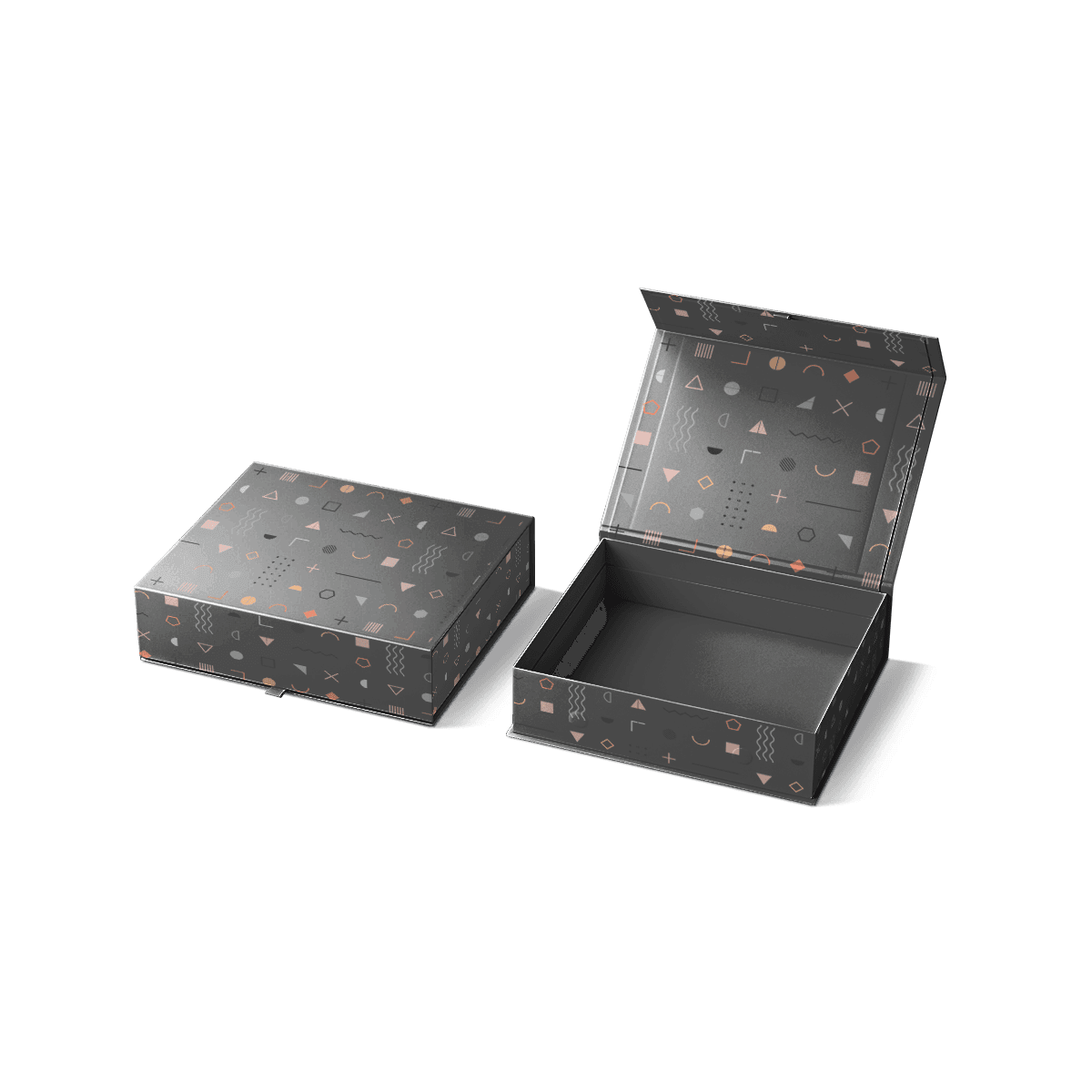
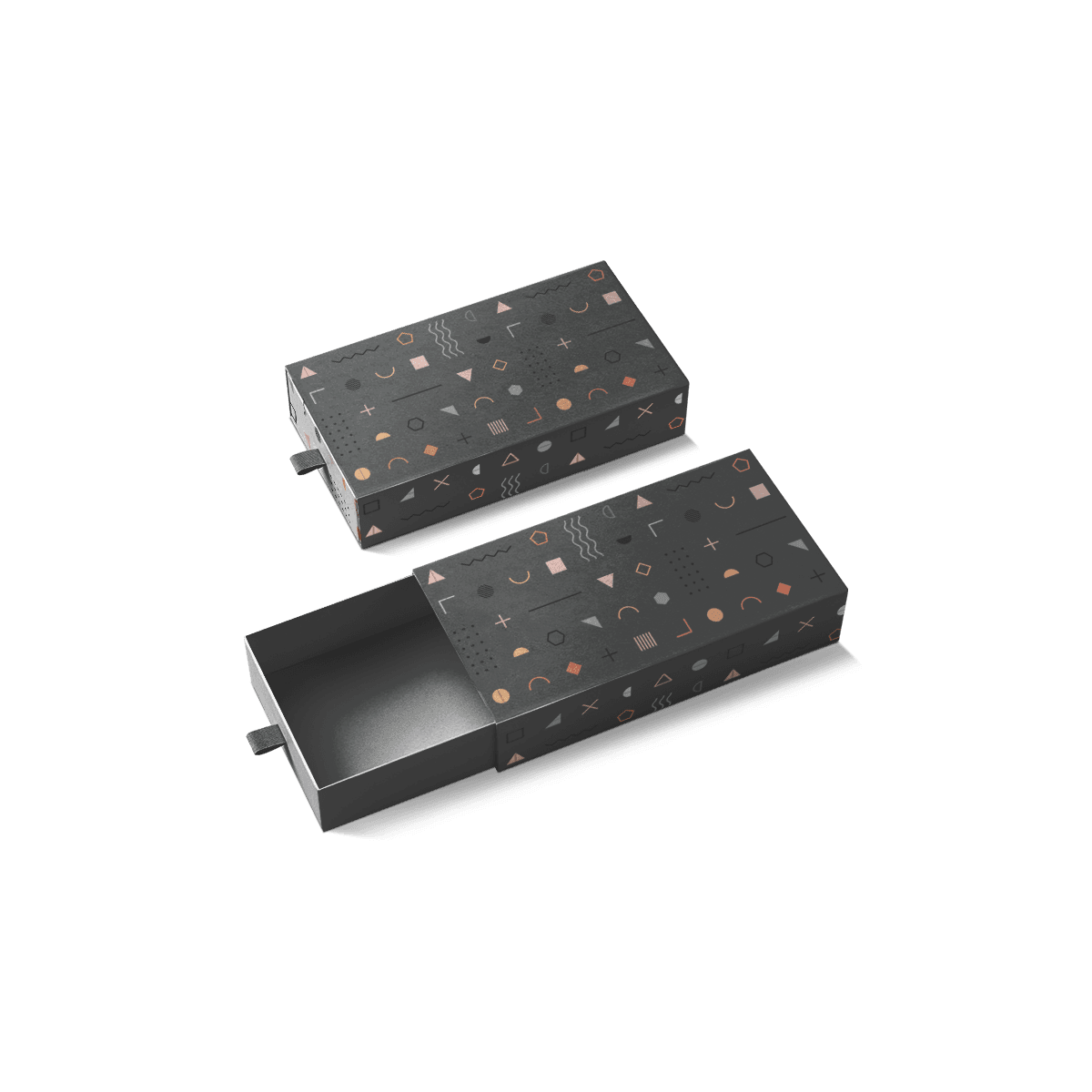
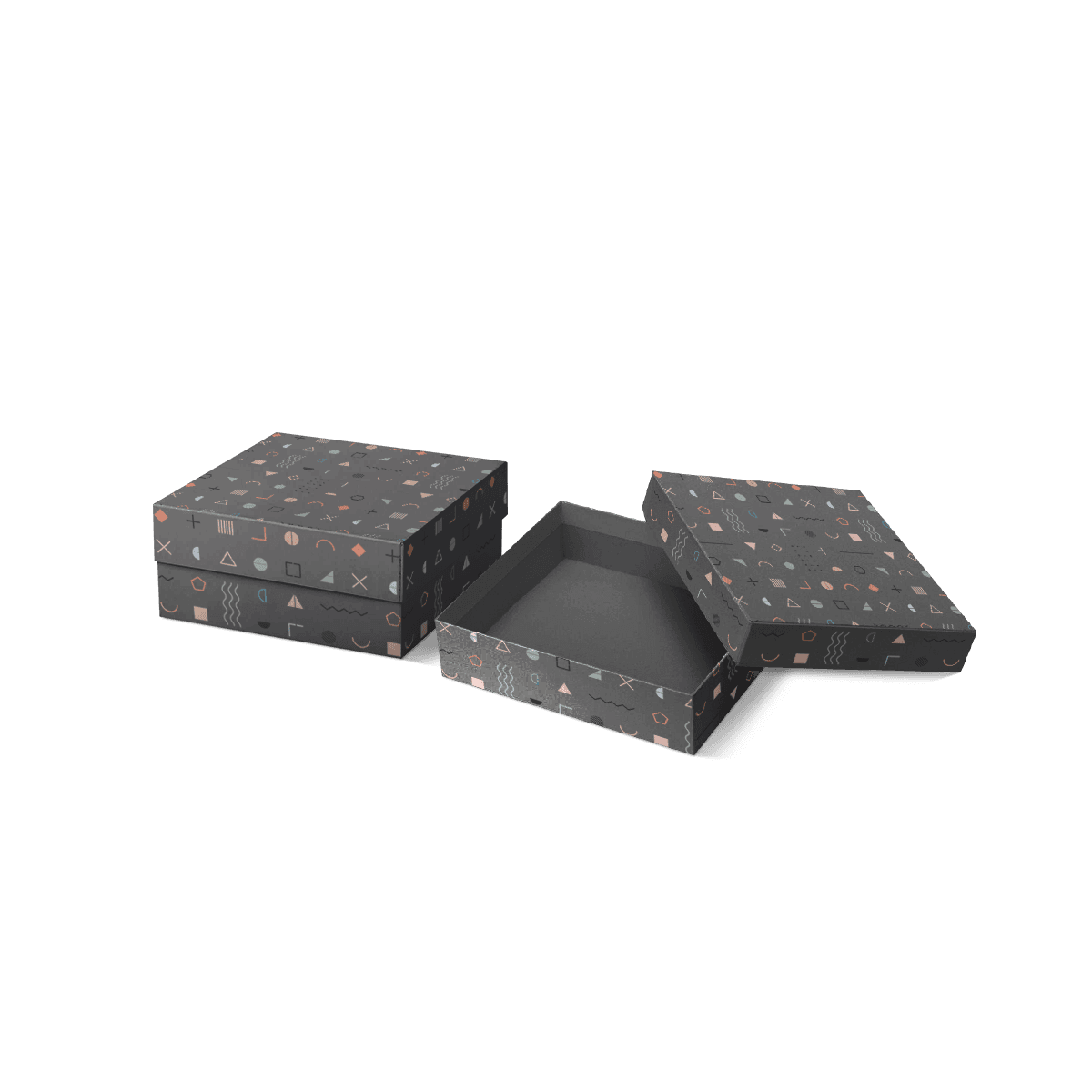
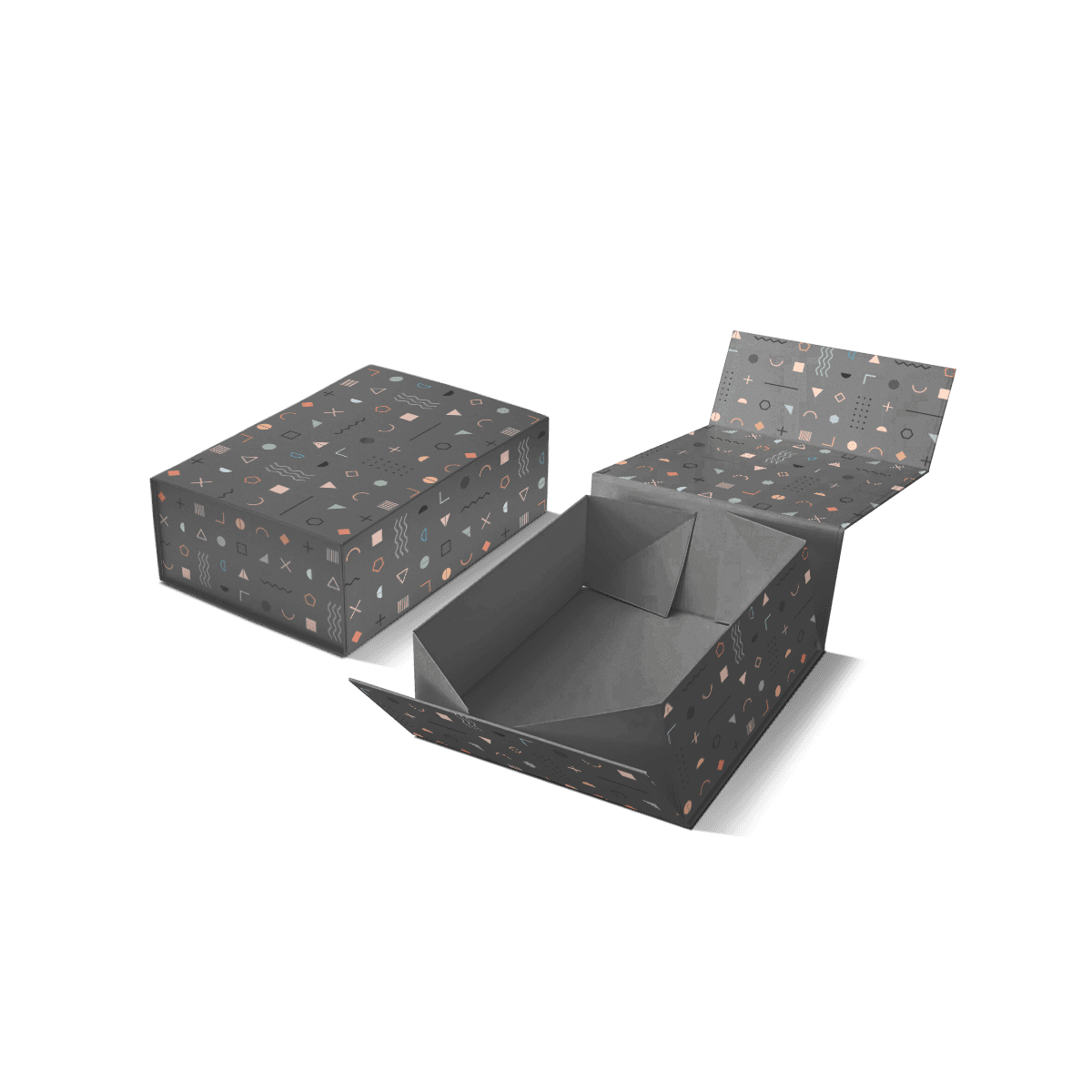
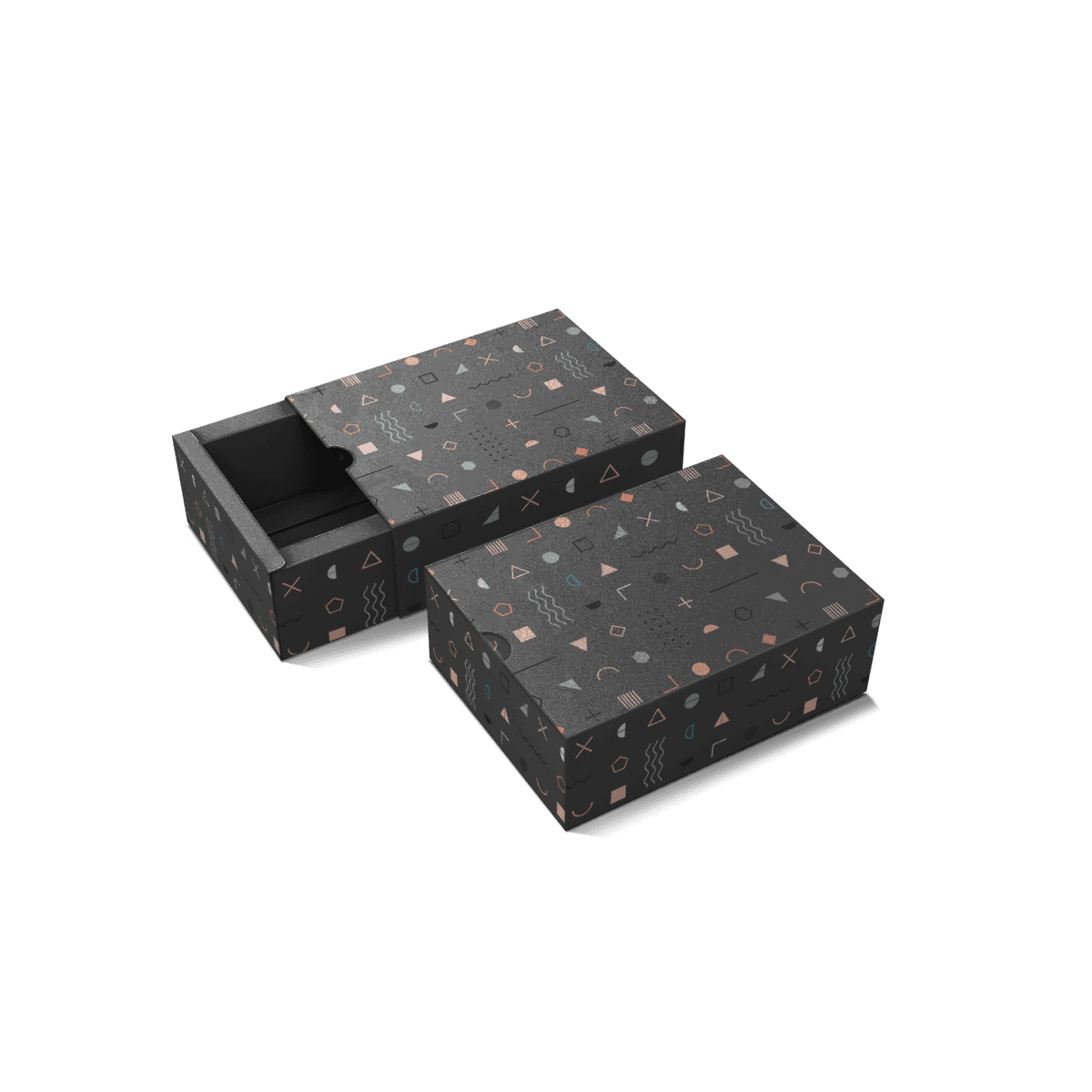
Different custom rigid box structures create that control in different ways. A lift-off lid relies on lid-to-base fit. A magnetic structure adds a distinct closing point. A drawer uses sliding resistance. A book-style construction makes hinge movement part of the experience.

The mechanism should suit the gift rather than being selected because it appears more elaborate.

Lift-Off Reveals

A two-piece box can create a clean, ceremonial opening when the lid separates with measured resistance.

The lid should not fall away under its own weight, but the recipient should not have to shake the base free.

Connected Openings

Magnetic and book-style structures keep the lid attached, which can help presentation where inside-lid messaging matters.

The hinge and closure should work together. Magnets should hold the box closed rather than compensate for a lid that naturally wants to spring open.

Sliding Reveals

Drawer structures can slow the reveal and create a strong tactile moment.

Their luxury comes from consistent travel and precise fit, not simply from adding a ribbon pull.

The Interior Should Become Quieter

The outside may establish anticipation. The inside should give the product room to take over.

This is where many premium boxes become overdesigned.

A reflective product surrounded by metallic foil, patterned lining, colored foam and multiple printed messages has no visual rest. The recipient does not know where to look first.

Luxury interiors often benefit from fewer competing elements.

A fitted insert can hold the product in the correct position while the surrounding surface remains restrained. Contrast can come from texture or color rather than additional decoration.

The choice among packaging inserts should follow the product's weight, fragility, removal method and desired presentation height.

Raise Small Products

Small premium items can disappear inside deep rigid boxes.

A raised platform or fitted insert can bring the gift closer to the opening while preserving the substantial exterior depth.

Separate Valuable Surfaces

Multiple premium items should not rub against each other during handling.

Individual cavities, dividers or restrained positions can prevent polished surfaces, glass, jewelry or accessories from making contact.

The insert should be invisible in purpose even when it remains visually prominent.

Texture Is Often Stronger Than Decoration

Luxury packaging is handled at close range.

That makes surface character important.

A textured wrap can create richness without adding more printed graphics. Soft-touch can make a plain color feel different in the hand. Debossing can add depth without reflection. Foil can introduce one point of light.

The most effective packaging finishes usually work through contrast rather than quantity.

A matte box with a gloss spot detail creates contrast.

A dark wrap with a restrained foil mark creates contrast.

A smooth exterior with a textured interior creates contrast.

When every surface is shiny, textured and embossed, contrast disappears.

Luxury needs somewhere for the eye and hand to rest.

Foil Needs Empty Space

Foil works particularly well on gift packaging because even a small metallic element can attract attention.

That advantage disappears when foil occupies too much of the design.

A logo, border, monogram or short product mark can become the focal point. A full panel of metallic detail can overwhelm the structure and make registration imperfections more noticeable.

The same principle applies to embossing and spot UV.

Specialty finishes need space around them.

Premium offset printing can carry the main artwork, while foil, embossing, debossing or spot UV establishes selected points of emphasis.

Where exact brand color matters, the decision between CMYK and Pantone printing should be resolved before specialty effects are layered onto the artwork.

Custom Packly also provides design and dieline support plus free 3D mockups so finish placement can be reviewed in relation to the physical box rather than as isolated artwork.

Wrapped Edges Deserve Attention

Rigid gift boxes depend heavily on their wrapped surfaces.

Large front panels may receive most of the design attention, but corners and turned edges often reveal the quality of the finished package more quickly.

Poorly considered artwork can place fine detail too close to an edge. Dark solid colors can make inconsistencies more visible. Patterns crossing several wrapped faces require careful alignment.

The box should therefore be evaluated as a three-dimensional object.

Stable front and top panels can carry precise branding. Corners and folded edges need enough tolerance that the finished wrap remains clean.

This becomes particularly important with minimalist packaging because there is less visual activity to hide small defects.

A simple luxury box is often harder to execute convincingly than a visually busy one.

A Keepsake Box Needs a Second Life

Some luxury gift packaging is meant to be discarded after opening.

Some is clearly expected to stay.

That distinction should be decided before construction is specified.

A substantial jewelry presentation, executive gift or premium accessory box may remain on a dresser, desk or shelf for years. Its closure will be opened repeatedly. Interior surfaces will continue touching the product. The exterior will be handled long after the initial gift moment.

In those cases, durability after opening matters.

The box should still close correctly after repeated use. The insert should remain stable. Printed or finished surfaces should make sense for ongoing handling.

A one-time presentation does not need to carry the same requirements.

Luxury does not automatically mean reusable. Keepsake intent has to be designed intentionally.

Premium Gifting Is Not the Same as Welcome Gifting

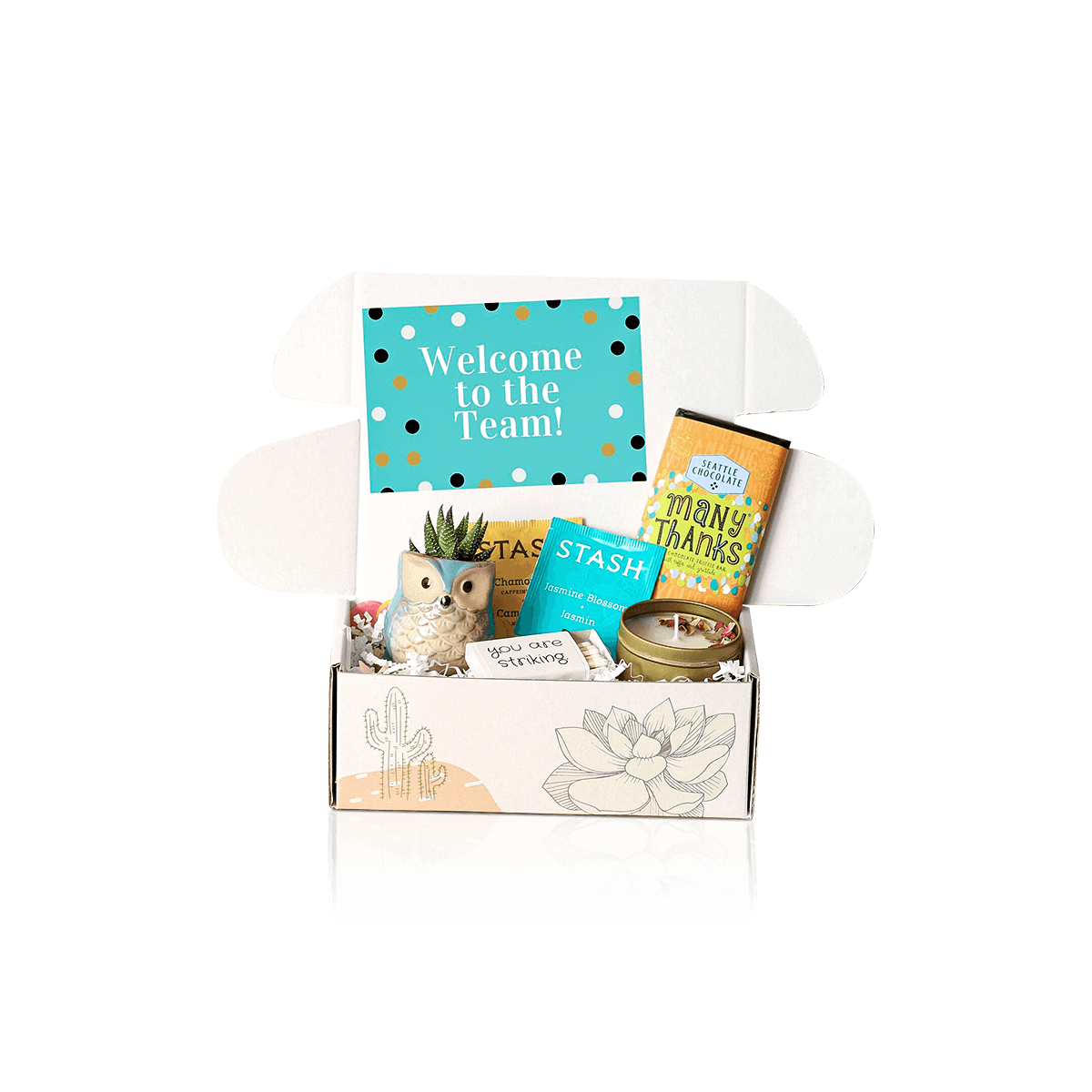
Welcome programs often combine practical information, useful items and gifts around an arrival moment.

Luxury gifting has a different center of gravity.

Welcome gift boxes should prioritize item order, printed details, guest tiers and efficient packout. A luxury gift box puts more emphasis on material presence, tactile quality, controlled reveal and lasting presentation.

The two can overlap.

A VIP hotel arrival may use luxury packaging. An executive retreat may combine welcome information with a keepsake gift. But premium materials should not obscure the operational job when the recipient needs schedules, room details or practical items immediately.

Define what the package must accomplish first.

Luxury treatment should strengthen that purpose rather than replace it.

Premium Products Need Their Own Space

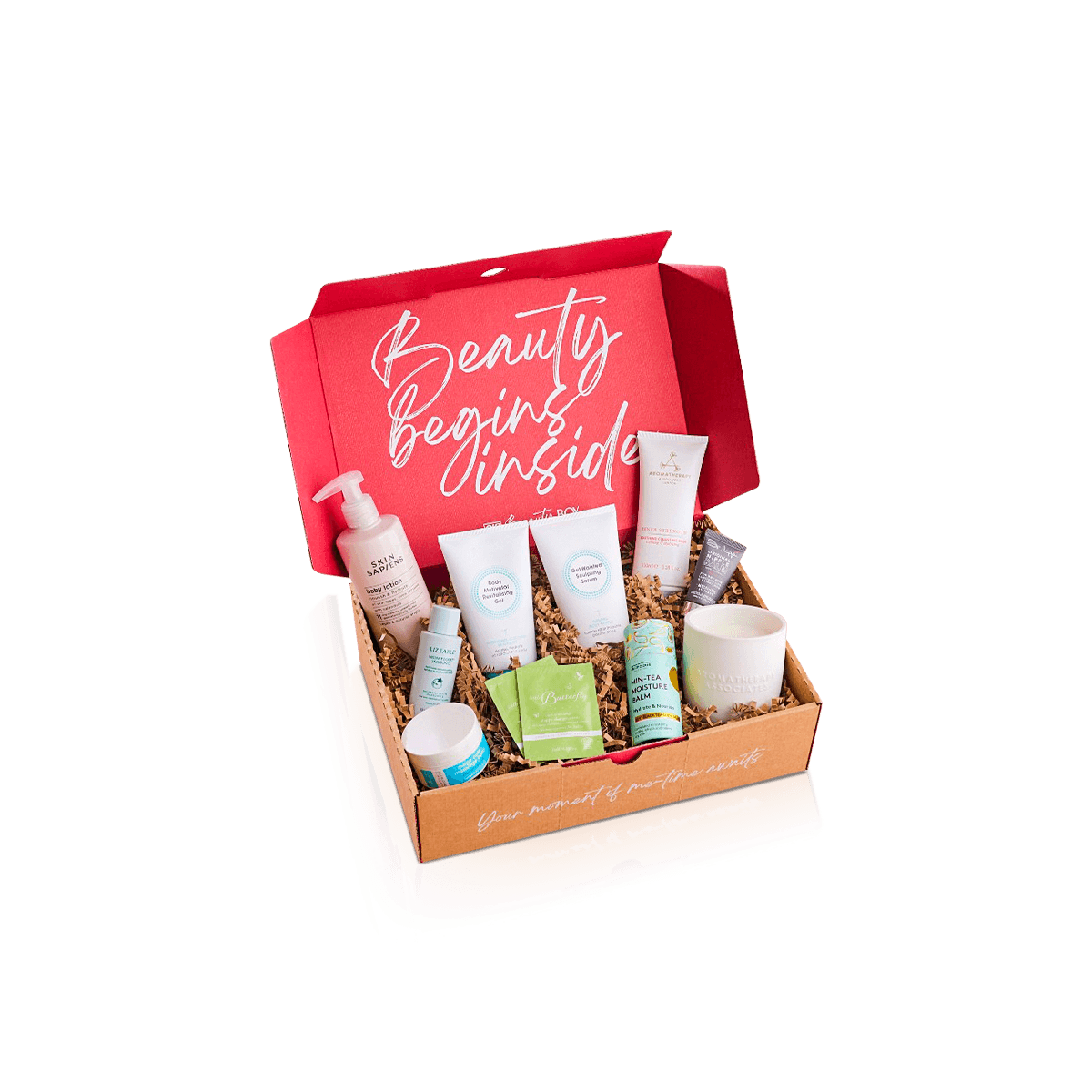
Multi-item luxury gifts require composition without looking like assortments dropped into one container.

A fragrance, accessory and message card may need clear separation. A gourmet gift can benefit from visual grouping. A premium apparel accessory may deserve one central position with smaller pieces supporting it.

The insert should establish hierarchy.

A common mistake is making every cavity identical because symmetry appears polished.

Equal cavities can accidentally tell the recipient that every object has equal importance even when one item is clearly the hero.

Space can create hierarchy just as effectively as size.

The primary gift can receive a larger visual field. Supporting products can be grouped more tightly. A card or message can occupy a separate plane rather than competing with the products.

The layout should feel curated.

Luxury Can Fail Through Excess

Consider an executive gift containing a premium leather accessory, small metal item and handwritten card.

The first concept uses a large magnetic rigid box with soft-touch lamination, gold foil across the lid, an embossed pattern, satin ribbon, metallic interior print and a deep foam insert.

Every component is technically premium.

Together, they compete.

The metal item disappears against the reflective interior. The leather piece sits too low in the foam. The ribbon crosses the card. The large box creates more empty area than the products need.

The correction is subtraction.

Reduce the outer footprint. Raise the leather item. Give the metal accessory a distinct position. Move the card to the inside lid or a shallow pocket. Keep the soft-touch exterior and one restrained foil mark while removing the unnecessary pattern and metallic interior.

The revised package feels more expensive because its decisions are easier to understand.

Luxury often improves when something is removed.

Collapsible Construction Changes the Trade-Off

Fixed rigid gift boxes provide permanent form immediately.

They also occupy their full volume before they are filled.

For programs where hundreds or thousands of empty premium boxes need to be stored or transported, collapsible rigid boxes can reduce that pre-packing footprint while still creating a substantial setup box after assembly.

The trade-off is operational.

Someone has to erect the boxes correctly before packout. The structure also needs to maintain clean alignment after setup.

A fixed rigid box may be preferable when speed at the packing table matters more than empty-box storage.

The premium appearance is only one part of the decision.

Luxury packaging still has to work backstage.

Shipping Should Not Touch the Presentation

A luxury gift box should arrive looking like it has not traveled.

Parcel networks make that difficult if the presentation box is expected to serve as the shipping container itself.

Wrapped paper can scuff. Corners can mark. Foil and dark matte surfaces can show abrasion. Ribbons and decorative closures can be disturbed during handling.

For mailed gifts, the premium box should normally sit inside suitable shipping boxes with controlled clearance and protection around it.

That outer layer does not dilute the luxury experience.

It preserves it.

The recipient can remove the transit packaging and encounter the gift box in the condition intended by the brand.

Premium Runs Need Consistent Finishing

Luxury packaging becomes particularly unforgiving across repeat production.

If the first order uses a precise foil position, specific wrap tone and controlled insert height, later runs need to reproduce those decisions closely enough that inventory can sit together without looking inconsistent.

This matters when a gifting program spans several events, properties or seasonal releases.

Stable artwork files, approved materials and a retained physical standard can help keep production aligned.

For larger recurring programs, bulk custom boxes can also support quantity planning, repeated specifications, warehousing and scheduled releases.

Custom Packly supports warehousing and scheduled deliveries where packaging inventory needs to be held and released in stages.

Consistency is part of luxury because recipients notice refinement through small details.

Spend on What the Recipient Touches

Premium budgets can disappear into features that look impressive on a specification sheet but contribute little to the actual experience.

Prioritize the moments the recipient physically encounters.

The exterior wrap is touched before opening. The closure controls the first movement. The insert determines how the gift appears. The product removal determines whether the experience remains elegant after the reveal.

Those are high-value decisions.

A hidden decorative treatment, unnecessary oversized structure or multiple competing finishes may consume budget without improving any of those moments.

USA MOQ starts from 100 boxes. Transparent pricing with no hidden charges keeps the commercial decision centered on the features the recipient actually experiences.

Define What Remains After the Gift

The final luxury decision is not the logo, foil color or ribbon.

It is what the package should become once the gift has been received.

If the box is disposable, it should deliver the premium moment efficiently without unnecessary structure.

If it is intended as a keepsake, the interior should continue to work after the original contents are removed or returned. The closure should tolerate repeated use. The exterior should remain appropriate outside the original gifting context.

If it represents an ongoing VIP program, the structure should also support future products without becoming visually tied to one short-lived campaign.

That decision gives the packaging a clear endpoint.

Custom Packly can support the structure, inserts, print, finishes and repeat-production planning as one coordinated specification, with 24/7 packaging expert support where details need refinement.

Custom luxury gift boxes feel convincing when every premium feature has a job. The strongest result is rarely the box with the most decoration. It is the one where material, movement, touch and presentation continue to feel intentional after the first impression has passed.

FAQs

Rigid formats usually deliver the strongest premium impression because the walls stay firm, the corners remain sharp and the box feels substantial in hand. That added structure also helps when the gift includes heavier or fragile items.

Yes, if the goal is a polished layout. Inserts keep scarves, accessories, gourmet packs, candles or small keepsakes from shifting and help each item look intentionally placed instead of loosely packed.

They can be a smart option when storage efficiency matters before packout. Fold-flat rigid styles help reduce warehouse volume while still delivering a more premium feel once assembled.

Usually less than buyers first assume. A restrained logo treatment, consistent color control and one or two finish details often create a stronger upscale result than covering every panel with graphics.

Luxury Gift Boxes are the better fit when the presentation itself is part of the value and the contents need a more elevated reveal. Welcome Gift Boxes work better for broader hospitality handouts that focus on convenience, guest information or mixed everyday items rather than a higher-end gifting moment.

Process

How it works

Your Packaging Journey, From Idea to Production and Delivery

01

Tell Us Your Specs

Custom packaging boxes

Tell Us Your Specs

Provide size, quantity, printing, and finishes.

02

Get a Fast Quote

Custom packaging boxes

Get a Fast Quote

Instant transparent pricing, no hidden fees.

03

Design and Approval

Custom packaging boxes

Design and Approval

Artwork checks, revisions, and final sign-off.

04

Produce

Custom packaging boxes

Produce

Expert manufacturing to meet deadlines.

05

Ship to Your Door

Custom packaging boxes

Ship to Your Door

Hassle-free, flexible delivery options.

Get Your Quote for Custom Luxury Gift Boxes

Share your product details, size, quantity and artwork needs. We’ll help choose the right packaging style and send a clear quote.