The Finished Candle Comes First
A candle's packaging dimensions should come from the finished product, not the empty vessel. Once the wax has set, the lid is attached and the labels are applied, the candle may occupy more space than its original jar specifications suggest.
A lid that extends beyond the glass, a raised label or a decorative cover can change how the candle fits inside its box. These differences are particularly important when a brand uses similar jars with different lids or decorative treatments.
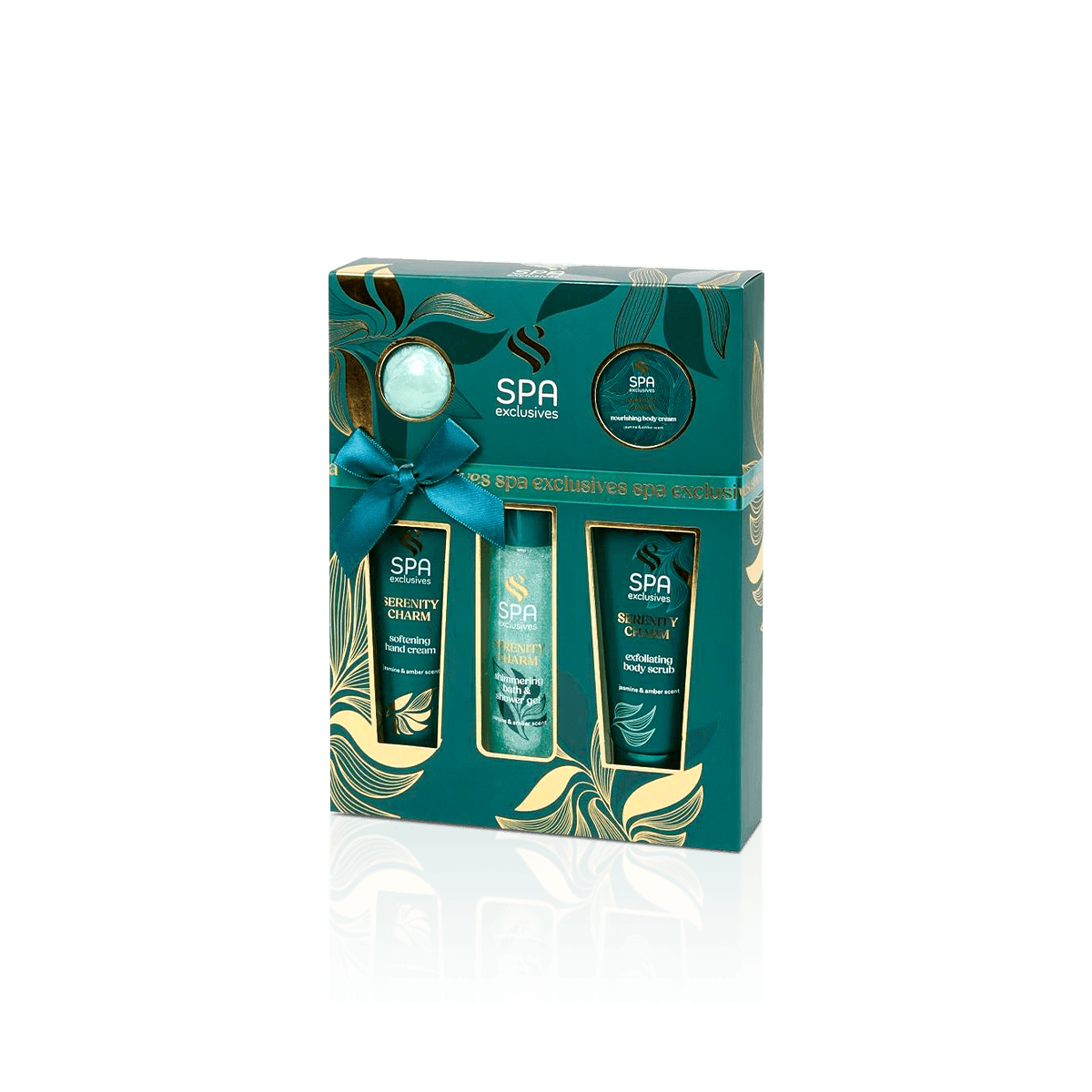
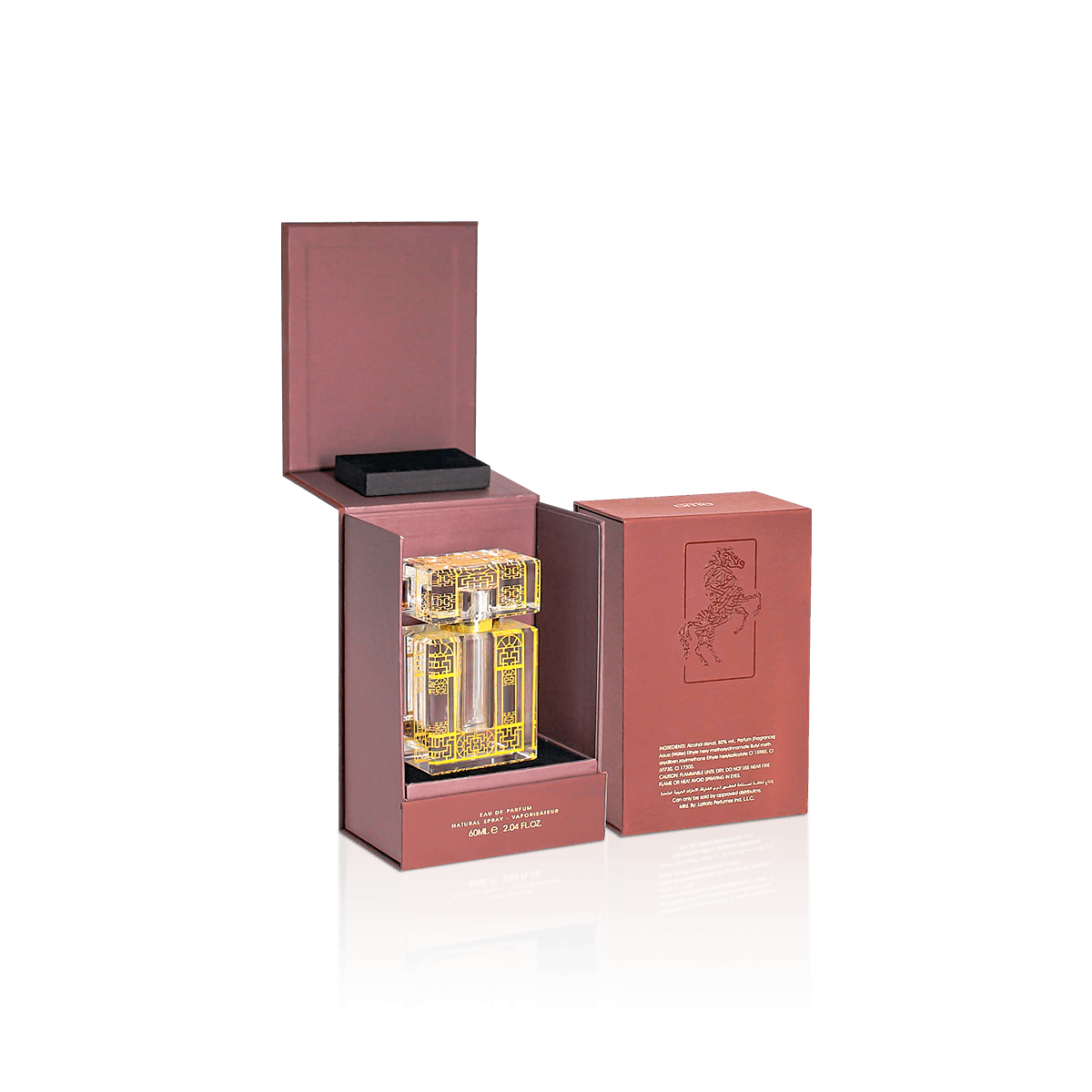
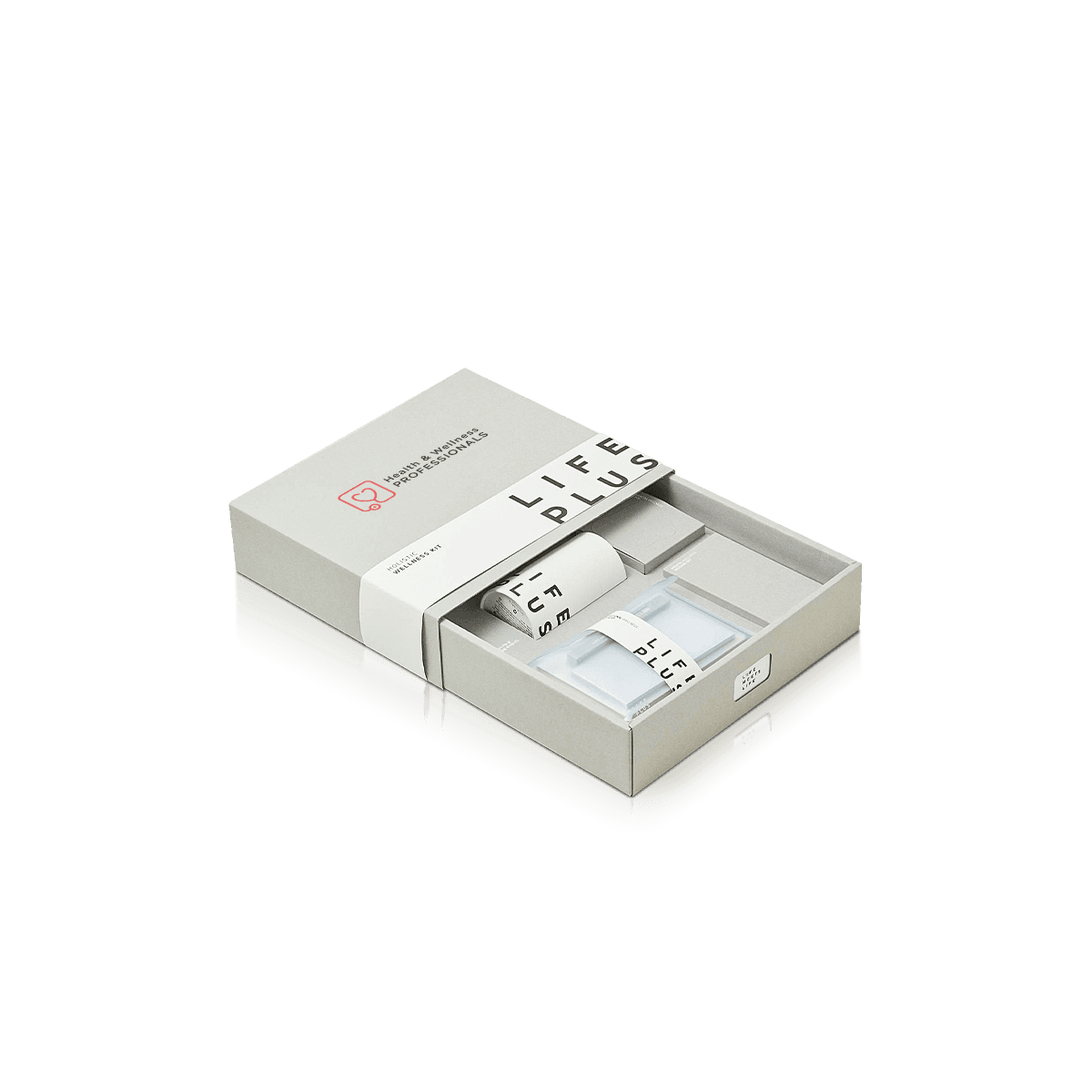
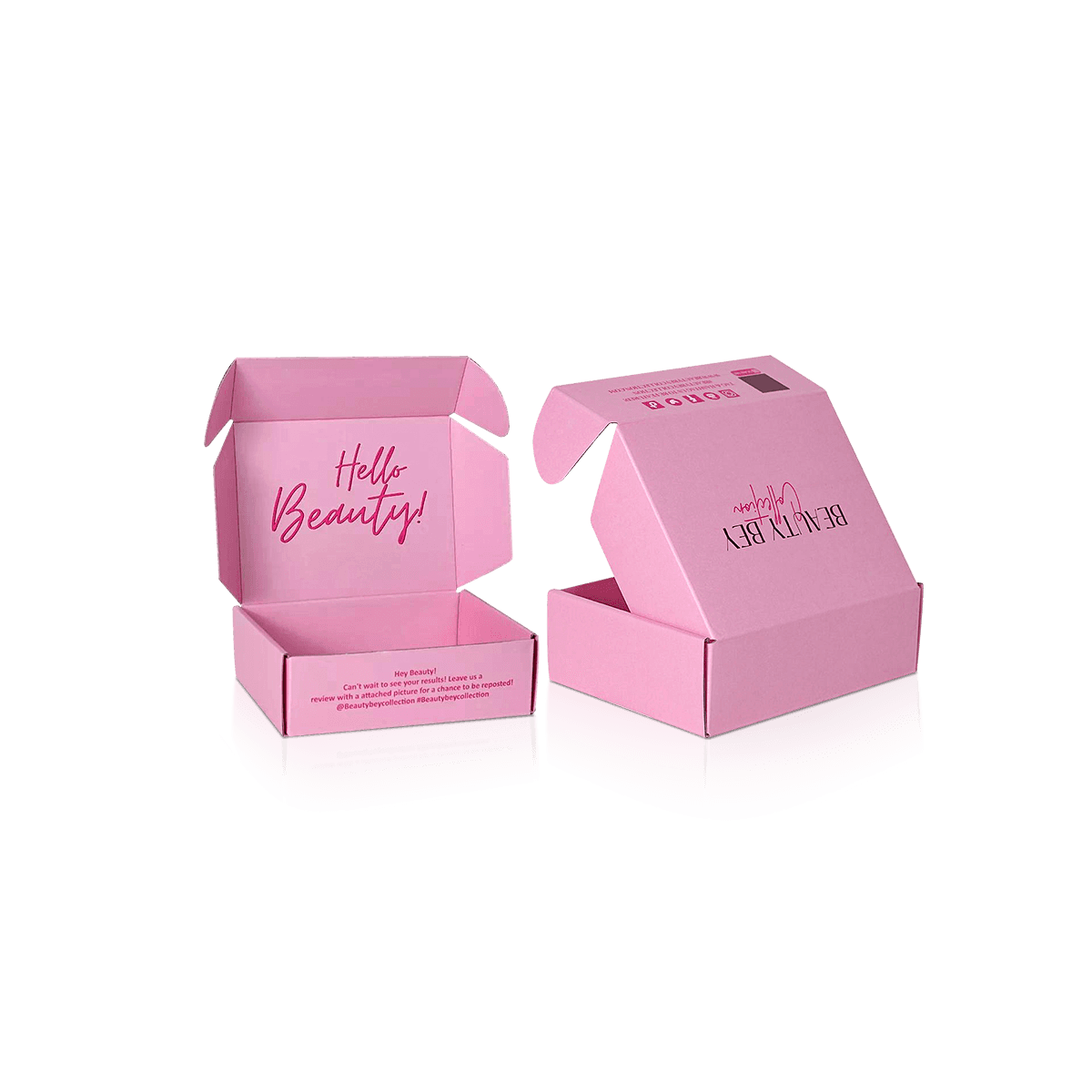
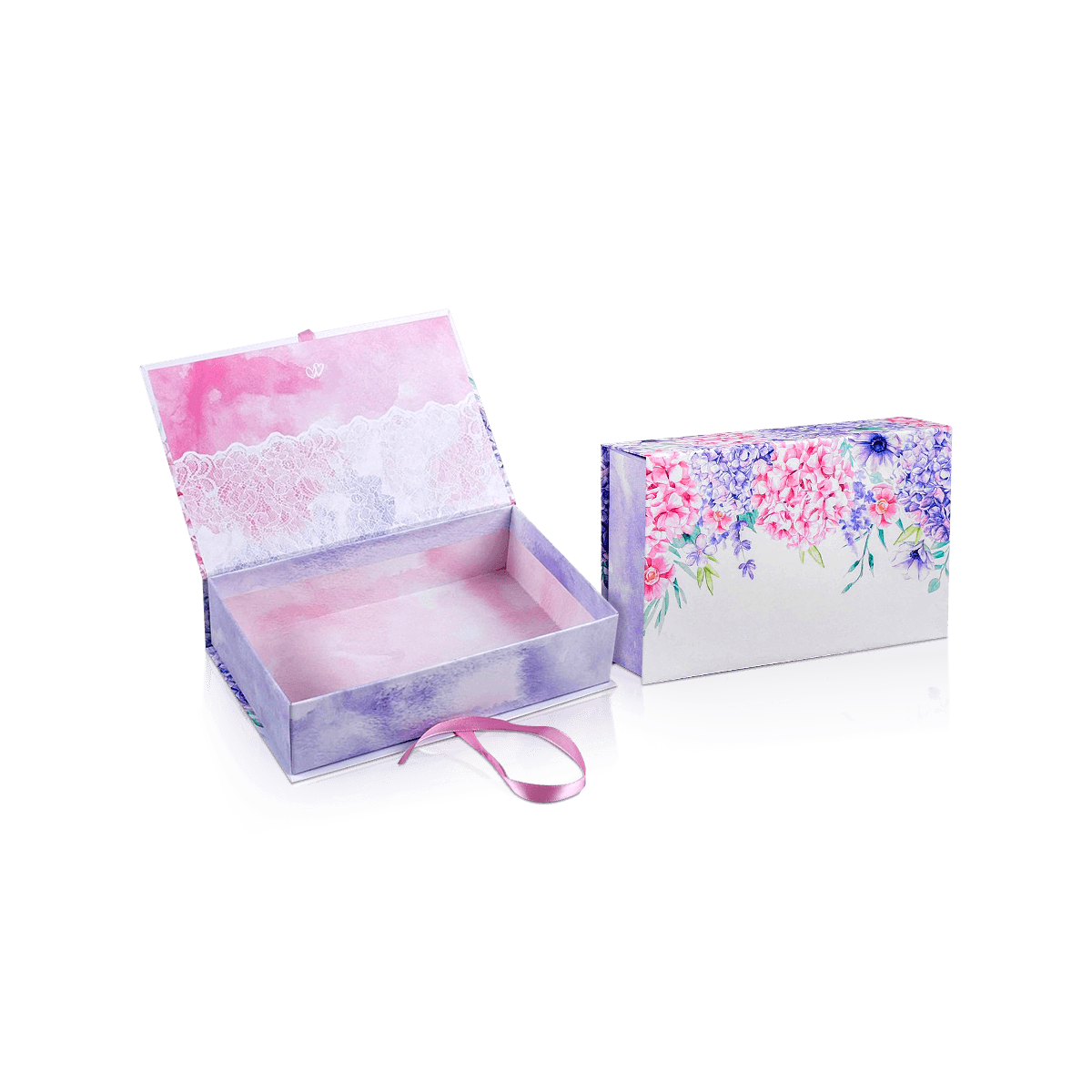
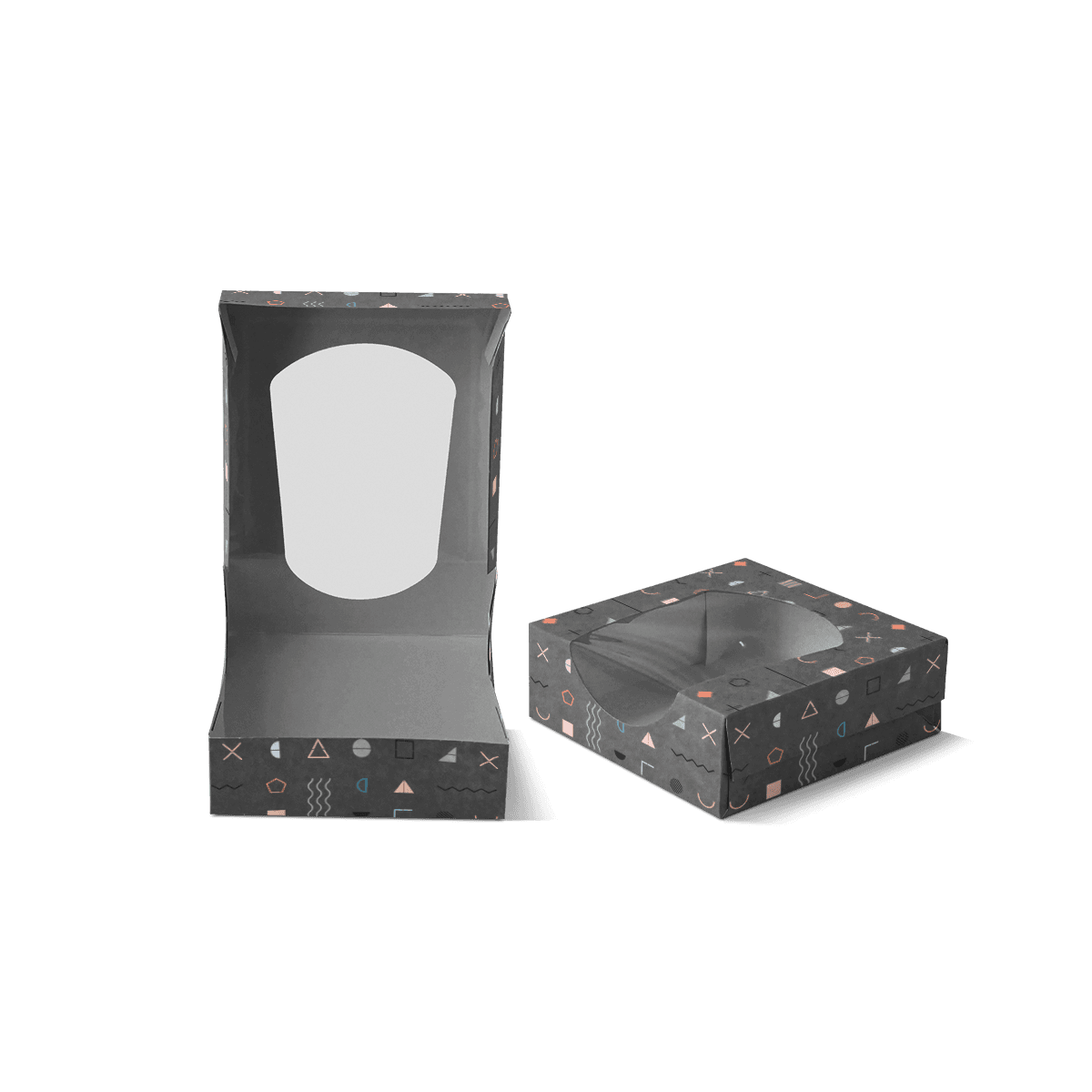
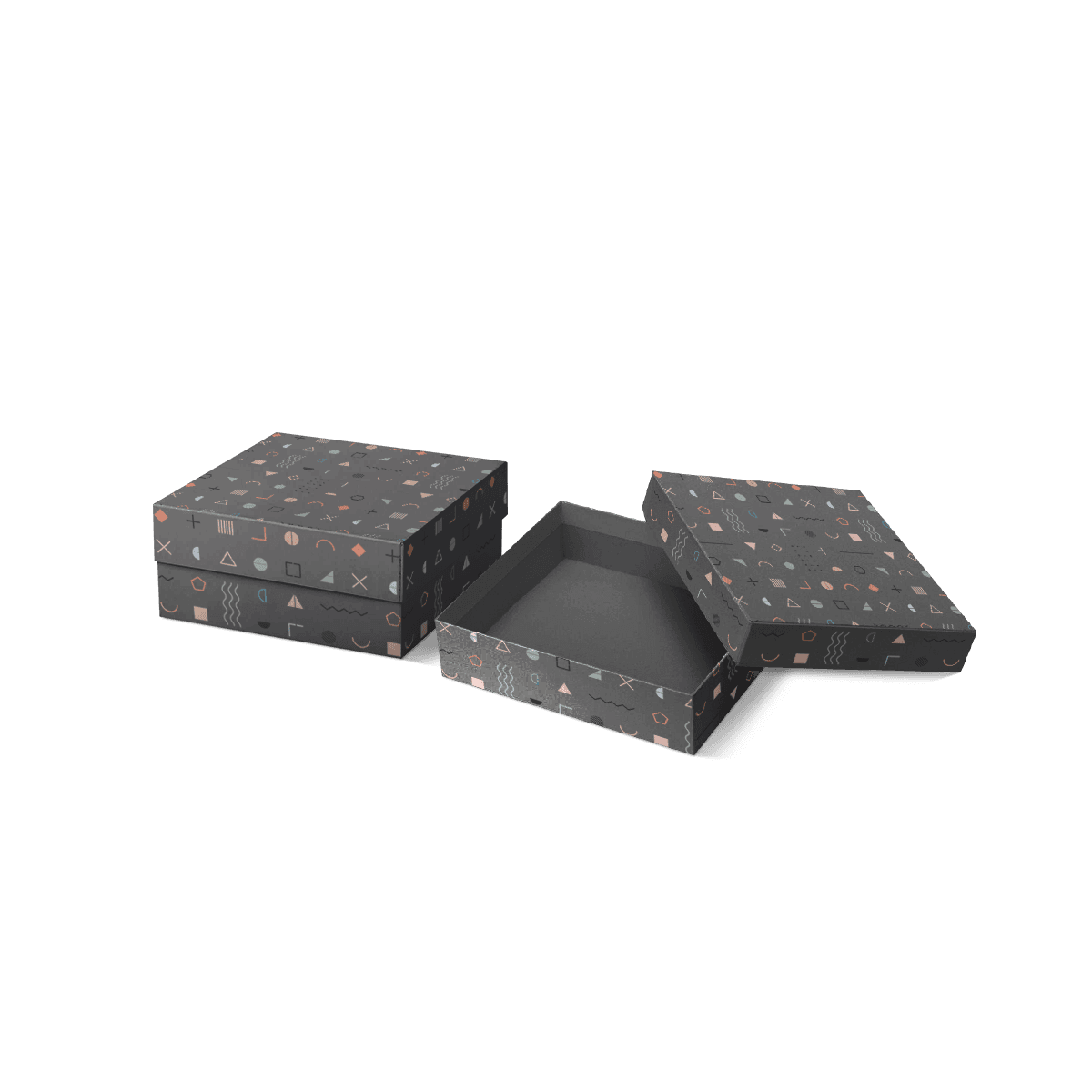
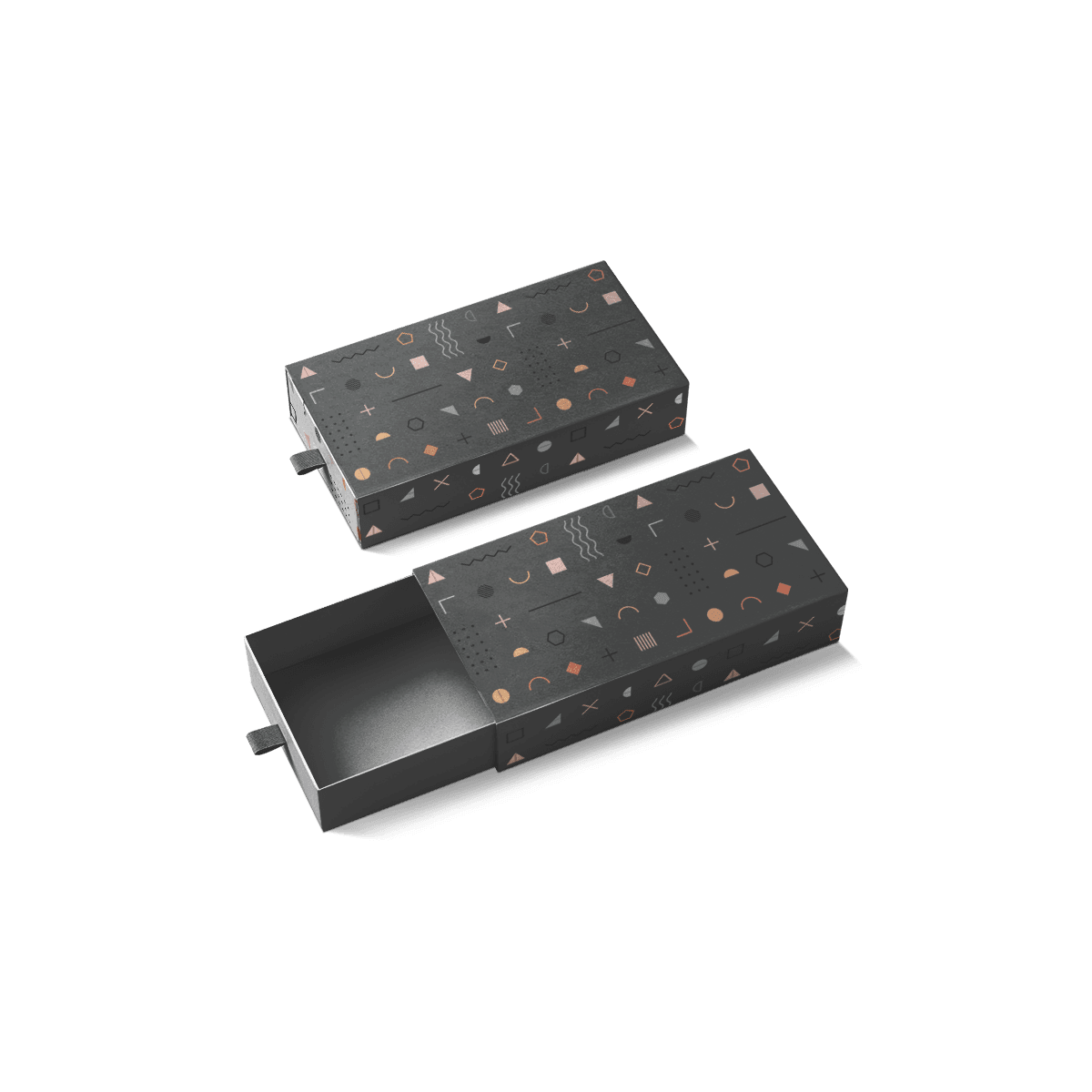
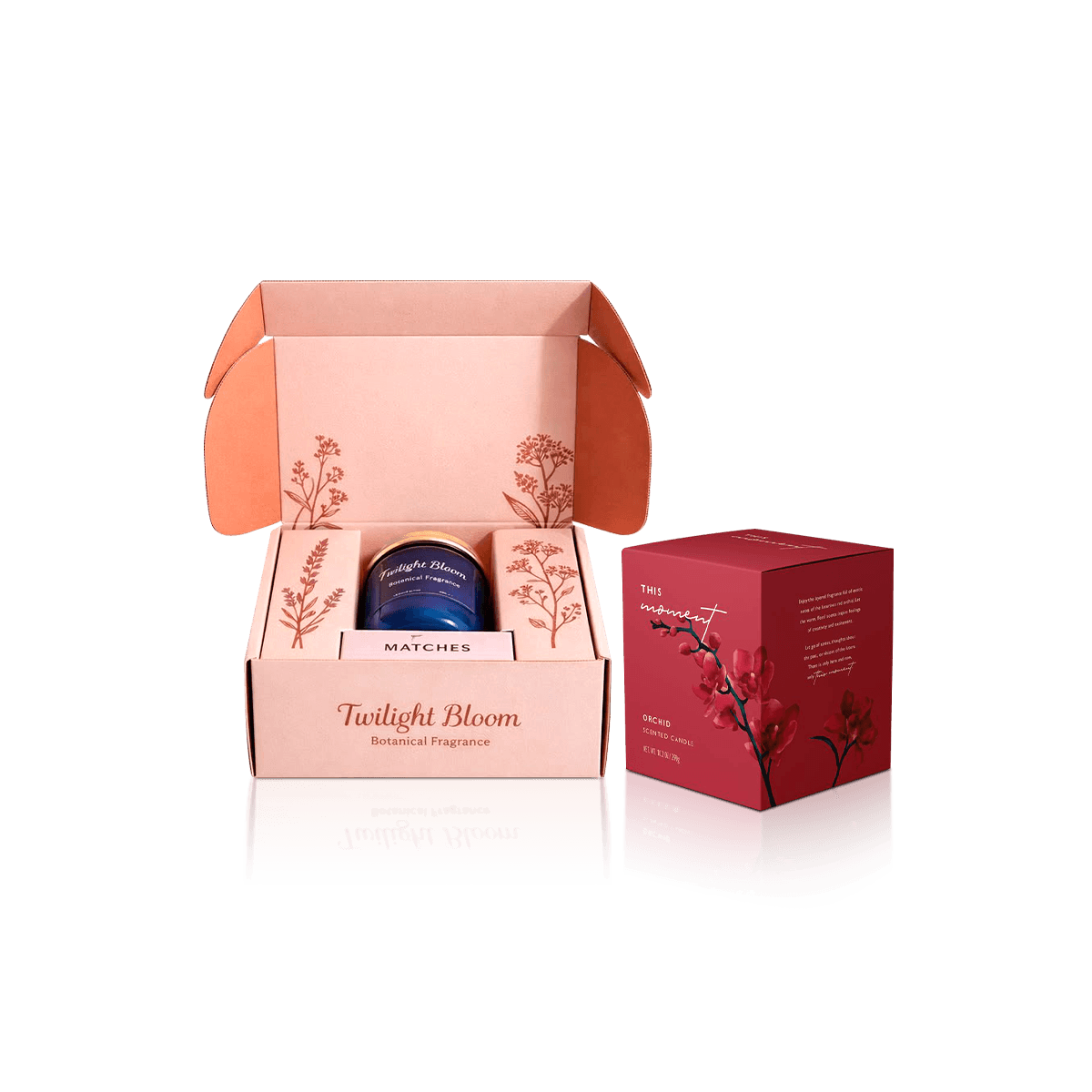
Custom Candle Boxes bring the finished candle into a protective, printed package for retail shelves, hotel amenities, event gifting and direct customer orders.
The construction should accommodate the candle's weight, vessel shape and intended presentation without allowing unnecessary movement.
For glass candles, the box must also work with any internal support needed to keep the vessel positioned during handling.
The Complete Jar Profile
Measure the finished candle at its maximum width and height.
For cylindrical vessels, record the outside diameter and identify any parts that extend beyond the main glass body.
The measurements should account for:
A glass jar that measures correctly without its lid may be too tall once the lid is attached.
The internal box dimensions must also account for the thickness and position of any insert.
Packing Readiness
The candle should be ready for packaging before its final fit is assessed.
For poured candles, the manufacturer's cooling, curing and handling procedures determine when the product can be safely packed.
Packaging should not be used to compensate for an unfinished candle or an improperly fitted lid.
The final candle also needs to tolerate insertion without damaging its label, decorative surface or exposed wax.
These conditions establish the product that the packaging must accommodate.