Skip to content
Details

Custom Gift Boxes for E-commerce

Gift-ready packaging for online orders that must survive parcel handling without losing the presentation, product arrangement or personal touches that make the shipment feel like a present.

A Gift Order Has Two Customers

An e-commerce gift order has to work for the person buying it and the person opening it. The purchaser expects the order to arrive on time and look gift-ready. The recipient judges the products, arrangement, message and opening experience without seeing the checkout process that came before it.

That makes Custom Gift Boxes for E-commerce different from ordinary outbound packaging.

The package may carry several products, a personal note, tissue, an insert and campaign artwork while still moving through normal parcel handling. Every layer has to preserve the moment the purchaser paid for.

For online brands, e-commerce retail packaging has to balance shipping performance with the experience after delivery. Gift orders push that balance further because cosmetic condition matters more.

The Purchaser Sees the Promise

A gift buyer may choose a bundle because the website shows a polished set, seasonal theme or premium presentation. The physical package needs to deliver something recognizably close to that promise.

If the products arrive scattered, tissue is crushed or a gift card disappears underneath the contents, the order can feel unfinished even when nothing is technically damaged.

The Recipient Sees the Result

The recipient usually encounters the package with no context other than the box itself.

Product order, color, insert layout and the position of the message card therefore matter more than they might in a routine replenishment shipment. The first open should make it immediately clear that the contents were assembled as a gift rather than packed as unrelated items.
Protect the Reveal in Transit

A gift box does not need to reach the customer untouched. It needs the surfaces that matter to reach the customer in the expected condition.

That distinction determines whether the gift box itself should travel through the parcel network.

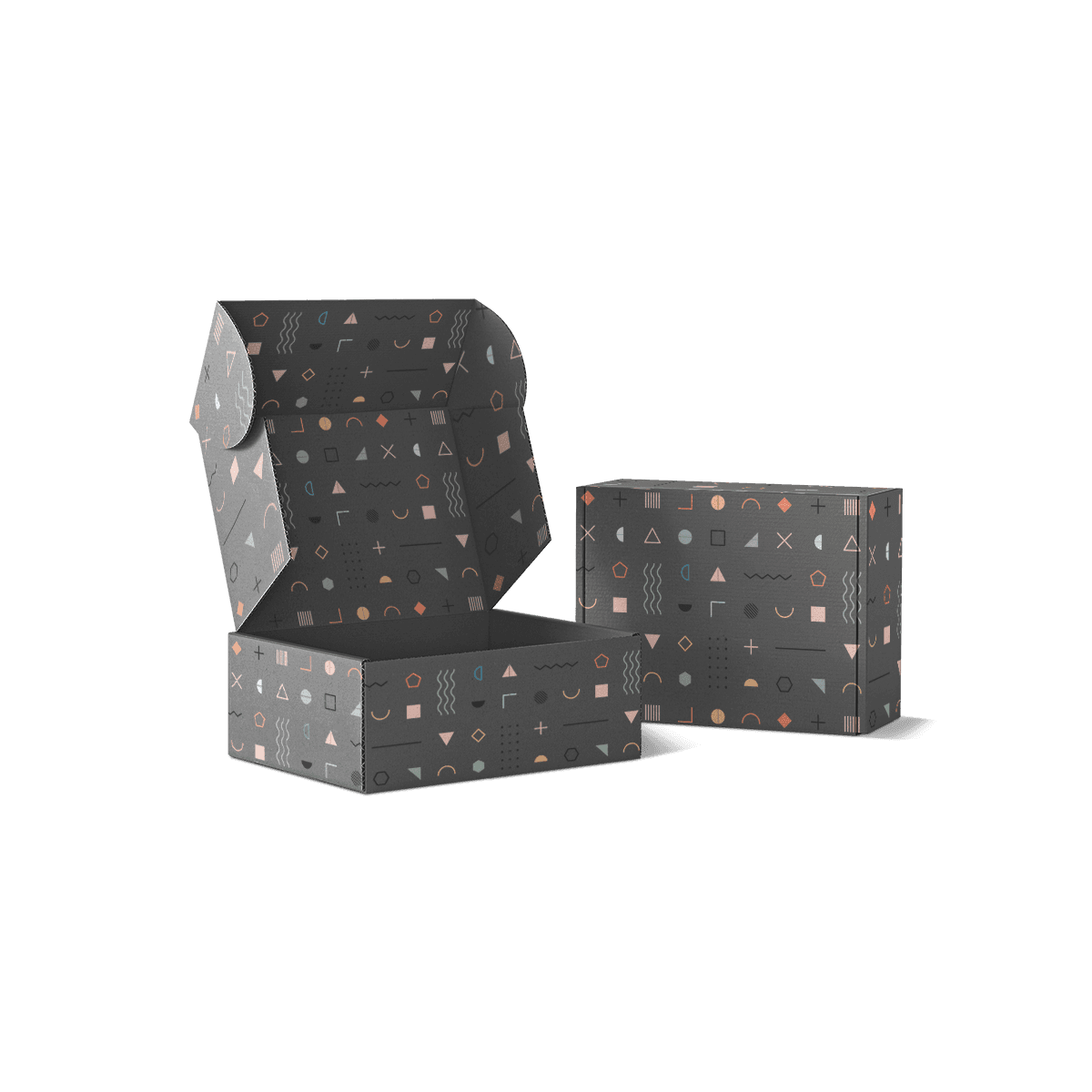
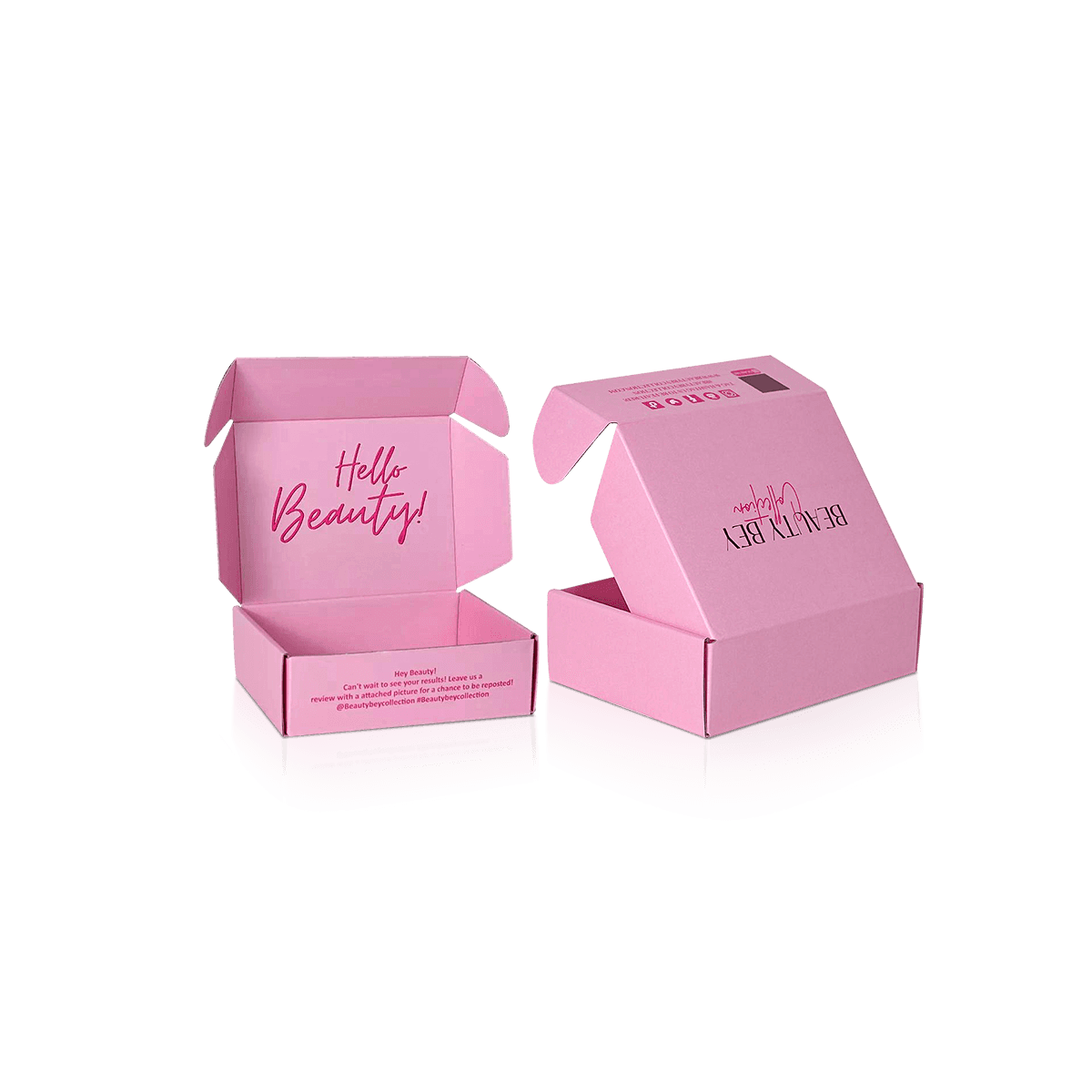
Printed corrugated mailers can often serve as both shipping packaging and presentation packaging. The outer panels may pick up minor handling marks, but the box can still create a controlled reveal once opened.

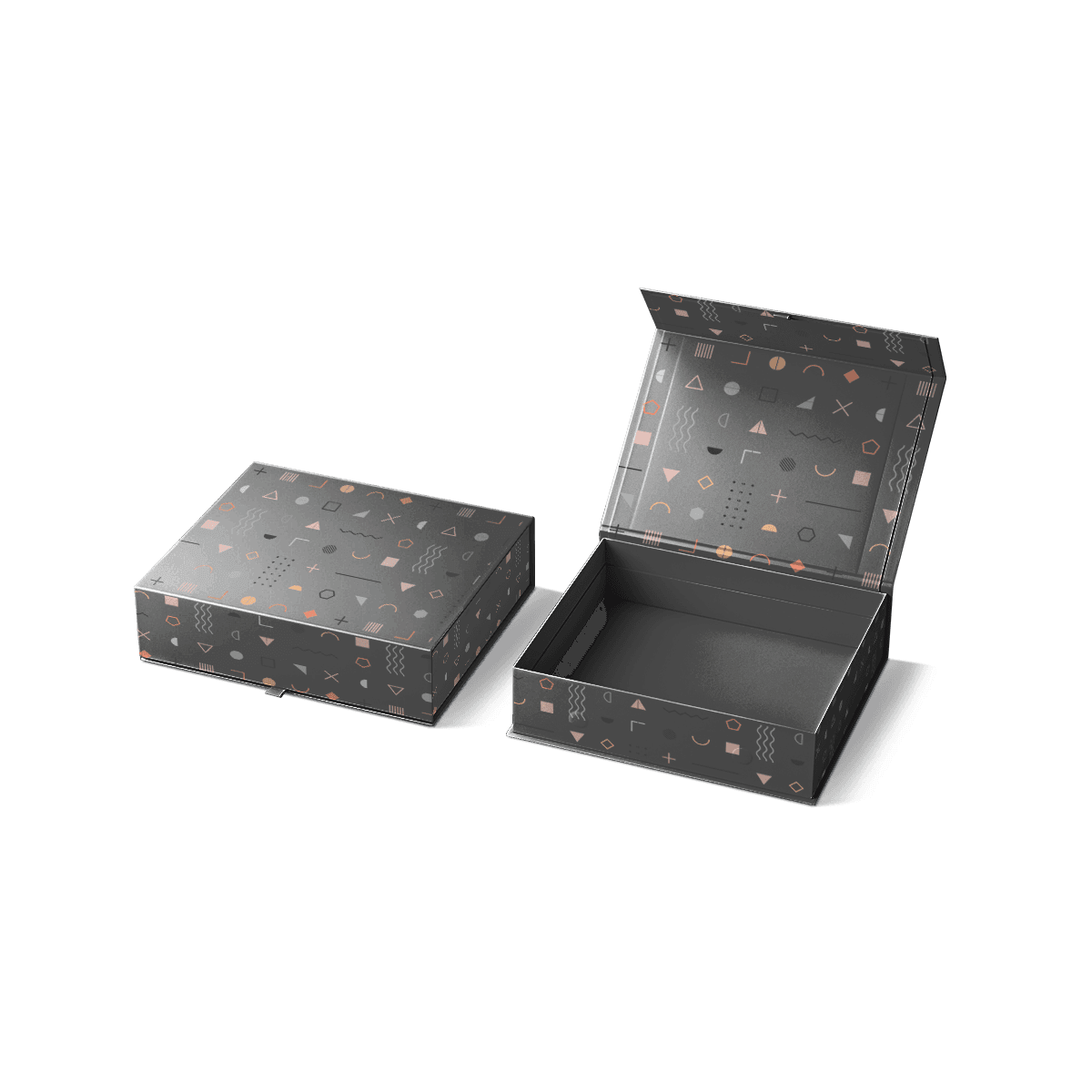
Premium rigid presentation boxes are different. A wrapped rigid box with foil, soft-touch lamination or a carefully finished lid may lose much of its intended effect if carrier labels, sorting equipment and other parcels contact the decorative surface directly.

E-commerce rigid boxes often make more sense as the presentation layer inside a separate outer shipper when surface condition is part of the value.

Consider a skincare gift set packed in a soft-touch rigid box with a foil logo. Shipping that box bare may leave a carrier label across the lid and rub marks on the wrap. Placing it inside a close-fitting corrugated outer carton changes the shipping layer rather than over-specifying the premium box. The presentation pack can then arrive looking like a gift instead of like a shipping carton.

That is the adjustment to make before adding more decoration: decide which box is expected to absorb transit wear.

The First View Should Feel Complete

Gift presentation is controlled by what the recipient sees immediately after opening.

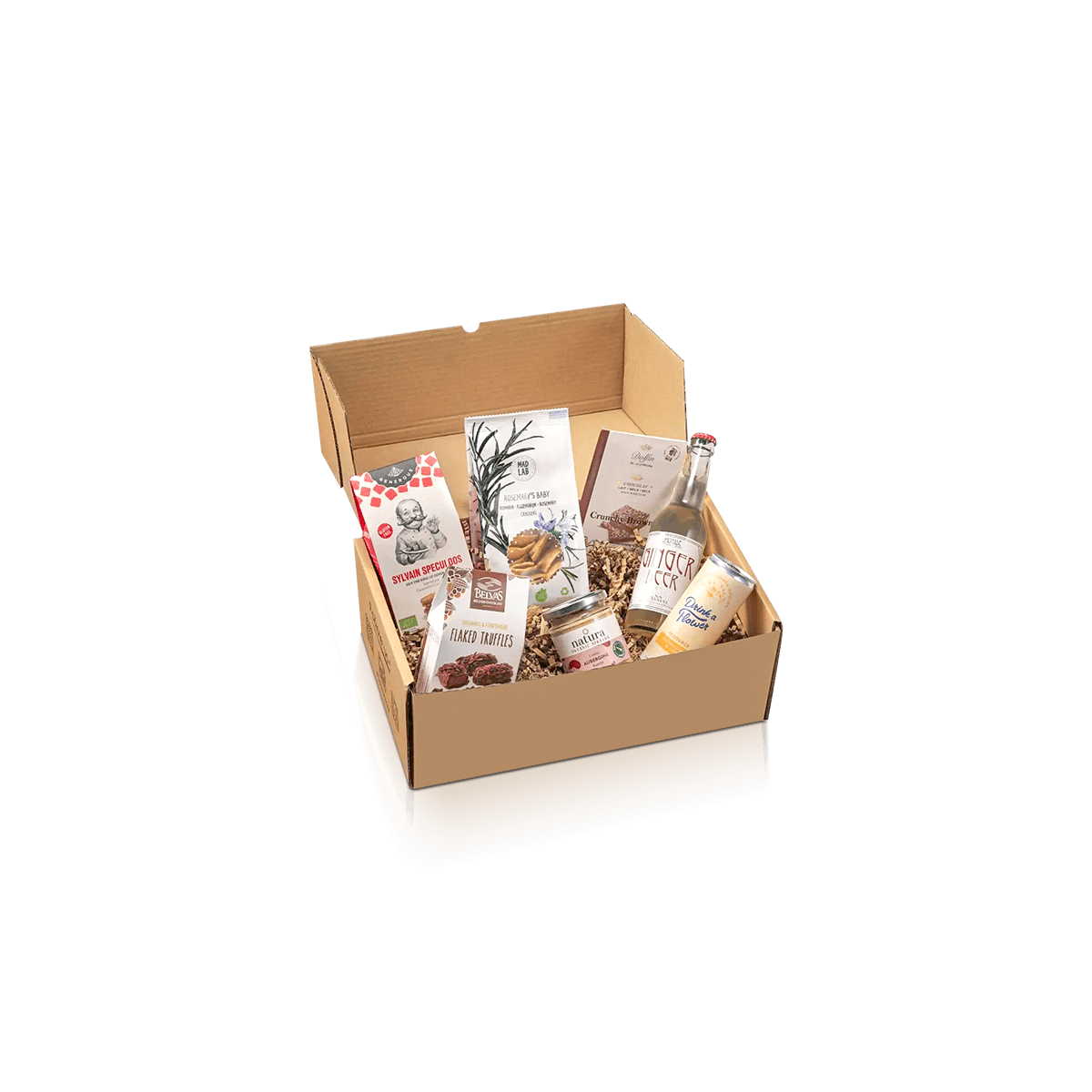
Several products dropped into decorative filler may look acceptable in a studio photograph but become unpredictable after parcel movement. A considered gift set gives important items defined positions and prevents smaller components from disappearing underneath larger ones.

The arrangement should start with the visual hierarchy.

A hero product can sit centrally or higher in the pack. Supporting items can sit beside it rather than over it. Literature and cards should remain visible without covering the merchandise.

Custom product packaging is especially relevant when several differently shaped products need to read as one intentional set.

Control Product-to-Product Contact

Glass bottles, candles, jars and hard accessories can damage one another even when the outer box remains intact.

Partitions or fitted cavities stop those products from colliding. A folded paperboard platform can raise a shorter item. Corrugated dividers can separate heavier components. Foam may make sense when cushioning is more important than maintaining an all-paper interior.

The choice among packaging inserts should follow product fragility, weight and the type of presentation needed.

Do Not Let Decoration Replace Fit

Tissue, shredded paper and other decorative fill can support the visual style of a gift, but loose fill should not be expected to correct a badly sized box.

If a bottle can travel several inches across the interior, adding more tissue does not create reliable restraint. Adjust the cavity, insert or outer dimensions first. Decorative materials can then finish the presentation rather than carry the structural load.

A paid fully custom pre-production sample is especially valuable for multi-item gift sets where several products, an insert and decorative components must work together physically.

Personal Messages Need Their Own Place

A handwritten-style card or printed gift message becomes part of the product when the shipment is sent directly to somebody else.

Do not treat it as an item to be dropped wherever there is room.

A shallow card recess, pocket, lid position or defined space above the products keeps the message visible when the box opens. It also prevents warehouse staff from making a different placement decision on every order.

The packaging can support different levels of personalization without requiring a new box for every recipient.

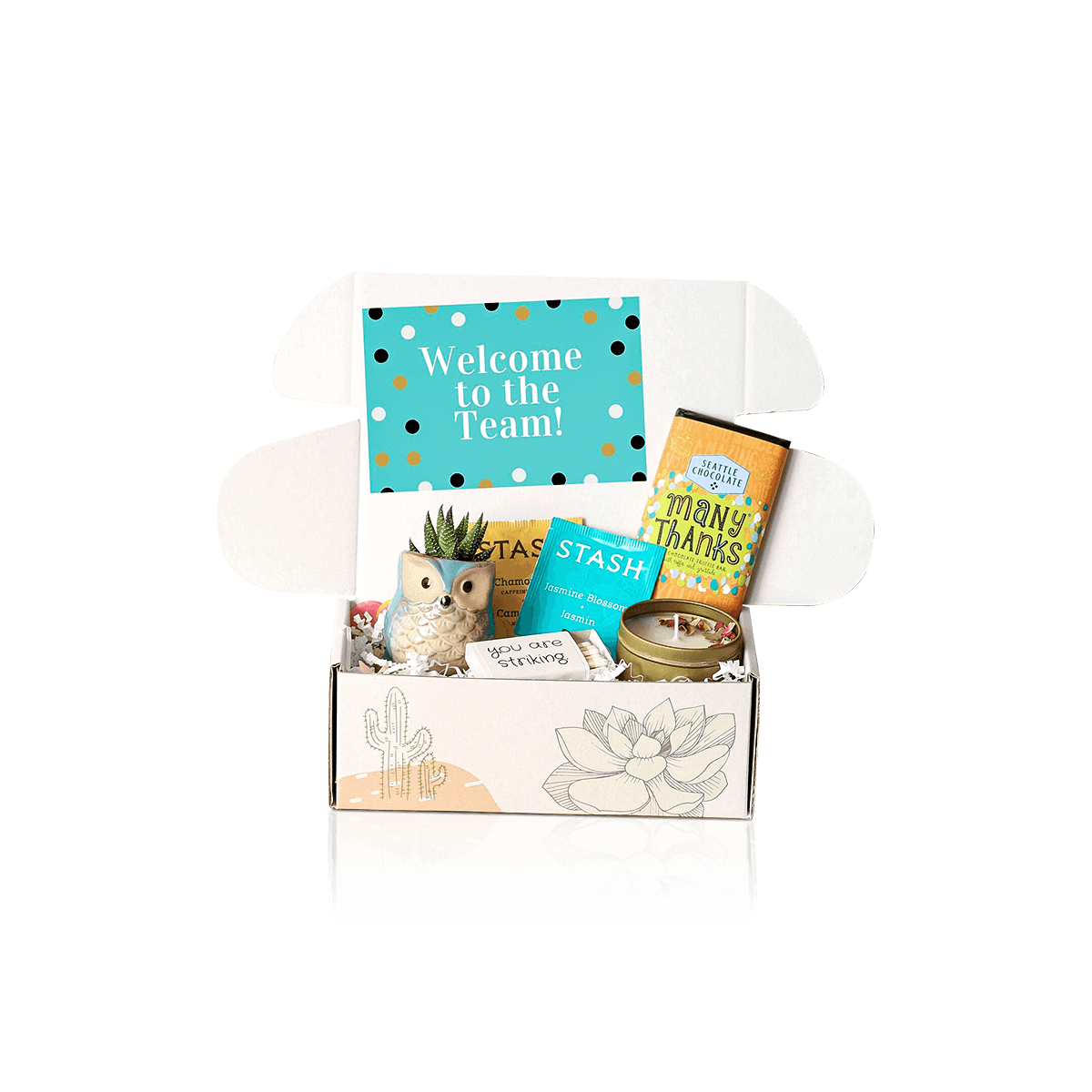
A standard printed interior might carry the permanent brand message. A separate card can carry the purchaser's personal note. Seasonal campaigns can swap the card design while keeping the main packaging unchanged.

That separation also protects the printed box from becoming too specific to one occasion.

A Valentine's campaign, holiday gift and client thank-you shipment may use the same structural box while the card, sleeve or insert artwork changes around it.

Choose the Gift Structure by Shipping Role

A gift box is a use case, not one physical box style.

The correct structure depends on whether the package travels alone, sits inside another carton or functions mainly as the presentation pack after the outer shipping layer is removed.

Corrugated Mailer

A custom mailer box is a practical starting point when one box must handle shipping and presentation.

It suits curated product sets, apparel gifts, beauty bundles, welcome gifts and promotional kits where the corrugated construction can take parcel duty while printed inside surfaces create the reveal.

If the order is an ordinary DTC shipment rather than a gift-specific purchase, Product Mailer Boxes keep the focus on order fit, fulfillment and daily shipping.

Rigid Presentation Box

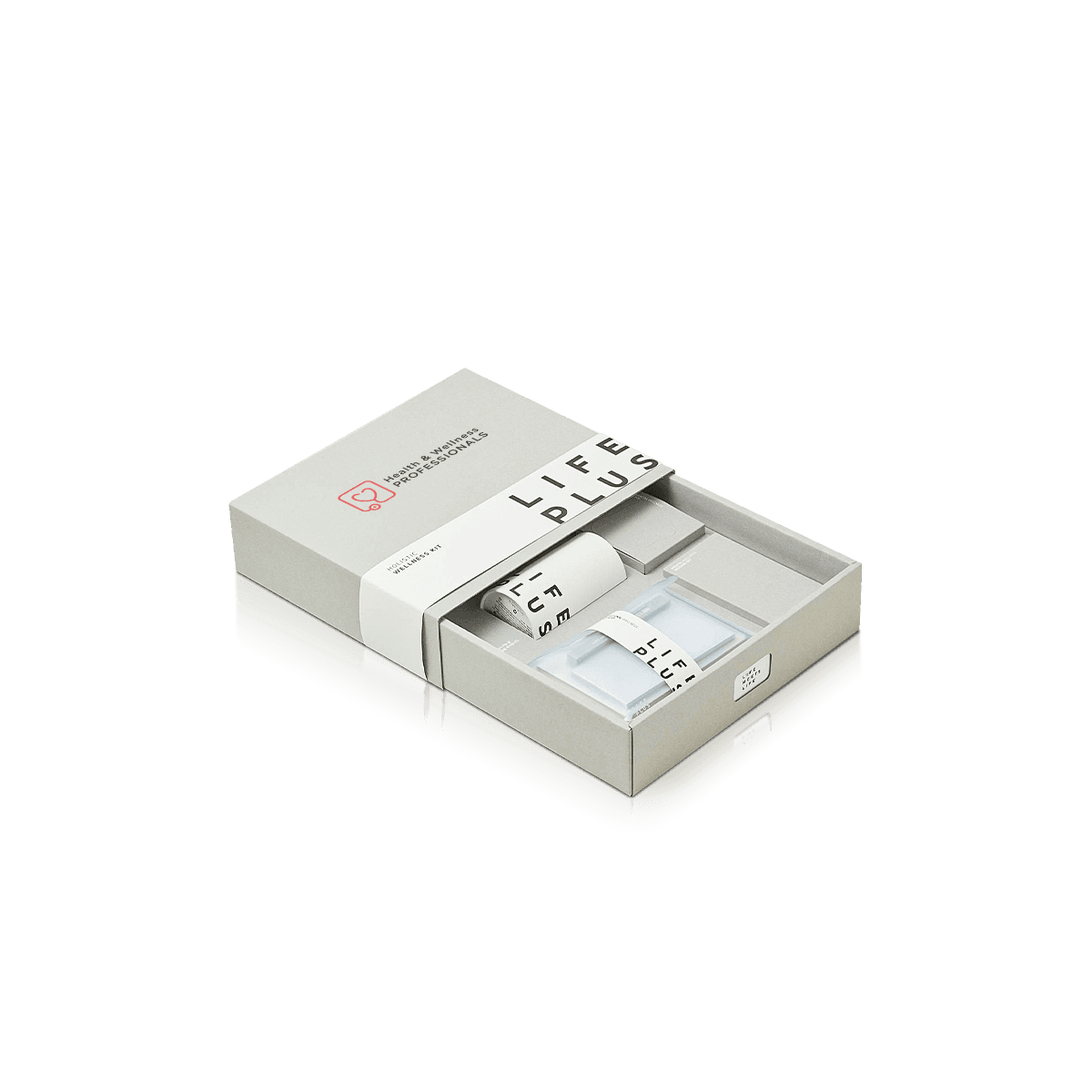
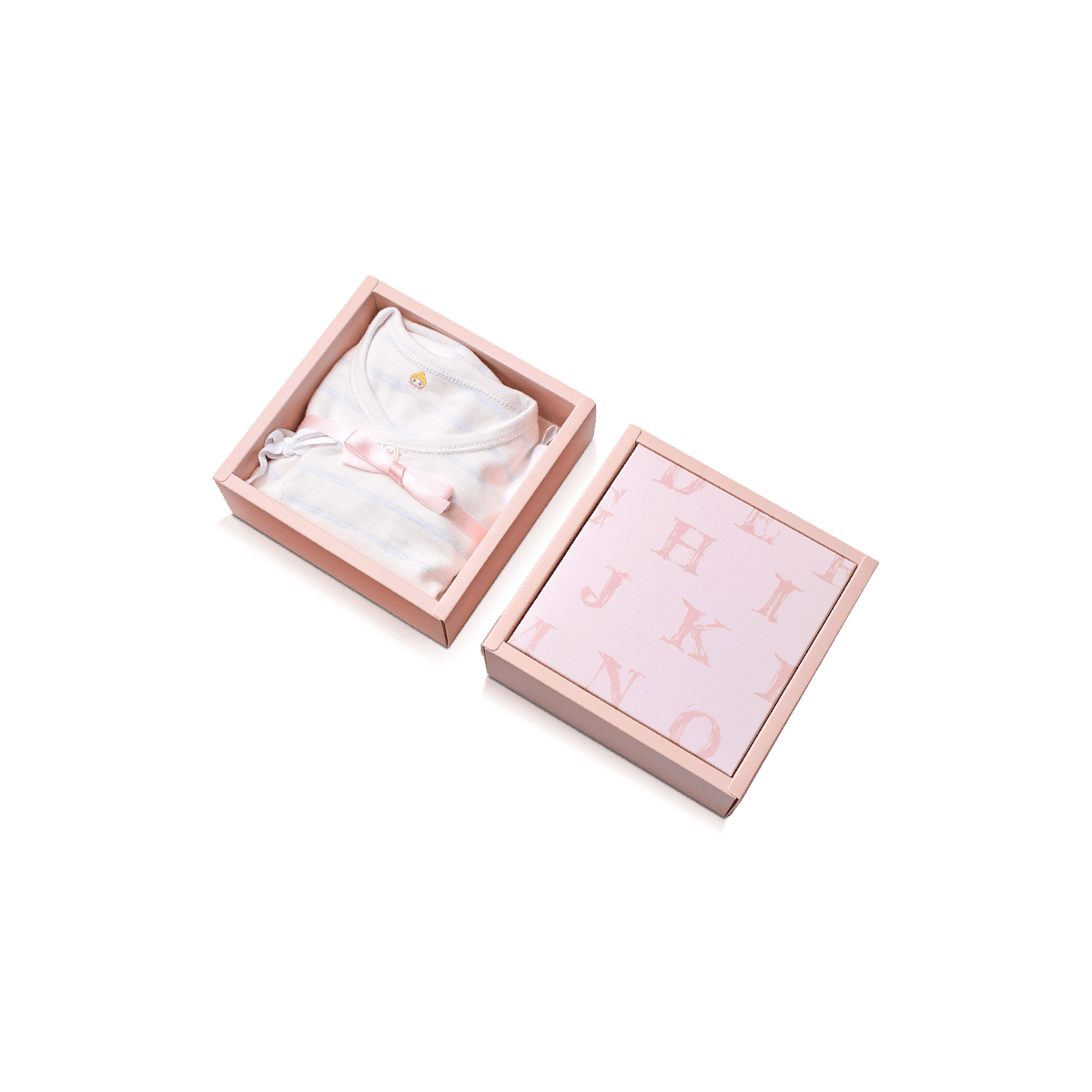
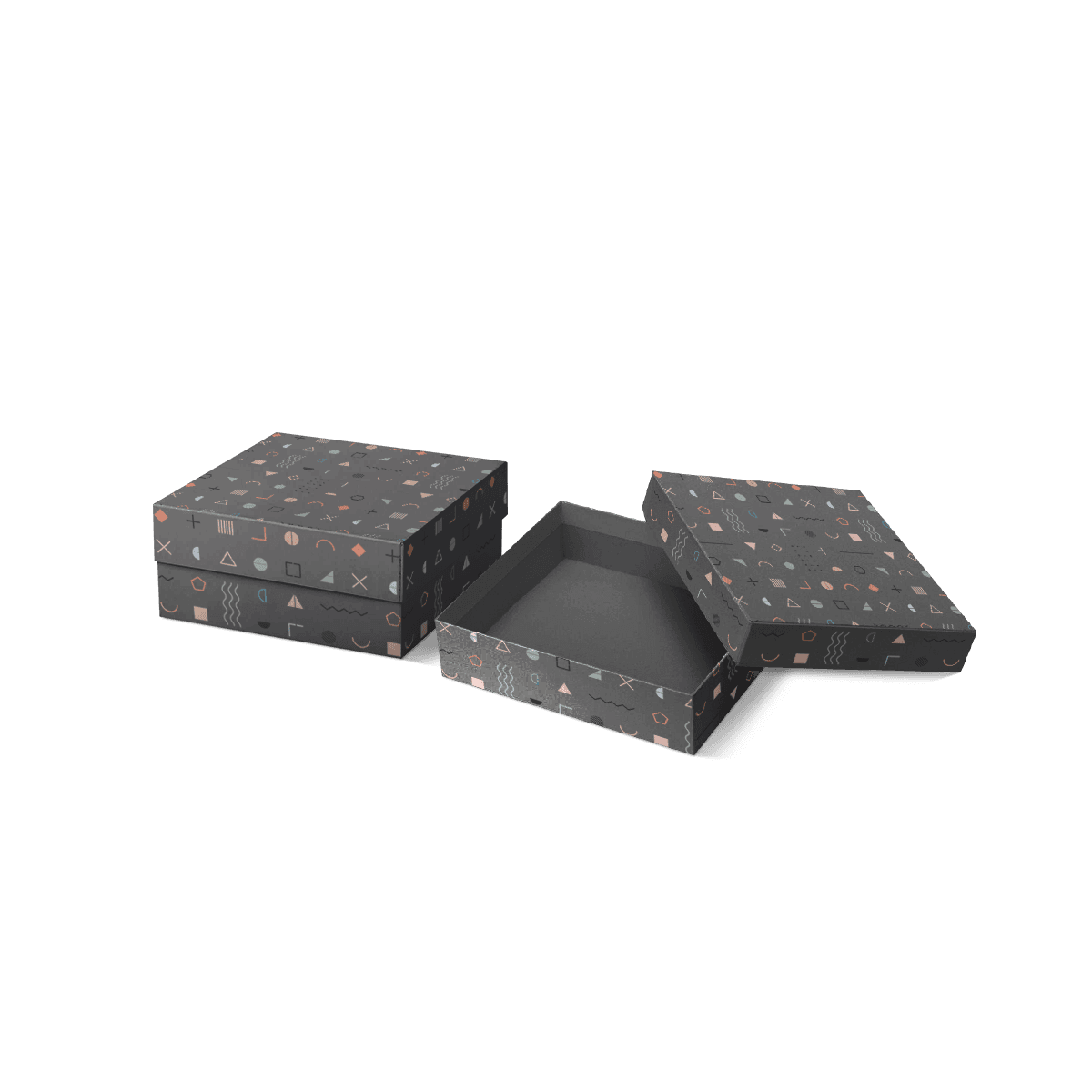
Custom rigid boxes fit higher-value gifts where the packaging is meant to feel substantial, remain with the products or be reused.

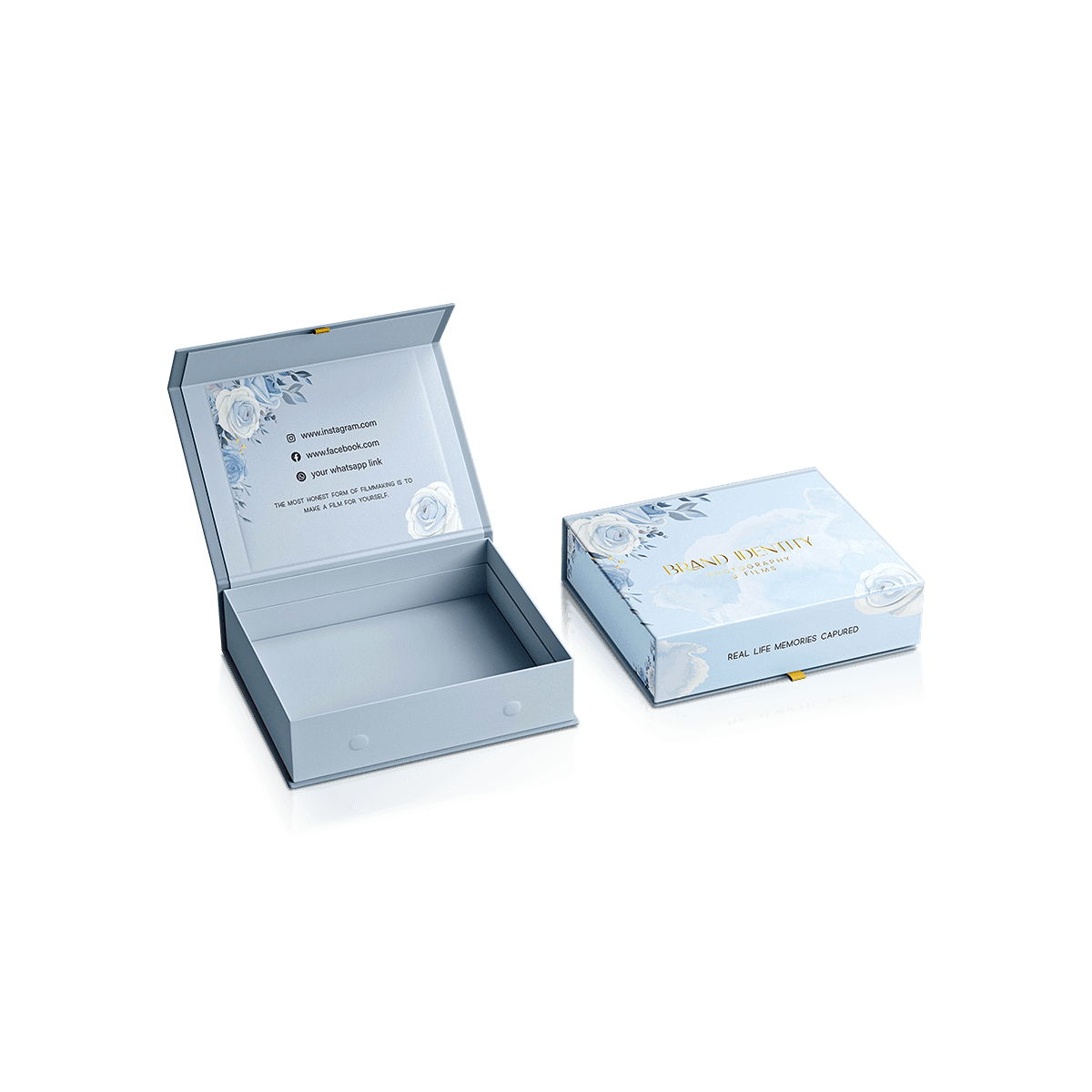
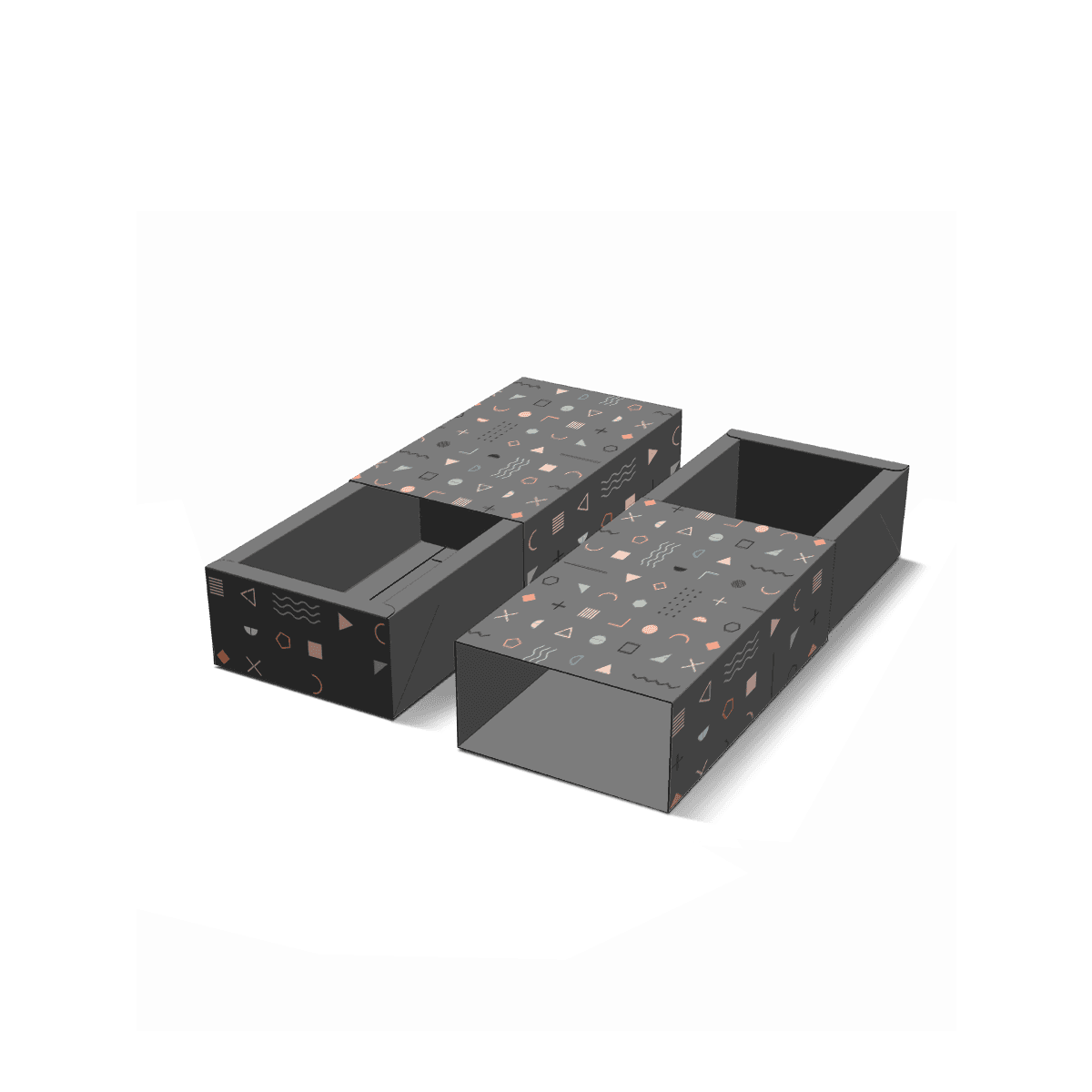
Two-piece rigid boxes, drawer boxes, magnetic closure structures and book-style boxes each create a different opening motion. The correct style should come from the gift set and desired reveal rather than from the assumption that the most complex structure is automatically the most premium.

A separate outer shipper is often appropriate.

Folding Carton

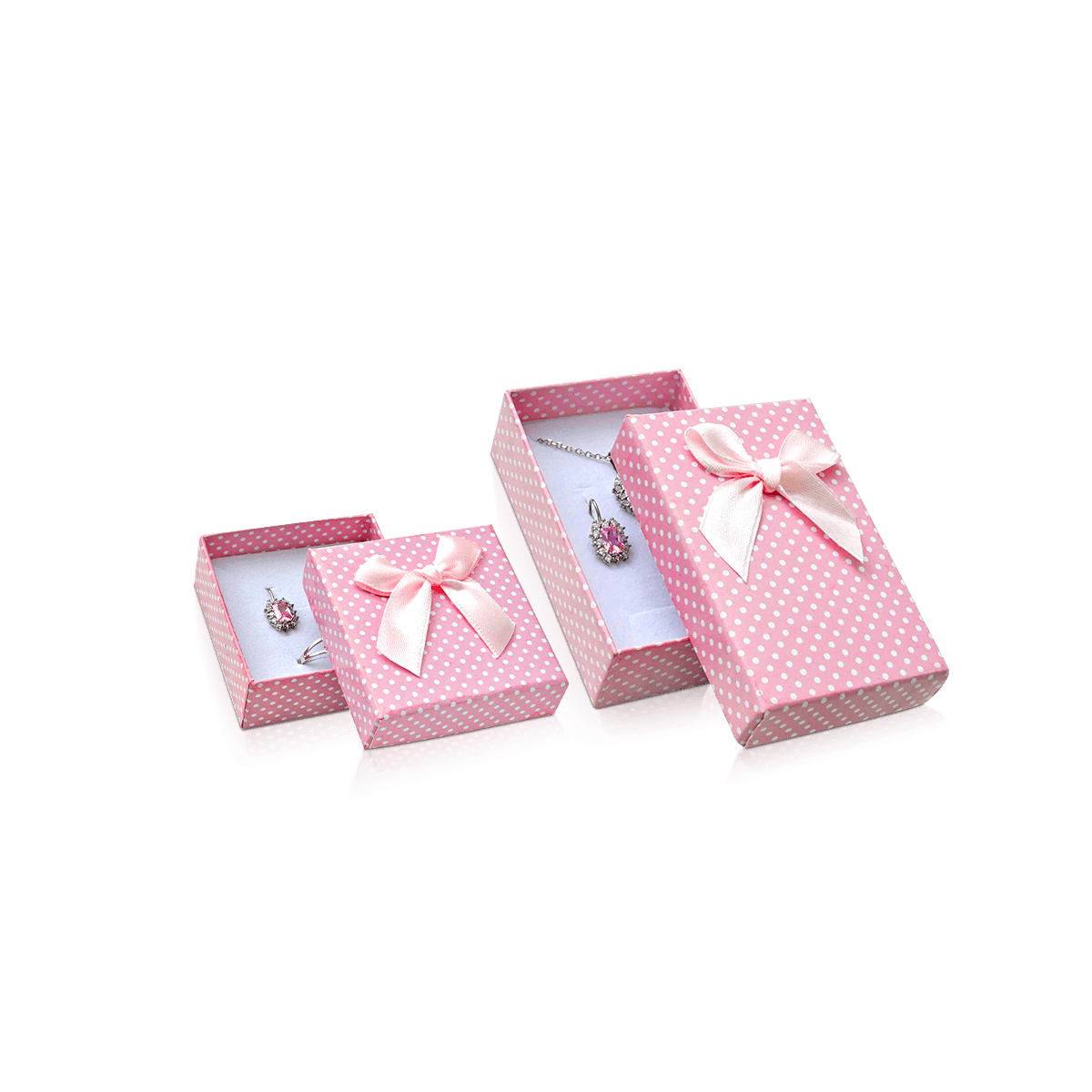
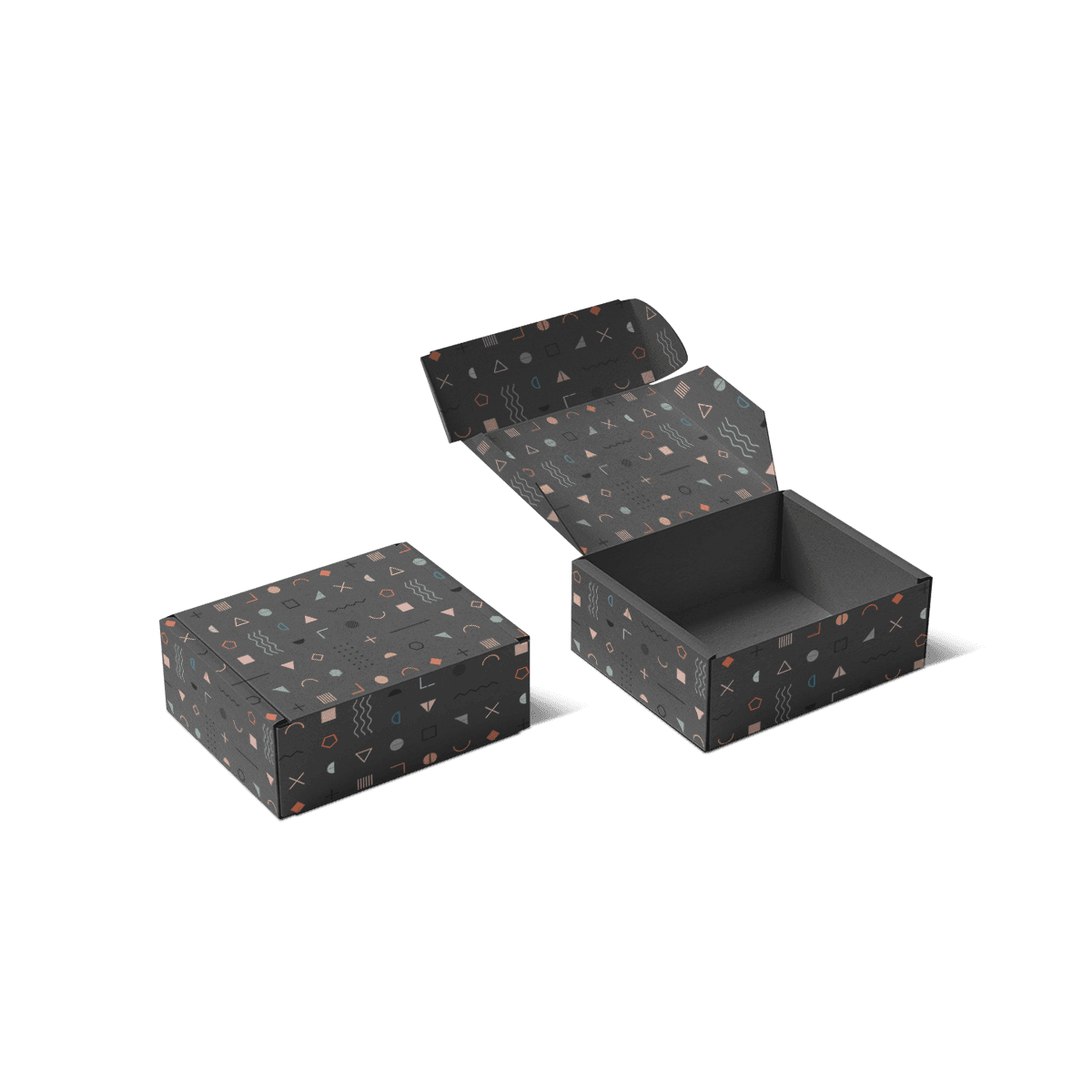
A folding carton can suit compact gifts, individual retail items and smaller sets when low storage volume and lighter packaging matter more than a keepsake structure.

It can also function as the product-level gift pack inside a corrugated mailer.

The strongest architecture is sometimes two layers, not one expensive box expected to do every job.

Price the Gift Architecture

Pricing becomes meaningful after the shipping and presentation layers are decided.

A printed corrugated gift mailer has a different cost structure from a wrapped rigid box placed inside a separate shipper. Inserts, inside printing, specialty finishes and additional components change both packaging cost and packing labor.

Start by deciding what the customer is actually paying to experience.

If the gift value comes mainly from a curated assortment and personal message, an intelligently printed corrugated mailer may do the job without a rigid box.

If the packaging itself is part of the gift and is expected to remain after opening, rigid construction may justify the extra material and handling.

Custom Packly starts US orders from 100 boxes. US production, free shipping and a standard 4–6 day turnaround after final artwork and specifications are approved support both launch quantities and larger gift campaigns. Complex structures, specialty materials or advanced finishes may require additional time.

Once the gift structure, size, quantity and main finishing decisions are known, an instant custom packaging quote can price the actual architecture rather than an undefined premium-box concept.

Finishes Have to Reach the Recipient

A premium finish adds value only if the package still looks intentional after packing, storage and shipping.

Matte and soft-touch surfaces can create a restrained tactile feel. Foil can make a logo or small graphic element more prominent. Embossing and debossing introduce physical texture. Spot UV can create contrast against a matte surface without making the entire design reflective.

The practical differences among matte, gloss, spot UV, foil and embossing matter more on gift packaging because customers are expected to notice the package itself.

Do not stack premium processes without deciding what the customer should notice first.

A matte mailer with inside print may feel more complete than a box carrying foil, spot UV and embossing on the same lid. A rigid gift box may need only one restrained foil mark if the wrapped material and opening structure already do most of the work.

Surface handling matters too. Dark colors can make rubbing and dust more visible. Large solid ink areas may show scuffs differently from lighter artwork. A highly decorative exterior that must travel unprotected deserves more scrutiny than an interior print that stays covered until opening.

Free 3D mockups can help review the visual hierarchy before production. Physical sampling should be used when surface feel, insert fit or the relationship between several components cannot be judged confidently on screen.

Seasonal Gifts Need an Exit Plan

Gift packaging often has a shorter commercial life than the products inside it.

Holiday dates pass. Promotional messages expire. Partnerships end. Limited-edition artwork becomes old inventory.

That makes production planning different from evergreen e-commerce packaging.

Separate the long-life specification from the campaign layer wherever practical. The same base box can carry a seasonal sleeve, card, belly band or inside insert rather than requiring the entire structural pack to become obsolete after one campaign.

Custom printed boxes can retain consistent structural and color specifications while artwork versions are controlled for individual campaigns.

For larger seasonal runs, calculate packaging demand from the promotion rather than from annual product sales. Include the expected gift-order volume, replacement stock and any units needed for photography, influencers, corporate gifting or retail handoff.

Warehousing and scheduled deliveries can also separate production quantity from the number of boxes that need to reach the packing facility at once.

This matters most for peak gifting periods when packaging inventory and finished product inventory arrive on different schedules.

Gift Packout Should Be Repeatable

A polished gift should not depend on one employee knowing exactly how to arrange it.

The structure needs to make the intended presentation easy to reproduce.

If tissue has a preferred fold, define it. If a card belongs above the products, create a position for it. If the hero product faces forward, the insert should naturally support that orientation.

A simple packout can still feel premium.

In fact, unnecessary layers often create the opposite result. Extra wraps, ribbons, cards and filler increase packing steps and give the fulfillment team more opportunities to produce inconsistent results.

When the order is assembled at volume, run several complete packouts using normal warehouse conditions rather than arranging one perfect sample slowly at a design table.

Watch where the sequence stalls.

If staff repeatedly lift an insert to place the card underneath it, the sequence is wrong. If tissue prevents the lid from closing consistently, the allowance is wrong. If products have to be rotated until they finally fit into their cavities, tolerances need adjustment.

For gift programs that recur on a schedule, Subscription Boxes deal more directly with repeated cycles, changing assortments and recurring packaging inventory.

Make the Gift Ready at First Open

The final packaging decision is not how many premium details can be added. It is whether the recipient has to do anything before the shipment feels like a gift.

A presentation box buried inside oversized void fill loses some of its impact before it is reached. A beautifully printed mailer with products scattered inside creates the same problem in reverse.

The shipping layer, product arrangement, message and reveal should support one another.

For a lower-priced gift set, that may mean one right-sized printed corrugated mailer with a paperboard insert and message card.

For a premium set, it may mean a rigid presentation box protected by a plain outer shipper.

For a seasonal campaign, the smartest system may keep the permanent box unchanged and move the occasion-specific design onto a replaceable component.

That is the standard worth designing around: when the recipient opens the parcel, the order should already feel complete.

FAQs

Because some orders are being judged as presents as much as products. A gift-oriented pack gives better item arrangement, stronger reveal value and more room for notes, tissue and finishing touches that a plain shipper does not handle as well.

That depends on the mix inside. Dividers help with multiple separate items, platforms work well for featured hero products and fitted inserts make more sense when bottles, jars or fragile pieces need steadier placement.

Gift Boxes for E-commerce are usually the better fit for one-time purchases, holiday promotions and send-to-recipient orders. Subscription Boxes make more sense when the packing flow repeats on a fixed schedule and the brand wants continuity across recurring deliveries.

Enough to make the opening feel elevated without slowing down production or pushing the pack beyond the product value. A focused outside design, one standout finish and a coordinated inside detail often works better than trying to decorate every surface.

Yes, when the structure is chosen with assembly time and pack-out steps in mind. Brands often get the best results when the box design, insert layout and item sequence are planned together before larger seasonal runs.

Process

How it works

Your Packaging Journey, From Idea to Production and Delivery

01

Tell Us Your Specs

Custom packaging boxes

Tell Us Your Specs

Provide size, quantity, printing, and finishes.

02

Get a Fast Quote

Custom packaging boxes

Get a Fast Quote

Instant transparent pricing, no hidden fees.

03

Design and Approval

Custom packaging boxes

Design and Approval

Artwork checks, revisions, and final sign-off.

04

Produce

Custom packaging boxes

Produce

Expert manufacturing to meet deadlines.

05

Ship to Your Door

Custom packaging boxes

Ship to Your Door

Hassle-free, flexible delivery options.

Get Your Quote for Custom Gift Boxes for E-commerce

Share your product details, size, quantity and artwork needs. We’ll help choose the right packaging style and send a clear quote.