Skip to content
Details

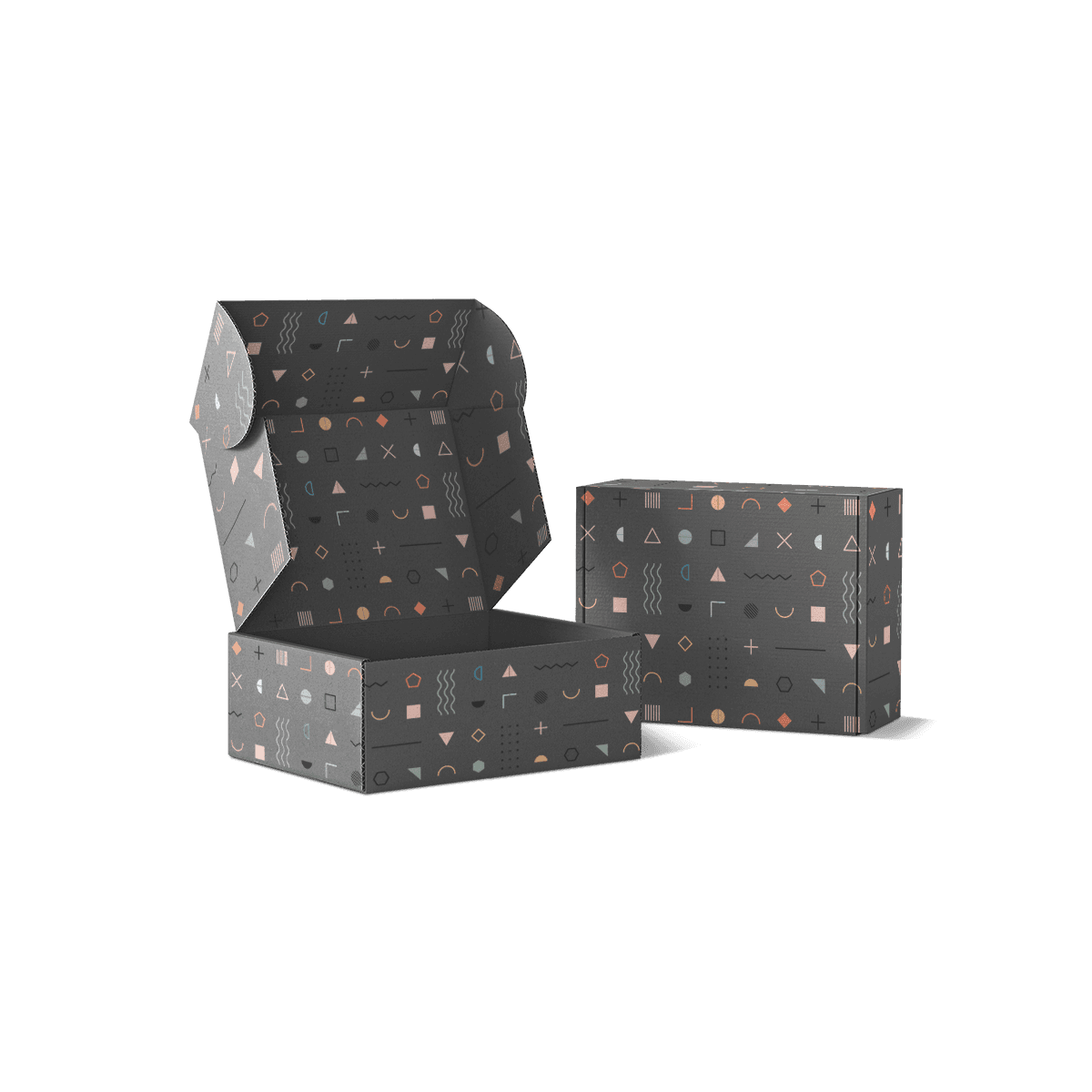
Custom Roll-End Mailer Boxes

Corrugated mailers with folded roll-end walls that add perimeter stiffness, help the box square up and give bundled ecommerce orders a more controlled shipping structure.

Rolled Walls Change the Box

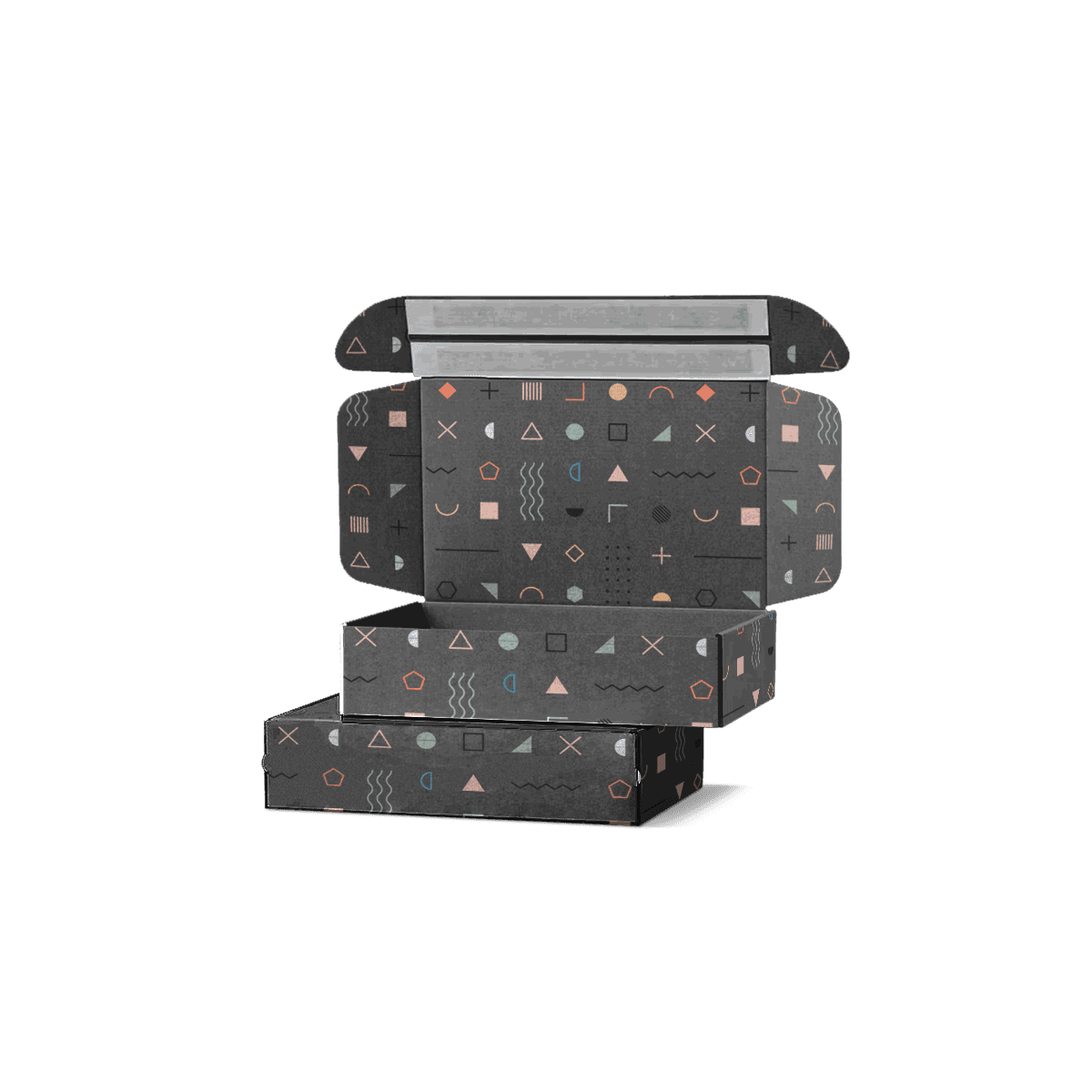
A roll-end mailer earns its extra board at the perimeter. Side panels fold back on themselves as the box is erected, creating layered walls that feel firmer than a simpler single-wall mailer edge.

That construction changes how the package forms before the product is even loaded. The side walls help the base stay square, give loose bundles a more defined boundary and make the assembled box feel less dependent on the contents for its shape.

Custom Roll-End Mailer Boxes therefore make the most sense when side-wall formation and perimeter support are real requirements. They are not automatically better simply because more corrugated board is folded around the edges.

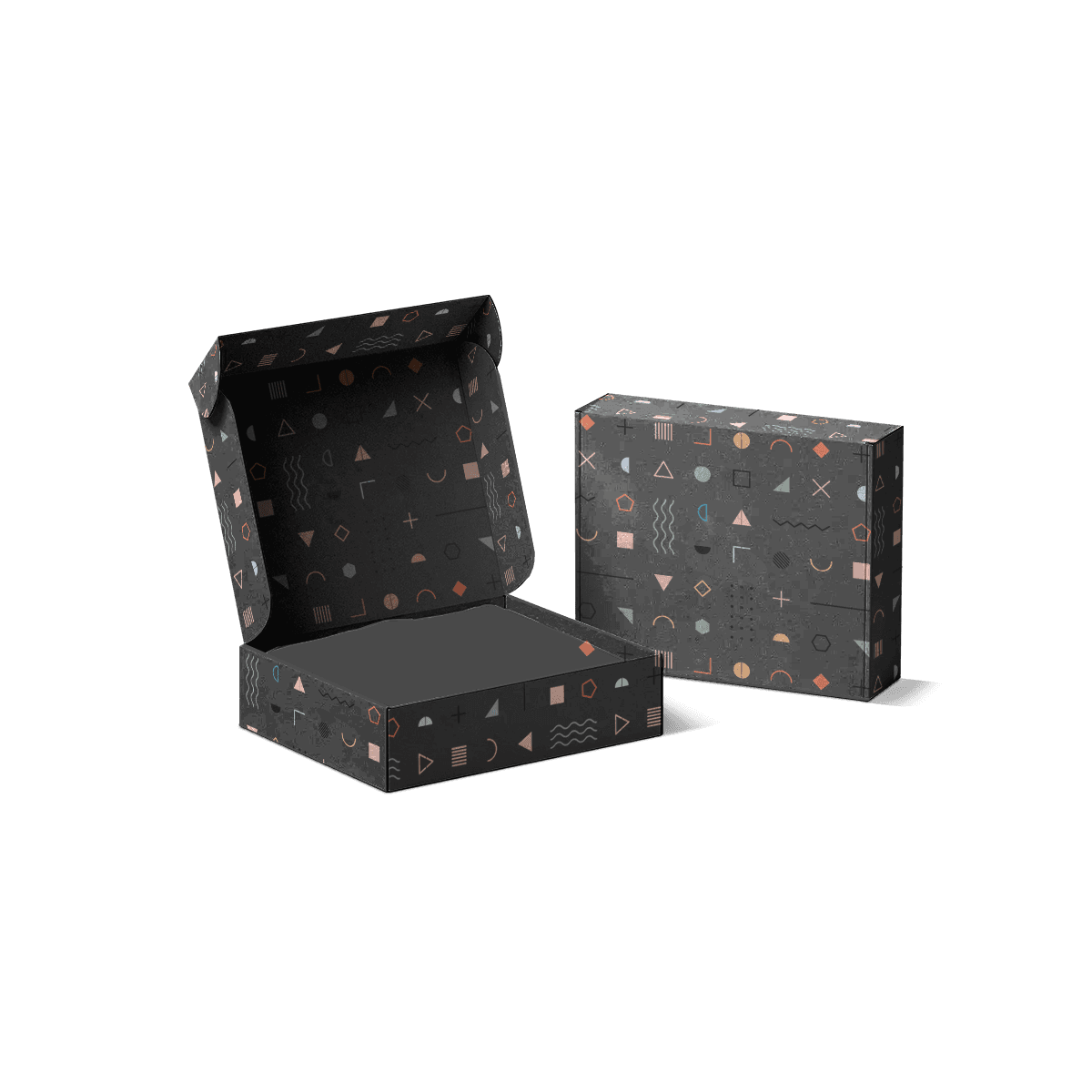
A custom mailer box can use several closure and wall constructions; the roll-end version is distinguished by what happens around the perimeter.

The strongest specification starts by asking what those rolled walls need to accomplish: resist side deformation, contain a mixed bundle, create a cleaner interior frame or make repeated manual assembly more consistent.
The Wall Is Formed During Assembly

Roll-end walls begin as extended corrugated panels on the flat blank. During erection, those panels fold inward and back to create a reinforced side structure.

The box therefore gains much of its shape through the folding sequence itself.

That is different from a carton whose walls simply rise once from the base. Multiple folds create more board around the perimeter, but they also create more interactions between crease position, board thickness and assembly motion.

The Final Fold Must Sit Flat

A rolled wall should finish in its intended position without springing back or twisting the base.

If the crease geometry is too tight for the board, the final layer may resist seating. If it is too loose, the wall may feel less controlled and the box can lose the square geometry that the structure is meant to create.

This is especially noticeable on shallow, broad mailers where a small distortion at one side can make the entire opening look skewed.

Corners Need to Meet Cleanly

The rolled side should not crowd another folded panel at the corner.

Corrugated board occupies more space when several layers meet. Corner geometry has to accommodate those layers so the box forms naturally rather than forcing one panel to buckle around another.

A clean corner is a structural result, not just a cosmetic one. It helps keep the wall upright and the base flat.

Side Support Does Not Mean All-Around Strength

Rolled walls strengthen a specific part of the package: the perimeter.

They do not automatically make the entire mailer resistant to every shipping load.

A large top panel can still deflect under pressure. A heavy product can still overload the base. A fragile item can still break if it moves between the walls. Corrugated board grade, box dimensions and the packed product remain part of the structural decision.

This is where buyers can overestimate the roll-end construction. The box feels substantial in the hand because the edges contain multiple board layers, but perceived edge stiffness should not be mistaken for unlimited compression strength.

The actual board still has to match the product weight and parcel route.

Corrugated flute and liner choices affect stiffness and thickness, and packaging material behavior should be considered alongside the rolled-wall geometry.

The Wall Uses Interior Space

A rolled side is not dimensionless.

Because corrugated board folds inward to create the reinforced edge, the finished wall occupies space around the product cavity. That has consequences for fit.

An outer footprint that appears generous can produce a tighter usable interior after the roll-end construction is formed. The effect becomes more important when the product or insert sits close to the side walls.

Measure the Erected Cavity

Internal dimensions should describe the usable space after the rolled walls are assembled.

That is particularly important for rigid product cartons, books, trays and pre-packed bundles that cannot compress to accommodate a tight fit.

Enough working clearance is needed for loading, but the goal is not to create a large gap between the product and the reinforced walls.

Allow Inserts to Clear the Roll

A full-width insert can collide with the folded perimeter if its dimensions are taken from an assumed open rectangle rather than the actual erected mailer.

If the product needs exact positional control, custom product packaging can coordinate the insert footprint with the finished corrugated cavity instead of sizing the two components independently.

Bundles Need a Perimeter Before They Need Compartments

Roll-end mailers are especially practical for grouped products that benefit from a clear outer boundary but do not necessarily need an individual cavity for every item.

Folded apparel, notebooks, sample cartons, small accessories and printed material can sit as one organized bundle inside the reinforced perimeter.

The wall helps contain that group. It does not organize the components by itself.

If products can collide, overlap or damage each other, the internal arrangement needs another mechanism.

A divider, paperboard fitment or cushioning component can take over that job. Packaging inserts behave differently depending on whether the need is positioning, separation or shock control.

The distinction matters because adding more side-wall strength will not fix movement happening in the center of the box.

Edge Load Can Expose a Bad Pack

Consider a subscription order containing two small product cartons, a folded pouch and a booklet.

The mailer is sized generously, and its rolled side walls stay square during shipping. Yet after handling, one product carton has migrated toward the perimeter and sits diagonally against a corner.

The box itself has not failed.

The problem is that the strong wall became the point the moving product repeatedly struck.

Reducing the unused interior space may be enough if the items naturally form one compact bundle. If their shapes differ too much, a simple paperboard retainer can stop the harder carton from traveling independently.

The practical improvement comes from separating two questions:

Does the perimeter stay structurally stable?

and

Do the contents stay stable inside that perimeter?

Roll-end construction addresses the first more directly than the second.

For direct-to-customer orders, e-commerce retail packaging still has to manage product movement, dimensional efficiency and parcel handling as one shipping system.

Closure Type Is a Separate Decision

“Roll end” describes the folded wall construction. It does not, by itself, settle every closure choice.

This distinction is important because the terminology used for mailers can become confusing. Roll-end tuck-front, roll-end tuck-top and other closely associated names are often used for structures that share reinforced perimeter construction but close differently at the front.

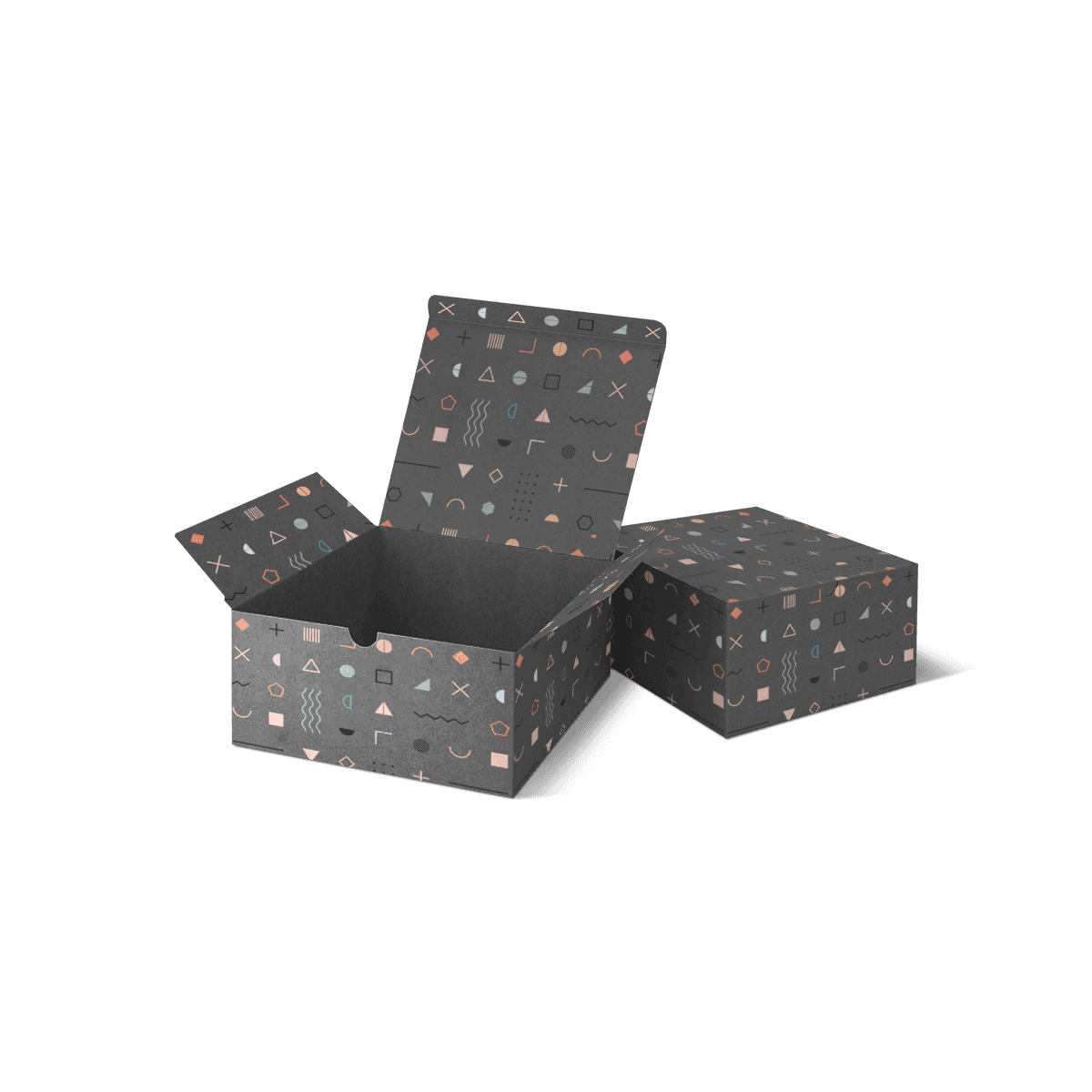
If the front-facing tuck and opening reveal are the main decision, Roll End Tuck-Front Mailers put that closing behavior at the center of the specification.

If a straightforward top-tuck action matters more than emphasizing the rolled perimeter, Tuck-Top Mailer Boxes make the lid engagement the main operating decision.

Roll-End Mailer Boxes should therefore be judged first by the wall construction. Closure geometry comes next.

That boundary keeps the product choice grounded in a real structural difference instead of treating several near-identical mailer names as interchangeable.

More Side Structure Can Slow Erection

Roll-end walls add physical folding steps.

For small orders, that may be insignificant. In repeated fulfillment, an extra side fold performed thousands of times becomes part of the labor equation.

The issue is not whether the box can be assembled quickly once. It is whether operators can form the walls consistently without correcting half-seated folds, reopening corners or stopping to work out the sequence.

Watch the First Ten Boxes

A physical setup test should begin with repeated assembly from flat.

Have the intended packing team erect several boxes without special coaching. Watch where hands hesitate. Check whether both sides seat the same way and whether the base remains square after the roll is formed.

This tells you more about pack-line suitability than folding one perfect sample slowly at a design table.

Do Not Add Folds Without a Payoff

If a lighter wall structure already holds the product securely and remains square, extra folded layers may add board and labor without changing the shipping result enough to matter.

Mailer Boxes with Wings take another approach when guided side containment and a framed interior are more important than the classic rolled-wall build.

The structure should solve the actual packing problem, not win a contest for the greatest number of folds.

The Blank Uses More Board Around the Edges

Rolled walls require extended panels, which means the flat blank can consume more corrugated material than a simpler structure with comparable internal dimensions.

That does not automatically make the design inefficient. The extra board may remove the need for another component or create the perimeter stiffness the shipment genuinely needs.

The correct economic question is what the complete pack requires.

If a roll-end mailer can maintain its shape with a clean product fit and a small paperboard retainer, it may be preferable to a lighter box that needs substantial filler and repeated packing corrections.

If the product does not benefit from the reinforced perimeter, paying for that board gives little return.

Custom Packly’s packaging capabilities can help align corrugated construction, print and inserts after the required wall behavior is established.

Price the Perimeter You Actually Need

The quote should reflect the finished internal size, board specification, rolled-wall construction, printing, inserts and order quantity.

Custom Roll-End Mailer Boxes can start from 100 units. Transparent pricing makes it easier to judge whether the extra corrugated in the rolled walls is earning its cost, and free shipping is included.

Before pricing, define the packed product arrangement rather than sending only a nominal box size. Wall thickness and folded perimeter geometry affect the usable cavity, so the supplier needs to understand what has to fit after the mailer is erected.

When those structural decisions are settled, an instant custom packaging quote can price the actual roll-end construction rather than an assumed generic mailer.

This is also the right stage to decide whether the reinforced perimeter removes another packaging component or merely adds material. That answer matters more than the roll-end label itself.

Artwork Disappears Into the Roll

A roll-end blank contains panels that change visual roles after assembly.

A broad area visible on the flat dieline may become the inside face of a reinforced wall. Another portion may fold underneath itself and disappear almost completely.

Artwork has to follow that physical sequence.

Map the Visible Side Wall

If branding is intended to appear on the finished exterior side, the artwork must sit on the panel face that remains exposed after the wall is rolled.

A designer working only from the flat shape can place text or graphics on the wrong part of a multi-fold side construction.

The same issue affects inside printing. Some internal faces become prominent framing surfaces around the product while others are buried between board layers.

A packaging dieline should therefore be read as a folding map as well as a print template.

Custom Packly includes design and dieline support plus free 3D mockups, so the assembled panel relationships can be reviewed before artwork moves into production.

Premium offset printing can then be used where brand color and repeat print consistency matter.

Flat Storage Has a Workstation Cost

Roll-end mailers ship and store flat before use, which is valuable when finished boxes would consume excessive warehouse volume.

Flat storage does not eliminate operational space entirely.

The packing station needs room to erect the blank and roll the side walls before loading. A larger mailer may require more bench area than its finished footprint suggests because the extended panels spread outward while the box is being formed.

That matters in compact fulfillment environments where many orders are packed simultaneously.

A warehouse team should consider the flat blank, assembly footprint and finished box rather than evaluating storage volume from the erected mailer alone.

For larger production programs, Custom Packly supports warehousing and scheduled deliveries, allowing packaging stock to arrive in stages instead of occupying the packing facility all at once.

Let the Side Wall Justify the Structure

The final decision is whether the rolled perimeter materially improves the packed shipment.

It should help the mailer form squarely, support the edges, contain the bundle or create the stiffness the fulfillment process needs. If the same order performs just as well in a simpler mailer, the extra folded wall has little reason to exist.

That decision gives Roll-End Mailer Boxes a clear job.

They are not defined by premium printing, an ecommerce use case or a particular front tuck. Their strongest reason to exist is the layered corrugated perimeter created during assembly.

For a roll-end project, Custom Packly's 24/7 packaging experts can keep the structural decision tied to the simplest question: what improves because the wall is rolled?

If the answer is clear, the rest of the specification can be developed around it.

FAQs

It is very dependable for many everyday shipments. Once folded correctly in the right board grade, the structure holds shape well and supports regular e-commerce handling.

Yes. It works well for grouped items like inserts, accessories, sachets, manuals, and folded products because the mailer walls help keep everything more contained.

Choose Roll-End Mailer Boxes when you want more structural support from the side build and a sturdier overall feel. Tuck-Top Mailer Boxes are often simpler, but roll-end construction usually gives better containment for bundled or slightly heavier packs.

That is one of the strong points of this style. A personalized dieline, adjusted depth, or paperboard insert can make the pack much more efficient for awkward or multi-part orders.

Yes. Roll-End Mailer Boxes can carry outside branding, inside messaging, QR codes, and printed cards without losing their practical shipping role.

Process

How it works

Your Packaging Journey, From Idea to Production and Delivery

01

Tell Us Your Specs

Custom packaging boxes

Tell Us Your Specs

Provide size, quantity, printing, and finishes.

02

Get a Fast Quote

Custom packaging boxes

Get a Fast Quote

Instant transparent pricing, no hidden fees.

03

Design and Approval

Custom packaging boxes

Design and Approval

Artwork checks, revisions, and final sign-off.

04

Produce

Custom packaging boxes

Produce

Expert manufacturing to meet deadlines.

05

Ship to Your Door

Custom packaging boxes

Ship to Your Door

Hassle-free, flexible delivery options.

Get Your Quote for Custom Roll-End Mailer Boxes

Share your product details, size, quantity and artwork needs. We’ll help choose the right packaging style and send a clear quote.