Skip to content
Details

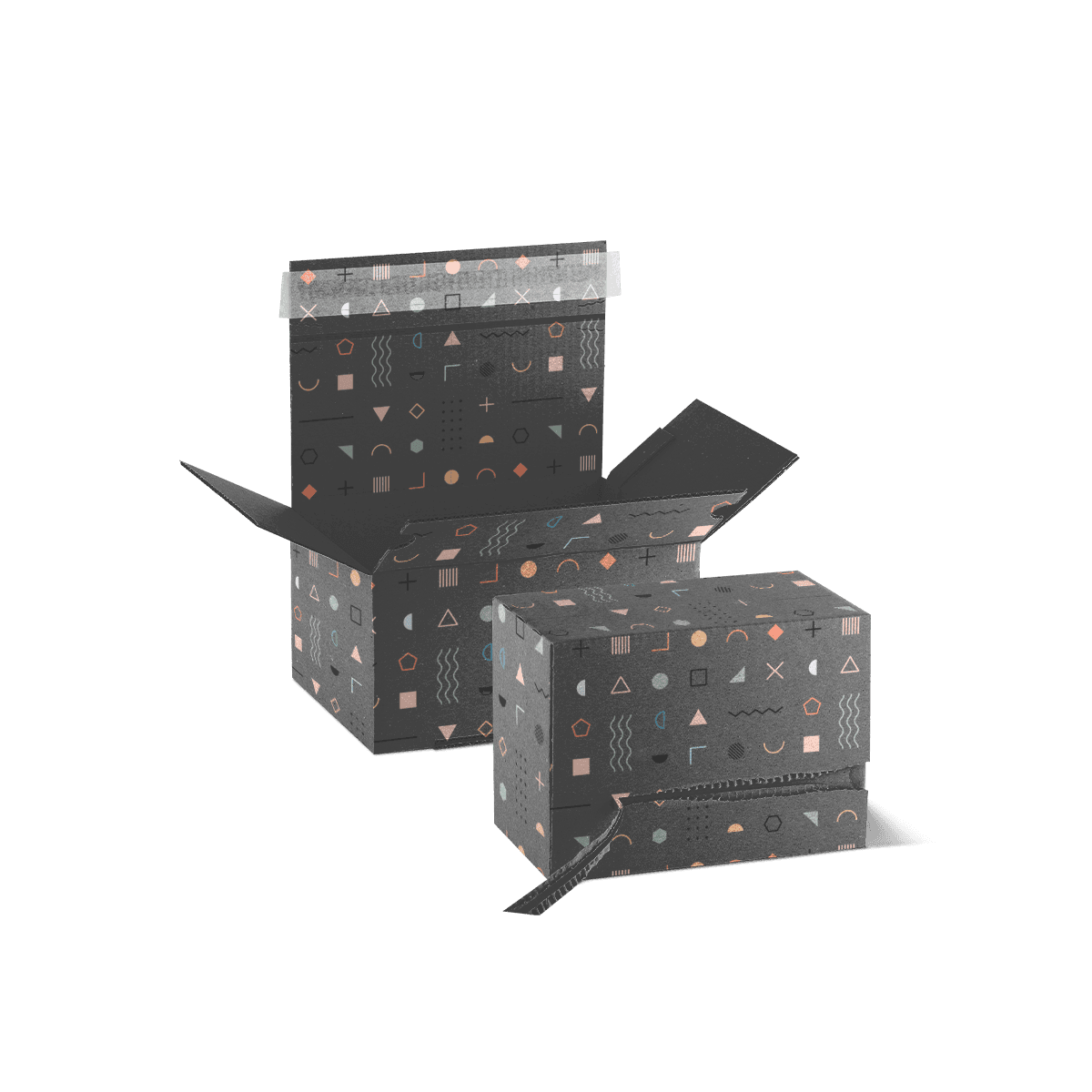
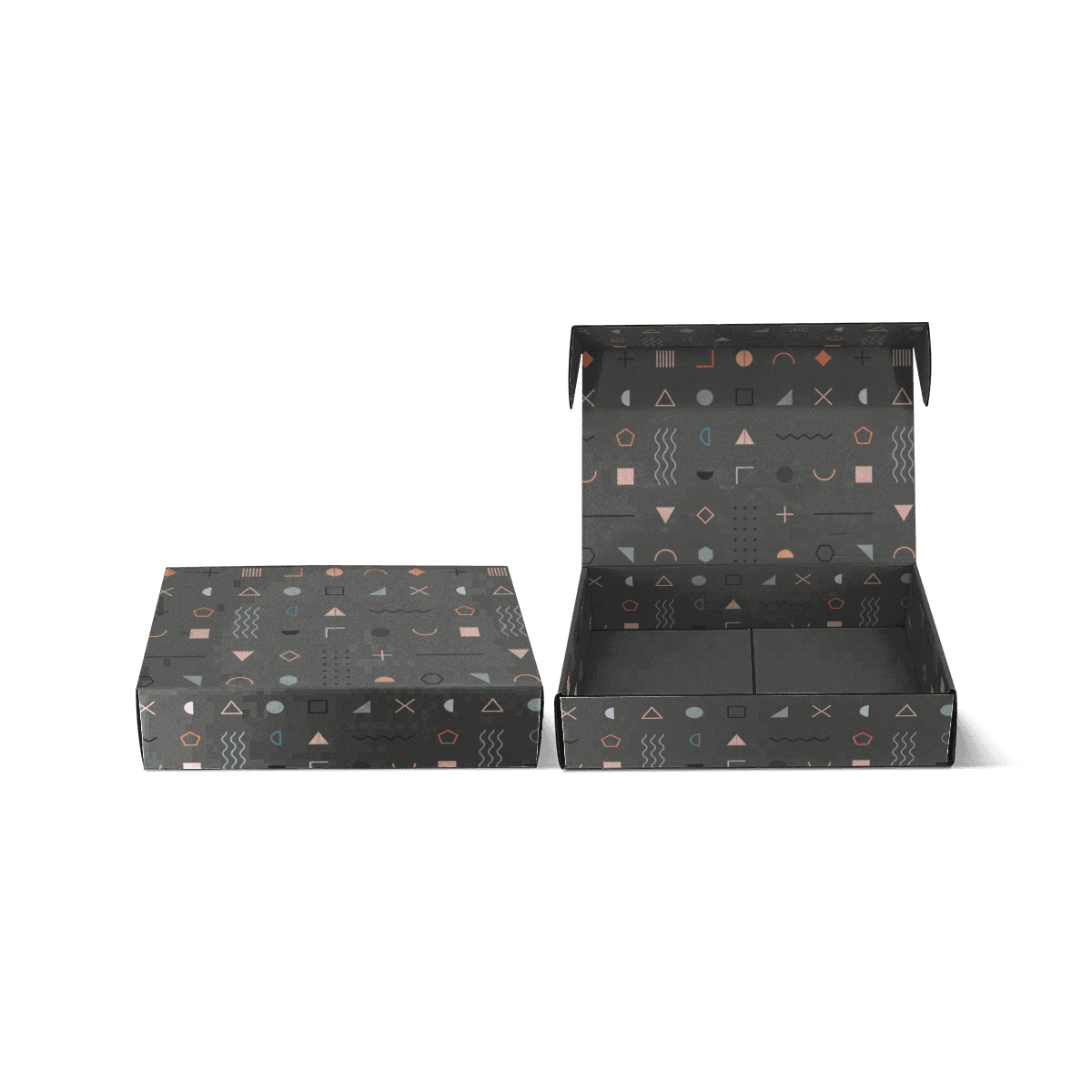
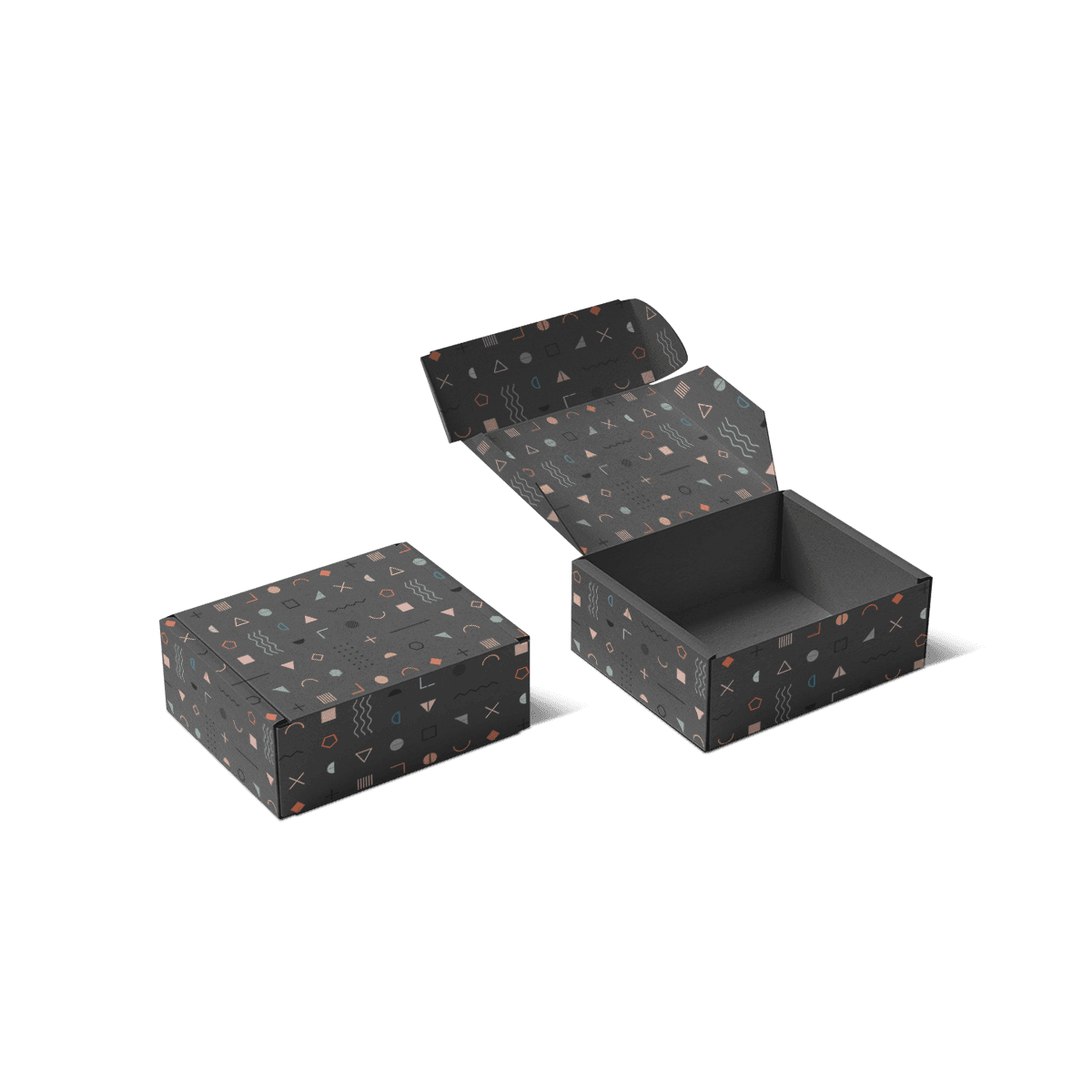
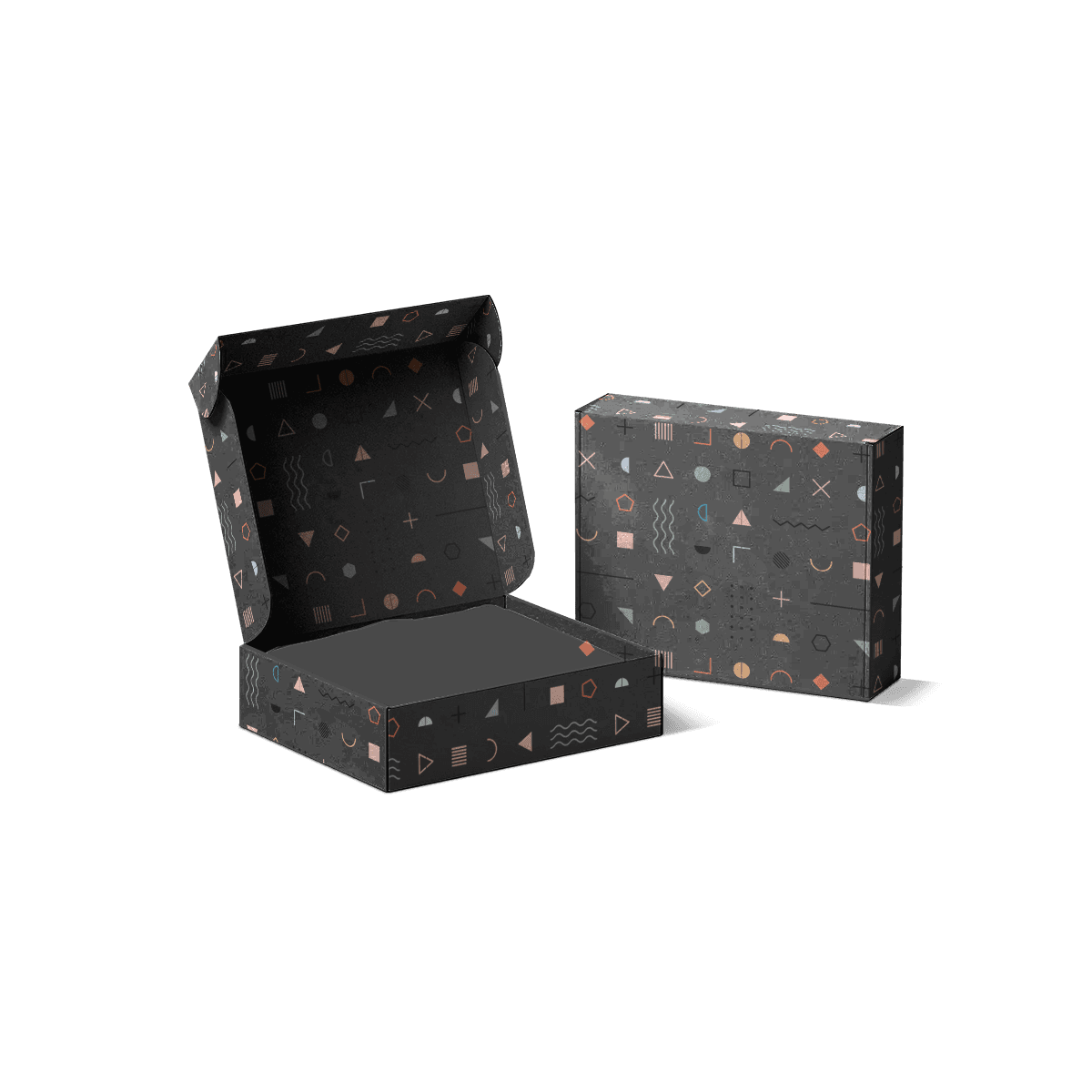
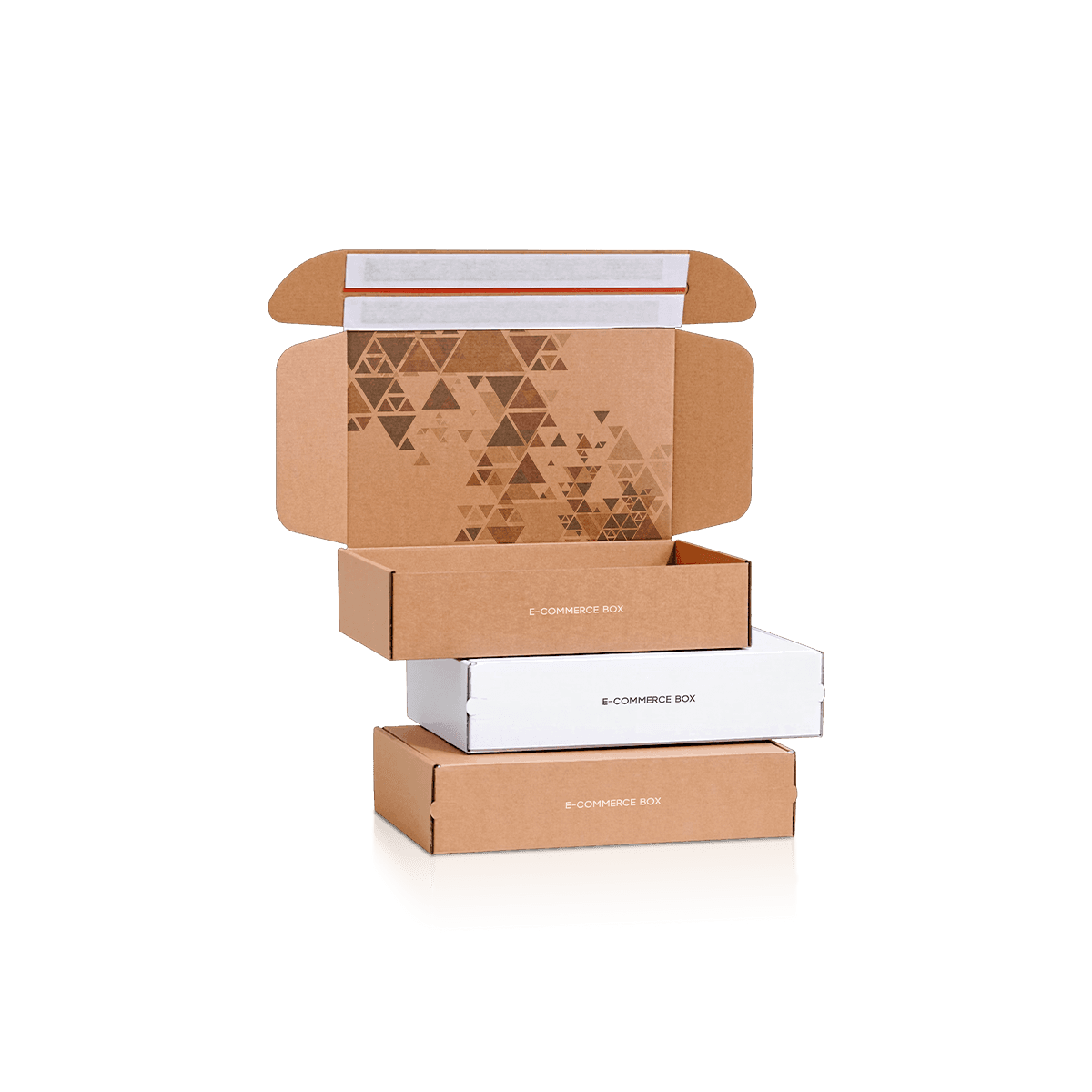
Custom Printed E-Commerce Shipping Boxes

Branded corrugated shippers planned around labels, tape, print method, repeat color and the handling realities of e-commerce delivery.

The Label Owns Part of the Box

A printed shipper never travels as pristine artwork. By the time it reaches the customer, part of the exterior may carry a carrier label, routing sticker, tape, handling marks and normal transit wear.

Custom Printed E-Commerce Shipping Boxes should be designed with those interruptions already accounted for.

That changes the artwork decision. The goal is not to fill every corrugated panel with graphics. It is to decide which parts of the box must remain visually recognizable after fulfillment has finished using the surface.

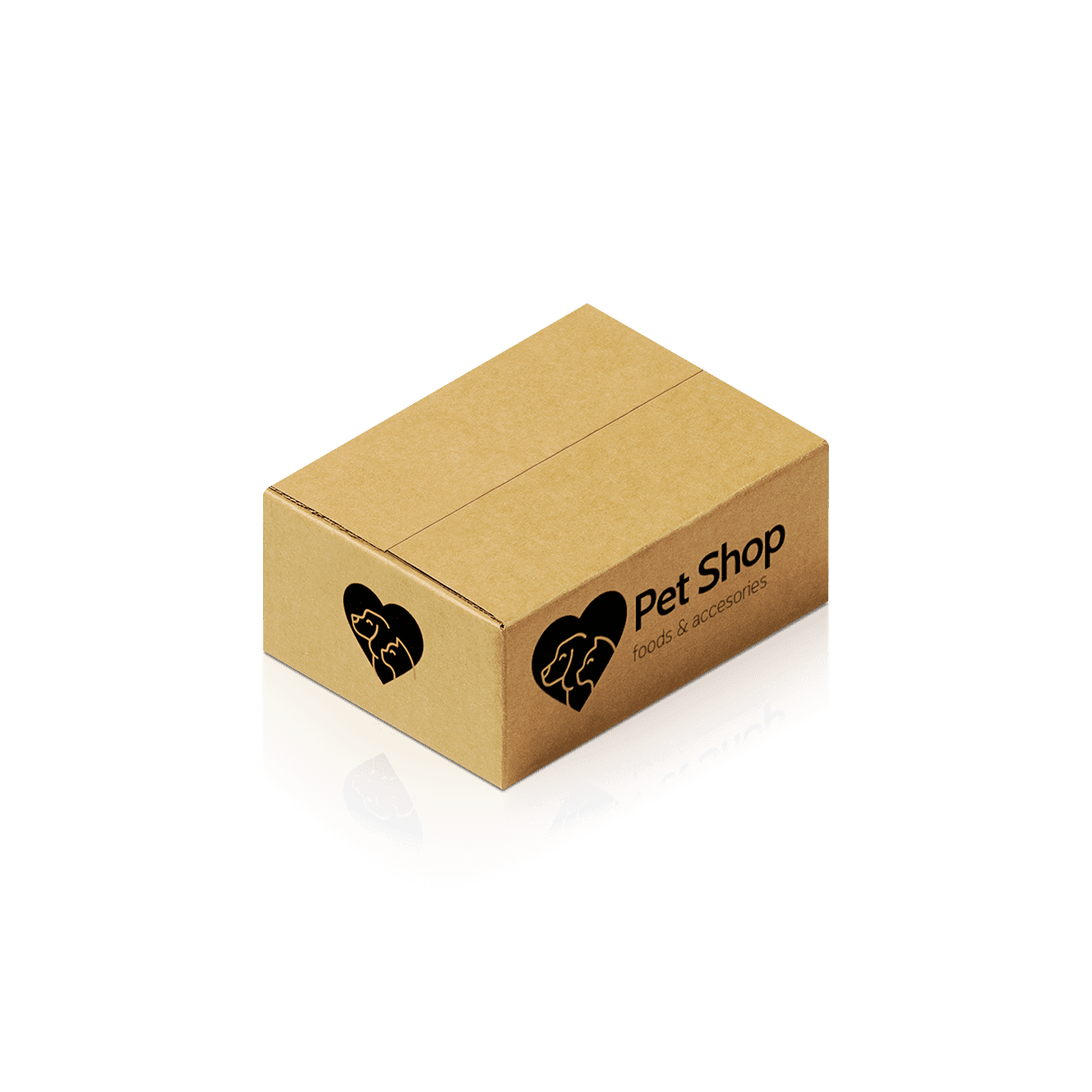
For e-commerce retail packaging, that can mean a strong logo on one side panel, restrained graphics around the label face and a more controlled message where tape will not cross it.

The underlying box still has to perform as a shipper. If flute, wall construction or compression behavior is the unresolved question, Corrugated Boxes should settle the board specification before artwork becomes the dominant decision.

Printing works best when it accepts the shipping job rather than competing with it.
Give Each Panel a Job

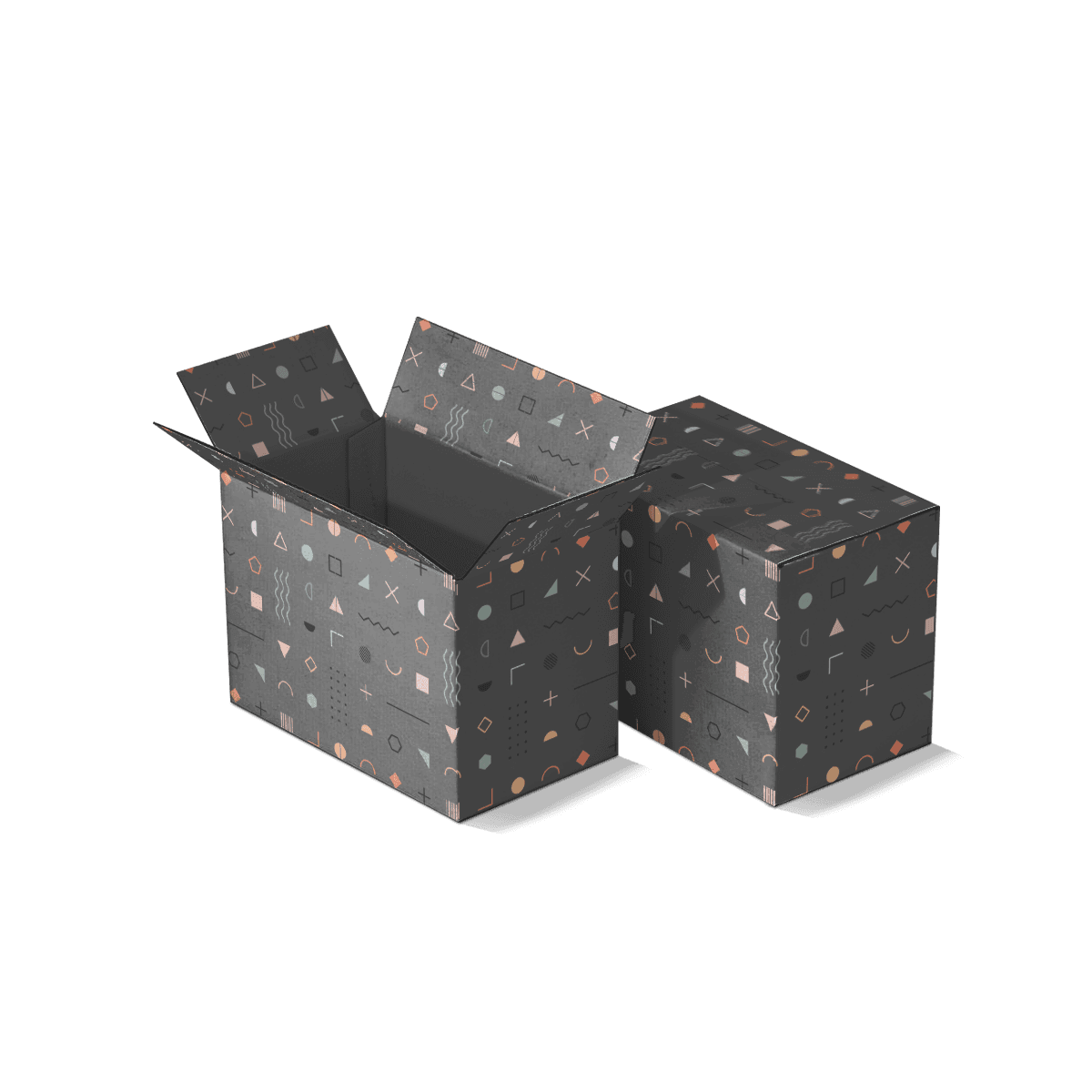
A corrugated shipper has enough surface area for branding, but each face does not need to communicate the same thing.

Carrier Label Face

Reserve a predictable flat area for the main shipping label.

Critical artwork, QR codes and small messaging should not depend on the space most likely to be covered. If warehouse staff also apply internal routing stickers or marketplace labels, include those in the panel plan before artwork approval.

A clean label area does not make the packaging less branded. It stops operational markings from randomly destroying the hierarchy.

Recognition Face

At least one exterior face should remain identifiable after the label and tape are applied.

That may be a logo, distinctive typography, a repeat graphic or a simple color system. Large, clear visual elements generally tolerate shipping interference better than artwork made from many small details.

For a box that needs a stronger self-locking presentation and more deliberate opening sequence, Printed Branded Mailers may suit the customer experience better than a conventional shipper.

Operational Face

Warehouse marks can be planned rather than treated as visual damage.

A dedicated area can accommodate a carton code, product identifier or another internal mark required by the packing workflow. The exact data belongs to the operation, but the artwork should leave somewhere sensible for it to live.

This matters most when one printed box serves several products or recurring order types.

Print Process Follows the Artwork

The best printing method depends on what must be reproduced, how often artwork changes and what corrugated surface is being printed.

The choice between digital, offset and flexographic printing should follow the substrate, design count, color requirement and production pattern.

Digital for Changing Designs

Digital printing can make sense when quantities are lower, artwork changes often or one production order contains several designs.

That flexibility can suit launches, seasonal graphics and e-commerce businesses still testing which visual system they want to carry forward.

The important quantity is not always the total number of boxes. It is the quantity per design.

Ten thousand boxes using one stable artwork file create a different production problem from ten designs of one thousand boxes each.

Flexographic for Repeat Corrugated Runs

Flexographic printing is well suited to many recurring corrugated applications.

Simple logos, repeat patterns, handling graphics and stable brand artwork can fit the process efficiently, especially when the same design will be produced again.

Flexo should not automatically be dismissed as a plain one-color option. The correct decision depends on the press setup, substrate and artwork rather than an old assumption about the process.

Offset for Higher Graphic Demands

Premium offset printing can be considered when the job needs a more controlled printed surface and the production construction supports it.

For corrugated packaging, that may involve printing a suitable liner or sheet and combining it with the corrugated structure rather than treating the fluted board like a folding carton.

The extra production work should solve a real visual requirement. A shipping carton carrying one logo and a few handling marks does not become better simply because the most elaborate printing route was selected.

Kraft and White Behave Differently

The liner color is part of the artwork.

Natural kraft creates a brown base that influences every printed color placed over it. Dark marks and restrained graphics can work especially well because they cooperate with the substrate rather than trying to hide it.

White-facing corrugated creates a brighter starting surface for colorful artwork, photographic elements and designs that depend on cleaner contrast.

Neither surface is inherently more premium.

A direct-to-consumer brand with earthy typography may look intentional on kraft. A cosmetics or accessories business using bright brand colors may prefer white board because the artwork depends more heavily on color clarity.

Brands comparing several printed box structures can also frame the requirement through custom printed boxes when print consistency matters across more than one packaging type.

Do not approve color only from a screen. The substrate, ink system and printing process all affect what the finished corrugated surface looks like.

Brand Color Needs a Rule

A logo color that changes noticeably between packaging runs can make otherwise well-produced boxes look inconsistent.

That does not mean every project requires a spot-color system. It means the color expectation should be defined before production.

CMYK and Pantone printing solve different artwork requirements, so the choice should follow the graphics and required color control.

CMYK suits artwork using multiple process colors, illustrations, gradients or photographic elements. Pantone becomes more relevant when one specific brand color carries unusual importance.

Corrugated adds another variable because the visible liner can influence the printed result.

A practical specification should identify which colors are critical and which can tolerate normal process variation. That is more useful than treating every shade in a complex illustration as though it has the same importance as the primary logo color.

Free sample examples of previous Custom Packly work can help assess material and general print character. A fully custom pre-production sample can be arranged as a paid sample when the exact artwork, substrate and production result need physical review.

Seams Can Break the Artwork

A flat dieline can make a design look continuous even when the assembled shipping box interrupts it with tape, folds, slots and panel edges.

Panel planning has to anticipate the finished structure.

A common mistake is placing the main logo across two top flaps because the artwork looks balanced on the flat file. The packed carton is then closed with tape directly through the mark. The logo technically printed correctly, but the shipping process destroys the intended result.

The better fix may be to move the primary logo to a side panel and use the top only for secondary graphics. Another option is to divide the top artwork so the tape line becomes intentional negative space.

The same principle applies to patterns crossing vertical scores. A graphic can continue across panels, but important text should not rely on perfect visual alignment around a fold.

Panel dimensions, scores and seams are fixed on the packaging dieline, so artwork decisions should be made on that geometry rather than on a rectangular mock canvas.

Custom Packly includes dieline and artwork support, and free 3D mockups can show how graphics meet after assembly before production begins.

Inside Print Has Another Job

Exterior print creates recognition during delivery. Interior print is seen after the shipping job has mostly ended.

That gives the two surfaces different purposes.

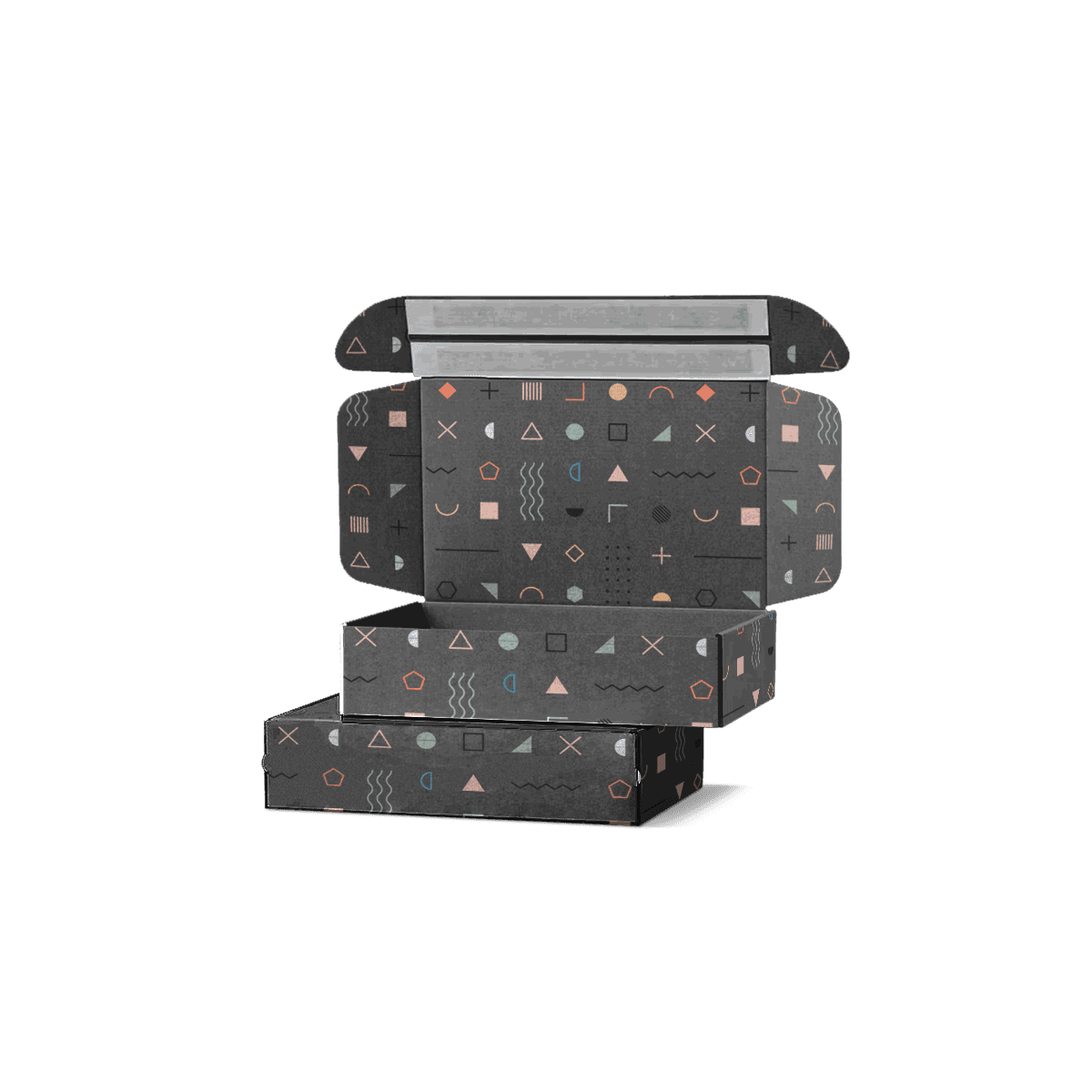
The outside may need to remain restrained because of labels, tape and handling. The inside can carry a stronger message, repeat pattern, instructions or campaign artwork if the structure and production method support interior printing.

This can be particularly effective when a brand wants a visible change between transit and opening without replacing the protective corrugated shipper with a presentation-led box.

It should still be used selectively.

If the customer removes a fully finished retail box from the outer shipper and discards the carton immediately, elaborate interior graphics may add little. If the printed shipping box itself is the customer-facing package, the inside has more work to do.

That boundary keeps Printed E-Commerce Shipping Boxes distinct from highly presentation-led mailers. The shipper remains transit packaging first, even when its graphics are carefully planned.

Campaign Artwork Changes the Economics

Printed e-commerce packaging becomes more complicated when one box size carries several designs.

A brand might keep the same corrugated shipper but change exterior graphics for a seasonal launch, influencer campaign, subscription theme or geographic promotion.

That can be efficient structurally because the dieline stays stable. It can be inefficient in printing if the quantity is fragmented across too many artwork versions.

For recurring everyday dimensions, Standard E-commerce Boxes can hold the physical box system steady while printed versions change according to the campaign.

The print specification should therefore record quantity per artwork version, not only total box quantity.

A run of 5,000 identical boxes and five versions of 1,000 each may need different production thinking even though both add up to 5,000 units.

Custom Packly starts USA orders from 100 boxes, which can suit lower-volume campaign versions without forcing every design into the same production quantity.

This is also where version naming matters.

Artwork files should make it obvious which campaign, SKU group or season they belong to. A print-ready PDF called “final-final-new-3” is not a repeat-production system.

Use an identifiable code or revision name and keep that reference with the box specification.

Finishes Face Real Handling

Decorative finishing on a shipping carton should be judged in the context of transit.

A customer may handle the package for a few minutes. Warehouses, conveyors and carriers interact with it first.

That makes restraint important.

Surface effects can add contrast or change tactile character, but they should not make label application, tape adhesion or the general shipping workflow unnecessarily difficult.

Packaging finishes such as matte, gloss, spot UV, foil and embossing make more sense when their visual effect survives the actual use environment.

For many printed shippers, strong artwork on the correct liner may create more value than adding several premium effects to the outside.

Finishing can also be concentrated where handling is less destructive. An inside printed surface or selected customer-facing panel may deserve more visual treatment than a top panel covered by tape and a carrier label.

Custom Packly's packaging capabilities can support print, board, inserts and structural decisions when the artwork requirement affects the physical package.

Scale Artwork Across Sizes

Using the same artwork file on every box size rarely produces the same visual result.

A logo sized for a small carton may become oversized on a narrow panel or look too small on a large shipper. A repeat pattern may need different spacing. Side-panel messages can wrap differently as dimensions change.

The correct approach is to build a visual system, not stretch one layout.

Define which elements stay constant, such as logo treatment, type style and primary color. Then allow position and scale to respond to each dieline.

This becomes especially important when the shipping program contains several everyday sizes.

The smallest box may need only the logo and a short message. A larger carton can carry the same identity with more negative space or an expanded graphic treatment without becoming a separate brand.

If the physical construction itself changes between box sizes, shipping boxes should determine the structure before artwork is adapted.

The artwork follows the box. The box should not be distorted just to preserve one graphic composition.

Price by Design Version

Printing cost cannot be understood from total quantity alone.

The box dimensions, corrugated construction, liner, print process, ink coverage, number of artwork versions and inside printing all affect the production job.

Before pricing, identify:

  • finished box dimensions
  • corrugated construction
  • kraft or white-facing liner
  • quantity per box size
  • quantity per artwork version
  • number of printed colors
  • CMYK or Pantone requirements
  • outside or inside-and-outside printing
  • label and tape zones
  • artwork files
  • expected reorder pattern
  • shipping ZIP code

When dimensions are settled, the dieline generator can establish a starting layout for supported structures before final artwork placement.

Once size, quantity per design and print direction are clear, request an instant custom packaging quote against the actual artwork mix. Transparent pricing is most meaningful when one large total quantity is not hiding several smaller print versions.

For higher-volume repeat programs, warehousing and scheduled deliveries can separate how much packaging is produced from how much arrives at the fulfillment site at one time.

Approve the Shipping State

Do not give final visual approval only to a clean, empty printed box.

Assemble it. Pack the normal order. Apply the tape exactly where warehouse staff will place it. Add a carrier-sized label to the intended panel. Include any routine routing sticker or carton code.

Then inspect the package again.

The most important logo should still read clearly. Small copy should not disappear into a score. The label should have enough uninterrupted surface. Tape should not destroy the visual center of the design. Interior graphics should appear where the customer will actually see them.

This check catches a different class of problem from print proofing. A color can be correct while the finished composition still fails after fulfillment.

Repeat-production control should then record the approved dieline, artwork revision, liner, print process and critical color requirements together. Changing one of those elements can alter the result even when the logo file itself has not changed.

Printed e-commerce shipping packaging earns its value when branding survives the real journey. The box does not need to arrive untouched. It needs to remain recognizable, intentional and structurally fit for shipping after the operational marks of delivery have been added.

FAQs

Yes. The print does not replace the protective job of the corrugated board. Box strength still depends on the structure, flute, and pack design chosen for the shipment.

Usually in repeat orders, subscription programs, influencer mailings, and product launches where visual consistency matters as much as safe delivery.

Choose Printed E-Commerce Shipping Boxes when the order is heavier, larger, or needs a sturdier corrugated shipper. Printed Branded Mailers are often the better fit for lighter direct-to-consumer packs with a more compact mailer format.

Yes. Printed panels can carry SKU cues, repack instructions, barcodes, shipping guidance, or campaign identifiers that help both warehouse teams and end customers.

Not always. Some brands do well with simple one-color branding, while others benefit from broader artwork coverage. The right choice depends on budget, brand goals, and order volume.

Process

How it works

Your Packaging Journey, From Idea to Production and Delivery

01

Tell Us Your Specs

Custom packaging boxes

Tell Us Your Specs

Provide size, quantity, printing, and finishes.

02

Get a Fast Quote

Custom packaging boxes

Get a Fast Quote

Instant transparent pricing, no hidden fees.

03

Design and Approval

Custom packaging boxes

Design and Approval

Artwork checks, revisions, and final sign-off.

04

Produce

Custom packaging boxes

Produce

Expert manufacturing to meet deadlines.

05

Ship to Your Door

Custom packaging boxes

Ship to Your Door

Hassle-free, flexible delivery options.

Get Your Quote for Custom Printed E-Commerce Shipping Boxes

Share your product details, size, quantity and artwork needs. We’ll help choose the right packaging style and send a clear quote.