Skip to content
Details

Custom Shipping Boxes for Pet Supplies

Custom corrugated shipping cartons for heavy pet food, litter, grooming supplies and wholesale orders, with load-appropriate construction and dependable handling from warehouse to delivery.

The Bottom Seam Under Heavy Pet Refills

Litter refills and canned-food multipacks put concentrated weight on a shipping box's bottom panels before the carton ever reaches a delivery truck.

During handling, that weight transfers through the bottom flaps, sidewalls and sealed joints. A weak seam can separate even when the product inside remains undamaged.

Custom Shipping Boxes for Pet Supplies need to carry these loads without relying on excessive tape or loose cushioning to compensate for unsuitable construction.

The priority is different from a presentation-focused mailer. Heavy pet supply orders need a dependable outer shipping case that supports the contents during lifting, stacking, sorting and delivery.

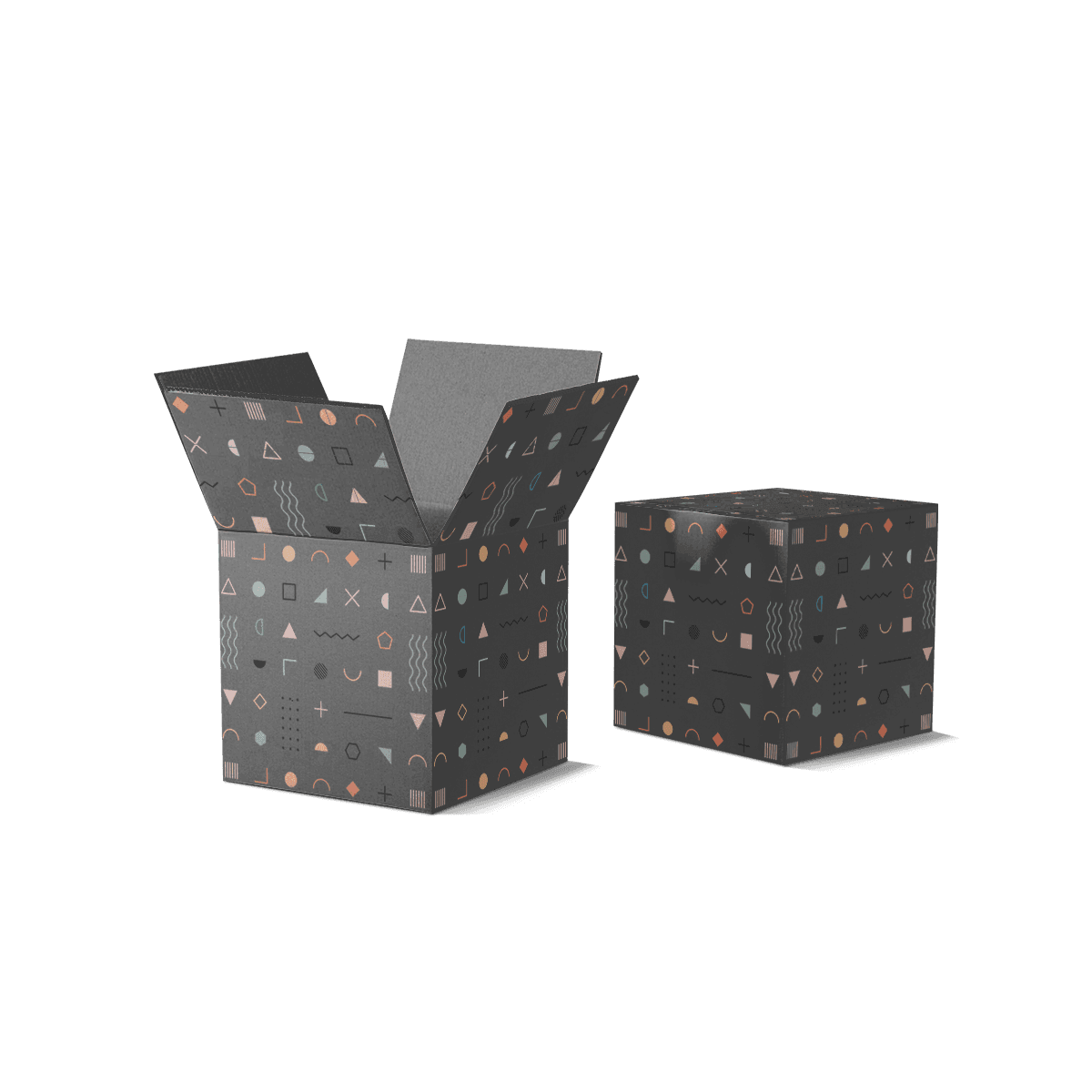
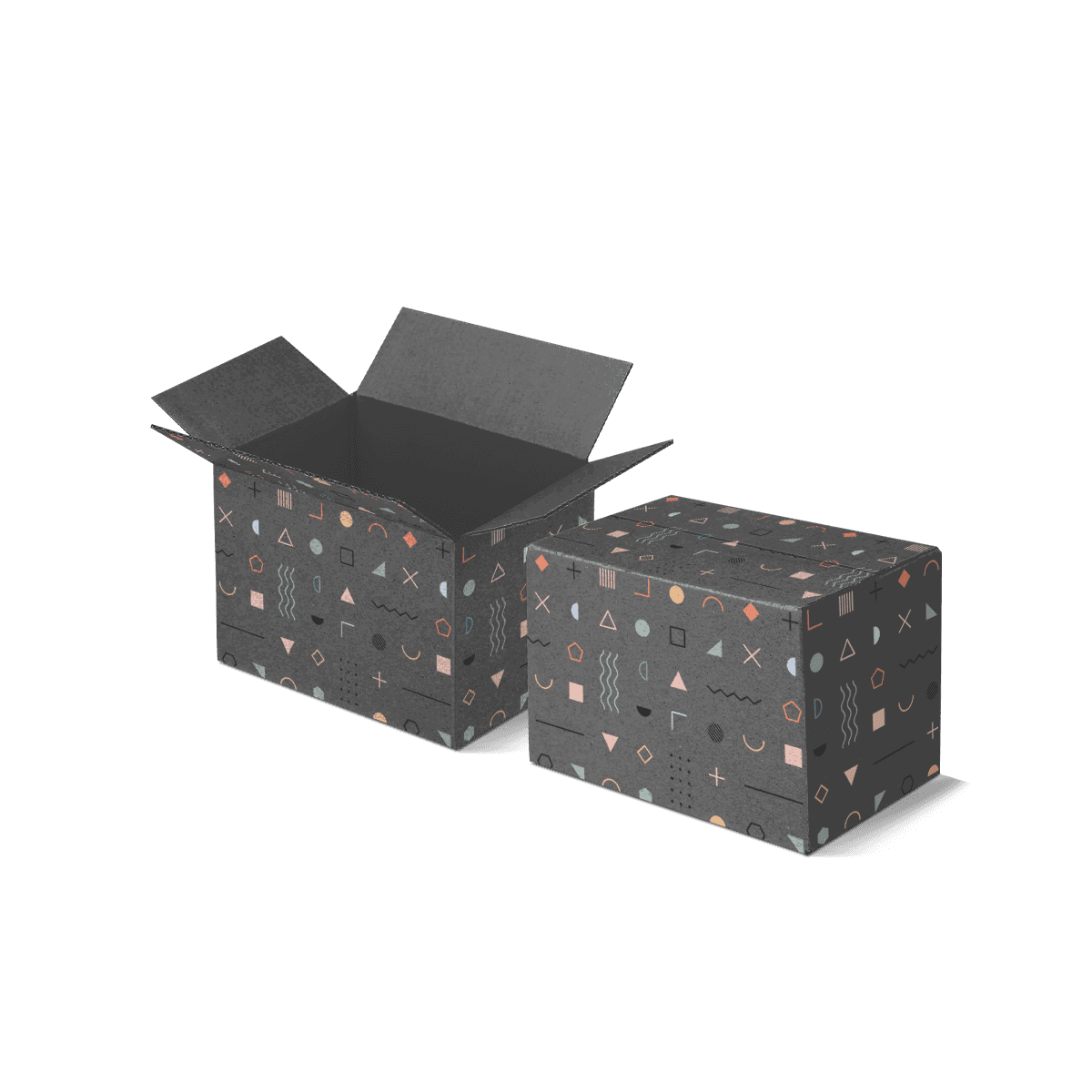
Regular Slotted Containers

A regular slotted container is a practical starting point for many pet supply shipments.

Its four top and bottom flaps fold toward the center, creating a conventional shipping carton that can be assembled and sealed with packaging tape.

For a heavy litter refill, the bottom closure needs to accommodate the packed weight and the way that weight rests on the flaps.

The bag should sit securely without forcing the carton out of shape. Appropriate board strength and a correctly applied bottom seal are both important.

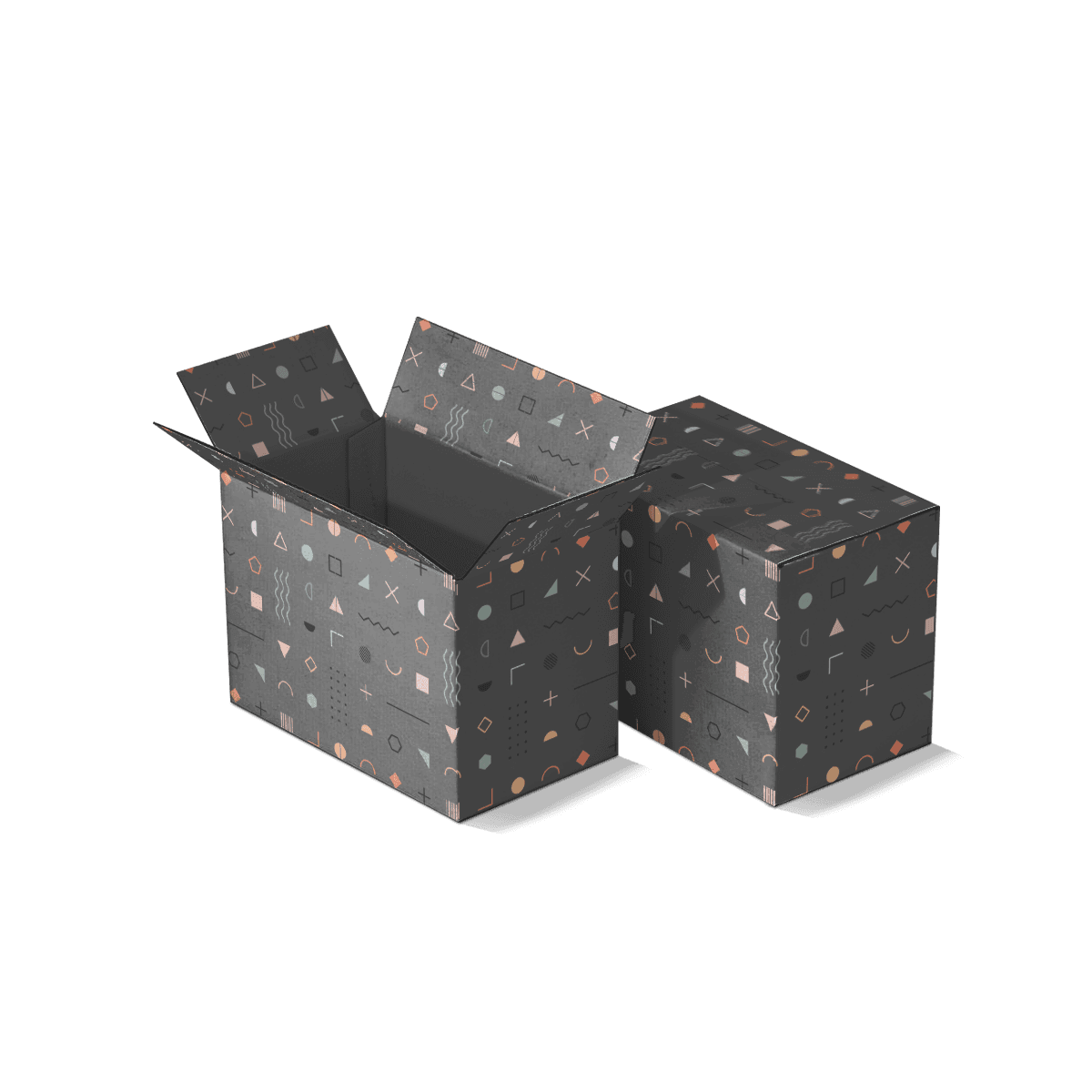
Full-Overlap Construction

Where the base needs additional corrugated coverage, full-overlap boxes offer a different construction.

Their major flaps extend across the full width of the box rather than meeting at the center.

The overlapping layers add material across the top and bottom surfaces. This can be beneficial for dense contents, concentrated loads and shipments exposed to demanding handling.

The additional coverage does not eliminate the need for suitable board strength, proper sealing or correct product placement.

It also increases material consumption, so the reinforcement should serve a genuine shipping requirement.
Different Pet Supplies Create Different Loads

A shipping carton carrying a sealed bag of dry food has a different job from one holding canned meals or a bulky automatic feeder.

Product weight is important, but the way that weight is distributed determines where the carton experiences pressure.

The shipping specification should account for the complete order, including any retail packaging, secondary containment and protective materials.

Dry Food and Litter Bags

Large bags of kibble and litter can change shape when lifted, turned or placed on their sides.

If the shipping carton has excessive empty space, the bag can settle into a corner instead of remaining evenly supported.

Flexible bags should also be protected from sharp carton edges and hard accessories that could damage their seams or puncture their packaging.

The carton must contain the bag without compressing it unnecessarily.

For heavy refills, the filled bag's shape is more useful for sizing than the nominal dimensions of the empty pouch.

Canned Food Multipacks

Canned pet food creates a denser, more rigid load.

Several cans may occupy a relatively small carton, yet their combined weight can place substantial pressure on the bottom panels.

The arrangement also affects stability. Loosely packed cans can strike one another, damage labels or transfer impact directly to the outer carton.

Counted rows, suitable partitions or an appropriately designed inner tray may help maintain a stable arrangement.

The pet food box can organize the retail selling unit, while the corrugated shipping case protects the finished units during distribution.

These structures may work together without needing identical printing or construction.

Feeders and Bulky Accessories

Automatic feeders, water dispensers and larger grooming equipment may occupy considerably more space than their weight suggests.

These products can also have projecting components, delicate controls or removable parts.

The shipping carton should accommodate the manufacturer's intended packing arrangement, including any existing retail carton and protective inserts.

For products with large rigid housings, control contact between the product and the outer walls.

A box that fits the main body but leaves a projecting component against an unsupported corner can create a preventable damage risk.

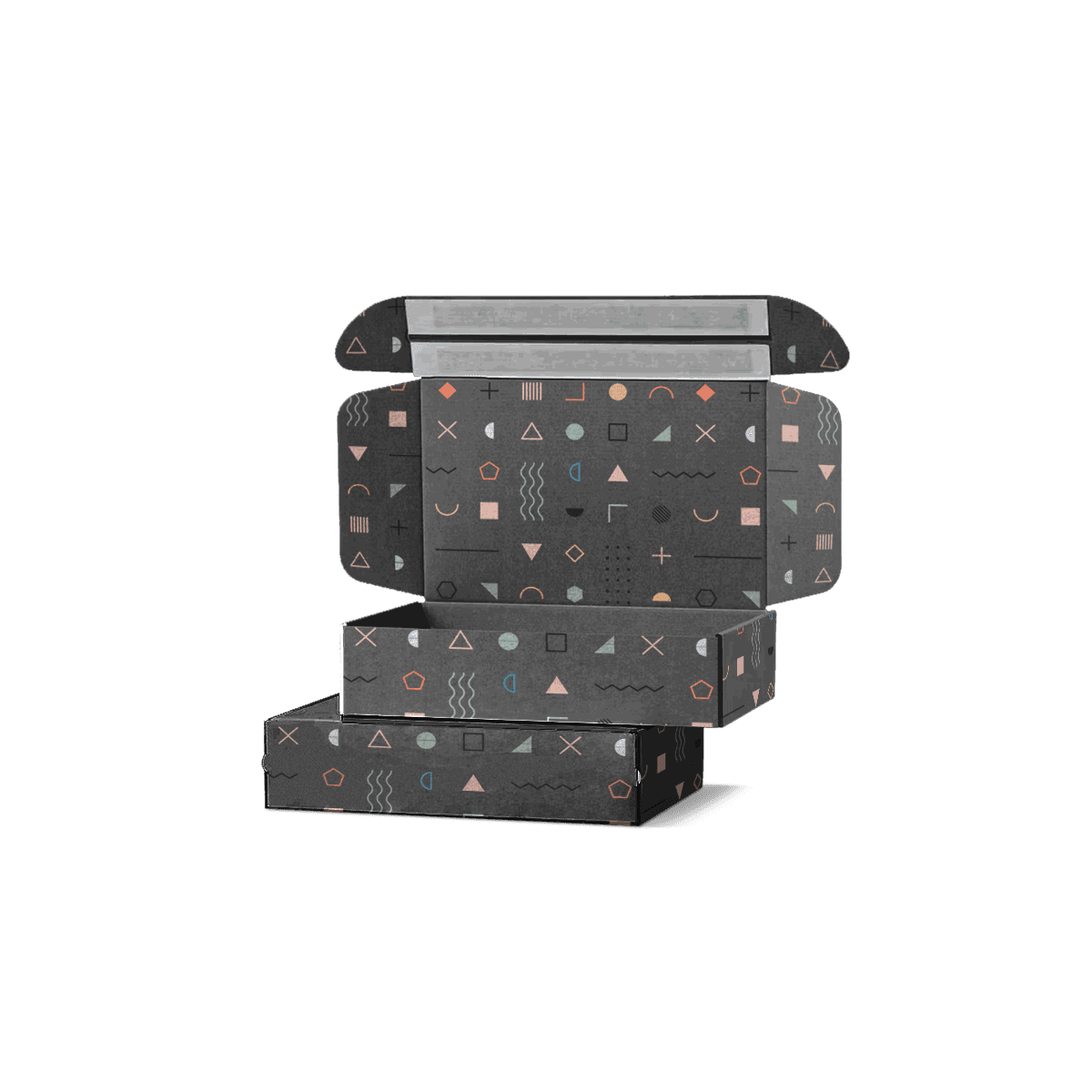
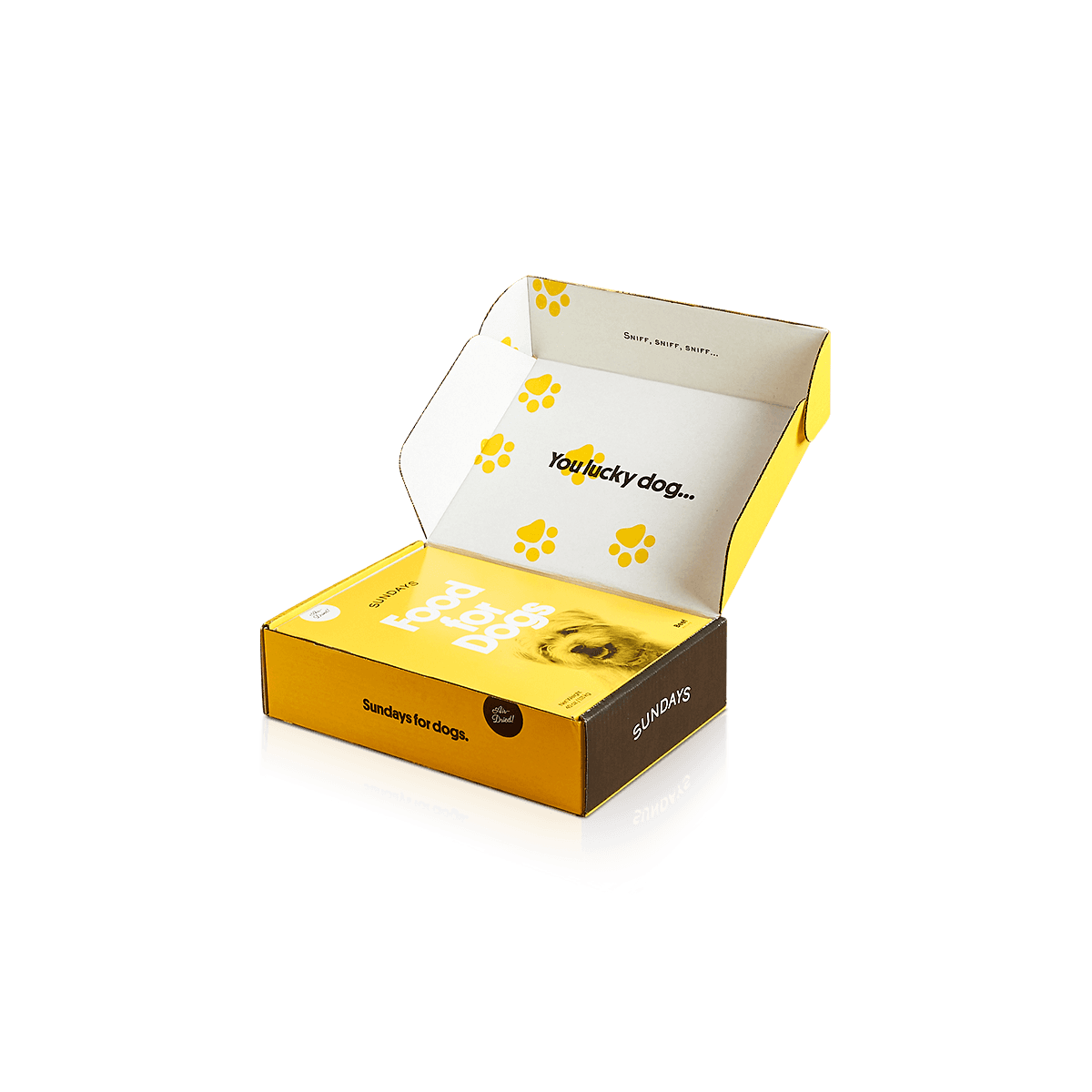
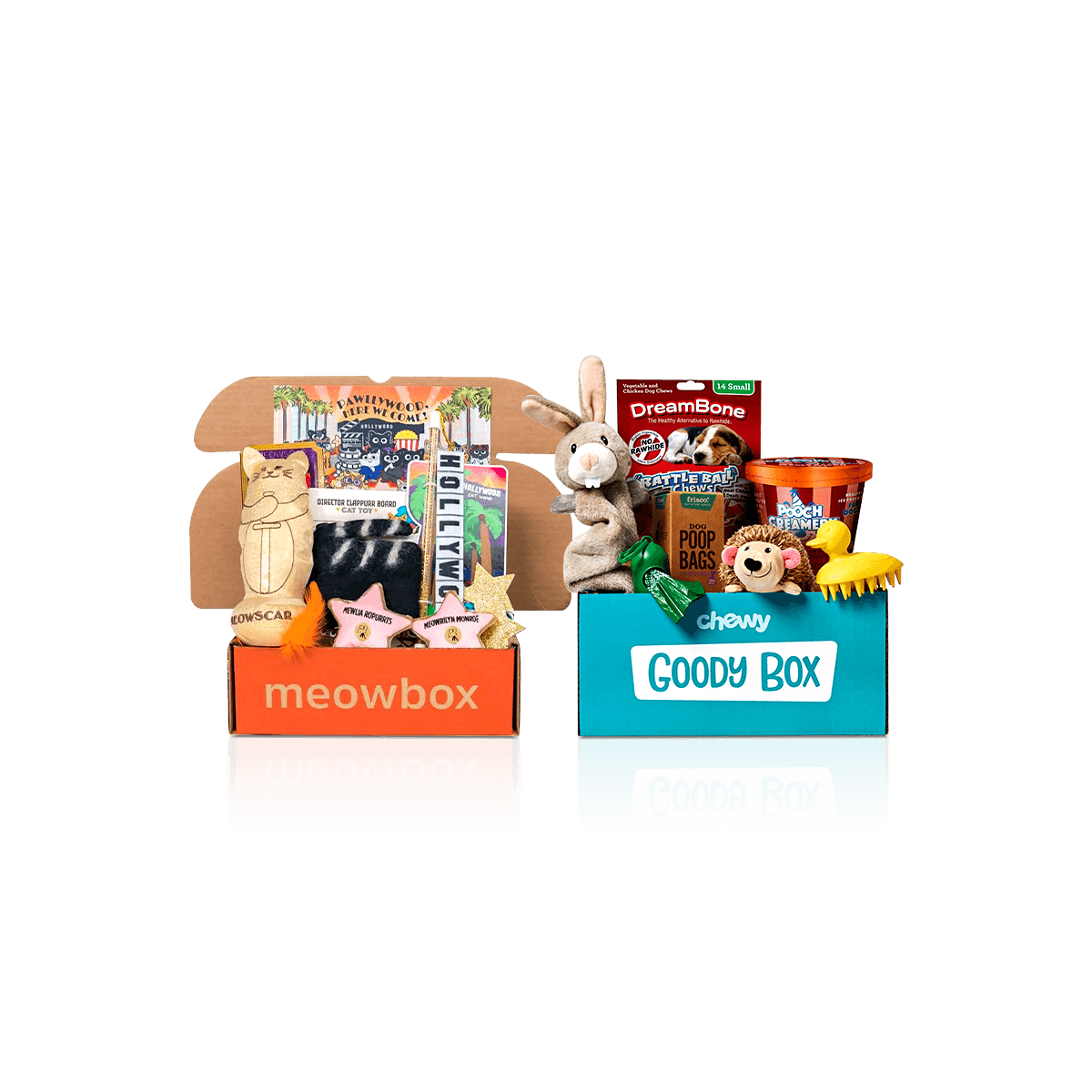
Lighter individual toy and accessory orders may instead suit mailer boxes for pet products, particularly when the shipping package also serves as the customer's presentation box.

Stacking Strength in Pet Supply Warehouses

Pet supplies frequently move through warehouses, distribution centers and retail stockrooms before reaching the final customer.

A shipping carton may spend part of that journey beneath other cases.

For these shipments, the relevant structural question is how the complete corrugated case performs under the expected load.

ECT and Box Compression

The Edge Crush Test, or ECT, measures the edgewise compression strength of corrugated board.

It is a useful input when specifying shipping cartons, but an ECT rating alone does not establish the finished box's stacking capacity.

Box dimensions, board construction, flute, score lines and environmental conditions also influence performance.

Box compression testing evaluates the assembled carton's resistance to compressive loading.

For a palletized pet supply shipment, the board specification should account for the intended stacking arrangement, loaded case weight and storage conditions.

A heavy-duty shipping box may be appropriate when standard construction cannot adequately support the required load.

Single-Wall or Double-Wall Board

A properly specified single-wall corrugated carton can support many ordinary pet supply shipments.

Double-wall construction may be appropriate for heavier cases, more demanding stacking arrangements or distribution conditions that justify additional structural strength.

The decision should not be based on product weight alone.

A broad, stable case of packaged accessories may behave differently from a taller carton holding the same weight in dense food products.

The differences between corrugated, paperboard, kraft and rigid board matter when retail packaging and shipping cartons are specified for different handling requirements.

The outer shipping case should use a board construction appropriate to the load it must carry.

Humidity and Storage

Corrugated board can lose strength when exposed to moisture and elevated humidity.

This deserves attention when pet supply shipments spend extended periods in warehouses or move through variable environmental conditions.

An outer shipping box is not a moisture barrier for the product inside.

Sealed primary packaging must handle the relevant product-protection requirements, while the shipping carton provides structural containment.

For demanding distribution programs, an appropriate packaging testing plan can account for compression, handling and environmental exposure.

Testing should reflect the actual failure risk. A dry-room compression result may not represent the performance of cartons stored in a humid environment.

The Scoop That Punctures a Litter Bag

Consider a pet supply retailer shipping a sealed litter refill with a separate plastic scoop.

The retailer selects a carton large enough for both products and places the scoop beside the bag.

Although the shipment fits, the scoop's rigid edge can press against the flexible packaging as the carton moves through delivery.

If the scoop shifts repeatedly, it may damage the bag or its sealed edges.

A heavier corrugated carton does not remove this contact risk.

Separate the Hard Accessory

A folded paperboard compartment or corrugated restraint can hold the scoop away from the litter bag.

The litter refill remains in the main cavity, while the accessory occupies a defined position.

The restraint should prevent the scoop from moving into the bag without creating unnecessary pressure on either item.

For some product combinations, the scoop may fit safely above the refill with a suitable protective layer.

The arrangement depends on the scoop's geometry and the actual shape of the filled bag.

Support the Packed Weight

A loose divider should not be expected to carry the weight of a heavy litter refill.

The base of the carton must support the load, while the accessory restraint performs its narrower containment function.

If a bottom pad is needed to improve load distribution or protect the product, it should sit securely across the intended support area.

The result is a shipping arrangement in which the bag's weight and the accessory's movement are addressed separately.

Case Counts and Shipping Dimensions

Pet supply brands often ship the same product in several order quantities.

A customer may purchase one food refill, a retailer may order six units, and a distributor may require a much larger case quantity.

Using one oversized shipping box for every order can simplify inventory, but it can also increase material use, empty space and parcel costs.

The appropriate carton assortment depends on recurring order patterns.

Single-Unit and Multipack Orders

A single bag of food should not automatically ship in a carton intended for a larger bundle.

Similarly, a six-unit case should be planned around the actual arrangement of its contents rather than created by enlarging every dimension of the single-unit box.

For fixed multipacks, the arrangement may determine whether the carton is longer, wider or deeper.

The intended handling method also matters. A wholesale case may need to remain stable when stacked or moved alongside other cartons.

Variable Order Heights

Some pet supply businesses ship the same product in several quantities, creating orders with similar footprints but different packed heights.

A multi-depth shipping box can accommodate planned height variations through additional score lines.

Warehouse staff can close the carton at the appropriate height rather than using its full depth for every order.

The trade-off is the additional adjustment required at the packing station.

If one fixed quantity accounts for most shipments, a dedicated fixed-depth carton may be faster to pack.

The Full Shipping Cost

The empty carton price should be considered alongside the cost of moving the finished shipment.

Relevant factors include:

  • Corrugated material and box manufacturing.
  • Protective pads, partitions and cushioning.
  • Packing and sealing labor.
  • Actual parcel weight and dimensions.
  • Carrier charges and dimensional-weight rules.
  • Flat-packed carton storage.
  • Damage and replacement exposure.

A smaller carton is not automatically cheaper if it requires expensive protective components or makes packing difficult.

Likewise, a low-cost oversized carton may increase shipping expenses across a recurring order program.

The factors affecting custom printed box pricing become more significant when size, material, quantity and printing change together.

Custom Packly's instant pricing system can help establish the manufacturing cost for a defined shipping-box specification.

Orders start from 100 boxes, with free shipping and US production.

Sealing and Warehouse Handling

A shipping case must remain closed throughout its intended distribution route.

For heavy pet supplies, that means considering both the carton construction and the sealing process used by the fulfillment team.

Tape-Ready Closures

Conventional slotted cartons generally require packaging tape to secure their top and bottom flaps.

The tape type and application pattern should suit the carton, contents and handling requirements.

For heavier shipments, the bottom closure deserves particular attention because it supports the contents whenever the carton is lifted.

Tape performance also depends on the application surface and conditions. Dust, poor adhesion and inconsistent application can compromise an otherwise suitable closure.

The complete sealed package should be assessed rather than assuming that a stronger tape can compensate for inadequate board construction.

Packing Station Consistency

Pet supply fulfillment often involves products with very different weights and dimensions.

Clear packing instructions can prevent staff from placing a dense food refill into a carton intended for lightweight accessories.

For a busy operation, the instructions should identify the carton assigned to each shipment and any required bottom reinforcement or internal support.

Where the operation uses automated case sealing, the selected structure and dimensions must also suit the equipment.

Custom Packly's experienced US packaging team can support the development of shipping-box specifications for individual products, mixed orders and larger distribution programs.

Printed Shipping Cartons for Pet Brands

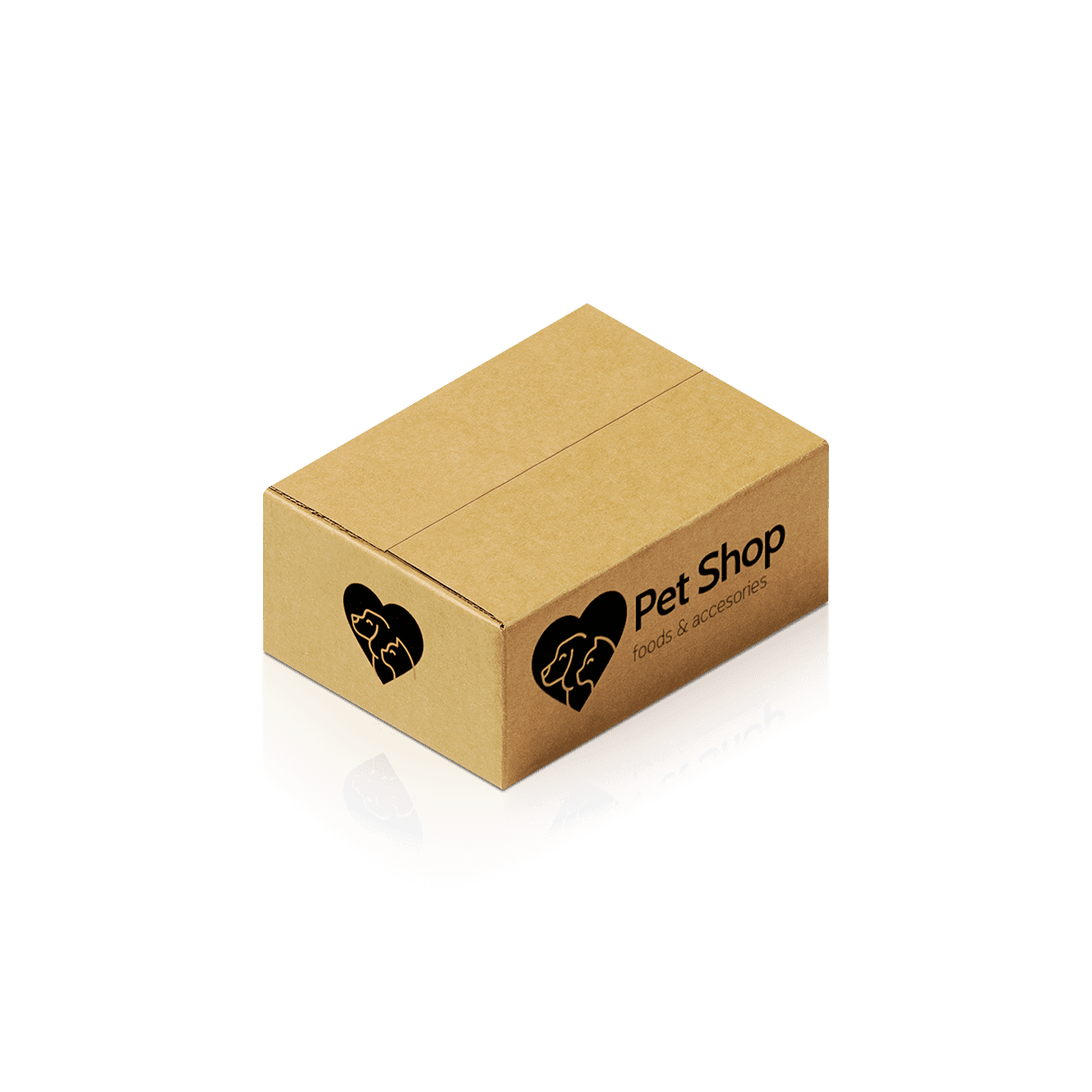
A shipping box can carry brand identity without becoming a presentation-focused retail package.

For heavier pet supplies, the most important printed elements may be those that help warehouse staff identify and handle the shipment correctly.

More elaborate graphics can be added when the carton also reaches the end customer.

Product and Case Identification

Wholesale cartons may need:

  • Product or SKU identification.
  • Units per case.
  • Product variant or size.
  • Scannable warehouse barcodes.
  • Applicable batch or lot identification.
  • Handling marks appropriate to the contents.

The print layout should leave room for shipping labels and any warehouse identification applied after production.

A barcode intended for automated scanning needs suitable contrast, size and placement for the scanning environment.

For multi-SKU programs, consistent placement can make different cartons easier to identify during receiving and dispatch.

Branded Exterior Printing

Kraft corrugated board can suit simple logos, clear product identification and limited-color printing.

White-faced corrugated board can be considered when the design requires a brighter printing surface.

Premium offset printing is an option for more demanding branded artwork, subject to the selected production construction.

Full-color graphics may be appropriate for direct-to-consumer shipments, while wholesale cases may only need a restrained printed identity.

Custom Packly's free 3D mockups and design support can help establish artwork placement before production.

The carton still needs enough clear space for functional shipping marks, sealing and warehouse labels.

Packaging Supply for Repeat Distribution

A growing pet brand may use one shipping carton for a stable food-refill SKU and several others for retail replenishment or mixed e-commerce orders.

The purchasing decision becomes more complicated when different products share similar box dimensions but require different strengths.

Treating every carton with the same footprint as interchangeable can lead to packing errors.

Distinguish Carton Specifications

Two shipping boxes can have identical internal dimensions but different board grades, wall construction or closure requirements.

Warehouse staff should be able to distinguish those specifications before packing.

A simple carton identifier can connect the physical blank to its intended product or order group.

For recurring production, the approved specification should remain associated with the correct artwork and carton code.

This becomes particularly important when a pet supply business moves from manual fulfillment to a larger warehouse or third-party logistics provider.

Larger Production Quantities

For established distribution programs, bulk custom boxes can support larger quantities across approved carton sizes and artwork versions.

The production quantity should reflect actual demand rather than combining different specifications into one undifferentiated total.

Custom Packly also supports warehousing and scheduled deliveries, allowing businesses to coordinate packaging supply with their expected fulfillment requirements.

Standard turnaround is 4–6 days after final artwork and specifications are approved. Complex structures, specialty materials and advanced finishes may require additional time.

Replenishment schedules should account for the specific production requirements and confirmed delivery arrangements.

A Case the Pet Store Can Receive

Wholesale pet supply shipments have another important destination: the receiving area of a store or distribution center.

The shipping carton should arrive with its contents secure, its identity readable and its case quantity consistent with the purchase order.

For heavier products, handling the case may be a more important operational concern than its exterior appearance.

Retail Replenishment

A store receiving multiple food varieties or litter sizes needs to identify each shipment without opening every carton.

Consistent case markings and clearly distinguished product variants support that process.

The carton dimensions should also suit the intended warehouse and stockroom handling arrangements.

Where cases are stacked before unpacking, their loaded strength must remain appropriate for that use.

Case Quantity and Product Access

A shipping case containing retail-ready products should allow staff to remove the contents without damaging their primary packaging.

Avoid arrangements that require excessive force or place heavy products directly against delicate retail cartons.

For canned-food multipacks, the case quantity should be practical for the intended handling operation.

For bulky pet accessories, internal supports should release without requiring staff to cut against the product.

The final shipping specification should serve the complete distribution process, from initial packing to receiving and stock replenishment.

FAQs

Heavier or more awkward items usually need a shipping box. Bowls, feeders, grooming sets, bundled accessories, refill packs and mixed-item orders benefit from stronger corrugated walls and better load control.

Shipping boxes are the better fit when weight, stacking and outer-carton protection matter most. Mailers work well for lighter curated kits, while shipping cartons handle broader size ranges and tougher parcel conditions.

Yes, especially when the order mixes bottles, hard goods and small accessories. Inserts help separate items, reduce scuffing and keep the unboxing experience from turning into a loose pile of parts.

It matters most in wholesale case packs, subscription bundles and e-commerce shipments with dense or oddly shaped items. Compression strength becomes more important when cartons are stacked in storage or travel through parcel hubs.

A better-fitting carton can lower void fill, reduce shifting and improve pack-out speed. It also helps avoid paying to ship unnecessary air in higher-volume parcel programs.

Process

How it works

Your Packaging Journey, From Idea to Production and Delivery

01

Tell Us Your Specs

Custom packaging boxes

Tell Us Your Specs

Provide size, quantity, printing, and finishes.

02

Get a Fast Quote

Custom packaging boxes

Get a Fast Quote

Instant transparent pricing, no hidden fees.

03

Design and Approval

Custom packaging boxes

Design and Approval

Artwork checks, revisions, and final sign-off.

04

Produce

Custom packaging boxes

Produce

Expert manufacturing to meet deadlines.

05

Ship to Your Door

Custom packaging boxes

Ship to Your Door

Hassle-free, flexible delivery options.

Get Your Quote for Custom Shipping Boxes for Pet Supplies

Share your product details, size, quantity and artwork needs. We’ll help choose the right packaging style and send a clear quote.