Skip to content
Details

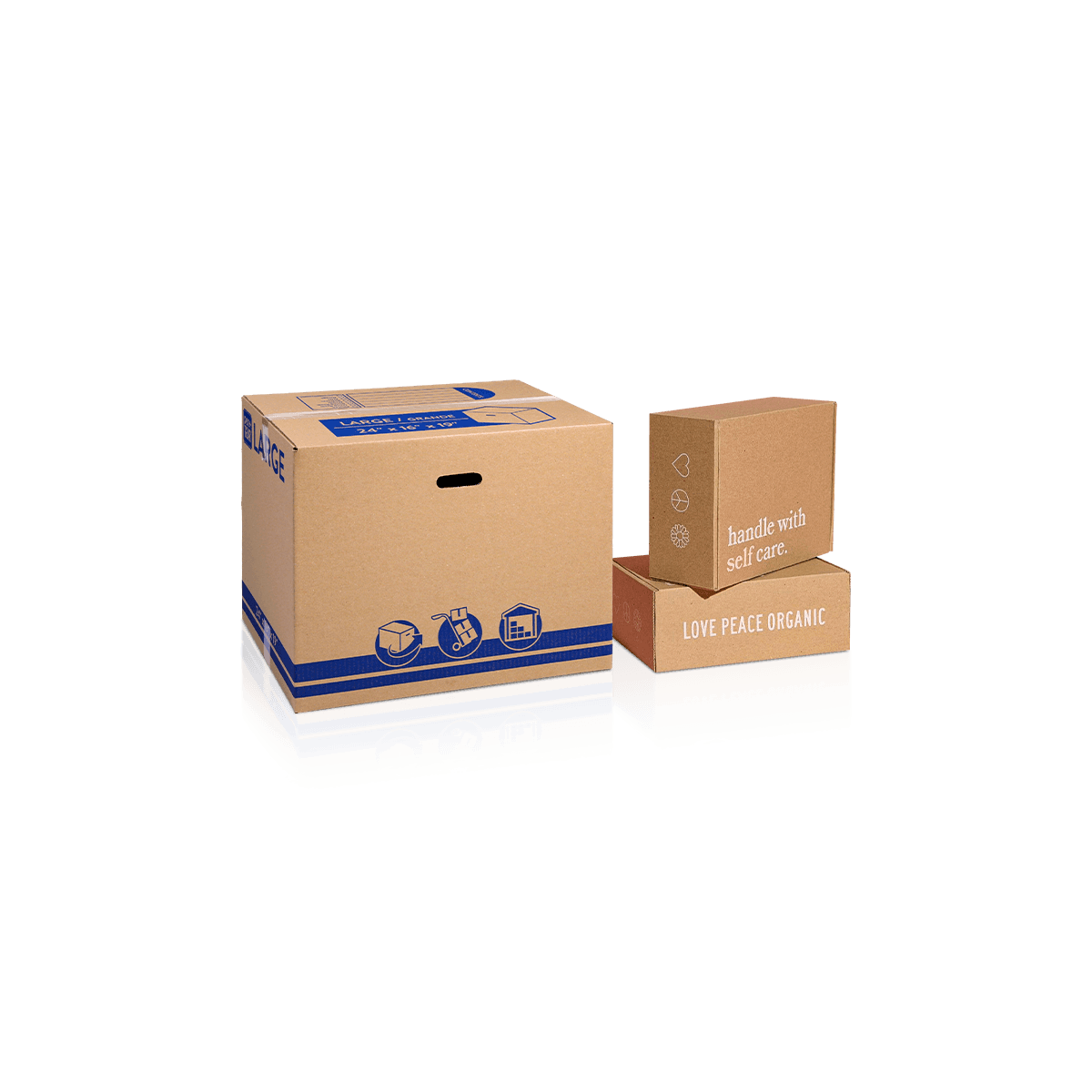
Custom Retail Shipping Boxes

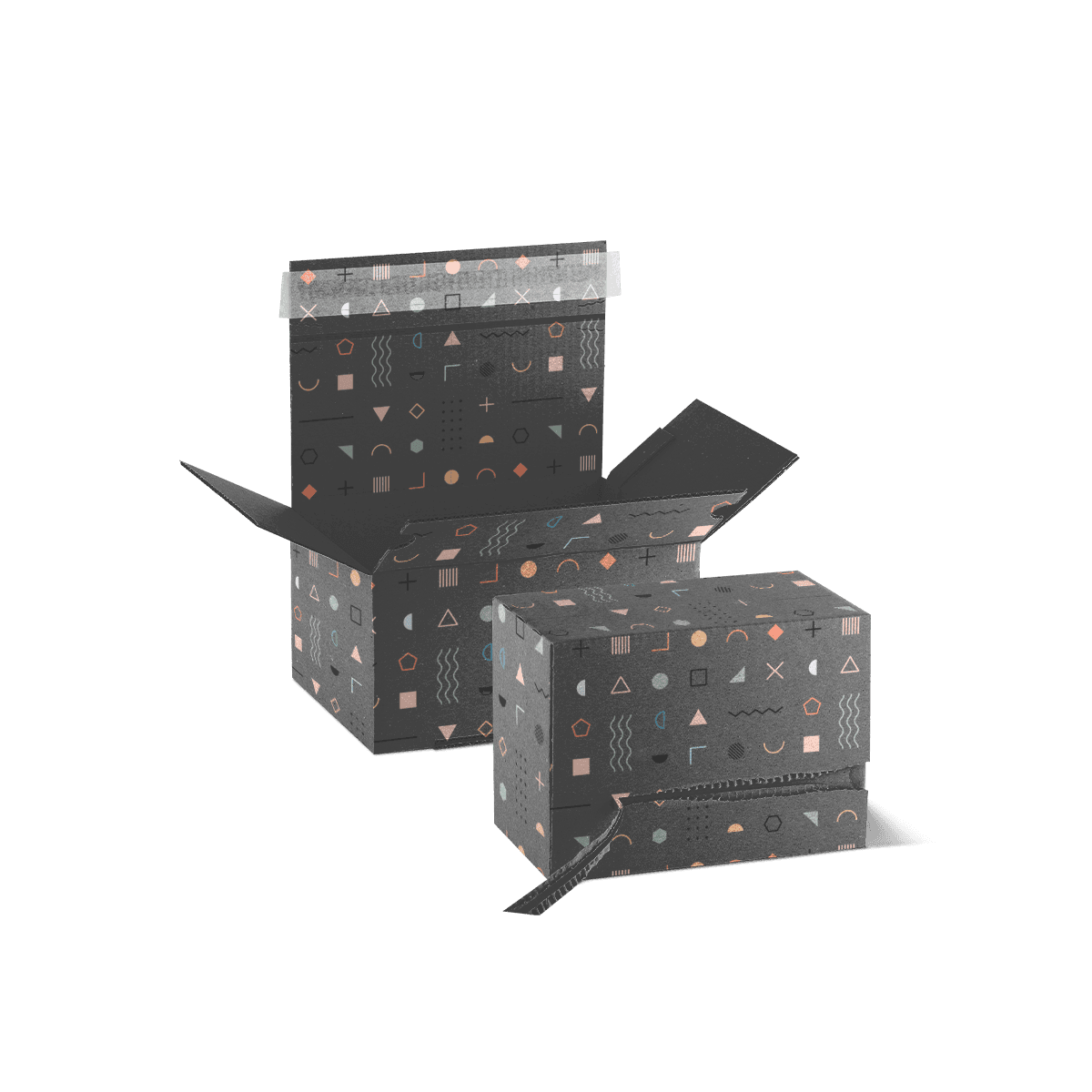
Corrugated cartons planned for store replenishment, reseller orders, mixed-SKU case packs and recurring stock movement across retail channels.

Replenishment Changes the Carton

Moving inventory to a store is not the same packaging job as sending one parcel to one customer. Custom Retail Shipping Boxes need to preserve sellable units while making counts, variants and receiving easier across warehouse, reseller and retail handoffs.

A replenishment carton might carry twelve identical retail units, six boxed accessories or a launch assortment split between products. The receiving team may open it, count stock, move units to shelves and keep the remaining inventory in back storage. That workflow changes what matters inside and outside the box.

For brands operating across e-commerce retail packaging, the carton has to connect two systems: outbound fulfillment and inbound stock handling. Protection still matters, but so do case counts, SKU separation, carton identification, opening access and the ability to move merchandise without repacking every unit.

If the main problem is carrier handling, compression and direct parcel delivery, parcel-duty retail shipping boxes are the stronger fit. This carton has a narrower job: move retail inventory through replenishment, reseller, marketplace and multi-channel fulfillment without turning the receiving process into another packing job.
Case Count Comes First

The most efficient carton size often starts with the number of sellable units that should arrive together.

Fixed Case Packs

A fixed case pack makes receiving predictable. Twelve cosmetic cartons, six boxed accessories or twenty-four folded garments can move as one known unit instead of being counted from a loose mixed shipment every time.

Start with the finished dimensions of the individual retail pack, then arrange the intended count before defining the corrugated carton. Orientation matters. Turning a product 90 degrees may produce a shorter case, reduce empty space or create a more stable stack.

The goal is not to force the maximum number of products into one carton. A case should still be manageable for packing, lifting, opening and counting.

Mixed-SKU Assortments

Mixed stock needs a different interior plan. Color, size, scent, model or flavor variants can look nearly identical once they are enclosed in individual retail cartons.

Putting every variant loose into one master carton may reduce the number of shipping boxes while increasing sorting work at the destination.

Corrugated partitions, paperboard dividers or inner bundles can create recognizable groups. The right arrangement lets staff identify where one SKU ends and another begins without removing every product from the case.

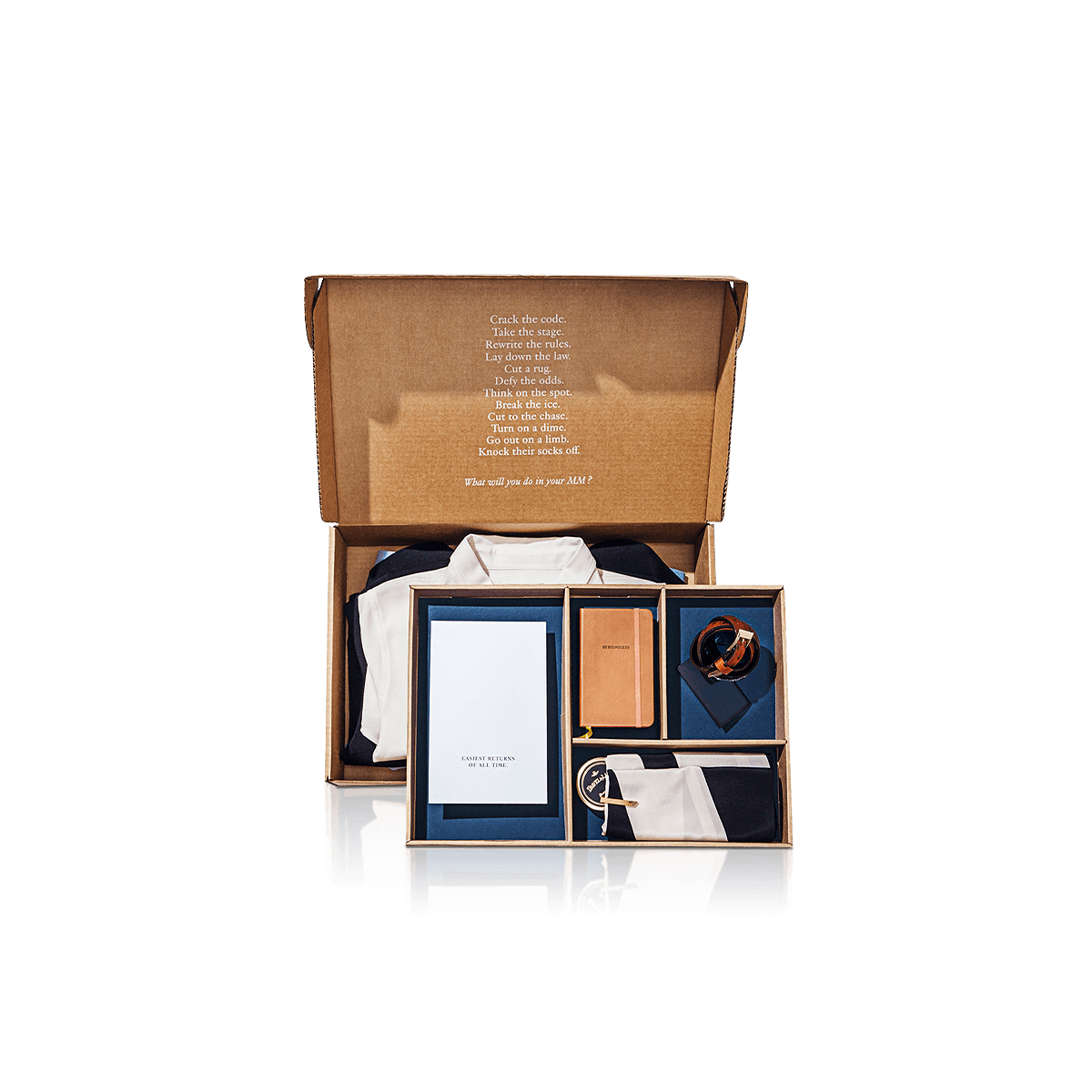
Packaging inserts for organized product sets can use cardboard structures when separation is more important than impact cushioning.

Do Not Let the Master Case Damage the Retail Pack

The shipping carton may be discarded. The packages inside often need to remain sellable.

Allow enough clearance so printed folding cartons, rigid packs or merchandise boxes can be inserted and removed without crushed corners or rubbed surfaces. If products are tightly compressed just to reduce carton dimensions, the outer case may survive while the merchandise inside reaches the store looking handled.

That distinction is central to retail replenishment. The master carton protects inventory whose appearance still matters after transit.

Receiving Starts at the Outer Panel

A replenishment carton communicates with warehouse and store staff before anyone sees the products inside.

Carton Identification

The outer panel should make the shipment easy to recognize without opening it unnecessarily.

Depending on the operation, that may mean reserving clean positions for the SKU, product name, variant, case quantity, purchase order number, destination code or warehouse label. The exact system belongs to the retailer, but the packaging should leave room for it.

Artwork that occupies every panel can work against that job. Branding and operational marks need a hierarchy.

One Face for Scanning

A predictable label face helps when cartons pass through several storage or fulfillment points. Warehouse staff should not have to rotate each box searching for the usable label area.

That same principle applies to reseller shipments. If one distributor adds its own routing sticker and another uses a marketplace label, a deliberately quieter outer panel gives those systems somewhere to go.

Opening Without Destroying the Case

Retail receiving does not always empty the carton immediately. Staff may remove part of the stock and keep the remaining units in back storage.

A case that becomes unusable after its first opening creates unnecessary handling. Closure design should reflect whether the box is a one-time transit case, temporary stock container or a carton that may be opened repeatedly during replenishment.

The structure still has to remain realistic for production and transport. Reusability should not be added through complicated tabs or folds that slow every packing cycle merely to solve an occasional receiving need.

Retail Units Need Clear Separation

Internal packaging in replenishment cartons is often about order rather than presentation.

Corrugated dividers work well when boxed products need individual lanes or cells. Layer pads can separate stacked levels. Paperboard partitions can keep lightweight units grouped. Small inner cartons can create sub-packs when one master case needs to split cleanly between departments or store locations.

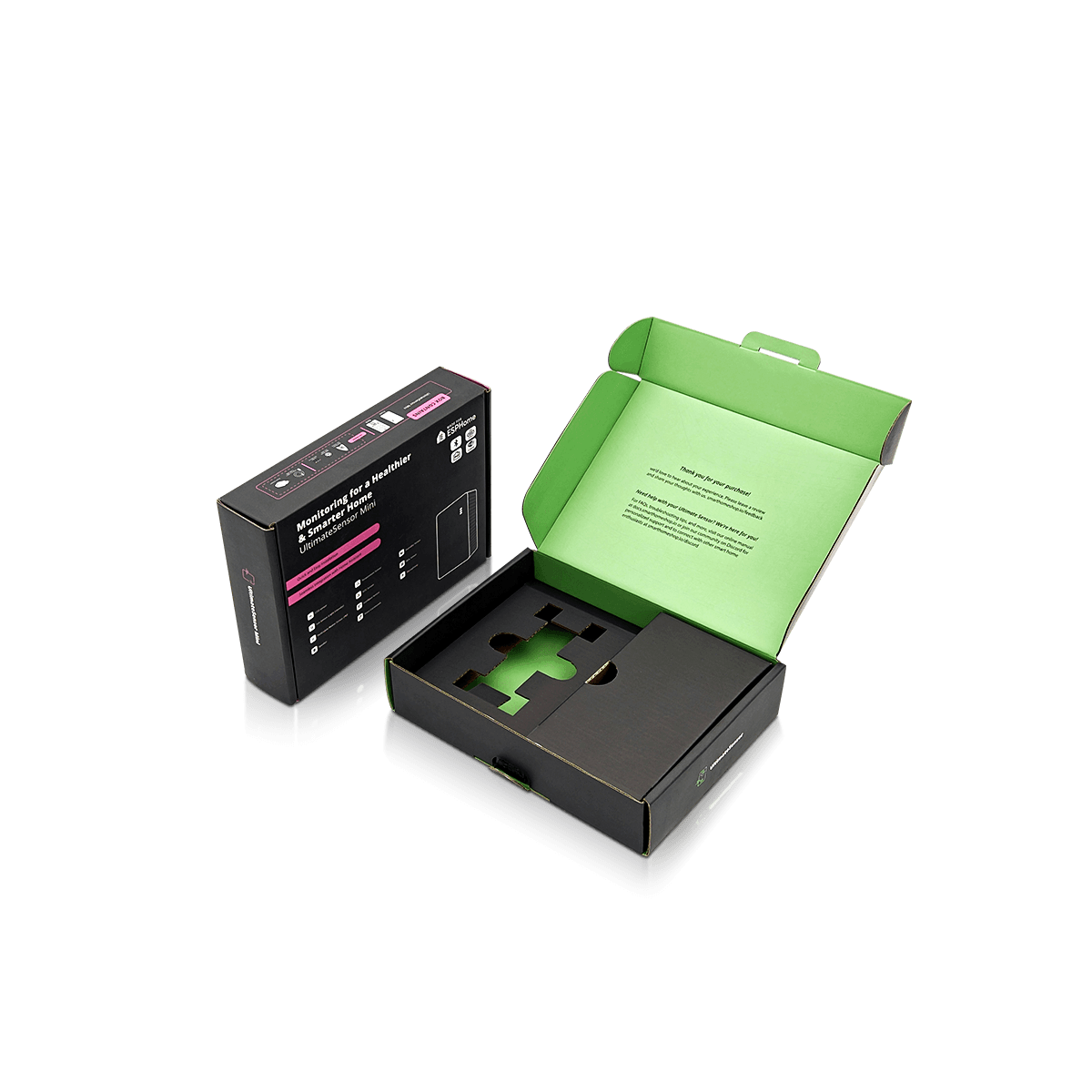
The shipping box structures used around these systems can vary from straightforward slotted cartons to die-cut or multi-depth constructions depending on the case load and handling method.

Avoid adding an insert simply because a custom box permits one. Every internal component should solve a defined problem such as product-to-product contact, SKU mixing, tipping, surface abrasion or receiving confusion.

A divider that separates six variants clearly may be worth more operationally than an elaborate insert that holds every item tightly but takes extra time to load.

The strongest internal layout can often be understood by removing the branding from the discussion entirely. Ask whether someone receiving an unfamiliar carton could open it and immediately understand how the stock is arranged.

One Carton Can Serve Several Channels

Retailers increasingly move the same inventory through different routes. Store stock, reseller orders, marketplace fulfillment and direct orders may all originate from the same warehouse.

That does not mean every channel should use an identical pack.

Retail packaging and ecommerce packaging diverge when shelf presentation, parcel handling and fulfillment labor impose different requirements.

A replenishment carton can still create a shared middle layer. The individual product keeps its retail packaging while the outer case changes according to order quantity and destination.

An apparel replenishment run exposes this clearly. A brand may send twenty-four folded shirts in one size run to its own store, six mixed sizes to a boutique reseller and one or two pieces to an online customer. Treating all three shipments as the same packaging problem creates awkward compromises.

The store shipment may work best as a counted master case with size groups separated inside. The reseller order may need a smaller carton using the same internal sequence. The D2C order can move into a mailer or smaller parcel shipper instead.

The product has not changed. The handoff has.

That logic also applies to accessories, cosmetics, wellness products and boxed electronics. Retail and apparel packaging, for example, can keep the consumer-facing garment box or folded presentation intact while a separate replenishment case handles store movement.

This is where carton planning becomes more valuable than trying to create one universal box.

Corrugated Strength Protects Sellable Stock

Replenishment cartons still need sufficient corrugated performance, but board should be specified around the complete packed case rather than the individual retail unit.

A case containing twenty-four small paperboard cartons can become dense even though each unit is lightweight. Tall replenishment cartons can see considerable stacking pressure in storage. Mixed assortments may concentrate weight unevenly if heavier units sit on one side.

Single-wall corrugated can work for many routine cases. Heavier loads, larger footprints or more demanding distribution may justify stronger wall construction or another flute specification. The exact choice should follow finished case dimensions, packed weight, stacking conditions and how the carton moves.

Pads and partitions can also change performance because they create additional internal surfaces that help control movement and, in some layouts, support the packed arrangement.

Custom Packly can support board, flute, dividers, printing and structural decisions through its packaging capabilities. The objective is enough strength for the replenishment job without turning every retail case into an unnecessarily heavy shipping carton.

A physically stronger box is not automatically a better retail distribution system. Case count, internal arrangement and handling still decide whether the stock arrives ready to use.

Print for Operations and Brand

Retail shipping cartons can carry branding, but operational readability should not be sacrificed for decorative coverage.

A simple brand mark, recognizable color field or repeating graphic can make cases easier to identify in a warehouse while still leaving space for stock labels. More elaborate graphics can work for launch drops, reseller kits or shipments that may be seen by customers, but those situations should be identified before artwork is developed.

Custom printed boxes make the most sense when color, panel artwork or repeated brand consistency matters across several carton sizes.

Inside printing can also have a role when the carton reaches a boutique, reseller or event team and the opening moment is part of the handoff. It has less value when the case goes straight from a distribution center to a backroom shelf and is discarded immediately.

Free 3D mockups can help review panel hierarchy before production. Check the design with operational labels represented in their real positions, not only as a clean marketing render. A carton can look balanced on screen and become visually chaotic once a warehouse sticker occupies the dominant panel.

Premium offset printing can be used where the corrugated construction, artwork and run support it. Simpler print systems may make more sense when the case is primarily an operational transport unit.

Too Many Cartons Create Their Own Problem

Custom sizing can reduce wasted space, but creating a different replenishment carton for every product combination can leave the warehouse managing more packaging SKUs than merchandise requires.

As order volume grows, packaging that scales across fulfillment depends partly on controlling shipping-box proliferation.

Group products by practical packing behavior. Several SKUs may share one master case if their unit dimensions, packed weight and protection needs are close. Another product may deserve its own carton because its geometry or case quantity is genuinely different.

The useful question is not, “Can we make this SKU its own box?”

It is, “What operational problem would another box code solve?”

If the answer is only a small reduction in empty space, the inventory burden may outweigh the gain. If a new carton materially improves case count, protection, store receiving or handling, it may justify the extra SKU.

Multi-depth construction can also help when several shipments share a footprint but need different packed heights. The trade-off is that score selection and packing instructions need to remain clear so staff consistently use the intended depth.

Replenishment Volume Changes Buying

Retail distribution programs rarely consume every carton size at the same rate.

A main store-replenishment case may turn quickly while launch cartons, reseller configurations or seasonal dimensions move less often. Ordering every version in identical quantities can create packaging inventory that does not match real demand.

For several recurring carton codes, bulk custom boxes can be planned around quantity by size, artwork revision and release frequency instead of treating the packaging program as one combined number.

Custom Packly starts USA orders from 100 boxes, which can suit lower-volume carton versions while higher-use sizes move into larger runs. Warehousing and scheduled deliveries can also separate production quantity from the amount of packaging that needs to sit at the customer’s facility at one time.

Pricing becomes more meaningful after the replenishment logic is established. For each carton version, define the intended case count, internal dimensions, packed weight, board direction, divider arrangement, artwork version and expected quantity. If several sizes share the same print system or structural logic, identify that at the same time.

A brand may initially ask for 10,000 retail shipping boxes. That number is incomplete if the actual requirement is 6,000 twelve-unit cases, 2,500 mixed-SKU cartons and 1,500 launch-drop cases with different artwork.

Those distinctions affect production and should be visible before pricing.

Once quantities are split by carton size and print version, request an instant custom packaging quote against the actual replenishment mix. Transparent pricing and no hidden charges are more valuable when the quoted specification represents the boxes the operation will really consume.

For established replenishment programs, a standard 4–6 day turnaround after final artwork and specifications are approved can support restock timing once the carton specification is stable. Complex structures, specialty materials or advanced finishes may require additional time.

Build a Carton Matrix

A strong replenishment program ends with a carton system that warehouse and purchasing teams can identify without reconstructing the packaging decision every time stock is reordered.

Give each recurring carton a simple internal code. Record its dimensions, intended channel, standard case quantity, supported SKUs, divider or pad configuration and current artwork revision. Add the expected consumption rate if packaging purchasing is tied to scheduled releases.

The matrix does not need to become a complicated database. Its purpose is to stop two common problems: ordering the right artwork on the wrong carton and keeping several nearly identical case sizes that solve the same job.

For a multi-channel retailer, that record might distinguish:

  • store replenishment case
  • reseller mixed-SKU case
  • seasonal launch case
  • high-volume marketplace case
  • direct parcel box handled by a separate shipping specification

Physical validation should happen against the handoff the carton actually serves. Load the normal case quantity, open it as store staff would, check whether variant groups remain recognizable and confirm that retail packs can be removed without damage. If the carton is expected to hold partial inventory after opening, test that state too.

That creates a specification based on stock movement rather than an isolated box drawing.

The result is a retail shipping carton that warehouse teams can pack consistently, store teams can receive quickly and purchasing teams can replenish without accumulating another layer of unnecessary packaging complexity.

FAQs

Brands that send inventory to stores, resellers, pop-ups or repeat online buyers usually benefit most because the box has to protect the order and present it in a more organized way on arrival.

Retail Shipping Boxes are the better choice when orders are bulkier, multi-item or headed into retail replenishment and branded fulfillment. Postal Boxes usually make more sense for flatter lightweight parcels with a simpler direct-mail profile.

They matter most when the order includes multiple retail units, accessories, samples or fragile add-ons that should arrive sorted instead of loose.

Start with corrugated strength and box size. Lighter retail sends may work with a leaner build while larger or heavier shipments usually need stronger flute support for stacking and transport.

Yes. They are useful when one packaging format needs to serve store replenishment, marketplace orders, direct shipping and seasonal launch sends without changing the overall pack logic.

Process

How it works

Your Packaging Journey, From Idea to Production and Delivery

01

Tell Us Your Specs

Custom packaging boxes

Tell Us Your Specs

Provide size, quantity, printing, and finishes.

02

Get a Fast Quote

Custom packaging boxes

Get a Fast Quote

Instant transparent pricing, no hidden fees.

03

Design and Approval

Custom packaging boxes

Design and Approval

Artwork checks, revisions, and final sign-off.

04

Produce

Custom packaging boxes

Produce

Expert manufacturing to meet deadlines.

05

Ship to Your Door

Custom packaging boxes

Ship to Your Door

Hassle-free, flexible delivery options.

Get Your Quote for Custom Retail Shipping Boxes

Share your product details, size, quantity and artwork needs. We’ll help choose the right packaging style and send a clear quote.