Skip to content
Details

Custom Branded Event Swag Mailer Boxes

Custom printed corrugated mailers for conference kits, virtual events and branded merchandise sent directly to attendees, speakers and remote teams.

The Ship Date Comes First

An event swag kit has a deadline that an ordinary merchandise shipment may not. It might need to reach a speaker before a rehearsal, an attendee before a virtual conference or a remote employee before a scheduled team event.

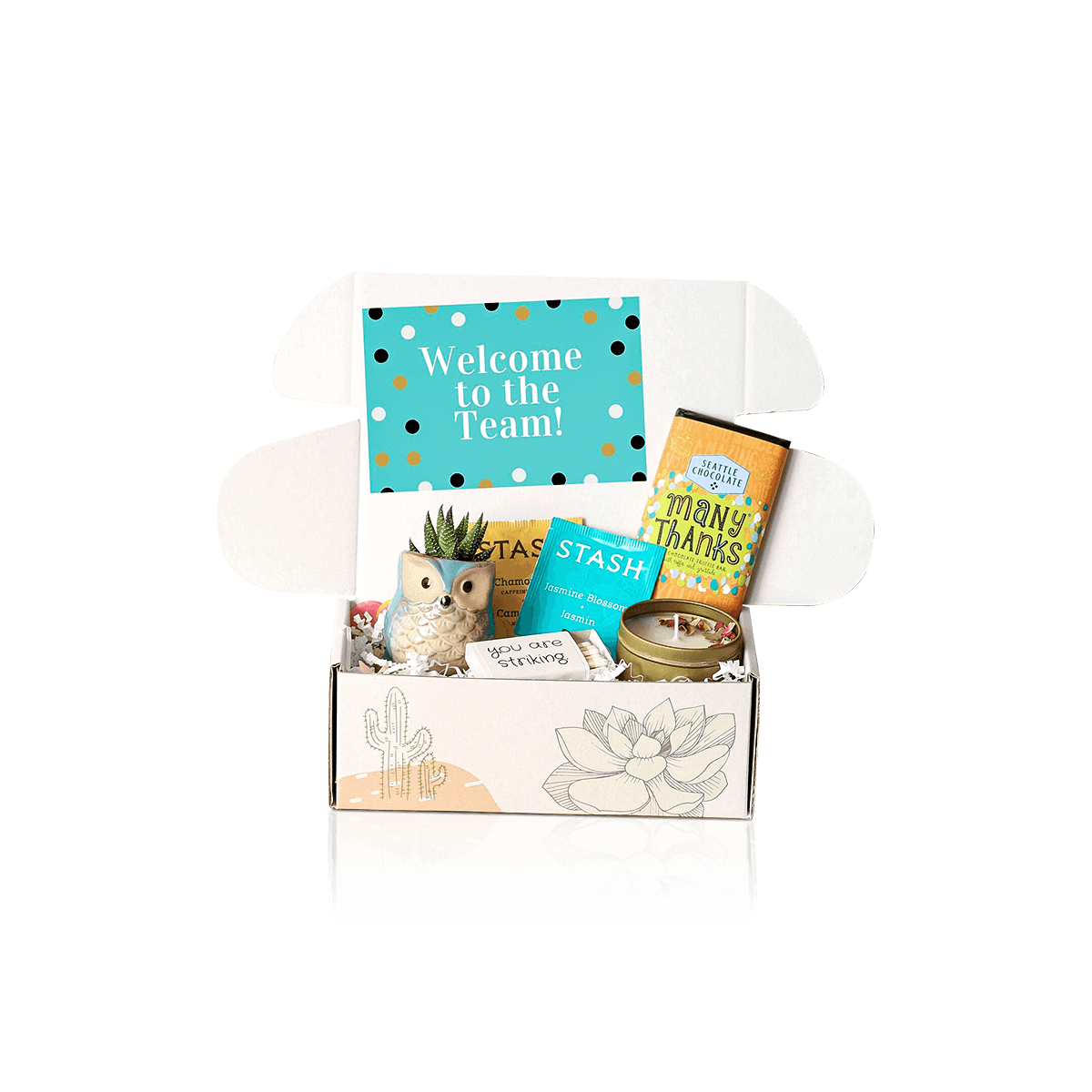
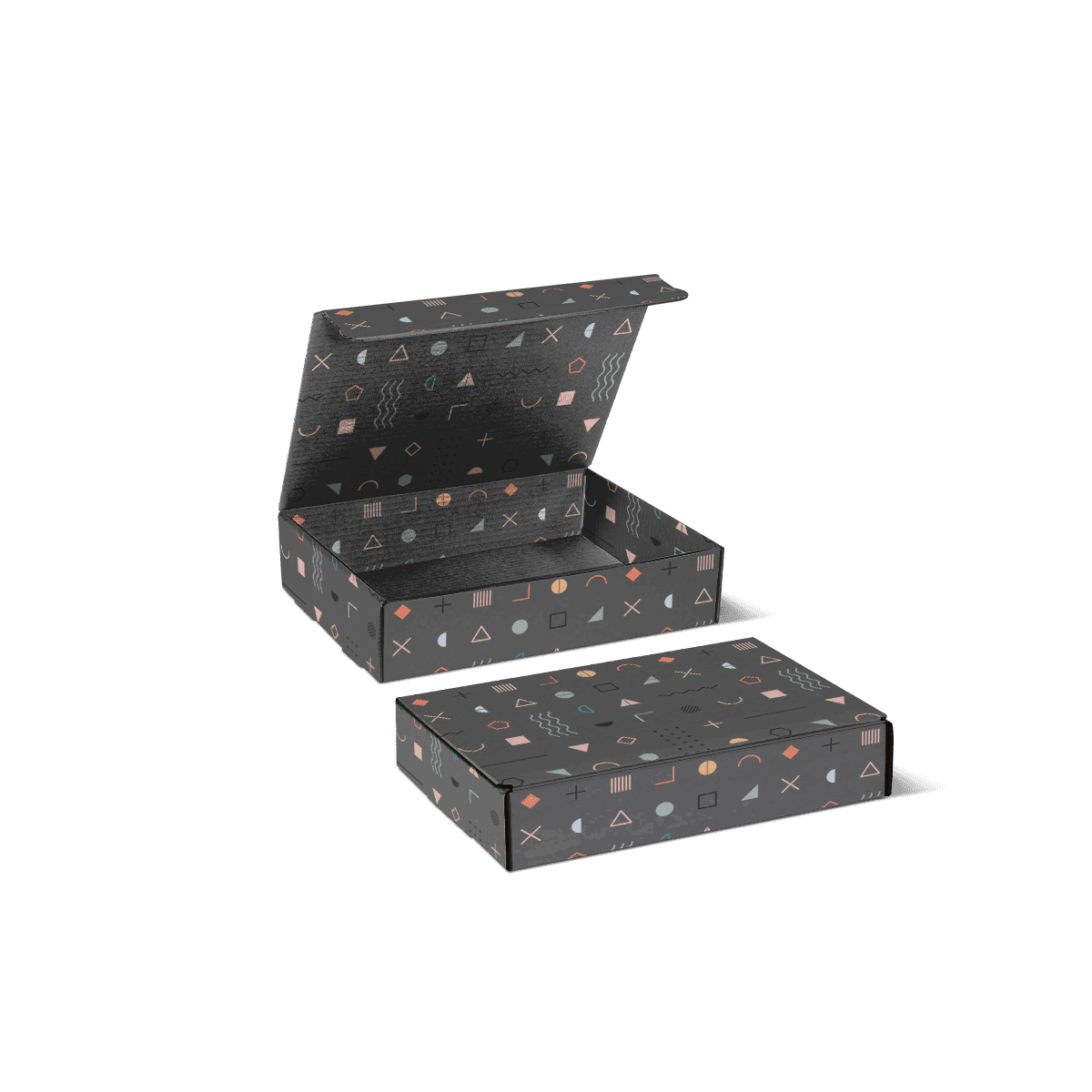
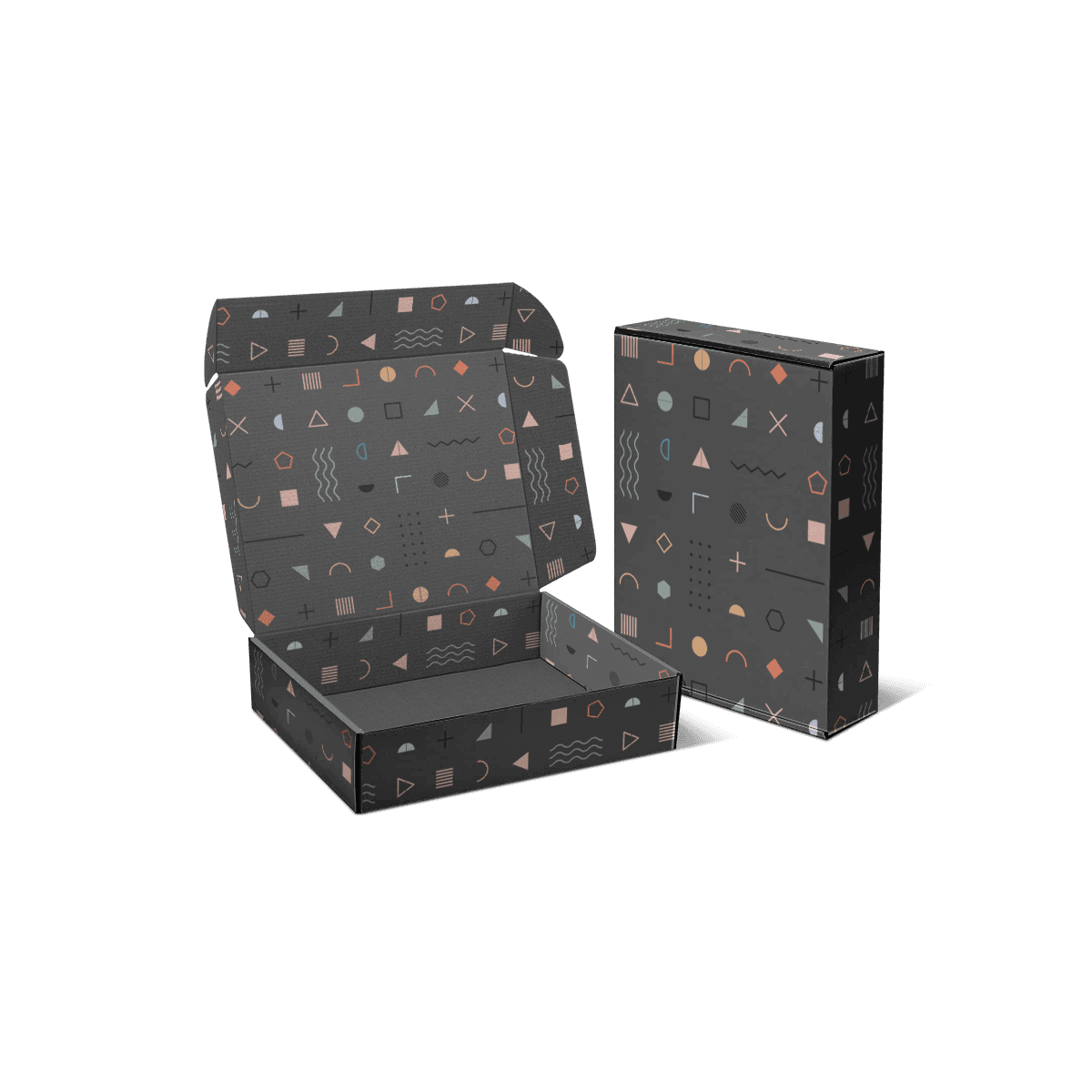
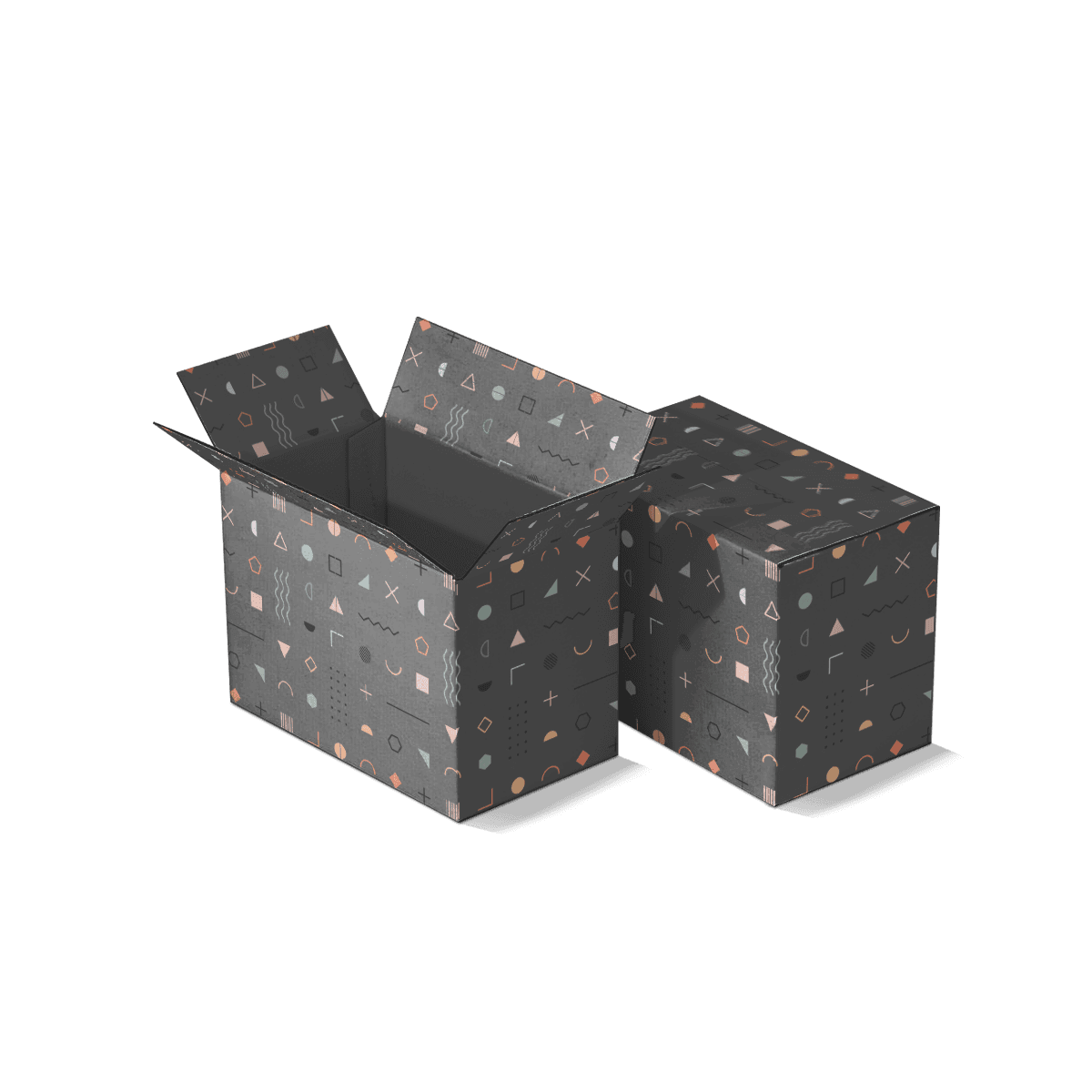
Custom Branded Event Swag Mailer Boxes serve those individual deliveries. They combine a shipping-ready corrugated structure with the printed presentation needed to make a set of promotional items feel like one coordinated event package.

The distinction starts with the recipient's arrival date. The event team must allow time for packing, carrier transit and unexpected delivery issues before the kit is needed.

The packaging specification should support that schedule rather than introduce unnecessary assembly or an oversized parcel.

A box that looks impressive but takes too long to pack can become a problem when hundreds of kits must leave a fulfillment center together. A compact mailer that holds every item in a predictable position is often a more practical starting point.

Before the Event

Pre-event mailers can deliver materials that attendees need for a scheduled experience.

The contents might include a printed agenda, notebook, branded apparel, promotional accessories or a product sample.

The timing matters because some items are intended to be opened or used during a particular session. The box needs to reach the recipient with the complete kit intact.

After the Event

Post-event shipments serve a different purpose.

They may contain speaker gifts, sponsor merchandise, rewards or thank-you items that were not distributed at the venue.

These mailers do not necessarily need a date-specific exterior. A more adaptable printed design may remain suitable for several dispatches after the event.
Shipping Defines the Product

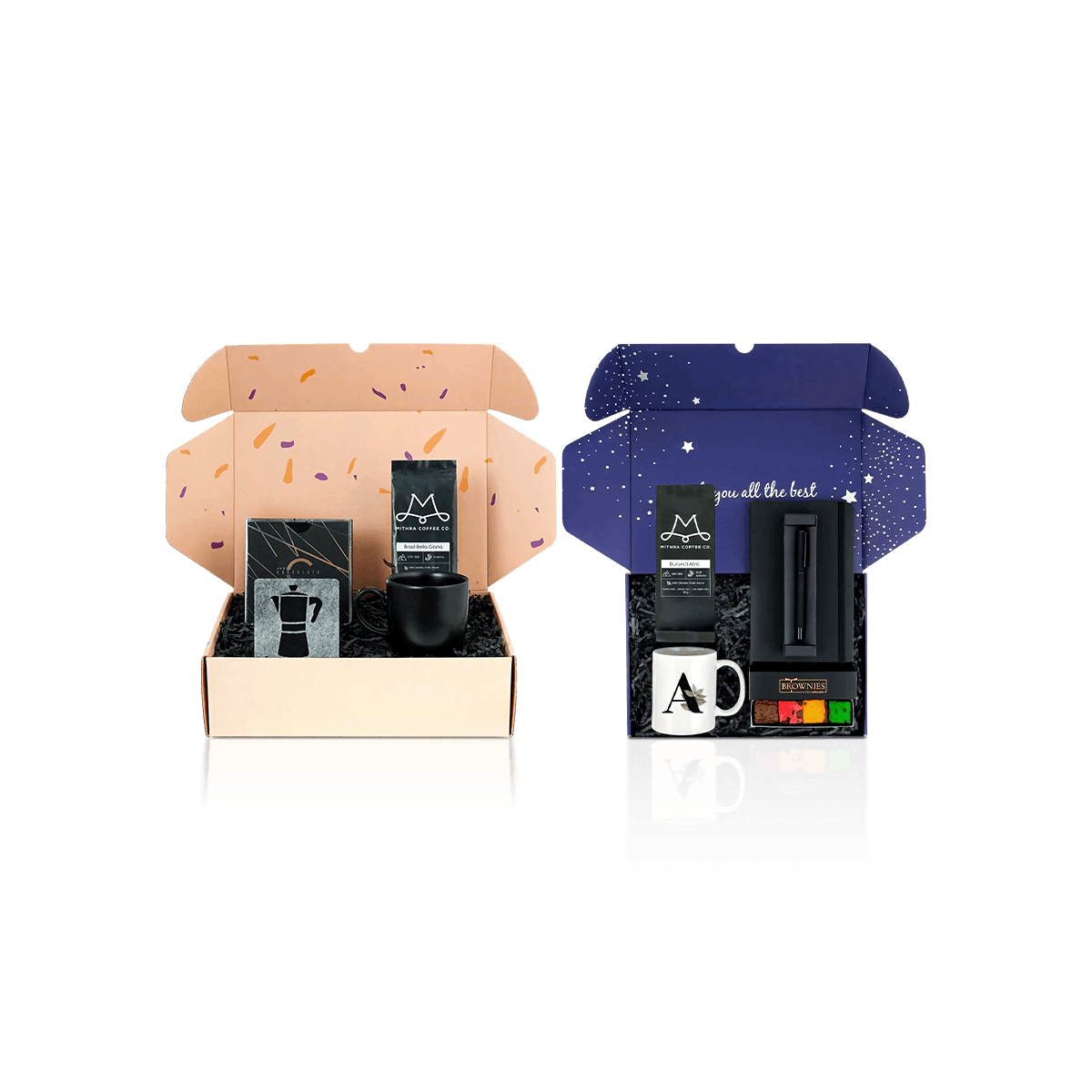
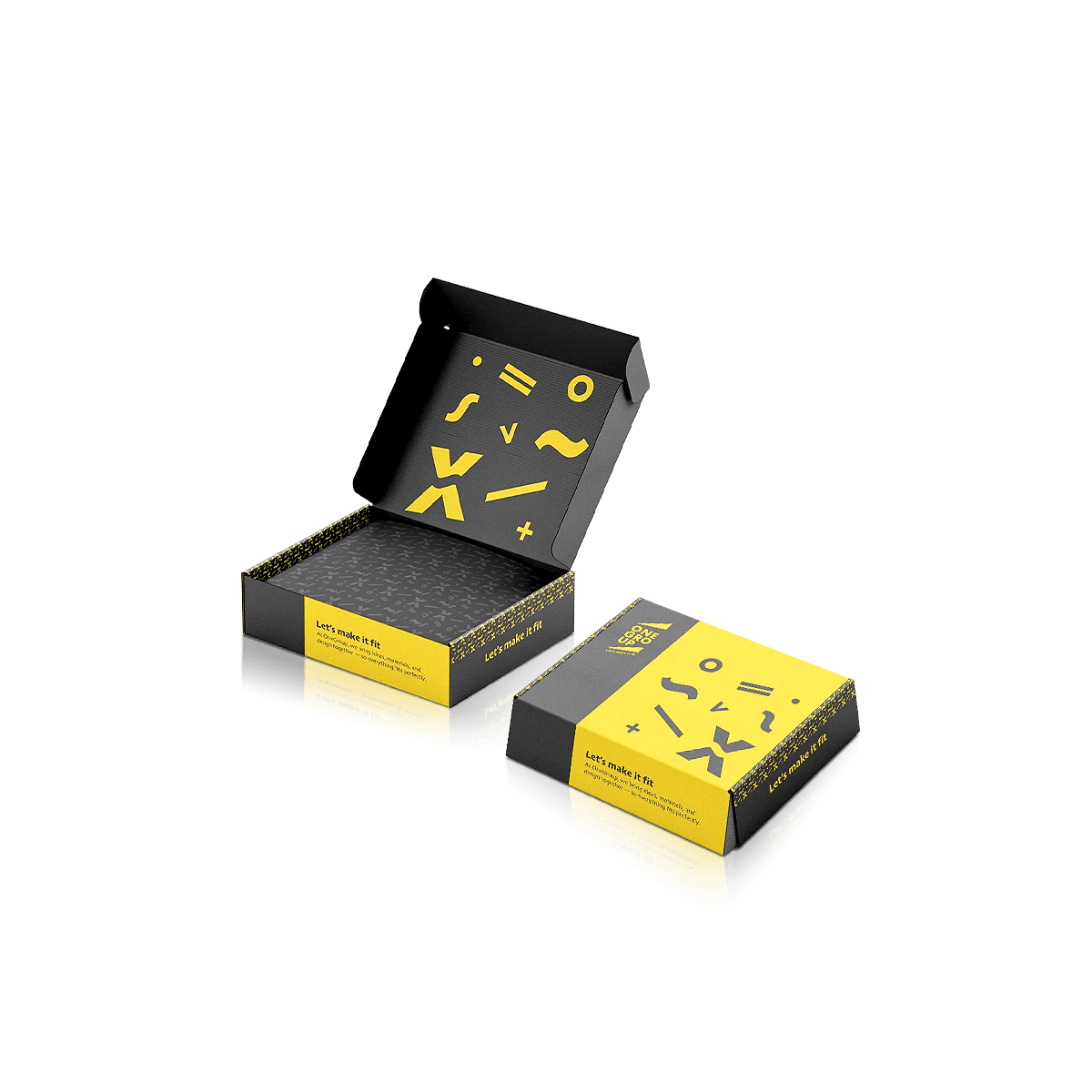
A mailer sent to an attendee has a different job from a gift box placed on a conference table.

Both can hold branded merchandise, but the mailed kit must withstand handling between the packing station and the recipient's address.

That difference affects the board, closure, interior support and printing.

Promotional merchandise boxes can suit curated handouts and on-site distribution. A branded event swag mailer is the more specific construction when the packaging itself must travel through a parcel network.

For a directly shipped kit, presentation and protection need to work together. The recipient should receive a box that opens neatly without relying on attractive artwork to compensate for inadequate structural support.

Mixed Swag Creates Uneven Loads

A conference kit rarely contains products with identical shapes or weights.

Consider a set containing a folded T-shirt, an insulated tumbler, an enamel pin and a printed welcome card.

The T-shirt is soft and compressible. The tumbler is comparatively rigid and dense. The pin is small enough to disappear into loose packing material, while the card can bend if placed beneath the heavier products.

All four items might fit inside the same box, but fitting is not the same as remaining secure during shipping.

The arrangement must prevent the heavier item from moving into the lighter ones.

Anchor the Heaviest Item

The densest component usually needs the most deliberate positioning.

For a tumbler or similar product, the packing arrangement should limit sideways movement and prevent it from pressing against the box walls.

A suitable paperboard or corrugated insert can establish a defined position. Additional cushioning may be needed when the product is fragile or has a finish that could be damaged by contact.

The support should be planned around the actual item, including its lid, handle or any protruding features.

Do not size the compartment using the product's advertised capacity or a generic illustration.

Give Flat Items a Place

Printed cards, stickers, notebooks and event schedules should not sit loosely beneath a heavy accessory.

A shallow upper compartment, protective sleeve or carefully arranged layer can help preserve their appearance.

The placement should also reflect when the recipient is expected to use the item.

If the welcome card contains instructions for the event, it should be easy to find when the box opens.

Contain Small Accessories

Pins, badges, cables and compact merchandise can migrate into corners during transit.

A small paper envelope, separate compartment or suitable retaining feature can prevent these items from becoming difficult to find.

Avoid adding a complex insert for every small product. The support should be proportionate to the item's weight, fragility and likelihood of movement.

The Insert Sets the Reveal

A well-designed insert can perform two jobs in an event mailer: retain the merchandise during shipping and establish its position when the recipient opens the lid.

The arrangement should not become a display that is difficult for the packing team to reproduce.

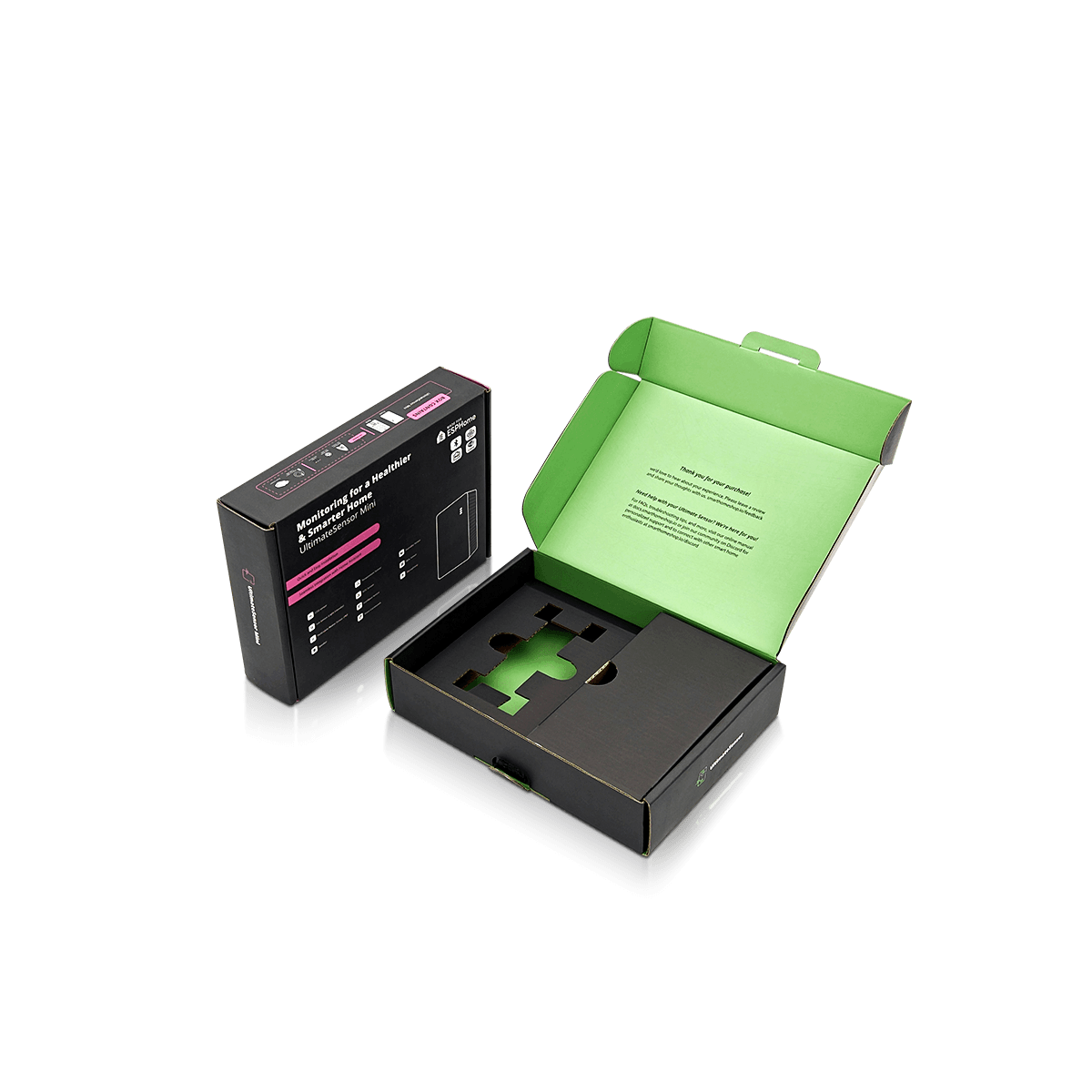
A custom paperboard tray may suit a lightweight assortment. Corrugated fitments can give heavier products more support. Molded pulp or other suitable cushioning may be appropriate when the contents require shaped protection.

The choice depends on the actual products rather than a requirement to use an insert in every box.

One Clear Opening View

A recipient should be able to understand the kit without removing several layers of packaging.

For example, the welcome card might sit on top of a folded shirt, while a tumbler occupies its own compartment.

That arrangement gives the recipient a clear first view and prevents the dense item from moving across the apparel.

When an insert holds the products securely, unnecessary tissue, filler and decorative components may be reduced.

Test the Complete Kit

The actual packed kit should be evaluated before the production specification is finalized.

Use the intended merchandise, printed materials, protective components and closure. Check what happens when the package is tilted, turned and handled in different orientations.

Look for movement, contact between products and pressure against the lid or sidewalls.

For a campaign involving fragile or high-value items, appropriate transit testing may be necessary before the boxes enter production.

A digital mockup can establish the presentation, while an exact physical sample can help assess the packed construction. Custom Packly has free sample examples of previous work, with paid custom samples for fully custom physical requests.

Corrugated Board Does the Traveling

Corrugated board is a practical material for event swag mailers because it can provide transit protection while presenting a printable outer surface.

The required grade depends on the box dimensions, total packed weight, product fragility and shipping conditions.

E-flute can suit relatively compact printed mailers where a slimmer board profile is appropriate. A different flute or stronger construction may be needed for heavier or larger assortments.

The correct choice is the board that supports the finished shipment, not simply the thickest option.

Front-Tuck Construction

A roll-end tuck-front structure can create firm sidewalls and a clean opening movement.

It can suit event kits assembled in batches, particularly when the interior layout needs to remain consistent across many shipments.

Roll-end tuck-front mailers are a structural starting point for a compact corrugated kit with a defined front closure.

The final closure still needs to be assessed for its intended shipping conditions. A neat tuck is not automatically sufficient security for every parcel.

Adhesive Closure Options

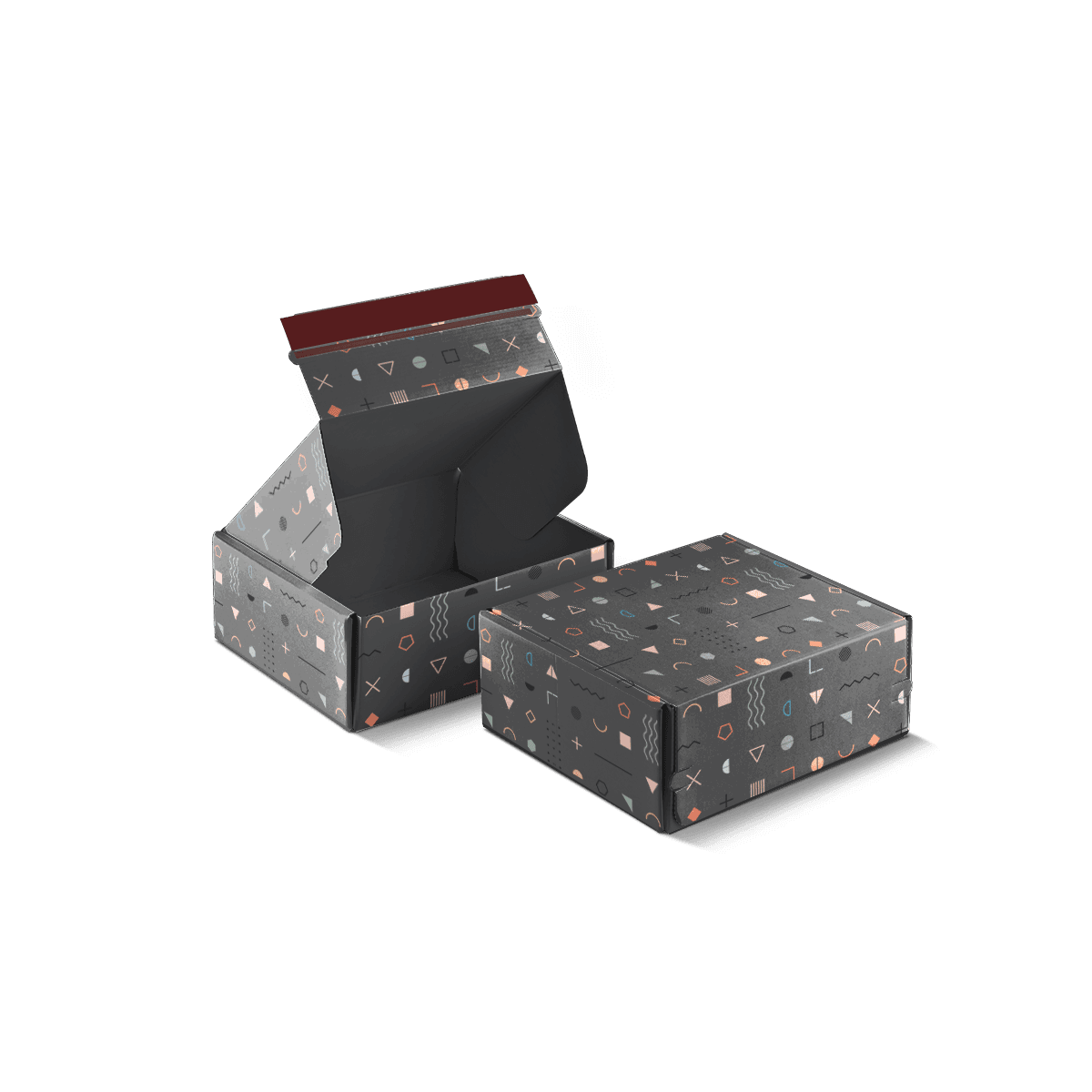
For a campaign with substantial fulfillment volume, an adhesive-strip construction may reduce the steps required to close each box.

The advantage depends on the exact box structure, packing sequence and closure specification.

Adhesive strip mailer boxes are worth considering when the shipping team needs an integrated sealing method rather than a separate tape operation.

If the selected structure requires additional tape or a shipping label across the closure, include that in the approved packing method.

Dimensions Affect the Campaign Budget

An oversized swag box creates costs beyond its purchase price.

It may consume additional corrugated board, require more packing material and occupy more storage space. Its larger external dimensions can also affect shipping charges.

The internal dimensions should follow the complete arranged kit.

A folded shirt may compress slightly. A rigid tumbler cannot. The final depth must accommodate the actual products, protective components and lid clearance.

Packed Height Matters

Measure the tallest point after every component is in place.

If the tumbler occupies a dedicated compartment, account for its height and any cushioning. If the shirt sits in a separate layer, establish whether that layer increases the required box depth.

Do not build the entire box around a decorative reveal that leaves excessive unused space beneath the lid.

Shipping Size Matters

Carrier charges can depend on parcel dimensions as well as weight.

A small increase in box height may therefore have consequences across a large attendee mailing.

For programs sending hundreds or thousands of kits, review the finished external dimensions before approving the dieline.

The relationship between internal fit and transit protection is central to reducing shipping damage. A smaller box is beneficial only when it still gives the products the protection they need.

Artwork Has Two Audiences

The exterior reaches the recipient first. The interior becomes visible when the kit is opened.

Those surfaces can perform different roles.

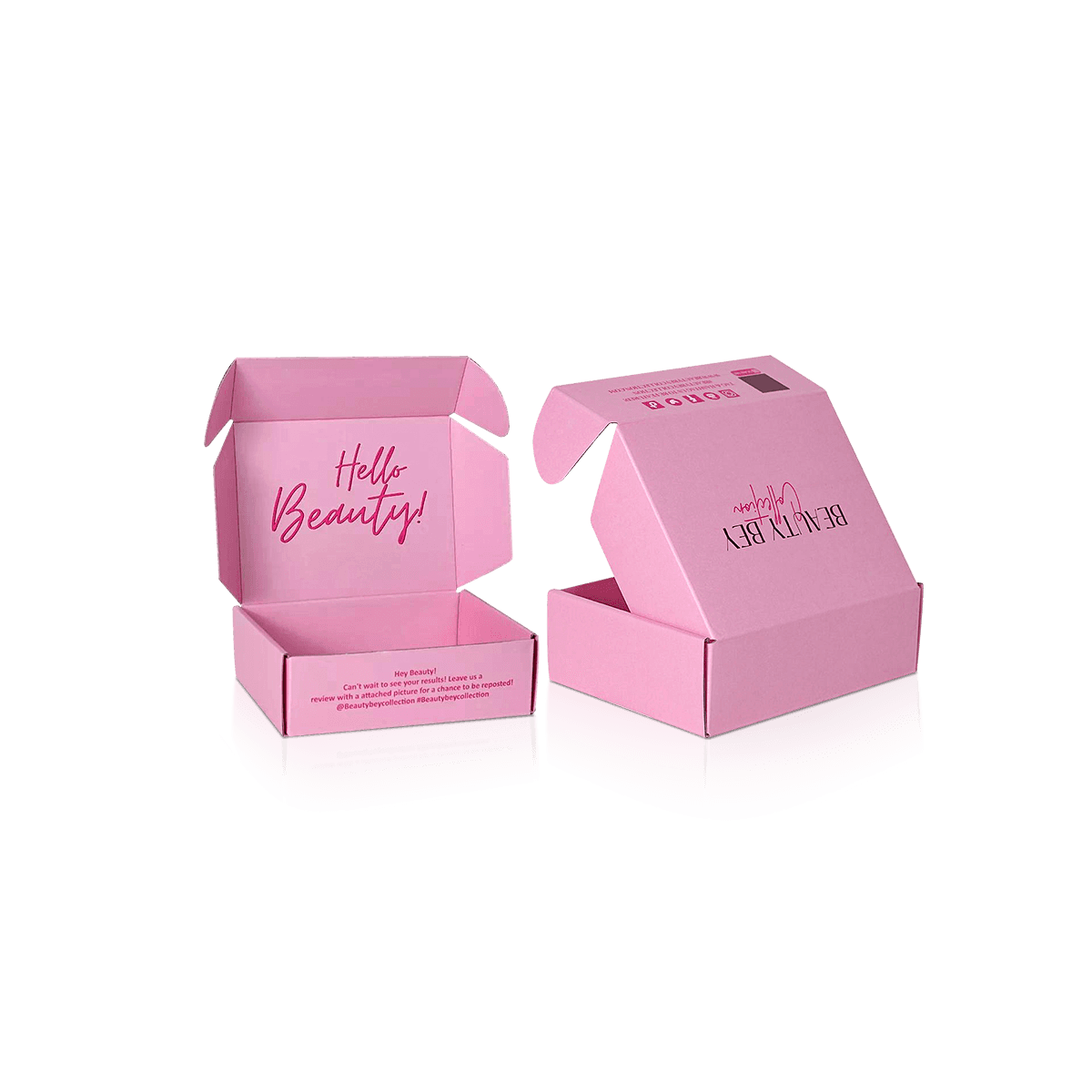
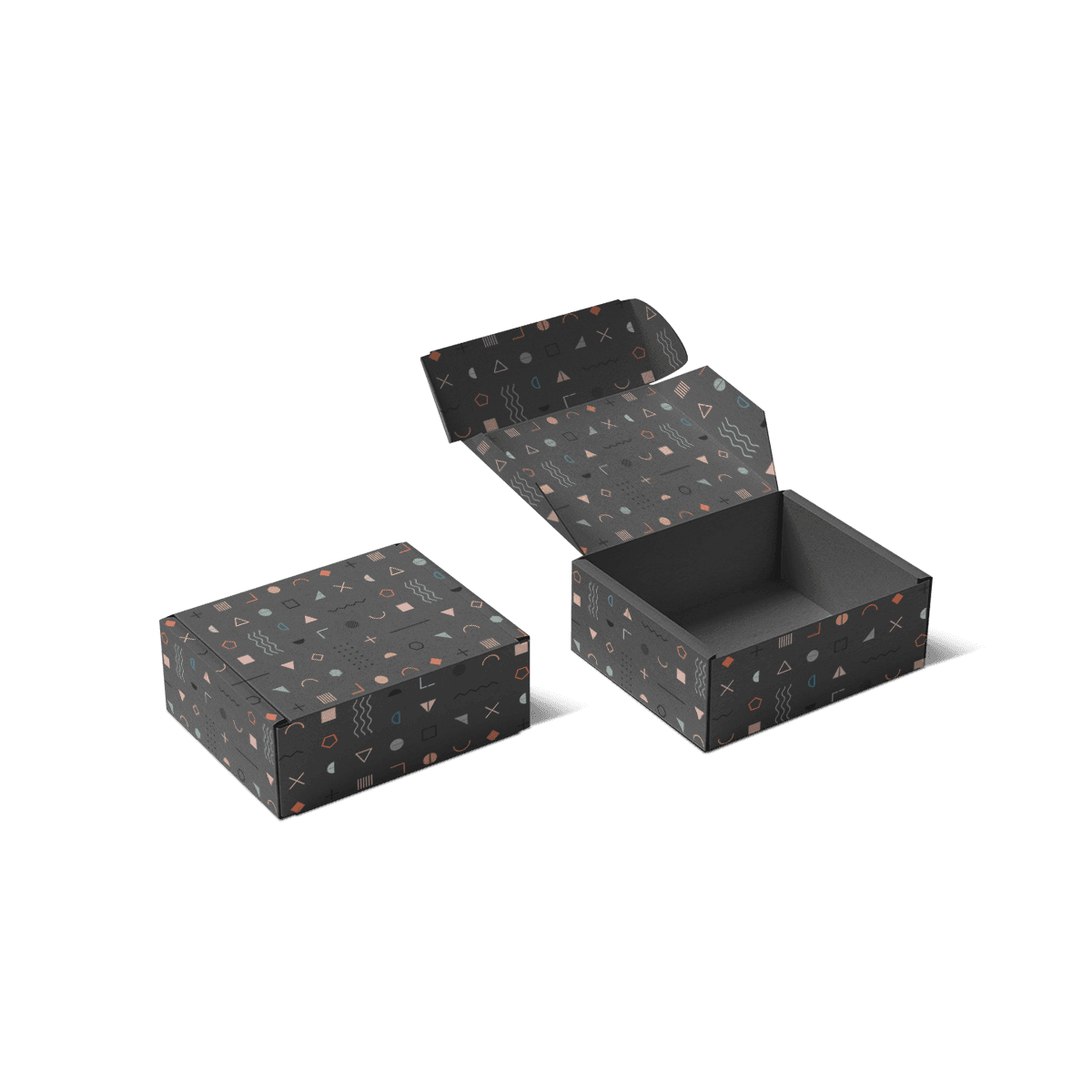
Outside printing can identify the brand and establish the campaign's visual identity. Interior artwork can introduce the event, frame the merchandise or direct the recipient to the next action.

The design should account for the shipping label, closure and the possibility of ordinary transit scuffs.

Exterior Recognition

A clear logo or recognizable campaign graphic can distinguish the shipment from an ordinary parcel.

For some programs, a restrained exterior may be preferable. A prominent event name, product launch message or printed contents description is not always appropriate for every delivery.

Decide what the exterior should reveal before approving the artwork.

Leave a designated position for the shipping label. Important artwork should not depend on a surface that will be covered during fulfillment.

The Inside Lid

The inside lid can carry an invitation to open the kit before a scheduled session, scan a QR code or connect with the event.

A short message usually has more impact than a crowded panel containing every sponsor, schedule item and promotional statement.

If a QR code is included, place it on a flat, accessible surface and verify its destination before printing.

Custom Packly's free design and dieline support can help align exterior and interior artwork with the box's folds, closure and final print areas. Free 3D mockups can support presentation review before production.

Event Dates and Reuse

Printing an event date on every box can make a shipment feel specific to the occasion.

It can also limit the usefulness of surplus boxes if the event is rescheduled or fewer kits are required than expected.

Where the same packaging will support multiple campaigns, use adaptable exterior artwork and place changing information on an insert card or another replaceable component.

Sponsor logos need similar consideration. Confirm the approved artwork and placement before committing to a print run that cannot easily be repurposed.

One Campaign, Several Kit Versions

Not every recipient necessarily receives the same merchandise.

Speakers may receive an additional gift. Sponsors may need a different printed message. Virtual attendees may receive a compact assortment, while a VIP group gets a more substantial pack.

The packaging system should account for those differences without creating avoidable confusion at the packing station.

A Shared Box Structure

If the product variations have similar packed dimensions, one approved box structure may accommodate several kit versions.

The differences can be managed through the interior arrangement, printed inserts or identifiable packing components.

That approach can simplify stock control and reduce the number of empty box types the team must handle.

However, it should not force a small attendee kit into an oversized box simply because the VIP assortment is larger.

Visible Packing Identification

The fulfillment team needs a reliable method for distinguishing each kit version.

An external packing label, approved code or clearly identified internal component can support accurate assembly.

Avoid relying entirely on artwork differences that staff must interpret during a busy packing session.

The finished parcel also needs the correct recipient label. Packaging identification and shipping identification should be treated as separate checks.

Packing Speed Protects the Schedule

The box will normally arrive at the event team's or fulfillment provider's packing location before the individual kits are assembled.

That operation needs an efficient sequence.

Empty mailers may be stored flat, erected in batches and filled according to an approved kit arrangement. The insert, merchandise and printed material should be organized so the packing team can complete each box without unnecessary handling.

A Repeatable Packing Order

For a kit containing a tumbler, shirt, badge and welcome card, the sequence might begin with the protective insert and the heavier item.

The shirt and smaller merchandise can then be positioned according to the approved layout. The card is added where the recipient will see it first.

The exact order depends on the construction, but it should remain consistent across the campaign.

An insert that requires numerous complicated folds may create more labor than the protection or presentation benefit justifies.

Final Contents Check

A visually complete kit can still be missing a small item.

The final check should confirm the correct merchandise version, printed materials and any recipient-specific component before sealing.

Do not use the shipping label as the only evidence that the internal contents are correct.

For multi-location events, the packing instructions should also identify any items that differ by destination.

Plan the Two Delivery Stages

There are two separate movements to schedule: delivery of the empty boxes to the packing operation and dispatch of the completed kits to recipients.

The first must finish before the second can begin.

Custom Packly's packaging production and shipping schedule should therefore be established early enough to leave room for kitting, labeling, carrier transit and any necessary delivery buffer.

Standard US turnaround is 4–6 days after final artwork and specifications are approved. Specialty construction, complex finishes and custom physical samples may affect the production schedule.

That turnaround should not be treated as a guarantee that every completed attendee kit will arrive by the event date.

Delivery to the Packing Team

Confirm where the empty boxes need to go and when the packing team can receive them.

If the merchandise comes from multiple suppliers, the box delivery should align with the availability of the actual products.

An early box delivery may help when the packing team has adequate storage. It will not solve a missing merchandise component that prevents the kits from being completed.

Dispatch to Recipients

The event team or its fulfillment provider should establish the recipient dispatch schedule and shipping arrangements.

Recipient addresses, destination coverage, carrier selection and individual tracking need to be coordinated as part of that operation.

If a package contains batteries, liquids or other items subject to shipping restrictions, the applicable carrier requirements should be checked before the final kit is approved.

A well-constructed mailer supports the shipment, but the packaging specification alone does not settle those fulfillment obligations.

Pricing Starts With the Kit Mix

The total number of recipients is important, but the kit composition determines the box specification.

A project involving 500 identical lightweight packs may need a different construction from a campaign with several merchandise versions and a heavy VIP assortment.

Custom Packly's US box MOQ starts from 100 boxes. Instant pricing, US production, free shipping and premium offset printing can support event programs once the required structure and artwork are established.

For a new campaign, request a custom packaging quote using the intended kit mix, packed dimensions, box quantity and shipping requirements.

Identify whether one construction will serve every recipient or whether different assortments need different sizes. If the packaging must arrive by a particular date, include the deadline for delivery to the packing operation rather than relying only on the event date.

For substantial repeat campaigns, warehousing and scheduled deliveries may help manage empty box stock without requiring the event team to receive an entire production run at once.

The Kit Starts the Event Early

A mailed swag box can make a conference or campaign feel tangible before the recipient joins the first session.

That effect depends on the contents arriving together, in good condition and in an arrangement that makes sense when the box opens.

The welcome message should be easy to find. Merchandise should be secure but not difficult to remove. The recipient should know whether to use the contents immediately or save them for the event.

For a campaign centered on in-person gifting rather than direct shipping, welcome gift boxes can support the guest arrival experience without making parcel transit the main structural requirement.

Branded Event Swag Mailer Boxes have a more specific responsibility: carry the event experience to an individual address before or after the occasion itself. When the box, product arrangement, printed message and dispatch plan work together, the recipient receives a complete event kit rather than an assortment of promotional items.

FAQs

They work well for coordinated kits that combine branded merchandise with printed material. Common packouts include notebooks, pens, lanyards, apparel, mugs, bottles, tech accessories, badges, product samples and welcome cards.

Branded Event Swag Mailer Boxes are the better choice when the kit needs to travel through parcel shipping or be distributed to remote recipients. Conference Gift Boxes are stronger for hand-delivered presentations, table placement or on-site gifting where transit stress is lower and presentation can take priority.

Inserts are usually the better option when the box holds more than two different item types. They keep pieces facing correctly, reduce movement and make the opening sequence feel more deliberate.

A clear logo, one strong campaign message and clean color control usually perform better than overcrowded artwork. The inside is often the best place for extra storytelling, schedules, QR codes or sponsor notes.

Yes, especially for programs that ship to speakers, attendees, partners or media contacts before an event date. Right-sized mailers help control packout, protect contents and create a shared unboxing moment even when recipients are spread across different locations.

Process

How it works

Your Packaging Journey, From Idea to Production and Delivery

01

Tell Us Your Specs

Custom packaging boxes

Tell Us Your Specs

Provide size, quantity, printing, and finishes.

02

Get a Fast Quote

Custom packaging boxes

Get a Fast Quote

Instant transparent pricing, no hidden fees.

03

Design and Approval

Custom packaging boxes

Design and Approval

Artwork checks, revisions, and final sign-off.

04

Produce

Custom packaging boxes

Produce

Expert manufacturing to meet deadlines.

05

Ship to Your Door

Custom packaging boxes

Ship to Your Door

Hassle-free, flexible delivery options.

Get Your Quote for Custom Branded Event Swag Mailer Boxes

Share your product details, size, quantity and artwork needs. We’ll help choose the right packaging style and send a clear quote.