Skip to content
Details

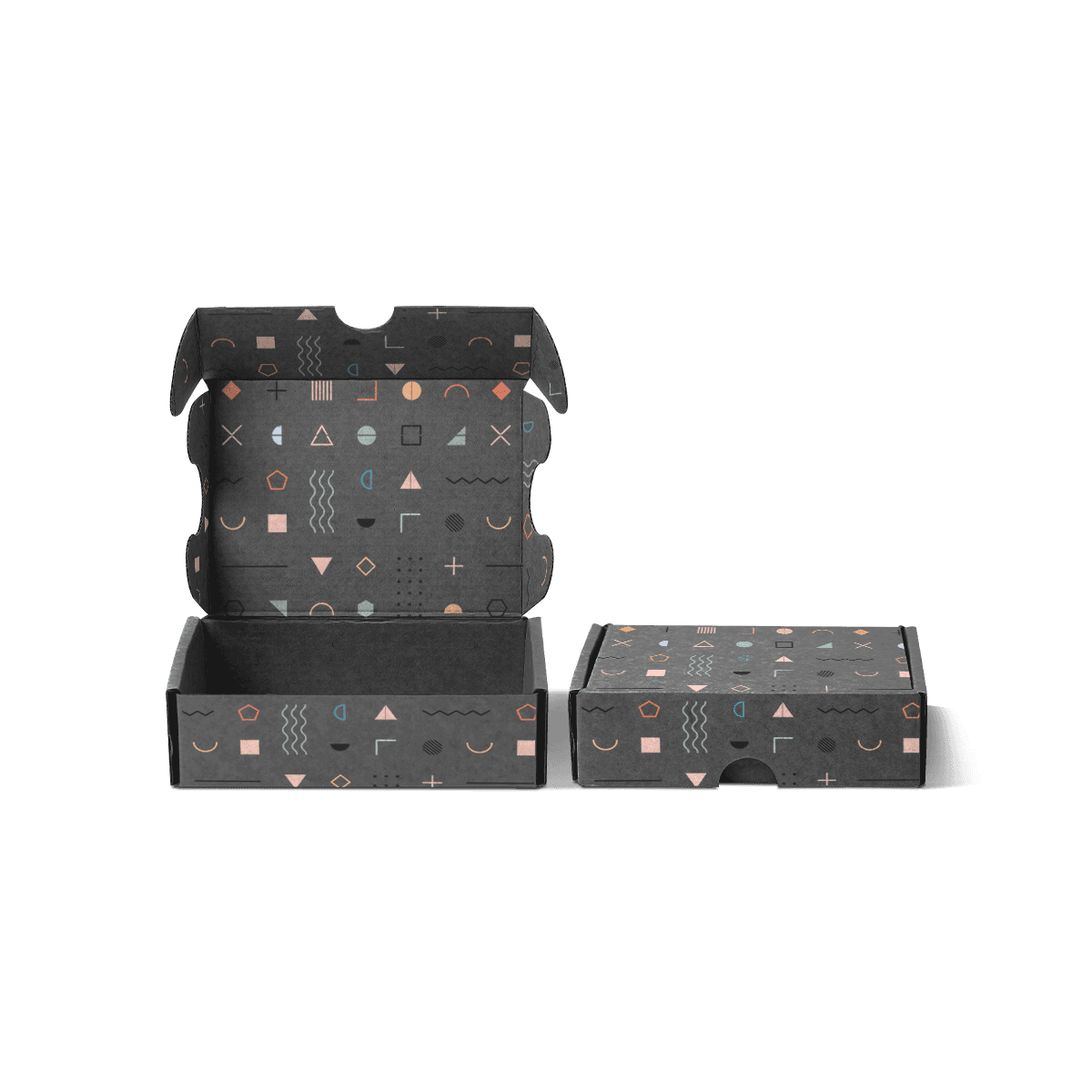
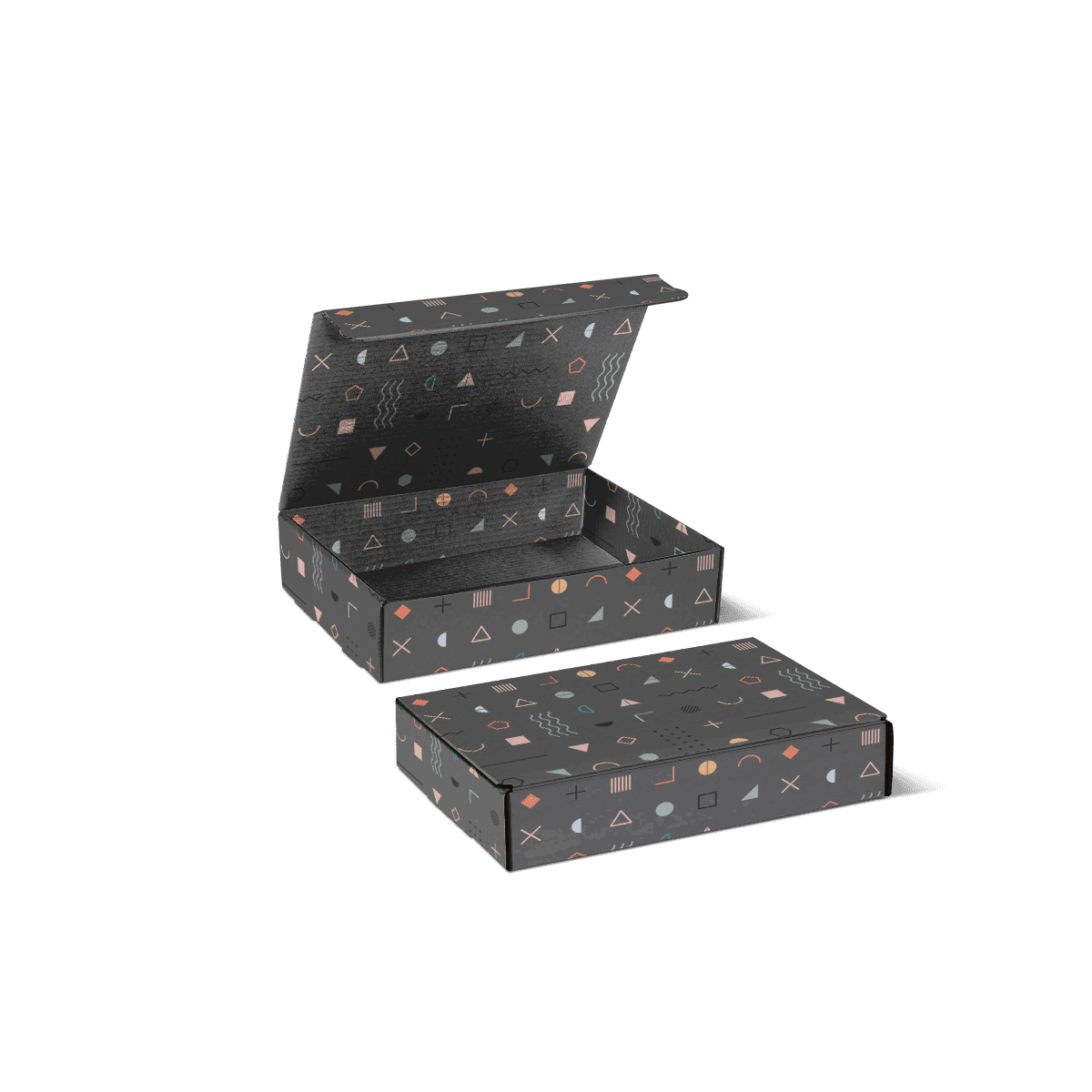
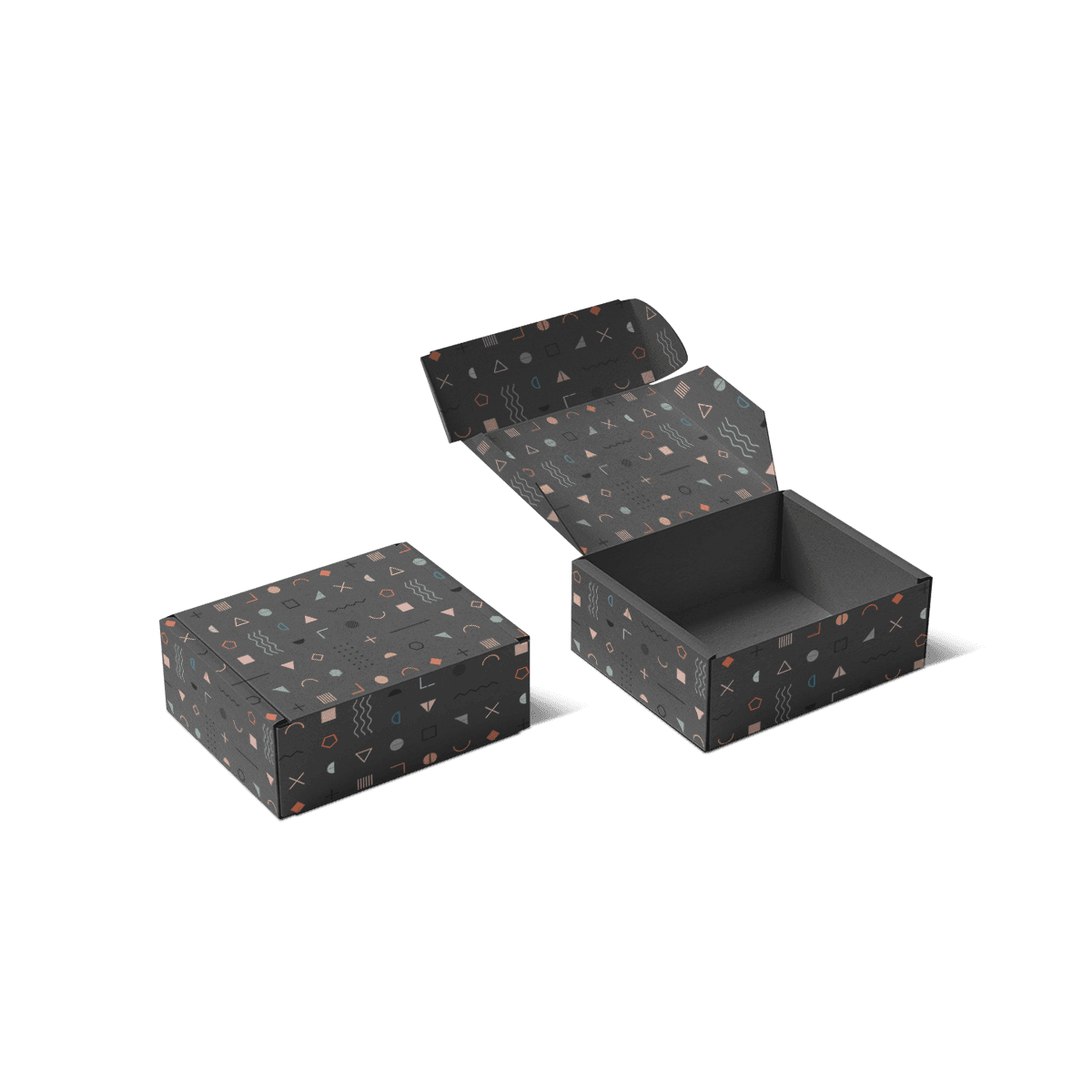
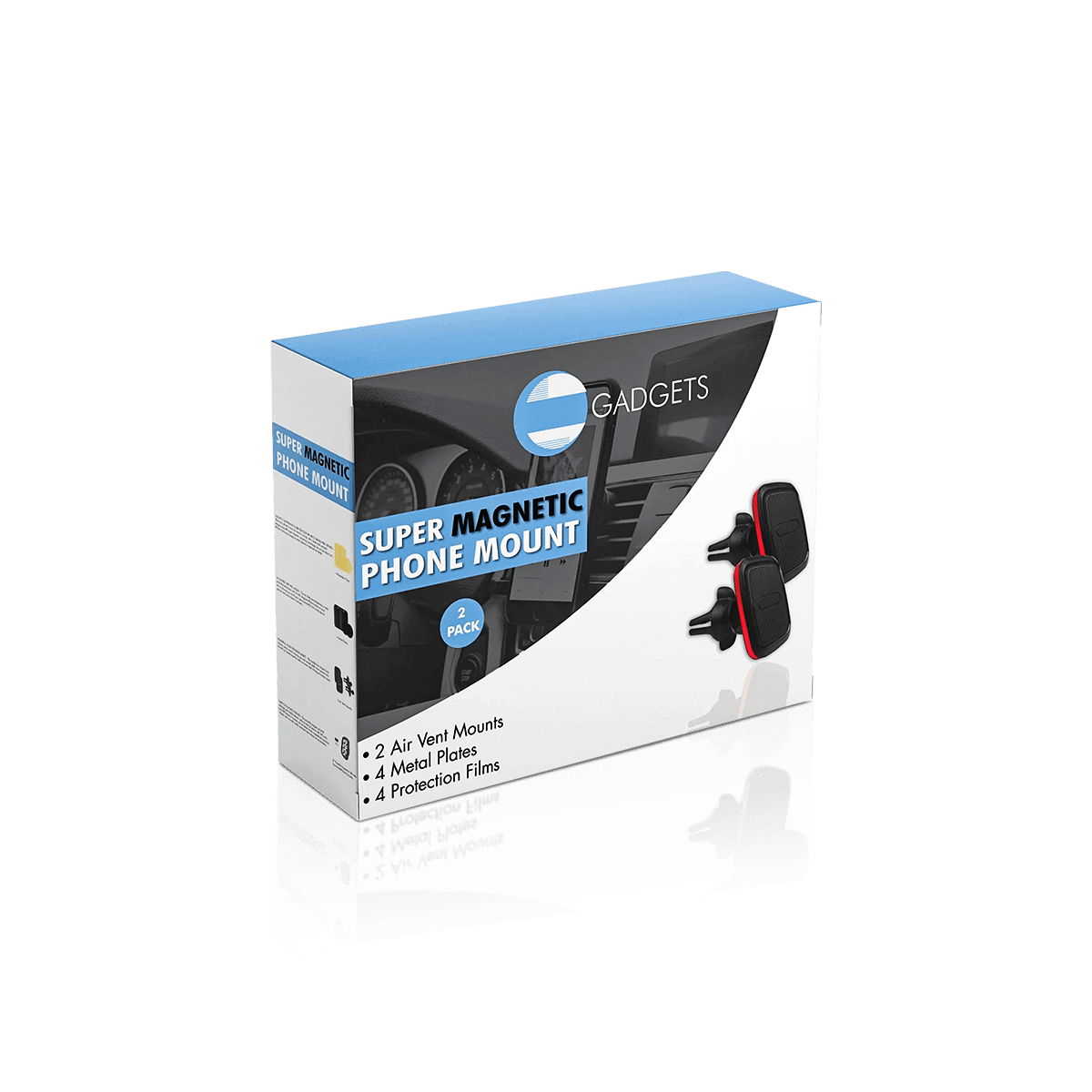
Custom Tab-Locking Mailers

Corrugated mailers with an integrated mechanical lock for shipments that need a firmer front closure, repeatable packing and a controlled opening without making the box unnecessarily complex.
Dieline preview

Generate a Tab-Locking Mailer Box Dieline

Use custom dimensions to view the dieline for this box style and plan artwork with more confidence.

Bleed
Crease
Trim

No preview available

Tab-Locking Mailer Box

Calibrated controls

Current size315 × 202 × 62 mm
Preview scale100% centered
StateValidated
Next Step

Turn Your Dieline Into Custom Packaging

Share your box size, quantity, material, print and artwork details on the quote page. We’ll review your dieline and email your custom packaging quote with the dieline file.

Continue to quote

The Front Lock Is the Structure

The defining part of a tab-locking mailer is the moment the closing tab enters its receiving slot and holds the front of the box in position. If that connection is poorly sized, the rest of the box can be perfectly printed and made from strong corrugated board yet still feel loose at the packing table.

Custom Tab-Locking Mailers therefore need to be developed around closure geometry first.

The lid, front wall, locking tab, receiving cut and surrounding folds have to meet cleanly after the product is loaded. The operator should not need to bow the lid aggressively, crush the front wall or repeatedly push the tab until it catches.

Among custom mailer boxes, this style makes sense when a positive mechanical close matters more than a simple front tuck.

That makes it well suited to compact e-commerce orders, grouped accessories, printed kits and other shipments where a loose-looking front edge would undermine both handling and presentation.
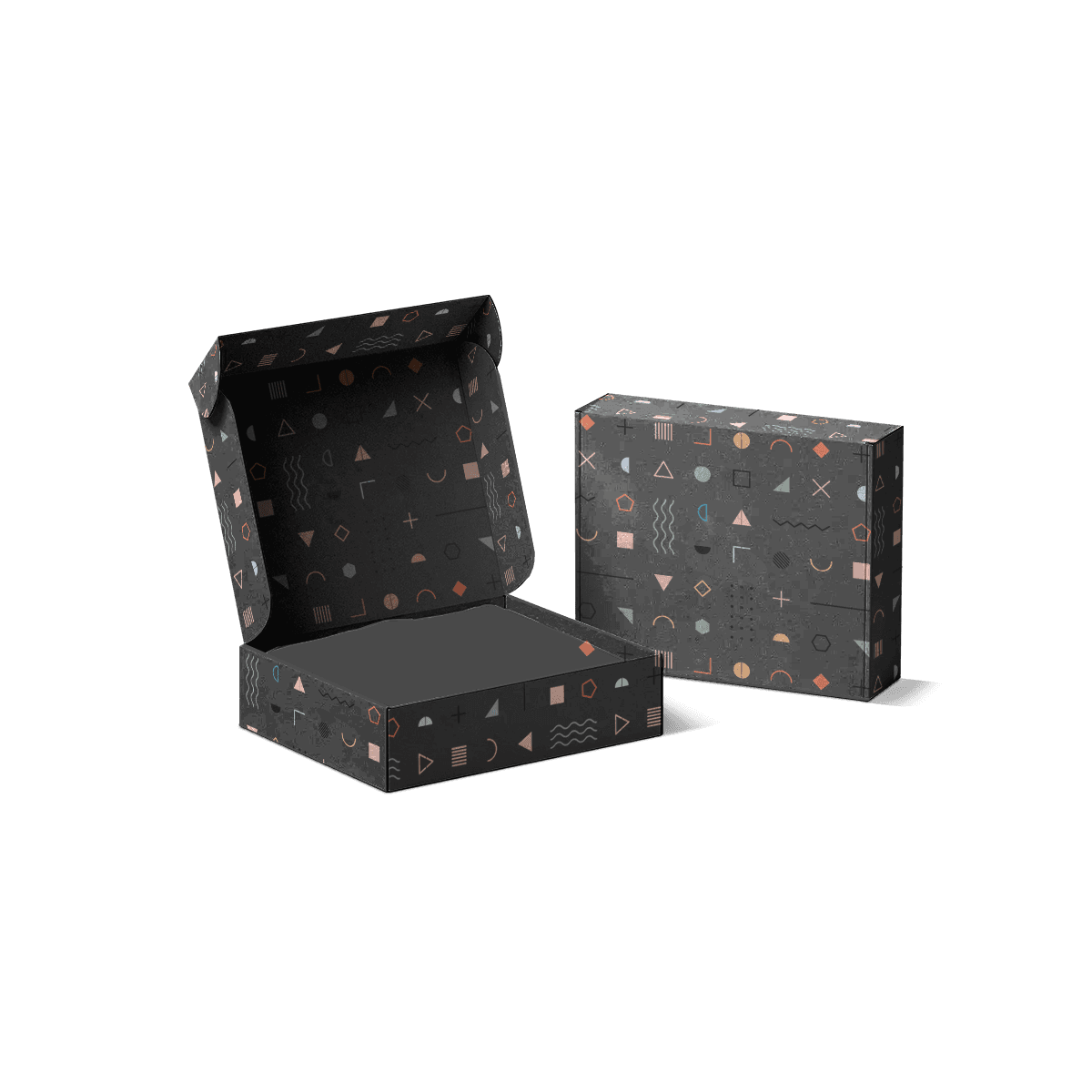
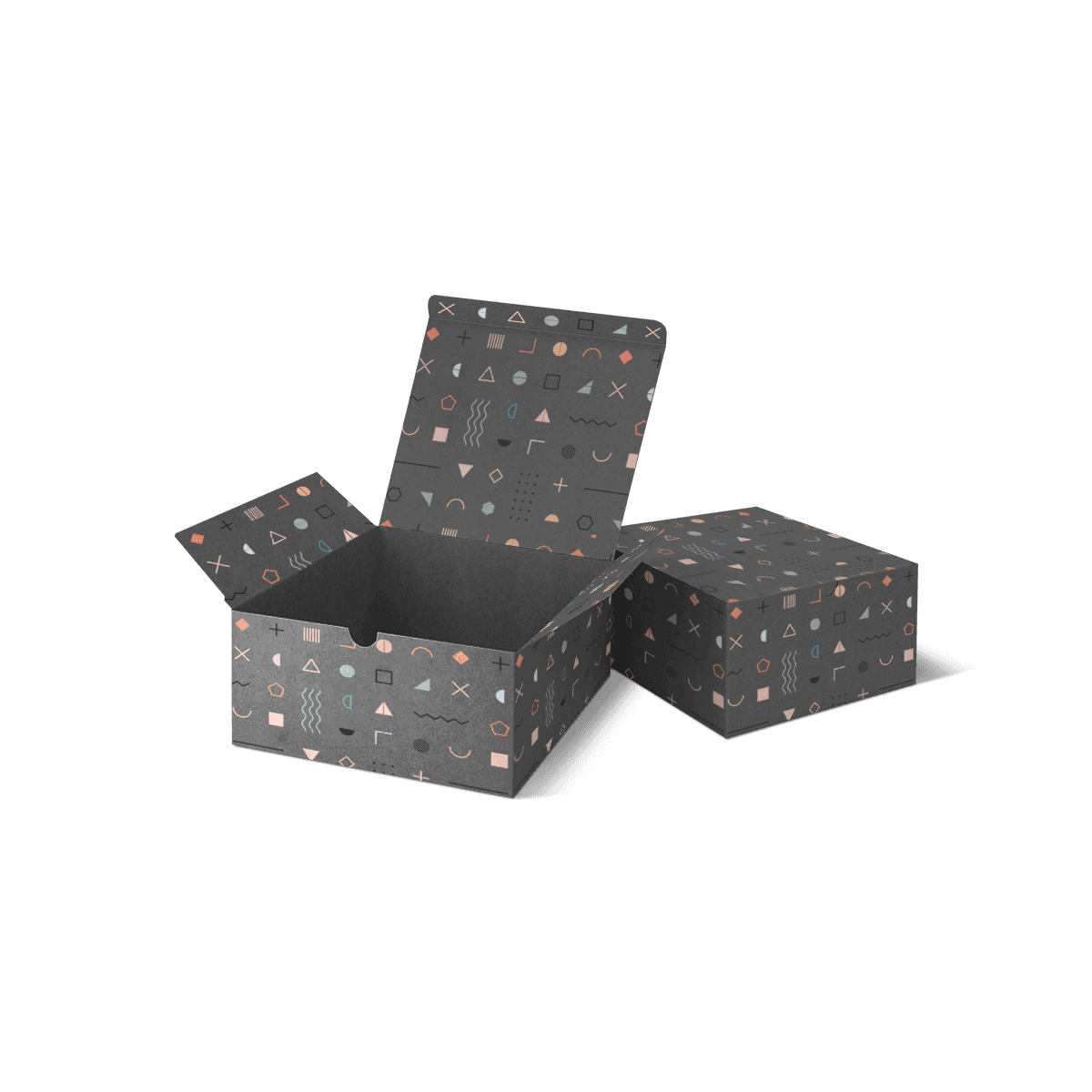
A Lock Can Fail From Inside

Tab engagement depends on the contents as much as the die-cut shape.

If products, tissue or an insert rise too high inside the box, they can push upward against the lid. That pressure changes the angle at which the front tab meets its slot. A closure that worked perfectly on an empty prototype may then resist closing or gradually pull outward after packing.

This is why internal height should be treated as part of the locking system.

Imagine a compact electronics kit containing a device, charging cable and folded instructions. The box closes easily before the cable is placed on top of the device. Once the cable raises the contents slightly, the lid bows and the tab no longer seats fully.

Increasing board thickness would not solve the root cause.

Recessing the cable into the insert, adjusting the packed layout or adding the correct headspace lets the lid return to its intended position. The tab can then engage without forcing the structure.

For ordinary e-commerce shipments where closure mechanics are secondary to overall SKU fit, Product Mailer Boxes deal more directly with the complete packed-order profile.

Watch Headspace

The product-plus-insert assembly should sit below the closing plane with enough clearance for the lid to move naturally.

Too much height inside the pack creates movement. Too little can load the lid from underneath.

Neither extreme is fixed by making the tab tighter.

Control Loose Components

Cards, manuals, cables and samples can migrate toward the front edge while the box is being packed. If one reaches the locking area, it can interfere with closure even though the main product fits correctly.

An insert, divider or defined card position keeps the mechanical closing zone clear.

The Tab Needs a Clean Seat

A good locking action should feel deliberate rather than fragile or excessively tight.

If the receiving slot is too restrictive for the actual board thickness, operators may bend or crush the tab while trying to close the box. If engagement is too loose, the front may not stay seated confidently during routine handling.

Board caliper, crease behavior and die-cut geometry therefore have to be evaluated together.

This becomes especially important when the material specification changes after the dieline has already been developed.

Moving from a thinner corrugated construction to a thicker flute changes more than box strength. Folds occupy different amounts of space and the locking parts may no longer meet exactly as expected.

A structural file developed for one board should not automatically be treated as interchangeable with another.

Custom Packly's packaging capabilities include corrugated, structural, print and insert decisions that can be considered together when the closing mechanism depends on board behavior.

Physical validation should happen here, while the question is still whether the lock closes correctly with the intended material and contents.

A paper printout or thin mockup can confirm panel orientation. It cannot reliably prove how production corrugated board will fold or how the tab will engage.

A paid fully custom pre-production sample can be arranged when exact closure behavior must be checked. Free sample examples of previous work can also be used to assess general construction and printing quality.

Front Lock or Front Tuck?

Tab-locking and roll end tuck-front mailers can look closely related when assembled, but the reason for choosing them should be different.

Use roll end tuck-front mailers when a clean tuck-front presentation and straightforward corrugated assembly are the main priorities.

Use a tab-locking construction when you specifically want the front closure to engage more positively.

That difference is small visually but important operationally.

A standard tuck can be entirely suitable for apparel, subscriptions, samples and routine DTC orders. Adding a more defined locking mechanism when the shipment does not need it can introduce another die-cut interaction without creating meaningful value.

Likewise, tab-locking should not be treated as a substitute for a stronger shipping carton when the issue is high packed weight, substantial stacking or severe transit duty.

If the shipment is pushing beyond the practical duty of a compact mailer, shipping boxes should be assessed instead of asking the front lock to compensate for the entire structure.

Mechanical Lock or Adhesive Seal?

A mechanical tab and an adhesive closure solve different fulfillment problems.

Self-sealing mailers make the most sense when reducing the closing step is a major packing objective. The operator fills the pack, removes or activates the seal as required by the construction and closes the flap.

Tab-locking keeps closure primarily structural.

That can suit programs where the box may be opened during internal packing checks, where adhesive strips are unnecessary or where the tactile locking action is part of the intended construction.

A tab lock should not automatically be described as tamper-evident. A mechanical closure may be reopened without leaving the type of visible evidence associated with a purpose-made security seal.

If tamper awareness matters, specify that requirement separately.

External tape may also still be appropriate for some products, parcel routes or security requirements even when the structure has an integrated lock. The fact that the box can remain mechanically closed does not mean every shipping program should eliminate secondary sealing.

Choose the closure according to the job, not according to the promise of being “tape free.”

Packout Should Confirm the Lock

Tab-locking mailers are useful only if workers can close them consistently at normal packing speed.

Prototype the actual sequence:

  1. erect the mailer
  2. place any insert
  3. load the product
  4. add printed pieces or protective material
  5. lower the lid
  6. engage the front lock
  7. apply any required shipping label or secondary seal

Watch what operators do naturally.

If they repeatedly press the center of the lid before the tab enters, the contents may be too high. If they bend the tab downward every time, the geometry may be too tight. If one side of the front wall sits higher than the other, the box may not be squaring properly before closure.

Do not turn a structural problem into a staff-training problem.

The box should make the intended motion obvious.

This becomes more important as volume increases. Packaging that is ready to scale depends on repeatable assembly steps rather than one carefully packed presentation sample.

For a tab-locking mailer, the closing action is one of those repeatable steps.

Corrugated Strength Starts at the Folds

The lock sits in a small area, but the entire corrugated structure determines whether that area stays aligned.

E-flute can suit compact printed mailers where a thinner profile and refined print surface matter. Other corrugated specifications may be more appropriate as box dimensions, packed weight or handling demands increase.

The strongest board is not automatically the strongest tab-locking package.

A very stiff material can make a small locking feature awkward if the structure was not developed around that material. A lighter board may close neatly but lack sufficient resistance for a larger or denser order.

Evaluate the packed box as one system:

  • panel span
  • product weight
  • flute and liner
  • crease behavior
  • front-wall stiffness
  • tab geometry
  • internal fit

The closure should stay aligned after the box is filled and handled.

If transit movement rather than front closure is the primary concern, better packaging structure and fit for shipping damage should be considered before simply tightening the lock.

Price the Lock as Part of the Box

Tab-locking is not a decorative add-on. It changes the dieline and the way the box is assembled, so it should be included in the structural specification before pricing.

Dimensions, corrugated choice, printing, inserts and quantity all affect the final production requirement.

Custom Packly starts US orders from 100 boxes. US production and free shipping support domestic programs, with a standard 4–6 day turnaround after final artwork and specifications are approved. Complex structures, specialty materials or advanced finishes may require additional time.

For larger recurring programs, warehousing and scheduled deliveries can separate manufacturing quantity from the amount of flat-packed packaging arriving at the fulfillment site at one time.

Once the packed dimensions, closure and board direction are resolved, an instant custom packaging quote can price the actual tab-locking construction.

Inserts Must Stay Clear of the Lock

Tab-locking mailers work particularly well for organized kits, but an insert can interfere with the closure if it occupies the front locking area.

Leave physical clearance around the tab, receiving slot and folds needed to bring the front wall into position.

For multi-component packs, the insert should control products without becoming another structural layer that the lid has to fight against.

A shallow paperboard tray can organize lightweight accessories. Corrugated partitions can separate harder components. A fitted insert can stabilize a product that would otherwise slide toward the front of the box during handling.

The principles behind packaging inserts become particularly relevant when internal restraint affects whether the closure remains unloaded.

Another useful rule is to avoid placing a removable component directly over the locking area. If the customer pulls out the product and catches the front tab at the same time, the opening feels clumsy even if the box technically functions.

The mechanism should disappear into the experience once it has done its job.

Print Around the Locking Motion

The front of a tab-locking mailer often carries prominent branding because it faces the customer as the lid closes.

That makes the locking cuts and folds part of the artwork composition.

Do not place small type across a slot. Avoid centering a fine logo exactly over a crease that interrupts it. A color block that crosses several structural elements should still look intentional once those elements are folded into position.

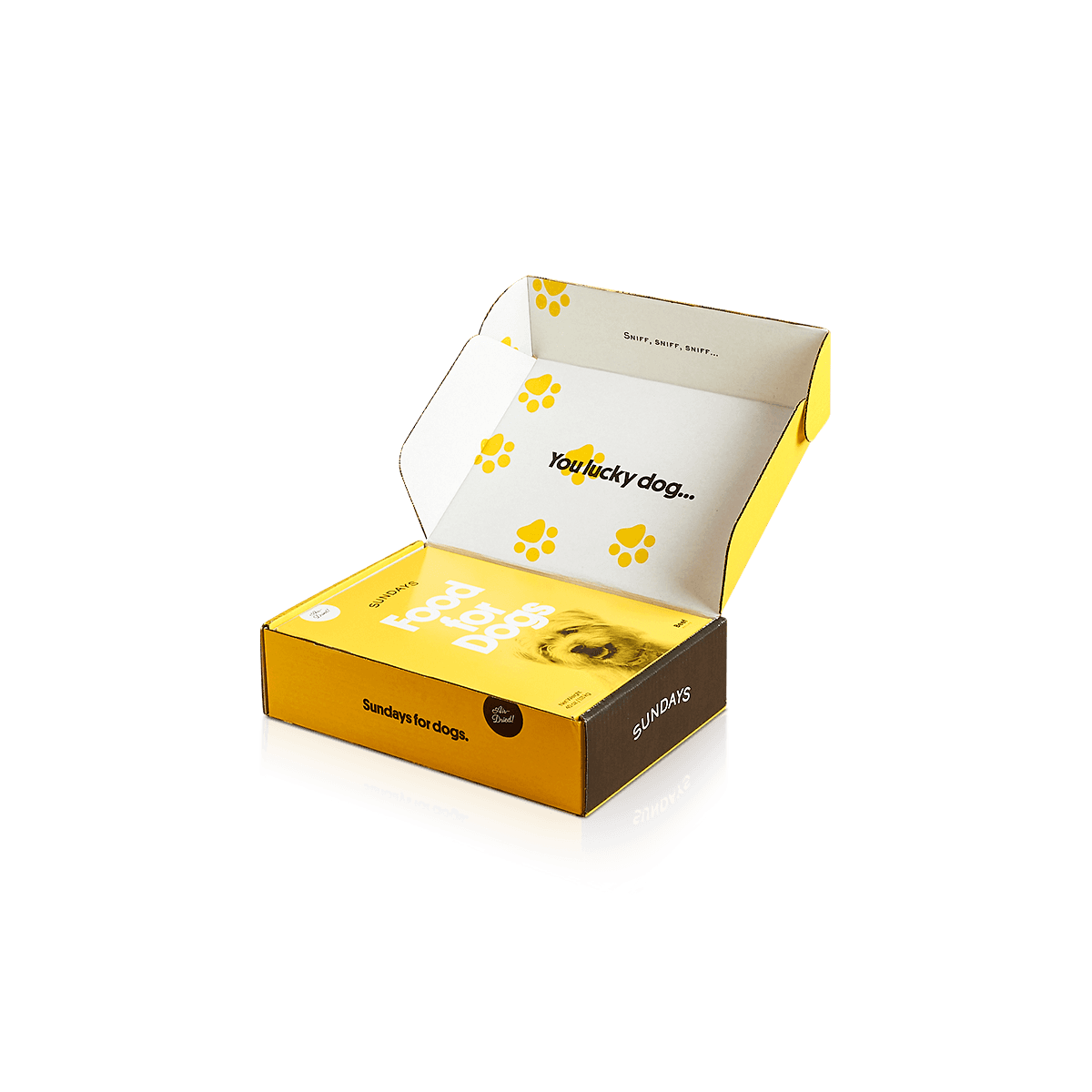
The lid can carry the primary brand mark while the inside panel handles the first-open message. Side walls can carry secondary graphics without competing with the locking area.

For mailers where visual branding rather than closure mechanics is the main reason for purchase, Printed Branded Mailers should retain that role.

Once the size and locking structure are confirmed, the dieline generator can be used to establish the actual panels, cuts, creases and artwork zones before final graphics are placed.

Premium offset printing can support strong outside and inside artwork. CMYK, Pantone, matte, gloss and selected specialty finishes can then be chosen according to the design rather than loaded onto the box by default.

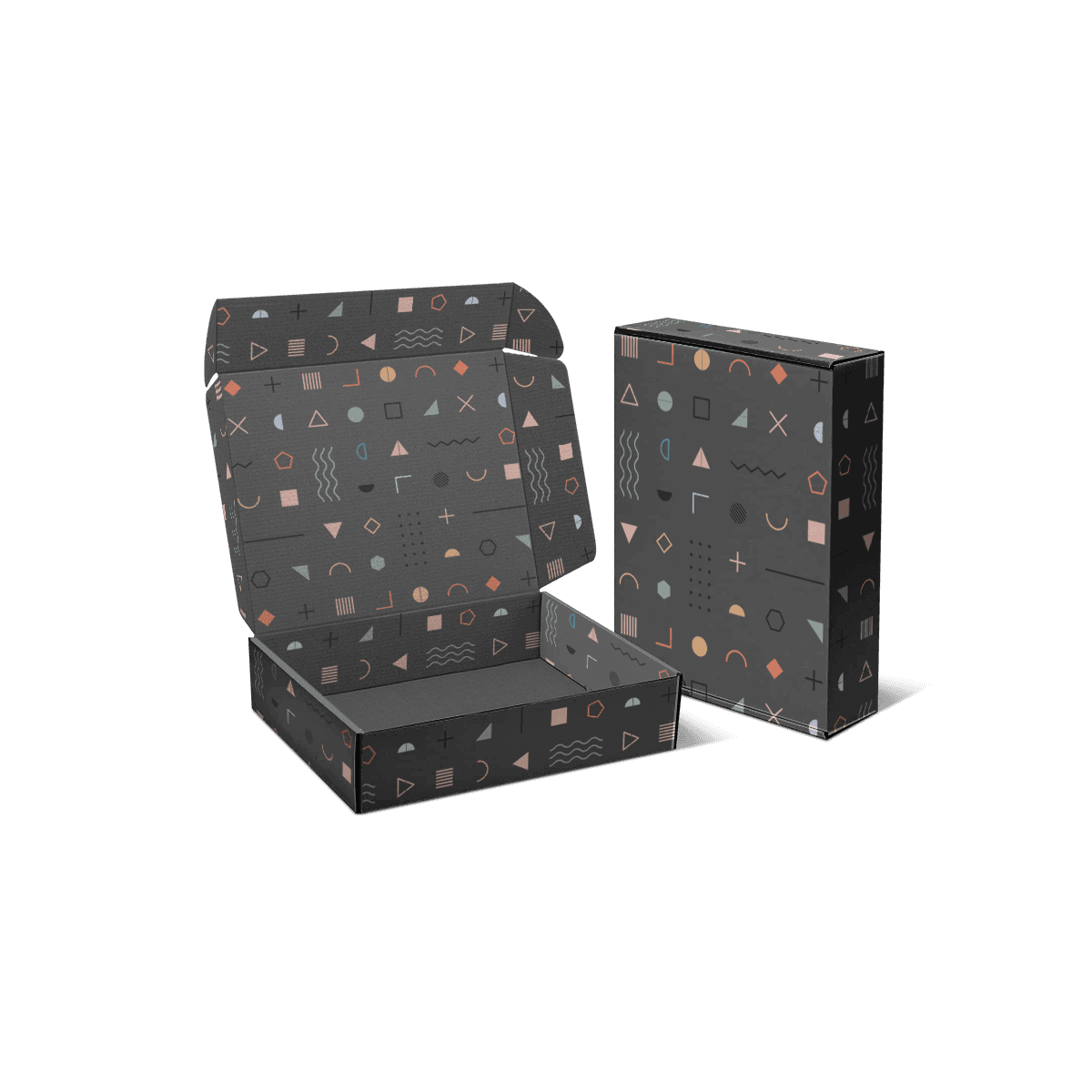
Free 3D mockups can help review how the artwork wraps around the assembled structure before production.

Reclosing Changes the Requirement

Some mailers are opened once and discarded. Others may be used for returns, internal checks or product storage after delivery.

Those uses change what the tab needs to withstand.

A mechanical locking feature that works cleanly for its first close may fatigue if it is repeatedly bent far past its intended motion. If the customer is expected to reopen and reclose the package, test that sequence rather than judging the box only at dispatch.

Returns deserve particular attention.

A tab lock may let the box close again, but that does not automatically restore the original shipping security. The return process may still require a secondary adhesive strip or tape.

If return use is important, decide whether the box needs:

  • simple reclosure for the customer
  • a separate return seal
  • another locking position
  • external tape instructions

Do not assume that “reclosable” and “ready to ship again” mean the same thing.

That distinction can prevent a closure feature from being assigned a job it was never meant to perform.

Use the Lock Where It Earns Its Place

A tab-locking mailer is the right choice when the closing mechanism itself solves a real packaging problem.

Use it when a firmer mechanical front close improves packed consistency, when the contents allow the lid to sit naturally and when fulfillment staff can engage the lock without forcing the box.

Stay with a simpler tuck when the extra locking action adds little.

Move toward an adhesive closure when sealing speed is the dominant requirement.

Move toward a heavier shipping structure when load and transit duty are the real problems.

The best Custom Tab-Locking Mailer is not the one with the tightest possible tab. It is the one where board, product height, insert position and locking geometry meet cleanly enough that every properly packed box closes the same way.

FAQs

It is usually more controlled for compact shipments because the tab helps hold the front panel in place and gives the mailer a more finished close.

This style works best for accessory sets, folded apparel, printed kits, samples, manuals, and small grouped items that should arrive neatly arranged.

Choose Tab-Locking Mailers when closure security and a firmer front lock matter more. Roll End Tuck-Front Mailers are excellent for clean presentation too, but tab-locking versions usually give a slightly more anchored closing feel.

Yes. Tab-Locking Mailers pair well with paperboard inserts, divider sections, and made-to-fit components when the shipment includes multiple parts.

Yes. It is a practical option for launch mailers, subscription runs, onboarding kits, and promotional sends because it balances structure, printability, and fulfillment ease.

Process

How it works

Your Packaging Journey, From Idea to Production and Delivery

01

Tell Us Your Specs

Custom packaging boxes

Tell Us Your Specs

Provide size, quantity, printing, and finishes.

02

Get a Fast Quote

Custom packaging boxes

Get a Fast Quote

Instant transparent pricing, no hidden fees.

03

Design and Approval

Custom packaging boxes

Design and Approval

Artwork checks, revisions, and final sign-off.

04

Produce

Custom packaging boxes

Produce

Expert manufacturing to meet deadlines.

05

Ship to Your Door

Custom packaging boxes

Ship to Your Door

Hassle-free, flexible delivery options.

Get Your Quote for Custom Tab-Locking Mailers

Share your product details, size, quantity and artwork needs. We’ll help choose the right packaging style and send a clear quote.