Skip to content
Details

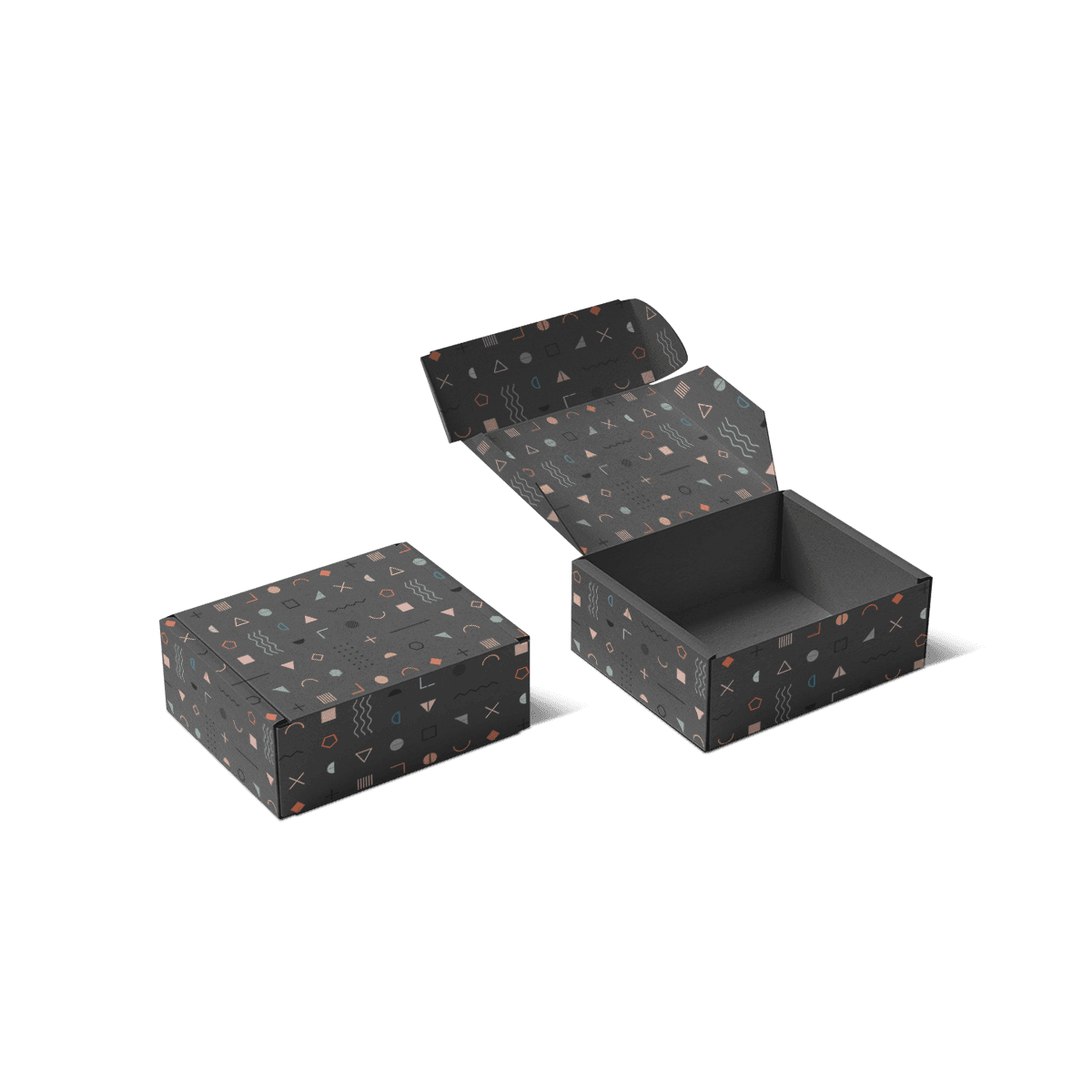
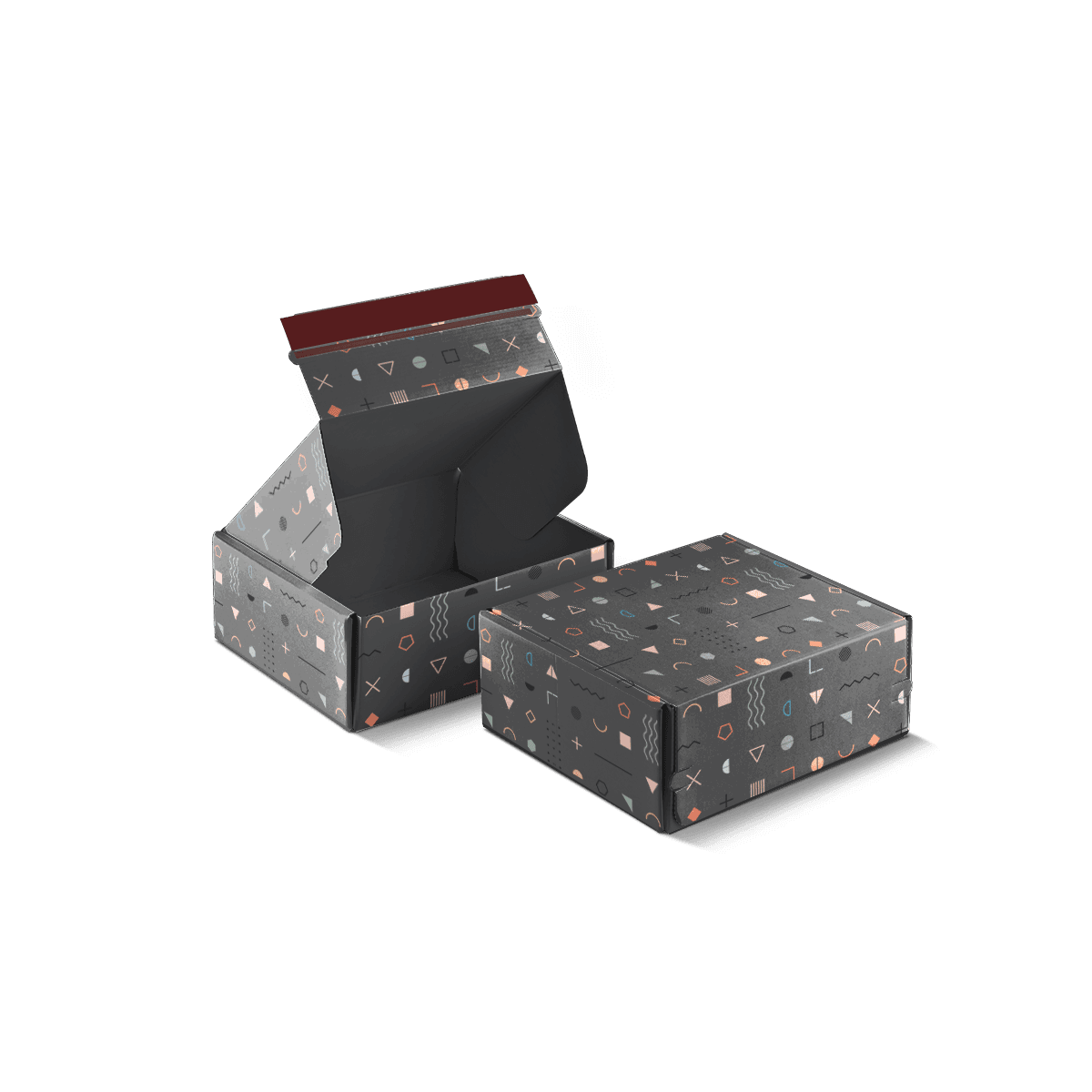
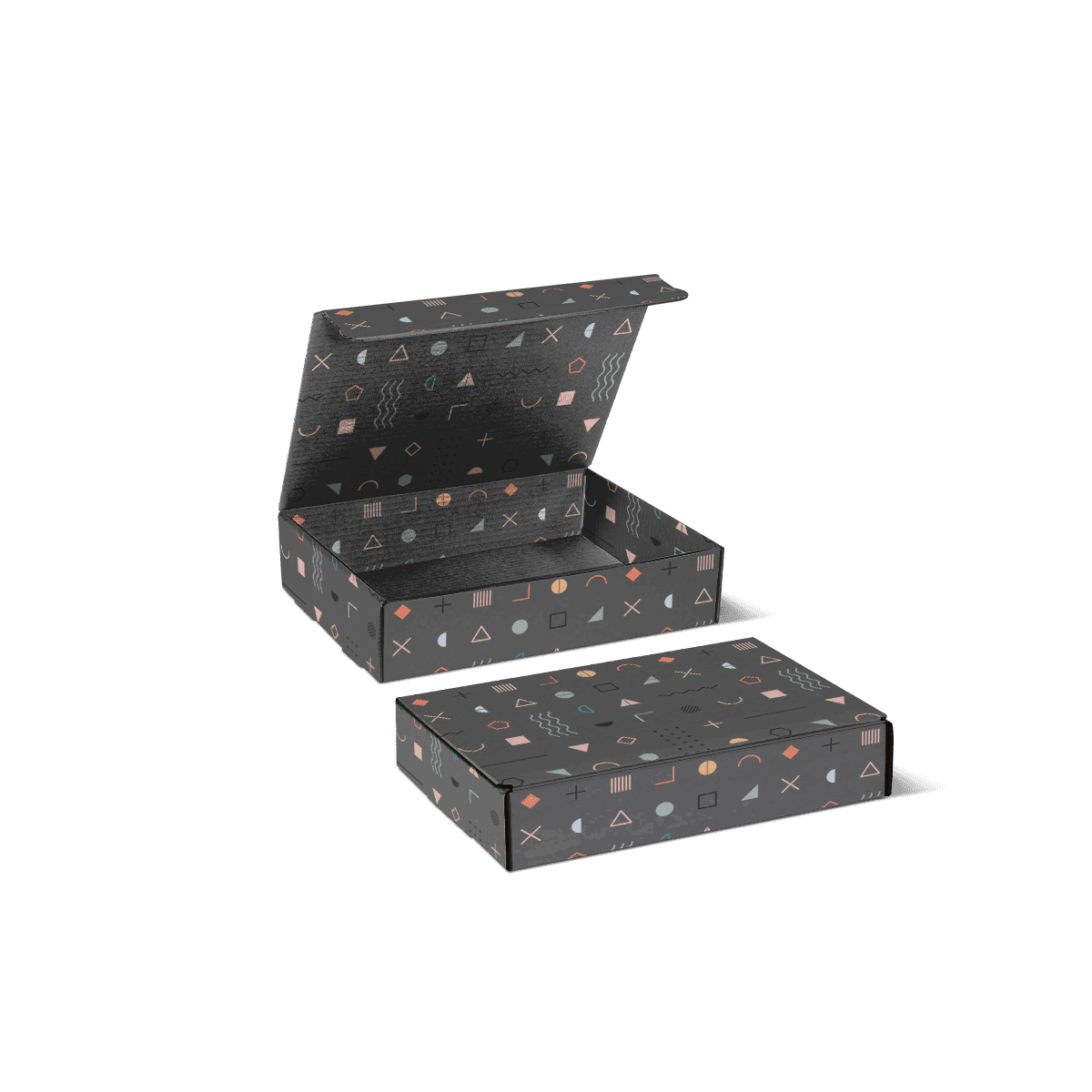
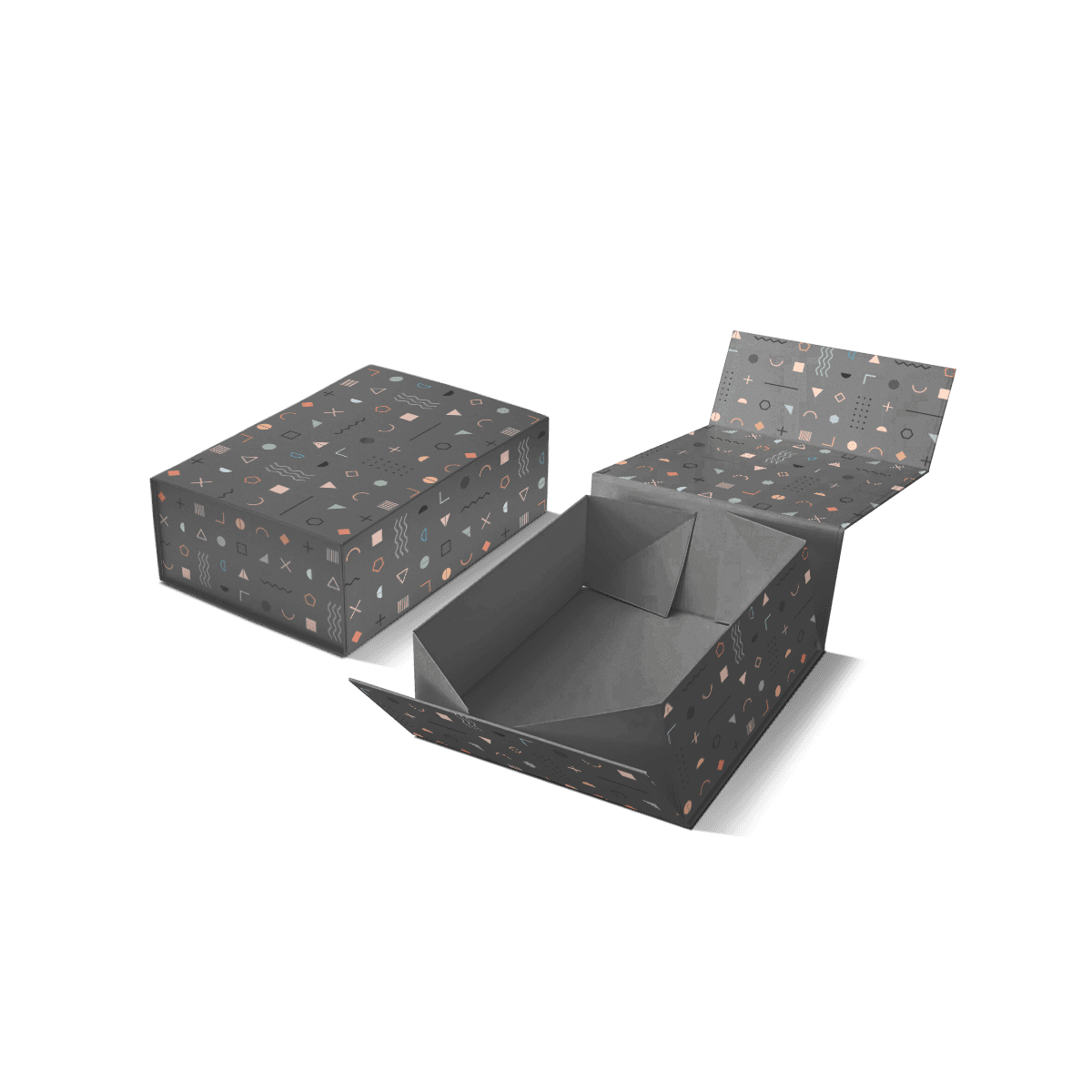
Custom Subscription Apparel Boxes

Keep recurring fashion drops consistent even when garment mix, size, season and packing depth change from one cycle to the next.

Recurring Assortments Change the Box

A subscription apparel program rarely packs the same garment mix forever. A lightweight T-shirt drop may be followed by knitwear, a hoodie, socks or a small accessory. The outer dimensions, fold height and internal organization therefore need to absorb planned variation without making every shipment oversized.

Custom Subscription Apparel Boxes work best when the packaging is treated as part of the subscription system, not as a one-time garment carton. The goal is to create a repeatable packing method around the core assortment while giving seasonal or tier-based products enough flexibility to change.

Brands that sell subscriptions alongside one-off fashion orders often manage both through retail and apparel packaging for store handoff, gifting and standard ecommerce sales.

Plan Around the Core Monthly Mix

Start with the combinations that recur most often. Record the folded length and width, then measure the packed height after tissue, garment bands, care cards and any small accessories are in place. That packed stack is more useful than measuring a single flat garment.

A box sized around the largest possible winter assortment may waste space through most of the year. A box sized only for the lightest drop can become difficult to close when a sweatshirt or layered set appears. The practical target is the recurring middle of the program, with planned alternatives for genuine outliers.

MOQ starts from 100 boxes, which can suit a new subscription tier or a controlled packaging launch without forcing every future cycle into the same quantity decision.

Keep Outliers From Inflating Every Shipment

One unusually bulky item should not automatically determine the box used for every subscriber. If heavy knitwear, jackets or bundled accessories appear only in selected drops, treat them as a separate packing class.

That can mean a second depth, a second box size or a seasonal pack. The trade-off is extra packaging SKUs, but that can be cleaner than paying to store, fill and ship unnecessary air month after month.
Fold Height Is the Hidden Dimension

For soft goods, depth is often the most unstable box measurement. Two shirts with the same folded footprint can occupy very different heights once fabric weight, seams, tissue and accessories are added. Knitwear and fleece increase that variation further.

The useful measurement is the garment after it has been folded exactly as the fulfillment team will pack it. Compressing a sample by hand until it fits is not a reliable sizing method. If the lid or mailer panel continually pushes down on the garment, the package can arrive looking crowded even when the box technically closes.

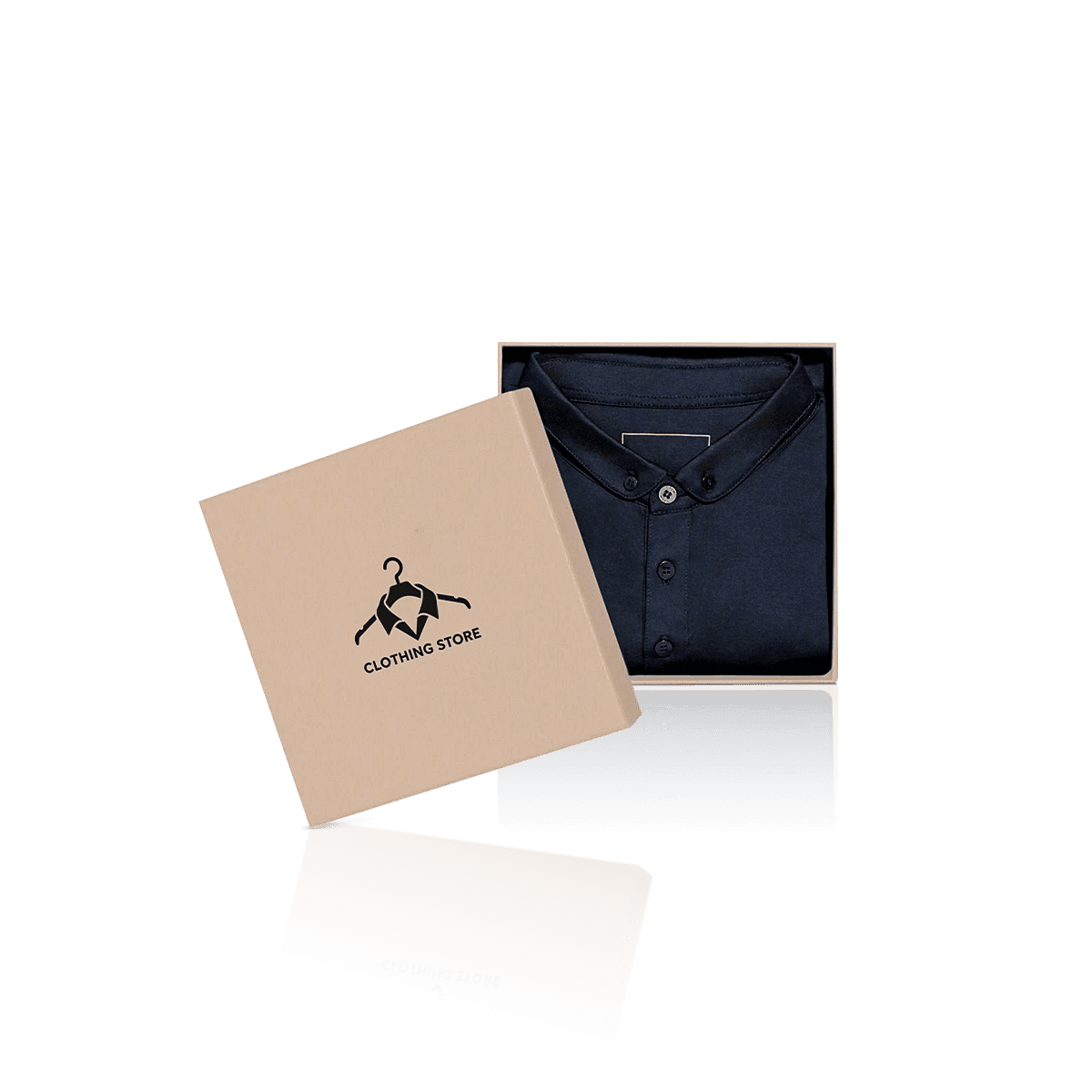
If the pack is mainly a presentation box rather than a parcel, custom apparel boxes can handle the folded garment while a separate outer pack takes the shipping wear.

Test the Lowest and Highest Loft

A good fit check uses at least two realistic packouts: a low-loft cycle and the highest-loft recurring cycle. Pack them with the actual tissue, inserts, cards and accessories, then close the box without forcing panels or crushing the fold.

For a new subscription tier, free sample examples of previous work can help assess material feel and print quality. A paid fully custom pre-production sample is the stronger check when exact depth, closure behavior or internal clearances need approval before production.

At recurring volume, box size affects storage, packing speed and dimensional weight, so packaging that scales with order volume deserves attention before a small inefficiency becomes a monthly operating cost.

One Pack or Inner Box Plus Shipper

Subscription apparel can use one shipping-ready box or a presentation pack placed inside an outer shipper. The right system depends on how much parcel duty the branded box must handle and how much presentation value the subscription promises.

Single Corrugated Pack

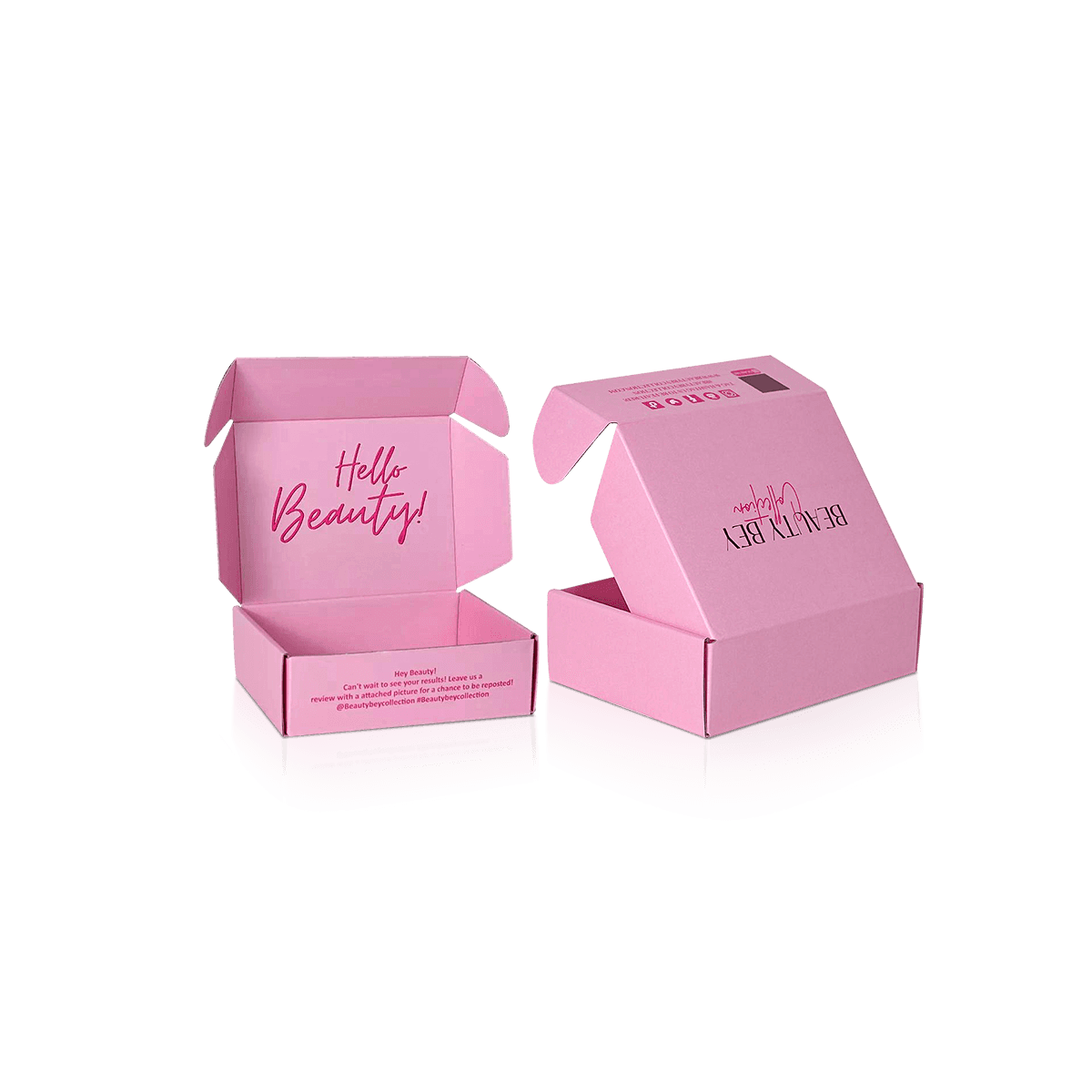
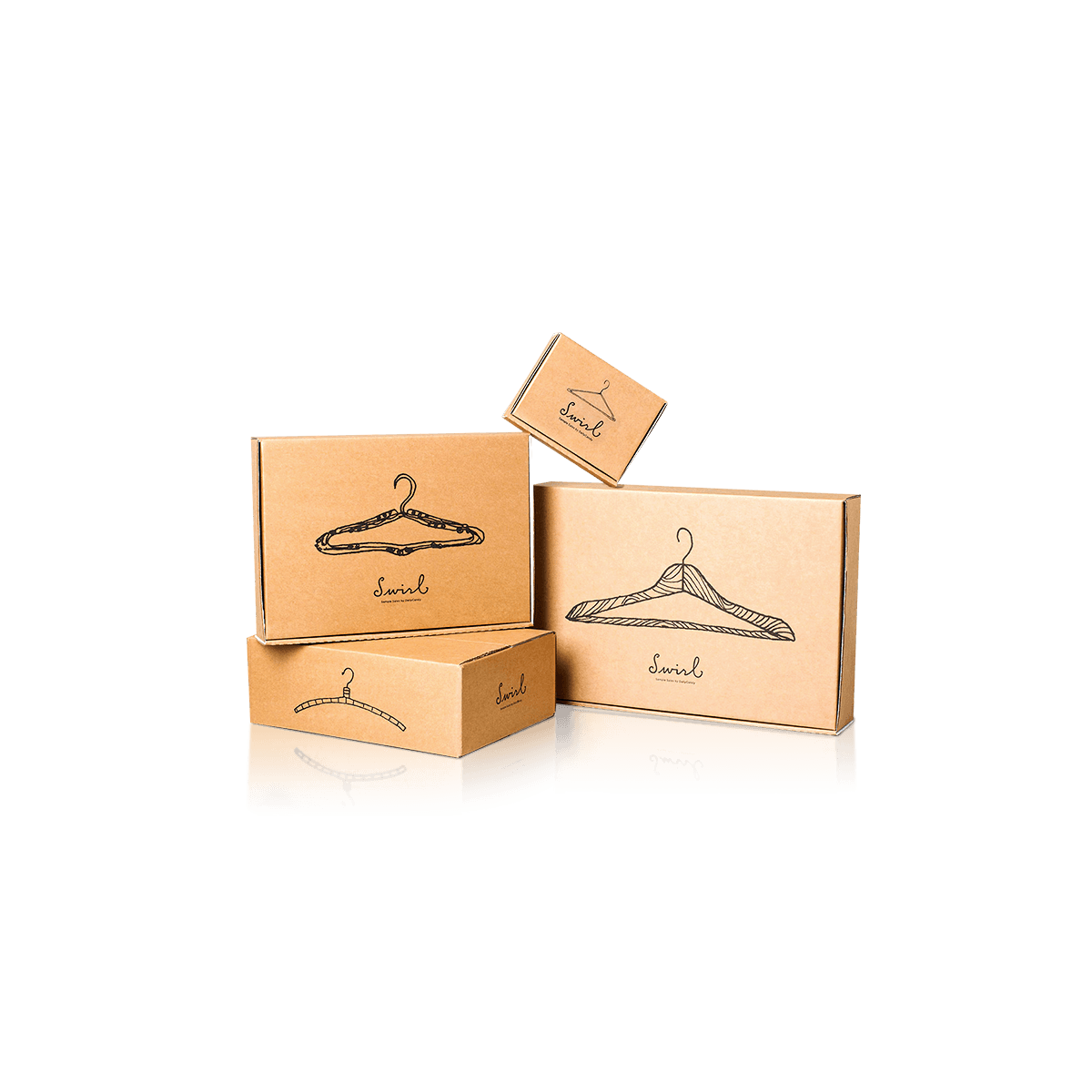
A corrugated mailer can move from the packing bench into parcel shipping while still carrying outside and inside print. This keeps the packout simple and avoids putting a decorative garment box inside another carton.

If the box must close at the packing table and enter parcel shipping with no second carton, mailer apparel boxes are the closer structural match.

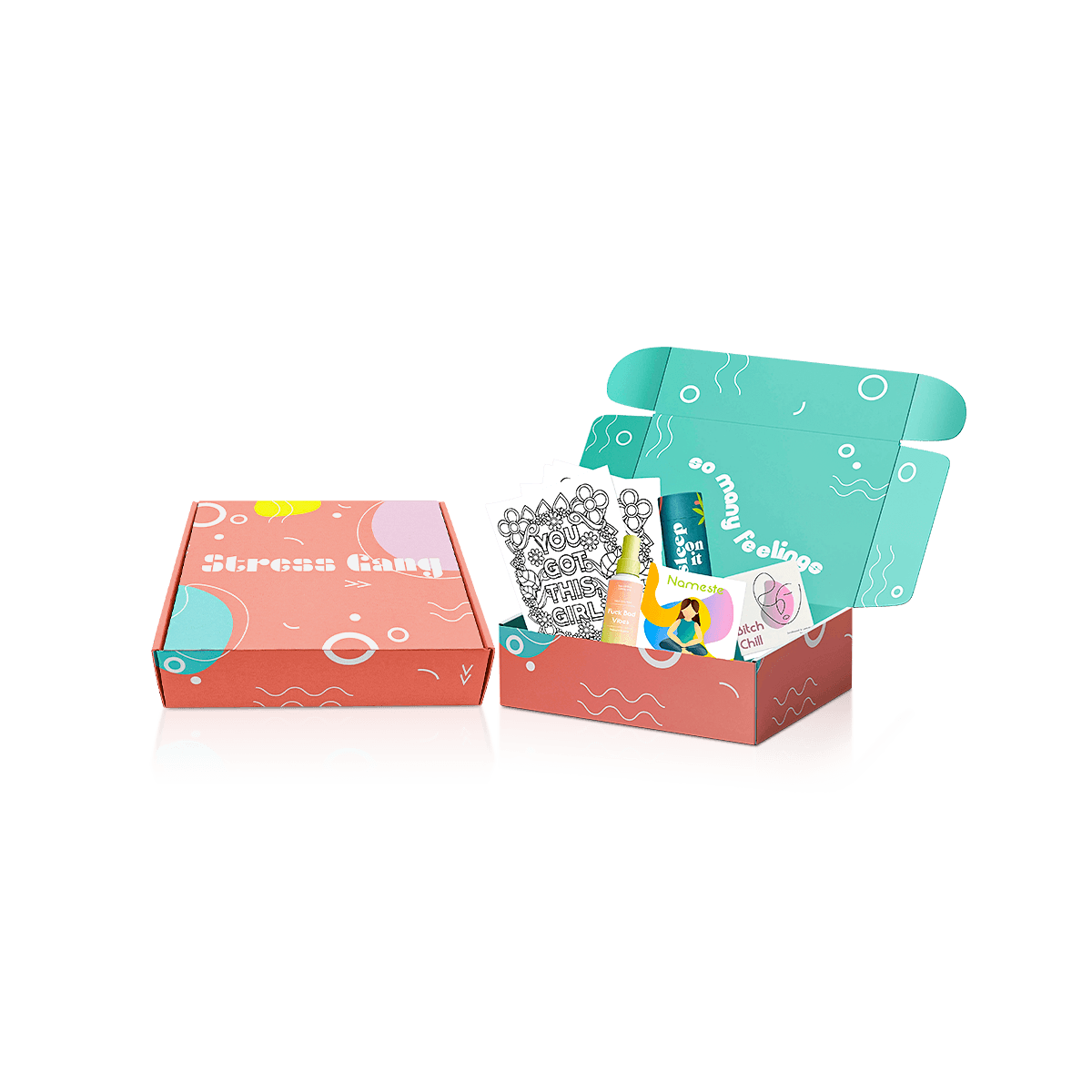
For programs that mix apparel with beauty, snacks, books or other non-fashion items, subscription boxes focus on recurring multi-product shipments rather than garment-specific packing.

Presentation Box Plus Outer Shipper

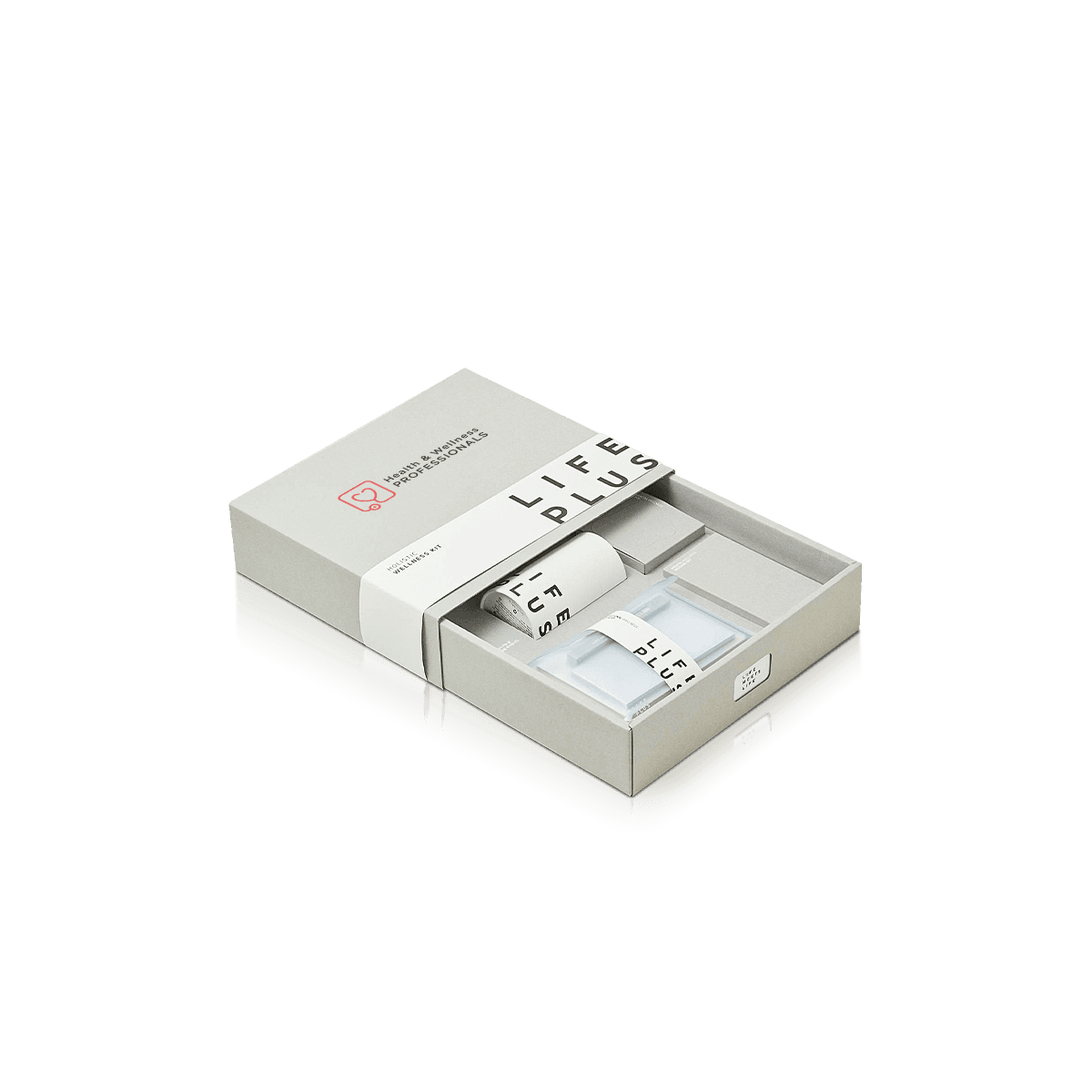
A separate inner box makes more sense when the subscriber is paying for a gift-like fashion experience and the inner pack should arrive with minimal courier wear. The outer layer handles transit while the inner carton or rigid box controls the reveal.

A lighter folding apparel box can work as the branded inner pack when parcel protection sits outside it.

This two-layer approach adds material and packout steps, so it should earn its place. It is most defensible for higher-value subscriptions, gift subscriptions, limited editions or programs where the box is meant to be kept.

Soft Goods Need Zones, Not Heavy Inserts

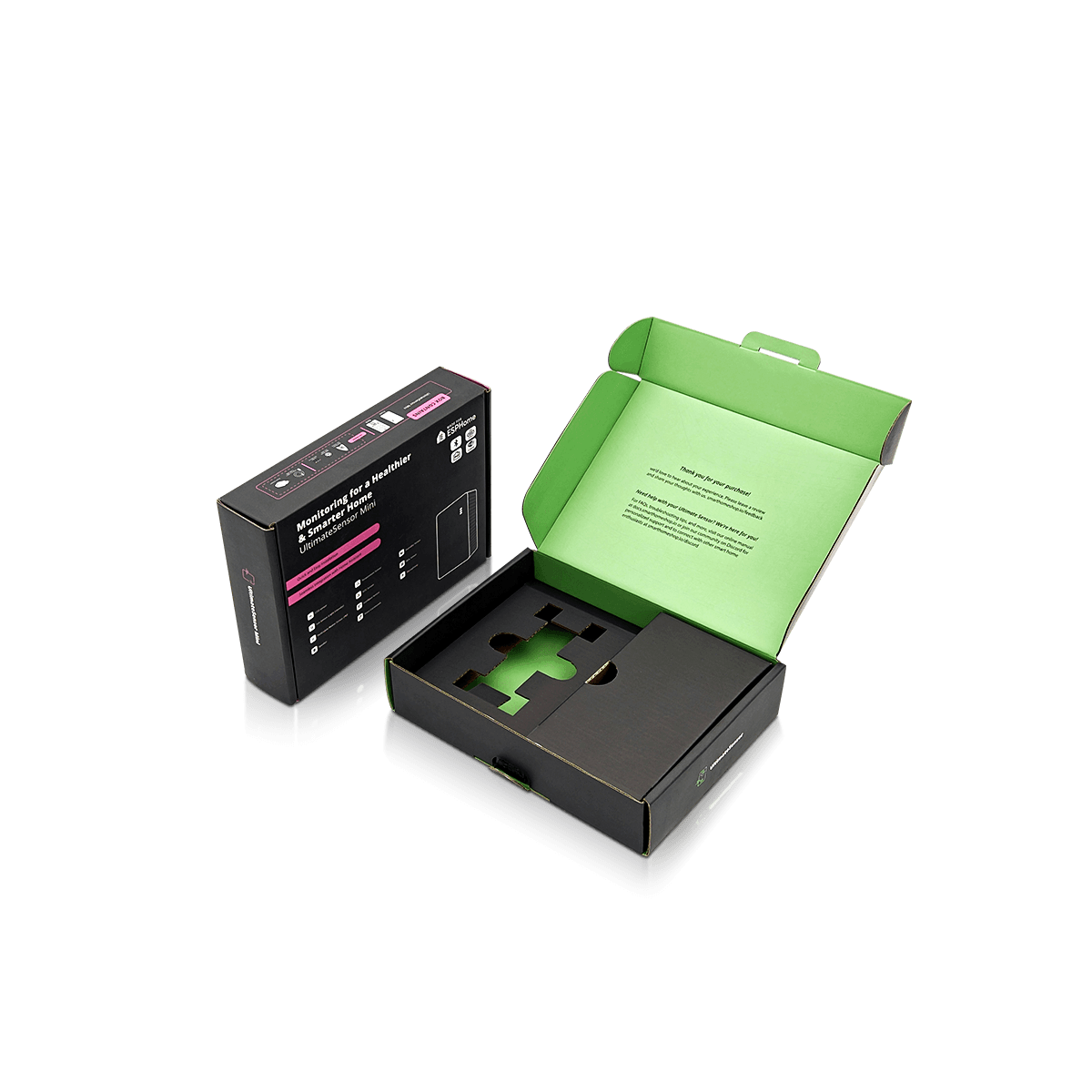
Apparel usually needs organization more than rigid restraint. A shirt or knit set does not need the same cavity engineering as a glass bottle or electronic device, but a mixed fashion drop can still become messy if accessories, paperwork and garments compete for the same space.

The simplest internal controls are often enough:

  • tissue wraps that hold a fold together
  • paper garment bands
  • shallow paperboard trays for jewelry or small accessories
  • slim dividers between hard goods and fabric
  • a top card position that keeps printed pieces visible at opening
  • removable components that change with the monthly assortment

Separate Hard Accessories From Fabric

A belt buckle, fragrance sample, pin, jewelry item or boxed accessory can mark or disturb soft fabric if it moves freely. Give those pieces a small defined zone instead of increasing the entire box size.

The same logic applies to multiple garments. If the subscription promises an ordered reveal, stack sequence matters. A heavy item placed on top of a delicate piece can undo the presentation before the customer opens the box.

Anchor the Paperwork

Return instructions, care cards, referral cards and campaign inserts should have a repeatable position. A top card, side pocket, paper band or shallow tray can keep collateral from disappearing between garments.

The aim is not to add more components. It is to make the fulfillment sequence obvious enough that different packers can build the box the same way.

Print the Stable Brand, Swap the Campaign

Monthly subscriptions create a version-control problem when every campaign message is printed directly on the structural box. Seasonal artwork looks fresh, but frequent structural reprints can create extra packaging SKUs and leftover stock when a campaign ends early.

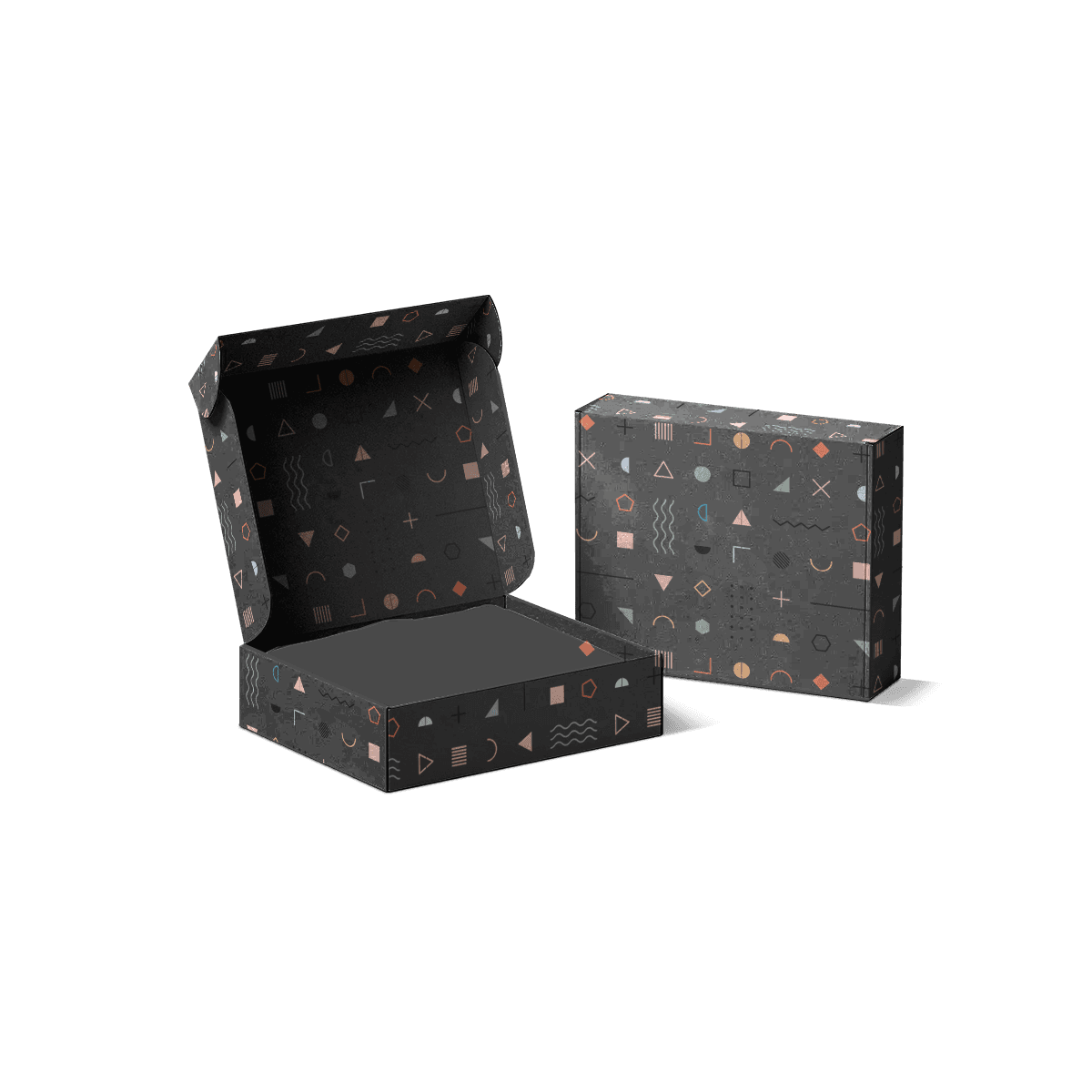
A cleaner system is to keep the main box artwork relatively stable and move short-lived messaging to cards, tissue, belly bands, stickers or removable sleeves. The box remains recognizable across cycles while the content can change with the campaign.

For fashion programs where color fidelity carries the brand, custom printed apparel boxes put print control ahead of subscription operations.

Brand teams using fixed spot colors should decide early between CMYK and Pantone printing so recurring runs do not drift between different color expectations.

Premium offset printing is especially useful when a recurring program relies on fine artwork, solid brand colors or consistent print across larger runs. Inside printing can carry a stable brand message while cycle-specific pieces handle the monthly story.

Keep Structural Files Separate From Campaign Files

The dieline, box dimensions and structural artwork master should be treated differently from the monthly campaign assets. Changing a card or insert should not accidentally trigger a structural box revision.

Custom Packly includes design and dieline support for programs with several tiers, repeated artwork versions or an inside-and-out print system. Packaging capabilities can frame board, print, finishing and insert decisions when the program mixes mailer and presentation components.

A Two-Tier Program Beats One Oversized Box

Consider a fashion subscription with two recurring packouts. The light tier usually contains one or two T-shirts plus a card. The heavier tier often contains a hoodie, knitwear or an accessory bundle.

Using one deep box for both keeps purchasing simple, but the light tier can look underfilled and may need extra tissue or filler. Sizing everything to the T-shirt tier creates the opposite problem when bulkier garments arrive.

A stronger setup is to standardize the face dimensions where practical and use two controlled depths tied to the actual pack classes. The light and heavy tiers can share visual branding while each has enough internal height for its normal garment stack. The two depths require separate dielines and inventory, but they also stop the exceptional packout from dictating every shipment.

Once the light-tier and heavy-tier dimensions are known, an instant custom packaging quote can price the two structures against one universal size.

This is also where an experienced packaging team should challenge unnecessary complexity. If the heavier tier occurs only once a year, a temporary seasonal box may be cleaner. If both tiers ship every month, maintaining two repeatable sizes is easier to justify.

The Box Stays Fixed While the Cycle Changes

Recurring fashion programs work better when the packaging system has a stable core. The structural box, principal artwork, packing orientation and core measurements should stay predictable while garments, campaign cards and small add-ons change around them.

That separation matters for fulfillment. The person packing the order should be able to identify the correct box from the subscription tier or packed garment class without reinterpreting the design every month.

A simple operating record can include:

  • box SKU and internal dimensions
  • subscription tier or garment class
  • intended fold orientation
  • tissue or band requirement
  • accessory zone
  • campaign insert version
  • artwork version for the structural box
  • packing notes for unusual seasonal items

For programs with many box sizes or frequent replenishment, bulk custom boxes can support larger production runs, storage planning and scheduled releases.

This does not mean every monthly change needs a new specification. The better system separates structural changes from campaign changes. A new garment mix may require only a different insert card or packing note, while a true change in folded footprint or depth may justify a box revision.

Inventory Should Follow the Drop Calendar

Subscription packaging is consumed on a schedule, so purchasing should be tied to the release calendar rather than treated like a one-time packaging order. The useful planning unit is not simply “boxes on hand.” It is boxes on hand by tier, depth and upcoming cycle.

If a brand knows that a lighter spring pack will run for three cycles before a heavier fall assortment begins, the packaging plan can reflect that change instead of overbuying one universal size.

Warehousing and scheduled deliveries are especially relevant here. A larger production run can be stored and released in stages, reducing the need to hold every finished box at the fulfillment site at once. US production and a standard 4–6 day turnaround after final artwork and specifications are approved can also support replenishment when a forecast shifts, although the safer operating model is still to plan stock against the subscription calendar. Complex structures, specialty materials or advanced finishes may require additional time.

FAQs

Start with the most common garment fold and the maximum insert load. That gives you a box size that works across changing monthly assortments without constant redesign.

Subscription Apparel Boxes are the better choice when the box has to support repeat campaigns member inserts and a recognizable unboxing pattern over time. Mailer Apparel Boxes fit standard one-off apparel orders more naturally.

Yes. Lightweight corrugated structures balance transit protection, pack-out speed and enough panel space for branded printing and variable campaign content.

Because subscription drops often mix garments with cards samples loyalty messages or small accessories. Inserts keep those pieces from sliding together and make the reveal feel more intentional.

That usually makes sense for VIP tiers influencer sends holiday editions or limited capsule drops where the packaging is part of the retention strategy and not just the shipping container.

Process

How it works

Your Packaging Journey, From Idea to Production and Delivery

01

Tell Us Your Specs

Custom packaging boxes

Tell Us Your Specs

Provide size, quantity, printing, and finishes.

02

Get a Fast Quote

Custom packaging boxes

Get a Fast Quote

Instant transparent pricing, no hidden fees.

03

Design and Approval

Custom packaging boxes

Design and Approval

Artwork checks, revisions, and final sign-off.

04

Produce

Custom packaging boxes

Produce

Expert manufacturing to meet deadlines.

05

Ship to Your Door

Custom packaging boxes

Ship to Your Door

Hassle-free, flexible delivery options.

Get Your Quote for Custom Subscription Apparel Boxes

Share your product details, size, quantity and artwork needs. We’ll help choose the right packaging style and send a clear quote.