Skip to content
Details

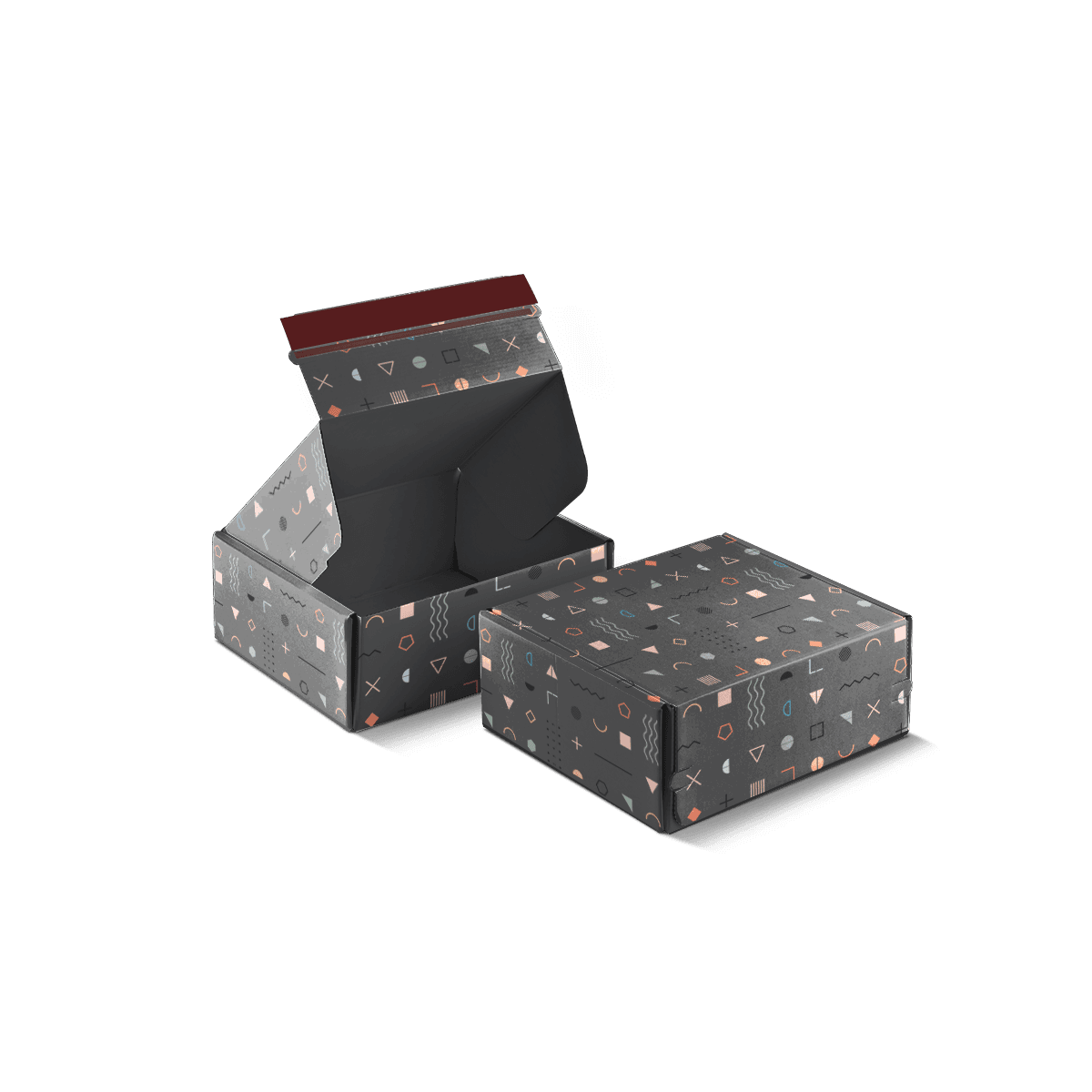
Custom Adhesive Strip Mailer Boxes

Corrugated mailer boxes with an integrated peel-and-seal closure for faster packing, controlled opening and return-ready ecommerce workflows.

Seal the Corrugated Box in One Motion

Packing tape becomes unnecessary when the closing flap already carries the seal.

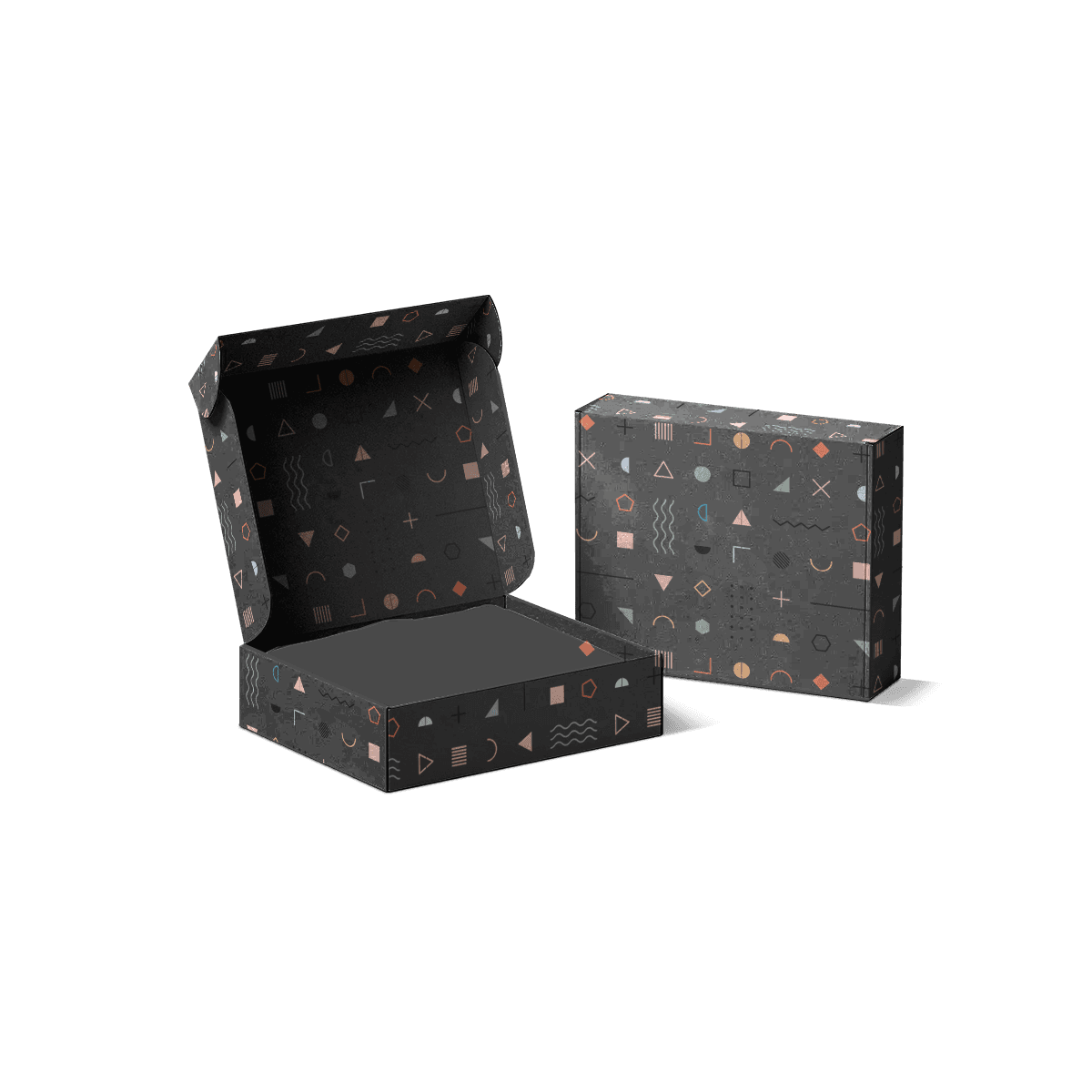
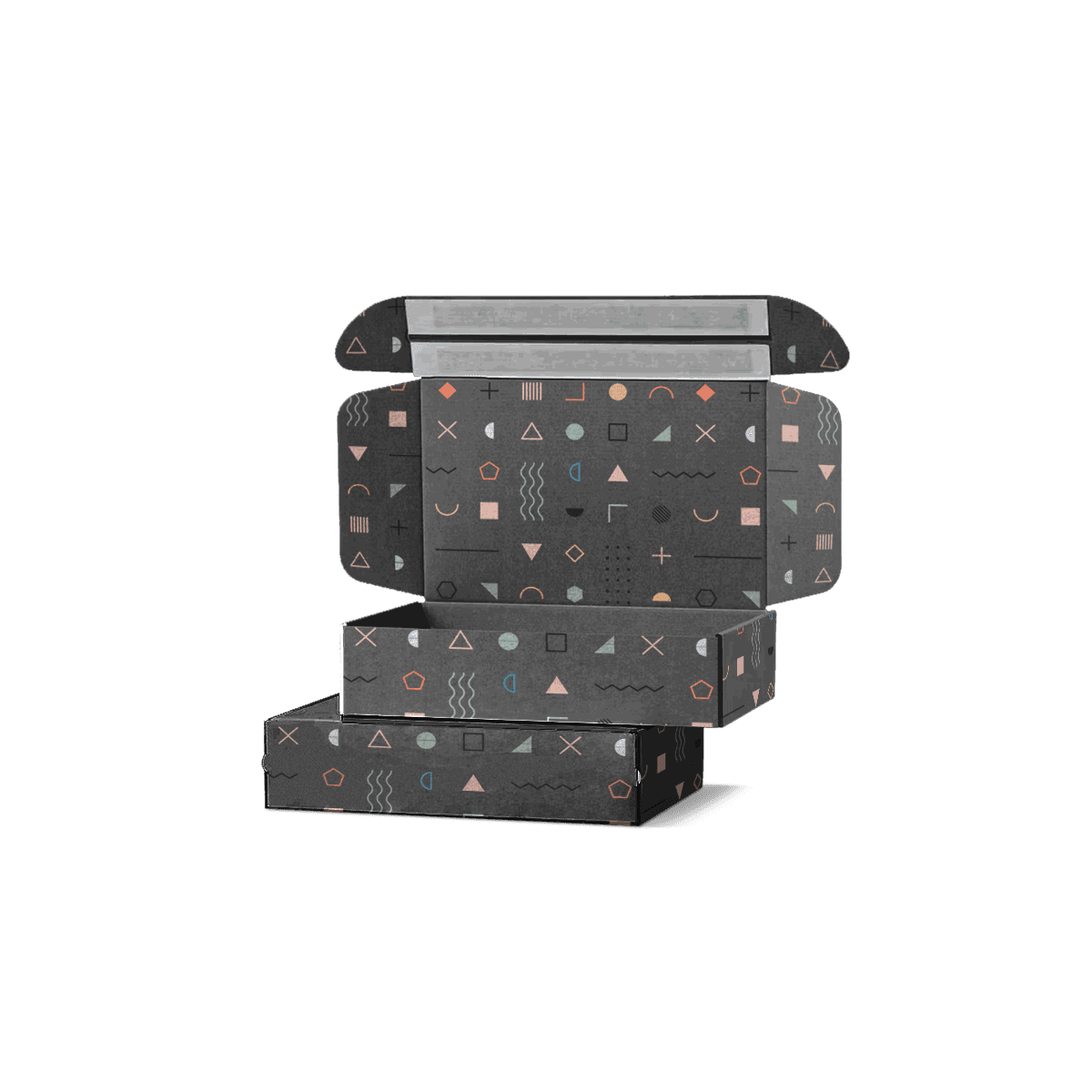
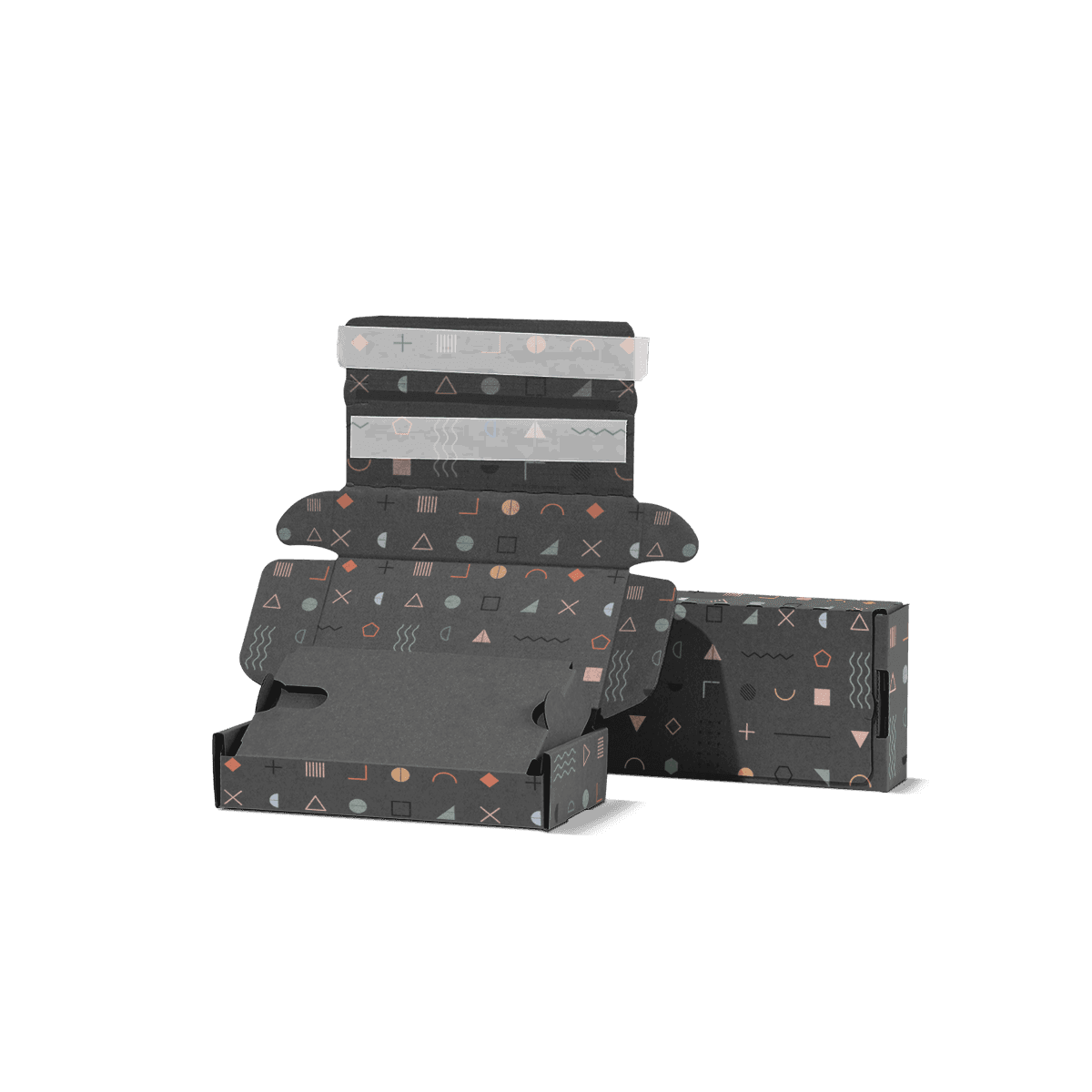
Custom Adhesive Strip Mailer Boxes combine the protective shape of a corrugated mailer with an integrated peel-and-seal strip. The operator loads the order, removes the release liner, folds the lid into position and presses the adhesive zone closed.

That sounds like a small structural change. On a repetitive fulfillment line, it changes the packing sequence.

There is no tape dispenser to pick up, no tape length to judge and less variation in how individual staff seal the same box. The closure also produces a cleaner exterior because the final shipping face is not crossed by manually applied carton tape.

Self-Sealing Mailers can use the same pre-applied adhesive closure principle. For corrugated boxes, the practical decisions are panel tension, tear-open behavior and whether a second seal is needed for returns.

Other Custom Mailer Boxes use tuck, tab-lock and presentation-led closures when an integrated adhesive seal is not the main operational requirement.
The Adhesive Cannot Correct an Overfilled Box

The sealing strip closes the flap. It should not have to fight the box.

If the product stack is too tall, an insert sits above its intended position or internal contents push upward against the lid, the corrugated panels create continuous opening pressure. Staff may press harder on the adhesive or add tape because the box does not feel securely closed.

The real problem is then internal fit.

A correctly sized adhesive-strip mailer should reach its sealing position naturally after the contents are loaded. The operator should not need to compress the product with one hand while pulling the flap down with the other.

Leave the Closure Zone Clear

The adhesive strip needs its intended contact area.

Tissue, loose paper, protruding inserts and overpacked products should remain below the sealing line. A clean closing zone helps each box leave the packing station in the same condition.

This is especially important with multi-item kits because one component sitting slightly too high can change how the entire lid closes.

Check Panel Springback

Corrugated board naturally wants to hold the shape created by its folds and loaded contents. If the box has been forced beyond its intended depth, that springback continues to act on the closure after the packer lets go.

Increasing adhesive strength is not the first correction for a lid under excessive structural tension.

Check box depth, product orientation, insert height and normal packed volume first.

Pack-Line Value Comes From Removing a Step

The reason to specify an adhesive strip should be operational.

A business closing a small number of presentation mailers by hand may not gain much from changing a familiar tuck structure. A fulfillment team sealing hundreds or thousands of repetitive ecommerce orders has a different problem.

Every separate movement becomes part of the packing cycle.

With a conventional shipping close, the operator may load the product, close the mailer, reach for tape, dispense it, apply it and return the dispenser before starting the next order.

An integrated strip removes the separate taping action.

The actual benefit should be checked at the workstation rather than assumed from the structure. Place the flat box, products, paperwork and label where staff normally use them and observe the entire packing movement.

If removing tape simplifies that sequence, the adhesive strip has a clear job.

Brands looking at packing efficiency across their full shipping system can connect that decision to e-commerce retail packaging.

Corrugated Structure Still Does the Protecting

The adhesive closes the box. Corrugated board carries the structural shipping duty.

Those two functions should not be confused.

Board choice still needs to reflect packed weight, dimensions, stacking exposure and the type of products inside. A stronger seal does not compensate for sidewalls that are too light for the shipment.

E-flute can suit compact printed ecommerce mailers where a slimmer corrugated profile and cleaner presentation surface are useful. Other corrugated specifications may make more sense as size and shipment duty increase.

The exact choice should follow the finished parcel.

Corrugated, paperboard, kraft and rigid board behave differently under compression, folding and shipping loads.

Right-Size Before Upgrading Board

An oversized mailer allows products to move and can use more material than necessary.

An undersized mailer can create pressure against the lid and adhesive strip.

Before moving to a heavier board, check whether better dimensions solve the problem.

The box should have enough working clearance for the actual packout, including tissue, literature and inserts, without creating permanent unused space.

Tear-Open and Peel-and-Seal Solve Different Moments

The adhesive strip controls closing at fulfillment. The customer's opening mechanism is another decision.

A mailer can use a defined tear-open feature so the recipient does not need to attack the box with scissors or pull apart the glued area unpredictably.

The opening path should leave the rest of the structure in the condition intended by the return workflow.

The Tear Path Needs Clearance

A tear feature should not pass directly through an insert, product or part of the artwork that must remain intact.

Its position therefore belongs in the structural dieline before final graphics are approved.

If the tear path runs across the front or side of the mailer, designers also need to understand what the panel looks like before and after opening.

The packaging dieline controls cut lines, crease positions and artwork panels, so closure and opening features should be settled before files move into final production art.

Opening Should Not Damage the Product

A poorly considered opening path can place the customer's hand or tearing motion close to the contents.

Product clearance matters here too.

The box needs enough separation between its opening feature and the packed item that opening the parcel does not create a new damage risk.

Returns Require a Second Closing Event

The first adhesive strip solves outbound fulfillment. It does not automatically solve returns.

If the ecommerce program expects customers to reuse the same box, the structure needs a defined second closure.

One approach is a second adhesive strip positioned for the return journey. The customer opens the box through the intended tear feature, removes or checks the product, places it back inside and uses the unused strip to reseal the mailer.

That workflow needs to be designed as one system.

The first opening should not destroy the flap needed for the return. The second adhesive zone should remain protected until the customer needs it and return instructions should make the sequence obvious.

Apparel is a strong example because fit returns are common enough that the box may realistically travel twice. Mailer Apparel Boxes handle corrugated garment shipping more generally, while the adhesive-strip structure centers the closing and reopening workflow itself.

A return-ready box also needs enough internal tolerance for a customer repack. A garment that left the warehouse in a tight professional fold may return with more height.

Validate the Entire Close-Open-Return Cycle

A closure sample should not be approved after peeling one liner from an empty box.

Build the mailer, load the actual product, finish the normal internal packing sequence and close it exactly as fulfillment staff will.

Then inspect the complete cycle:

  • does the lid reach the seal naturally?
  • is the adhesive contact area flat?
  • does the packed box remain closed without extra tape?
  • does the tear feature open cleanly?
  • is the product clear of the opening path?
  • does the box remain usable after opening if a return is expected?
  • does the second closure work with a realistic customer repack?

That sequence checks the reason the structure exists.

Custom packaging testing can be scaled to the shipment risk, product value and distribution conditions rather than treating every ecommerce parcel identically.

The important point is to test the adhesive as part of a loaded corrugated system, not as an isolated strip.

Inserts Must Sit Below the Lid System

Adhesive-strip mailers can carry kits, accessories and multi-item orders, but internal components have to respect the closing geometry.

An insert that rises into the lid area can make a perfectly good adhesive closure appear unreliable.

The insert should control the products without forcing the top panel upward.

For compact kits, paperboard dividers or die-cut inserts can separate components and keep their weight away from the box edges. The objective is to stabilize the shipment while preserving the natural closing position of the lid.

Packaging inserts should be selected according to product movement and protection rather than added because the mailer has room for one.

If the box contains several product heights, evaluate the tallest packed point instead of using average height.

A single bottle cap, boxed accessory or raised component can interfere with the lid even when most of the interior remains comfortably below it.

The Seal Changes the Artwork Layout

An adhesive-strip box has operational areas that should be designed before artwork fills every panel.

The strip itself, release liner, opening feature, shipping label and any second return seal all compete for space with branding.

Important typography should not cross a tear path. A campaign message should not depend on an area that will be hidden under the carrier label. Fine artwork placed immediately beside a perforation may not read as intended after opening.

The box therefore needs a hierarchy of surfaces:

  • shipping face
  • adhesive closure area
  • tear-open path
  • return closure area where used
  • exterior branding panels
  • interior reveal panels
  • carrier-label zone

Once those zones are established, artwork can use the remaining space more confidently.

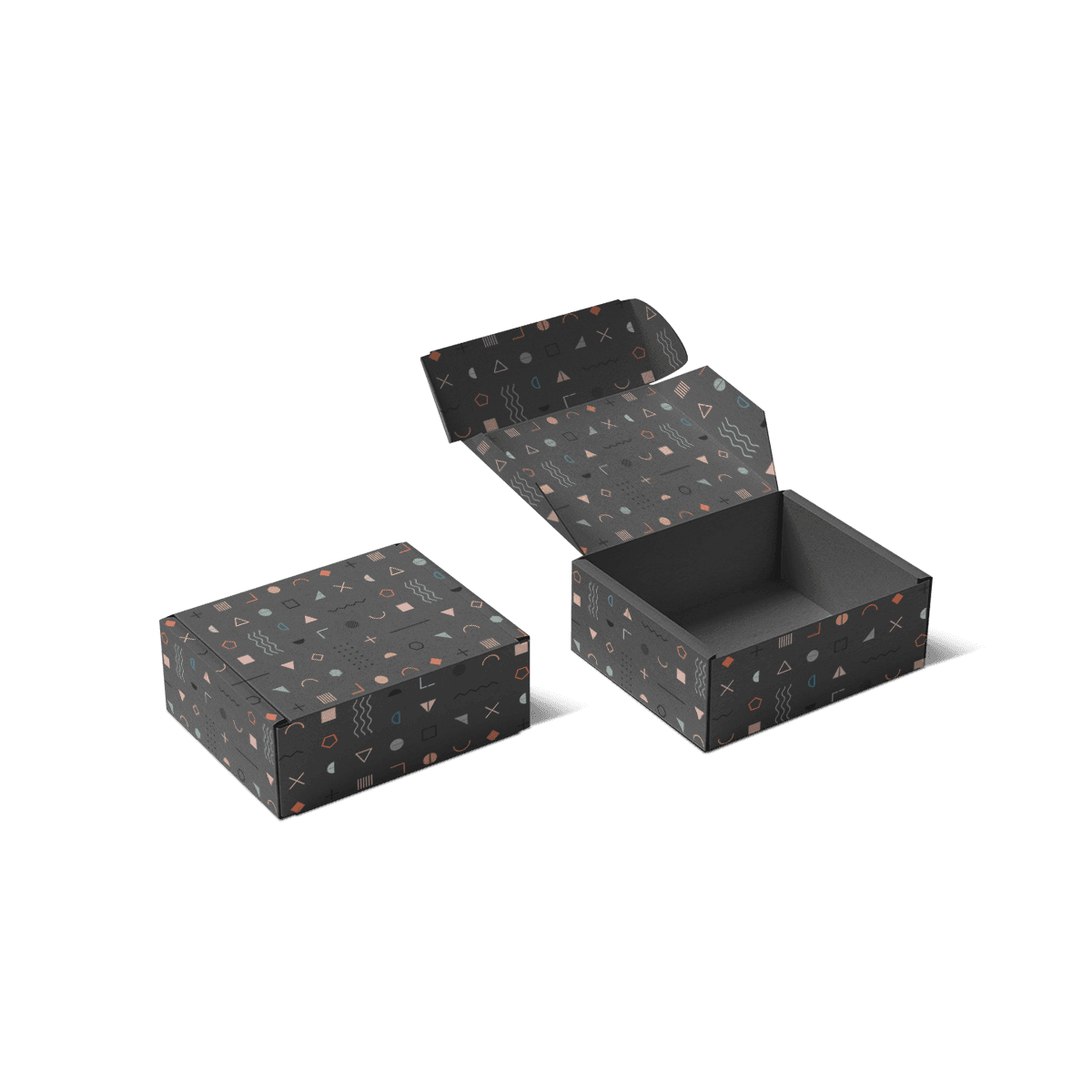
Custom printed boxes become relevant when inside and outside graphics, brand color and repeat print consistency are central to the shipment.

Premium offset printing can carry detailed branding across corrugated mailers. A free 3D mockup can help review panel placement before production, while dieline support helps keep artwork clear of structural features.

Extra Tape Is a Warning Sign

Consider an ecommerce fulfillment team that moves from hand-taped mailers to an integrated adhesive-strip box.

The new boxes work correctly on most orders, but packers begin adding tape to shipments containing a larger product bundle. Management concludes that the adhesive strip is unreliable.

The order itself tells a different story.

The standard bundle sits below the lid and the strip closes flat. The larger bundle pushes the top panel upward before the release liner is even removed. Staff then press the flap down, but corrugated springback keeps loading the sealed edge.

Adding tape treats the symptom.

The first correction is to determine whether that larger bundle belongs in a deeper box, needs a different product orientation or has an insert consuming unnecessary height.

If the high packout occurs often, another box depth may be justified. If it is an exception, fulfillment can route that order into another existing mailer rather than changing the standard structure.

The improvement comes from letting the adhesive perform as a closure instead of turning it into a restraint strap.

Adhesive and Tuck Closures Solve Different Problems

A peel-and-seal flap is valuable when the package should become shipment-ready quickly and remain closed until the customer intentionally opens it.

A mechanical tuck has different strengths.

Roll End Tuck-Front Mailers suit packs where a defined front tuck and supportive rolled sides are central to the box structure.

Tuck closures can also make sense when the package is opened and closed repeatedly before shipment, during kitting or as part of the end-use experience.

An adhesive strip creates a more final packing action.

That distinction matters for subscription assembly, warehouse quality checks and retail kits. If several teams need to reopen the box while building the order, sealing too early can create its own inefficiency.

The integrated strip should be exposed only at the point where the parcel is actually ready to leave the packing process.

Storage Conditions Matter Before Sealing

The adhesive strip arrives as part of the packaging, so how finished boxes are stored before use matters.

Keep unused mailers clean, dry and protected from conditions that could damage the board, release liner or closing surfaces. Dust and rough warehouse handling should not be allowed to contaminate the area that must later create the final seal.

The boxes should also remain flat and organized so fulfillment staff can pull them into the station without sorting damaged or distorted pieces.

This matters on larger programs where packaging may be produced in bulk and consumed gradually.

Custom Packly supports warehousing and scheduled deliveries, which can help repeat-order operations stage packaging supply rather than crowding a fulfillment facility with the full production quantity at once.

The packaging team should still define how cartons are stored and rotated after each scheduled shipment reaches the operating site.

Set the Seal Point in the Workflow

Adhesive Strip Mailer Boxes work best when everyone agrees on one operational moment: the point at which the box becomes final.

Before that moment, staff may assemble the mailer, place products, check SKUs, add paperwork or complete quality control.

After that moment, the release liner comes off and the box should be ready for its shipping label and outbound flow.

Document that sequence for each recurring packout. Include the box size, normal product group, insert configuration, seal orientation, opening feature and return-strip requirement.

MOQ starts from 100 boxes, making it possible to introduce the structure for a specific ecommerce program rather than converting every shipment at once.

The strongest reason to use this box is not that adhesive is more sophisticated than tape. It is that the closure becomes a predictable part of the package itself, so the packing process, customer opening and return journey can all be designed around the same structure.

FAQs

Usually no. The adhesive strip is designed to handle standard closure for routine parcel shipping, though heavier products may need a stronger board grade or added reinforcement depending on transit conditions.

Light to midweight items perform best, especially folded apparel, sample kits, wellness refills, printed materials, accessories, and compact tech bundles.

Adhesive strip versions close faster and create a more final seal, while Tuck-Top Mailer Boxes are better when repeated opening and closing matters more than one-step fulfillment speed.

Yes. Many brands use exterior branding, inside messaging, QR codes, or campaign inserts to create a more personalized delivery experience.

Yes, if the structure is engineered with an added return seal or tear feature. That setup is useful for apparel programs, subscription exchanges, and mail-back workflows.

Process

How it works

Your Packaging Journey, From Idea to Production and Delivery

01

Tell Us Your Specs

Custom packaging boxes

Tell Us Your Specs

Provide size, quantity, printing, and finishes.

02

Get a Fast Quote

Custom packaging boxes

Get a Fast Quote

Instant transparent pricing, no hidden fees.

03

Design and Approval

Custom packaging boxes

Design and Approval

Artwork checks, revisions, and final sign-off.

04

Produce

Custom packaging boxes

Produce

Expert manufacturing to meet deadlines.

05

Ship to Your Door

Custom packaging boxes

Ship to Your Door

Hassle-free, flexible delivery options.

Get Your Quote for Custom Adhesive Strip Mailer Boxes

Share your product details, size, quantity and artwork needs. We’ll help choose the right packaging style and send a clear quote.