Custom Electronics & Gadget Packaging
Electronics and gadget packaging needs secure product fit, transit protection and a clean presentation for retail, shipping and launch-ready packs.
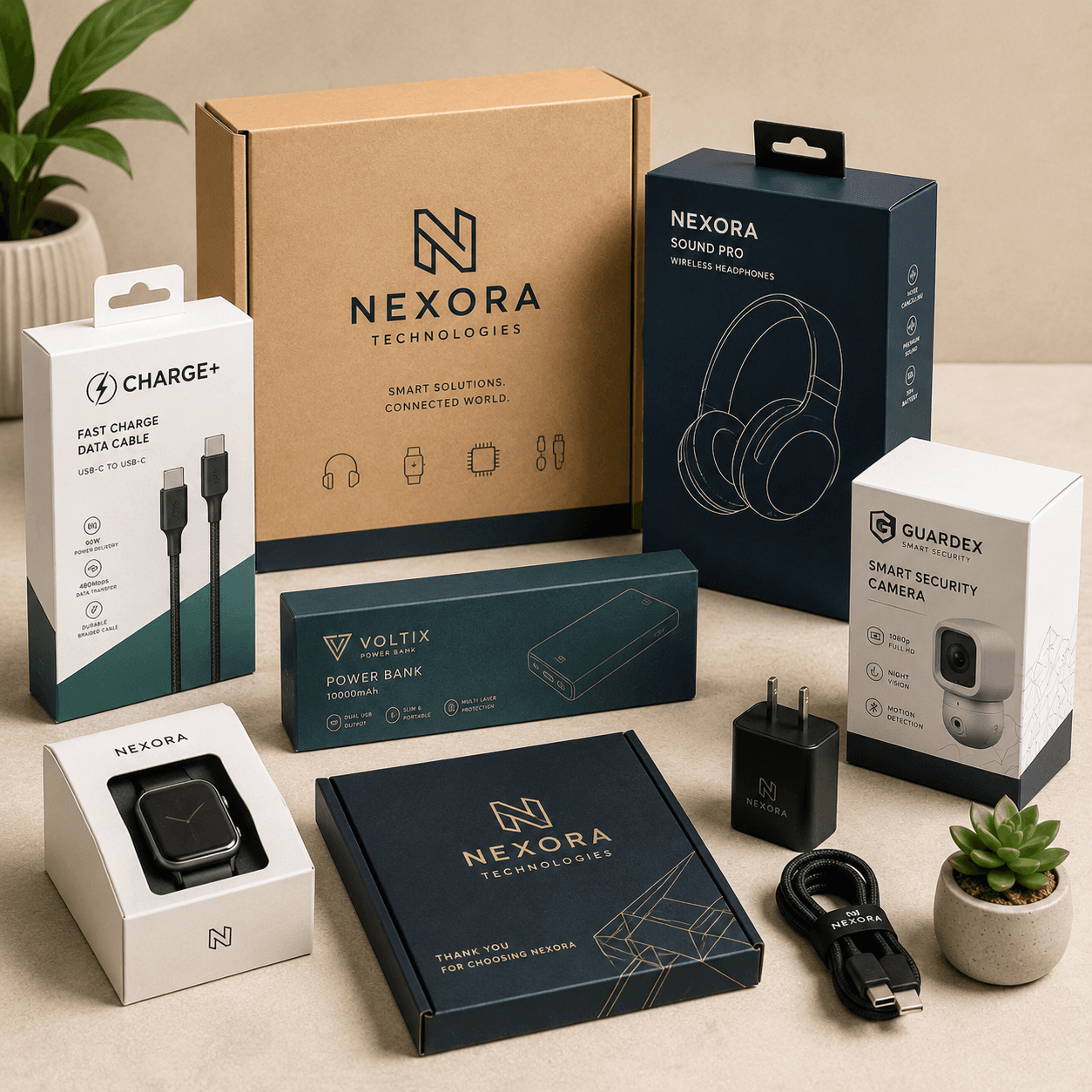
Electronics & Gadgets options
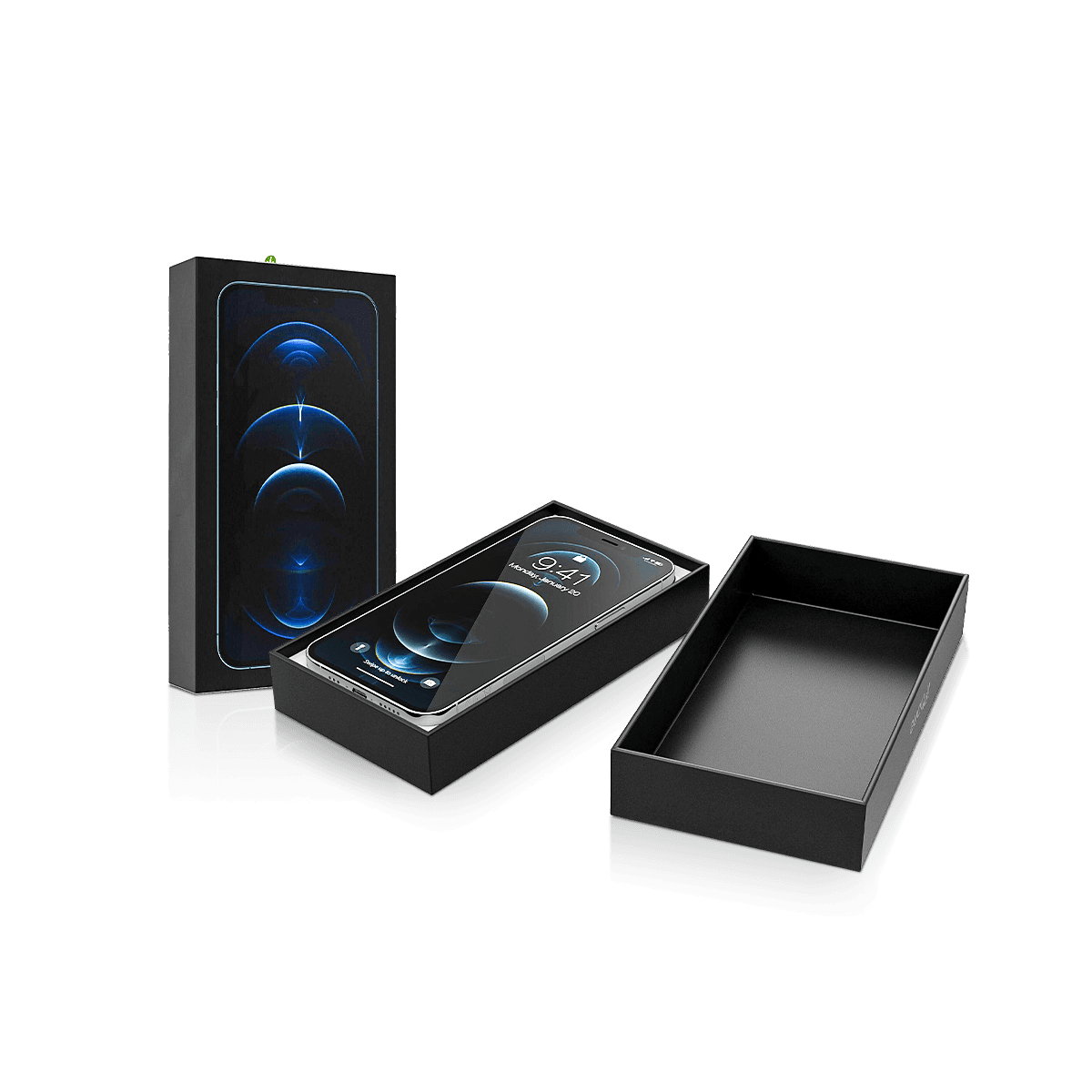
Mobile Phone Boxes
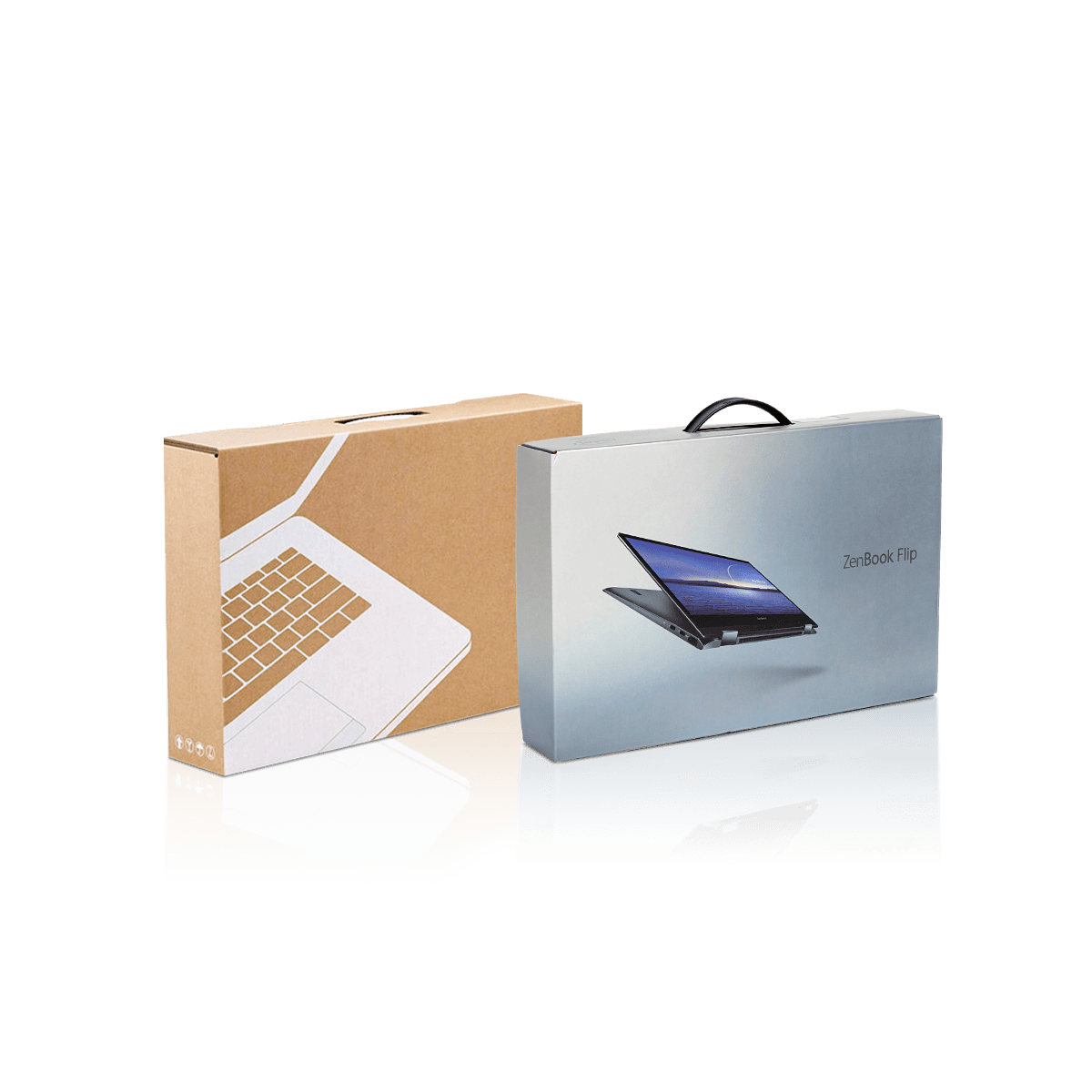
Laptop Boxes
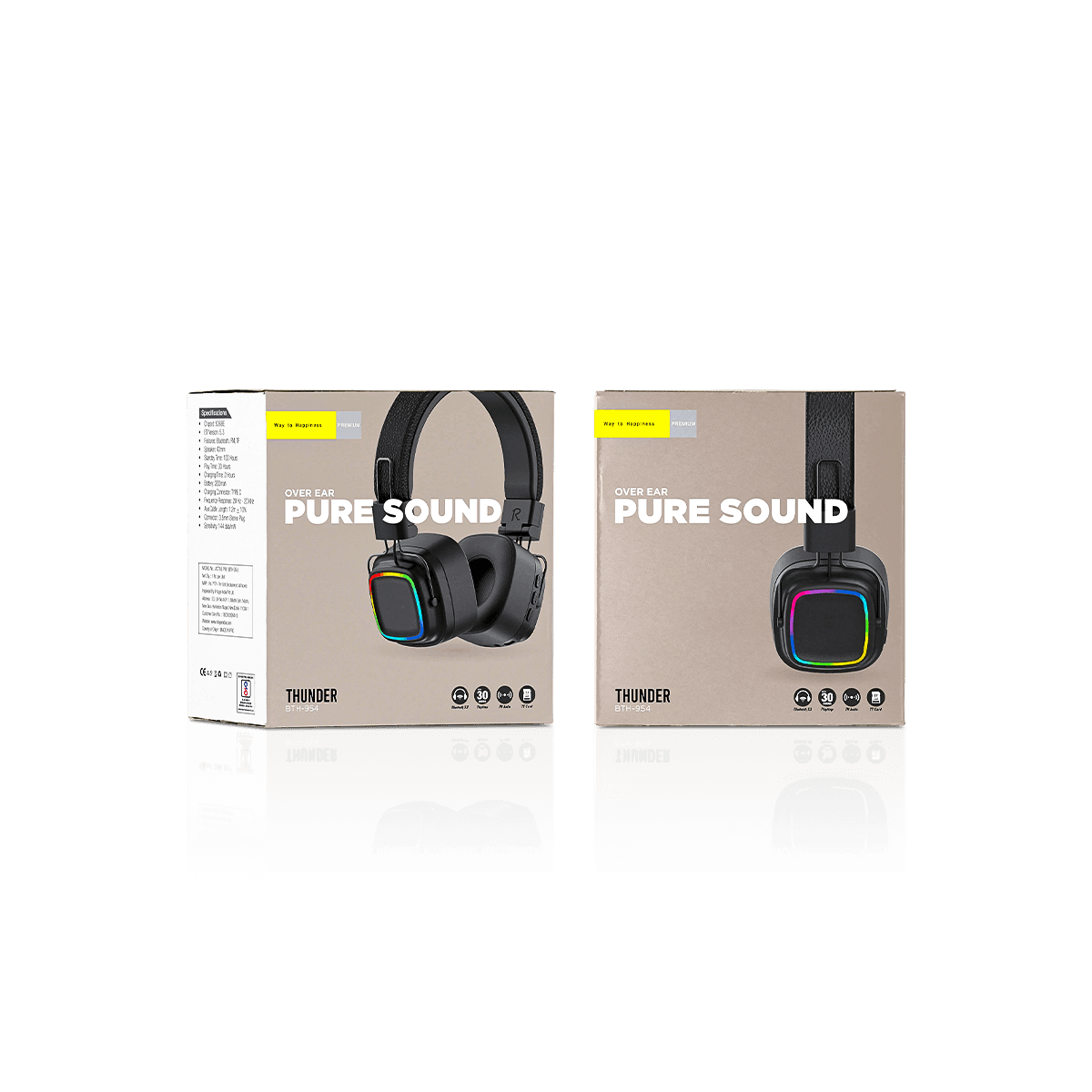
Earphone Boxes
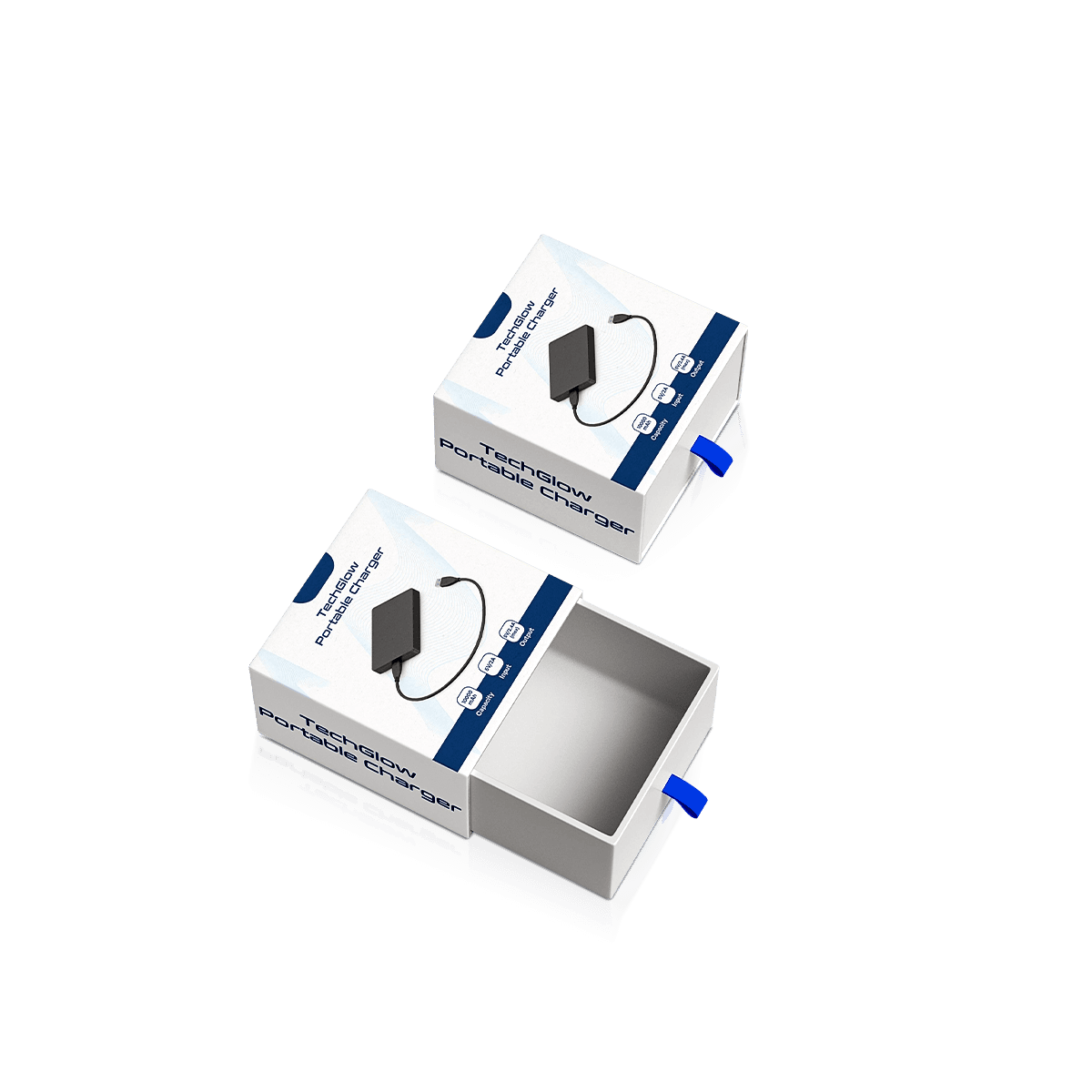
Charger Boxes
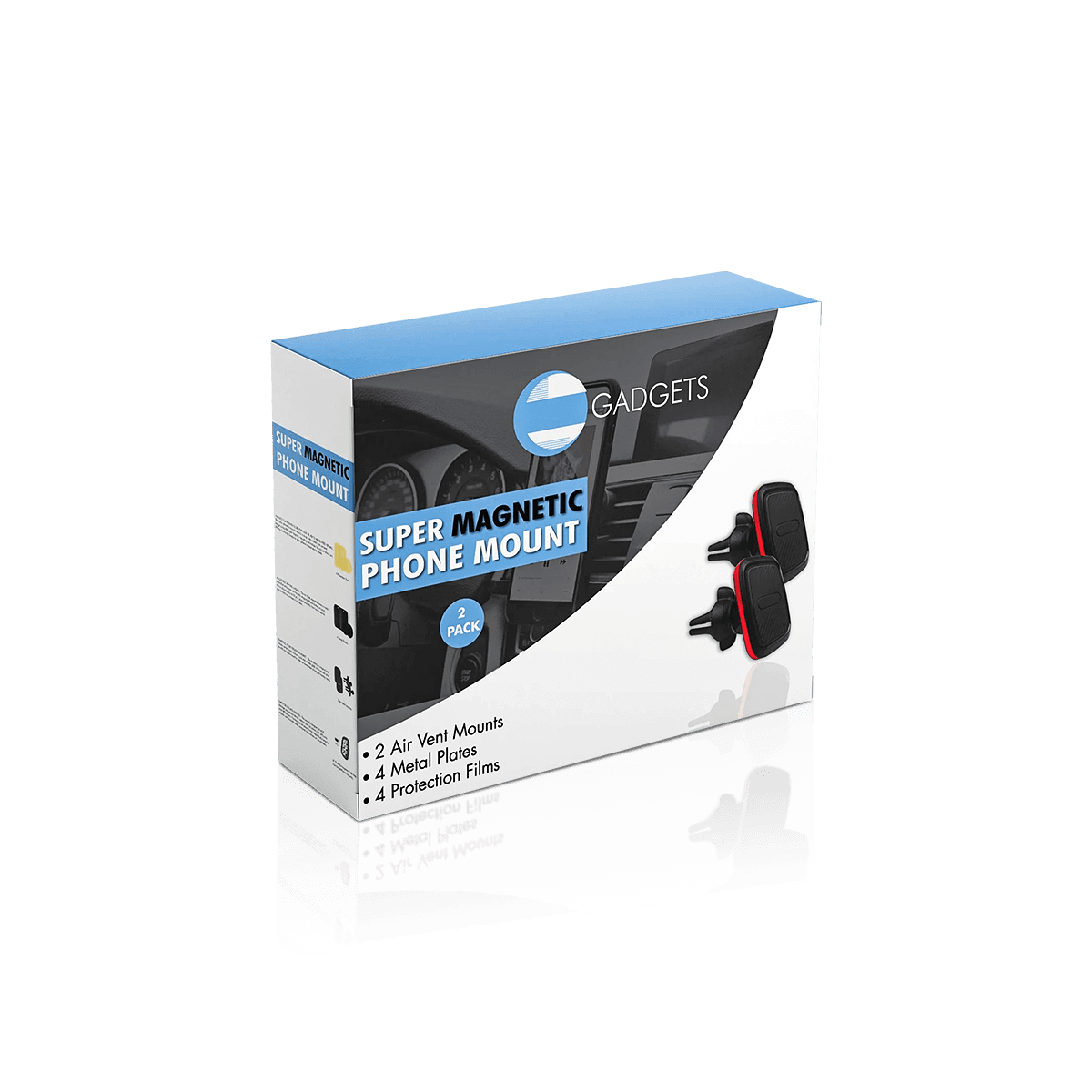
Gadget Accessory Boxes
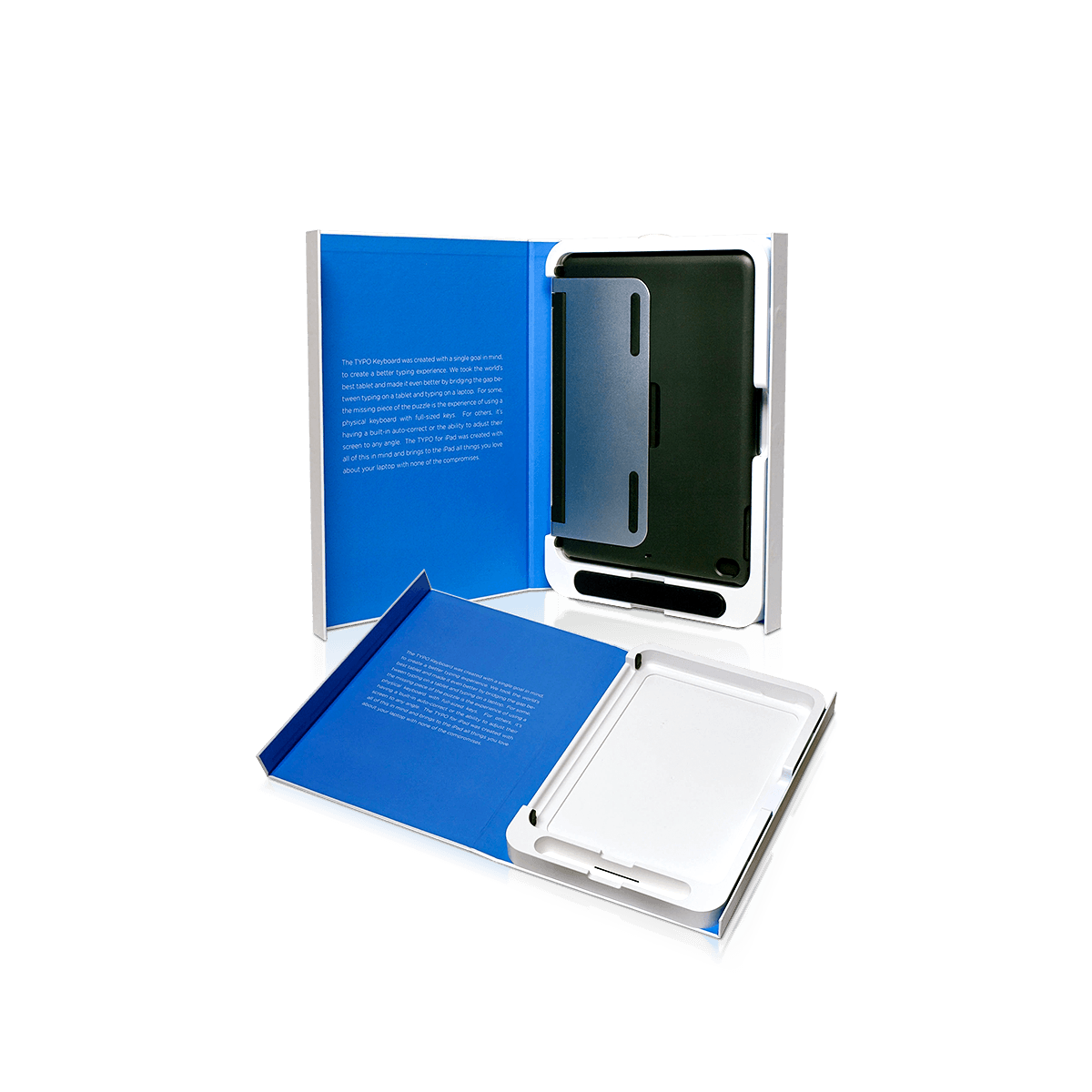
Tablet Boxes

Camera Boxes
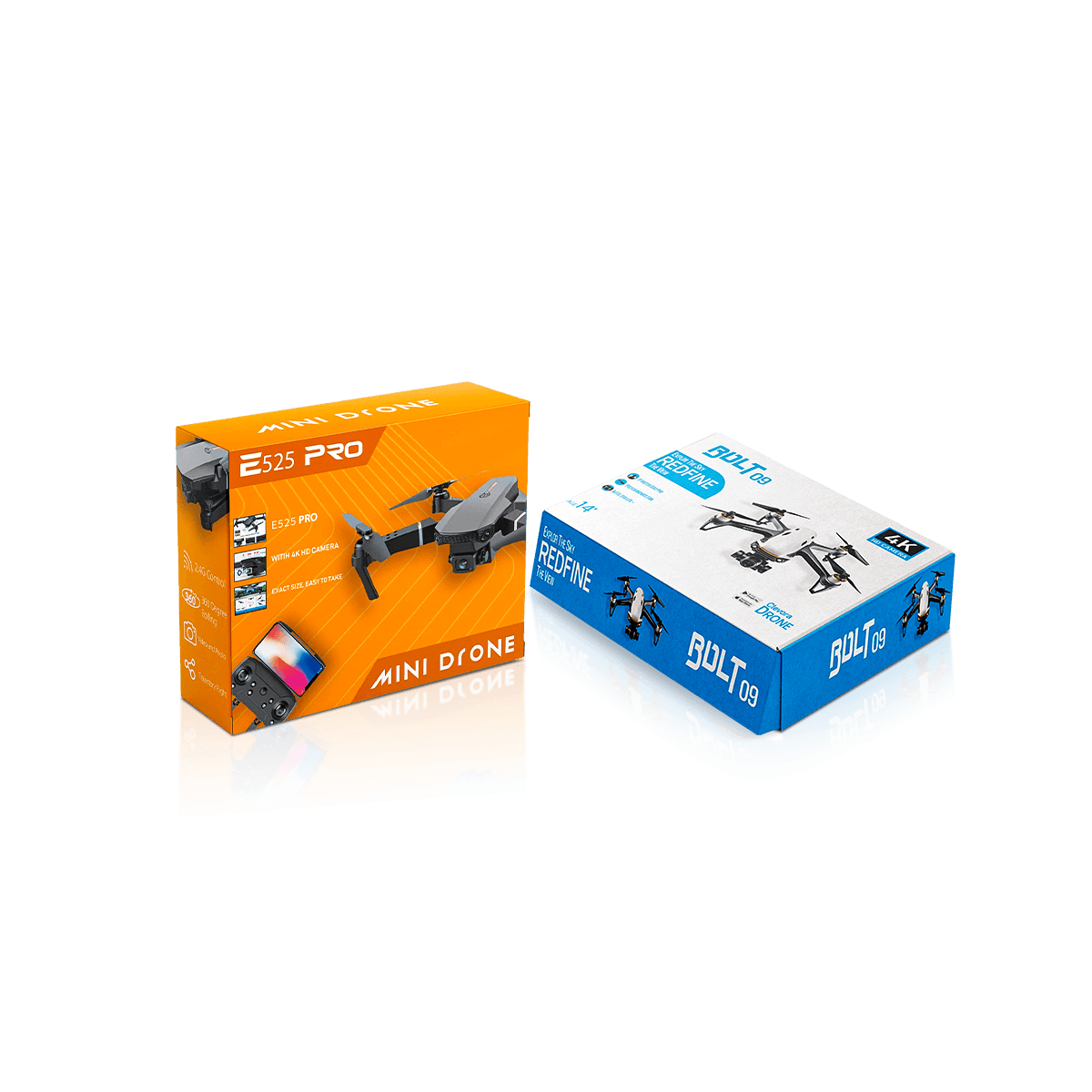
Drone Boxes
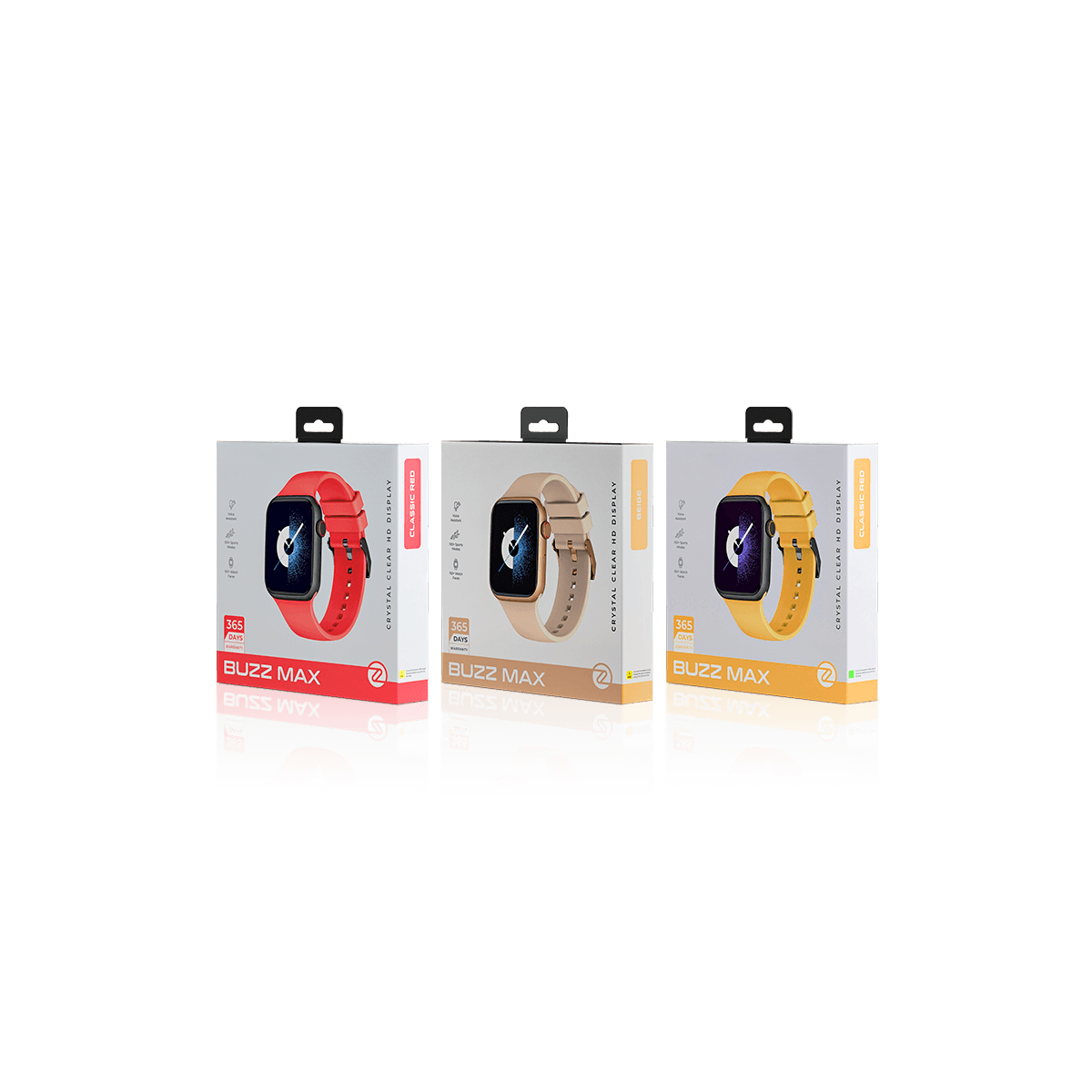
Smartwatch Boxes
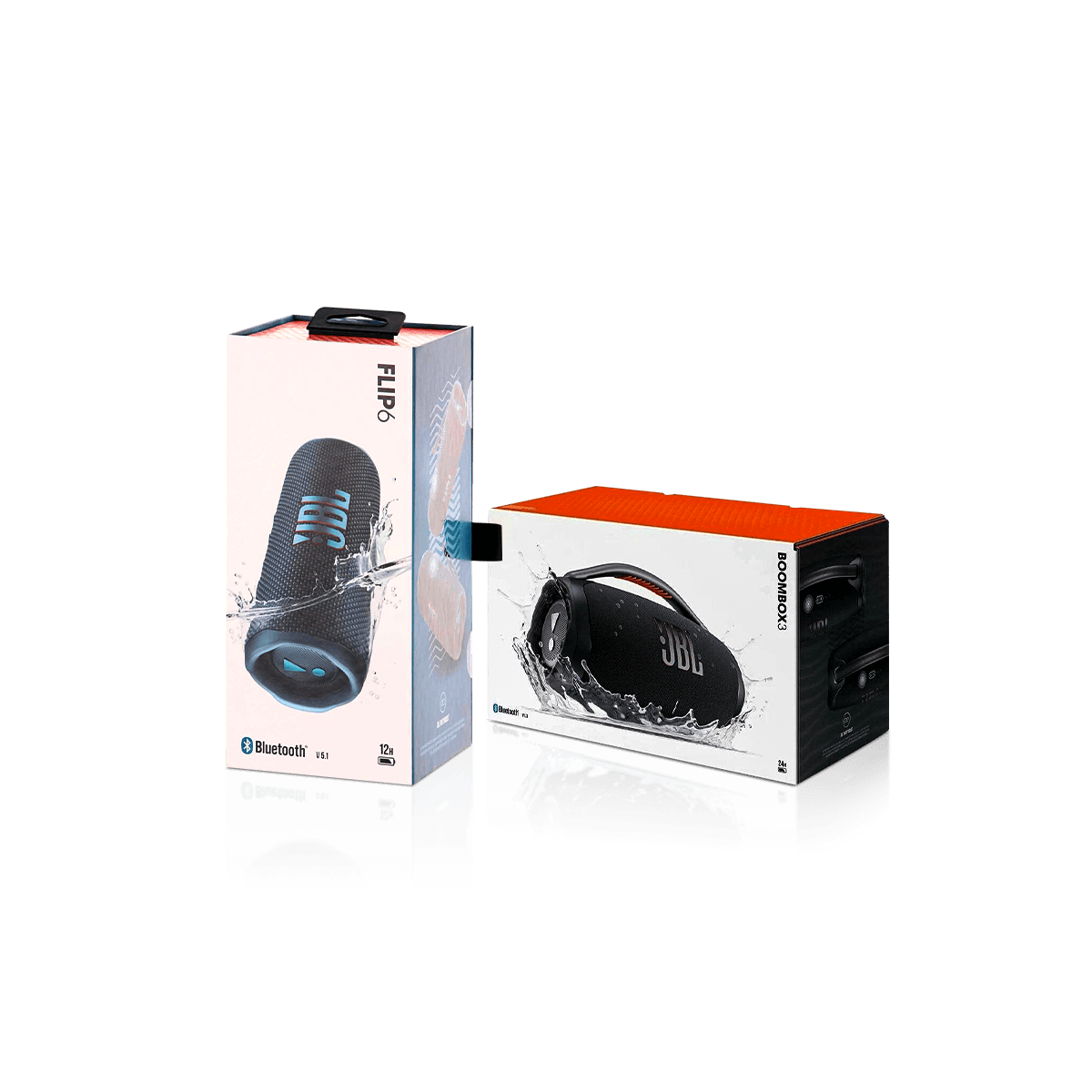
Speaker Boxes
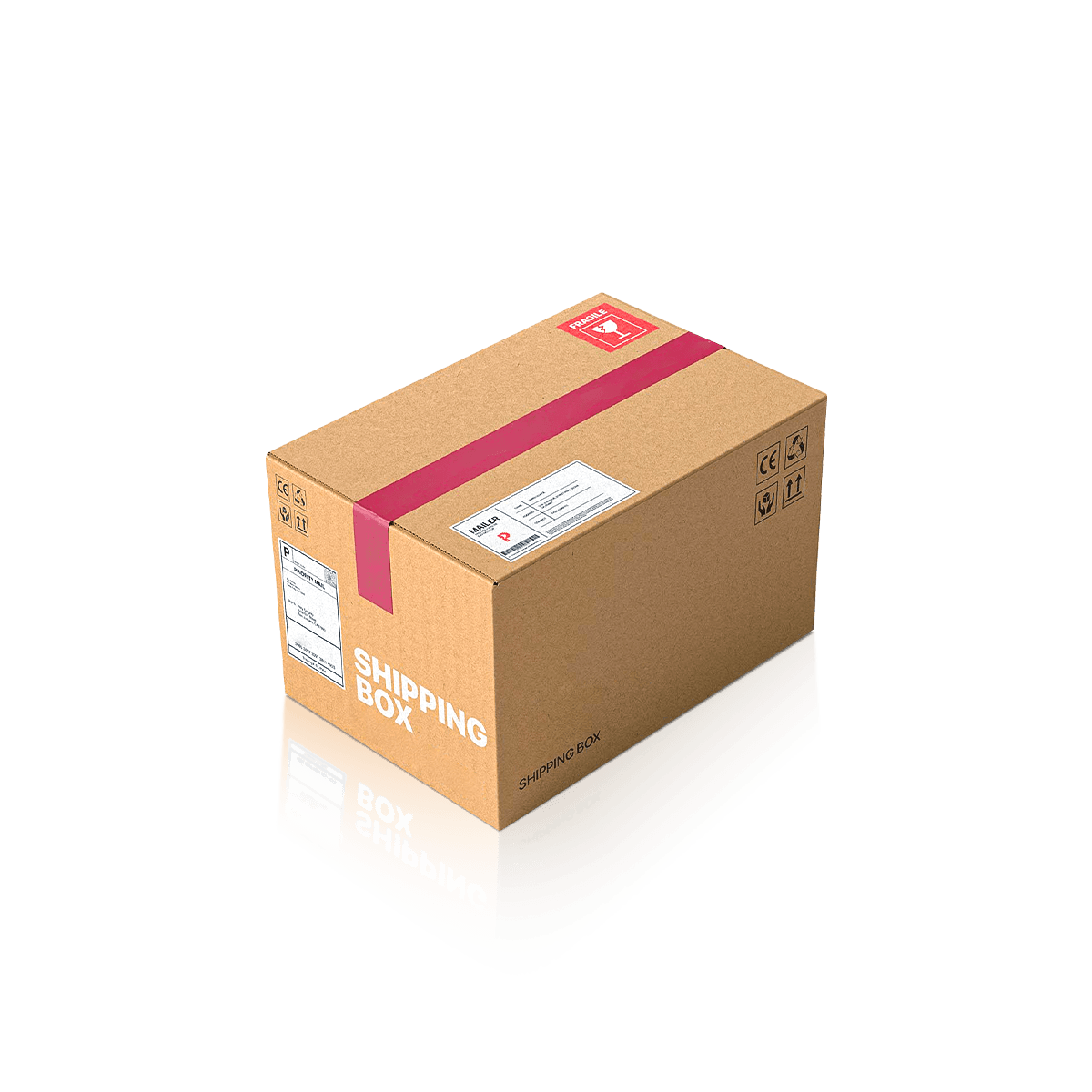
Corrugated Shipping Boxes
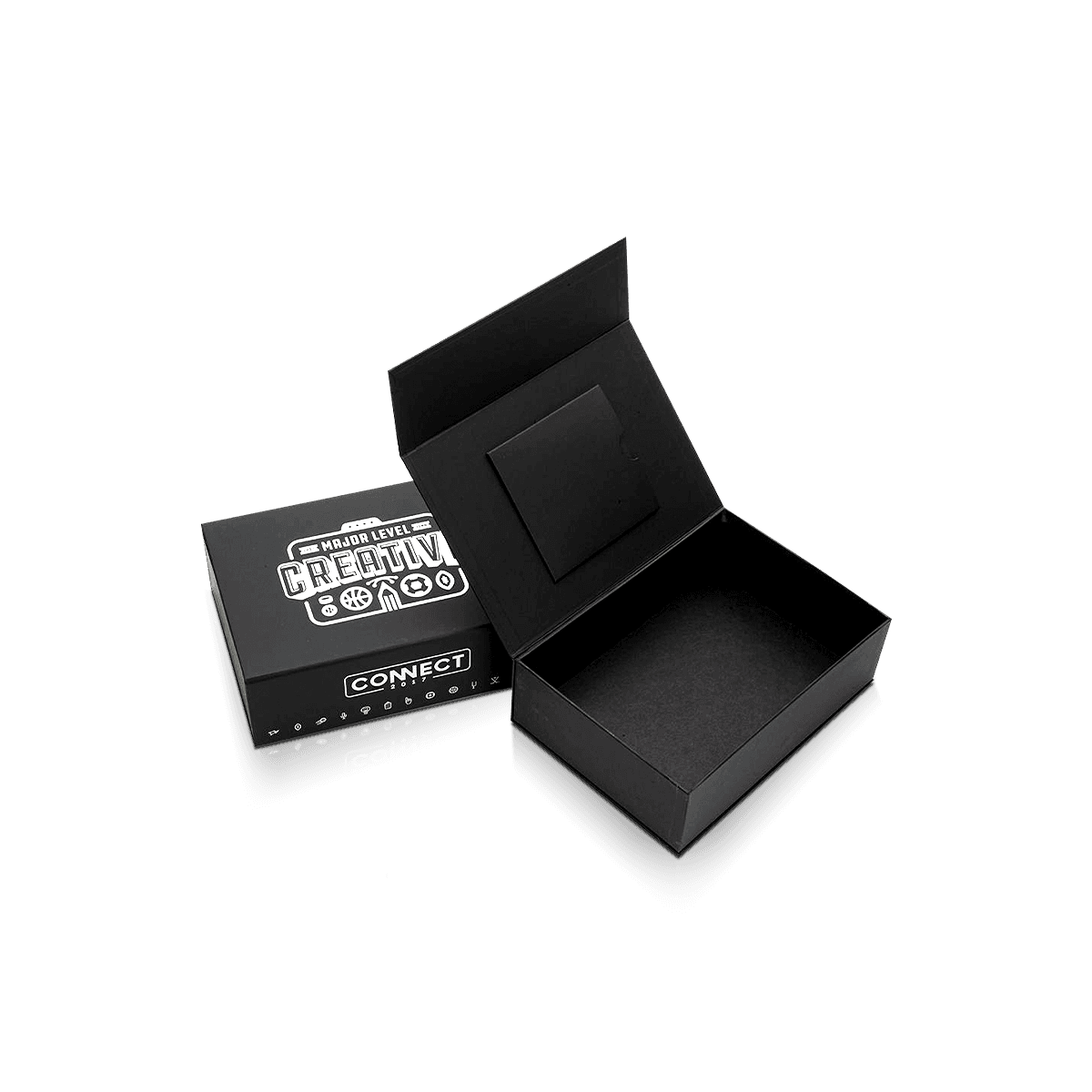
Rigid Setup Boxes

Folding Cartons for Electronics

Custom Insert Boxes
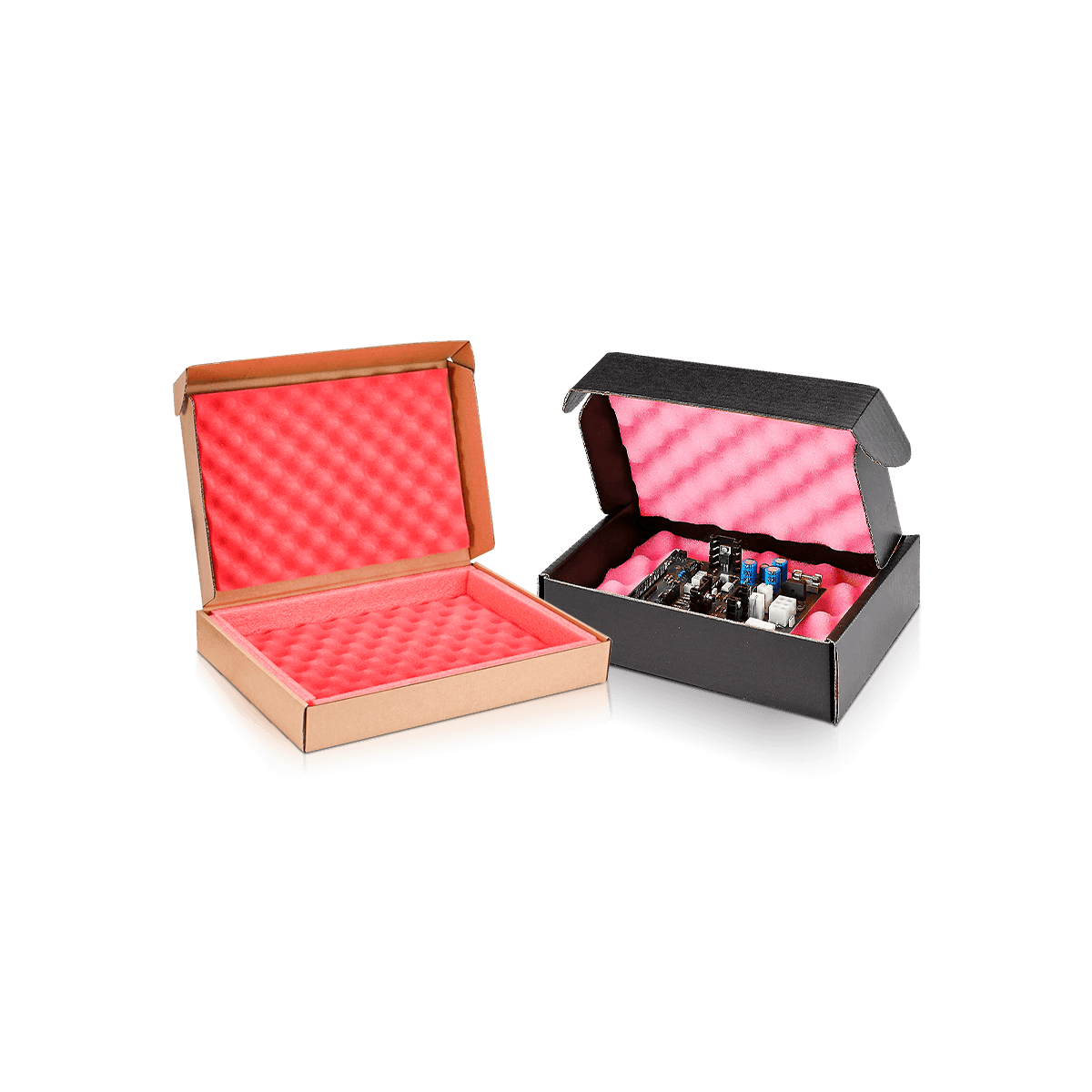
Anti-Static Boxes
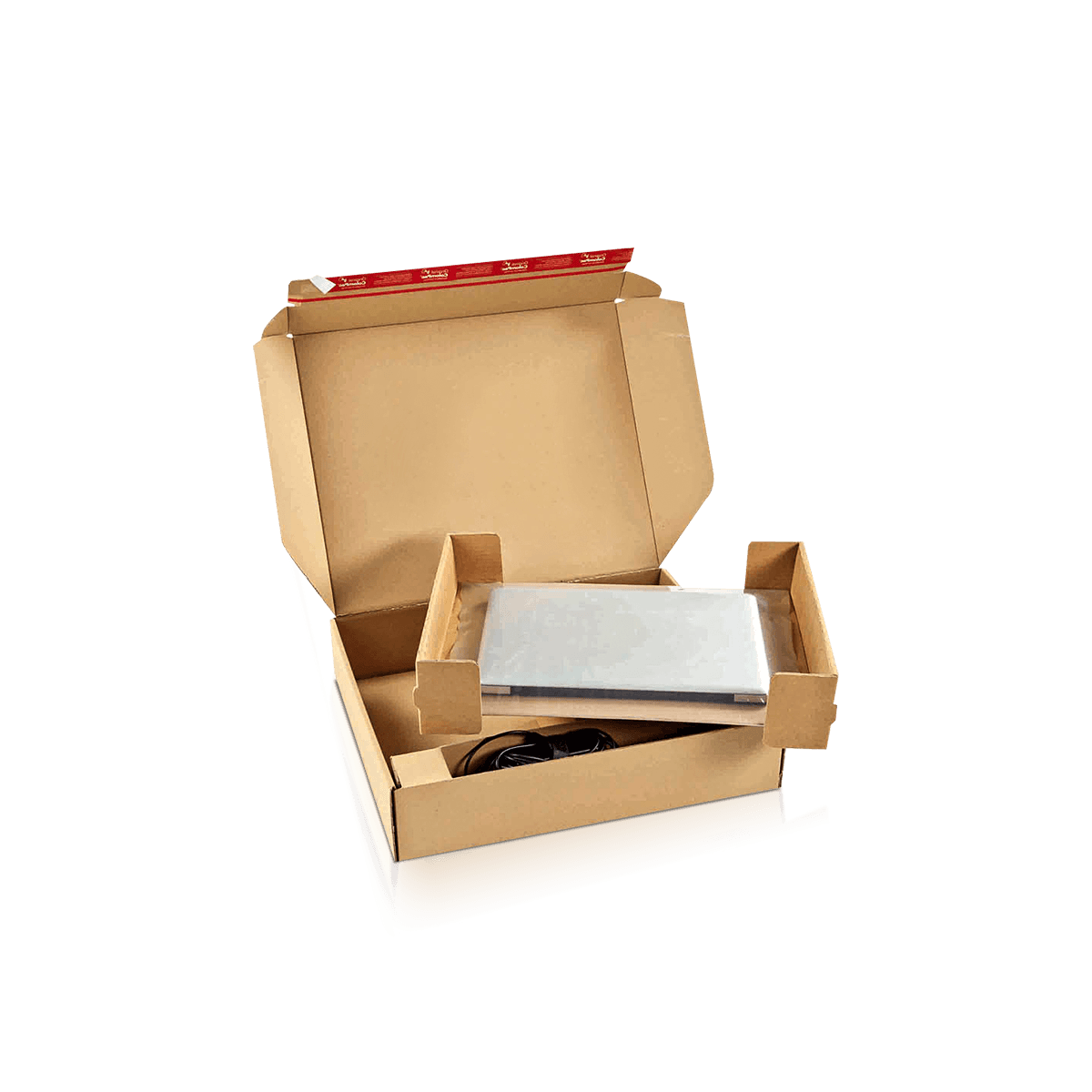
ESD Protection Boxes
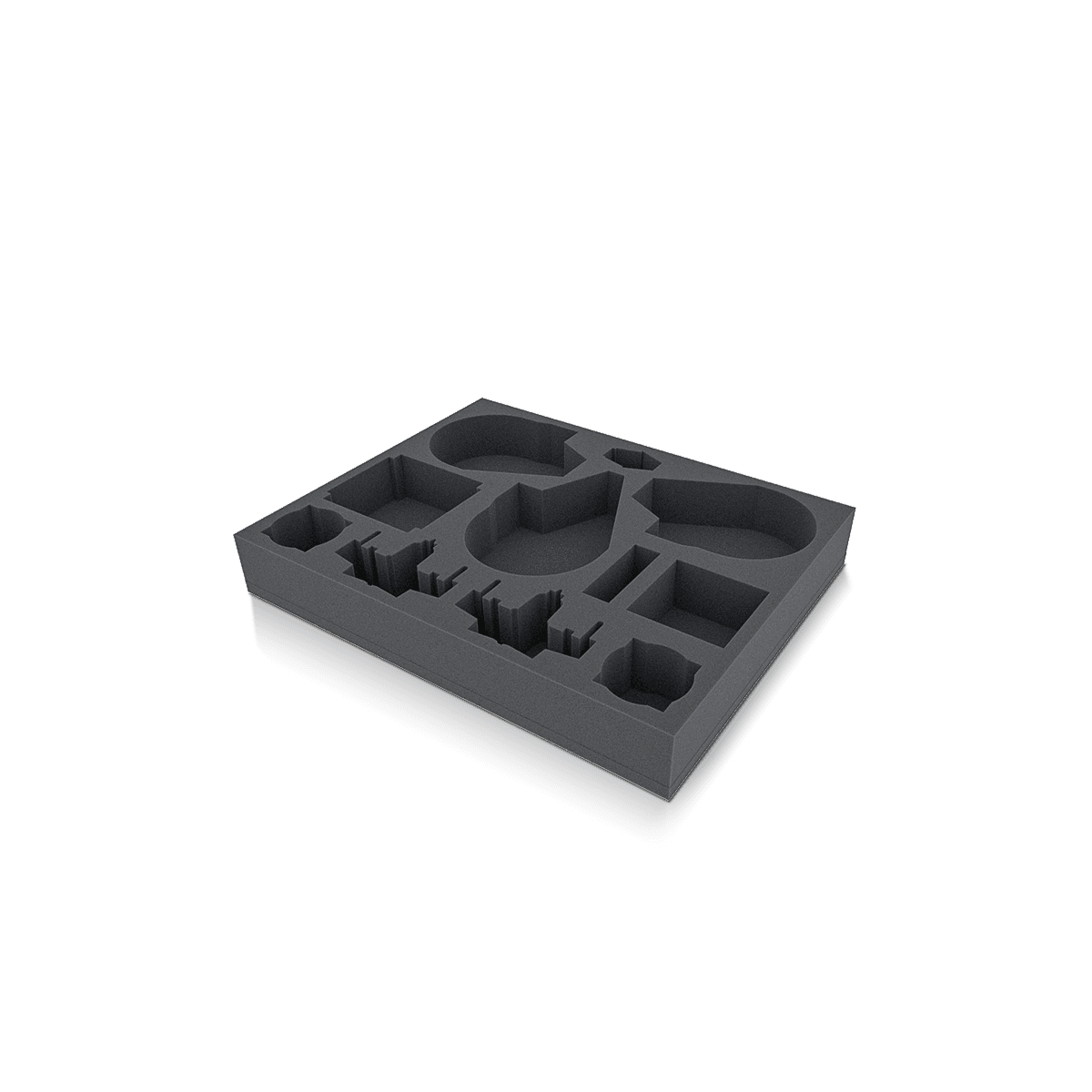
Protective Foam Insert Boxes
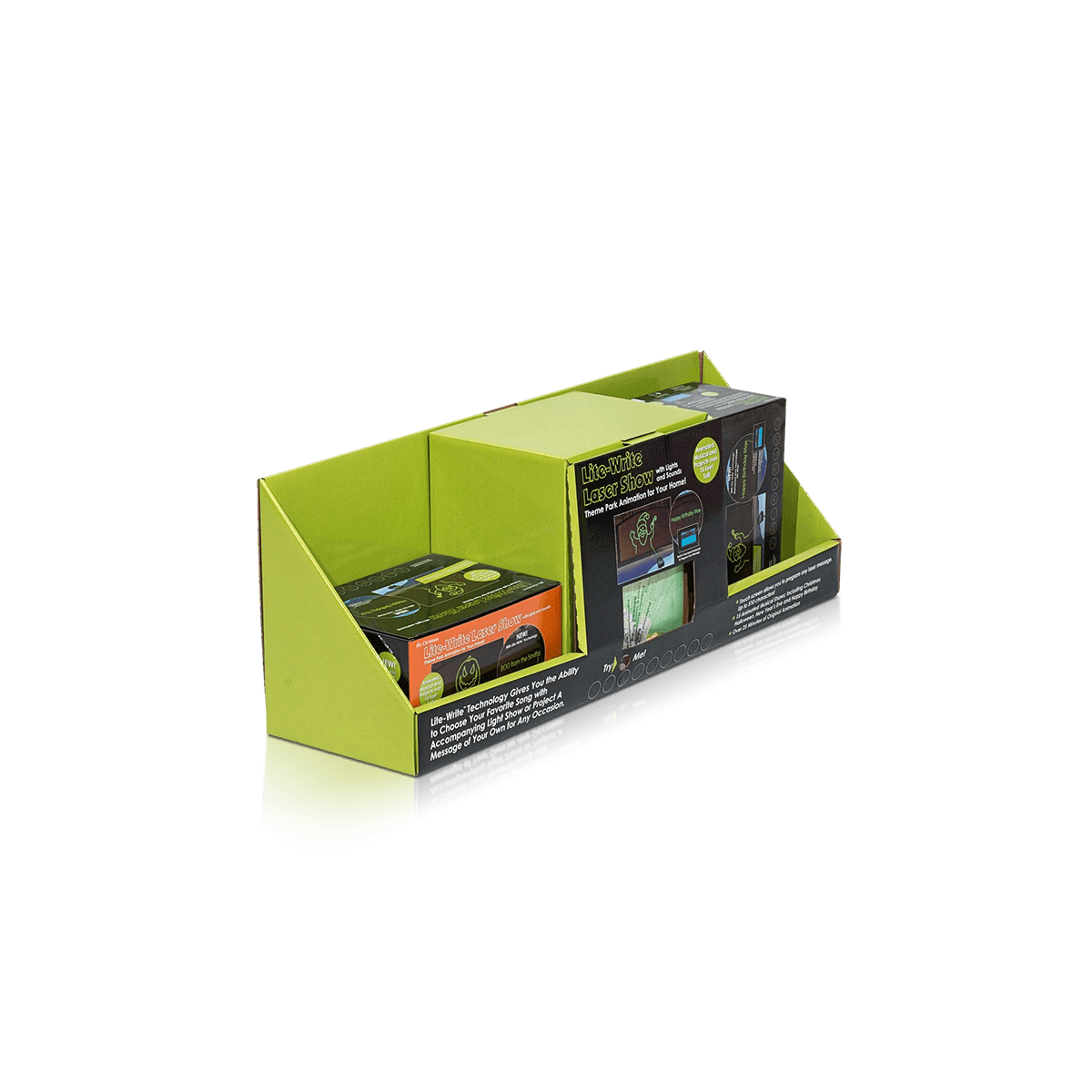
Retail Display Boxes for Gadgets
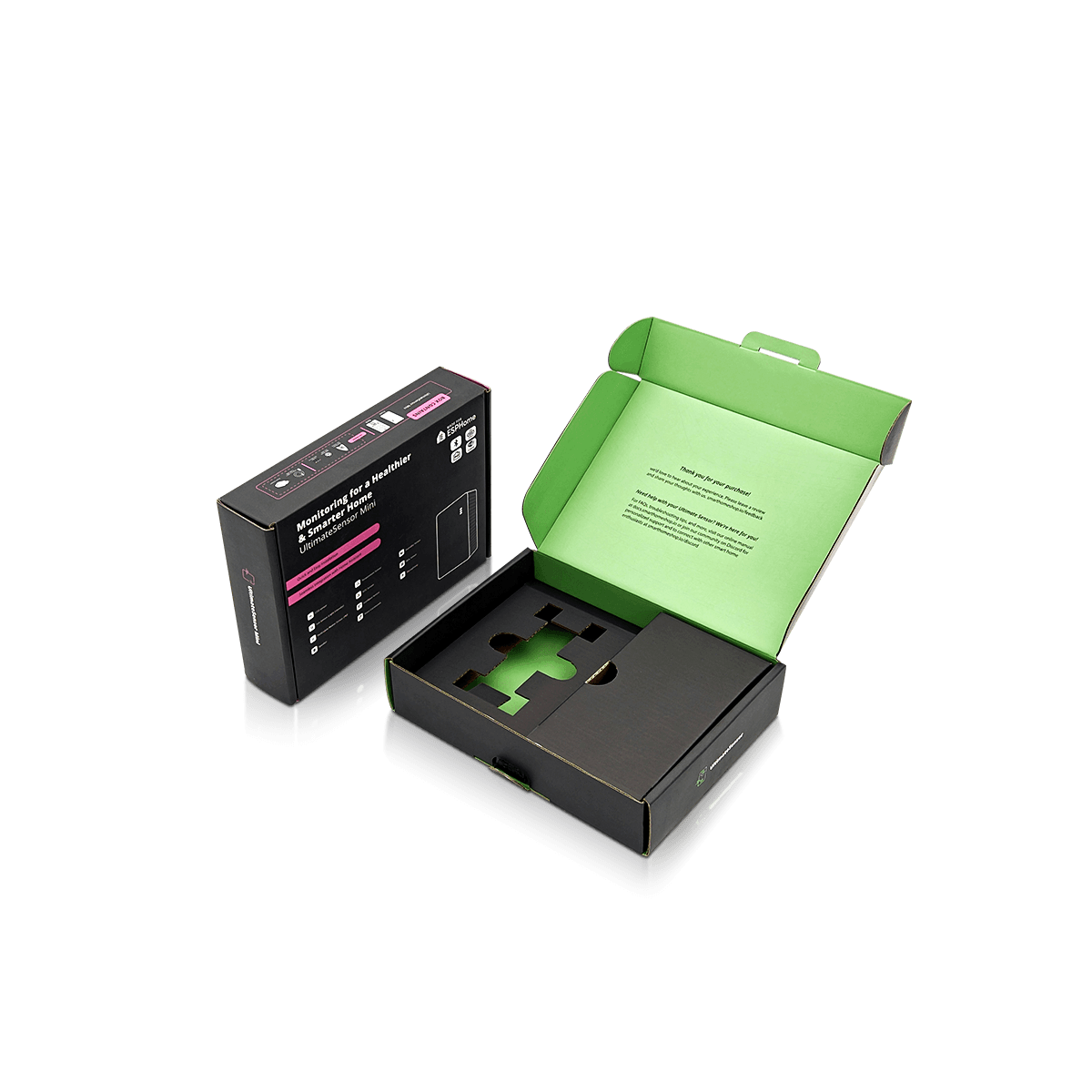
Subscription Tech Mailer Boxes
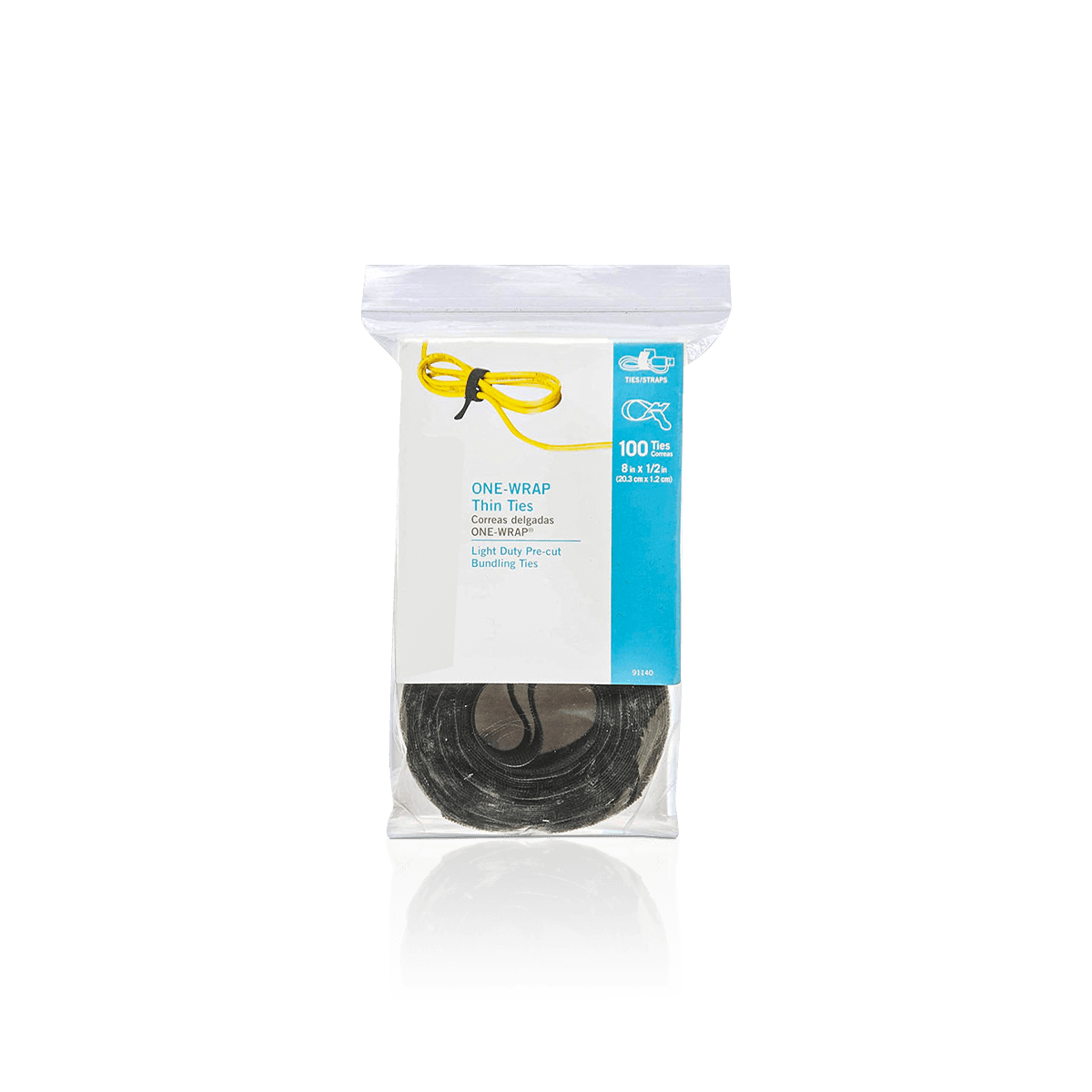
Cable Organizer Paper Bags
Your product shouldn’t have to fit an off-the-shelf box.
Share the shape, size, material, finish, or insert you have in mind. We’ll turn the details into a tailored packaging recommendation and a clear quote.
Custom sizes · materials · finishes · inserts
Map the Failure Points Before Choosing the Box
Electronics packaging has more than one kind of risk to manage. A screen can scratch, a connector can take pressure, a camera lens can receive an impact, a power adapter can strike the main device and an electrostatic-sensitive component may need controls that ordinary cushioning does not provide.
Those risks should be separated before choosing Custom Electronics Packaging.
Identify the main device, every accessory, the surfaces that cannot rub, the parts that cannot carry load and anything that needs special electrostatic handling. Then decide what the retail pack must do and what protection belongs to an outer shipping layer.
A fitted box can look precise and still protect the wrong area. Likewise, a strong corrugated outer can arrive intact while a loose charger, cable or accessory damages the product inside.
For unusual devices or multi-component kits, custom product packaging is useful when the physical product and component arrangement should determine the package rather than forcing the kit into a stock layout.
Give Every Component a Defined Position
A device and its accessories should not compete for the same cavity.
Mobile Phone Boxes, Camera Boxes, Smartwatch Boxes and Speaker Boxes may all need space for cables, adapters, mounts, manuals, batteries or small accessory packs. If those parts remain loose, they can migrate around the box, rub against finished surfaces or make packing inconsistent.
Custom Insert Boxes are useful when the main packaging problem is component organization. An insert can establish where the device sits, where a cable coils and where a charger or manual belongs.
The insert should also support removal. A cavity that holds the product securely but gives the customer no practical finger access can turn good retention into an awkward opening experience.
The Custom Packly explanation of foam, cardboard and molded pulp inserts shows why cushioning, structured organization and formed support are different jobs. The right insert follows the product weight, fragile areas, presentation goal and shipping exposure.
Cushioning and ESD Protection Are Different Decisions
Mechanical protection and electrostatic protection should not be treated as interchangeable.
Foam, corrugated fitments, paperboard trays and molded-fiber components can restrict movement or absorb some handling forces depending on the design. That does not automatically make the packaging suitable for an electrostatic-discharge-sensitive device or component.
If ESD sensitivity is part of the product requirement, define that requirement separately and select materials and handling methods that are appropriate for it. ESD Protection Boxes and Anti-Static Boxes belong to that specialist decision rather than being generic labels for every electronics box.
The important distinction is practical: an insert can stop a circuit board or device from moving and still leave an electrostatic-control requirement unresolved.
Do not infer ESD performance from a black foam insert, metallic appearance or the words "electronics packaging." The exact material system and required level of protection need to be confirmed for the product and handling environment.
Heavy Accessories Can Damage the Main Device
A multi-part kit can fail even when the primary device fits perfectly.
A smart-home hub, for example, may sit securely in a formed tray while its dense power adapter is placed in a loose compartment above it. During repeated handling, the adapter can migrate, press against the hub or transfer load through a thin divider. Increasing the outer box thickness may do little because the problem exists inside the package.
The cause is accessory mass without enough positional control.
A better layout gives the adapter its own retained compartment, routes the cable so it cannot cross the device face and keeps manuals or lightweight printed pieces away from pressure points. If vertical stacking is necessary, the insert needs to carry the upper component without transferring that load directly onto the device.
The improvement is not simply a more premium unboxing. Packing becomes more repeatable and the parts are less able to contact one another during handling.
This kind of internal-layout problem is especially important for camera, Drone Boxes and speaker kits where several components may have very different weights.
Fragile Surfaces Need Clearance, Not Pressure
A snug fit is useful only when the packaging is supporting the correct areas.
Screens, lenses, polished housings, buttons, knobs and exposed connectors may need local clearance rather than direct contact. Retention can come from stronger areas of the product body while vulnerable areas remain protected from rubbing or compression.
Protective Foam Insert Boxes are one direction when cushioning and precise cavities are appropriate. Paperboard or corrugated fitments can be better for other products where structured positioning matters more than soft cushioning.
The insert should be designed with the box, not added after the outside dimensions are fixed. Insert wall thickness, finger access, accessory compartments and clearance all consume internal space.
That is why internal dimensions should represent the complete packed system: device, fitment, accessories and required clearance.
The Retail Pack Does Not Have to Be the Shipper
Electronics often need one package for presentation and another for parcel duty.
Lightweight Charger Boxes or cable cartons can work as printed folding cartons at retail. A premium smartwatch or phone may justify a rigid setup box. Neither structure should automatically be expected to survive direct courier handling without an appropriate shipping solution.
Folding Cartons serve lighter retail products where compact storage, printed technical information and efficient merchandising matter. Custom Rigid Boxes suit products where a more substantial presentation is part of the value proposition.
When transit protection is the primary requirement, Shipping Boxes should own that outer-duty decision.
reducing shipping damage explains why stronger board alone does not solve excessive product movement.
Small Accessories Need Fast Product Recognition
Chargers, cables, adapters, earbuds and replacement accessories create a different retail problem from high-value devices.
Customers may need to identify connector type, compatibility, power specification, capacity, color or model before purchase. Packaging therefore needs usable information space without becoming much larger than the accessory itself.
The main panels should reserve room for the product name and the compatibility information customers need first. Barcodes, setup details and other required information need their own planned locations rather than being added after the branding is complete.
For peg or counter merchandising, Display Boxes can help organize several packaged SKUs while keeping colors, capacities or connector types easier to scan.
This is different from premium device presentation. The accessory package succeeds when the correct product can be found, understood and packed efficiently.
Printed Panels Carry Technical Work
Electronics packaging often carries more functional copy than a simple gift box.
Depending on the product, the layout may need product identification, compatibility notes, setup information, barcodes, serial or model references, warnings and other required statements. The exact regulatory content is product- and market-specific, so packaging artwork should use information supplied or approved by the responsible product team rather than generic compliance language.
Build that information hierarchy before adding decorative finishing.
CMYK can support product imagery and multi-color graphics. Pantone may be useful where a brand color needs tighter matching. Premium offset printing can support detailed repeat production on appropriate carton structures.
Free design and dieline support can help organize those panels, and free 3D mockups can help check whether specifications, branding and opening orientation still make sense on the assembled pack.
Channel Changes the Protection Stack
The same electronics product may move through retail, direct-to-consumer fulfillment, wholesale distribution and subscription programs.
That does not mean every channel needs a completely different inner package.
A retail carton or rigid presentation pack can remain consistent while the outer protection changes by distribution route. Direct-to-consumer orders may use a fitted mailer or shipping box around that inner pack. Bulk wholesale shipments may group several retail units into stronger corrugated cases.
Custom Mailer Boxes are useful when gadgets or accessories are sold directly to customers and the outer package needs to combine parcel protection with branded opening.
When choosing among retail cartons, mailers and shipping boxes, mailer, shipping box and folding carton comparison separates presentation from transit duty.
This layered approach can preserve a consistent product presentation without overspecifying every retail box for the harshest shipping scenario.
Test the Weakest Interface
Electronics packaging tests should focus on the places where components, inserts and the outer structure interact.
A stronger shipper cannot compensate for an insert that collapses under a heavy adapter. A well-cut foam cavity cannot compensate for a product surface that receives pressure in the wrong location. A clean retail carton cannot compensate for an outer parcel with enough empty space to let the entire inner box move.
The Custom Packly packaging testing shows why the outer package and internal fitments should be evaluated together.
For electronics, useful checks can include movement, insert retention, pressure on vulnerable features, cable and accessory contact, orientation changes, stack behavior and the condition of the product after representative handling.
Where ESD control is required, its verification should follow the applicable product and handling requirements rather than being inferred from these mechanical checks.
Assign Material by Protection Layer
Paperboard, corrugated board and rigid board each belong to different electronics packaging jobs.
Paperboard works well for many lighter retail cartons and accessories. Corrugated structures are better suited to shipping duty, heavier items and cases that must tolerate more handling or stacking. Rigid board can provide a substantial presentation structure for premium devices and launch kits.
The material does not need to carry every responsibility alone. A rigid presentation box may still use a separate shipper. A corrugated outer may still need a precisely engineered insert. A folding carton can use an internal paperboard tray to organize small components.
This prevents a common mistake: increasing board thickness while leaving the actual movement or contact problem unchanged.
For products that cross several packaging layers, the structure, insert and outer shipping format should be considered as one system even when they are manufactured as separate components.
Quote the Component Map
A useful electronics packaging quote should describe everything that goes inside the box, not only the main device.
Include device dimensions and weight, accessory count, charger or adapter dimensions, cables, manuals, fragile surfaces, insert requirements, retail and shipping channels, ESD requirements if applicable, quantity, artwork status and any previous damage issue the packaging needs to correct.
MOQ starts from 100 units for USA orders. Instant free quotes and transparent pricing with no hidden charges make it easier to compare the actual packaging system rather than a generic electronics box.
Free samples of previous work can help assess general board, printing, finish and insert quality. When exact device retention, accessory geometry or a specialized construction needs physical approval, a paid fully custom pre-production sample may be more appropriate.
Custom Packly provides US production, free shipping and a standard 4–6 business-day turnaround after final artwork and specifications are approved. Bulk and repeat-order support, warehousing and scheduled deliveries can support product launches and ongoing electronics programs. Complex structures, specialty materials or advanced finishes may require additional time.
When the component map is ready, request an instant custom packaging quote with the complete packed configuration.
Keep the Product Architecture Visible
The best electronics package makes the product architecture obvious to everyone who handles it.
The packing team should know where the device, cable, adapter, manual and accessory belong without improvising. The customer should be able to remove those parts in a logical order. The fulfillment team should know which outer protection applies to retail, D2C and bulk distribution.
That clarity becomes more important as one device develops multiple colors, capacities, regional accessories or bundle configurations.
Instead of redesigning the entire box for every variation, identify which parts of the packaging system are stable and which must change. The outer structure may remain constant while the insert, label, artwork version or accessory compartment changes.
Custom Electronics Packaging works best when protection is built around the actual component relationships. The goal is not the heaviest box or the most elaborate insert. It is a controlled system in which the device stays protected, every accessory has a purpose-built position and the correct packaging layer handles each stage of distribution.
Start Your Custom Packaging Quote
Share your product details, size, quantity and artwork needs. We’ll help choose the right packaging style and send a clear quote.