Screen-Facing Product Support
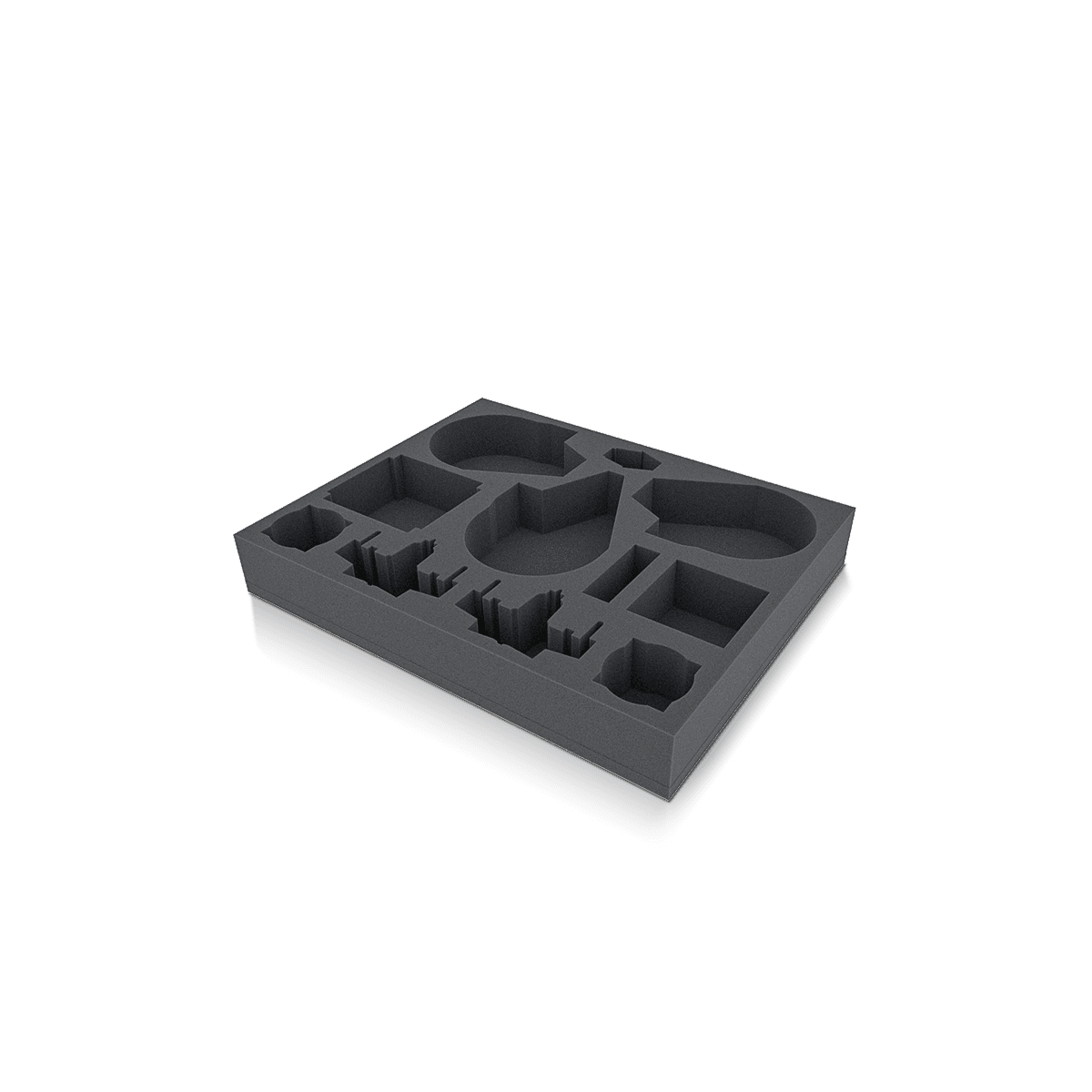
Inner trays hold the tablet flat and help protect exposed corners and display edges.
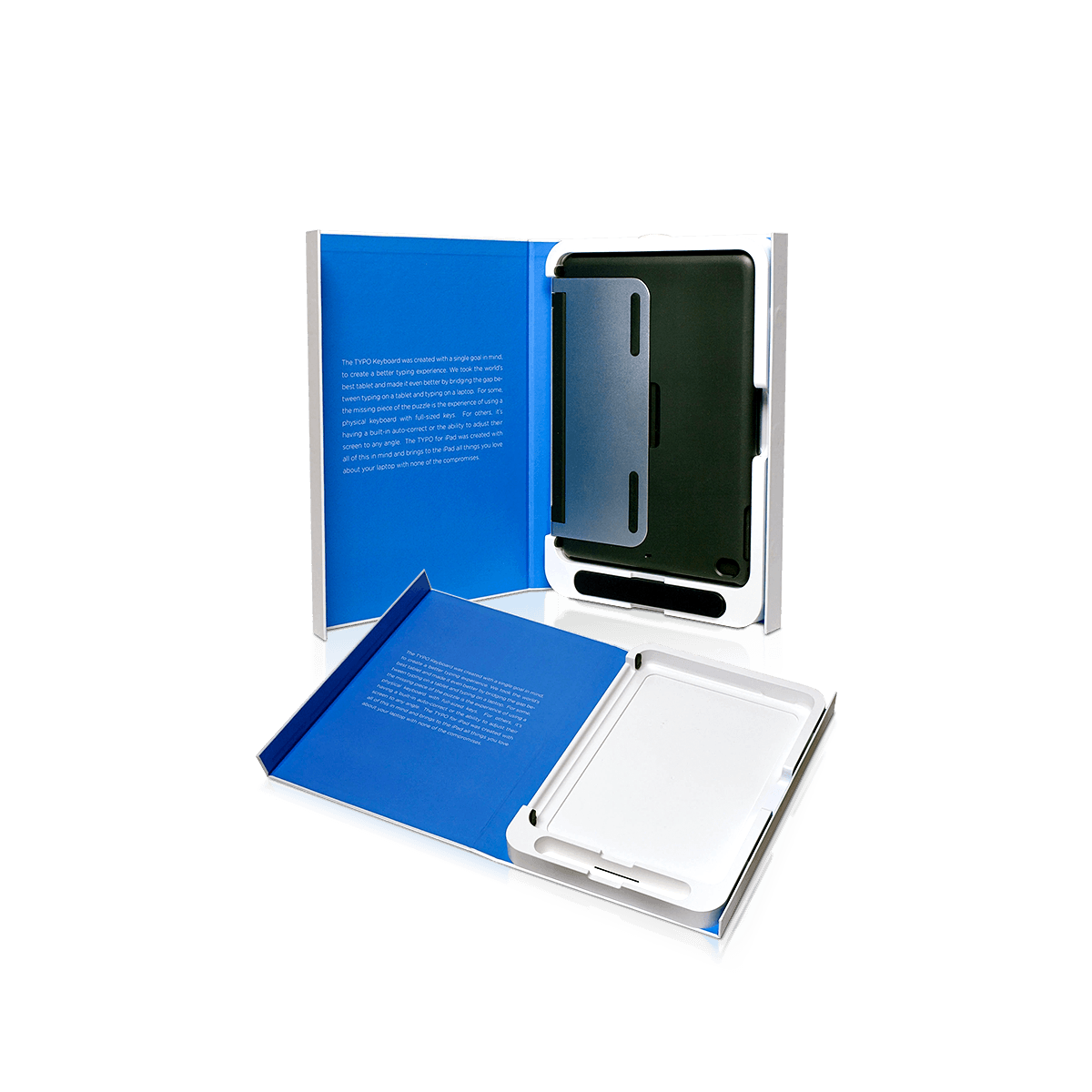
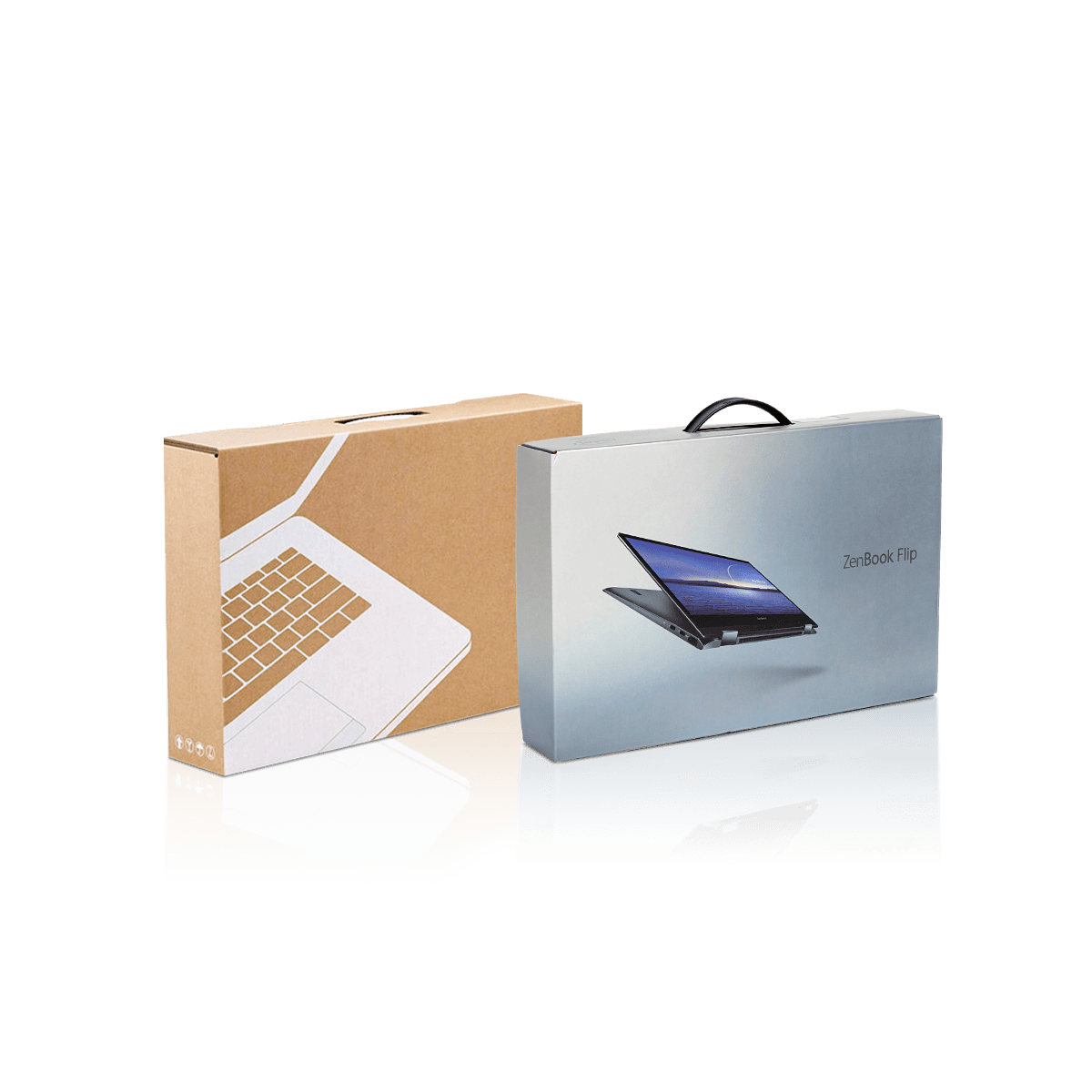
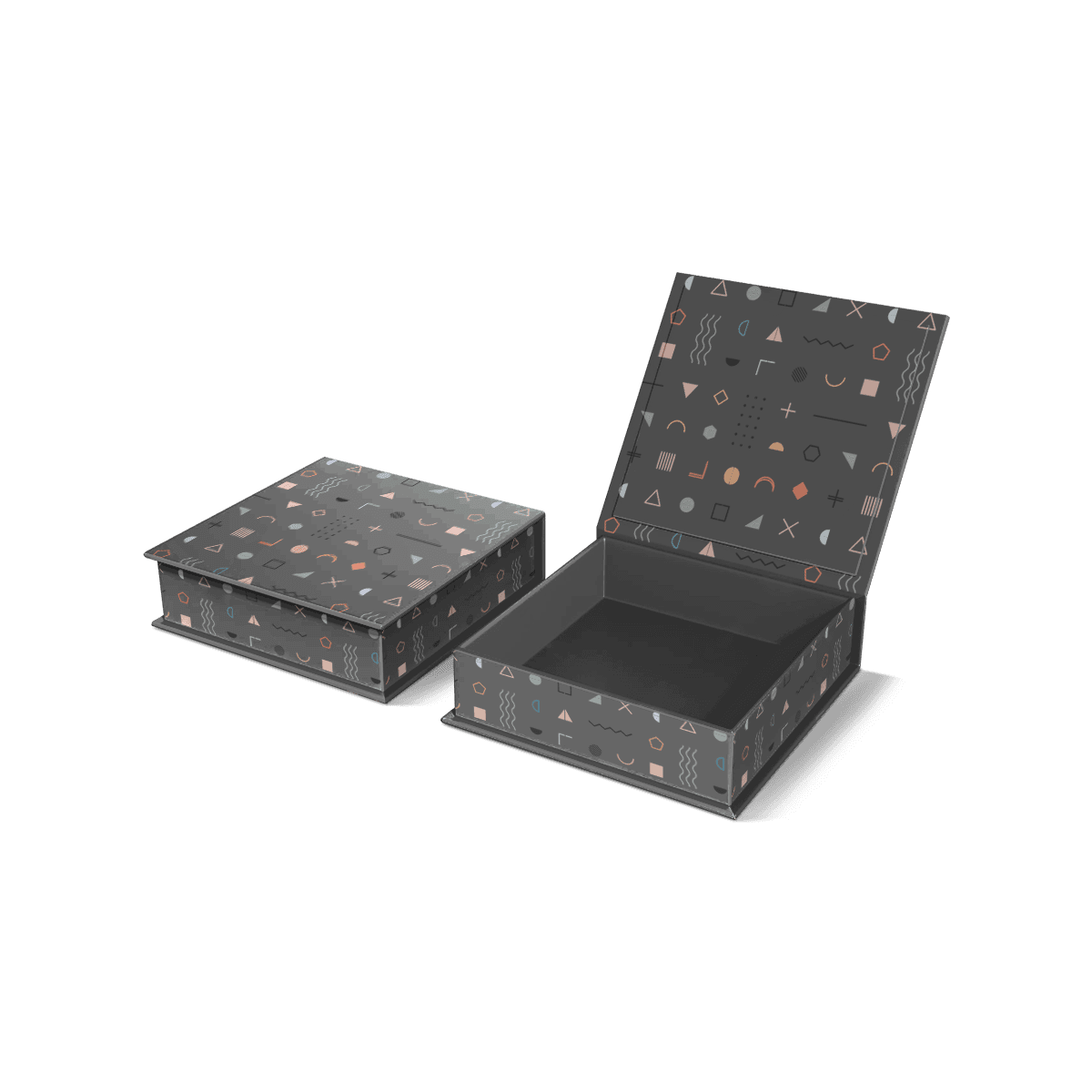
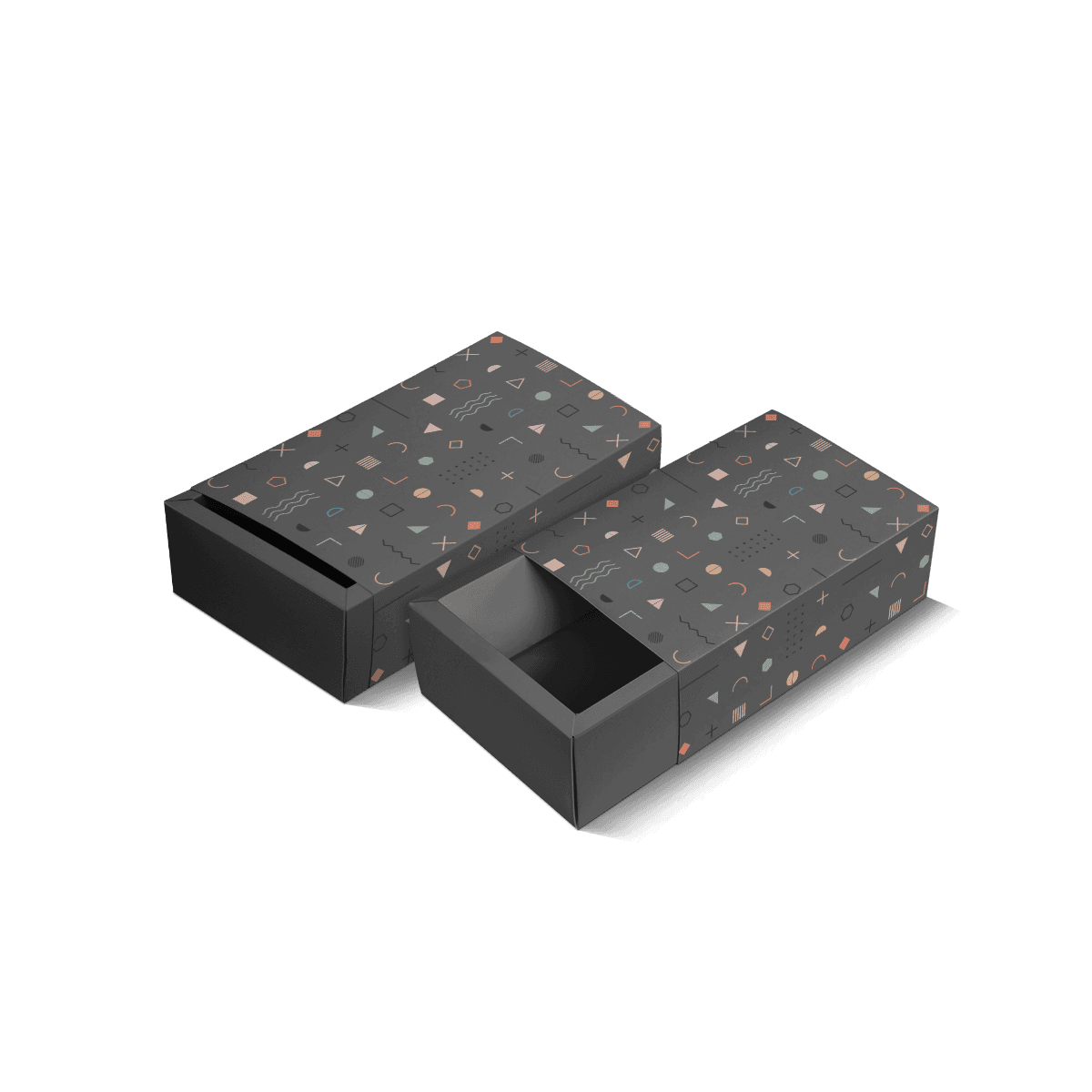
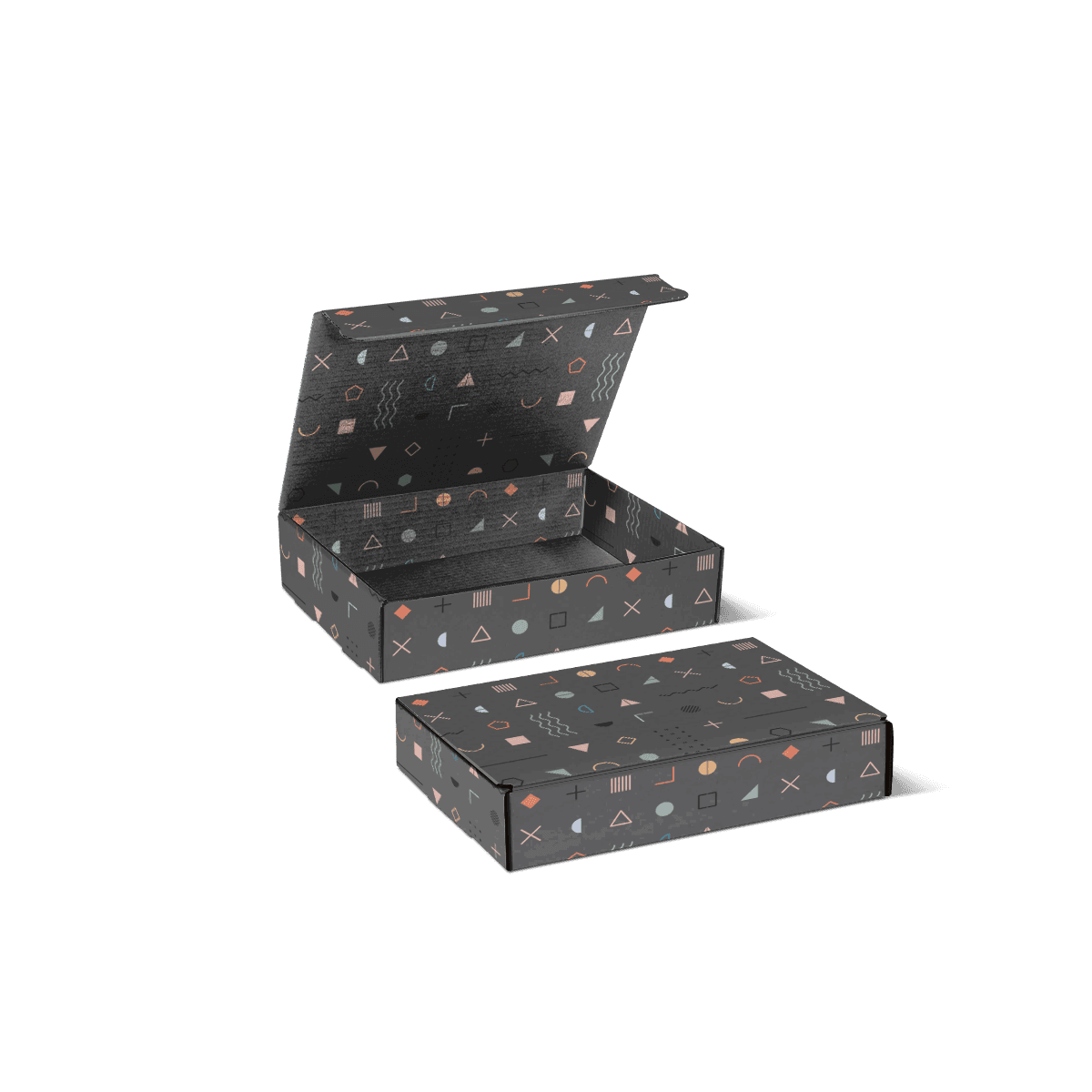
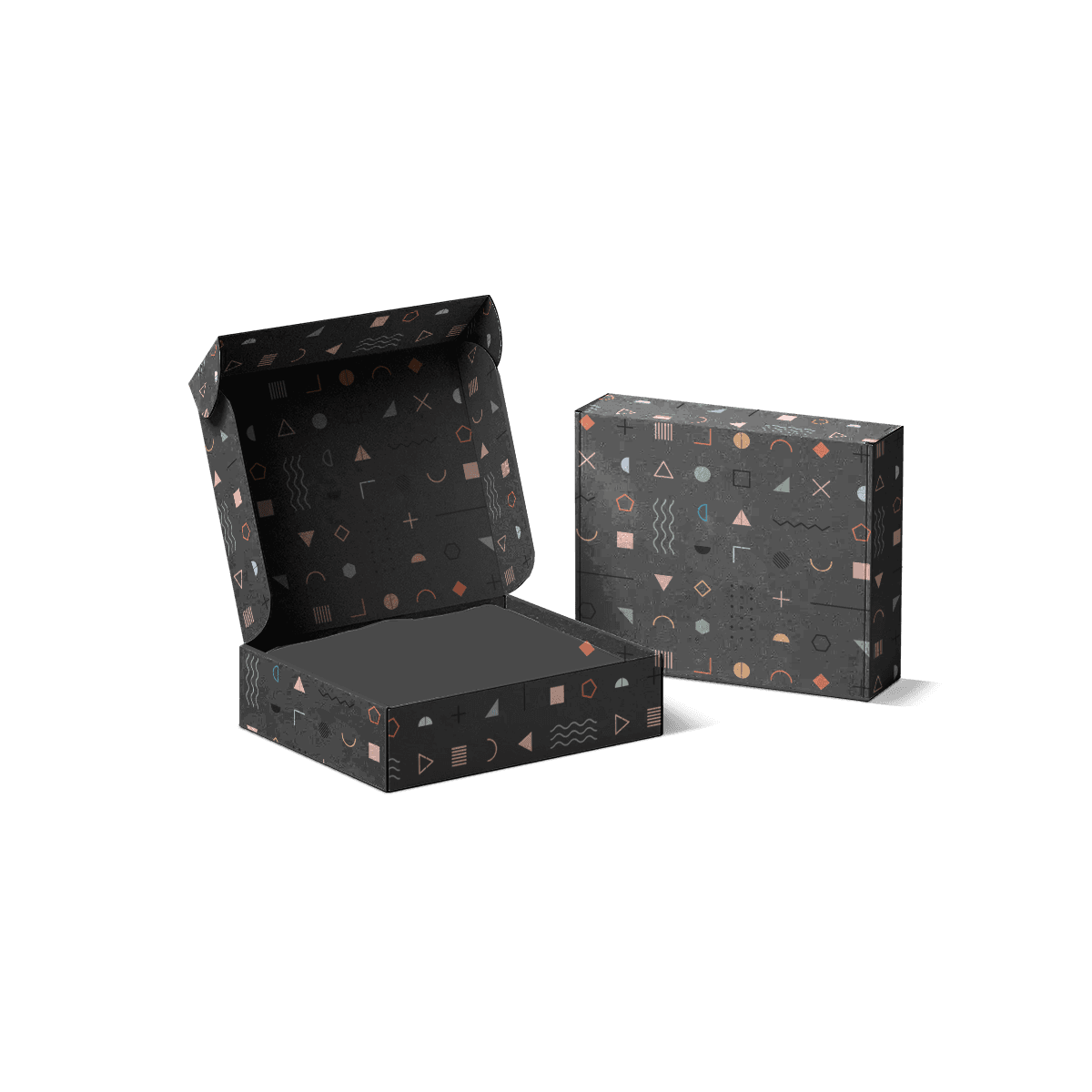
The right tablet package is less about oversized cushioning and more about controlled layering. Tablet Boxes are commonly planned around the screen face, accessory depth and opening sequence so the device, charging cable, stylus, keyboard cover or printed setup guide each have their own place. That makes the pack easier to assemble, easier to label by model or storage tier and better suited for made-to-order inserts, tailor-made dimensions and personalized presentation where the product needs to arrive clean and ready for handoff.
Keeps slim devices from shifting inside larger cartons
Separates the tablet from cables, pens and setup materials
Makes school, retail and enterprise packs easier to sort
Creates a neater first-open flow for the end user
Helps single-unit and batch packing stay more consistent
Inner trays hold the tablet flat and help protect exposed corners and display edges.
Cables, stylus pens, keyboards and guides can sit above, below or beside the device in a clear sequence.
Outer panels can carry model names, storage details, barcode zones and deployment identifiers.
Insert geometry and box depth can be adjusted around exact device size and bundle count.
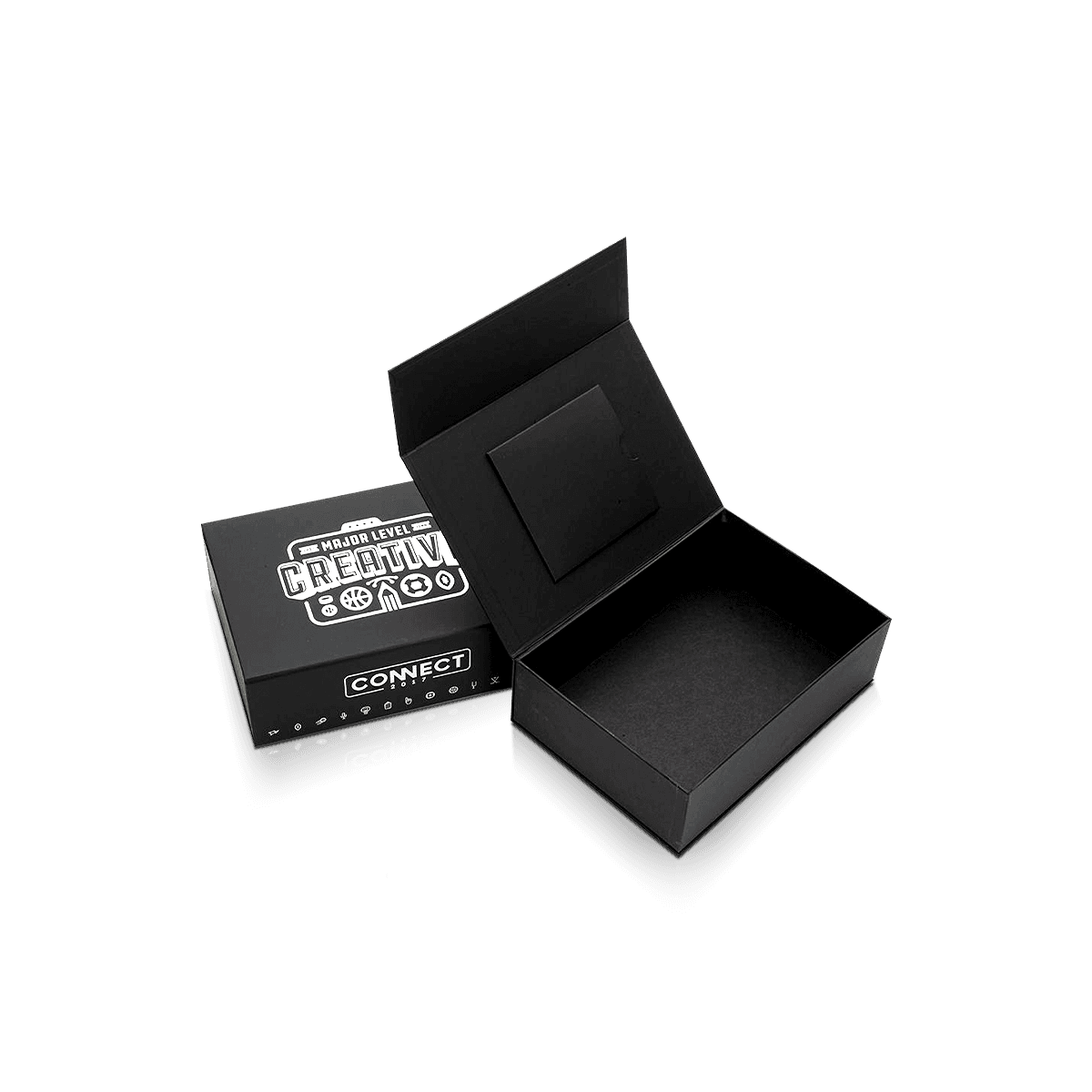
Paperboard, corrugated or rigid formats can be selected based on shelf display, parcel handling or premium handoff.
Retail tablet bundles with charger, stylus and quick-start card
School and university device rollouts sorted by model or class program
Corporate onboarding kits that include a tablet and account materials
Refurbished or warranty replacement units shipped through reseller channels
Field-service tablets packed with a case, cable and setup documentation
Simple steps from idea to delivery
Tell Us Your Specs
Provide size, quantity, printing, and finishes.
Get a Fast Quote

Instant transparent pricing, no hidden fees.
Design and Approval

Artwork checks, revisions, and final sign-off.
Produce

Expert manufacturing to meet deadlines.
Ship to Your Door

Hassle-free, flexible delivery options.
Share your product details, size, quantity and artwork needs. We’ll help choose the right packaging style and send a clear quote.