Skip to content
Details

Custom Rigid Setup Boxes

Fixed-form rigid packaging for premium electronics that need precise lid fit, fitted interiors, clean presentation and a box that reaches the packing line already assembled.

Pre-Assembled Changes the Packing Workflow

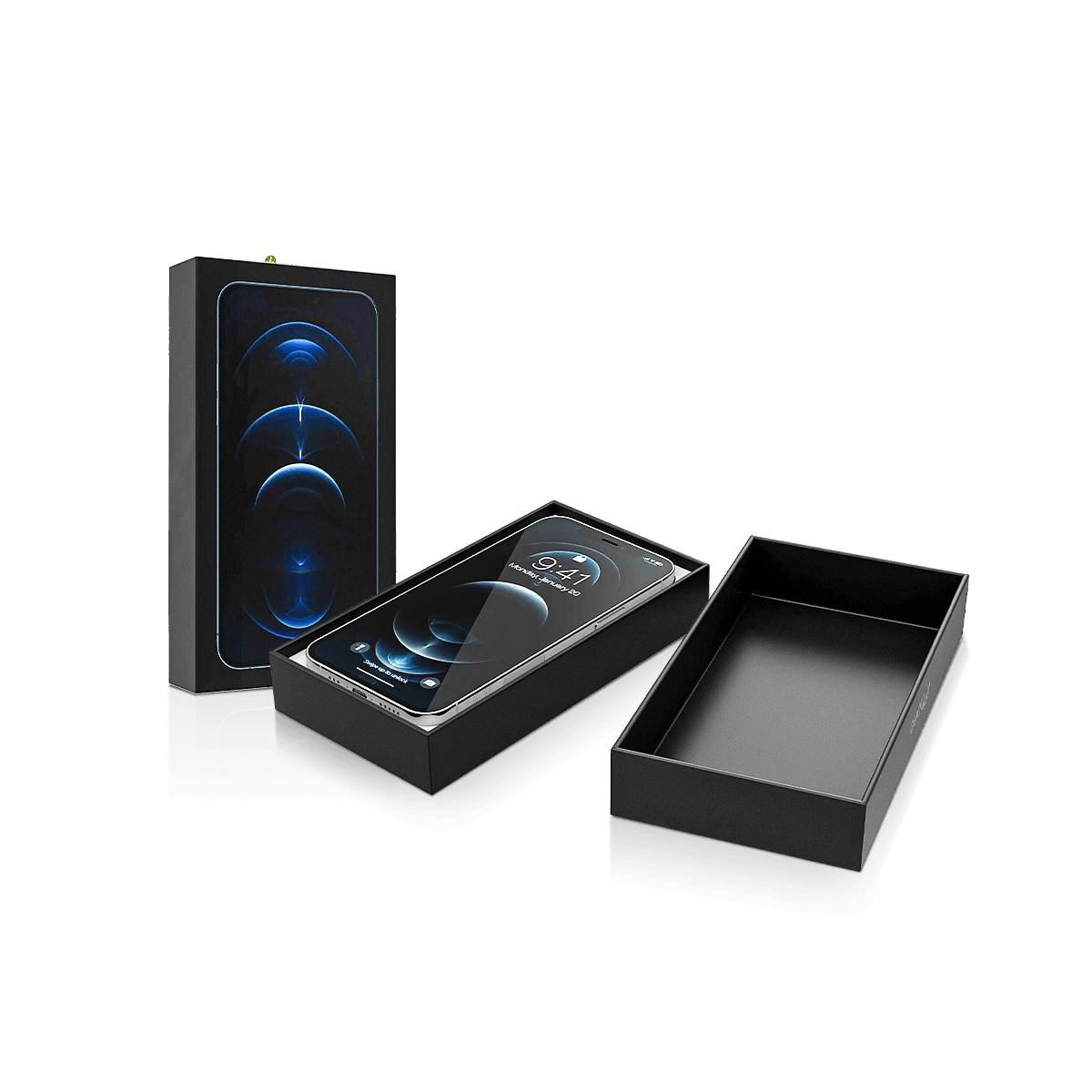
A rigid setup box reaches the packing line already formed. The walls, corners and base geometry are fixed before the device is loaded, so the packer is working with a finished structure rather than erecting a carton or assembling a collapsible rigid box.

That fixed form is one of its main strengths for premium electronics.

The insert can be registered to permanent walls. A device can sit at a consistent depth. Accessory trays can align to the same reference points from box to box. The lid closes over a structure whose shape is already established.

It also creates a constraint: the setup box cannot recover warehouse space by folding flat.

That trade-off defines when fixed setup construction makes sense. Magnetic, drawer, shoulder-neck, book-style, telescopic and collapsible structures all sit under custom rigid boxes, while a rigid setup box becomes the specific choice when permanent form and packing-line readiness are part of the requirement.

For premium electronics, that can matter when the product arrives with a fitted tray, charger compartment, literature deck or other interior elements that should line up predictably every time.
Internal Size Starts After the Walls

Rigid setup boxes use thick board wrapped with printed or specialty paper. That construction means the outside dimensions do not translate directly into usable product space.

The device, insert and accessories must fit inside the finished internal cavity after wall thickness, insert construction and any internal wrap or lining have been accounted for.

This sounds basic, but it changes how the box should be sized.

A device may fit comfortably inside the planned outer footprint while becoming too tight once the rigid walls and insert sidewalls consume part of that space. Increasing only the outer dimensions at the end can then disturb lid proportions, artwork and shipping case counts.

For electronics, start with the packed product system:

  • device dimensions
  • device weight
  • required contact and clearance zones
  • accessory dimensions
  • insert thickness
  • tray or platform height
  • literature depth
  • required lid clearance

Then build the rigid shell around that interior.

For products whose geometry should drive the complete package, custom product packaging keeps dimensions tied to the actual device rather than an arbitrary outside box size.

Lid Clearance Has One Job

A setup lid should close cleanly without becoming part of the device-retention system.

With a two-piece rigid box, clearance between the lid and base controls how the box opens and closes. Too little can make the lid awkward to remove. Too much can make the two pieces feel loose or poorly aligned.

The device inside should not be what stops the lid.

If a charger, manual or insert platform pushes upward until the lid compresses it, the internal stack is too tall even if the box can technically be closed.

Check the Complete Vertical Stack

Measure from the inside base upward through every layer:

  1. base lining or lower insert
  2. device support
  3. device projection
  4. protective sheet where used
  5. accessory or literature layer
  6. required space beneath the lid

This vertical stack matters especially for electronics because a cable coil, adapter or printed pack can change height without changing the device footprint.

A 3D mockup can check proportions and visual layout. A paid fully custom pre-production sample is the stronger check when lid seating, insert height or physical pressure needs confirmation.

Insert Height Controls the Reveal

Rigid setup boxes give designers precise control over how much of a device is visible when the lid comes off.

The product can sit almost flush with the insert surface, rise above it for easier access or sit deeper for greater edge coverage. None of those positions is automatically correct.

The right reveal depends on the product and how it should be removed.

A phone or compact controller may benefit from a shallower presentation where an edge is easy to reach. A heavier device may need deeper side support with planned hand access. A multi-part kit may use different elevations so the primary product appears first while accessories remain secondary.

For interiors with several defined cavities, custom insert boxes can control product position without turning the outer rigid shell into the main retention mechanism.

The insert determines cavity design and component organization. The rigid setup shell determines how that interior registers against permanent walls and how it relates to the lid and base.

An Accessory Tray Can Break the Lid Fit

Consider a premium electronics launch box with a device in a fitted lower insert and a shallow accessory tray above it.

The first prototype looks clean while open. The charger, cable and setup cards all have assigned positions.

Once fully loaded, however, the cable sits slightly higher than expected. The upper tray rises with it and the rigid lid no longer seats to the same depth around the base. The exterior now shows an inconsistent gap.

The weak response is to make the lid looser.

That treats the symptom and changes the opening feel of the whole box.

A better adjustment is to correct the internal stack. The cable compartment can gain depth elsewhere, the accessory arrangement can change or the insert platform can be lowered while preserving safe clearance around the main device.

The result is a lid that closes consistently without using compression to force the contents into place.

This is one reason a rigid setup box should be checked fully packed rather than approved from an empty presentation sample.

Permanent Walls Make Alignment More Visible

Rigid construction can make a premium pack look precise, but it also exposes small alignment errors.

A slightly crooked insert is easier to notice against firm square walls. A printed border that drifts toward one edge can look more obvious on a rigid lid. A wrap seam placed carelessly can interrupt an otherwise clean surface.

That means structural and graphic decisions should be coordinated rather than handled as separate stages.

The insert should register cleanly against the interior. Lid and base artwork should align to the intended viewing direction. Inside print should make sense after the product and accessory trays are installed.

For electronics programs where inserts, board, print and finishes must be coordinated together, packaging capabilities can support the complete specification.

Premium offset printing is particularly relevant where large solid areas, fine typography or tightly controlled brand graphics are part of the rigid wrap.

Setup or Collapsible Depends on Operations

A fixed setup box and a collapsible rigid box can create similar premium impressions after assembly, but they behave very differently before the product is packed.

Rigid setup boxes occupy their full volume during storage and movement to the packing location. They arrive ready to fill.

Collapsible rigid boxes can reduce empty-box storage volume when warehouse efficiency carries more weight than immediate pack-line readiness.

The right decision therefore depends partly on operations.

Rigid setup construction makes sense when:

  • consistent formed geometry matters
  • packers should not assemble the outer structure
  • inserts need to register against permanent walls
  • presentation quality justifies the storage footprint
  • the box may be retained after purchase

Collapsible construction deserves consideration when storing or moving fully assembled empty boxes creates unnecessary operational pressure.

This is a structural distinction, not a wording distinction. The two constructions solve different storage and pack-line problems even when both create a premium finished box.

Folding Cartons Solve a Different Cost Problem

Not every premium electronic device needs a setup box.

A lightweight product with modest internal support requirements can often use folding cartons when flat storage, lighter material use and efficient retail packing matter more than permanent rigid form.

A setup box becomes easier to justify when the packaging itself is expected to contribute substantially to perceived product value, controlled presentation or retained storage.

That is especially relevant for:

  • premium device launches
  • limited editions
  • executive technology gifts
  • high-value accessory kits
  • presentation-sensitive retail sets
  • devices packaged with substantial fitted interiors

The rigid box should earn its extra material and storage volume.

Choosing it simply because "rigid feels premium" is not enough. The product program should actually benefit from fixed walls, wrapped surfaces, fitted inserts or a presentation structure customers may keep.

Protect the Wrap From the Shipping Job

Wrapped rigid surfaces are customer-facing finishes, not ideal places for carrier labels, shipping tape and repeated warehouse abrasion.

When a setup box travels through parcel networks, an outer corrugated layer can protect both the presentation box and its corners.

A shipping box can take the logistics load while the rigid setup box keeps its focus on product presentation and internal organization.

The outer carton should still restrain the rigid box properly. A premium inner pack sliding around inside an oversized shipper can pick up edge wear even when the device itself remains protected.

This is also where the insert and shipping functions should stay separate.

A decorative rigid shell should not be expected to replace transit engineering, and a strong outer shipper does not correct a device that moves inside its presentation tray.

Foam Is an Interior Decision, Not the Definition

Rigid setup boxes are often paired with foam because the combination can create close retention and a high-value appearance.

Foam is not what makes the box a setup box.

The defining outer construction remains the permanently formed rigid shell. The interior can use foam, paperboard, molded fiber or another fitment based on the device.

For scratch-sensitive, irregular or impact-sensitive electronics, protective foam insert boxes put cushioning and precise foam cavities at the center of the decision.

A lighter accessory set may need only a structured paperboard platform and divider system.

The differences among foam, cardboard and molded pulp inserts matter when cushioning, presentation and cavity complexity pull the project in different directions.

The rigid shell and insert should be specified as connected components without confusing their jobs.

Wrapped Board Changes the Artwork

Artwork for a rigid setup box is applied to a wrap that covers a thick board core. The designer therefore needs to think beyond the visible top panel.

Edges, turns and wrapped corners affect where fine details can sit comfortably. Artwork that looks balanced on a flat rectangle can feel cramped once it transitions around a rigid edge.

Keep critical small type and precision marks away from difficult wrap transitions. Let large graphic fields tolerate the physical conversion process better than tiny elements placed directly against an edge.

Inside surfaces can also carry print, but the insert may cover much of the base. Artwork should be planned around what remains visible after the interior is installed.

Finishes such as matte, gloss, soft-touch, spot UV, foil, embossing and debossing can add contrast without turning every surface into a treatment sample. The practical differences among packaging finishes are worth resolving before the wrap artwork is locked.

Fixed Form Has a Storage Cost

The same permanent shape that makes setup boxes easy to pack also consumes warehouse space before they contain a product.

That matters more as box size and order quantity increase.

A compact smartwatch setup box may be relatively easy to store by the case. A large electronics presentation box can consume significant space when hundreds or thousands arrive fully assembled.

Storage planning should therefore happen before quantity is treated purely as a unit-price decision.

The cost of custom rigid boxes is influenced by structure, size, inserts, finishes and quantity, but physical storage can also affect whether a fully formed pack makes operational sense for the program.

Custom Packly can support warehousing and scheduled deliveries when receiving every finished setup box at once would create unnecessary space pressure.

That commercial capability solves a setup-box-specific problem rather than appearing as a generic benefit at the end of the page.

Use Structure to Stage the Electronics

A rigid setup box can create presentation hierarchy through physical depth rather than decoration alone.

The main device may occupy the first visible plane. Cables and adapters can sit below a removable platform. Printed materials can use a shallow pocket or lid-mounted position. Smaller components can appear only after the primary product has been lifted.

That sequence can make a complex electronics kit easier to understand.

It also reduces the temptation to expose every accessory at once simply because the box has a large interior.

For a high-value kit, the opening sequence should follow the user's first-use order:

  • see the main device
  • remove it without disturbing other parts
  • reach the accessories needed for setup
  • find instructions or warranty material
  • retain smaller components in identifiable positions

The fixed shell is valuable here because each layer can register to a stable box geometry.

Permanent Form Should Earn Its Footprint

Rigid setup construction is strongest when the box benefits from staying fully formed throughout packing, presentation and later use.

That can be the right choice for an electronics launch where the device must sit at a controlled height, accessory layers need repeatable alignment and the finished pack is expected to feel substantial before it is opened.

It may be unnecessary for a simple light accessory that only needs a printed carton.

Before production, decide whether the product genuinely benefits from:

  • a pre-assembled outer structure
  • fixed internal reference points
  • substantial wrapped walls
  • a controlled lid-and-base relationship
  • deep fitted inserts
  • retained storage after purchase
  • a presentation experience that justifies greater empty-box volume

An MOQ from 100 boxes allows smaller premium electronics runs to use rigid setup construction without turning every project into a very large production commitment.

The deciding question for a rigid setup box is not whether rigid packaging looks more expensive. It is whether permanent geometry makes the product easier to stage, pack, present and keep.

FAQs

It is usually the better choice when the product carries a higher price point, needs a slower reveal or will benefit from a sturdier pack that customers are likely to keep.

Yes for most parcel networks. The rigid box handles presentation and interior organization, while an outer corrugated shipper adds transit protection and helps prevent scuffing.

Rigid Setup Boxes suit premium launches better when you want a fully formed box with stronger perceived value right out of the case pack. Collapsible Rigid Boxes are the better choice when storage efficiency matters more before assembly.

Yes. They work well with foam, paperboard and hybrid insert layouts, especially when the product includes accessories, literature or multiple components that should stay in a fixed sequence.

Enough room should be planned so the add-ons sit securely without pushing against the lid or rubbing the product. A clean fit keeps the pack quieter, neater and easier to assemble at scale.

Process

How it works

Your Packaging Journey, From Idea to Production and Delivery

01

Tell Us Your Specs

Custom packaging boxes

Tell Us Your Specs

Provide size, quantity, printing, and finishes.

02

Get a Fast Quote

Custom packaging boxes

Get a Fast Quote

Instant transparent pricing, no hidden fees.

03

Design and Approval

Custom packaging boxes

Design and Approval

Artwork checks, revisions, and final sign-off.

04

Produce

Custom packaging boxes

Produce

Expert manufacturing to meet deadlines.

05

Ship to Your Door

Custom packaging boxes

Ship to Your Door

Hassle-free, flexible delivery options.

Get Your Quote for Custom Rigid Setup Boxes

Share your product details, size, quantity and artwork needs. We’ll help choose the right packaging style and send a clear quote.