Skip to content
Details

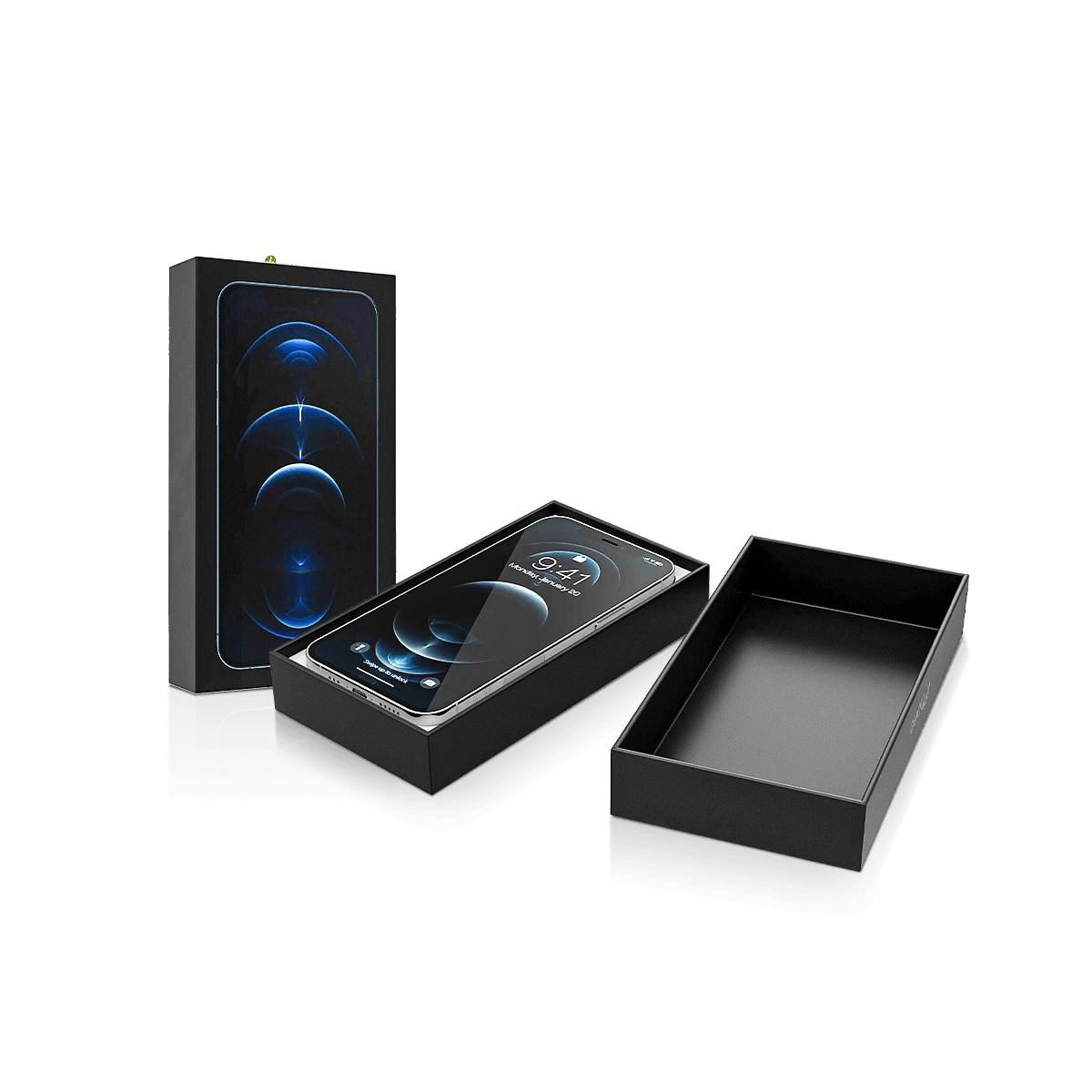
Custom Mobile Phone Boxes

Phone packaging built around clean device lift-out, accessory separation, premium presentation and the shipping route behind the retail box.

The Device Tray Controls the First Move

A mobile phone box has one unusually strict job: hold a thin, high-value device securely while making it easy to lift out without pressing on the screen, camera area, side buttons or ports. That first movement matters more than adding extra empty space or simply choosing thicker board.

The tray or insert should support the phone at stable contact points, keep the device centered and leave a clear removal path. A pull tab, finger notch or exposed edge can help, but it has to work with the actual phone profile. A deep cavity with no usable grip can make a secure box frustrating to open. A shallow cavity can make the phone look elegant but allow it to move when the box is tilted.

Size from the production device as it will actually be packed. Include any protective film, sleeve or pre-applied accessory that changes the maximum profile. Camera modules, raised lenses and side controls can matter even when the nominal length and width are almost identical between models.

There is no universal clearance that works for every phone tray. The fit should be proven with the real device or an accurate production-equivalent model. The phone should seat without force, stay located when the box changes orientation and lift out without scraping a sensitive surface.

Custom Packly can support this stage with dieline help, free 3D mockups and paid fully custom pre-production samples where a physical fit check is needed.
Separate the Phone From Its Accessories

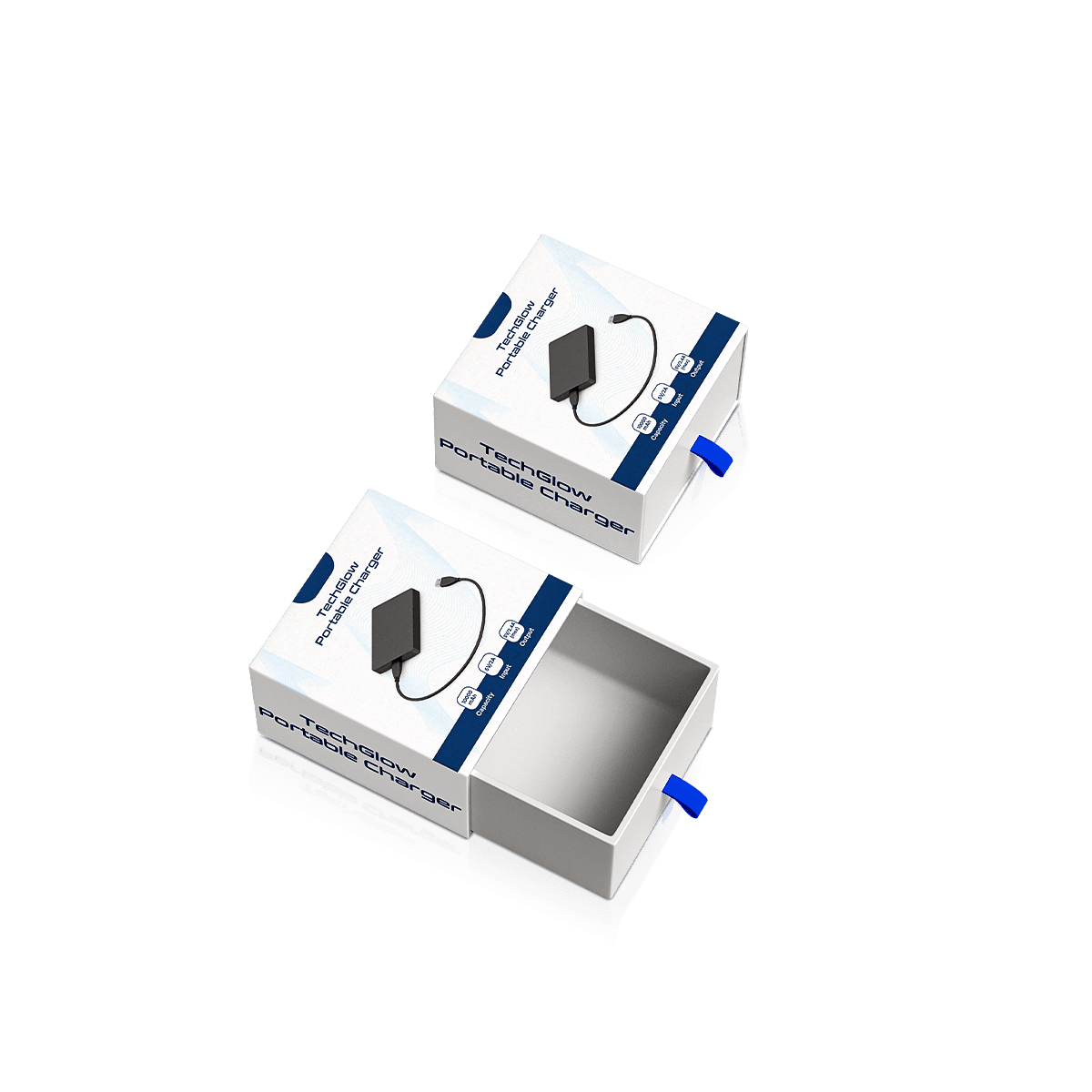
The device and the accessory kit should not compete for the same cavity. If the bundle includes a cable, charger, SIM tool, manual, case or adapter, each component needs a deliberate location that does not press into the phone or migrate onto its surface.

Use Depth as a Layout Tool

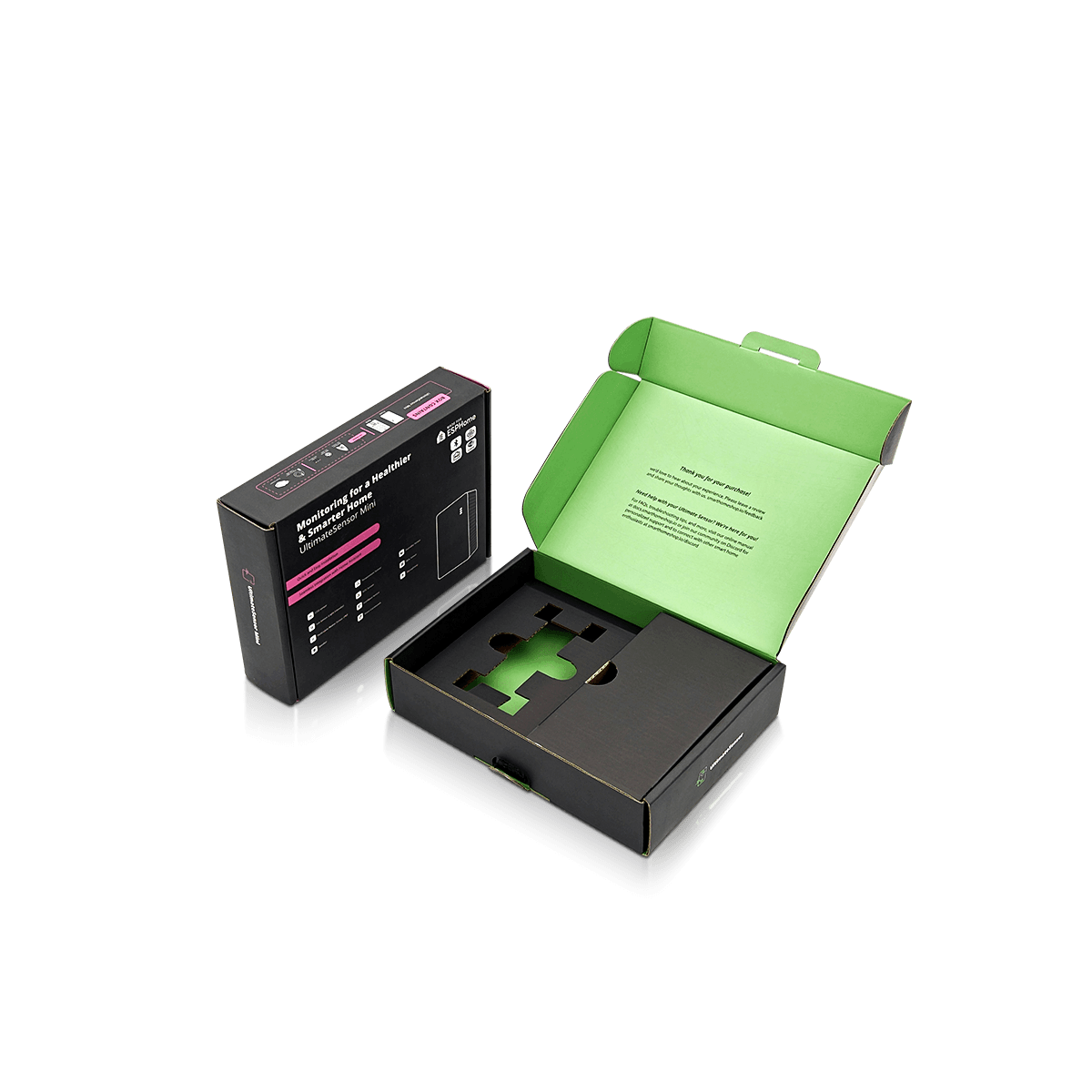
A common phone box uses the upper level for the device and reserves depth below or beside it for accessories. That can keep the footprint compact, but the layers have to close without transmitting pressure through the tray.

Do not assume unused depth is harmless. A thick accessory compartment can push the phone too close to the lid. A cable wound too tightly can spring upward. A charger placed under the center of a thin tray can create a hard point directly below the device.

When one box needs several controlled cavities, custom insert boxes can organize the phone, cable, adapter and literature without turning the interior into loose filler.

Keep Hard Components Away From Finished Surfaces

Chargers, plugs and adapters are dense relative to the phone box around them. If they can move freely, their edges can contact the device or damage printed interior surfaces.

The answer is usually separation, not more decorative board. A shaped paperboard insert can organize lighter components. Foam can add cushioning where impact risk is higher. If cushioning is the main requirement, protective foam insert boxes make the protective function the starting point rather than an afterthought.

If insert material is still undecided, the trade-offs among foam, cardboard and molded pulp inserts are worth resolving before the cavity geometry is finalized.

Pick the Box Around the Selling Channel

The same phone can need a different packaging structure depending on whether the pack is a premium retail presentation, a refurbished-device carton, a carrier bundle or an ecommerce order. The box should be chosen from the channel backward, not from appearance alone.

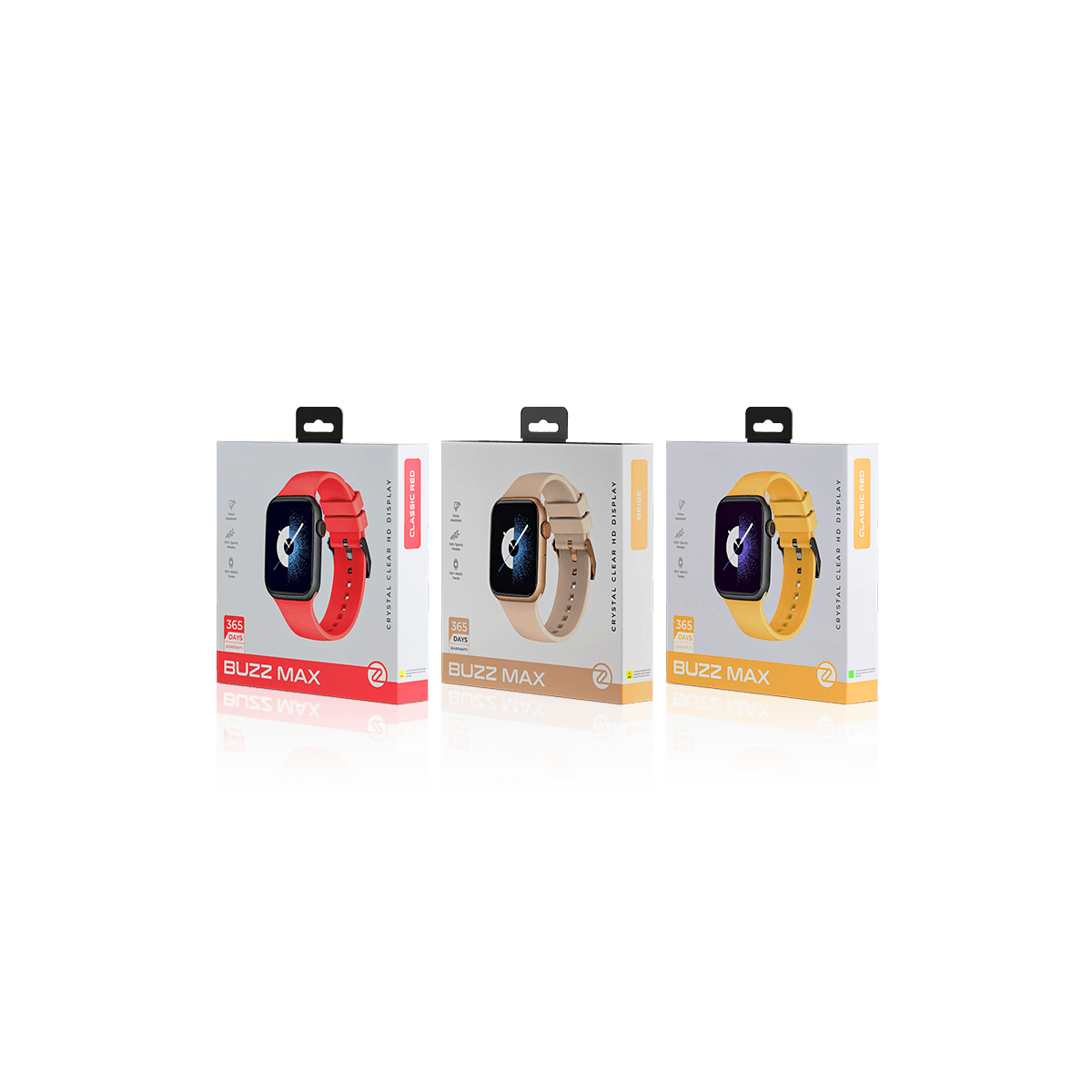
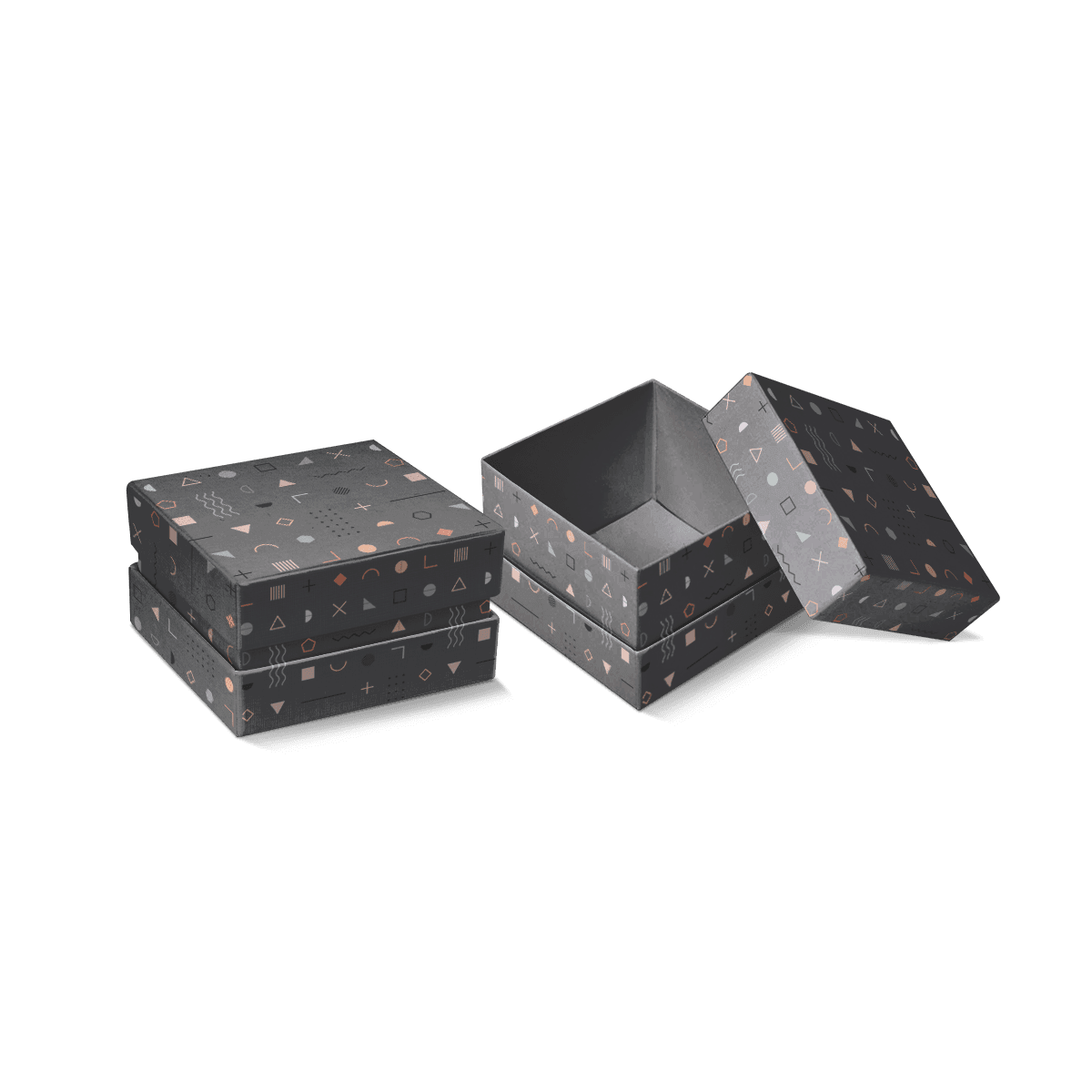
For a flagship or launch presentation, custom rigid boxes can support a dense board feel, a controlled lid lift and a fitted tray without asking the retail pack to behave like a parcel shipper.

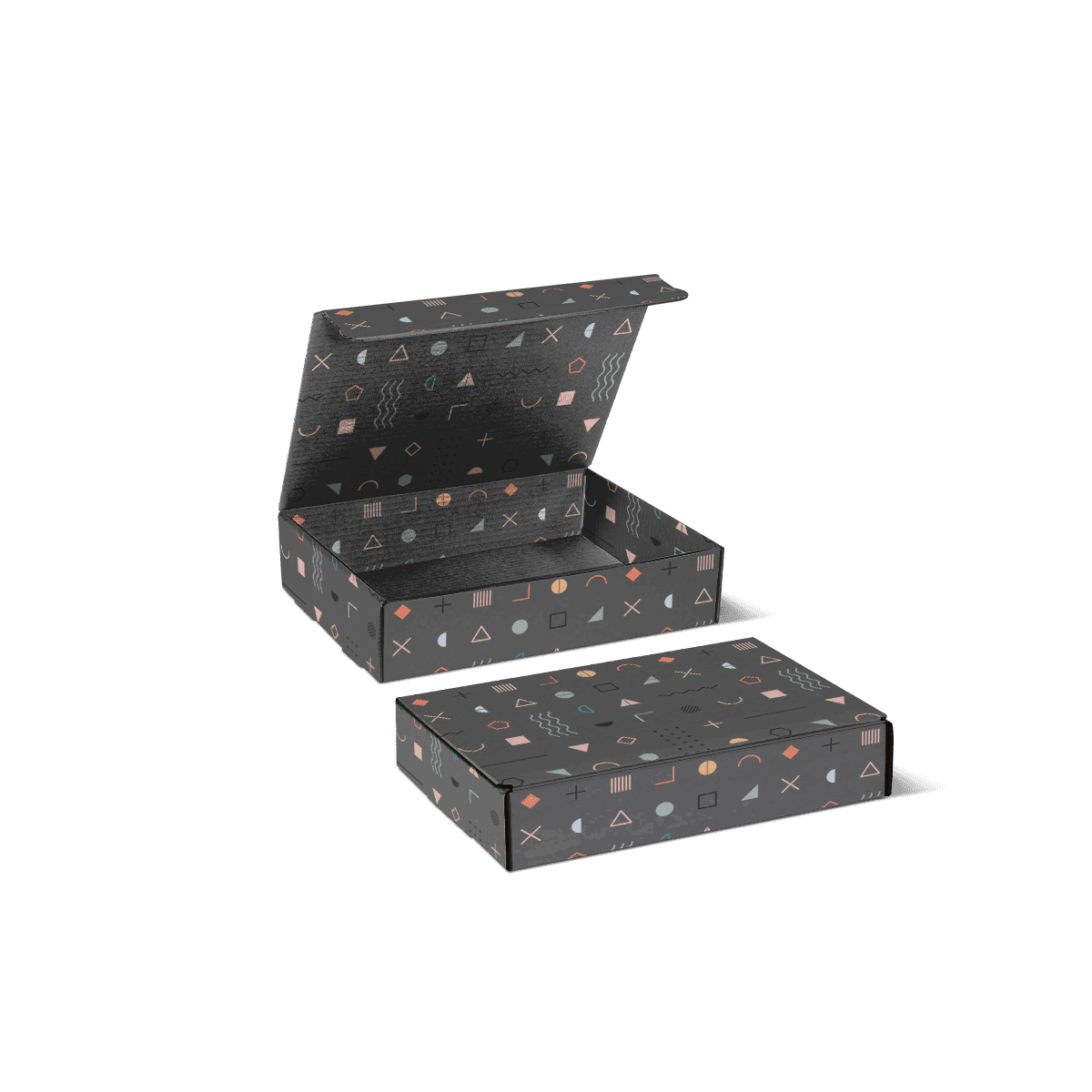
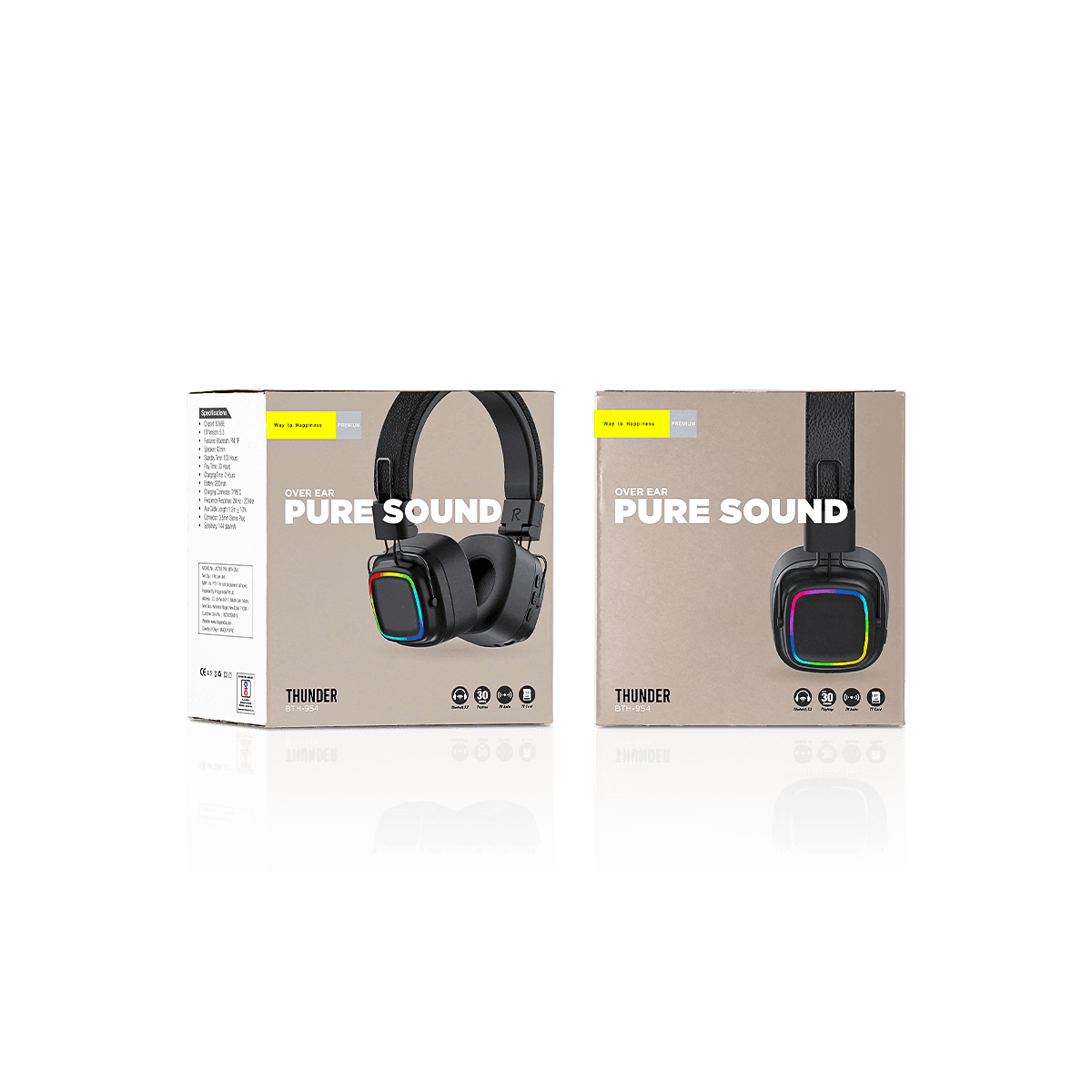
For lower-mass devices, refurbished phones or programs where flat storage matters, folding cartons can reduce empty-box storage and still carry fine print, product identification and brand artwork.

The device-facing structure is only one part of electronics and gadget packaging. Retail presentation, component organization, ESD-sensitive parts and transit protection do not all require the same construction.

Do Not Add ESD Materials by Habit

A finished consumer phone and an exposed electronic assembly do not create the same handling problem. Anti-static or ESD-focused packaging should be selected because the packed product and handling process require it, not simply because the product belongs to electronics.

For exposed boards, service parts or other sensitive components, anti-static boxes belong to a different packaging decision than a premium smartphone presentation box.

That distinction keeps the phone box focused on the actual retail and handling job instead of adding technical features that do not solve the main risk.

Camera, Button and Edge Clearance Need Their Own Check

Phone dimensions can look simple on a specification sheet, but the contact geometry is not a plain rectangle. Camera islands protrude. Buttons interrupt the side wall. Rounded corners change how a tray grips the device. Protective films or sleeves can change the fit again.

A tray that clamps too tightly near a button can create awkward removal. A recess that ignores the camera area can place pressure where the phone should remain clear. A cavity that only matches length and width can still fail because the device rocks on a raised rear feature.

This is where a physical fit check earns its place. Test the phone in the intended orientation, close the complete box and then rotate it. Open it again and inspect contact points. The goal is to see whether the device stayed seated without creating visible pressure or difficult removal.

For products where structure and fit are still being resolved together, custom product packaging keeps the decision anchored to the actual device, accessory count, fragility and route to the customer.

One Outer Footprint Can Hide Several Model Differences

Phone families often contain models that look almost identical from the outside but differ at the camera module, thickness, button position, screen size or accessory bundle. Treating them as one packaging SKU too early can create fit problems or packing mistakes.

A stronger strategy is to decide which parts of the packaging can stay common and which parts must change.

The outer rigid box or carton may be able to keep one footprint across several models. The insert may need model-specific cavities. Artwork may need a controlled model identifier. A capacity or color variation may only need a variable label zone rather than a completely new printed box.

That separation matters commercially. It can reduce unnecessary packaging variation without forcing unlike devices into one tray.

A Similar Phone Is Not the Same Fit

Consider two phone models with nearly the same length and width. One has a larger camera island and slightly different side-button placement. Reusing the first tray may look efficient on paper, but the second device can rock, sit proud or become difficult to remove.

The correction is not automatically a larger box. The better move can be a revised insert contact pattern while keeping the same outer footprint. The presentation stays visually consistent while each device gets retention geometry that matches its own surfaces.

With an MOQ starting from 100 boxes, model-specific phone packaging can be separated where fit genuinely requires it instead of forcing every launch into one cavity.

The Retail Box Should Not Absorb Every Shipping Job

A premium phone box may look substantial, but that does not make it the right parcel shipper. Rigid board can create an excellent device-facing presentation while still needing a corrugated outer layer to handle courier labels, abrasion, stacking and external impacts.

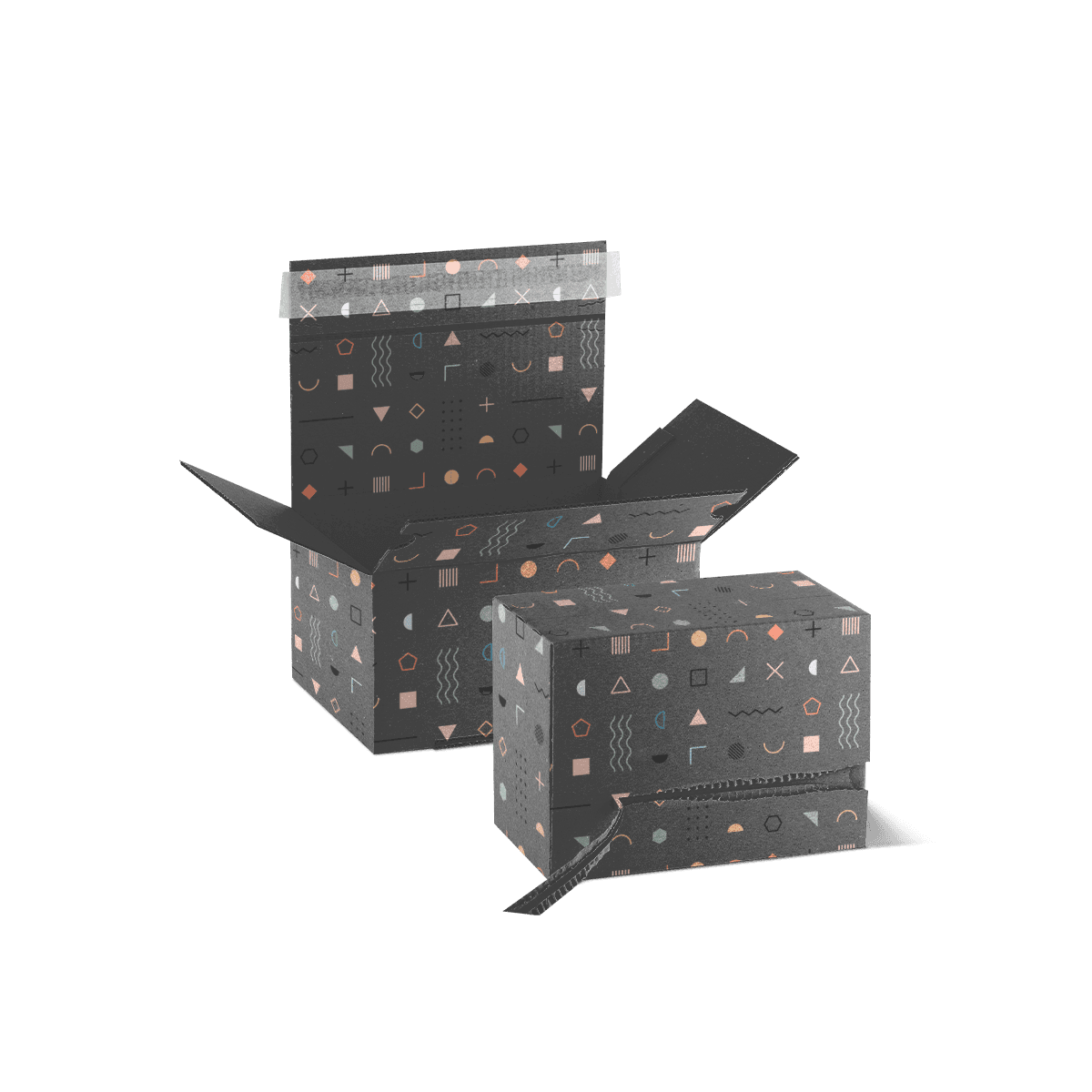
For direct-to-consumer orders, corrugated shipping boxes should take over the transit job when the retail phone pack is not intended to travel exposed.

This separation can also protect premium finishes. A soft-touch wrap, dark printed surface, foil mark or precise lid edge should not have to carry shipping labels and courier wear when the customer-facing box is meant to arrive clean.

The same logic applies to damage prevention. Better packaging structure and fit for shipping starts with movement, weak contact points and the actual transit layer rather than simply increasing material everywhere.

Test the Layer That Faces the Risk

Fit testing belongs at the device tray. Transit testing belongs at the packed shipping system. Print approval belongs on the printed stock.

For ecommerce phone orders, test the full packed arrangement: retail box, device, accessories, insert and outer shipper. Look for internal movement, corner damage, lid shift and surface rubbing after realistic handling.

For higher-risk programs, custom packaging testing can help frame structural, print and production checks before a large run. The test method should match the actual failure you are trying to prevent.

Phone Packaging Has More Print Jobs Than Branding

The outside artwork may carry the brand, but mobile phone packaging also needs disciplined space for model identification and operational labels. A visually clean box can become difficult to manage if every panel is treated as decorative real estate.

Reserve clear zones for the information your packing and retail process actually needs. Depending on the product, that can include model name, capacity, color, barcode, SKU or variable identification labels. Keep those areas flat, scannable and easy to distinguish from decorative finishes.

Premium offset printing can handle dense brand artwork and fine typography across rigid wraps or paperboard cartons. CMYK works well for full-color imagery and gradients while Pantone can help when a specific brand color needs tighter control. The practical differences between CMYK and Pantone packaging printing should be settled before artwork is treated as final.

Foil, embossing, debossing, spot UV, matte, gloss and soft-touch can all work on phone packaging, but each finish should have a job. A finish that interferes with a barcode area, model label or repeated handling creates a preventable production problem.

Board, insert, print and finish choices can be reviewed through packaging capabilities when the structure and artwork need to be considered together.

Control the Lid, Not Just the Look

Mobile phone packaging often depends on a precise opening feel. A lift-off lid that is too loose can feel careless. One that is too tight can make the user shake or pull the box harder than intended. A drawer that drags can disturb the internal presentation. A magnetic flap that closes beautifully may add bulk that the product program does not need.

The opening mechanism should match the device value, packing workflow and sales channel.

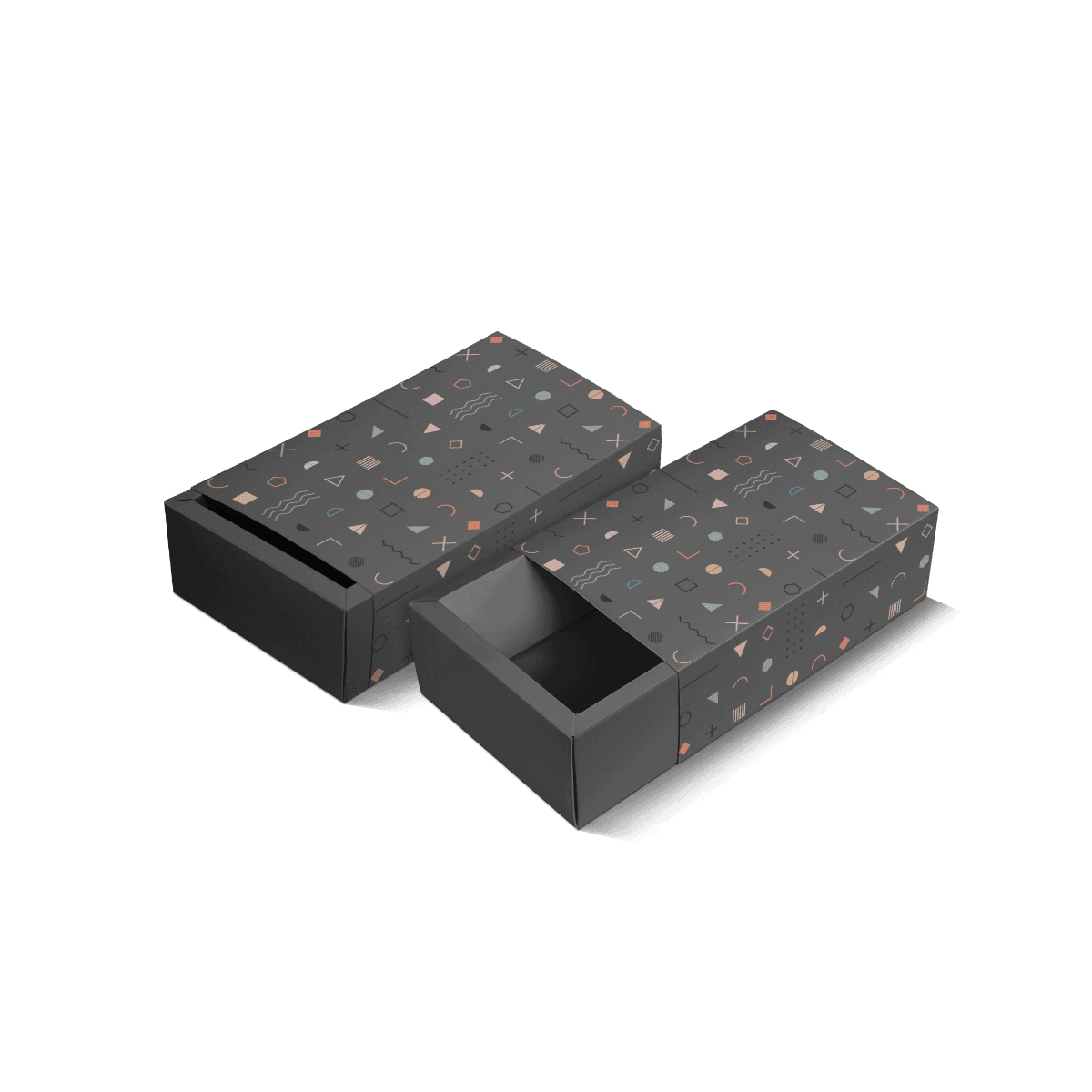
A two-piece rigid box can create a restrained flagship presentation. A drawer structure can stage the reveal while keeping accessories under control. A folding carton can be faster to store and erect. None of these is automatically premium or economical in every case; the right choice depends on what the pack must do after it leaves production.

This is also where the 3D mockup and structural dieline need different jobs. A 3D view can help confirm proportion, branding and opening direction. It cannot prove lid friction, tray grip or removal force. Those physical behaviors belong in a real sample when they matter to approval.

Custom Packly produces in the USA with a standard 4–6 day turnaround after final artwork and specifications are approved, free shipping and premium offset printing. Those timing and production advantages matter most after the device fit, insert plan and box structure have stopped changing. Complex structures, specialty materials or advanced finishes may require additional time.

Plan the Phone Family Before the Second SKU Arrives

The strongest mobile phone packaging programs leave room for the product line to change. A new screen size, camera layout, storage tier, color, charger bundle or regional accessory mix can turn one box into several SKUs quickly.

Do not standardize everything. Standardize the parts that genuinely benefit from staying common.

A shared outer footprint may simplify shelf blocking and master-carton planning. A shared graphic system can keep the line recognizable. Model-specific inserts can protect fit. Variable label zones can keep stock identifiable. Separate accessory decks can handle bundle changes without disturbing the phone cavity.

Warehousing and scheduled deliveries can help when a phone line needs staged replenishment rather than every printed box arriving at once. Bulk and repeat-order support becomes more useful when the packaging architecture is already divided into stable and variable components.

Custom Packly is an established US custom packaging company with extensive customization, packaging expertise and one-stop support from structure and inserts through print and production. For mobile phone boxes, the most important early decision is not the finish. It is deciding what stays common across the product family and what must change with the device.

FAQs

Folding cartons with an inner tray are common for retail efficiency, while rigid formats suit higher-end launches and premium handoff experiences. The right choice usually depends on price tier, accessory count and how the product will be sold.

A dedicated outer panel or underside panel usually works best because it keeps scanning information easy to find without interrupting the front-facing design.

Mobile Phone Boxes usually need deeper insert planning because they carry a larger device footprint and often include more accessories, printed material and model-variant labeling.

Yes. The inner tray does more than add presentation value. It controls movement, separates components and helps prevent cosmetic damage during handling, shelf stocking and delivery.

No. Rigid boxes are strongest for premium launches, gifting and display-focused products, while folding carton or reinforced paperboard formats are often the better fit for volume retail and routine replenishment.

Process

How it works

Your Packaging Journey, From Idea to Production and Delivery

01

Tell Us Your Specs

Custom packaging boxes

Tell Us Your Specs

Provide size, quantity, printing, and finishes.

02

Get a Fast Quote

Custom packaging boxes

Get a Fast Quote

Instant transparent pricing, no hidden fees.

03

Design and Approval

Custom packaging boxes

Design and Approval

Artwork checks, revisions, and final sign-off.

04

Produce

Custom packaging boxes

Produce

Expert manufacturing to meet deadlines.

05

Ship to Your Door

Custom packaging boxes

Ship to Your Door

Hassle-free, flexible delivery options.

Get Your Quote for Custom Mobile Phone Boxes

Share your product details, size, quantity and artwork needs. We’ll help choose the right packaging style and send a clear quote.