Custom Folding Cartons
Choose the blank, closure, paperboard and packing method together so the carton works from conversion through retail.

Folding Cartons options
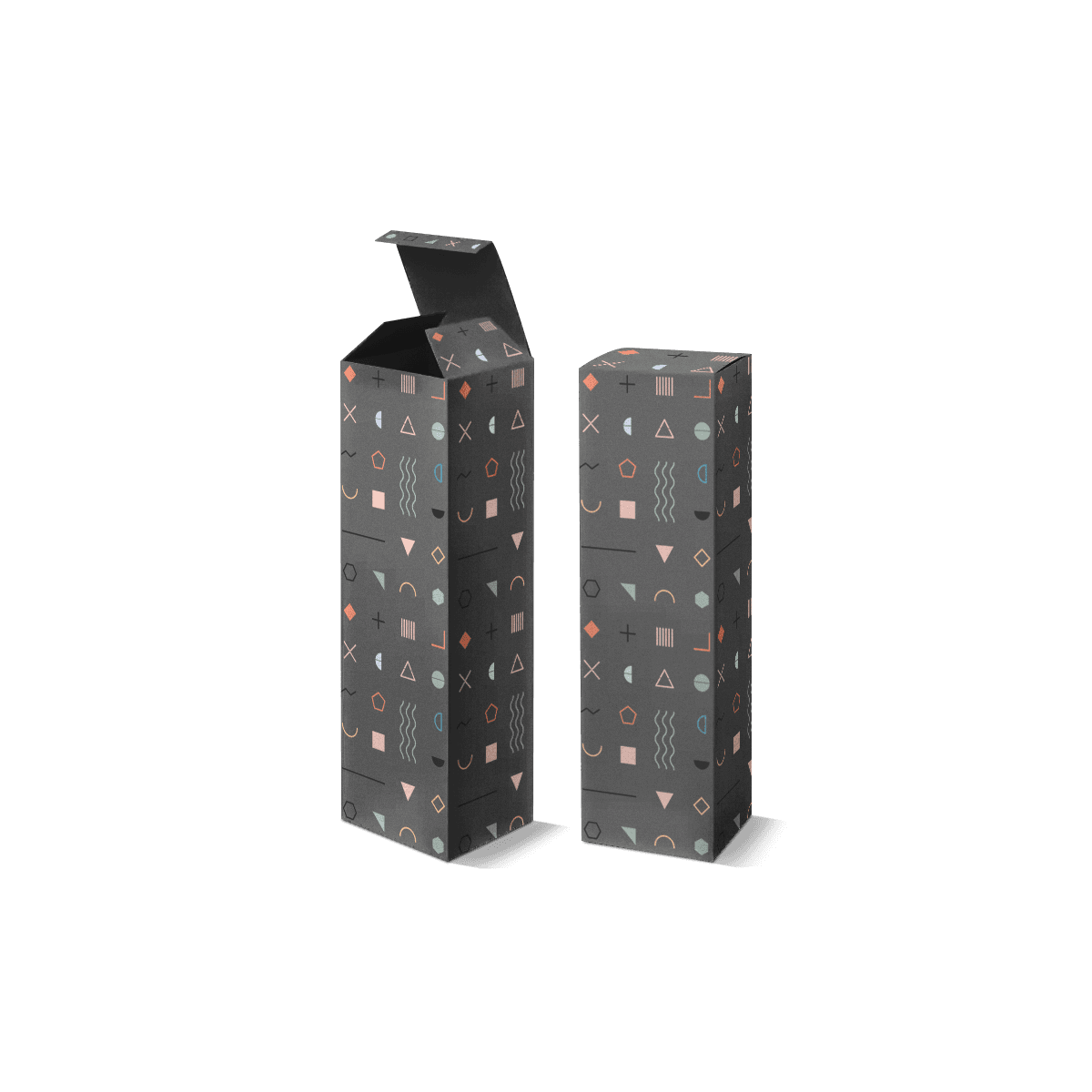
Straight Tuck-End Cartons
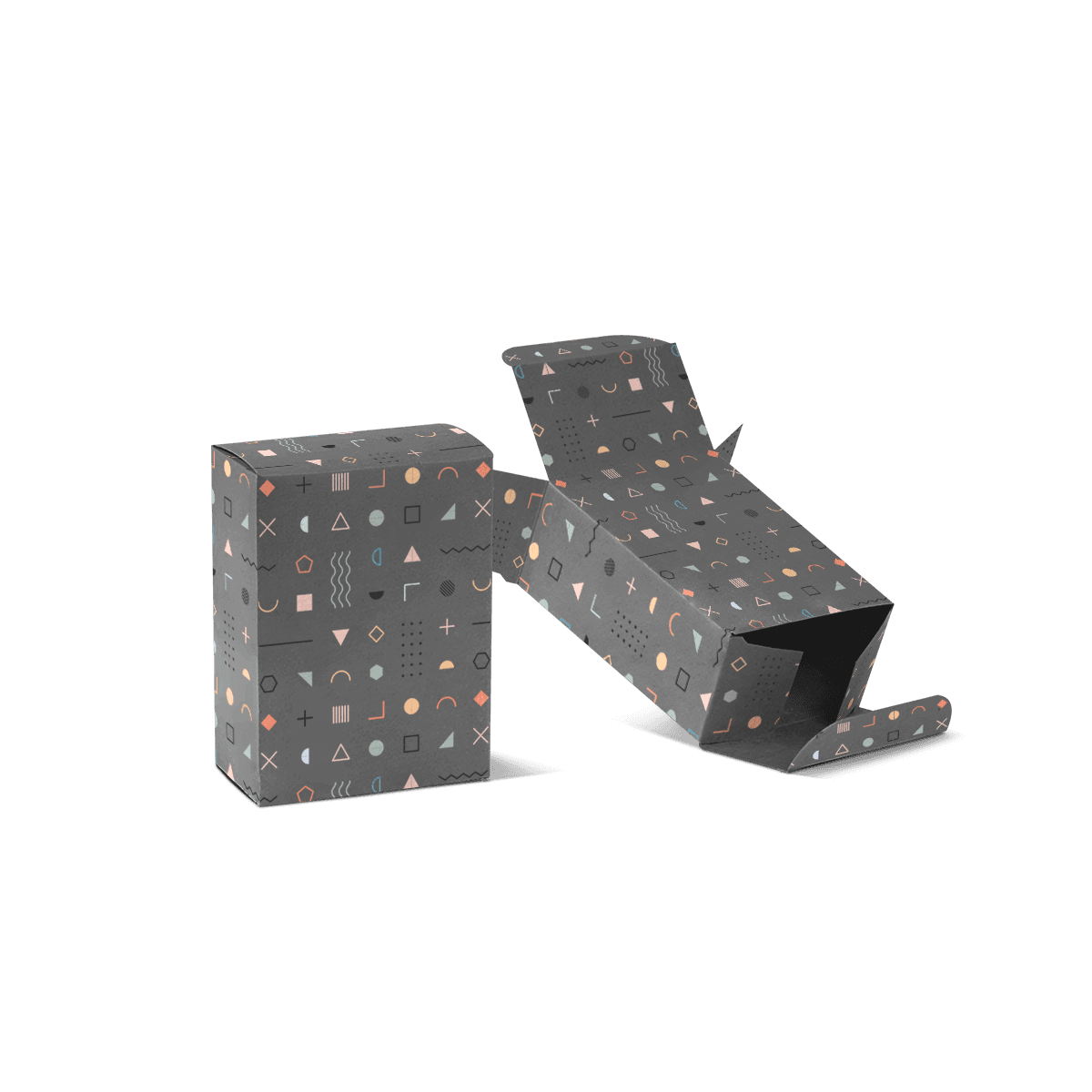
Reverse Tuck-End Cartons
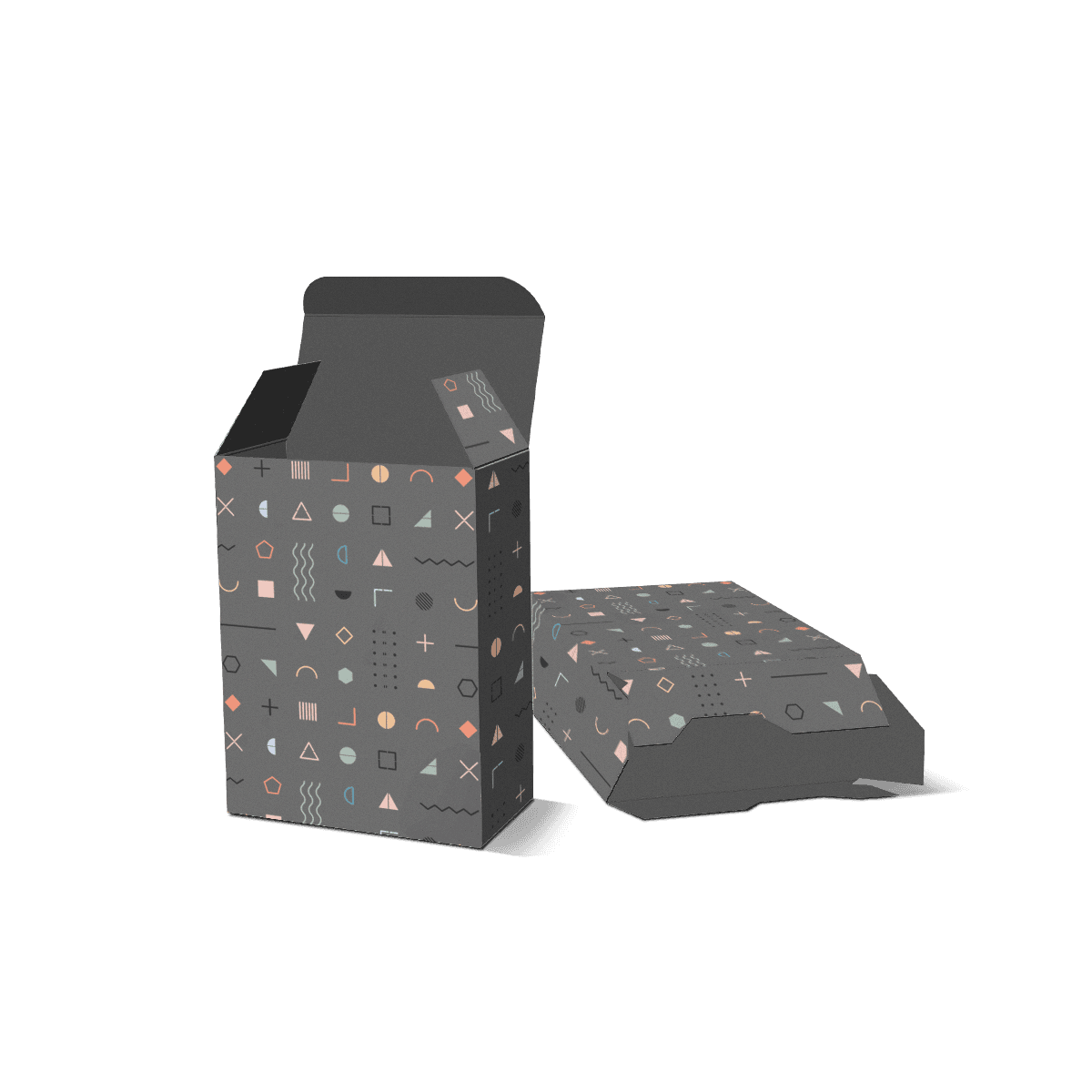
Auto-Lock Bottom Cartons
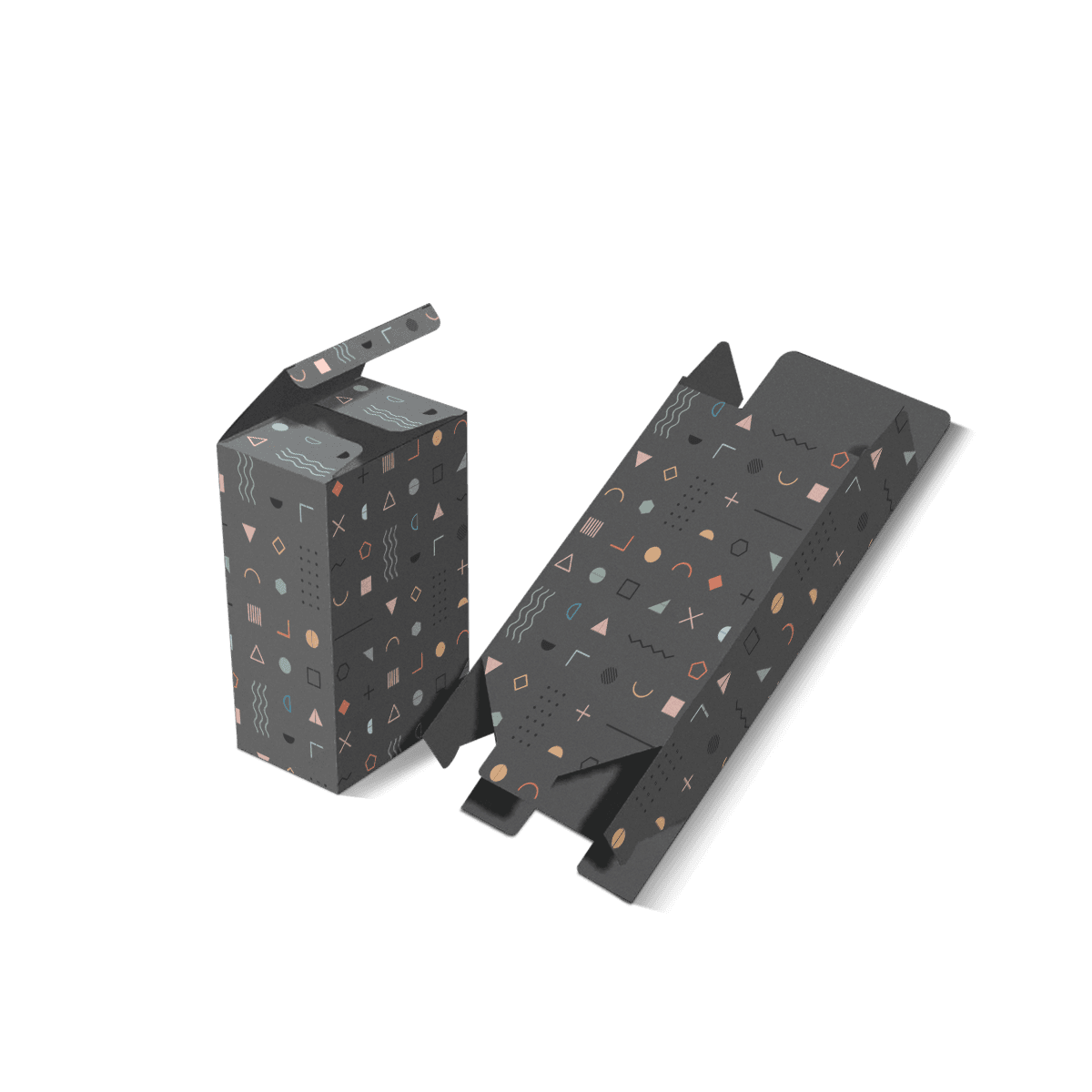
Snap-Lock Bottom Cartons
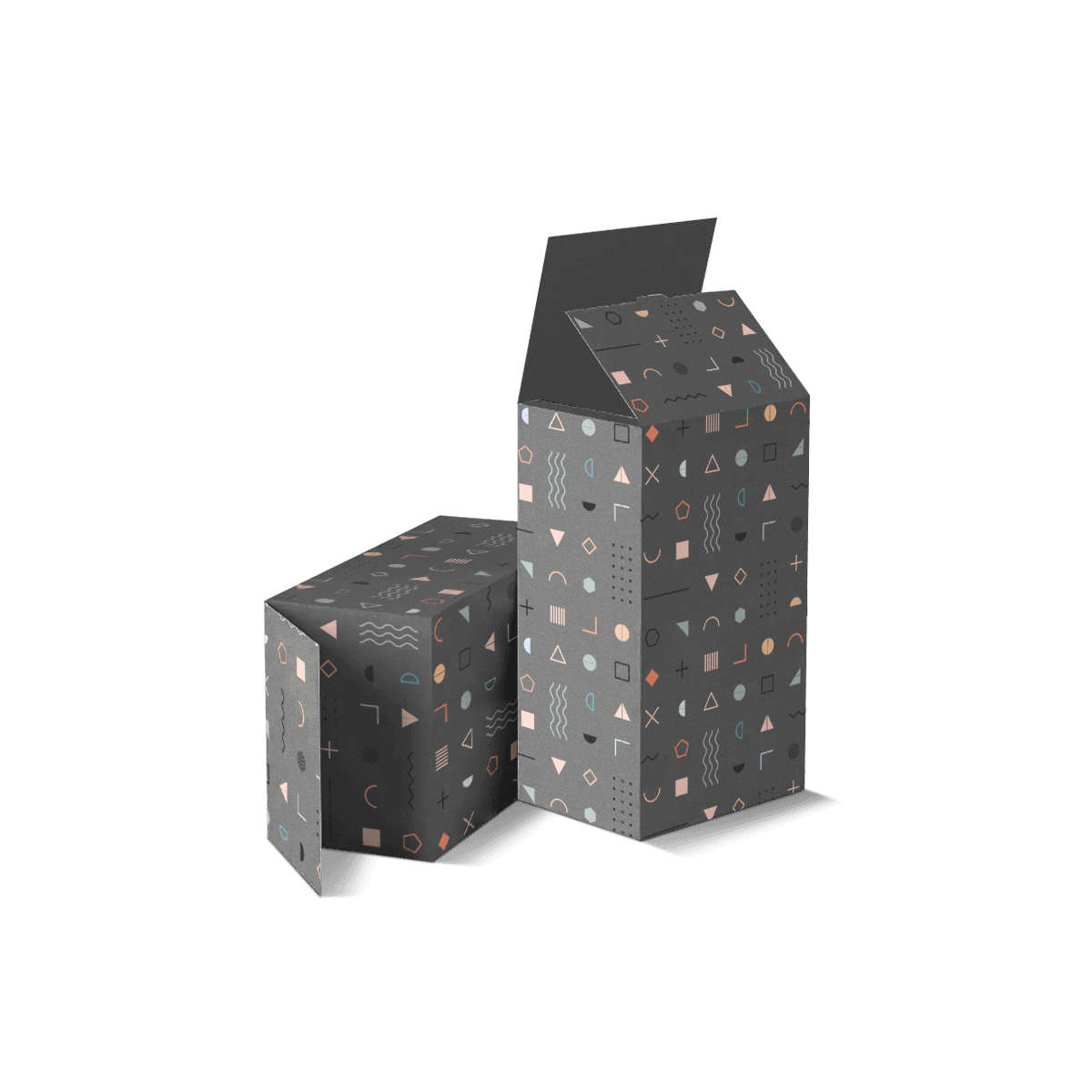
Seal-End Cartons
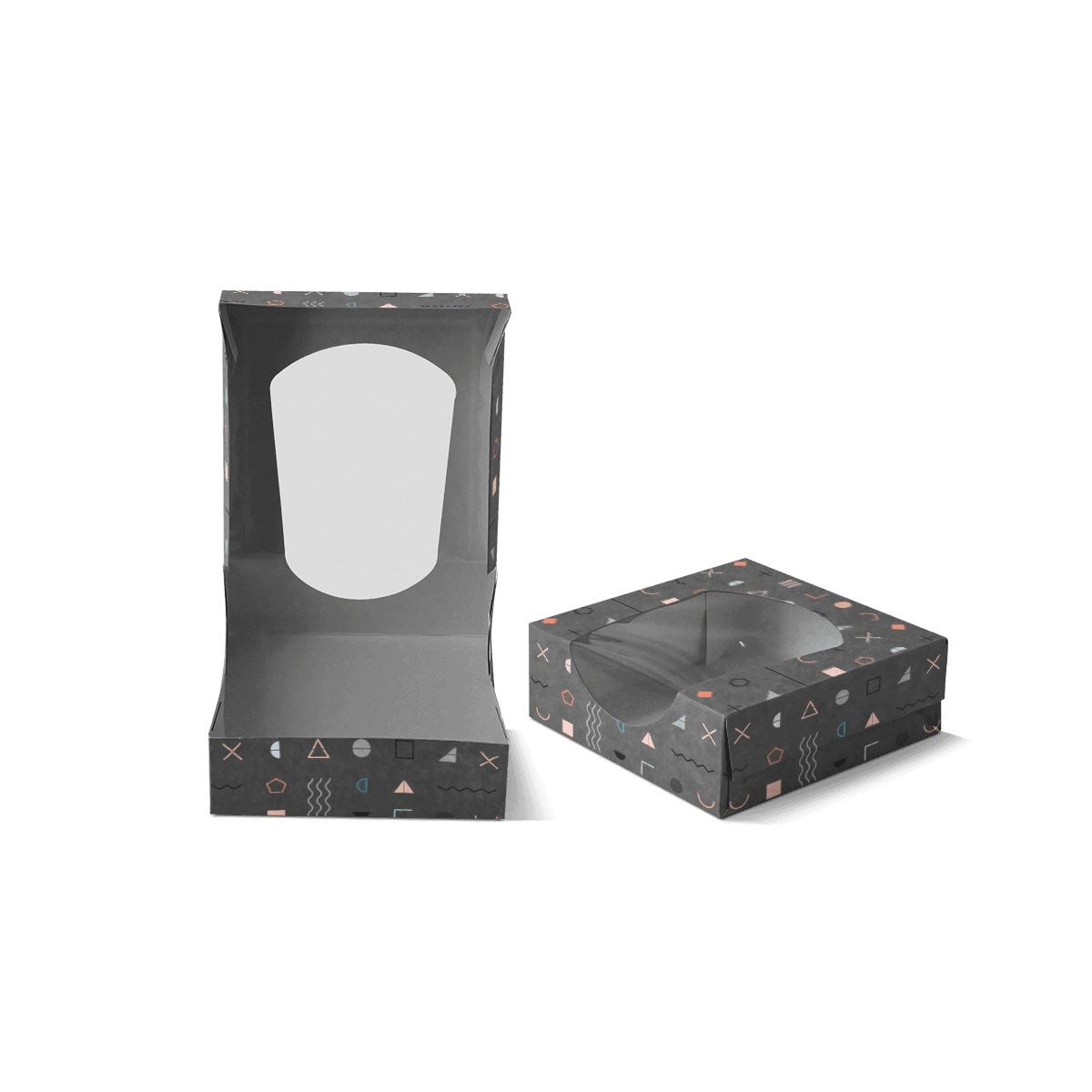
Windowed Folding Cartons
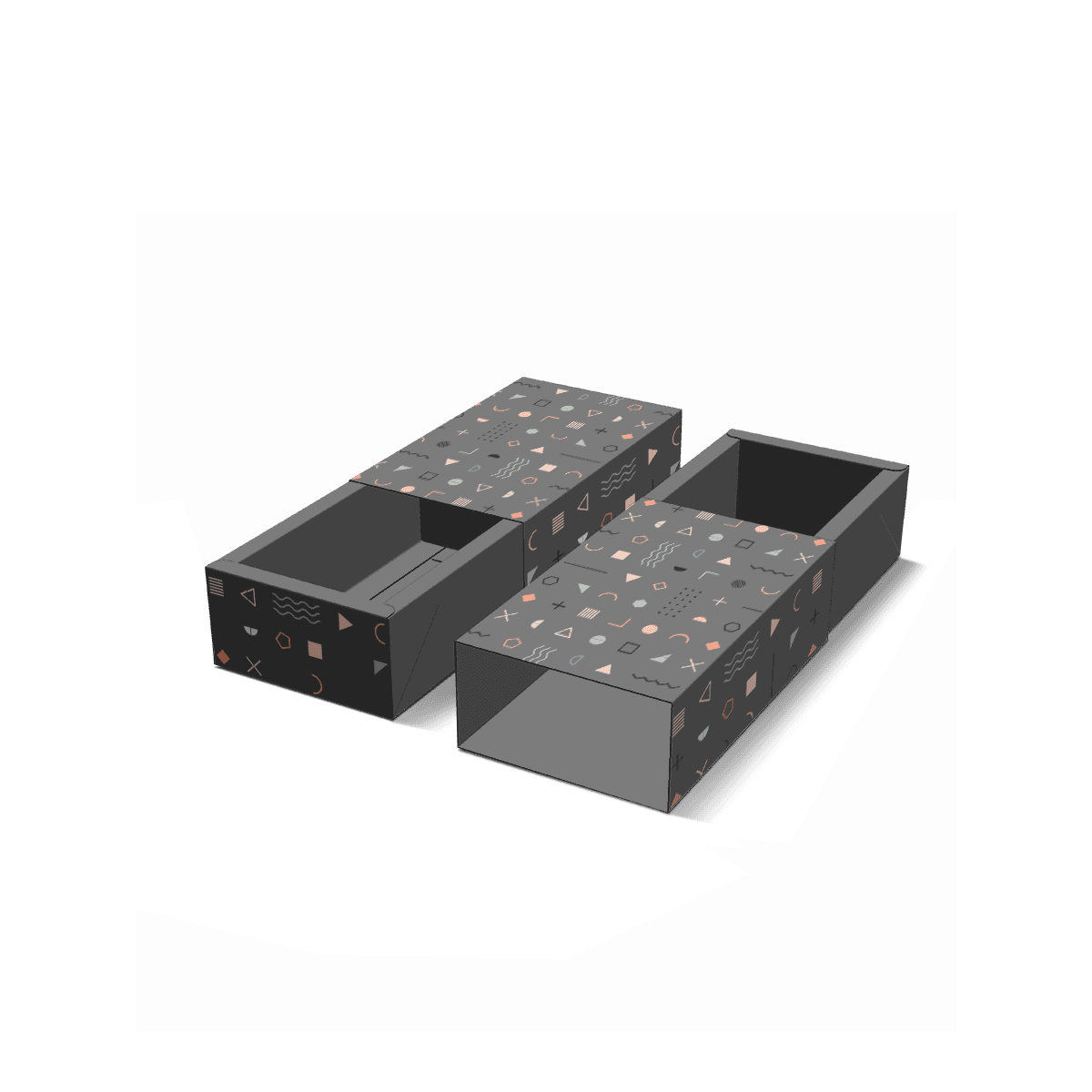
Sleeve Folding Cartons
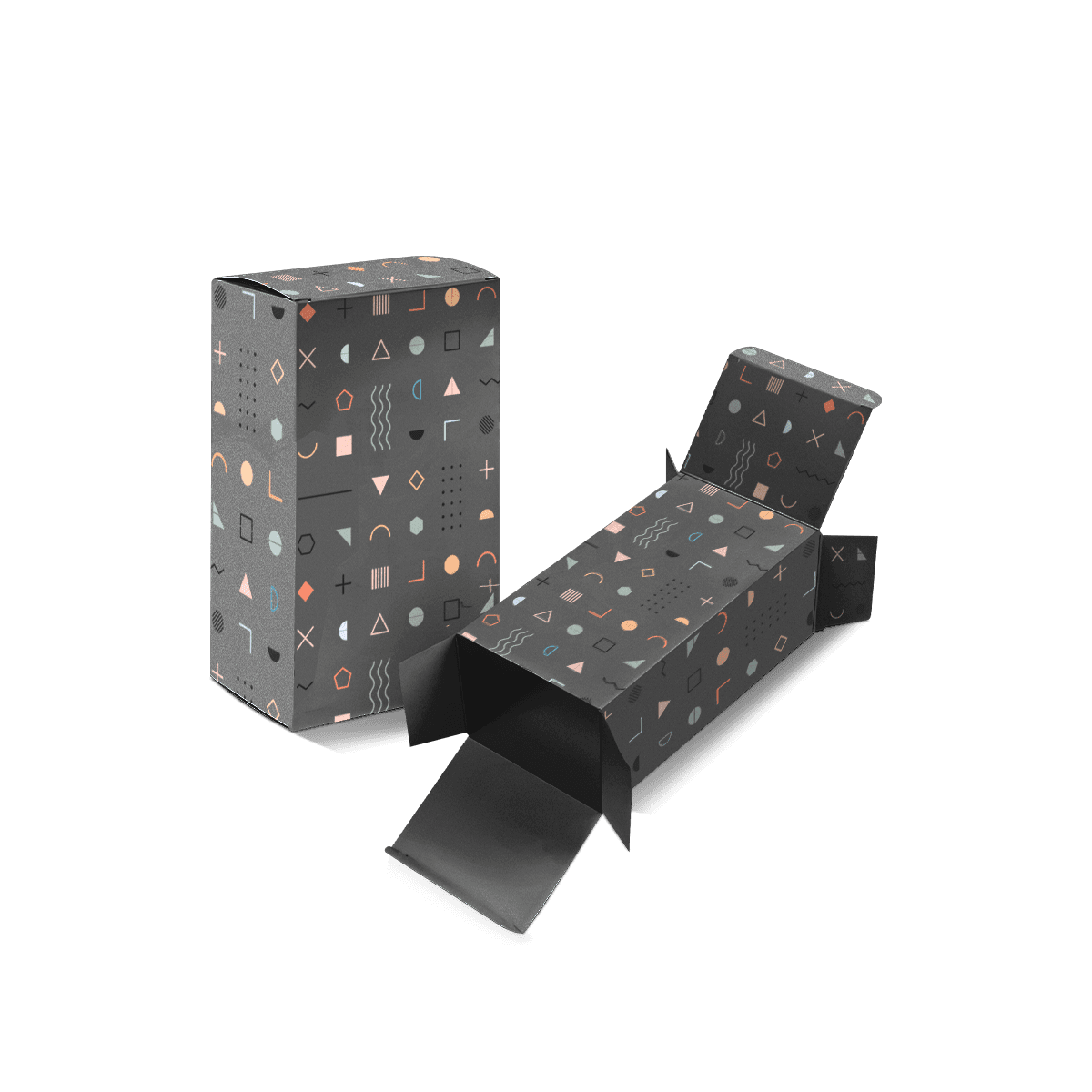
Standard Reverse Tuck Cartons
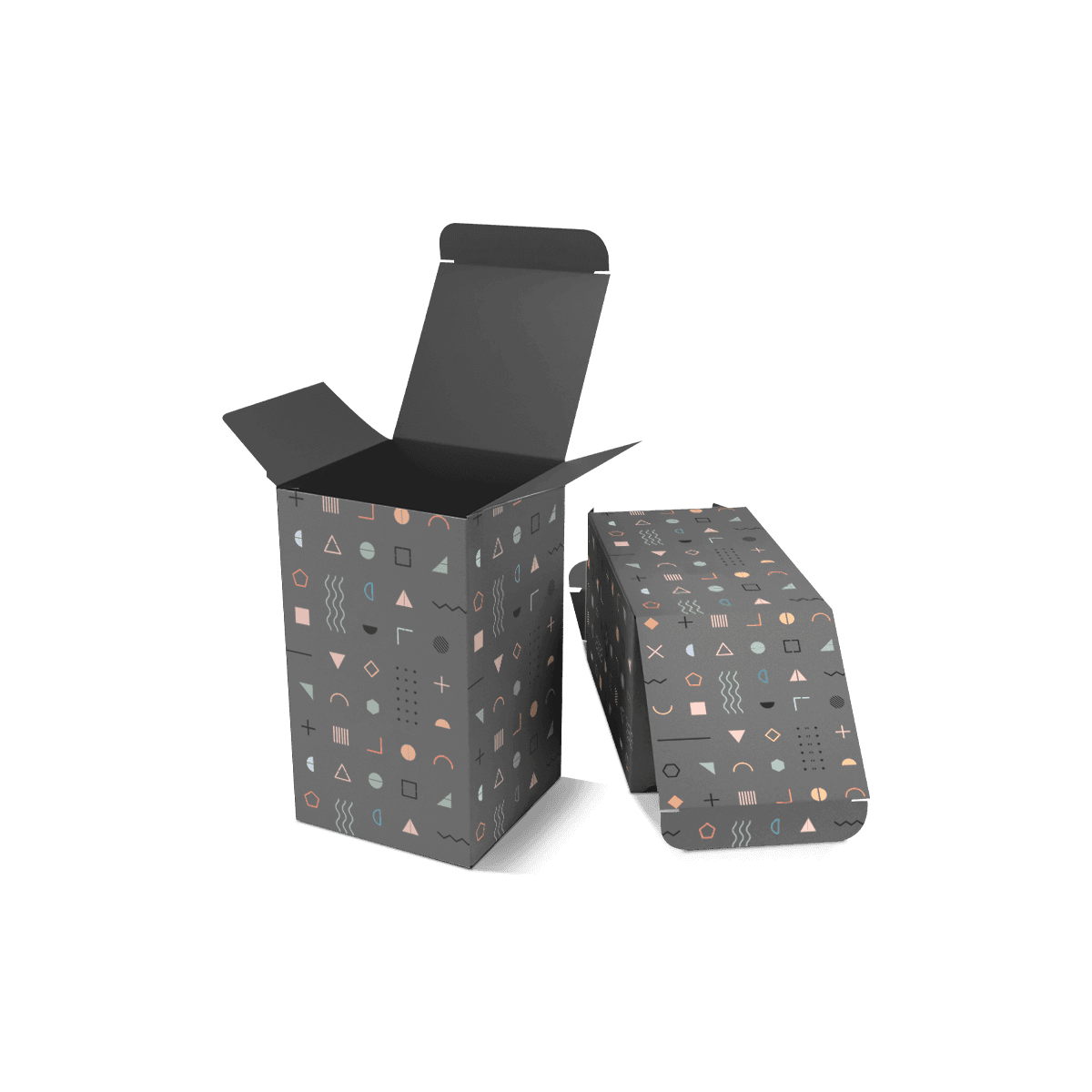
French Reverse Tuck Cartons
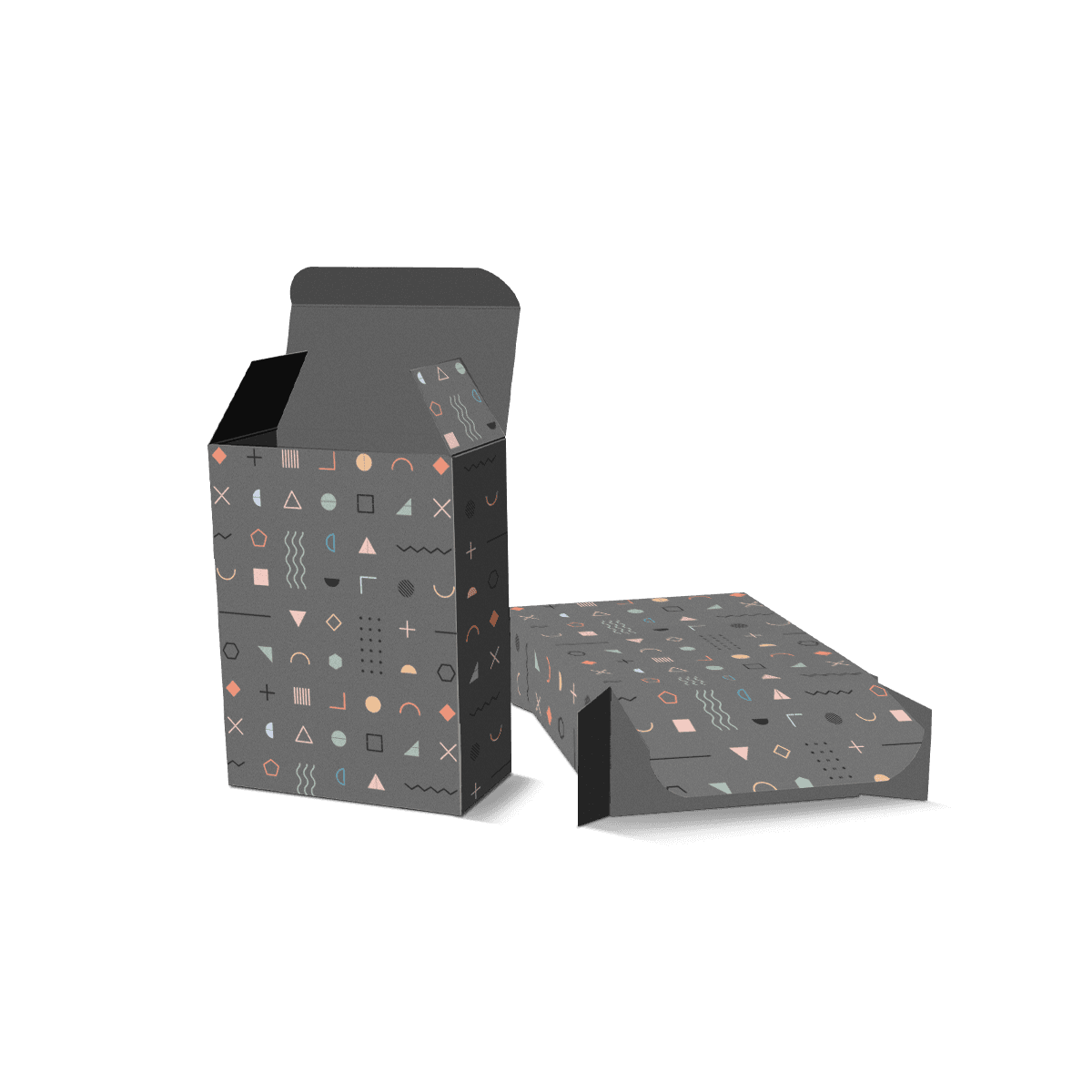
Straight Tuck (Airplane Style) Cartons
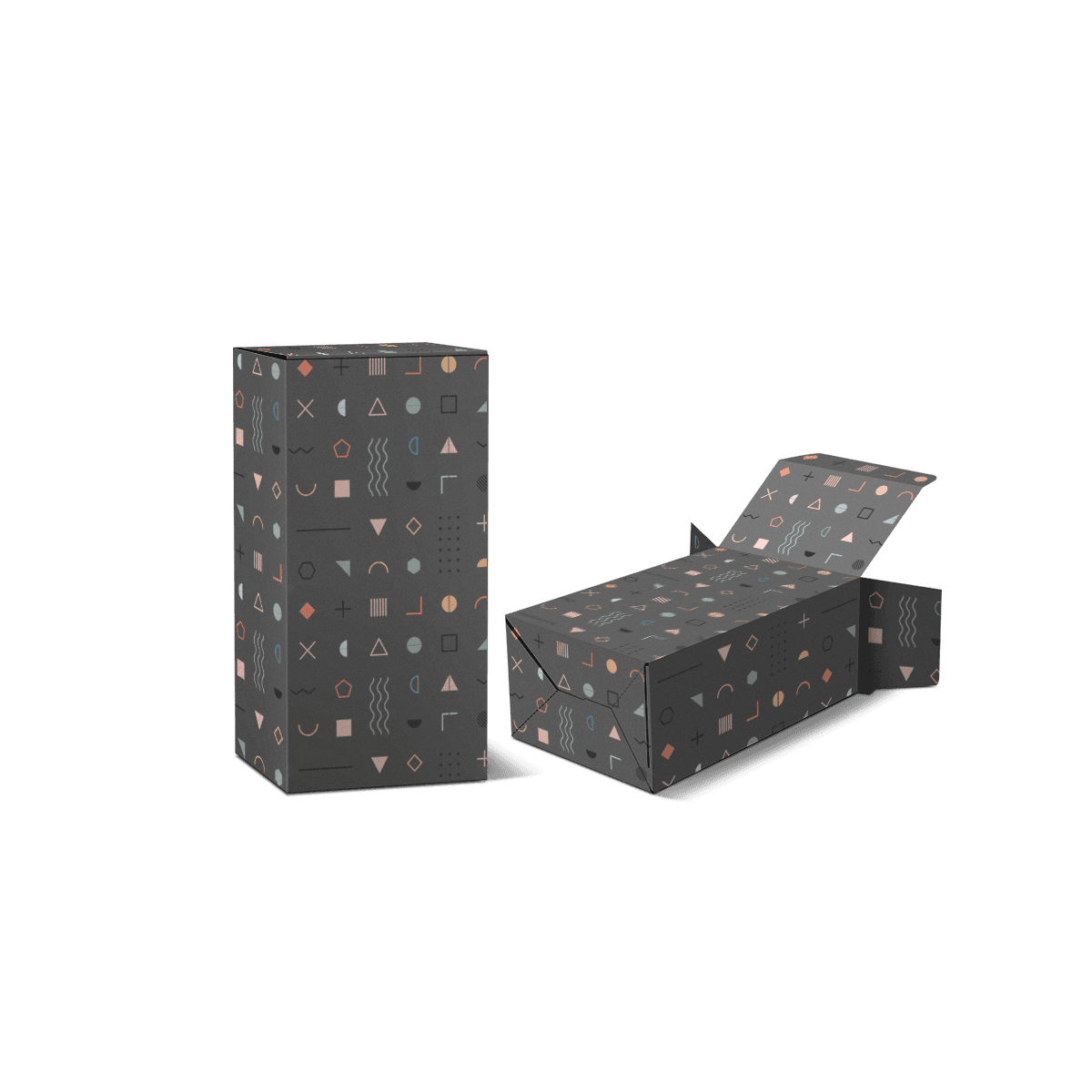
Automatic Bottom Cartons
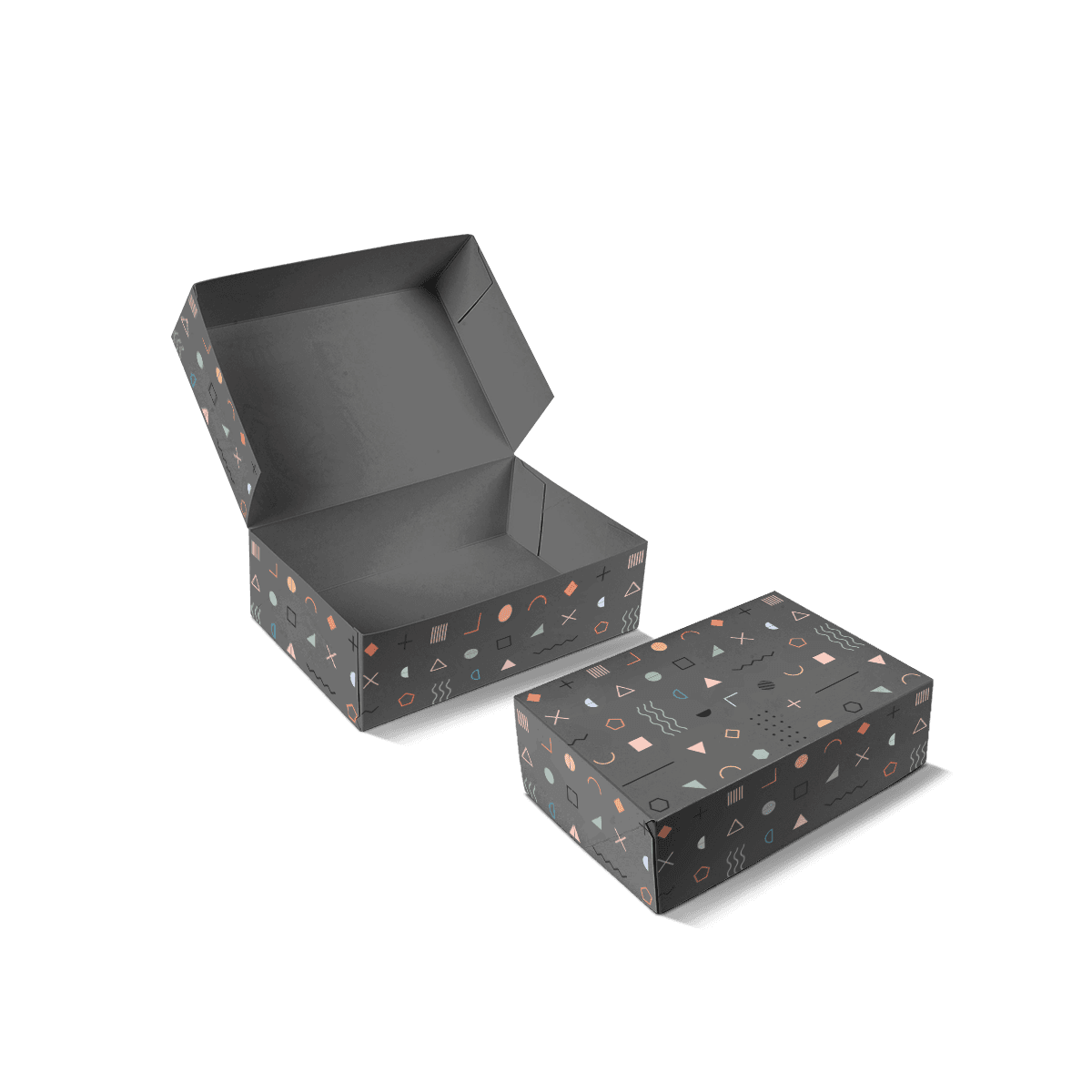
Six Corner Cartons
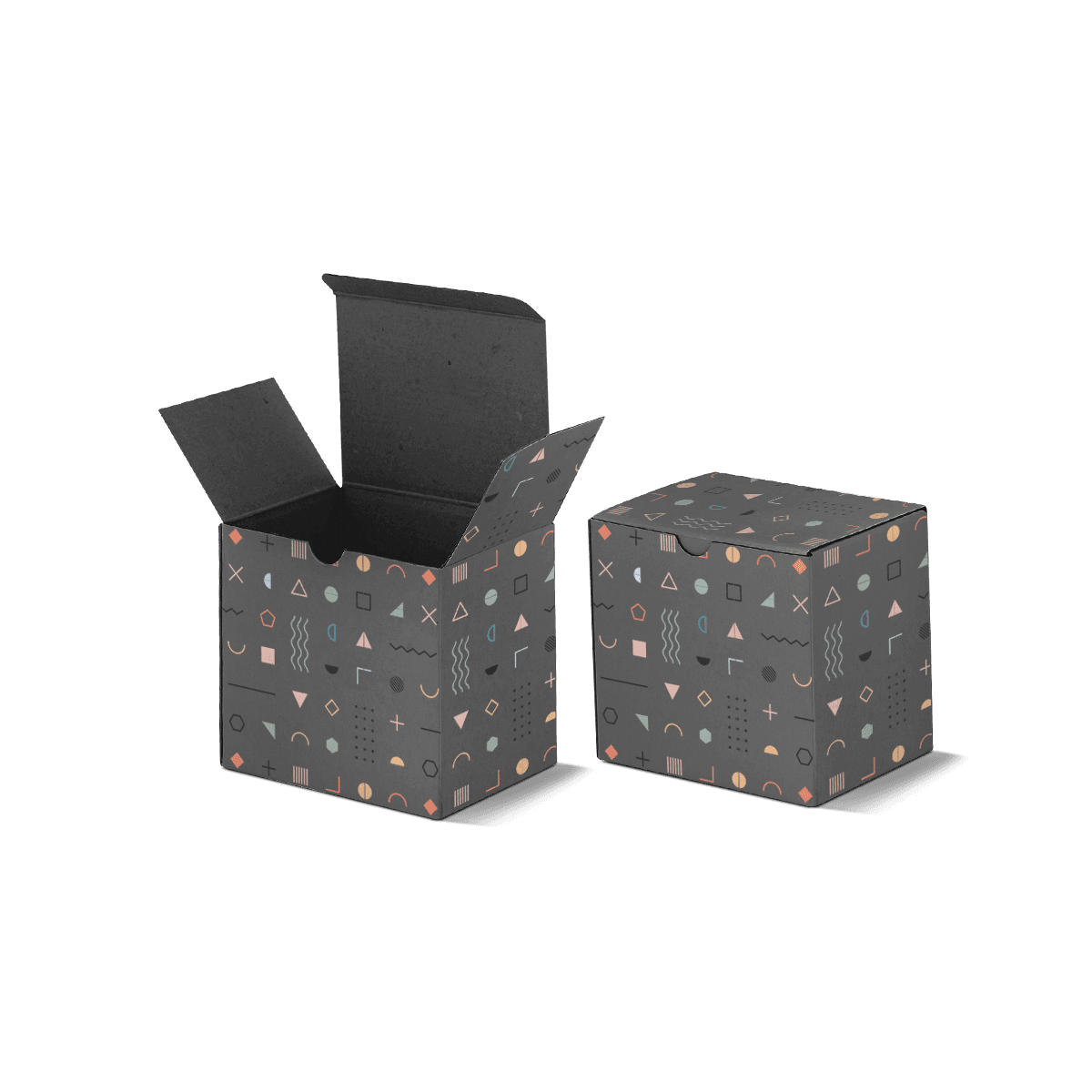
Tuck-Style Folding Cartons
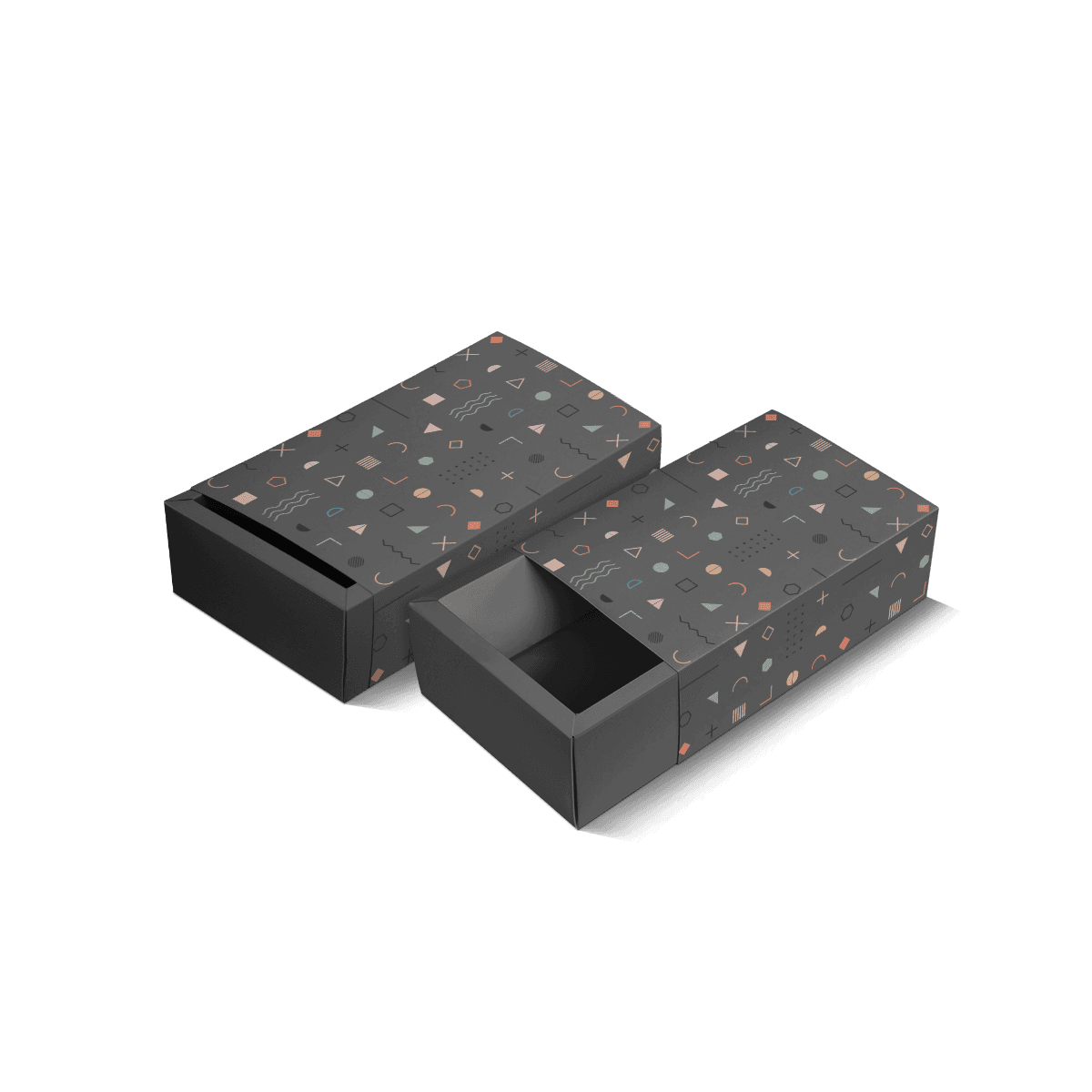
Tray-Style Folding Cartons
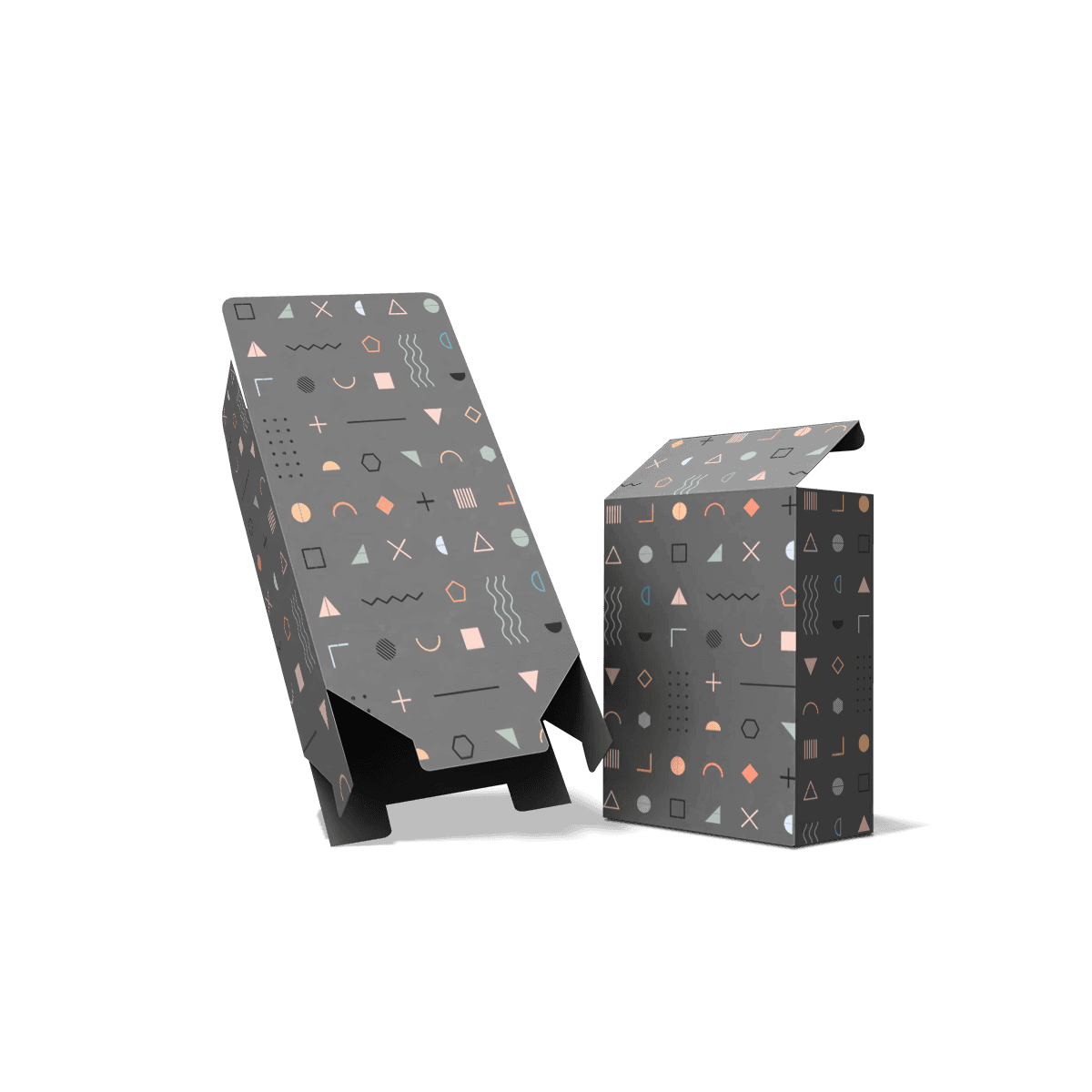
1-2-3 Bottom Folding Cartons
Your product shouldn’t have to fit an off-the-shelf box.
Share the shape, size, material, finish, or insert you have in mind. We’ll turn the details into a tailored packaging recommendation and a clear quote.
Custom sizes · materials · finishes · inserts
The Flat Blank Determines More Than The Finished Shape
A folding carton begins as a printed, die-cut and creased sheet of paperboard. That flat blank controls how much board is used, where glue is applied, how the carton erects and which panels become visible after assembly. For buyers, this means the smartest structural decision often happens before the box looks like a box.
A carton can appear simple once erected but still be inefficient if the blank is oversized, the bottom takes too many hand movements to lock or the main artwork panel is interrupted by a seam or closure. Start with how the carton will be converted and packed, then decide which closure gives the product enough support without unnecessary complexity.
Tuck Direction Affects More Than Opening Style
Straight tuck-end cartons place the top and bottom tuck closures in the same direction. They are useful when a clean main display panel and straightforward hand packing matter.
Reverse tuck-end cartons send the closures in opposite directions. The format can be efficient for many lightweight retail products and may suit a different sheet layout or packing sequence.
The decision should come from product orientation, artwork panels and pack-out, not from treating one tuck style as universally better.
Bottom Construction Changes The Packing Job
A basic tuck bottom is economical for many lightweight products. As product weight or packing speed becomes more demanding, the base becomes a separate structural decision.
Auto-lock bottom cartons use a pre-glued base that opens into position as the carton is erected. Snap-lock bottom cartons use interlocking flaps assembled by hand. Both can provide more bottom support than a simple tuck arrangement, but they move labor to different stages.
That difference matters when hundreds or thousands of cartons are being packed. A slightly more involved converting operation can be worthwhile if it removes repetitive assembly work later.
Paperboard Has To Fold Cleanly At Production Speed
Folding carton material is not selected only for thickness. Stiffness, surface quality, crease response, printing requirements and the finished carton dimensions all affect how the board behaves after die cutting and folding.
A board that looks excellent as a flat printed sheet can still perform poorly if the creases spring back, coated surfaces show cracking or the carton does not square consistently. Heavy ink coverage, coatings and laminations can also change what happens at a fold, so the finished material system should be evaluated rather than treating paperboard and finishing as separate choices.
Custom Packly can review paperboard, print, finishing and structural requirements together through its packaging capabilities when the carton specification needs technical refinement.
Caliper Should Support The Product Without Creating A Stiff Carton
More board is not automatically better. A lightweight tube or small accessory may not need the same paperboard construction as a heavier bottle or jar.
Extra caliper can increase stiffness, but it also changes creasing, folding and material use. The useful target is enough rigidity for the packed product and shelf environment while still allowing the carton to erect and close cleanly.
The Crease Is A Functional Feature
Crease lines create controlled folding zones. Their quality affects whether panels meet squarely, whether a tuck flap closes cleanly and whether finished edges look sharp.
This becomes especially important when a carton carries dense color, lamination or another finish across the fold. Approve the actual converted carton when fold appearance matters. A flat print proof cannot show how the complete board-and-finish combination behaves after creasing.
Packout Speed Can Justify A Different Carton Structure
Two cartons can use similar board and printing yet create very different labor requirements.
A tuck carton may be fast enough for a startup filling a few hundred units by hand. At higher volume, repeatedly forming bottom flaps can become a bottleneck. A pre-glued automatic bottom adds manufacturing complexity but can remove steps at the packing table.
This is why carton price should not be evaluated in isolation. The relevant cost is the box plus the labor, storage and handling it creates.
Structure, size, board, finishes and quantity all affect custom tuck box cost, so packout labor belongs in the cost comparison too.
Count The Motions Before A Large Run
Take the exact production carton and pack the real product. Count how many actions are needed to open the blank, form the base, insert the product, add any leaflet or insert and close the carton.
If a stronger bottom structure removes several repeated motions, it may justify a higher carton price. If packing is slow because the product catches on a flap, the problem may instead be clearance or loading direction.
A useful folding carton specification describes the packing process, not only the finished dimensions.
A Heavier Product Can Turn The Bottom Panel Into The Weak Point
Consider a supplement bottle that fits neatly inside a standard printed carton. The carton looks correct on a shelf, but during hand packing the bottom flaps flex and packers add tape because they do not trust the base.
The problem is not the artwork and it may not require moving to a rigid box. The product load is simply asking more from the bottom than the original closure was meant to provide.
One adjustment is to move to an automatic or interlocking bottom structure with paperboard suited to the packed weight. The carton can remain flat-packed and highly printable while the base becomes more dependable during filling and handling.
The improvement is practical: less improvised tape, more consistent standing shape and a structure that matches the actual load. It solves the failure at the point where it occurs rather than making every panel unnecessarily heavier.
For projects where a pre-glued base is the deciding production feature, Automatic Bottom Boxes provide the dedicated custom-box route instead of treating the bottom as a minor variation of a basic tuck carton.
Windows Trade Board Area For Product Visibility
A die-cut window can help shoppers see color, texture or the actual product before purchase, but the opening removes material from a structural panel. Its position should therefore be decided with panel stiffness, artwork and product movement in mind.
Windowed folding cartons make sense when seeing the product provides useful information. They are less convincing when the window exists only as decoration and forces the carton to become larger or structurally weaker.
Window placement also changes the graphic hierarchy. A front panel that once carried a large image or message may need to work around an opening, while the product behind the window becomes part of the visual design.
Use a window only when visibility earns the lost print and board area.
Shelf Panels Need To Work After The Carton Is Folded
Folding cartons are strong branding surfaces because paperboard can carry detailed graphics, small text, barcodes and premium print treatments. But artwork should be planned on the assembled carton, not just the flat dieline.
A logo may cross a crease. Small copy may land too close to a tuck. A barcode may sit on a curved or interrupted surface. A color block can look continuous on-screen but break visually where panels meet.
The packaging dieline guide explains cut lines, crease lines, bleed, safe areas, flaps and panel relationships. Cut lines, crease lines, bleed and safe areas on a packaging dieline determine where artwork can safely sit once the carton is folded.
Printing Method Should Match The Run, Artwork And Reorder Pattern
Custom Packly supports premium offset printing, but the right production method should still follow the project. Stable artwork, detailed paperboard graphics and repeat programs can make offset attractive. Shorter runs or frequent artwork changes may create different production priorities.
Quantity per design, substrate, color control and reorder frequency should determine whether digital, offset or flexographic printing fits the carton run.
Finishes Should Survive The Fold
Matte, gloss, soft-touch, foil, embossing, debossing and spot UV can all change the carton surface. Placement matters.
A finish that looks strong across a broad front panel may be less suitable across a heavily worked crease or narrow locking tab. Keep the highest-value effects on surfaces where they remain visually clean after converting, packing and shelf handling.
Folding Cartons Work Best When Retail And Transit Jobs Stay Separate
A paperboard carton can protect a lightweight product, present it well and organize information, but it is not automatically a parcel shipper.
For ecommerce, many folding cartons should sit inside a mailer or shipping carton. The inner carton handles the product-facing experience while the outer corrugated layer handles courier impacts, stacking and labels.
That separation is useful for cosmetics and personal care packaging and wellness packaging, where the printed retail carton and transit package often solve different problems.
When the product will be sold mainly on shelves, custom retail packaging is a useful route for balancing panel communication, merchandising and structural fit
Flat Storage Is Valuable Until SKU Count Becomes The Bigger Problem
One of the major advantages of folding cartons is that they can be stored flat before packing. That reduces warehouse cube compared with fully assembled packaging.
But flat storage does not eliminate inventory complexity. Ten products with ten slightly different dielines still create ten separate carton SKUs, artwork files and reorder points.
Growing brands should look for opportunities to share a structural footprint where the fit remains acceptable. Sometimes several variants can use the same carton dimensions with artwork changes. In other cases, forcing different products into one box creates excess movement or weak presentation.
Packout labor, inventory complexity and repeat consistency become more important as order volume grows.
Custom Packly supports warehousing and scheduled deliveries for larger repeat programs, so a stable approved specification can be produced in volume without requiring every unit to enter the customer’s warehouse at once.
Use Inserts When The Carton Needs Internal Control
A folding carton can be closely sized around one product, but multi-component sets, irregular shapes and fragile contact points may need an internal fitment.
Paperboard inserts can separate items while keeping the package mostly within the same material family. Other insert materials may be appropriate when cushioning, surface protection or a more precise cavity is required.
The insert should be developed alongside the carton dimensions. If it is added after the outer dieline is fixed, usable space can disappear quickly and the product may become difficult to load or remove.
This is especially relevant for kits, bottles with accessories and products that must remain front-facing through retail handling.
When product dimensions, support points and presentation are driving the project more than a standard carton style, define the internal fit before locking the outer dieline.
Quote The Converting Decisions That Actually Change Cost
A meaningful folding carton quote needs more than length, width and depth. Structure changes manufacturing steps, so a reverse tuck carton should not be priced as if it were an automatic-bottom carton with a window and multiple finishes.
By the time pricing is useful, define the carton style, finished dimensions, approximate product weight, board specification, quantity, artwork versions, printing requirements, finish areas, window or insert needs and expected packing method.
Custom Packly’s USA MOQ starts from 100 boxes. Instant free quotes, transparent pricing and no hidden charges make it possible to compare the actual specification rather than a generic paperboard box. Free 3D mockups and design and dieline support can help resolve artwork and structure before production.
Free sample examples of previous work are available where relevant. If the exact carton needs physical validation before a production run, a fully custom pre-production sample can be arranged as a paid sample.
Once those structural decisions are clear, request an instant custom packaging quote for the carton you actually intend to pack.
Repeat Production Depends On The Blank Staying Predictable
The final approval should preserve the carton as a manufacturing specification, not just a piece of artwork.
Record the finished dimensions, approved dieline, board, caliper or agreed material specification, glue locations, closure style, printing method, finish locations, window details, insert geometry and artwork version. If the packing line depends on how the carton opens or squares, preserve those functional requirements too.
For repeat programs, US production and a standard 4–6 business-day turnaround after final artwork and specifications are approved become most useful once the carton itself is stable enough to reproduce without reopening basic structural decisions on every order. Complex structures, specialty materials or advanced finishes may require additional time.
Folding cartons earn their place through efficient converting, flat storage, strong printable panels and a wide choice of closure systems. The best one is not the carton with the most features. It is the blank that folds into the right structure with the least unnecessary material, labor and uncertainty.
When paperboard is no longer the right structural direction, compare other Packaging Styles before forcing the product into a folding carton.
Start Your Custom Packaging Quote
Share your product details, size, quantity and artwork needs. We’ll help choose the right packaging style and send a clear quote.