Skip to content
Details

Custom Reverse Tuck-End Cartons

Custom printed folding cartons with opposite-direction tuck closures, compact paperboard construction and practical assembly for lightweight retail products.

Opposing Flaps Change the Blank

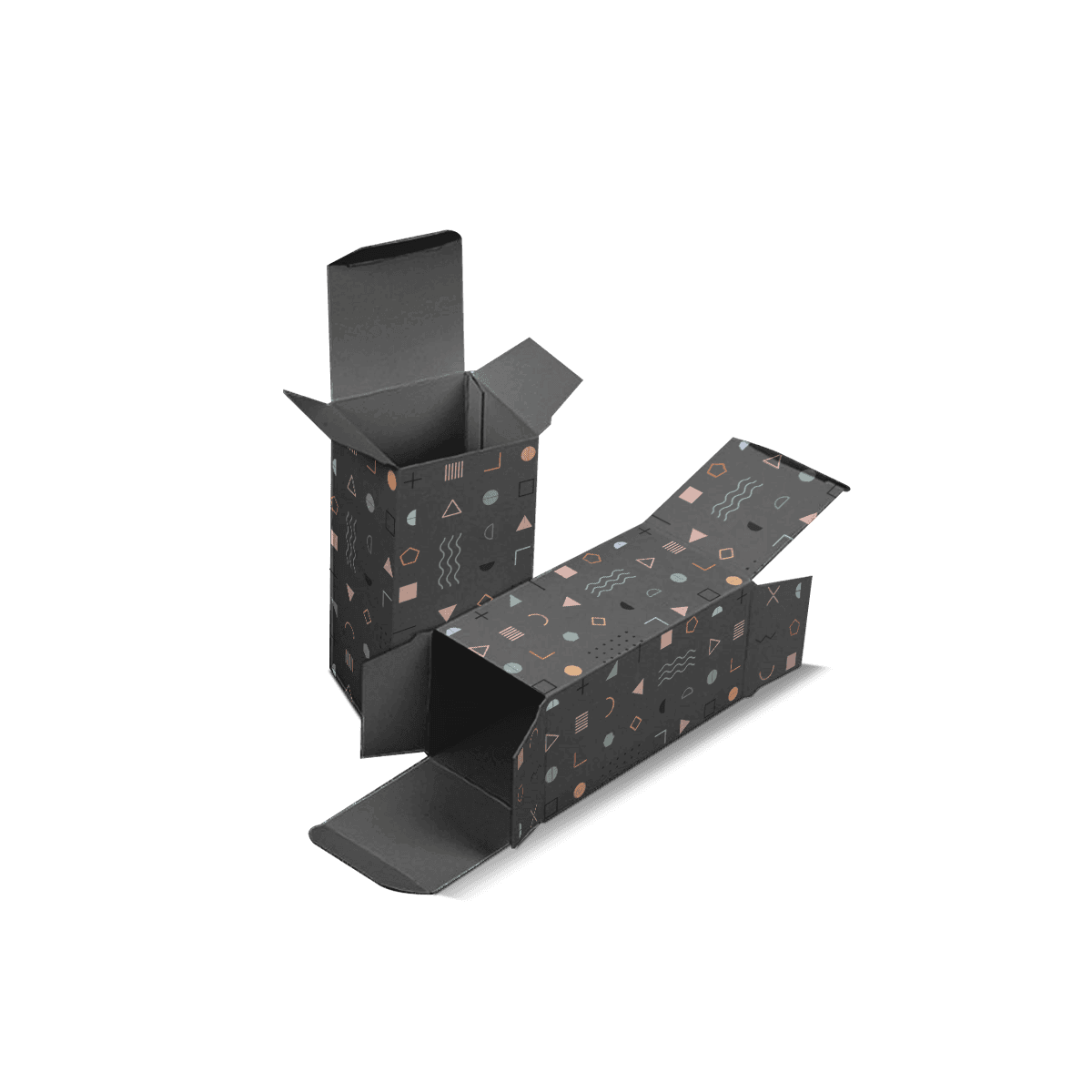
The defining feature of a reverse tuck-end carton is the relationship between its two main closure flaps. They are attached to opposite body panels, creating a different flat layout from a straight tuck-end construction.

That arrangement affects how the carton blank can be positioned on a printing sheet, how its ends are assembled and where the closure edges appear on the finished box.

Custom Reverse Tuck-End Cartons use this simple paperboard construction for lightweight retail products that need a printable outer pack without a reinforced or permanently sealed base.

The design is particularly practical for individually packaged products such as cosmetic tubes, supplement bottles, blister cards and small consumer accessories.

The important decisions concern the actual flap arrangement, product orientation and packing method rather than treating reverse tuck construction as automatically stronger or less expensive than other cartons.

Opposite Tuck Directions

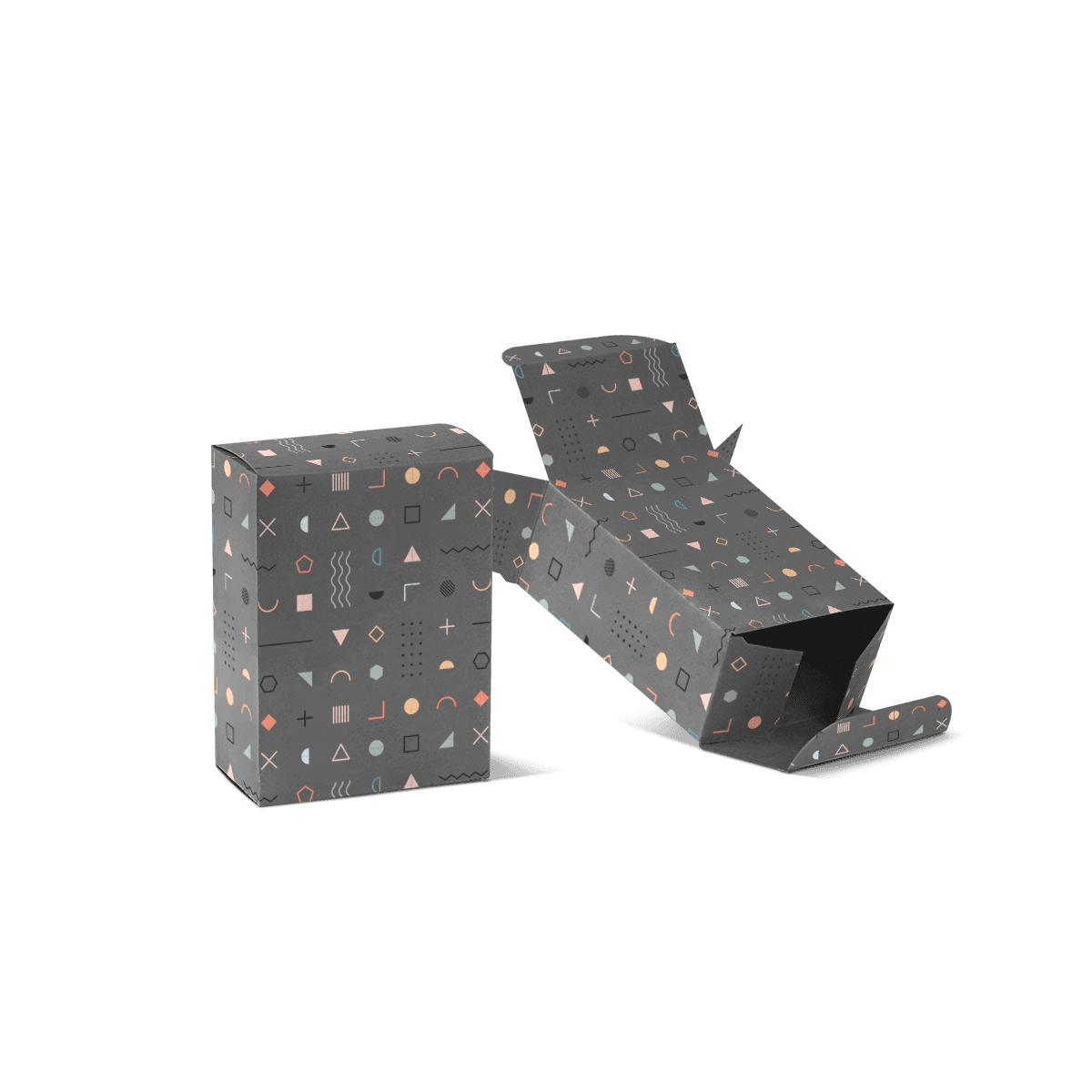
In a reverse tuck-end construction, the top and bottom main flaps are attached to opposite body panels.

Each main flap folds over its respective opening, with its tuck tongue entering the carton.

The opposing arrangement distinguishes it from straight tuck-end cartons, which have both main tuck flaps attached to the same body panel.

Both structures can support straightforward retail packaging. The preferred arrangement depends on the finished product, panel presentation and intended packing sequence.

Dust Flaps and Side Seam

A conventional reverse tuck-end blank also includes dust flaps and a glue flap for the side seam.

The side seam is typically glued during carton conversion, allowing the finished carton to arrive flat.

During assembly, the carton body is opened into its rectangular shape. The dust flaps are folded inward before the main closure is completed.

The dimensions of these components affect how accurately the carton closes.

Dust flaps that are incorrectly proportioned can interfere with the tuck tongue or prevent the end panels from sitting neatly.
Bottom Assembly Before Filling

A reverse tuck-end carton normally needs its bottom closure formed before the product is inserted.

This creates a straightforward packing sequence, but the orientation of the blank matters.

The operator must be able to identify the intended base, form the closure and load the product without repeatedly rotating the carton.

Establish the Bottom

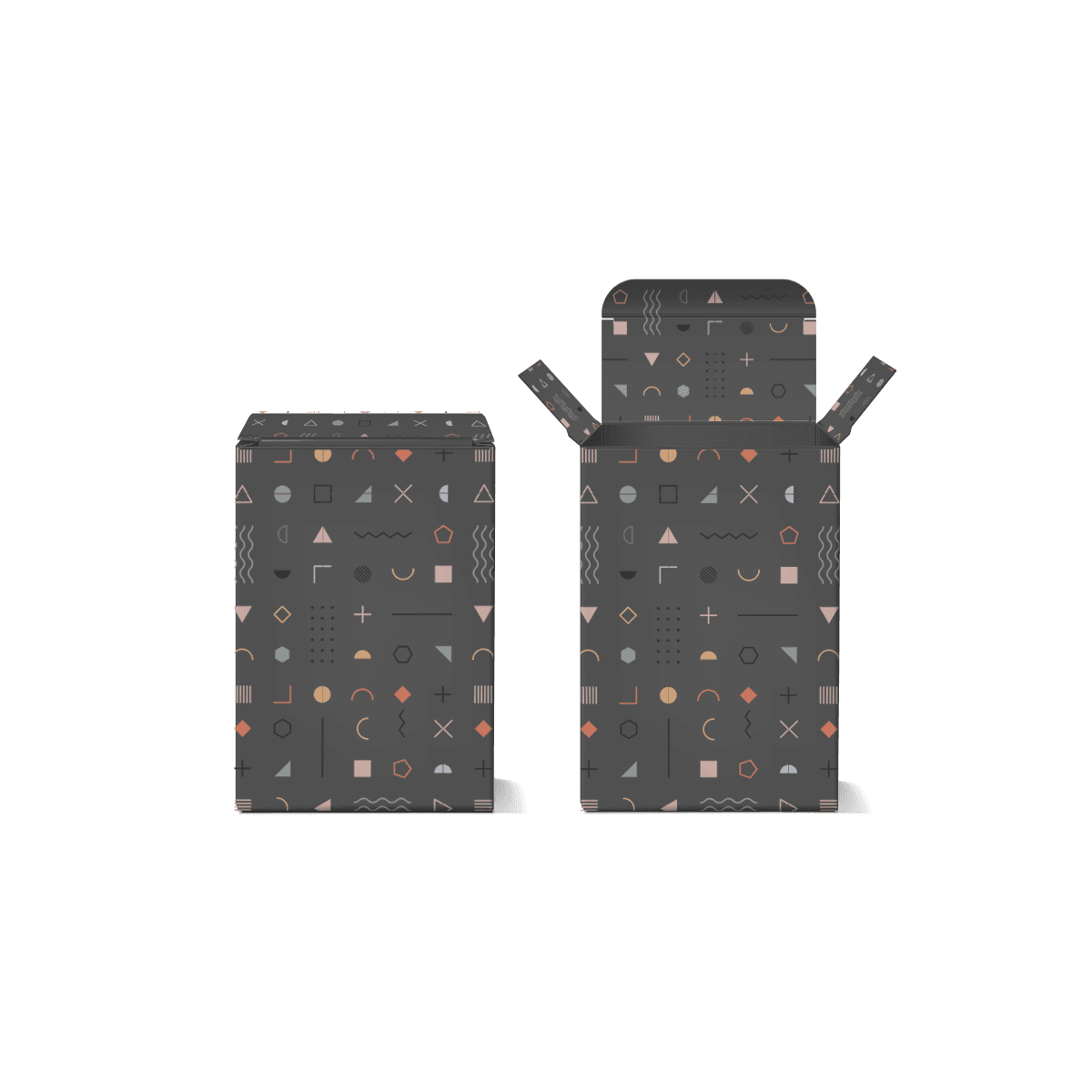
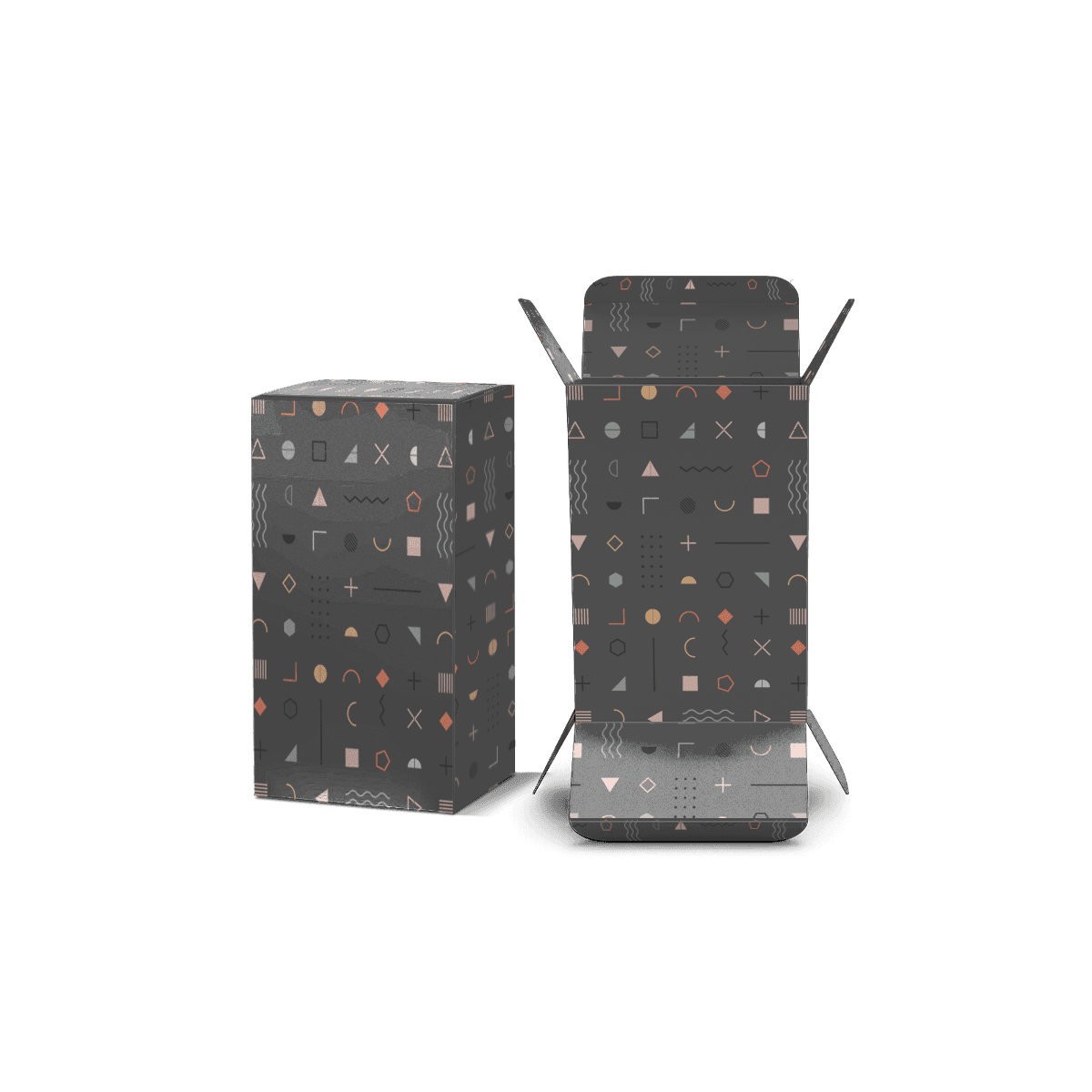
The carton is opened from its flat condition and the bottom dust flaps are folded inward.

The main bottom flap then folds across the opening, with its tuck tongue inserted into the carton.

The closure should sit correctly without requiring excessive pressure or leaving the carton body distorted.

The completed base must support the intended product weight during the remaining packing operation.

A simple tuck bottom is appropriate for many lightweight products, but it should not be treated as a reinforced load-bearing construction.

Loading Direction

The product should enter the carton without catching against the formed bottom or disturbing its tuck tongue.

This is particularly relevant for products with projecting caps, irregular edges or accessories.

A cosmetic tube may enter easily in one orientation but catch against the carton flaps in another.

For a blister-card product, the position of its formed cavities can also influence the loading method.

The intended sequence should be established using the actual product rather than an empty carton alone.

Top Closure

After filling, the top dust flaps and main tuck flap are folded into position.

The top closure should retain the product without putting unnecessary pressure on a bottle cap, folded leaflet or other component near the opening.

A top flap that requires force to close may indicate insufficient internal height or interference from the packed contents.

Correcting the internal arrangement is preferable to forcing the paperboard into position.

Position the Retail Face

Opposite-direction closures affect the relationship between the carton ends and its printed panels.

The principal display panel should be identified on the assembled carton before the artwork is prepared.

A flat dieline can be misleading if the designer assumes that the main tuck flaps are attached to the same face.

Front and Back Panels

The carton should be oriented so that its principal display panel presents the product correctly when the finished box is standing on a shelf.

The top and bottom closures will be attached to opposite body panels.

That arrangement must be considered when placing graphics that extend toward the carton ends.

A brand mark, product illustration or background pattern may occupy the front panel without continuing onto either closure.

Where artwork does extend across a fold, its orientation must follow the actual dieline.

Side Panel Identification

Side panels can accommodate barcodes, product identifiers, instructions and other supplied text.

The most appropriate position depends on the assembled carton and its intended retail orientation.

A barcode should occupy a sufficiently flat surface, with the required quiet zones preserved.

Placing essential information too close to a crease or glue seam can compromise readability.

Custom Packly's artwork and prepress review helps identify these production-layout problems before printing.

Tuck Engagement and Retention

The main tuck tongue must enter the carton far enough to retain the closure without making opening unnecessarily difficult.

Its performance depends on the actual flap geometry, paperboard thickness and finished dimensions.

There is no universal tuck depth that suits every carton.

Tuck Tongue Geometry

The tuck tongue should enter the carton smoothly and sit in its intended position.

If it is too short for the construction, the closure may disengage during ordinary handling.

If it is unnecessarily long or poorly proportioned, it may catch against the product or distort the end panel.

The final geometry should account for the carton depth and the space occupied by its contents.

A well-proportioned tongue retains the closure without depending on excessive friction.

Dust Flap Interference

Dust flaps help close the spaces at the sides of the carton opening.

Their dimensions must complement the main closure rather than interfere with it.

If the dust flaps extend too far into the opening, they can prevent the tuck tongue from entering correctly.

If they are poorly positioned, they may fold unevenly or create resistance during assembly.

The completed end should remain square and close consistently.

Repeated Opening

Some retail cartons remain in use after purchase.

For these products, the top flap should permit the intended number of openings and closings without unnecessary damage.

The paperboard and crease construction affect how the closure behaves during repeated use.

A conventional reverse tuck-end carton is reclosable, but that characteristic does not establish tamper evidence or child resistance.

Paperboard at Opposing Creases

A reverse tuck-end carton needs a board that can be printed, die-cut, creased and folded accurately.

The opposing flap arrangement creates crease lines at different ends of the body panels.

The selected material should permit those folds while maintaining the required carton stiffness.

SBS Paperboard

Solid bleached sulfate (SBS) paperboard offers a smooth white printing surface suitable for fine typography and detailed graphics.

It can be a practical choice for lightweight cosmetic, wellness and retail cartons.

The required caliper depends on the finished dimensions and the product's weight.

A small tube carton and a larger bottled product may need different board specifications despite using the same closure structure.

Kraft and Recyclable Stock

Kraft paperboard can support a natural-looking retail presentation.

Its underlying color affects the reproduction of printed inks, particularly lighter colors and low-contrast artwork.

Custom Packly supports eco-friendly packaging options and recyclable materials where suitable for the intended construction.

The finished carton's recyclability depends on its actual material combination, coatings, adhesives and local recycling arrangements.

Crease Quality

An unsuitable crease can produce cracking, resistance or inconsistent folding.

This becomes more noticeable when the paperboard carries heavy ink coverage or certain surface finishes.

The crease specification should account for the board's properties and the intended folding direction.

Where a particular board-and-finish combination creates uncertainty, a physical converted sample can help assess the actual fold behavior.

Material Yield on Press Sheets

The reverse tuck-end layout can offer manufacturing advantages because the opposing main flaps may permit efficient nesting of carton blanks.

However, the material saving depends on the actual carton dimensions, printing sheet and die-cutting arrangement.

Reverse tuck construction should not automatically be described as the cheapest folding-carton structure.

Blank Arrangement

A carton converter can arrange multiple blanks on a sheet to improve material utilization.

The opposing flap geometry may permit adjacent blanks to fit together efficiently.

The actual yield depends on the width and height of the finished carton, flap dimensions and the printing sheet.

A small change in carton size can affect the number of blanks that fit on one sheet.

The structural decision should therefore be evaluated using the intended production specifications.

Grain and Print Orientation

Efficient nesting is not solely a question of minimizing unused paperboard.

The board grain must also suit the carton construction and converting requirements.

Artwork orientation, printing conditions and equipment limitations can affect the final sheet arrangement.

A nesting pattern that appears efficient geometrically may not be appropriate for the selected board or production process.

The manufacturing yield should be established from the actual production layout rather than assumed from the carton style.

Manual Packing Economics

The cost of a reverse tuck-end carton extends beyond its manufacturing price.

A simple blank may be inexpensive to produce, but the packing operation still needs to form the bottom, insert the product and close the top.

For a small manual operation, those steps may be entirely practical.

At larger volumes, the time required for each operation becomes more significant.

Hand-Packing Rhythm

A straightforward carton can support efficient manual packing when its flaps fold predictably and the product enters without resistance.

Operators should not need to repeatedly adjust the dust flaps or reposition the product before closing the carton.

An awkward packing sequence can reduce the practical advantage of a simple structure.

The most effective assessment is the complete packing operation rather than the speed of erecting an empty box.

Pre-Glued Bottom Alternatives

For products that justify a different assembly method, auto-lock bottom boxes have a pre-glued base that forms during erection.

This can eliminate manual bottom-folding steps.

The more involved converting process may increase the carton manufacturing cost while reducing labor during packing.

The appropriate choice depends on the product and actual production volume.

The cost of custom tuck boxes depends on dimensions, board, quantity and construction, so a structural change should be evaluated against the complete packing operation.

Automated Cartoning Requirements

A reverse tuck-end structure may be suitable for automated cartoning, but the closure arrangement alone does not establish machine compatibility.

The actual equipment determines which blank dimensions, flap configurations and closing methods can be used.

A carton developed for manual assembly may need adjustments before it can run through an automated line.

Blank Feeding

The carton blank must be compatible with the machine's feeding and erection system.

Panel dimensions, side-seam construction and board stiffness can affect how the blank moves through the equipment.

The manufacturer or contract packer should establish the accepted specifications before production.

Closing Equipment

The packing line must accommodate the opposite-direction top and bottom closures.

If the equipment forms one end before filling, the intended carton orientation needs to correspond to that operation.

The final closure must also work with the machine's folding and tucking sequence.

Custom Packly can work from supplied equipment requirements and develop the carton specification accordingly.

Machine compatibility should be confirmed by the packer before the final construction is approved.

Suitable Products and Weight Limits

Reverse tuck-end cartons are commonly used for lightweight retail products that benefit from a straightforward paperboard outer pack.

Their suitability depends on the packed product, required dimensions and handling conditions.

Cosmetic and Wellness Products

Small cosmetic tubes, lightweight bottles and individually packaged wellness products can fit this construction.

The carton can accommodate product branding and approved labeling while arriving flat before packing.

For a bottle, the finished dimensions must include its cap and any external sealing component.

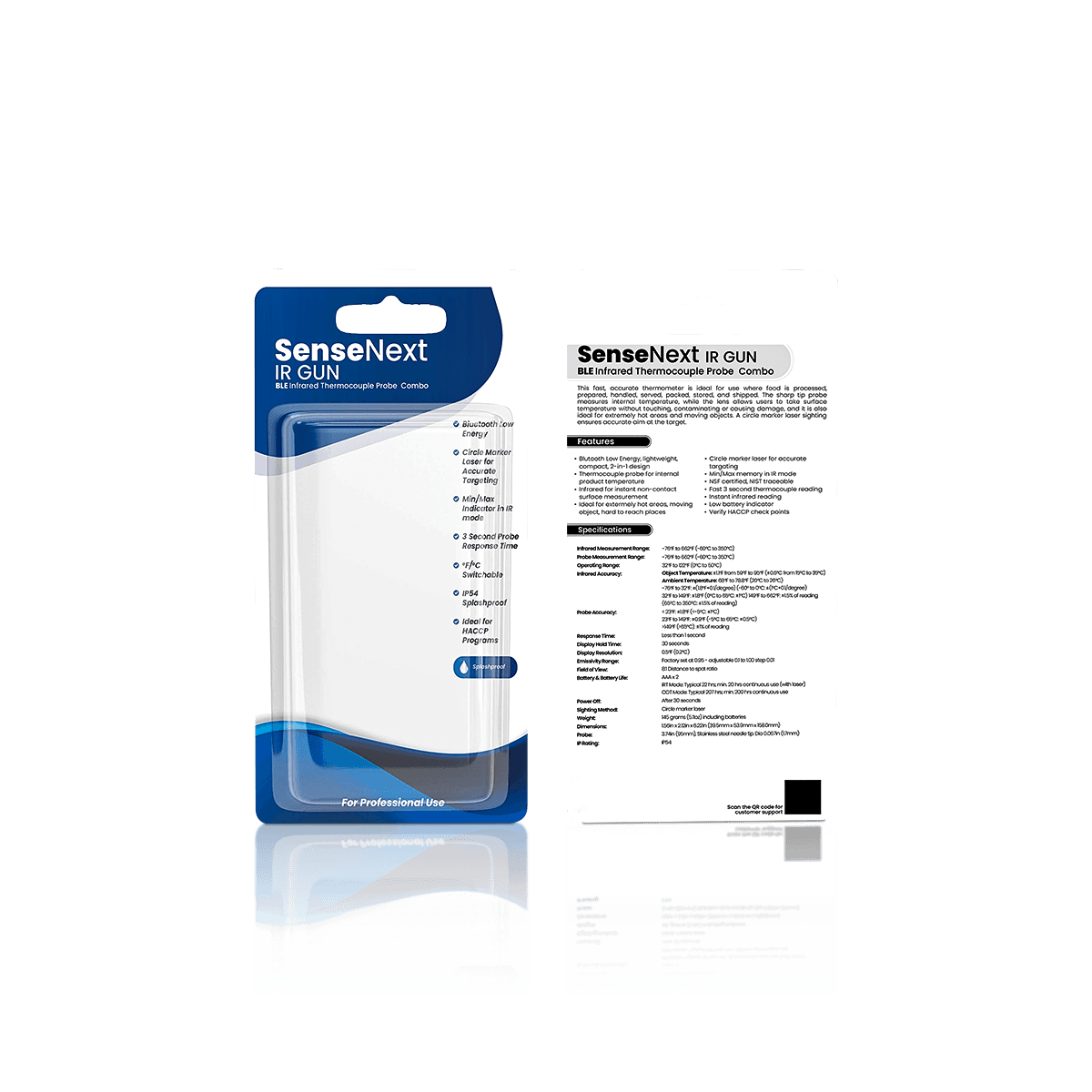
For a blister product, blister pack outer boxes address the particular card arrangement, formed-cavity clearance and accompanying leaflet.

Reverse tuck construction may be appropriate for the resulting carton if its closure and packing requirements permit it.

Small Retail Accessories

Lightweight accessories, stationery and compact electronic products can also use reverse tuck-end cartons.

The structure works particularly well when the product needs a printed retail enclosure but does not require substantial bottom reinforcement.

A small paperboard insert may help retain an irregularly shaped item.

However, an insert should not be added automatically when accurate carton dimensions already hold the product adequately.

Heavier Products

A simple tuck bottom has limitations when the packed product becomes heavier.

Larger glass jars, dense containers and other substantial loads may require a stronger base.

Snap-lock bottom boxes use interlocking bottom flaps and can be considered when the product needs additional support.

The material and finished construction should be assessed against the actual load.

Print Across the Dieline

A reverse tuck-end carton can carry detailed graphics, small text and different surface finishes.

The artwork must follow the opposing flap arrangement.

An artwork file developed for another tuck-end structure should not be transferred without checking its panel orientation.

Correct Panel Mapping

The production dieline establishes which panels become the front, back, sides, top and bottom.

It also identifies the glue flap, cut lines and crease positions.

Important text should remain clear of areas that become hidden during assembly.

A correct panel map prevents a design intended for the carton top from appearing on its bottom or on an internal flap.

Bleed and Safe Areas

Background artwork needs sufficient bleed beyond the intended cut edges.

Logos, barcodes and important text should remain inside the appropriate safe areas.

The required allowances depend on the actual production specification.

The packaging dieline establishes the flat geometry used for artwork placement, die-cutting and creasing.

Custom Packly includes free design and dieline support, along with prepress review before production.

A digital proof helps confirm the final artwork layout, while a free 3D mockup can show the assembled carton.

Print and Finishes

Premium offset printing can reproduce detailed branding on suitable paperboard.

CMYK printing works for multicolor artwork, while Pantone spot colors may be appropriate for specific brand-color requirements.

Matte, gloss, soft-touch, foil, embossing and spot UV can be considered according to the desired presentation.

Finishing should remain compatible with the board and crease construction.

Closure Without Permanent Sealing

A standard reverse tuck-end carton permits its main flaps to be opened and reclosed.

That characteristic is useful for products that need ordinary access, but it also establishes a limitation.

The structure does not inherently provide evidence of first opening.

A tighter tuck tongue should not be treated as a tamper-evident mechanism.

Where the product needs visible first-opening evidence, the packaging specification must incorporate an appropriate feature.

For a product requiring a more permanent closing operation, seal end boxes use glued-end construction.

The correct choice depends on the actual product, packing method and required closure behavior.

If a reverse tuck-end carton is fitted with an additional security feature, that feature must be assessed according to its intended function.

A security label or perforated opening does not automatically establish compliance with a particular regulatory requirement.

Production Cost and Quantity

Reverse tuck-end cartons are a practical option when the product does not require additional structural complexity.

Their final cost depends on the carton dimensions, board specification, printing, finishing and production quantity.

The actual material yield can also influence the manufacturing cost.

Custom Packly's USA MOQ starts from 100 boxes.

Instant pricing is supported, with custom specifications reviewed where necessary.

The finished dimensions, intended product weight, printing requirements and order quantity establish the main production requirements for pricing reverse tuck cartons.

Where the carton needs an insert, window or specialist finish, those components should be included in the specification.

Custom Packly supports US production, free shipping and a standard 4–6 day turnaround after final artwork and specifications are approved. Complex structures or specialty finishing may require additional time.

Free examples of previous packaging work can help assess material and print quality. Fully custom physical samples may be arranged as paid samples when the exact construction needs closer evaluation.

Flat Storage and Case Packing

Reverse tuck-end cartons are normally supplied flat, with the side seam glued and the end closures left unassembled.

This makes them practical to store before filling.

However, the flat carton dimensions and the finished carton dimensions serve different operational purposes.

Flat Carton Supply

The collapsed carton occupies less storage volume than its erected equivalent.

For an established packing operation, the incoming flat cartons should be compatible with the intended storage and handling arrangement.

The board must also retain the required condition before assembly.

Excessive compression, unsuitable storage or damaged crease lines can affect erection and closure performance.

Finished Case Arrangement

Once filled, the cartons must fit the intended distribution case.

The external dimensions, product weight and orientation affect the case arrangement.

A paperboard retail carton should not automatically be treated as a substitute for a protective shipping container.

Where the products require parcel or wholesale distribution, the external packaging must accommodate the intended handling conditions.

Carton Orientation

The final packing arrangement should preserve the intended product orientation and keep the end closures from being unnecessarily stressed.

For products with a defined top or bottom, the carton should remain consistent with that orientation during packing and distribution.

A reverse tuck-end construction is most effective when its opposing closures suit the complete packing process, from flat supply to final product handoff.

FAQs

Because it balances simplicity, print space, and packing efficiency. It works well for many lightweight retail products without adding extra bottom-lock complexity.

Yes. It is usually the better fit for light to medium products that do not need the stronger base of lock-bottom cartons.

Choose Reverse Tuck-End Cartons when opposing tuck closures suit the product and packing flow. Straight Tuck-End Cartons are often selected when opening direction or front-panel presentation makes that layout a better match.

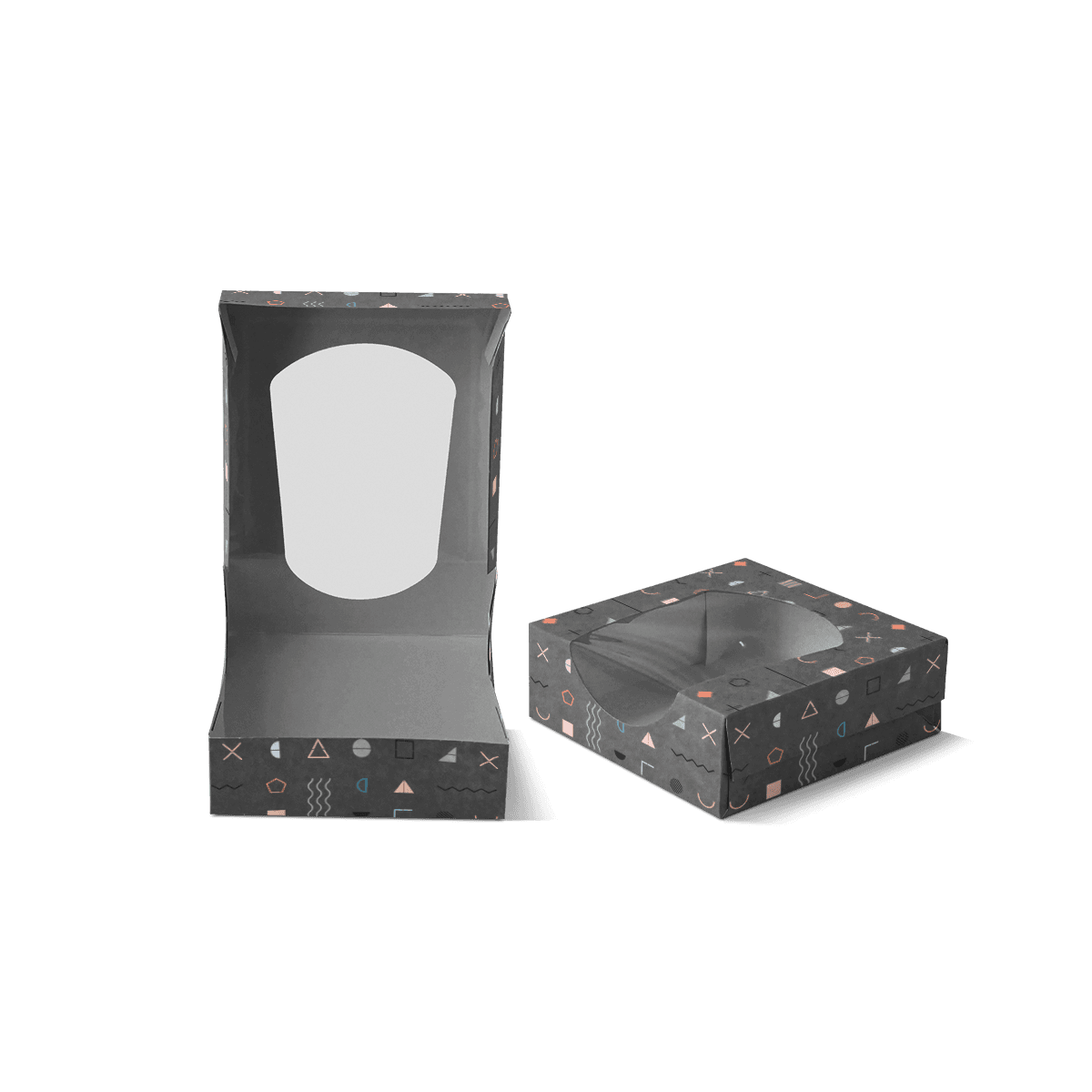
That is possible. This style can be produced with a die-cut window, hang tab, or simple insert when visibility or peg merchandising matters.

Yes. Its straightforward structure makes it practical for small batch production, ongoing retail runs, and scalable reorder programs.

Process

How it works

Your Packaging Journey, From Idea to Production and Delivery

01

Tell Us Your Specs

Custom packaging boxes

Tell Us Your Specs

Provide size, quantity, printing, and finishes.

02

Get a Fast Quote

Custom packaging boxes

Get a Fast Quote

Instant transparent pricing, no hidden fees.

03

Design and Approval

Custom packaging boxes

Design and Approval

Artwork checks, revisions, and final sign-off.

04

Produce

Custom packaging boxes

Produce

Expert manufacturing to meet deadlines.

05

Ship to Your Door

Custom packaging boxes

Ship to Your Door

Hassle-free, flexible delivery options.

Get Your Quote for Custom Reverse Tuck-End Cartons

Share your product details, size, quantity and artwork needs. We’ll help choose the right packaging style and send a clear quote.